Team R:
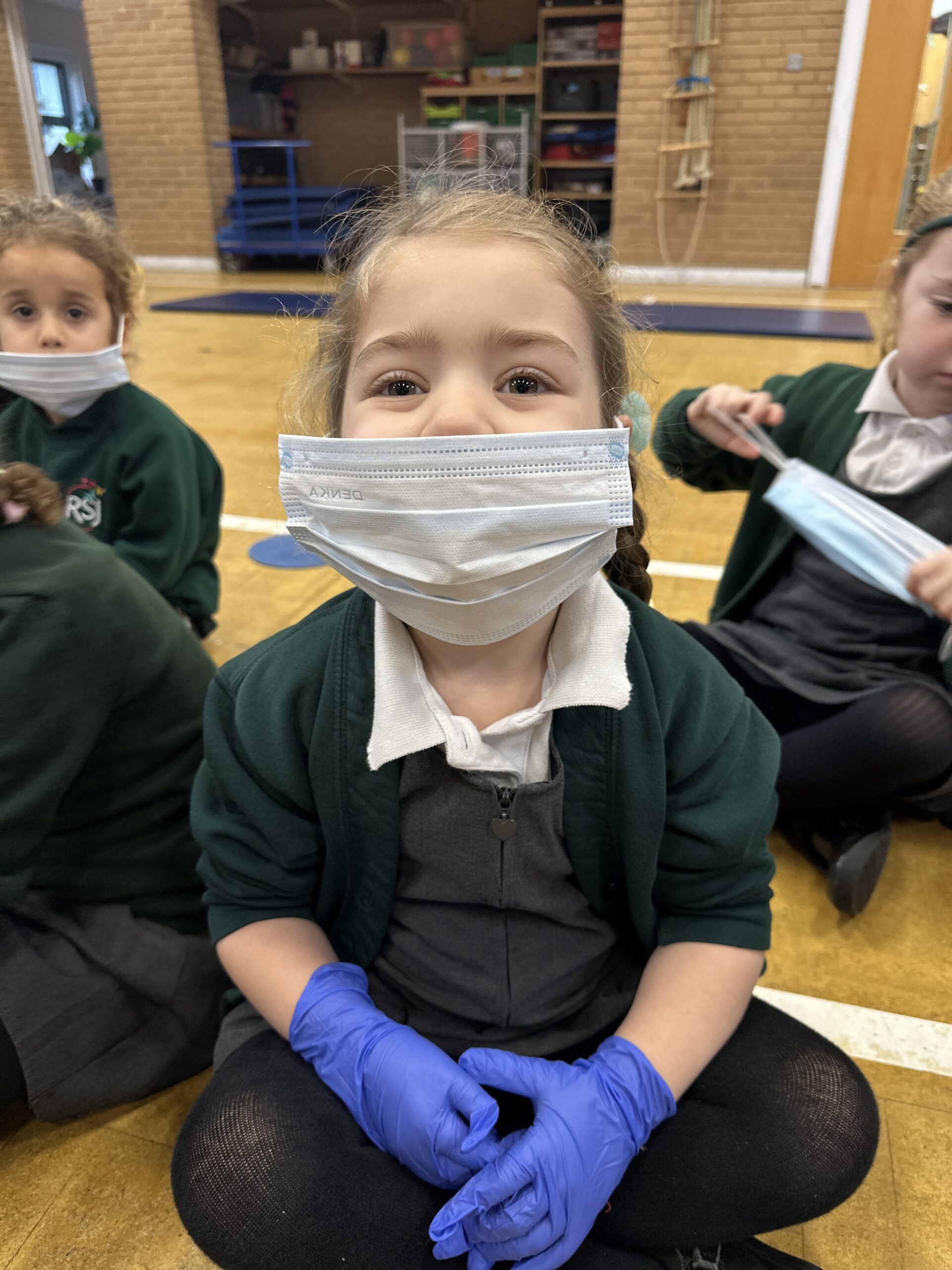
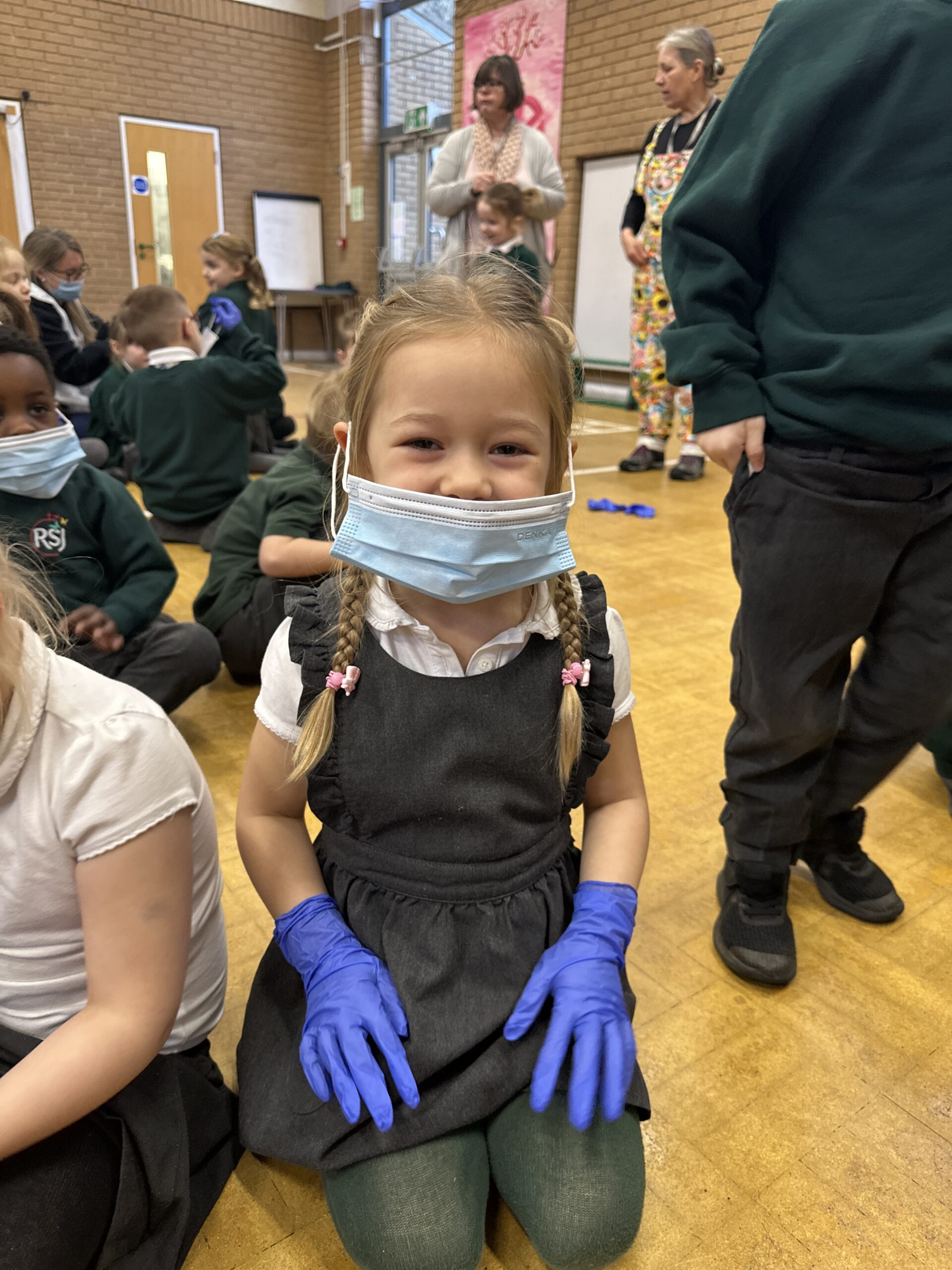
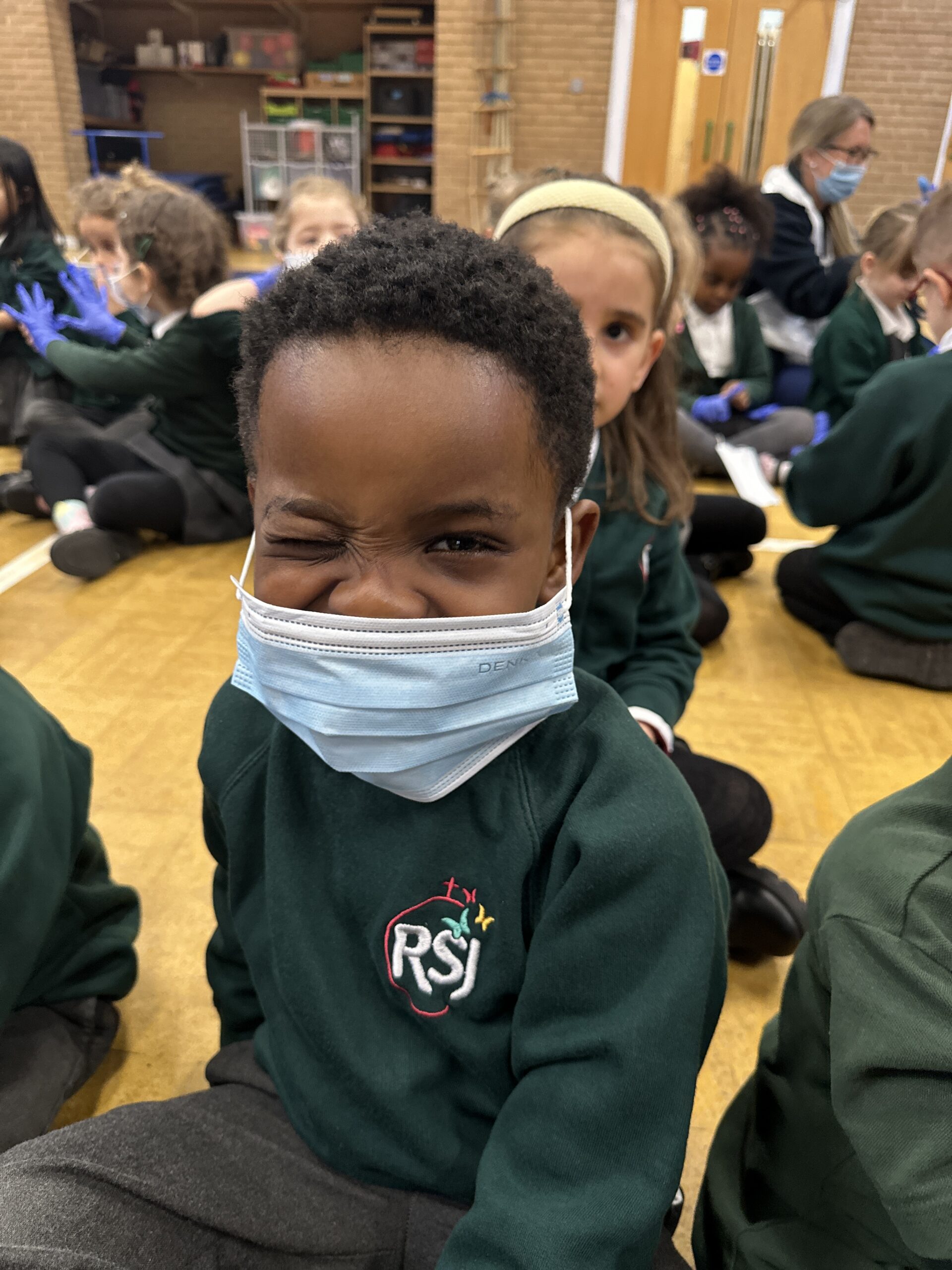
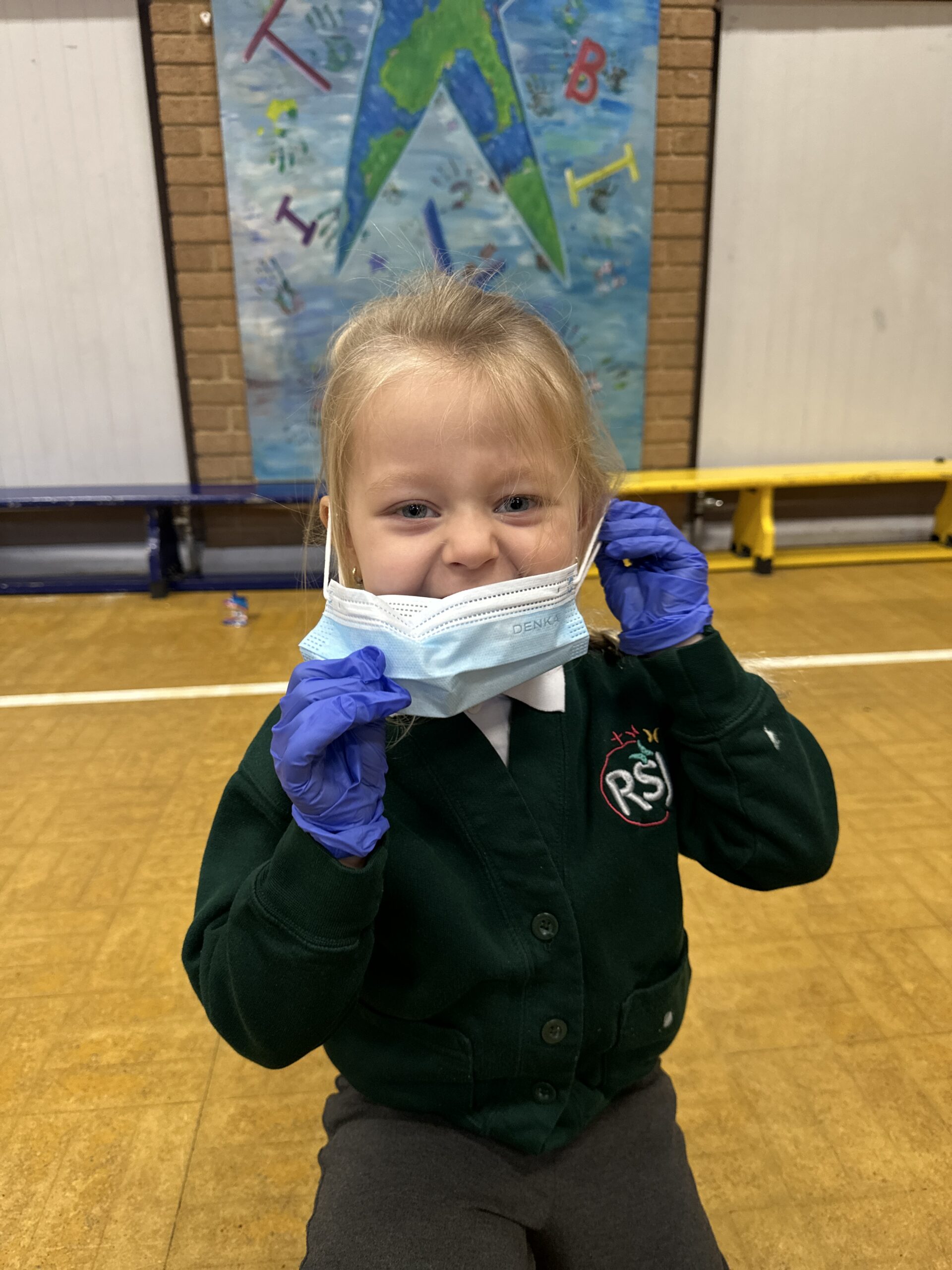
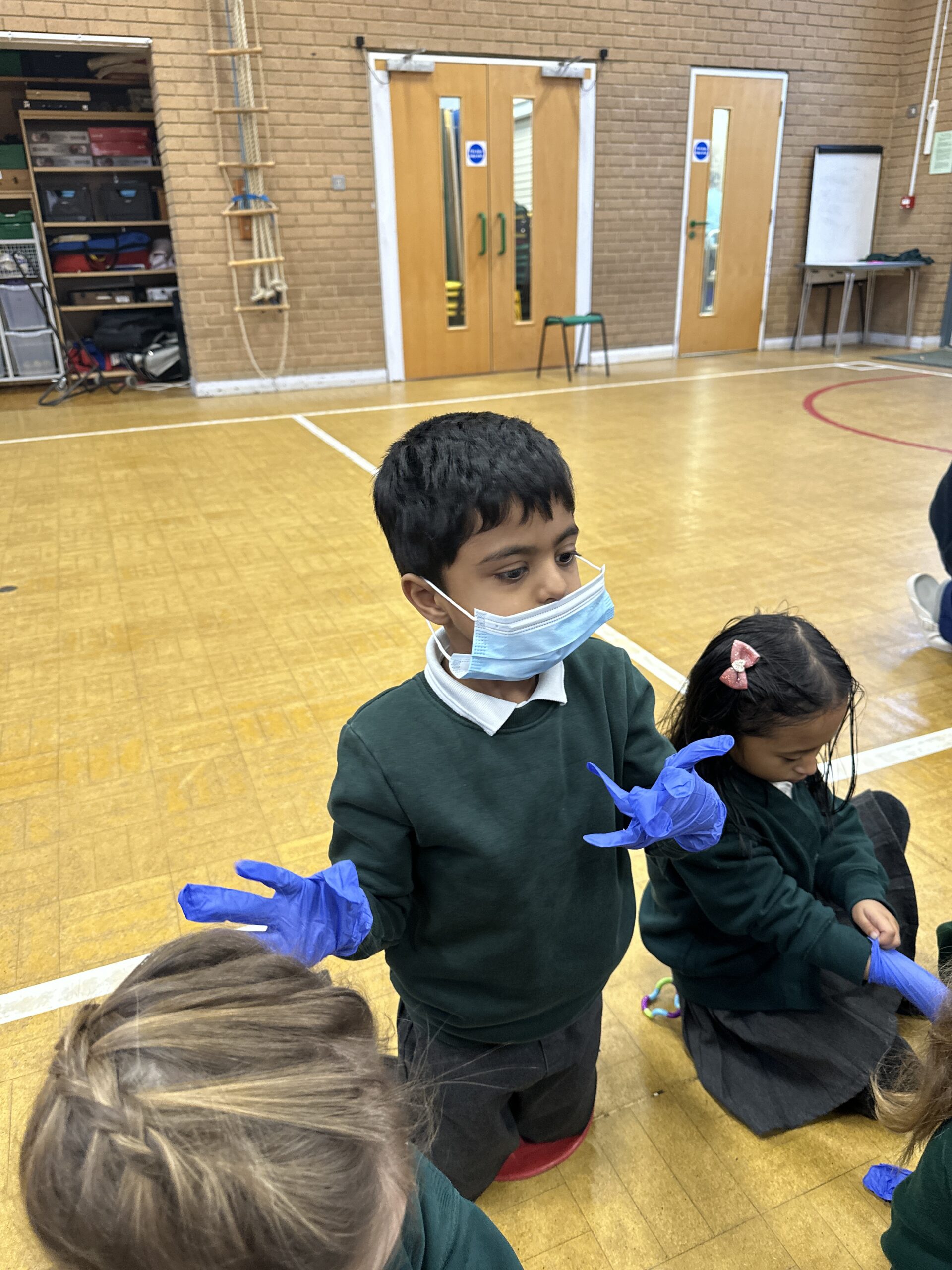
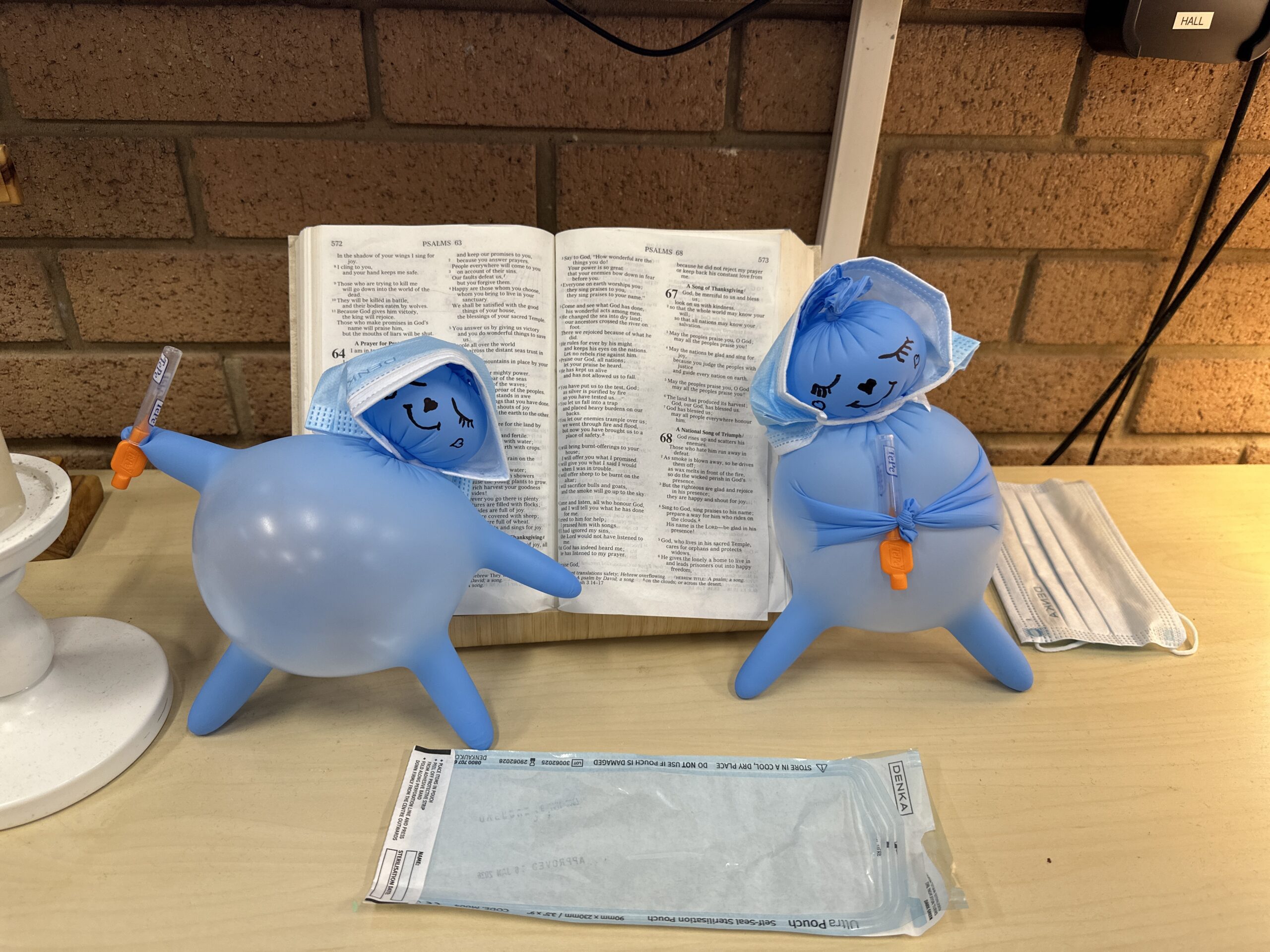
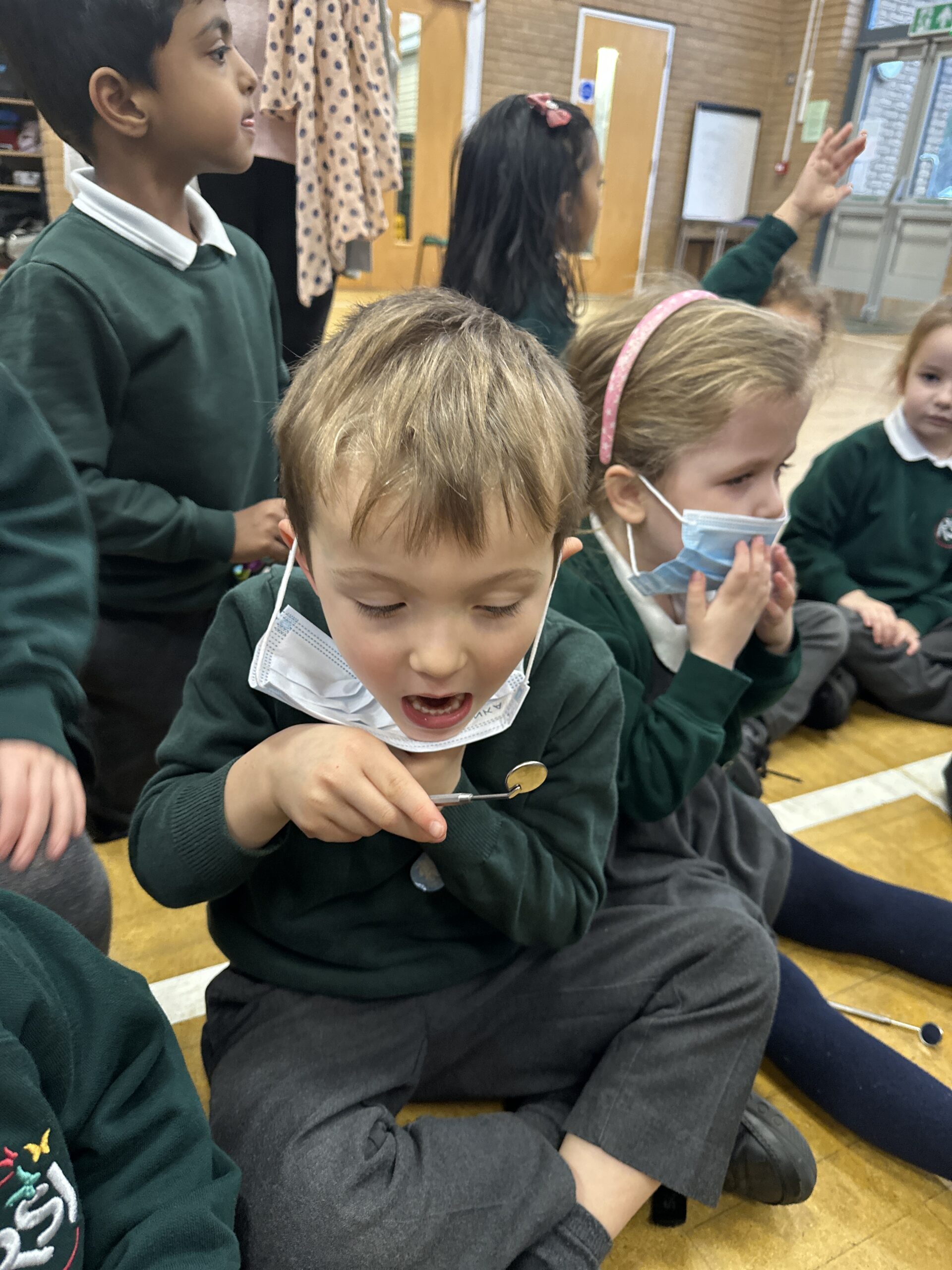
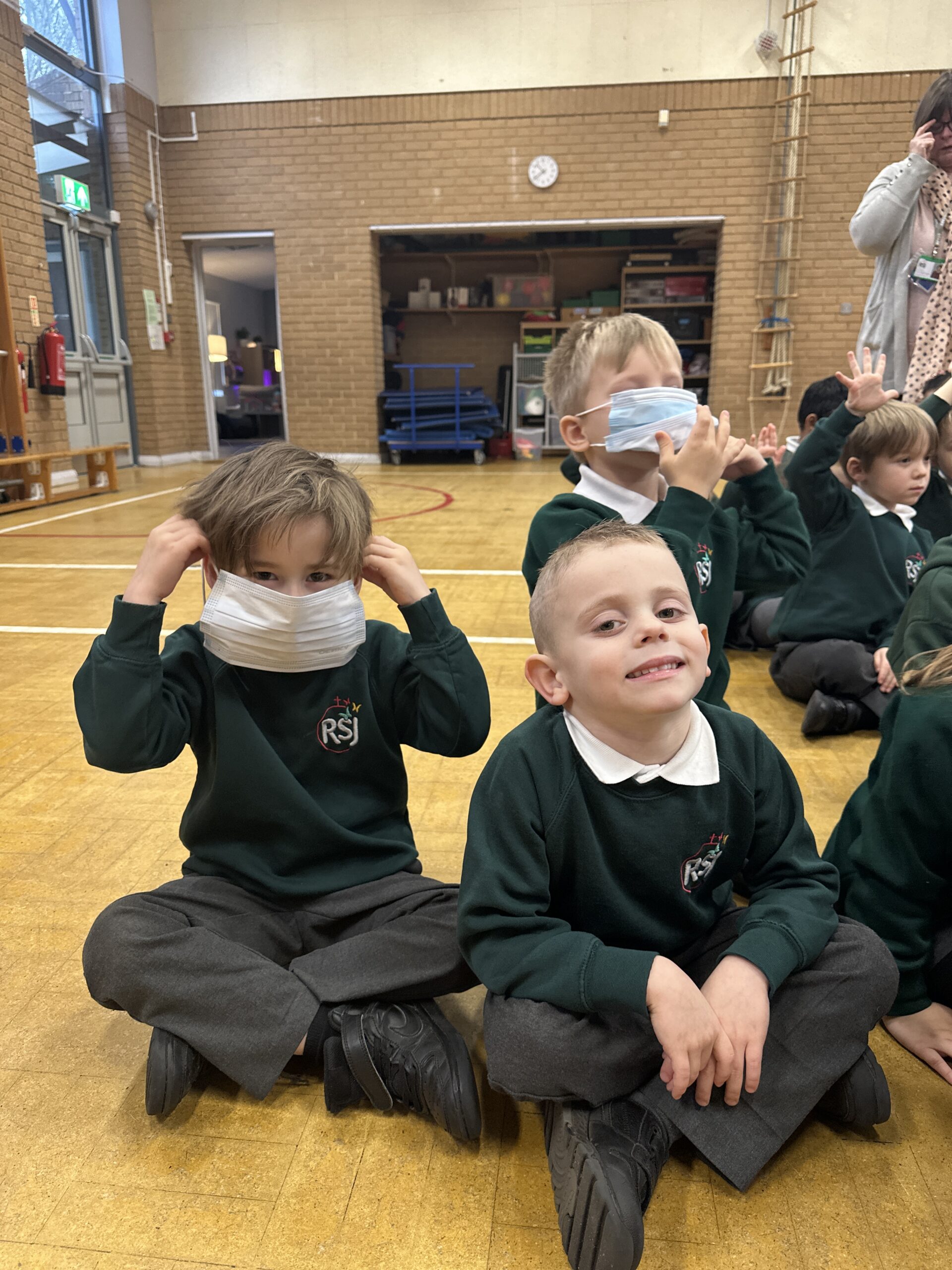
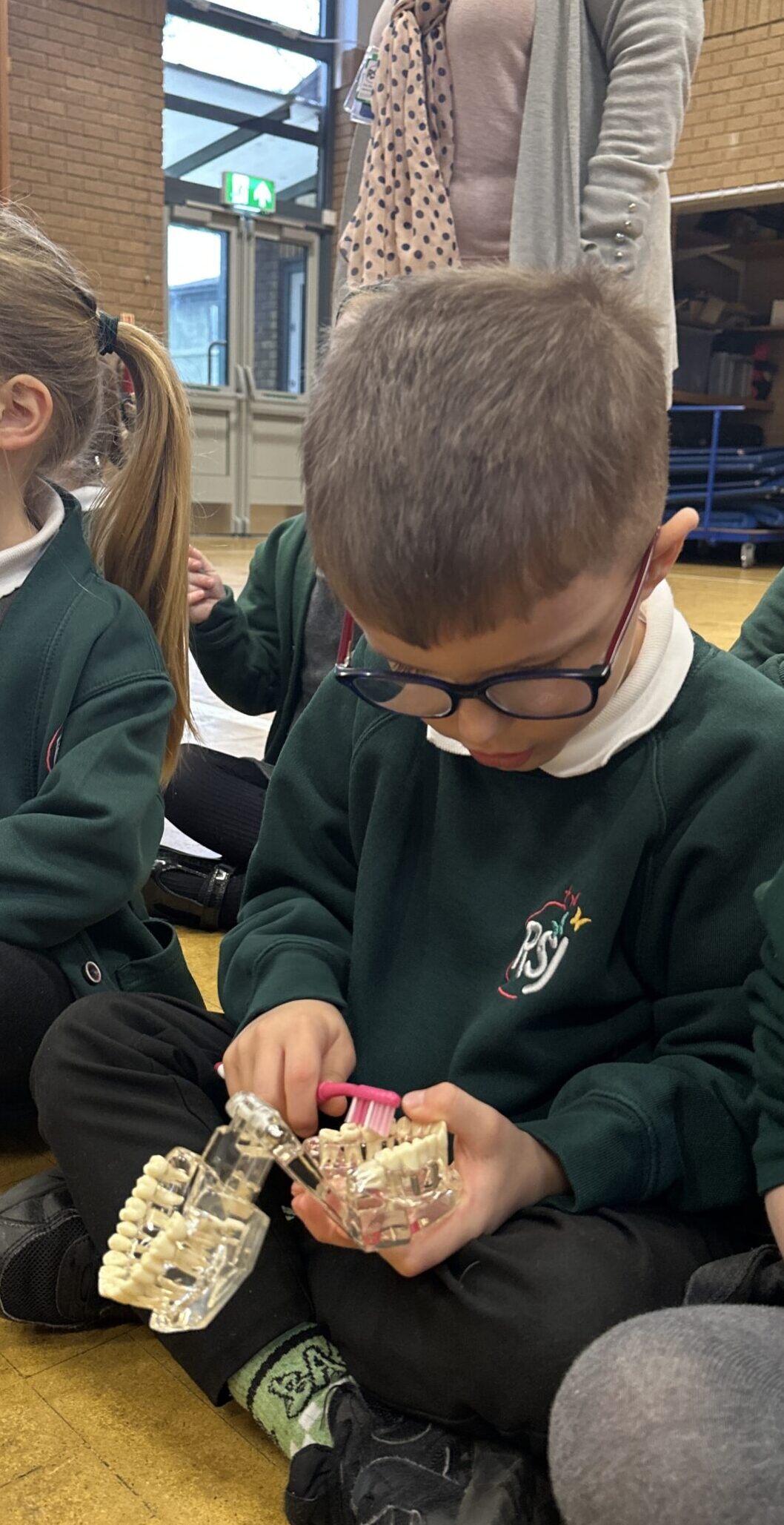
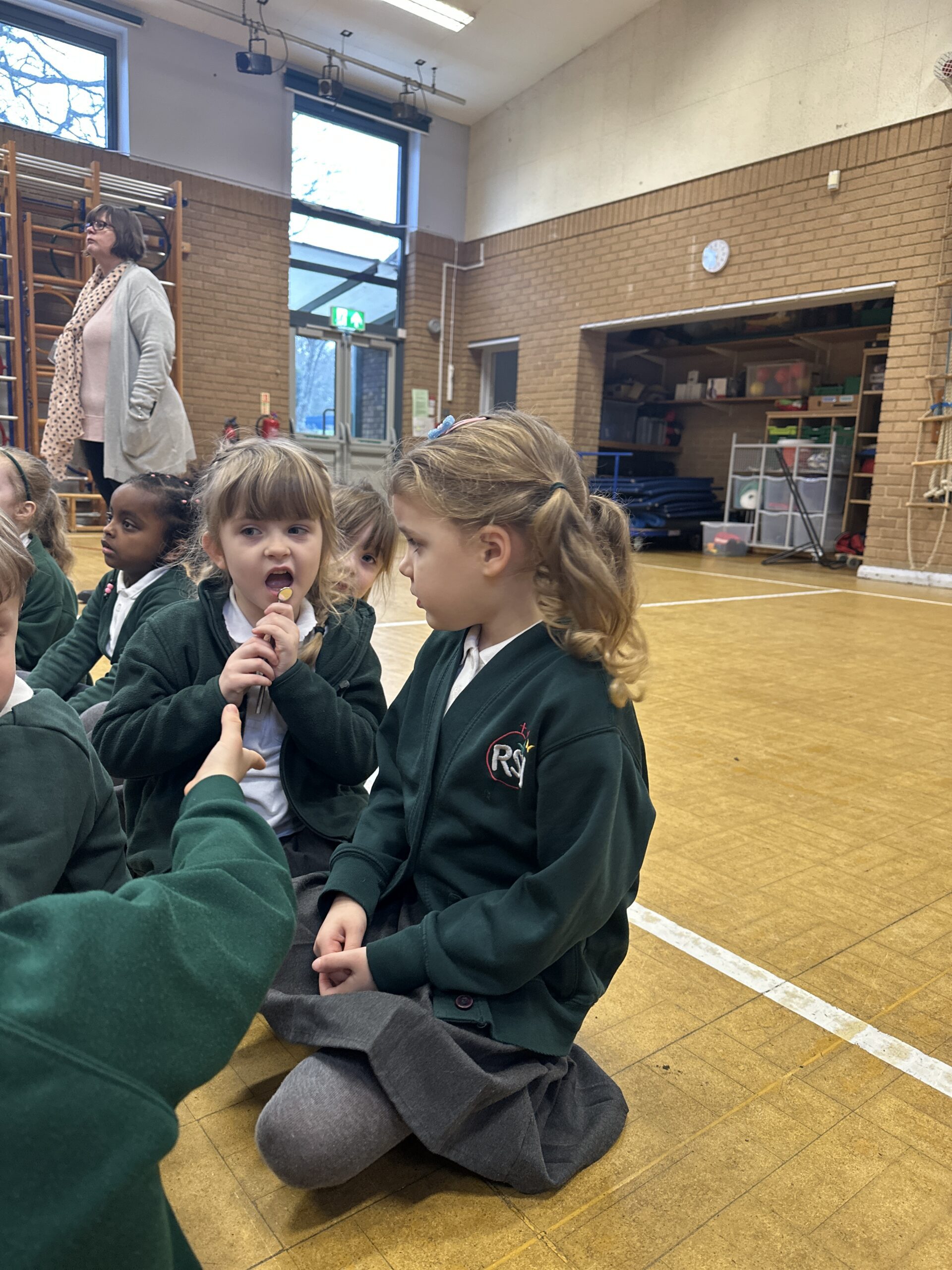
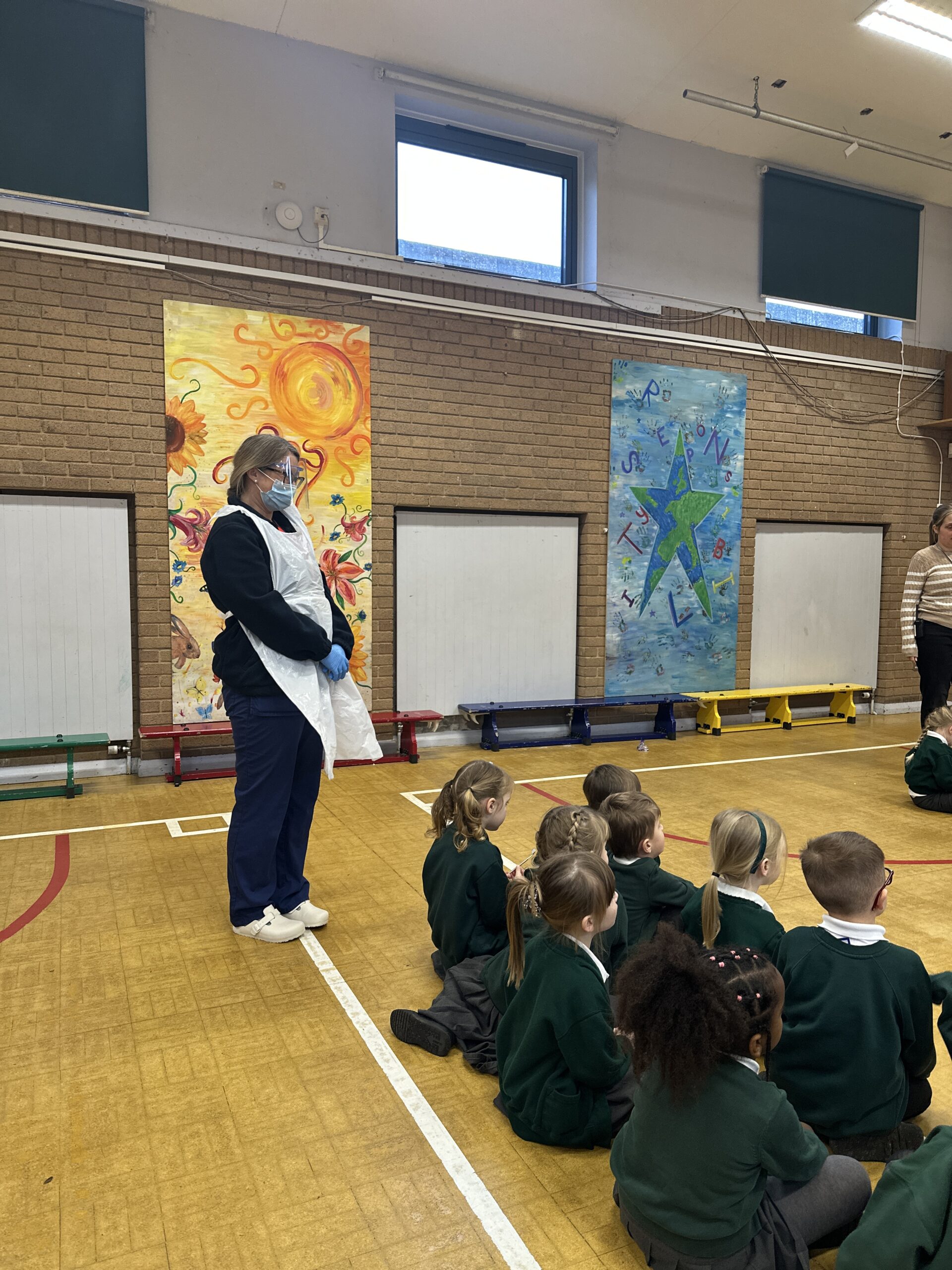
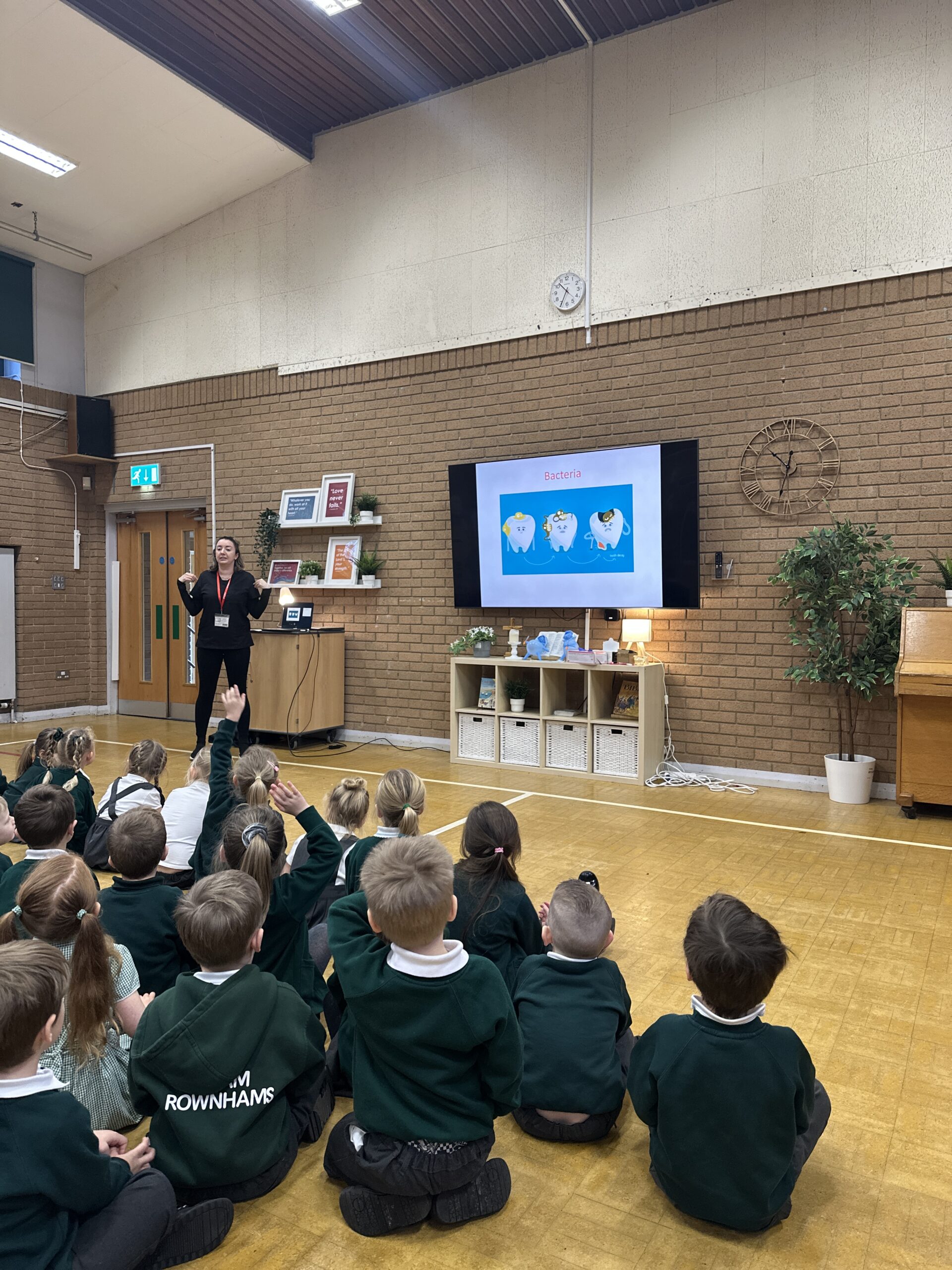
This week, the children had a very exciting visit from our dentists! She taught us all about our teeth and why they are so important. We learned how to brush our teeth properly, using small circles, and why we should brush twice a day. The children found out which foods help keep our teeth healthy and which ones we should only have sometimes. The best part was dressing up as dentists! Everyone had lots of fun wearing masks, using mirrors, and pretending to check teeth. We are now brilliant tooth cleaners and super smile experts!
Team 1 / 2:
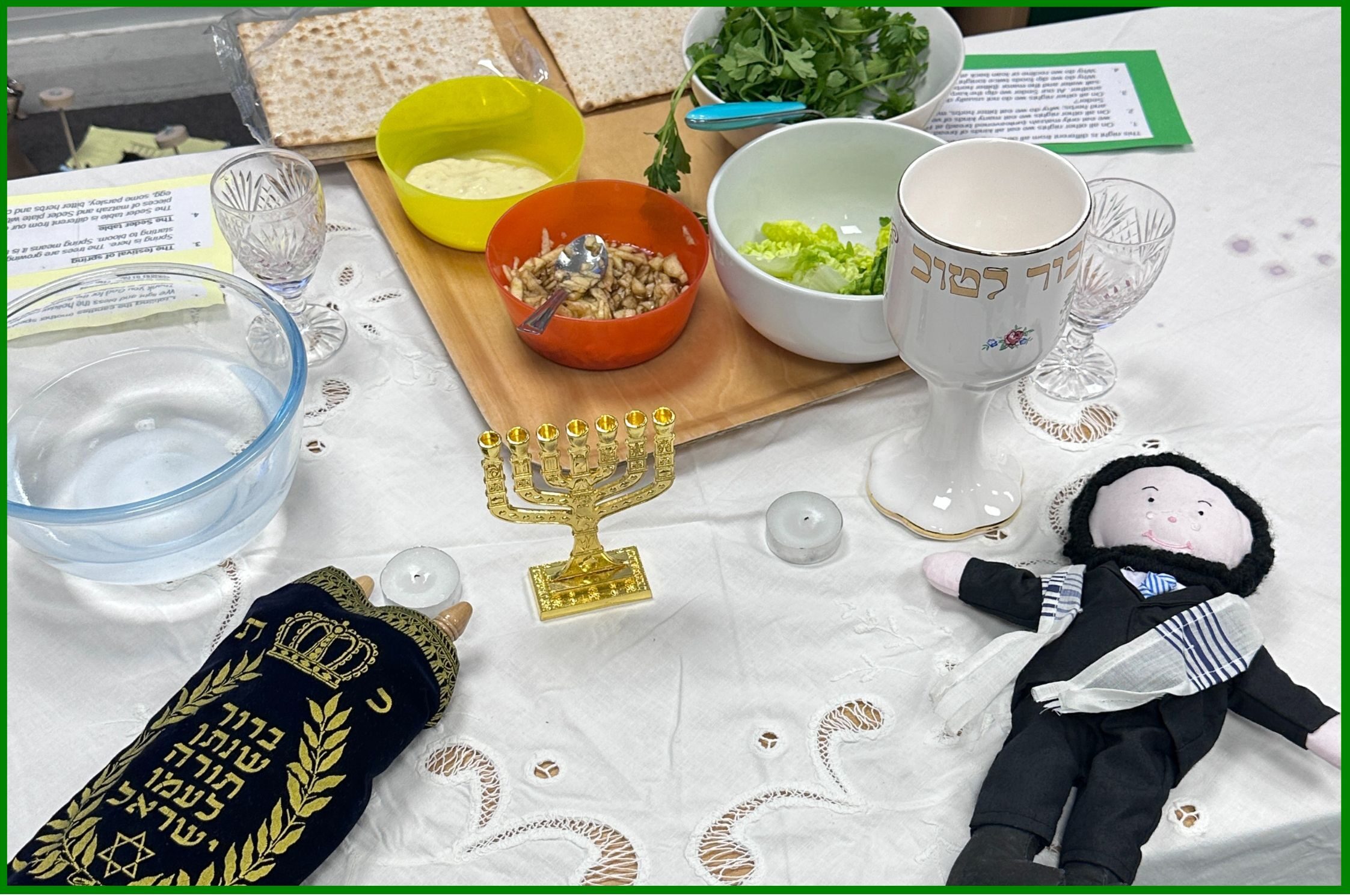
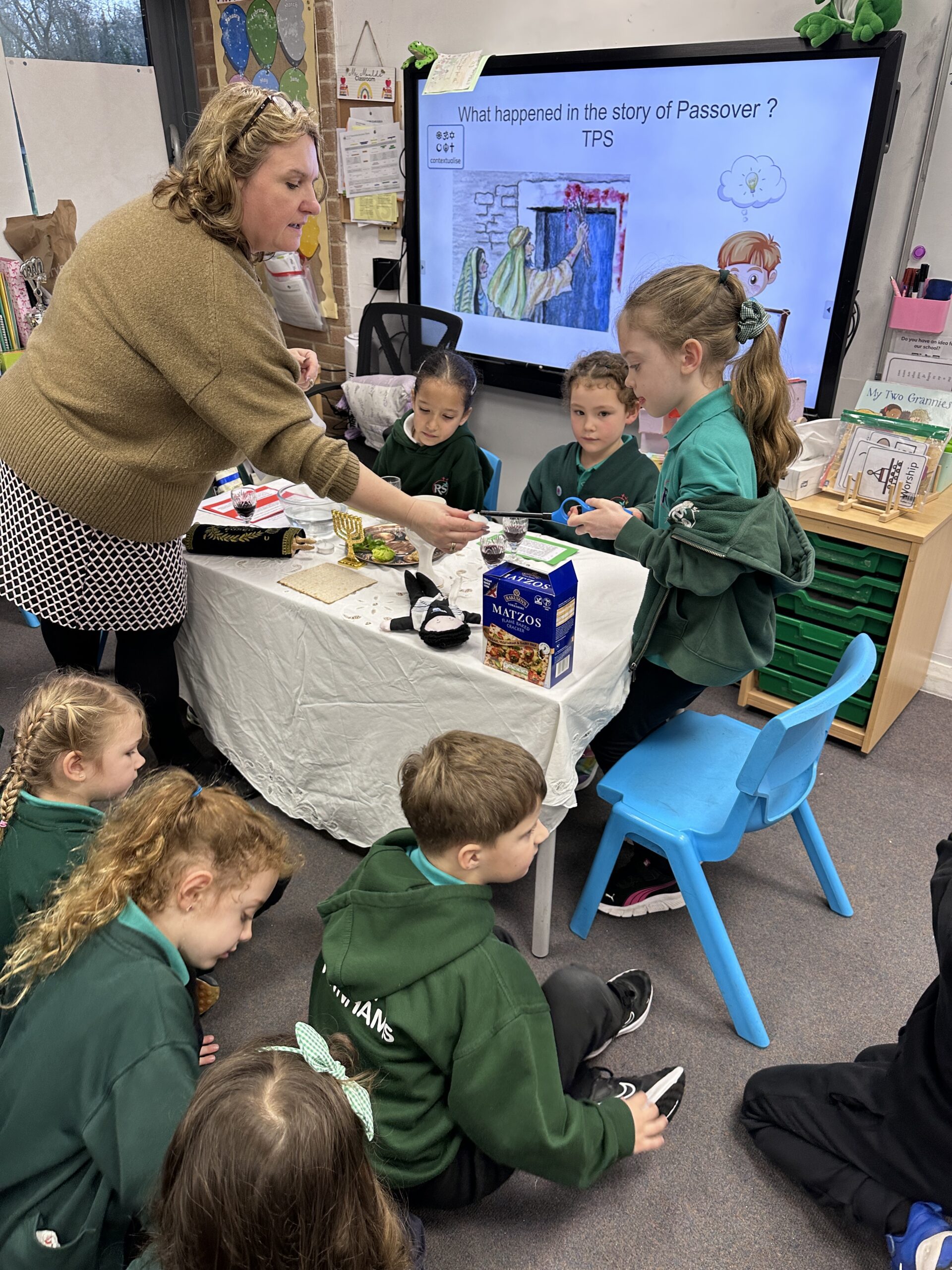
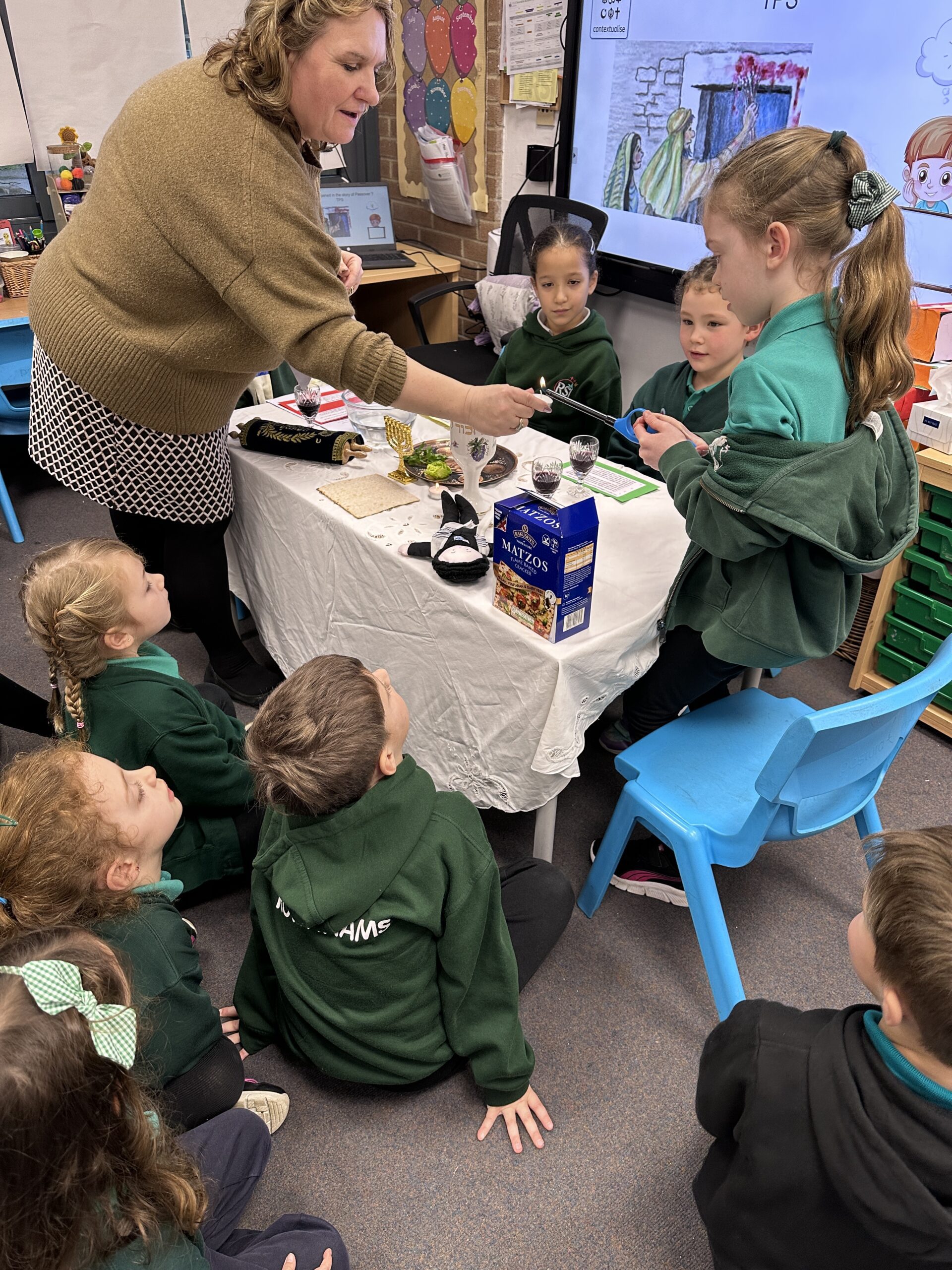
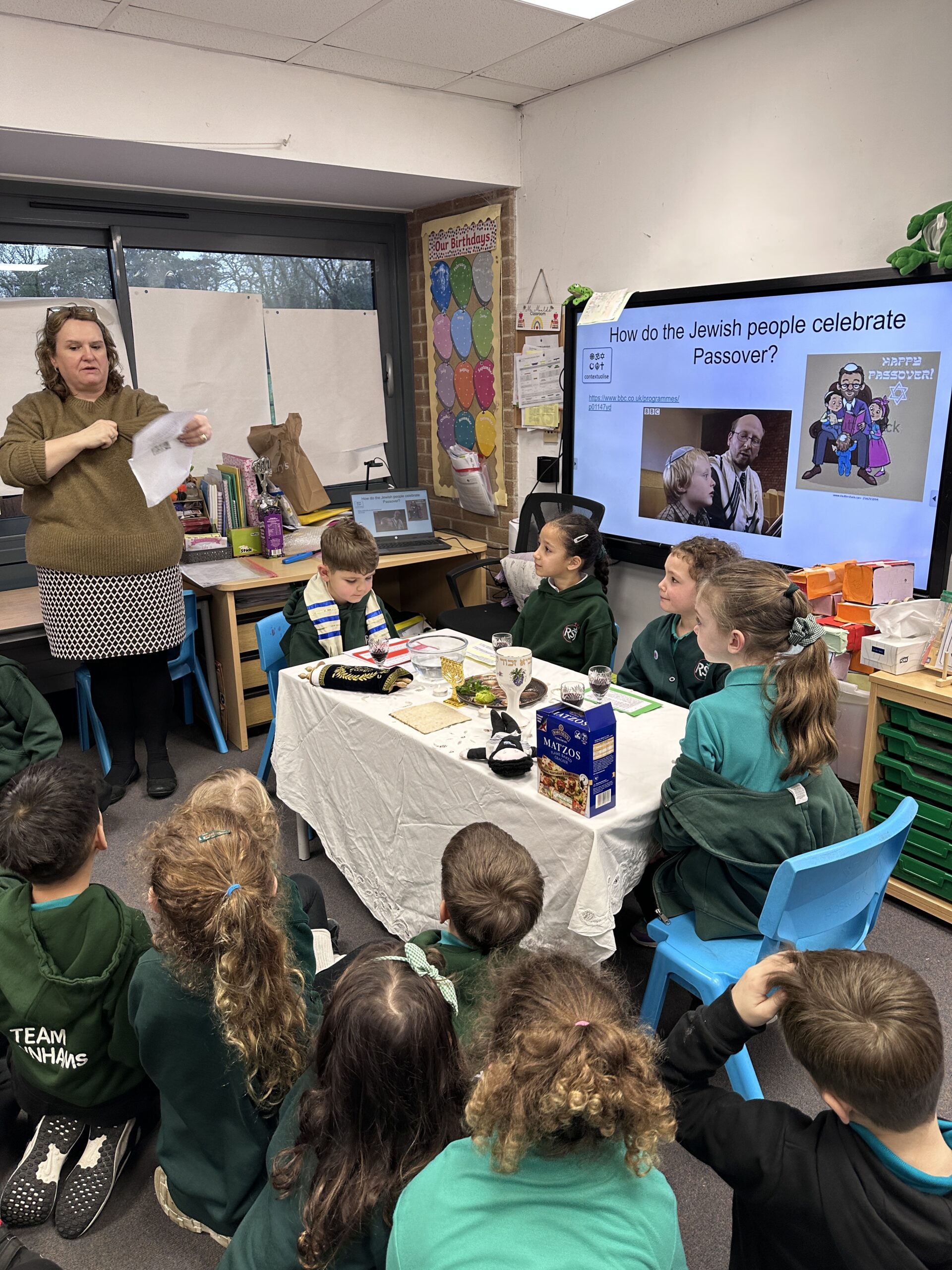
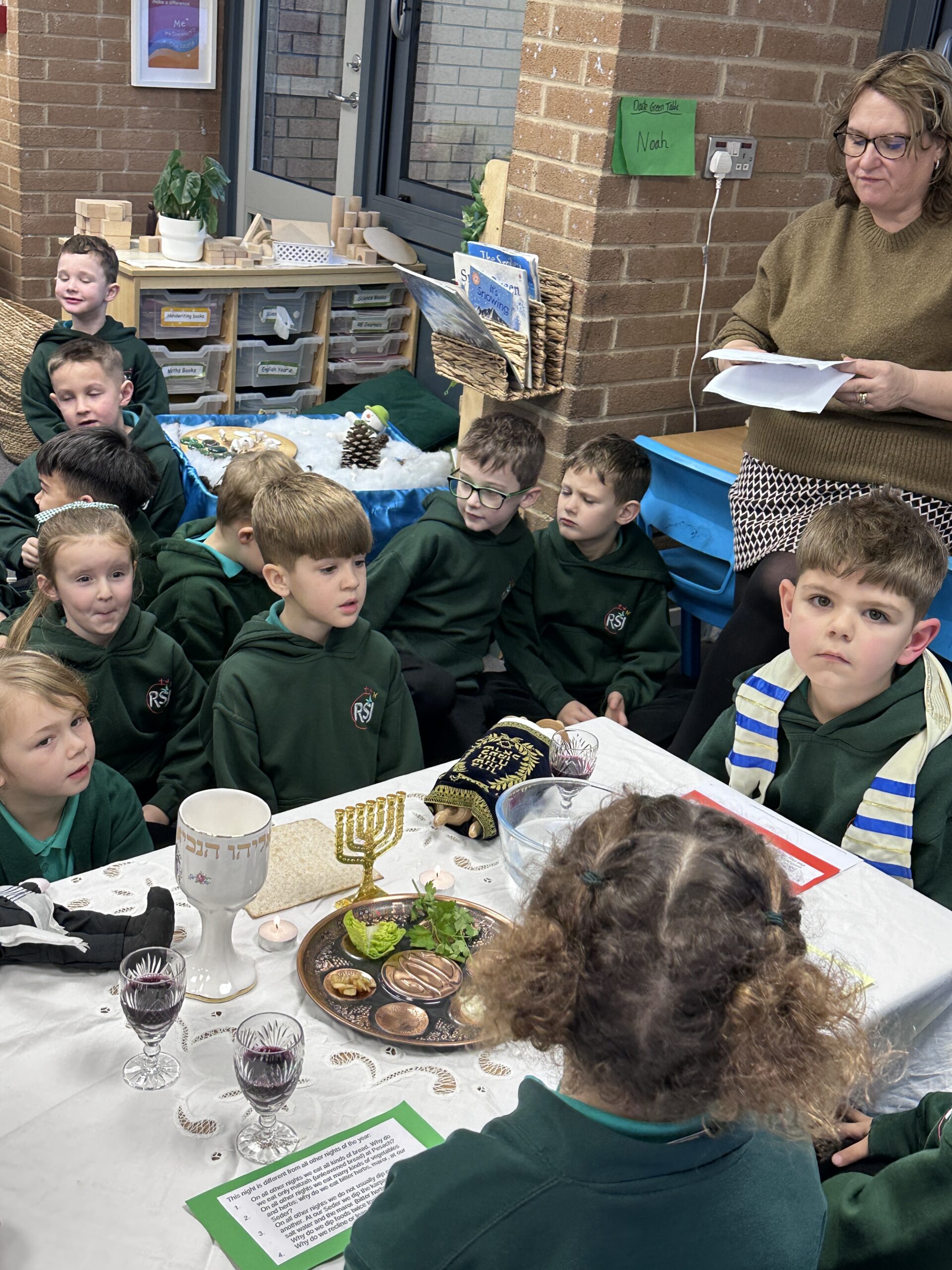
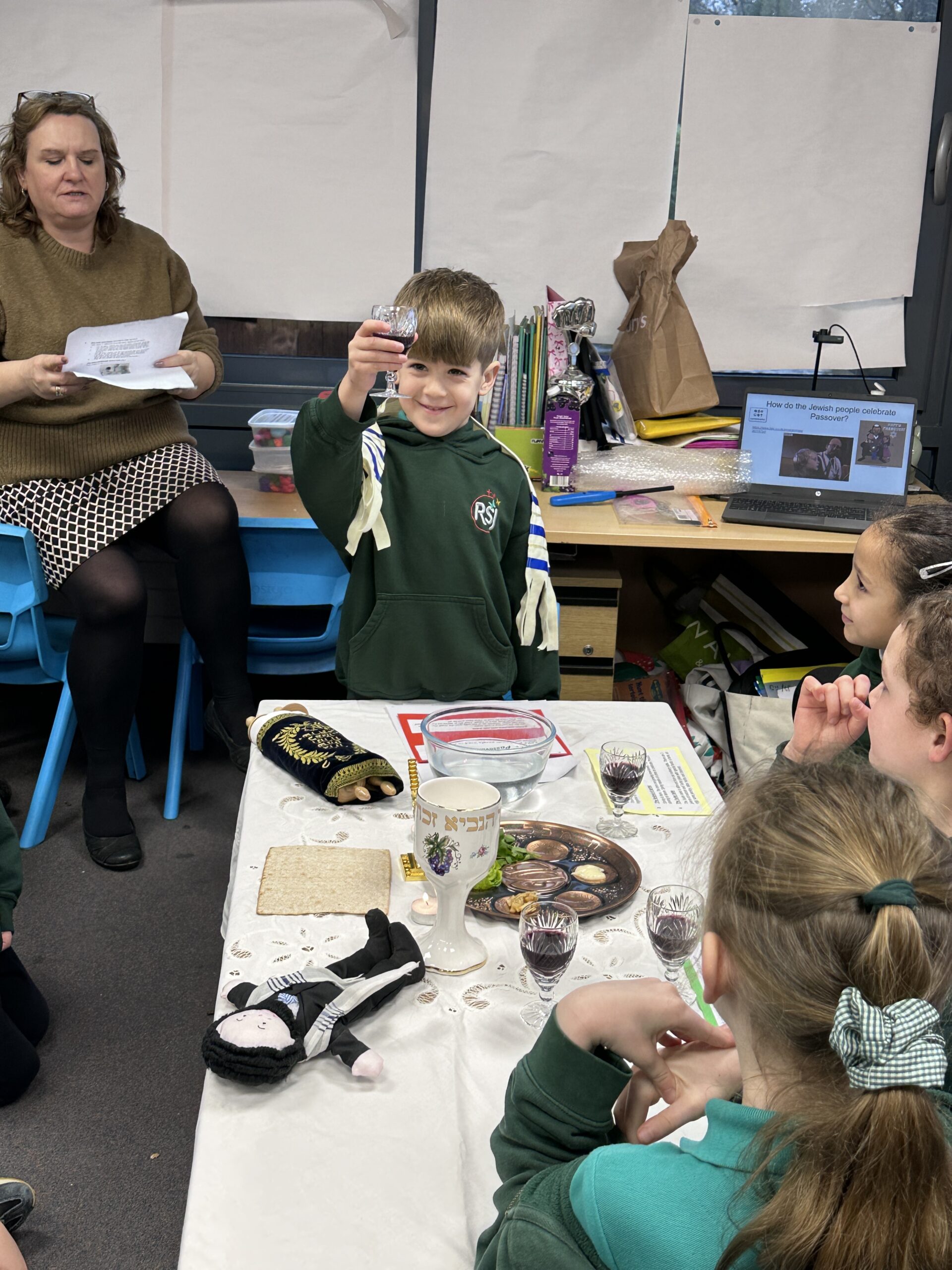
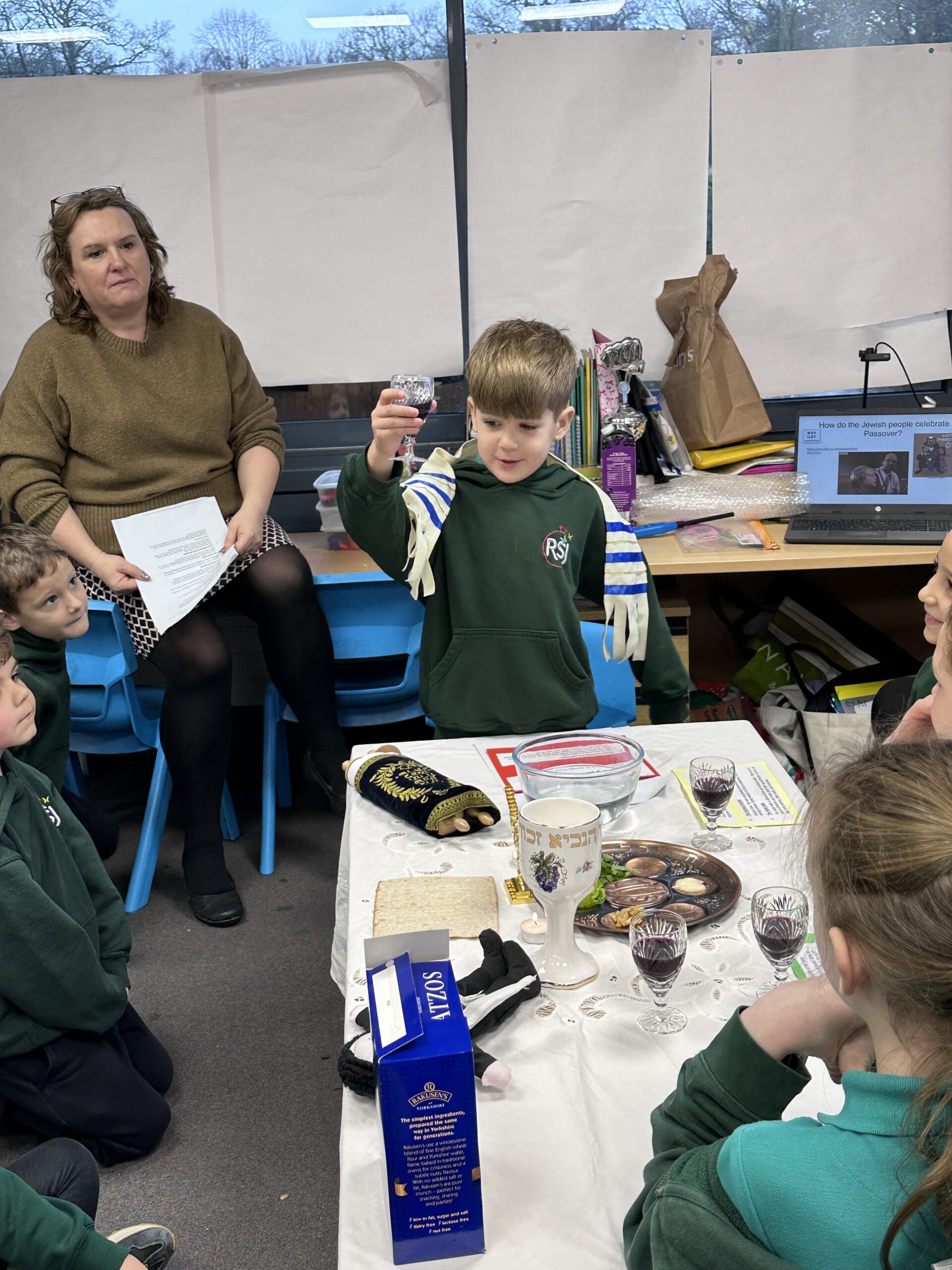
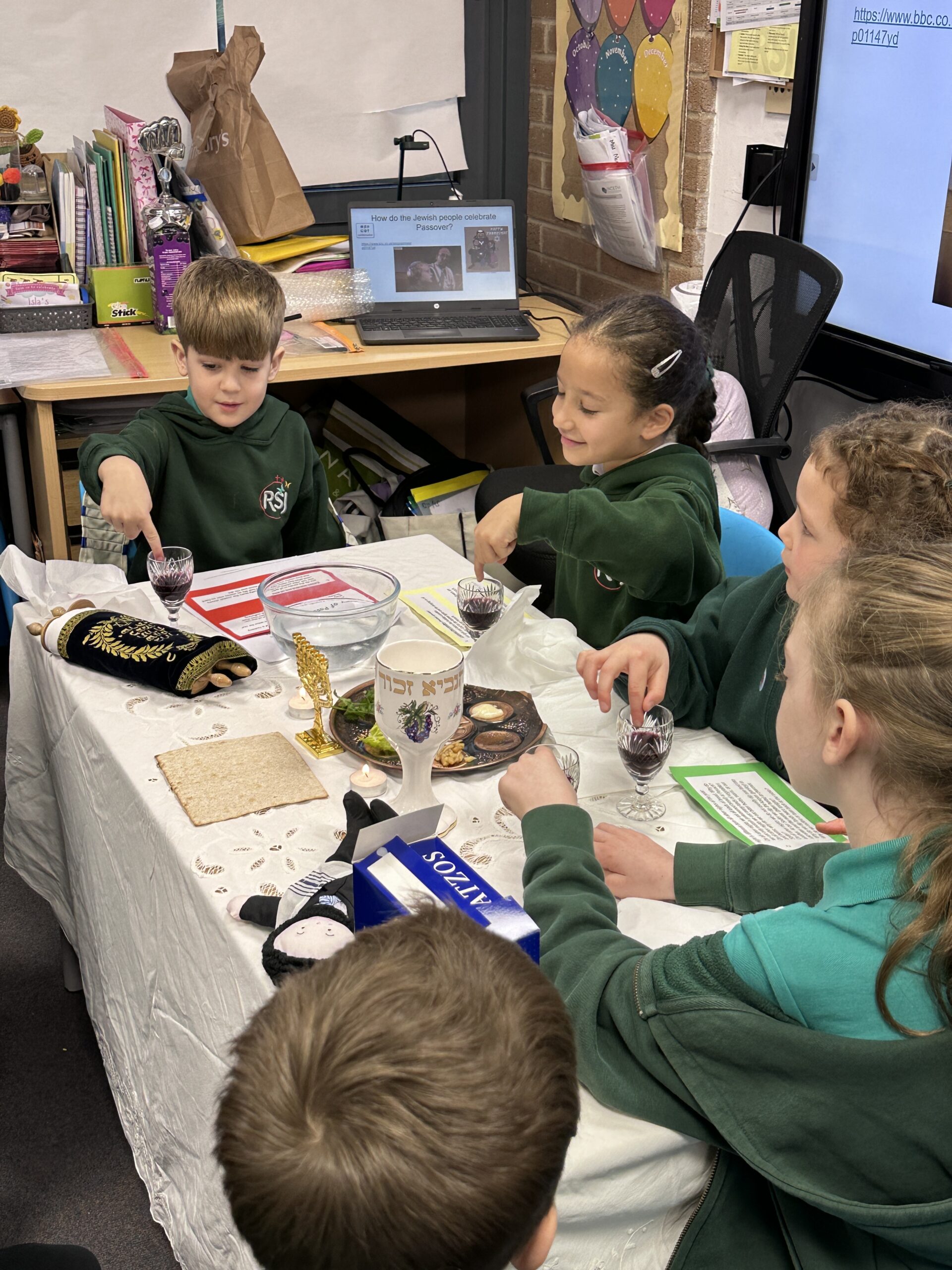
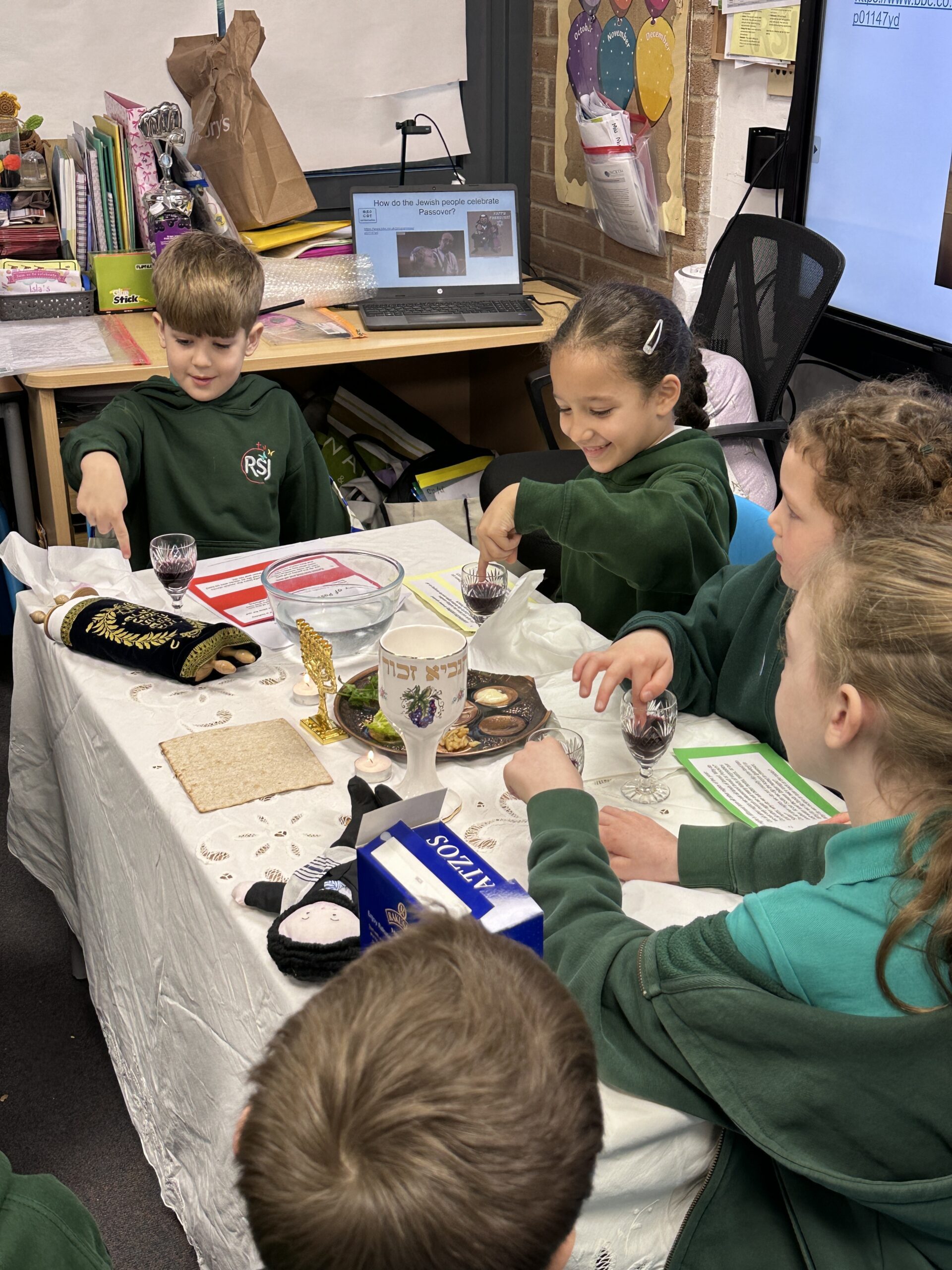
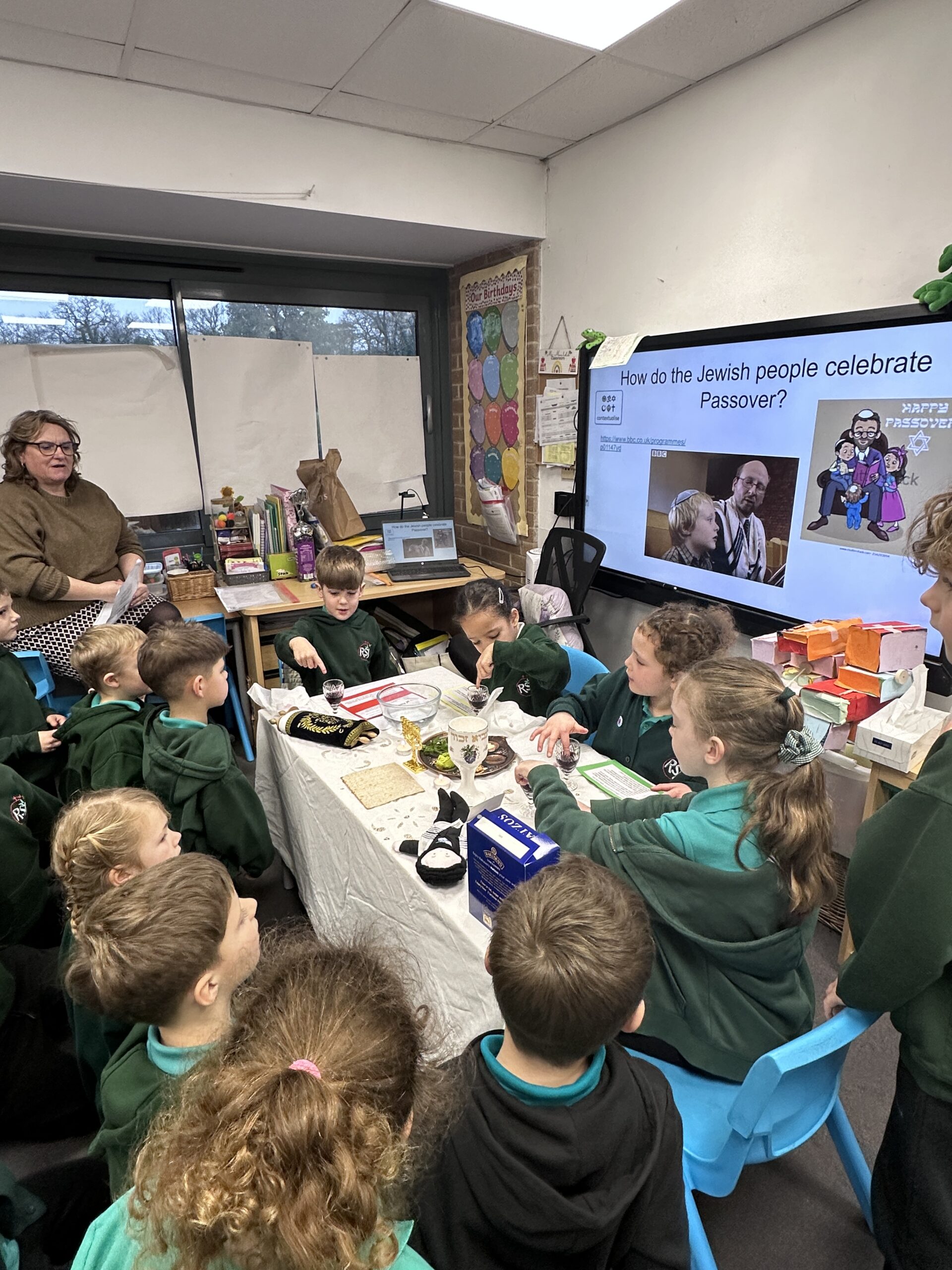
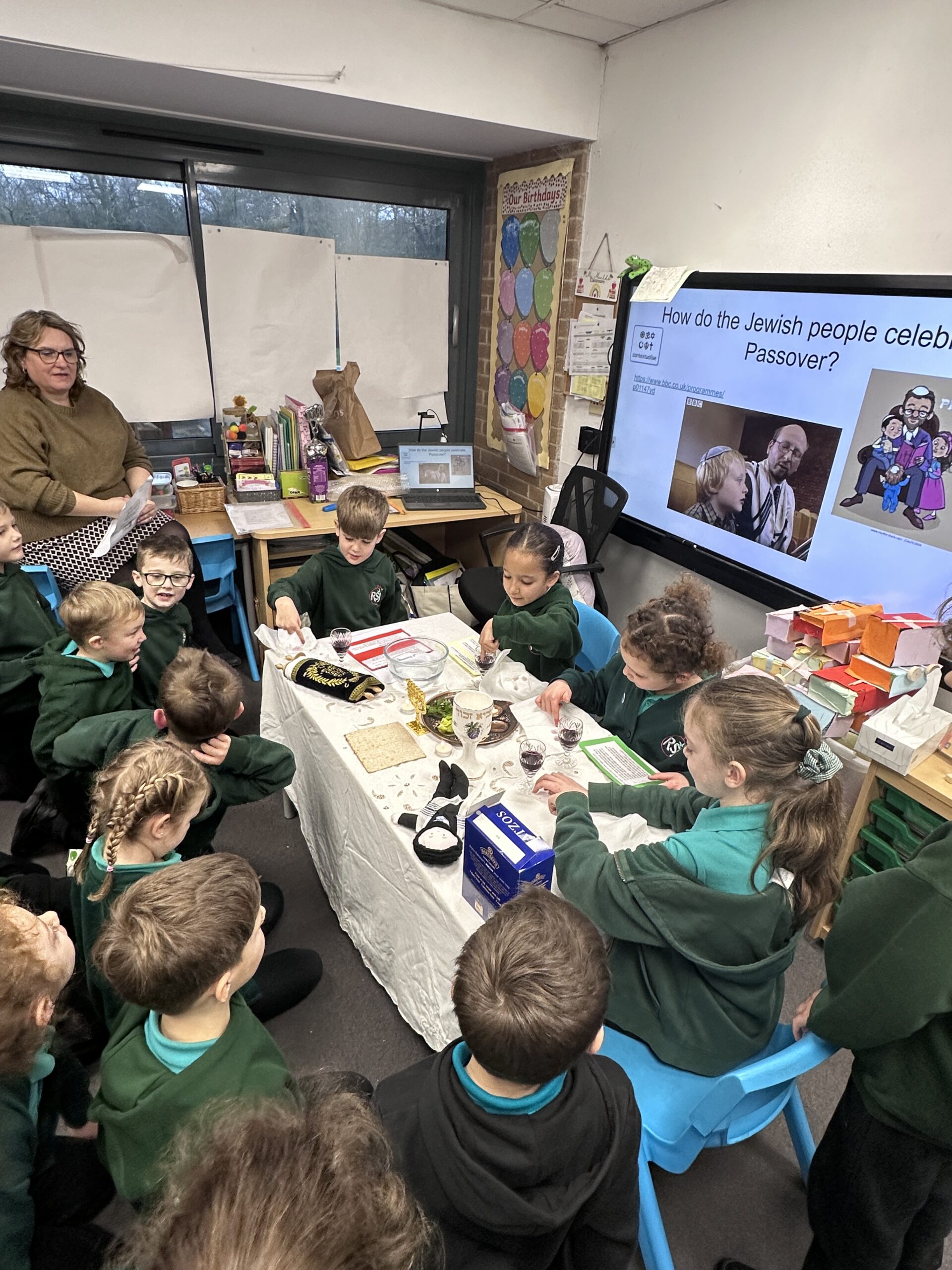
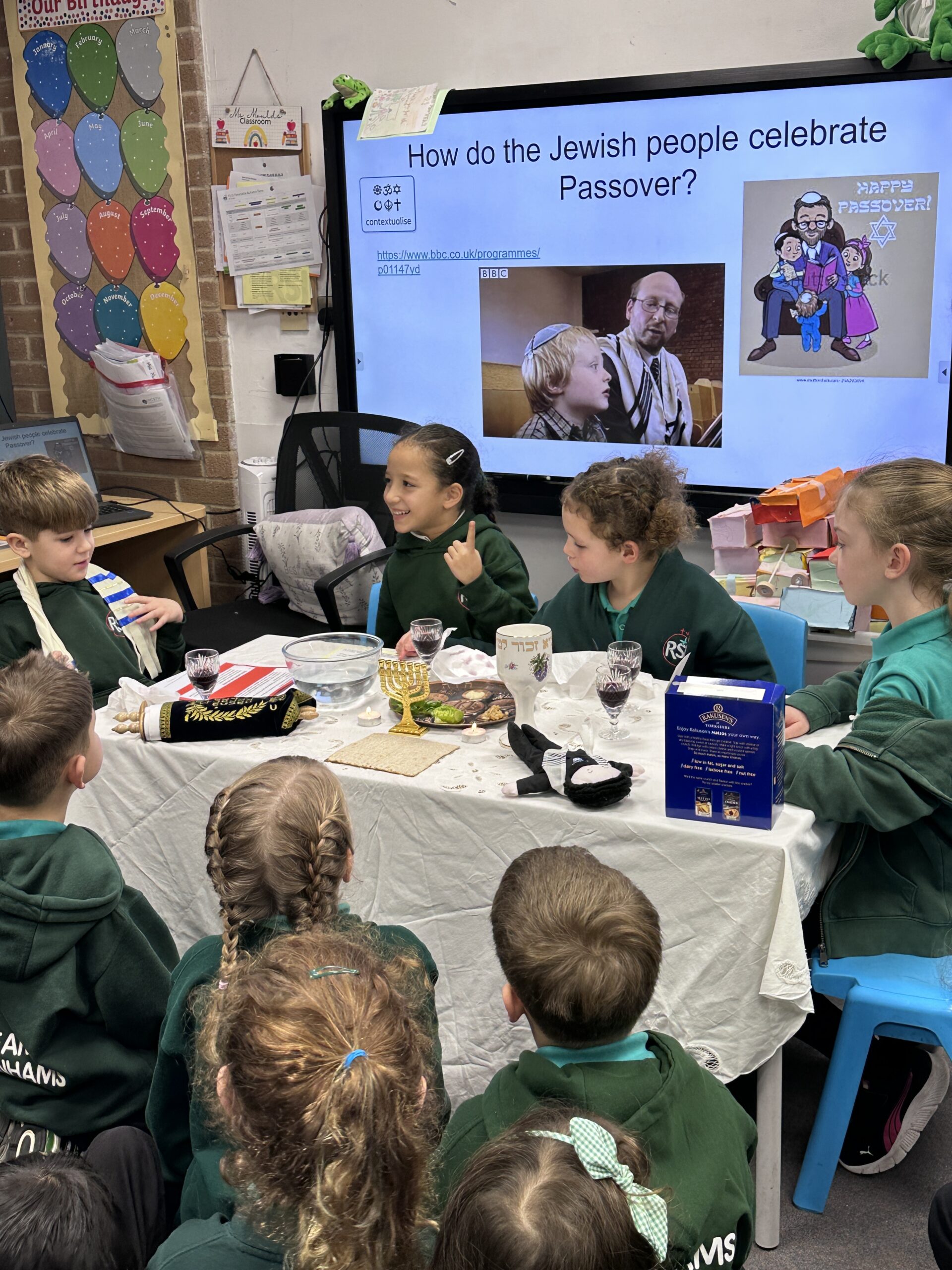
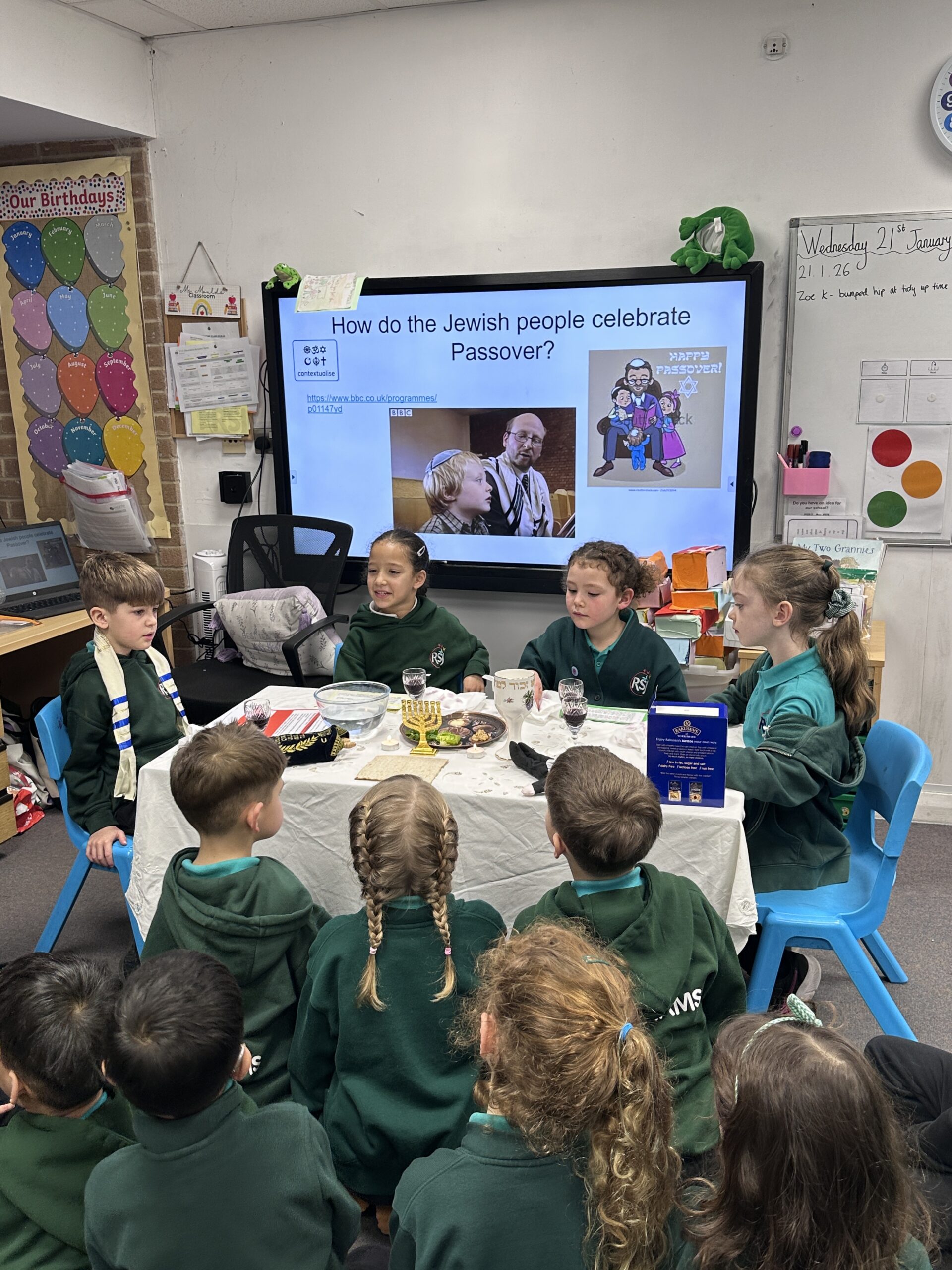
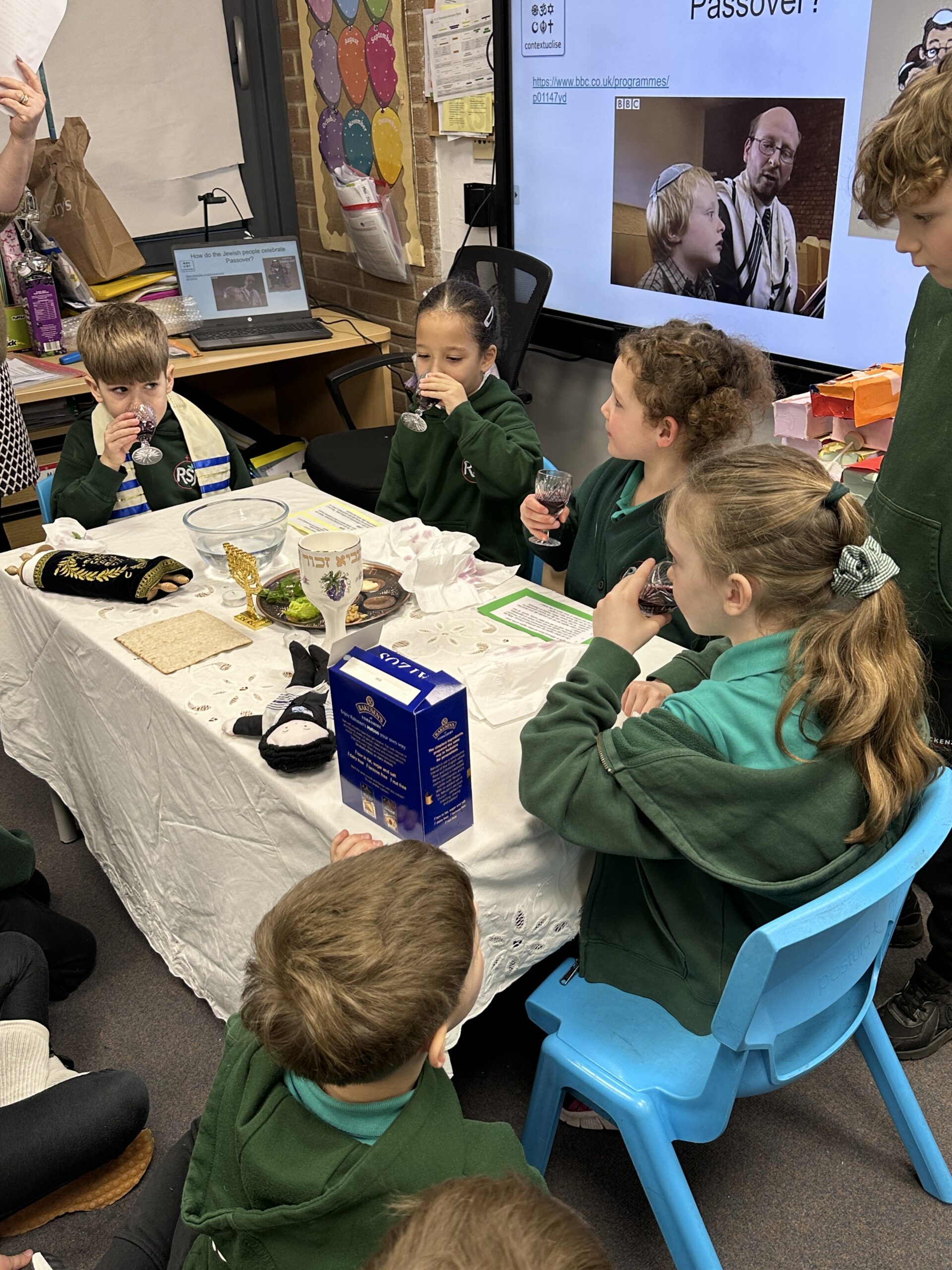
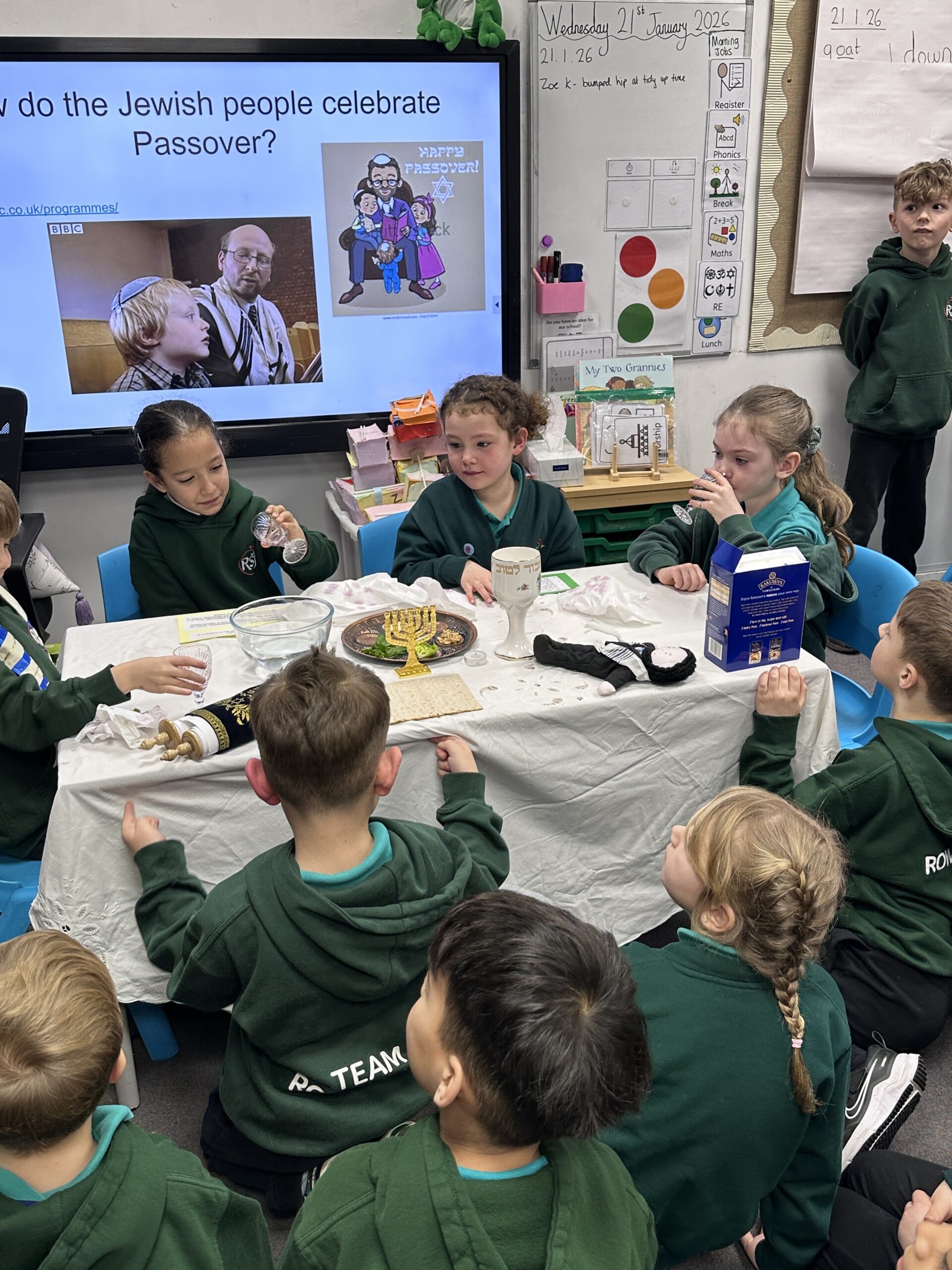
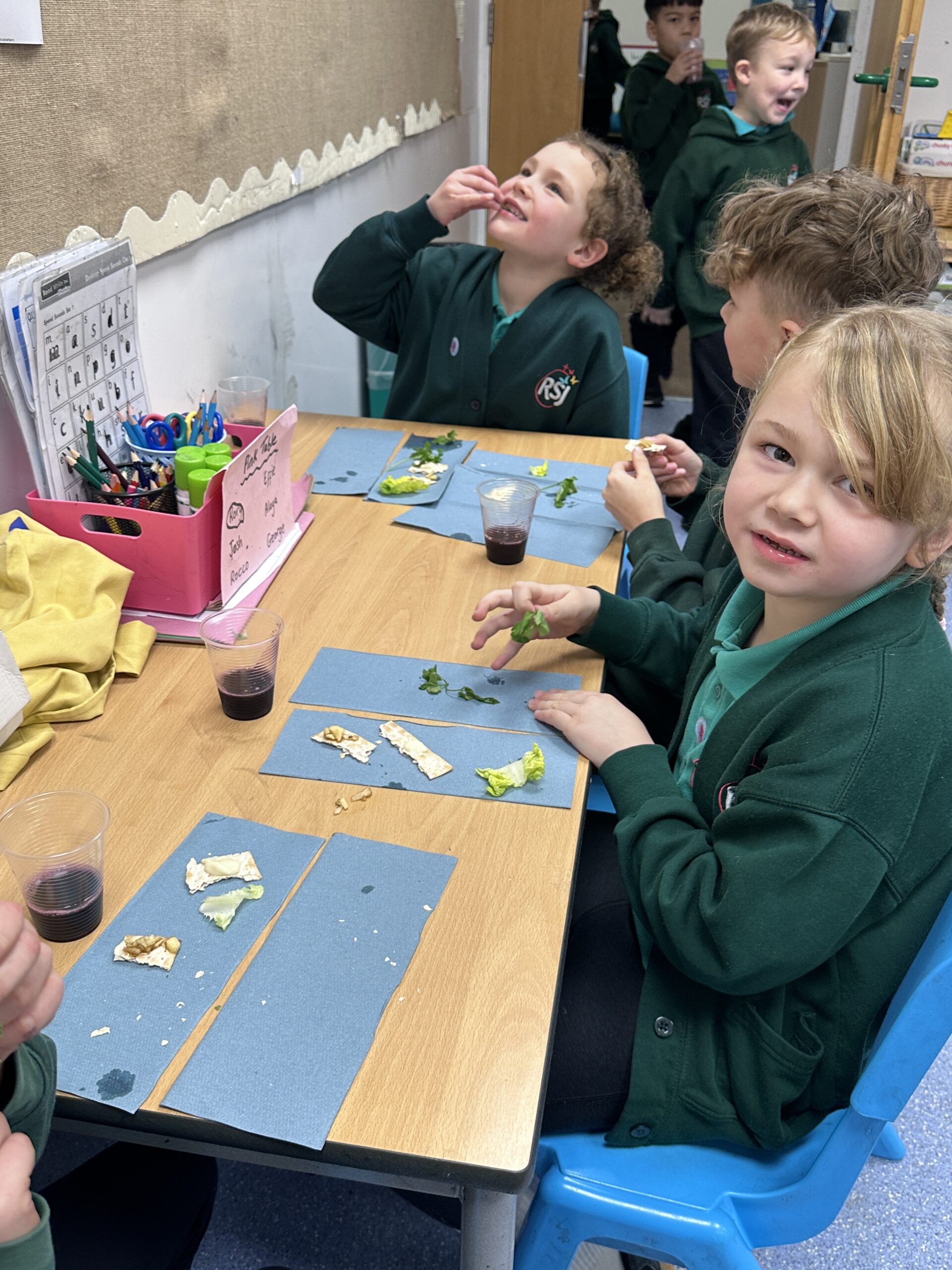
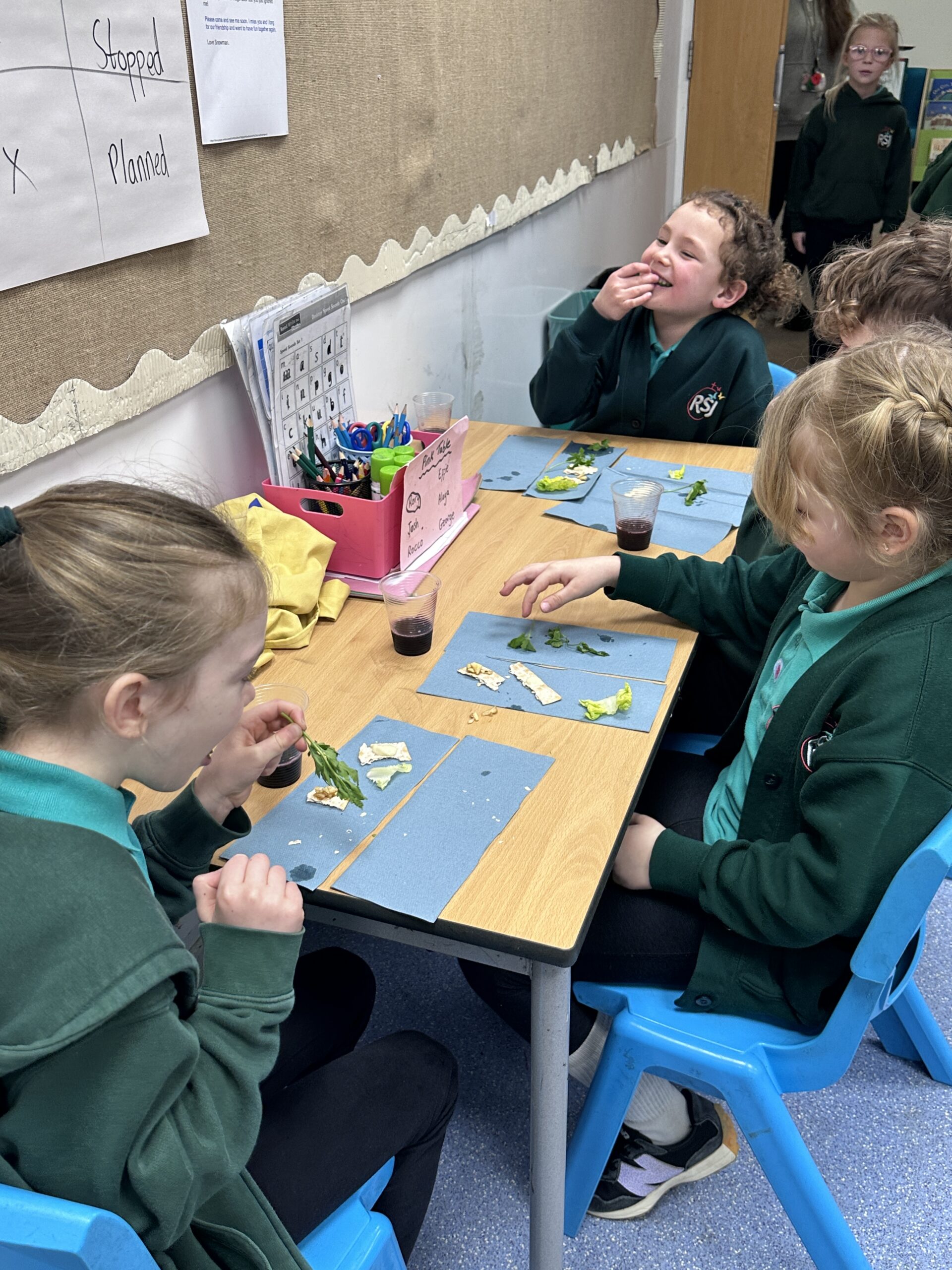
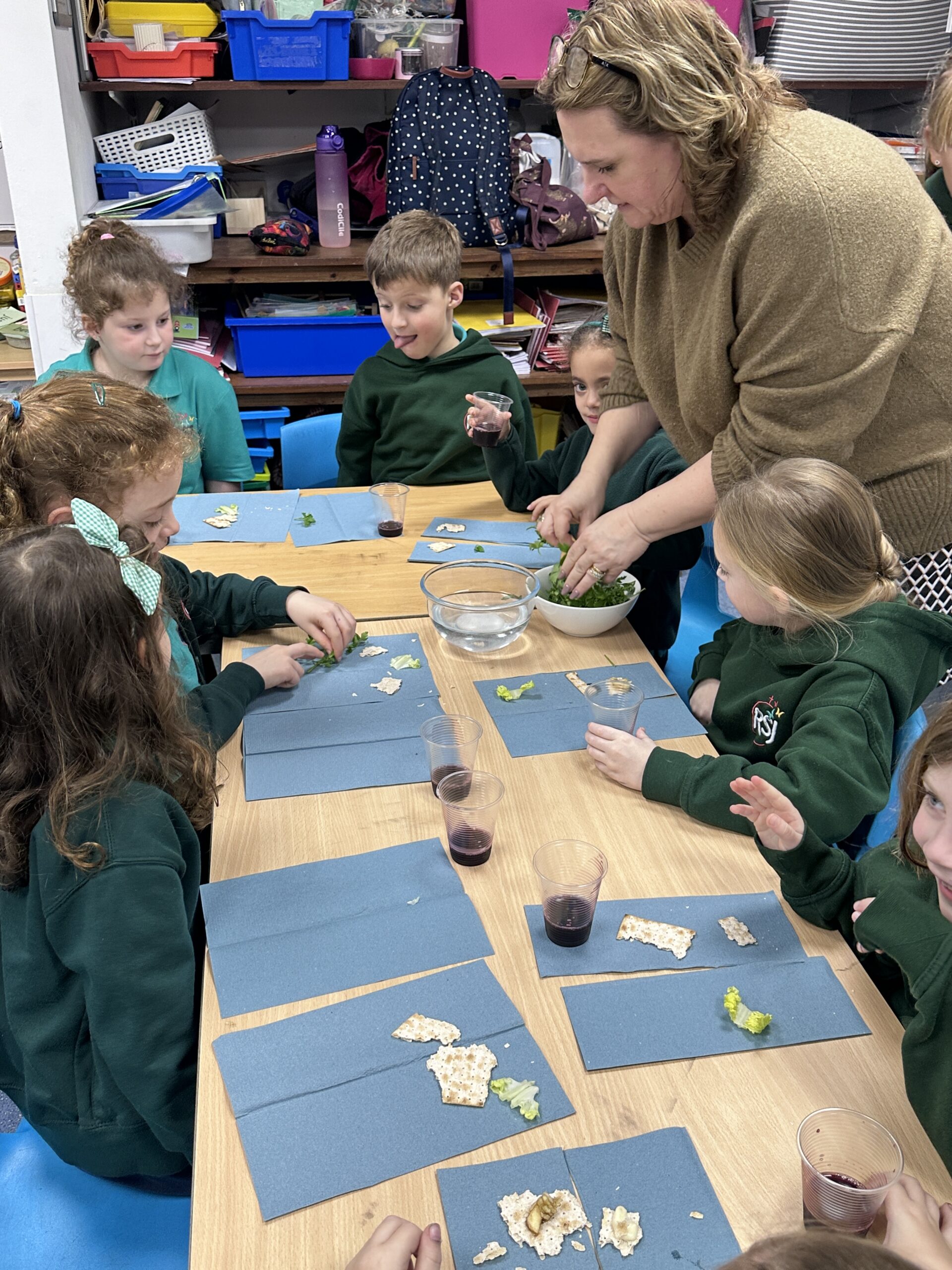
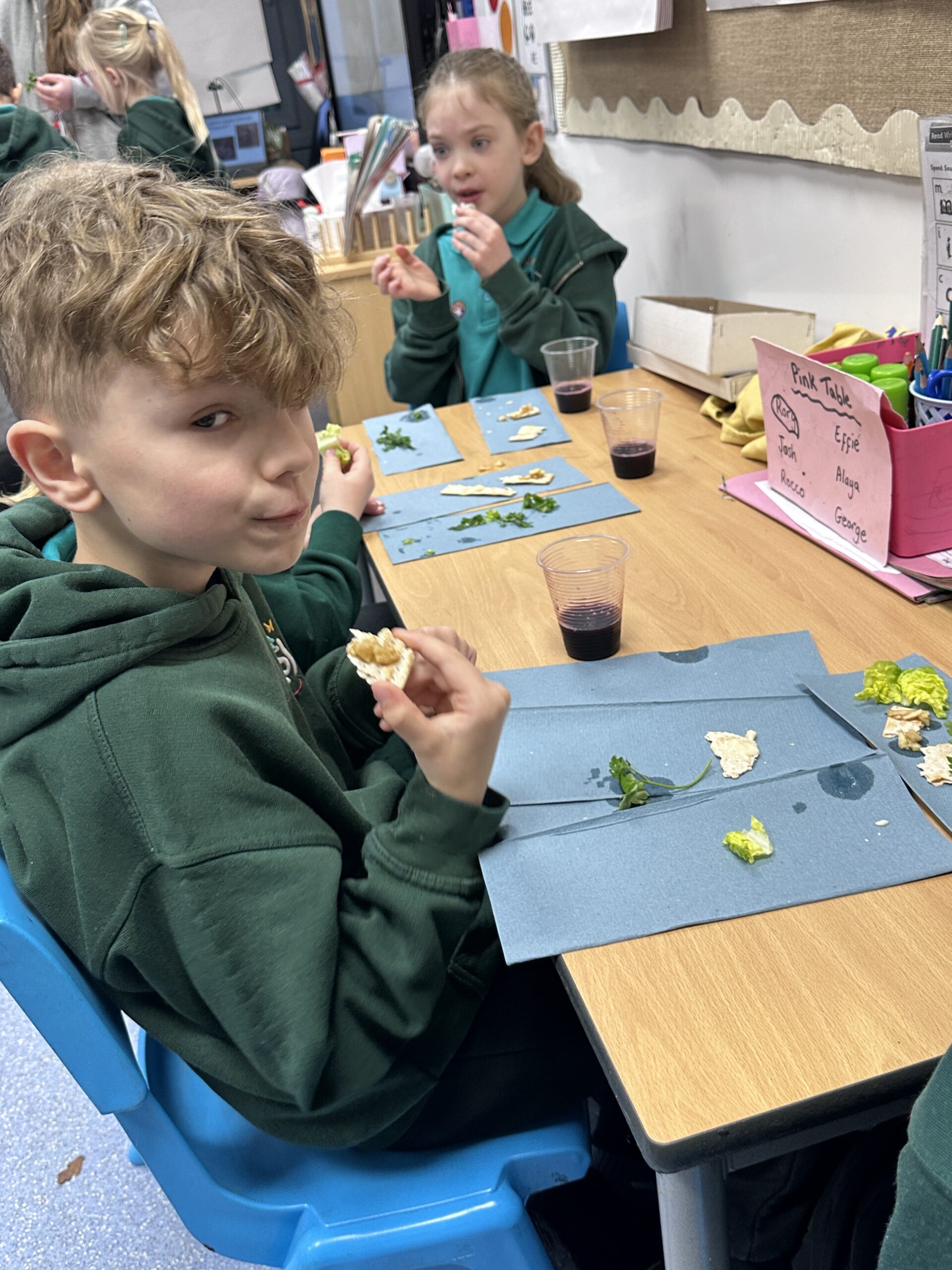
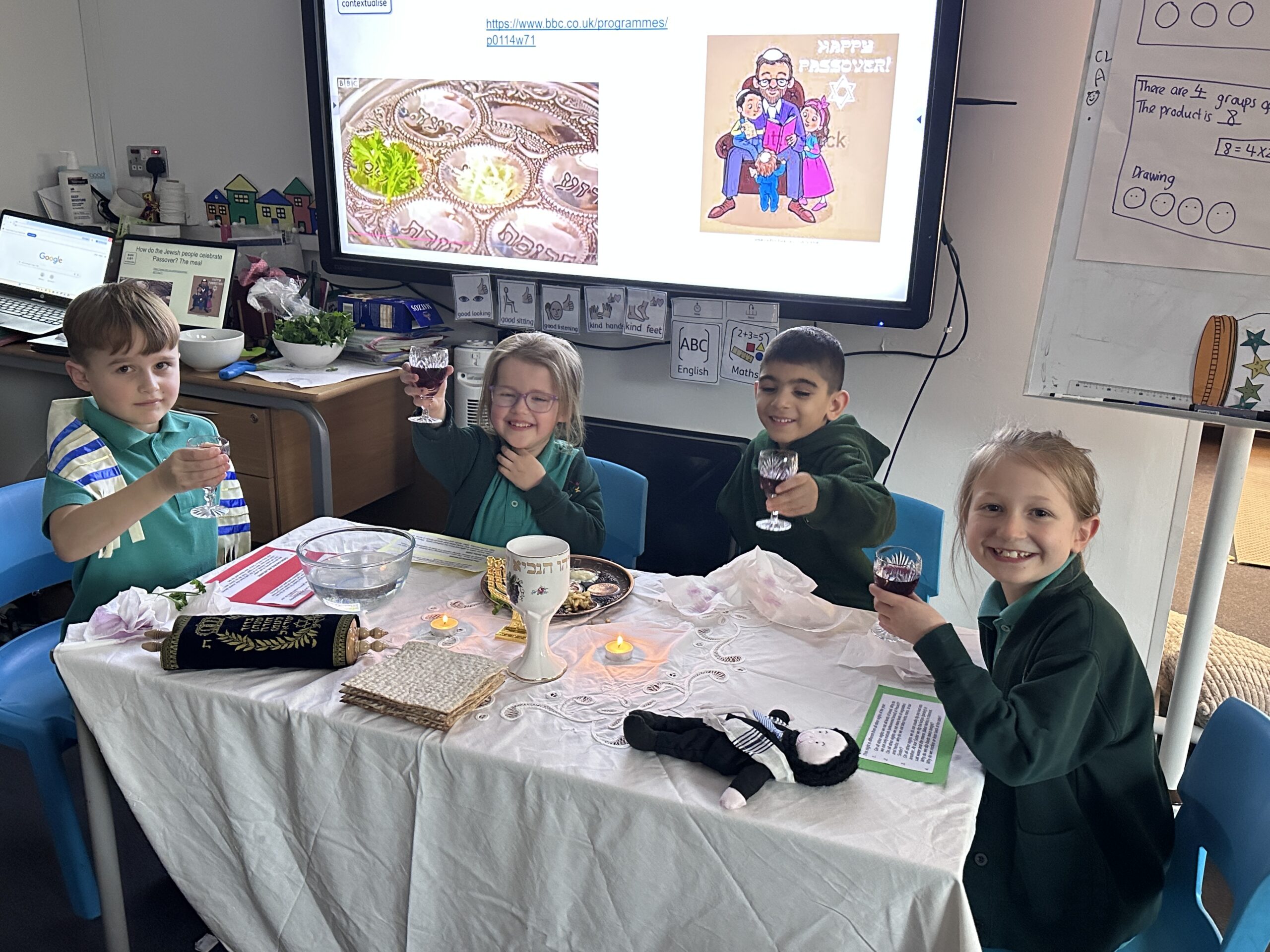
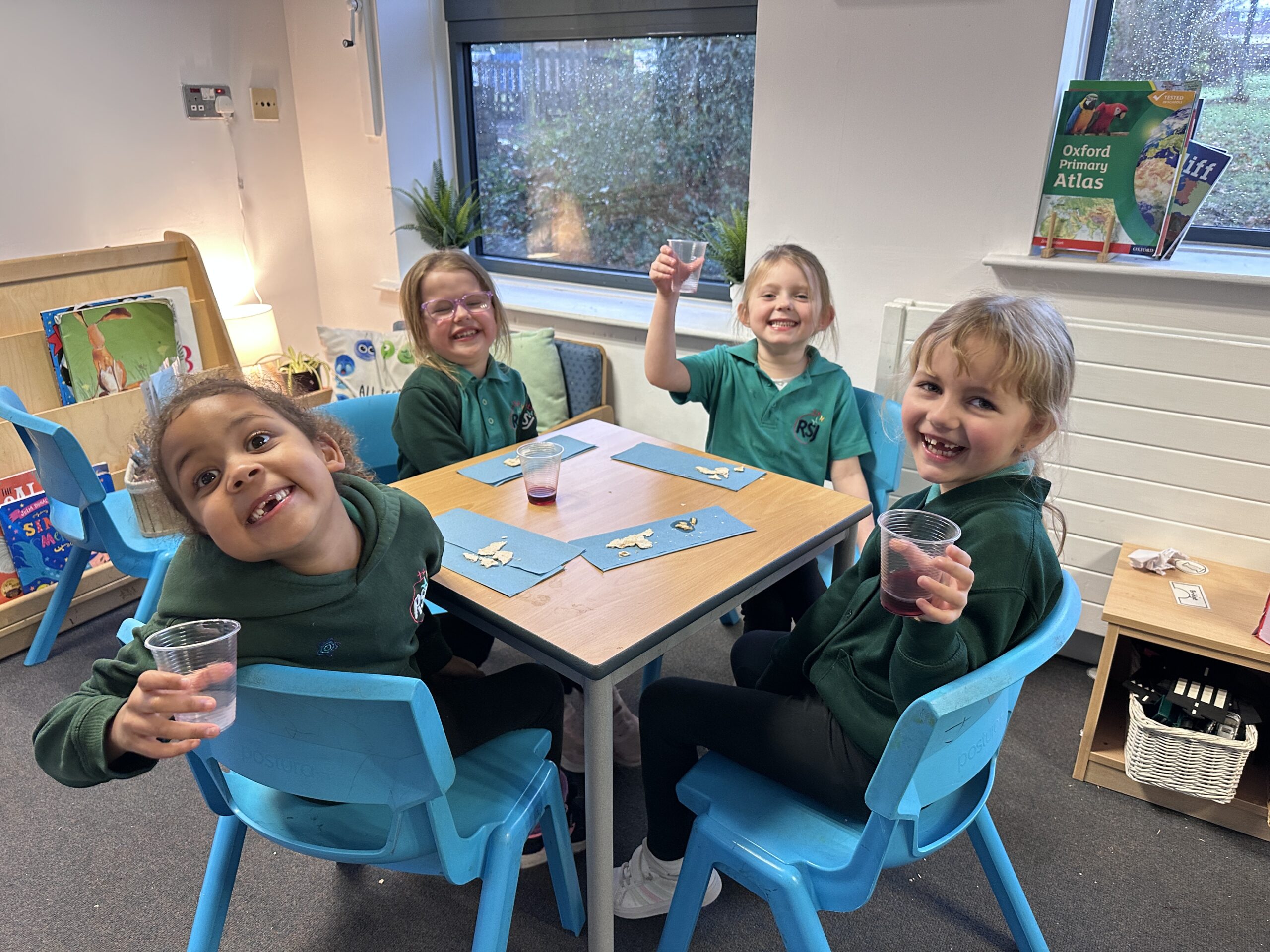
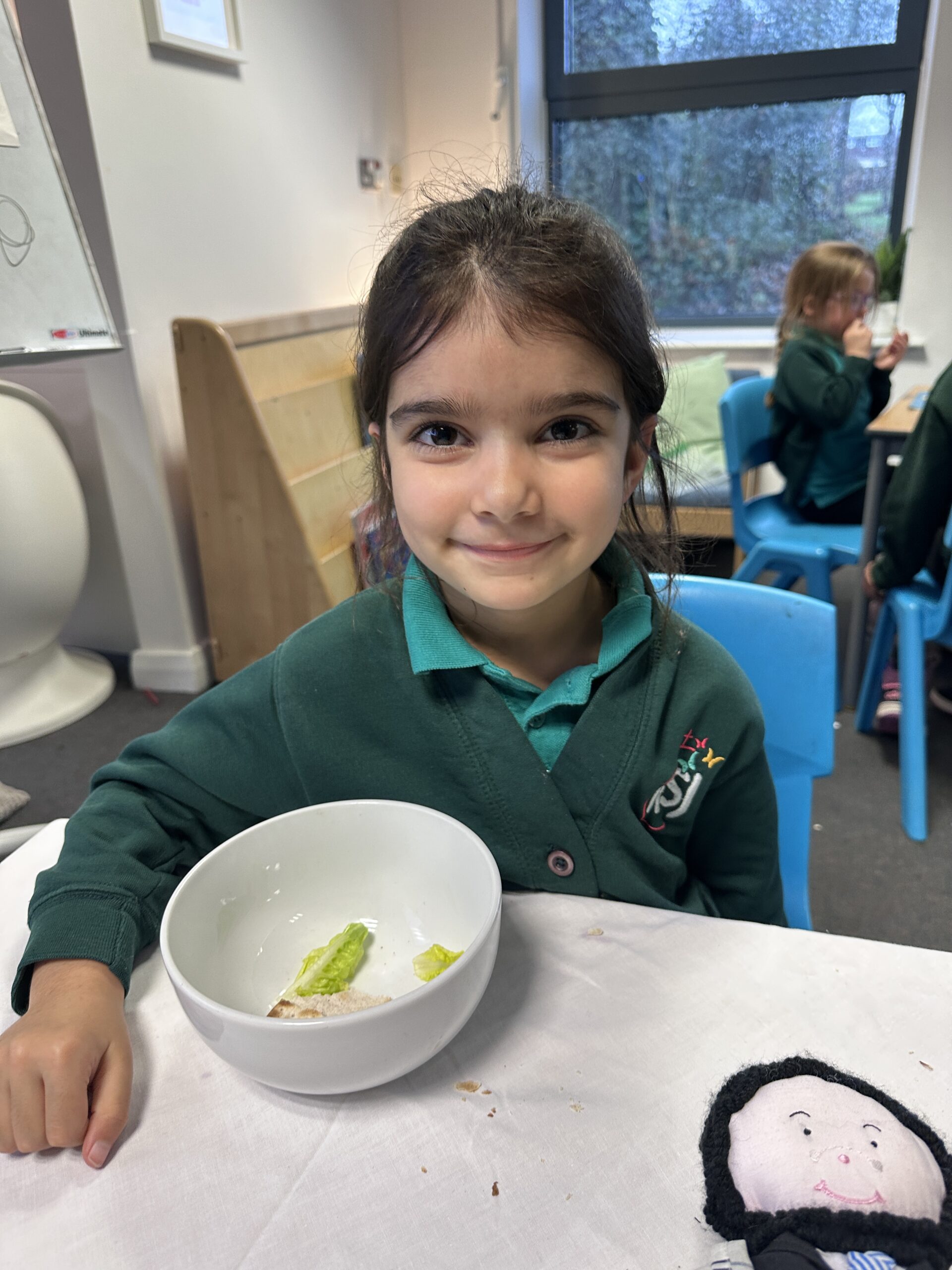
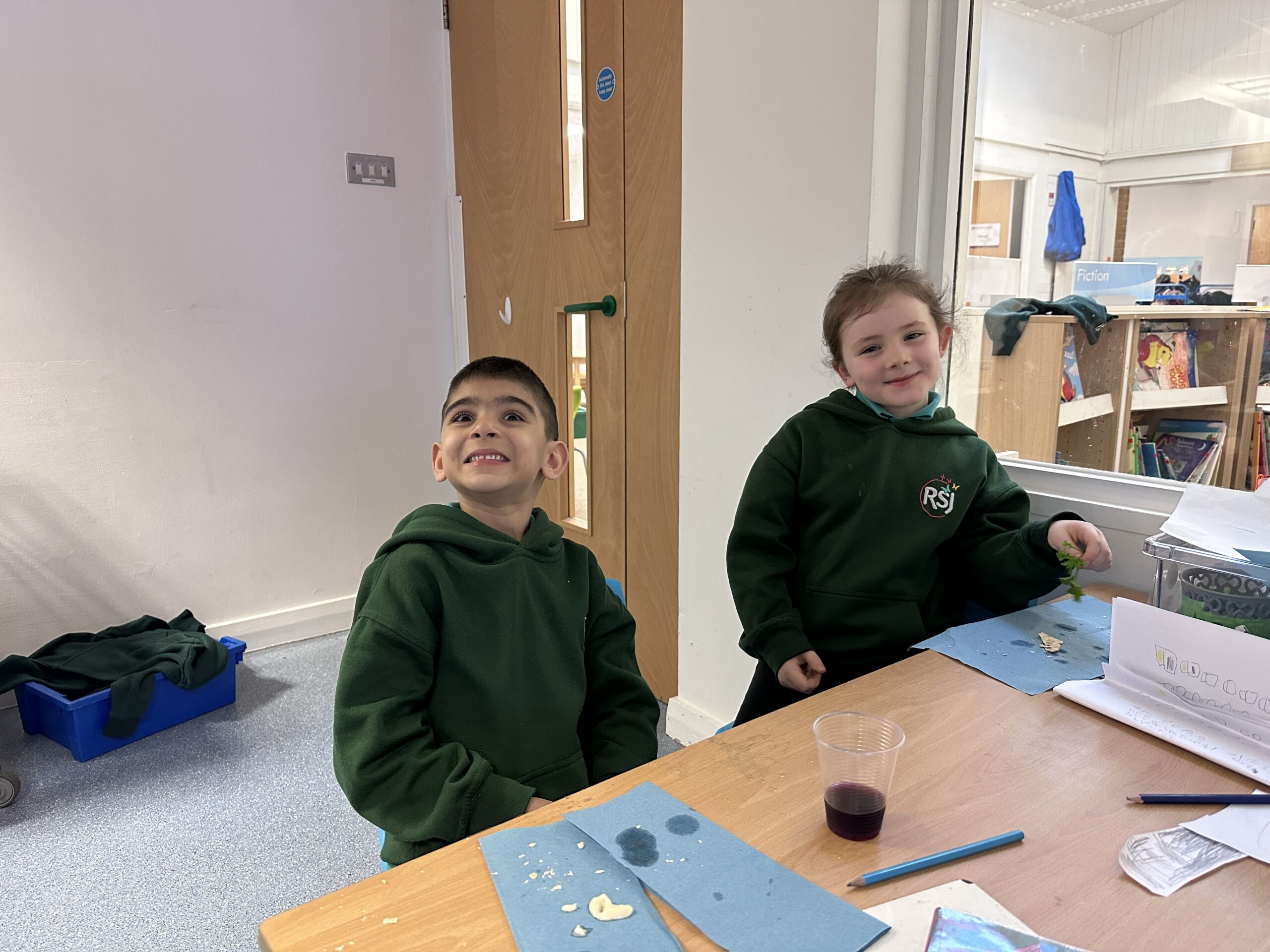
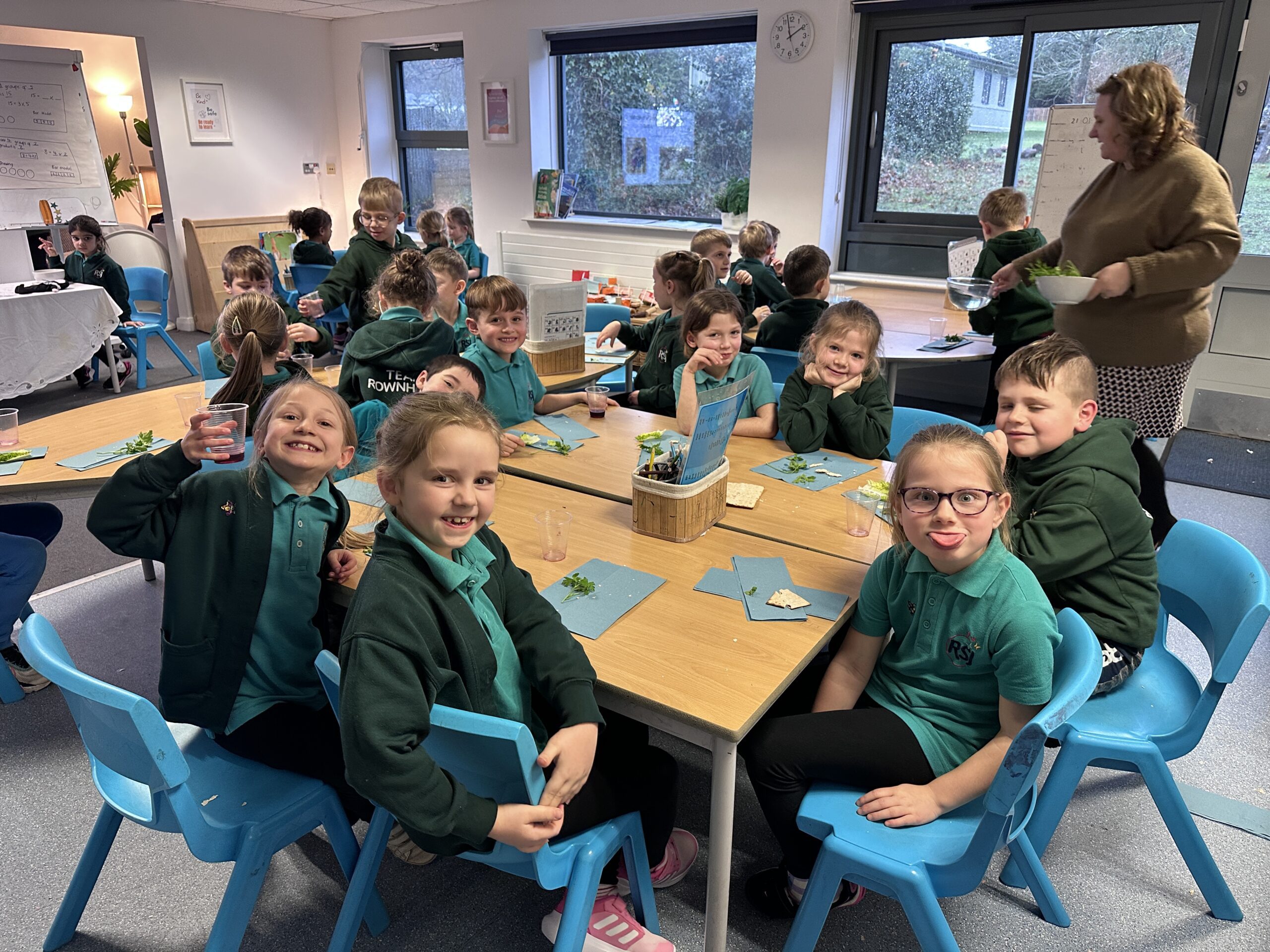
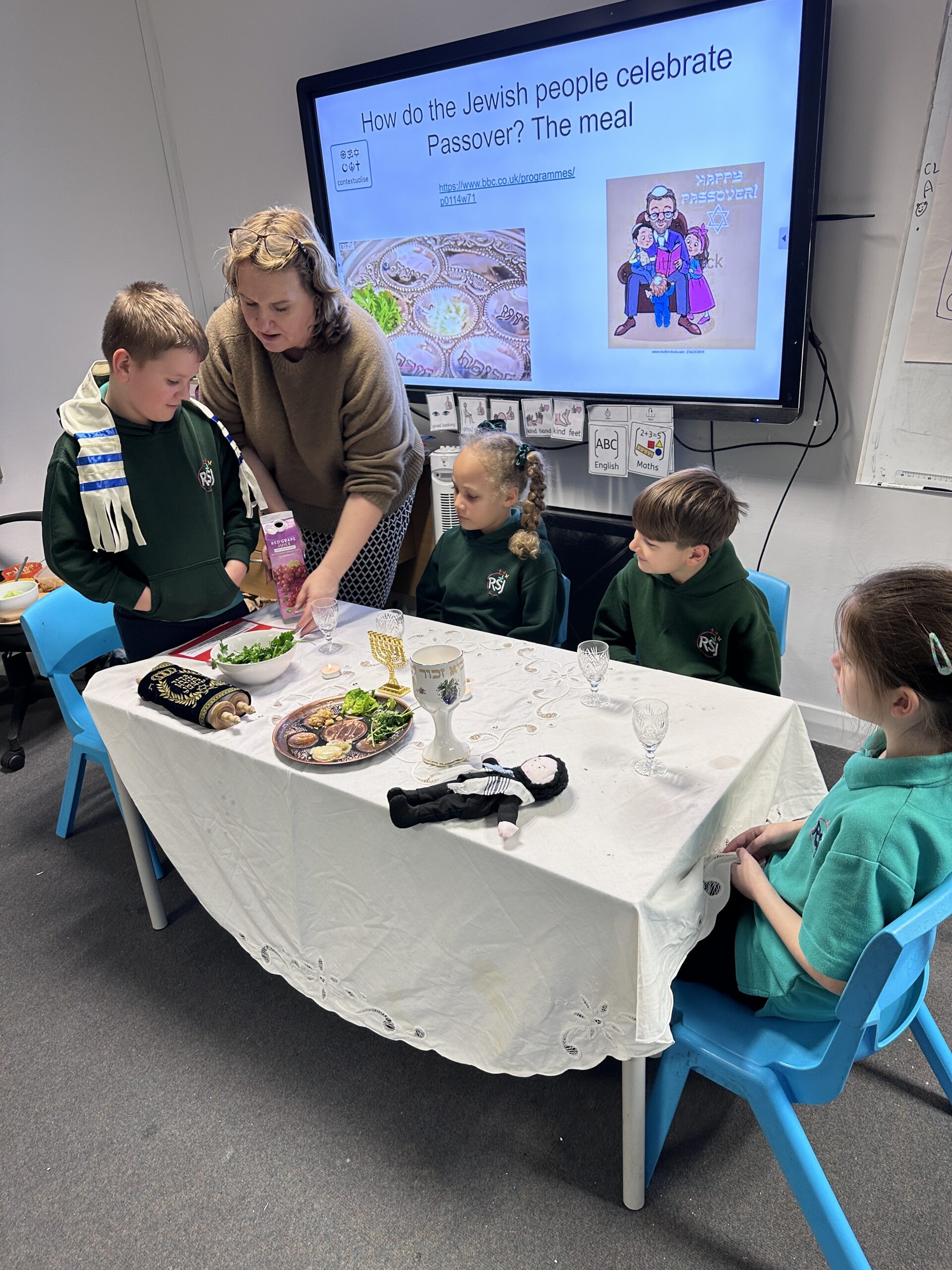
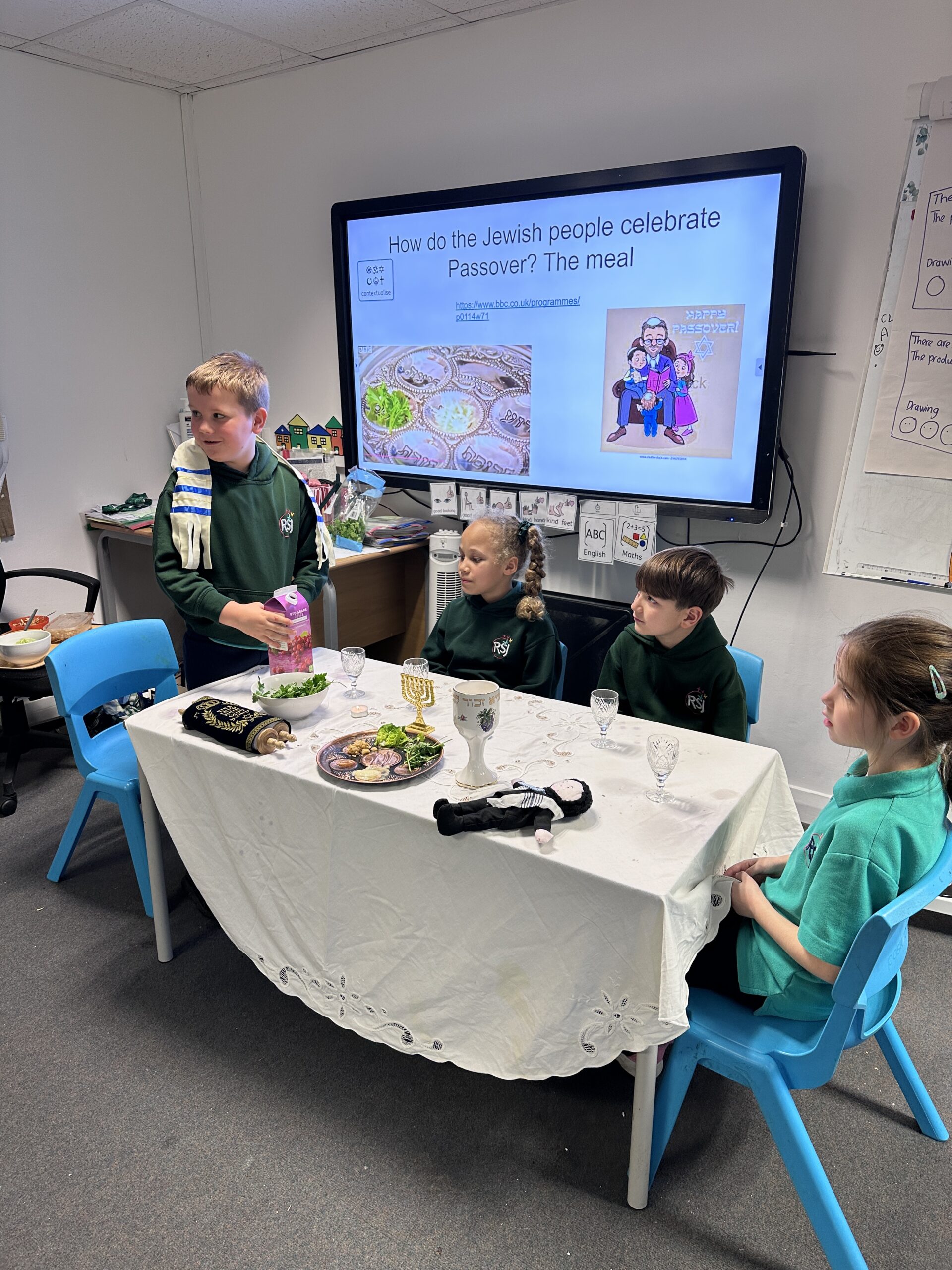
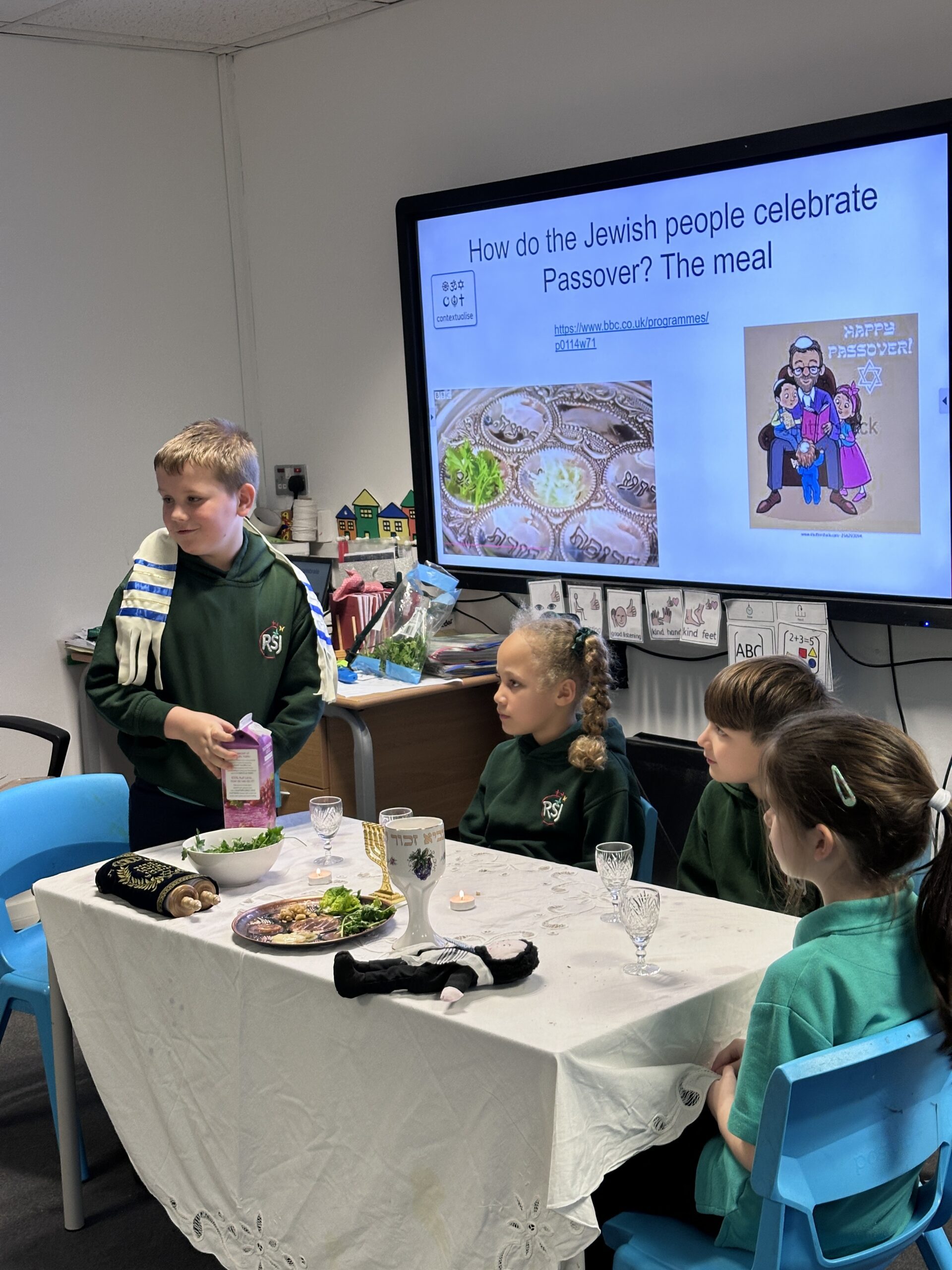
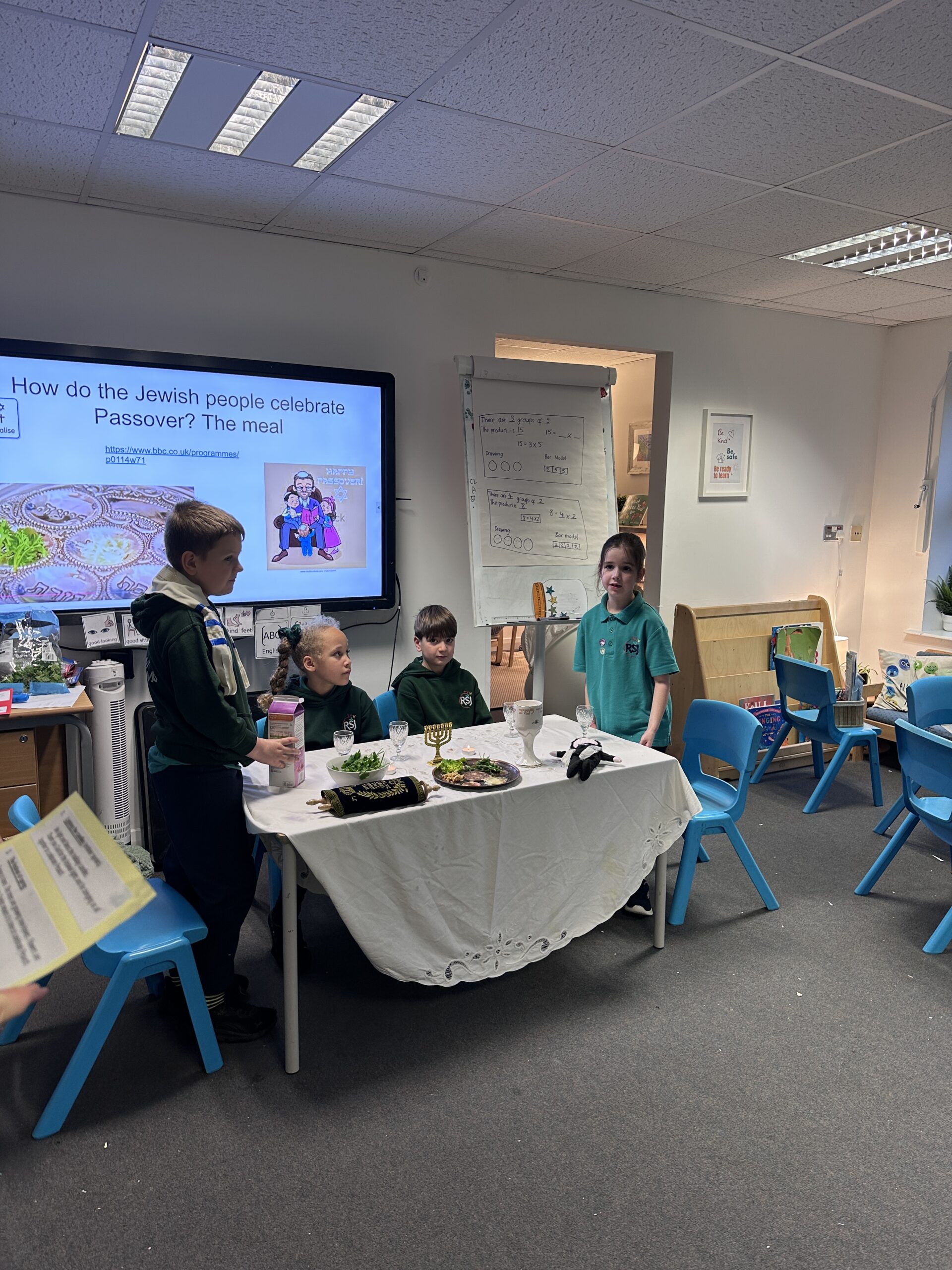
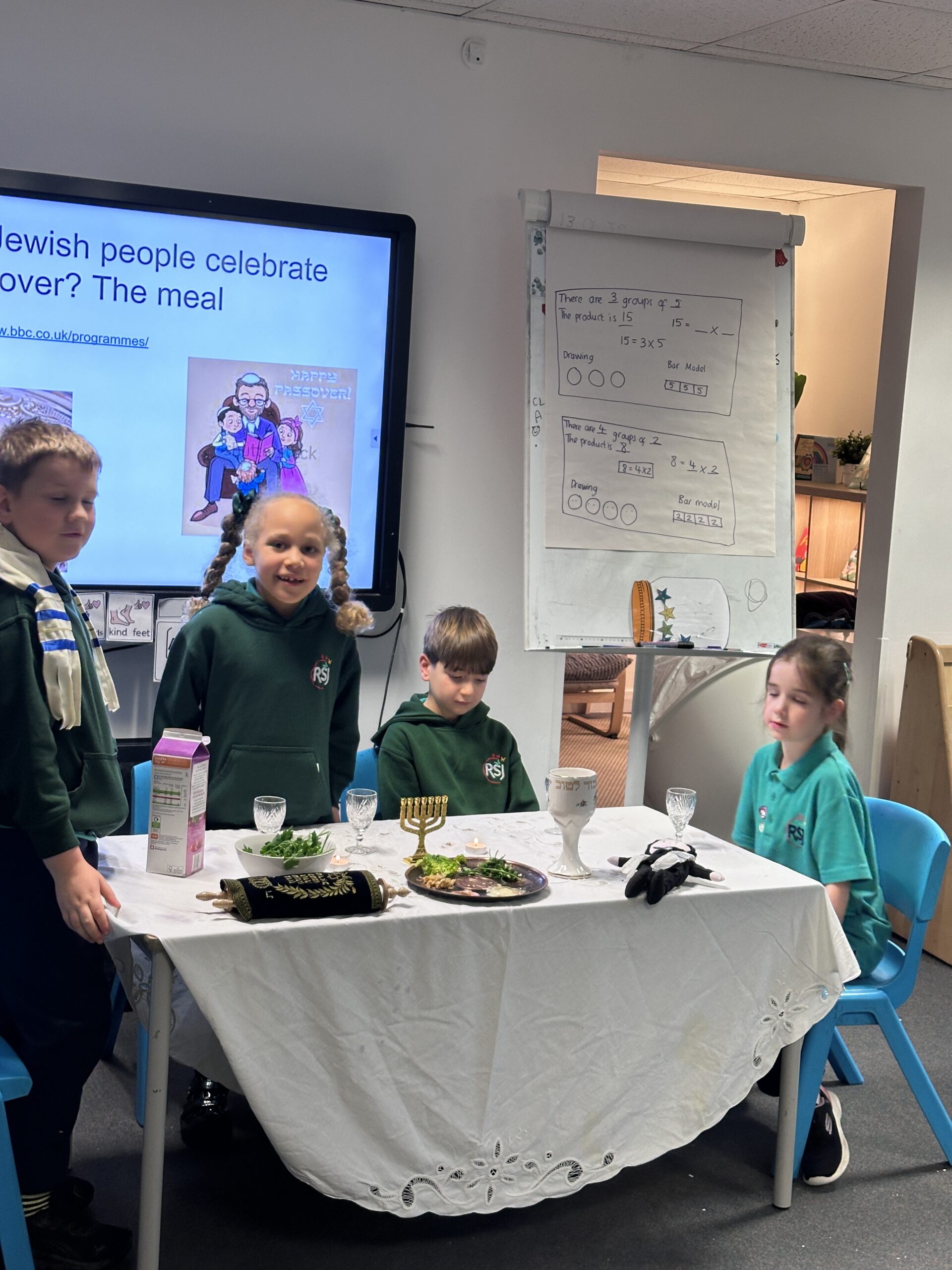
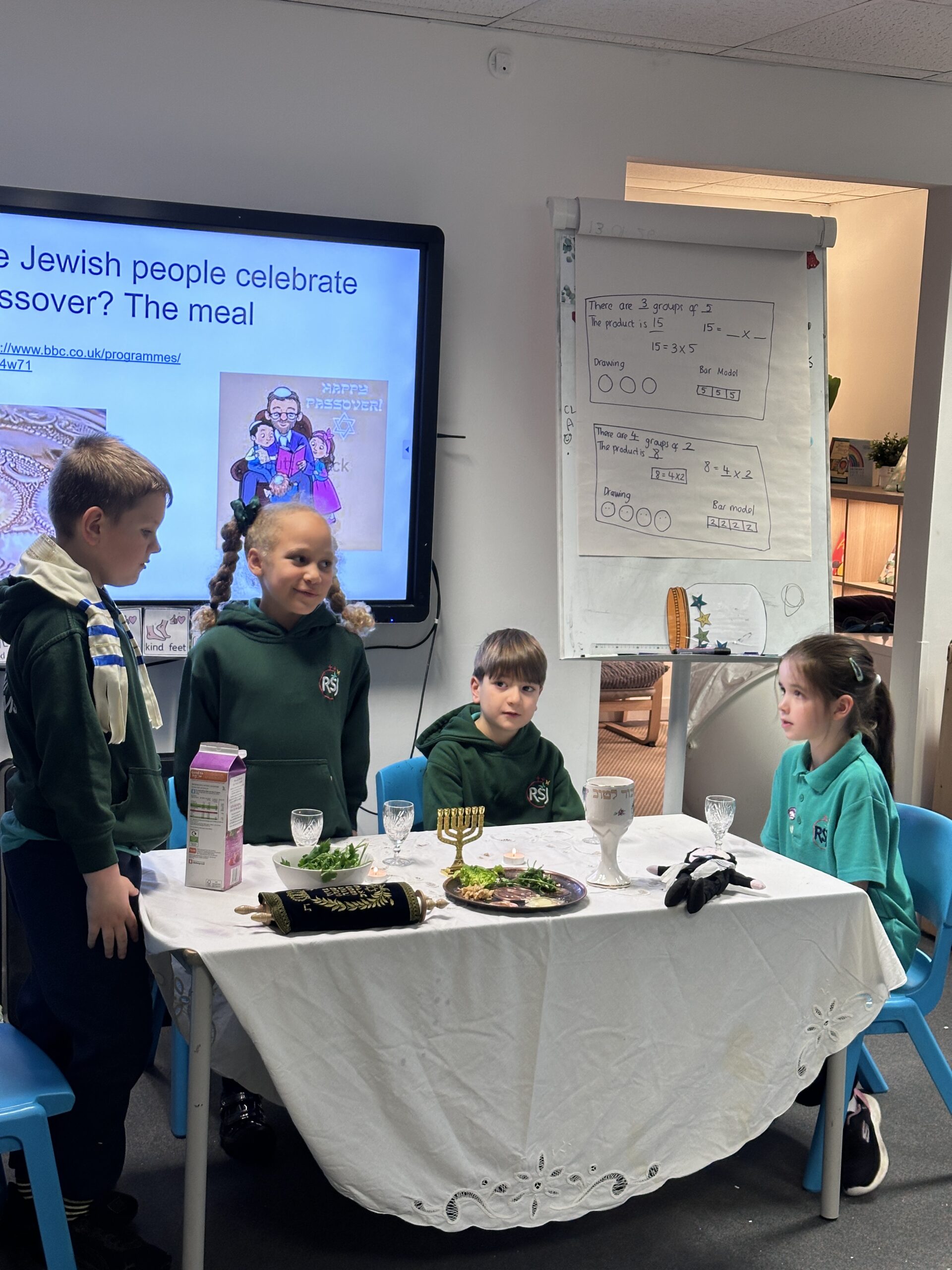
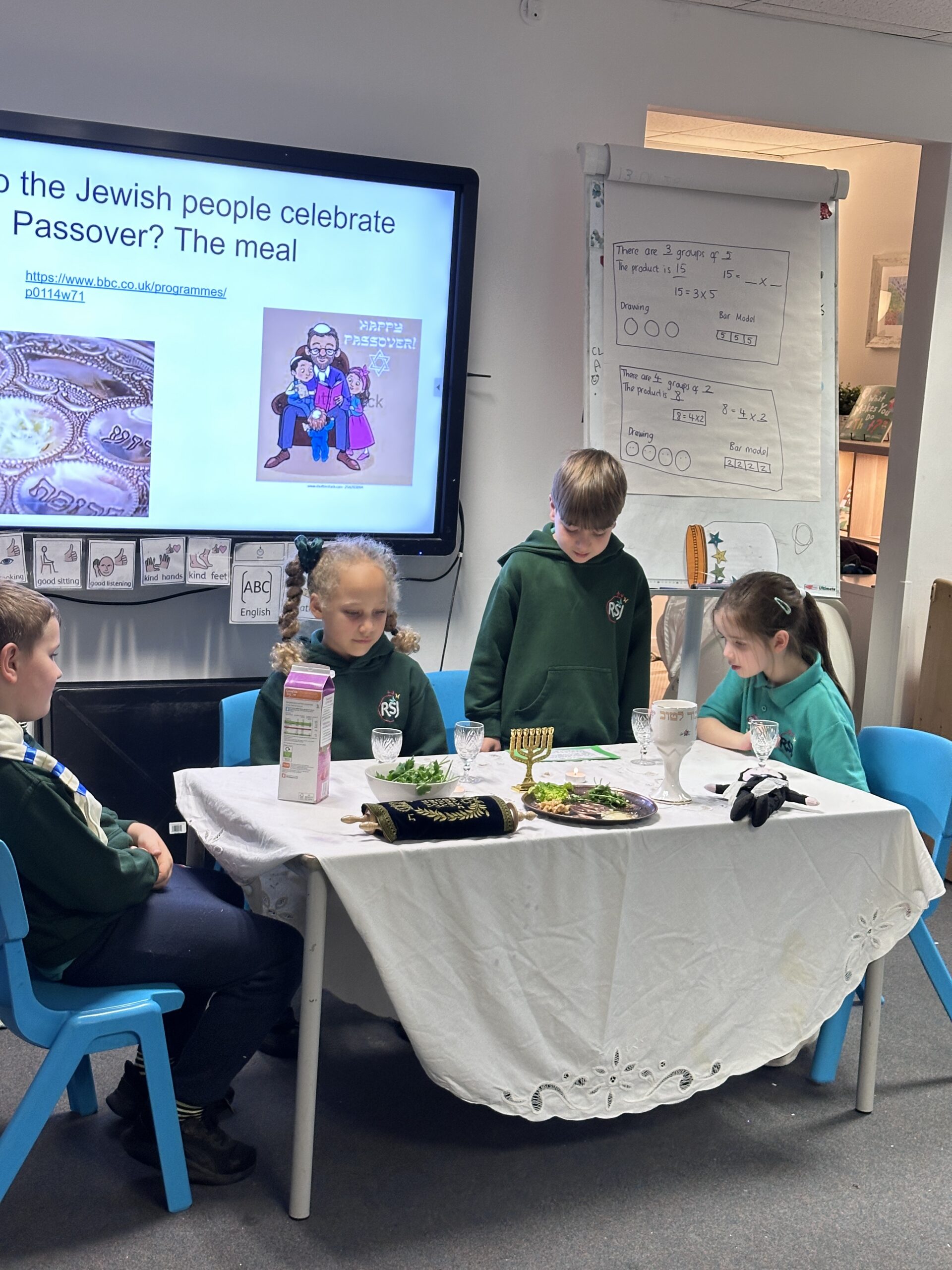
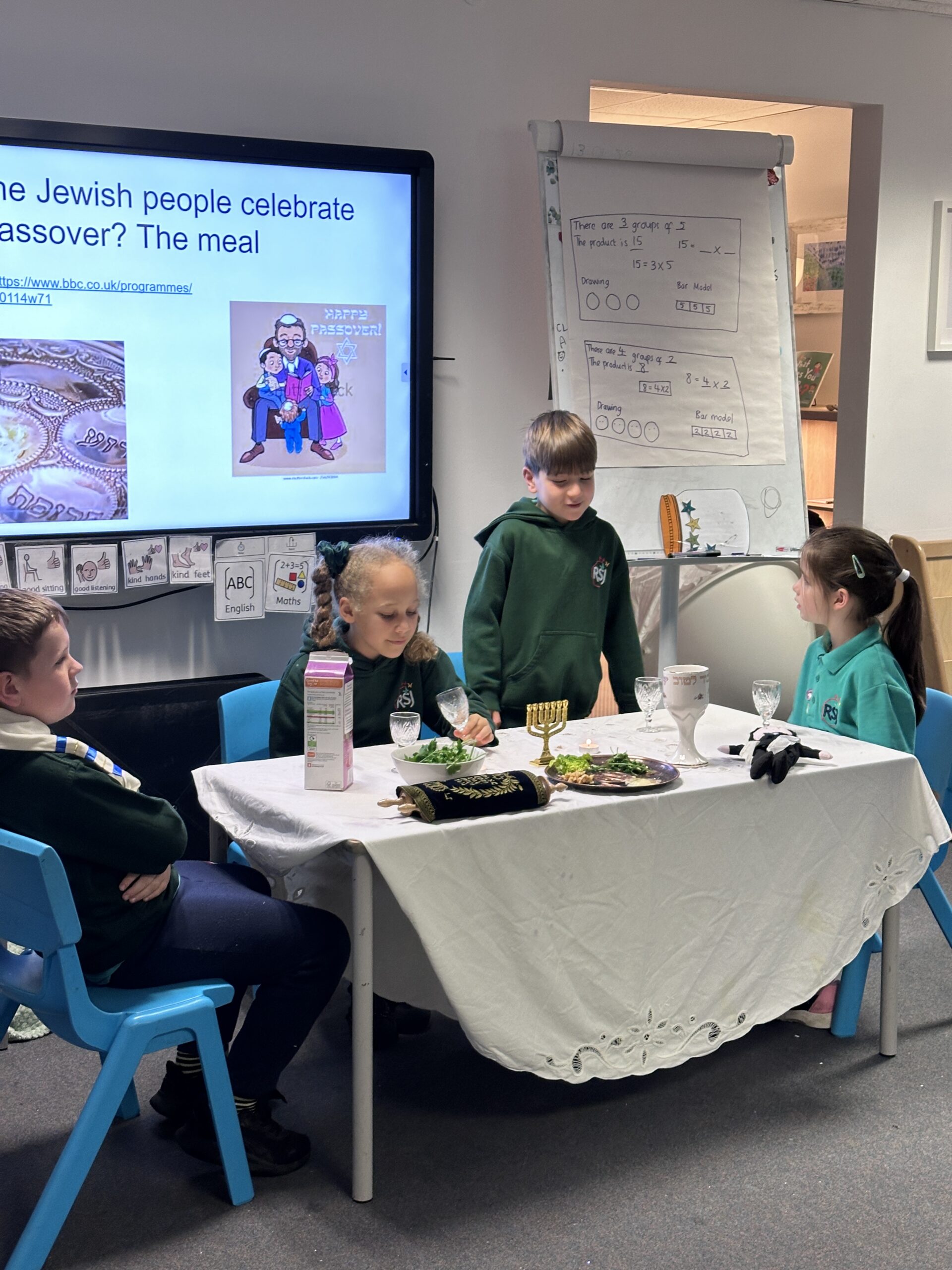
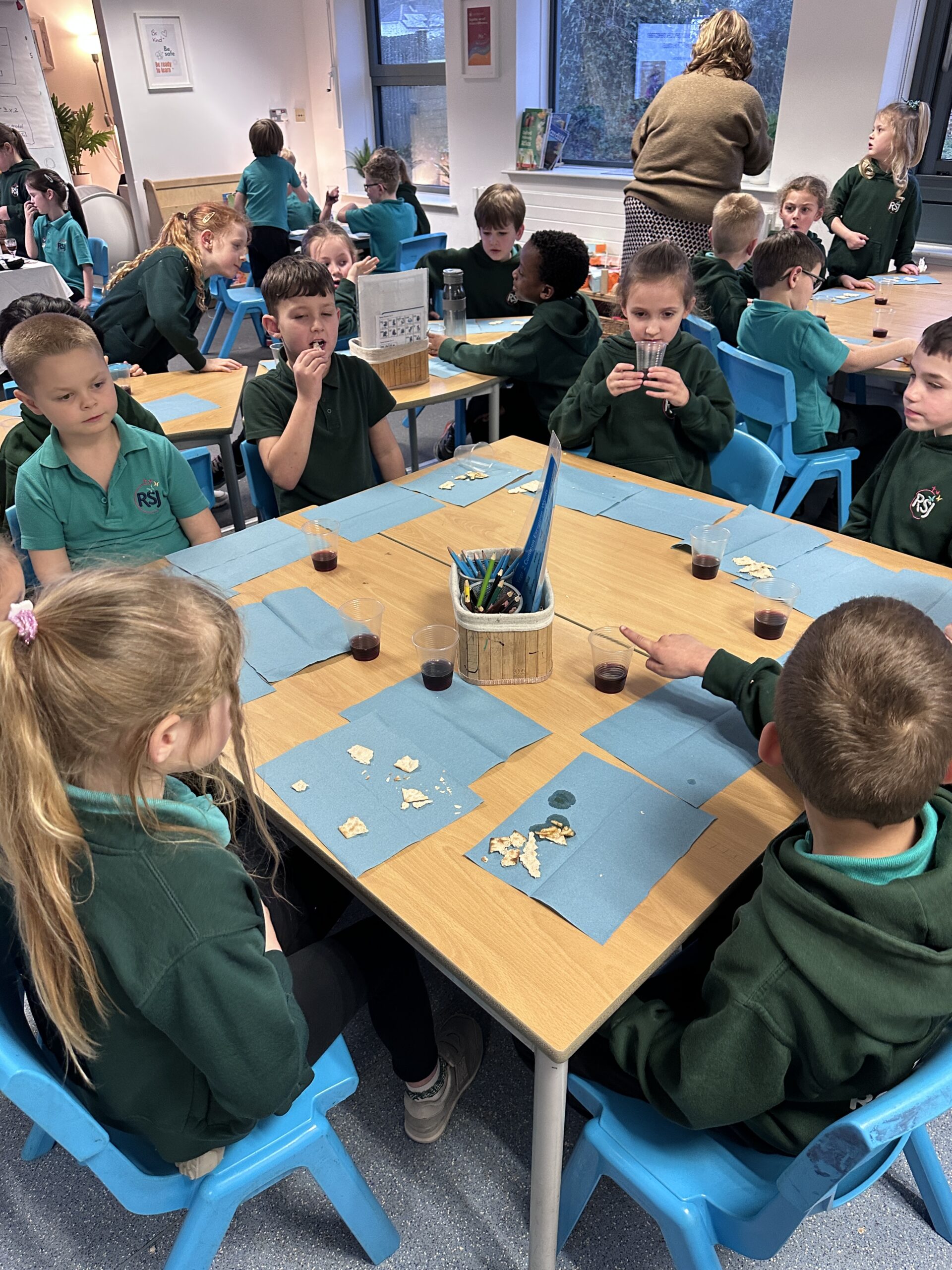
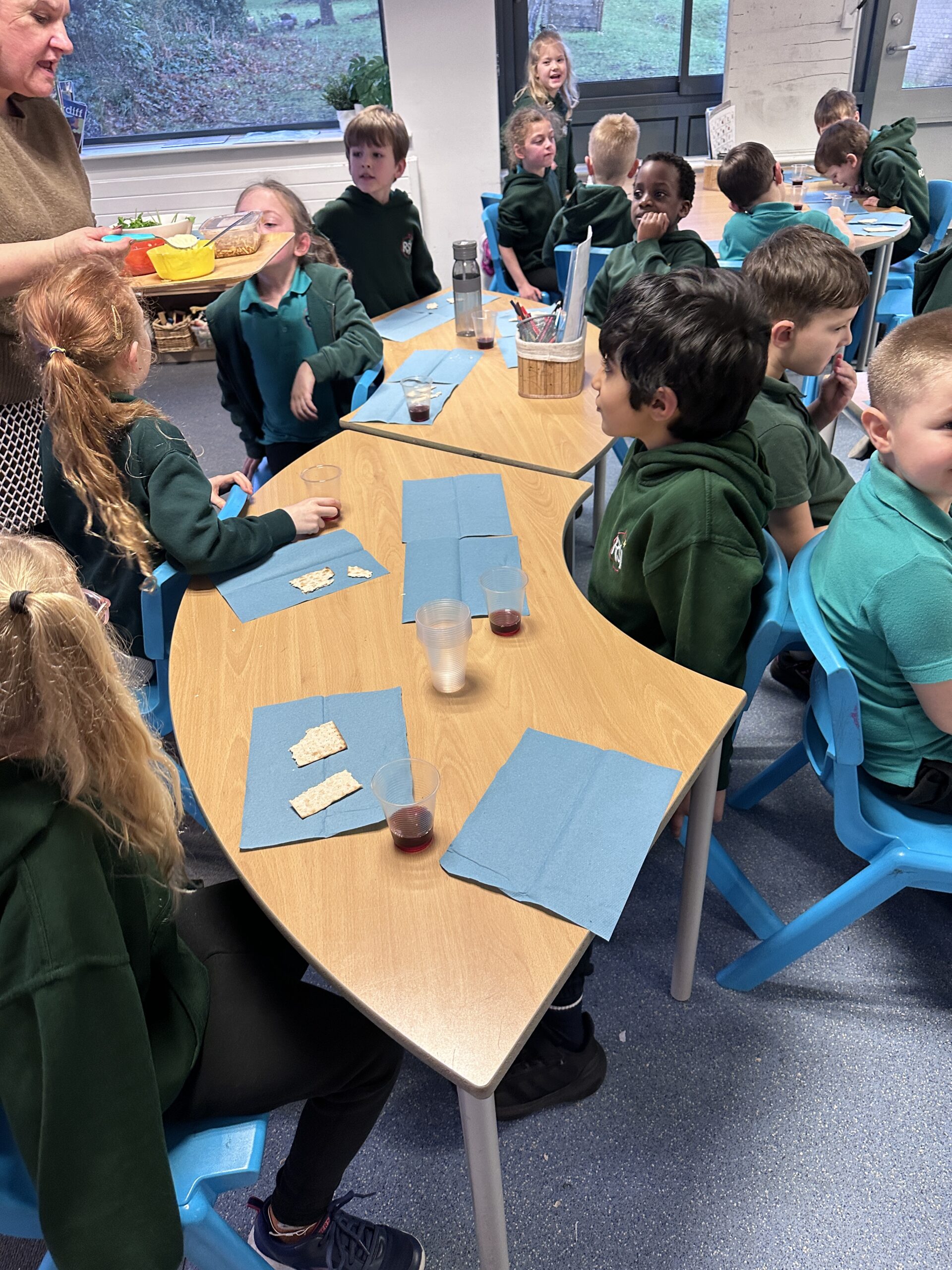
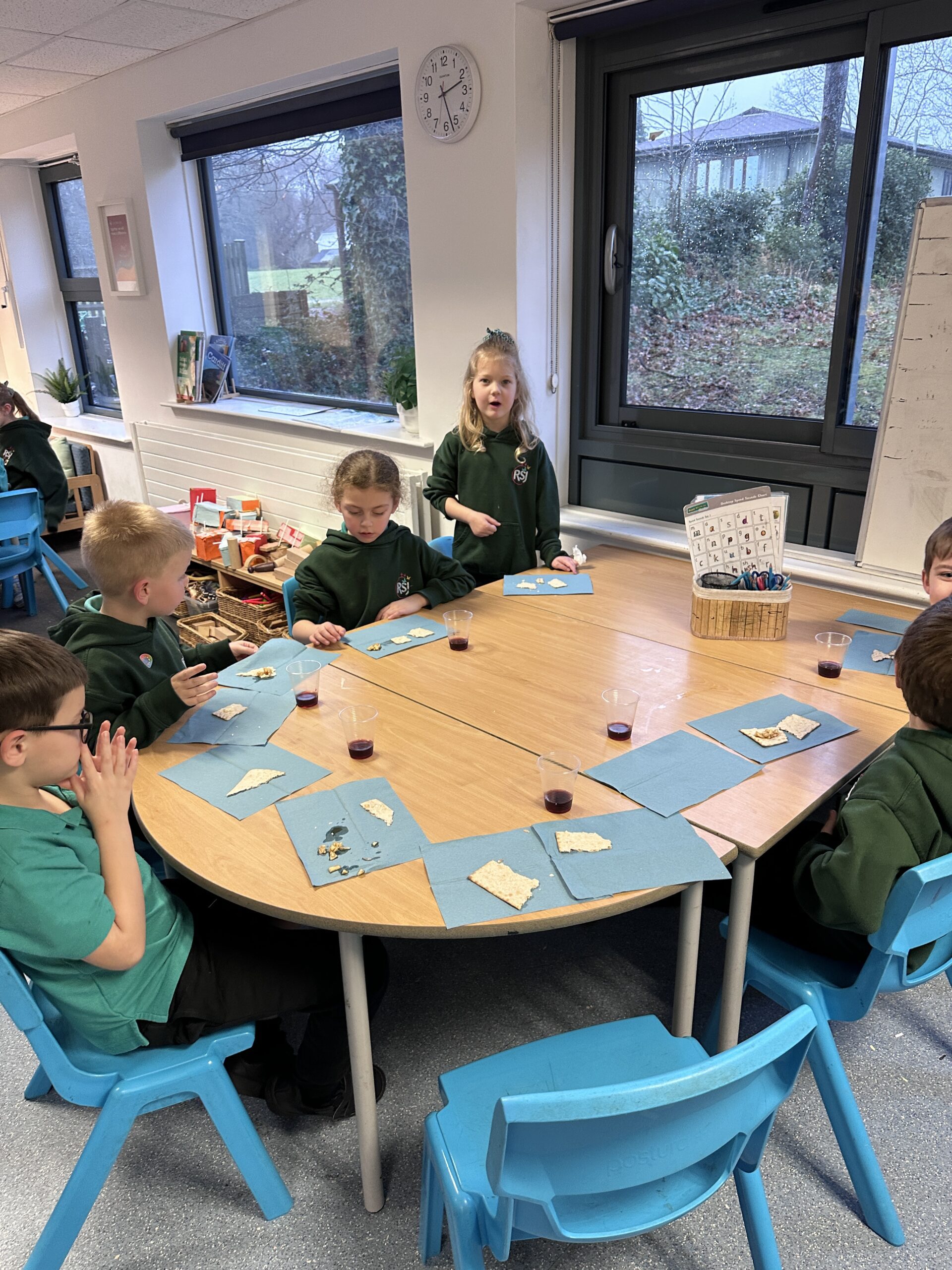
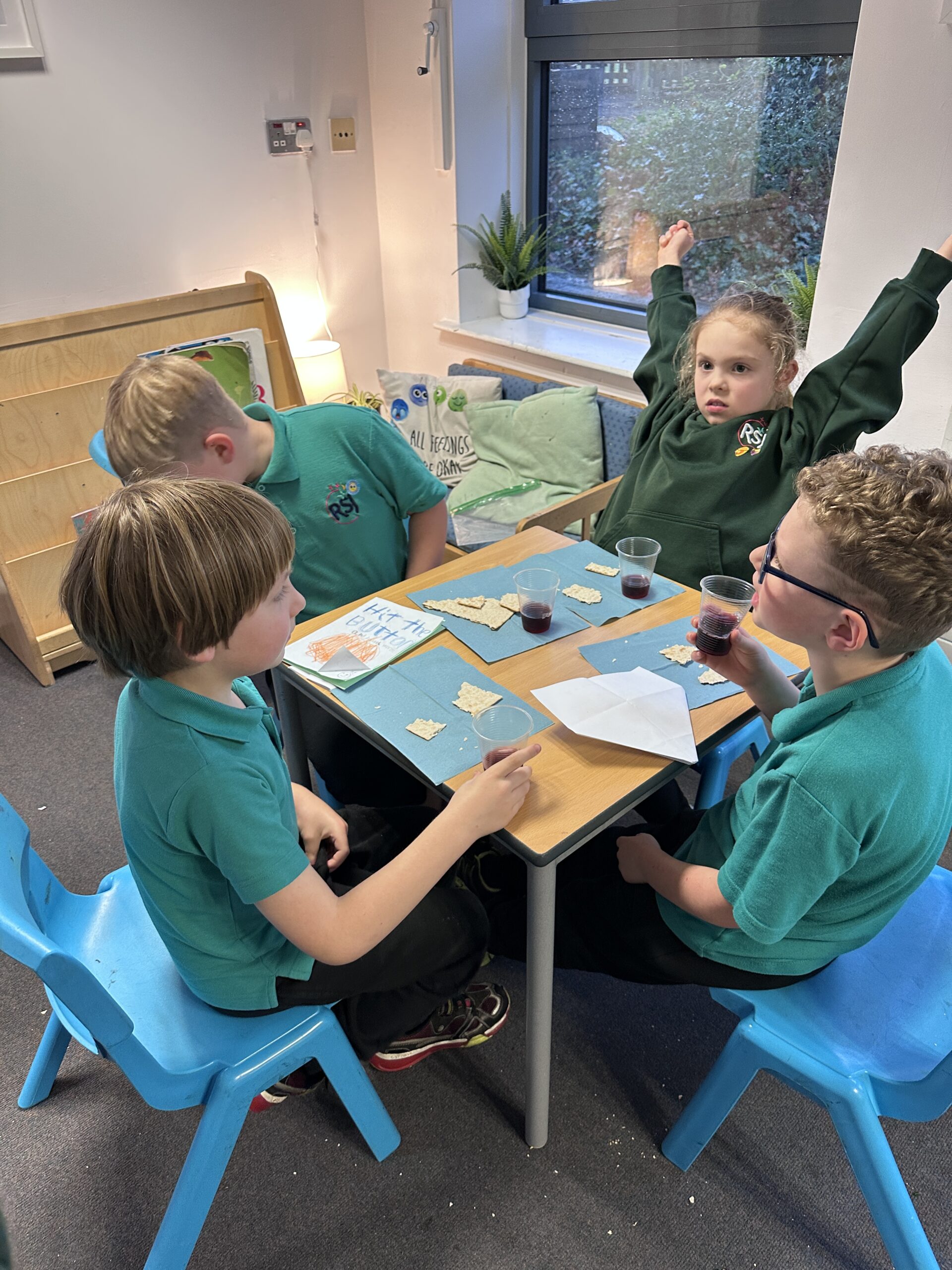
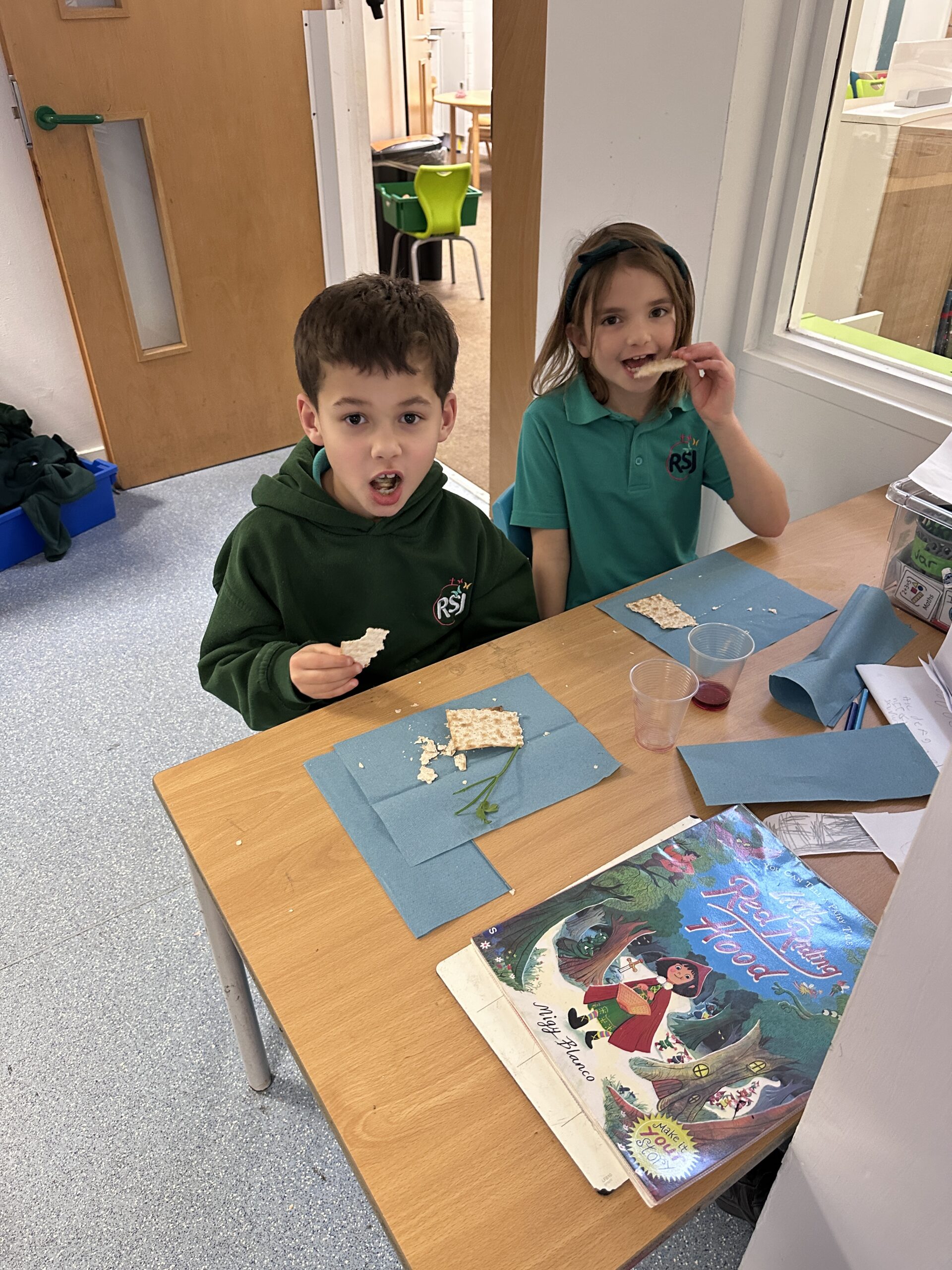
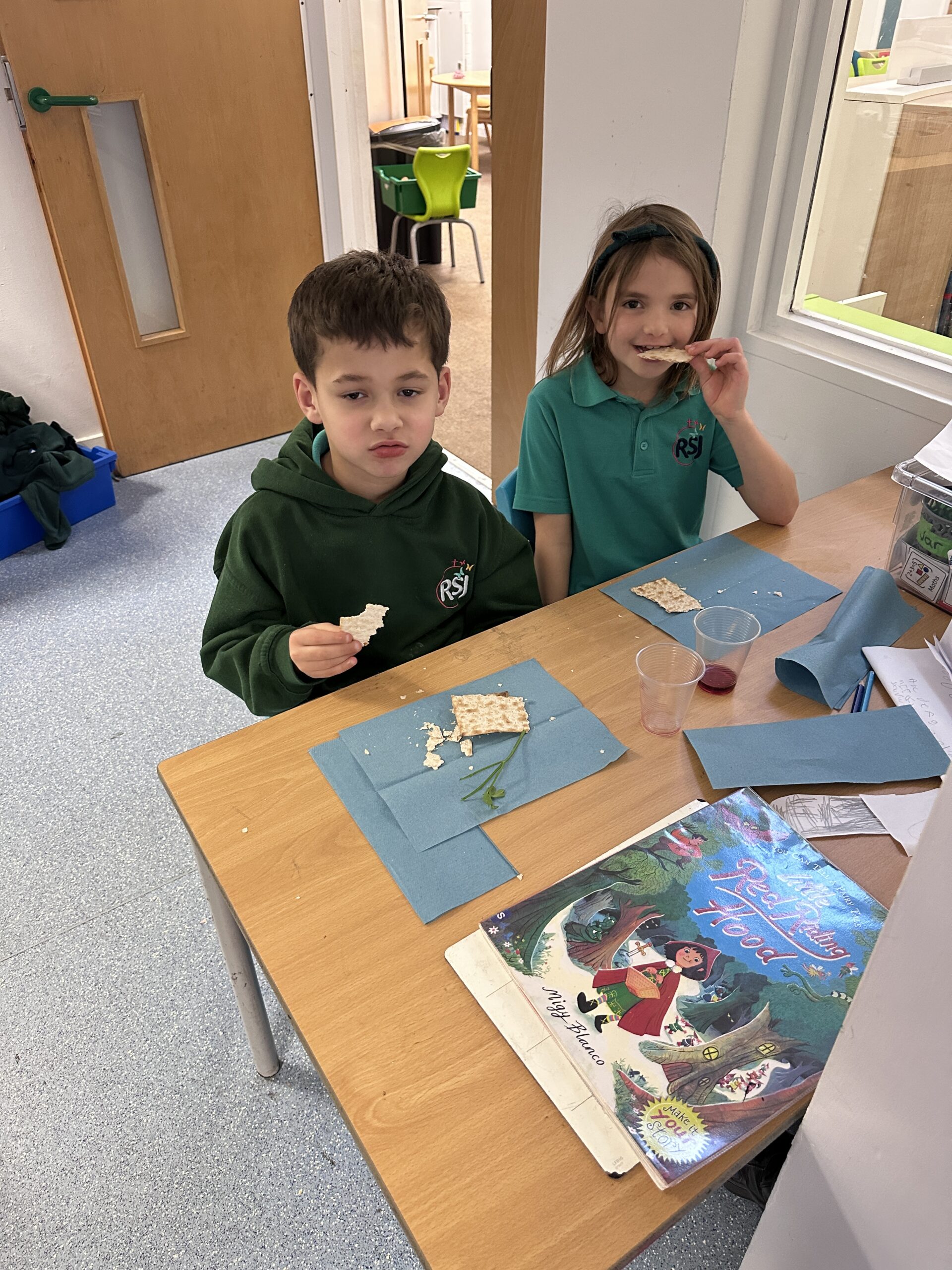
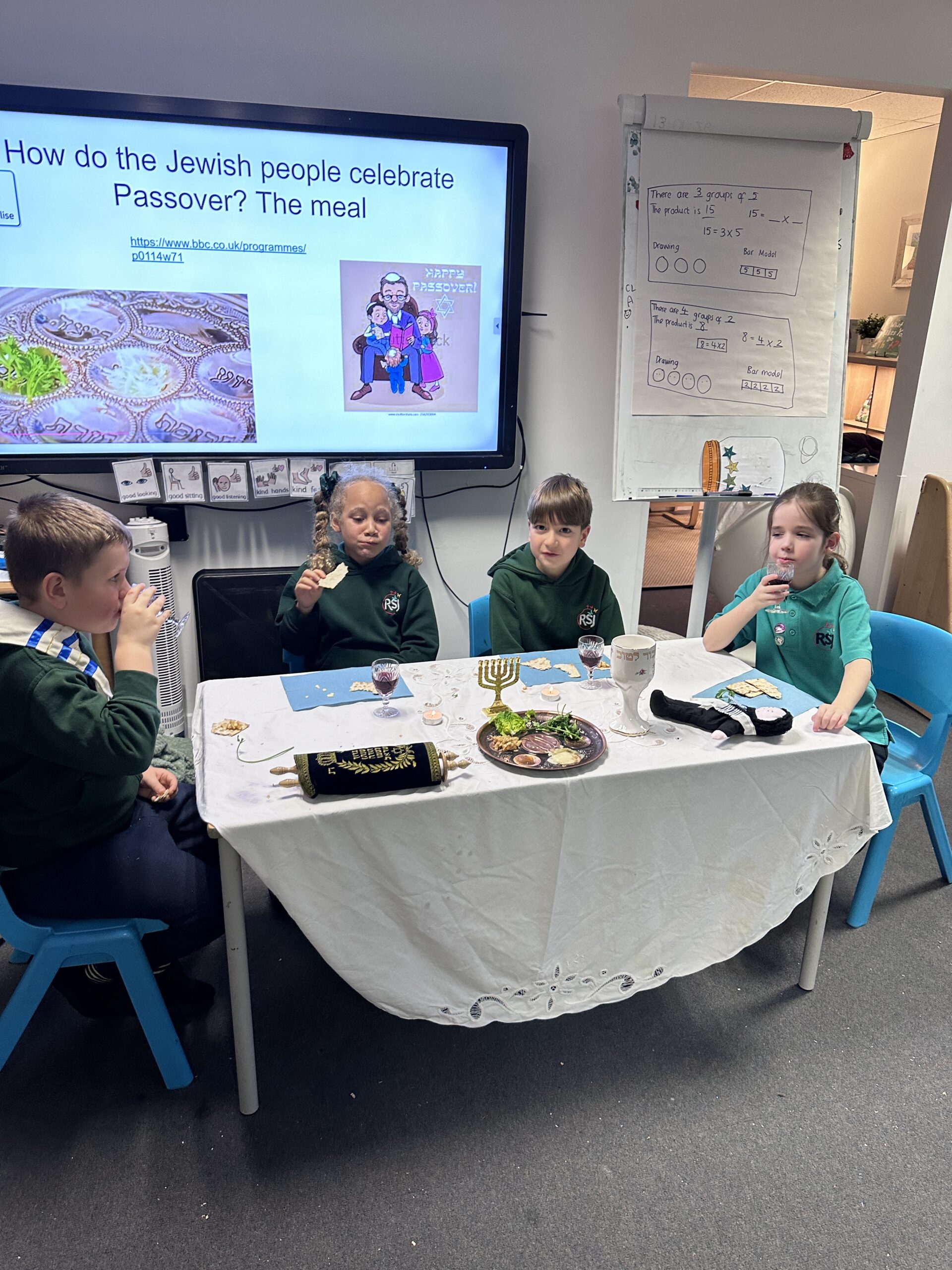
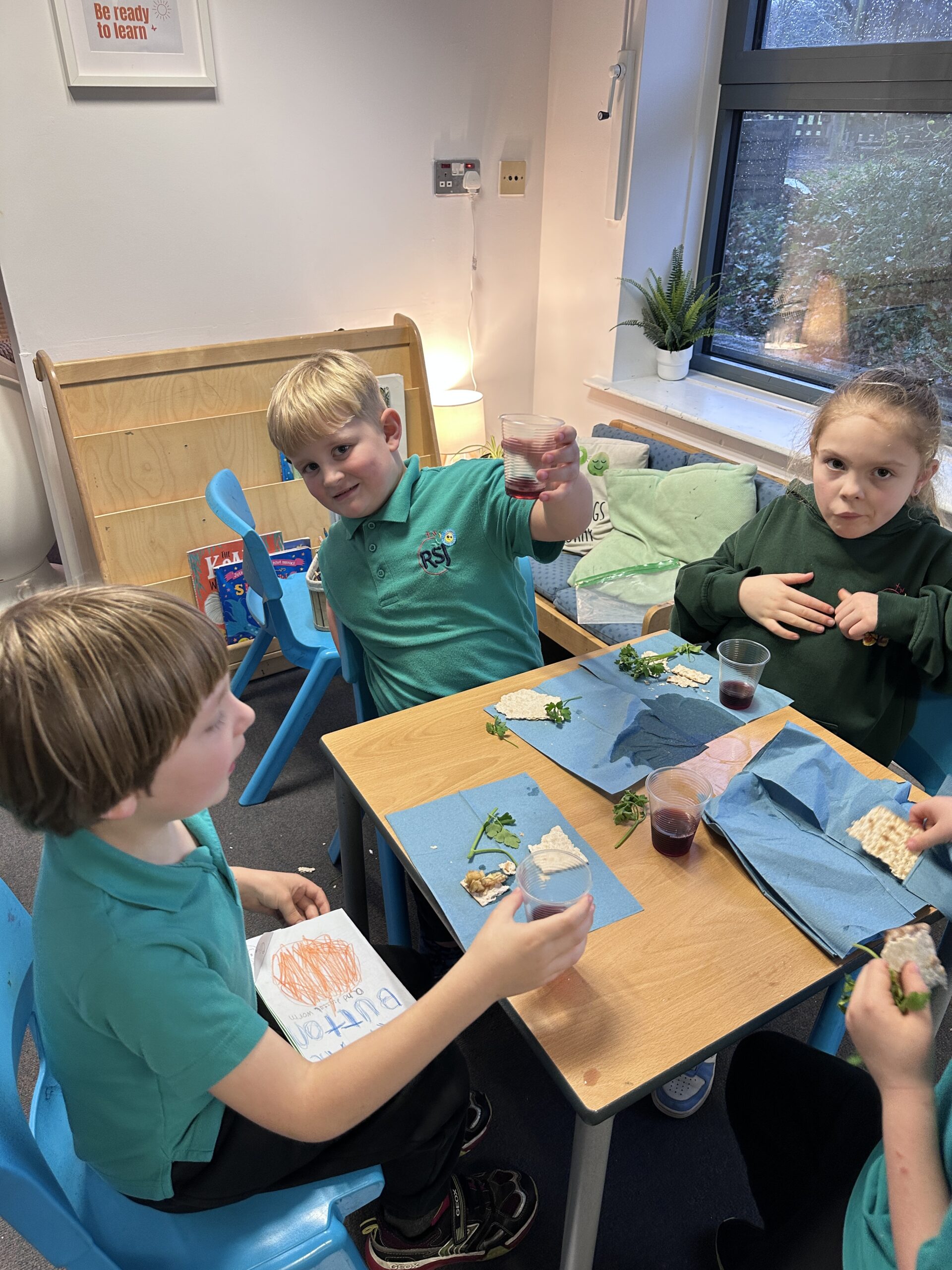
Passover Sedar Meal
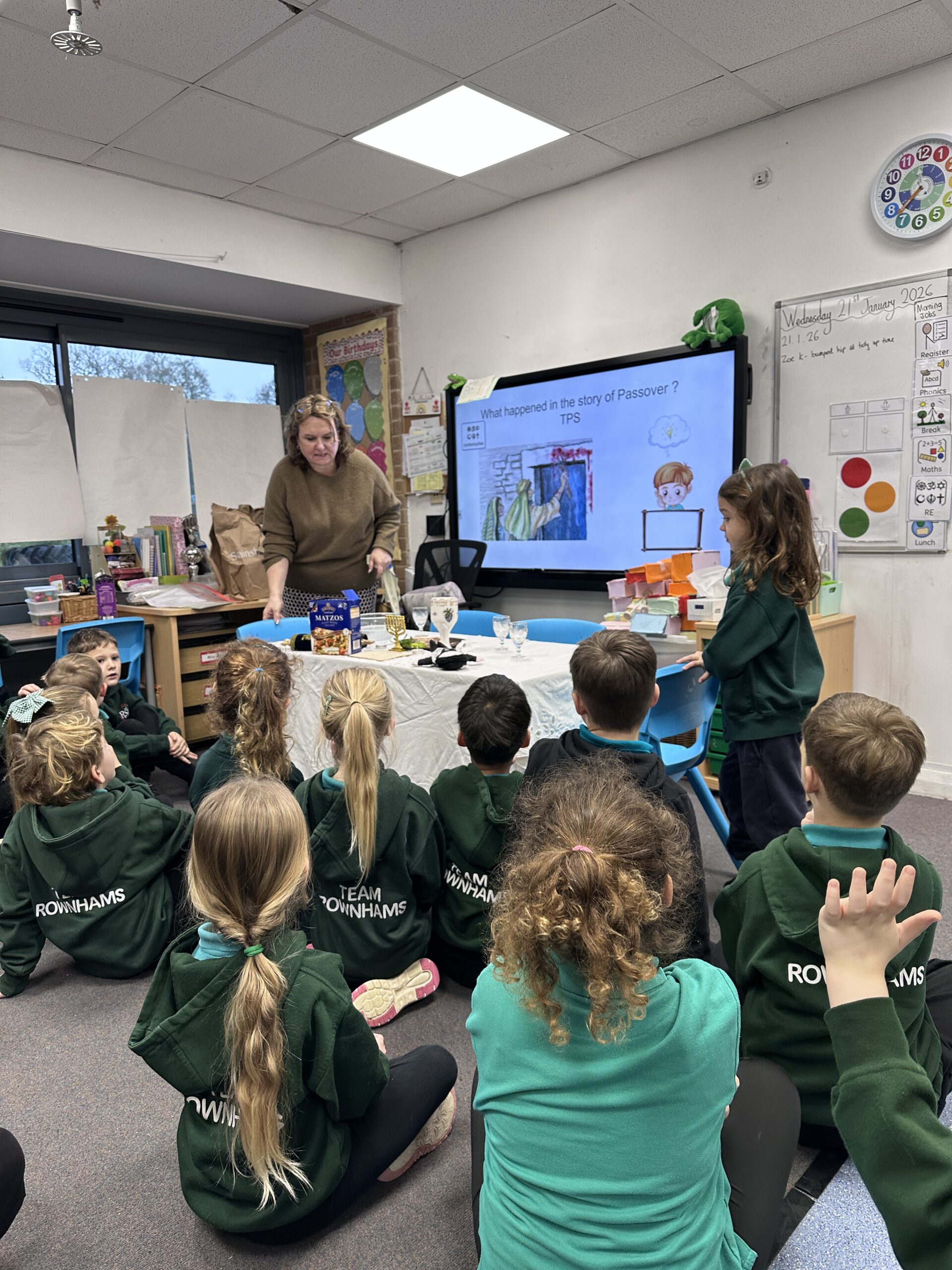
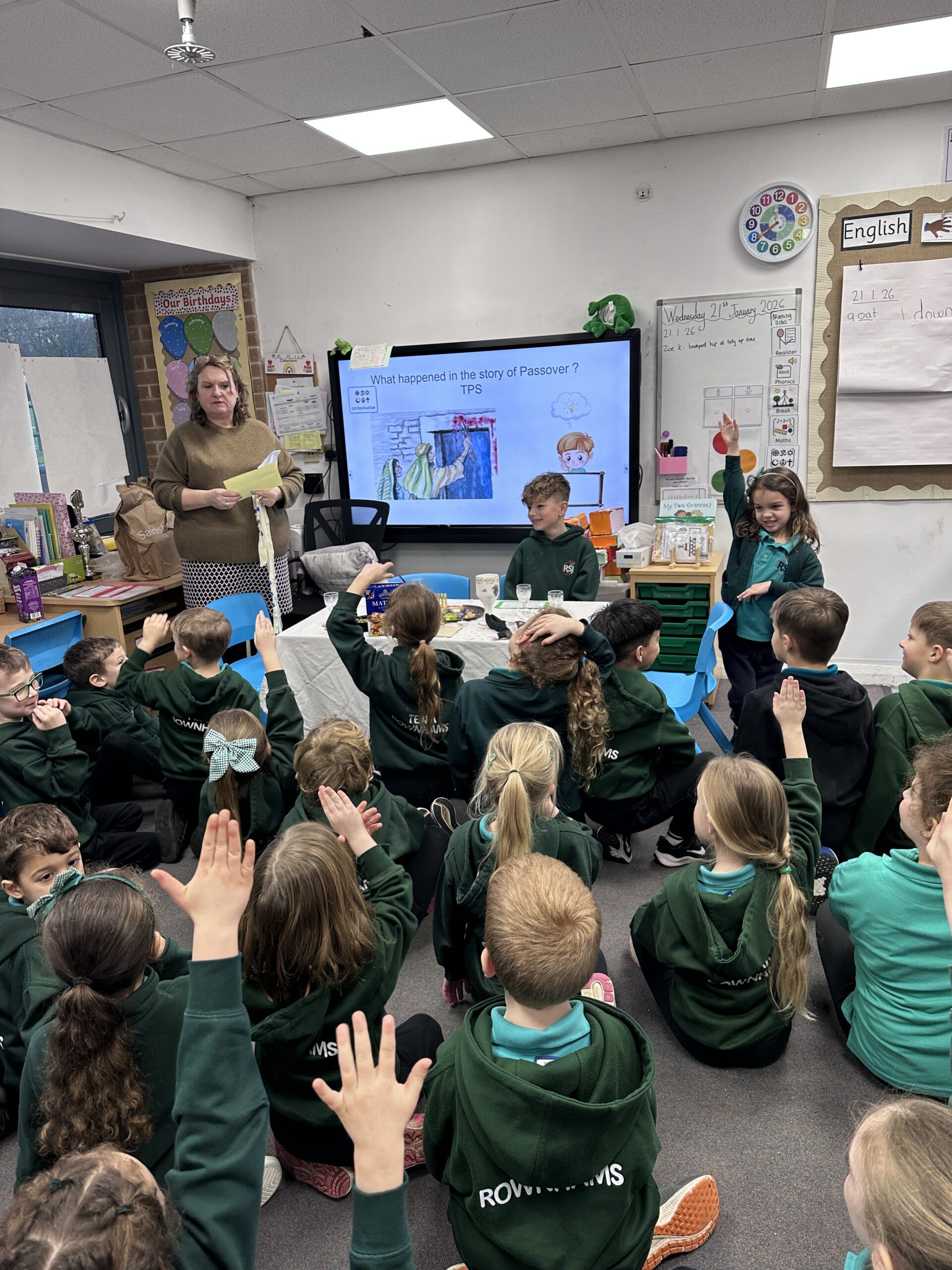
Year 1 and 2 have been learning about the Jewish festival of Passover. We learned about the story when the Jews were slaves in Eqypt and they were saved by putting a cross of Lamb’s blood on their door. This stopped their young children being killed. They were led to freedom from slavery and escaped from Egypt across the Red Sea. Jewish families remember every year in the Springtime.
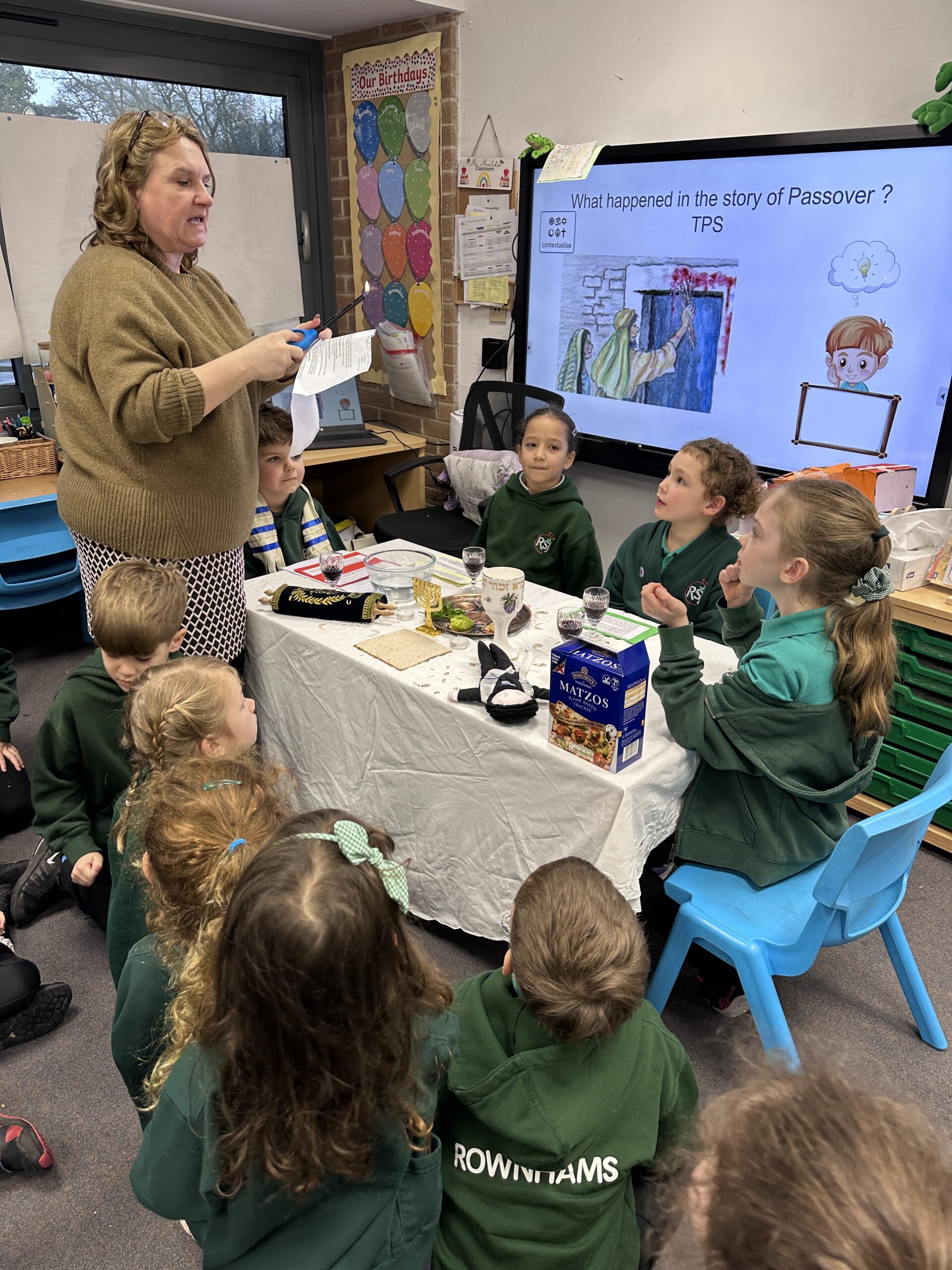
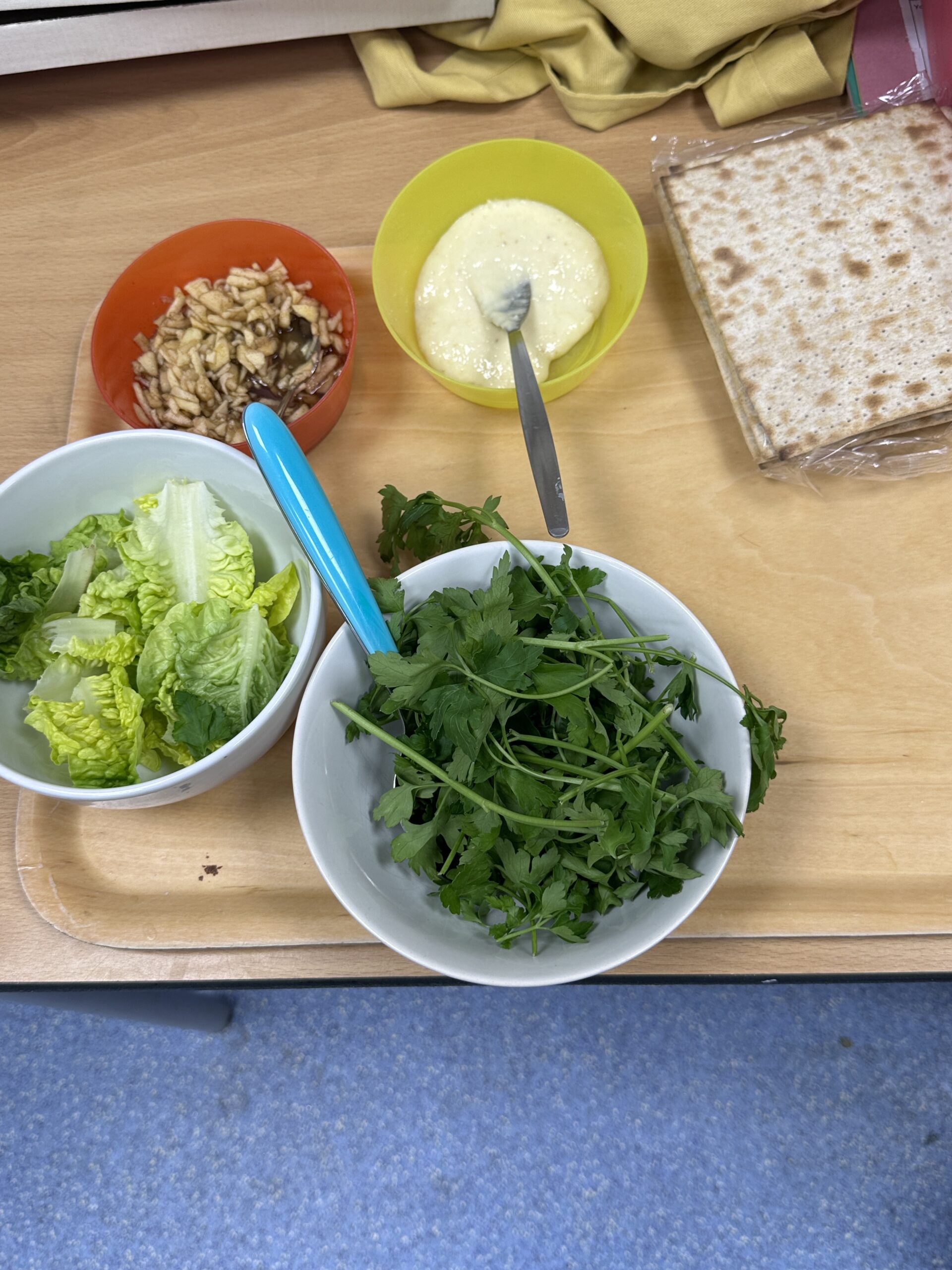
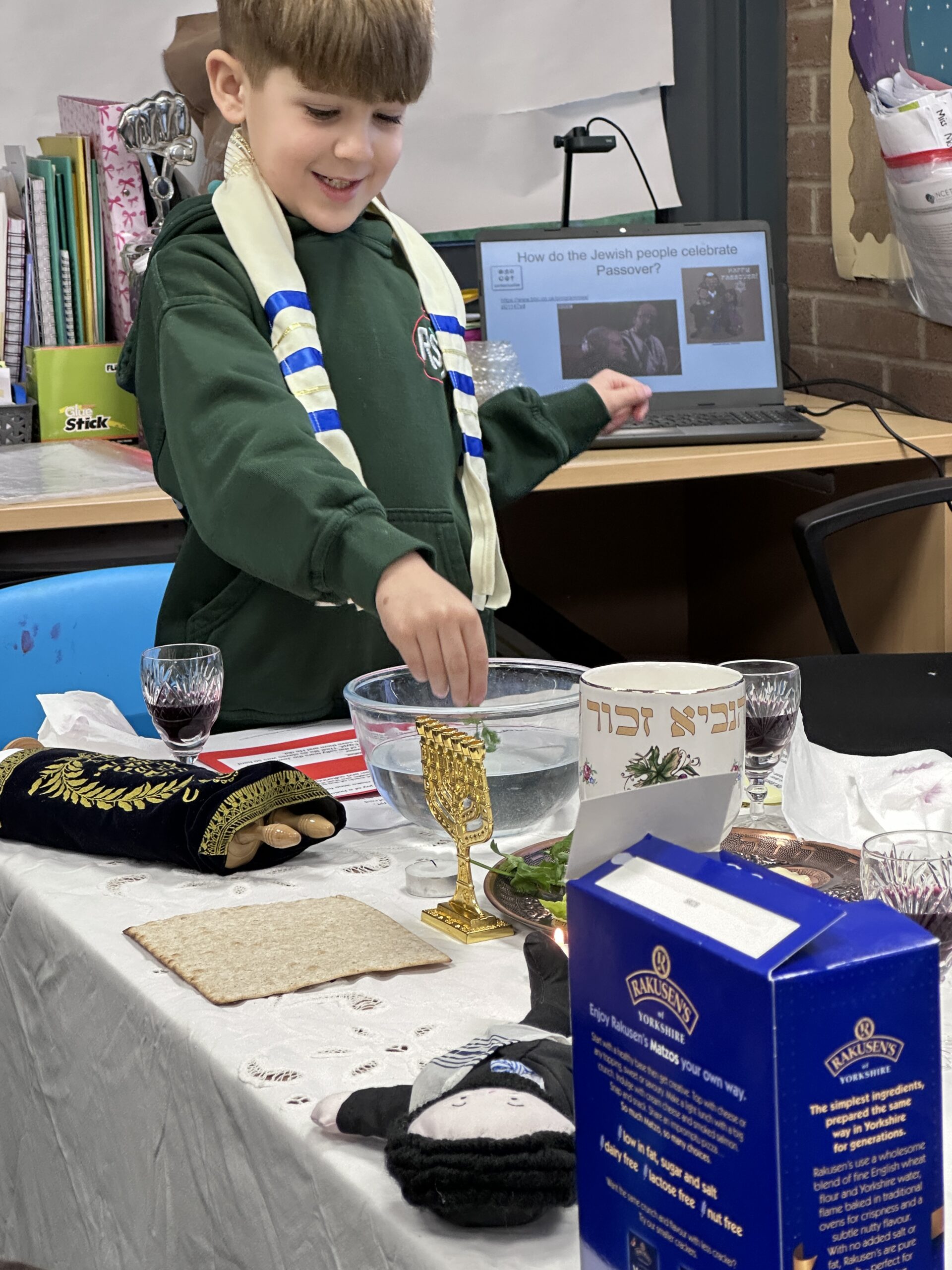
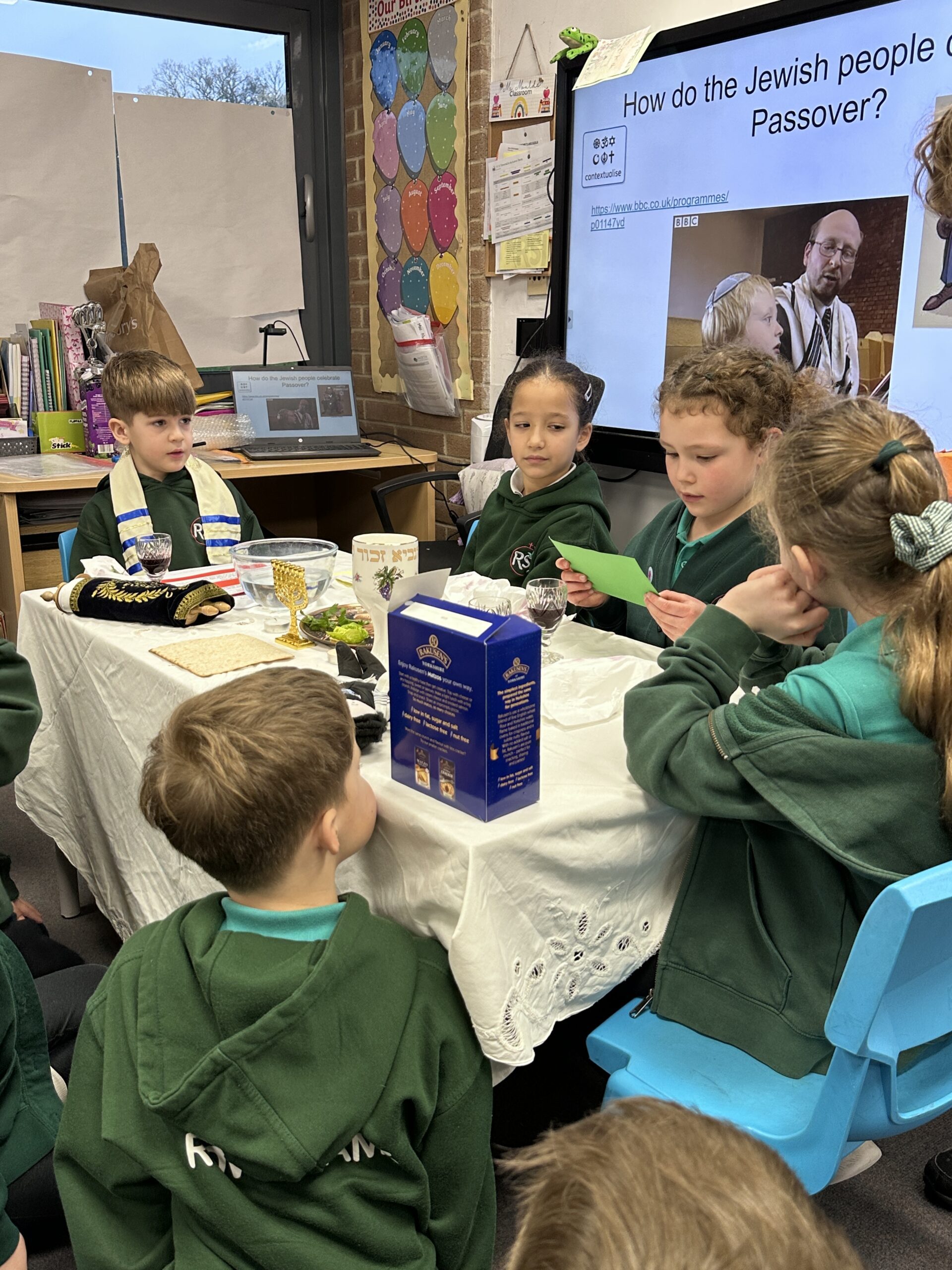
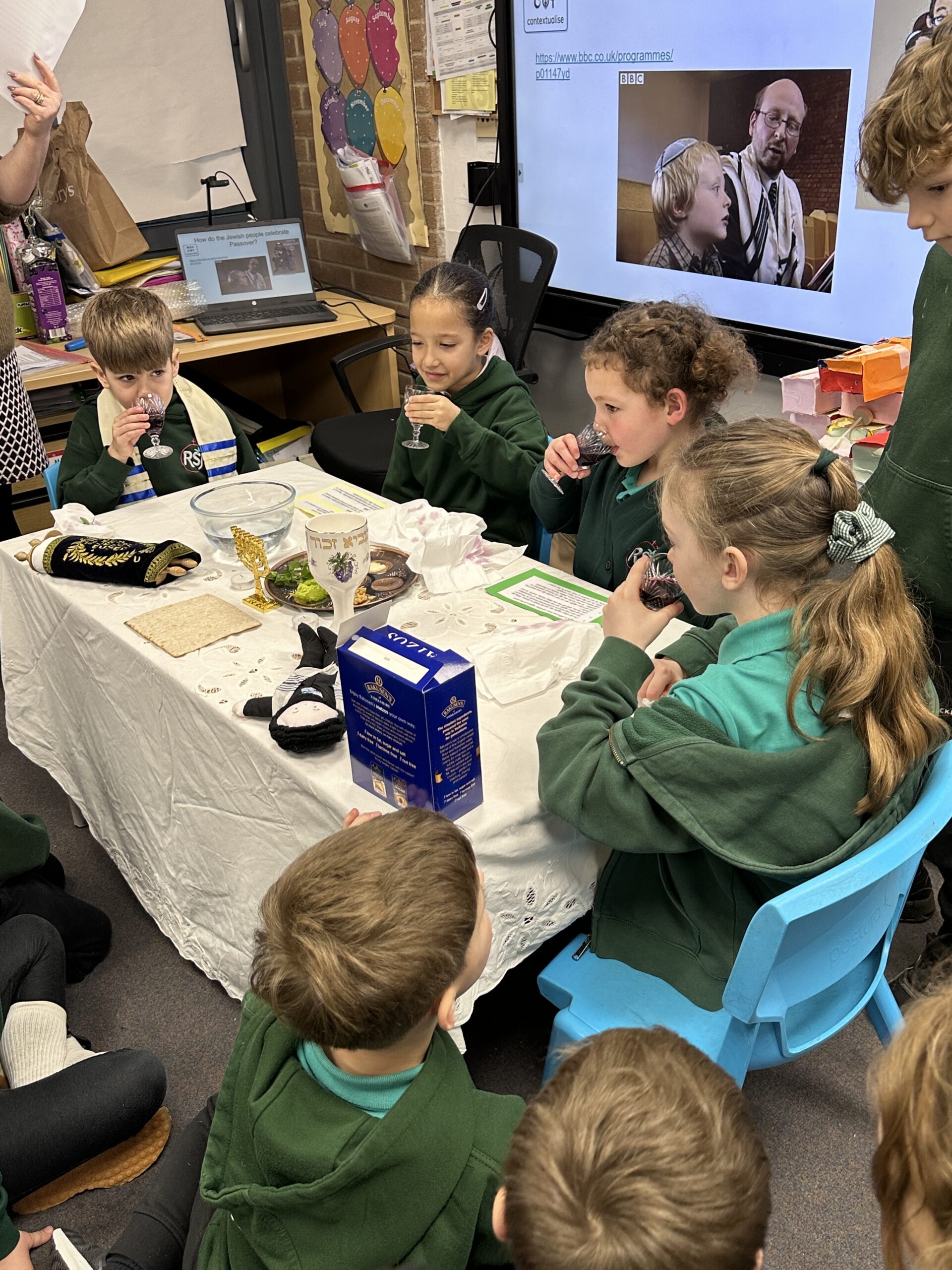
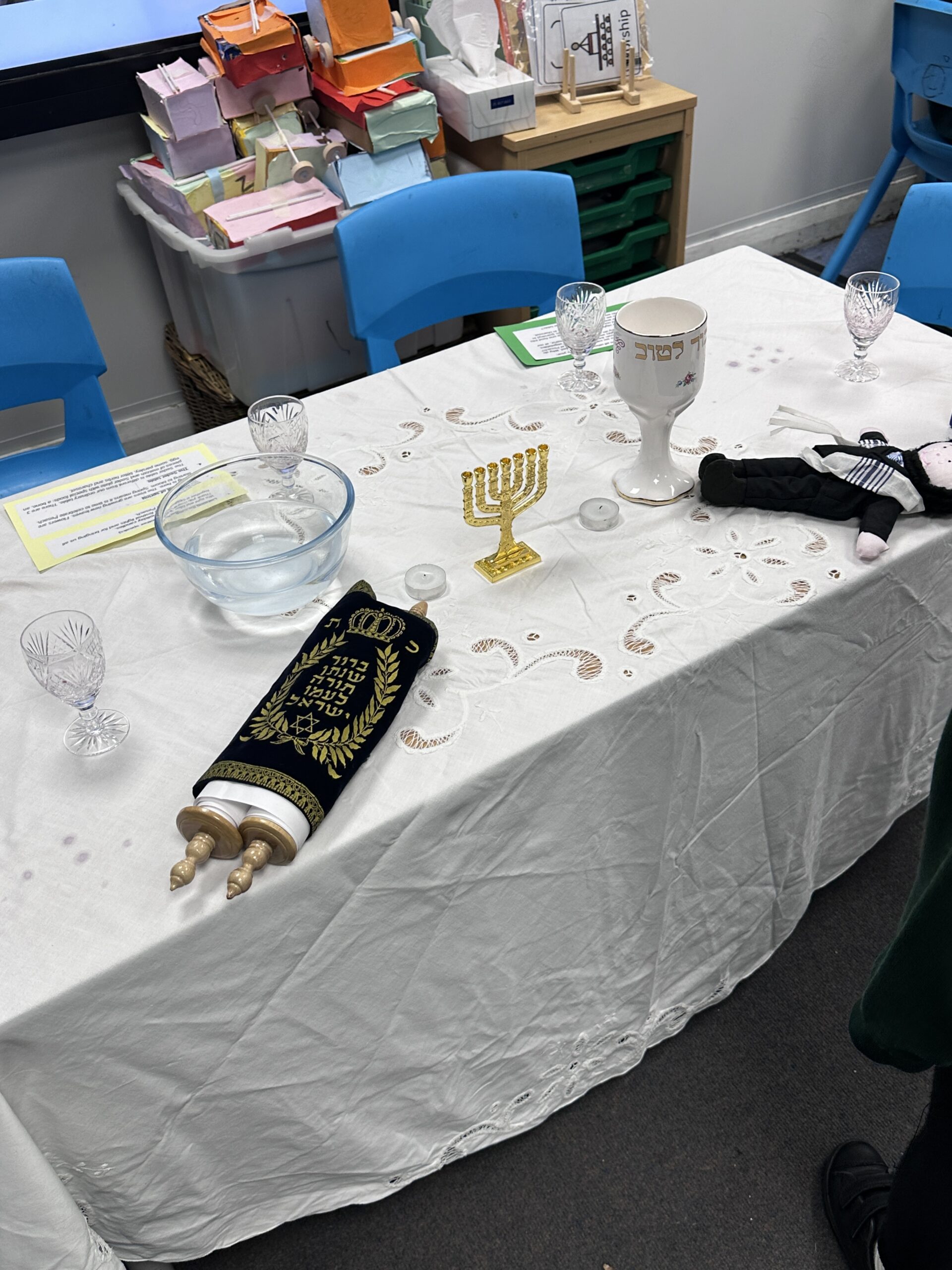
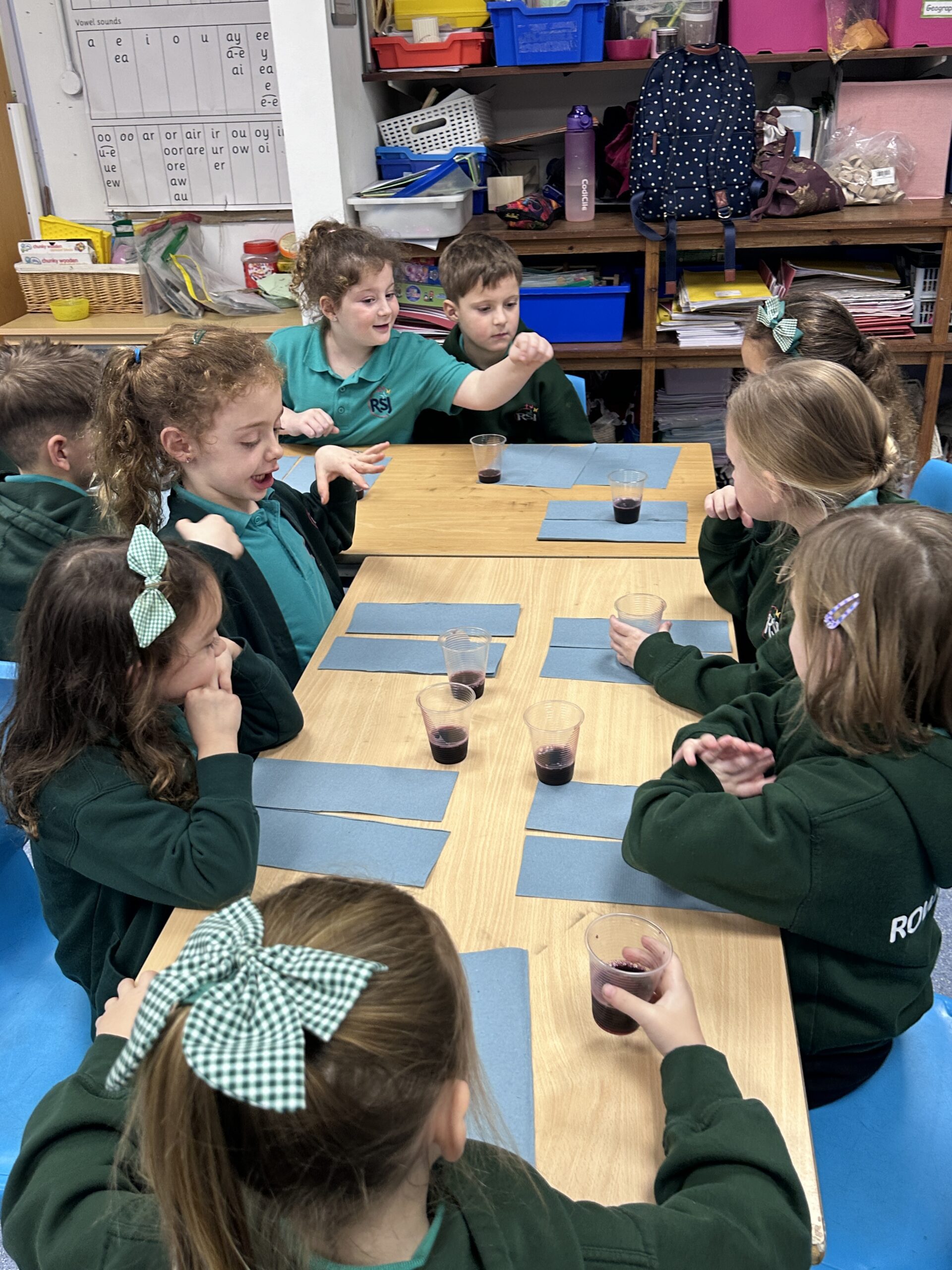
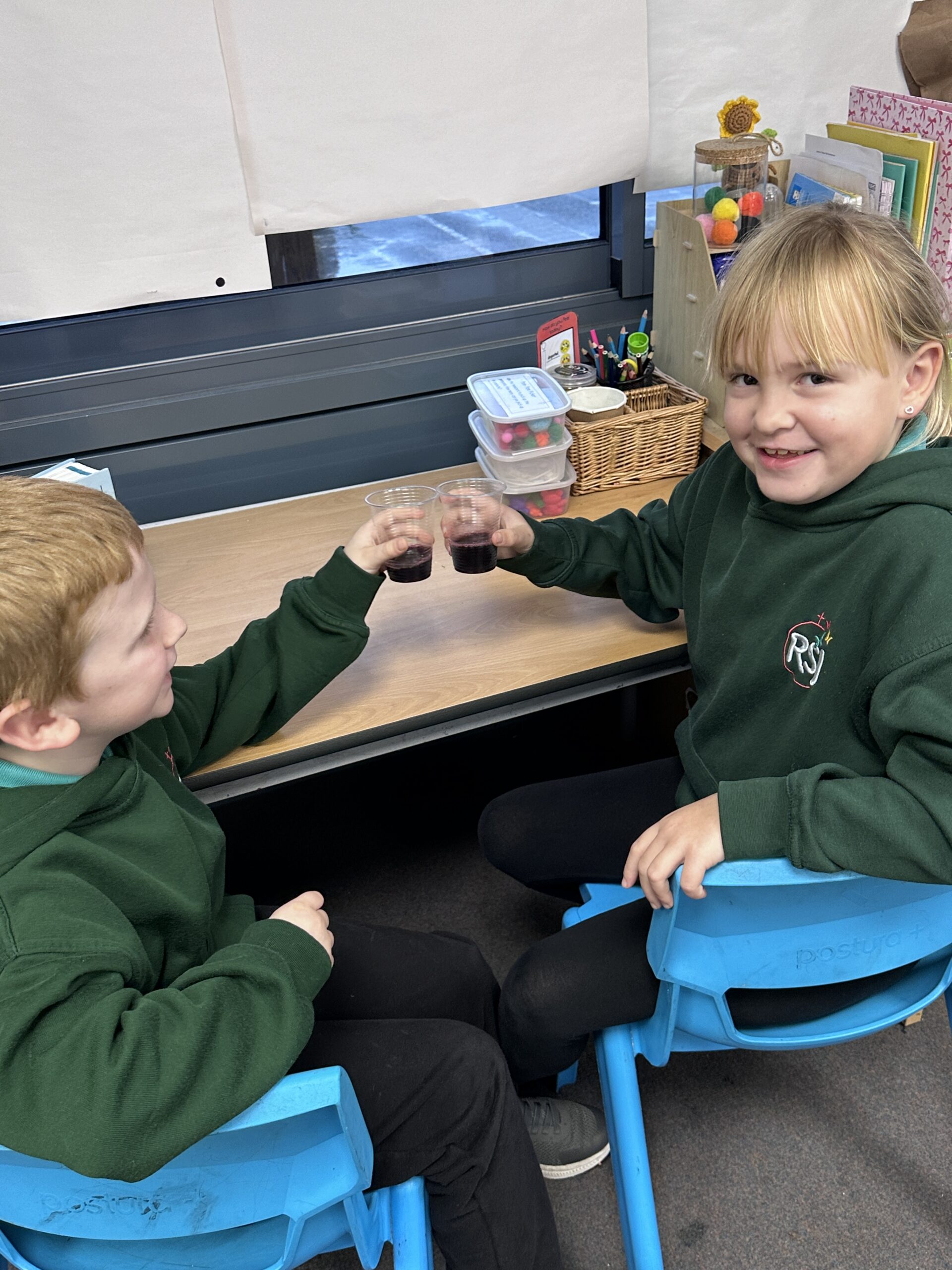
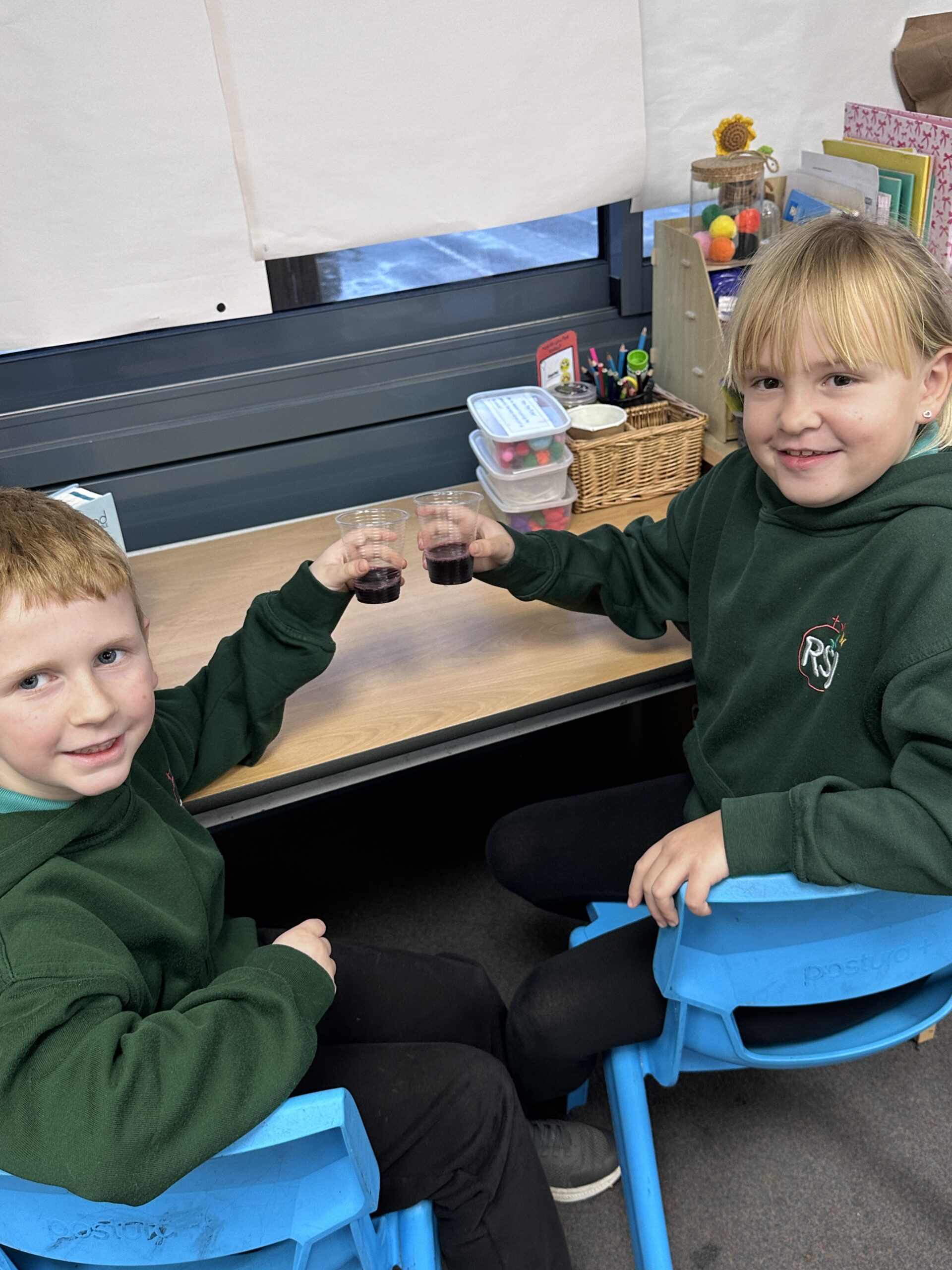
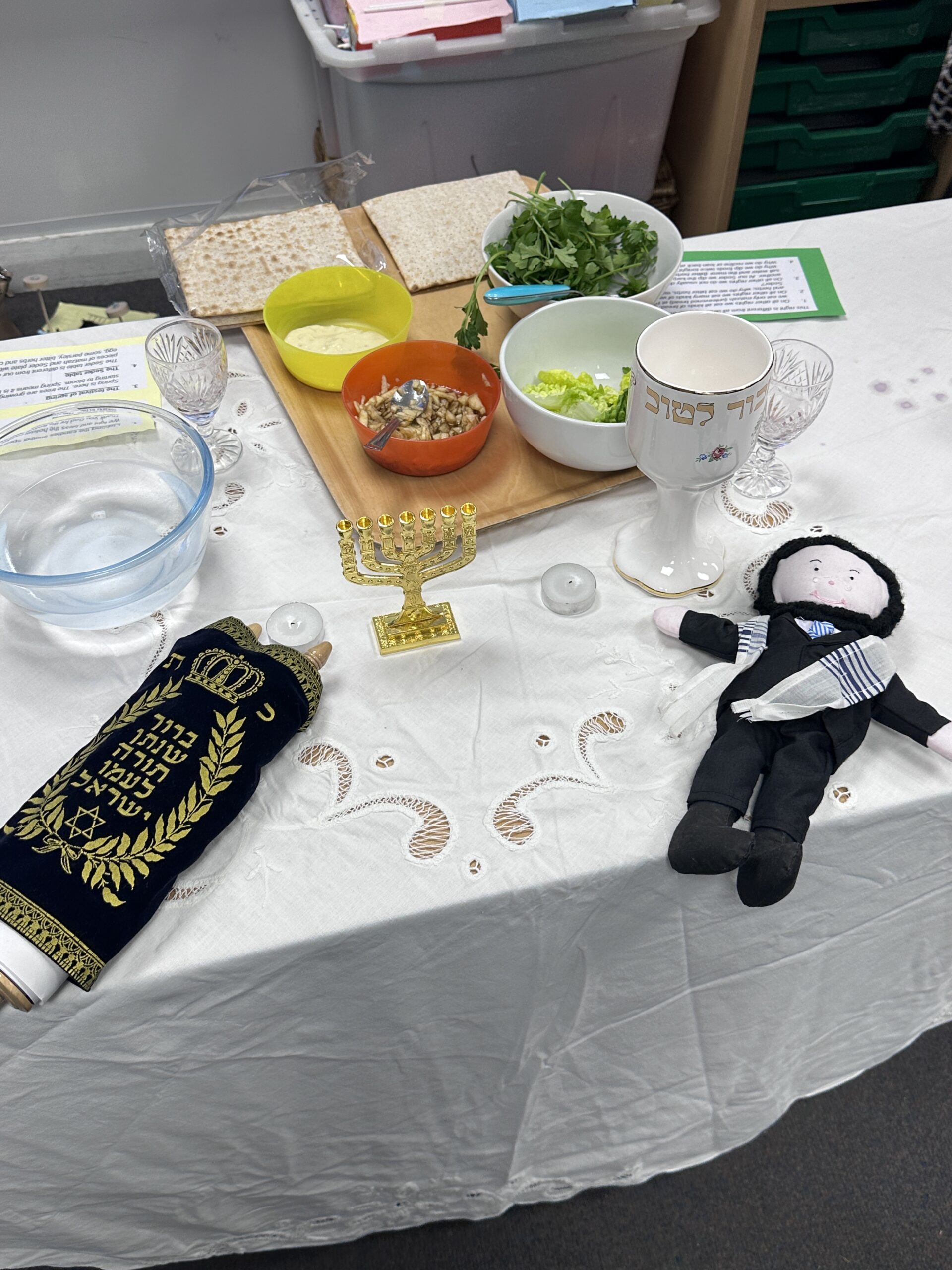
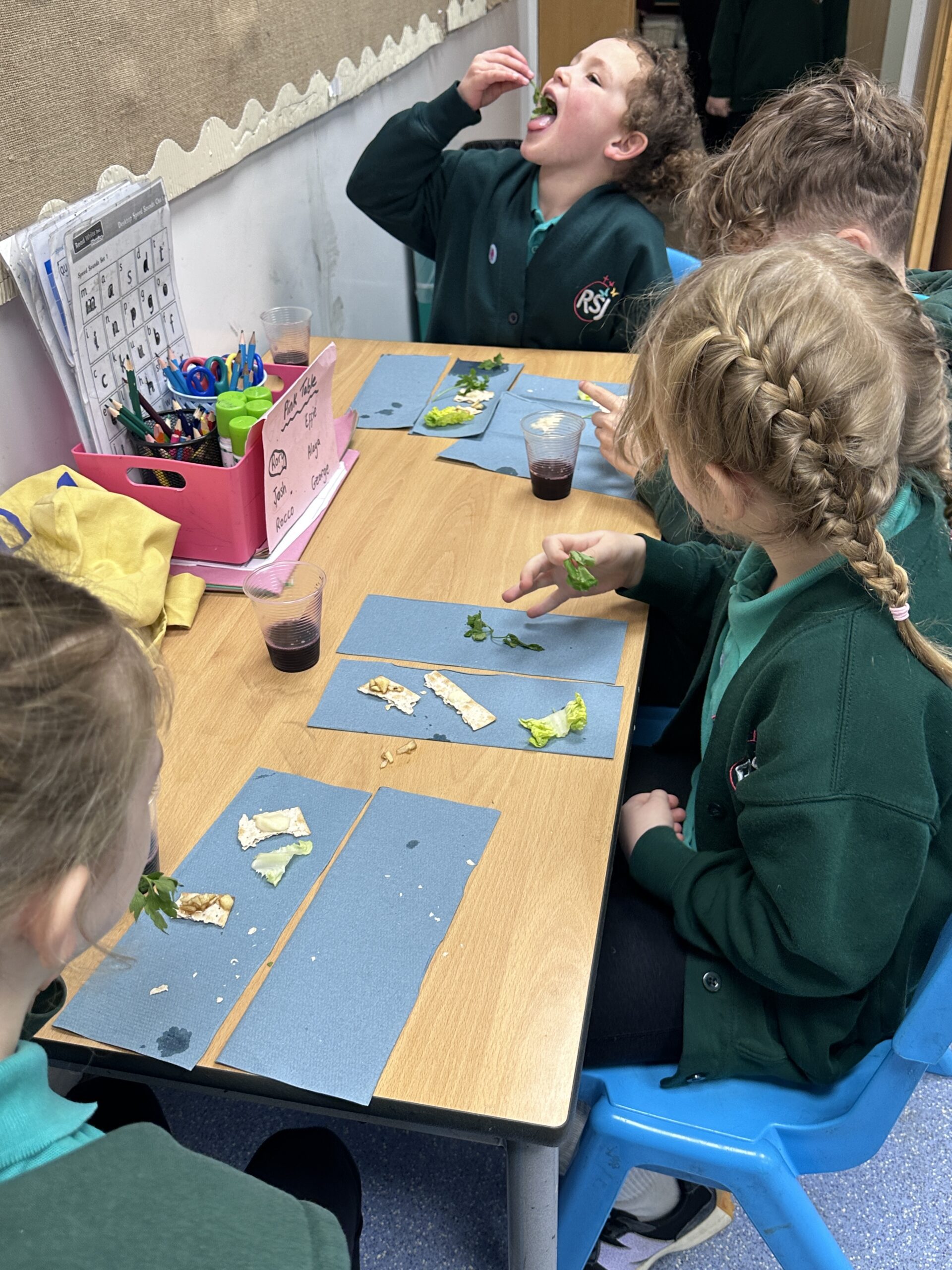
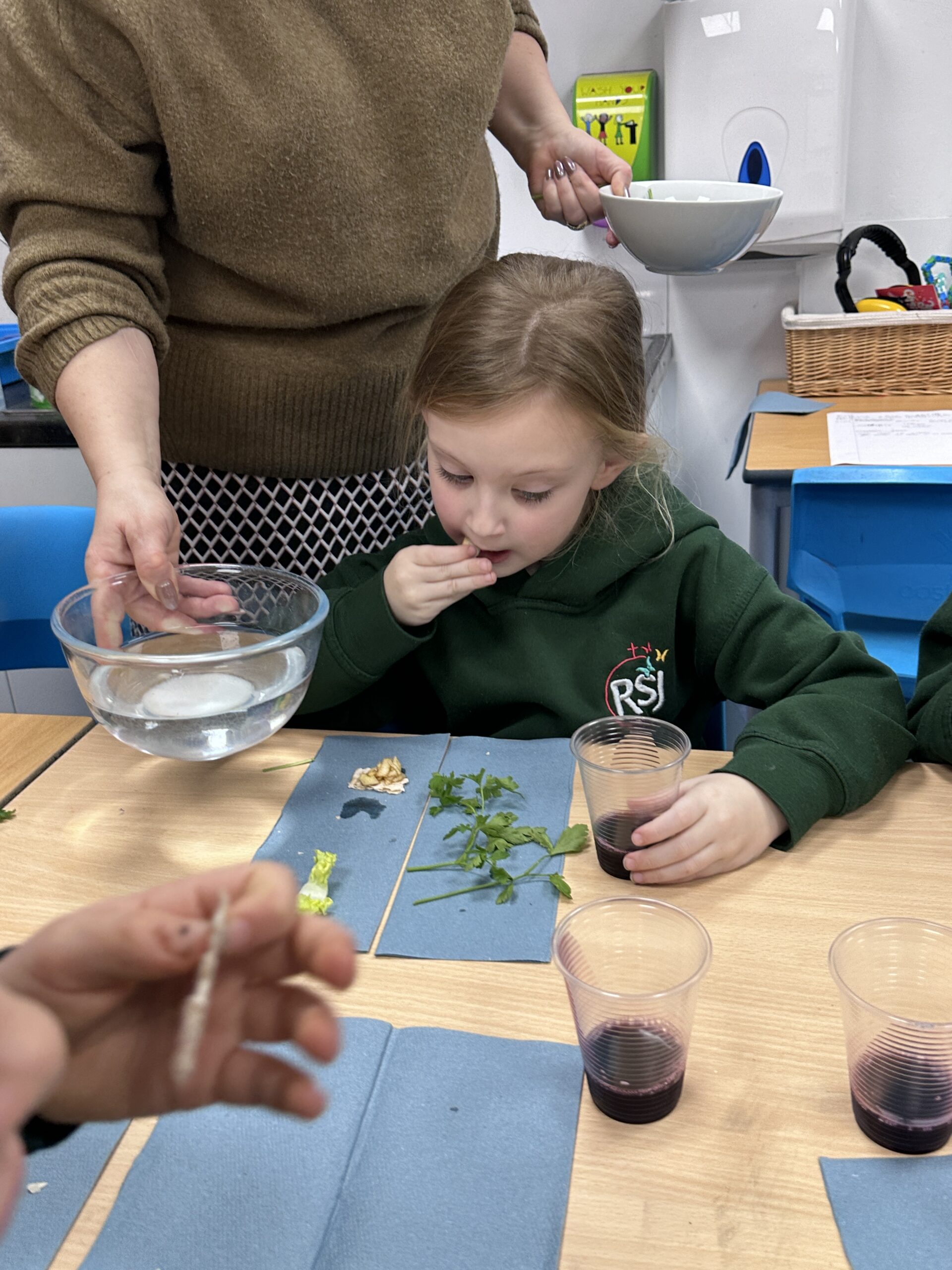
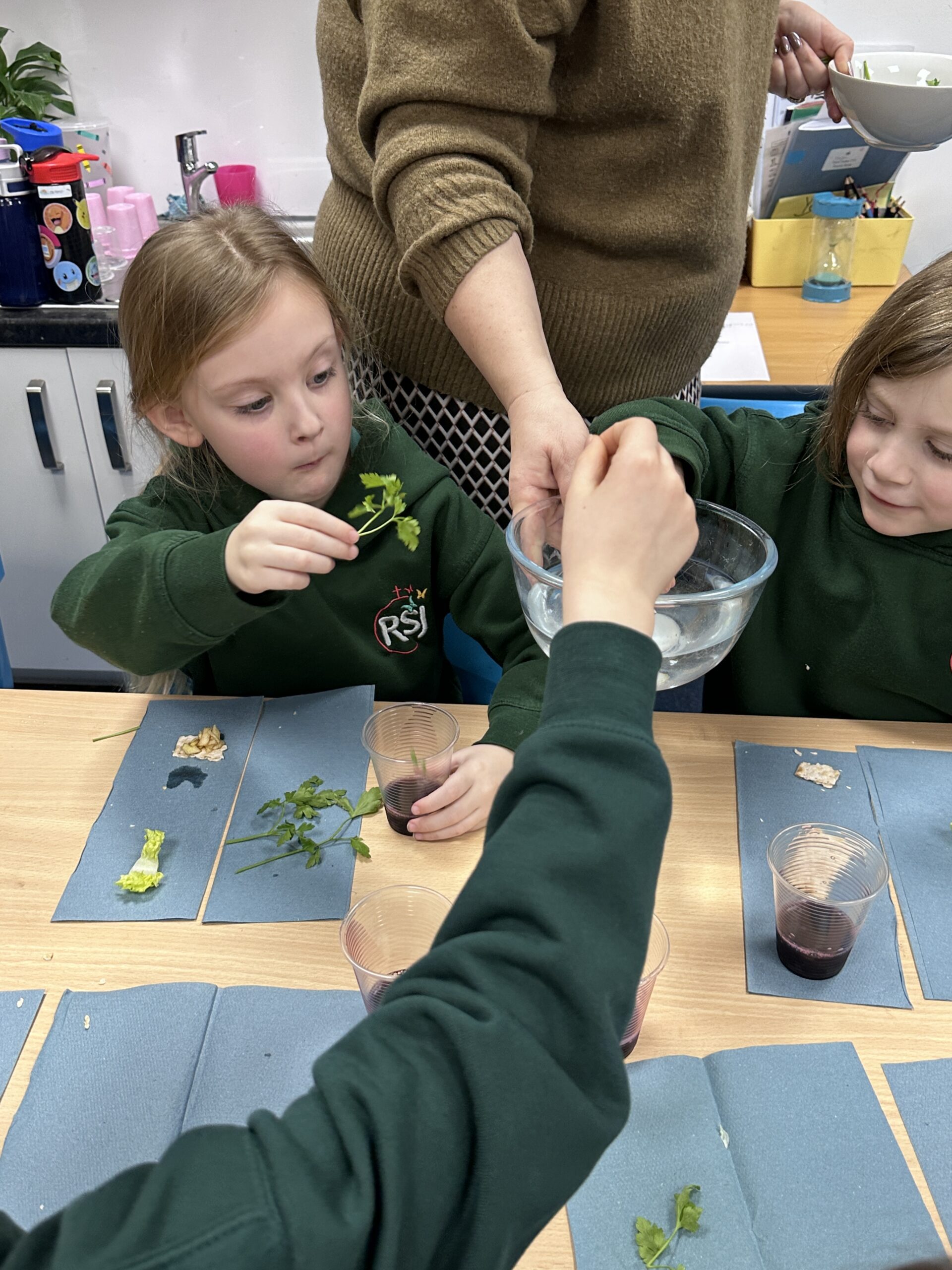
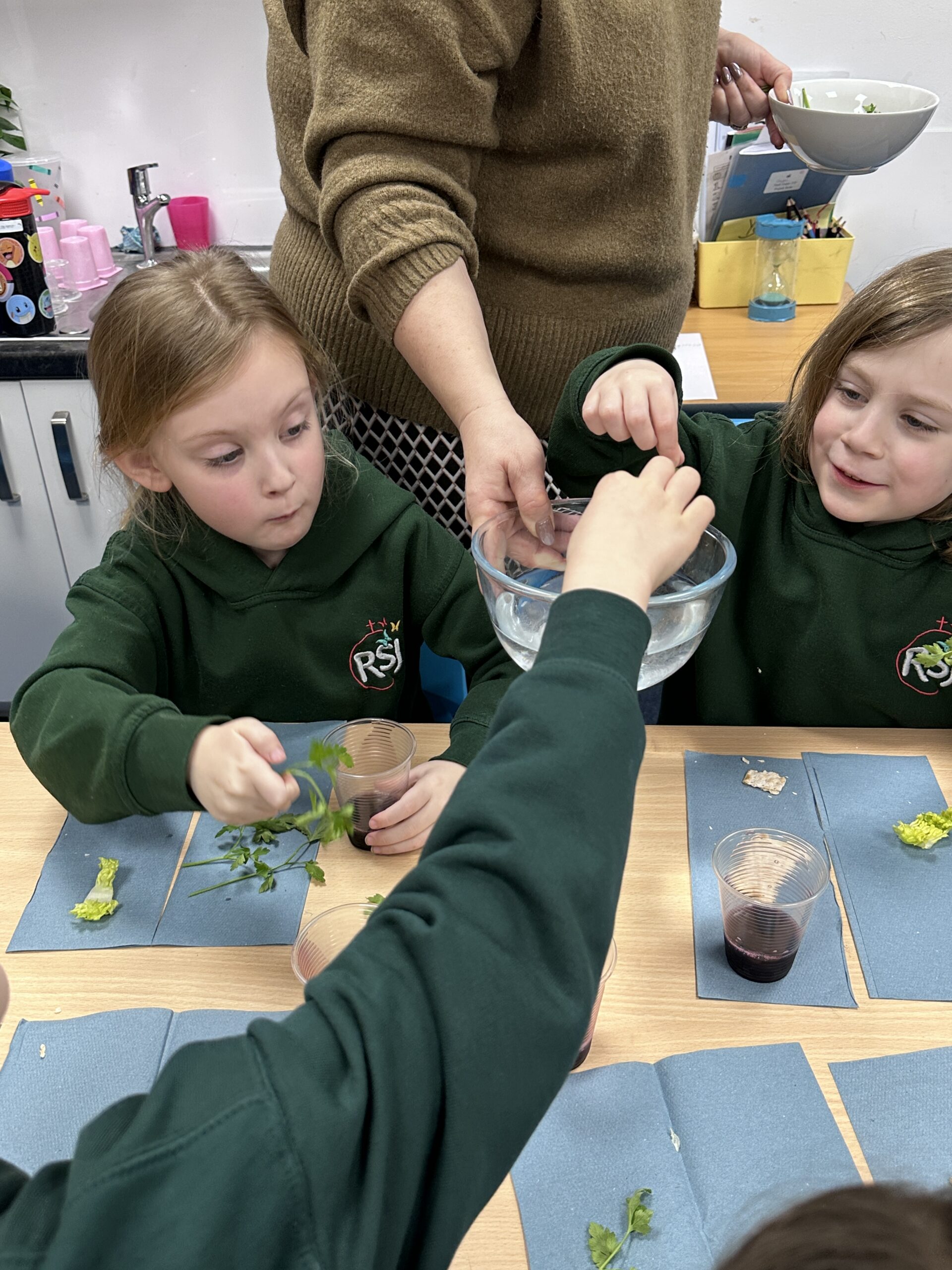
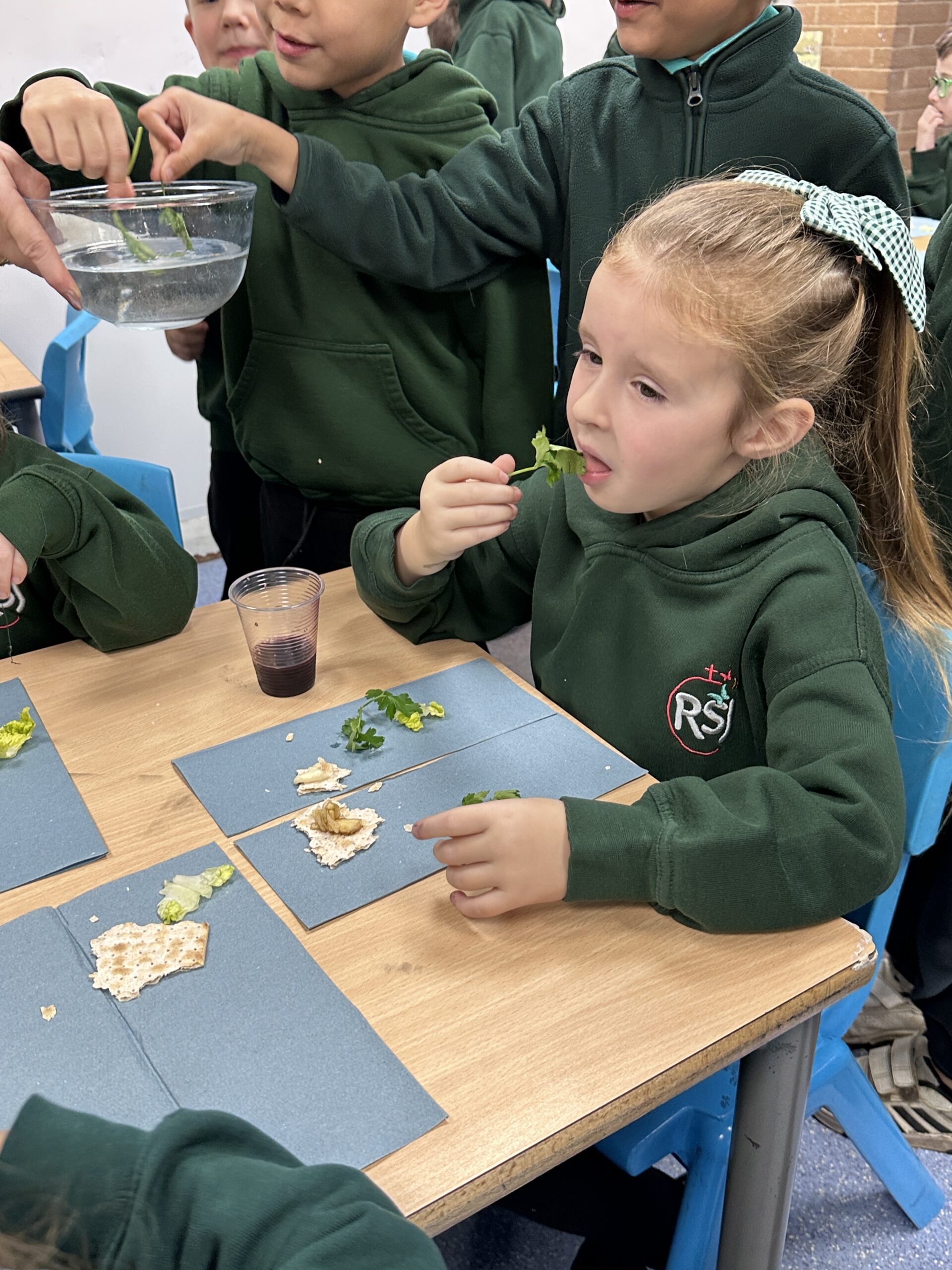
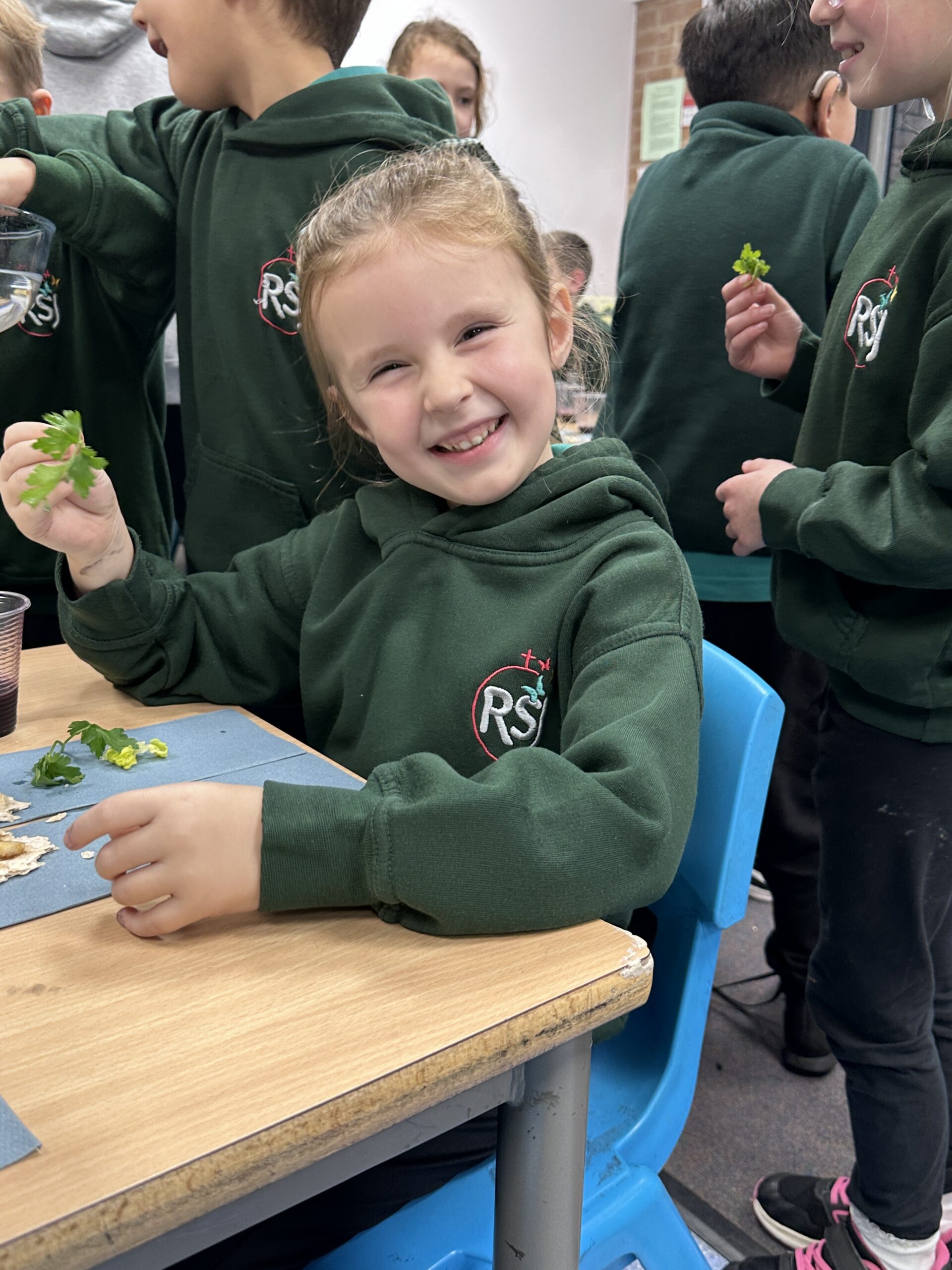
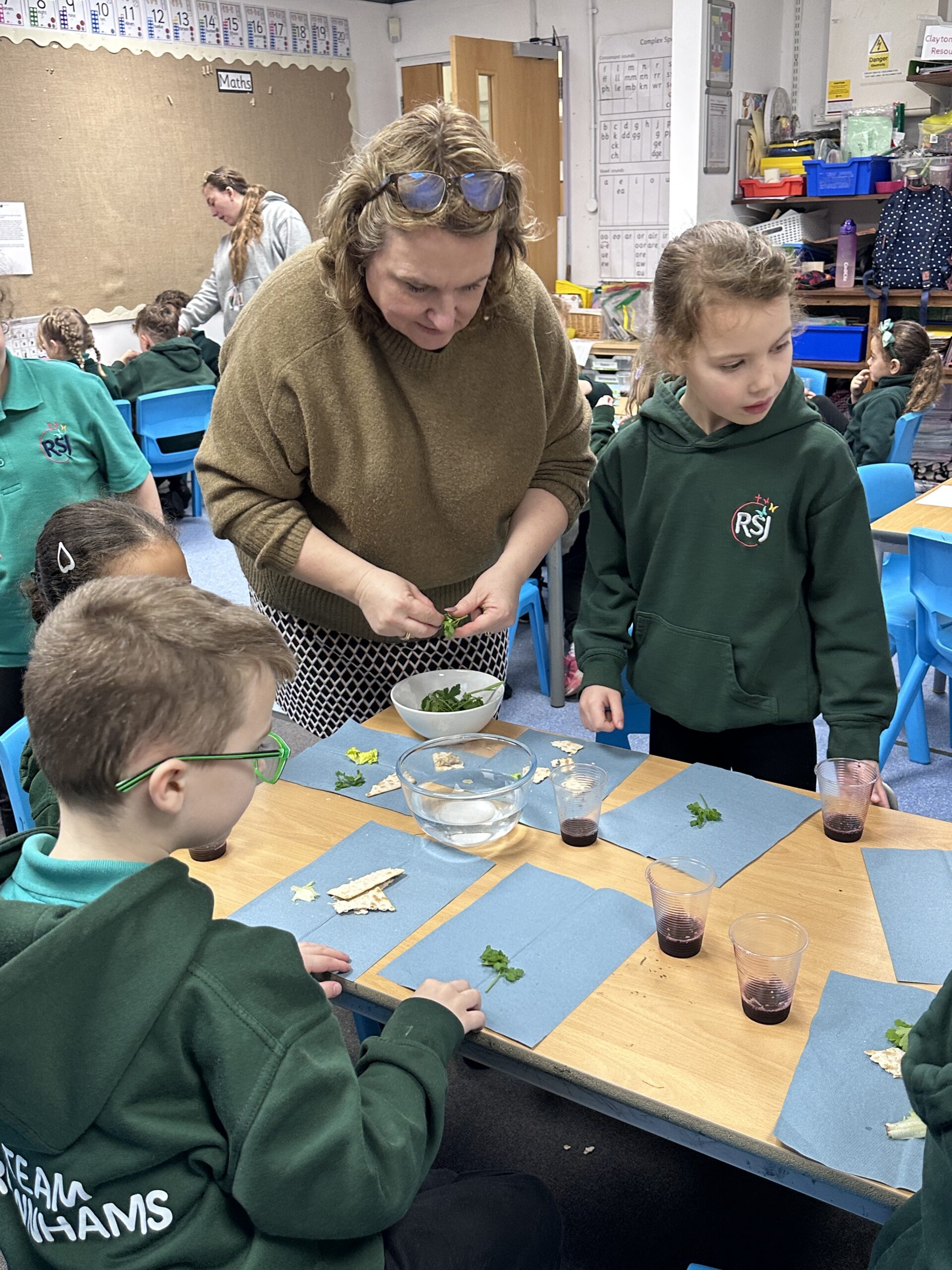
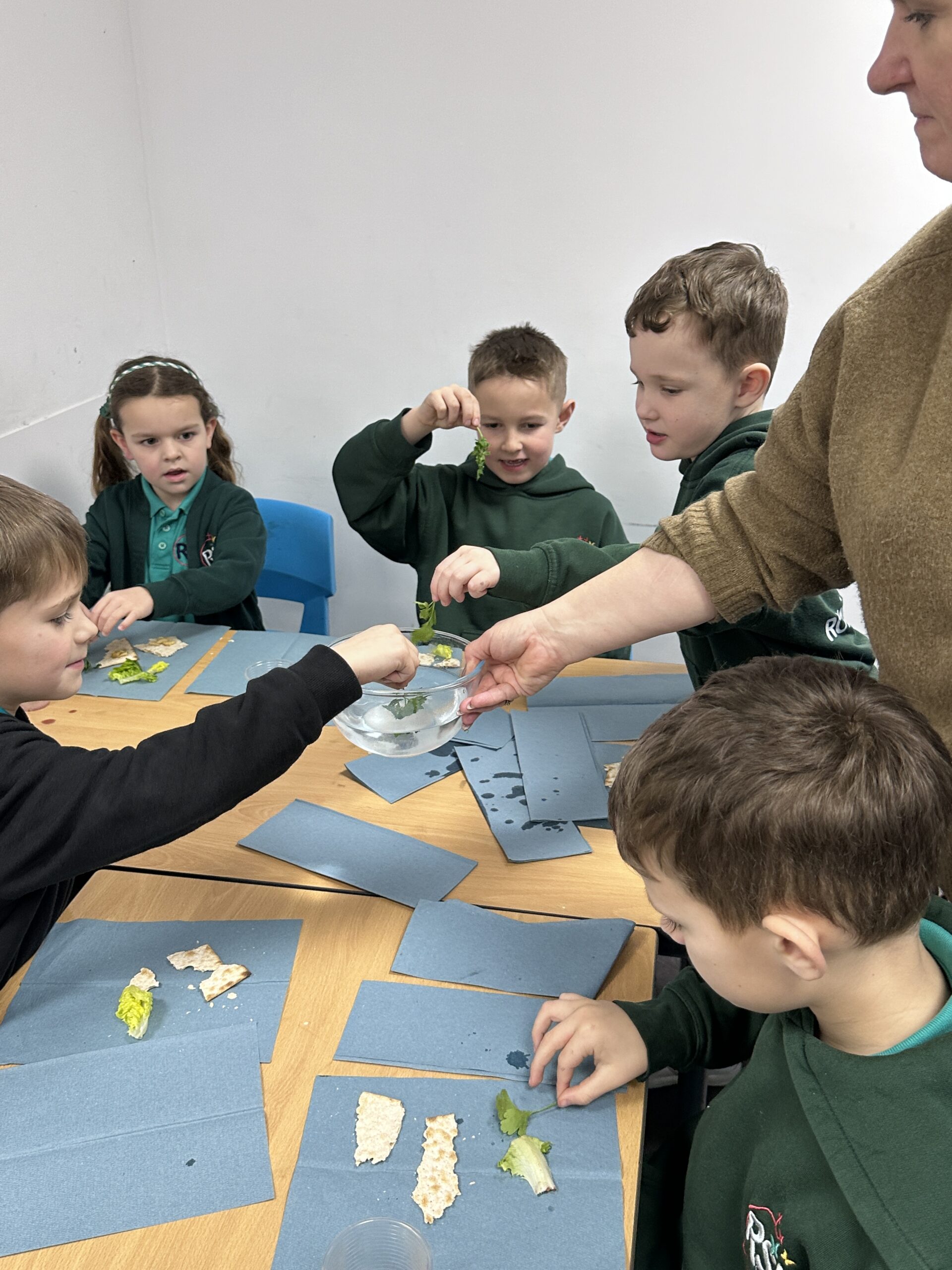
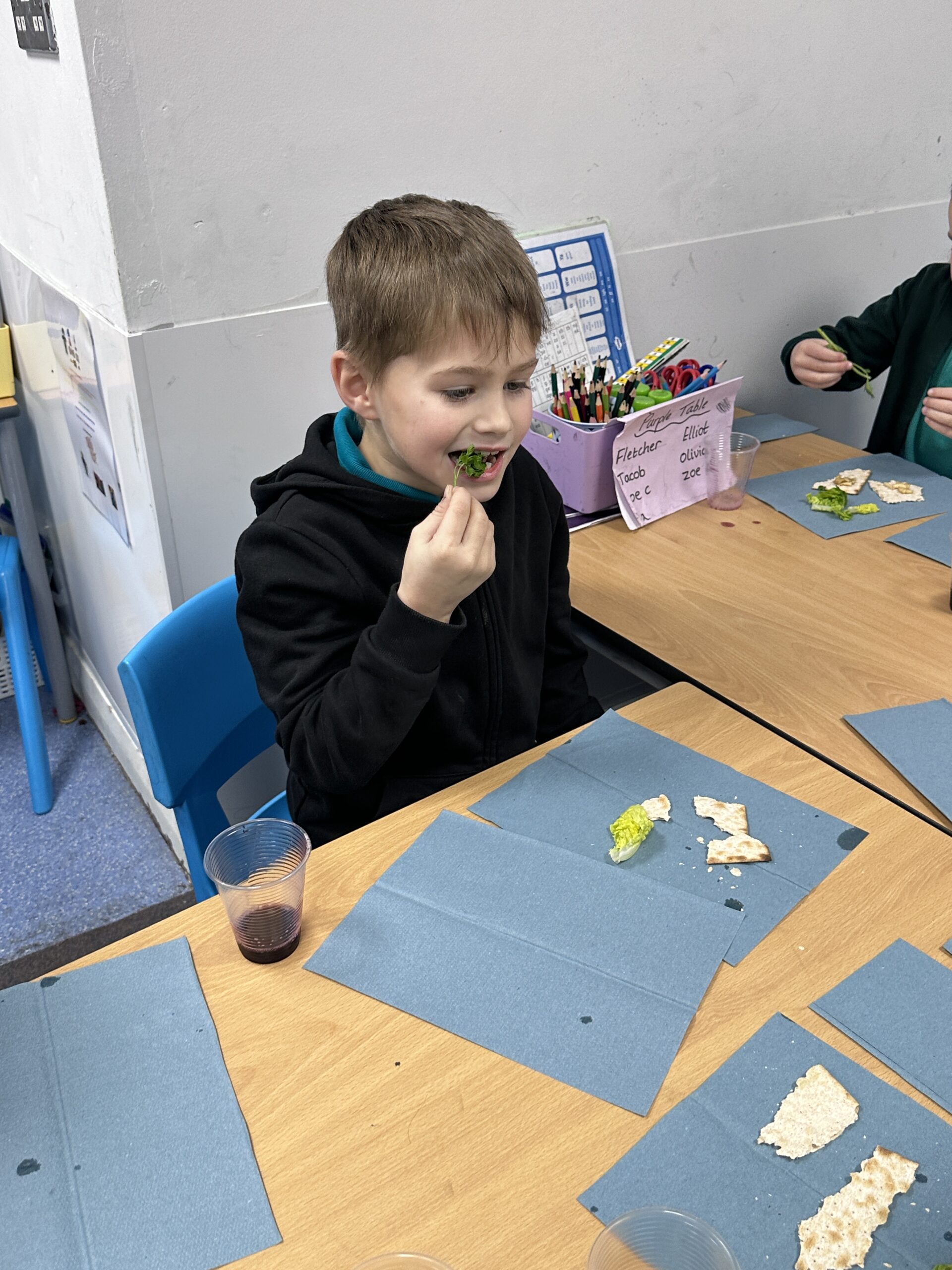
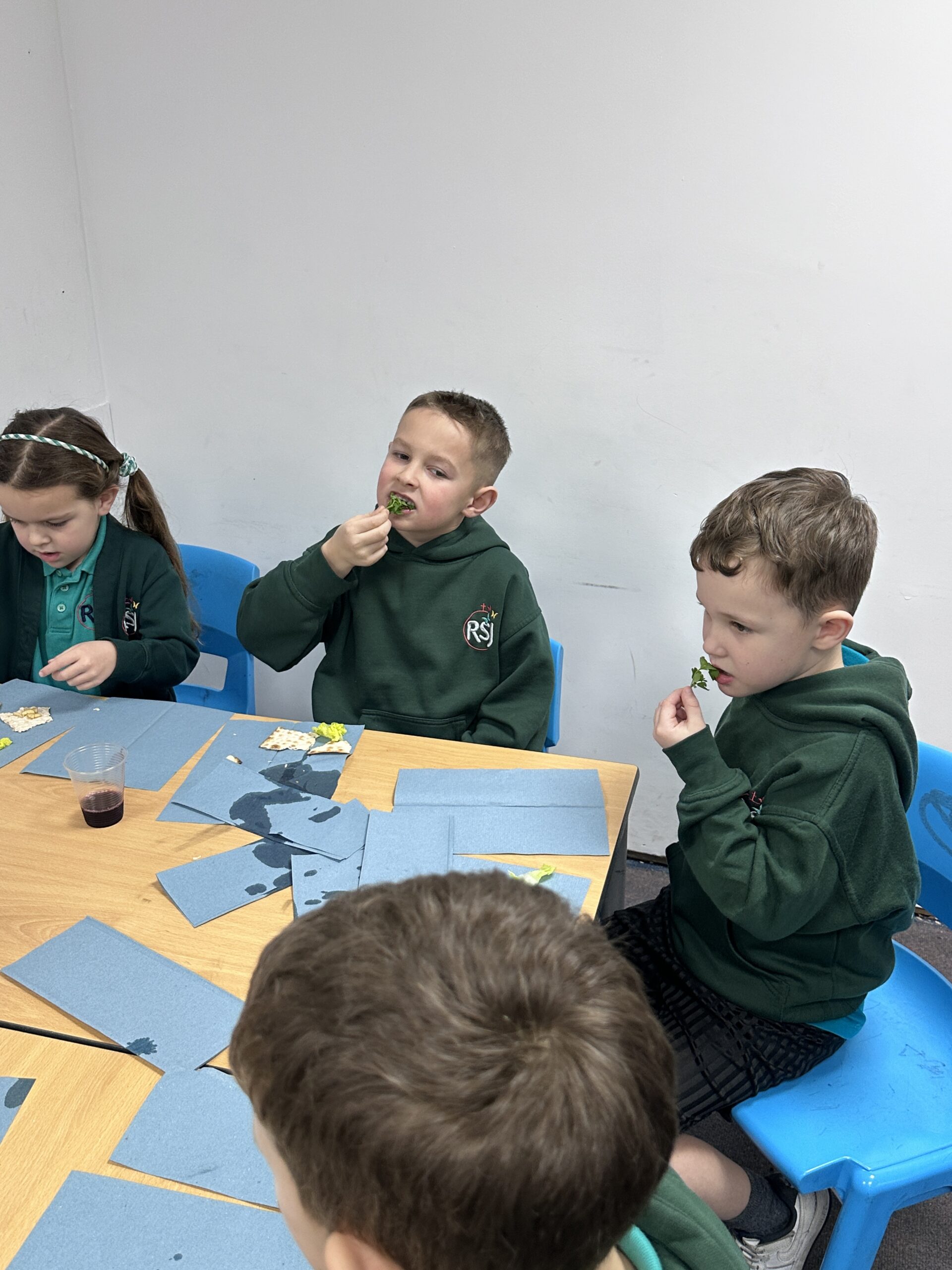
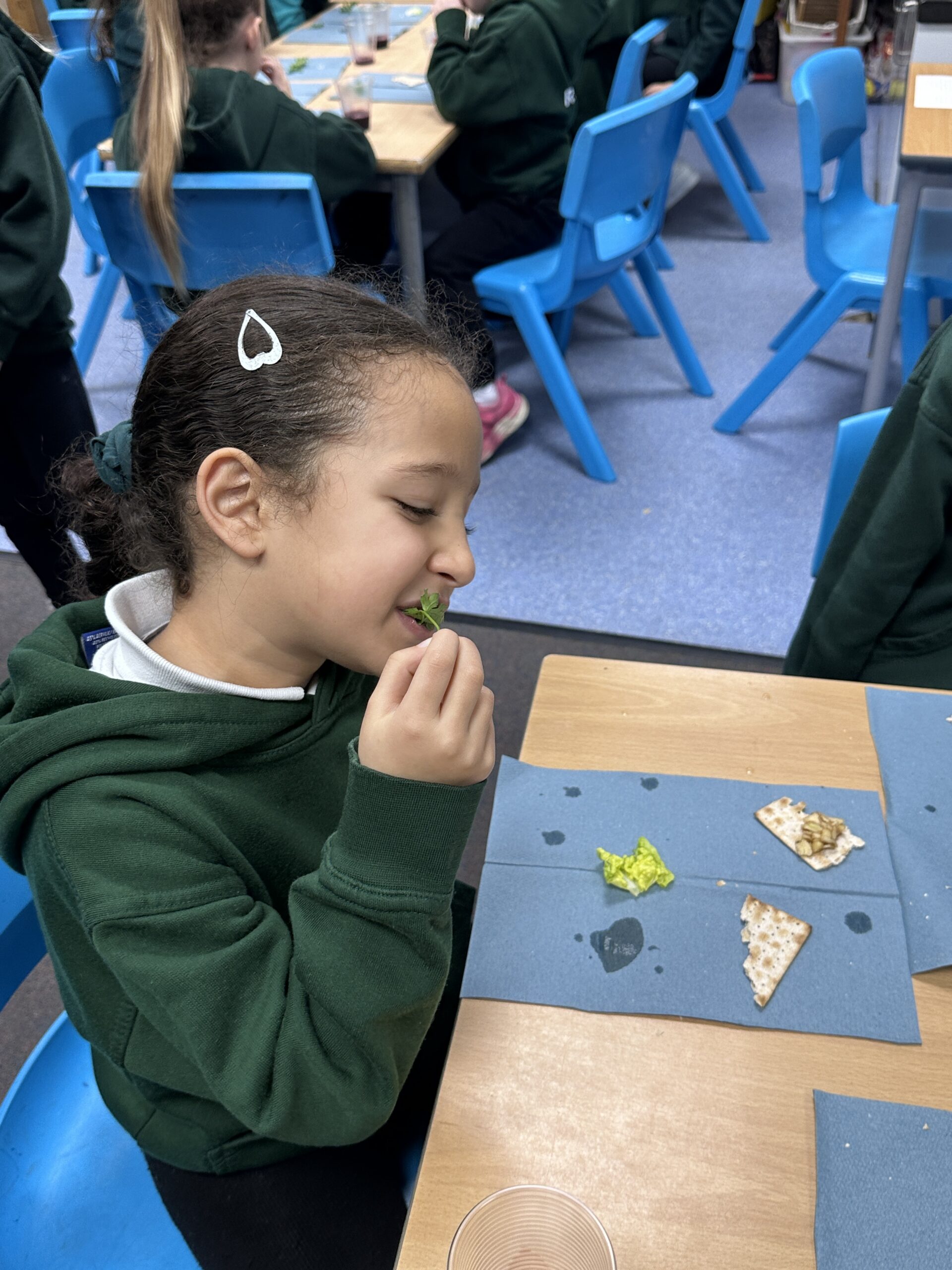
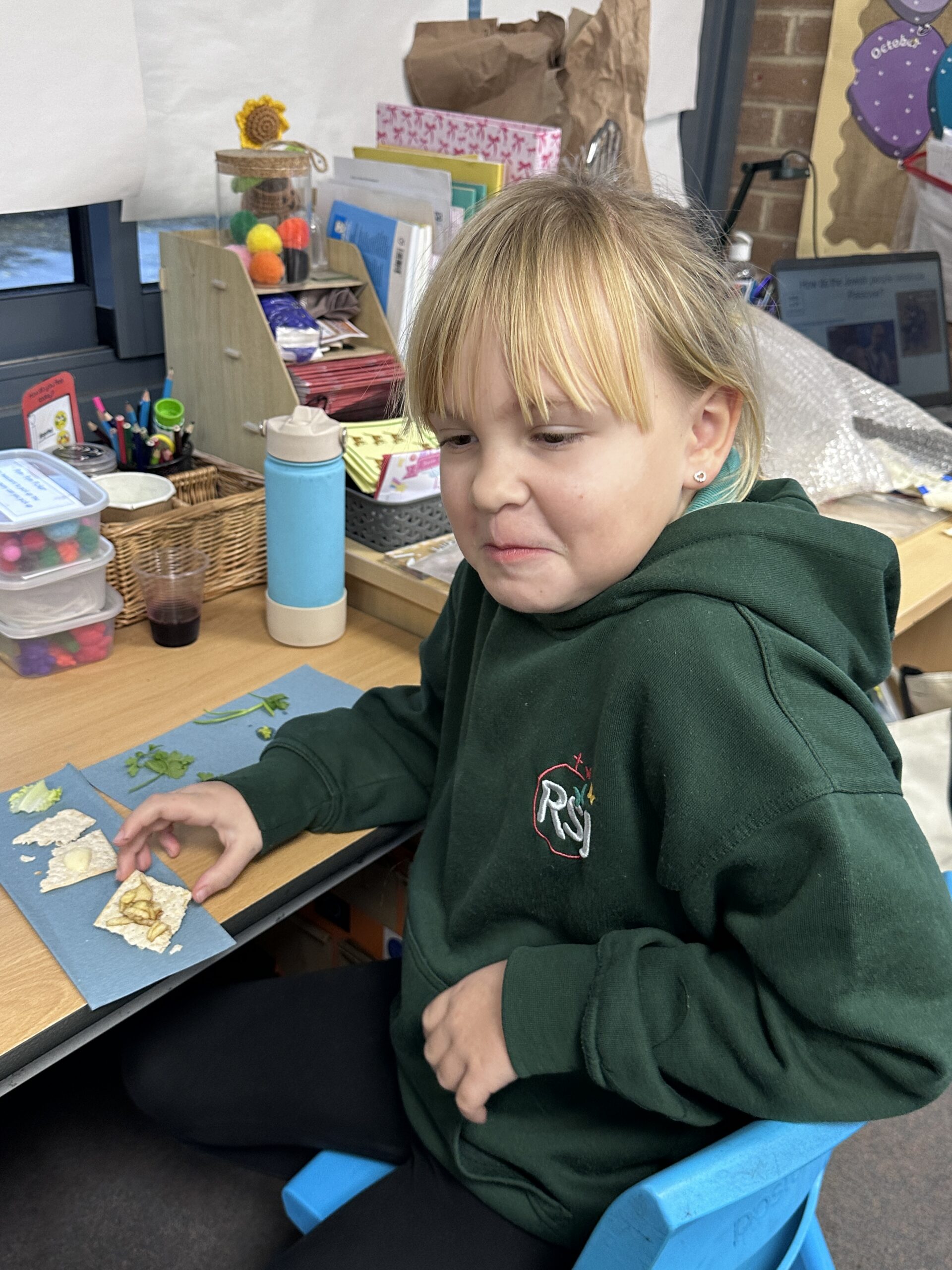
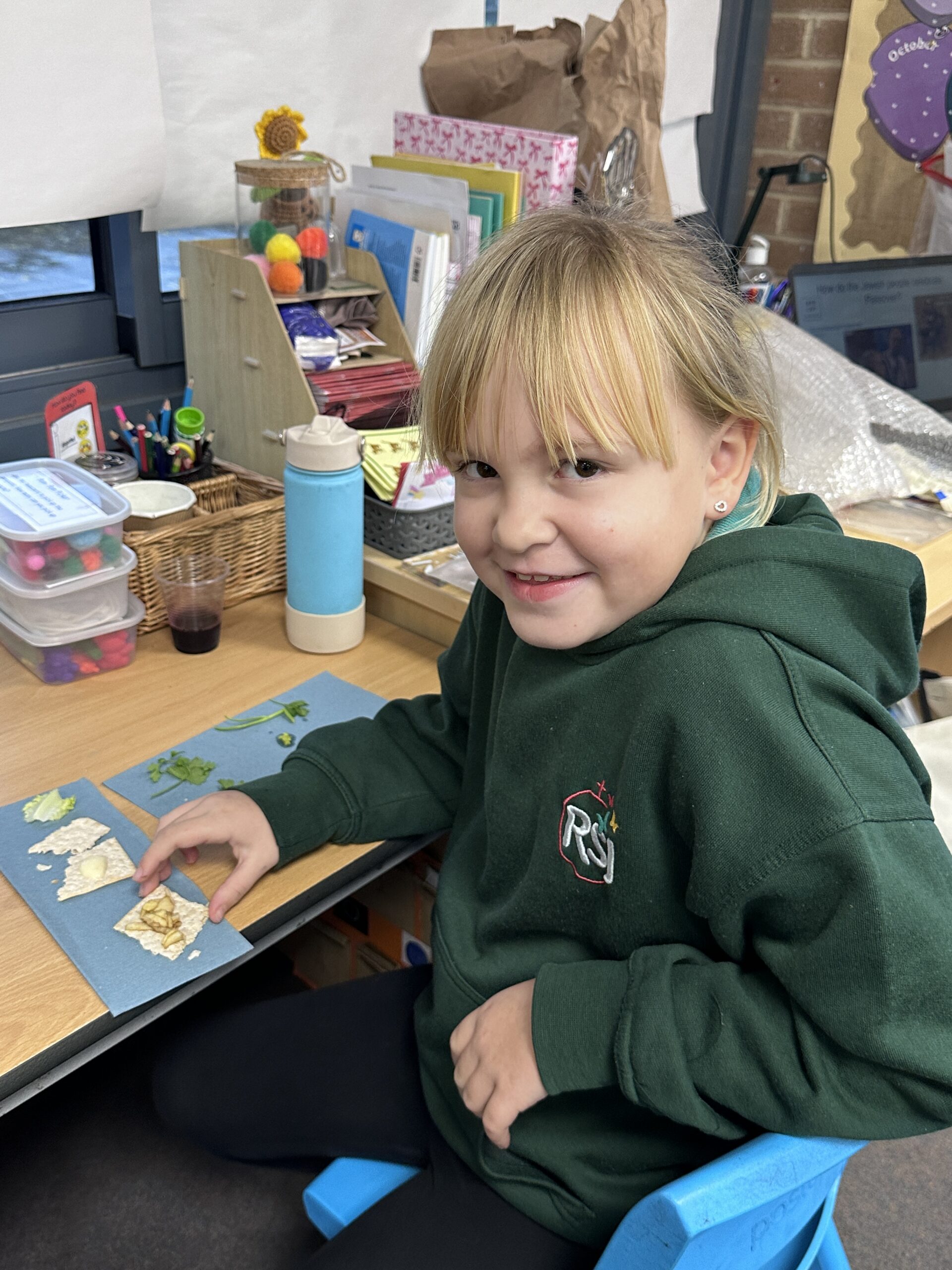
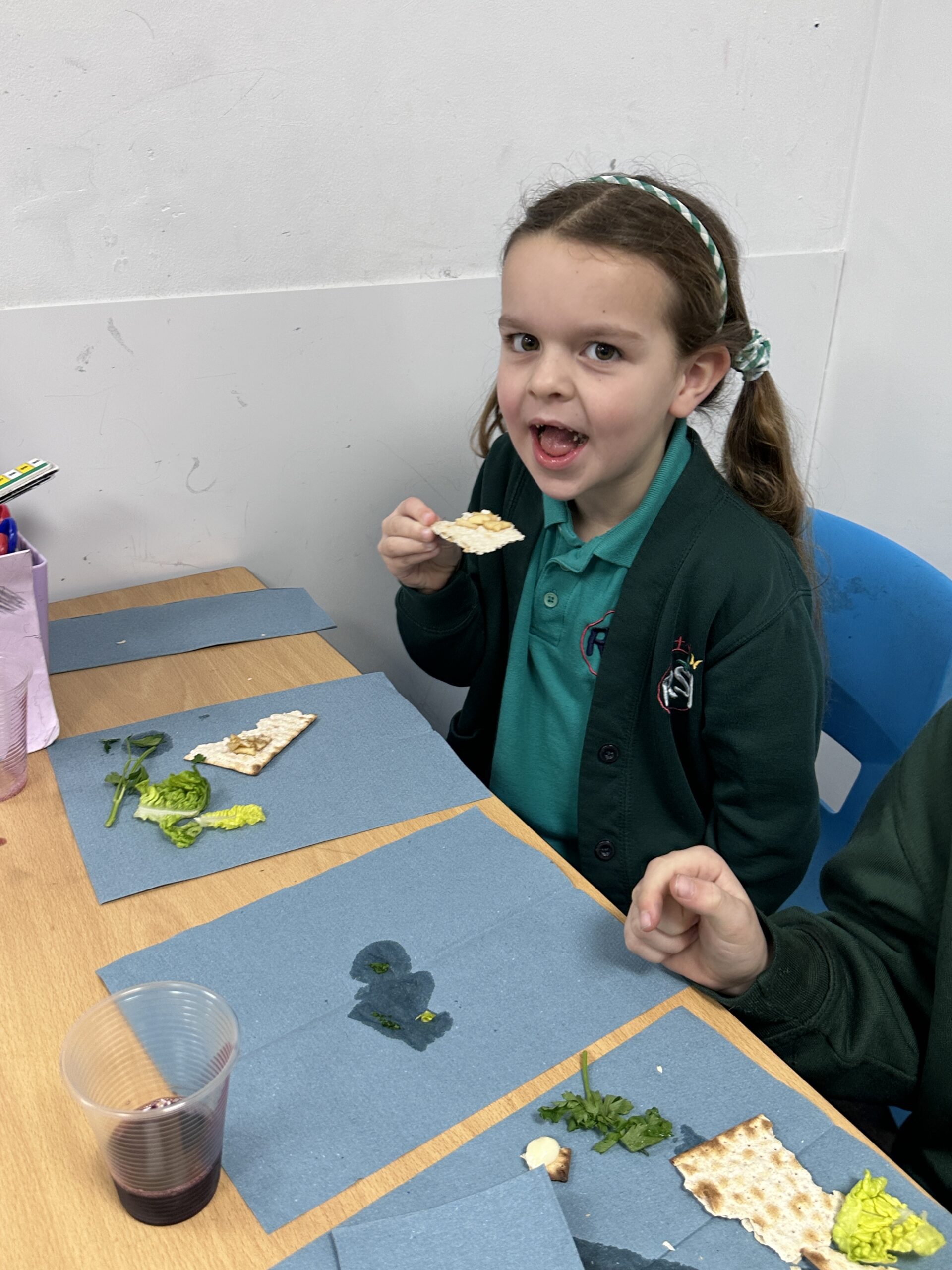
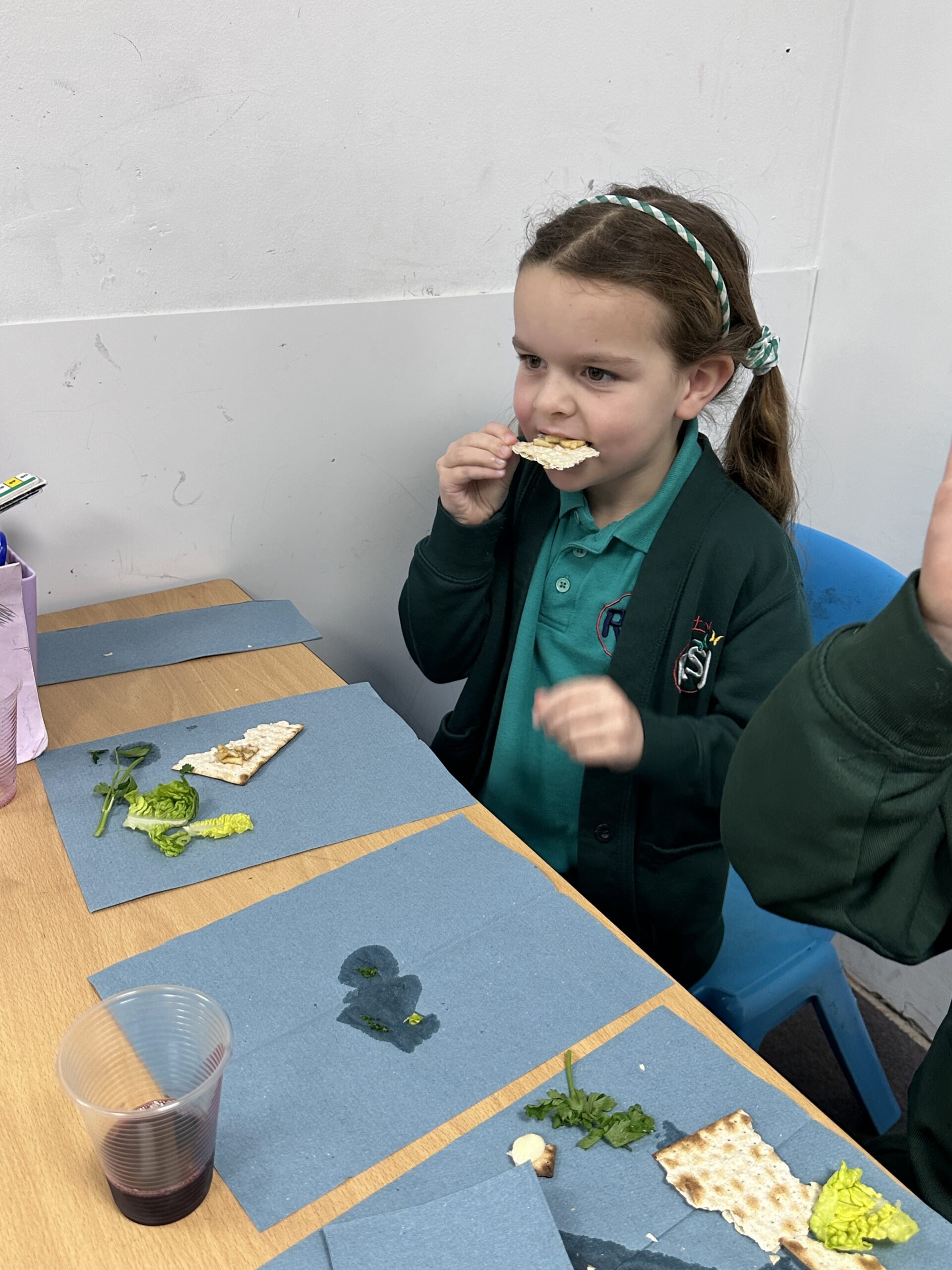
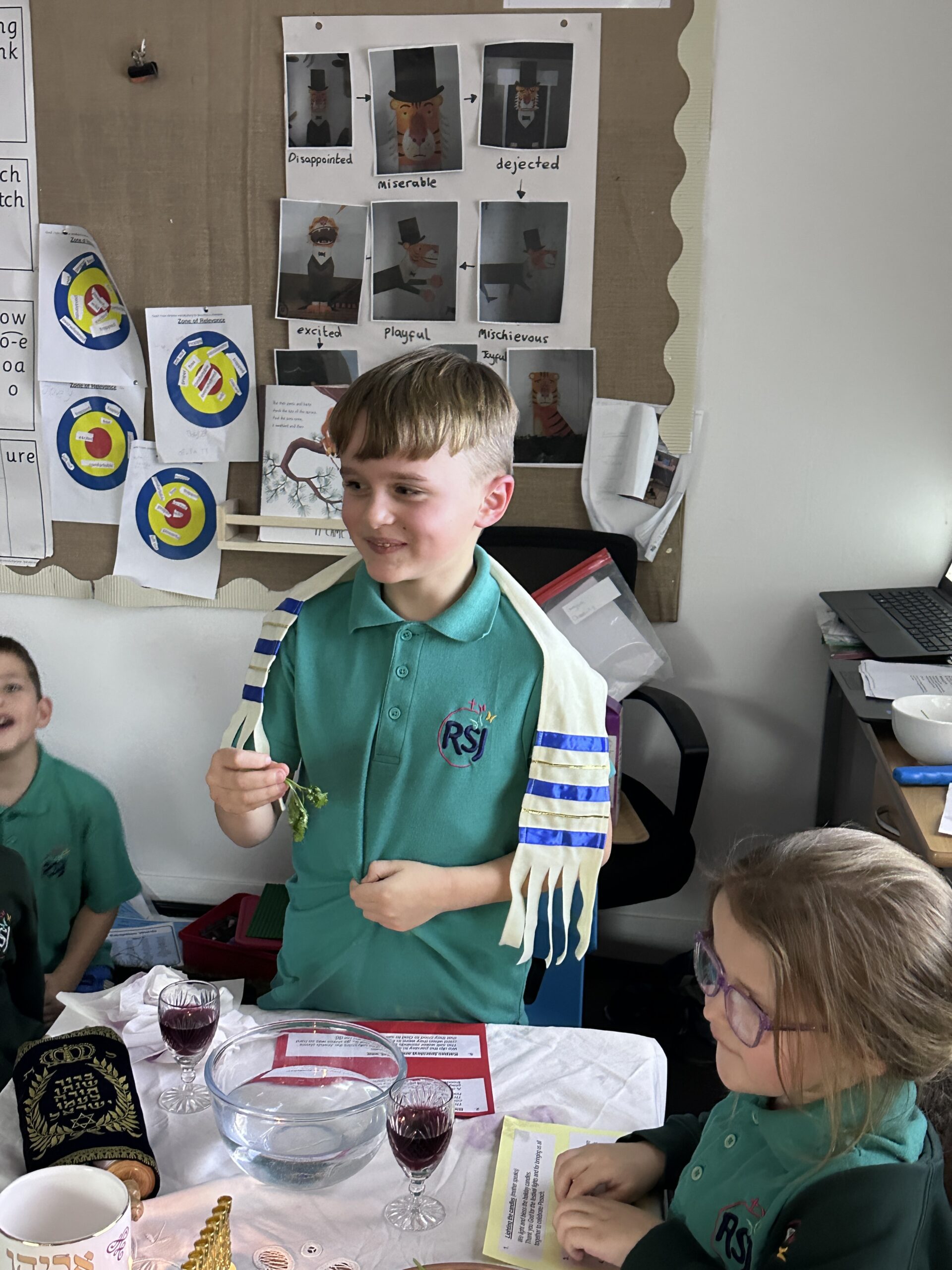
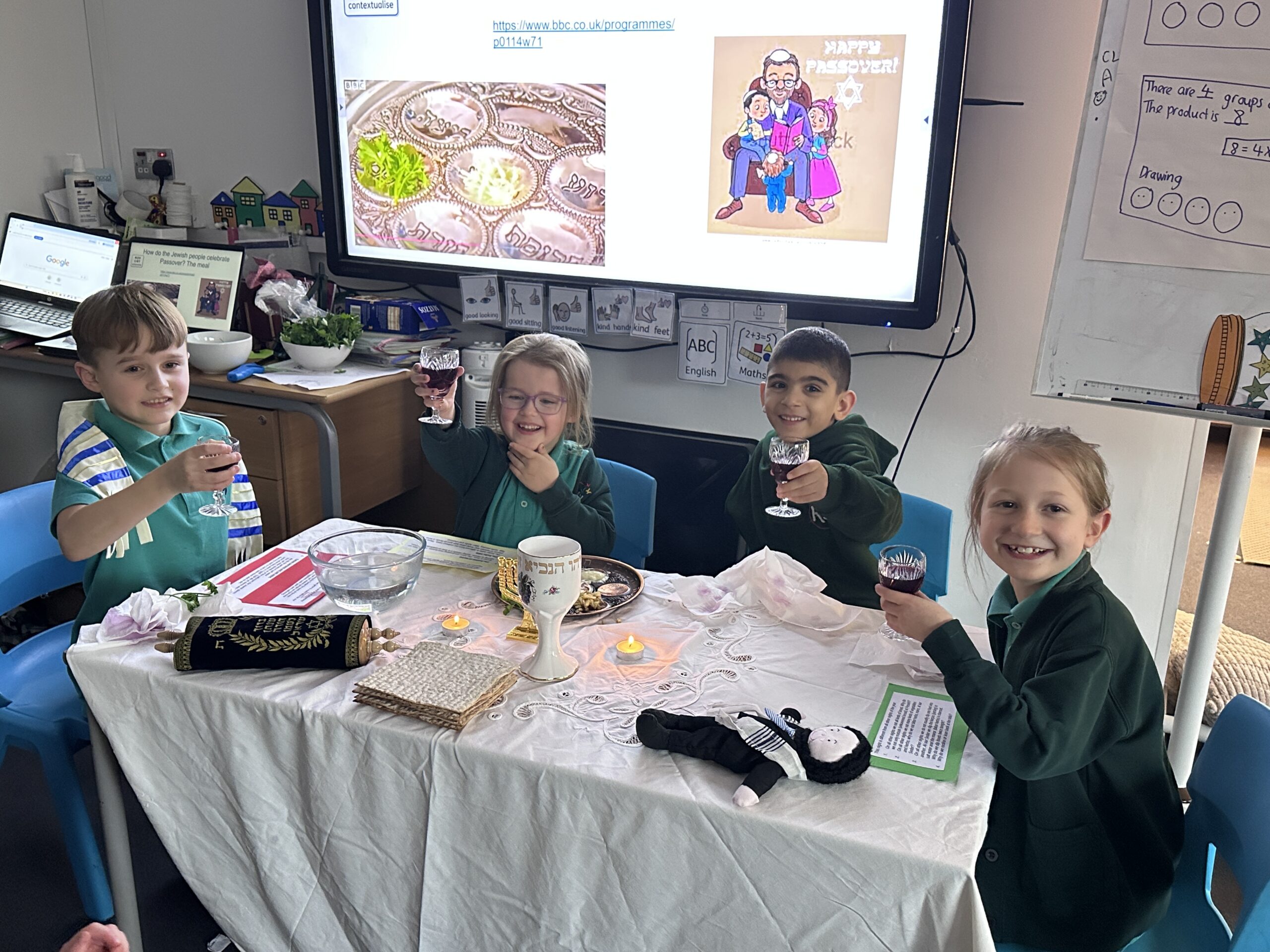
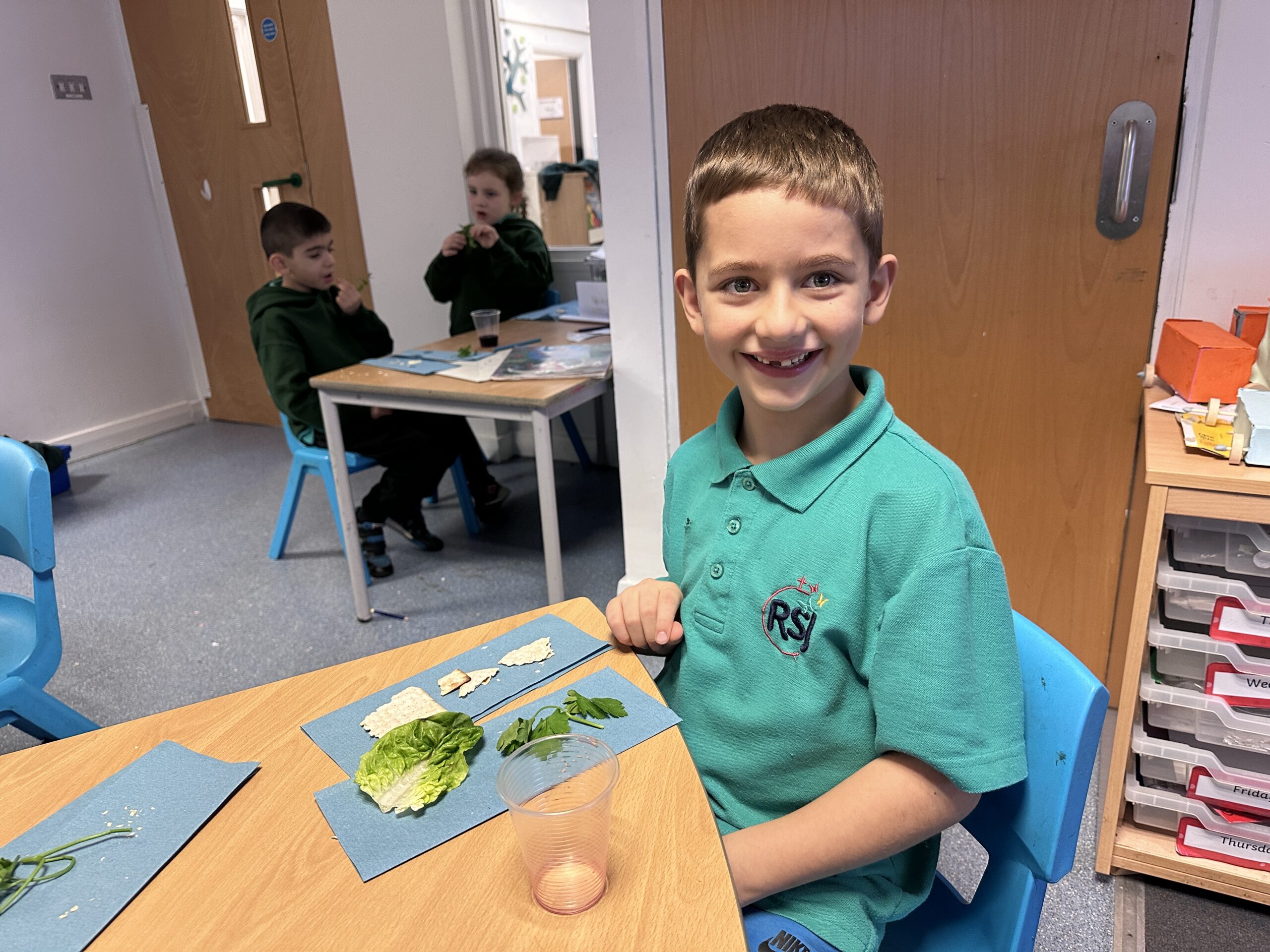
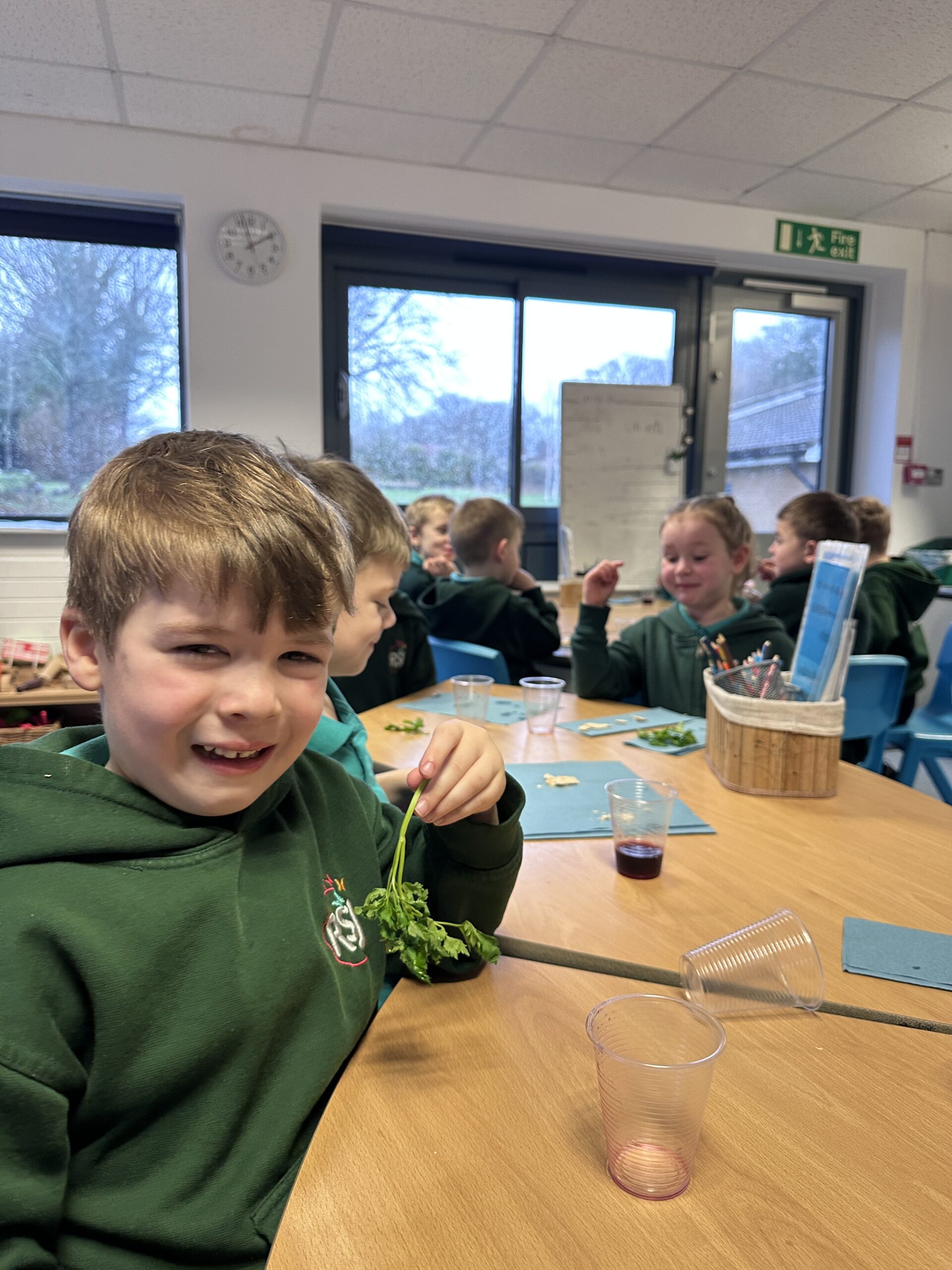
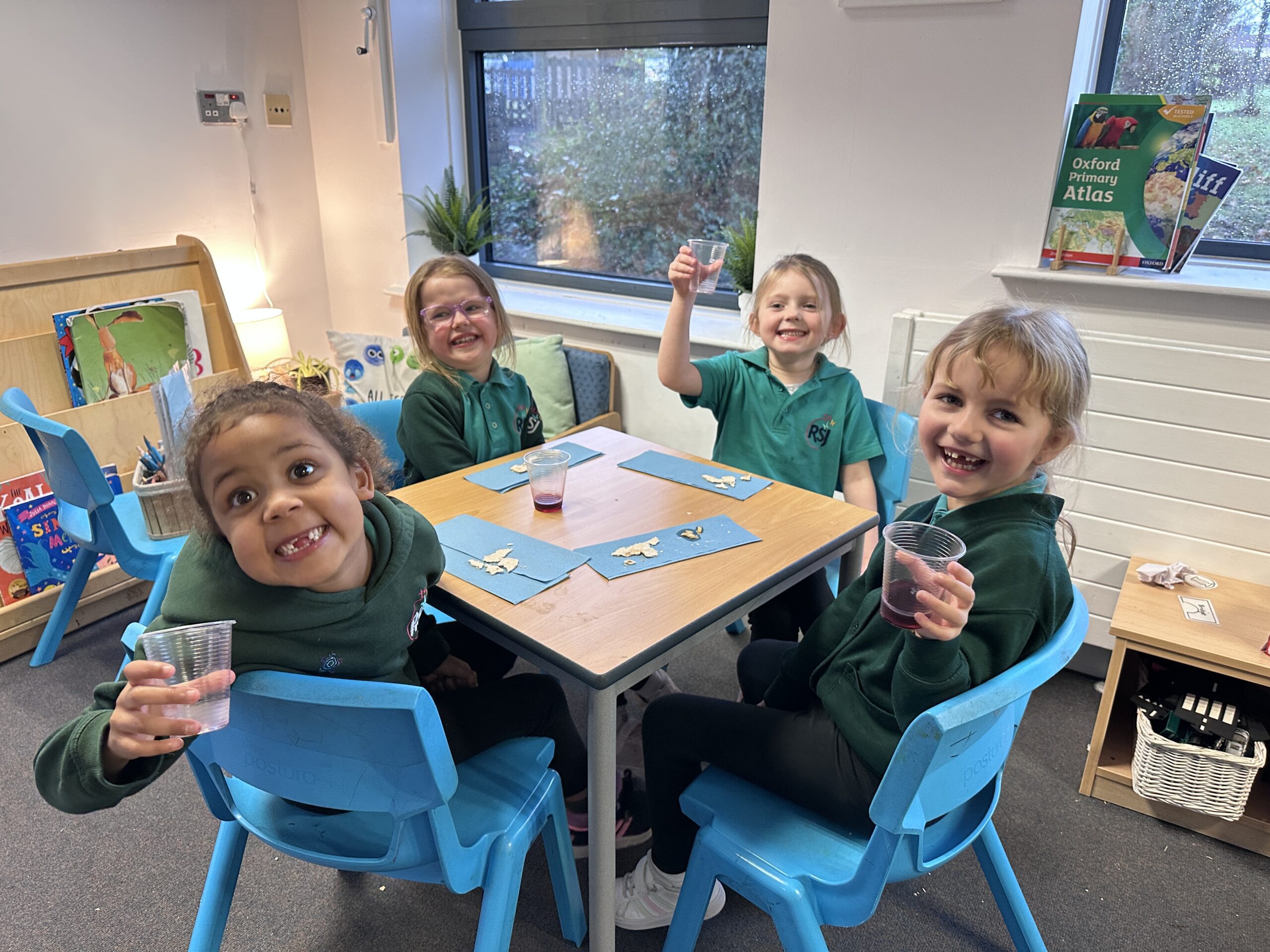
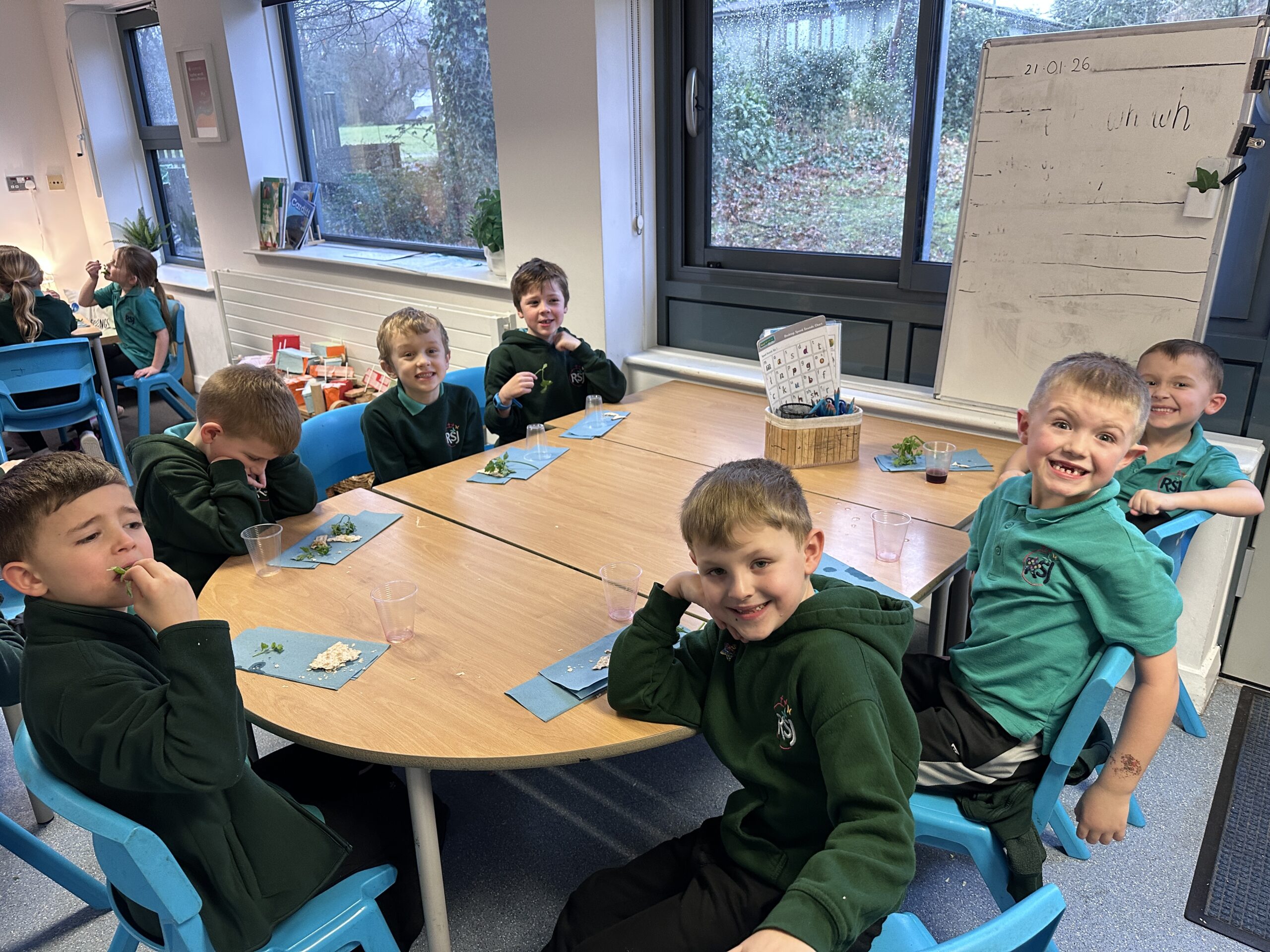
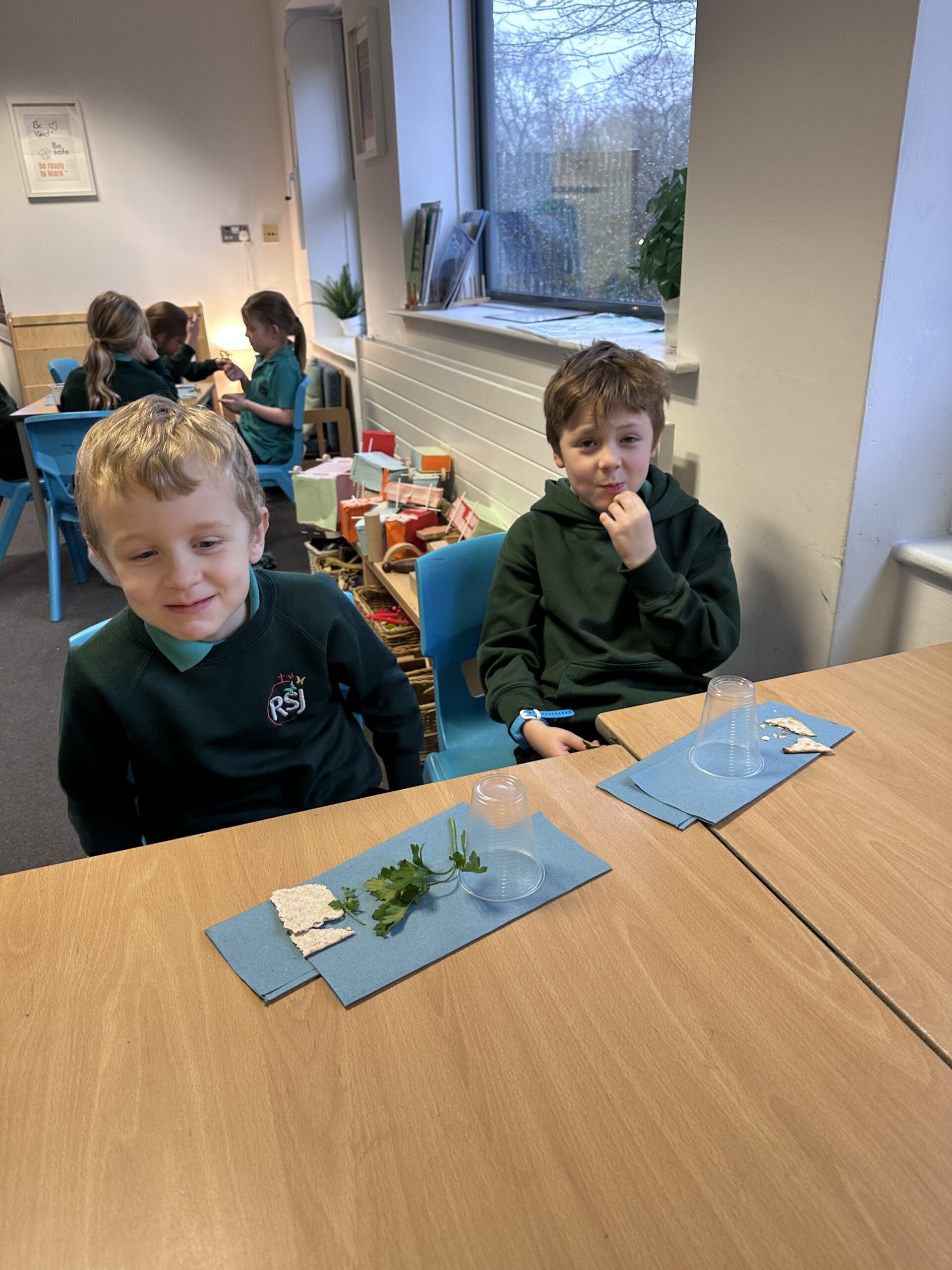
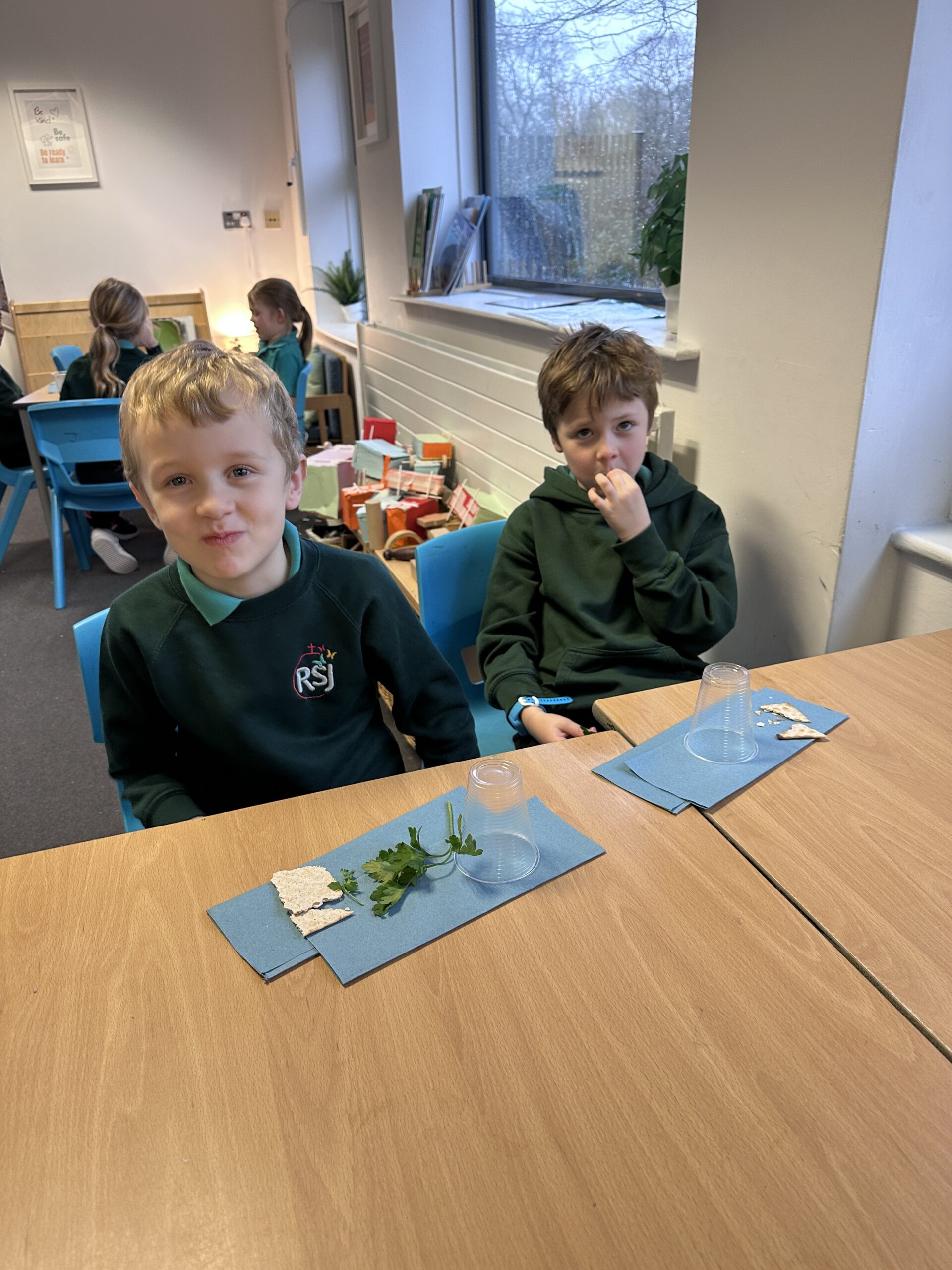
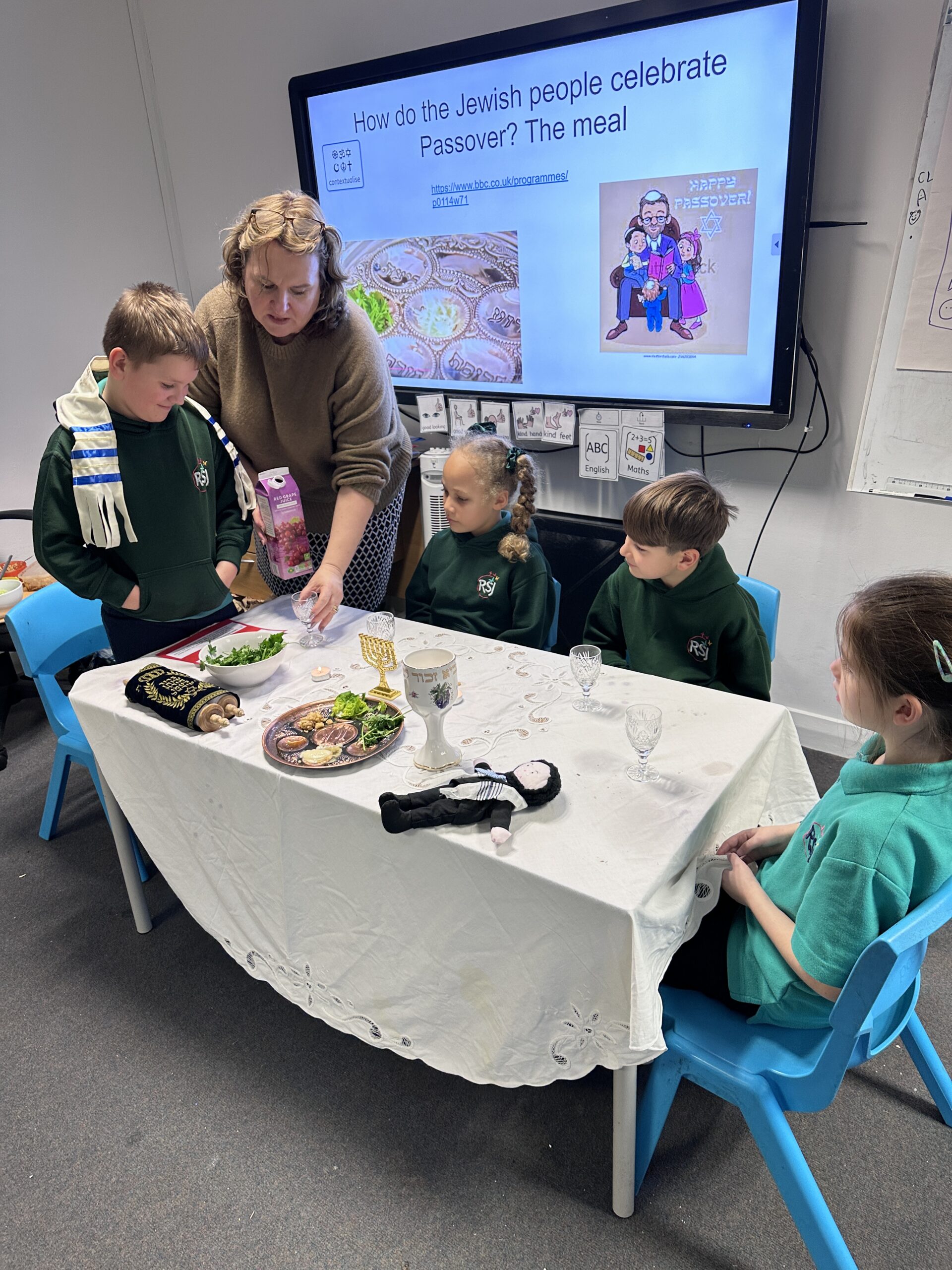
The children had great fun acting out the celebration of the Sedar meal and tasting some of the foods which remind Jewish families of the events in their history.
Rosie said”I liked the grape juice as it was really sweet but I didn’t like the cracker and the horseradish was yucky!”
Zoe C said “ I liked the apple, cinnamon and honey mix the best .I liked it when when the candles were lit on the special Sedar table”
Rocco said “I was the dad at the table and had an important job to bless the wine and say cheers! I liked the crackers and the horseradish even though lots of my friends didn’t like it”
Each of the foods remind Jewish families of things that happened when they were slaves.
The crackers were unleavened because they had to leave in a rush from Egypt to escape slavery.
The Charoset ( apple and cinnamon mix) reminds them of the mortar used to stick bricks together when building. Bitter herbs and parsley dipped in salty water remind them of the tears shed by the slaves and the Red sea which they escaped through.
It was great fun re-enacting the meal and tasting all the foods.
Team 3 / 4:
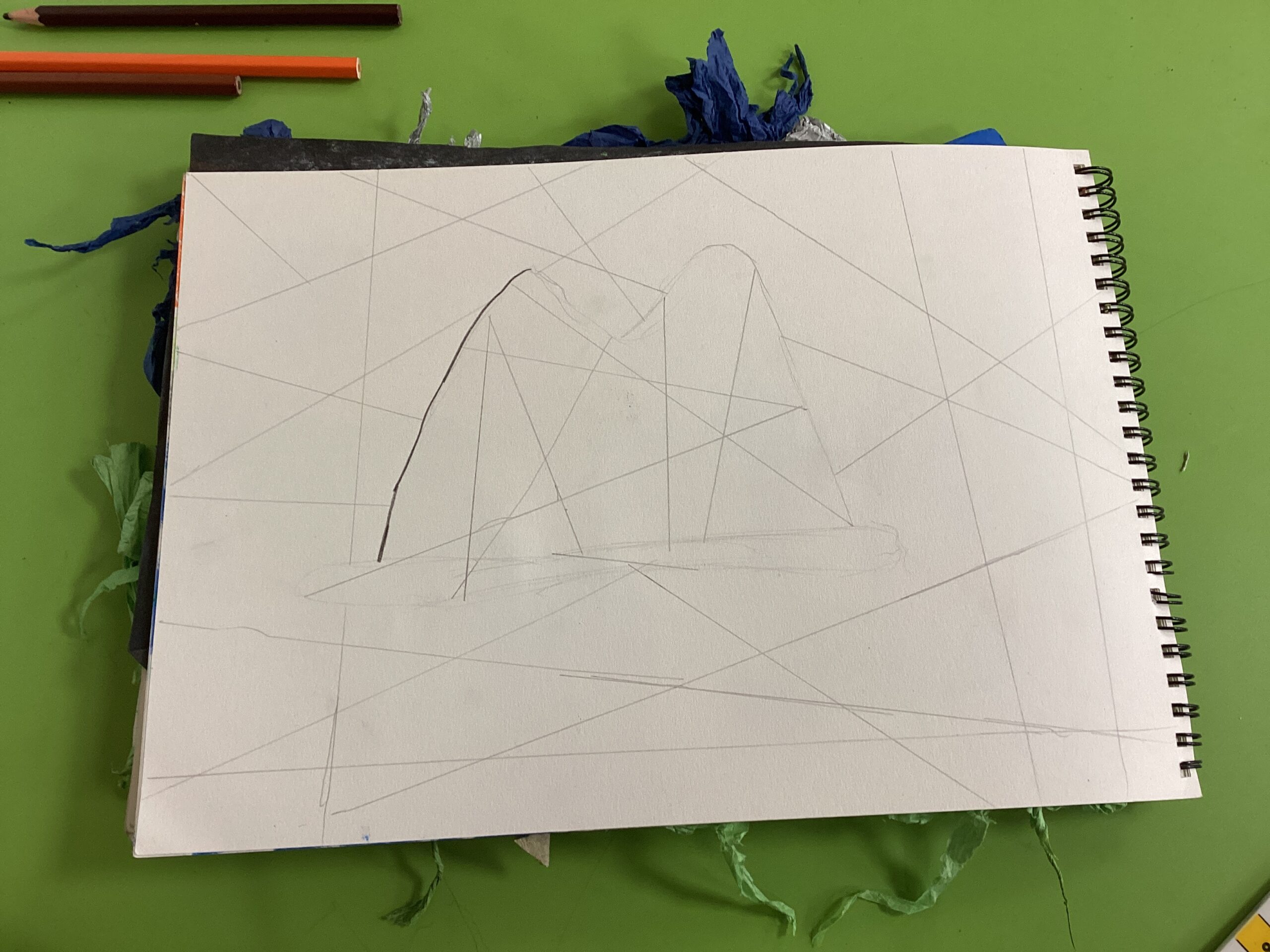
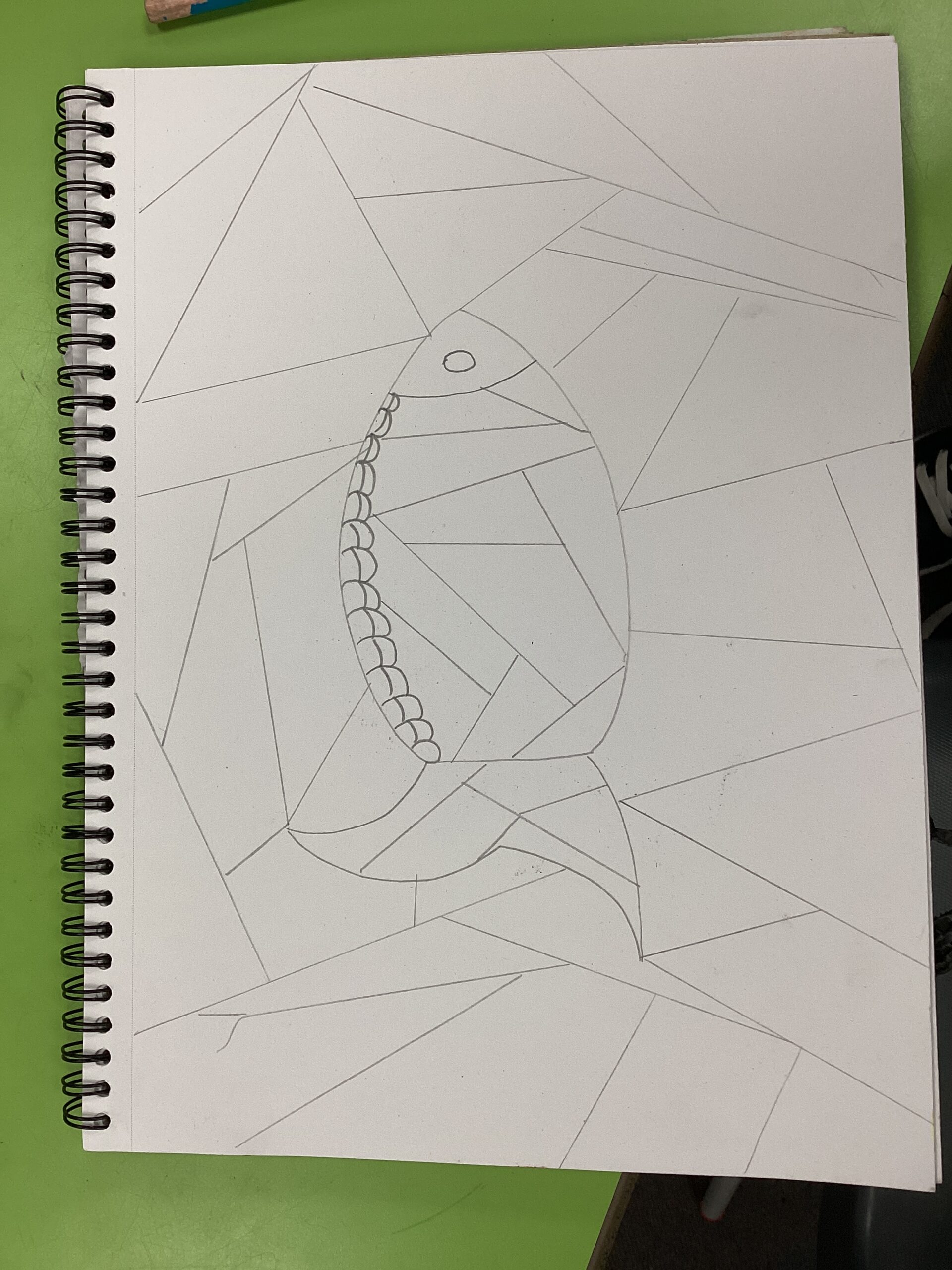
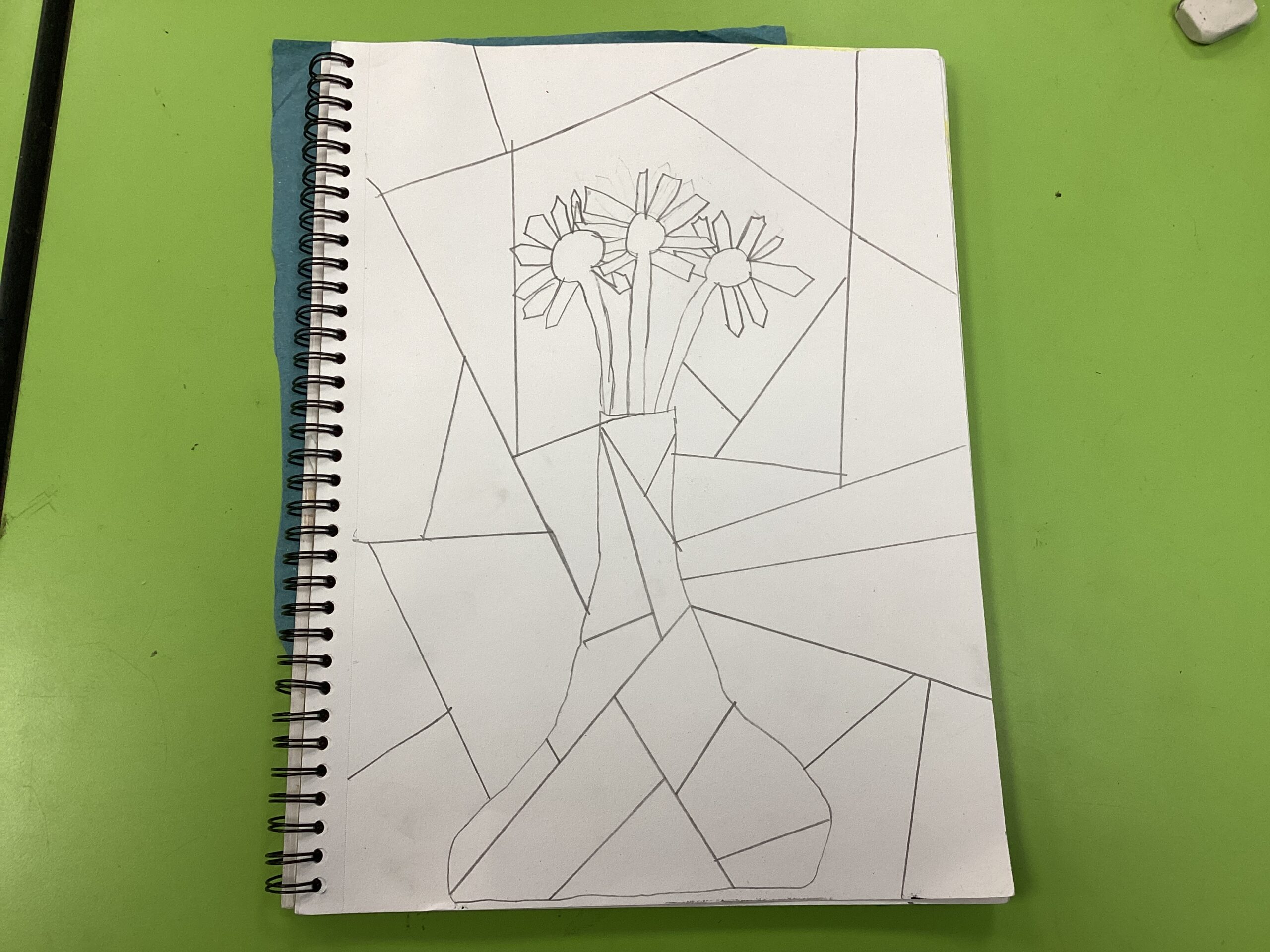
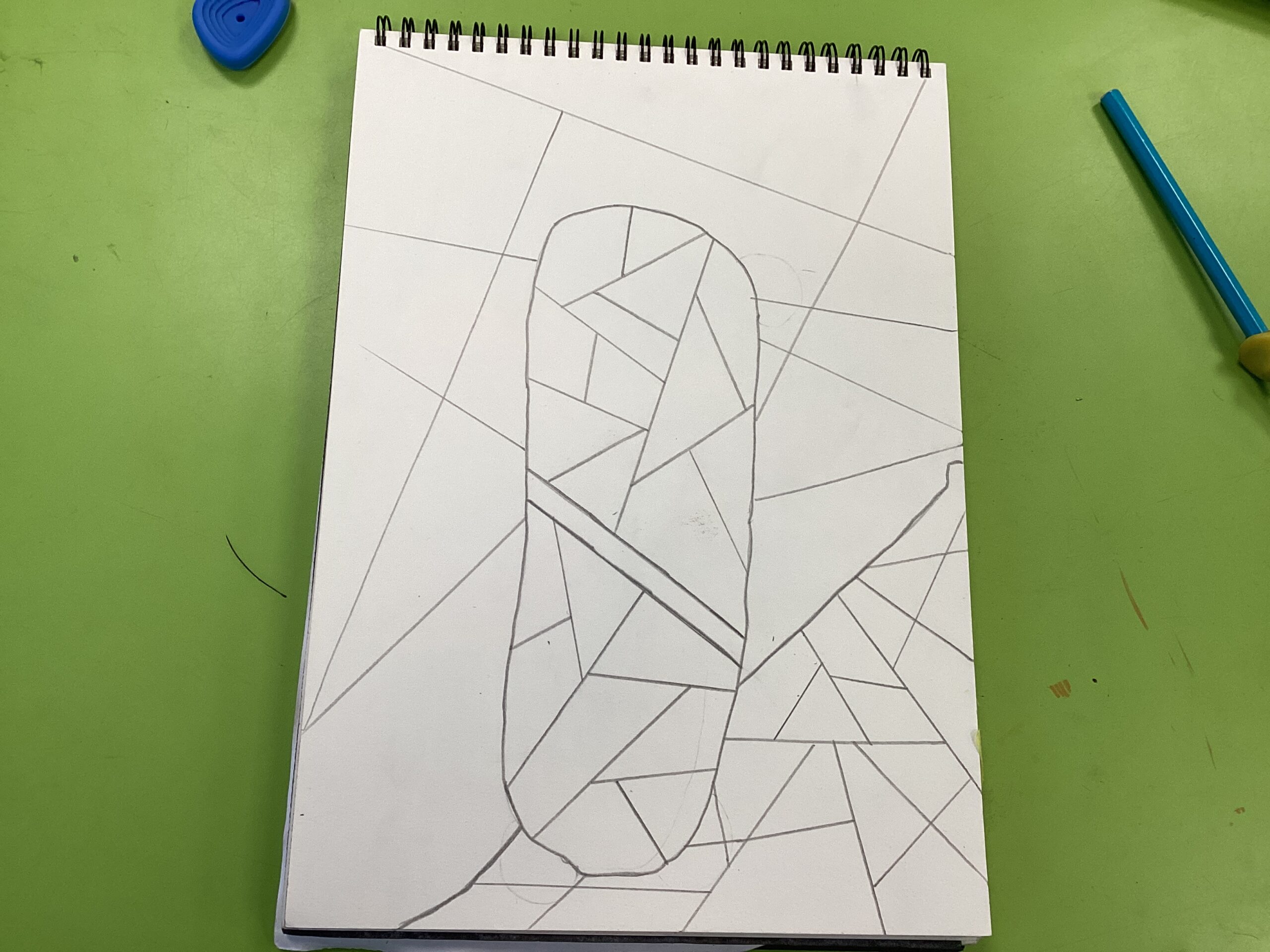
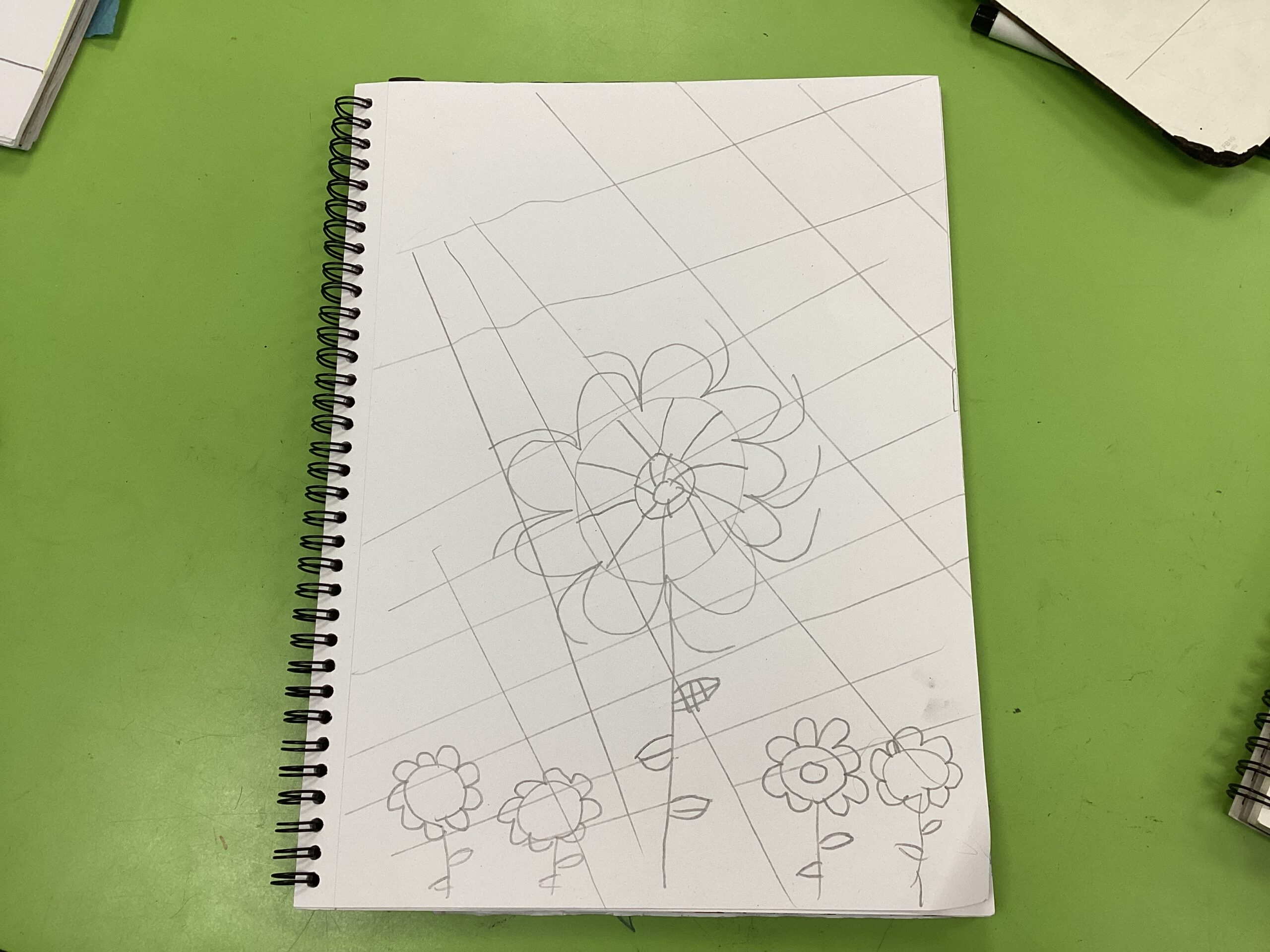
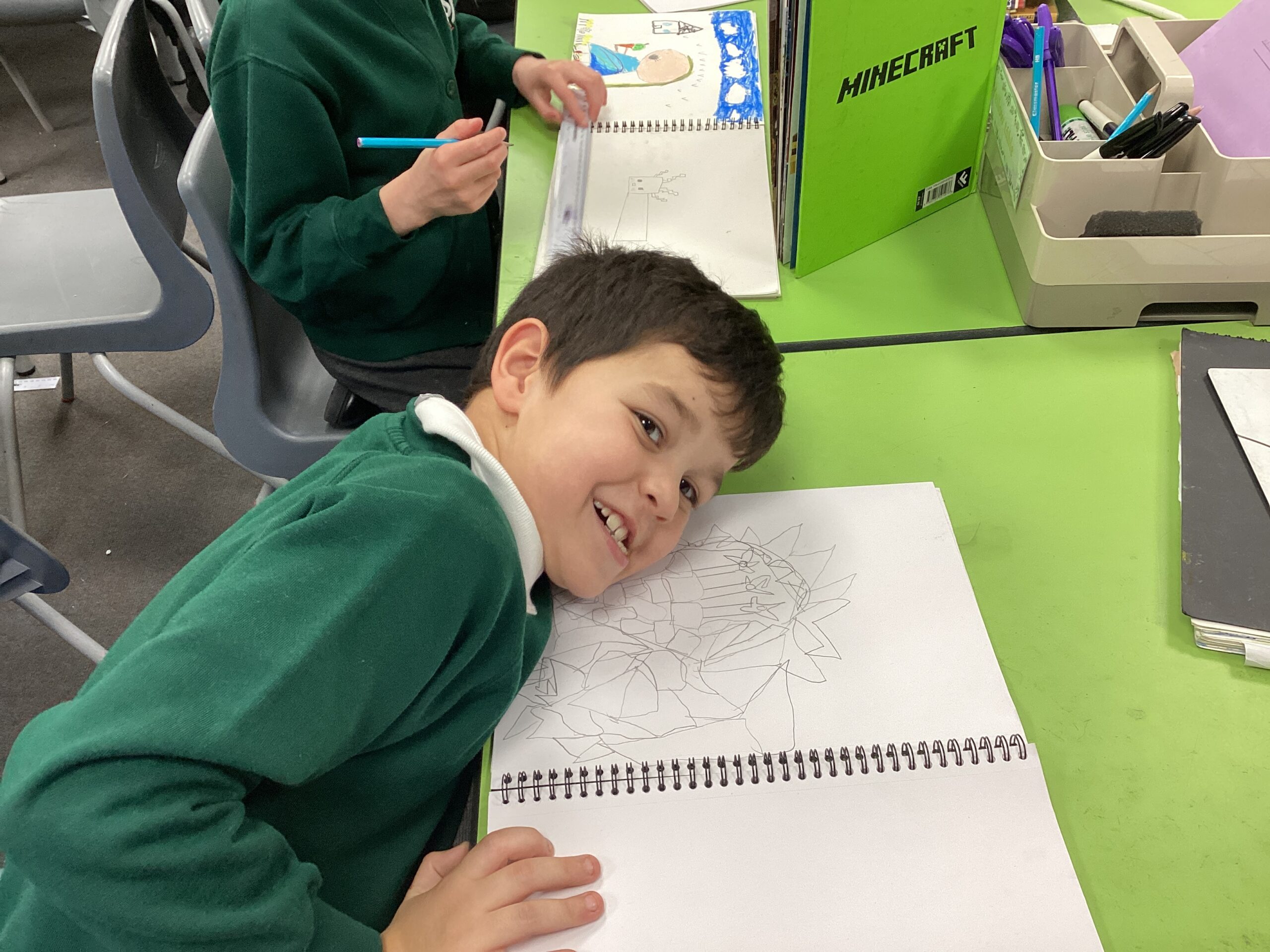
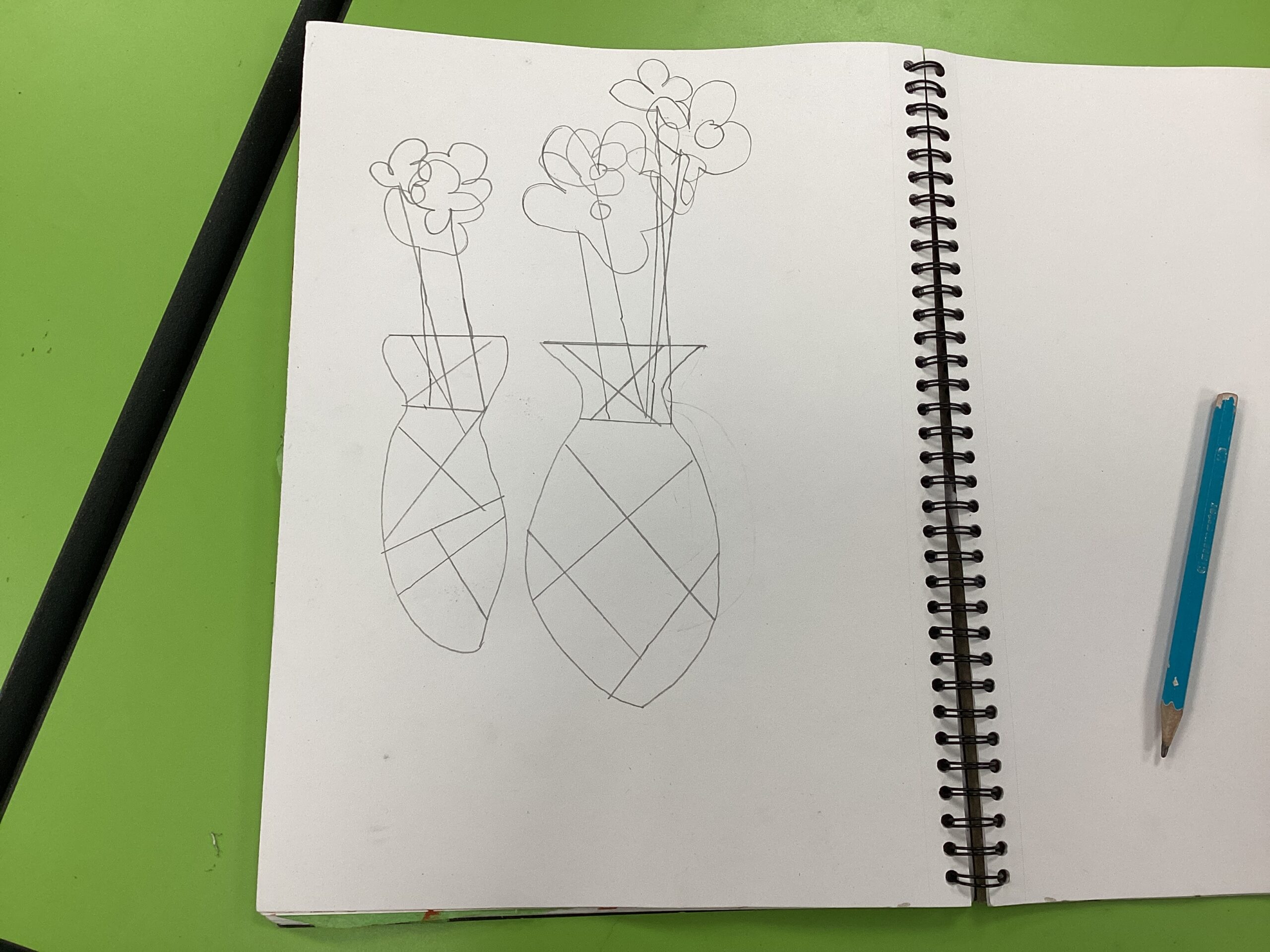
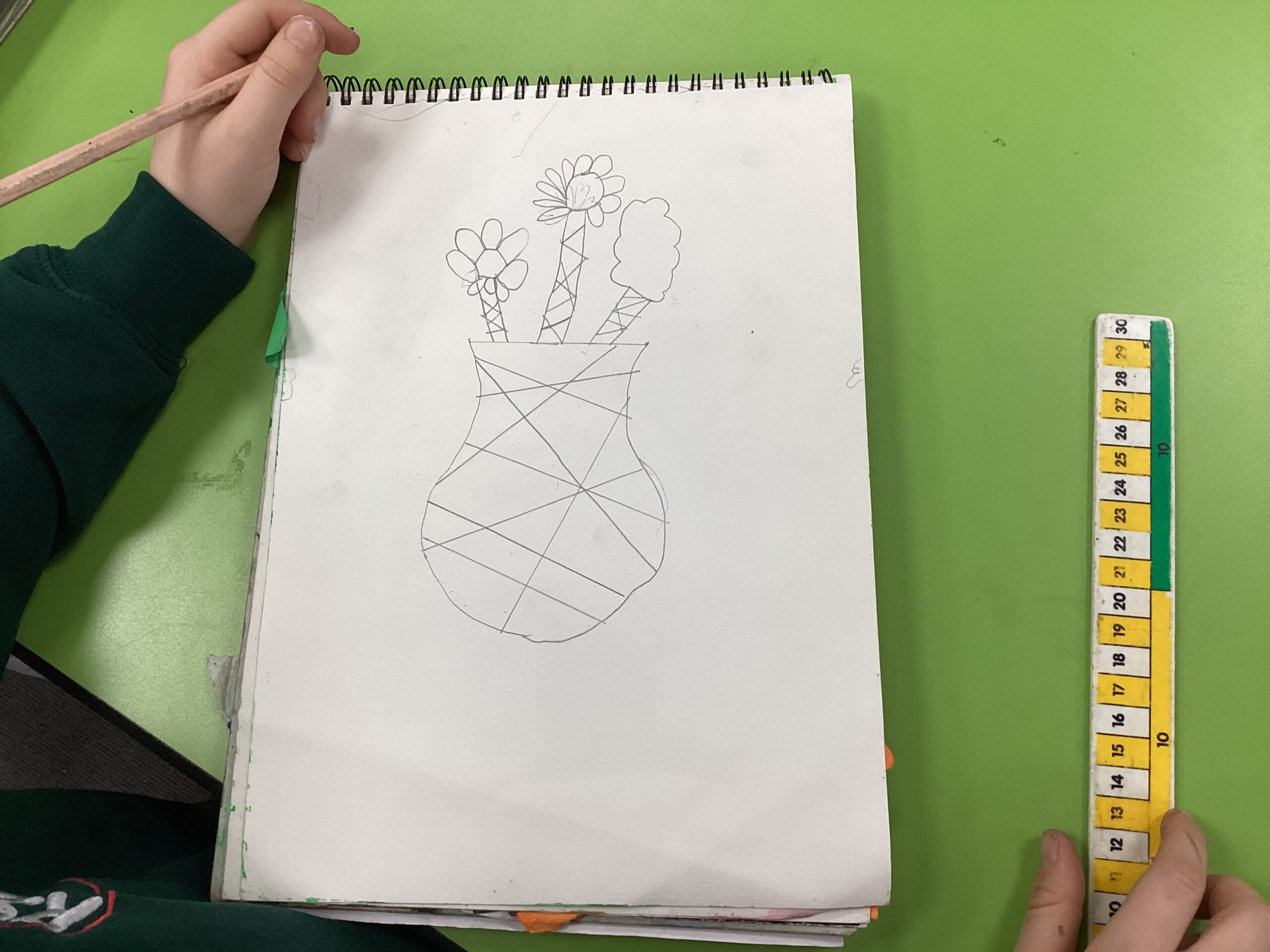
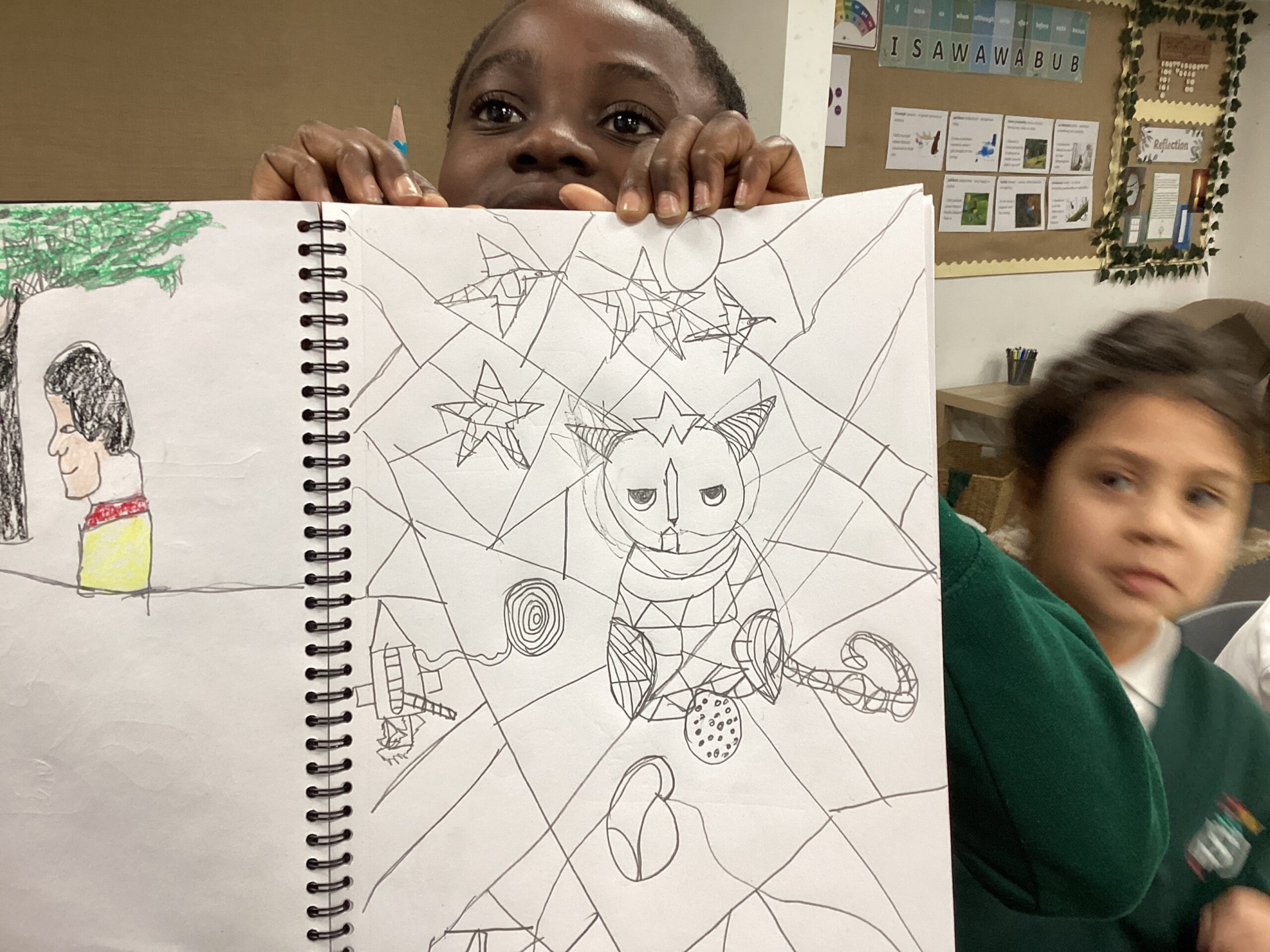
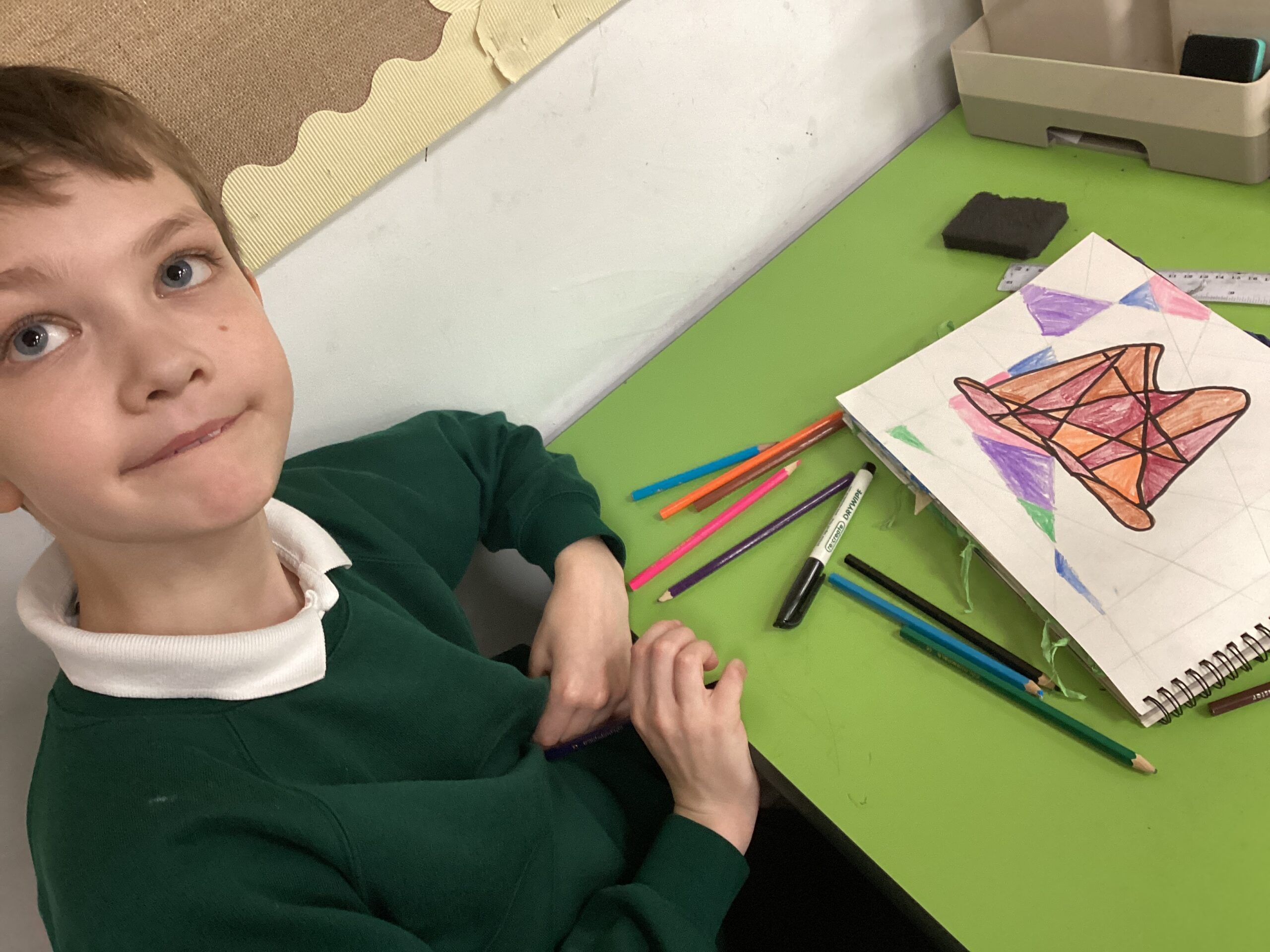
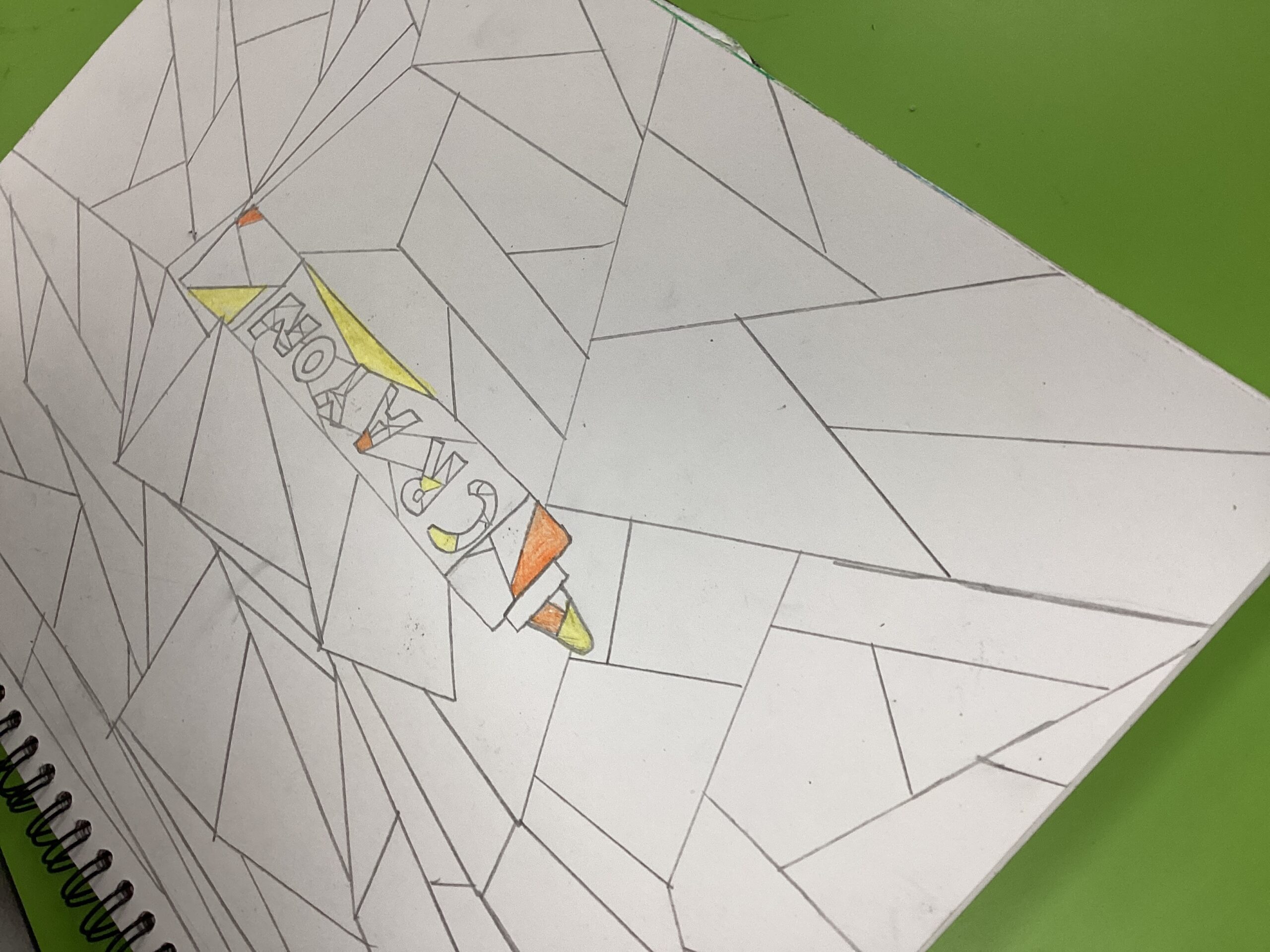
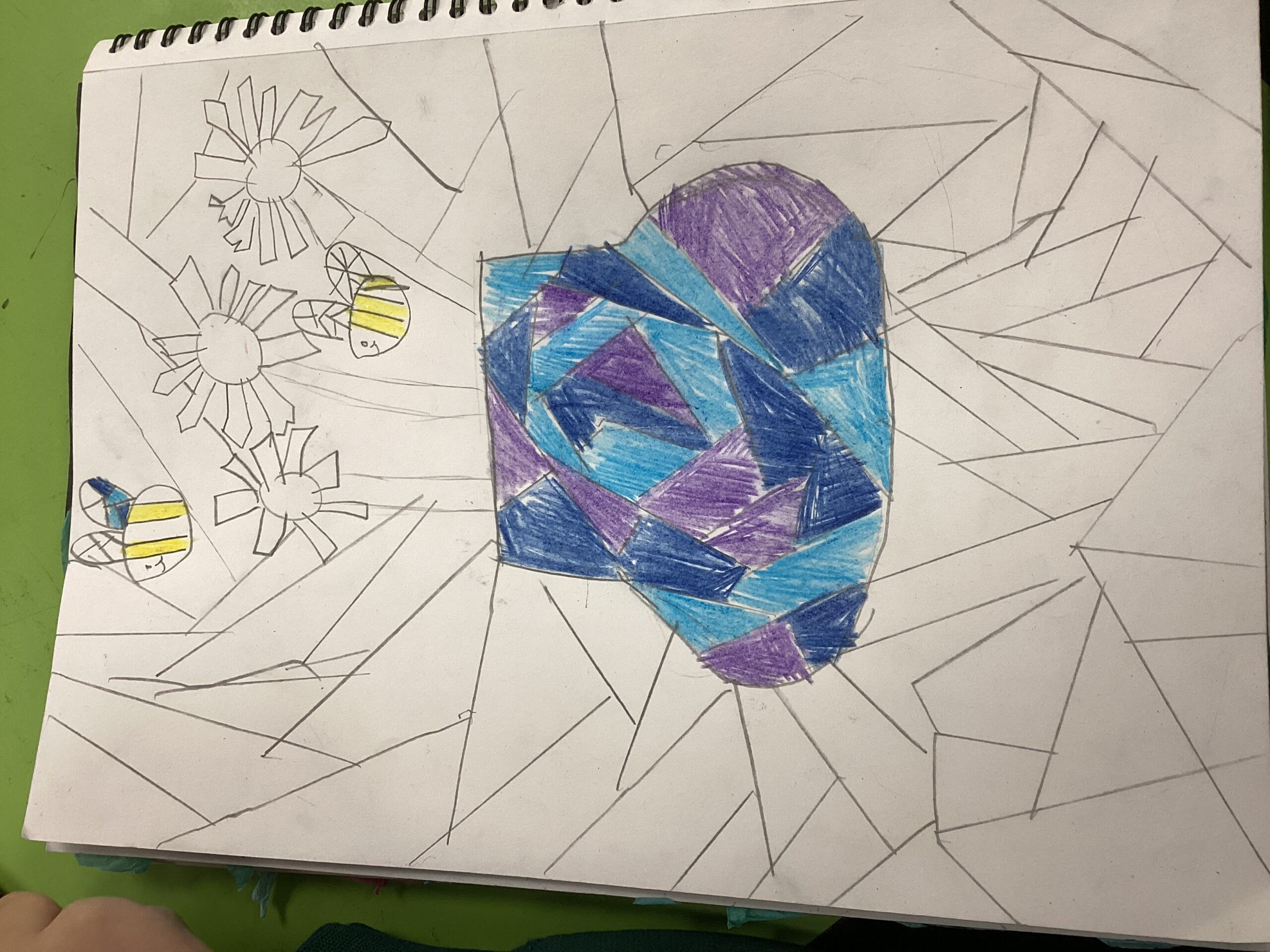
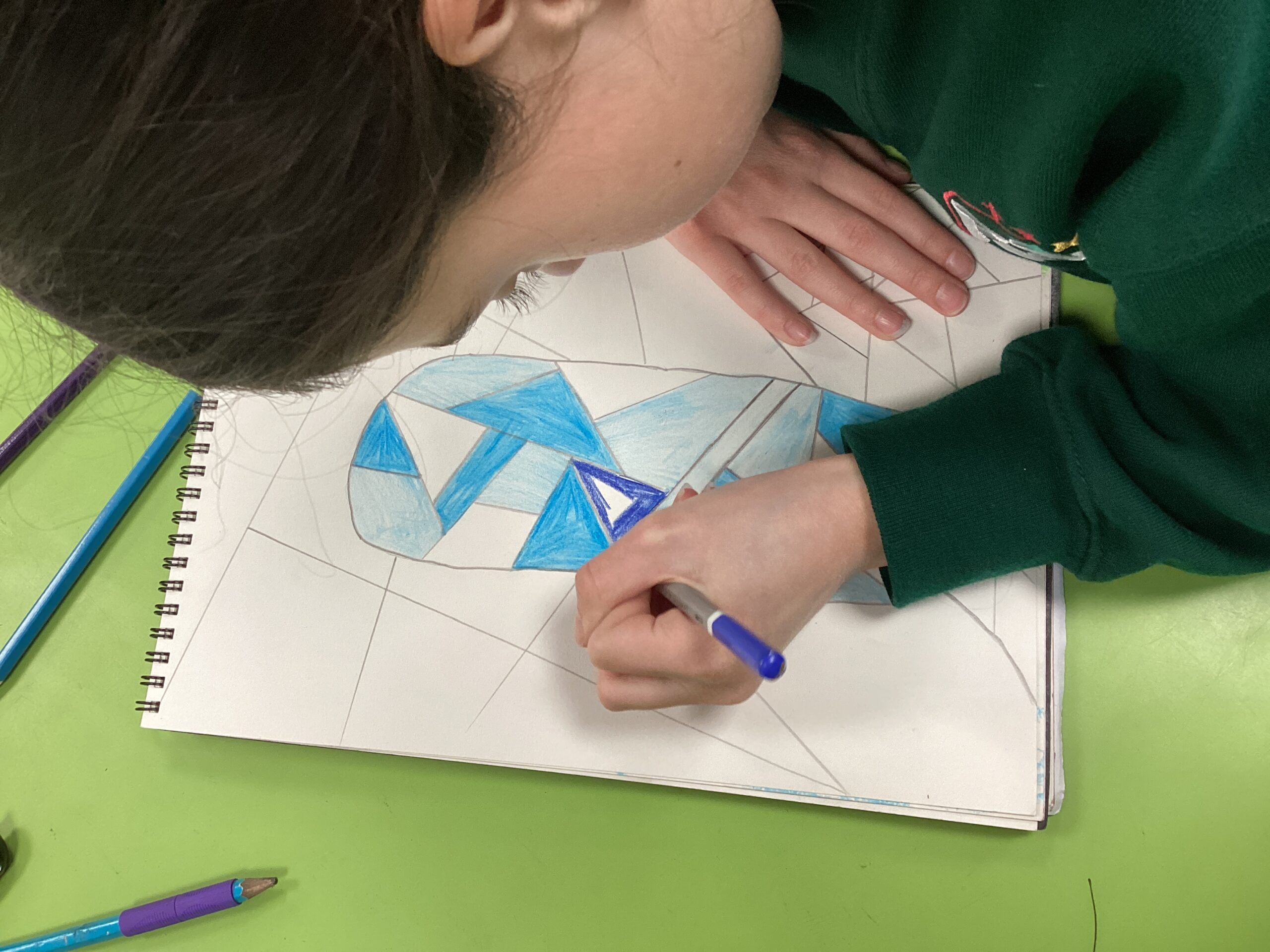
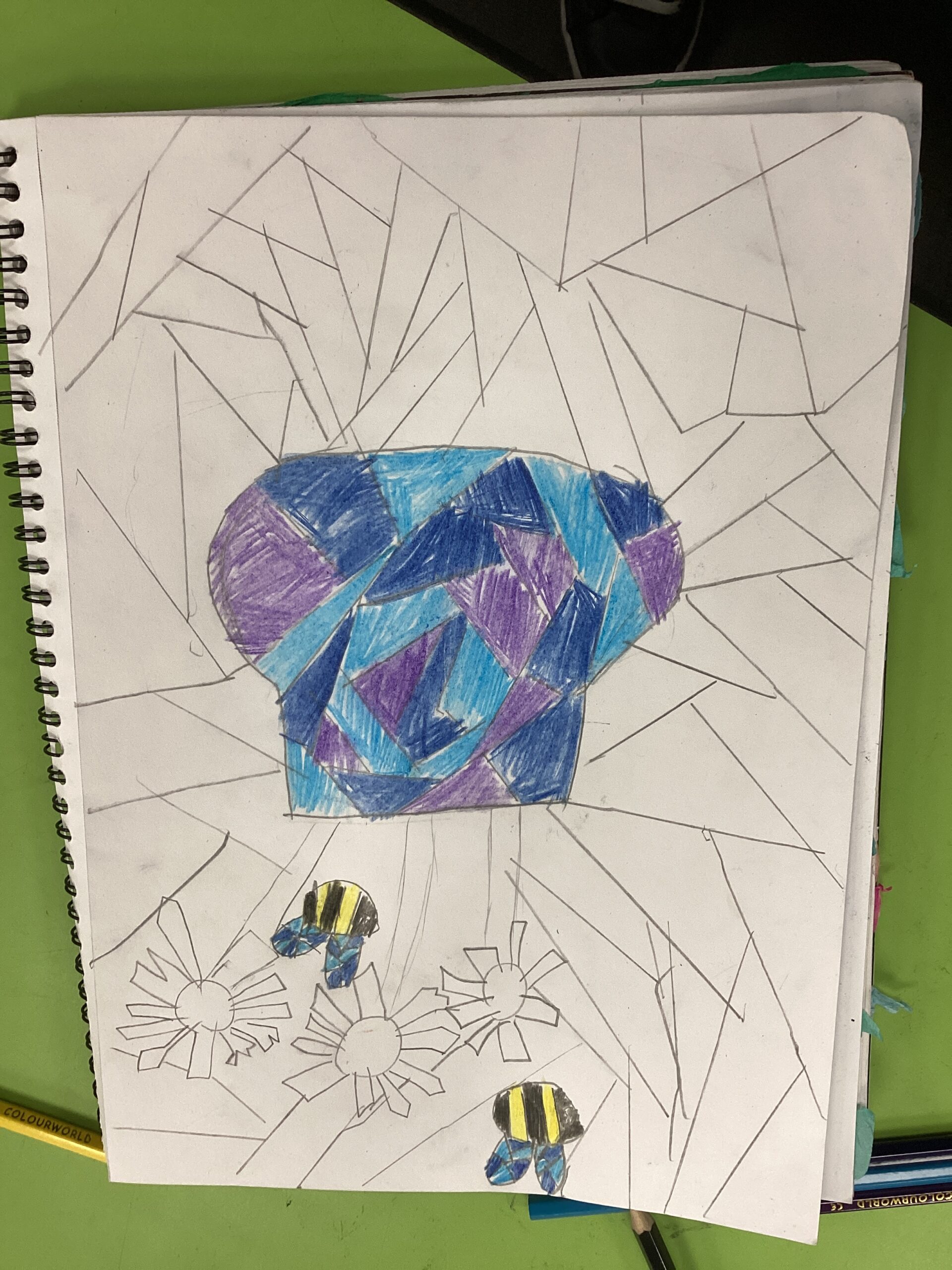
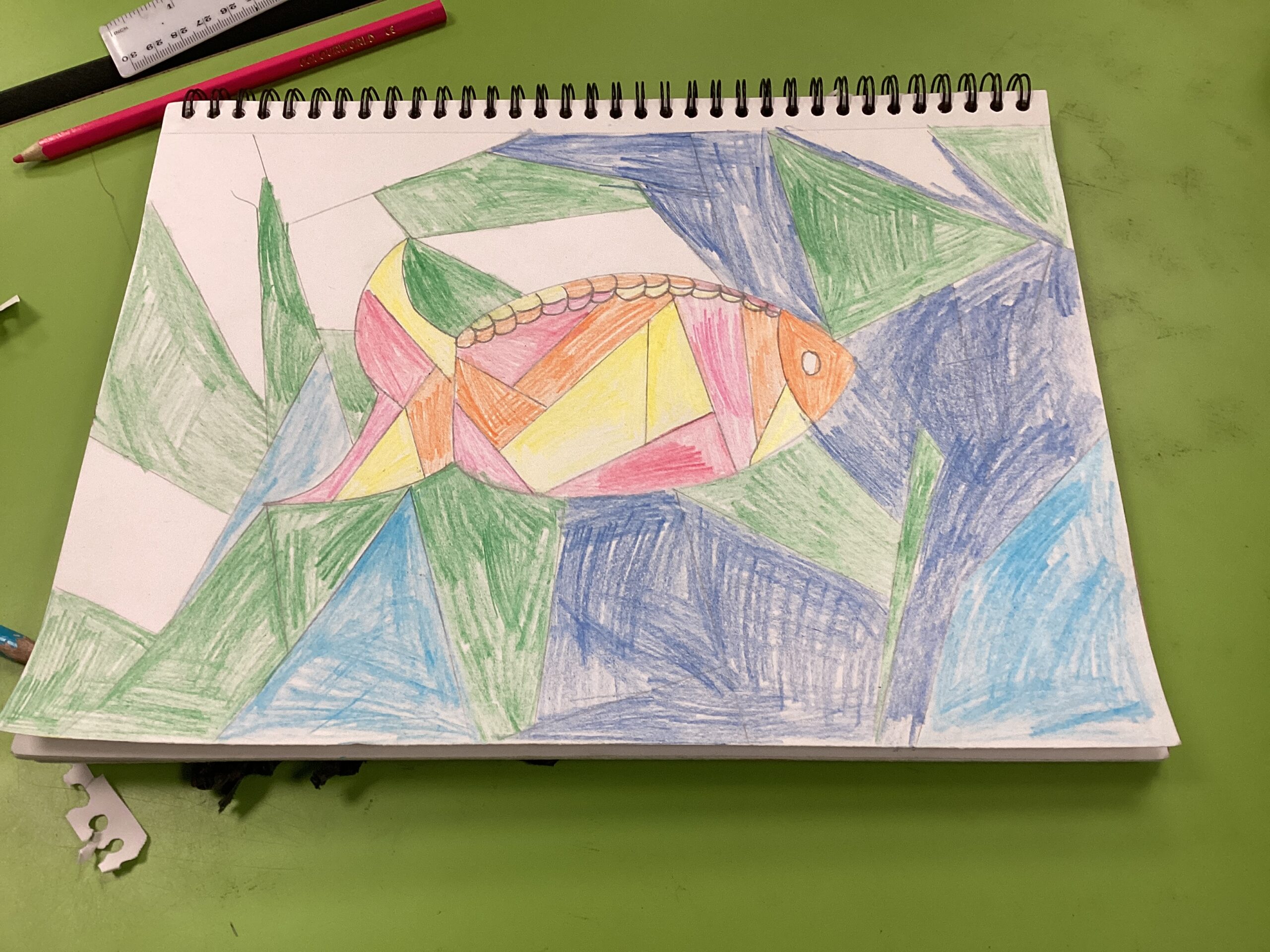
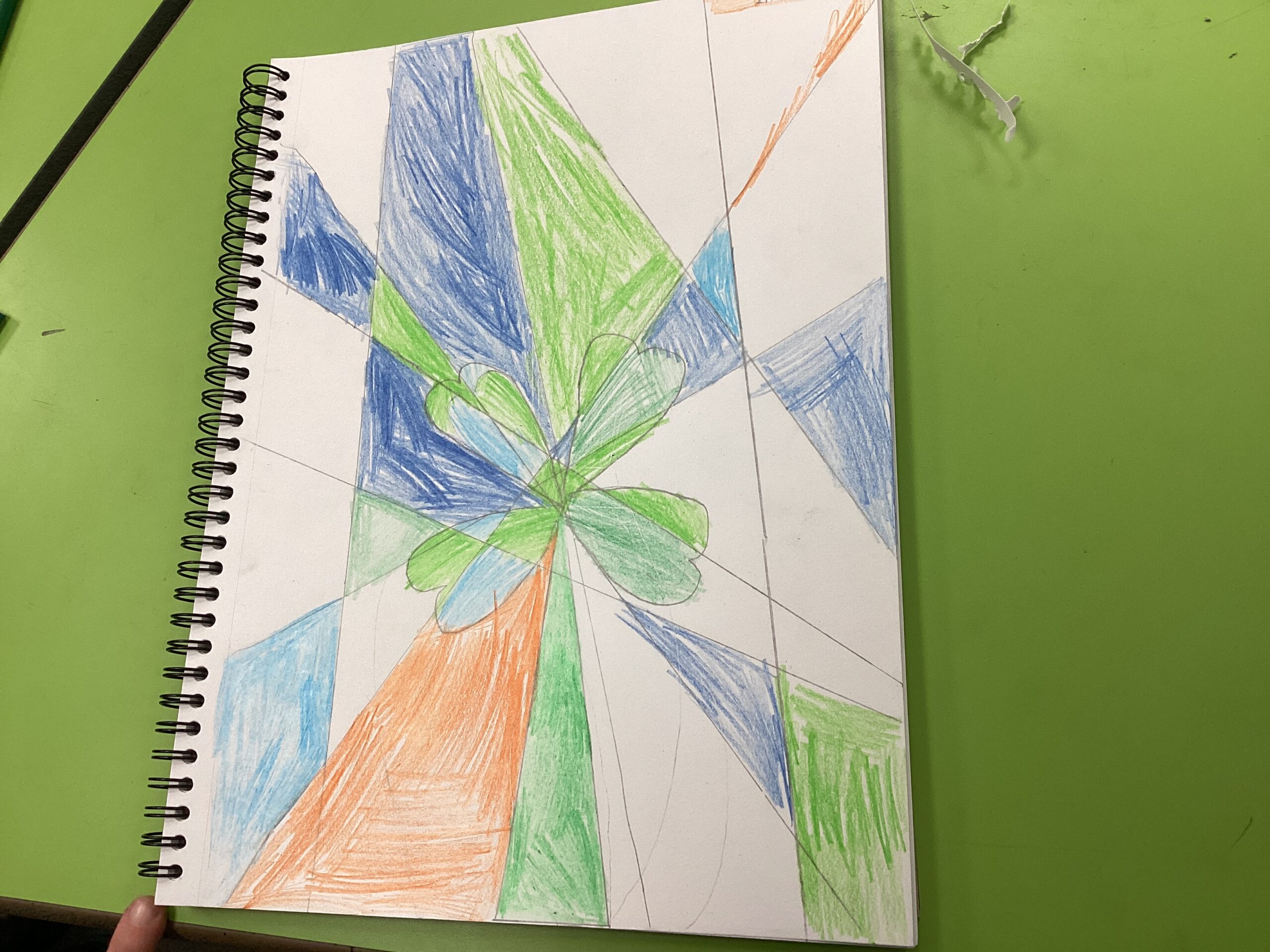
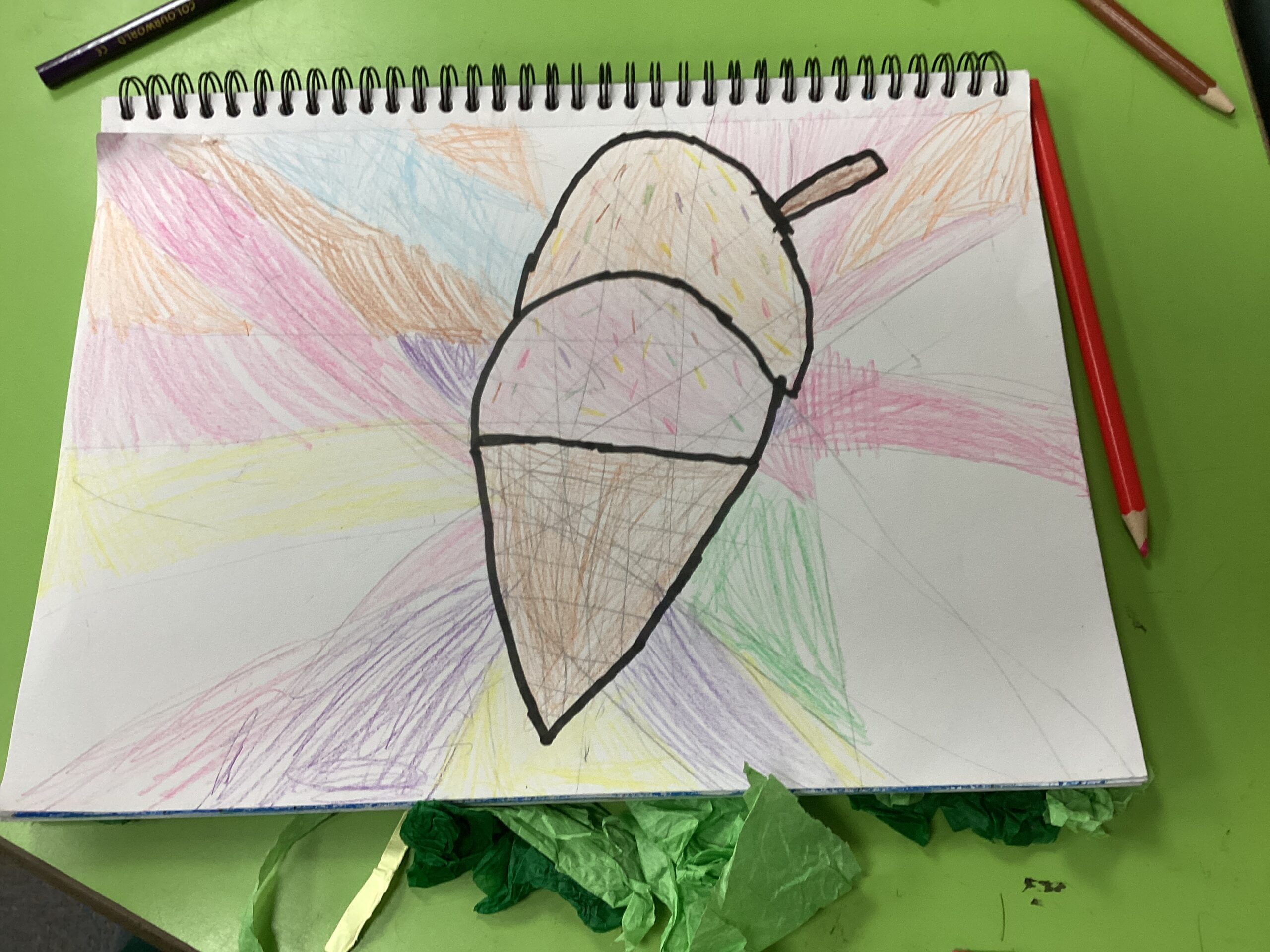
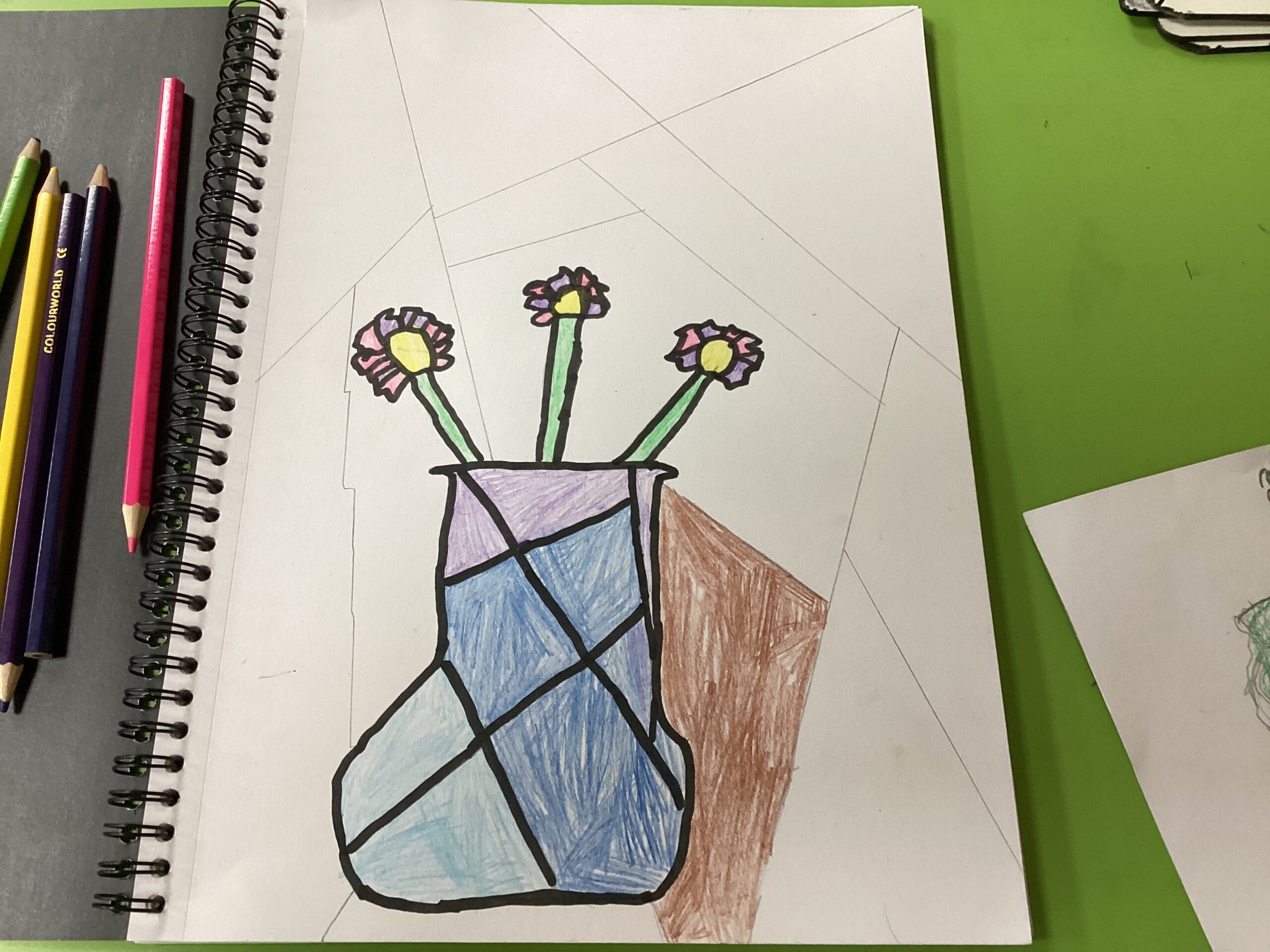
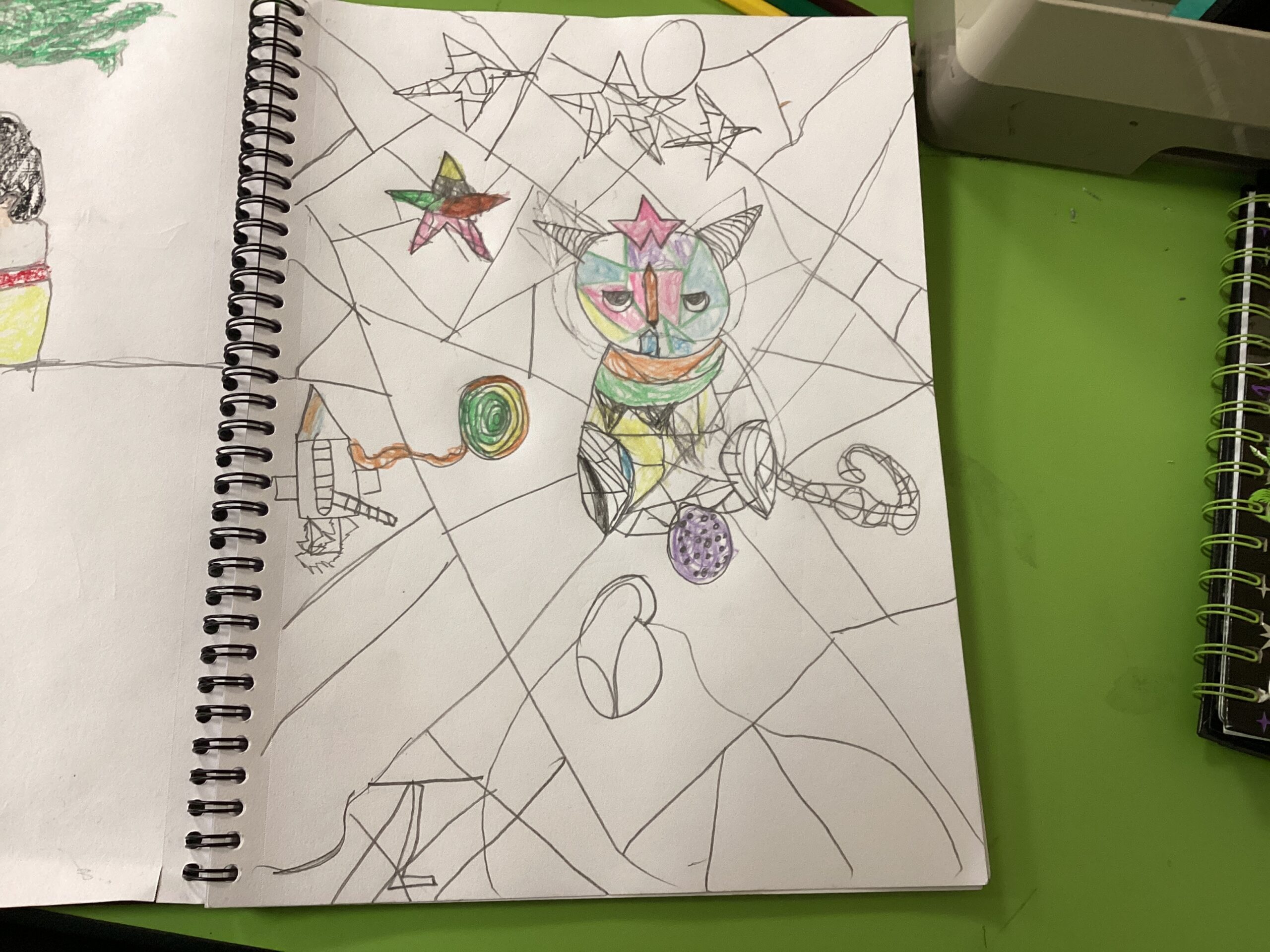
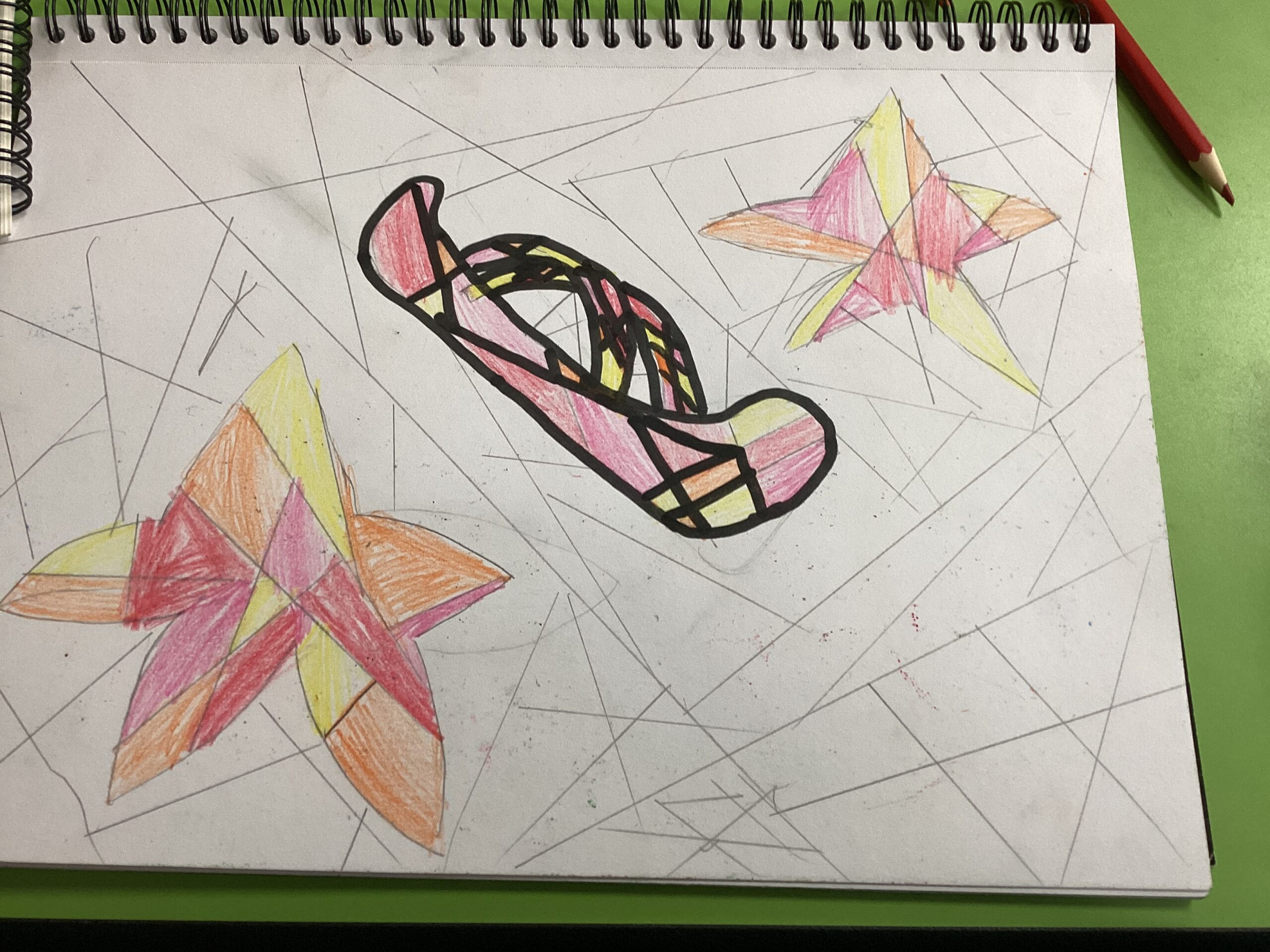
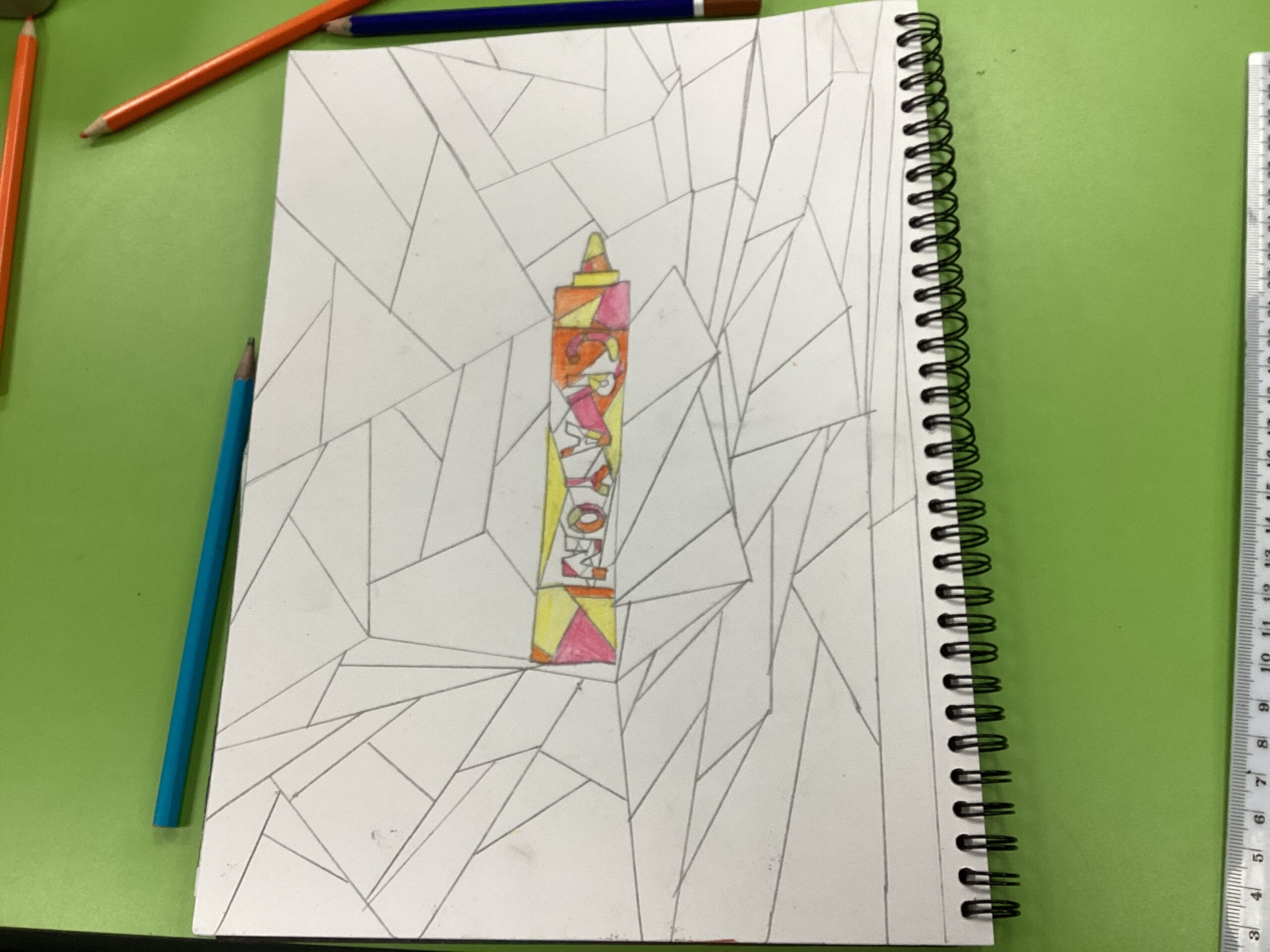
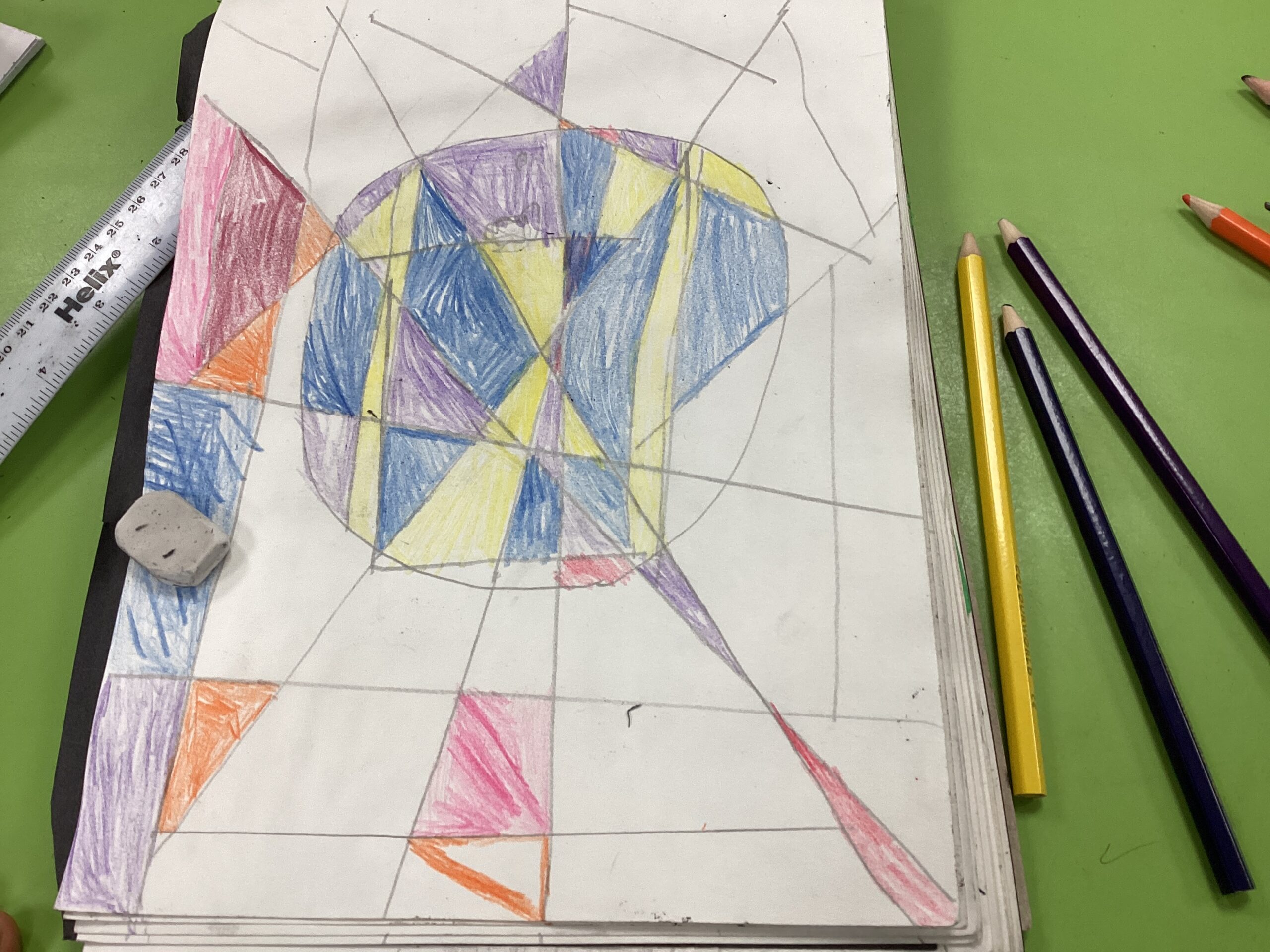
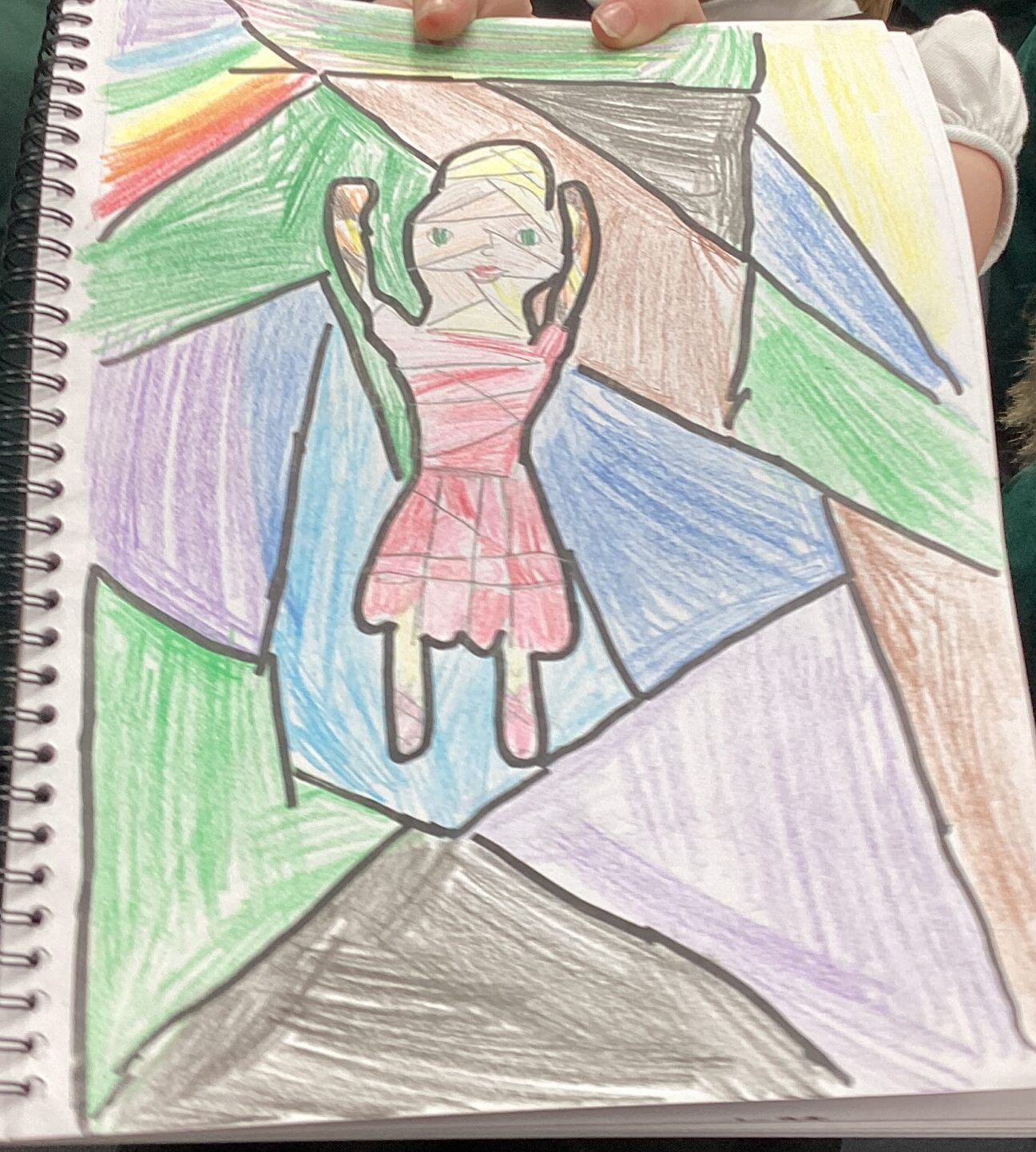
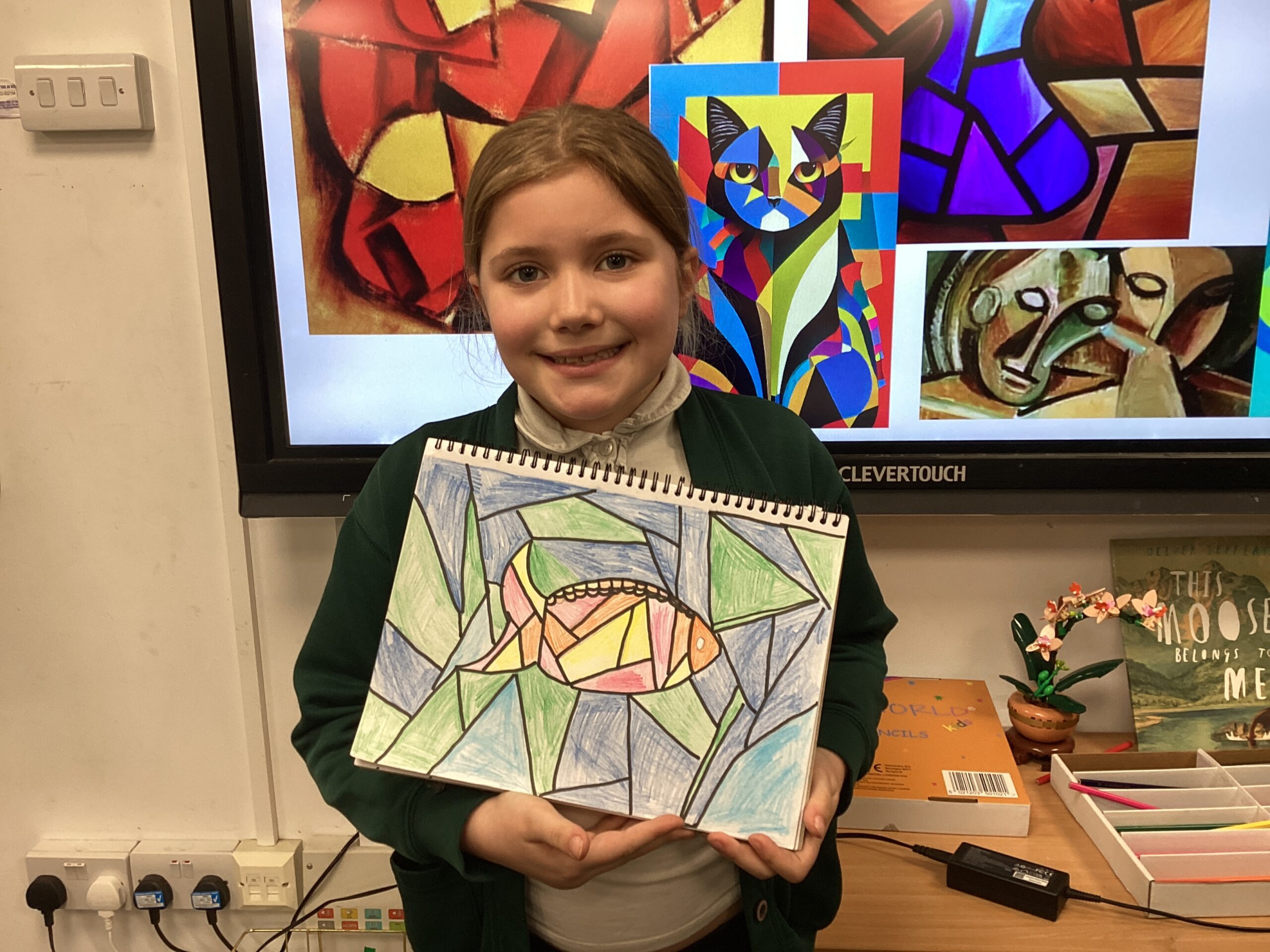
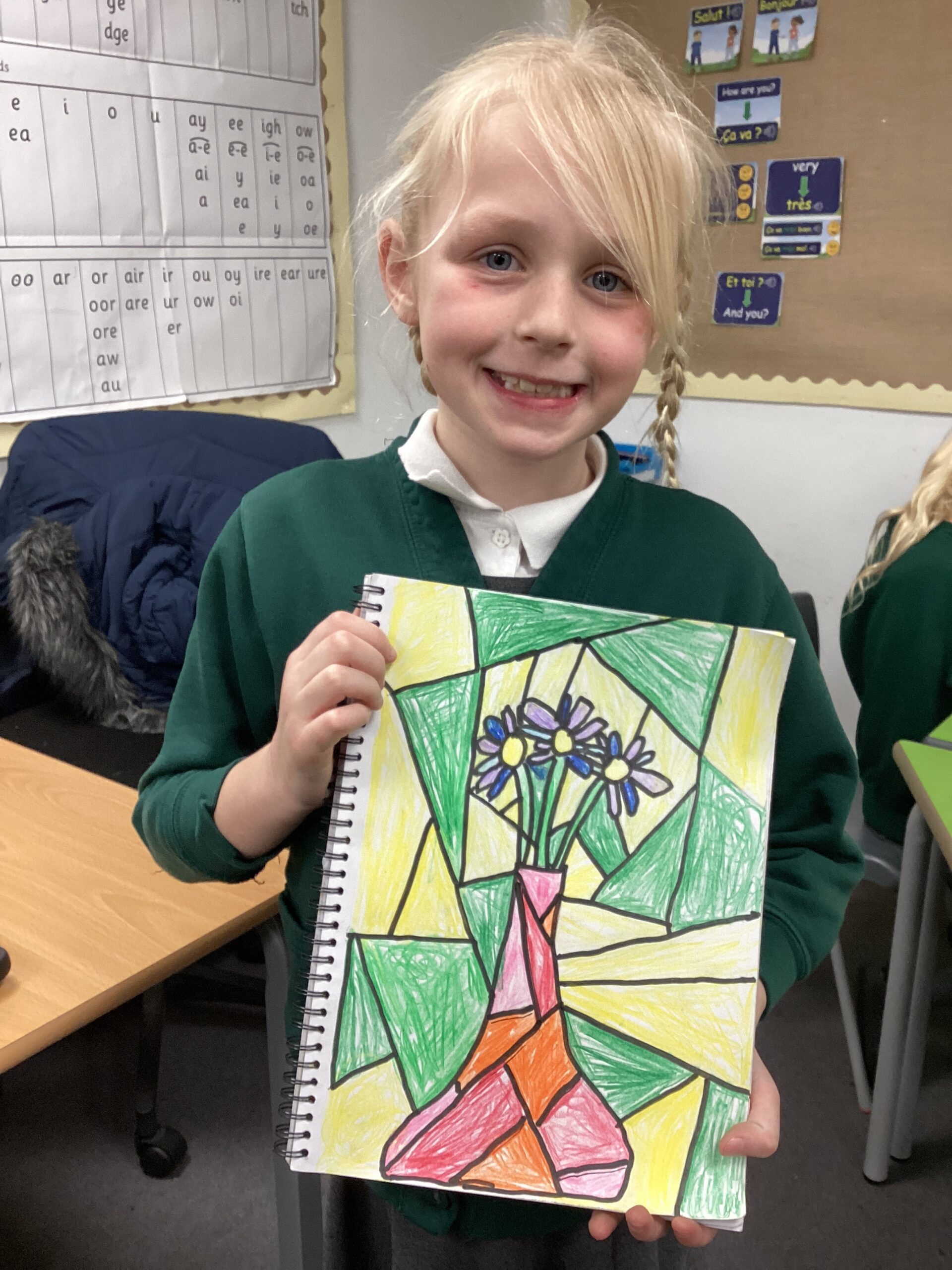
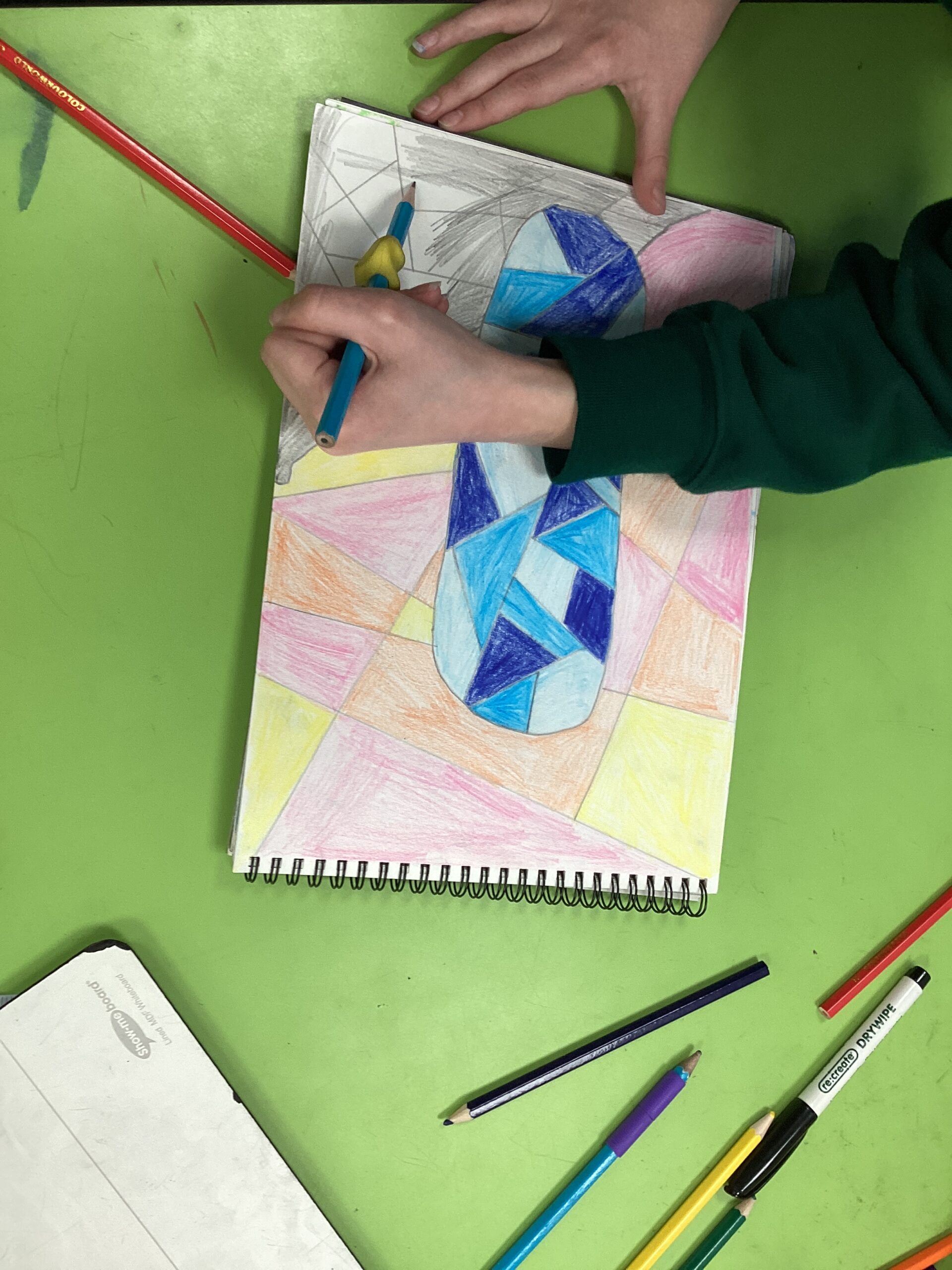
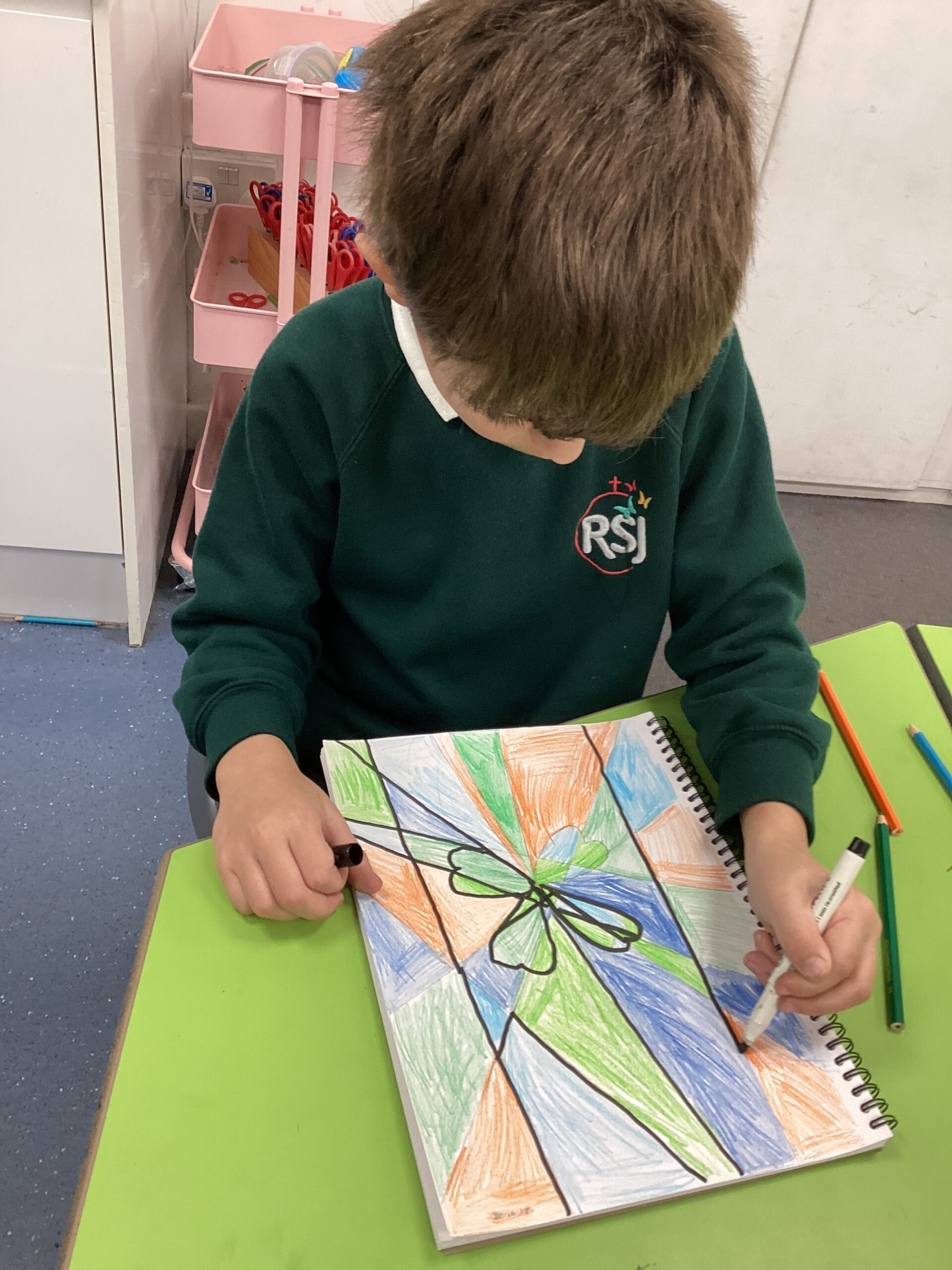
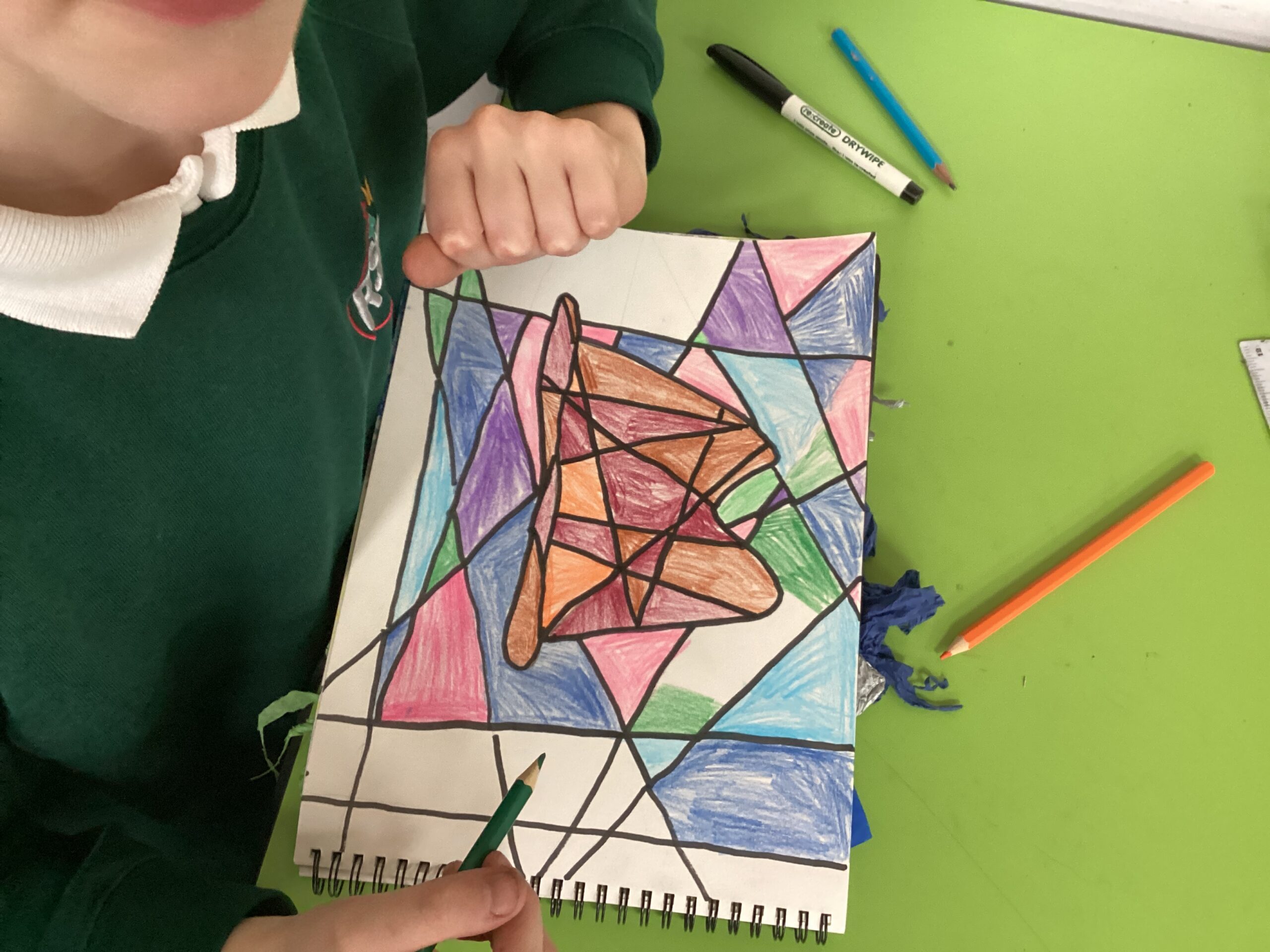
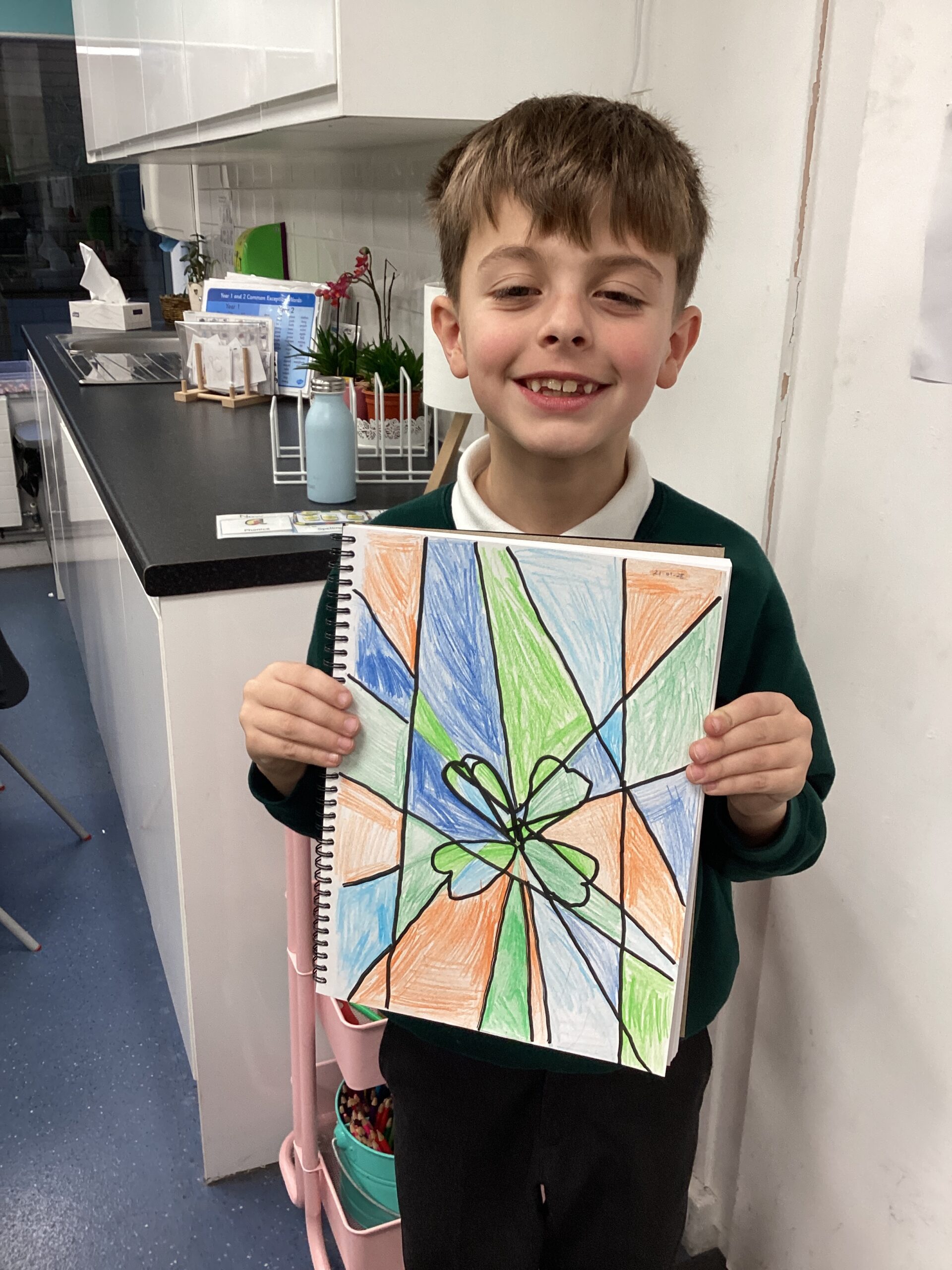
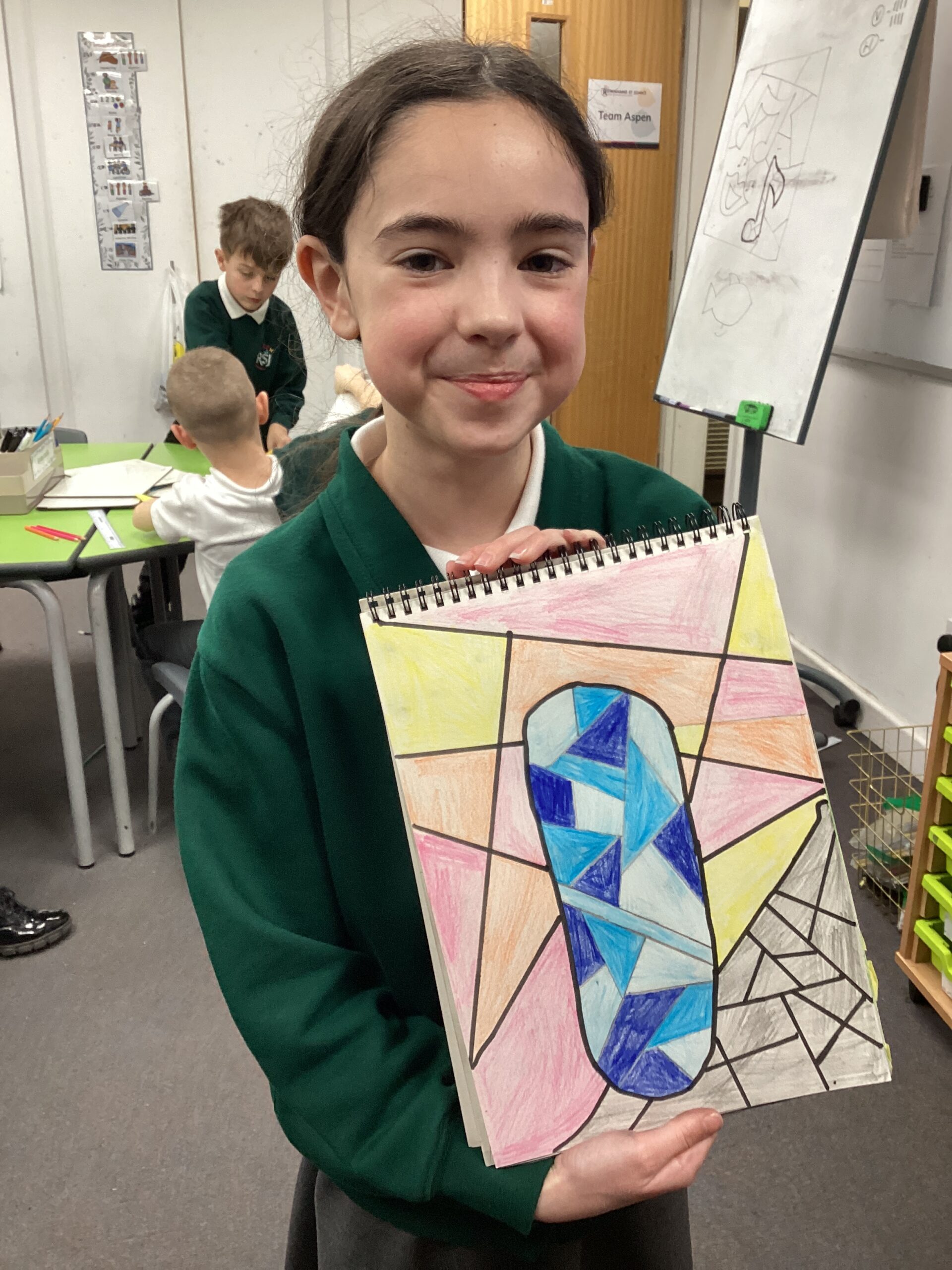
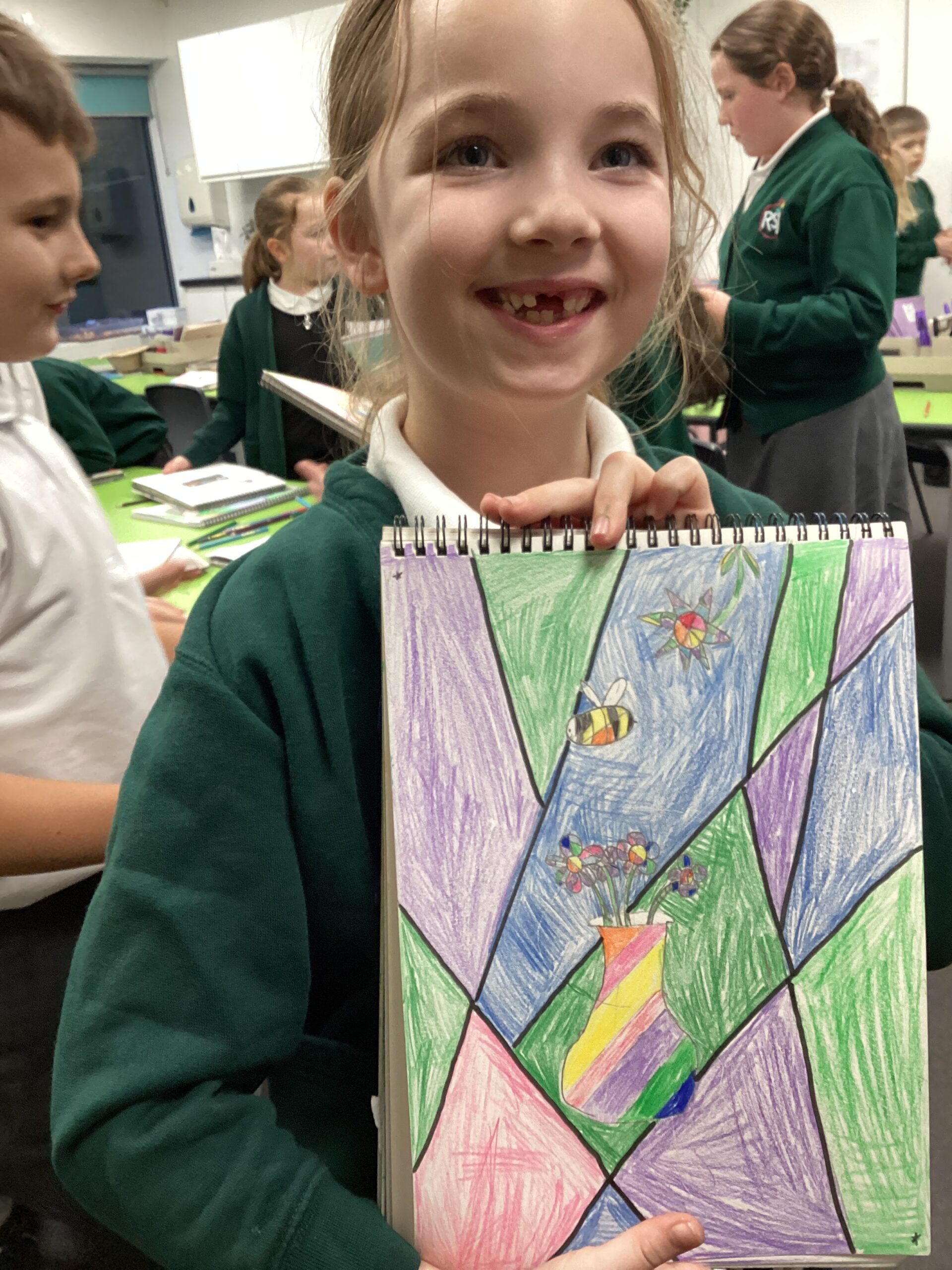
This week, Year 3/4 have been exploring the exciting world of Art Deco and Cubism, producing some striking and imaginative pieces of artwork.
The children began by learning about the Cubist style of art, inspired by artists such as Pablo Picasso and Georges Braque. They also looked at the work of Tamara de Lempicka, an iconic Art Deco artist known for her strong shapes, smooth lines, and dramatic use of colour. Her portraits helped the children understand how Cubism and Art Deco can combine to create powerful images.
For their task, pupils chose to sketch a person, animal, or object. They then broke their drawing into sections, using geometric shapes and sharp angles to reflect the Cubist style. The children carefully considered how to divide their images, experimenting with overlapping shapes and bold outlines to build their final compositions.
Year 3 and Year 4 should be extremely proud of their efforts this week. Their artwork demonstrates creativity, confidence, and a fantastic willingness to experiment with new artistic styles.
Team 5 / 6:
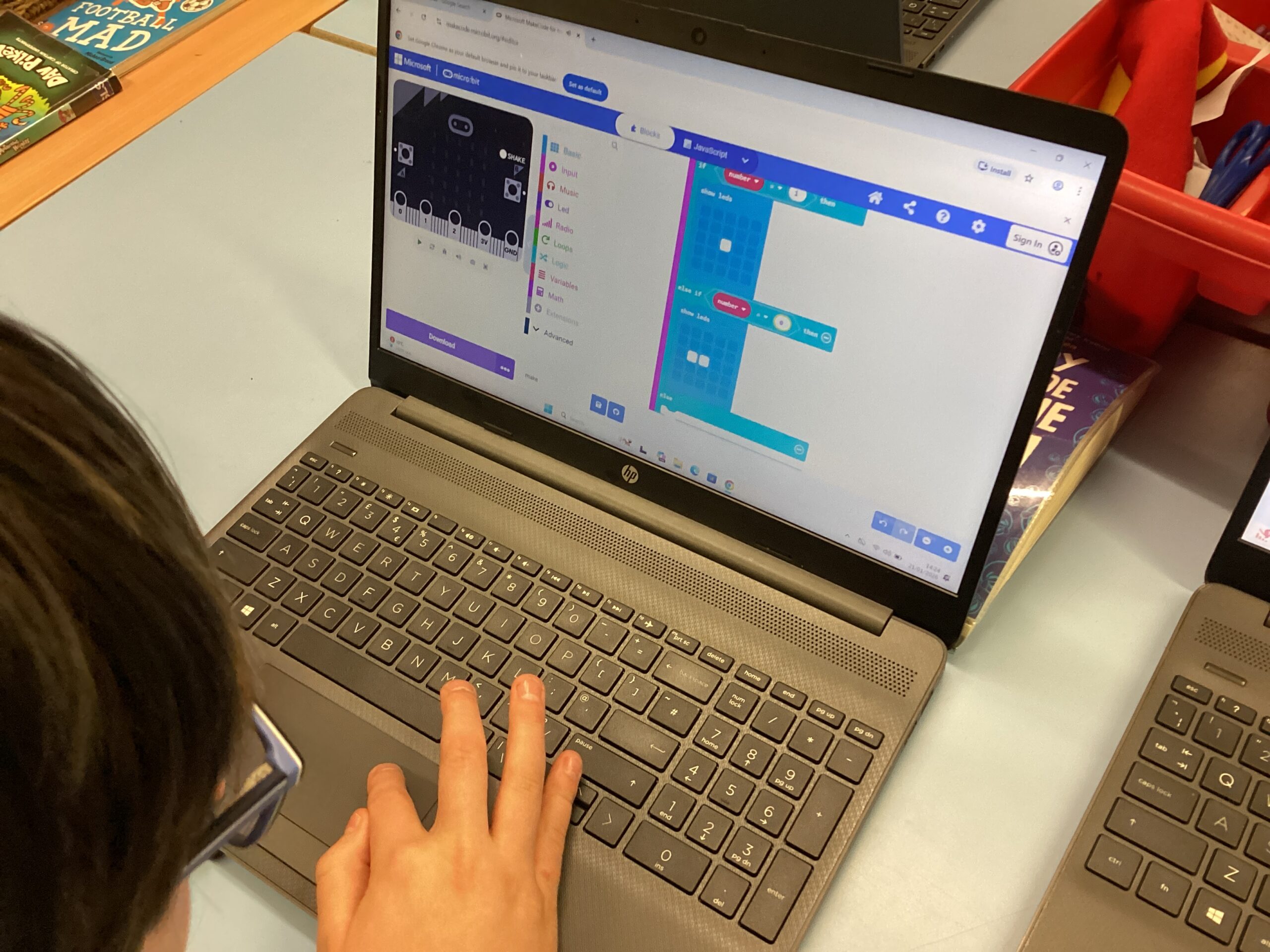
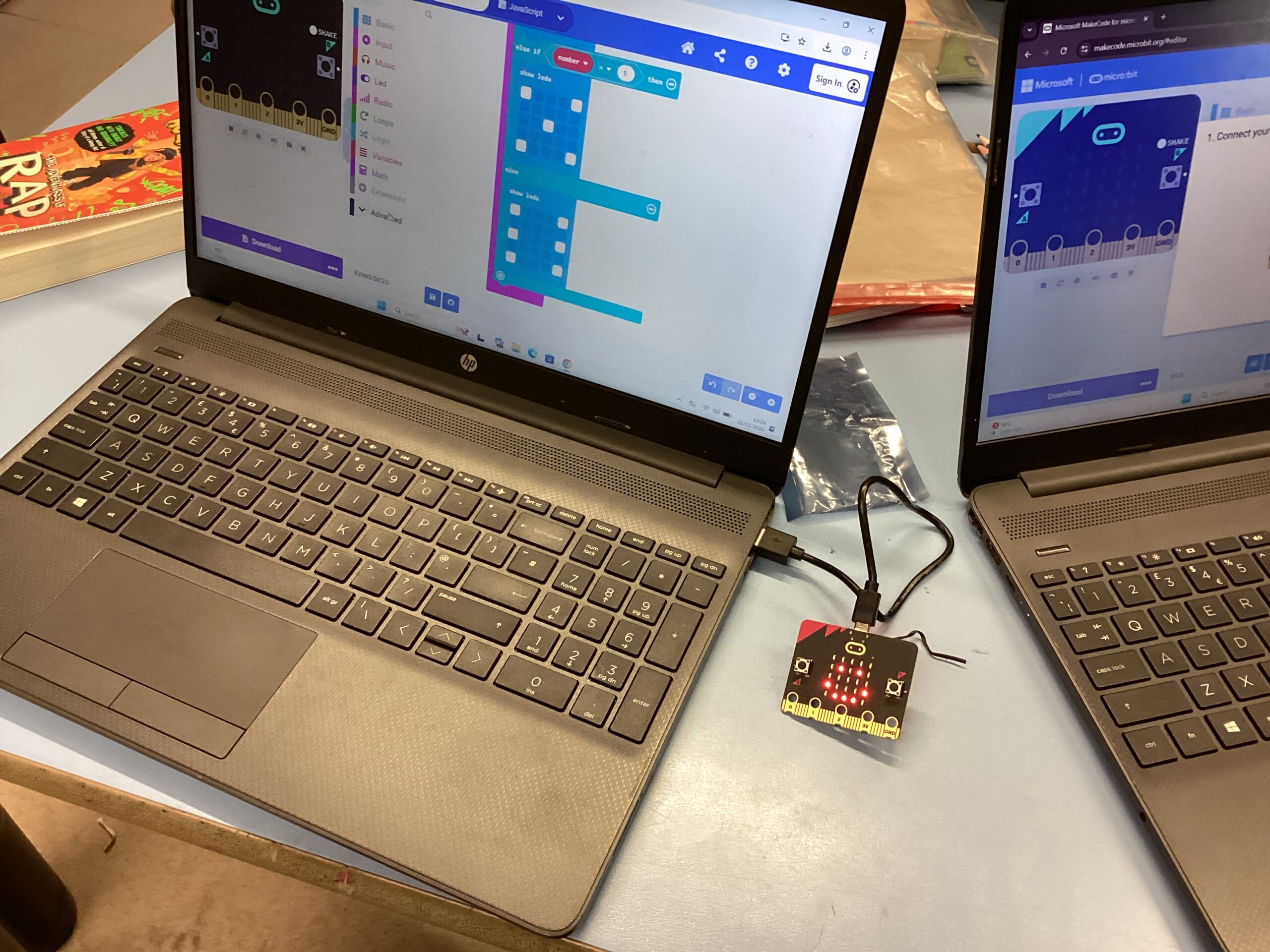
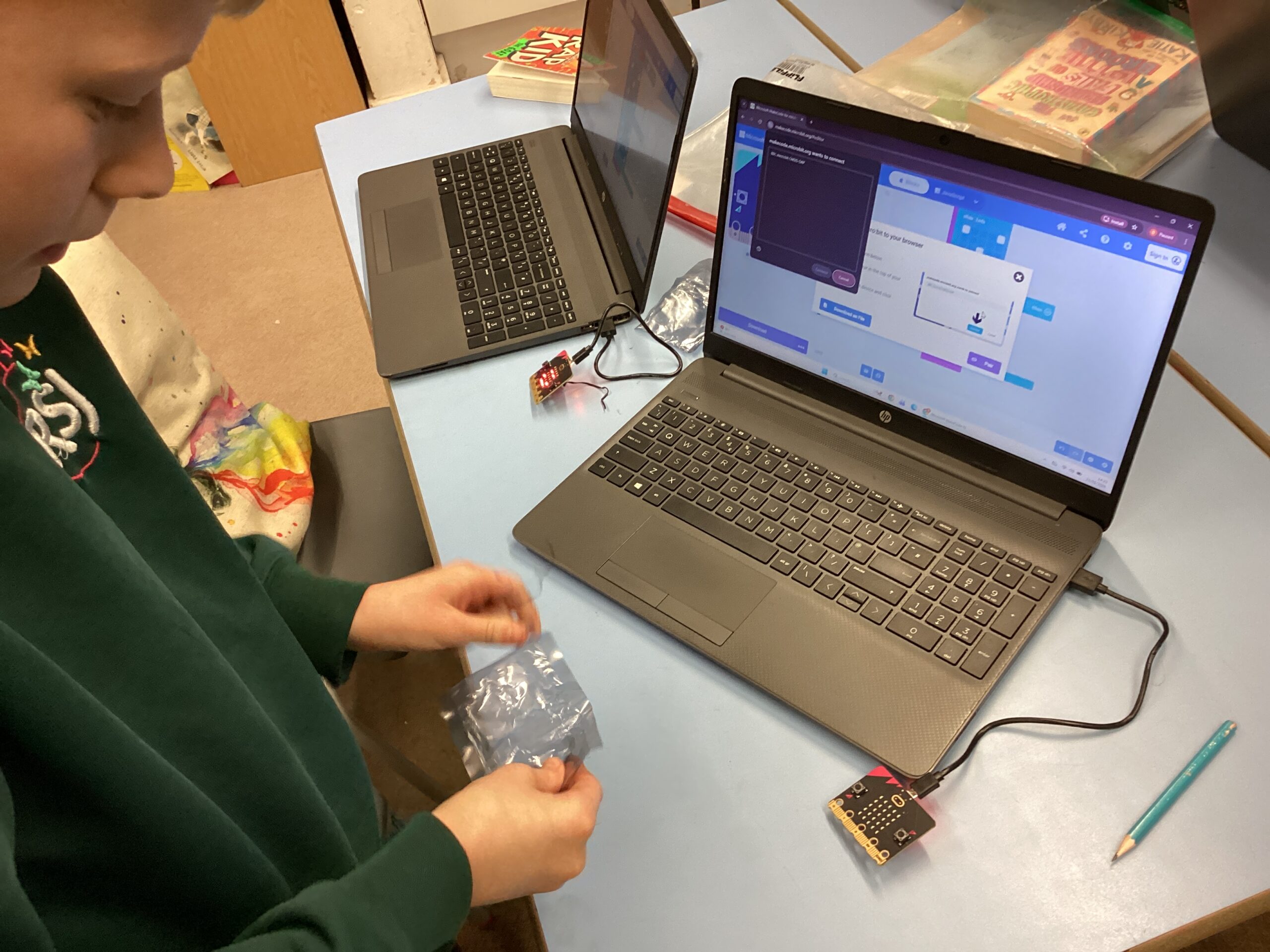
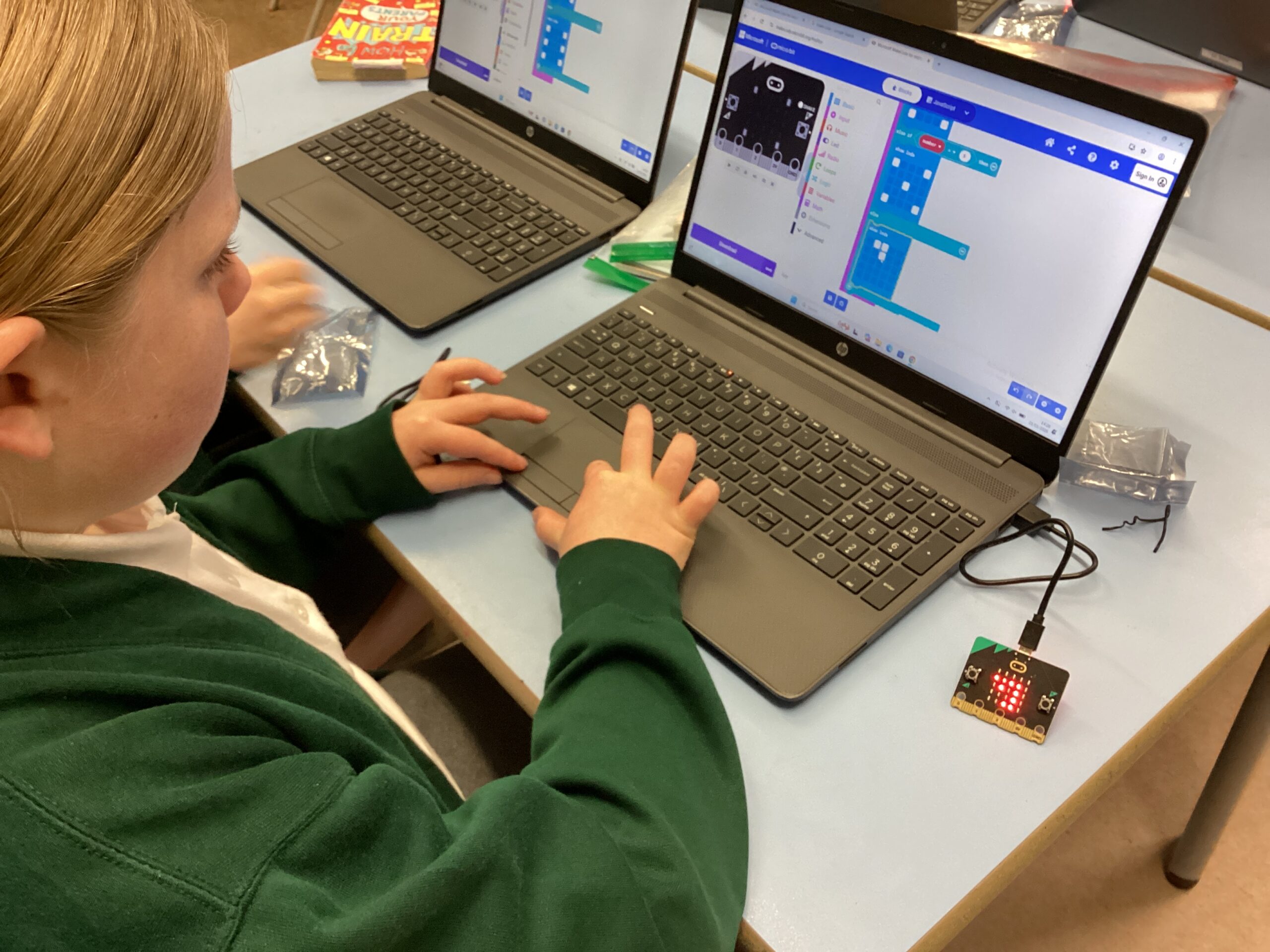
In Year 5/6, pupils used the micro:bit and the MakeCode website to design and program their own digital dice using block-based coding. The children explored how to use inputs, random numbers, and variables to make the dice work correctly. Many found including variables particularly challenging at first, but through peer support, discussion, and plenty of determination, they were able to overcome these difficulties. The session was a great example of collaborative learning, resilience, and growing confidence in computational thinking.
Follow us on social media!
You can find us on Facebook and Instagram @RownhamsSchool, where we share more photos of what has been going on around the school, and celebrate the children’s learning.