
History
Through rich stories and carefully chosen enquiries, children build a connected understanding of the past and learn to think, talk and work as historians.
Our history curriculum is organised as a coherent journey from Reception to Year 6. Our History VIPs—Very Important People, Very Important Places and Very Important Turning Points in Time—help make that journey memorable. Across local, British and wider-world history, children revisit important ideas, use evidence, explain change and consider different interpretations, helping them understand their community and the world they share.
The more you know about the past, the better prepared you are for the future.
Theodore Roosevelt
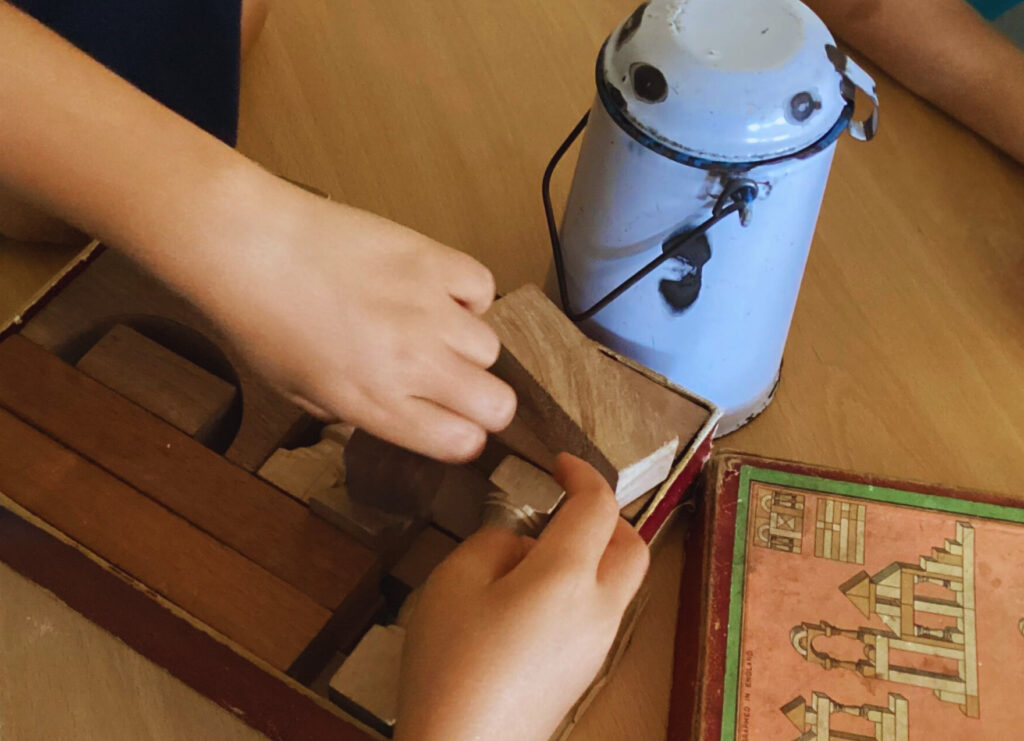
Big ideas in History
Our history curriculum is organised around three Big Ideas. Each brings together important concepts that children revisit in different periods and contexts, building a more connected understanding of the past and working towards greater mastery.
Understand chronology
Children develop a secure sense of time, placing people and events in chronological order and understanding how different periods connect.
Build an overview of world history
Children explore how people and societies have lived, believed, settled, travelled and responded to conflict across local, British and wider-world history.
Investigate and interpret the past
Children use artefacts and other evidence to ask questions, explain causes and consequences, identify change and continuity, compare experiences and consider different interpretations.
What children learn in History
Our History curriculum overview shows the enquiries children study and how these are organised across our two-year cycles. Progression is mapped through milestones at the end of Reception and Years 2, 4 and 6, showing how children’s knowledge and historical thinking develop as they move through school.