Team R:
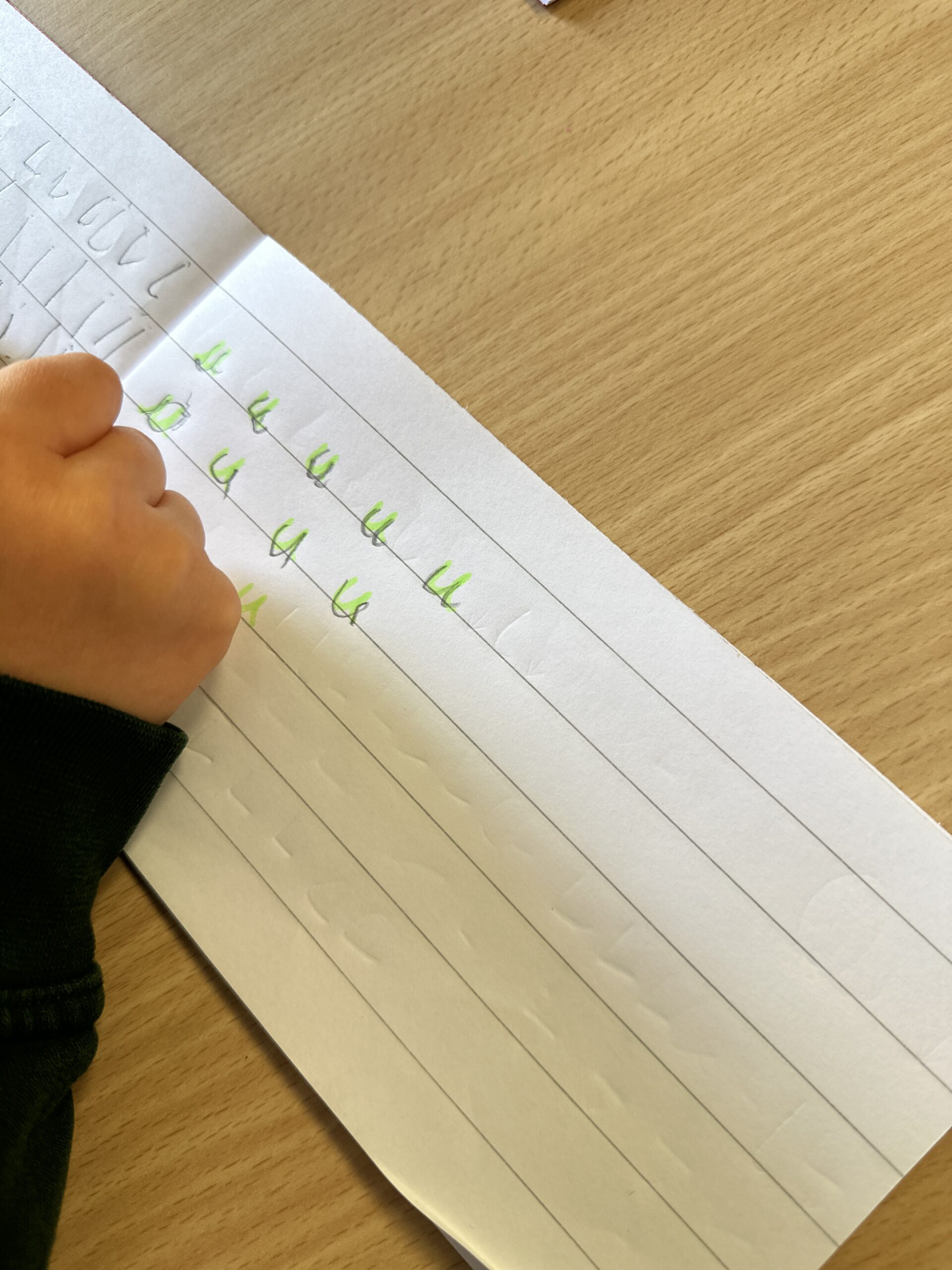
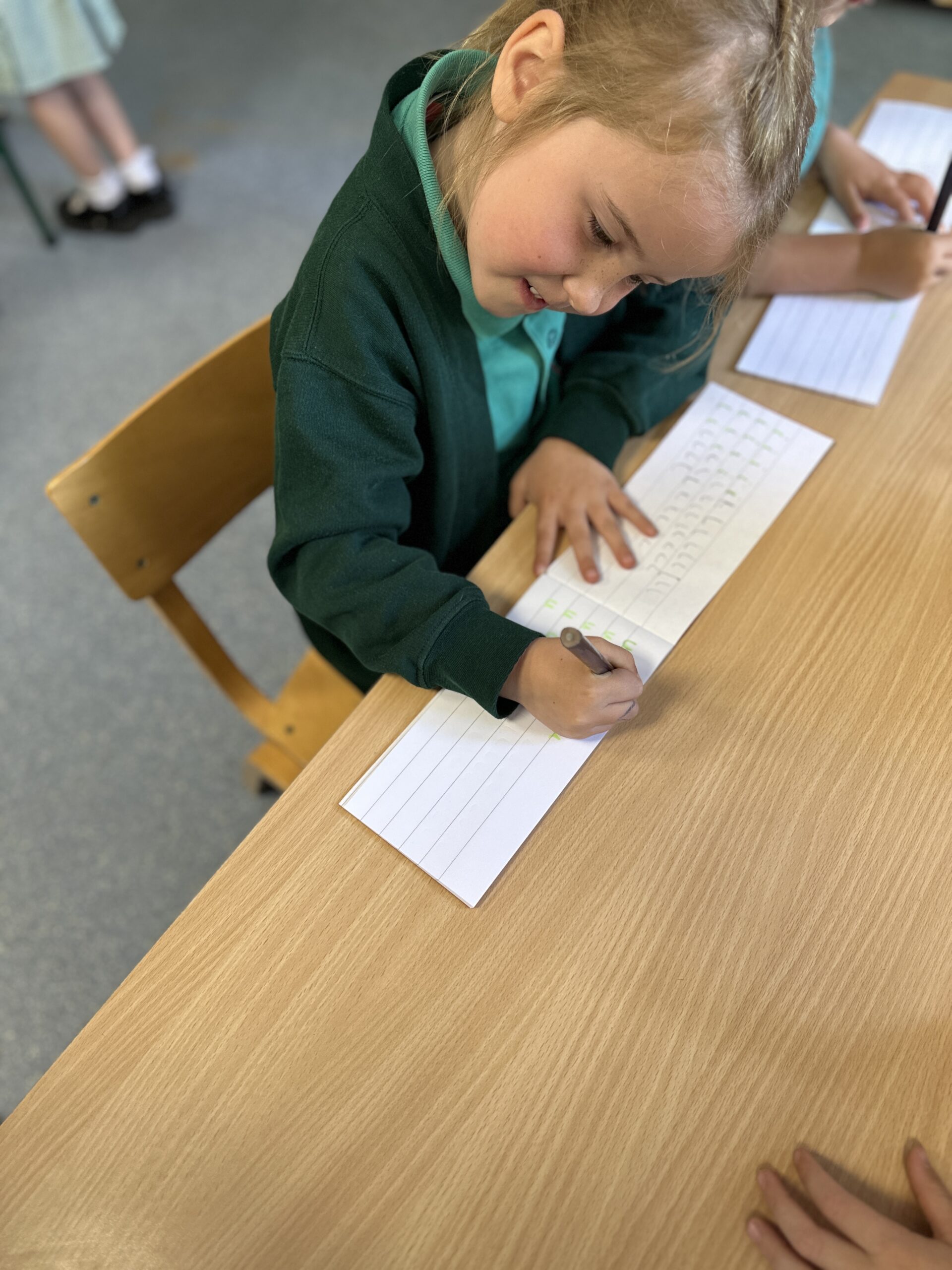
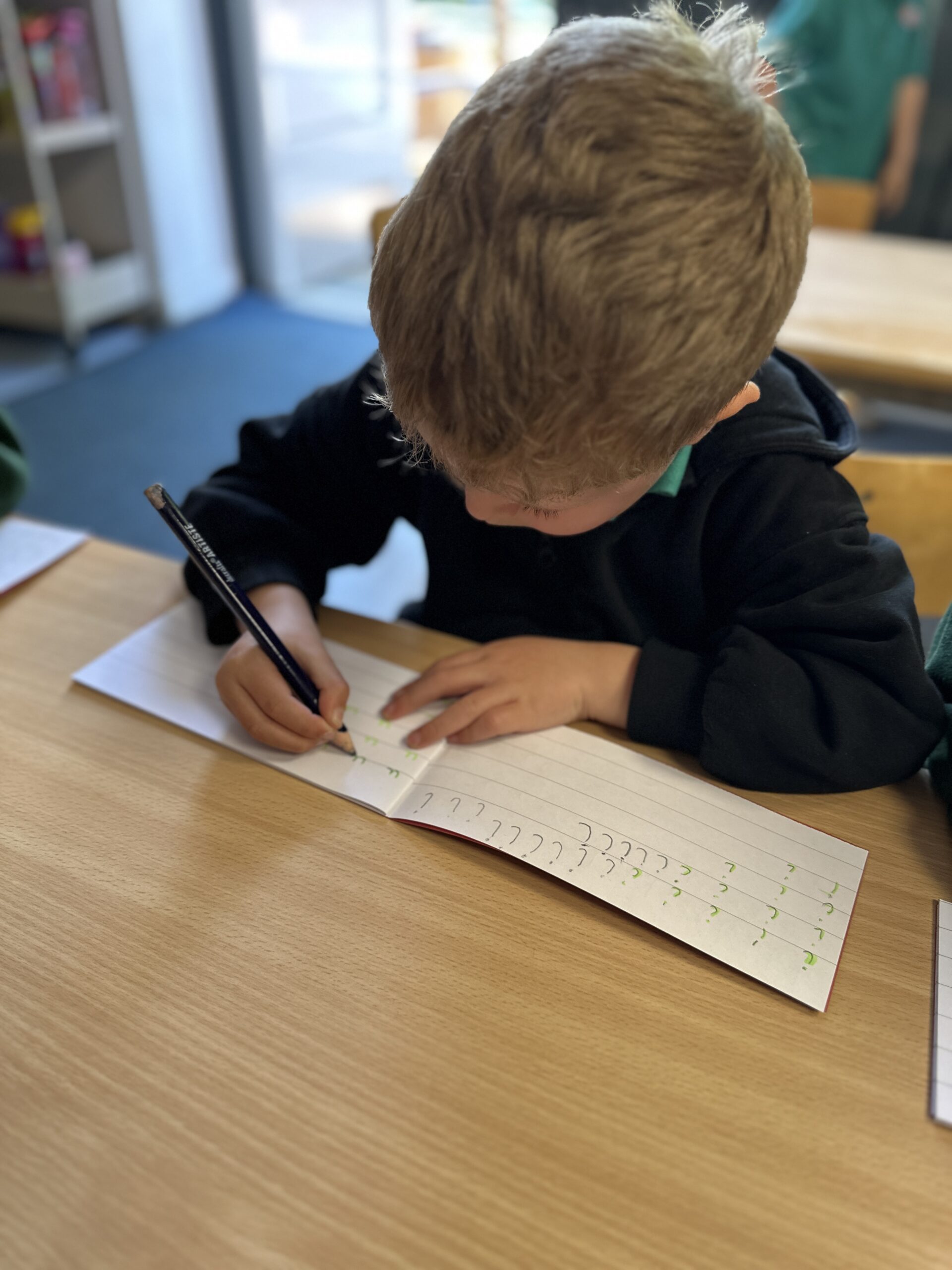
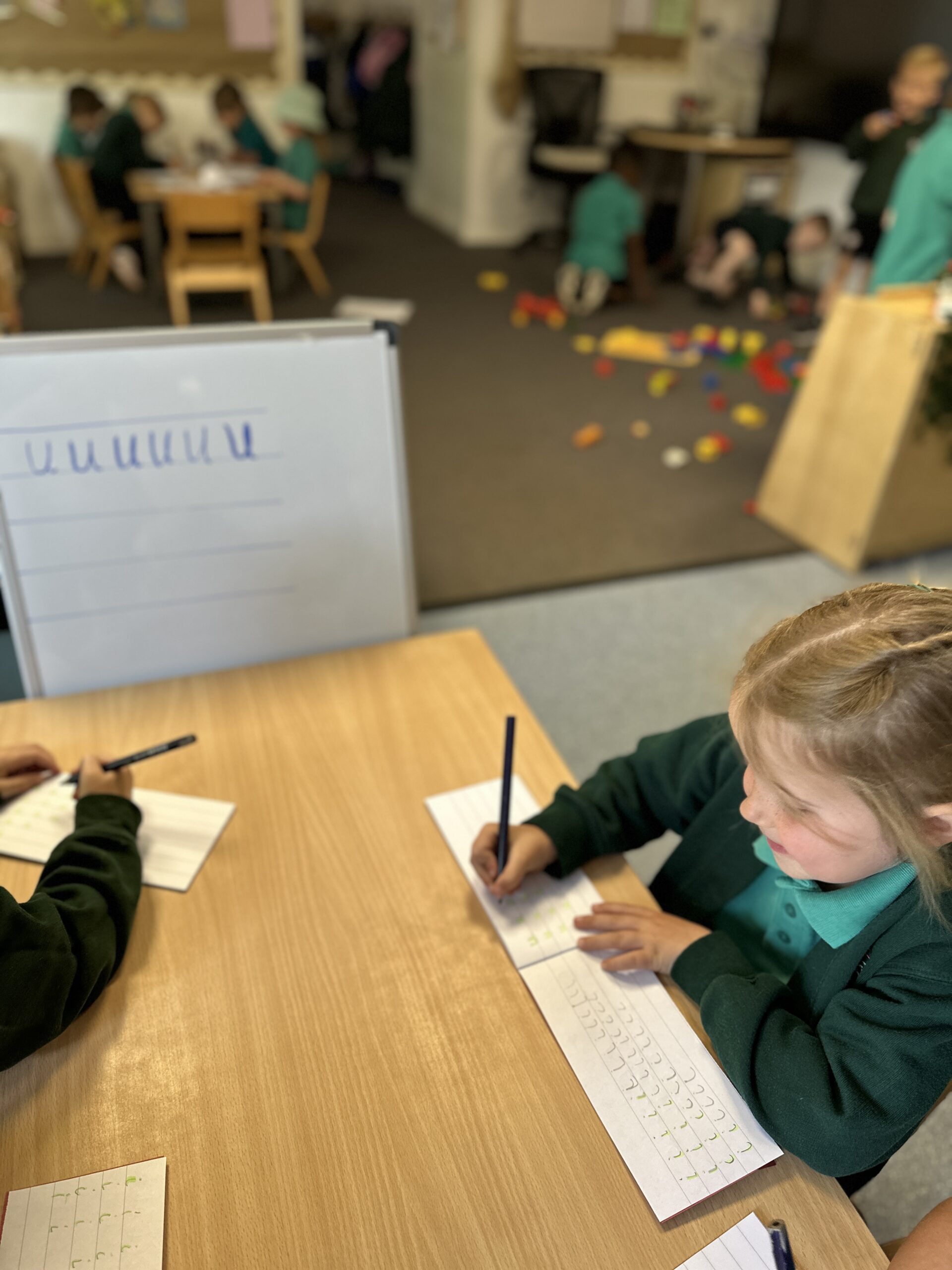
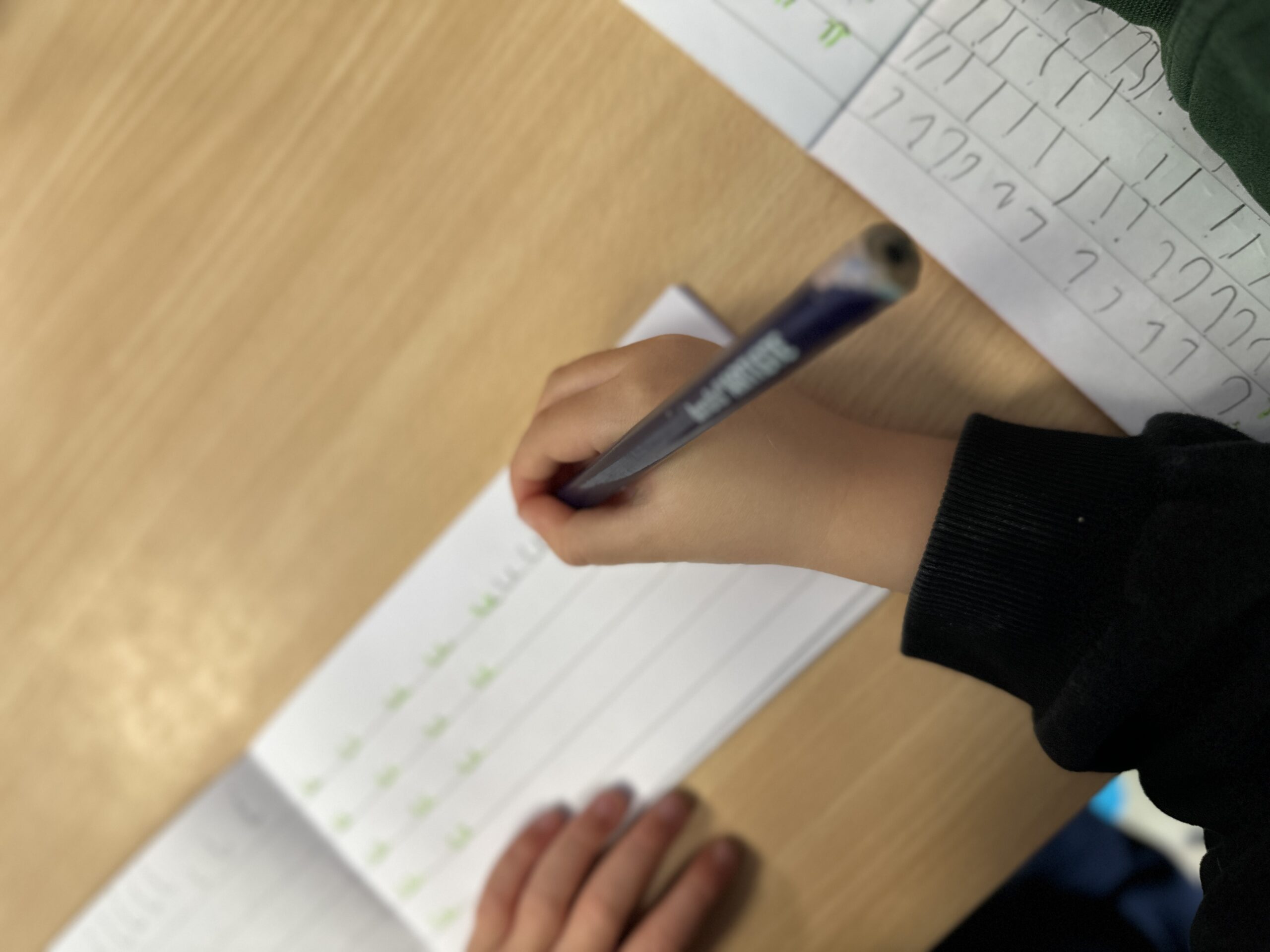
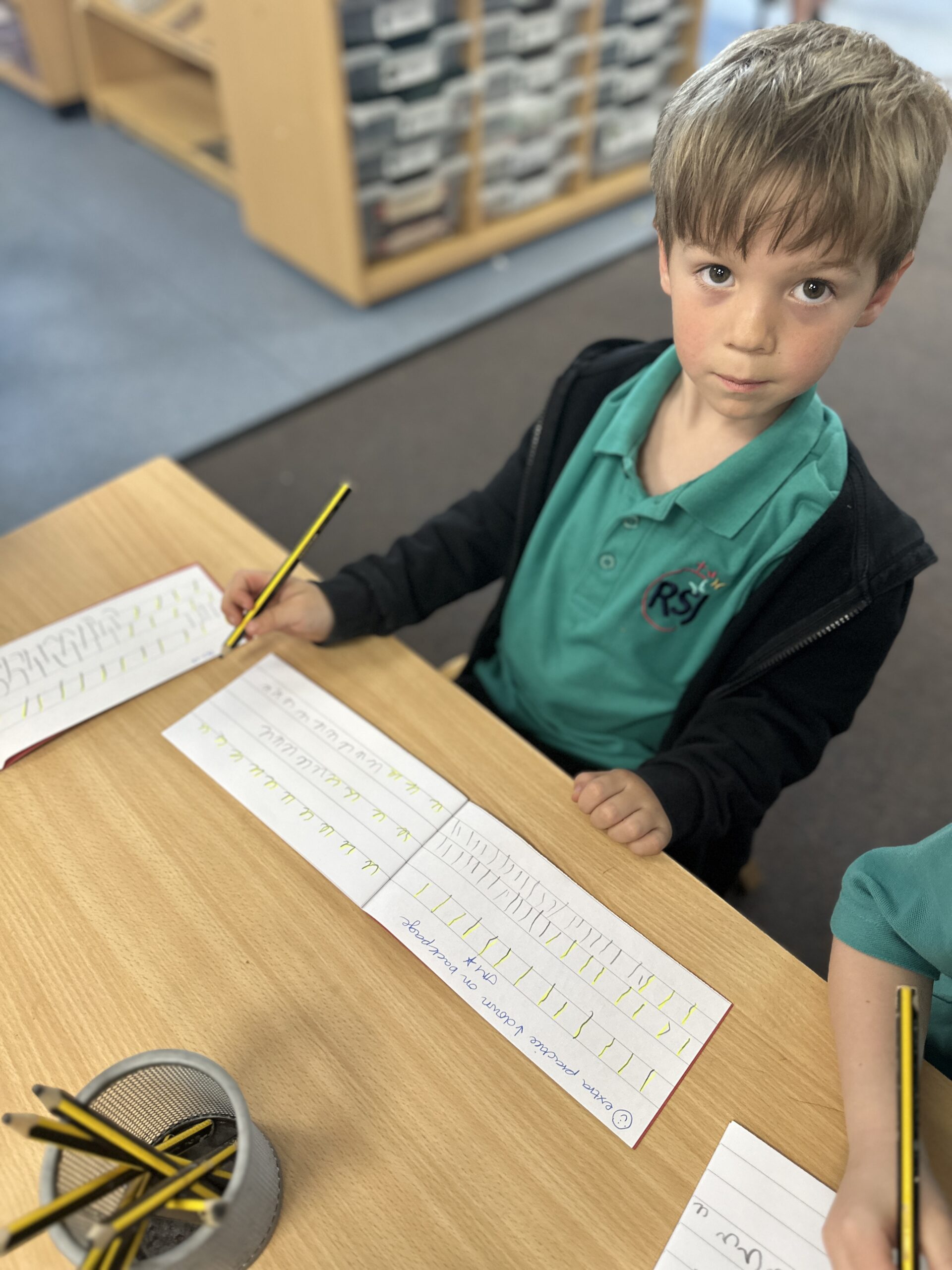
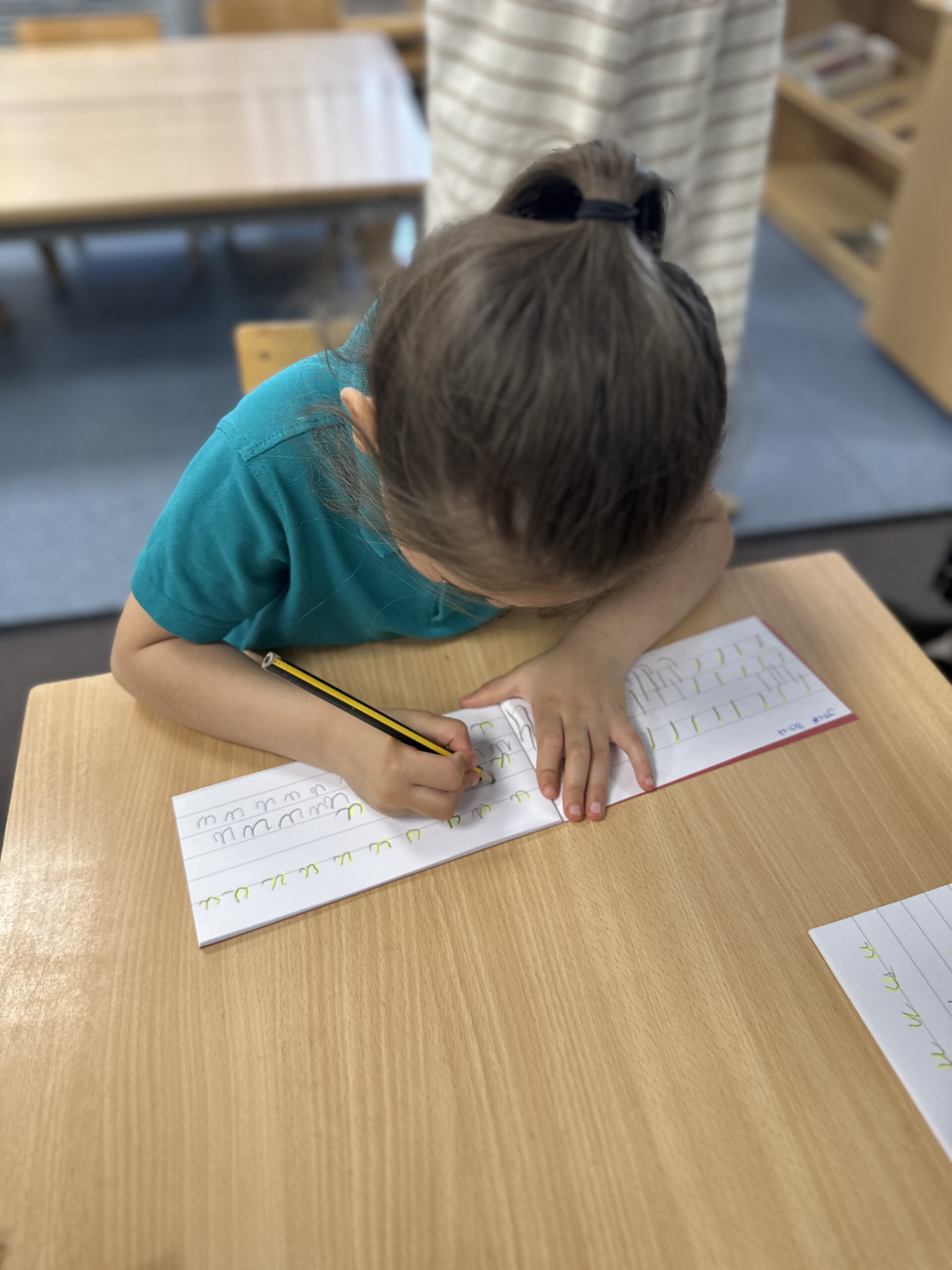
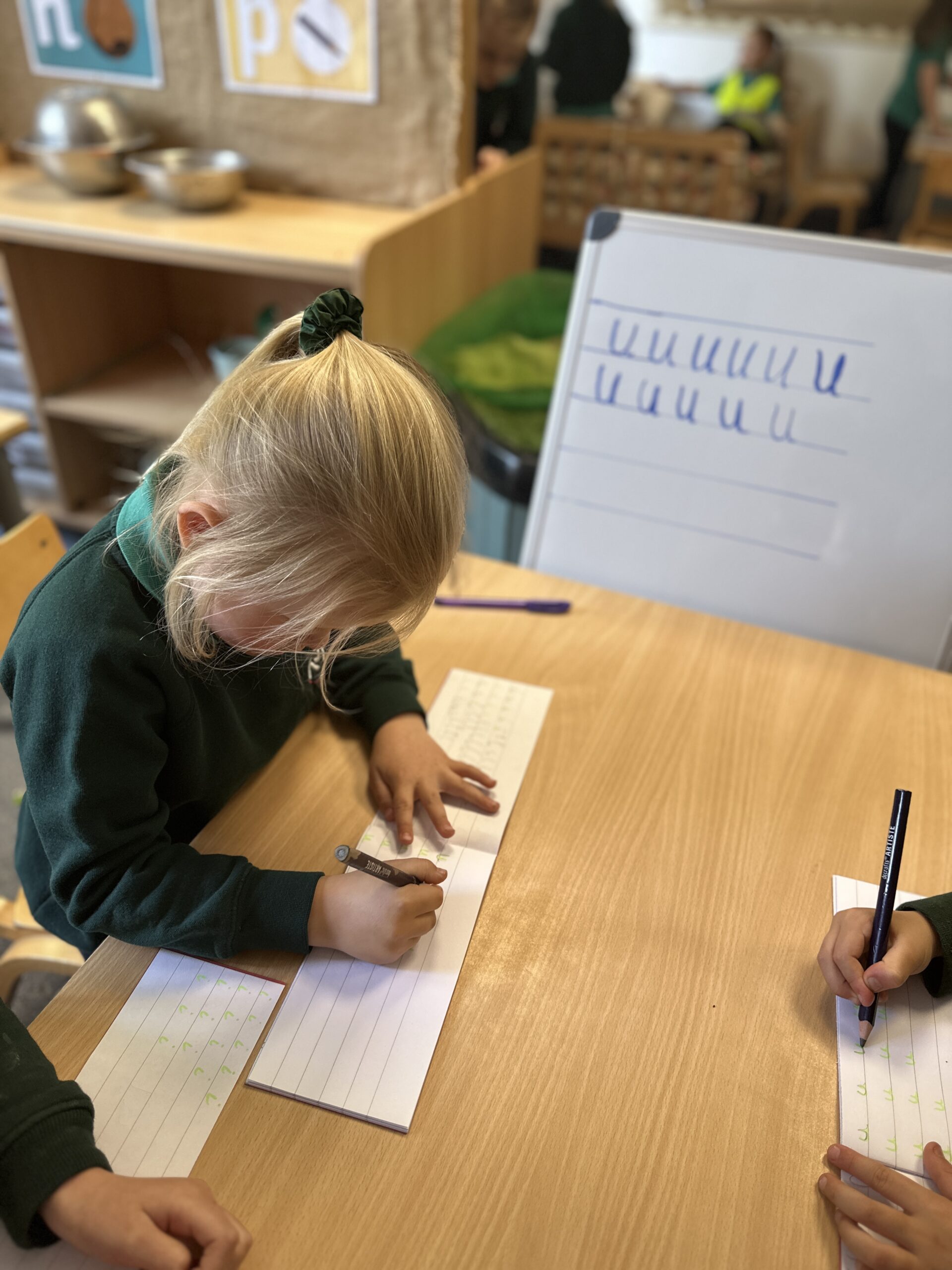
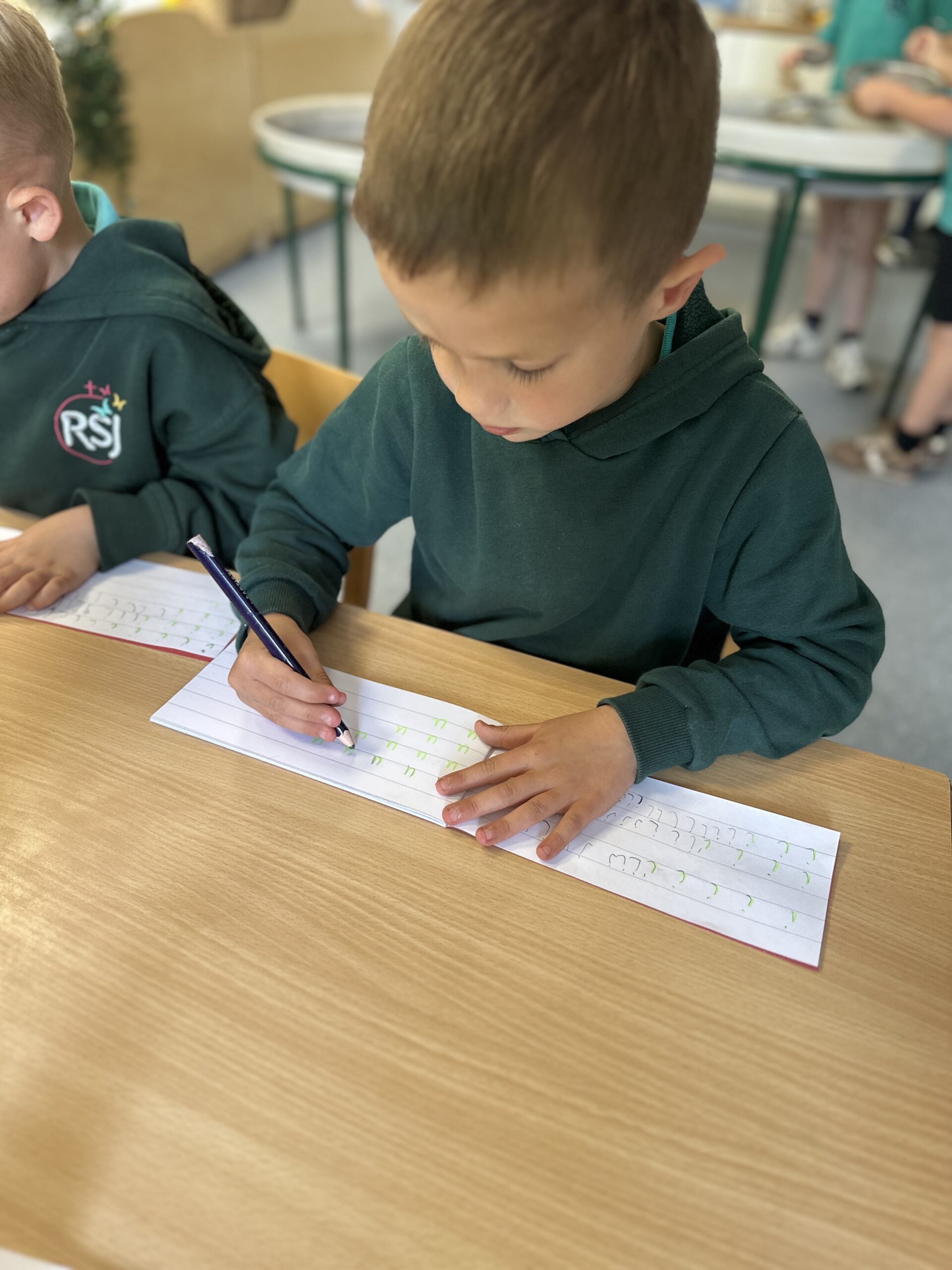
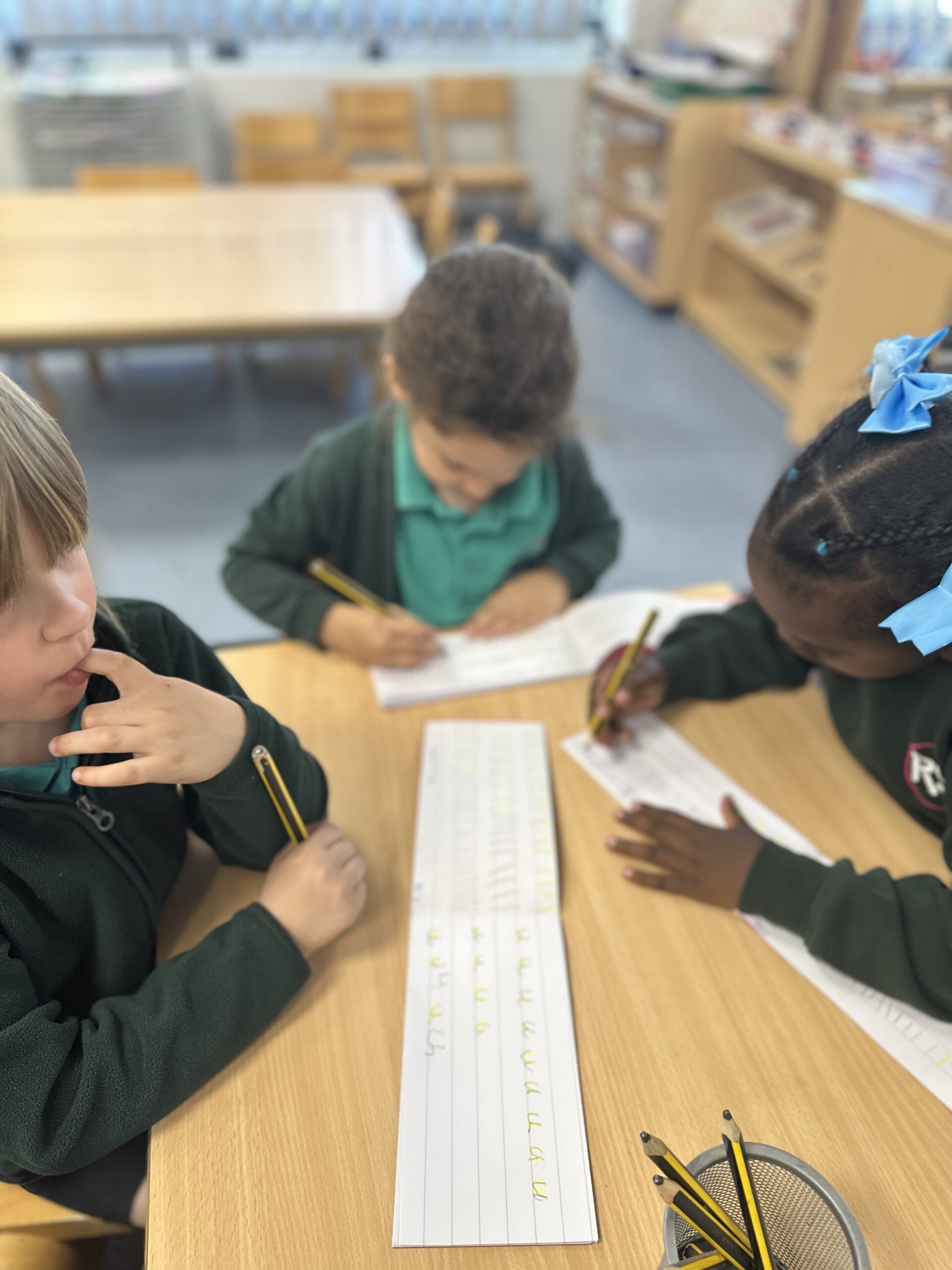
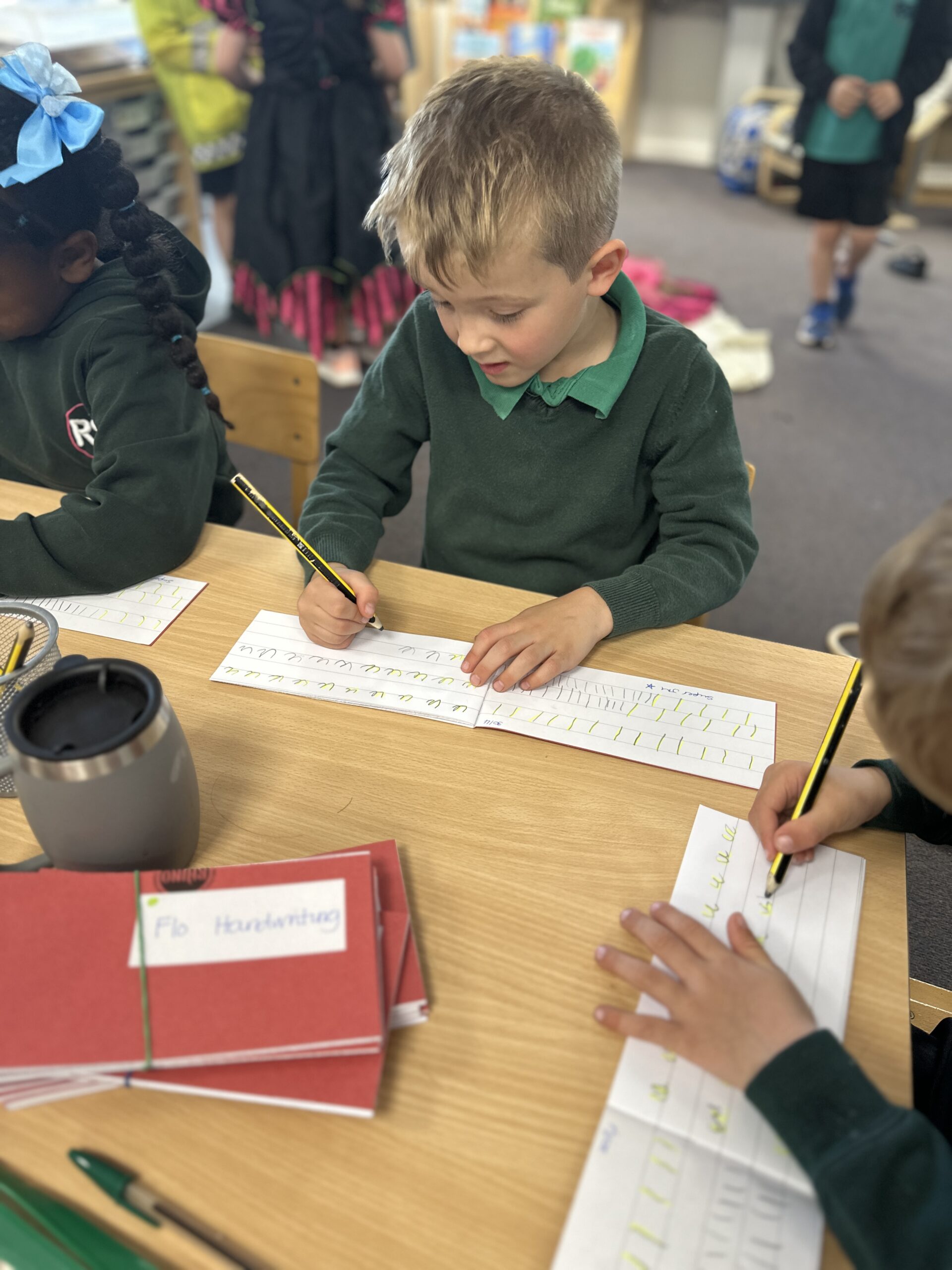
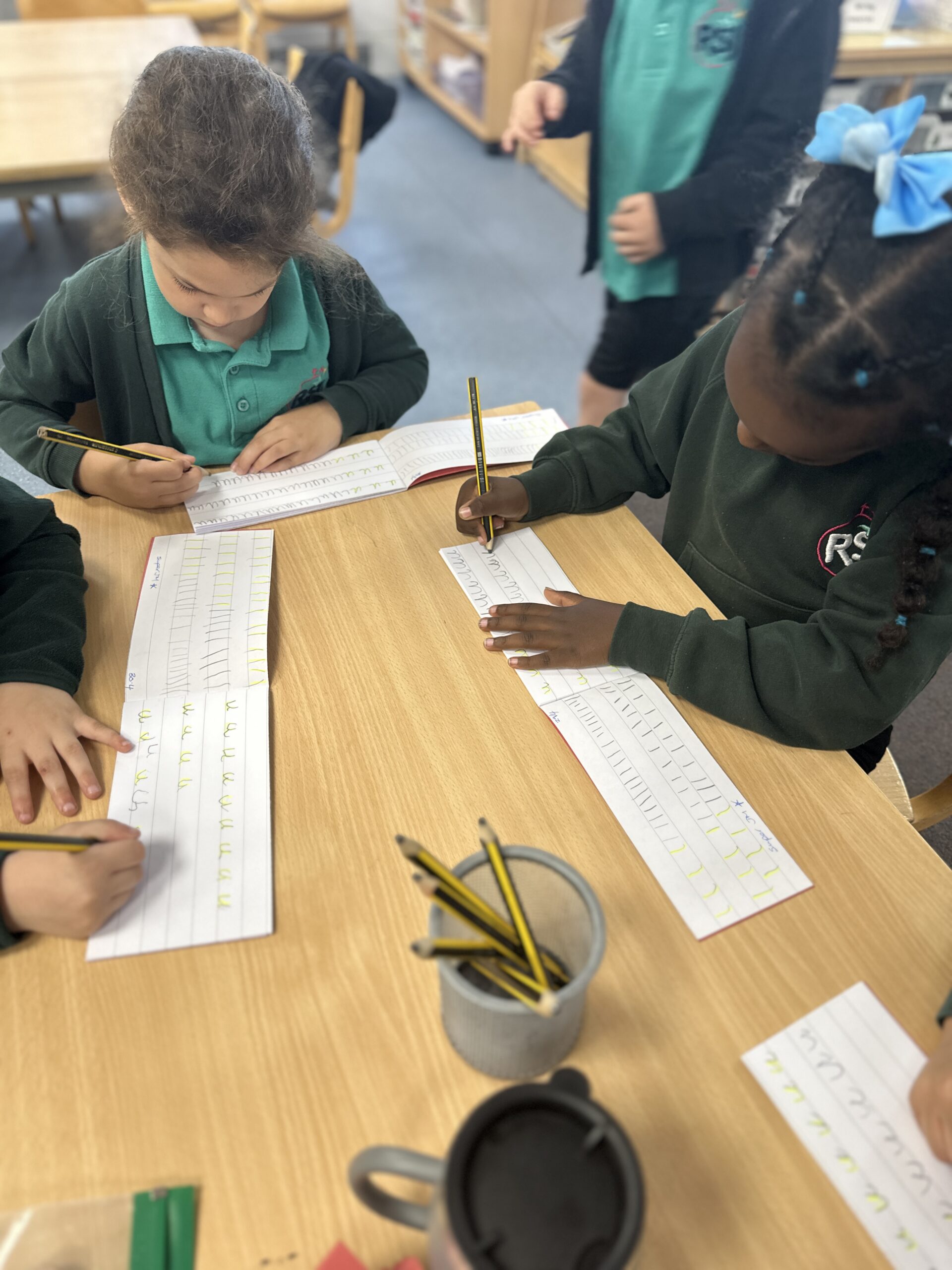
Year R have been busy practising their handwriting this week, with a special focus on “giraffe letters” – the tall letters that stretch up to the sky! Children explored letters such as l, t, h, k, b and d, learning how they start on the line and grow upwards. Through fun activities, tracing, and careful pencil control, they built confidence and pride in their writing. We encouraged correct letter formation, gentle grip, and steady movements. It has been wonderful to see their progress and enthusiasm. Keep practising at home to help reinforce these important early writing skills every single day.
Team 1 / 2:
Exploring Habitats and Microhabitats in Our School Grounds
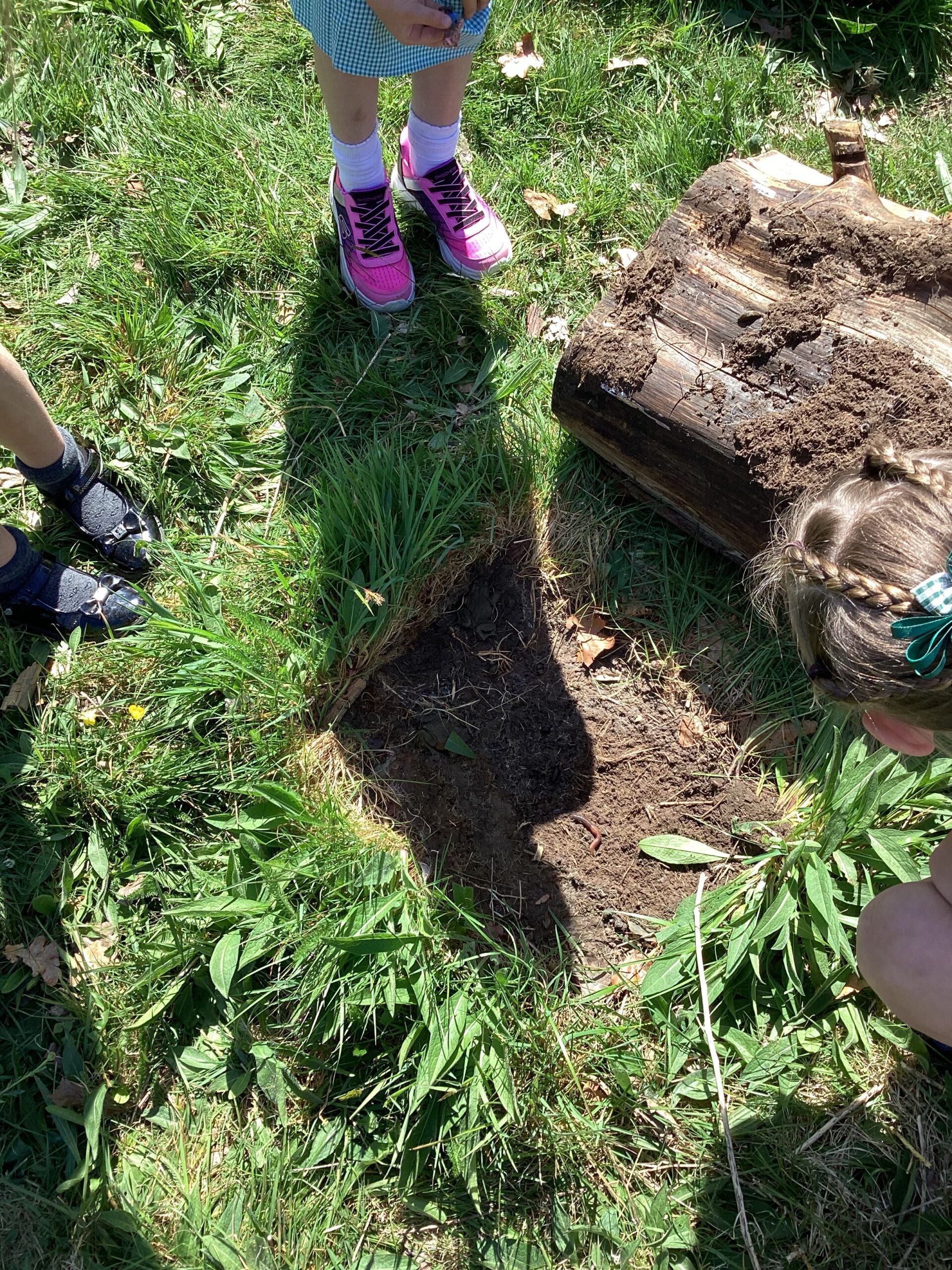
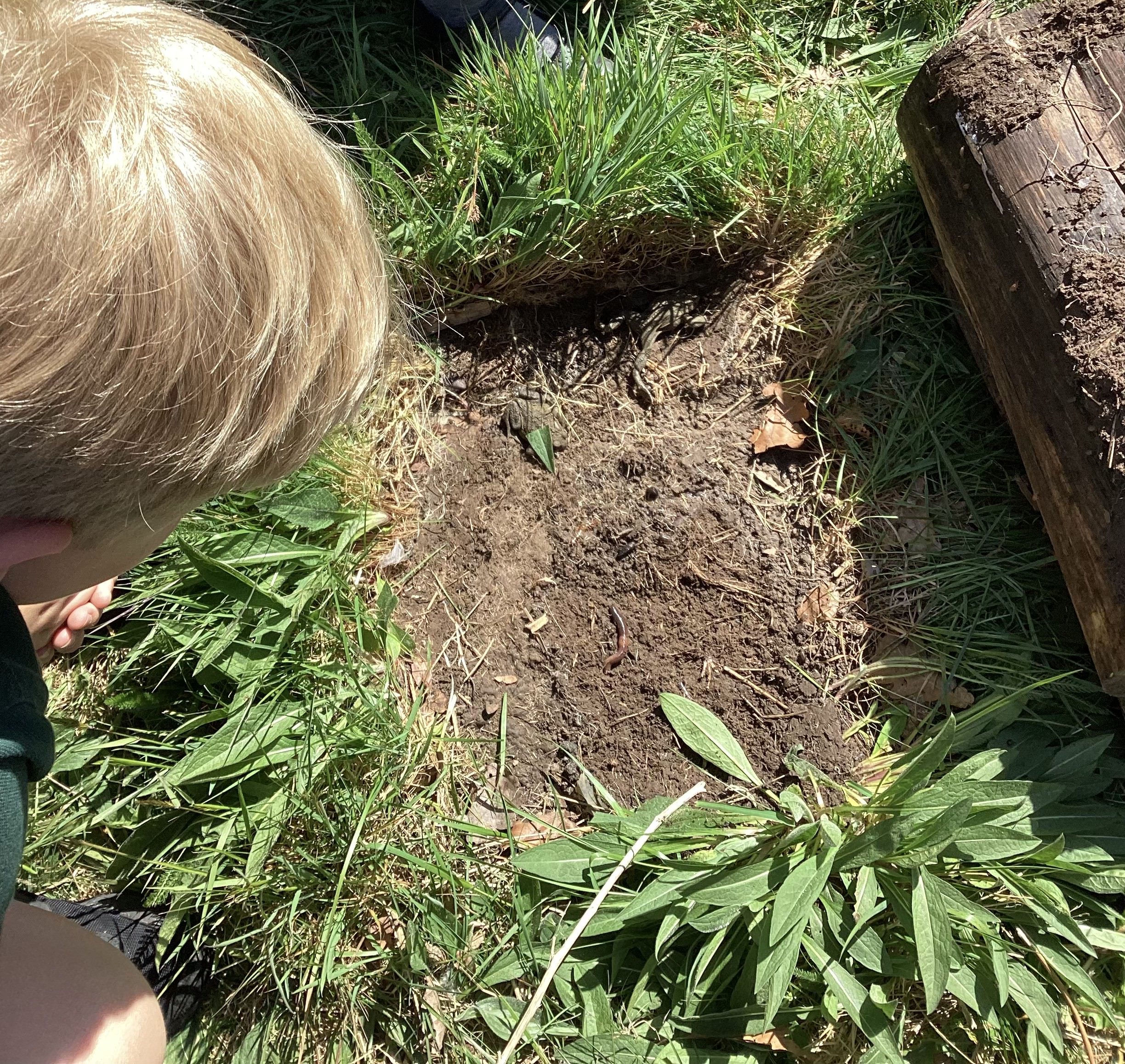
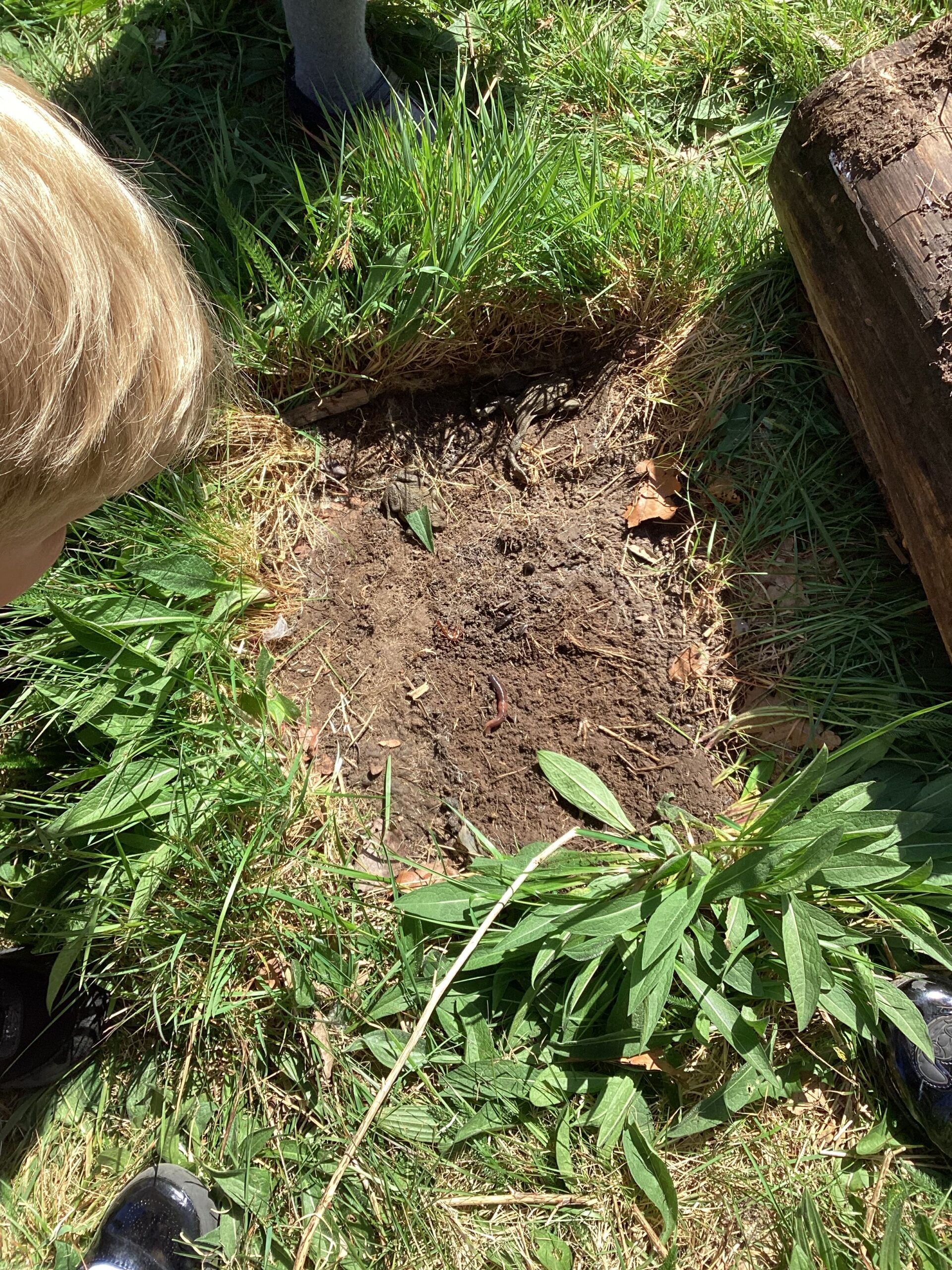
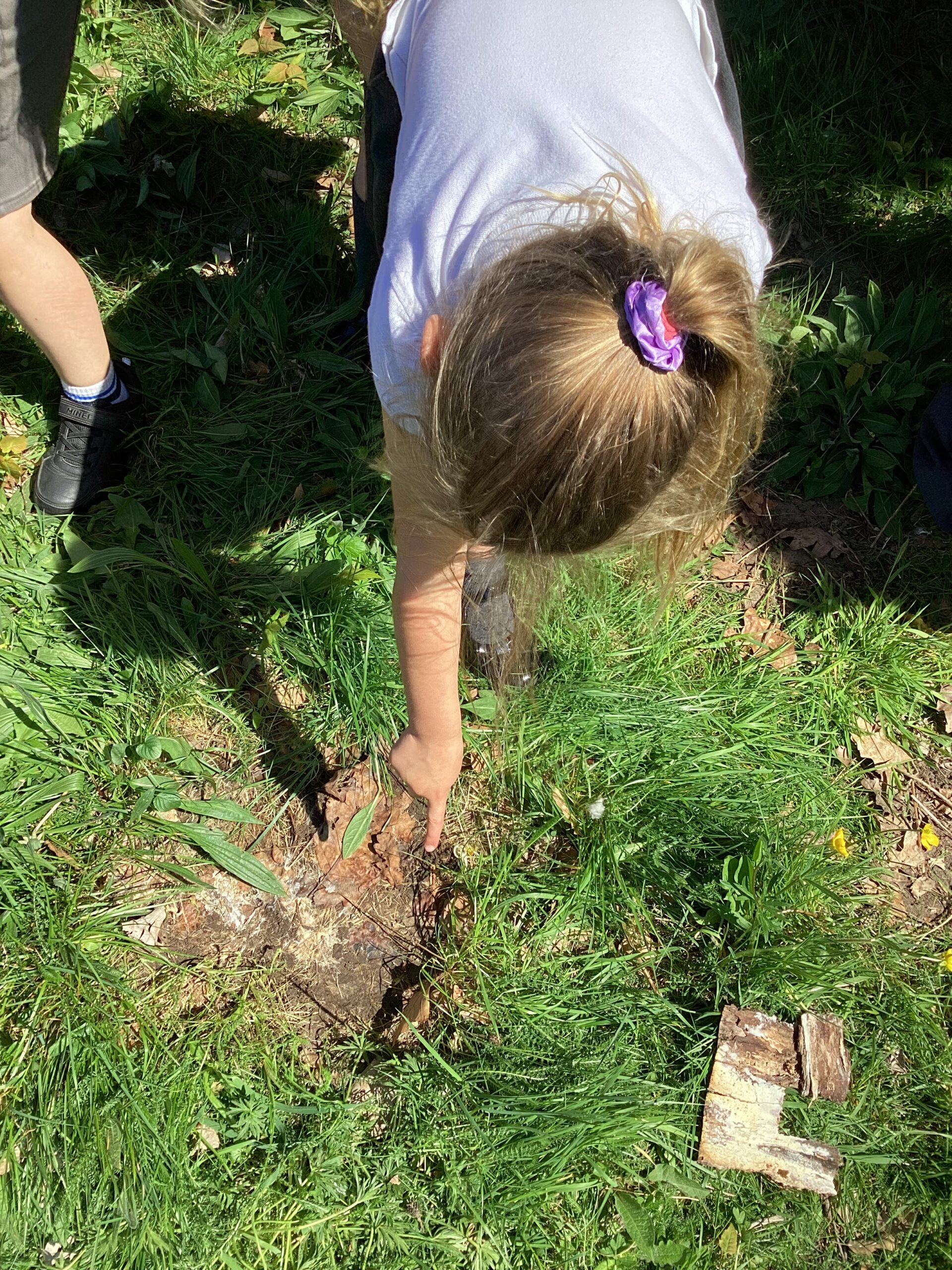
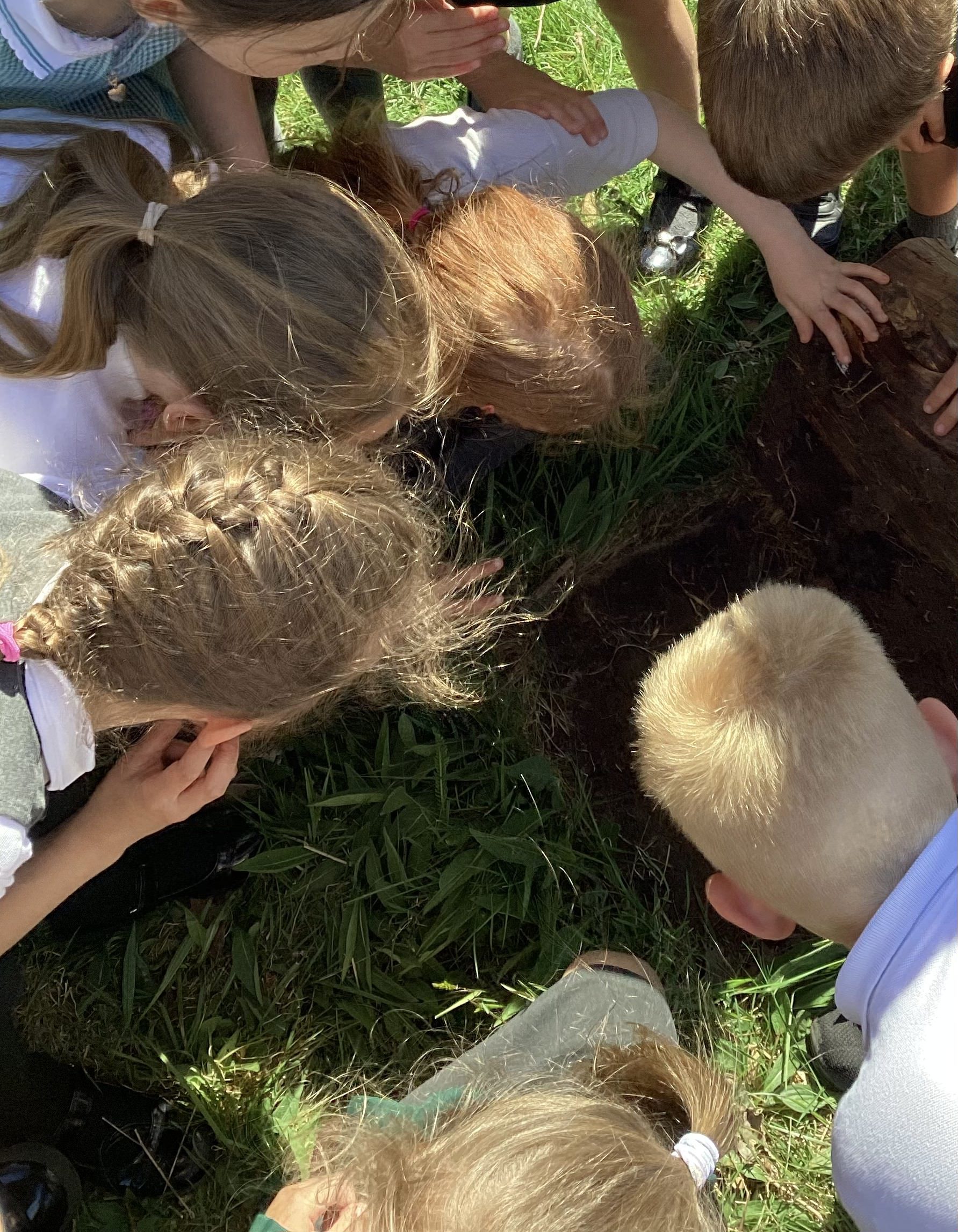
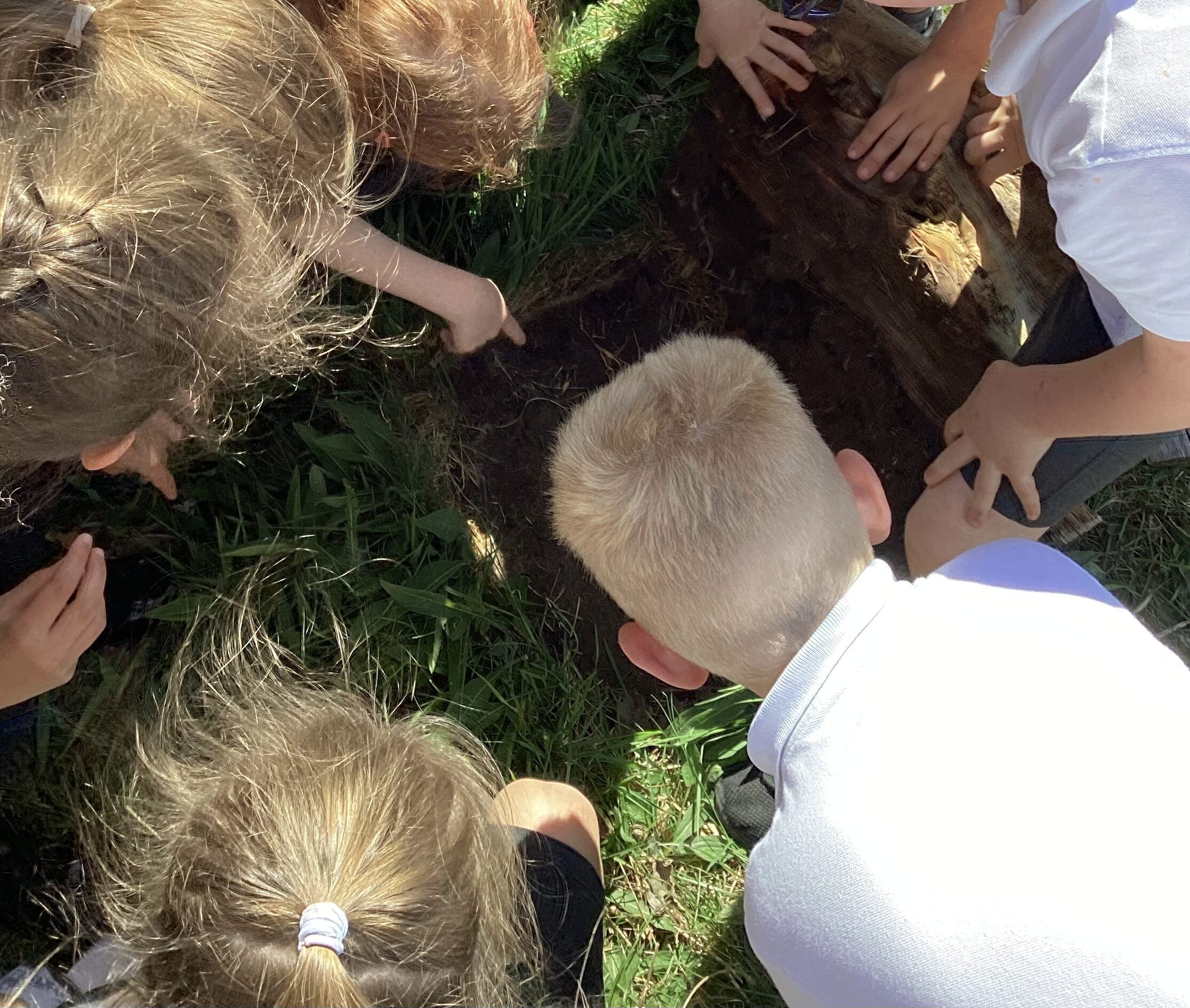
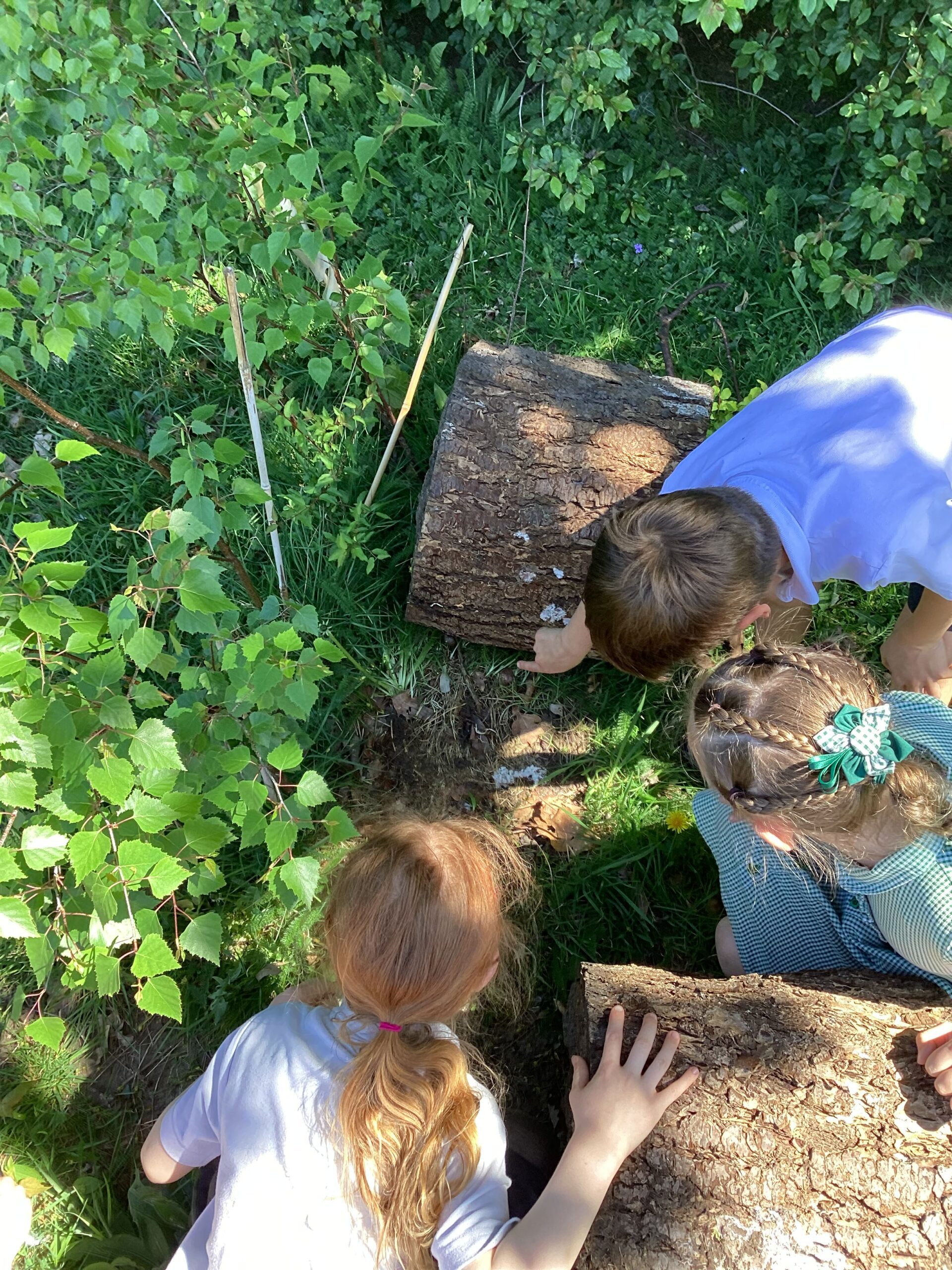
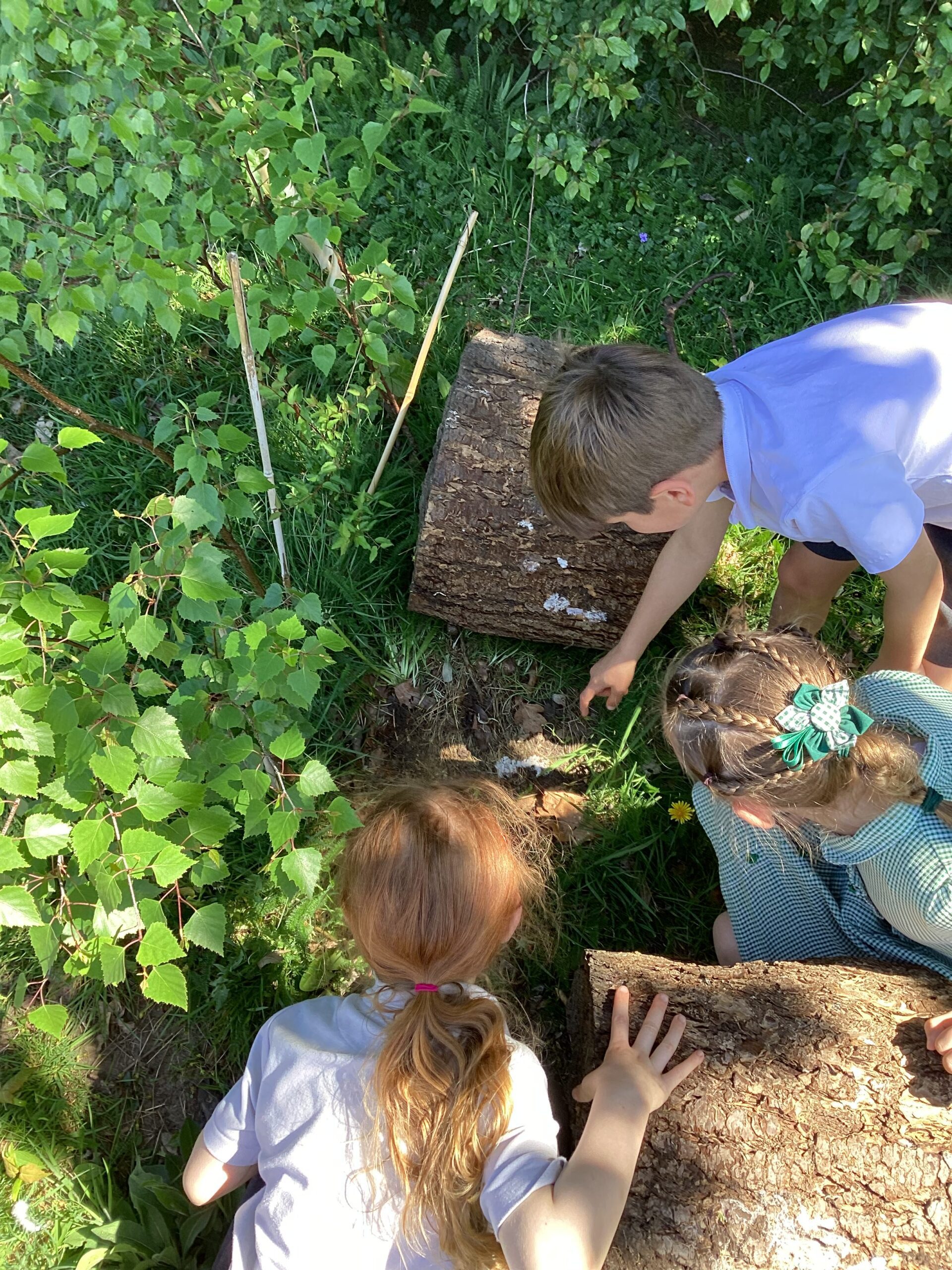
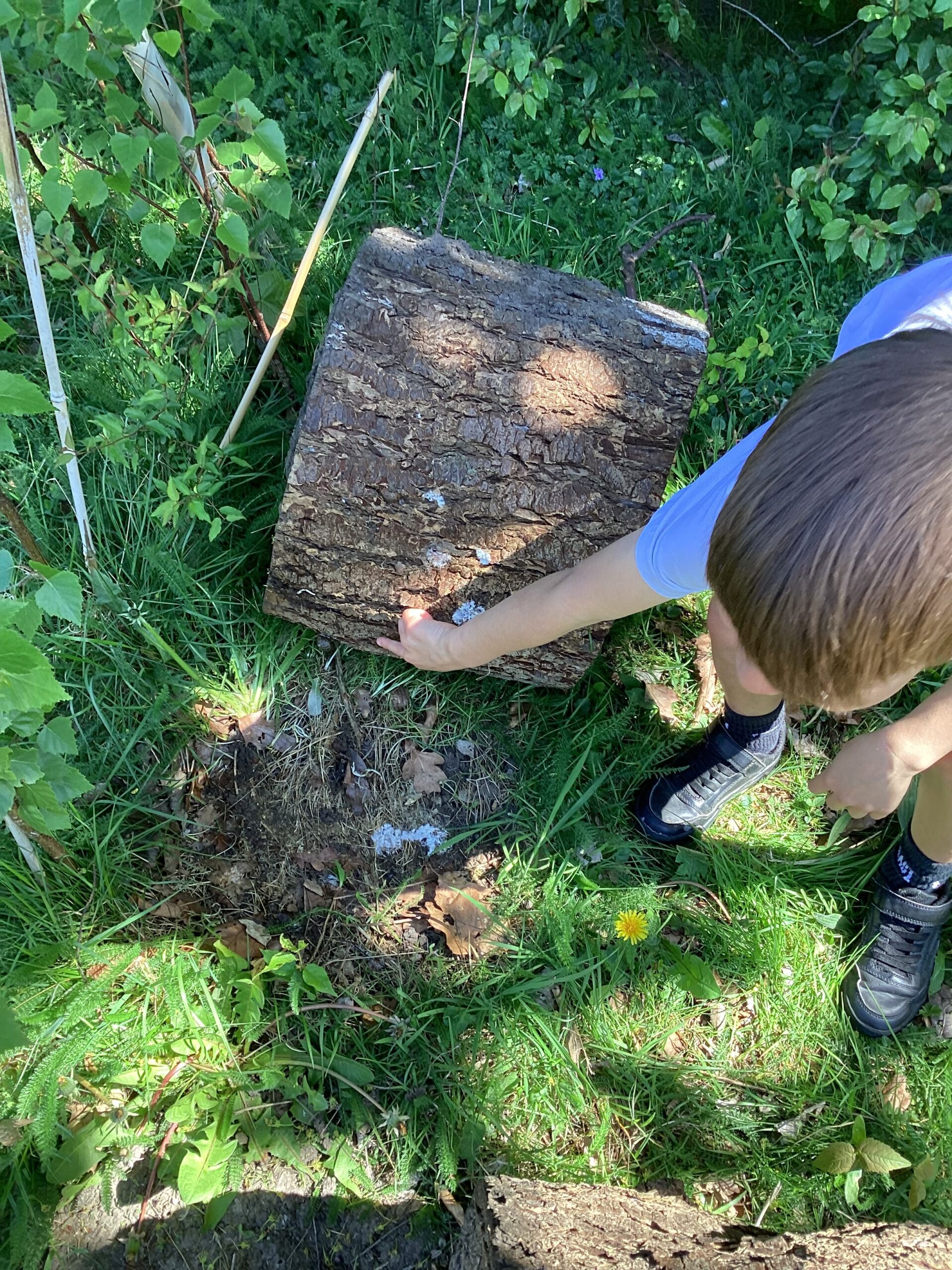
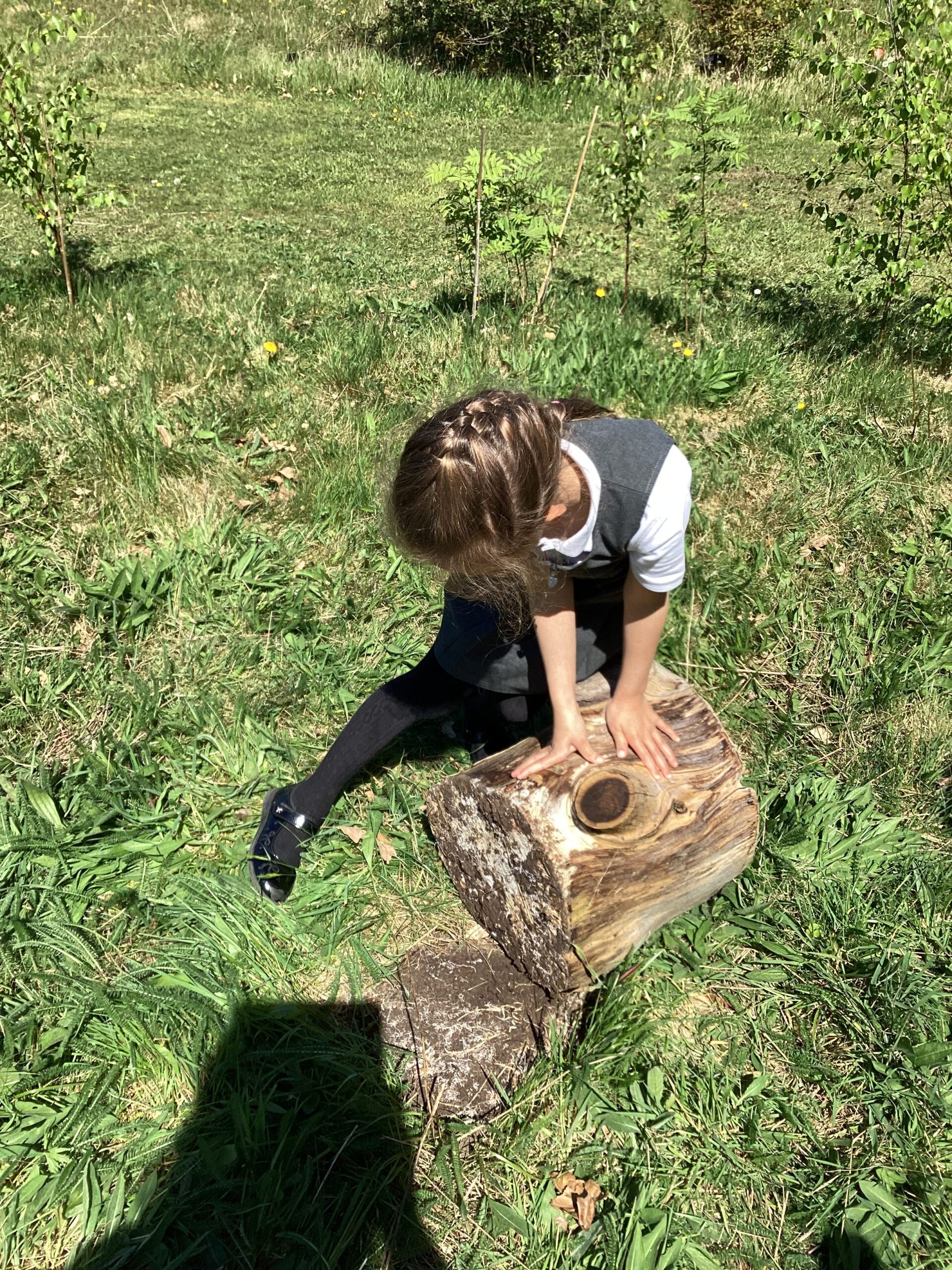
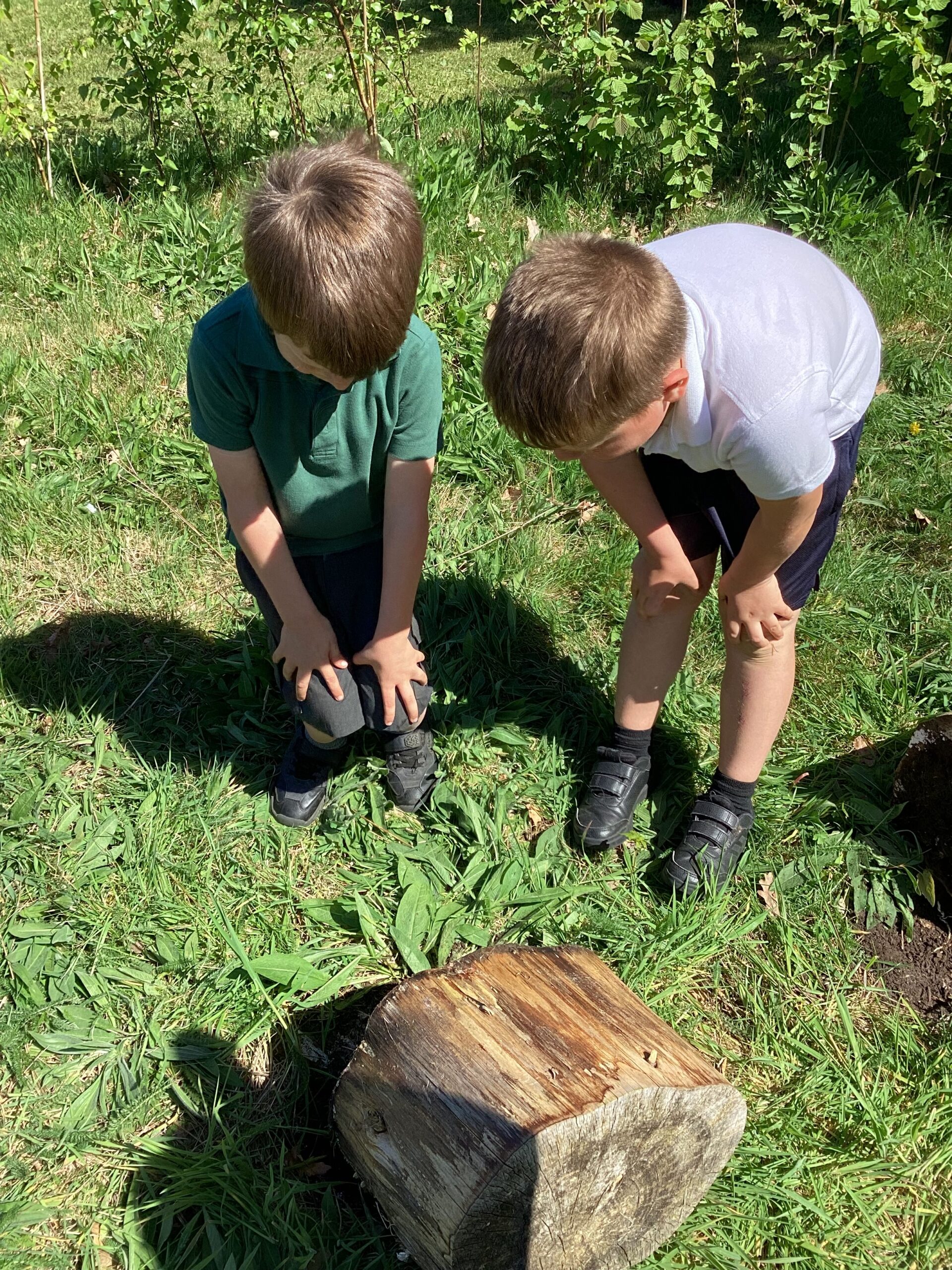
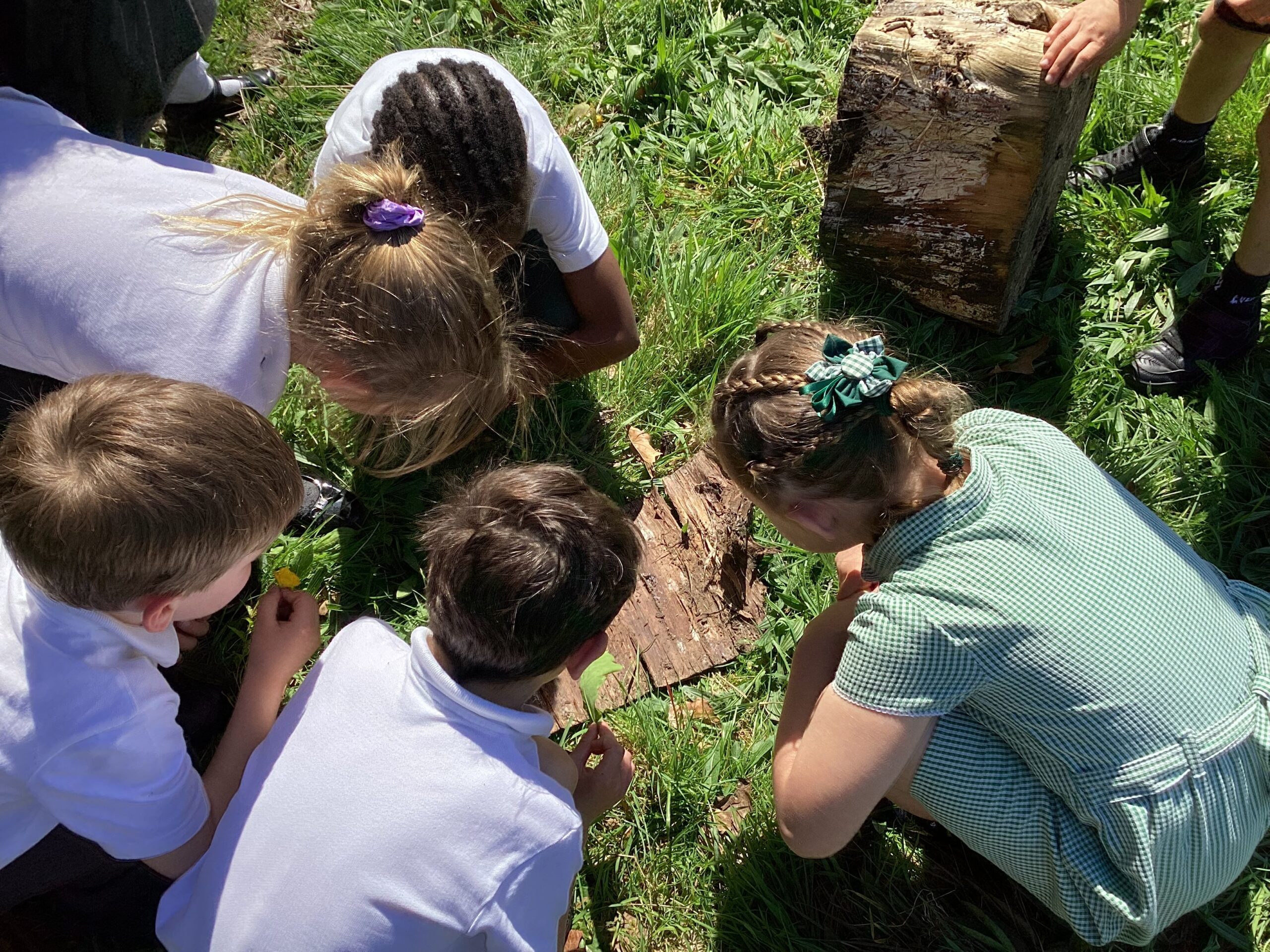
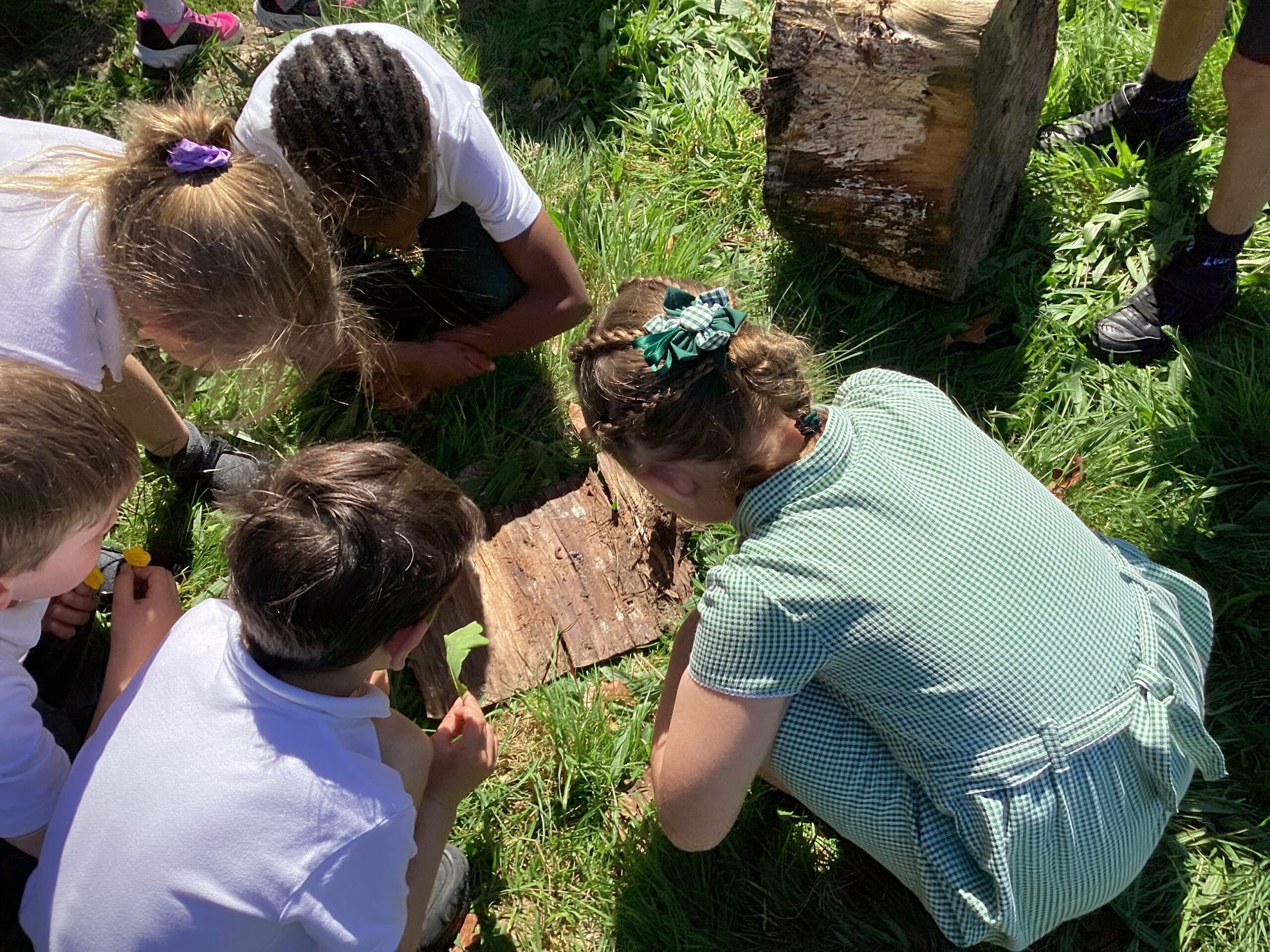
This week, Team 1/2 have been busy learning all about habitats and microhabitats as part of their science learning. We began by discussing what a habitat is and how it provides living things with everything they need to survive, such as food, water, and shelter. The children were especially excited to learn about microhabitats; small, hidden places where minibeasts live.
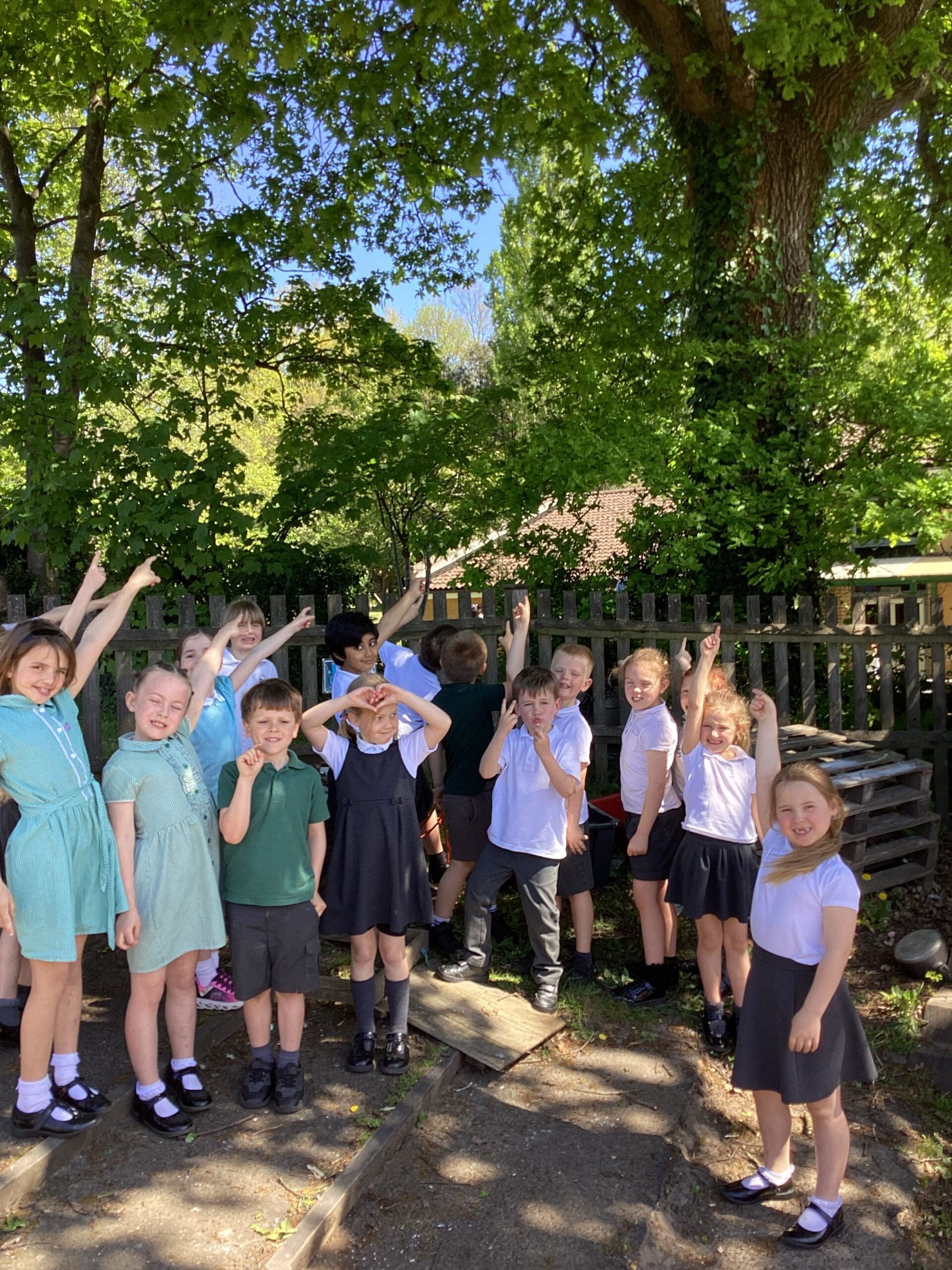
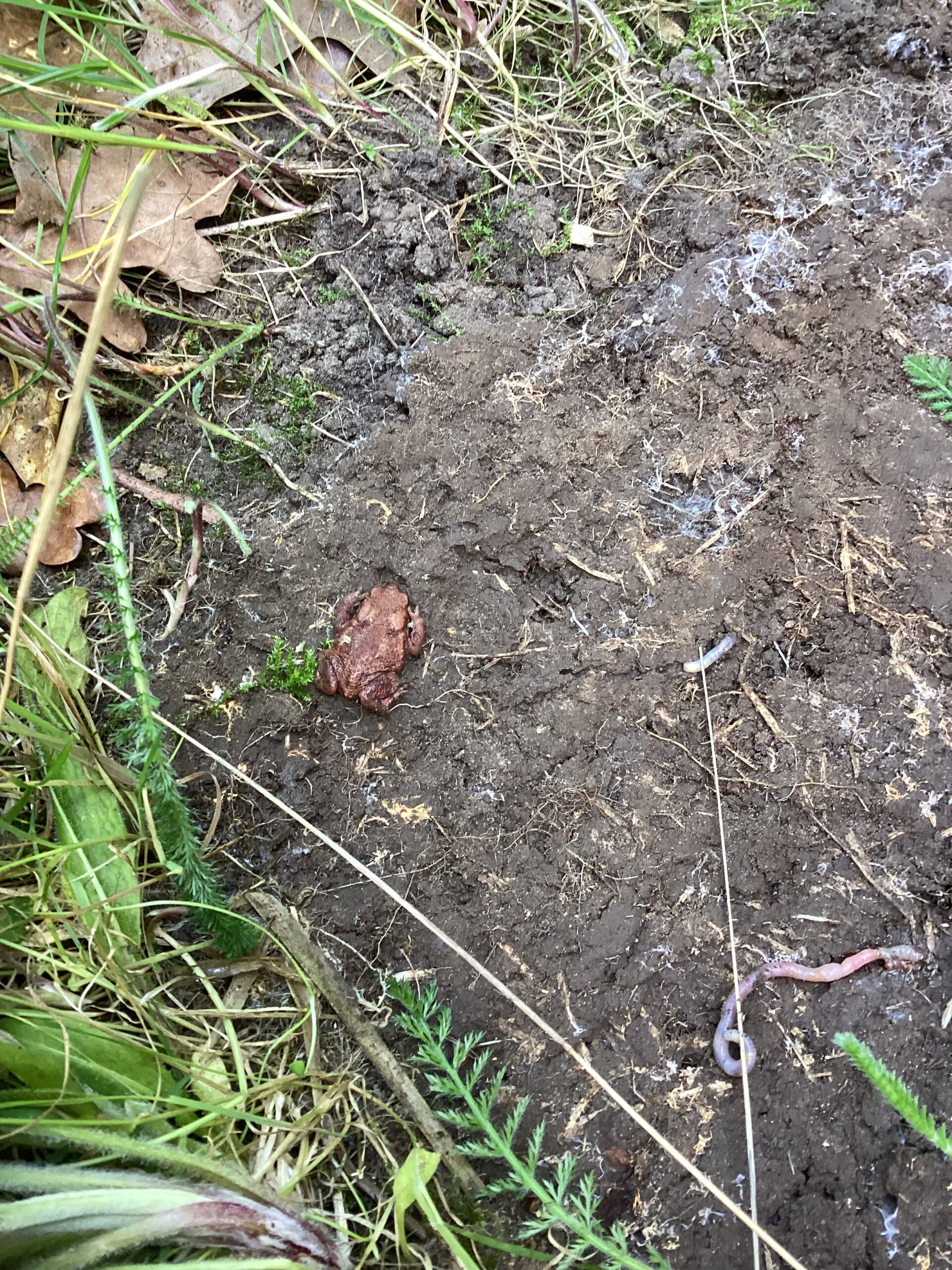
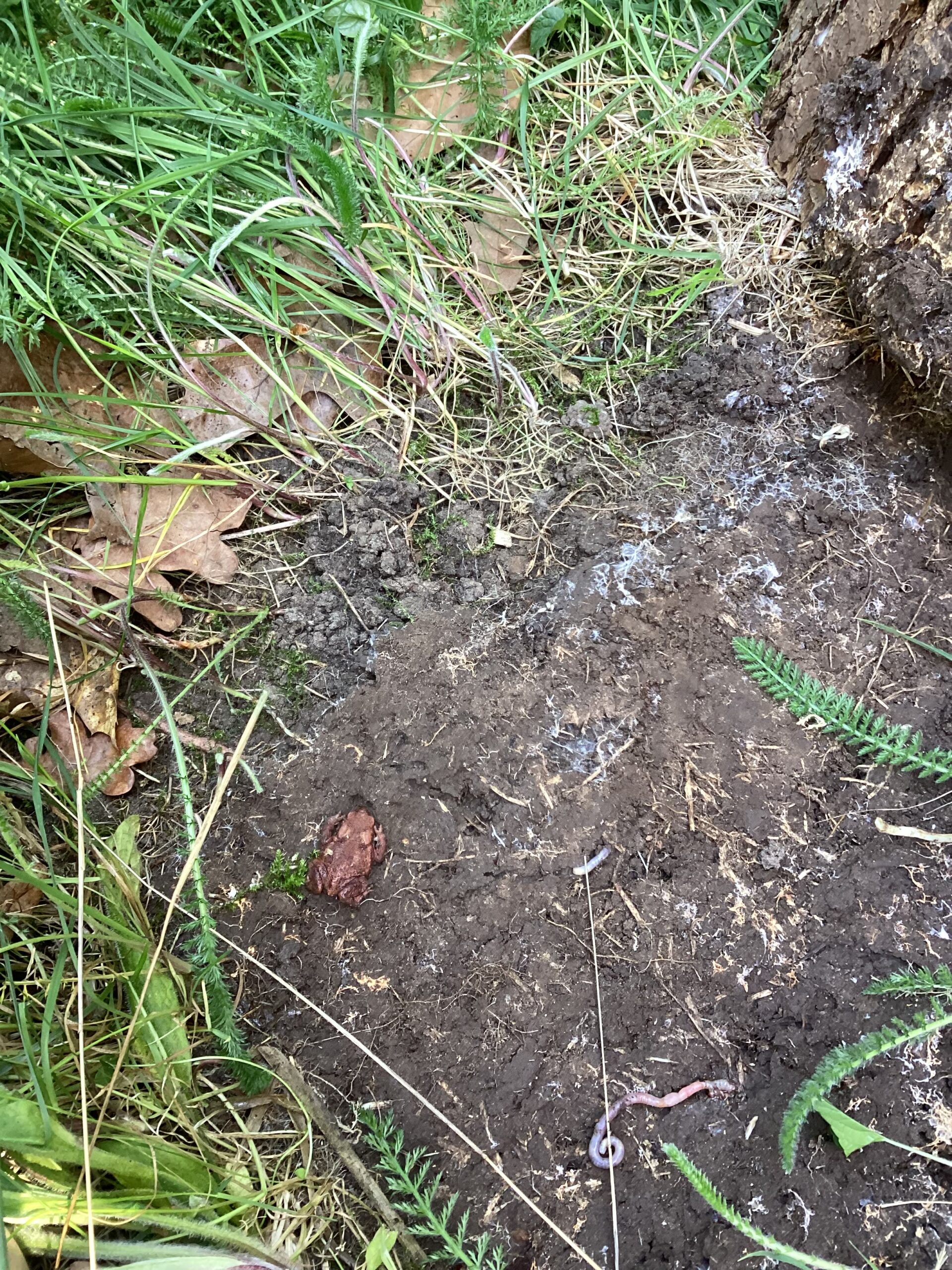
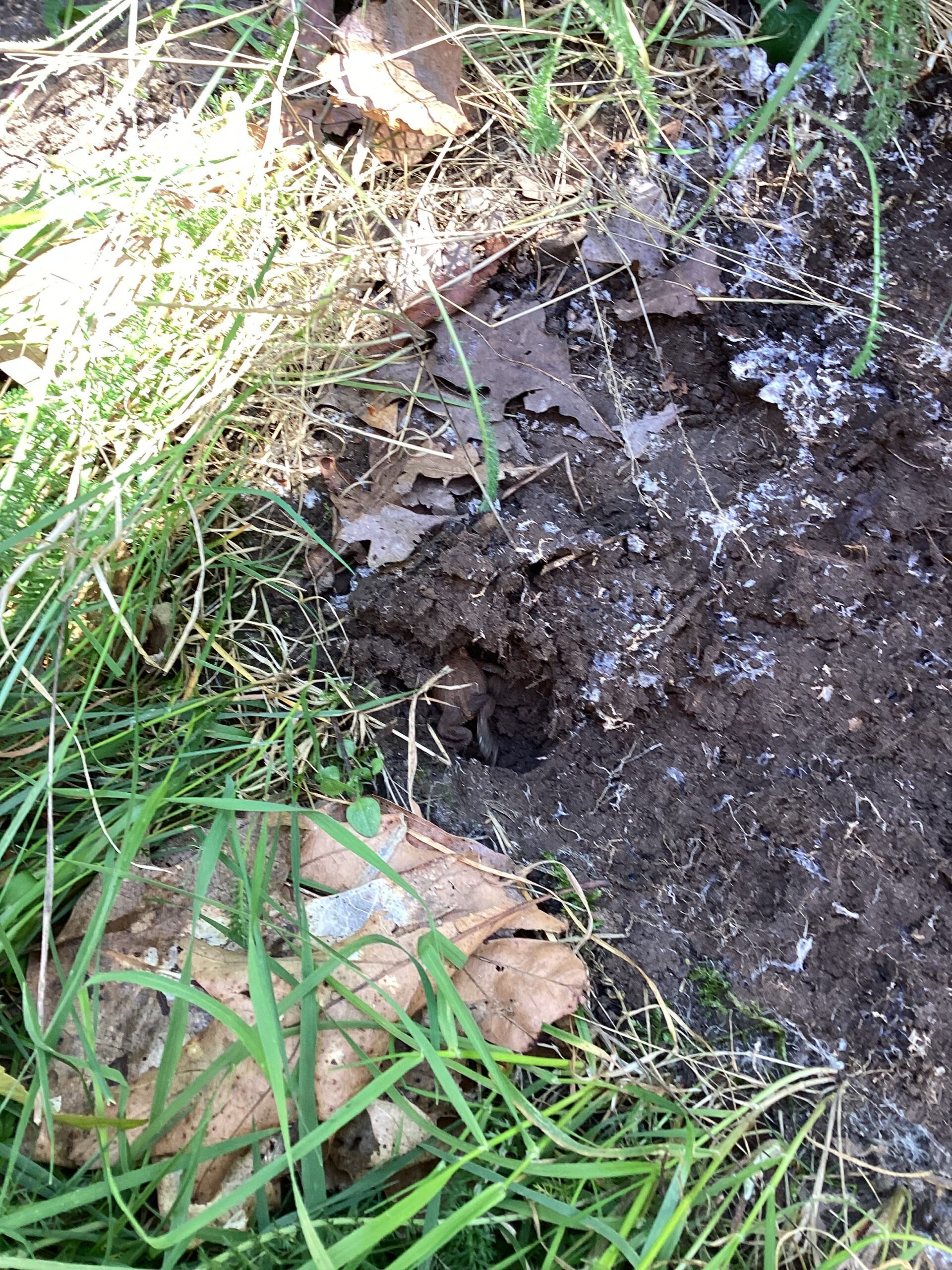
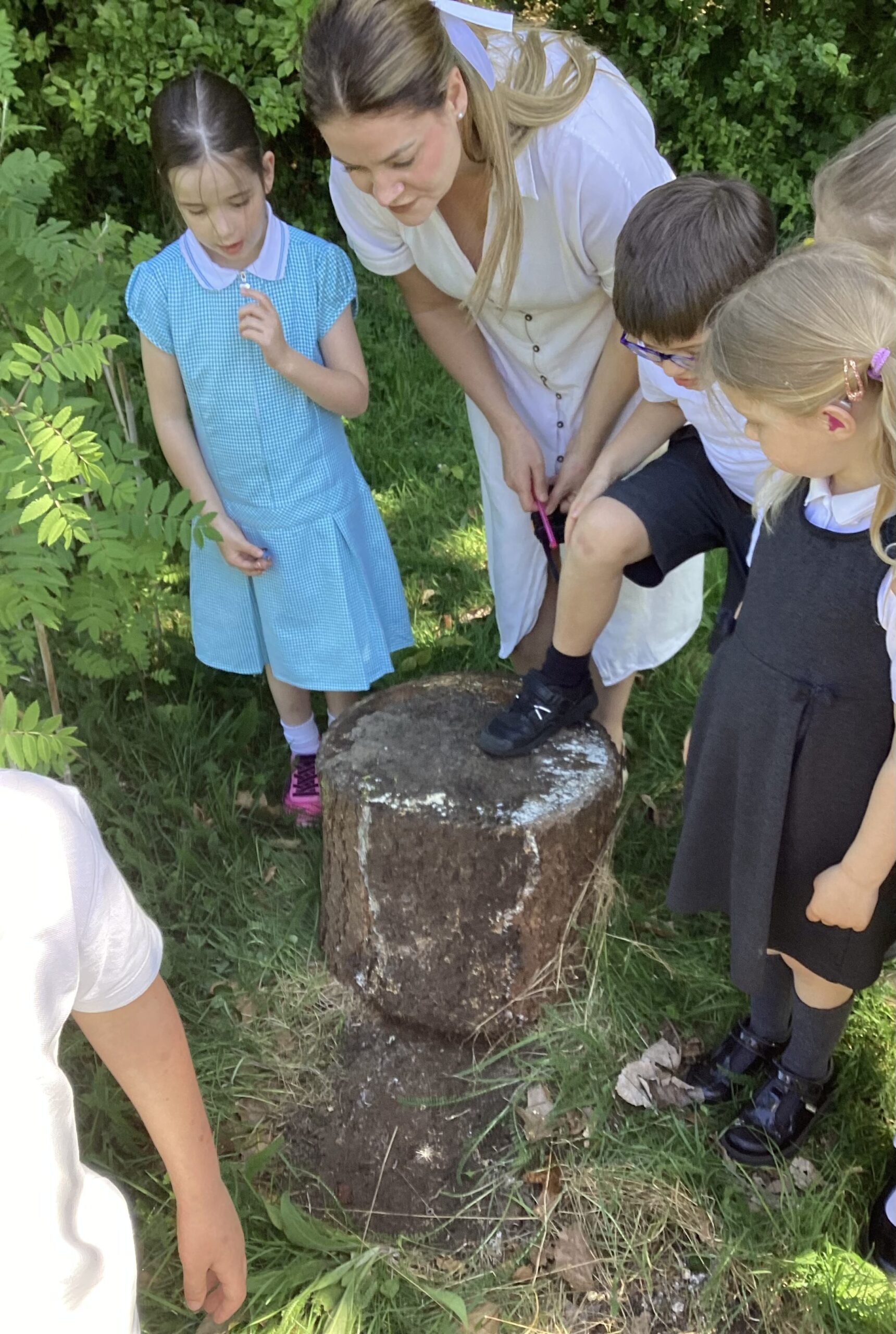
To bring this learning to life, we headed outside to explore our school grounds. The children carefully looked under logs, stones, and leaves to discover what creatures might be living there. There was lots of excitement as they made some fantastic discoveries! Among the creatures found were centipedes, toads, woodlice, spiders, slugs, snails, ants, and beetles.
This learning also links to our upcoming school trip to the zoo in a few weeks where they will have the opportunity to explore savannah and rainforest environments.
You might like to continue this learning at home by exploring your garden or a local park. What microhabitats can you find together?
Team 3 / 4:
From Roman Ruins to Saxon Settlements
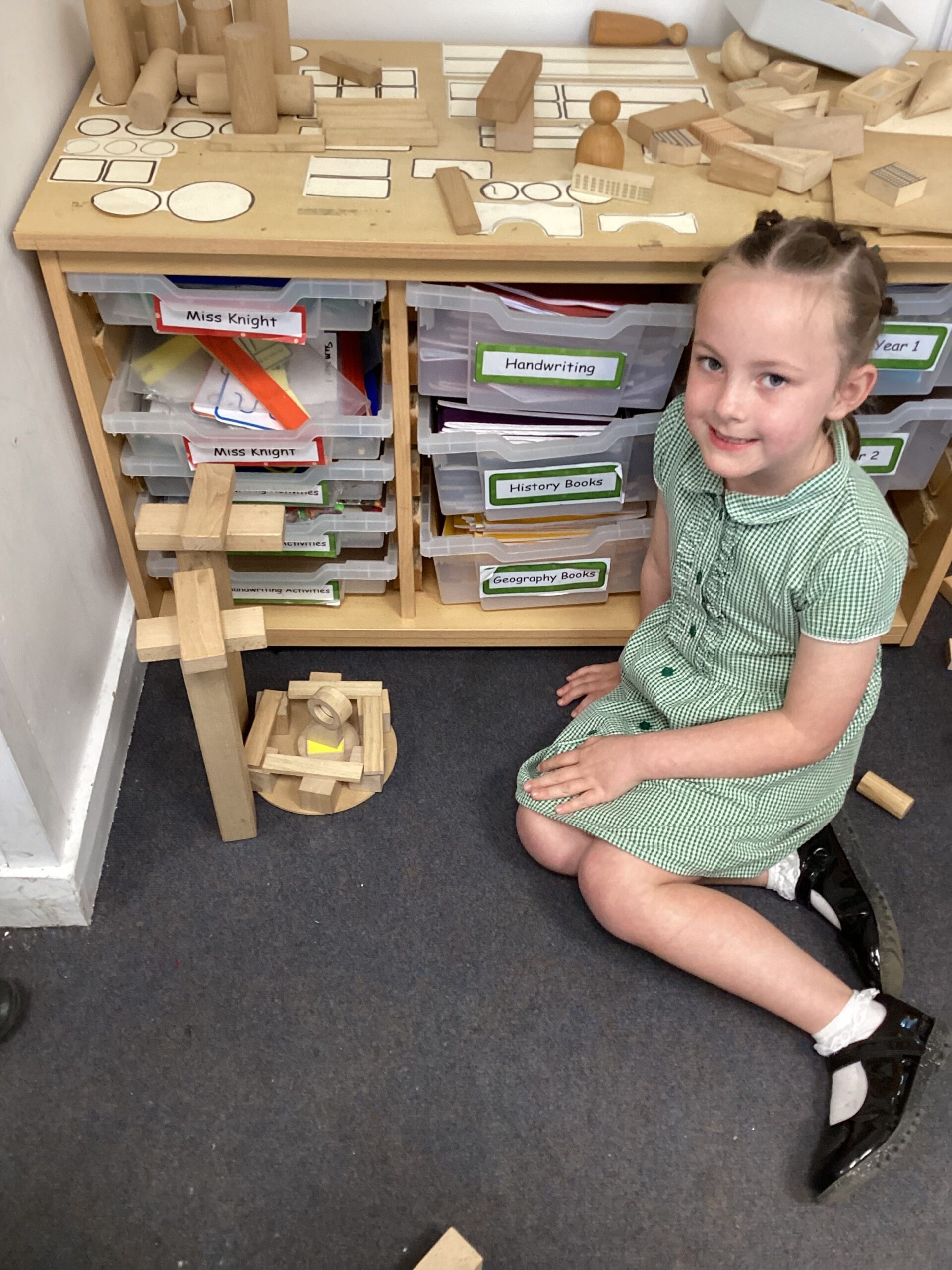
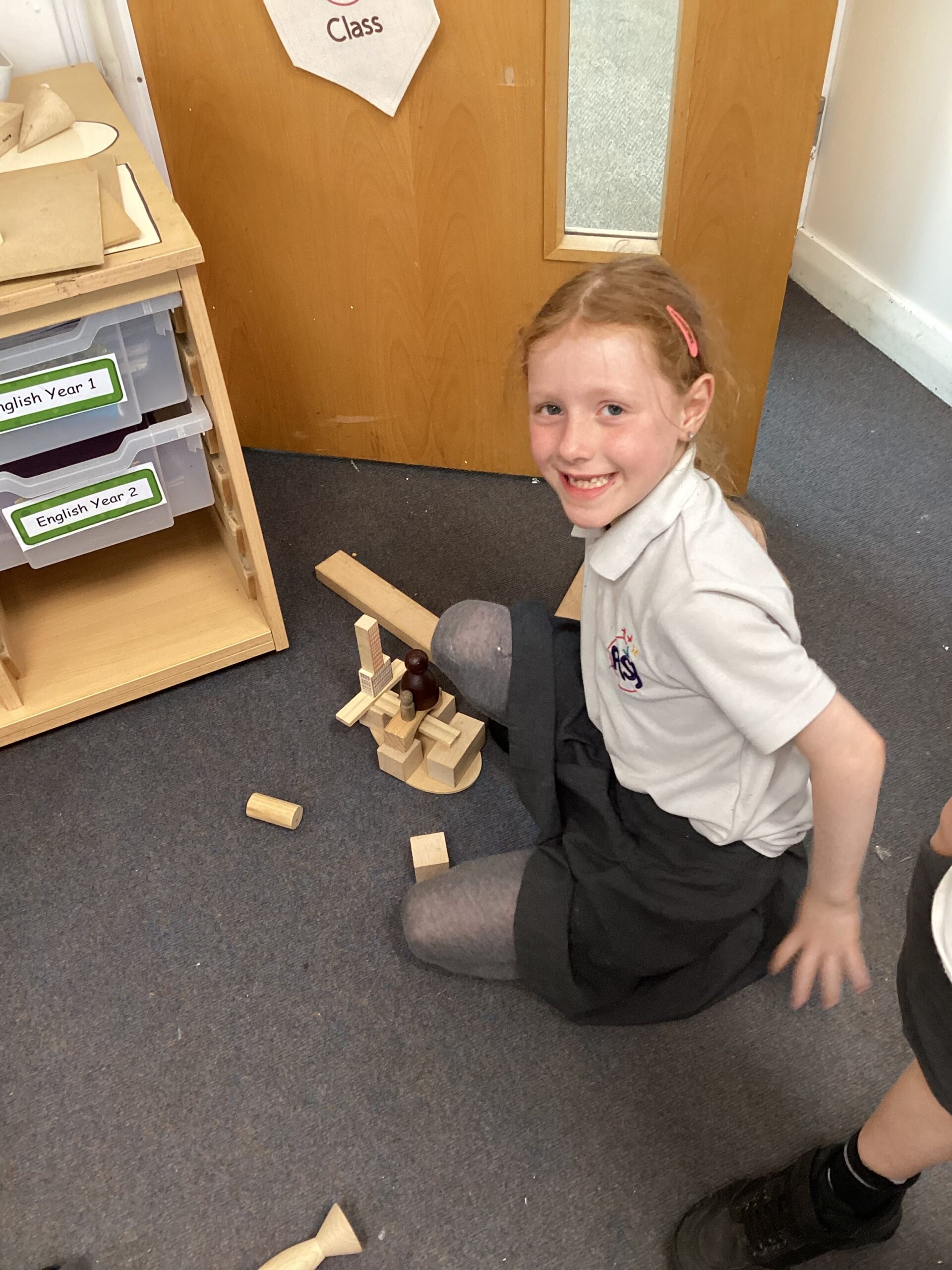
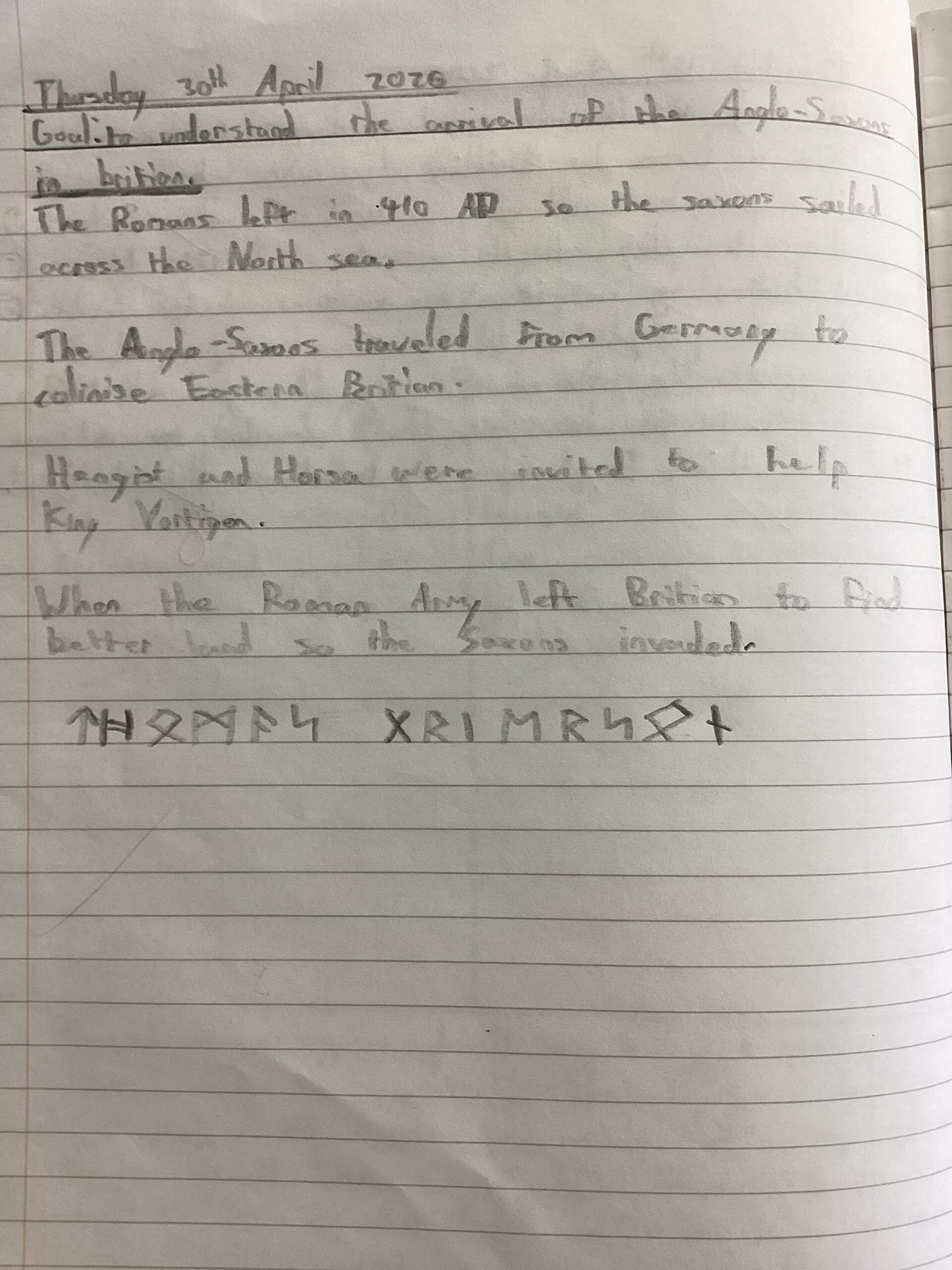
Our Year 3 and 4 historians have officially bid vale to the Romans! After exploring the legacy of emperors and straight roads, we’ve shifted our gaze to the next chapter of Britain’s story: the Anglo-Saxons.
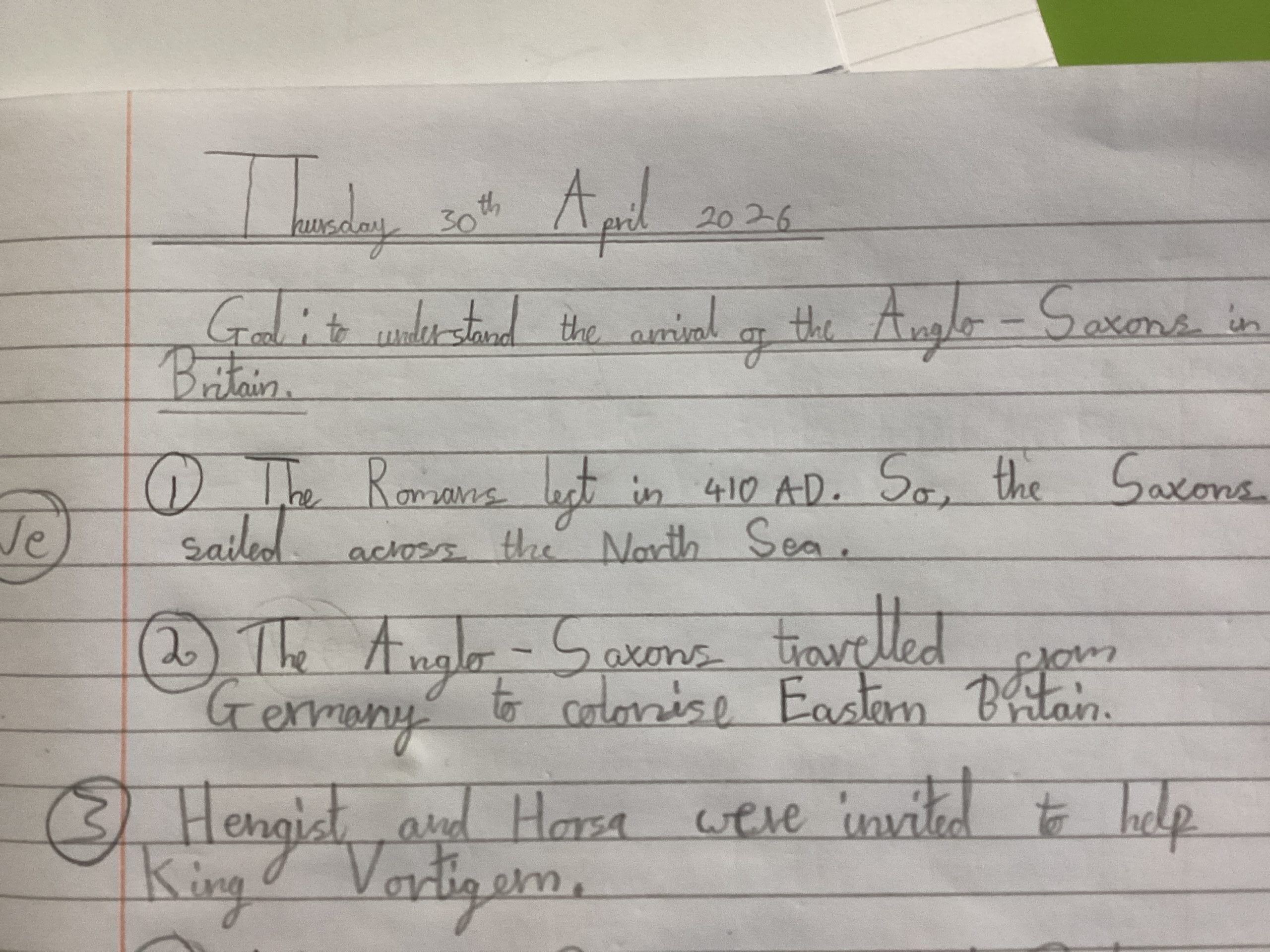
As Roman rule crumbled around 410 AD, tribes from Germany, Denmark, and the Netherlands saw an opportunity. Seeking better farmland and fleeing floods in their homelands, these warriors and farmers crossed the North Sea to settle.
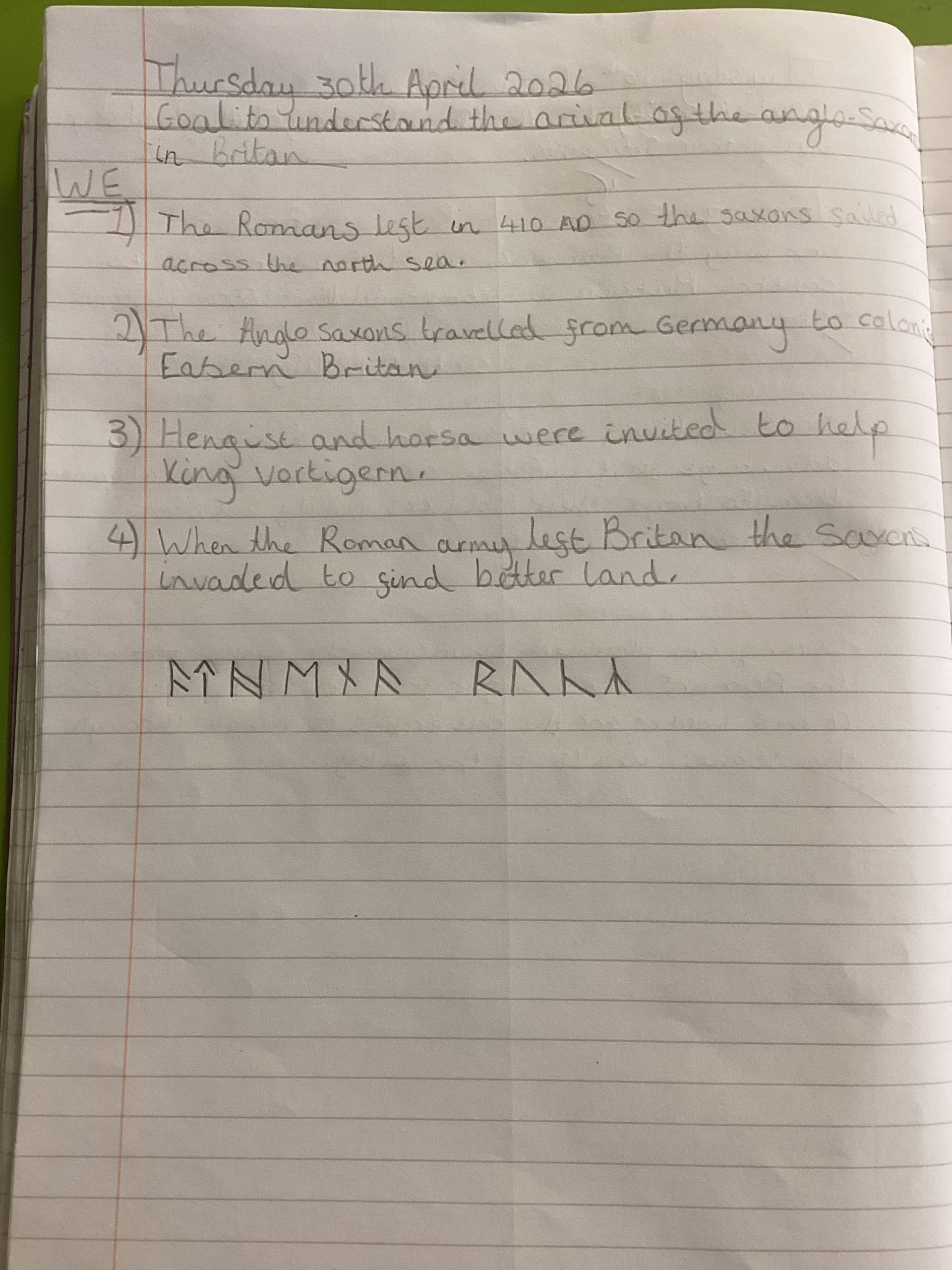
To piece together this transition, the children became linguistic detectives. They worked hard to unscramble jumbled sentences, reorganising key facts to reveal the “who, why, and how” of the invasion. It was a fantastic way to decode the past!
The children practiced writing their own names using Anglo-Saxon runes, discovering how different their symbols were from the Latin letters we use today. It was a fantastic way to decode the past!
Team 5 / 6:
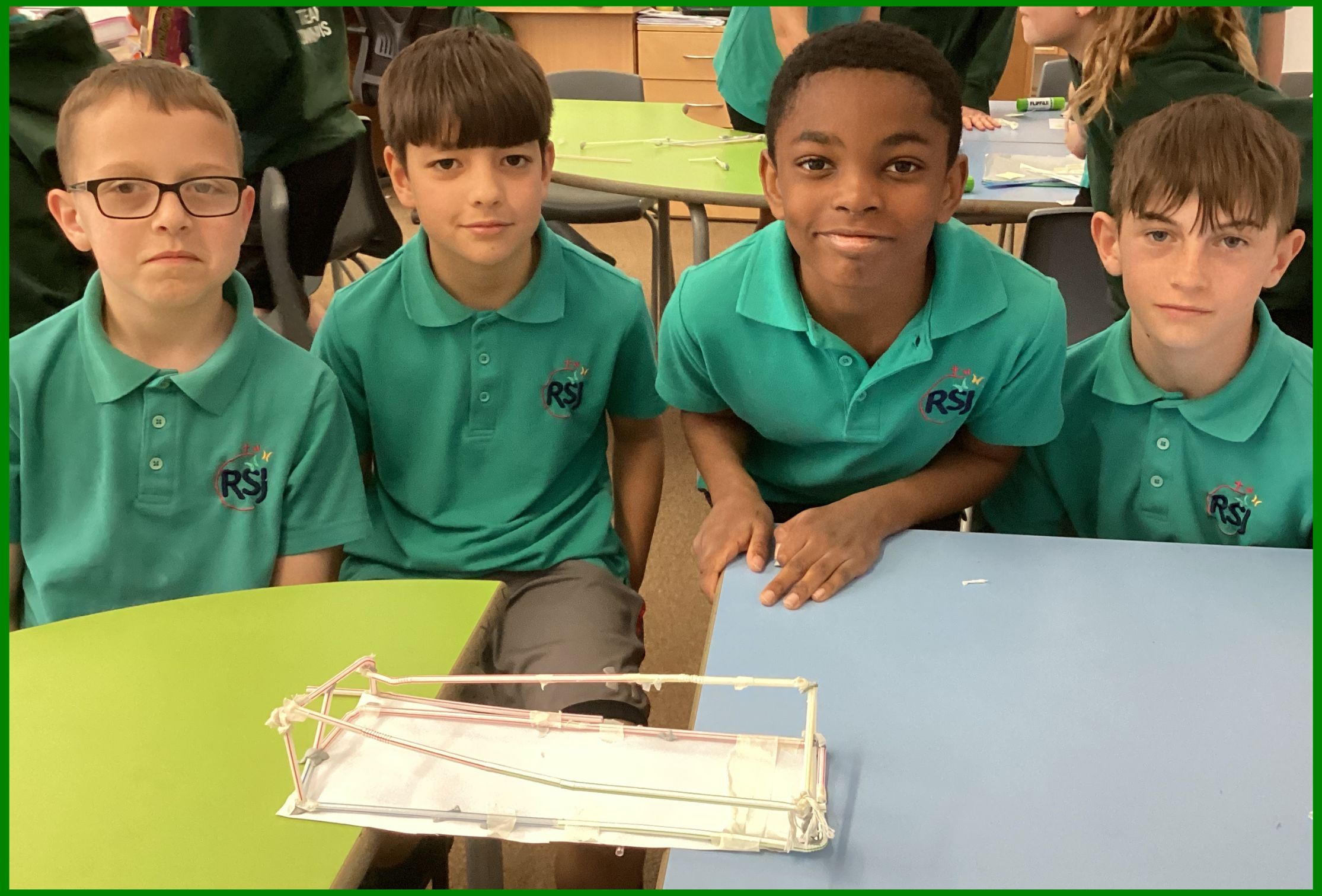
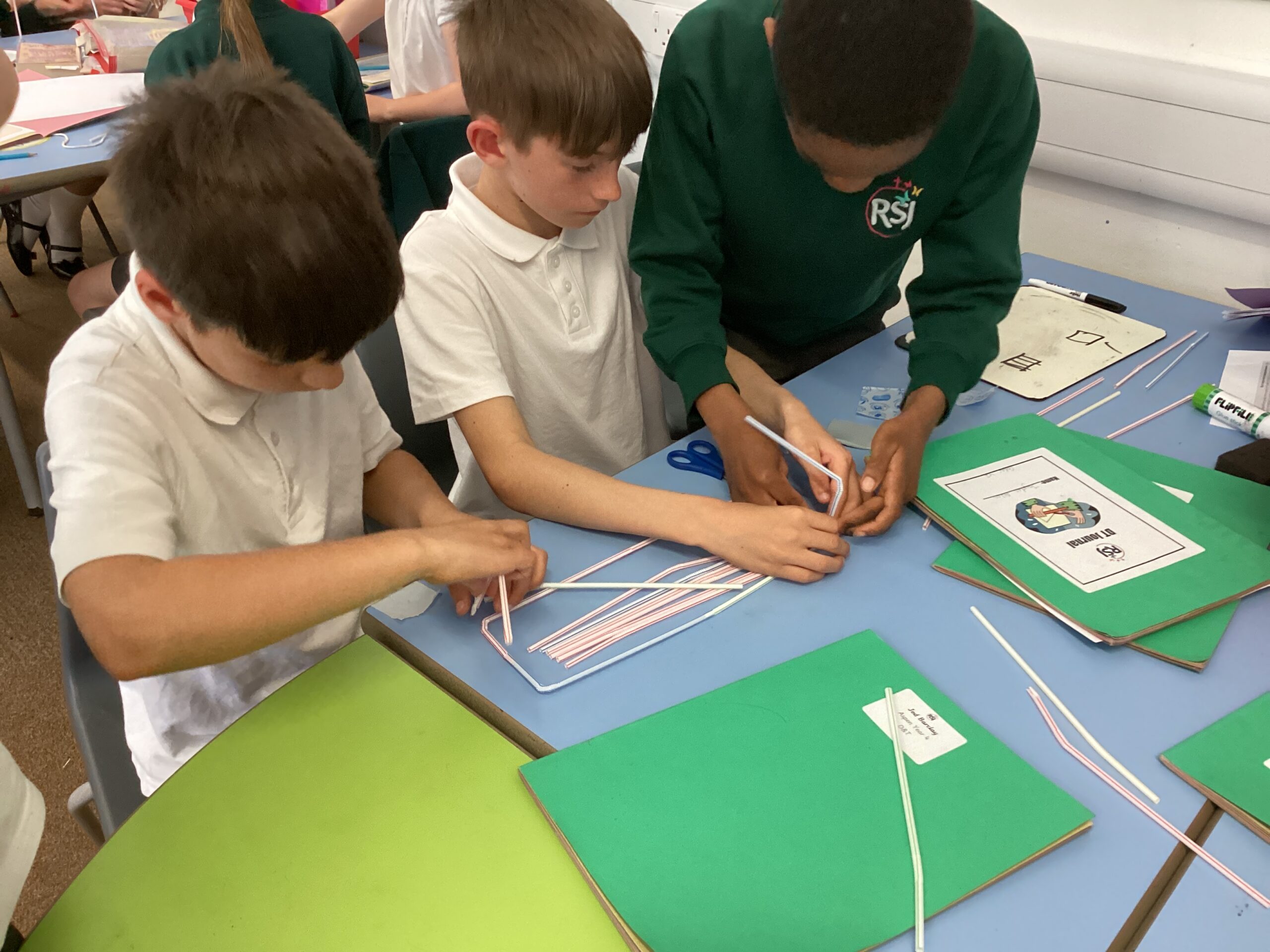
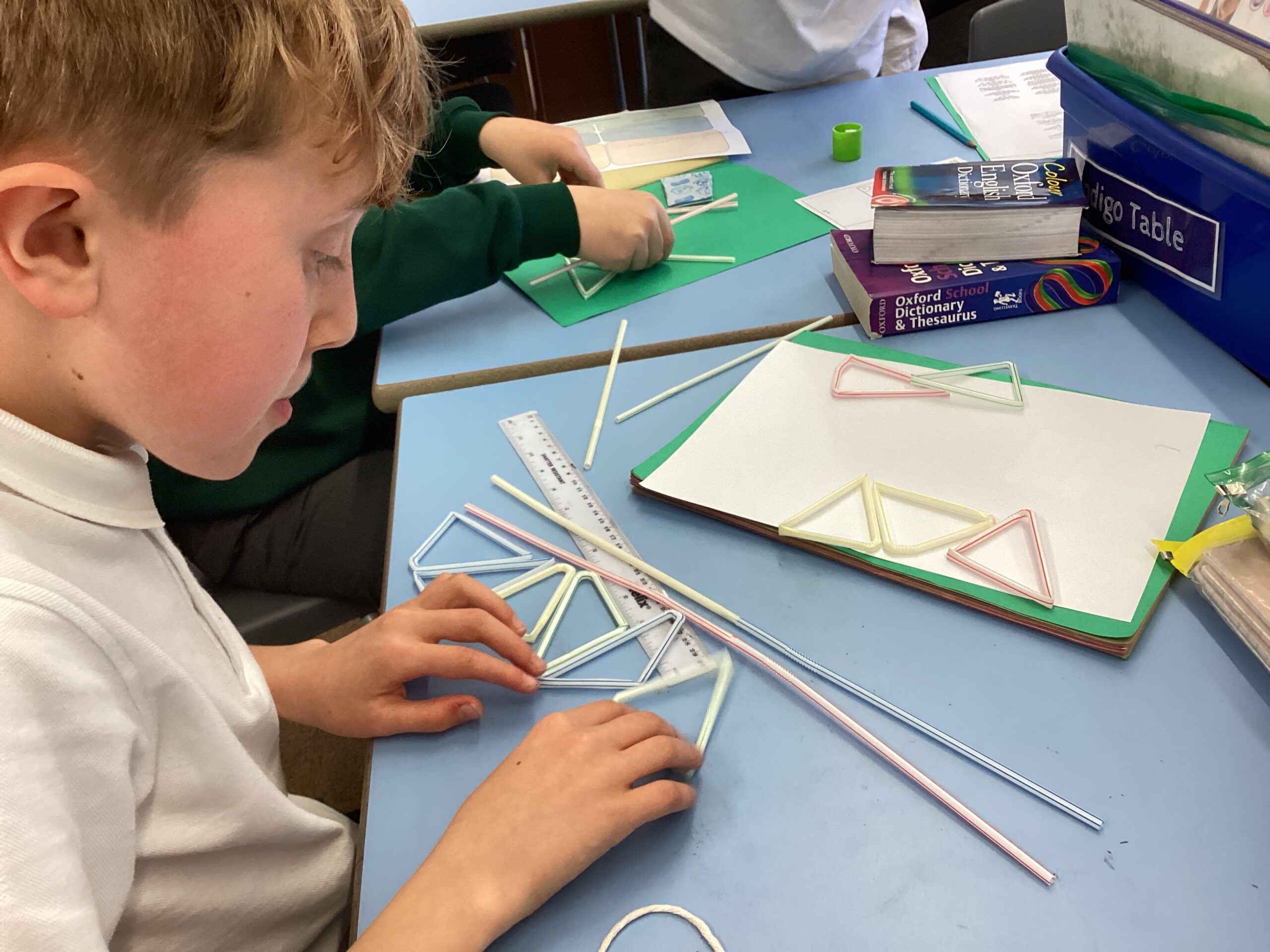
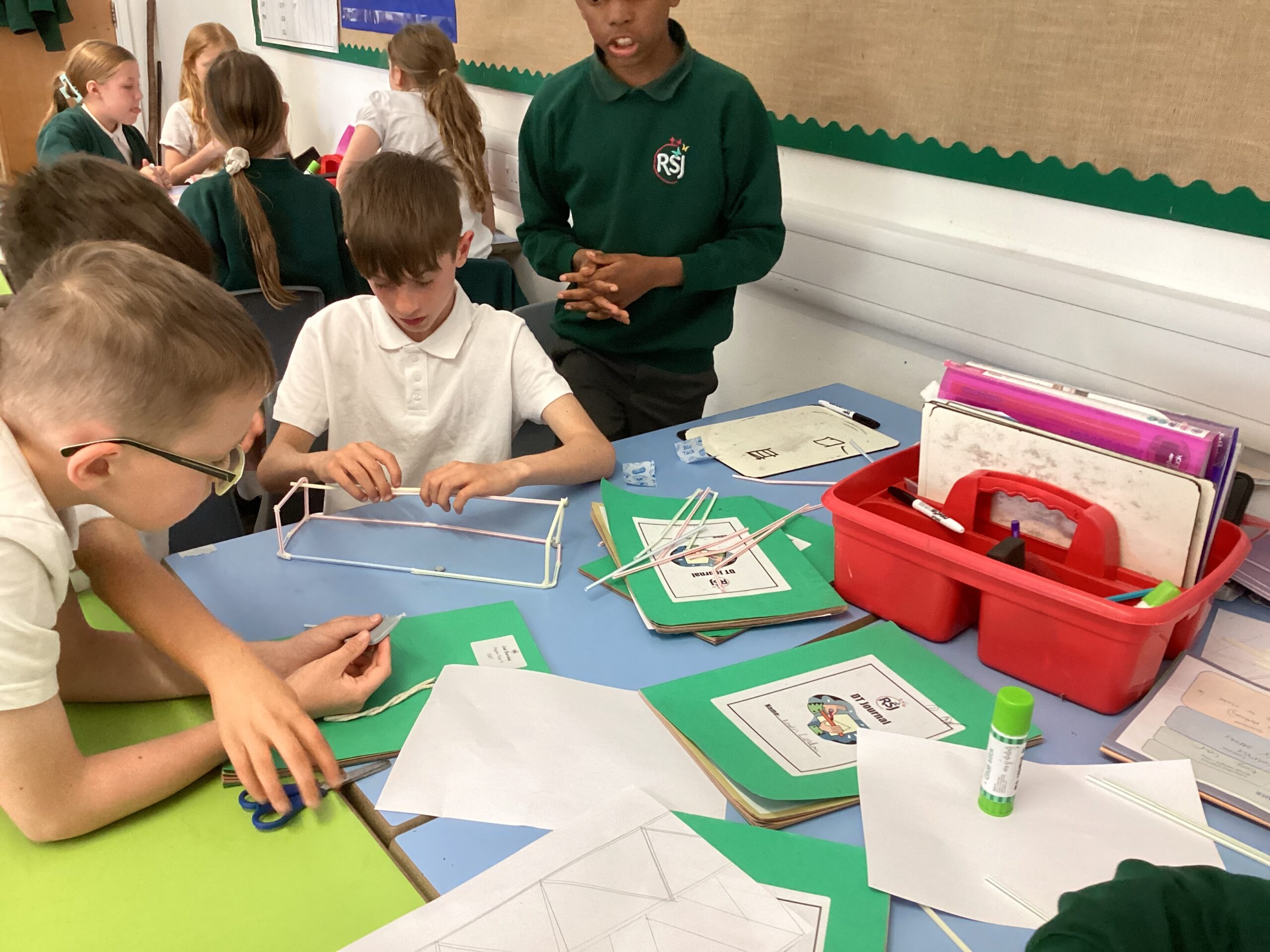
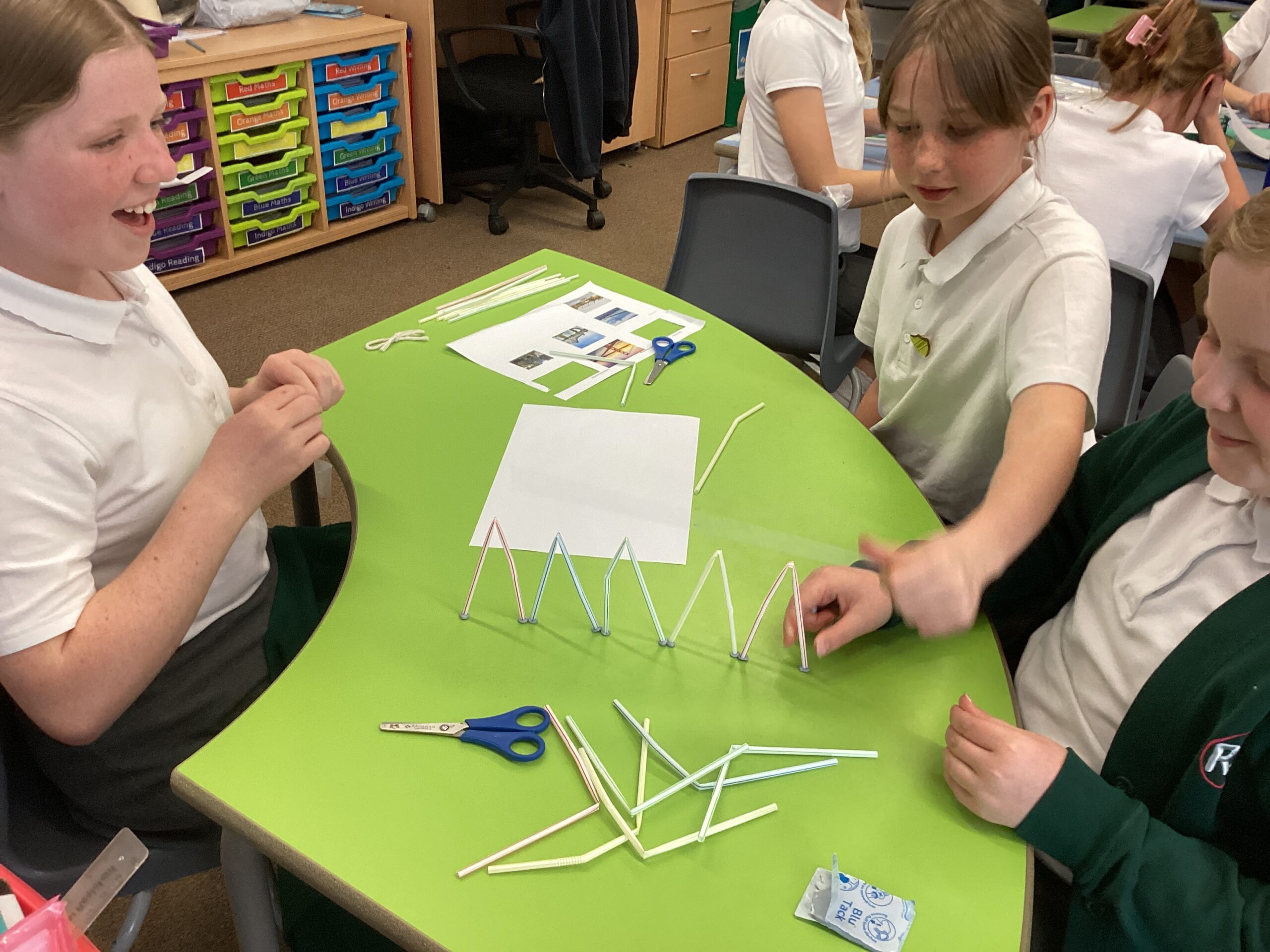
Bridge the Gap – Year 5 Become Engineers!
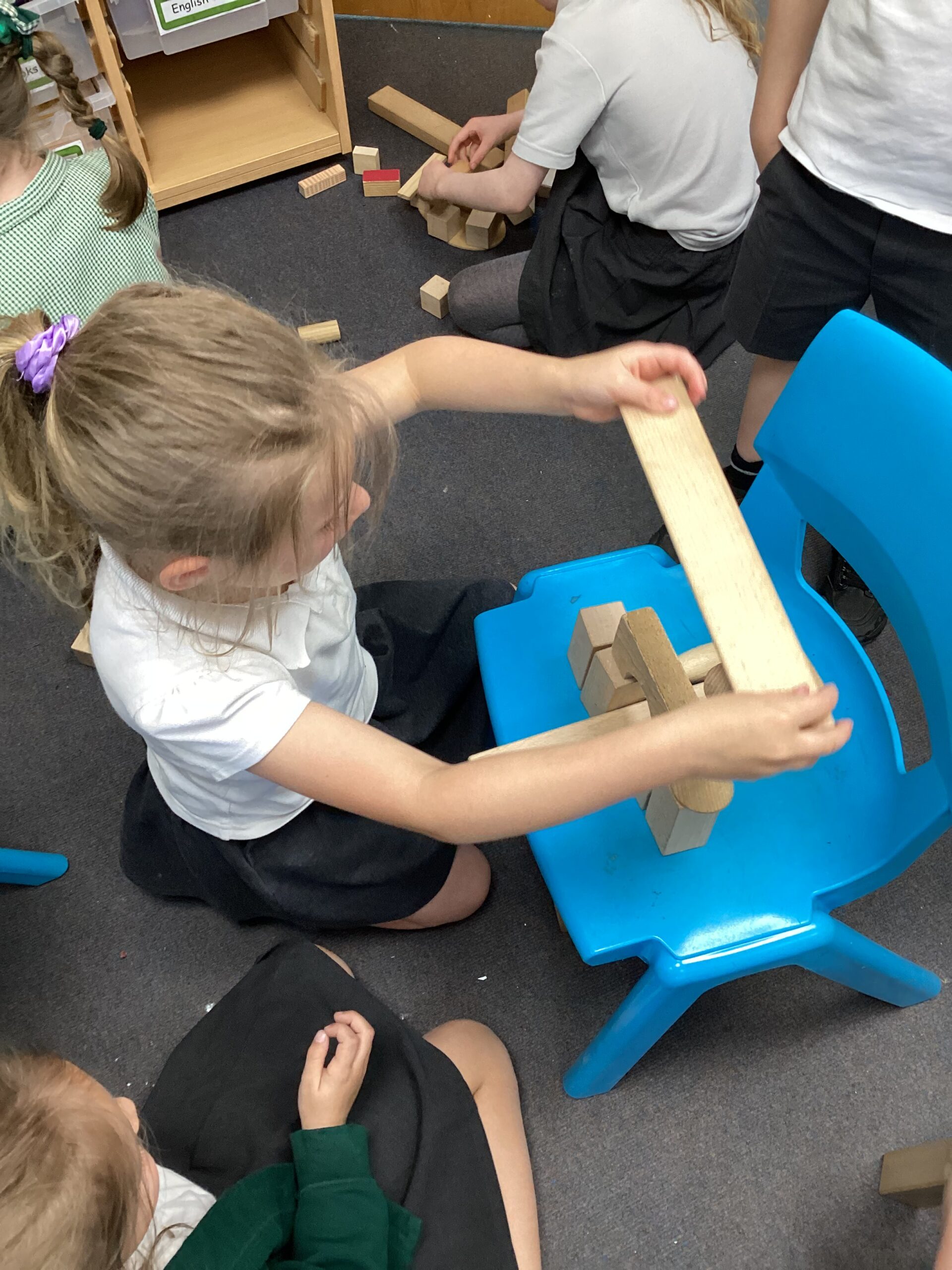
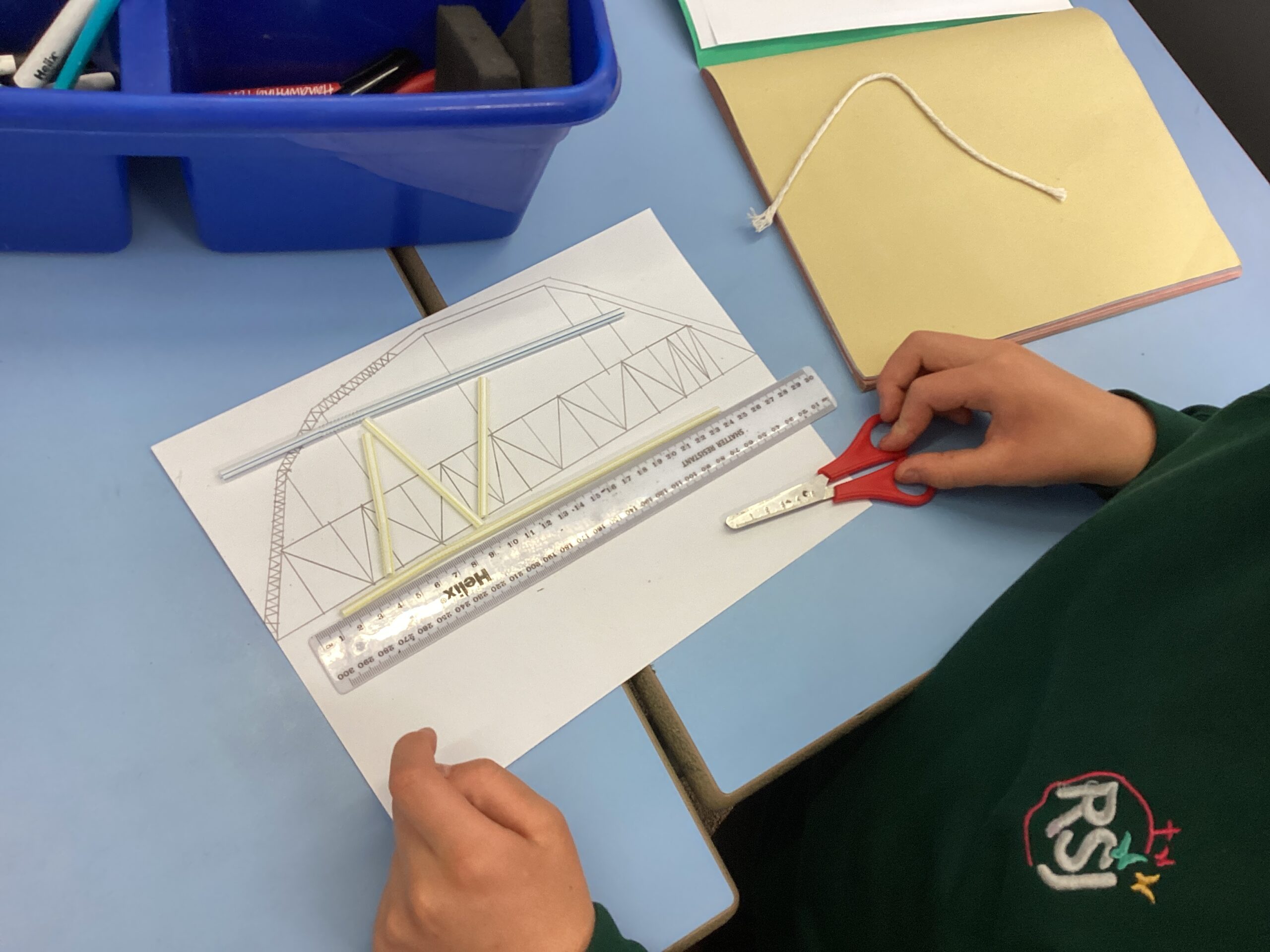
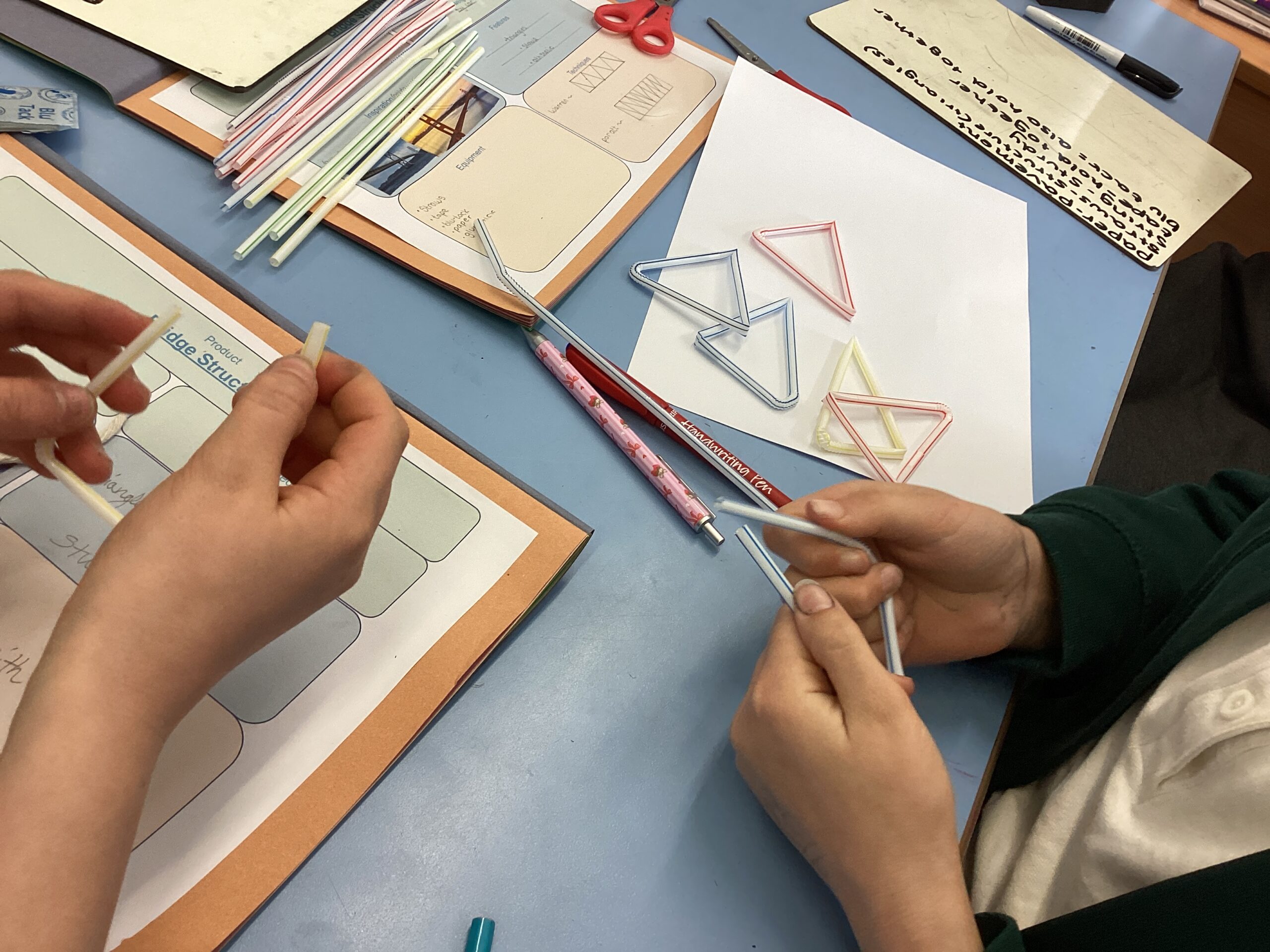
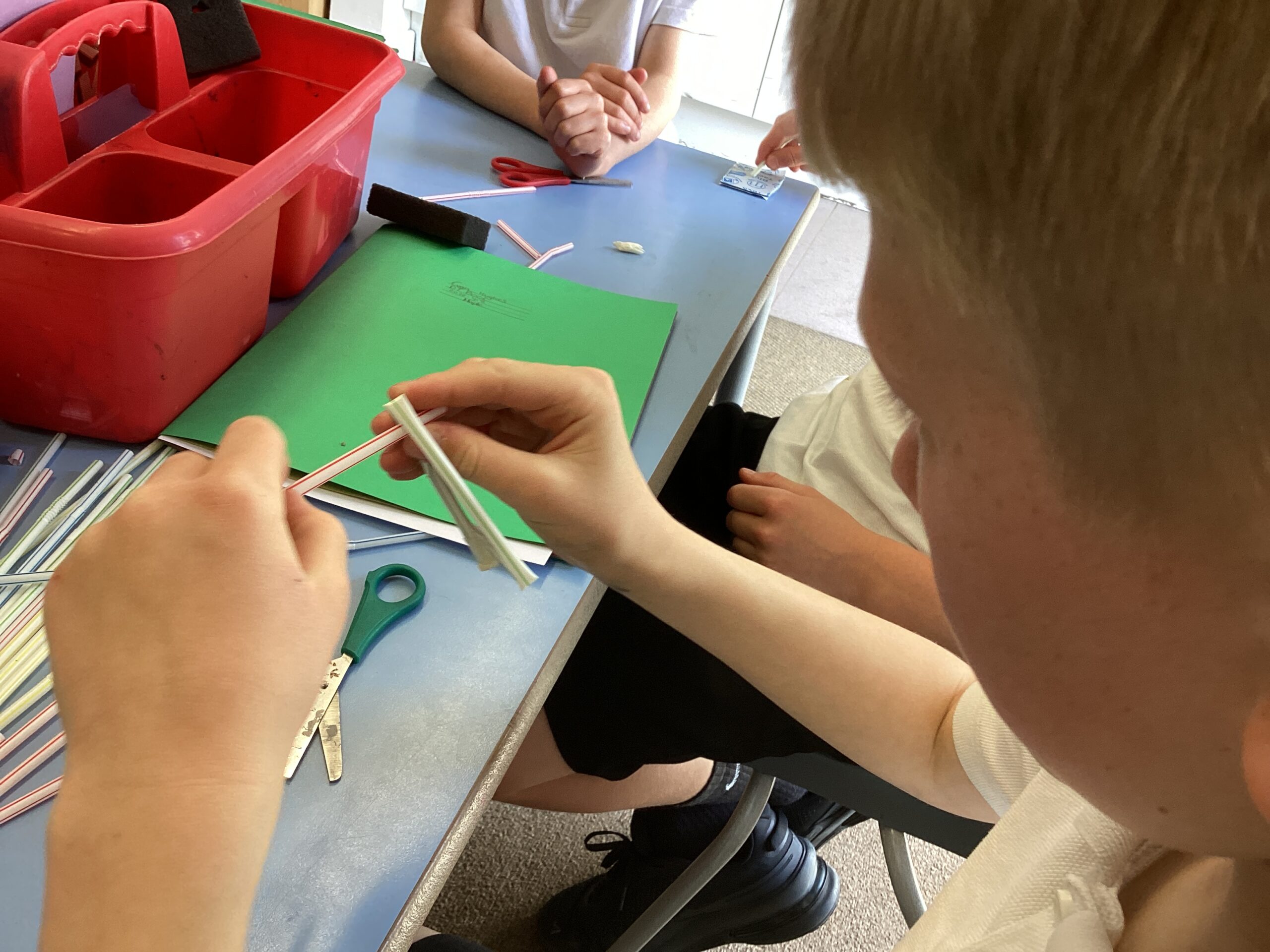
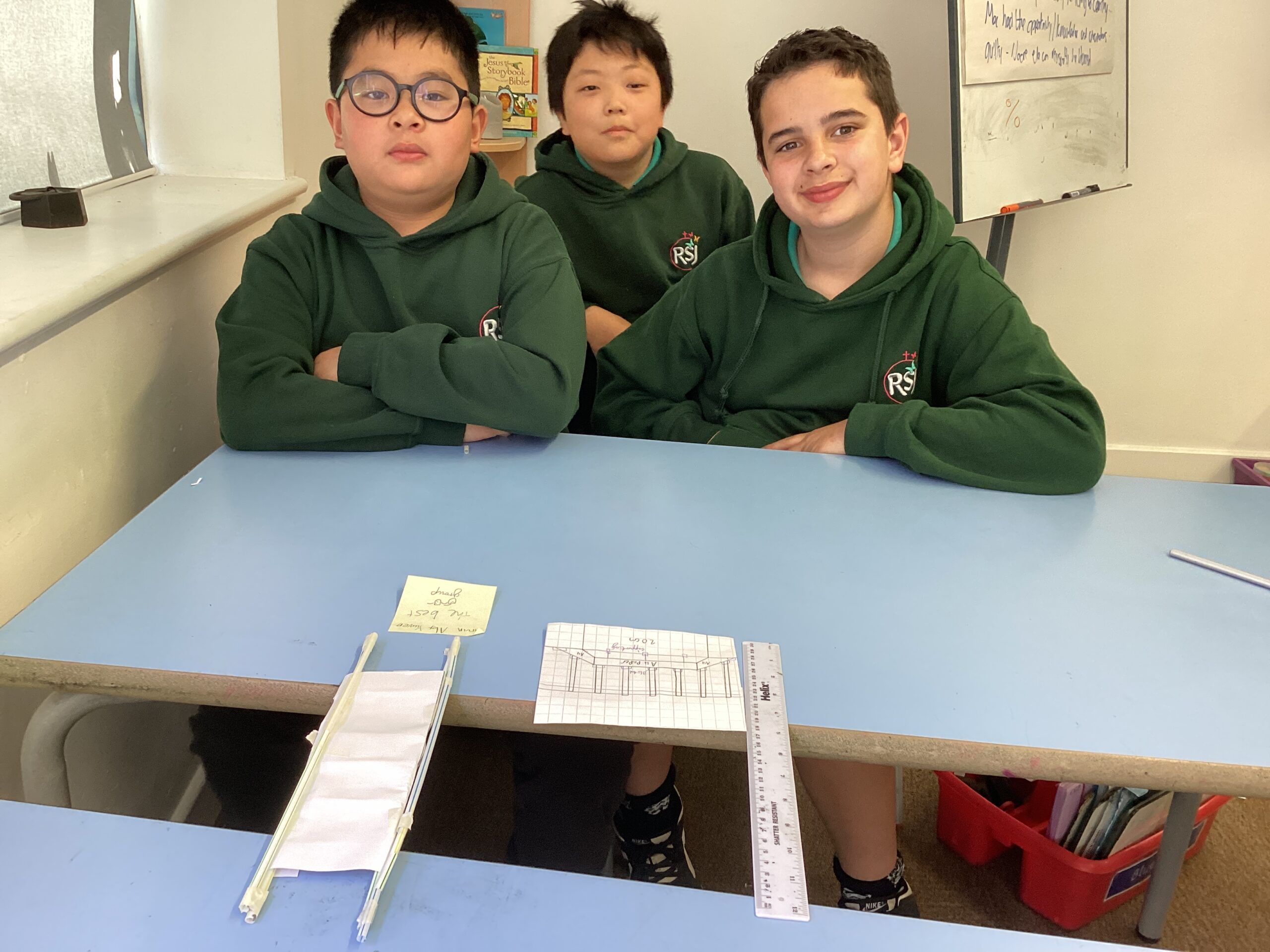
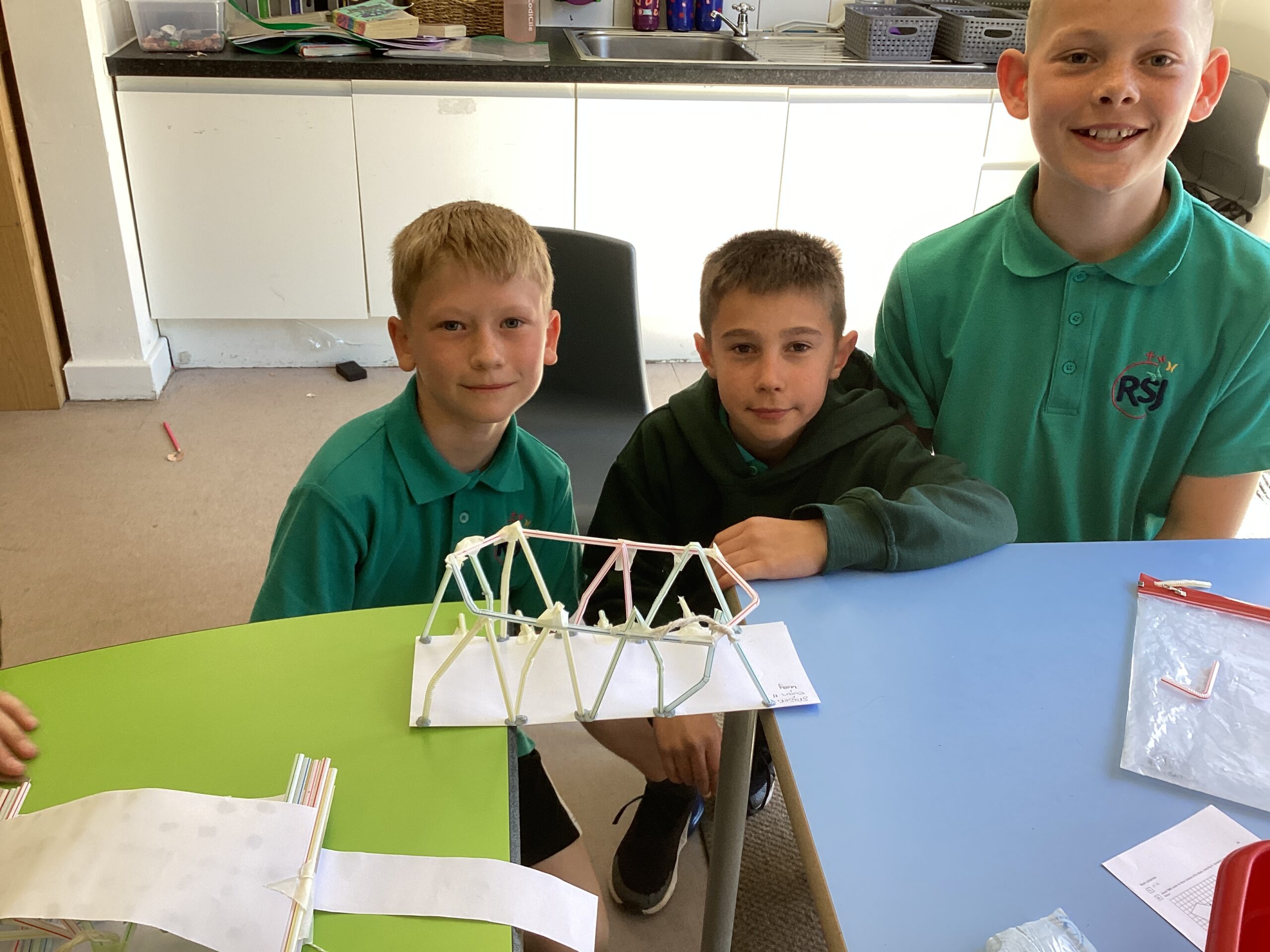
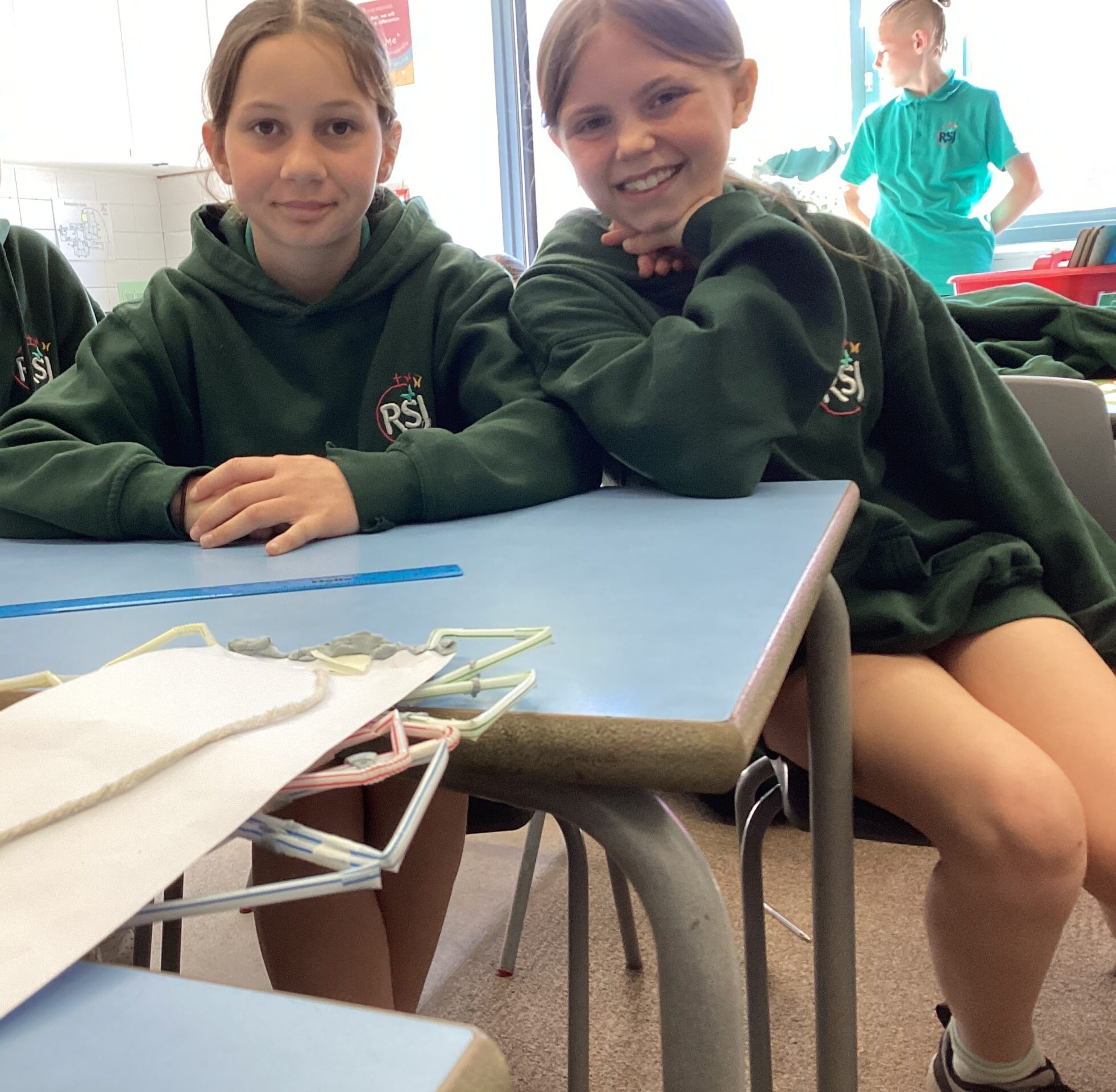
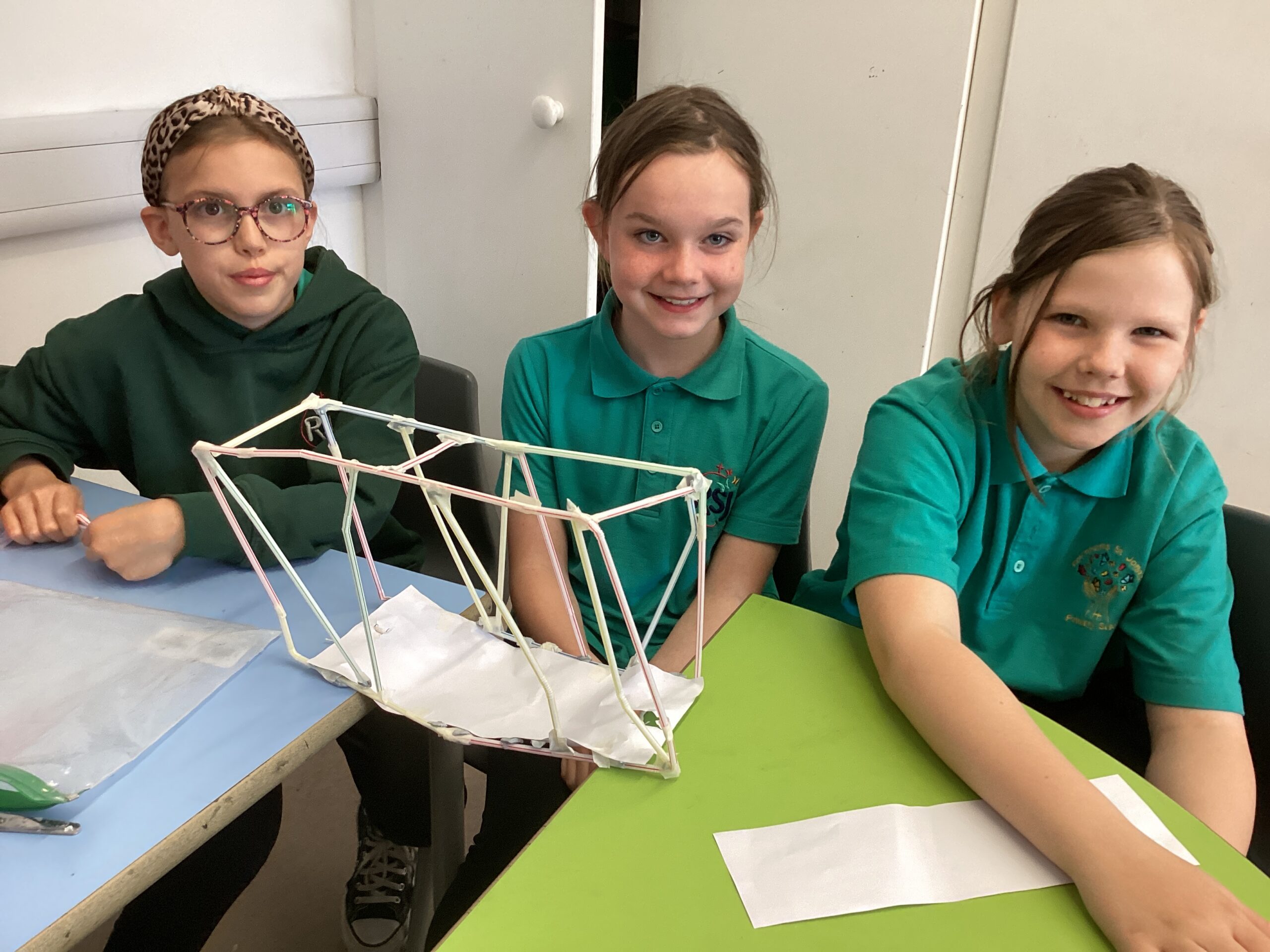
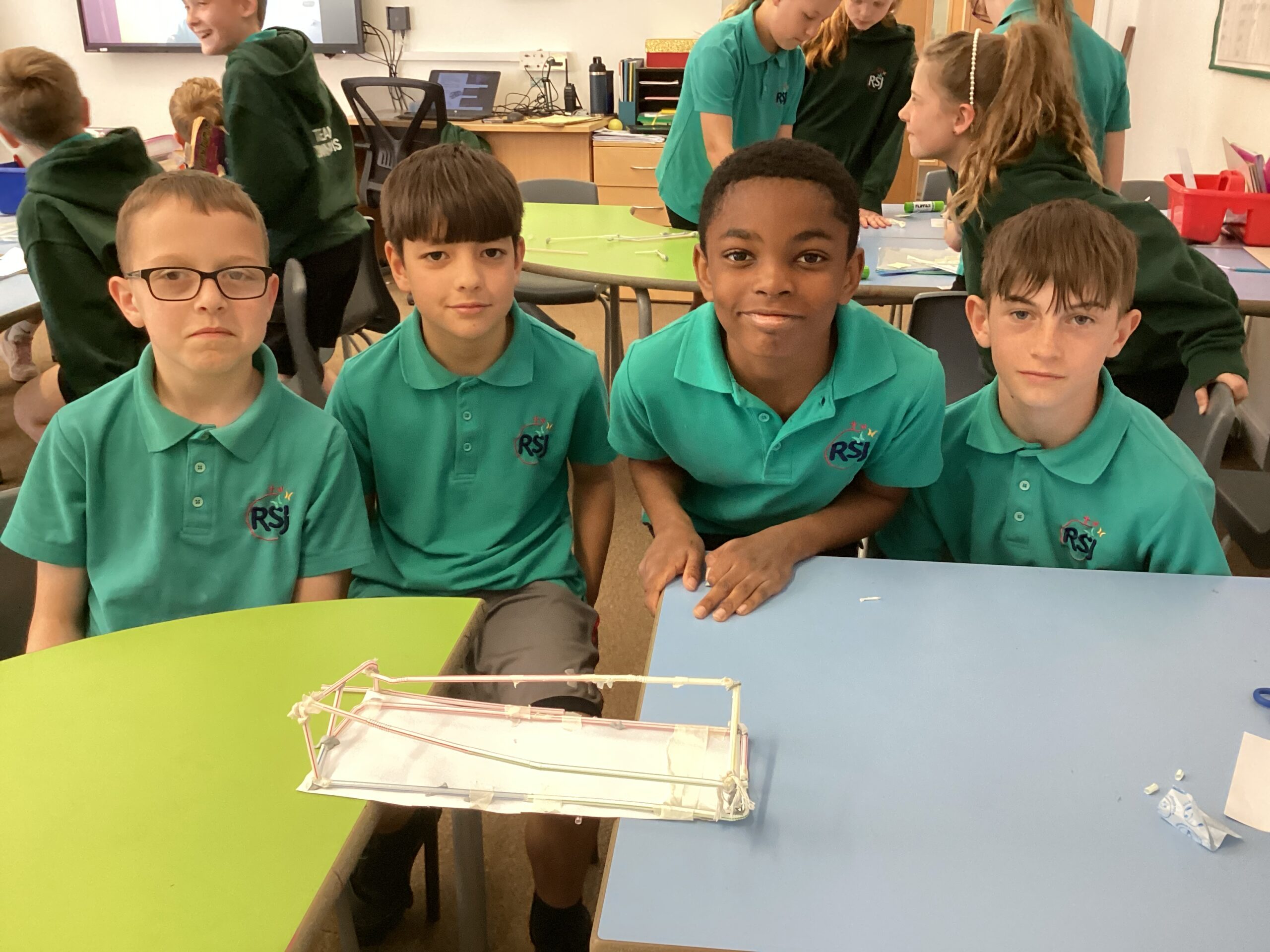
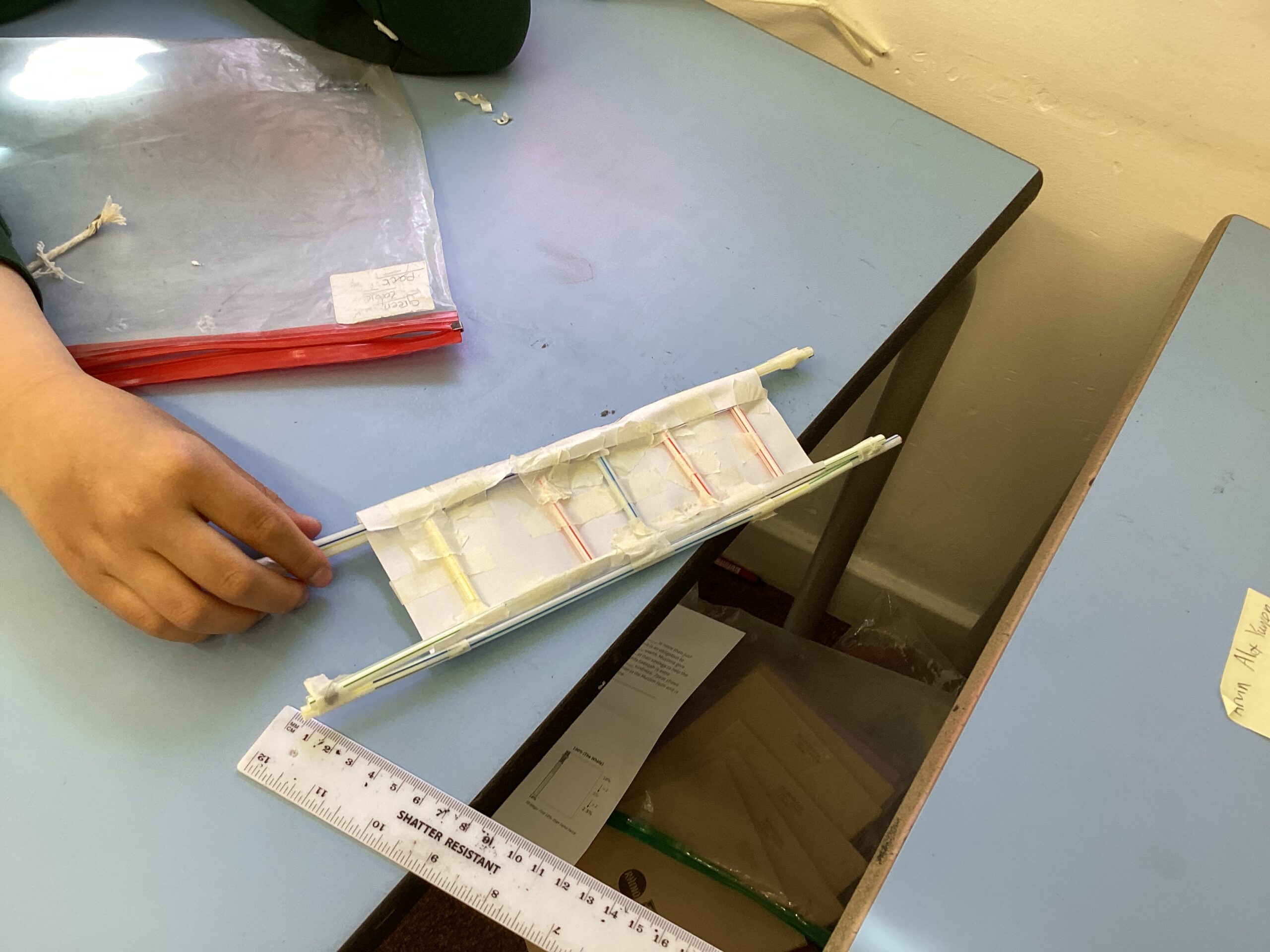
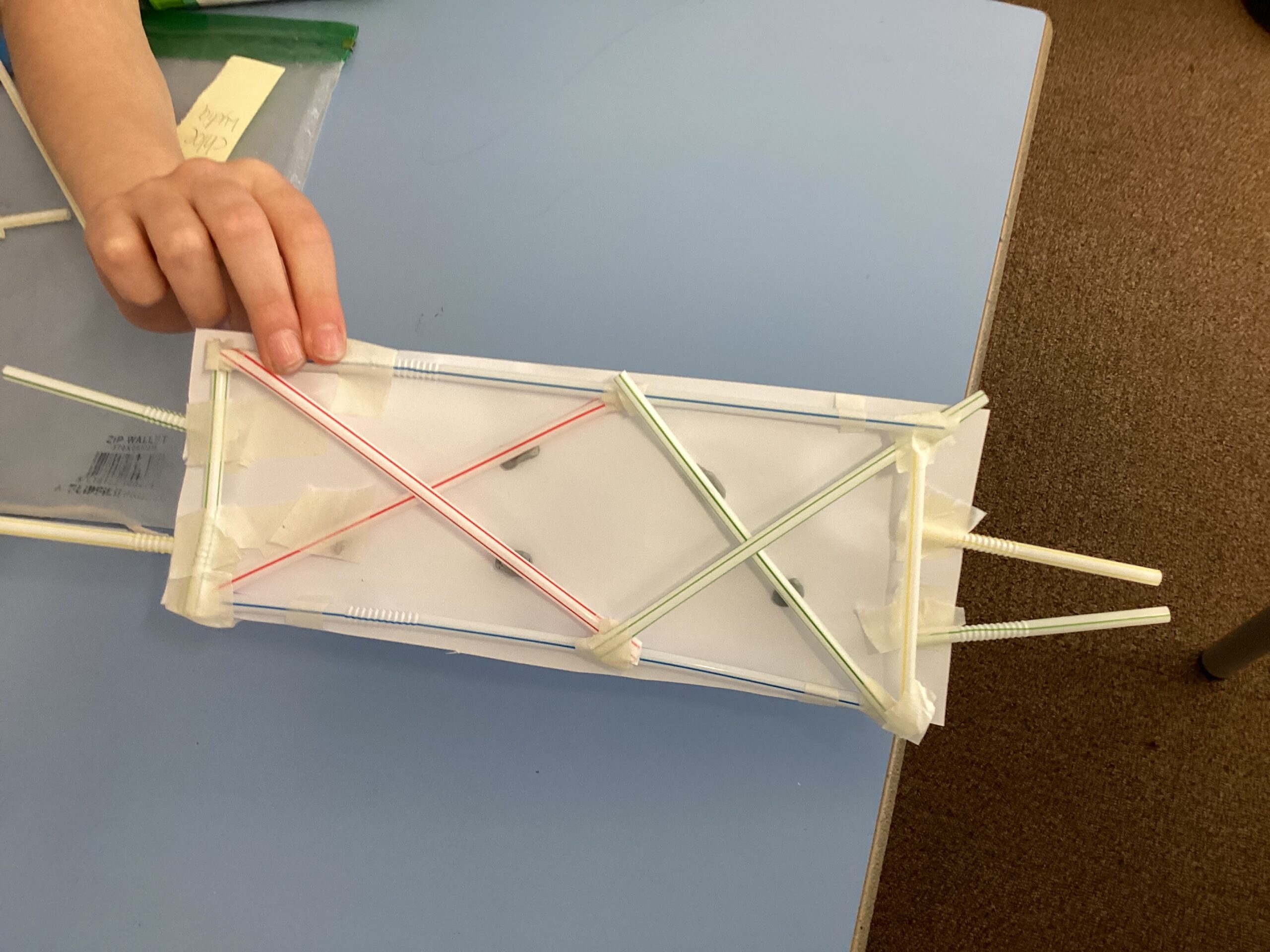
This week in Design Technology, our young engineers took on the ultimate “Bridge the Gap” challenge! After learning that every great structure needs to look good and work well, pupils explored the science of frame structures – discovering how beams, columns, triangles, and arcs create strength and stability. The children began by recreating a famous “Da Vinci Bridge” using only lolly sticks (no glue or tape – just pure friction and imagination!). They then moved on to the main event: designing and building a 20cm-span bridge using just 20 straws, blu-tac, tape, string, a glue stick, and a sheet of paper. Teams sketched individual designs, combined their best ideas, and then had just 30 minutes to construct their prototypes. After careful testing, the classroom became a testing lab as bridges were tested for a nerve-wracking ten-second count. Who survived? Almost everyone – thanks to clever pinch joints and reinforced decks! Below you can see photos of the children planning, cutting, bending, and celebrating their fantastic (and surprisingly strong) creations. Well done to all our budding civil engineers!
Follow us on social media!
You can find us on Facebook and Instagram @Rownhamsschool, where we share more photos of what has been going on around the school, and celebrate the children’s learning.