Team R:
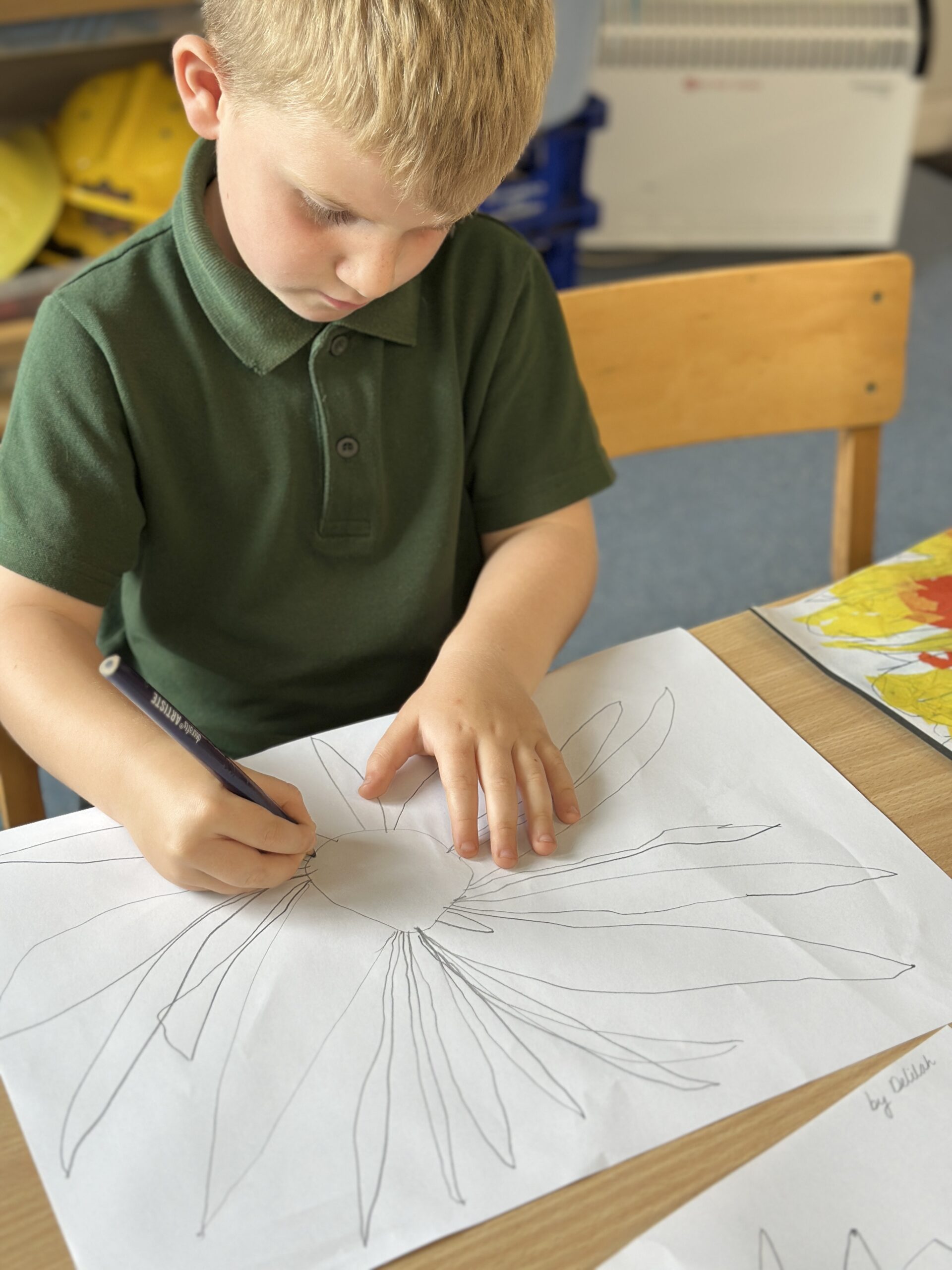
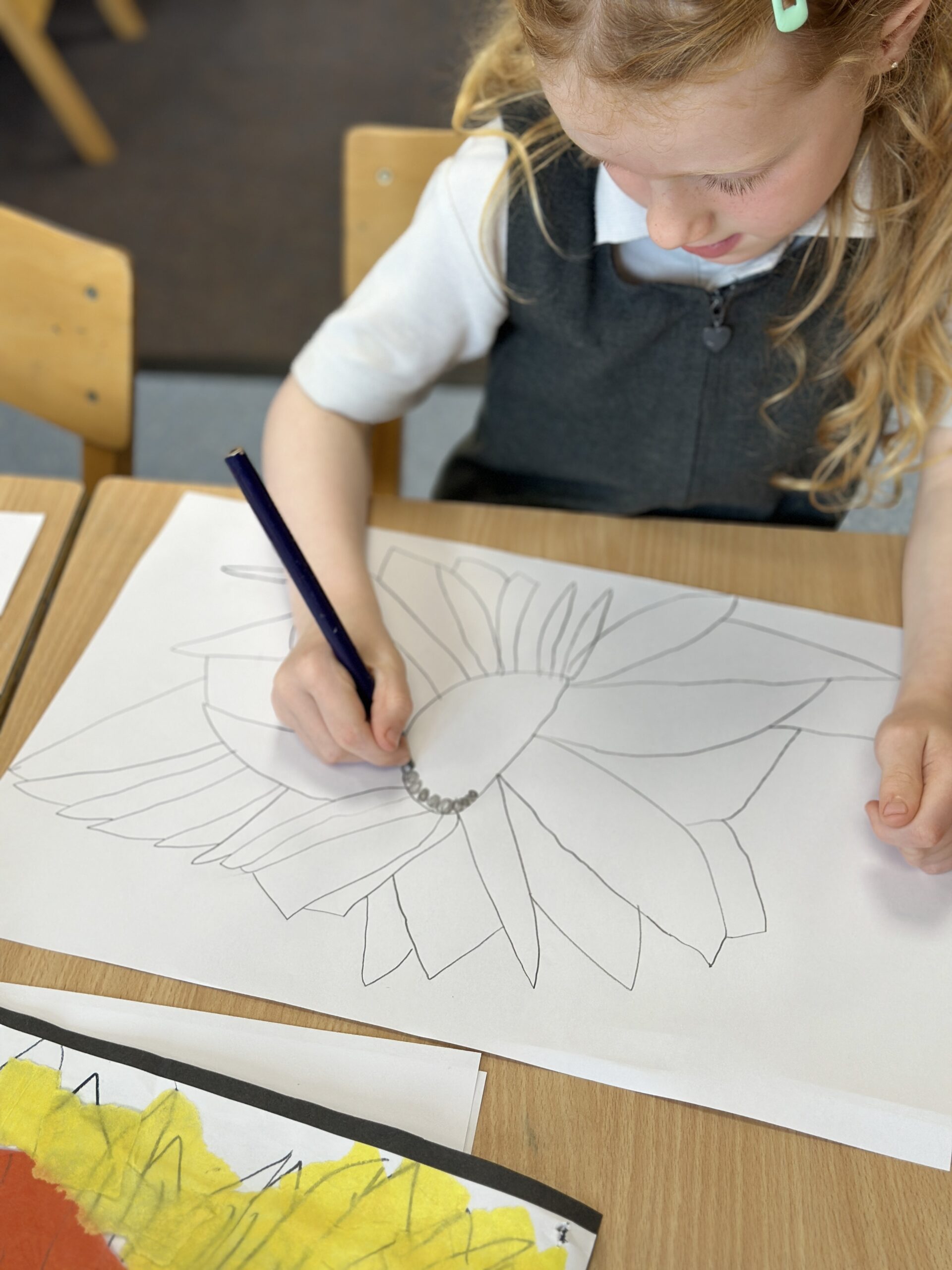
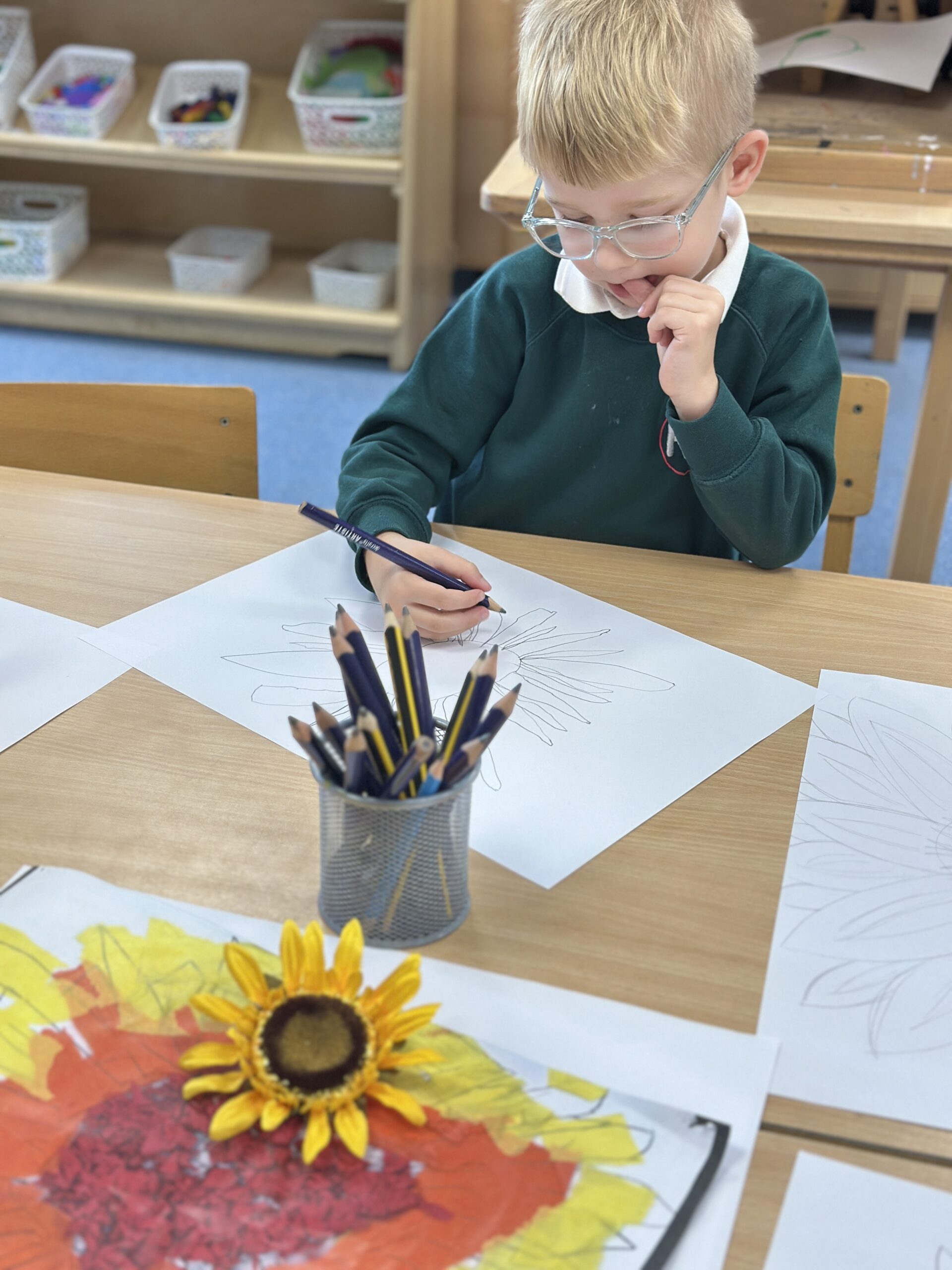
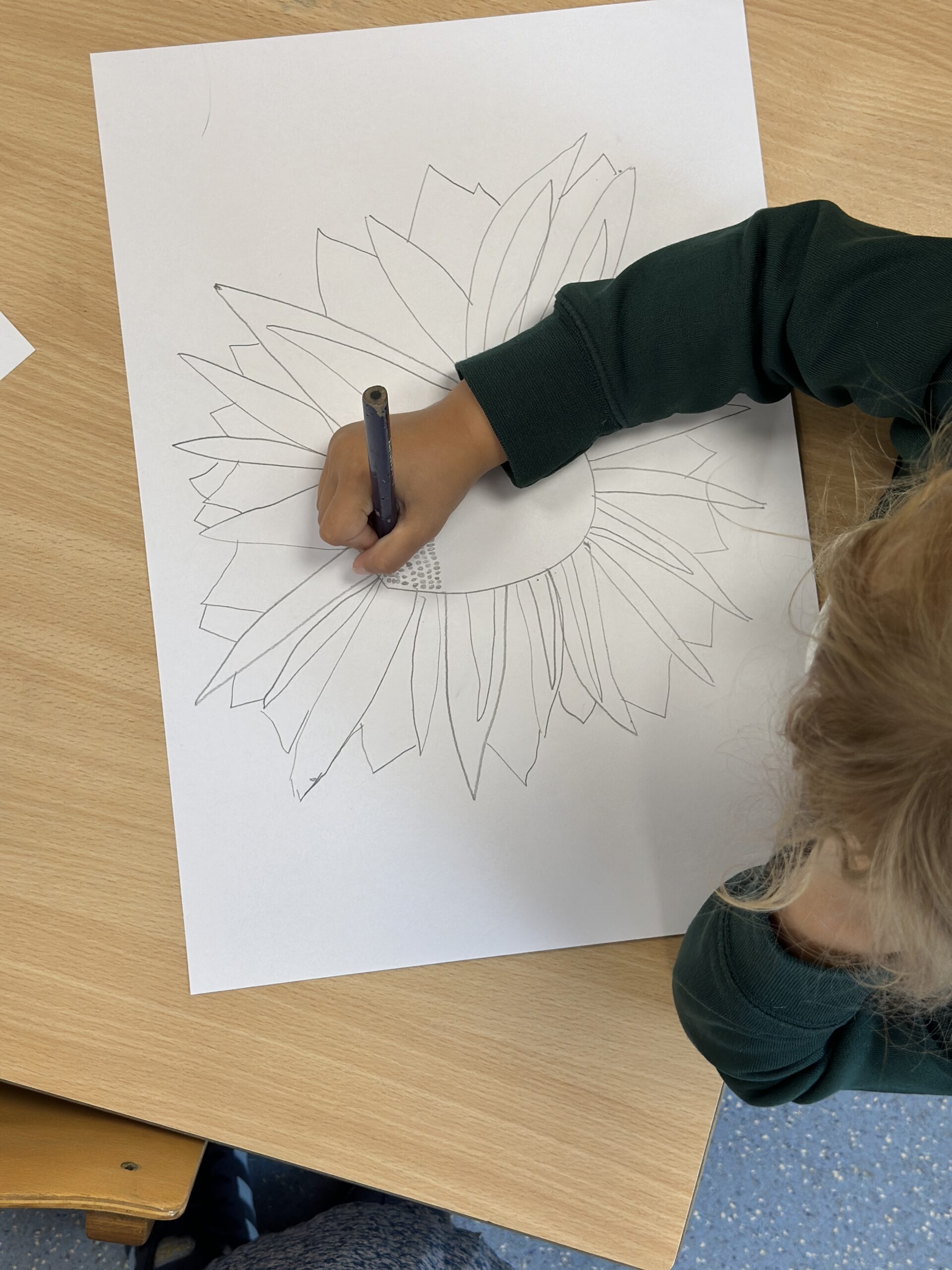
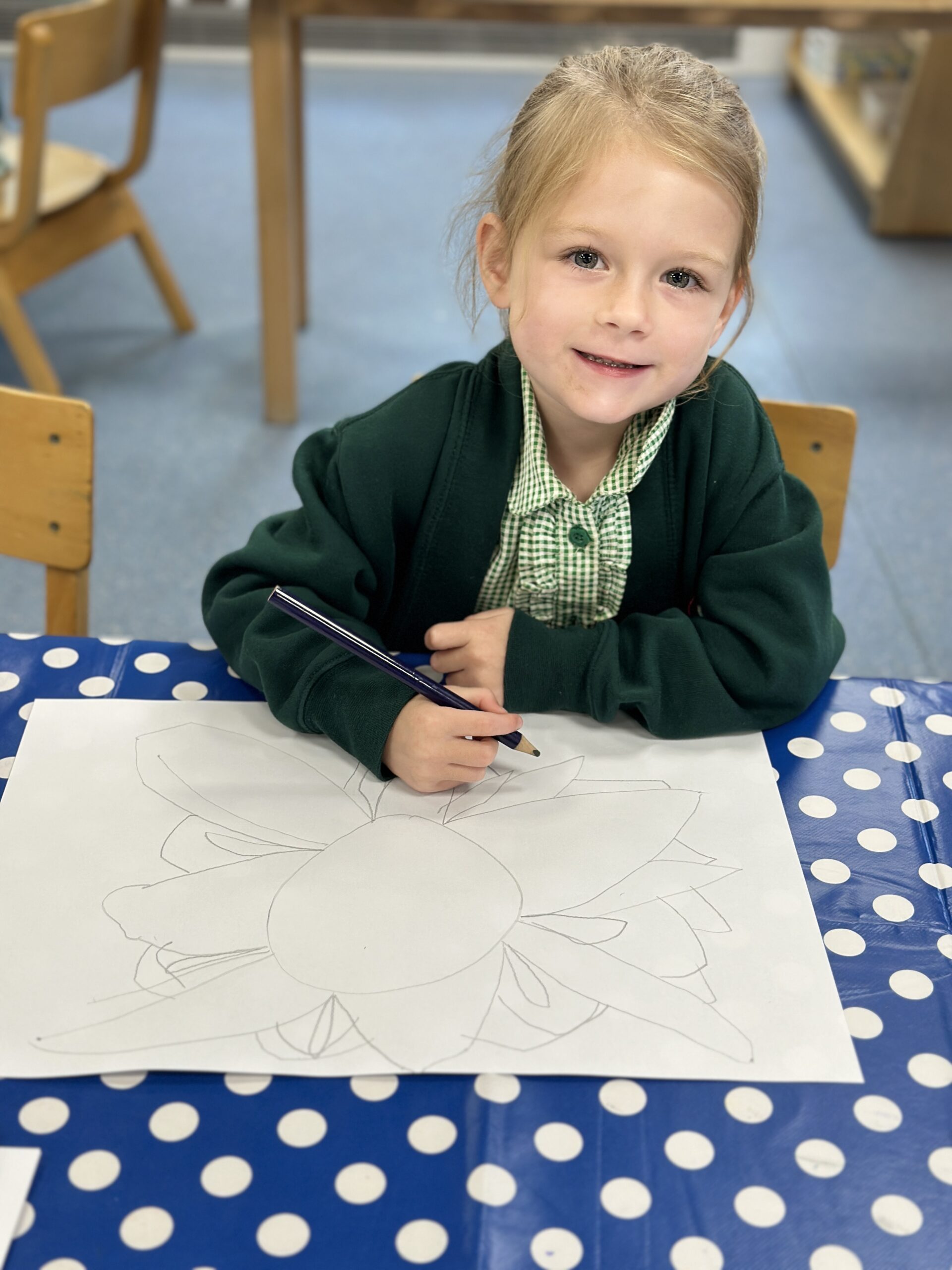
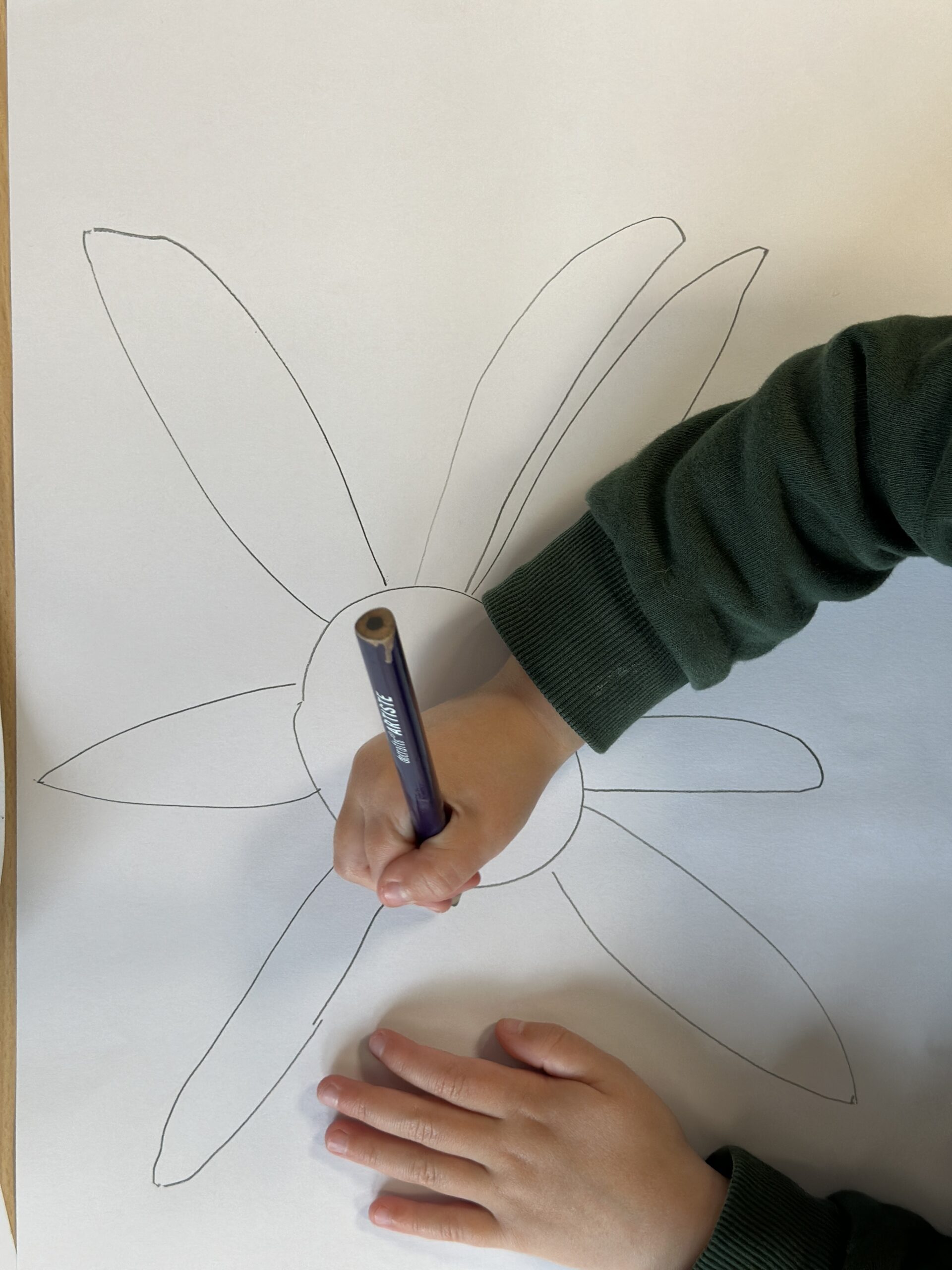
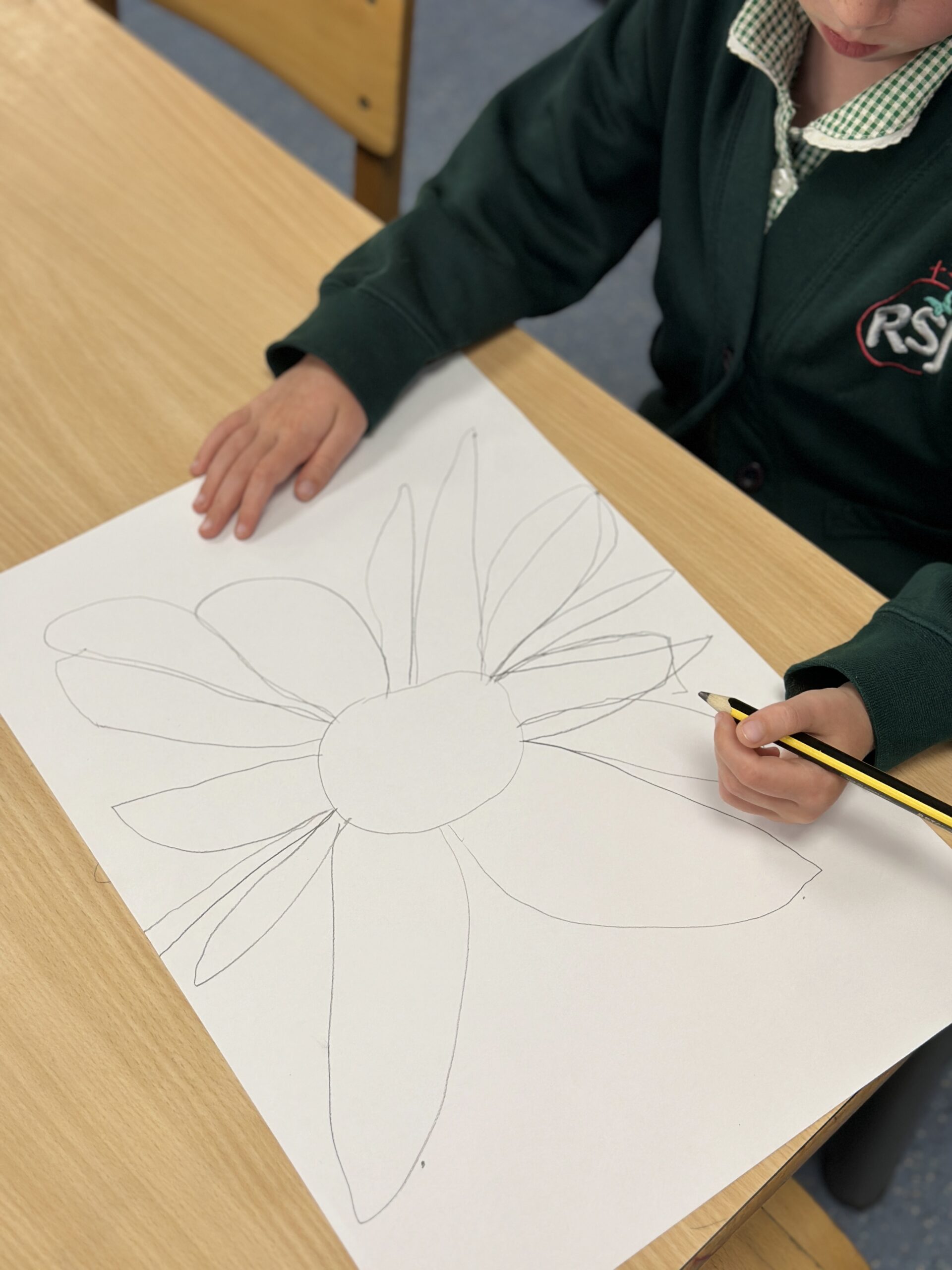
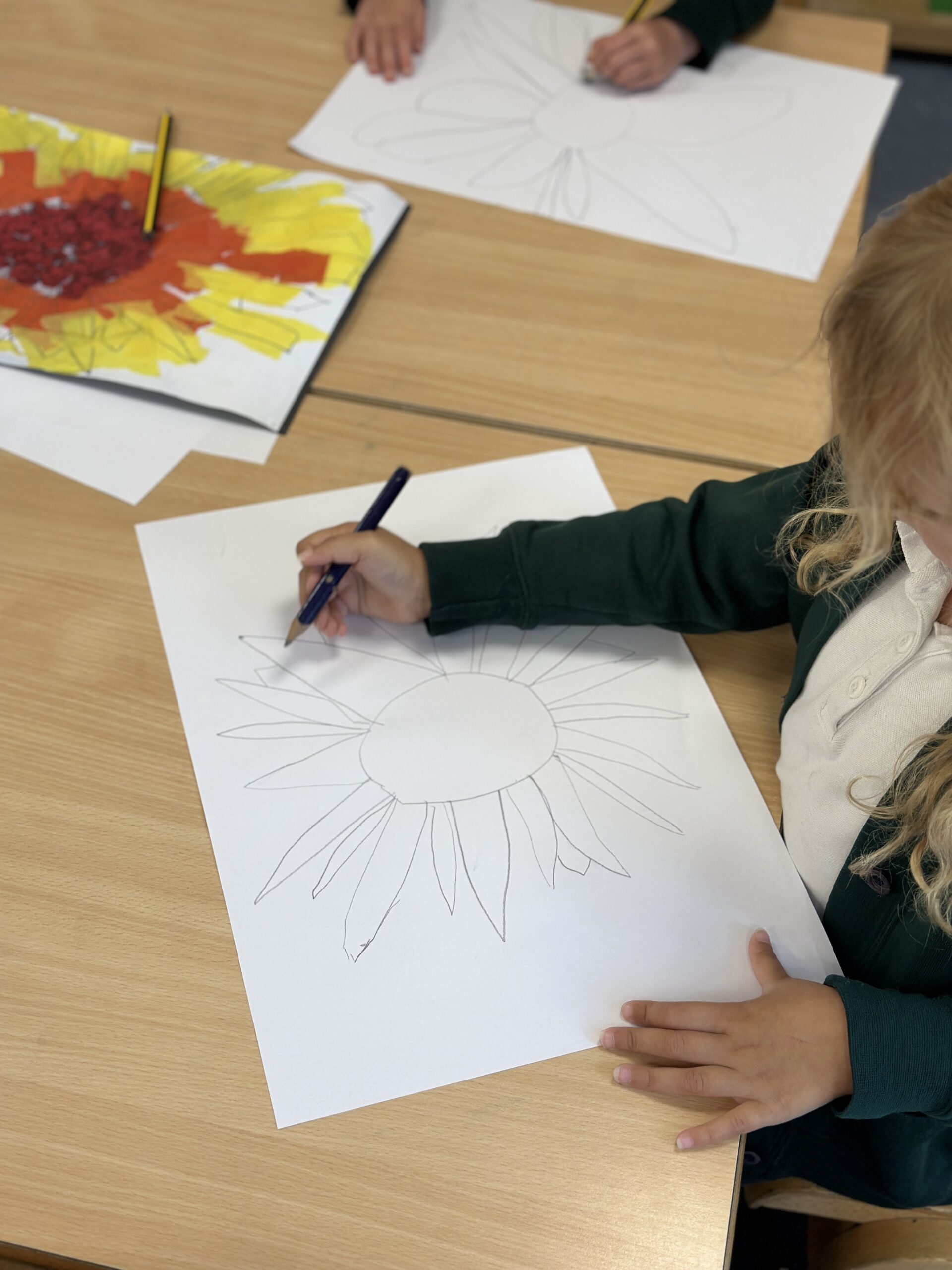
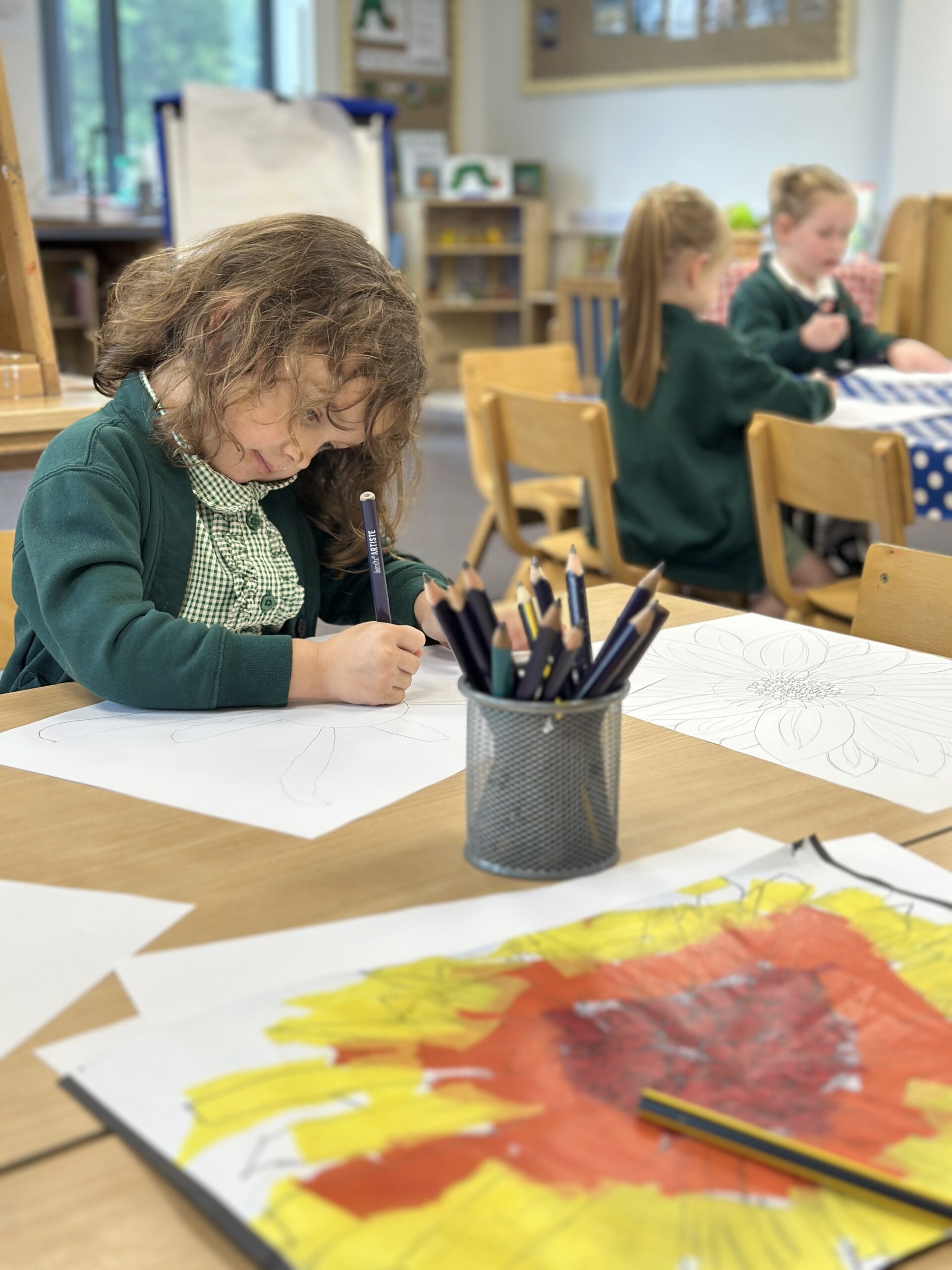
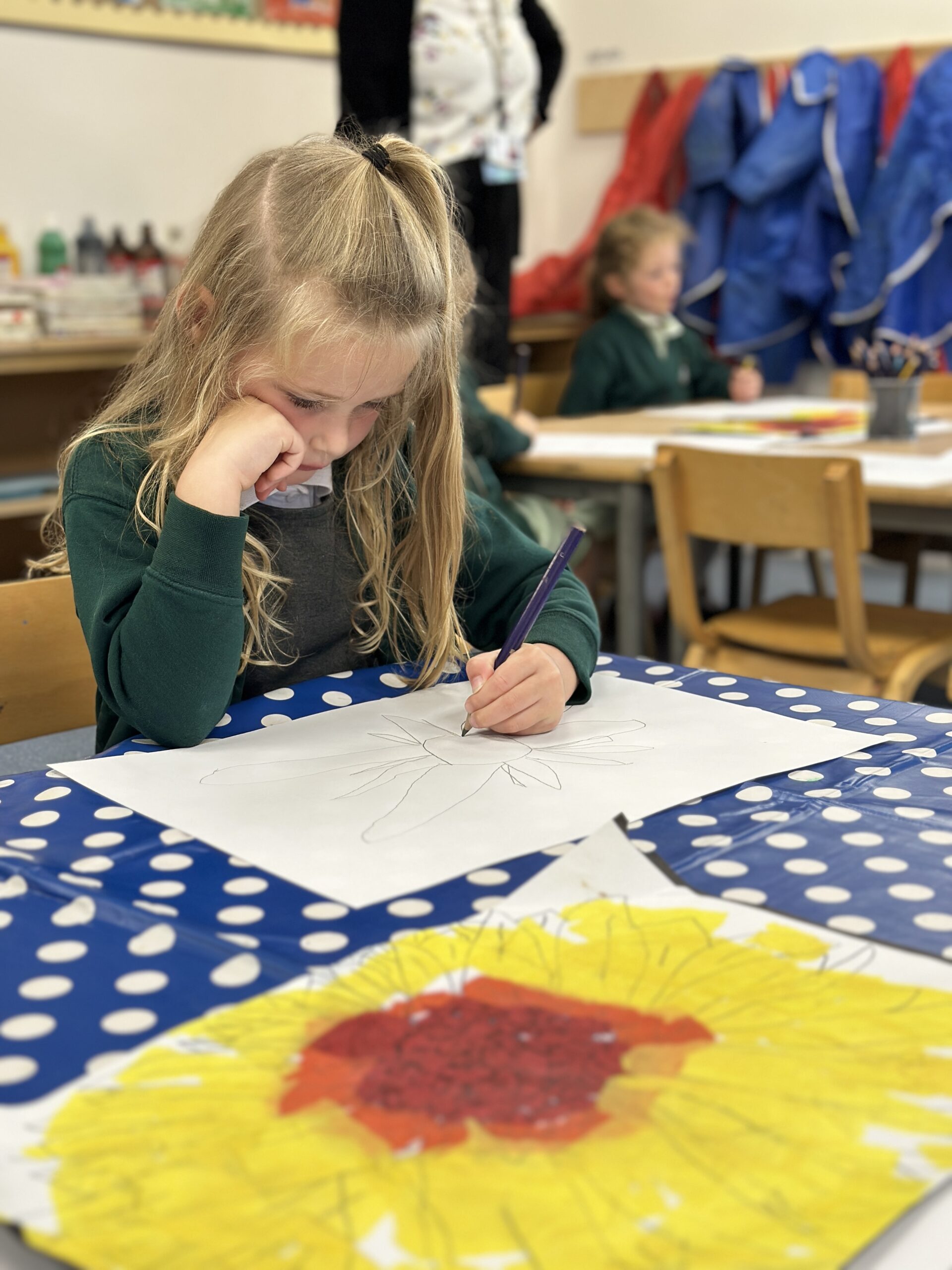
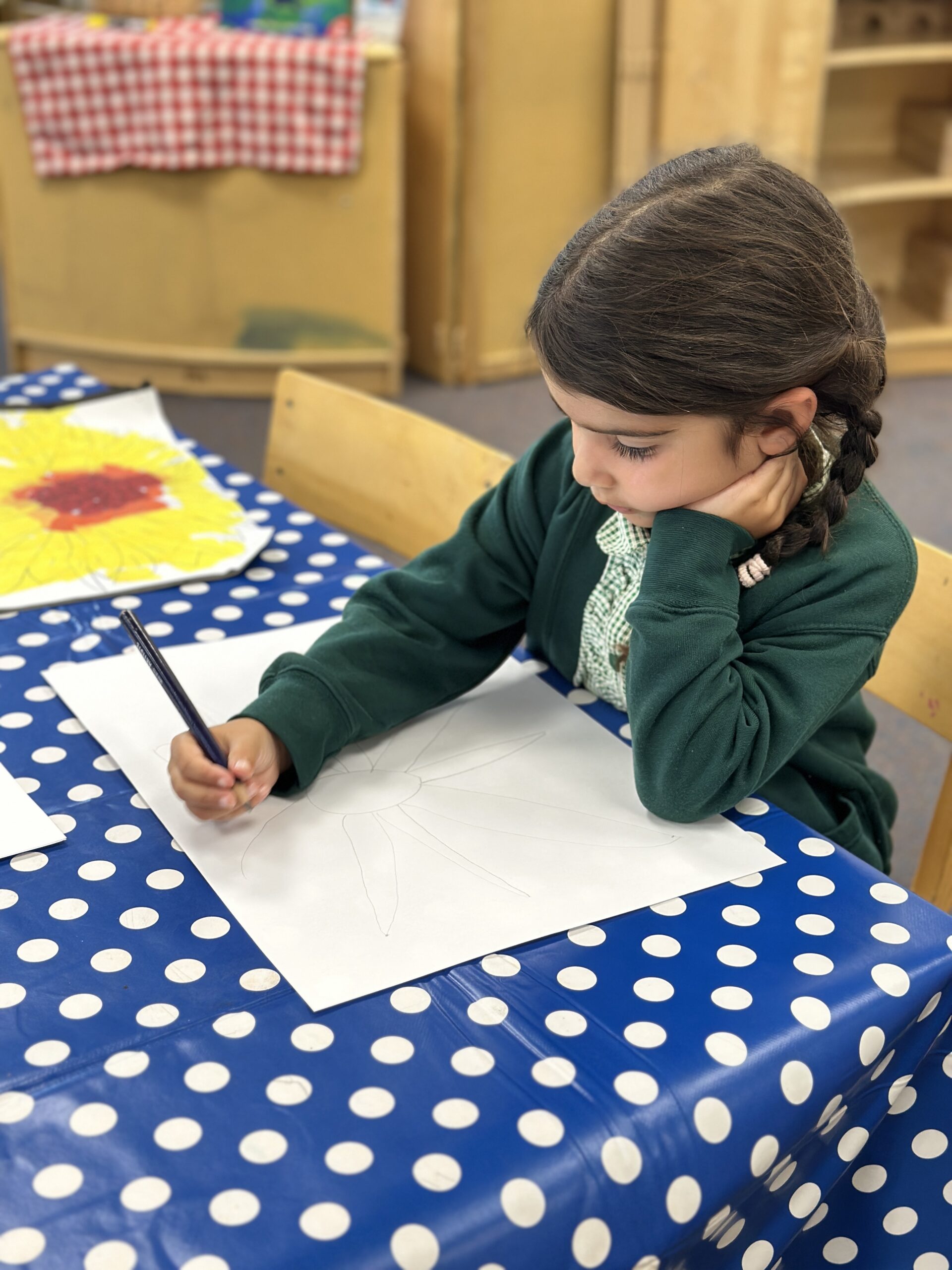
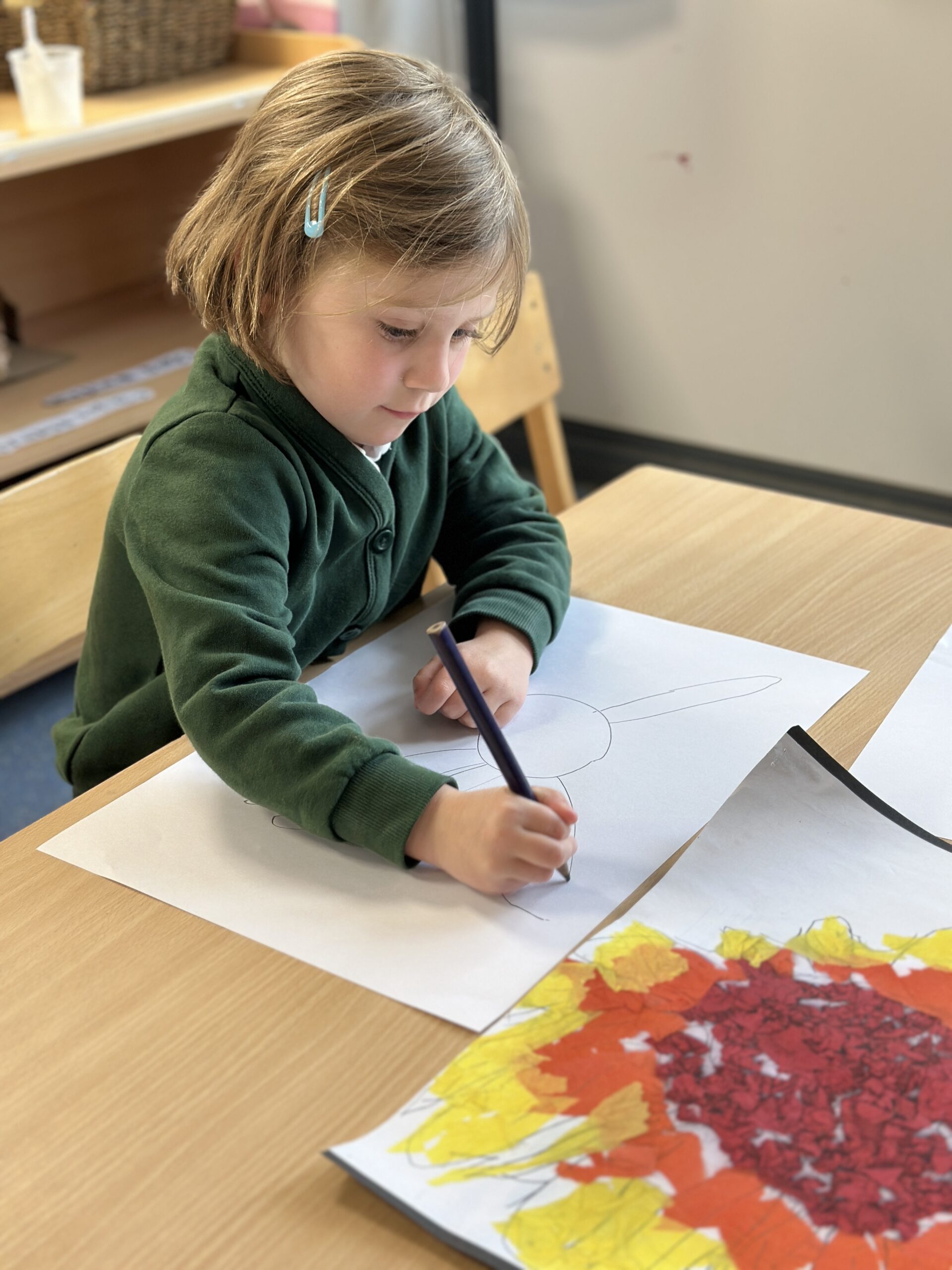
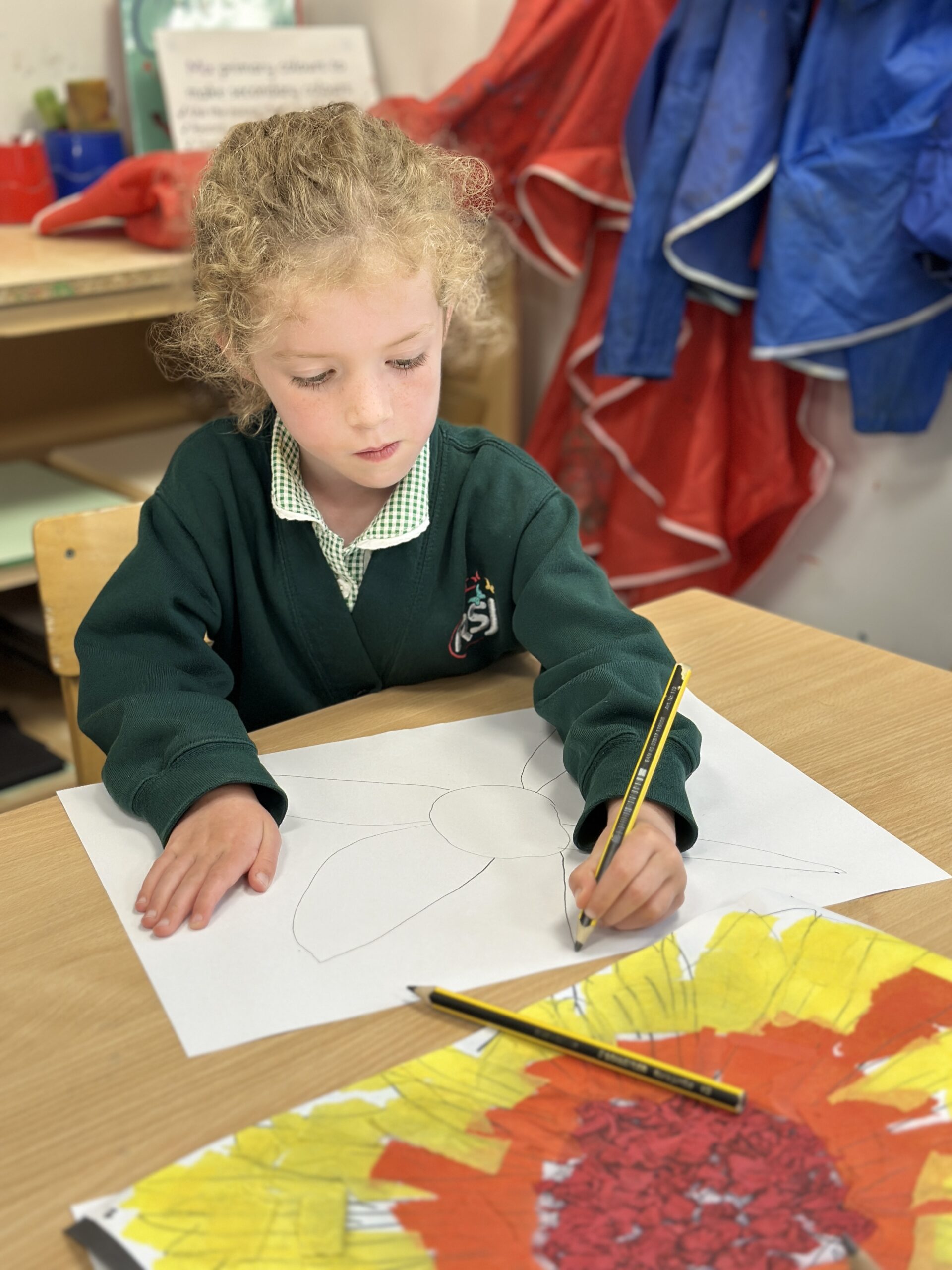
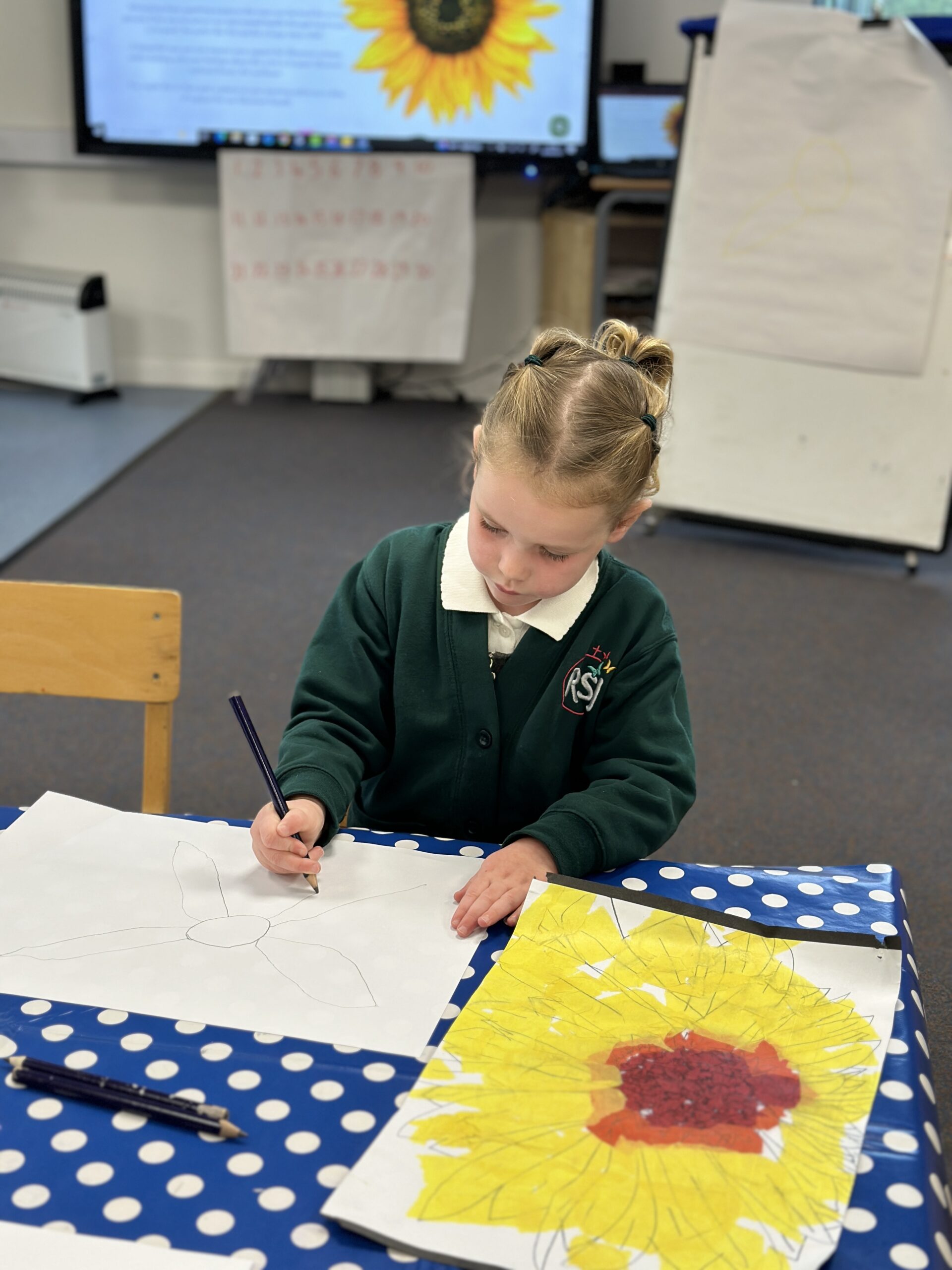
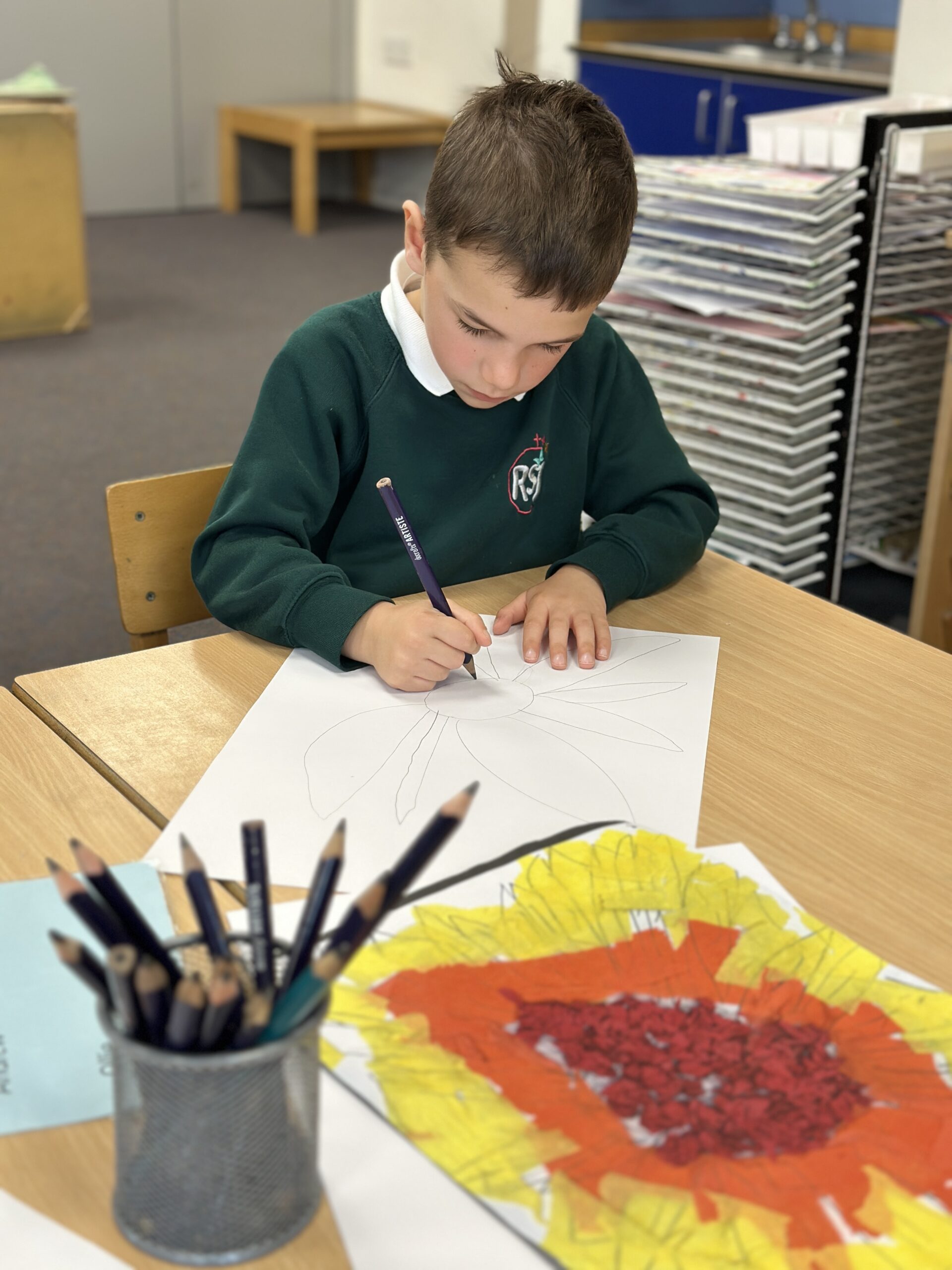
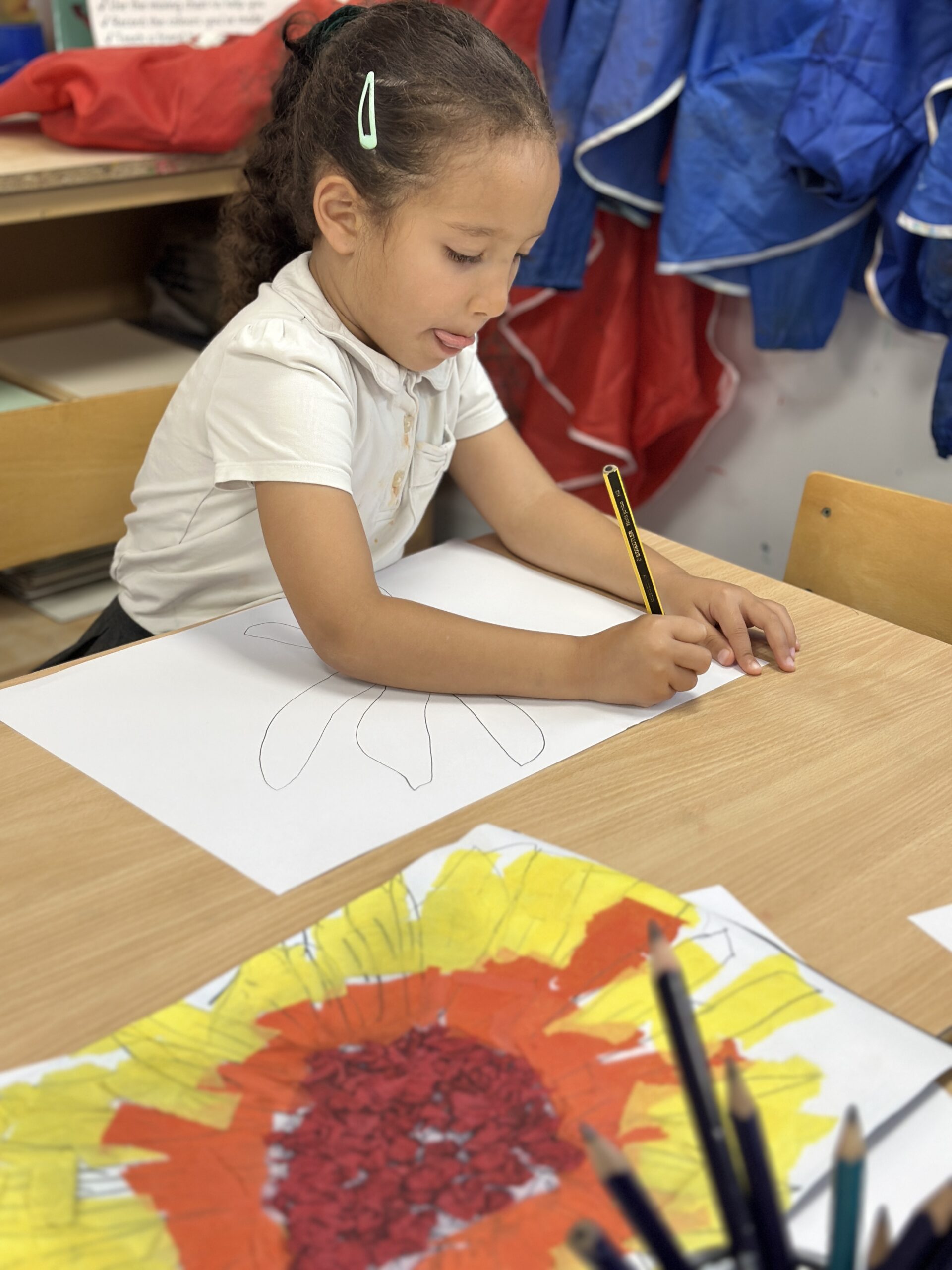
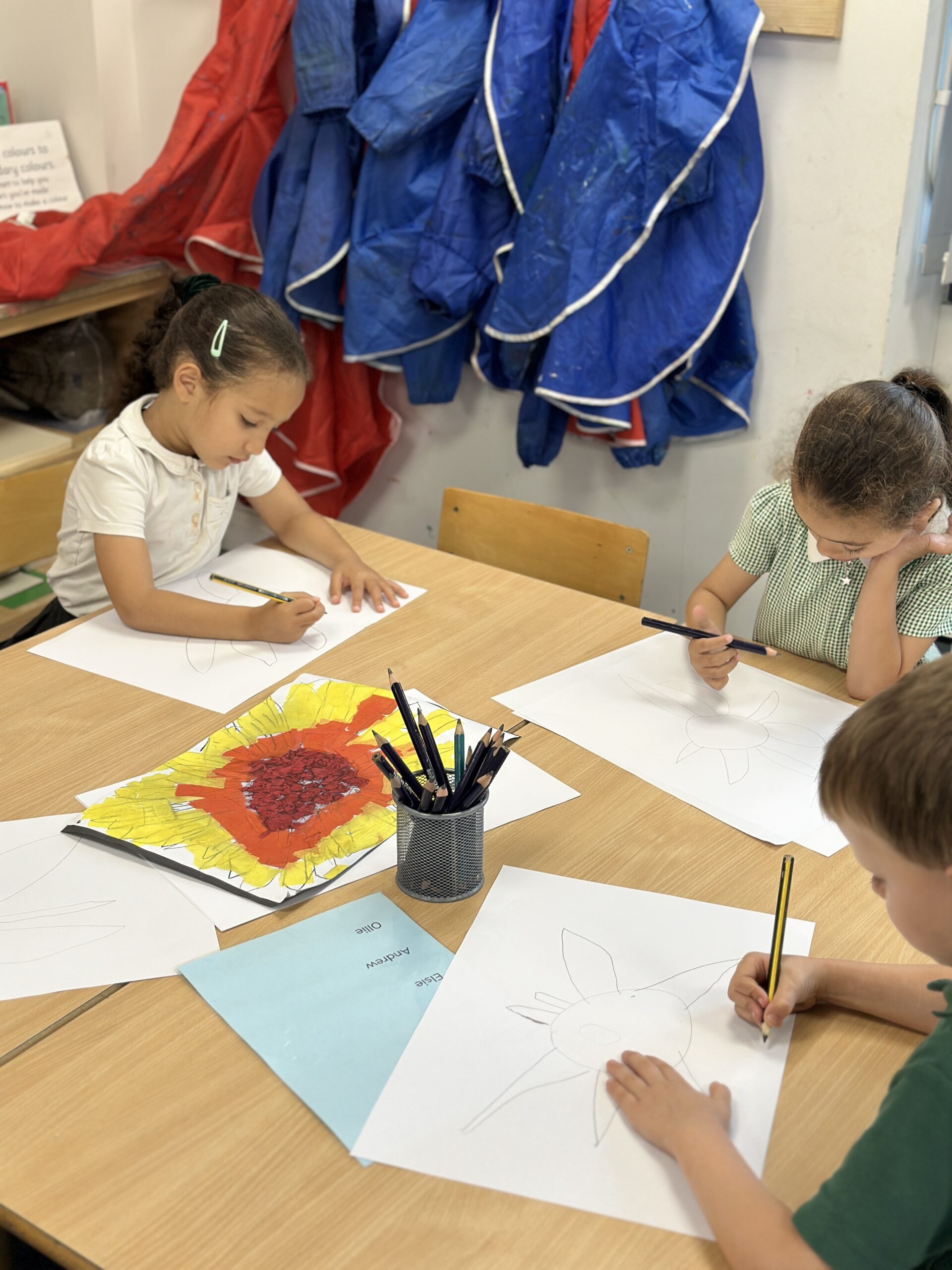
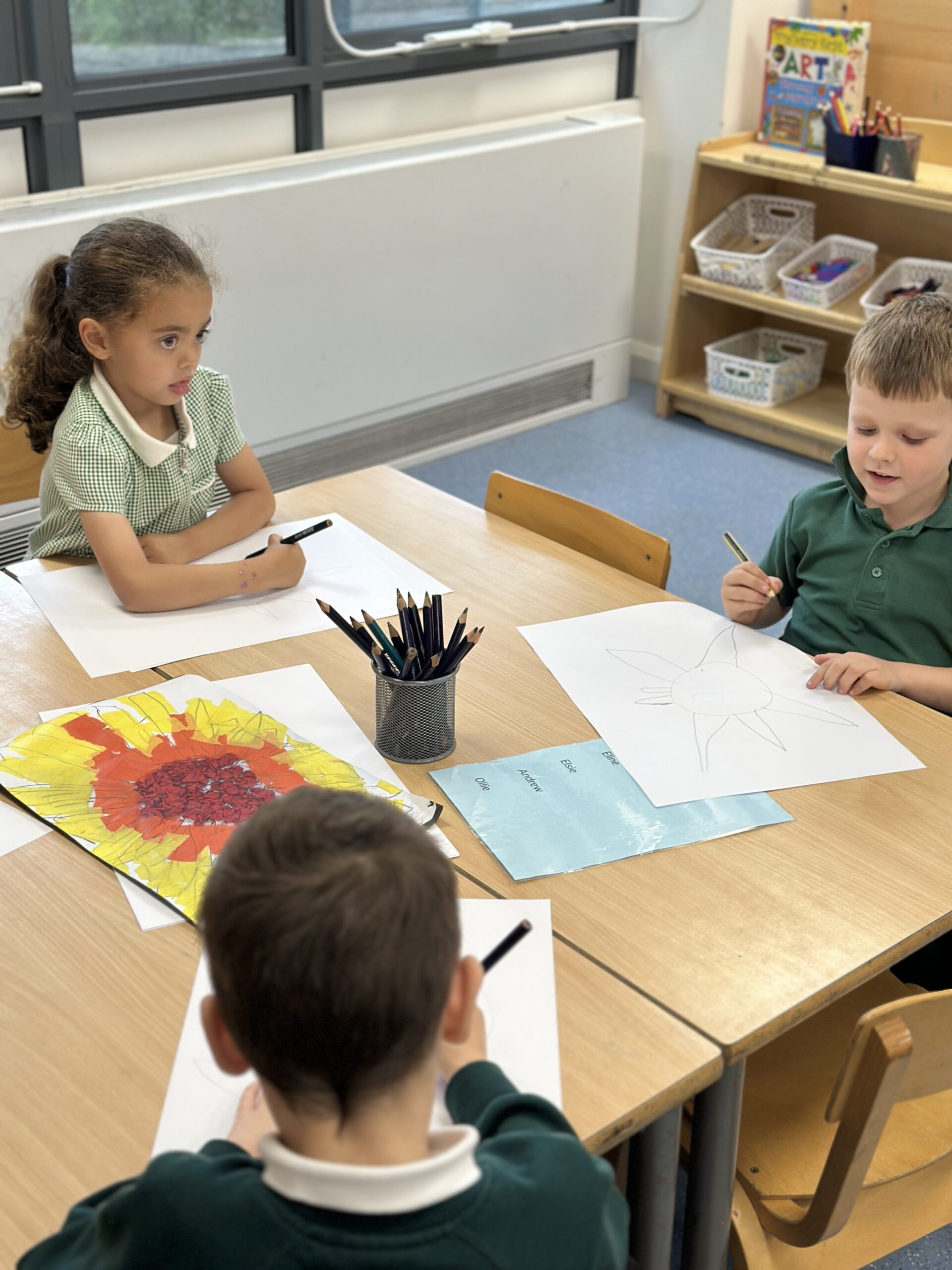
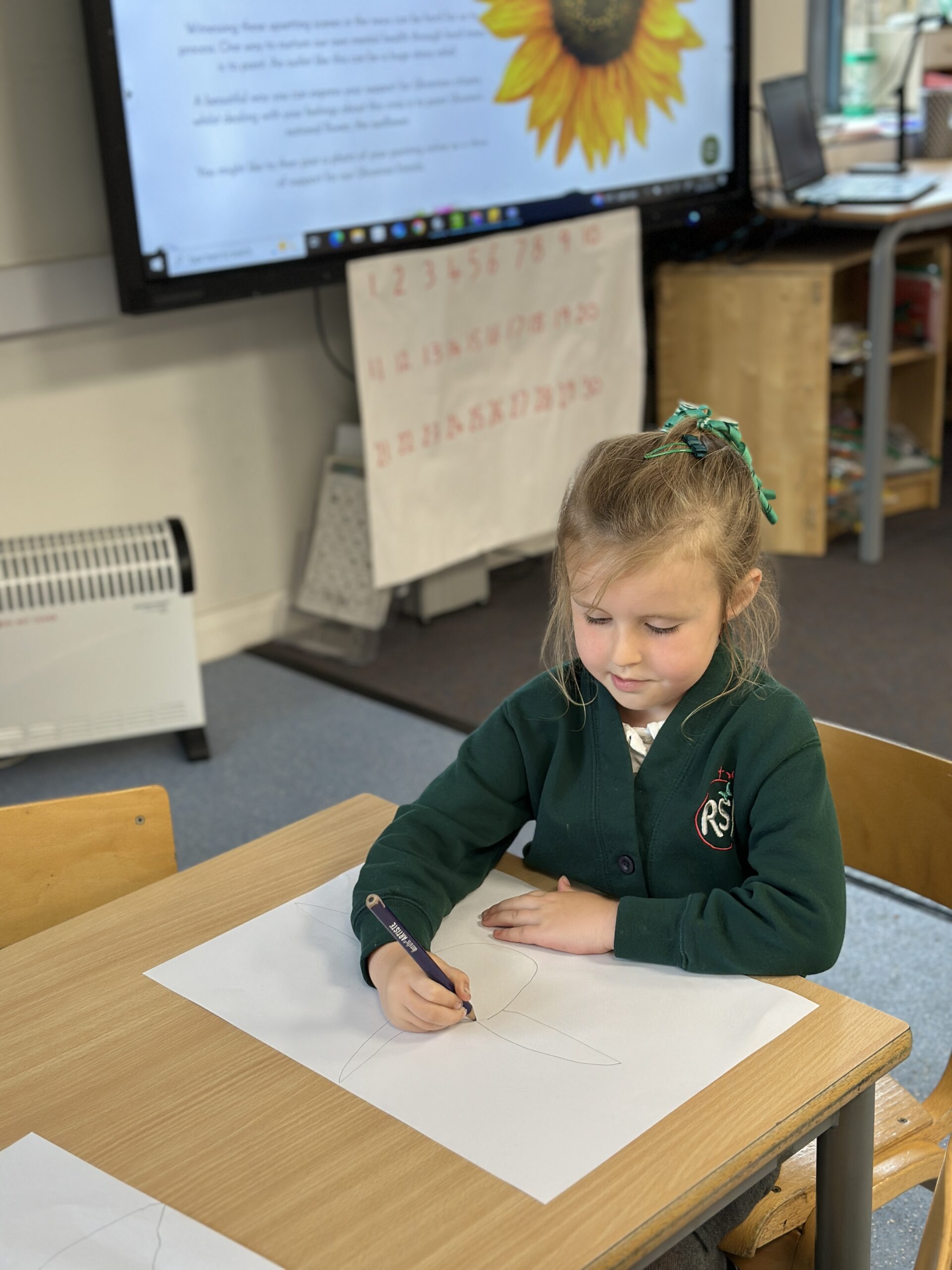
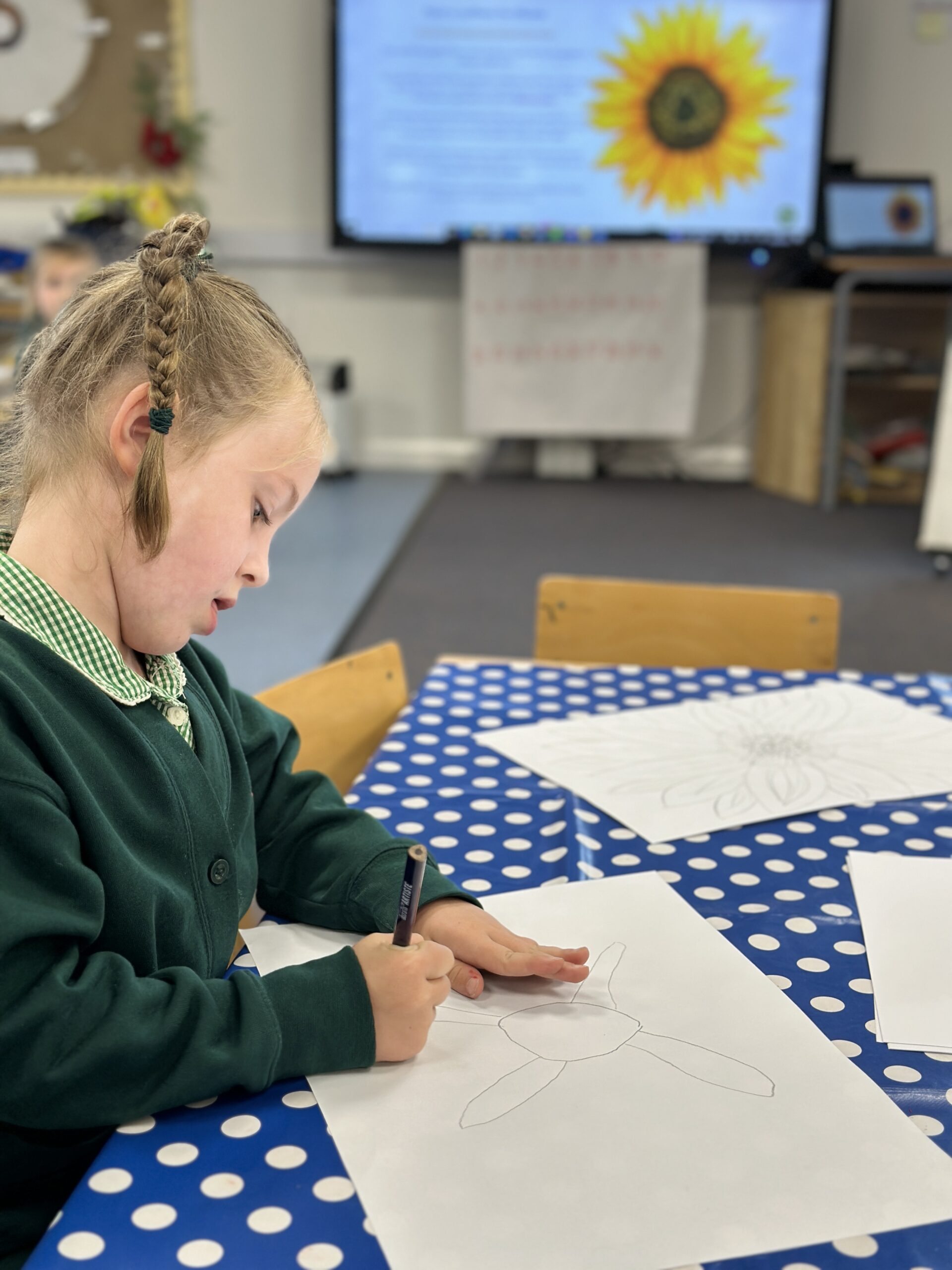
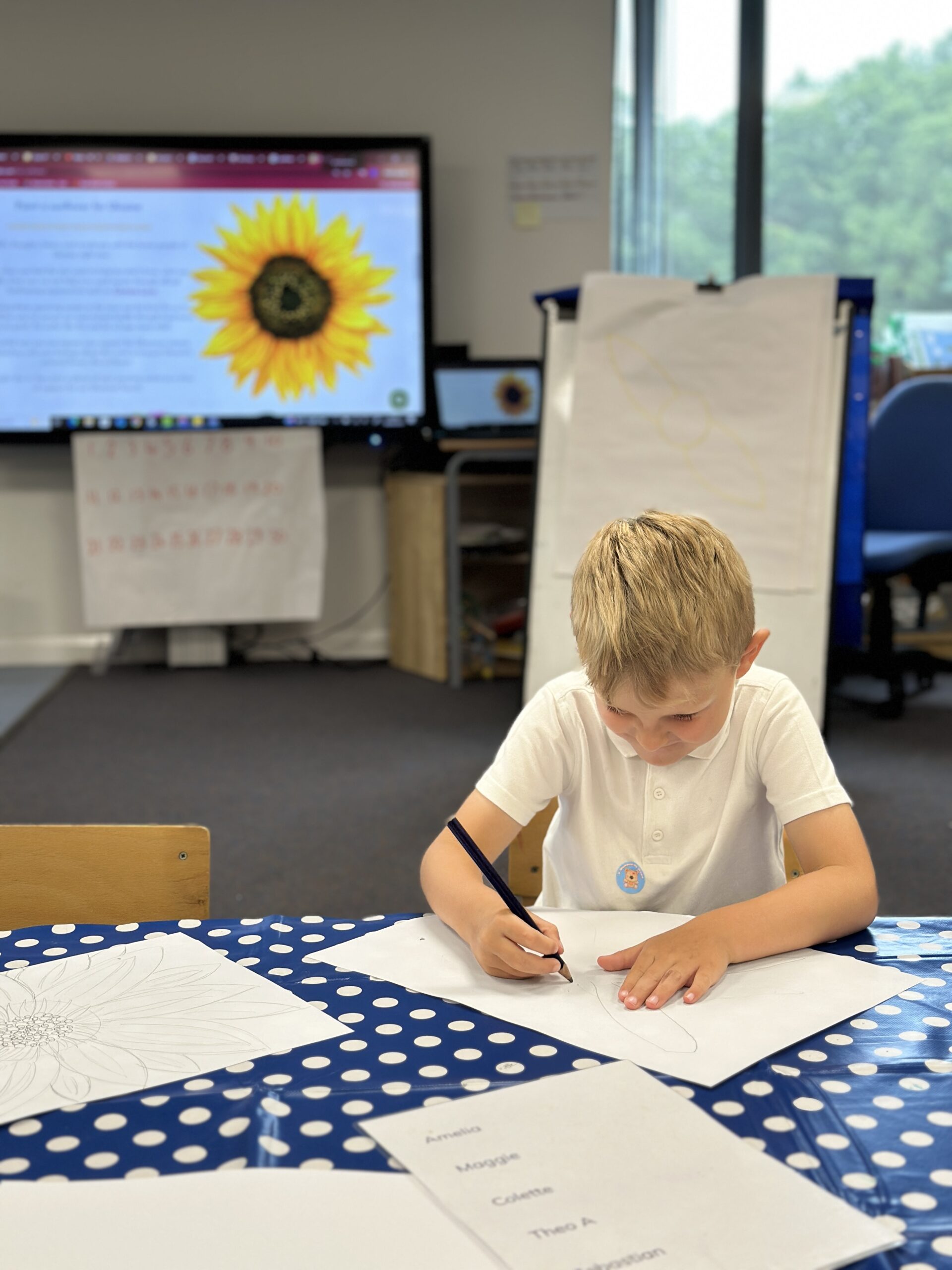
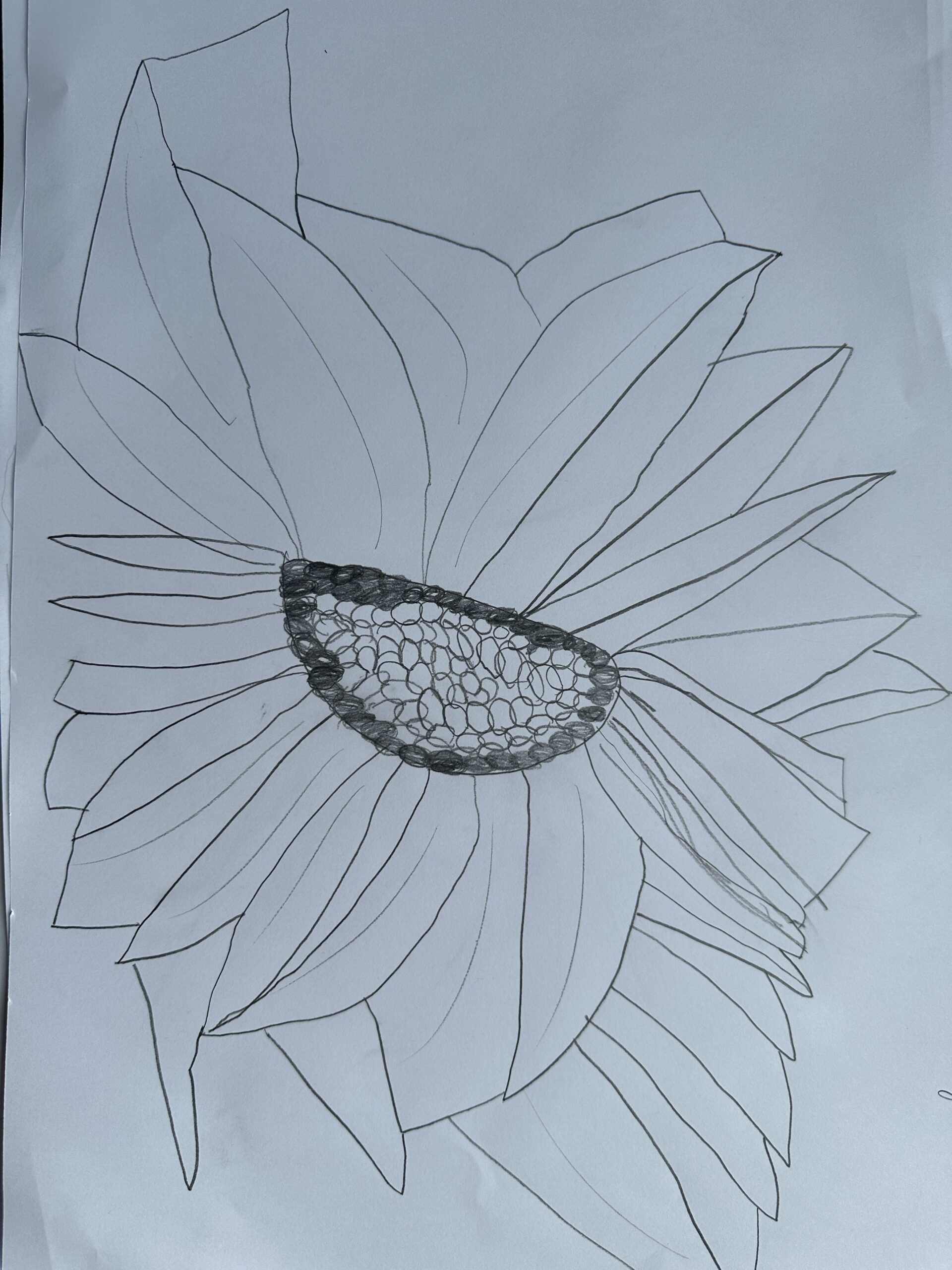
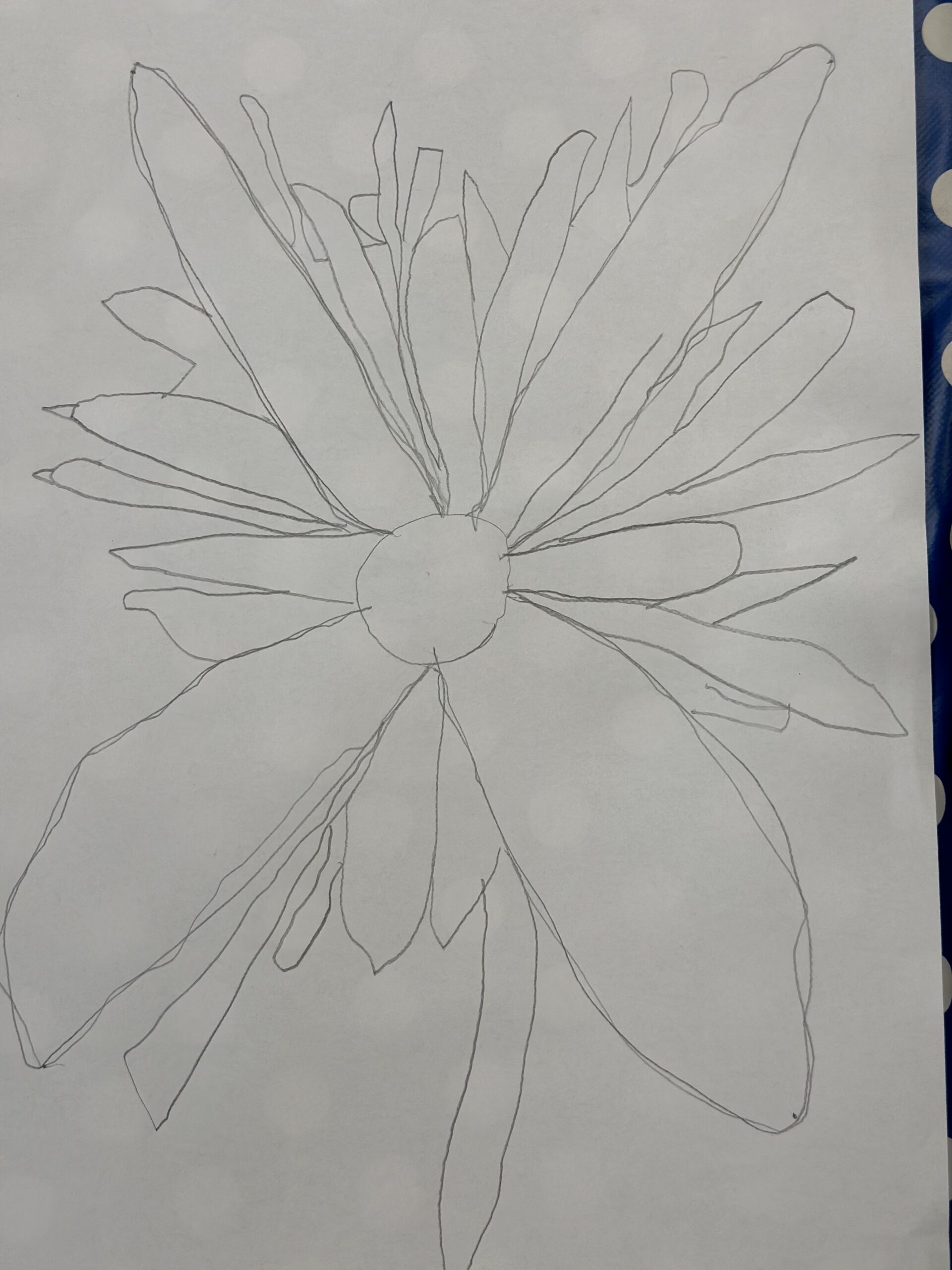
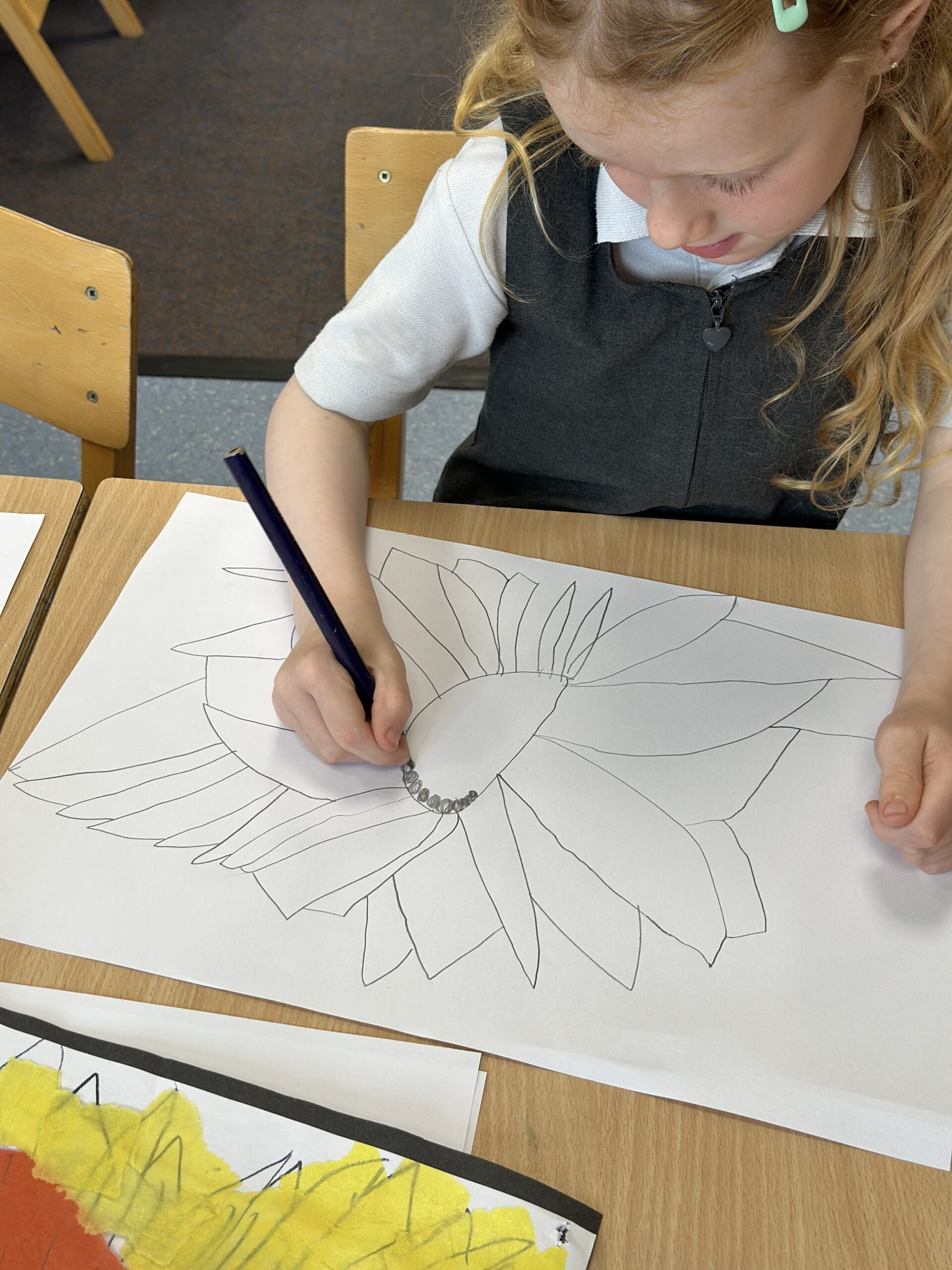
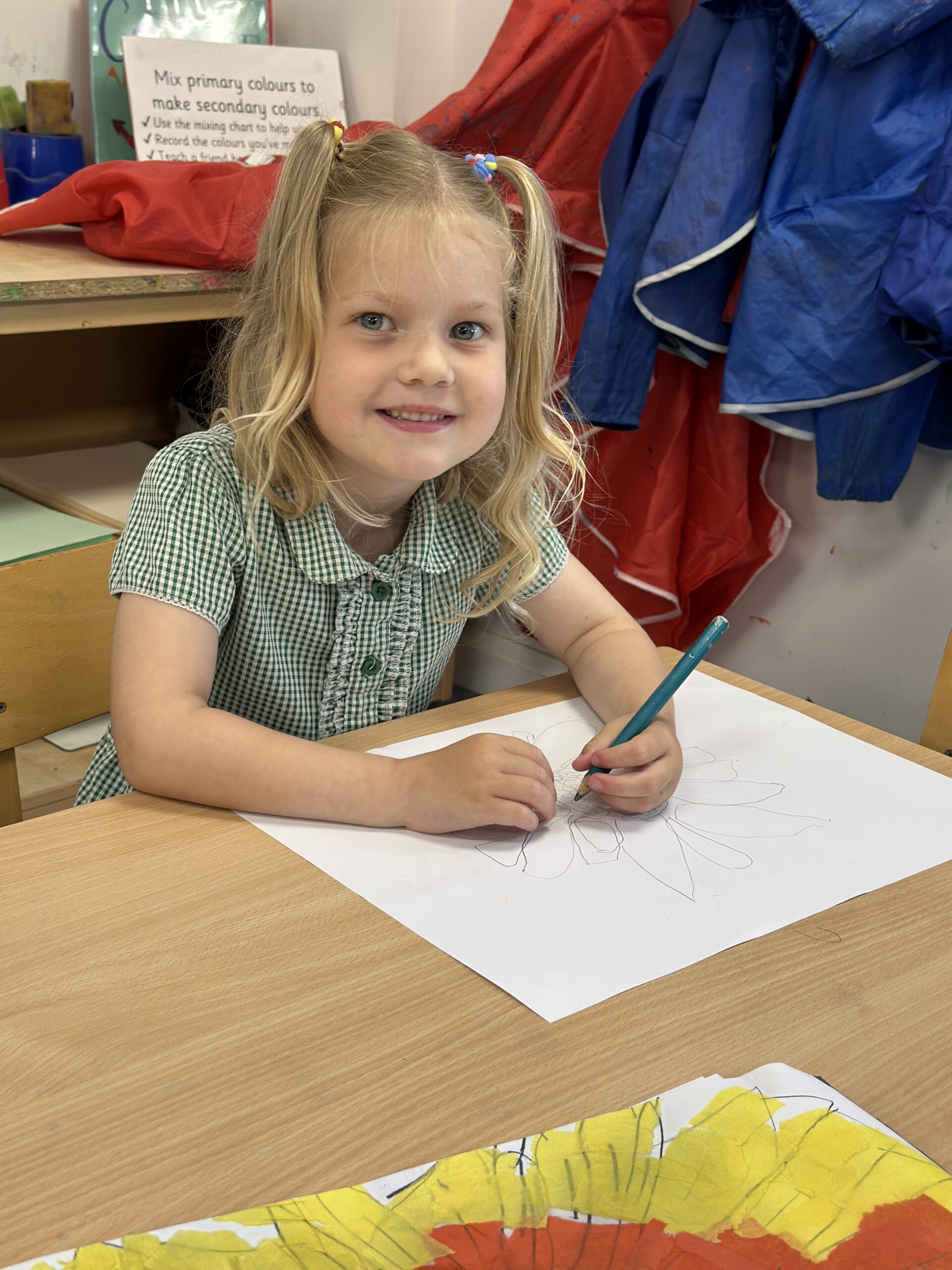
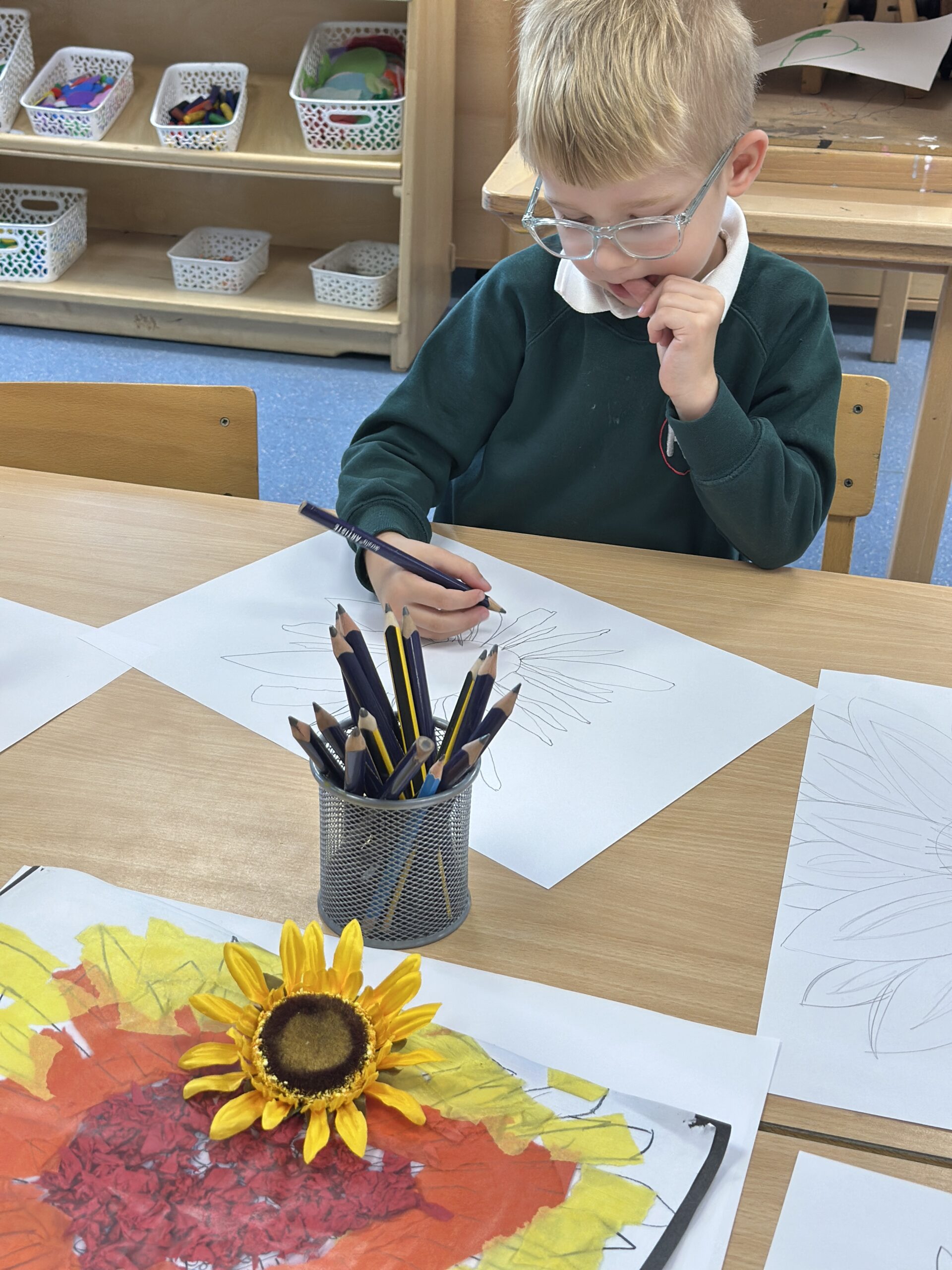
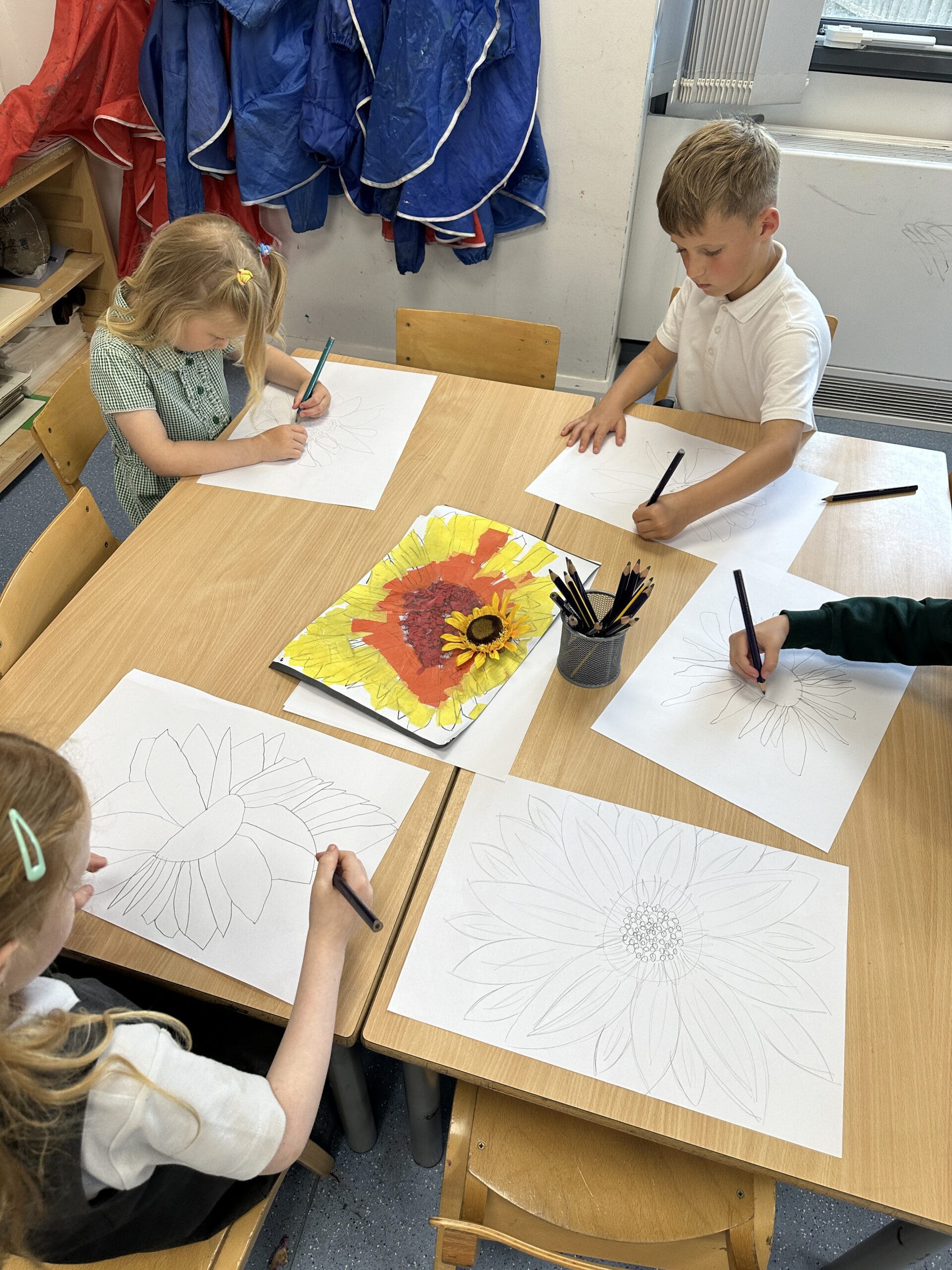
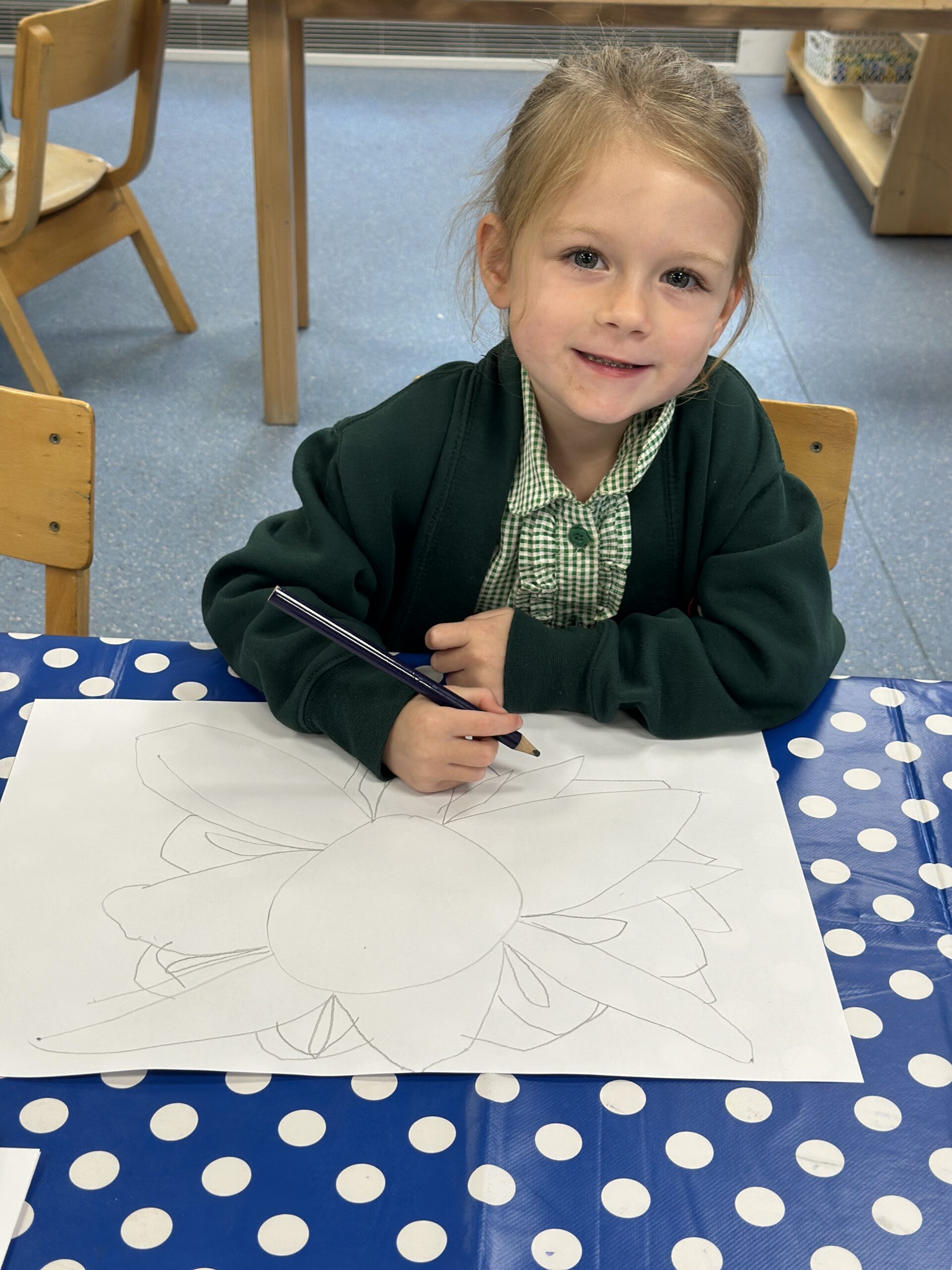
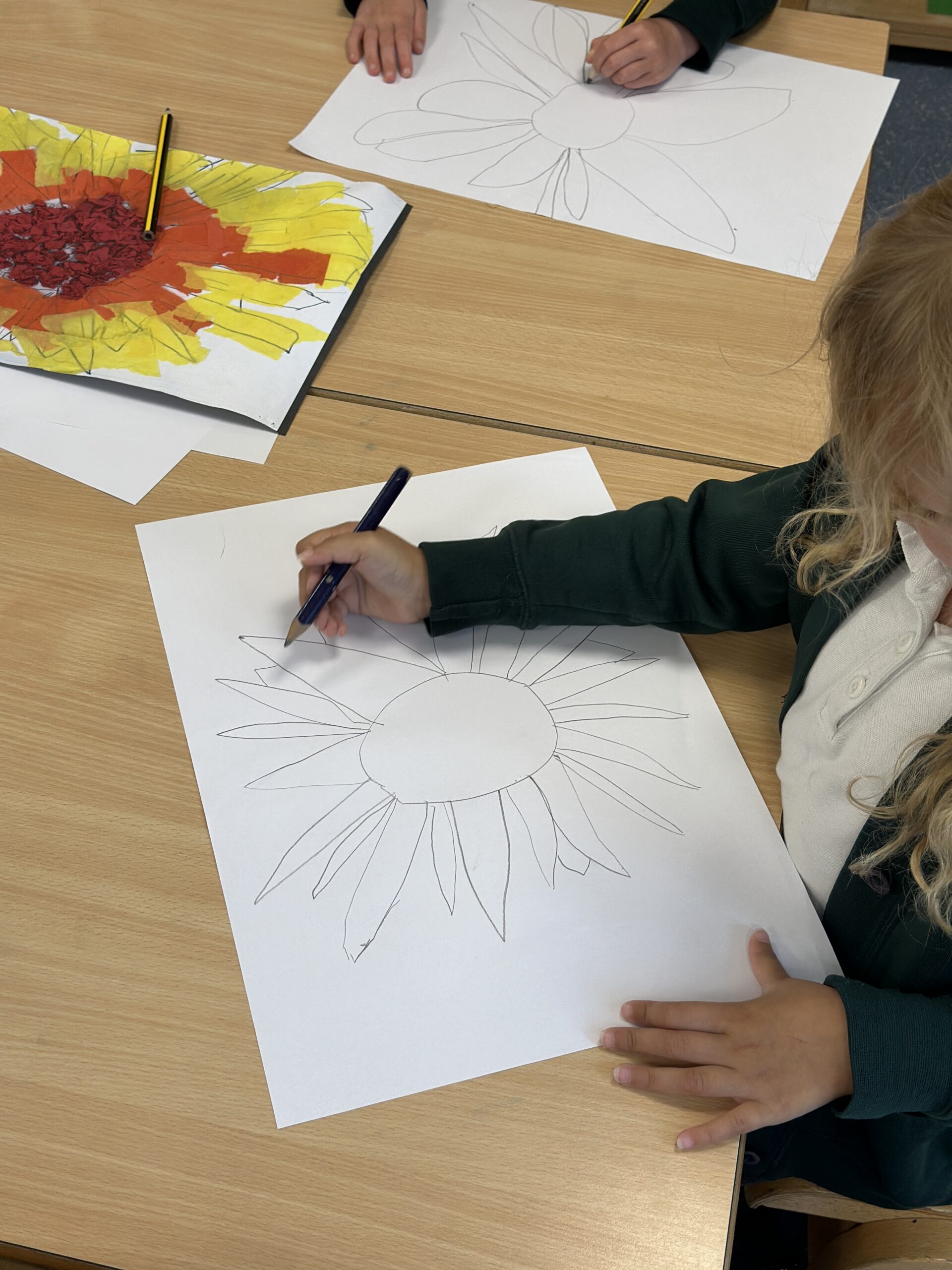
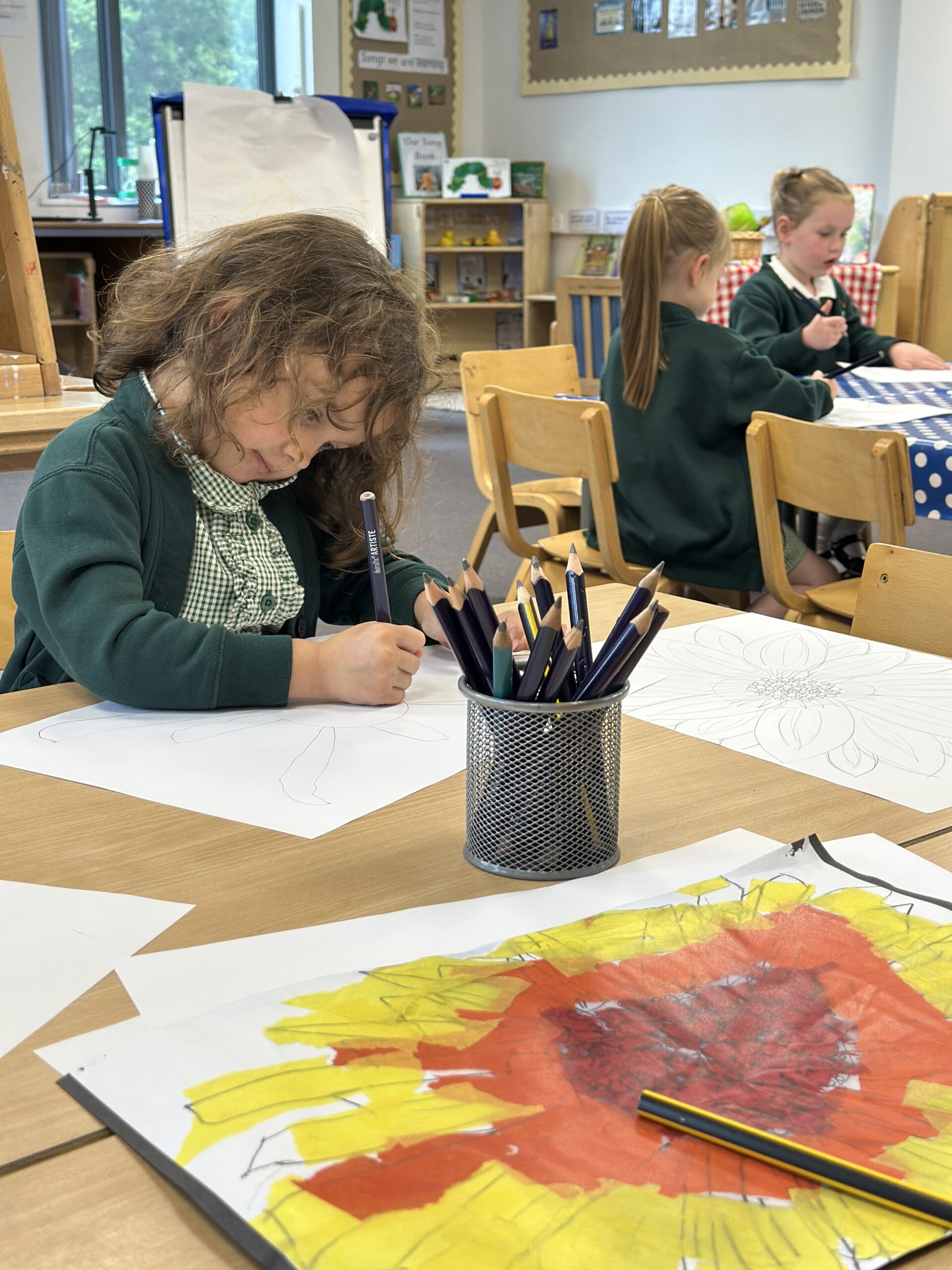
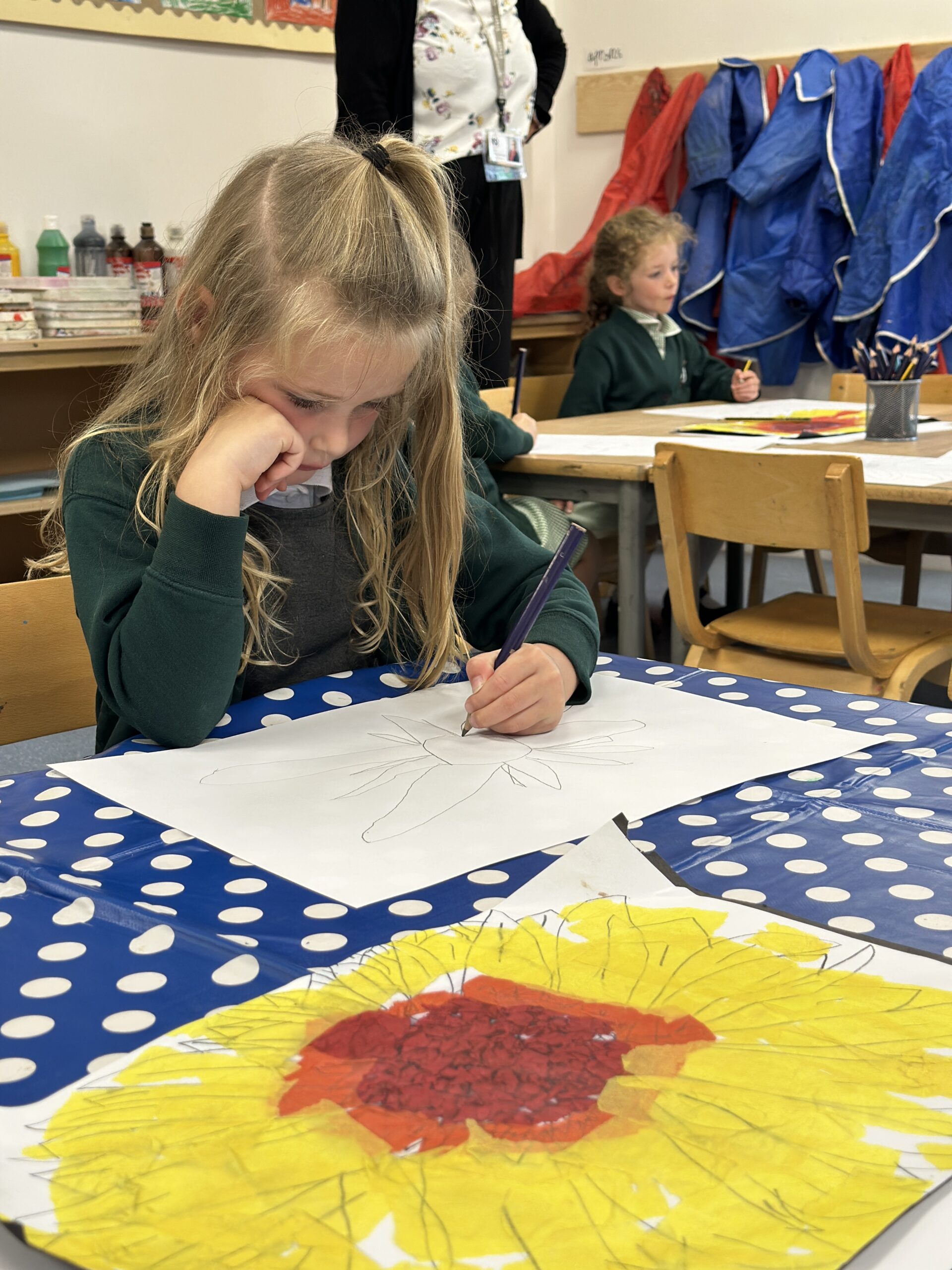
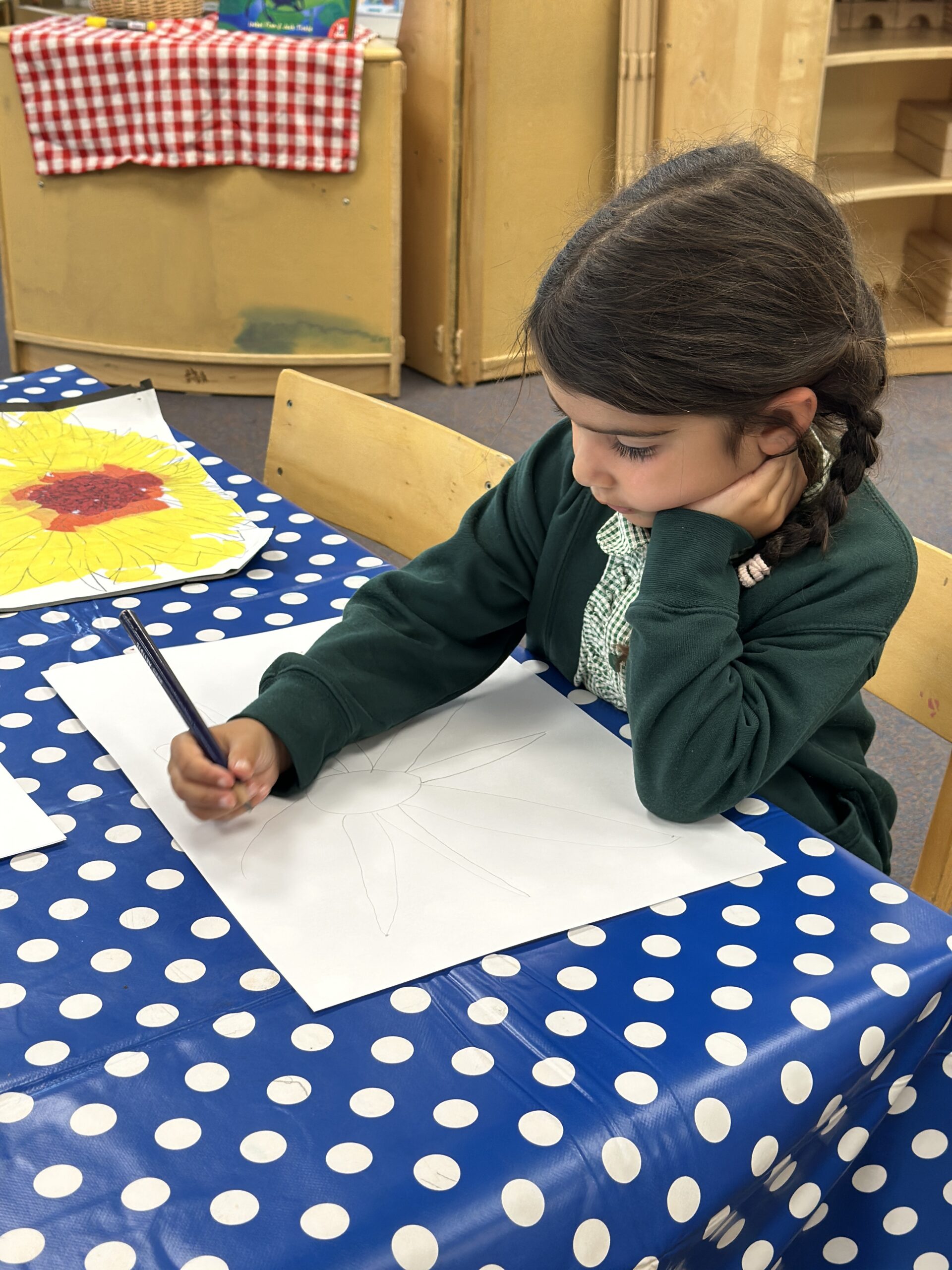
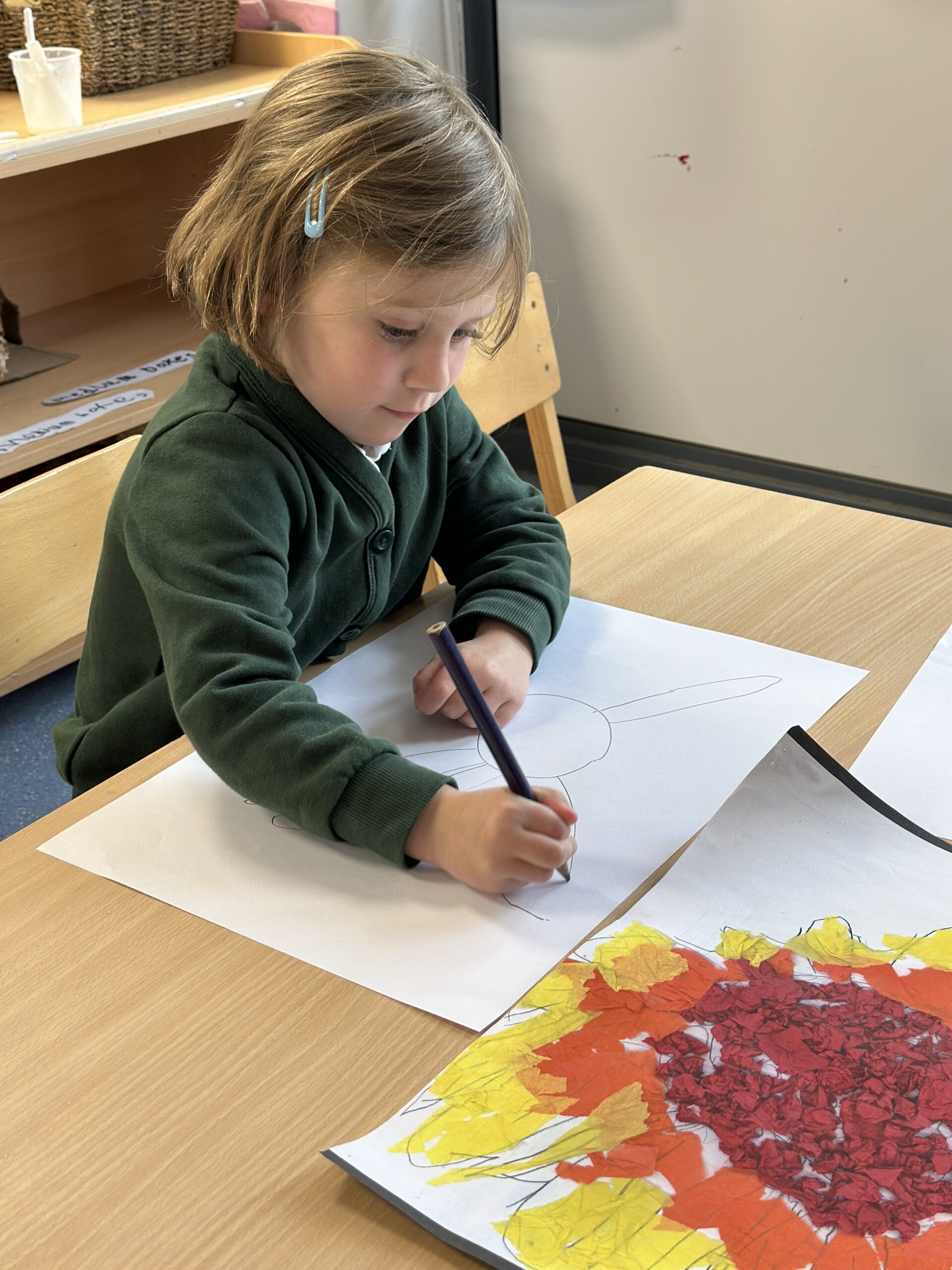
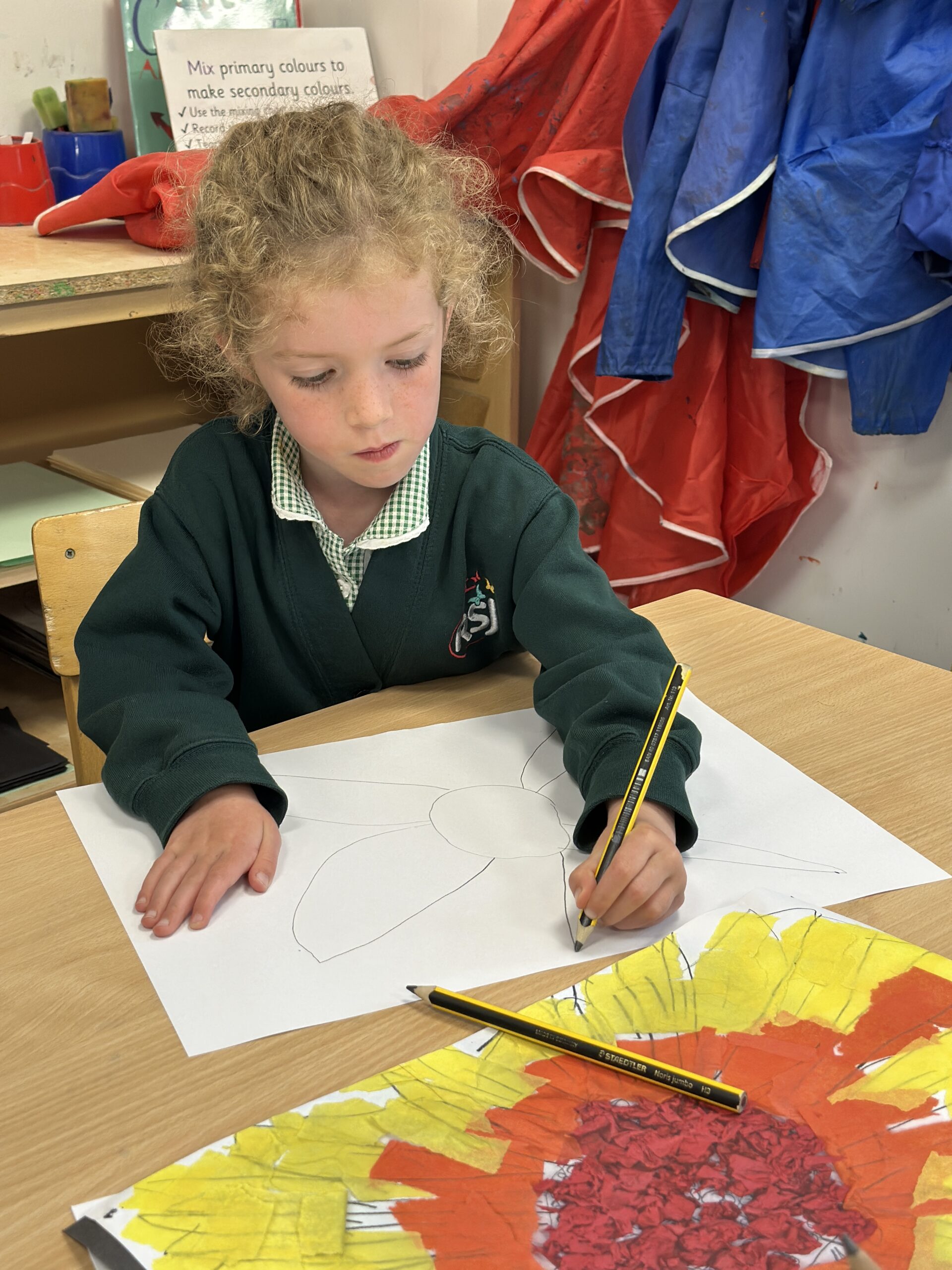
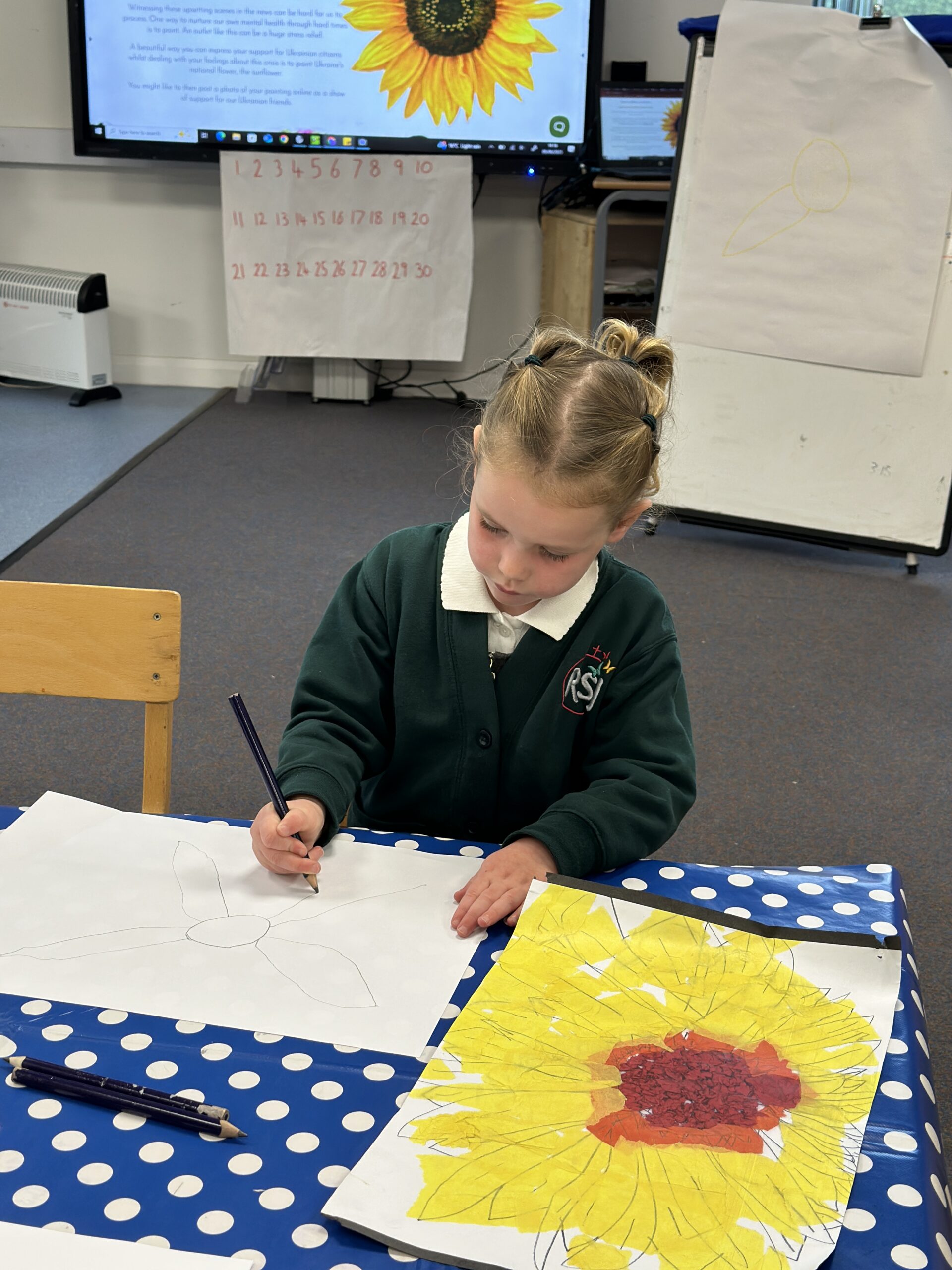
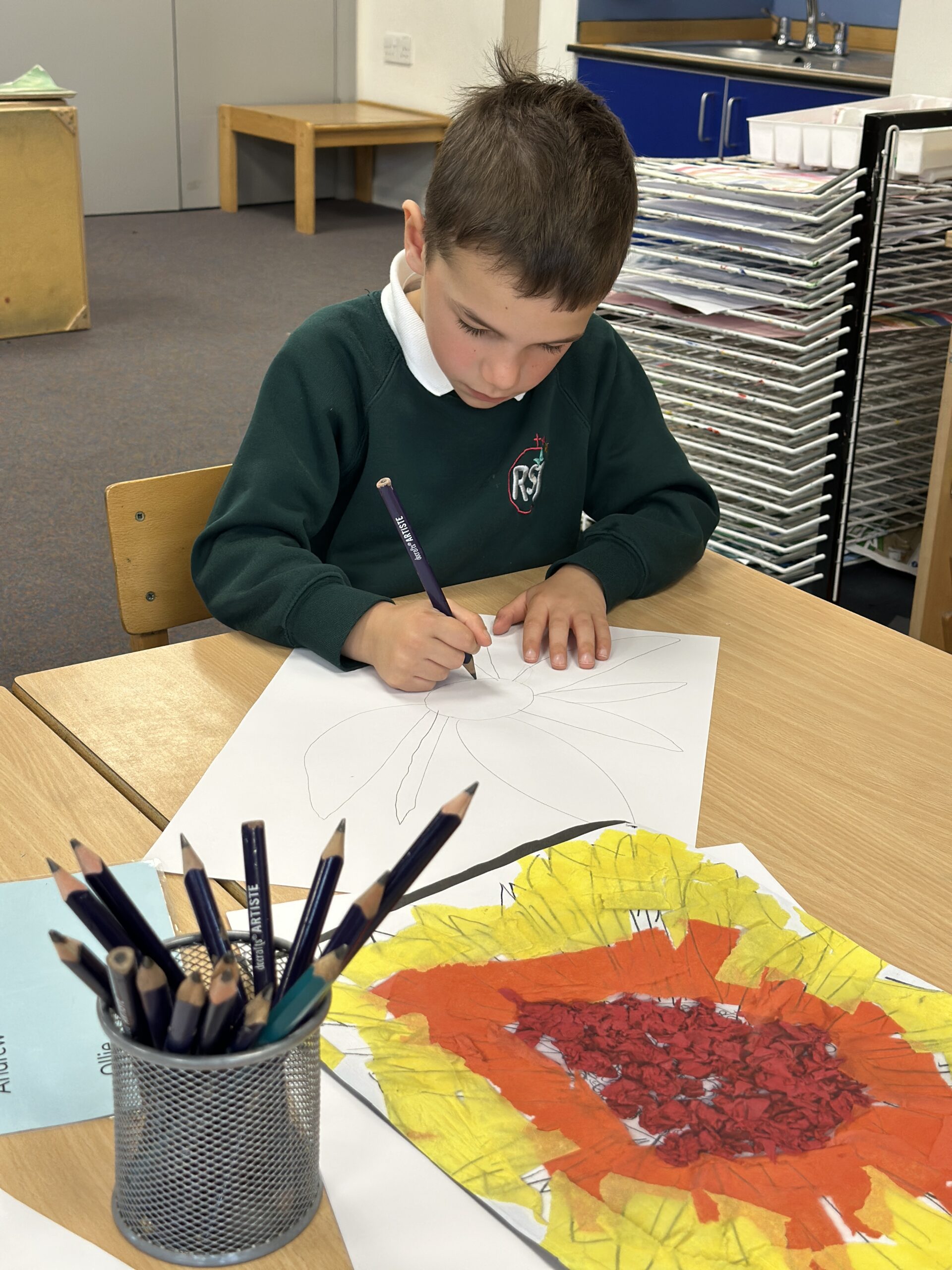
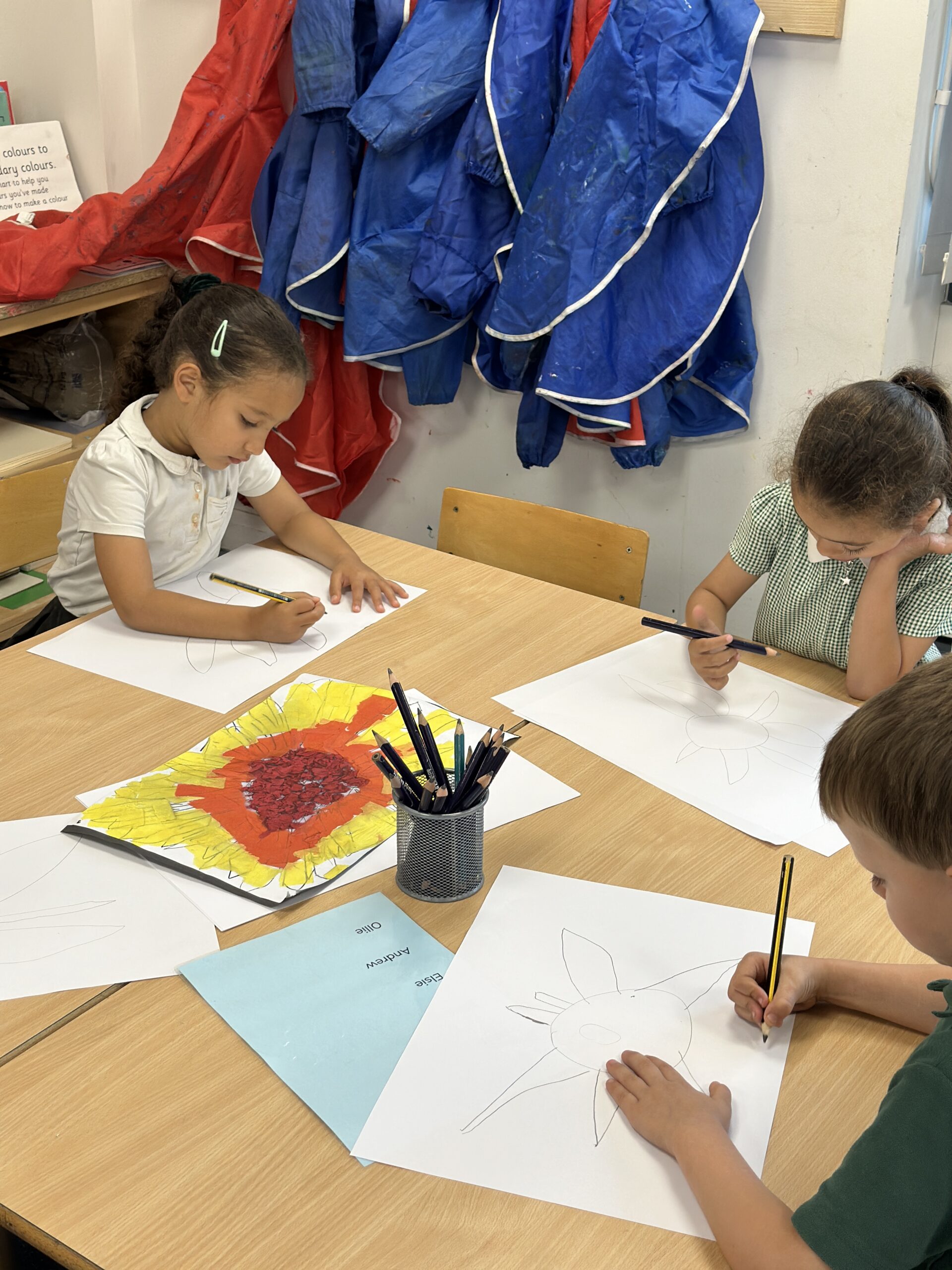
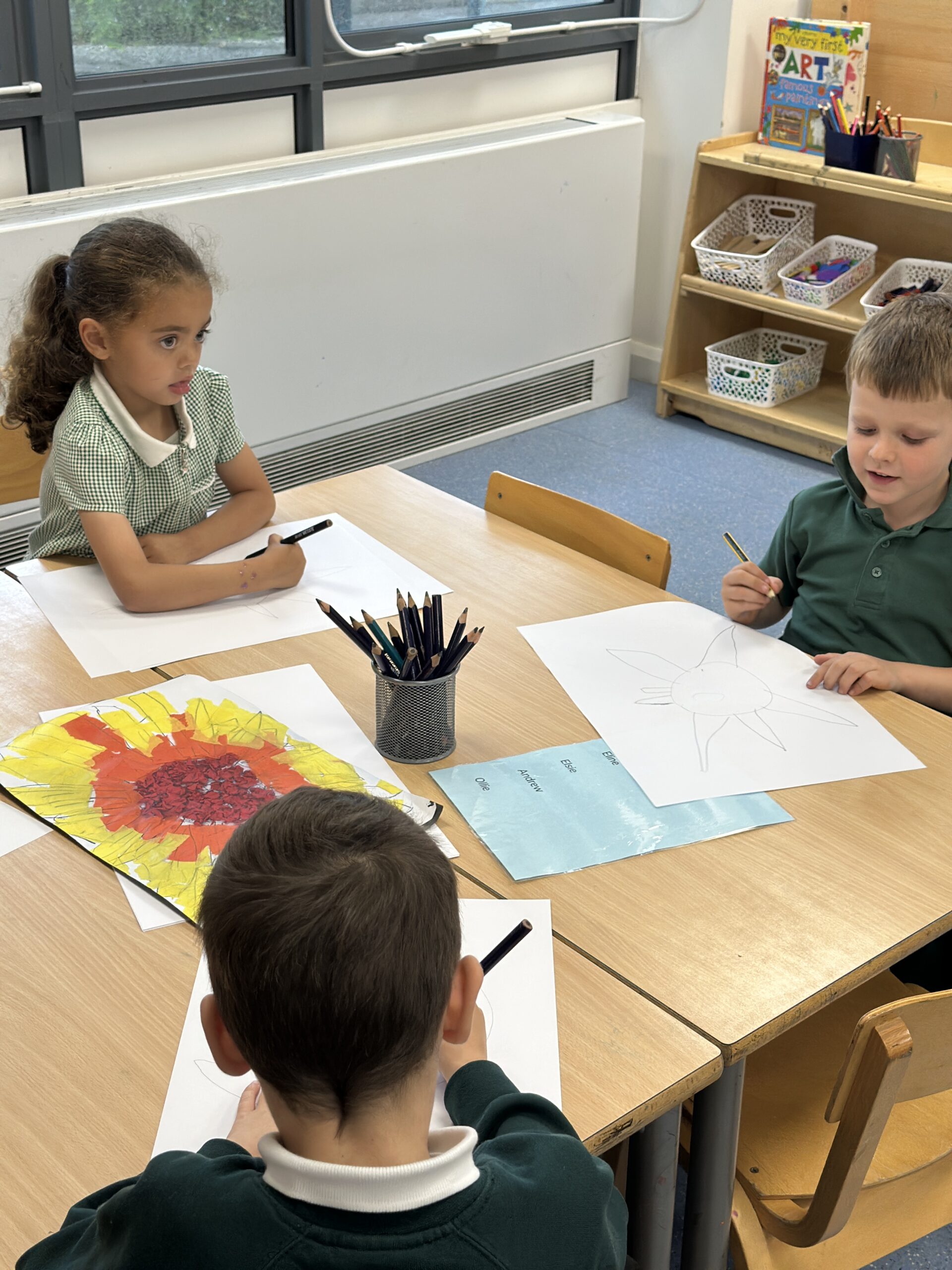
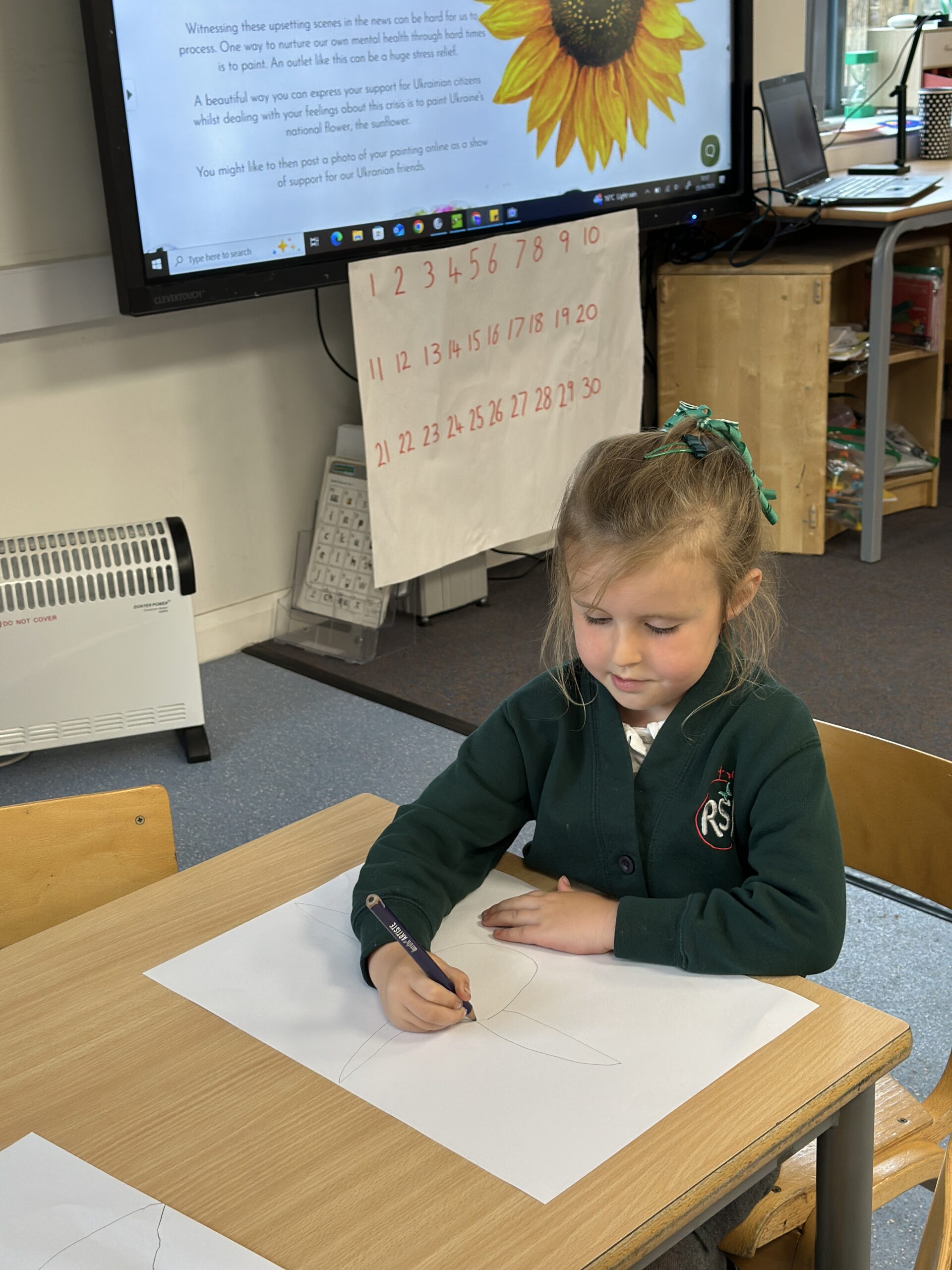
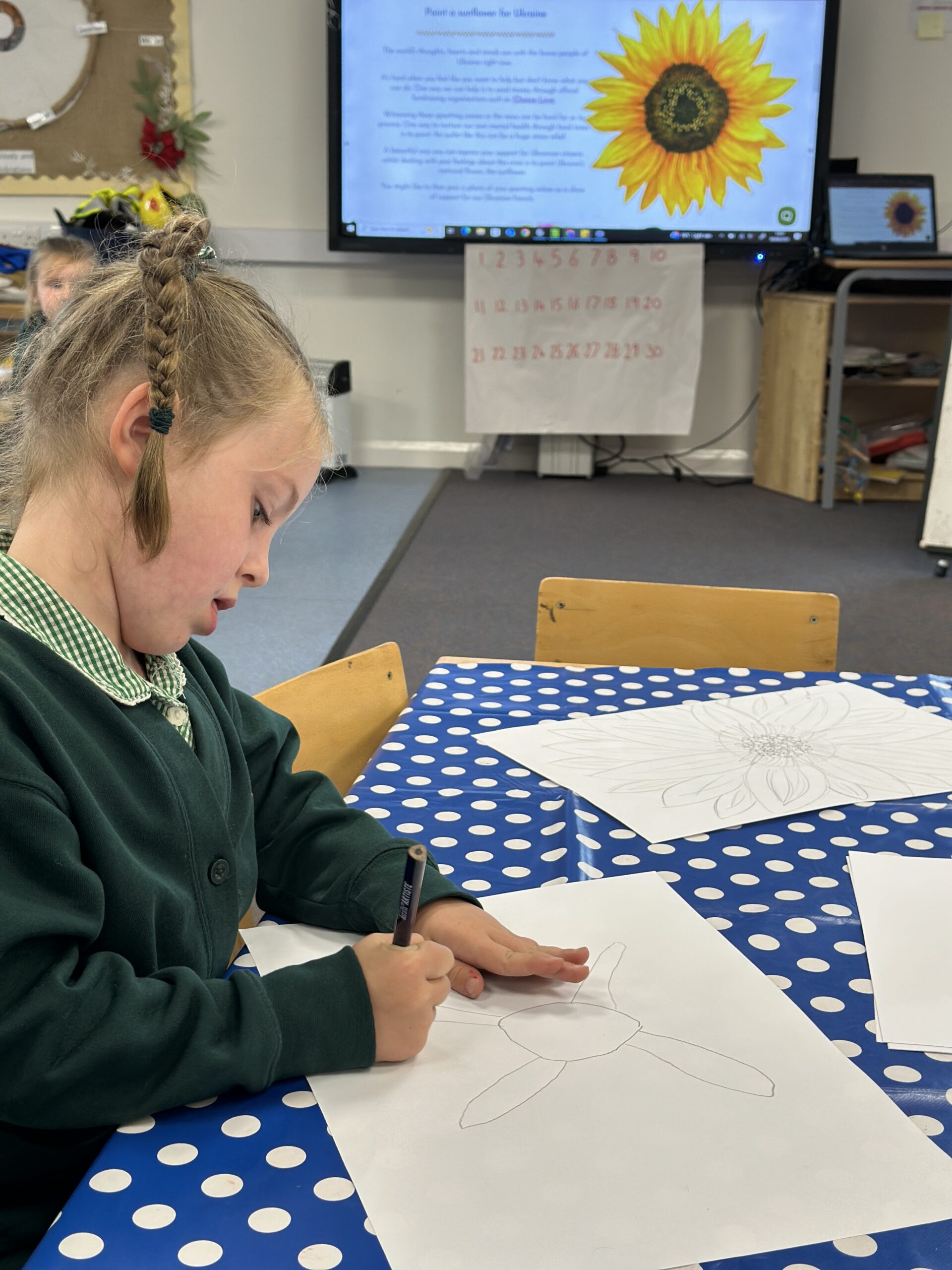
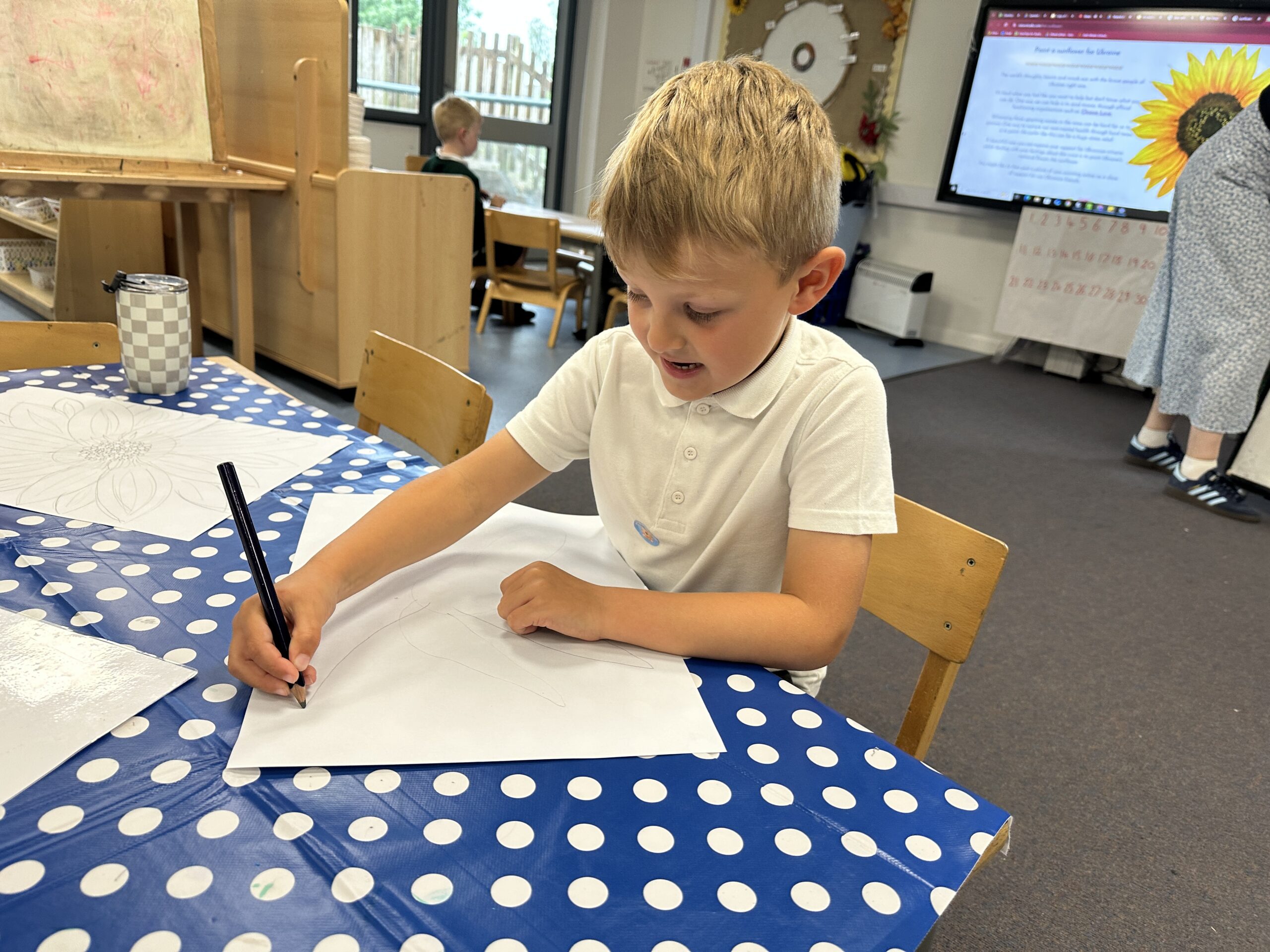
This week in art, Team R embraced their inner Van Gogh, creating stunning sunflower drawings full of swirling lines and expressive detail. Inspired by last year’s YR masterpieces, real sunflowers, and calming background music, the classroom became a peaceful, creative space. Children observed the textures and shapes of real petals and stems, using pencil to carefully sketch their own interpretations. The influence of Van Gogh’s style was clear in every piece. It was a joyful, mindful session where creativity bloomed—just like the sunflowers on their pages. We can’t wait to display their beautiful work!
Team 1 / 2:
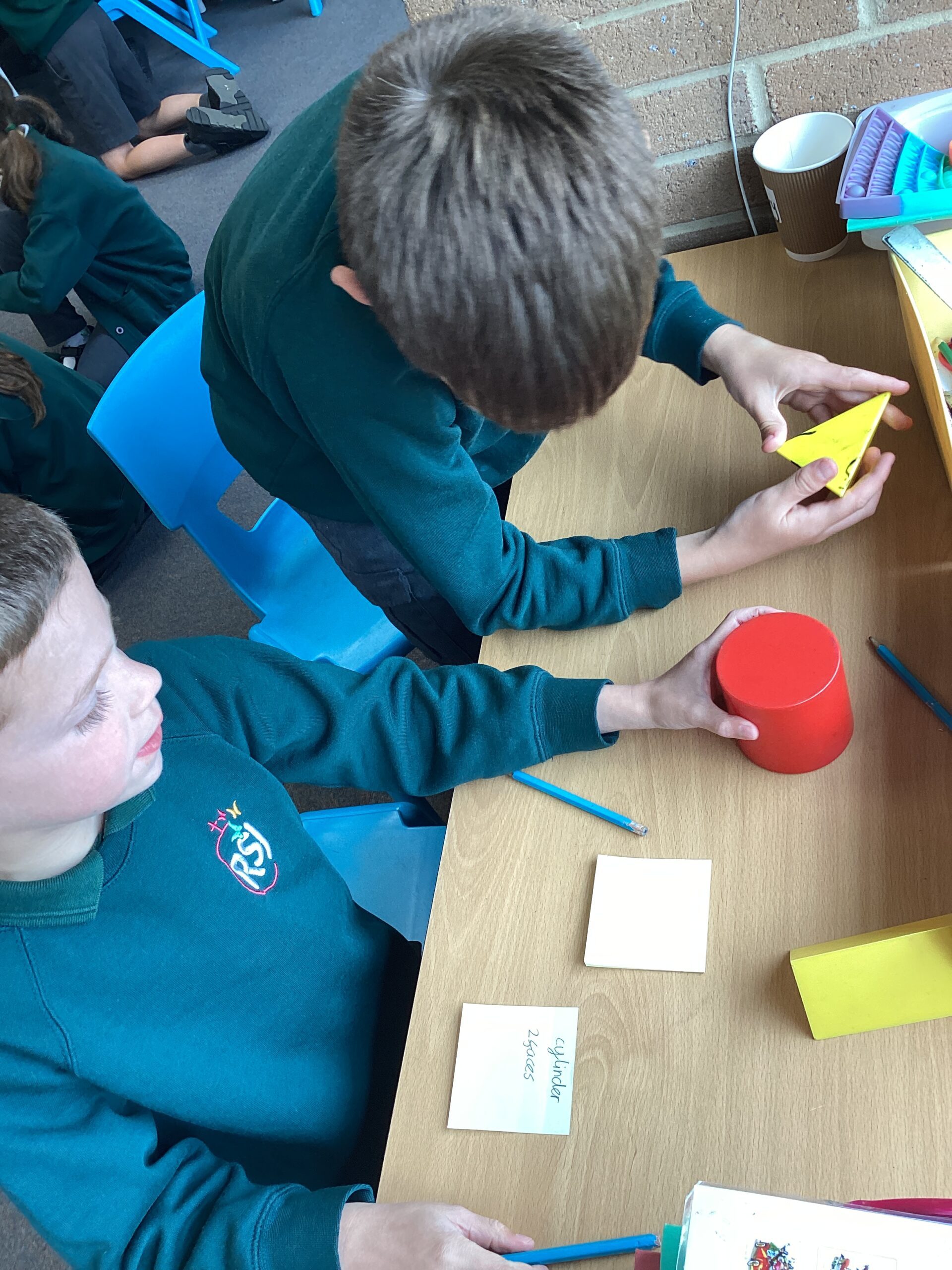
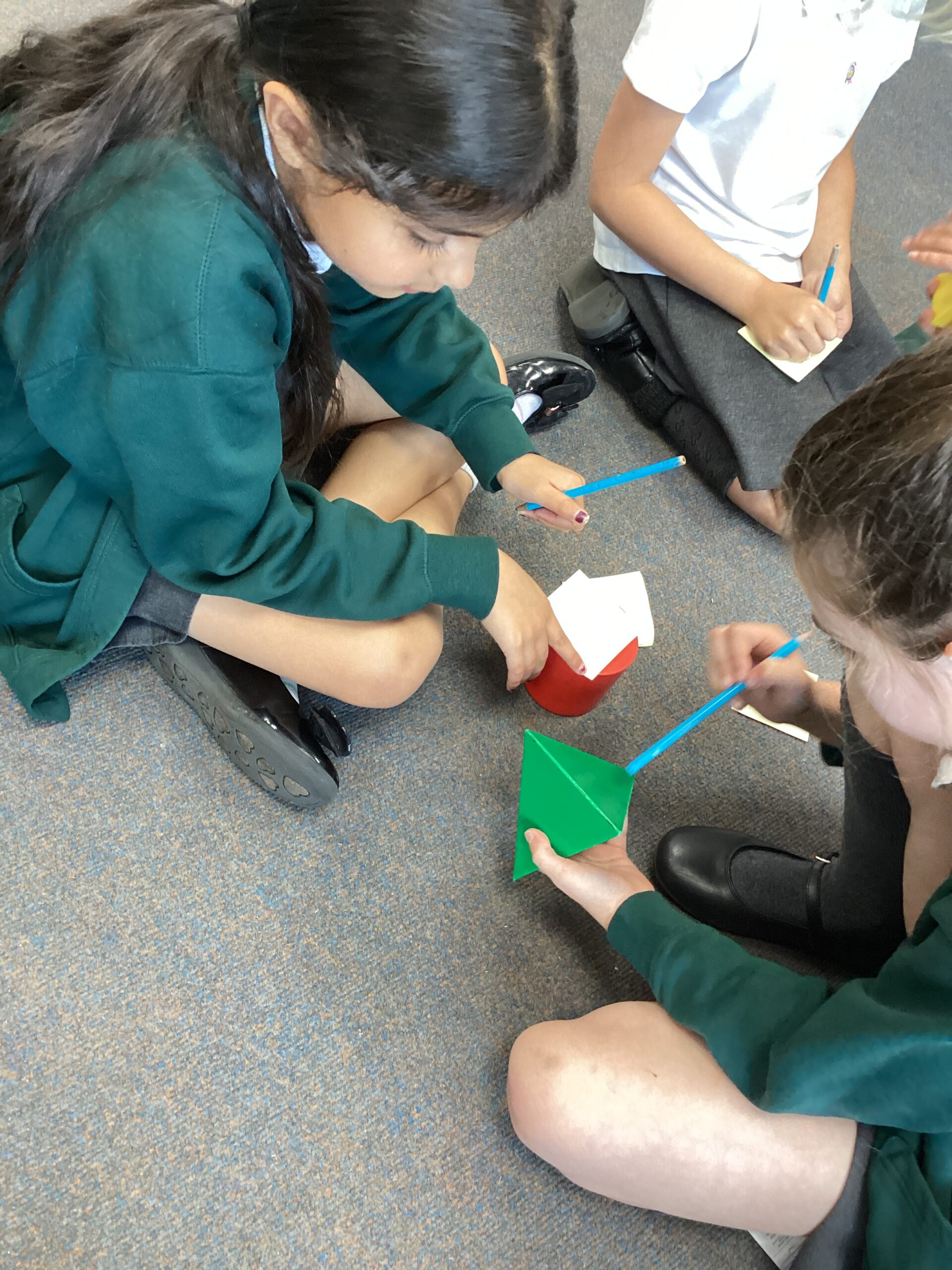
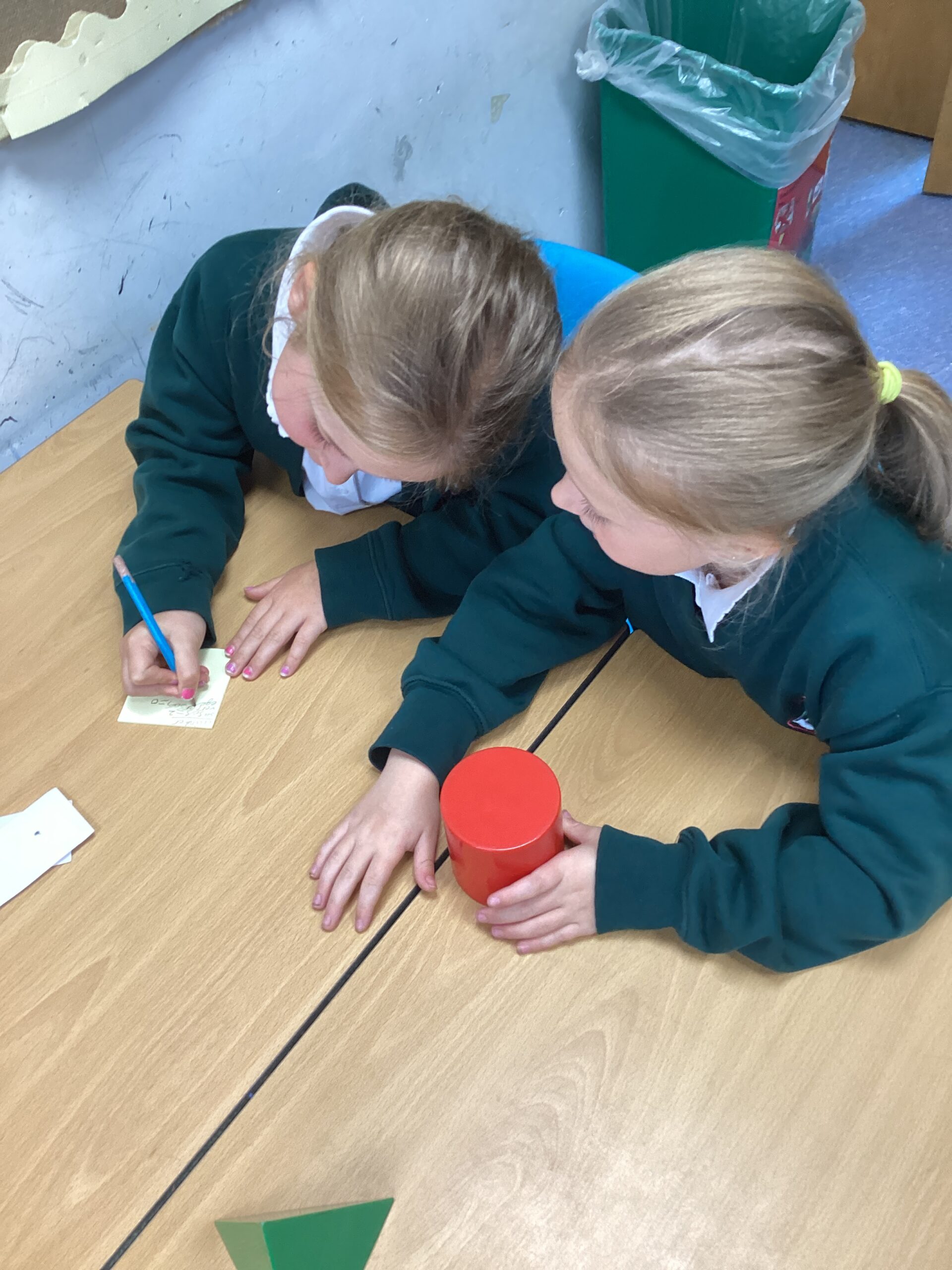
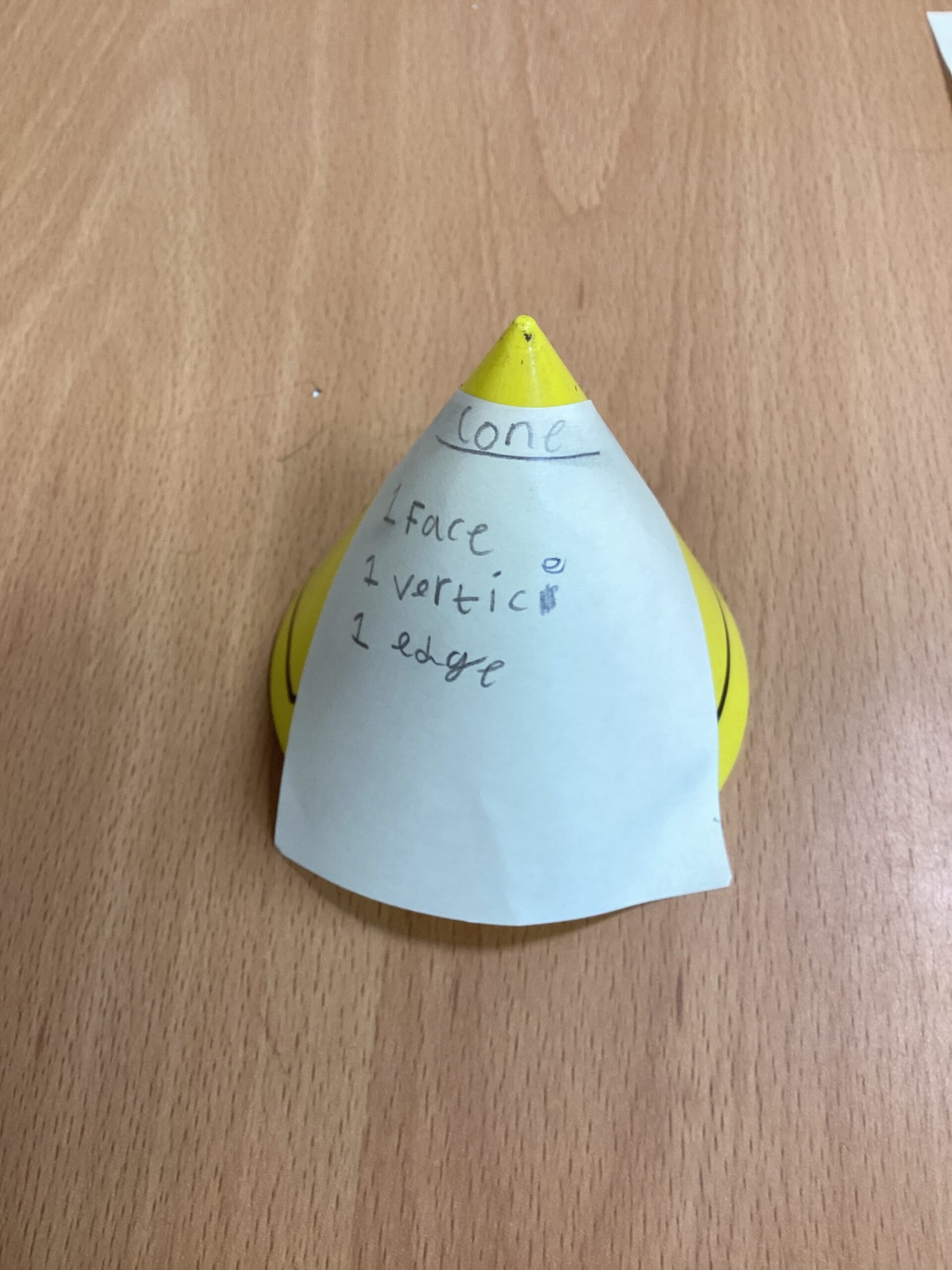
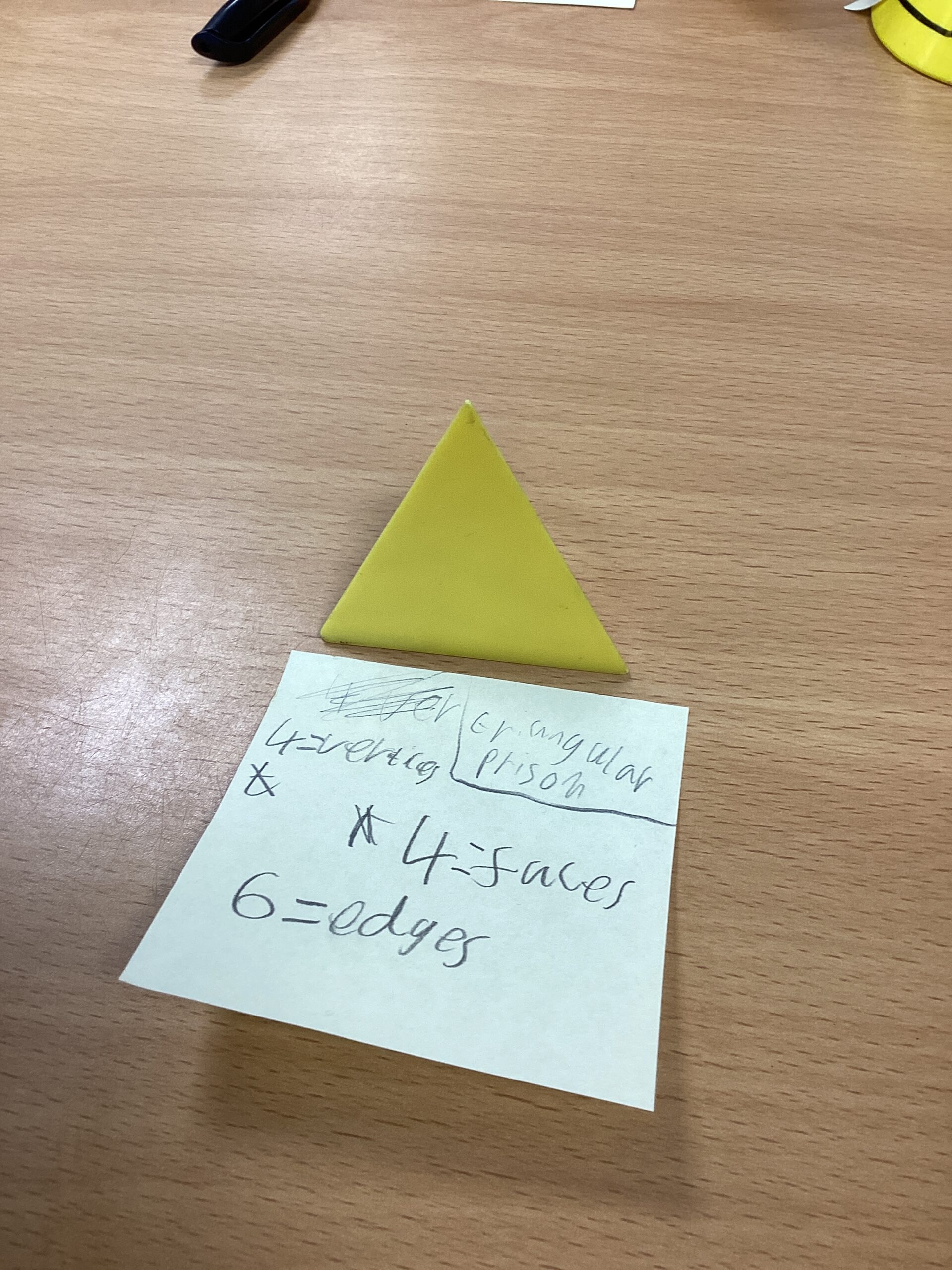
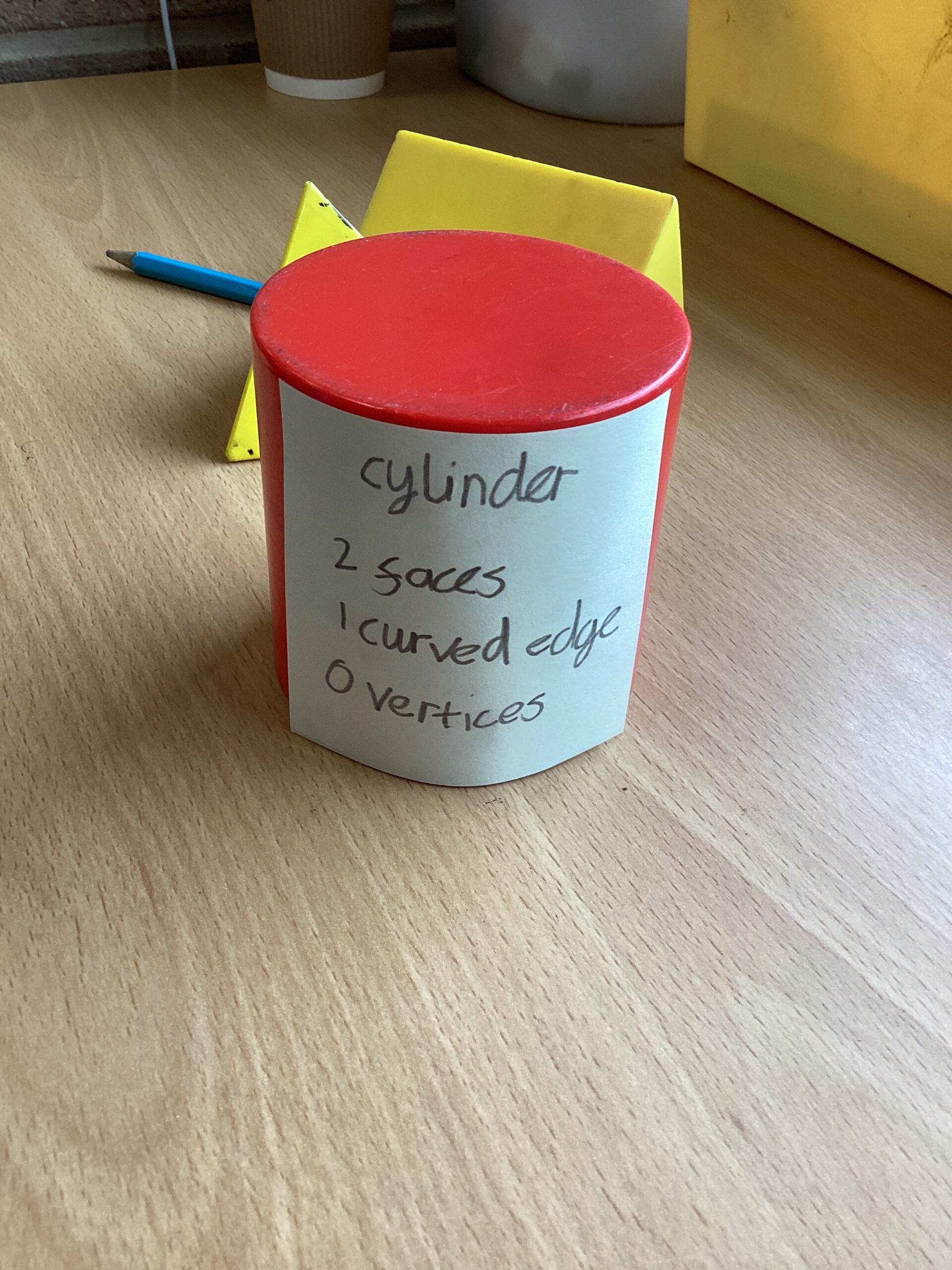
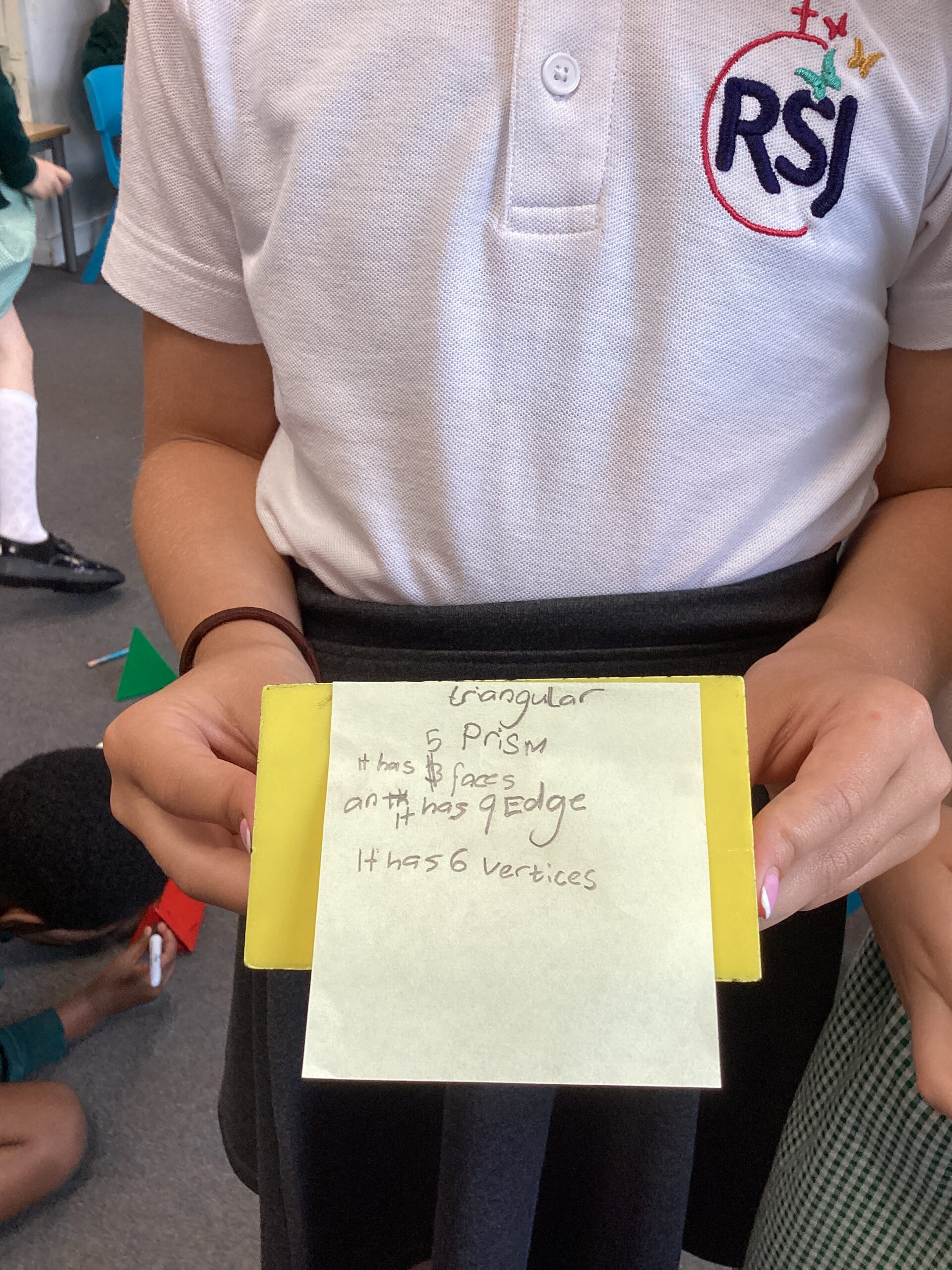
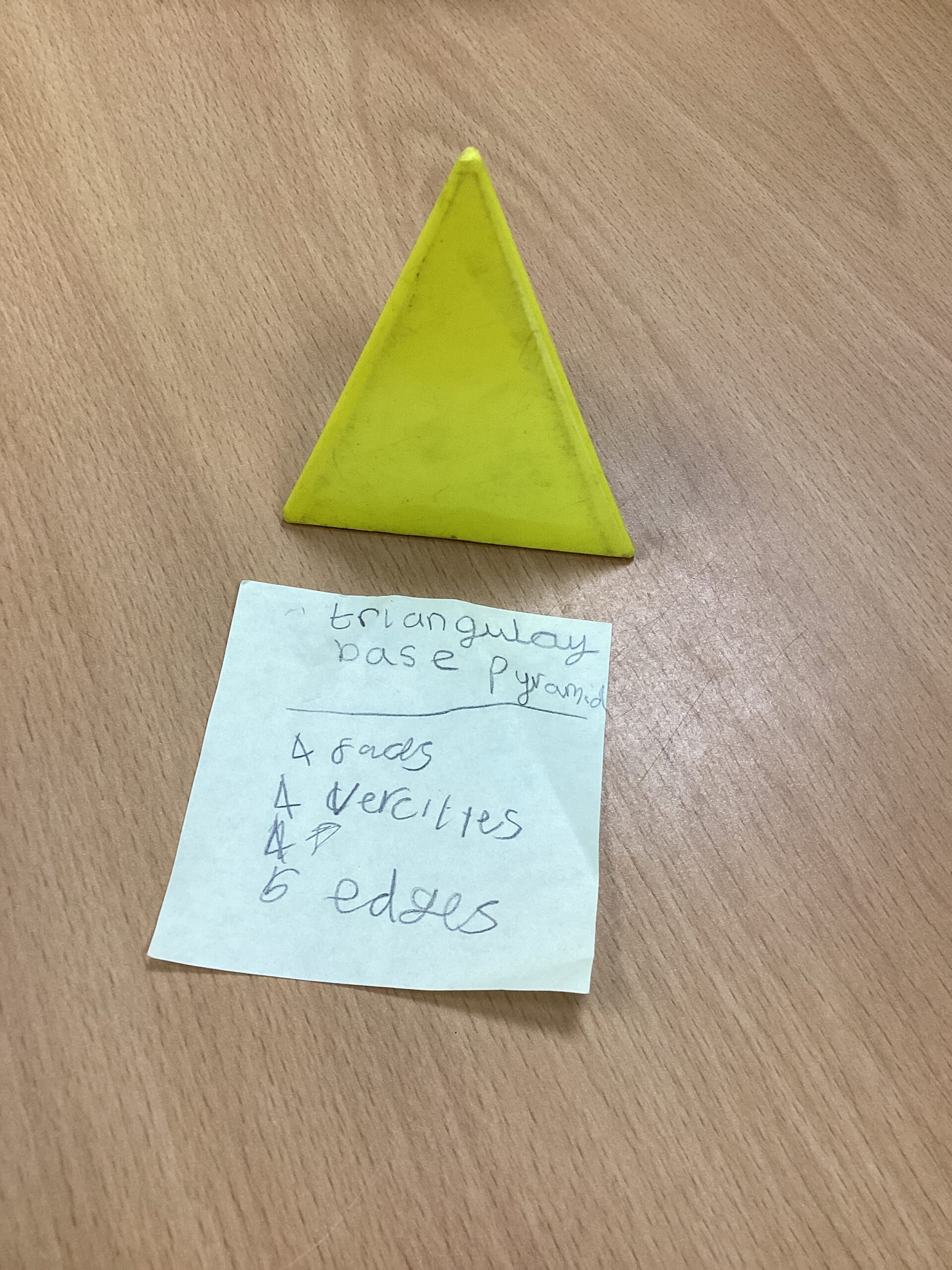
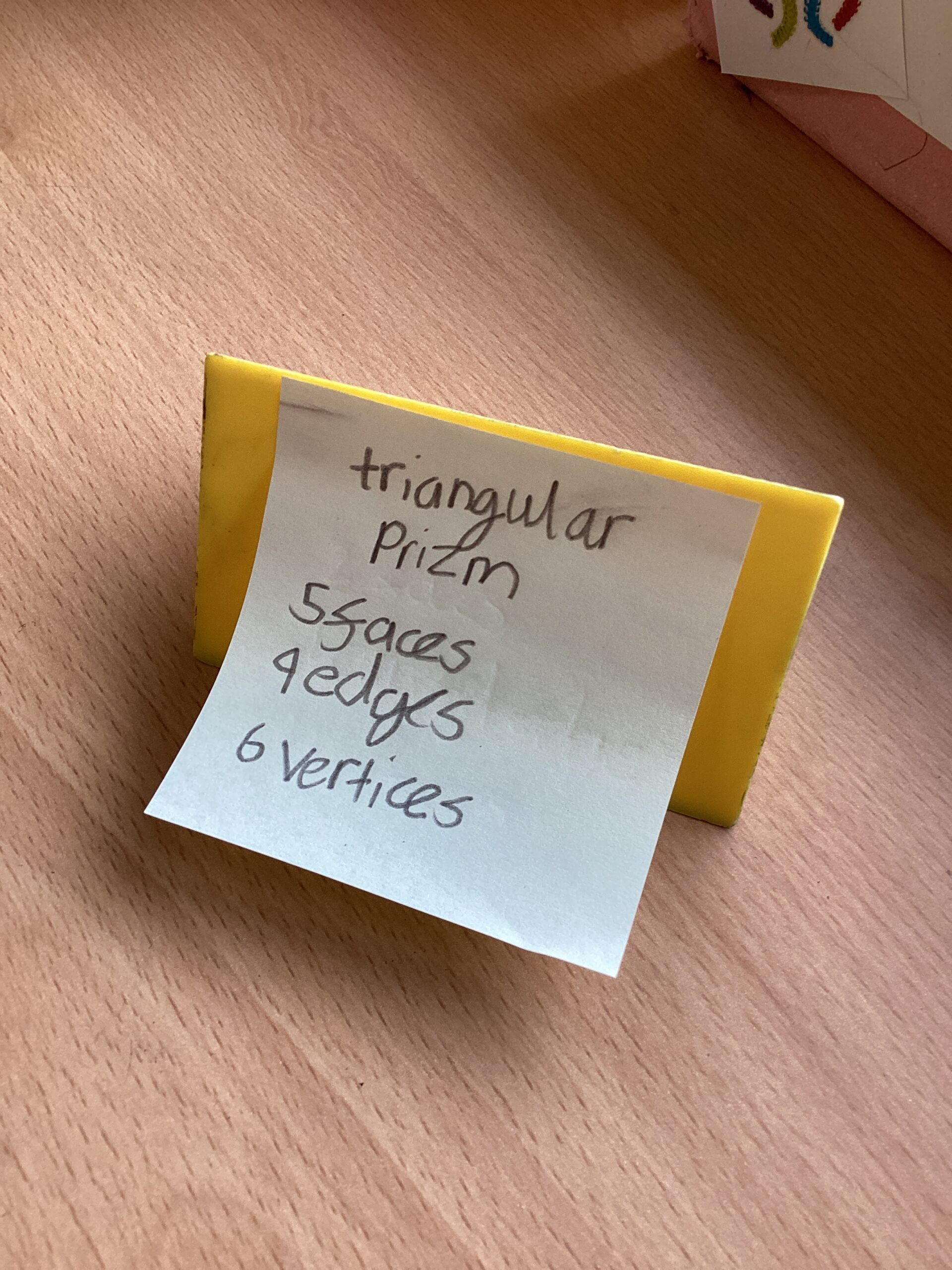
We’ve had a fantastic time in Year 2 this week as we’ve been diving into the exciting world of 3D shapes! The children have shown great curiosity and enthusiasm as they’ve explored the different shapes and their properties through a range of hands-on activities and interactive games.Our main focus has been on identifying and describing common 3D shapes such as: cubes, cones, pyramids, cuboids, spheres and cylinders.
The children have been learning to talk about the properties of these shapes, including:
- The number of faces, edges, and vertices each shape has
- Whether the shapes can roll or stack
- The difference between flat faces and curved surfaces
To make learning as engaging as possible, we’ve been playing a range of games and activities, such as:
- Shape Sorting Challenges – where children group 3D shapes by their properties.
- Shape Hunts – exploring the classroom and outdoor spaces to find real-life objects that match different 3D shapes.
- Guess the Shape – using clues to describe a mystery shape for their classmates to guess.
- Shape Construction – building 3D models using straws, playdough, or blocks to better understand how shapes are formed.
We’re so proud of how engaged the children have been with this topic – they’ve become real shape detectives!
Team 3 / 4:
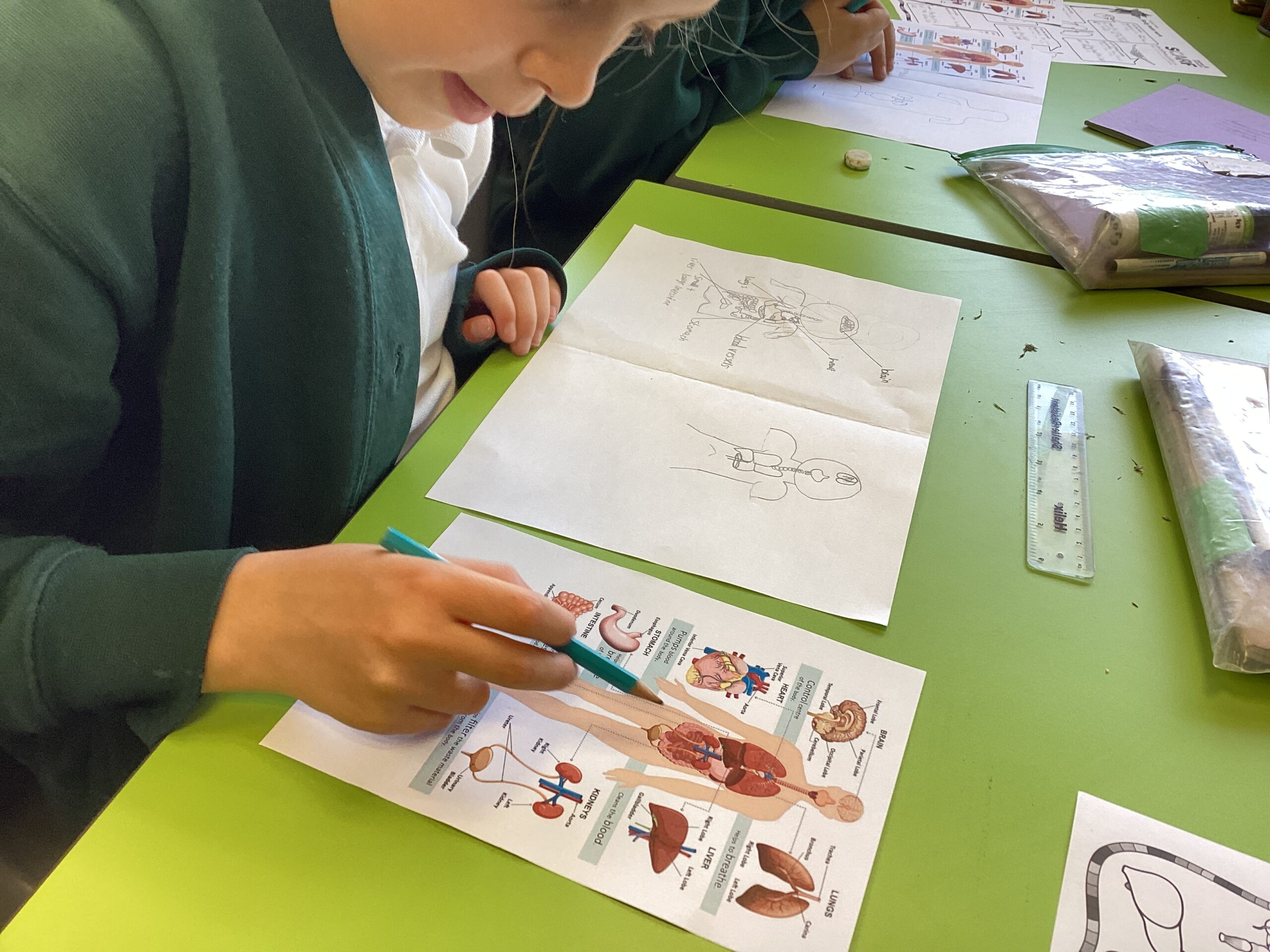
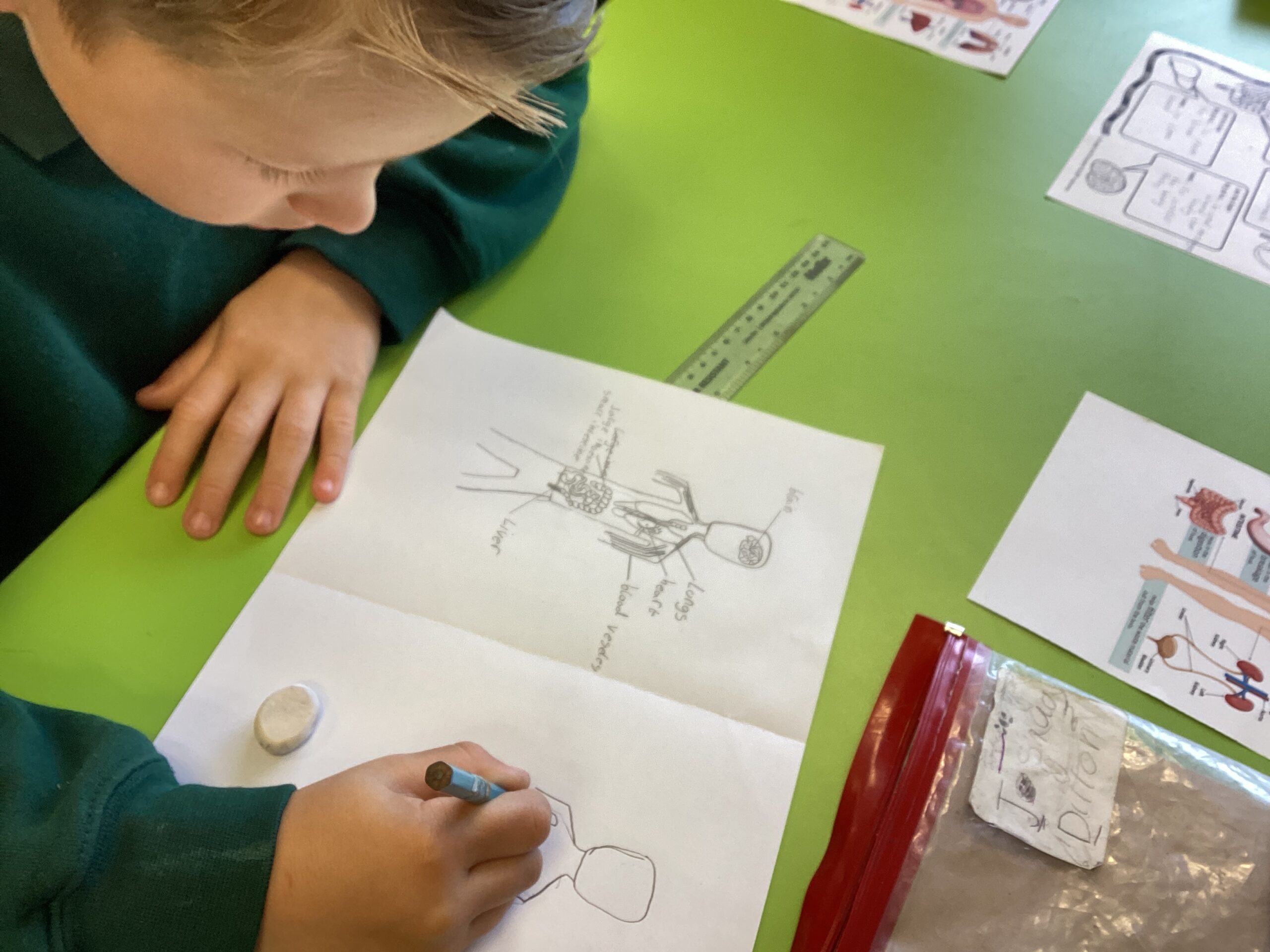
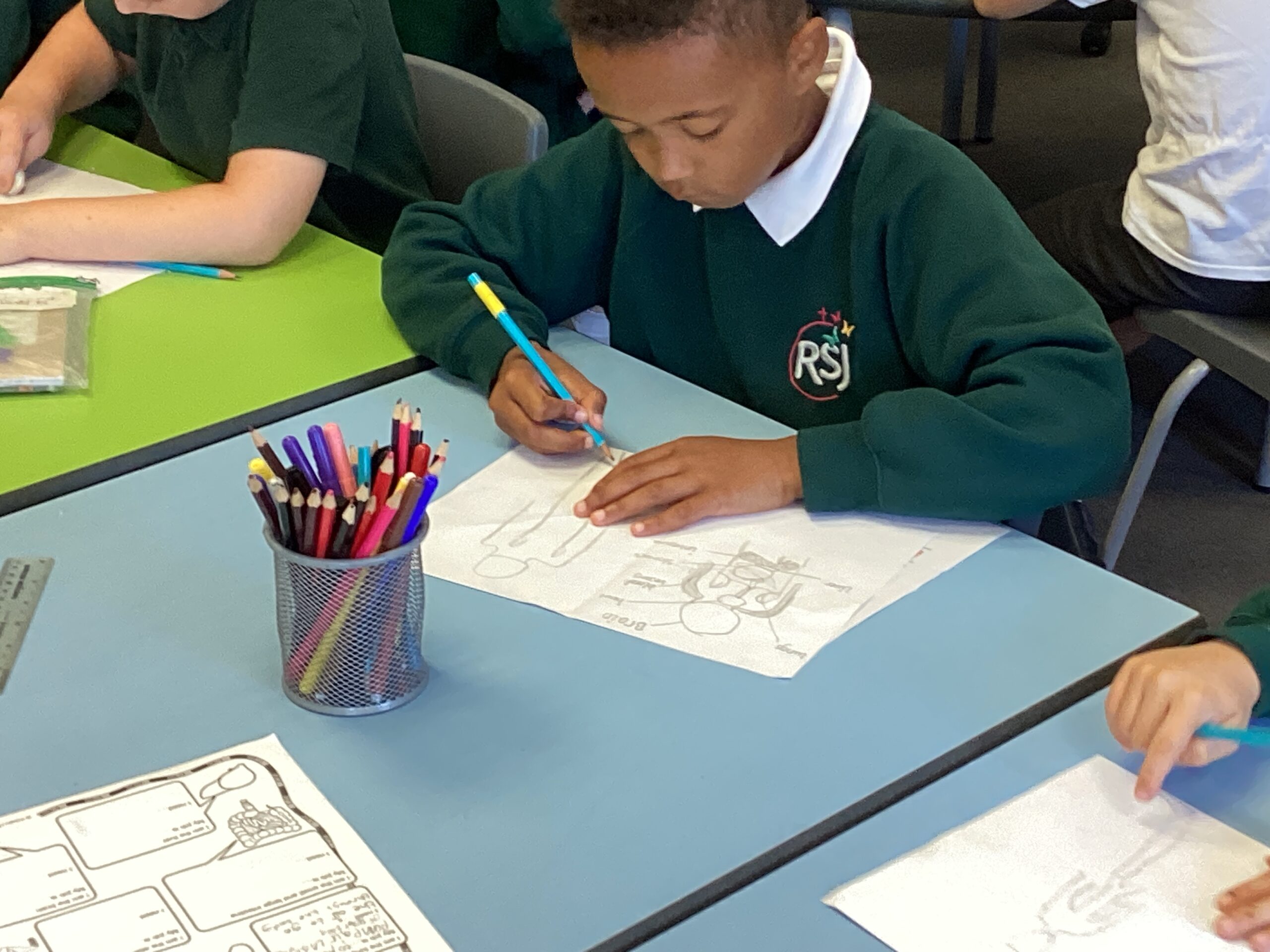
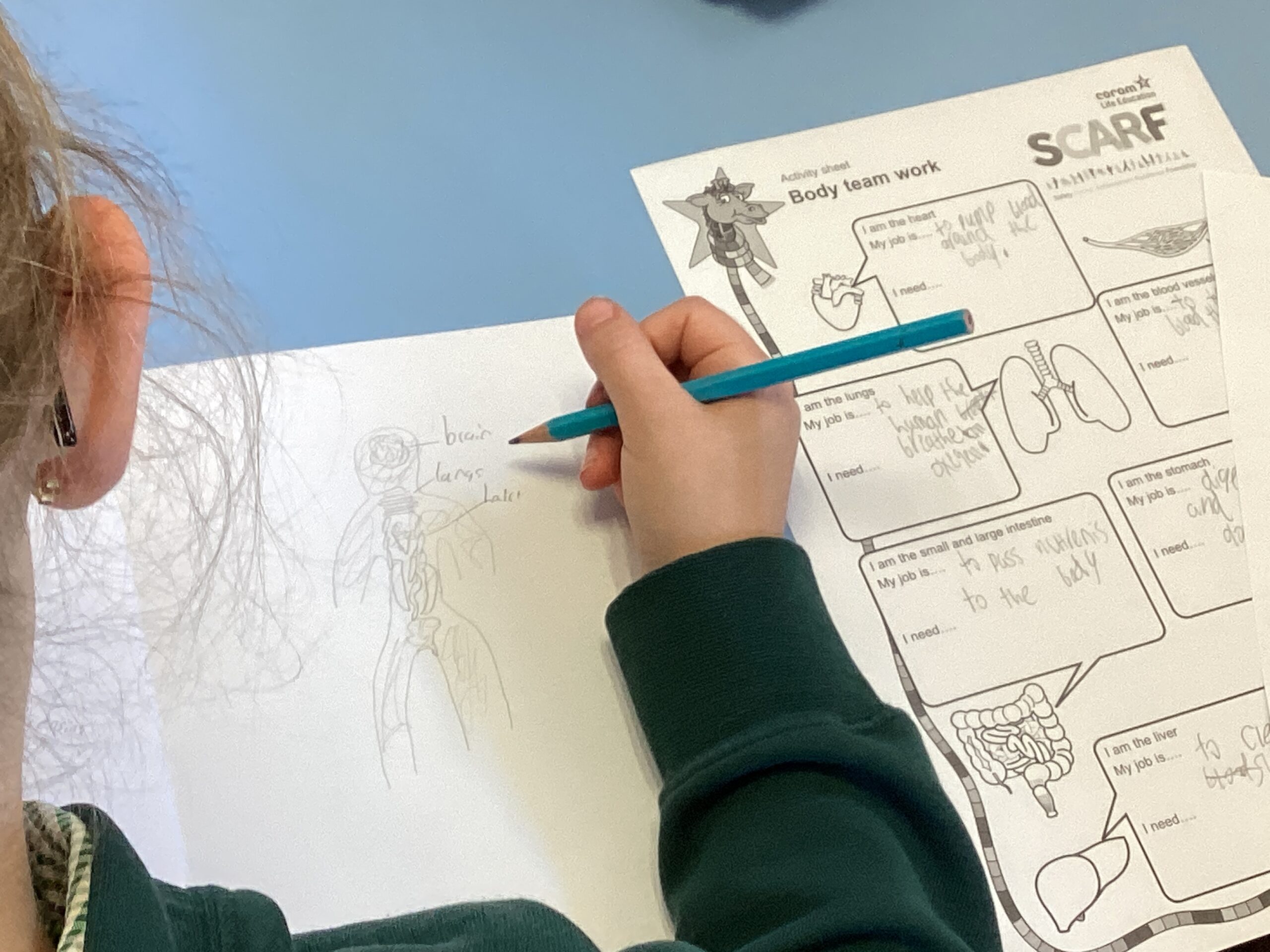
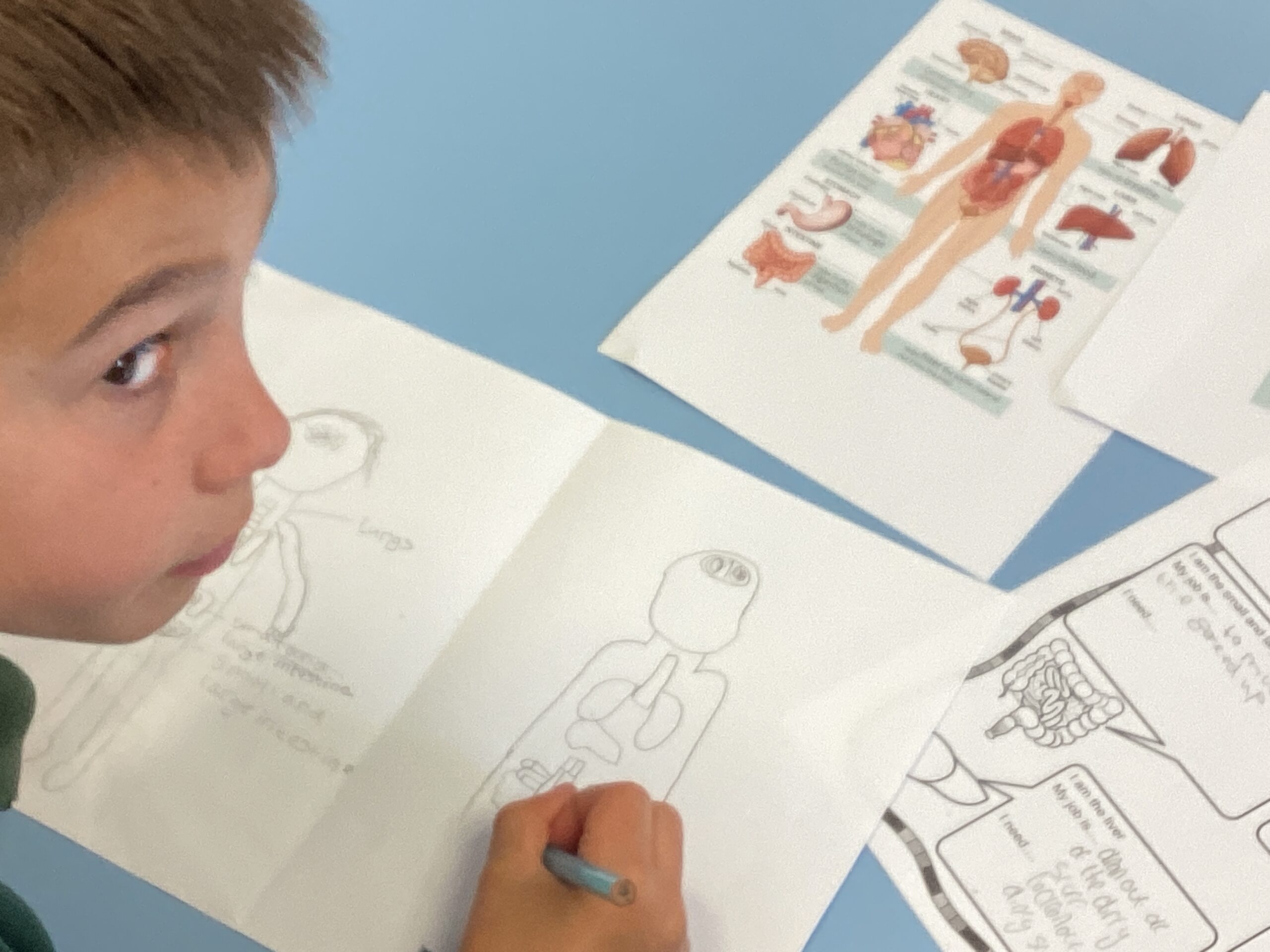
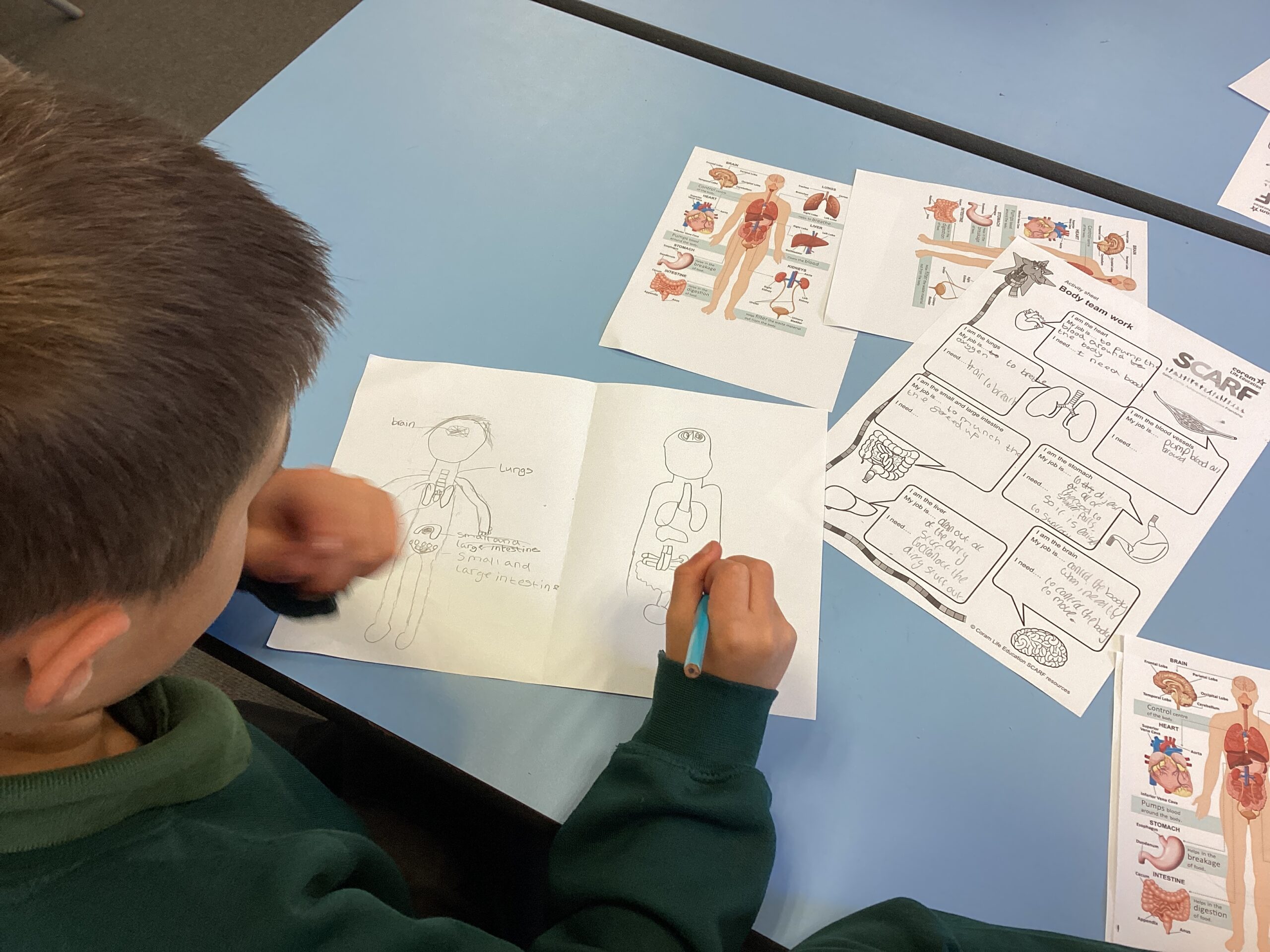
This term in PSHE, our Year 3/4 students have been diving into the fascinating world of the human body! They’ve been learning about some of the main organs, their functions, and how to keep them healthy.
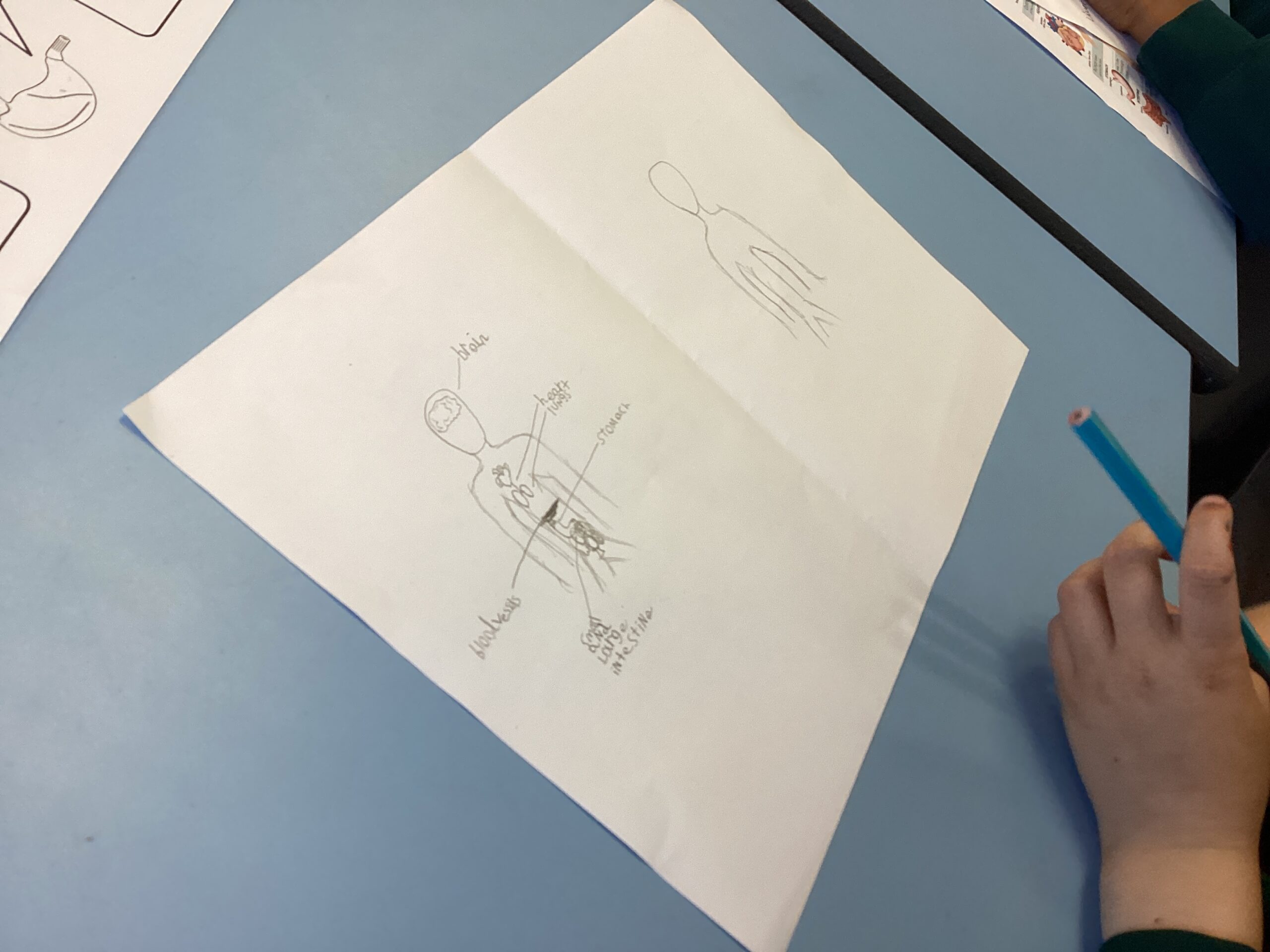
The class explored key organs like the heart, lungs, brain, stomach, and liver, discussing what each one does and why it’s important. We also talked about how to look after our bodies—from eating nutritious food to exercising and getting enough sleep.
One of the highlights was the Body Mapping Challenge, where students first guessed where each organ goes inside the body. There were some creative (and funny!) ideas! After that, they used labelled diagrams to draw their own accurate versions, helping them visualise how everything fits together.
It’s been a fantastic way to combine science, health, and creativity—well done, Year 3/4!
Team 5 / 6:
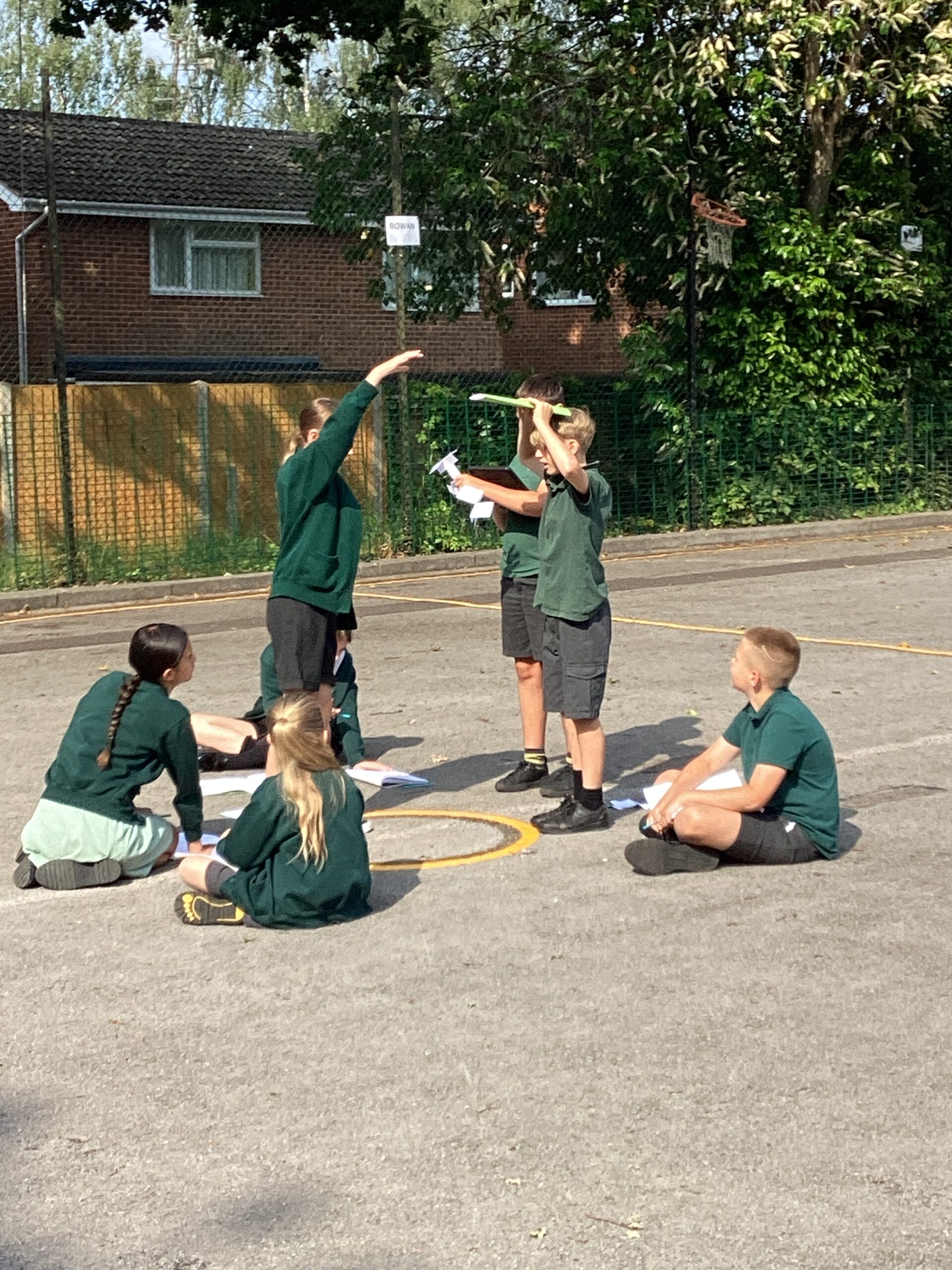
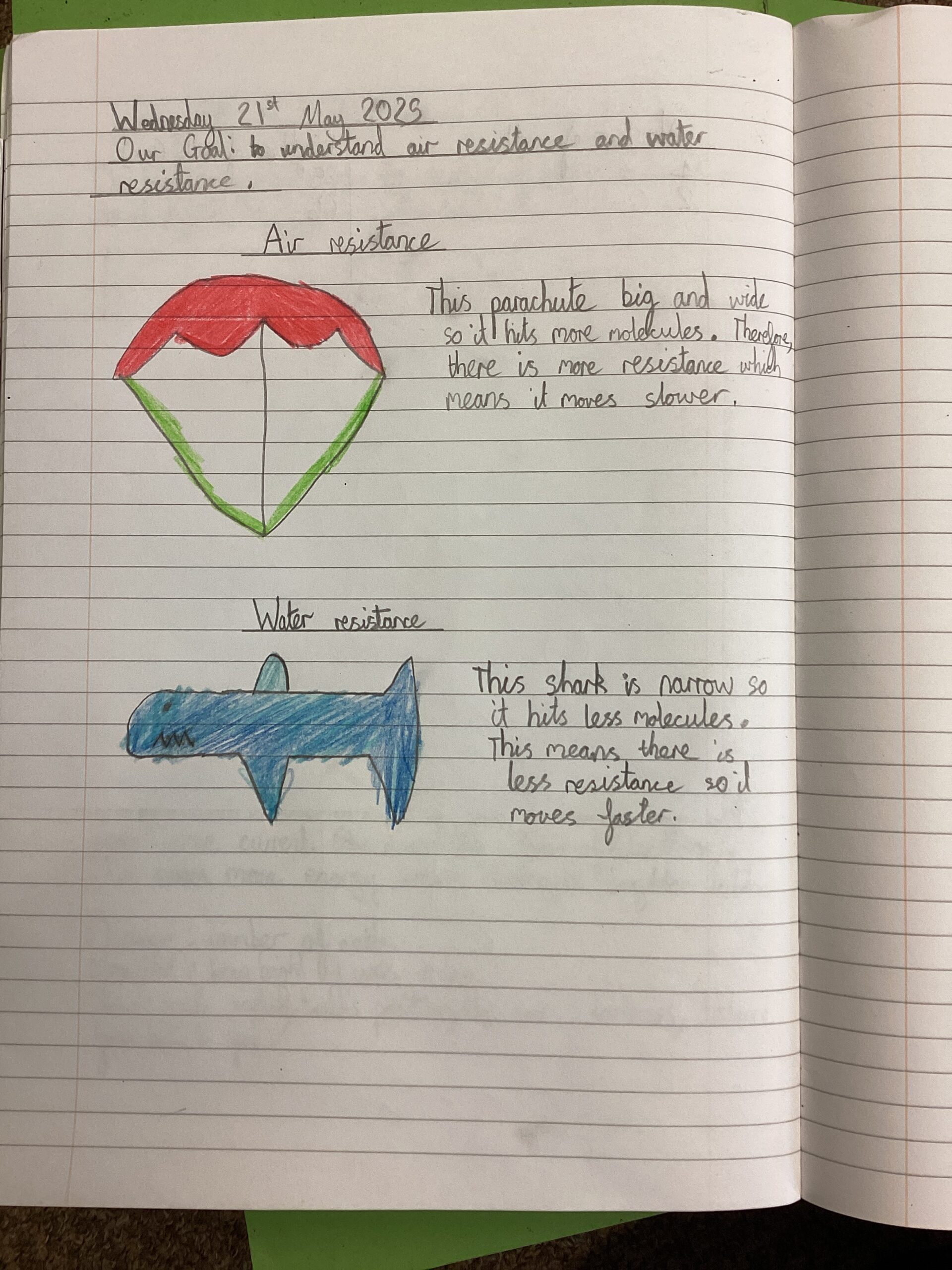
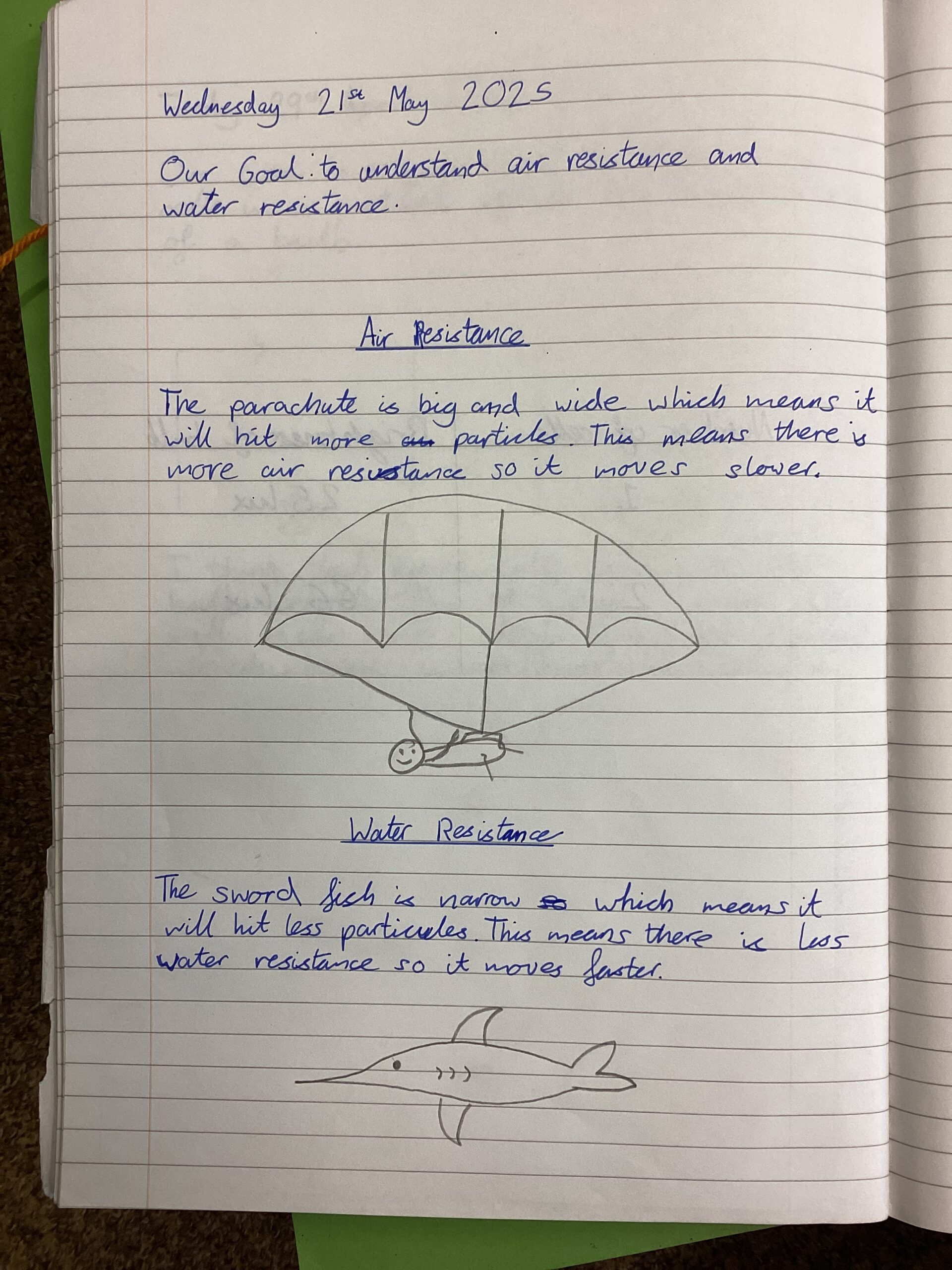
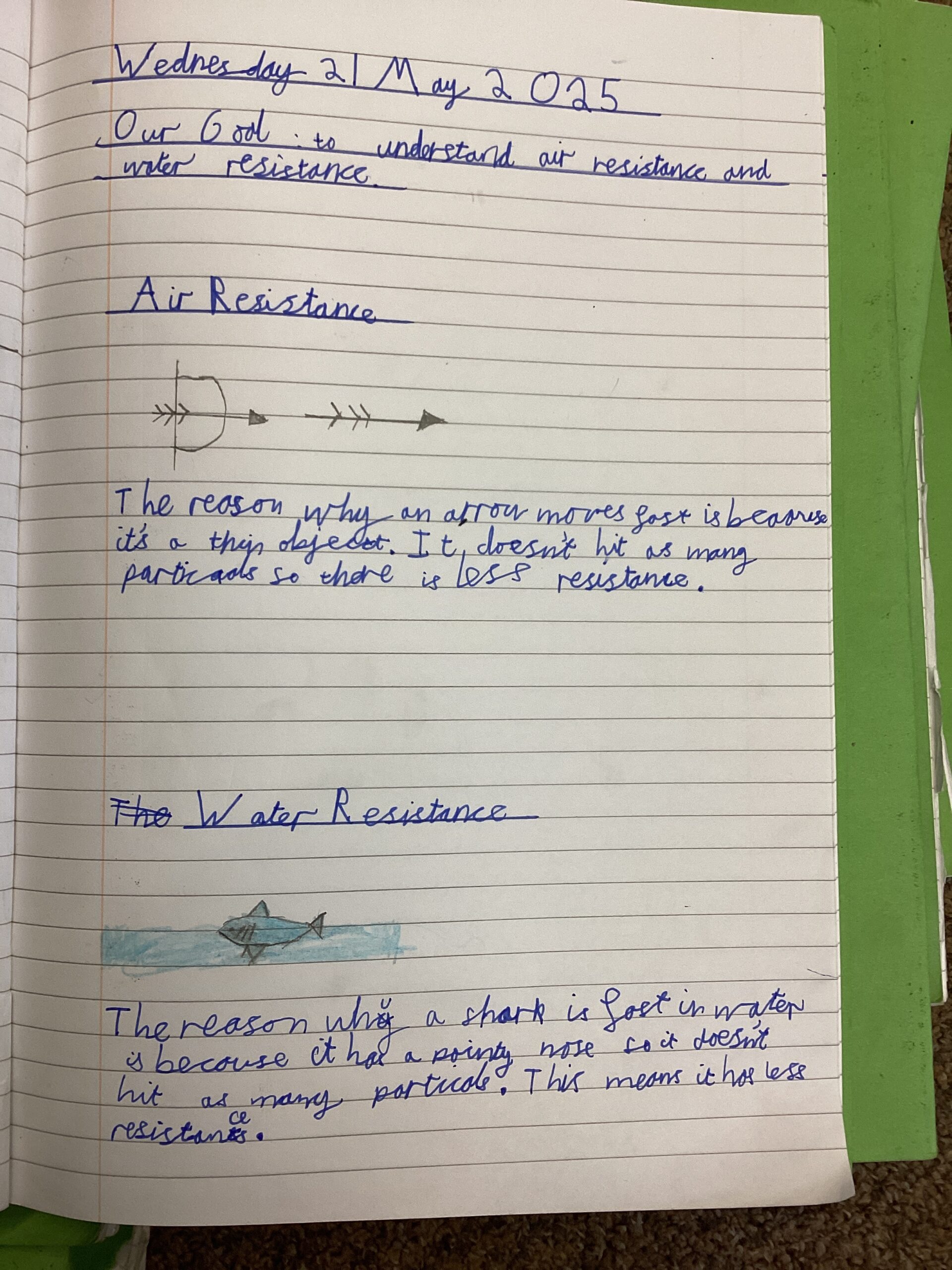
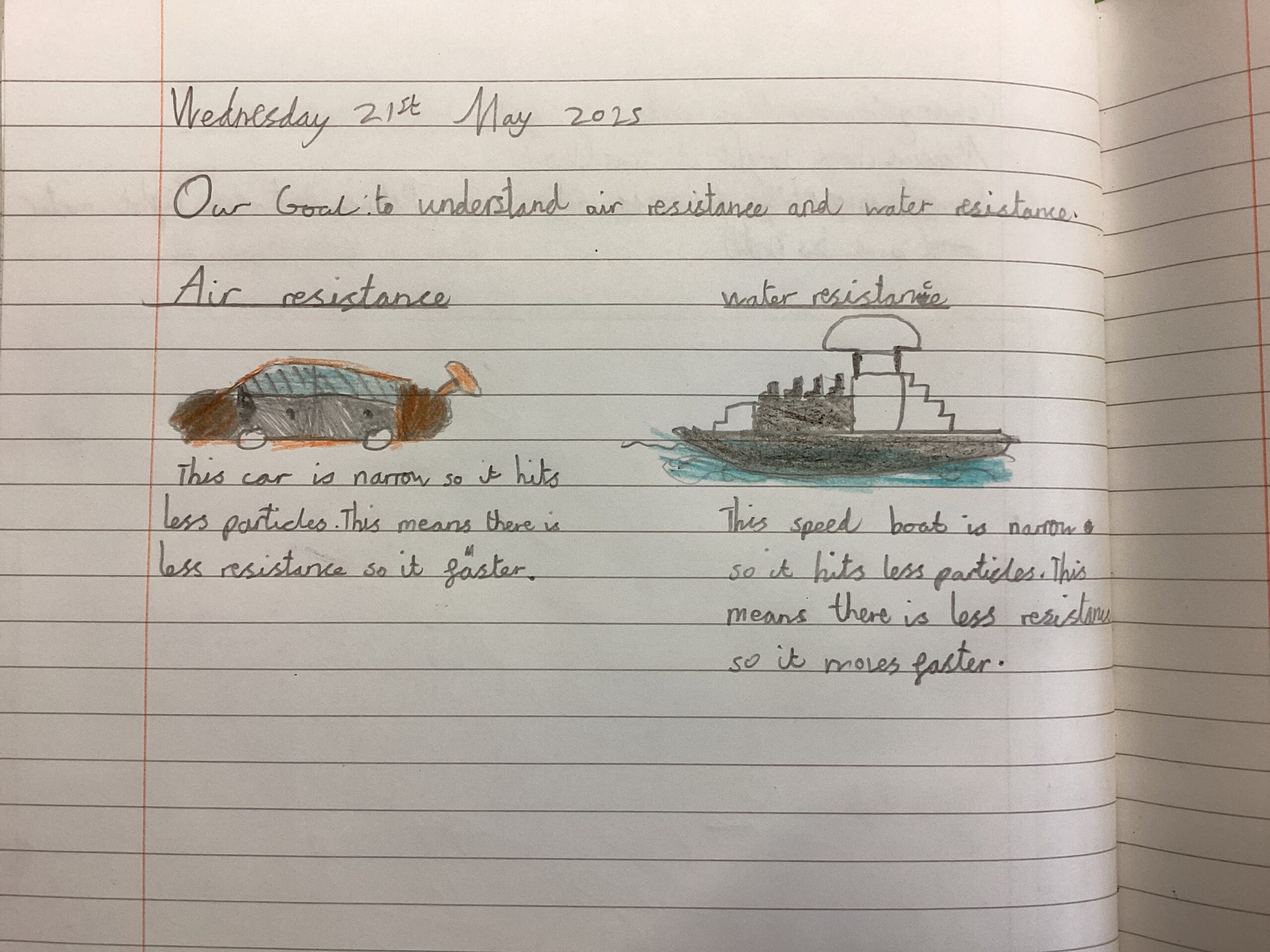
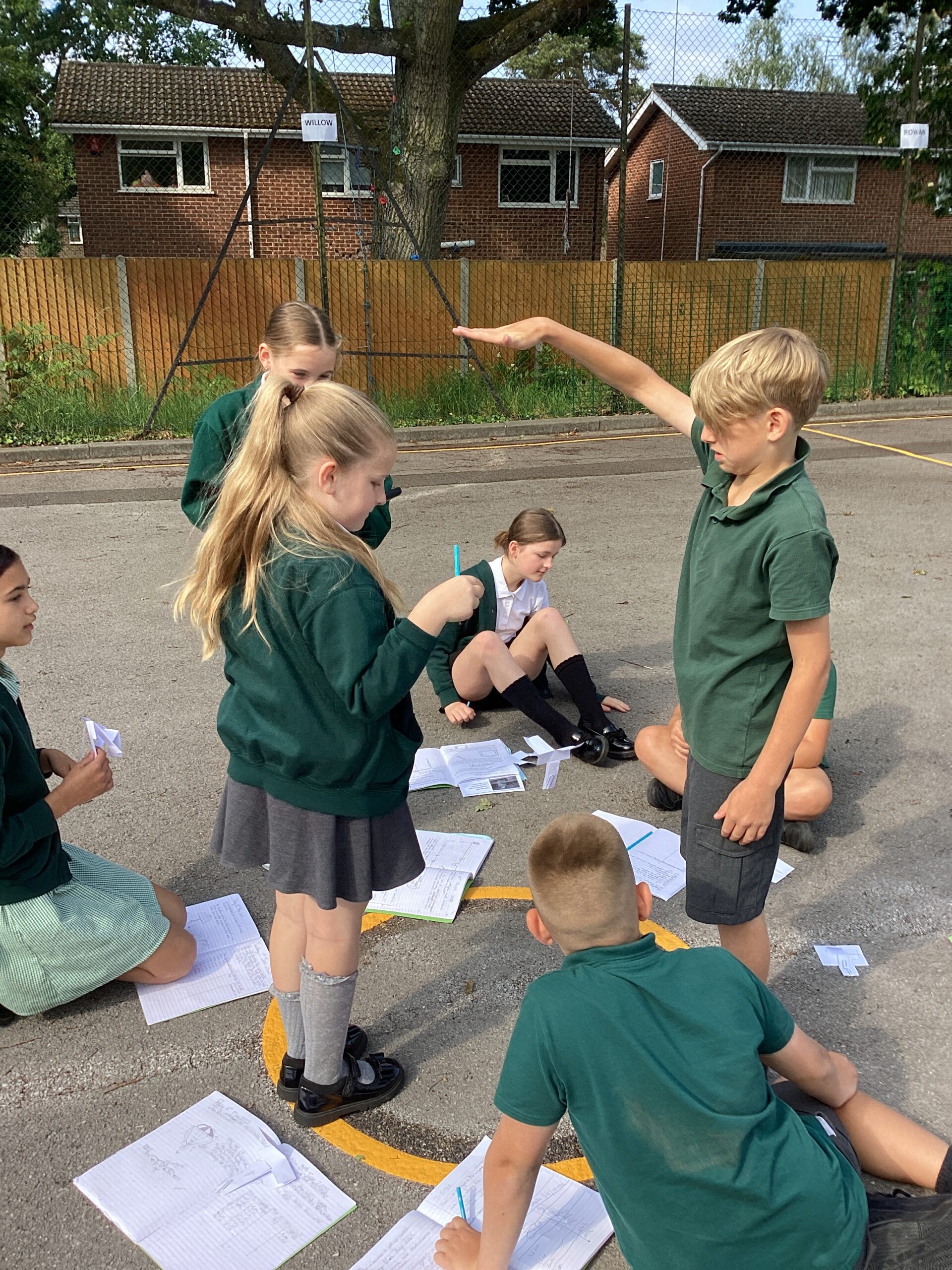
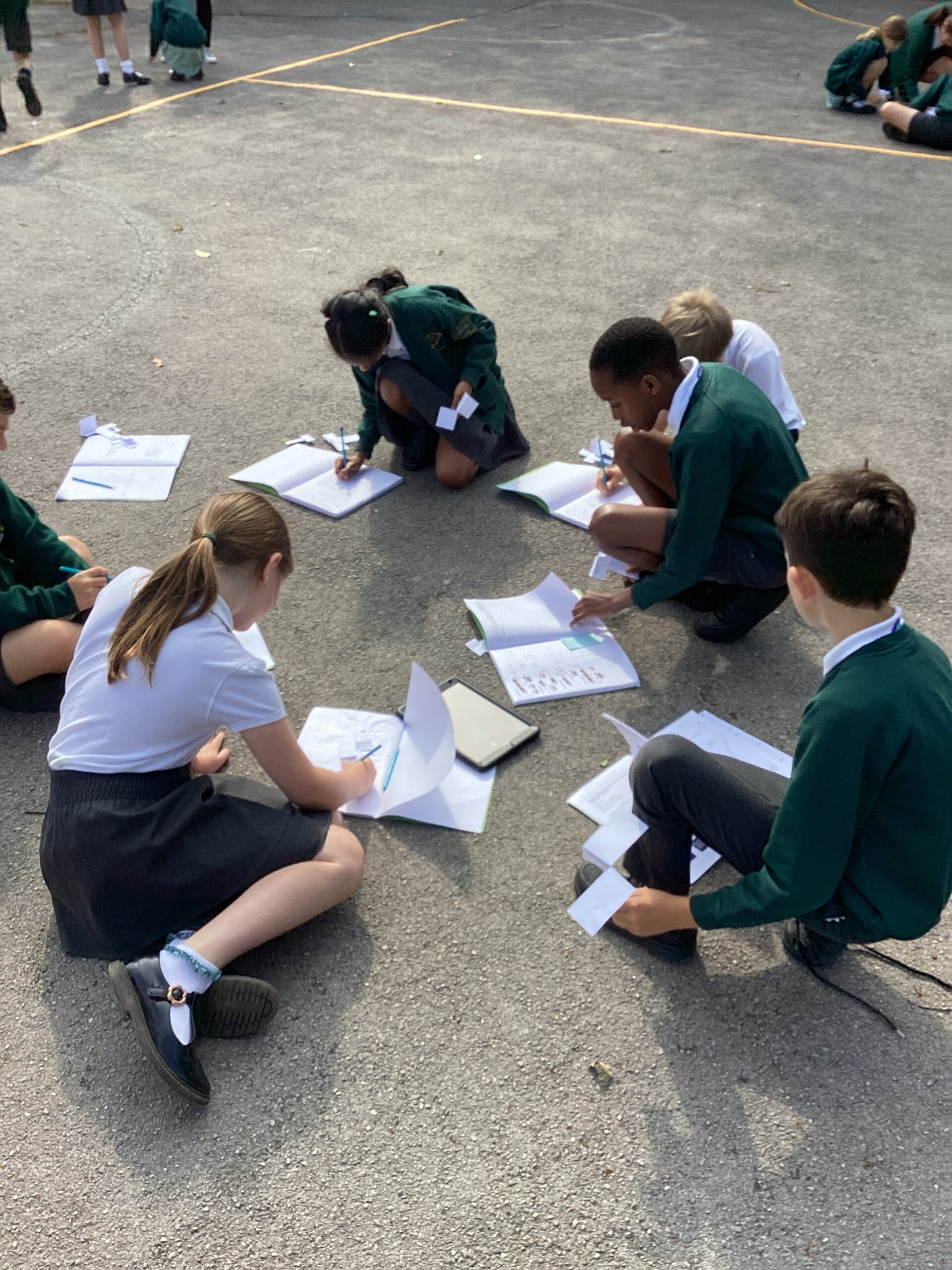
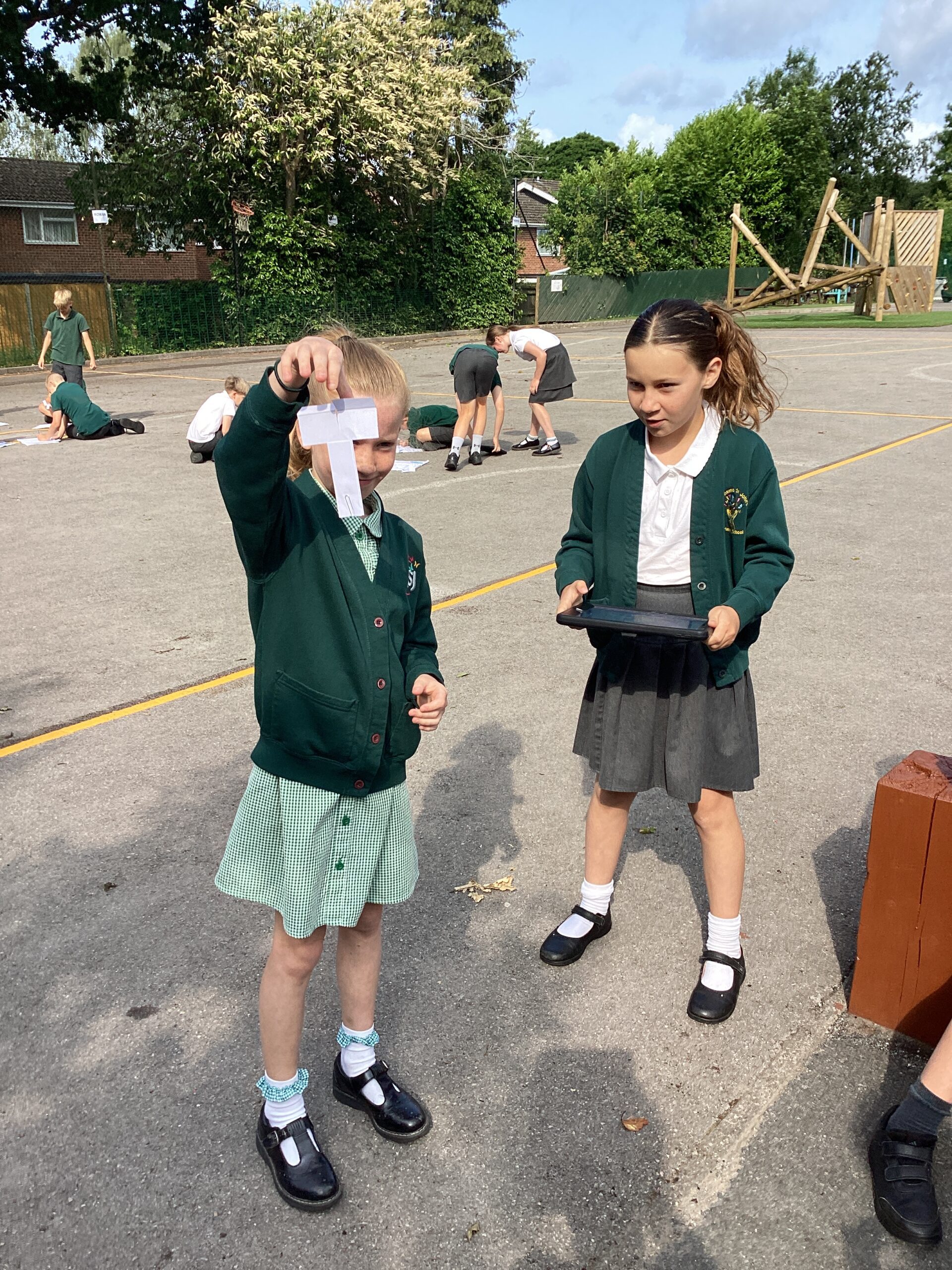
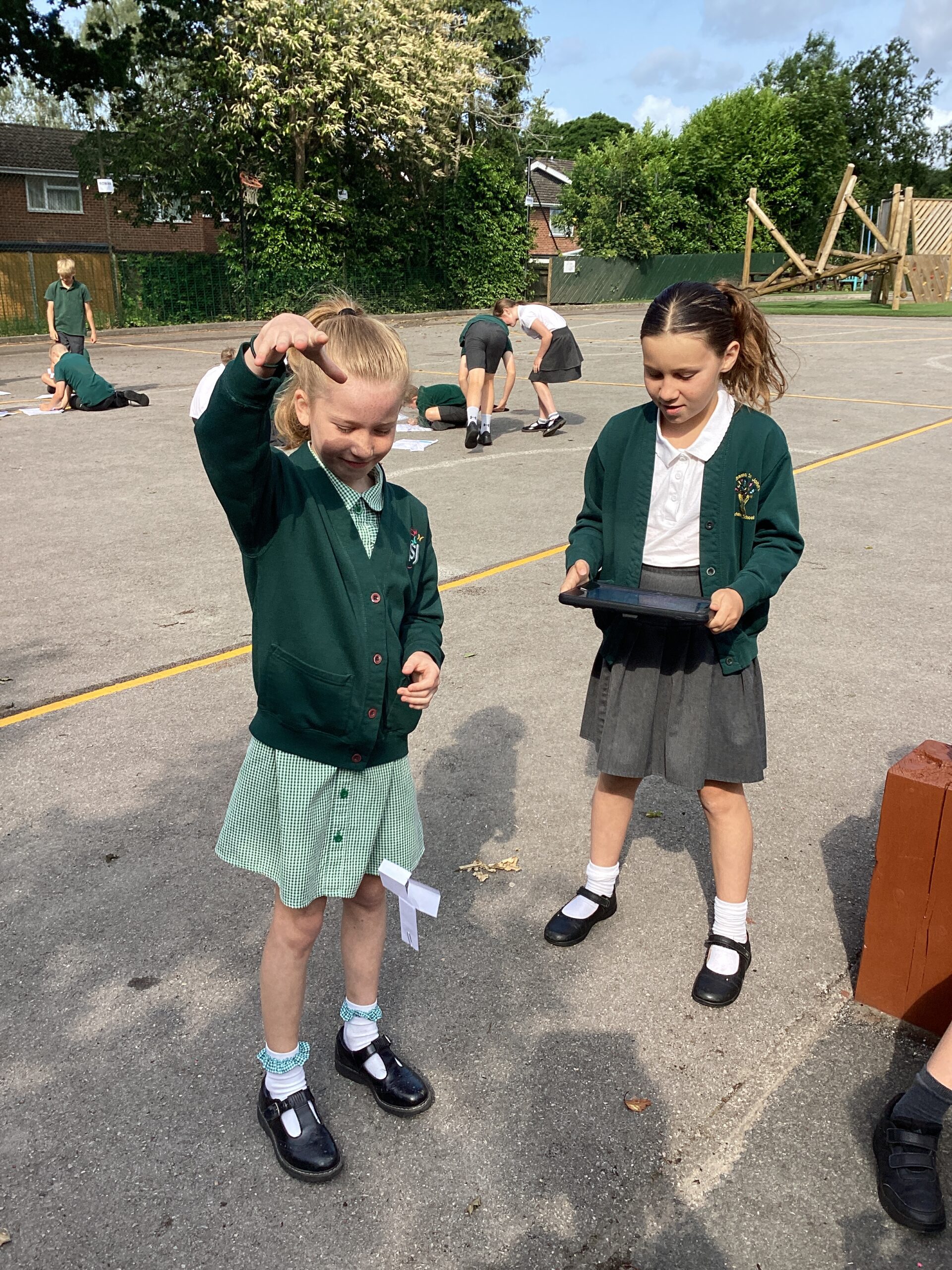
Team 5/6 have been learning about air resistance and water resistance — the forces that slow objects down as they move through air or water. They explored how, when something moves, it has to push air or water out of the way, and the material pushes back. They learnt that this pushback is called resistance.
The children explored why narrower objects move faster through air or water than wider ones: narrow shapes face less resistance because there’s less surface area for the air or water to push against.
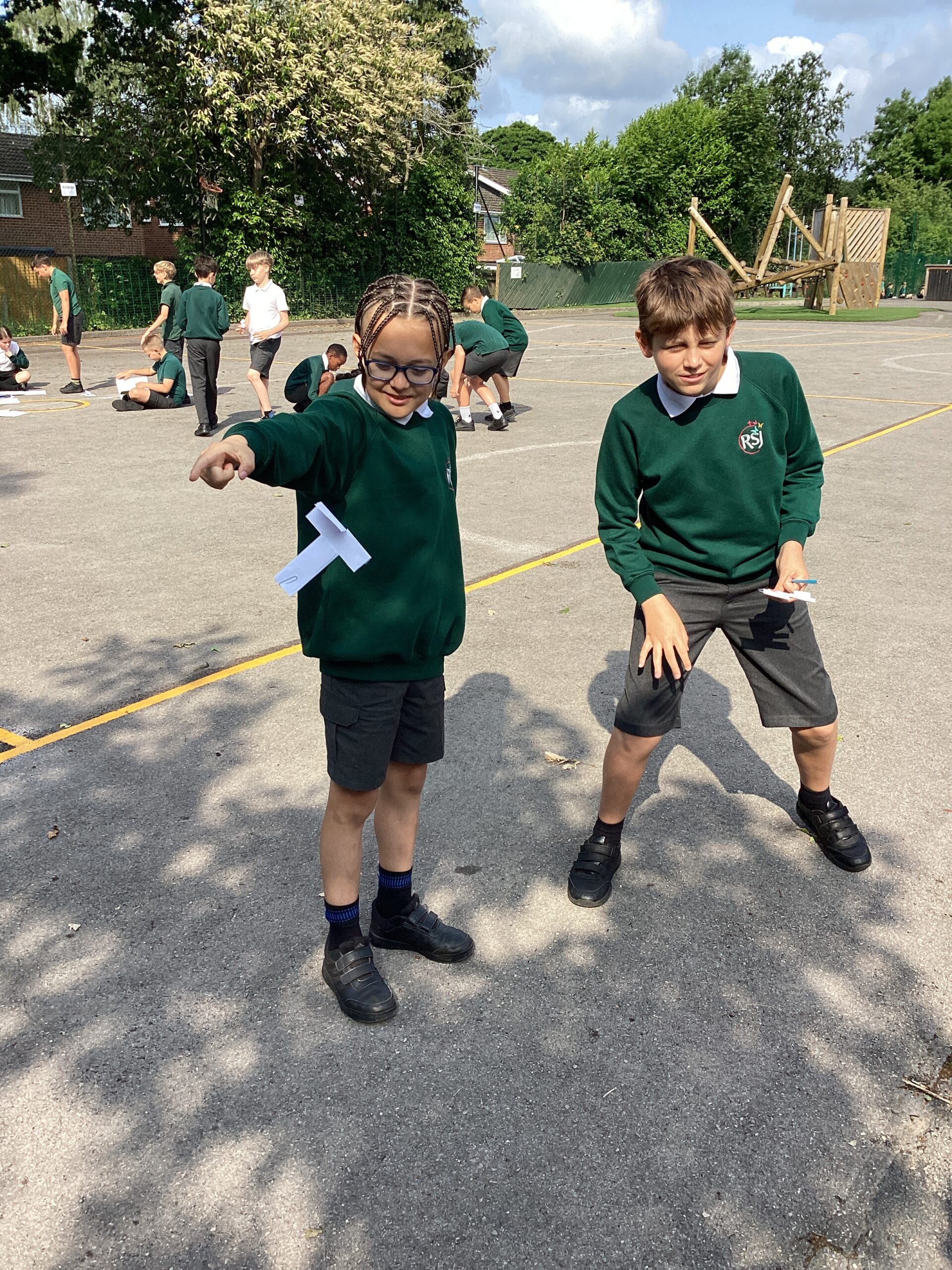
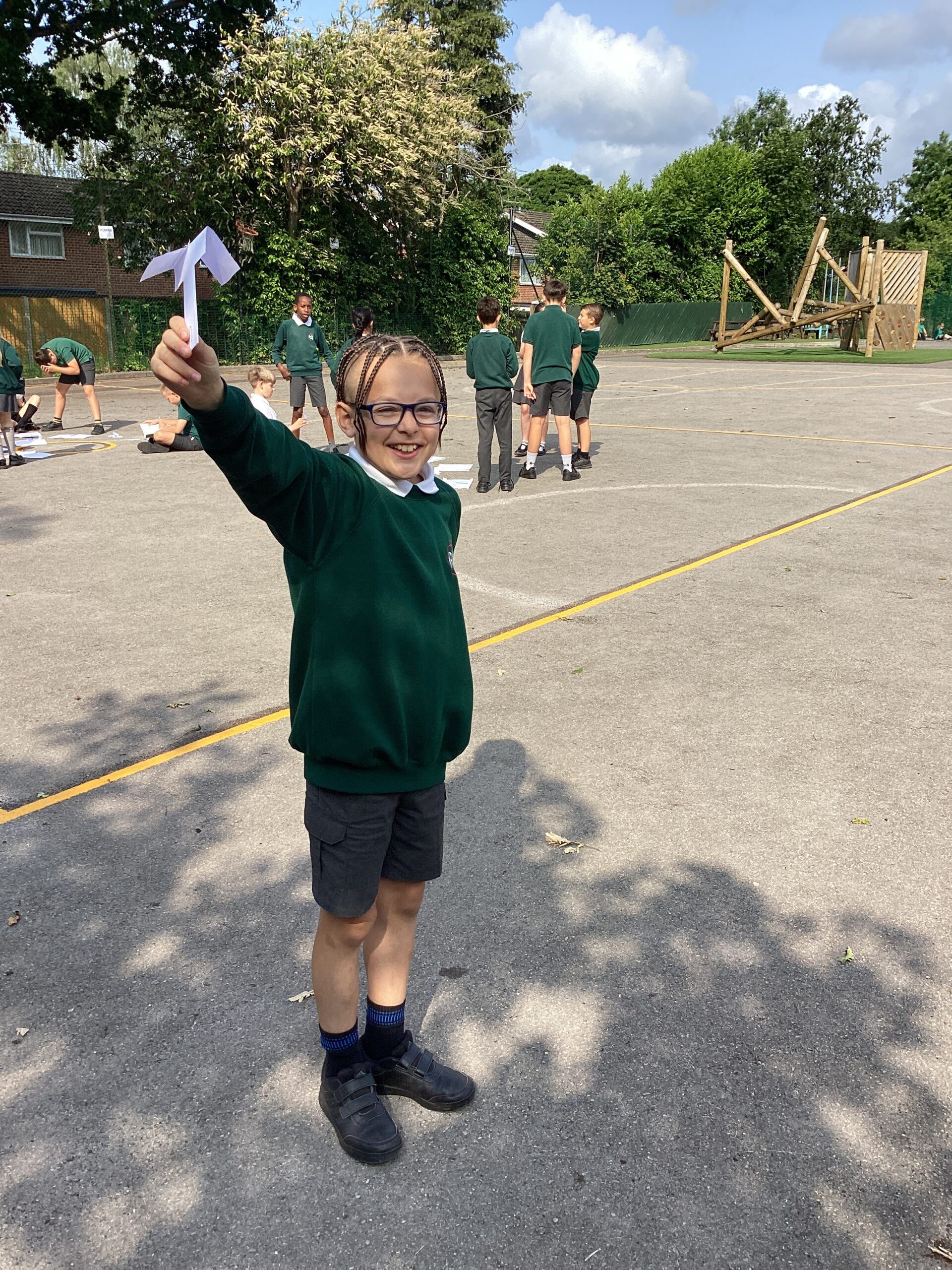
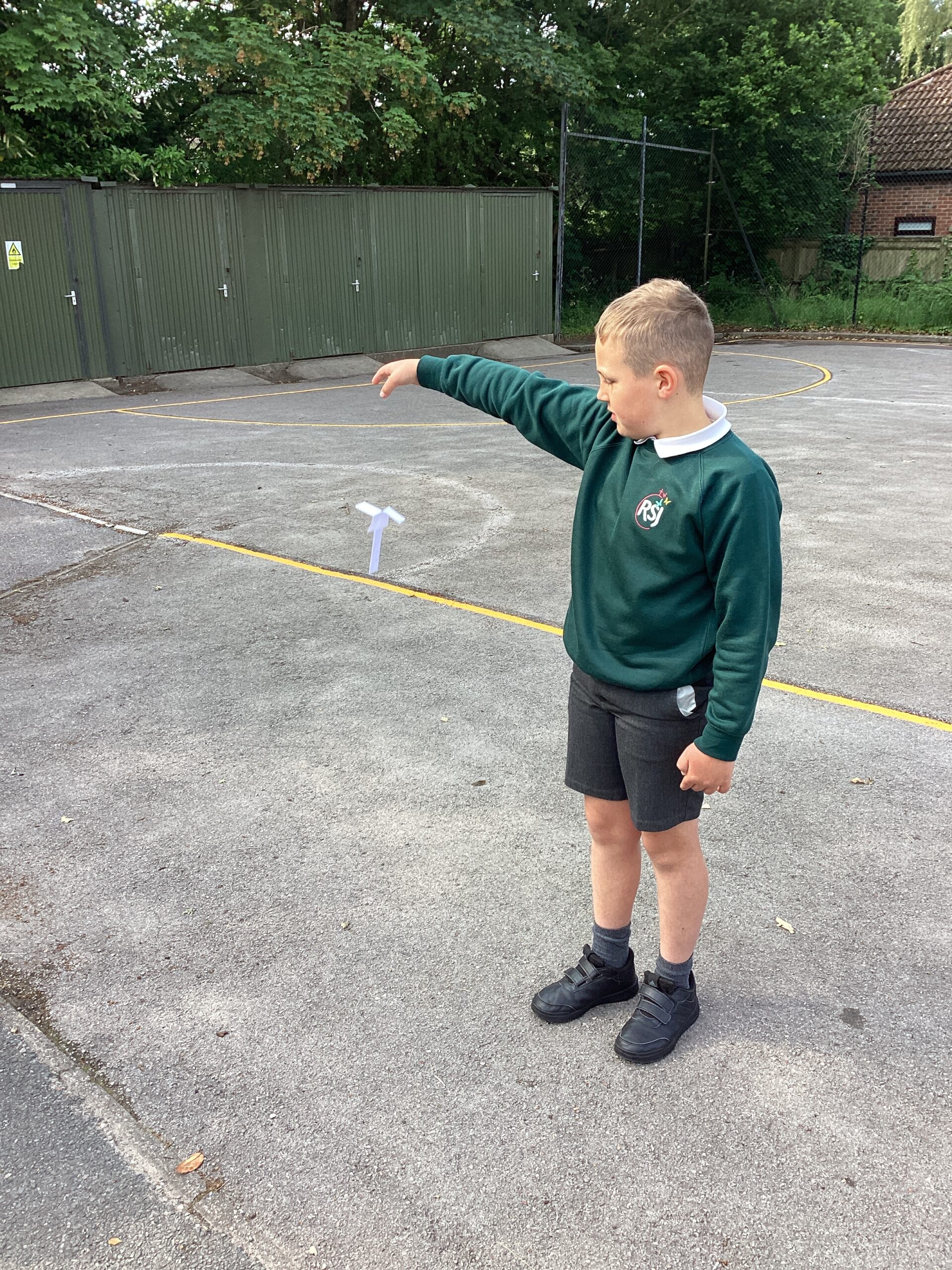
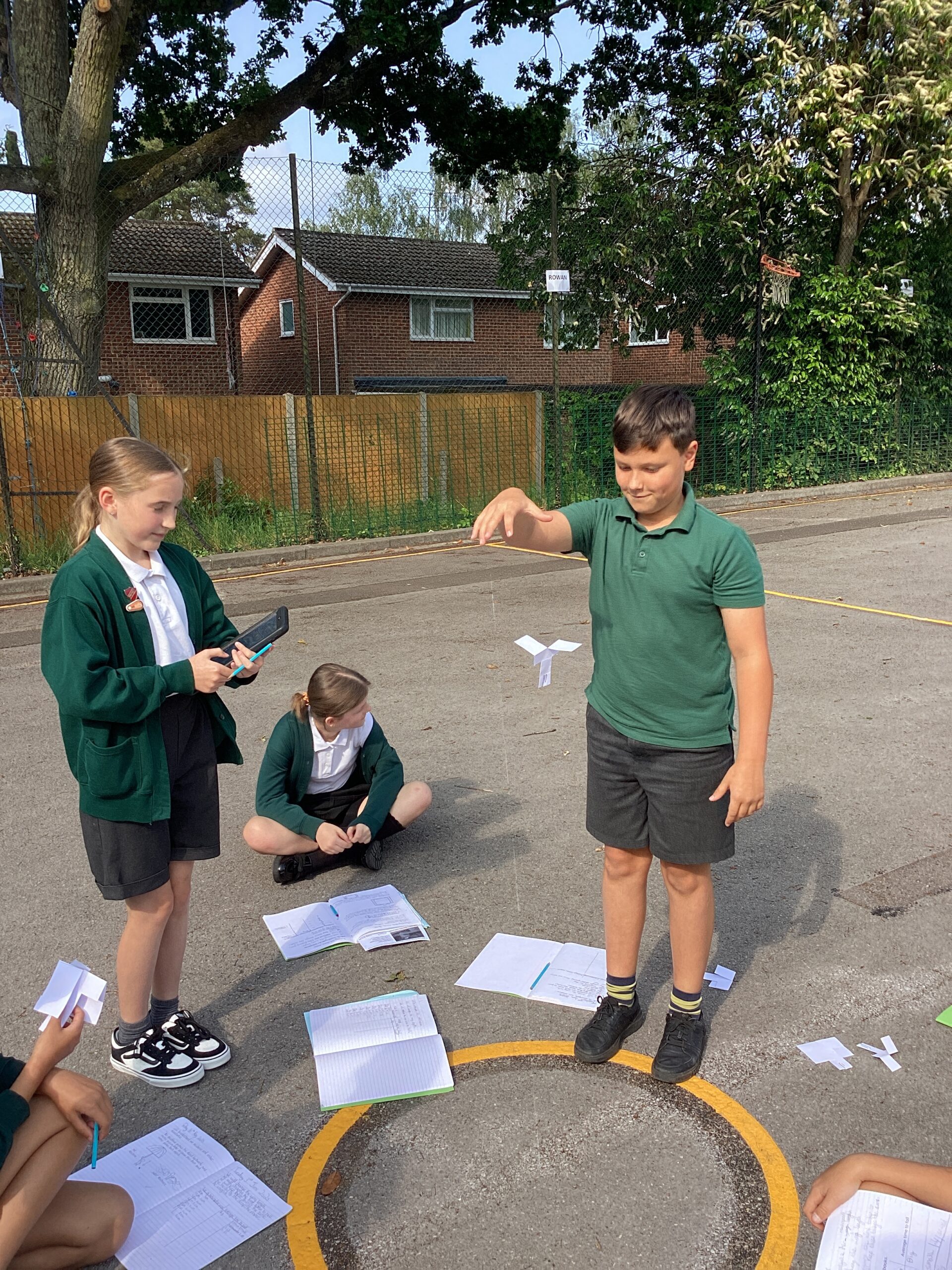
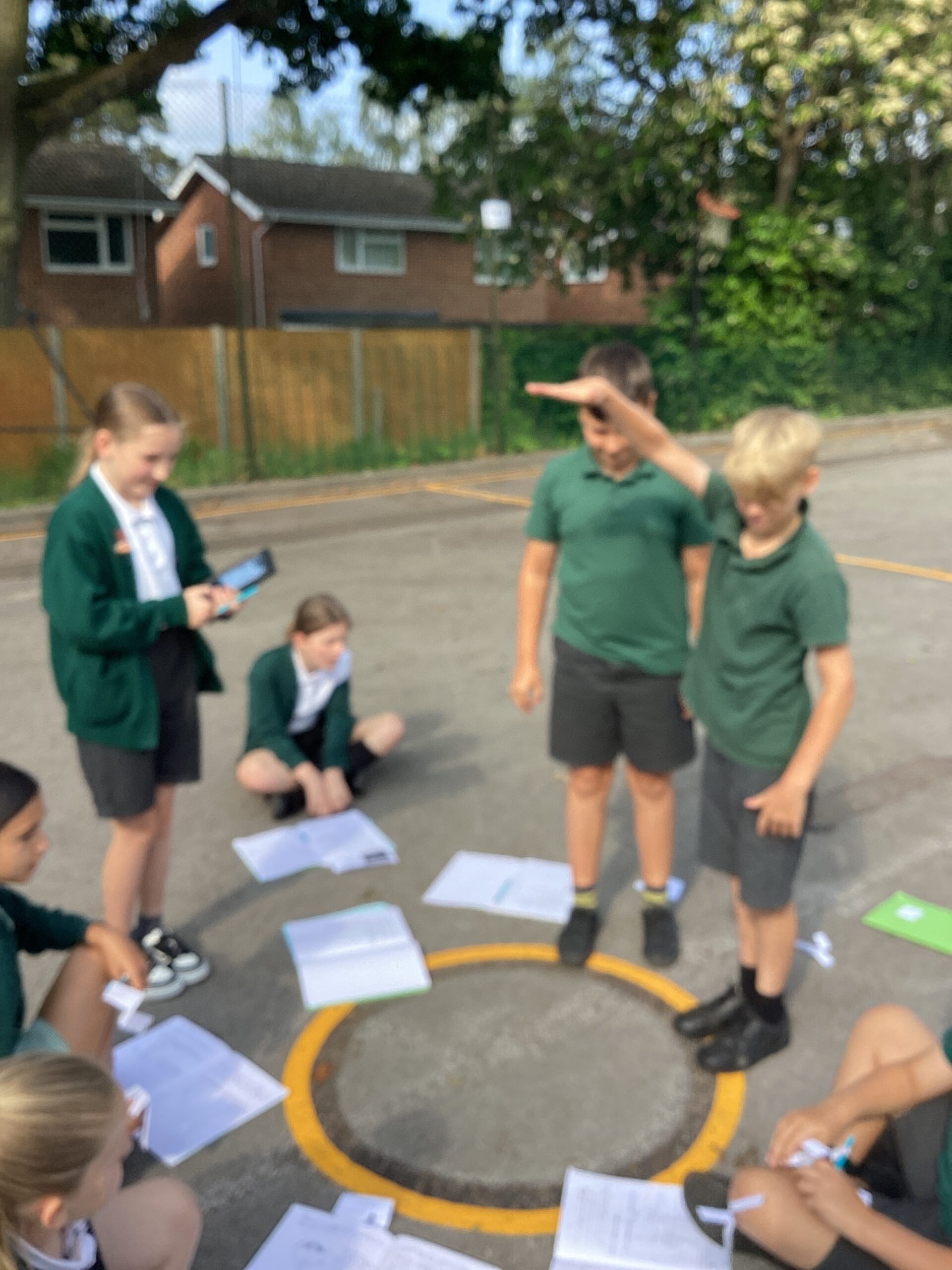
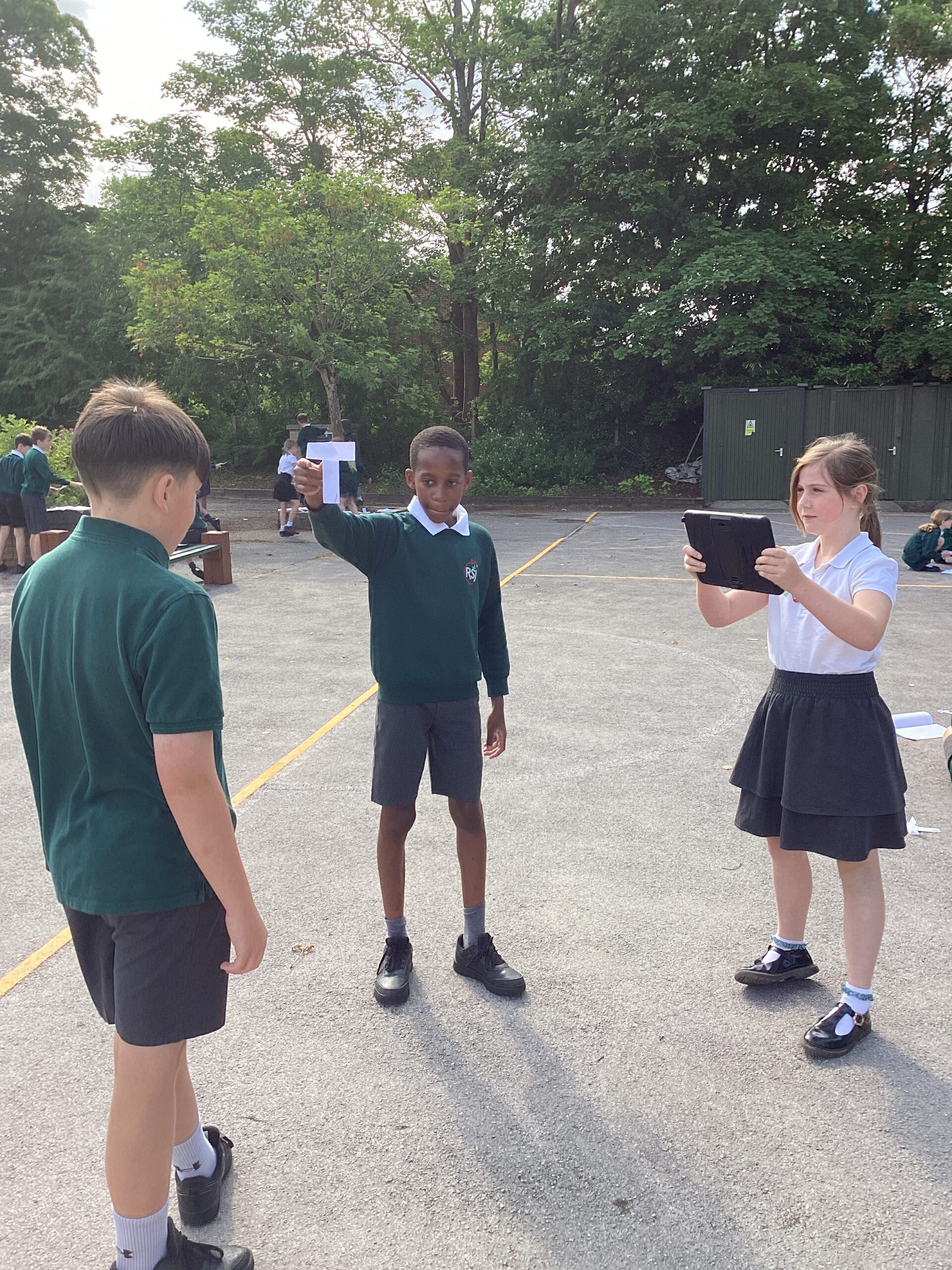
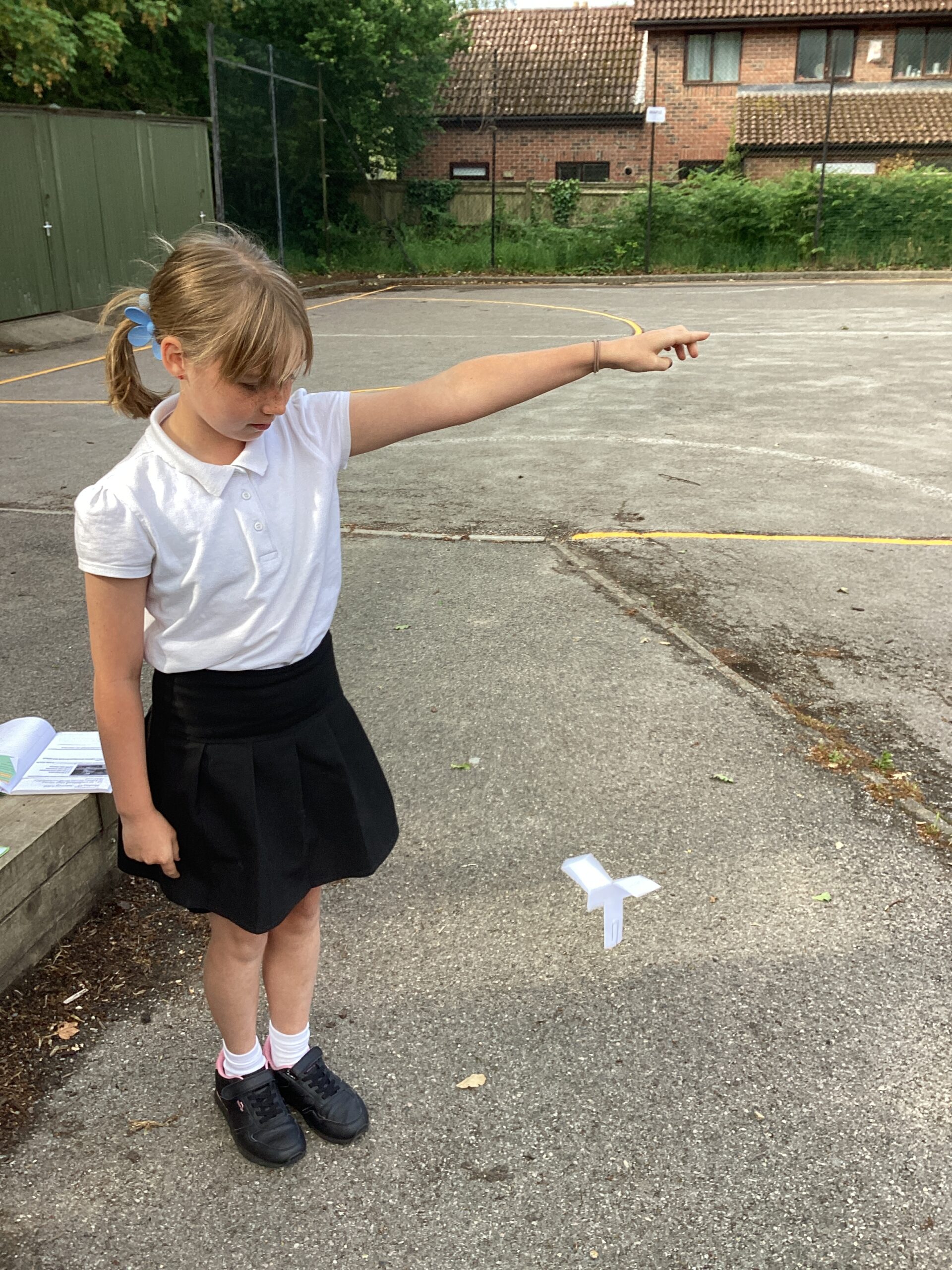
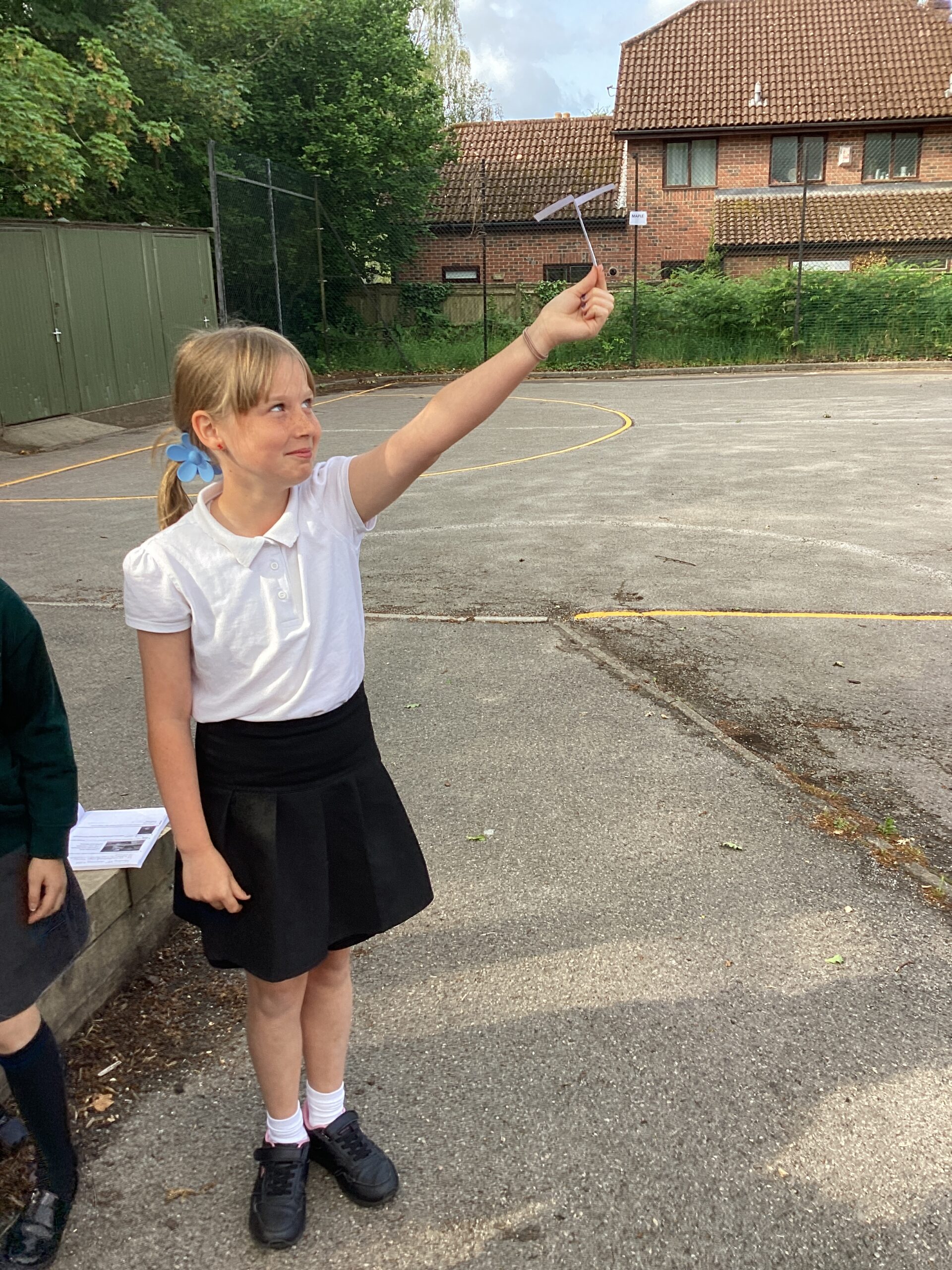
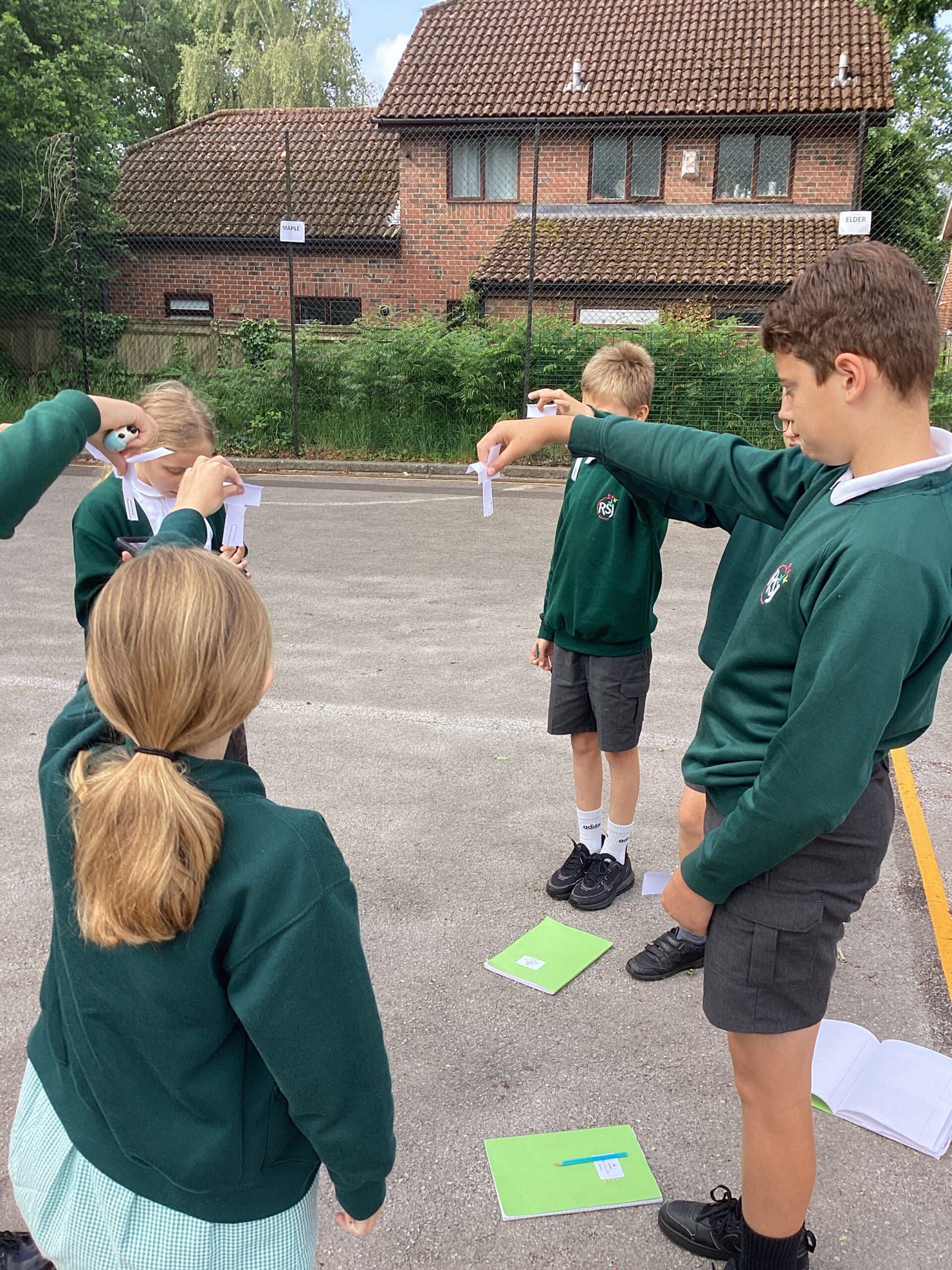
To test this, they made and experimented with paper helicopters. Some had wide wings and others had narrow wings. After dropping them and observing carefully, they found that narrower helicopters fell faster, just as they predicted!
Follow us on social media!
You can find us on Facebook and Instagram @RownhamsSchool, where we share more photos of what has been going on around the school, and celebrate the children’s learning.