Team R:
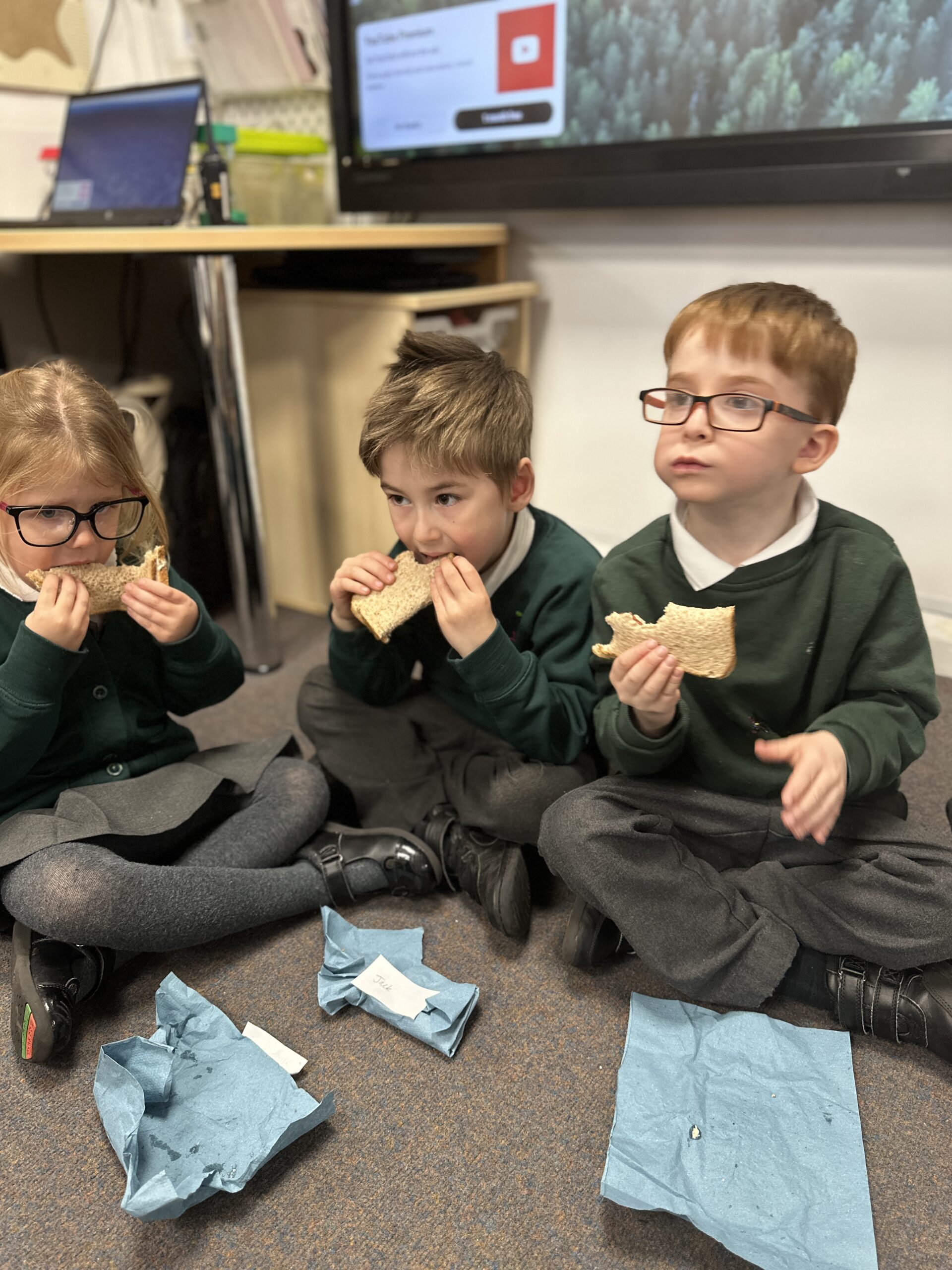
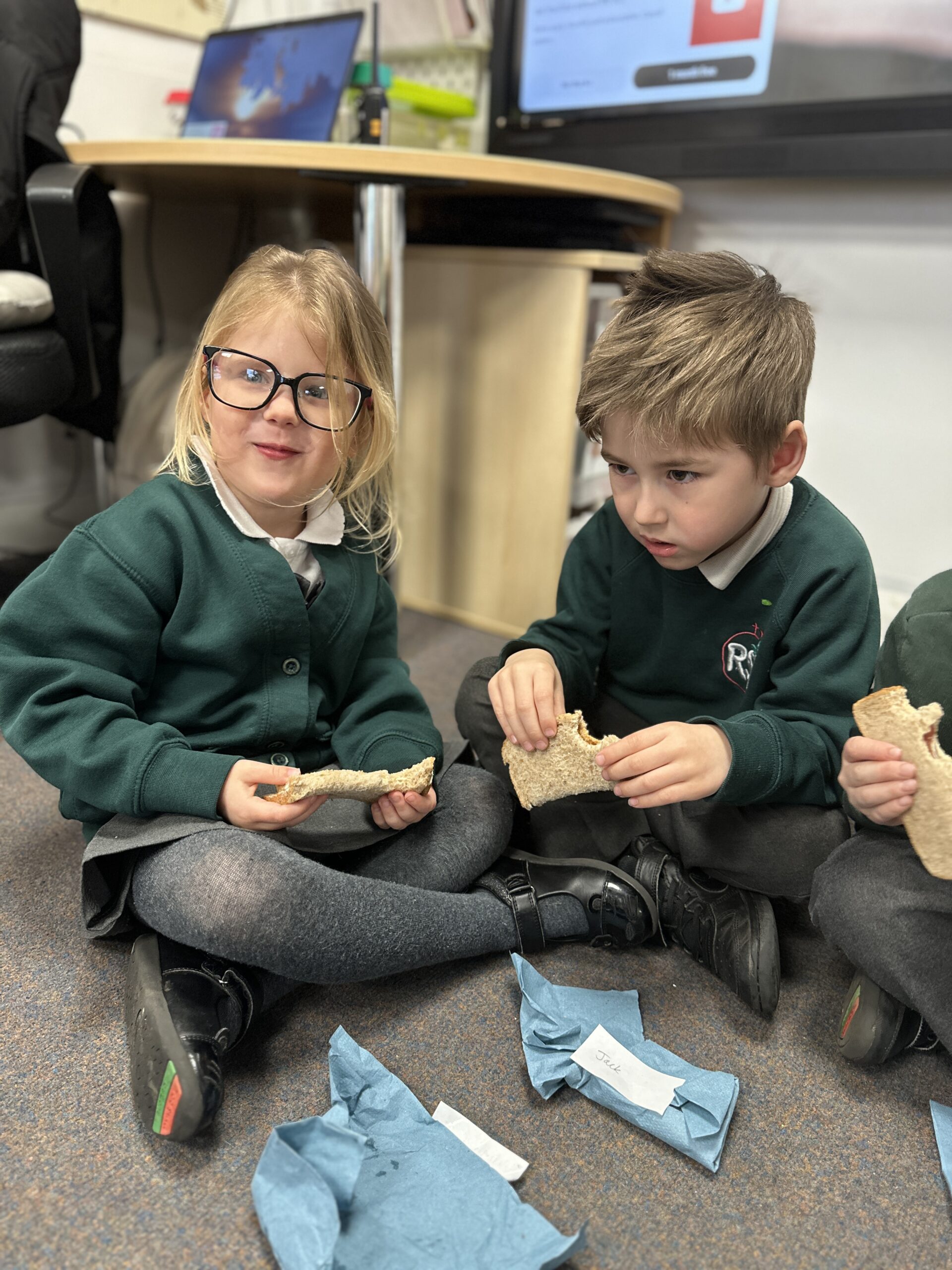
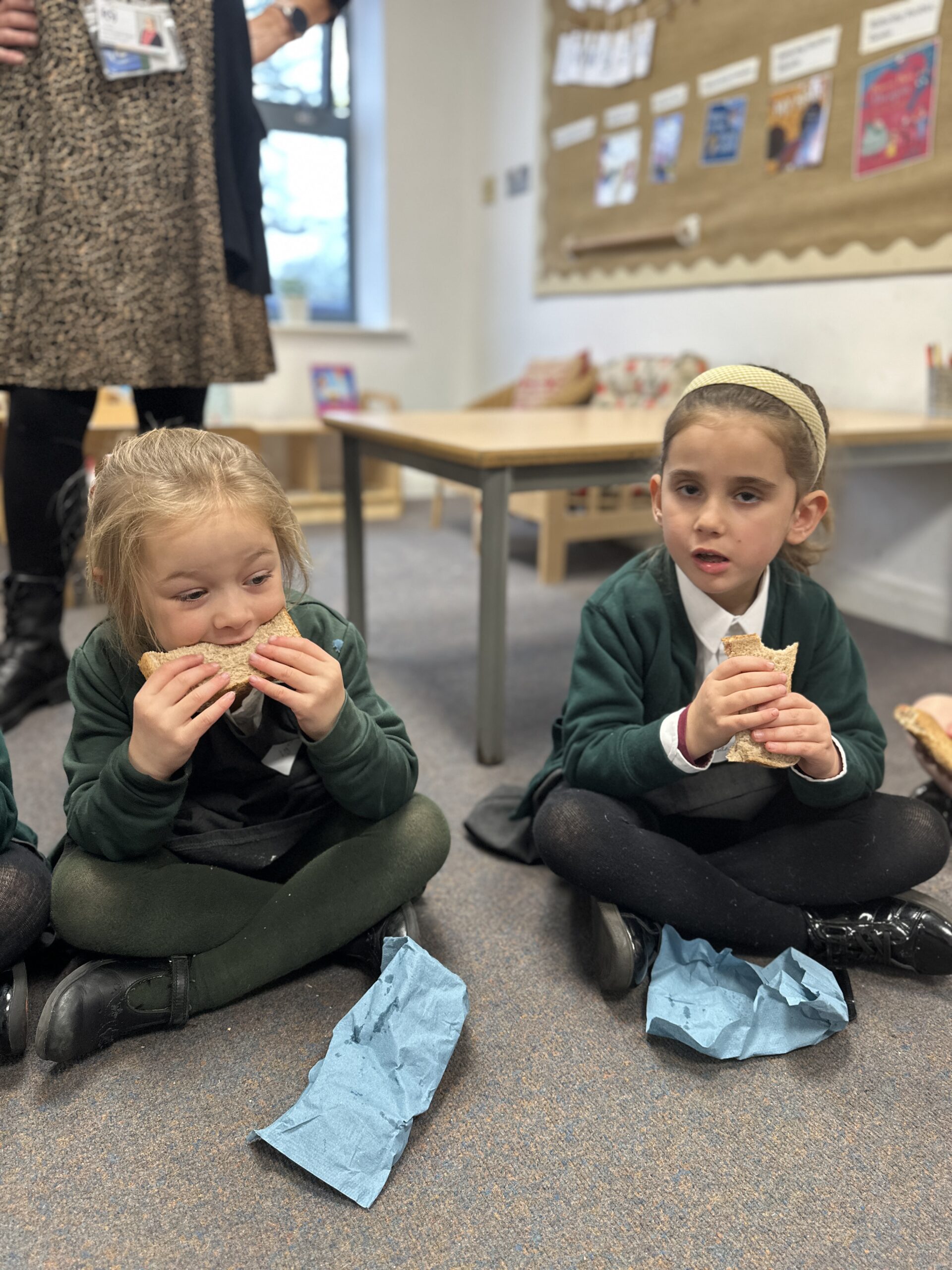
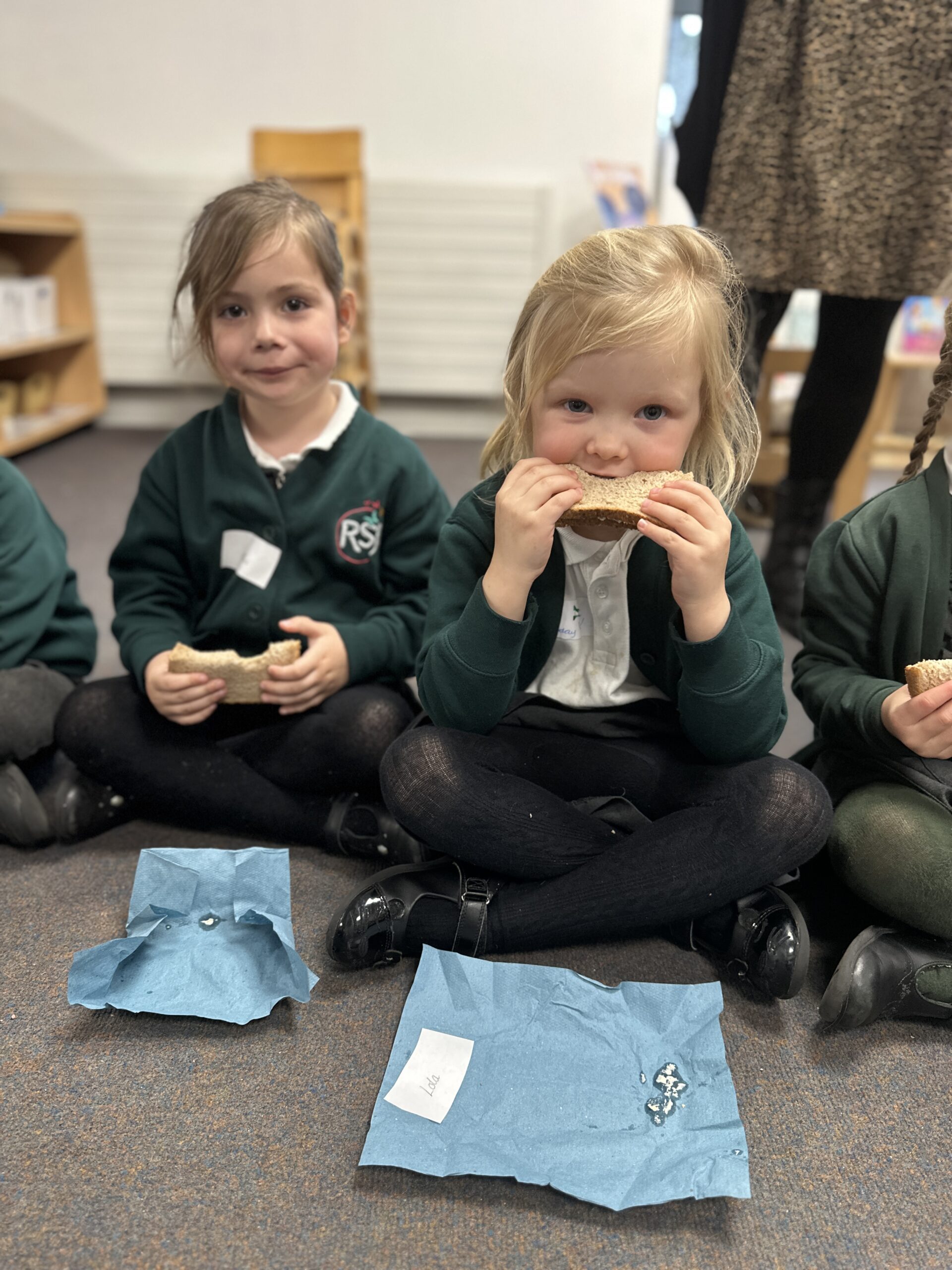
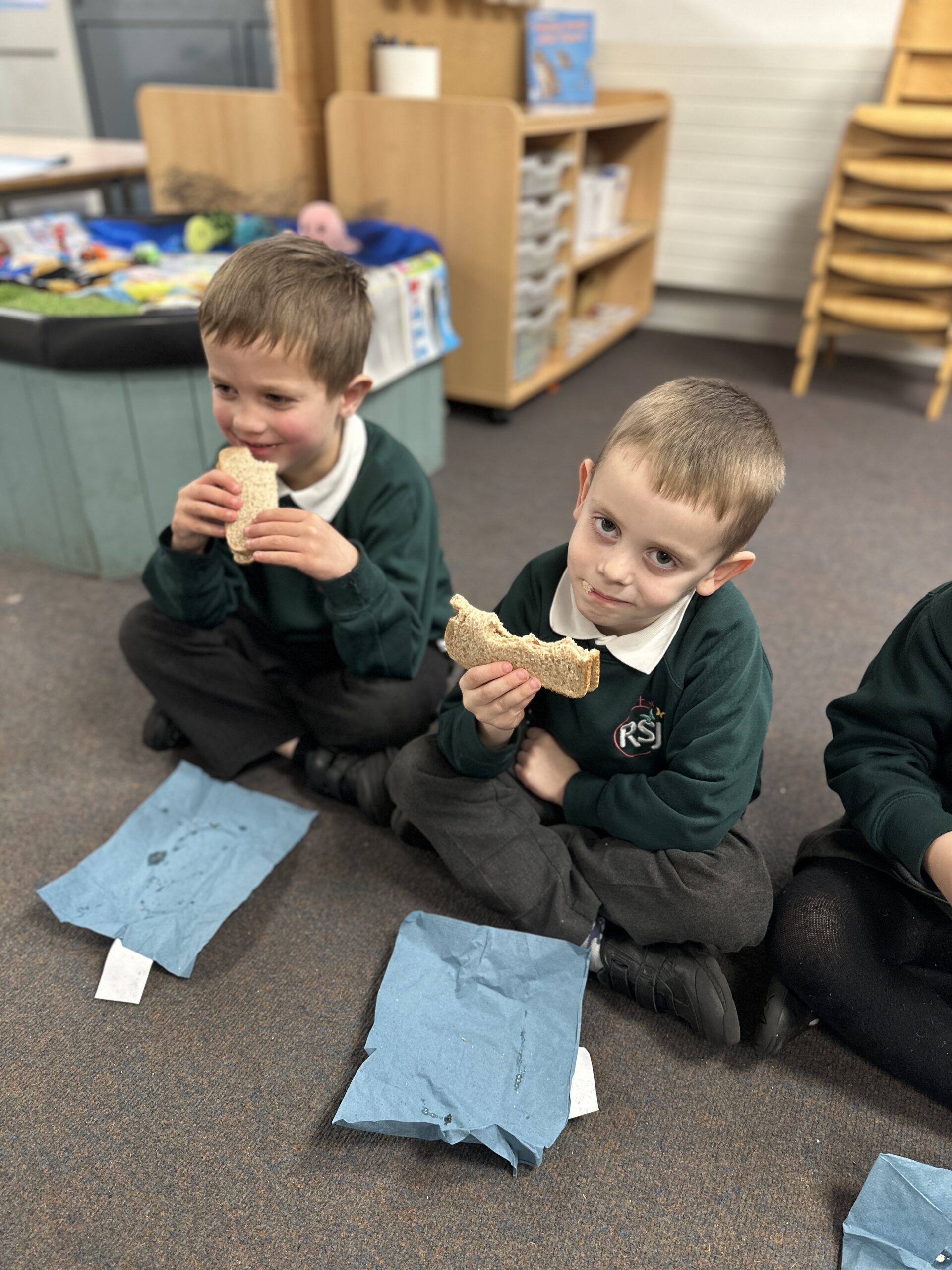
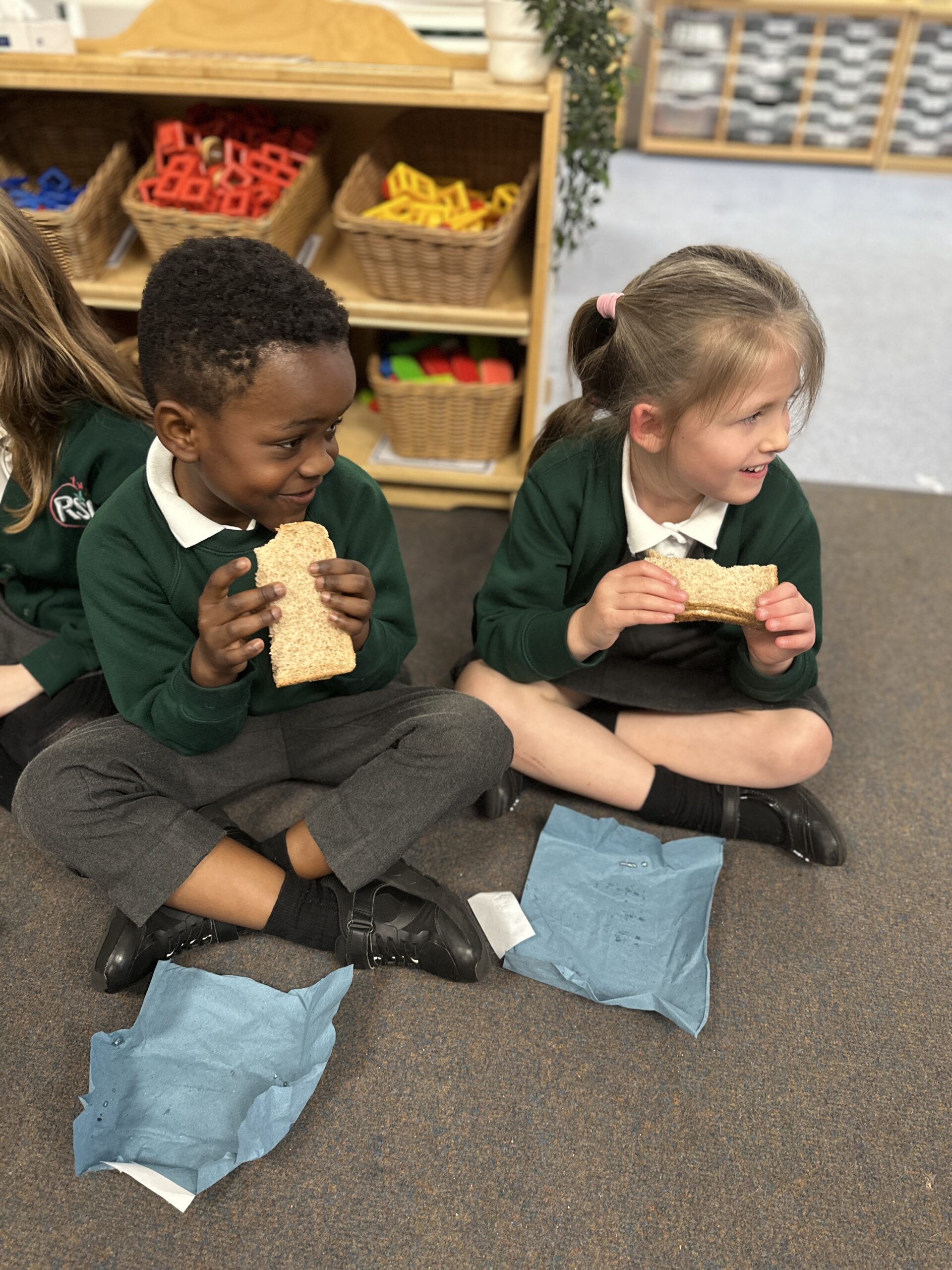
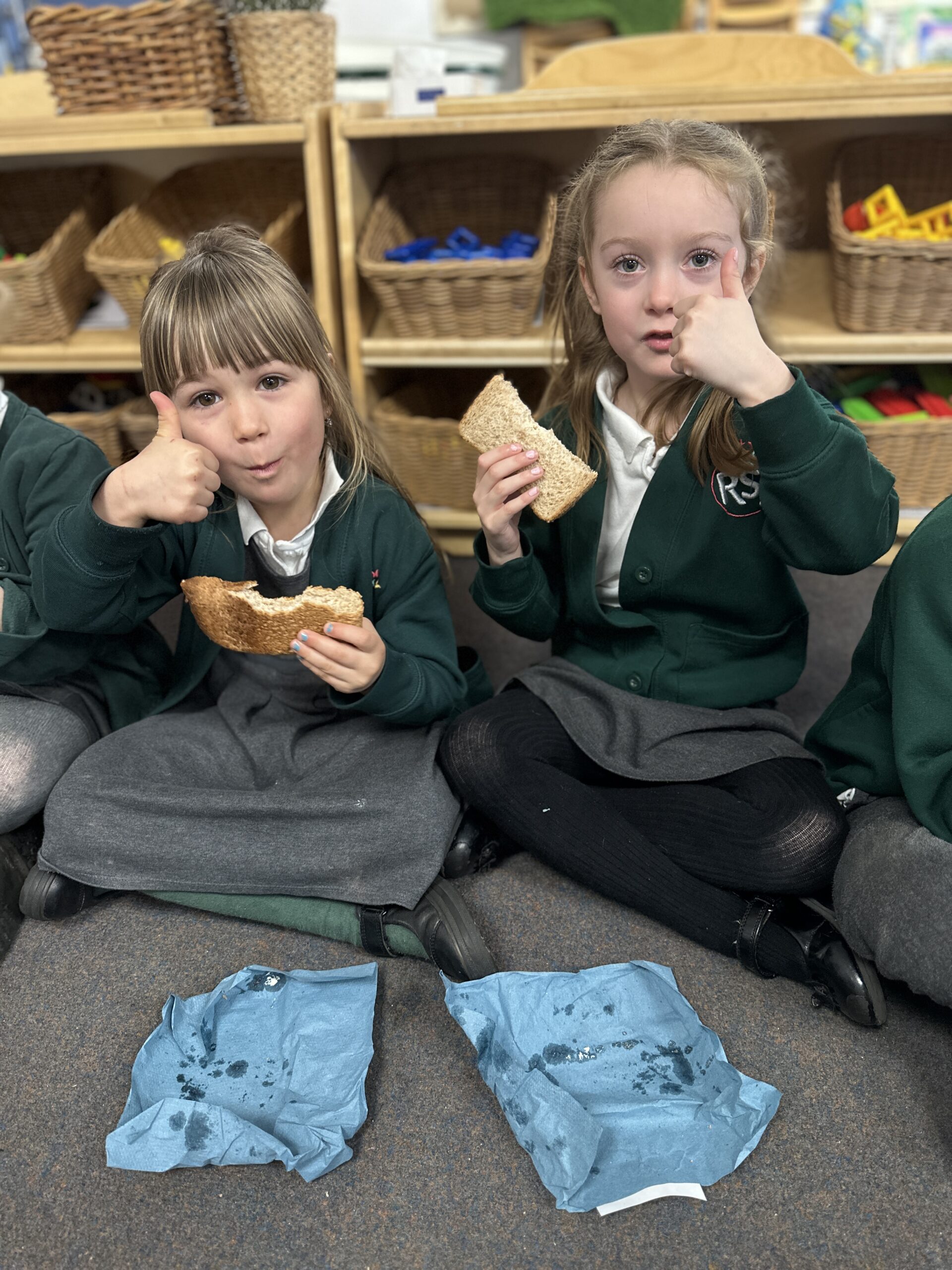
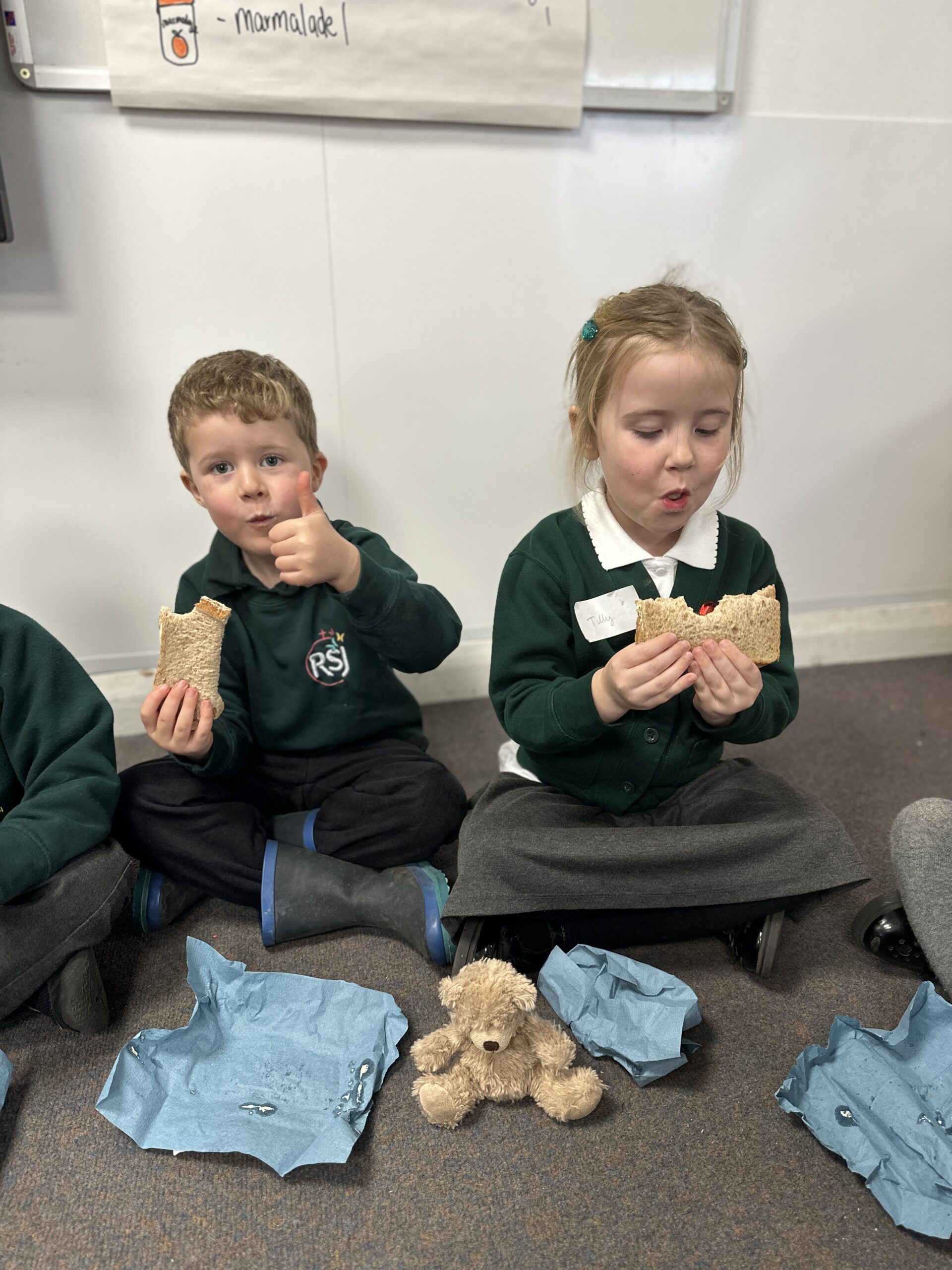
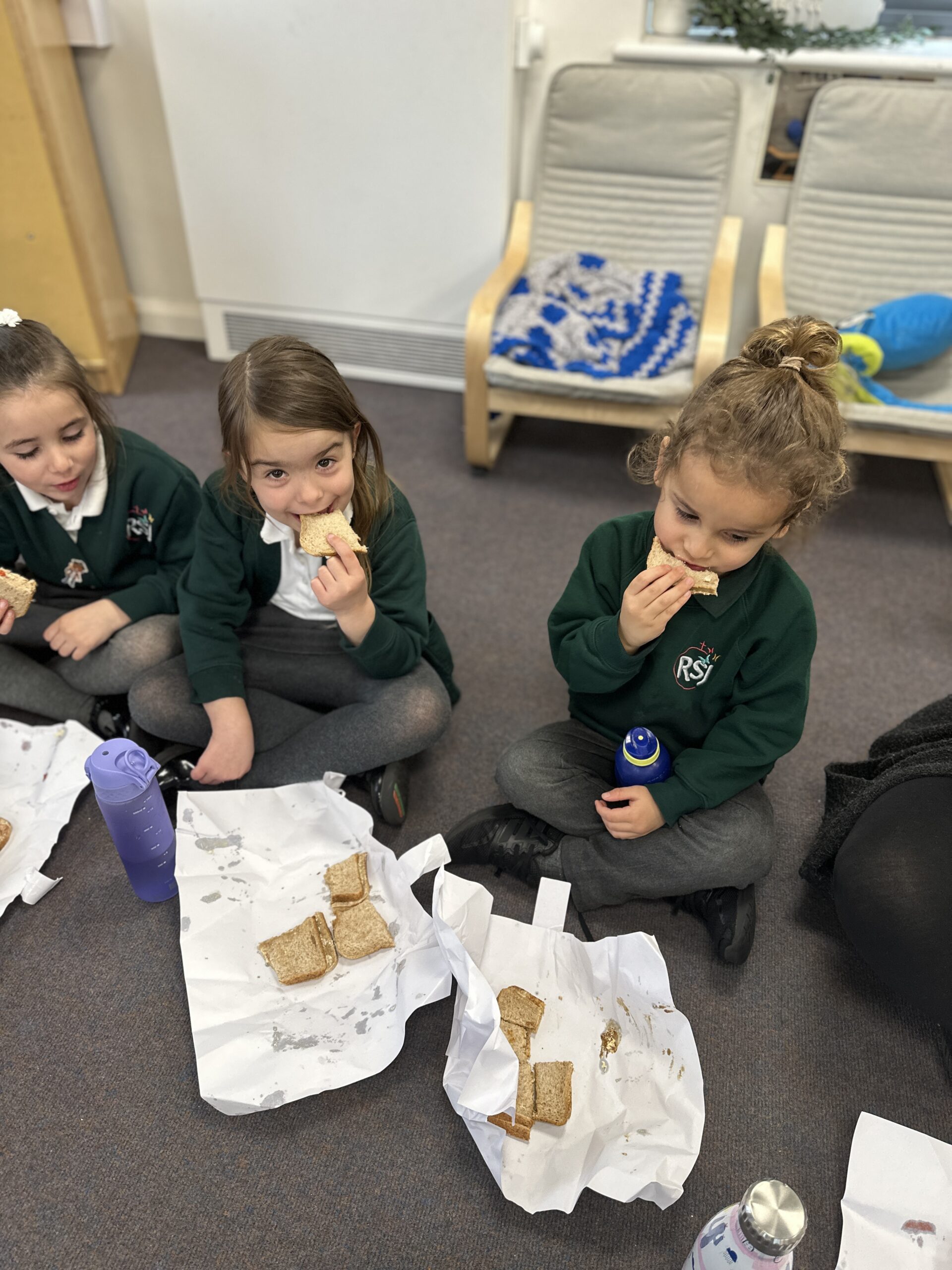
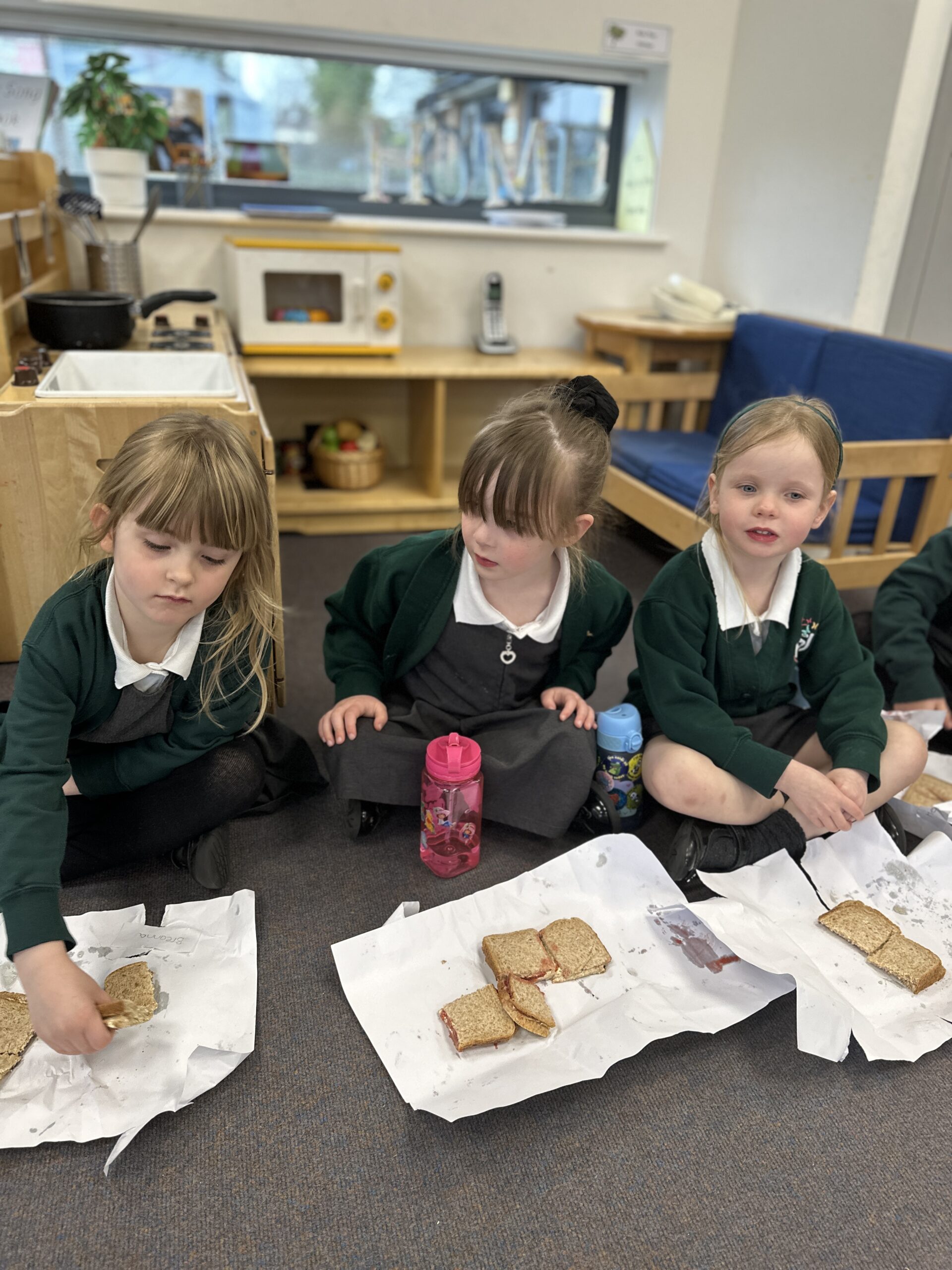
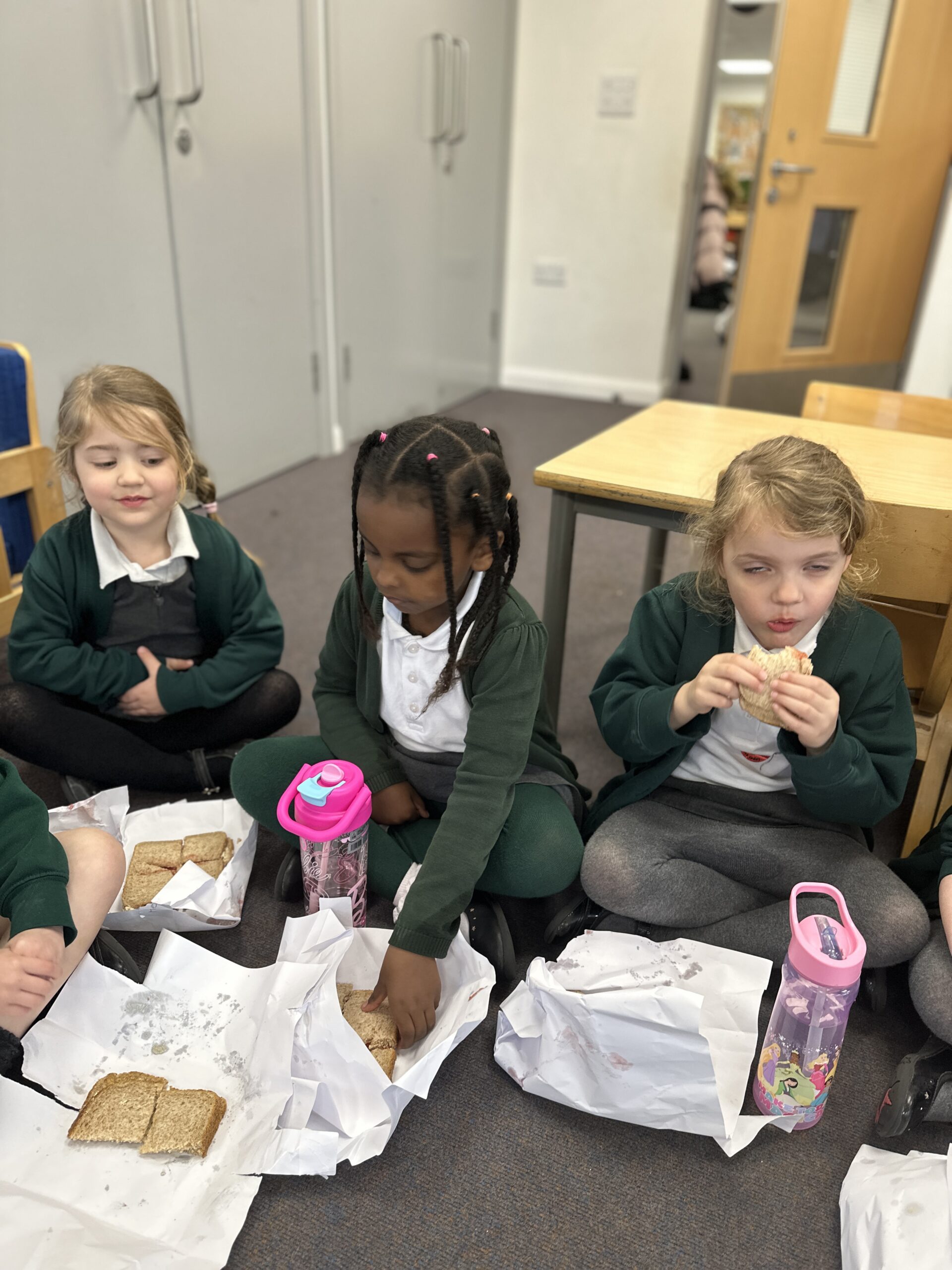
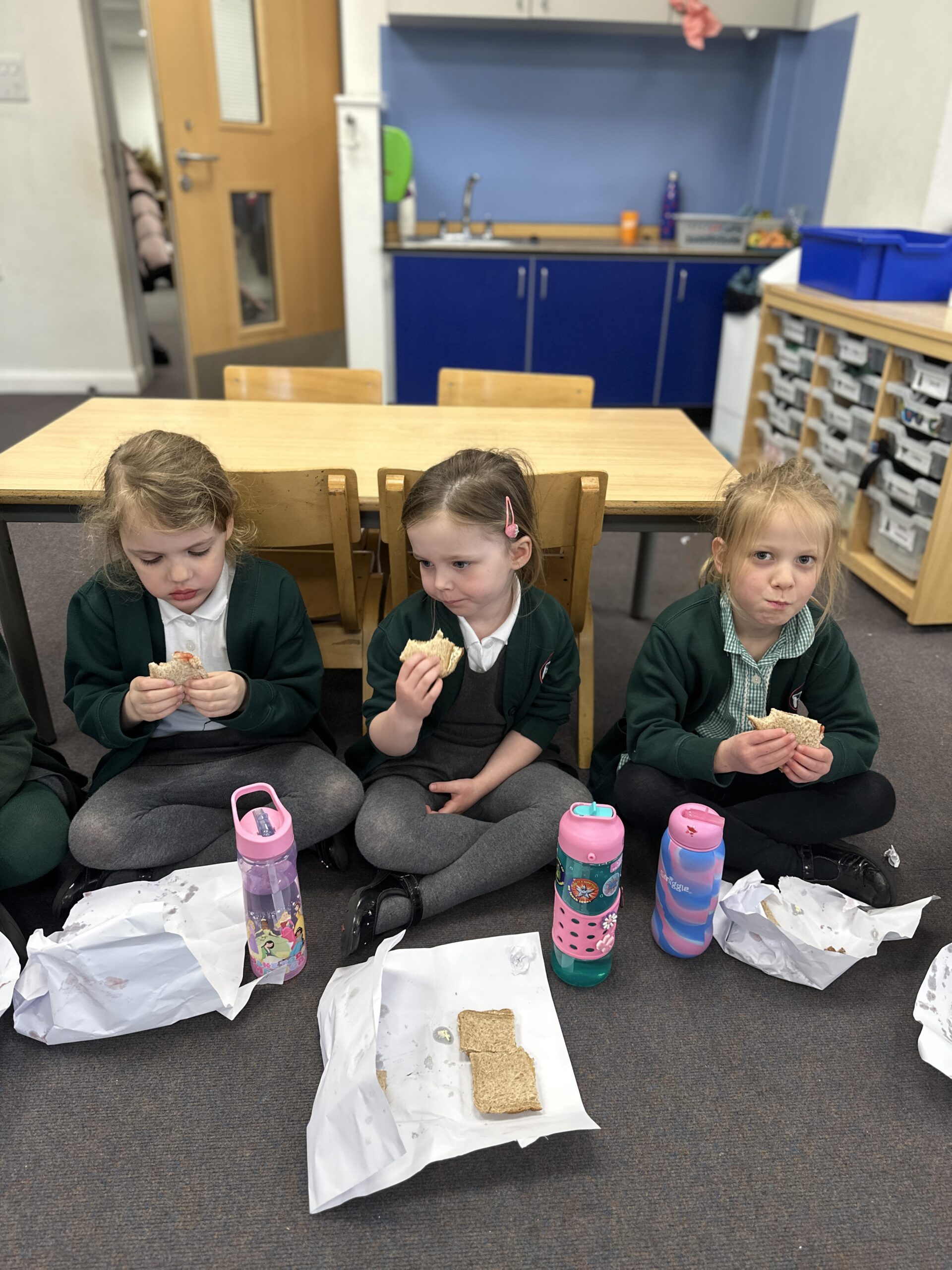
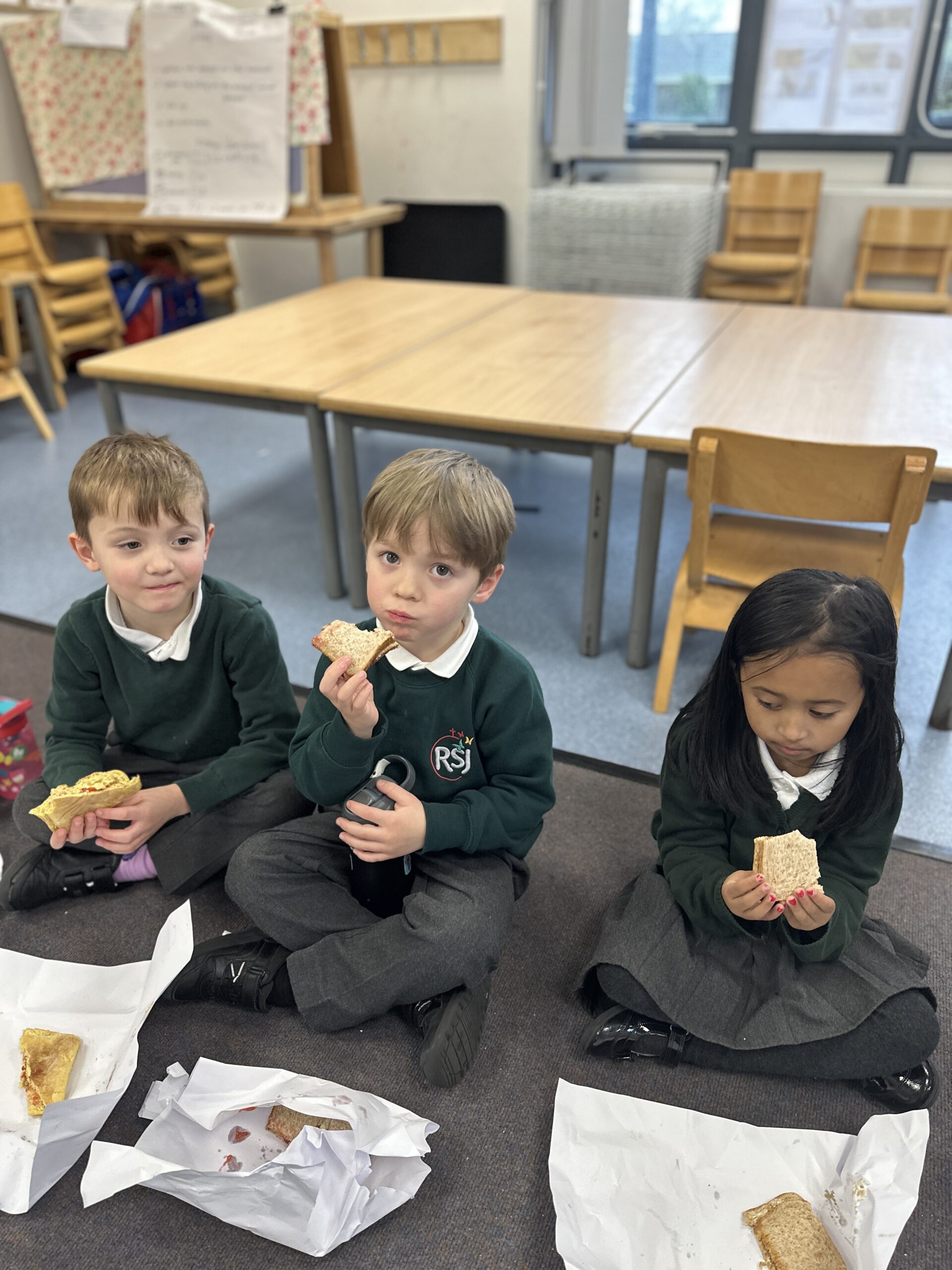
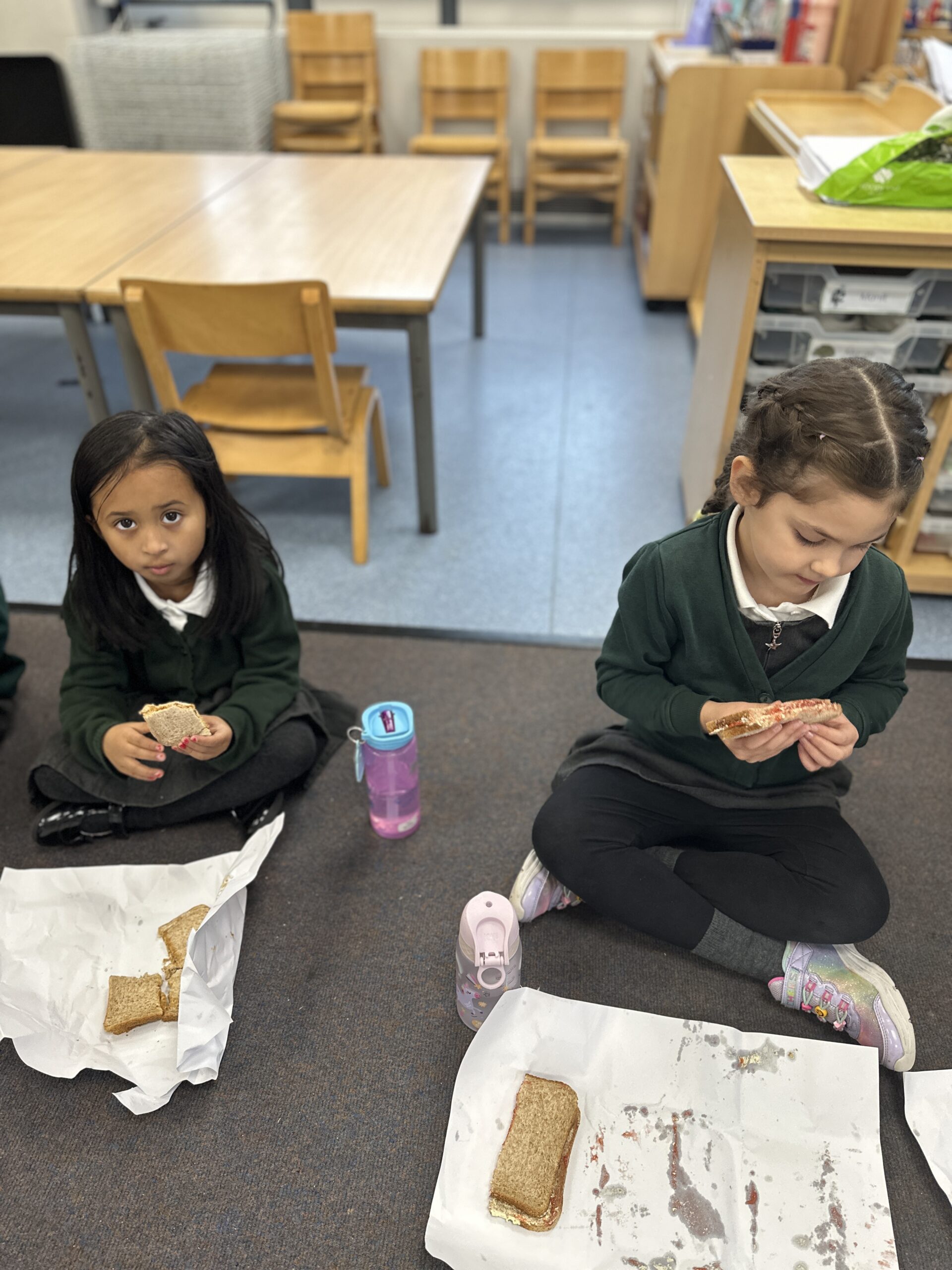
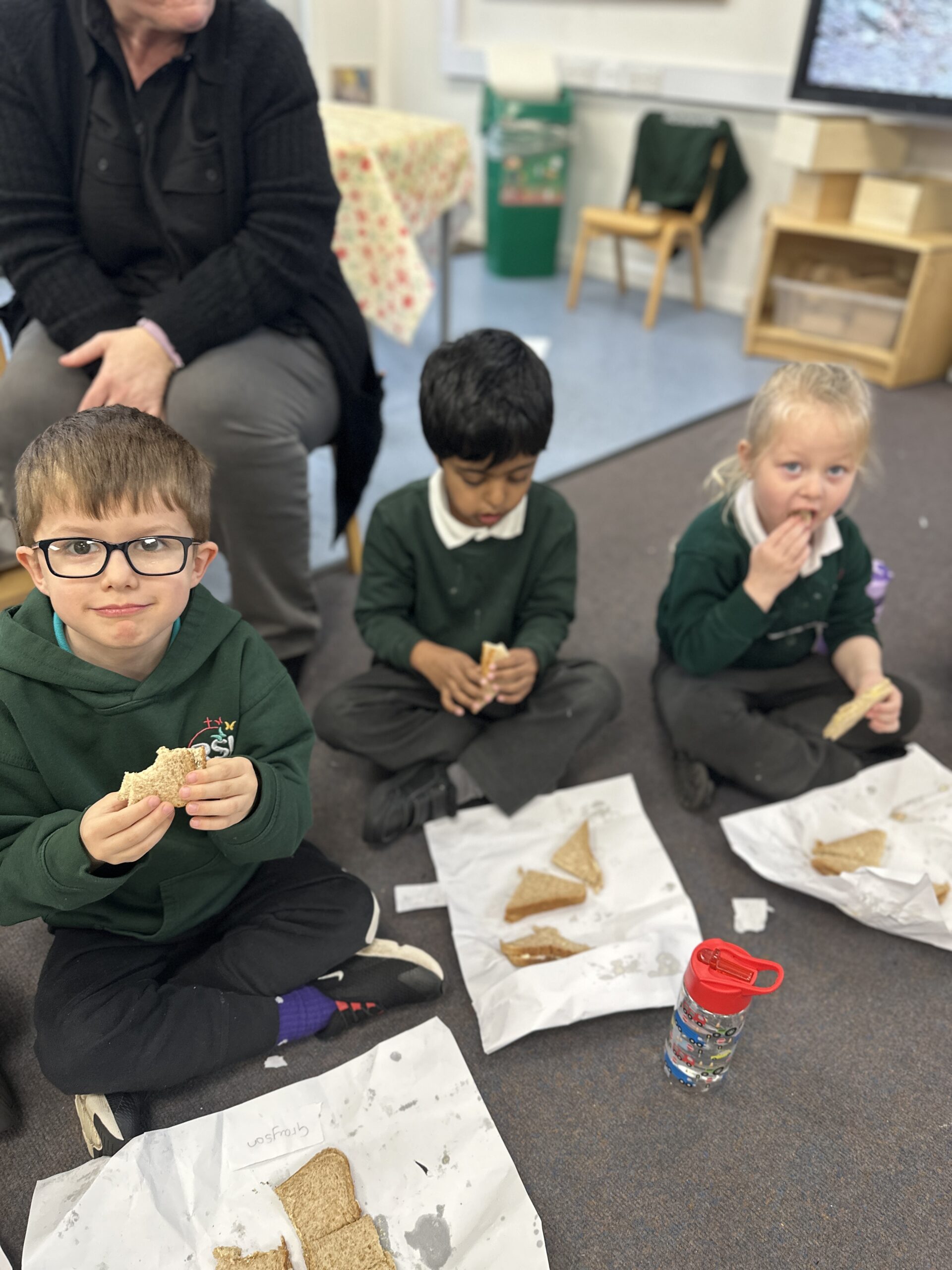
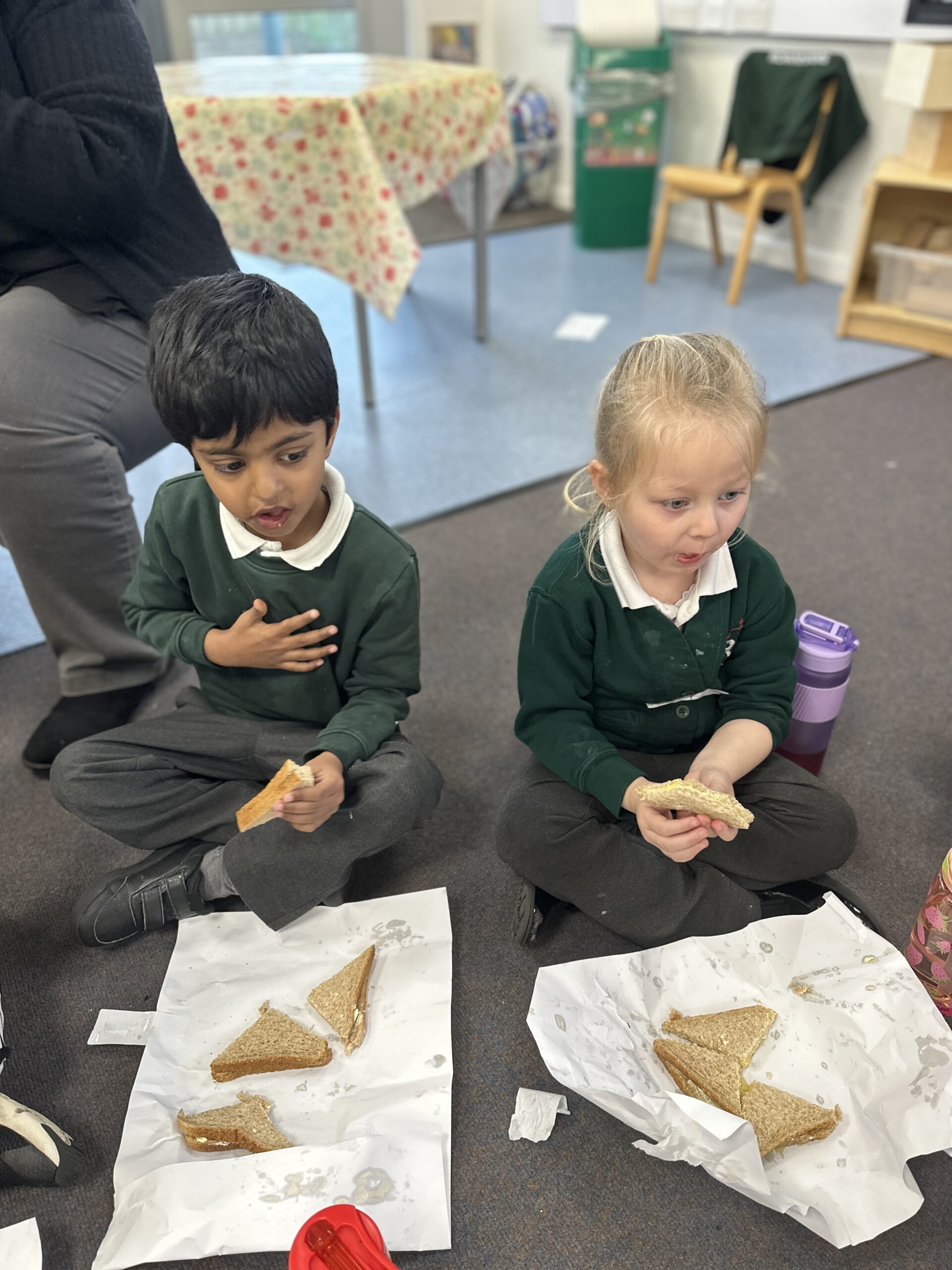
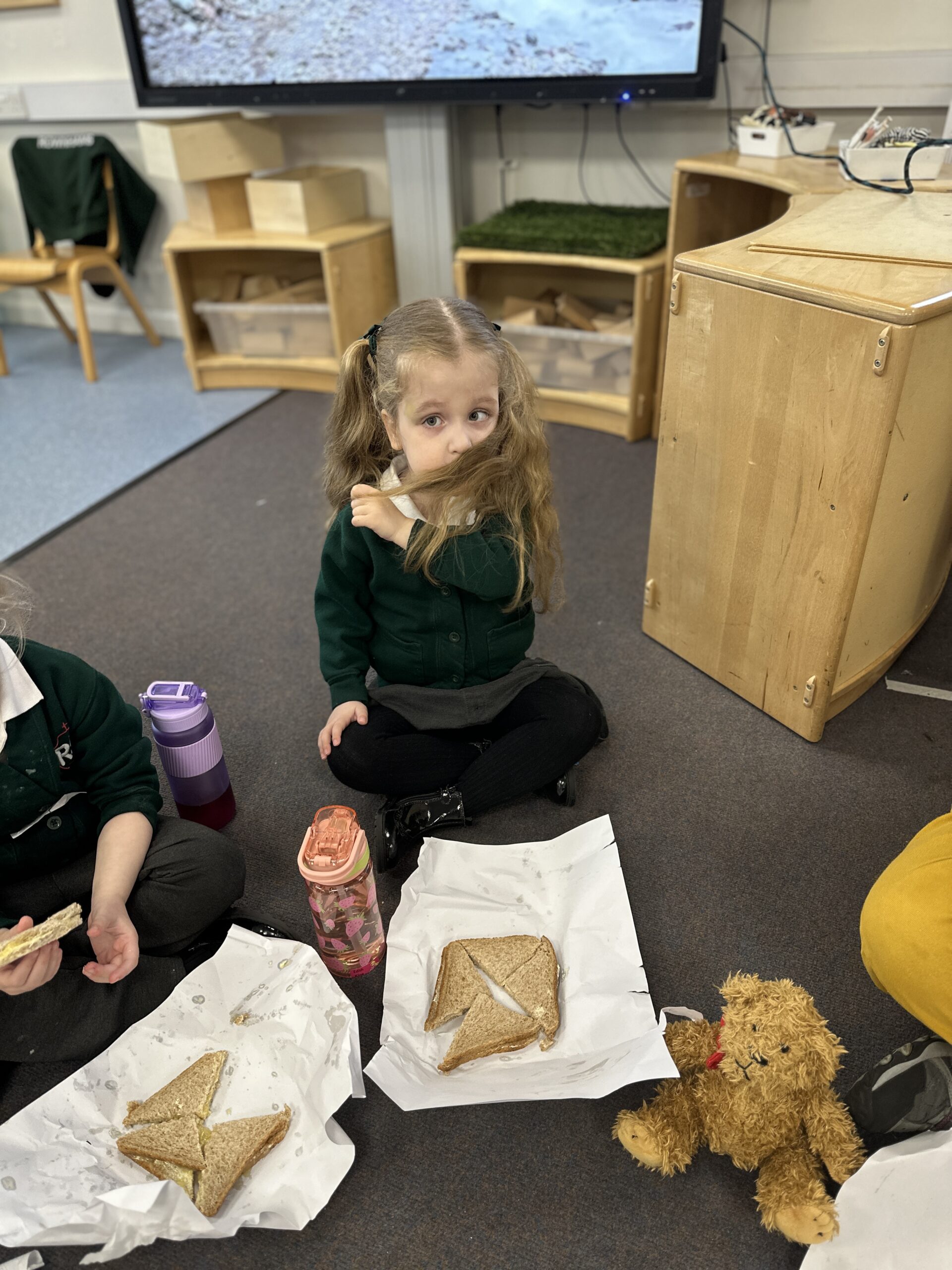
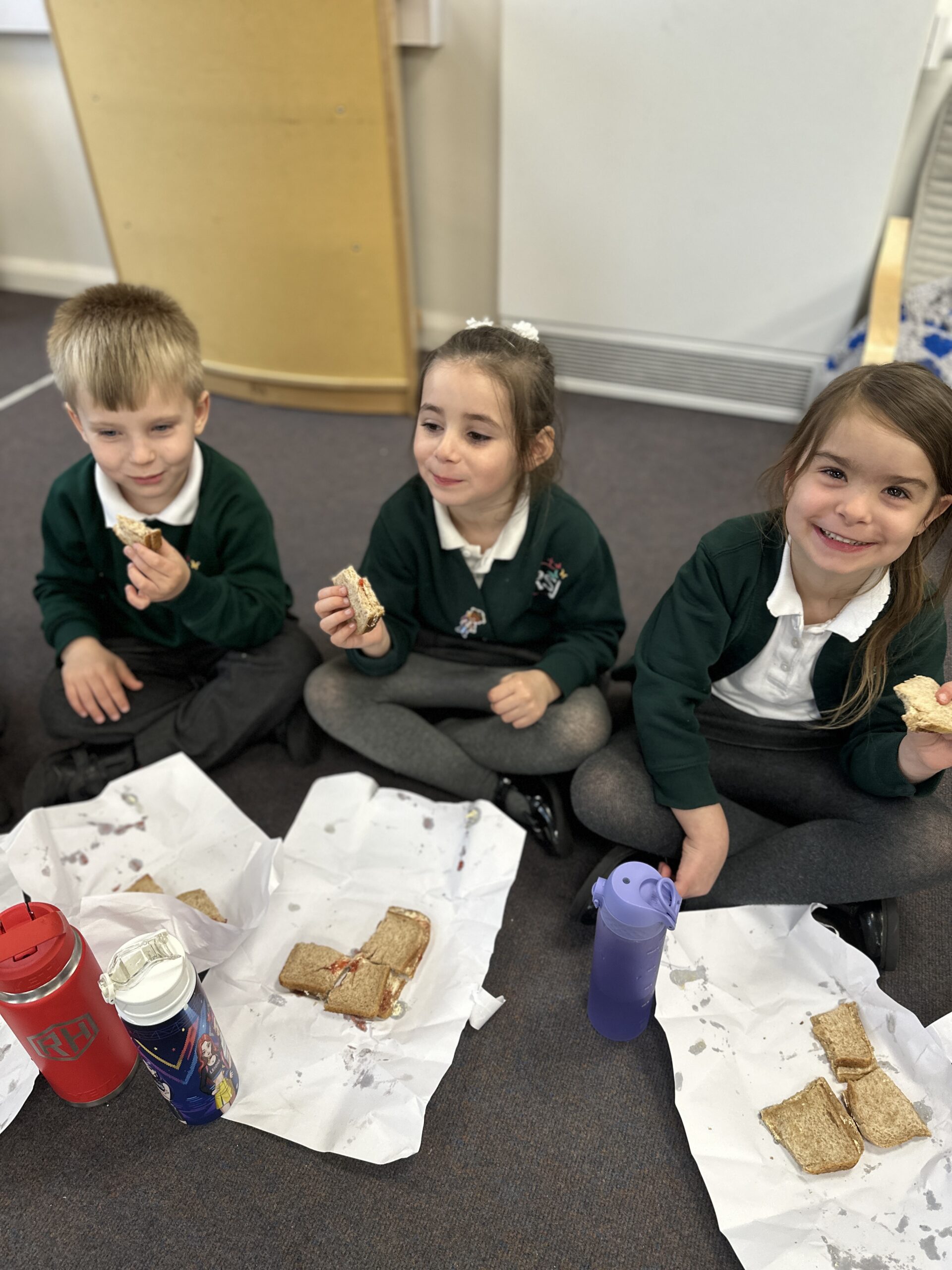
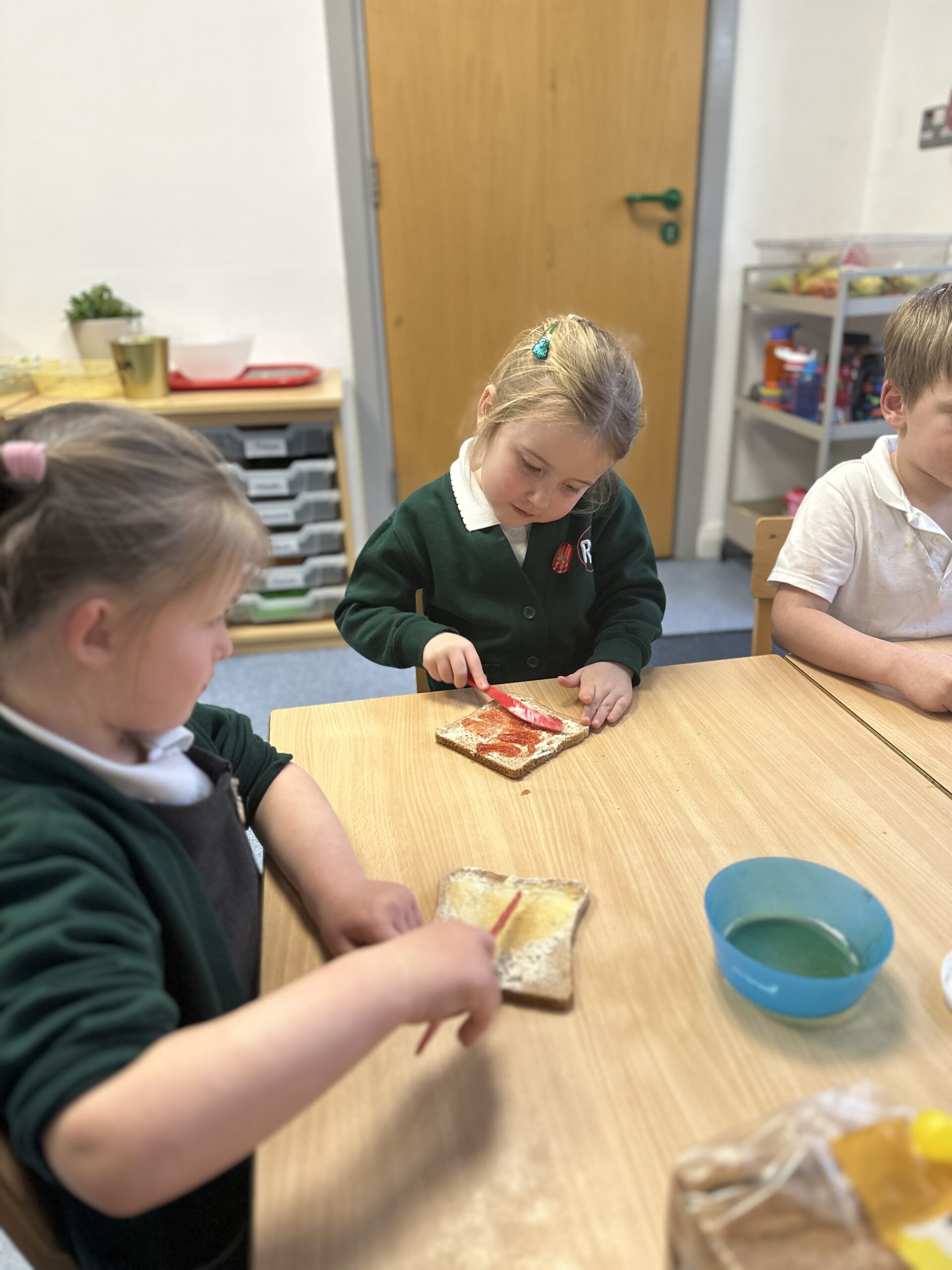
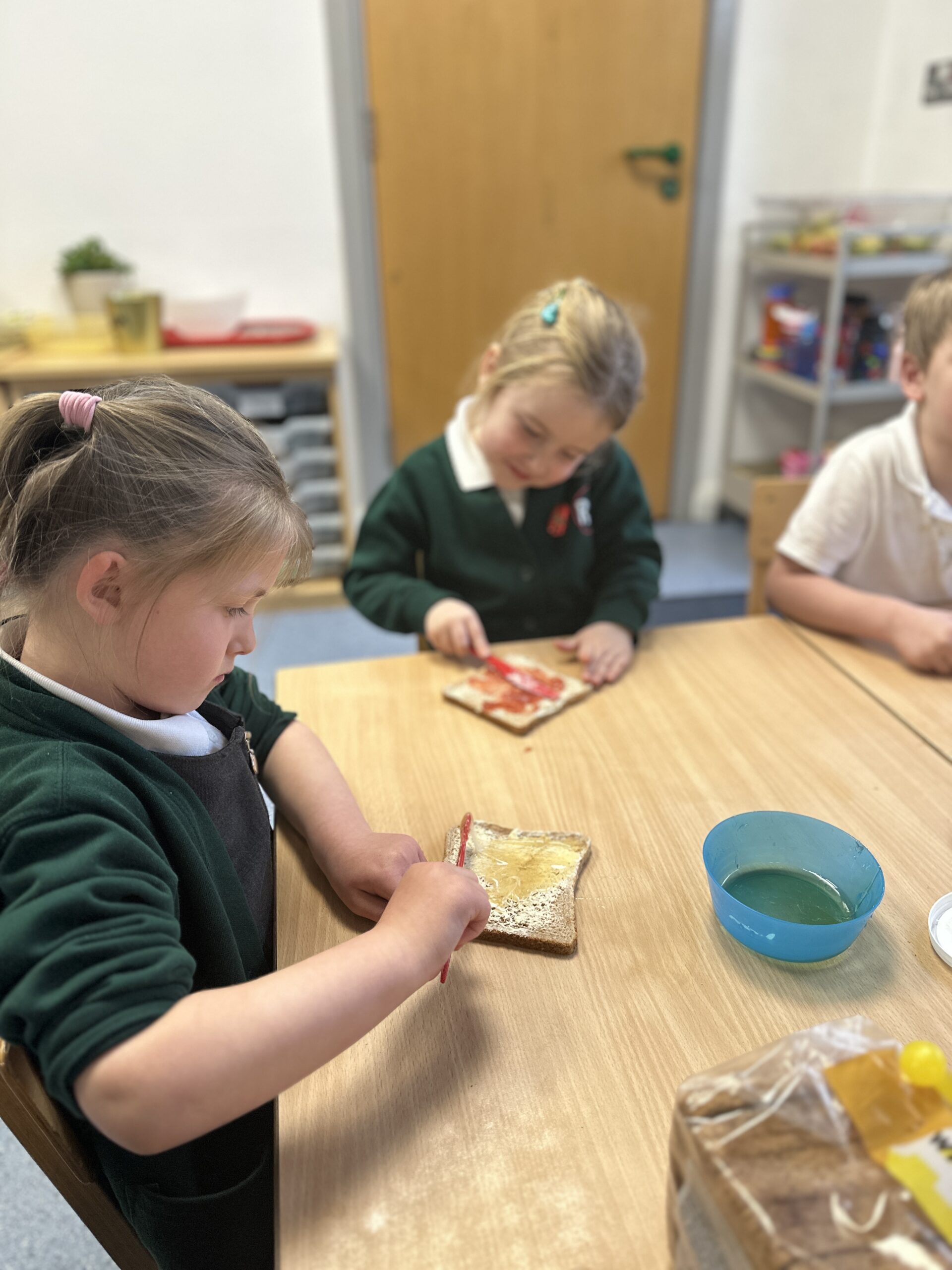
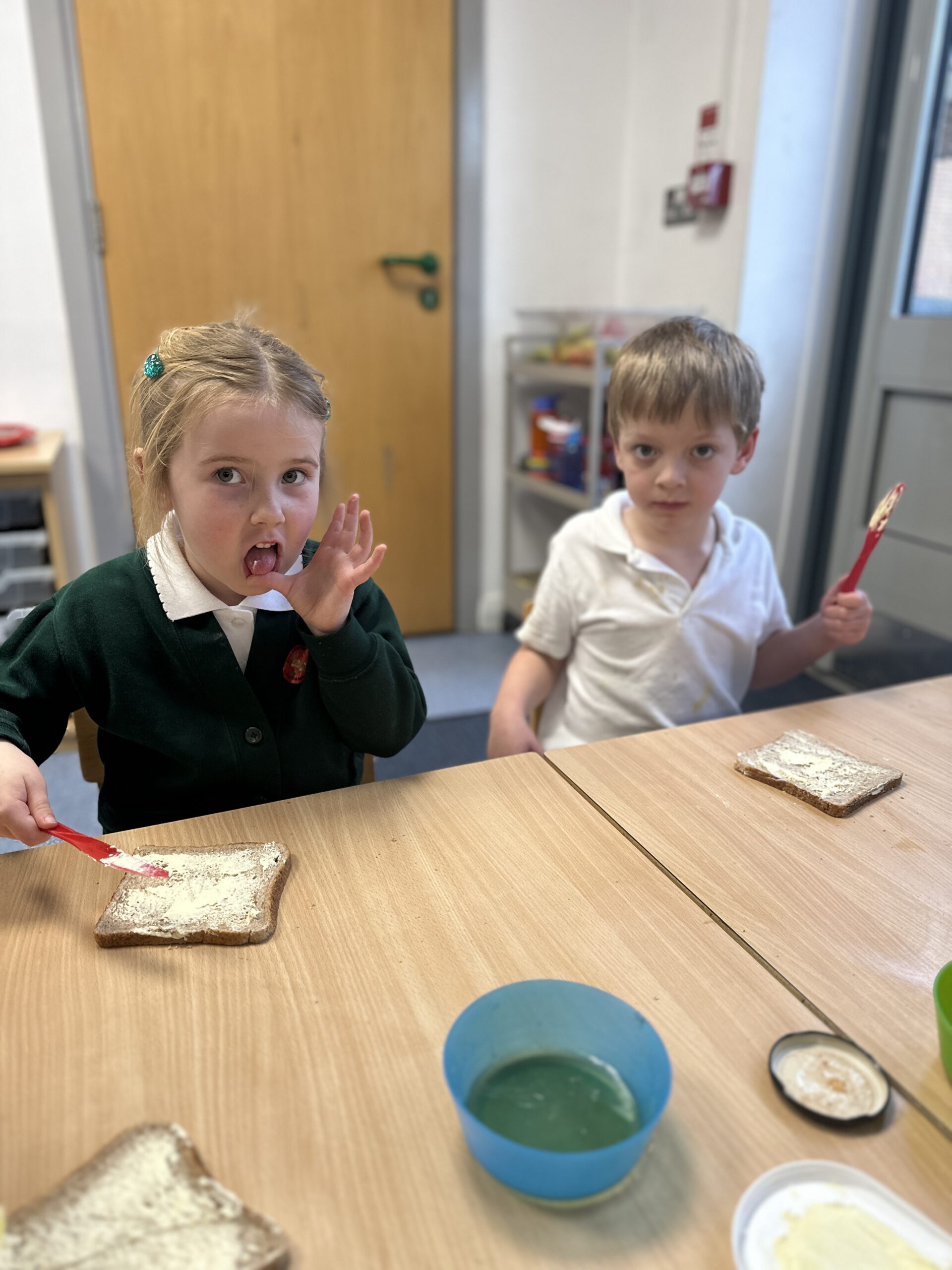
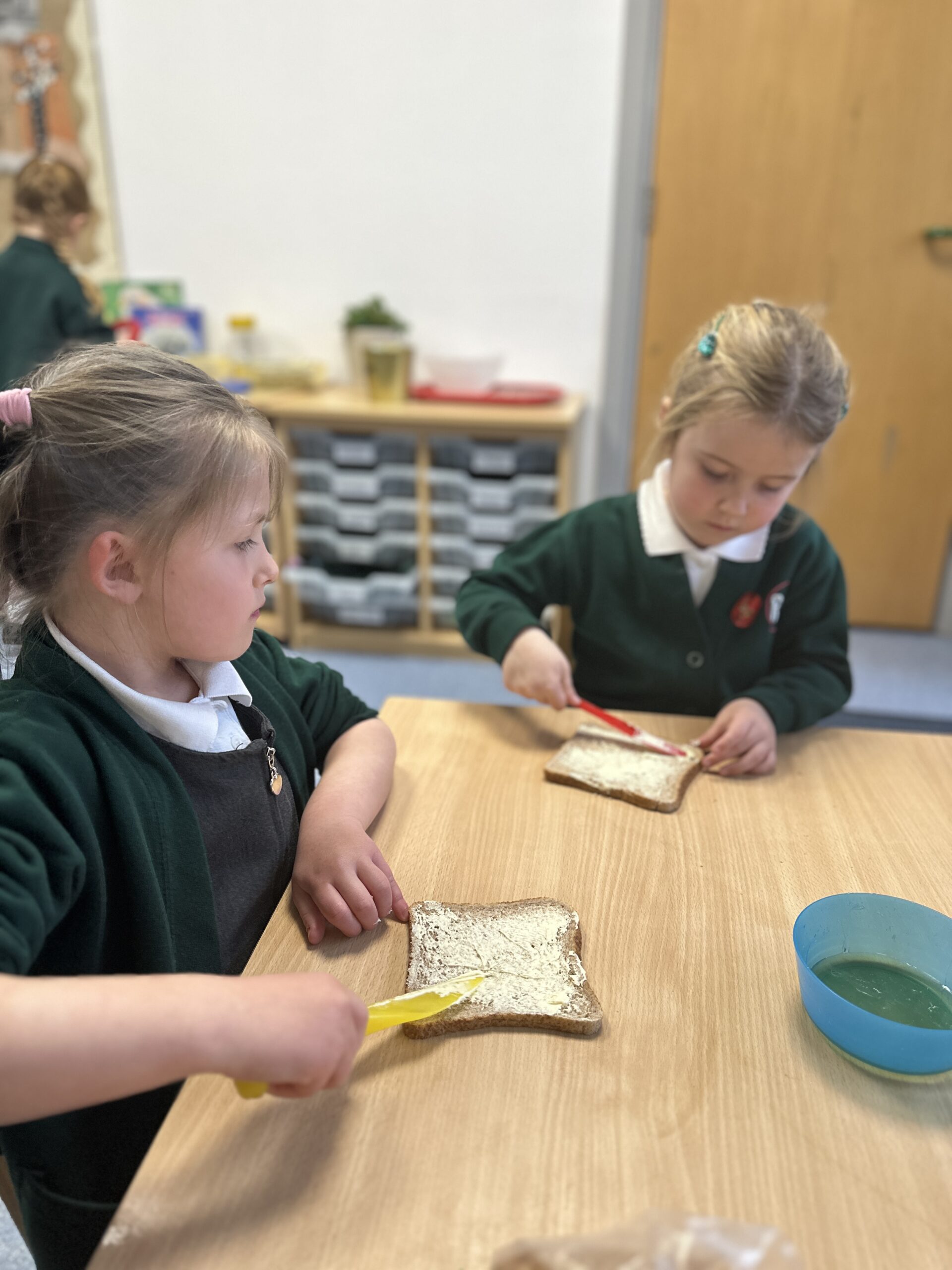
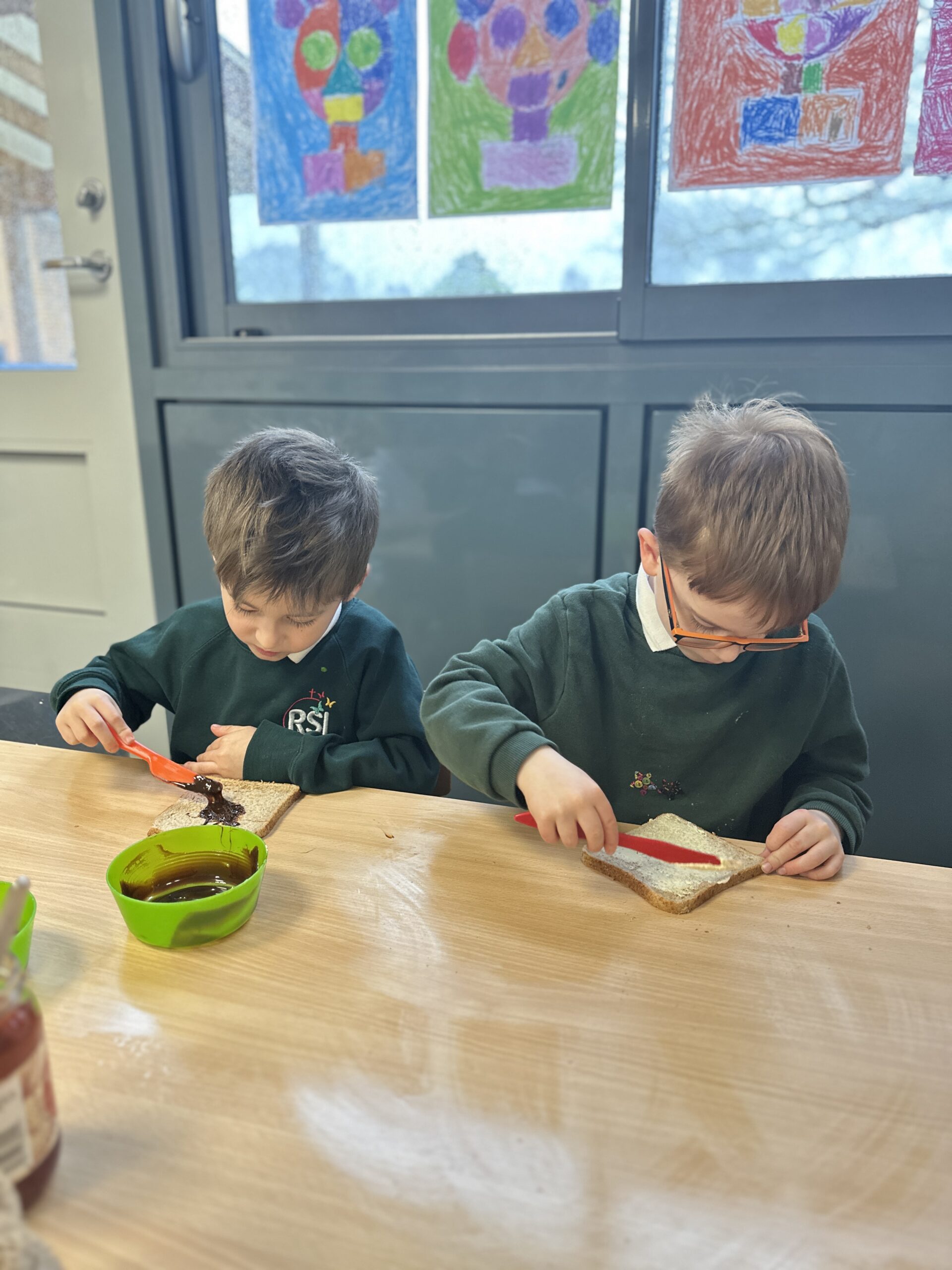
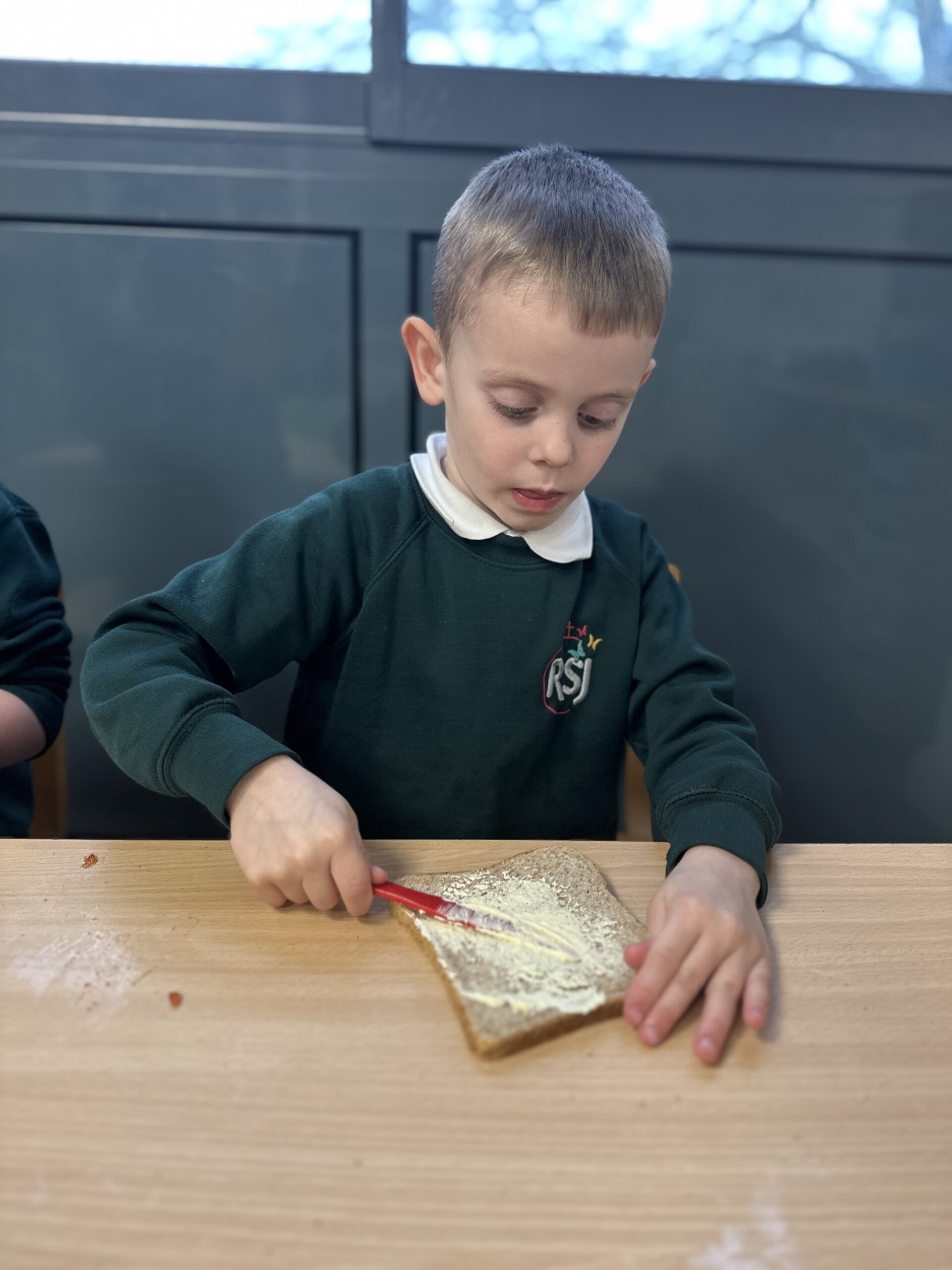
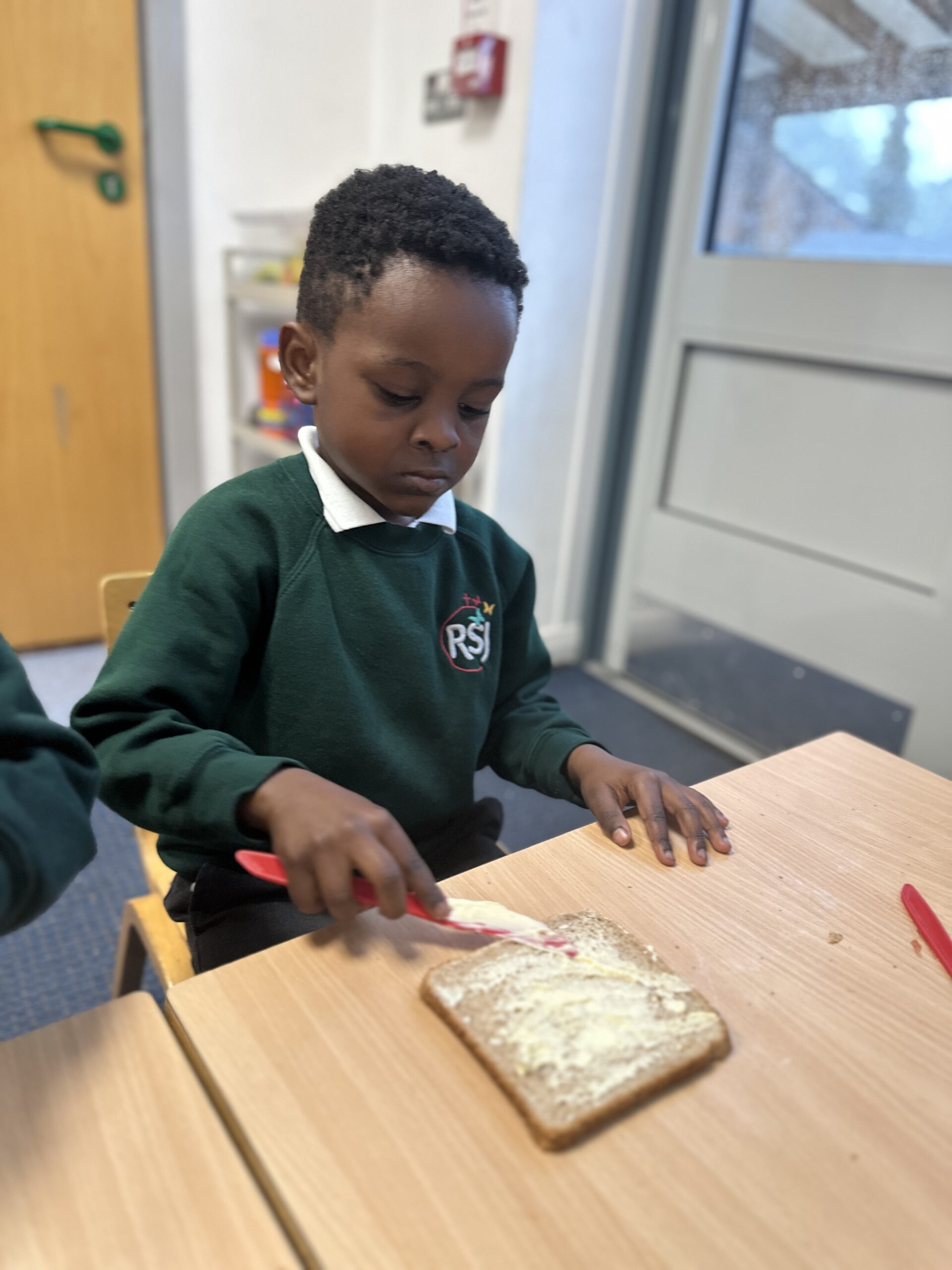
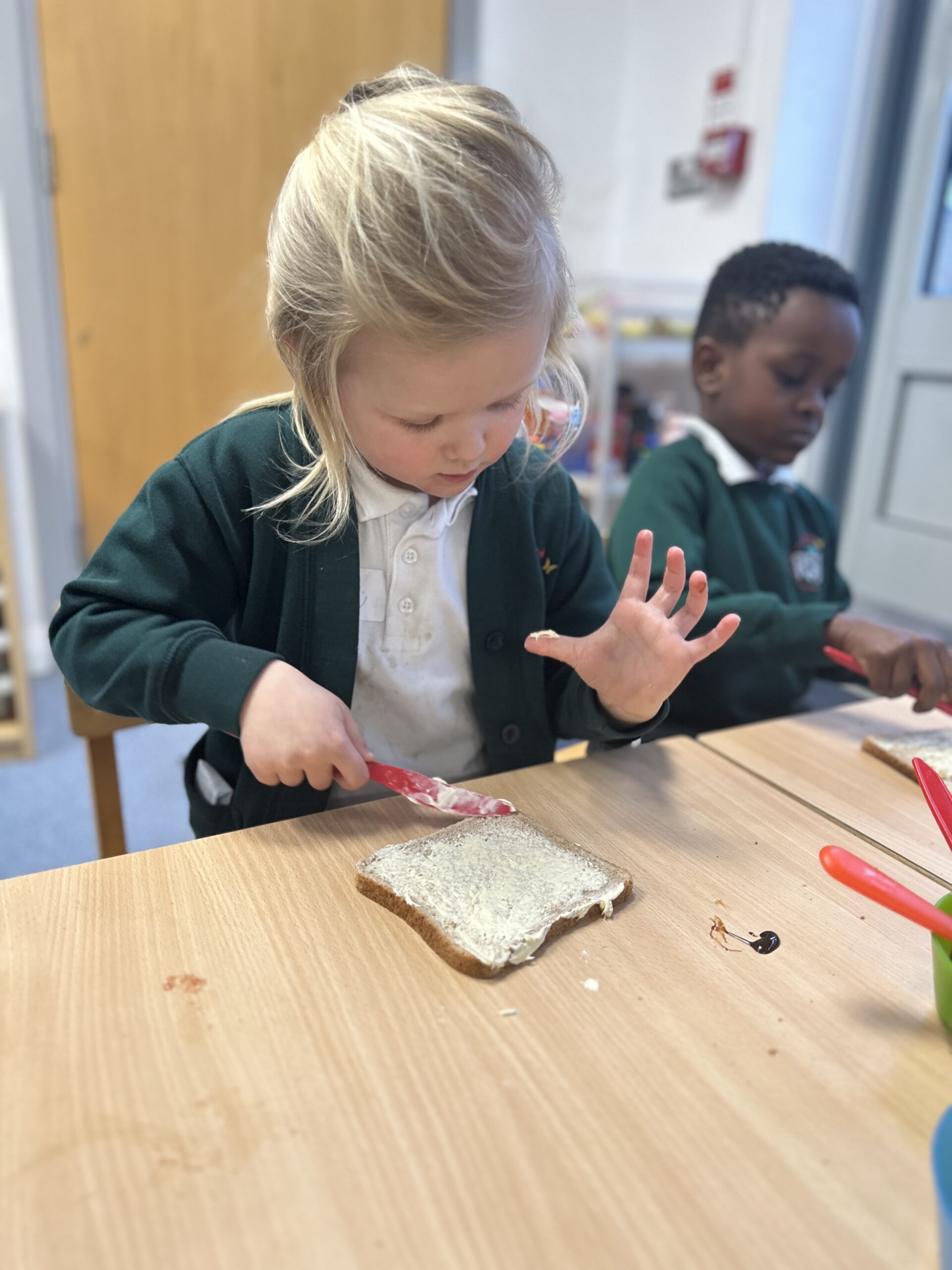
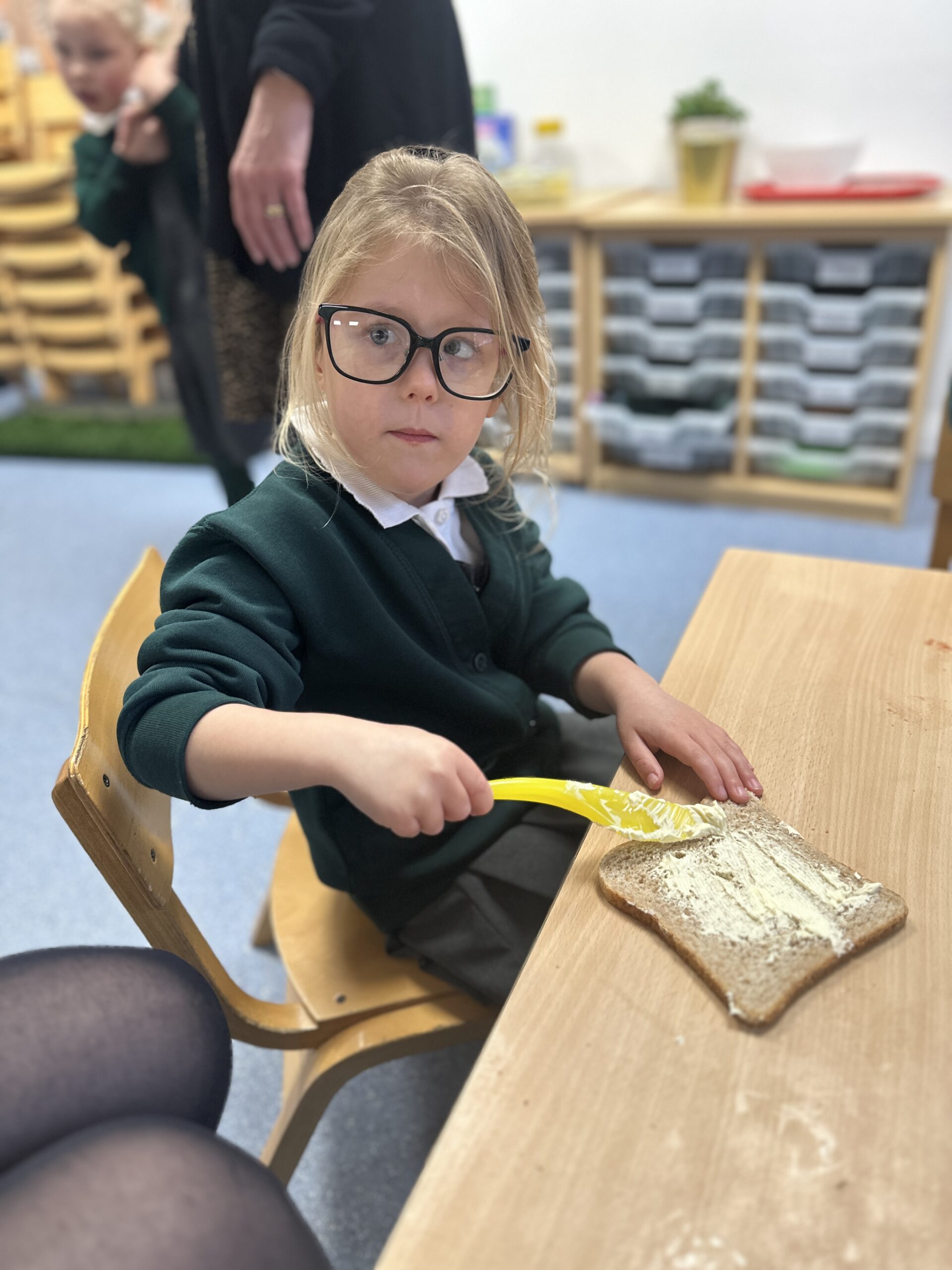
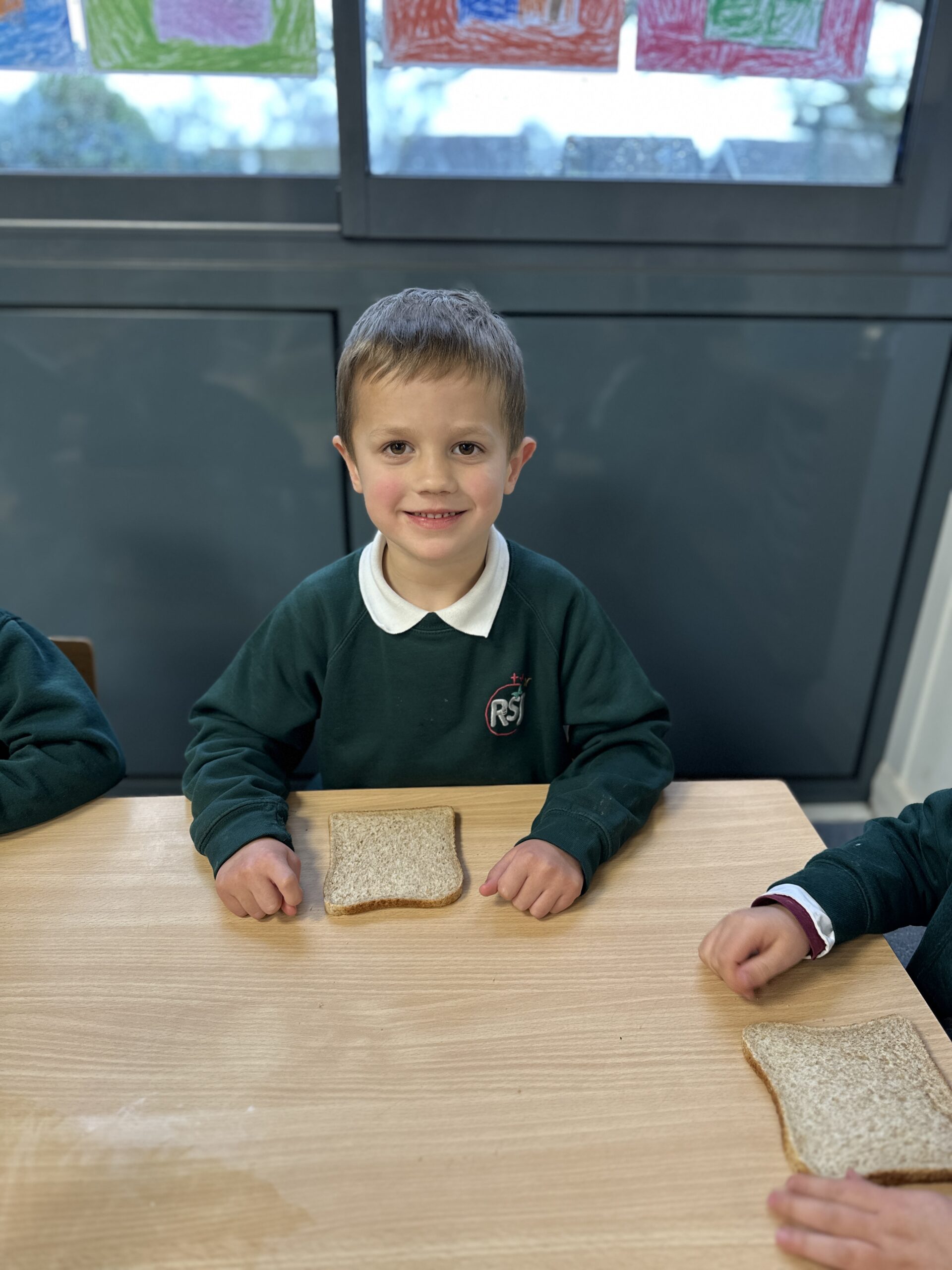
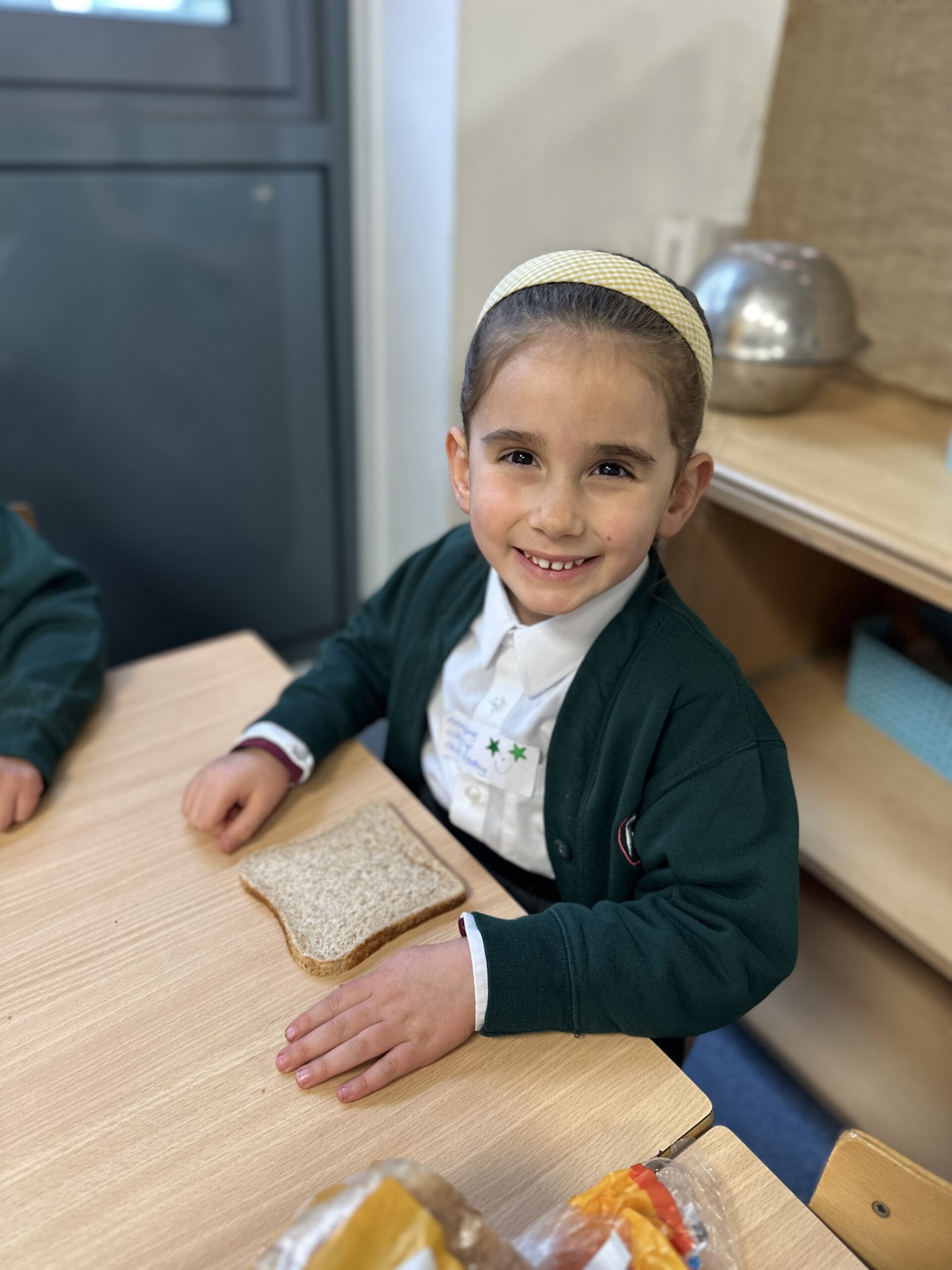
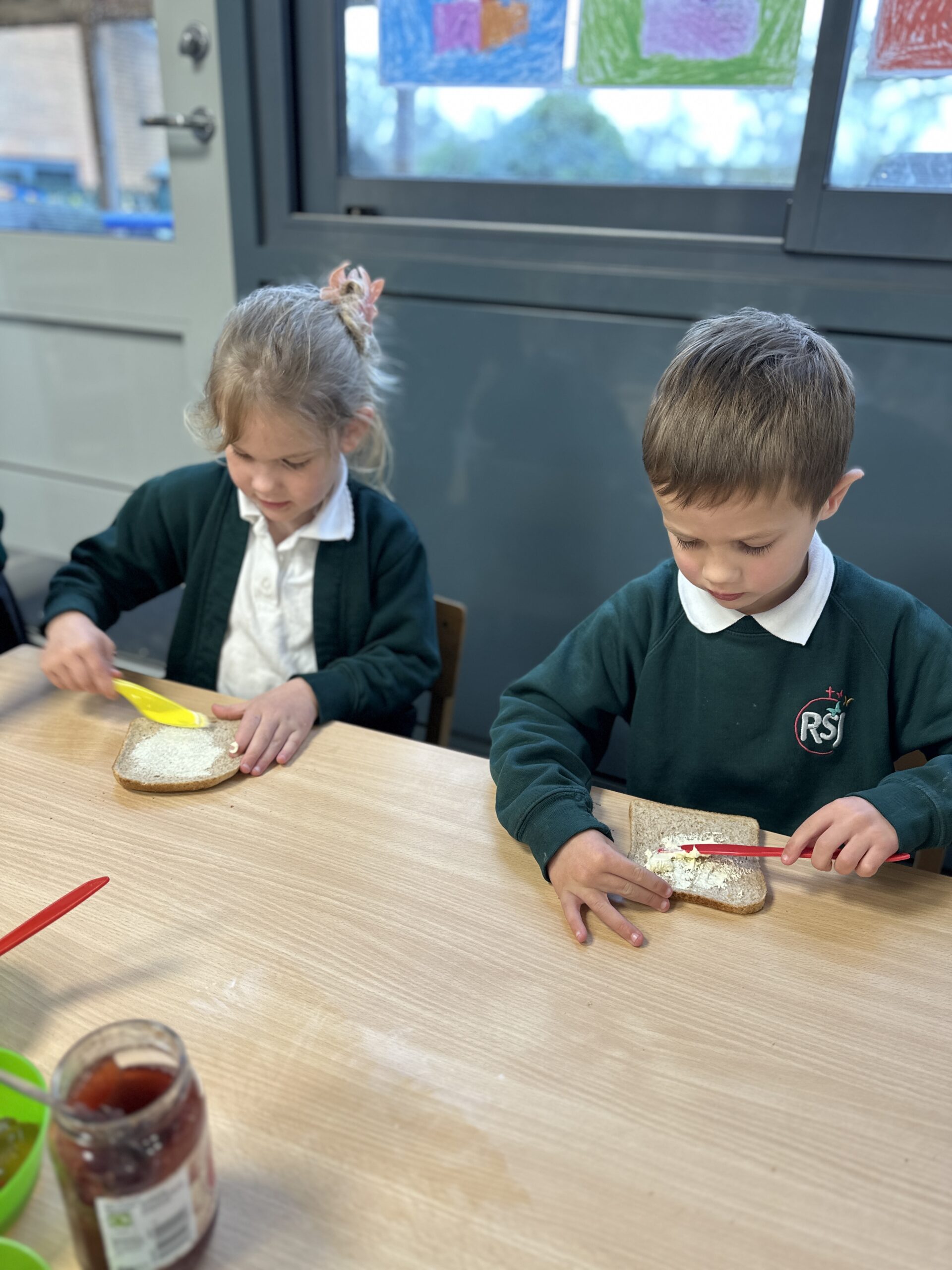
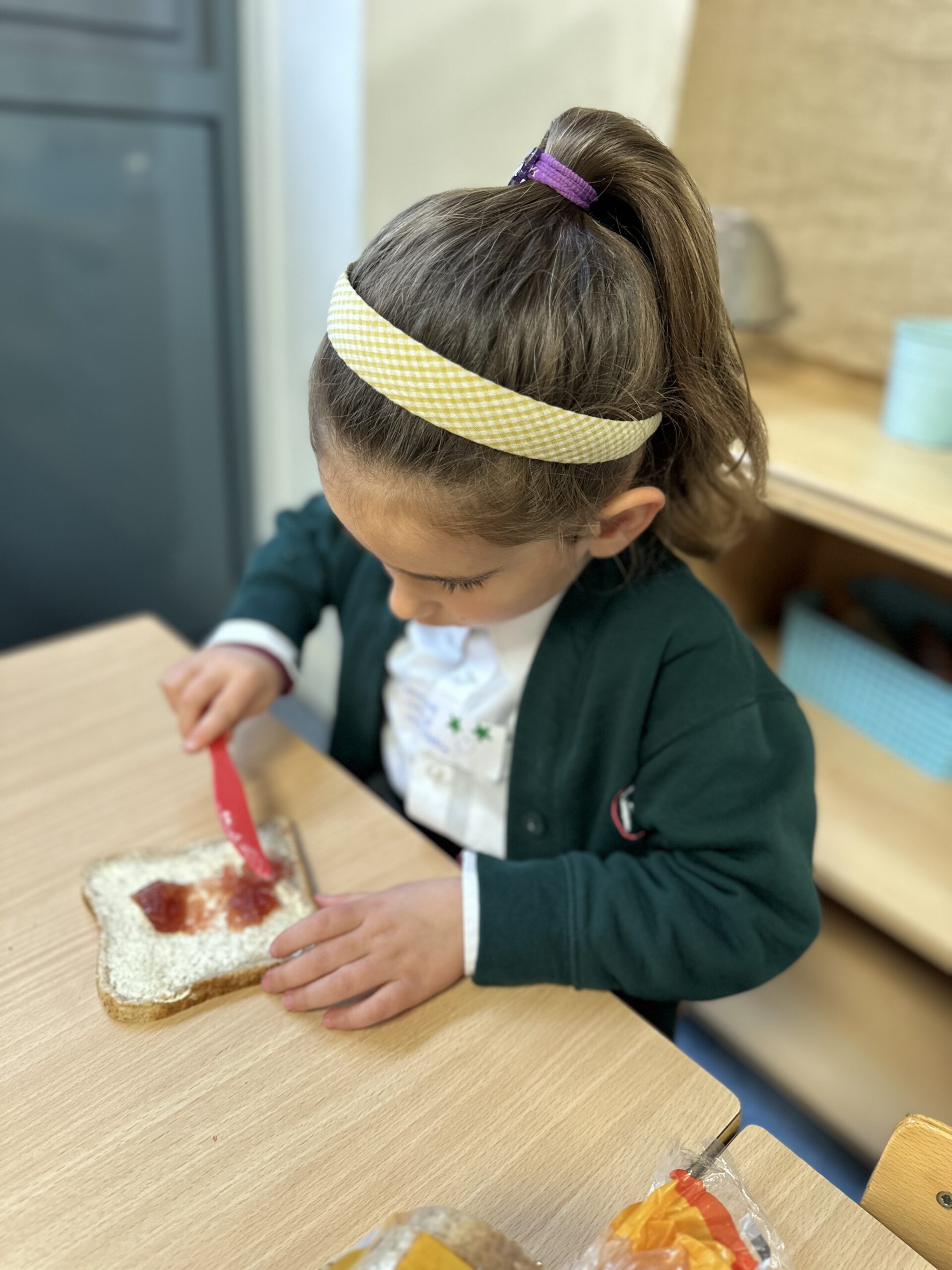
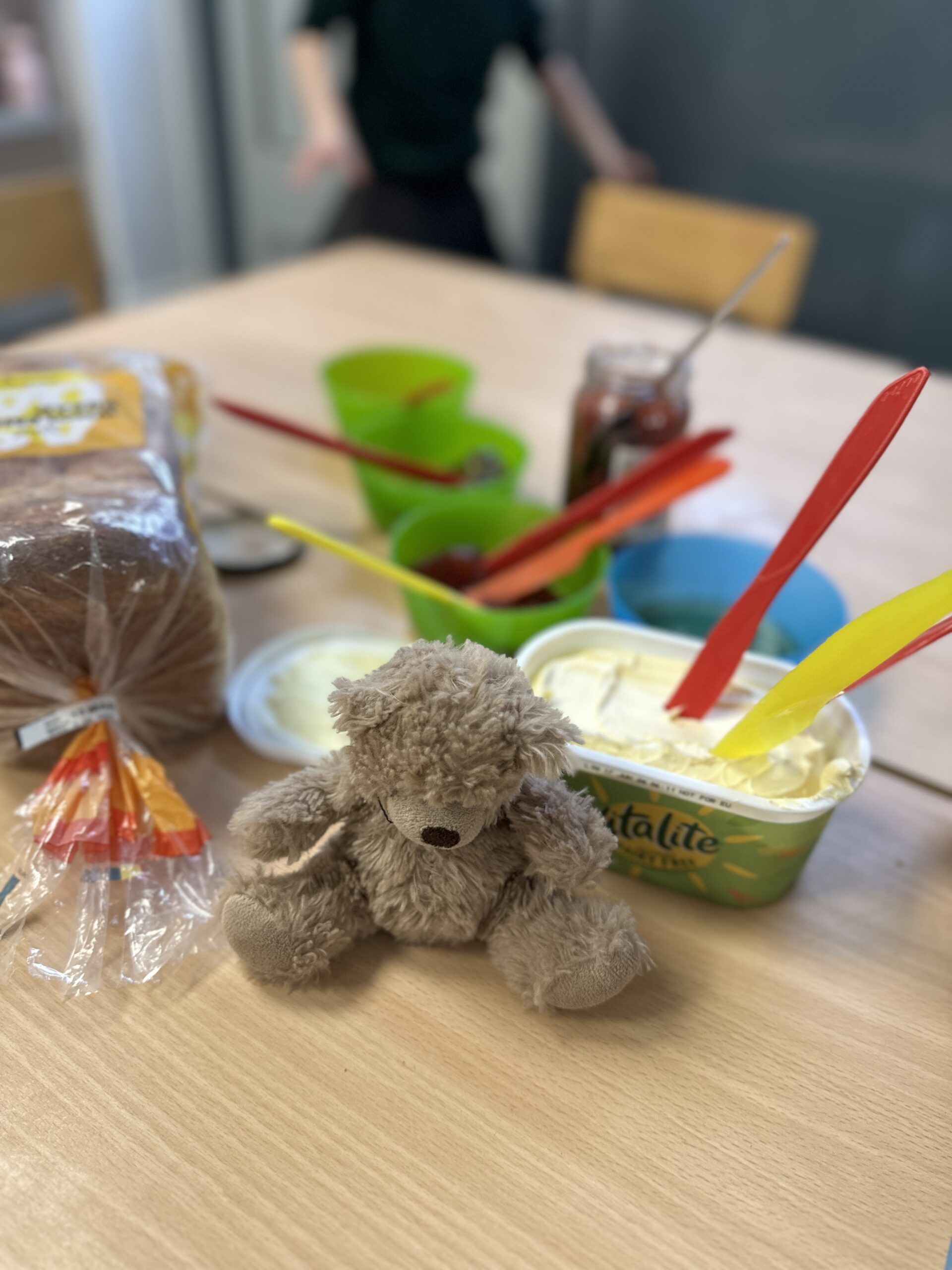
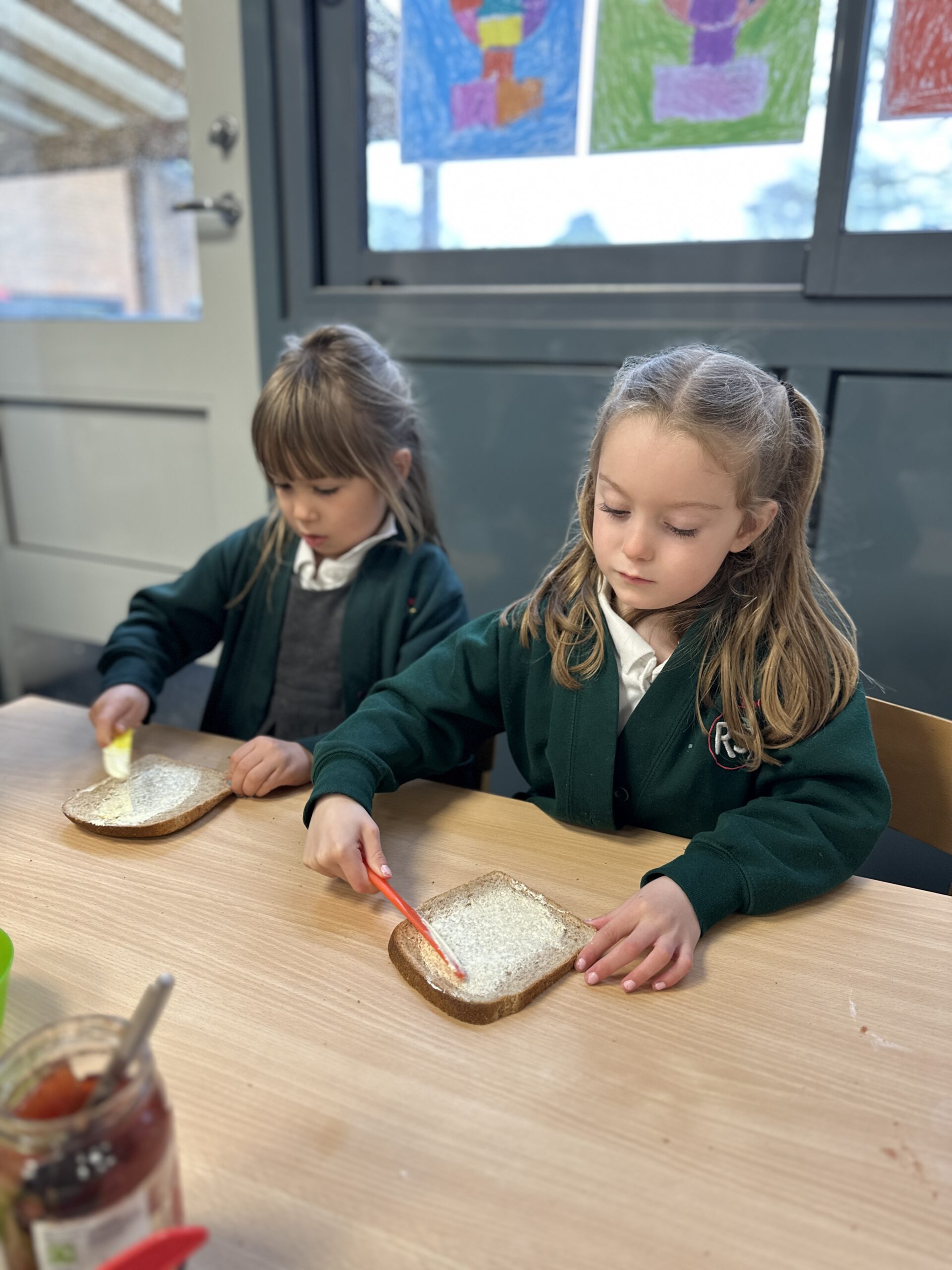
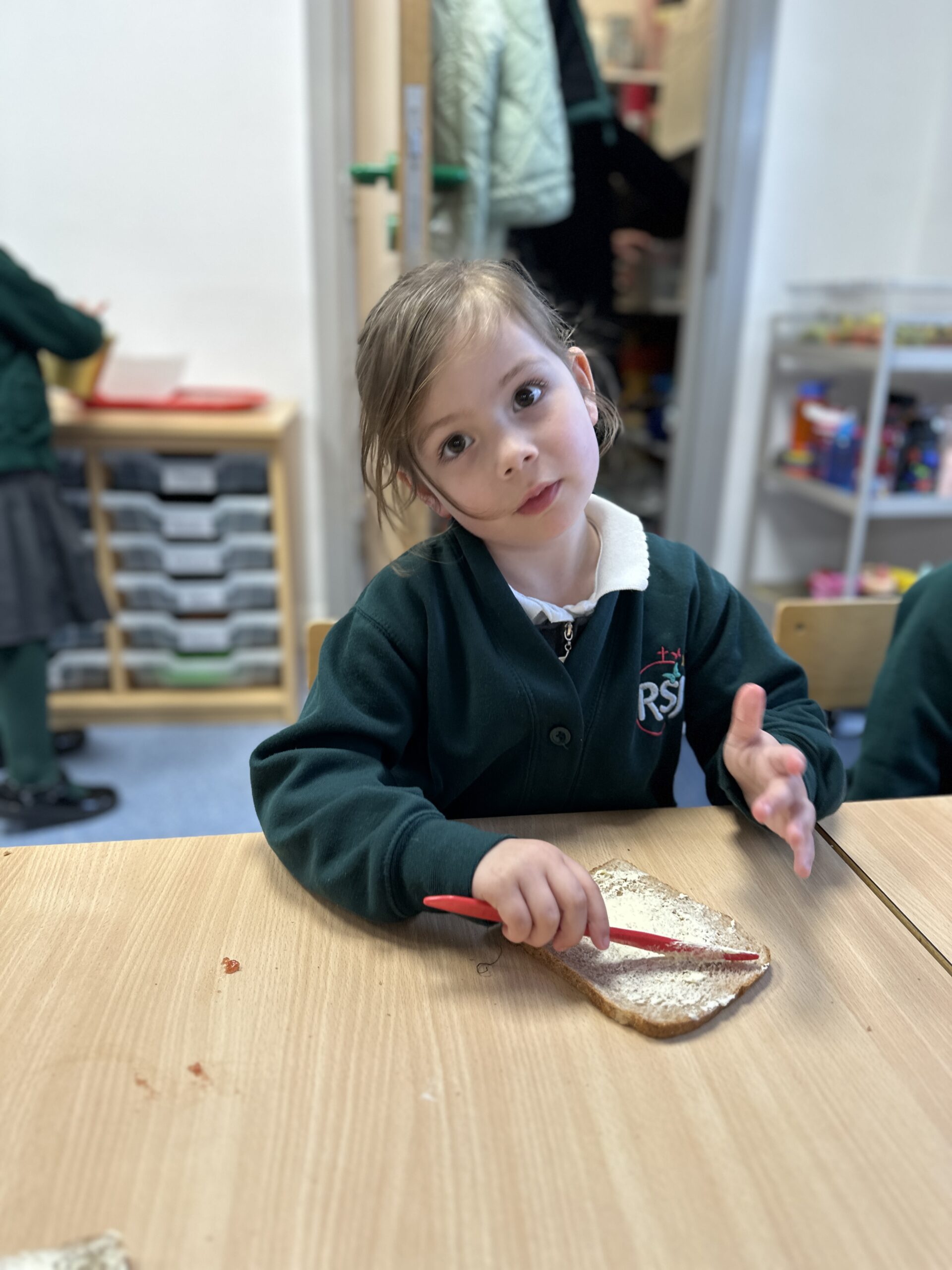
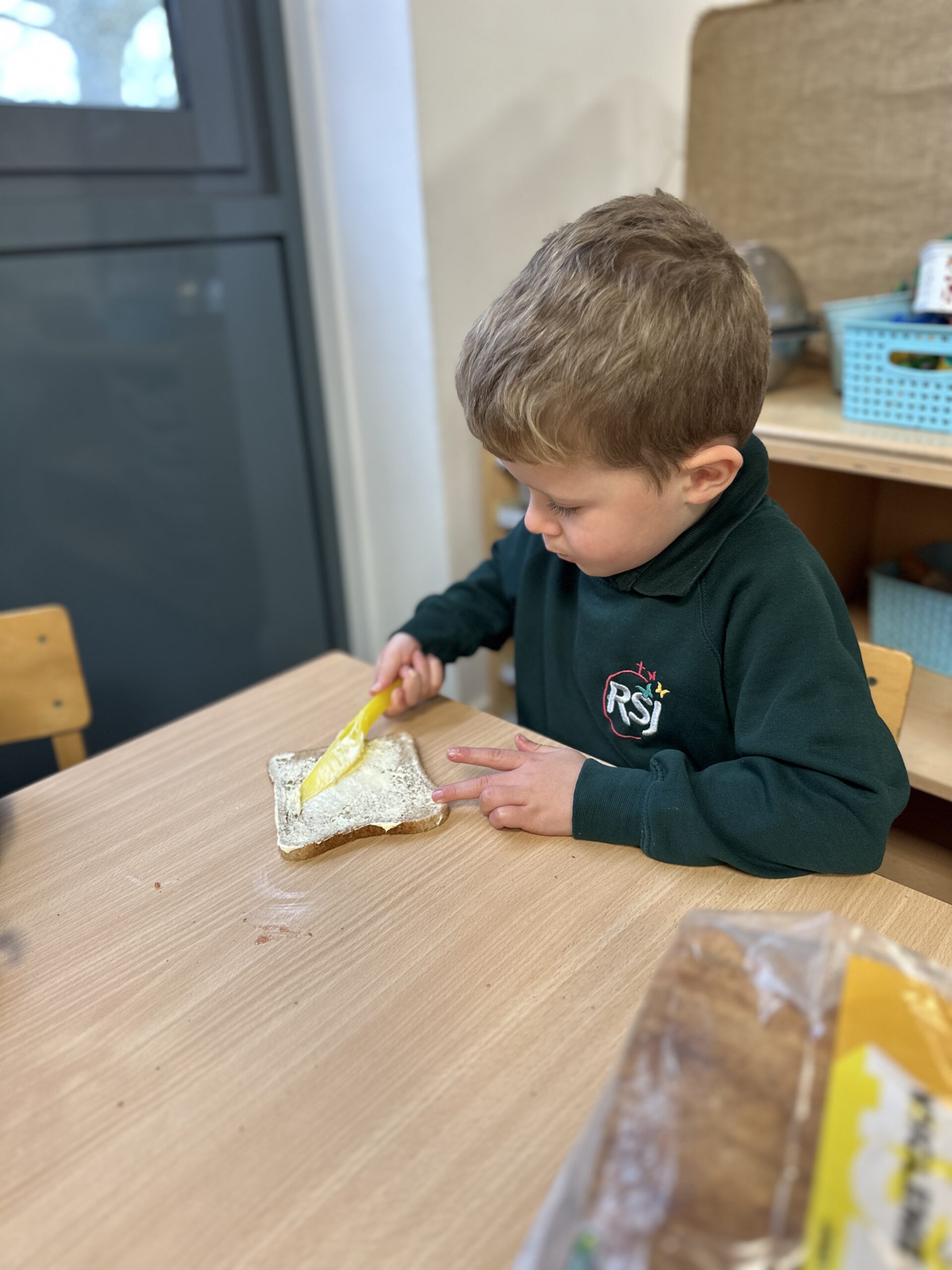
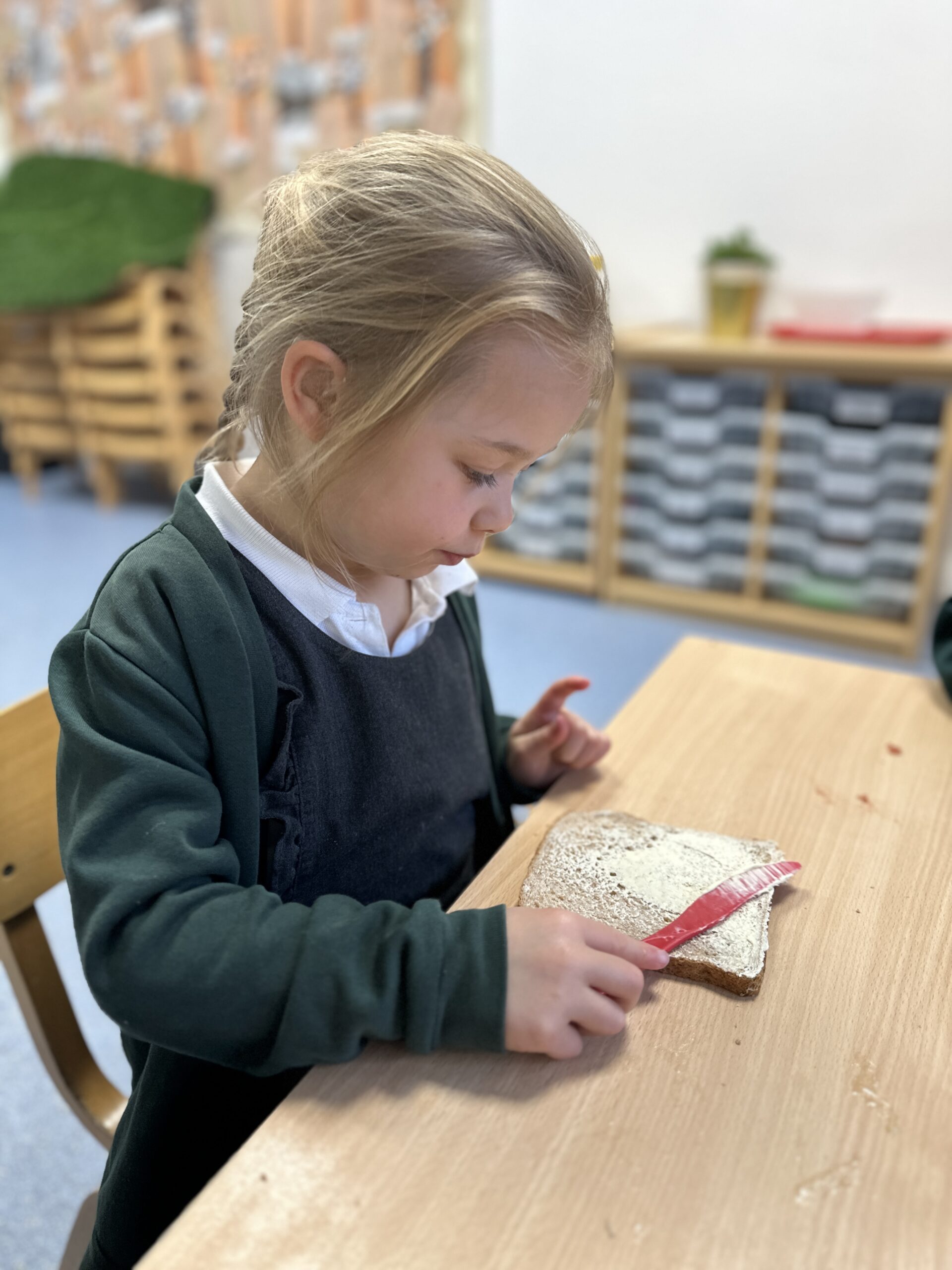
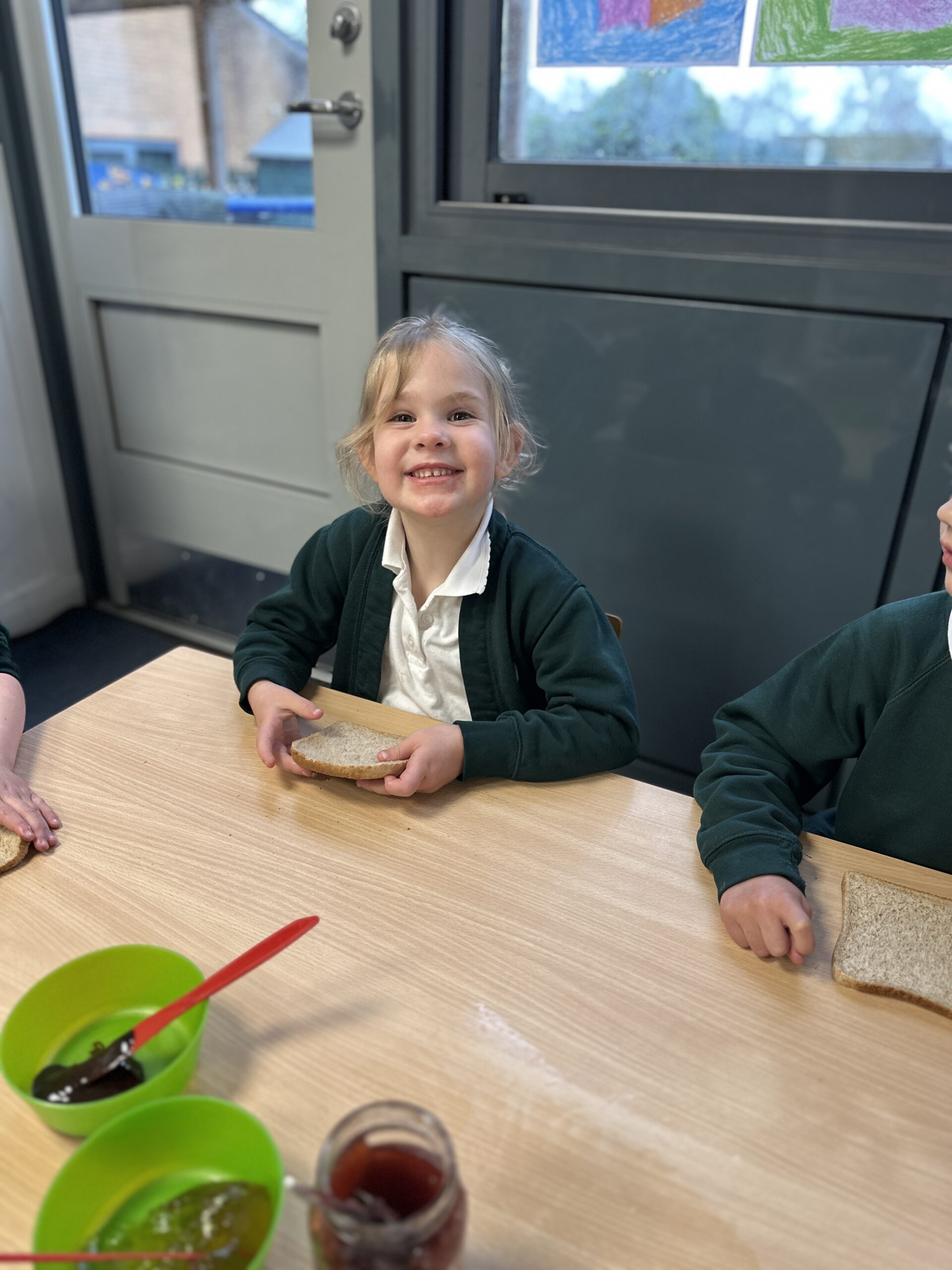
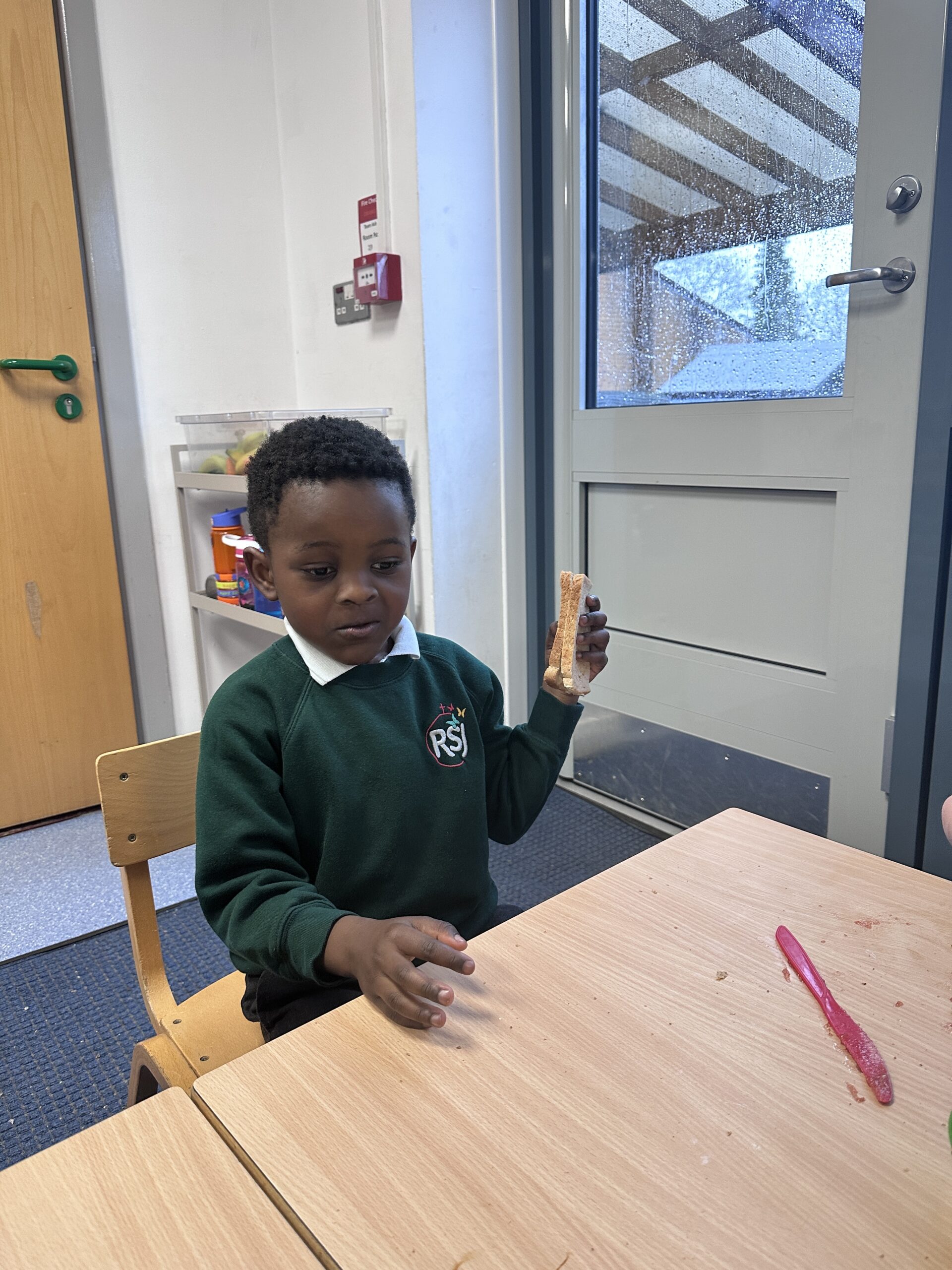
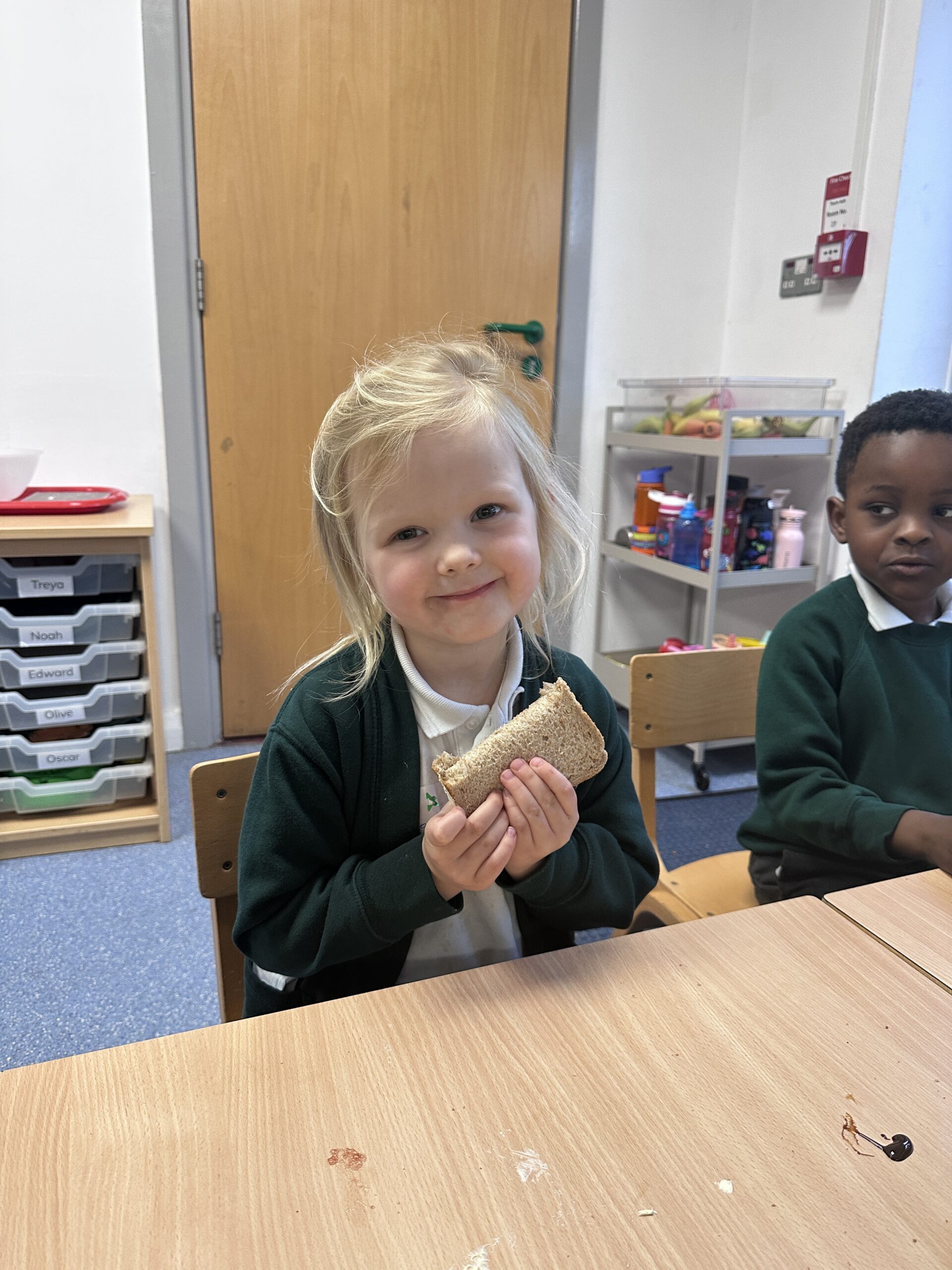
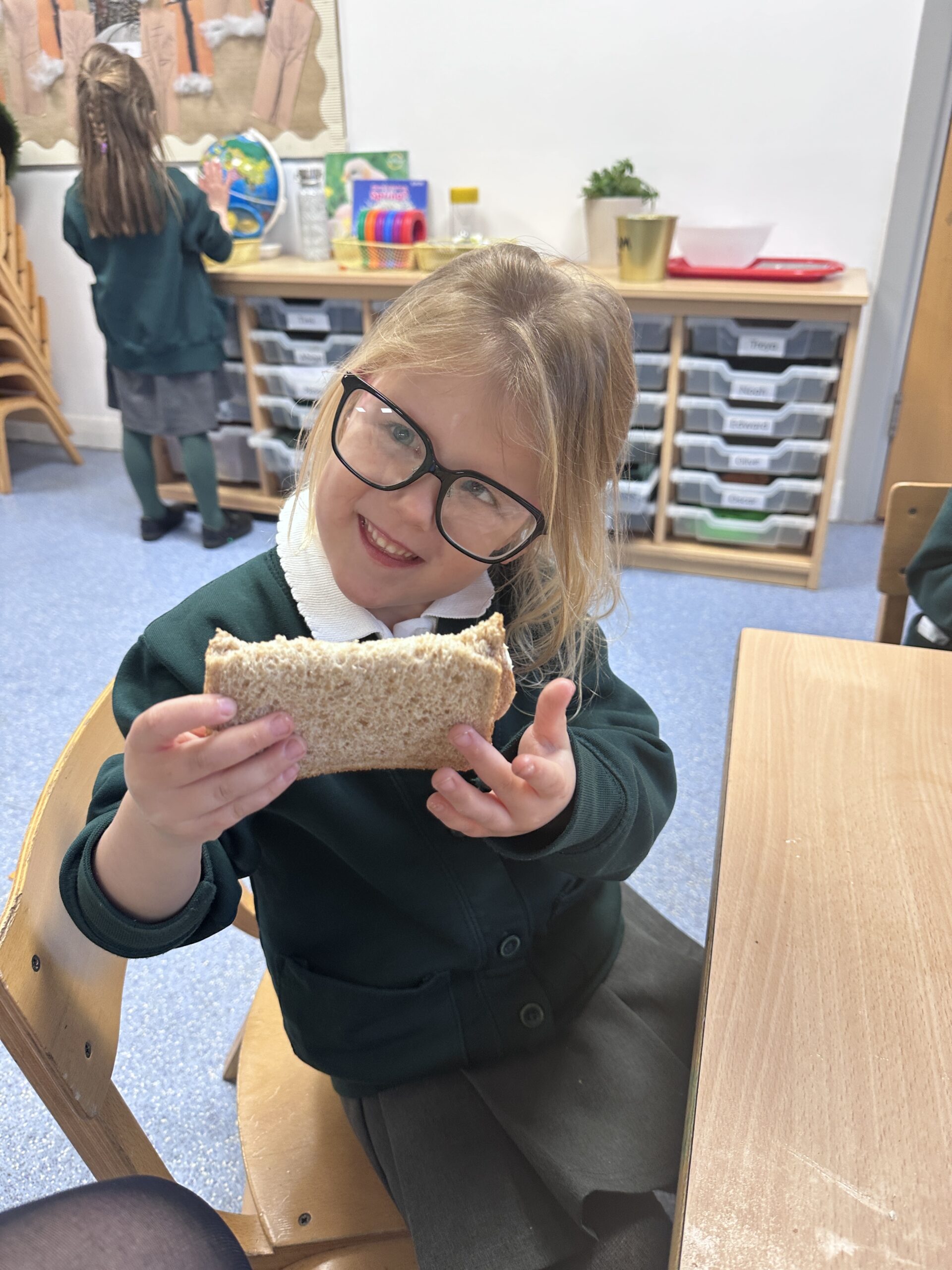
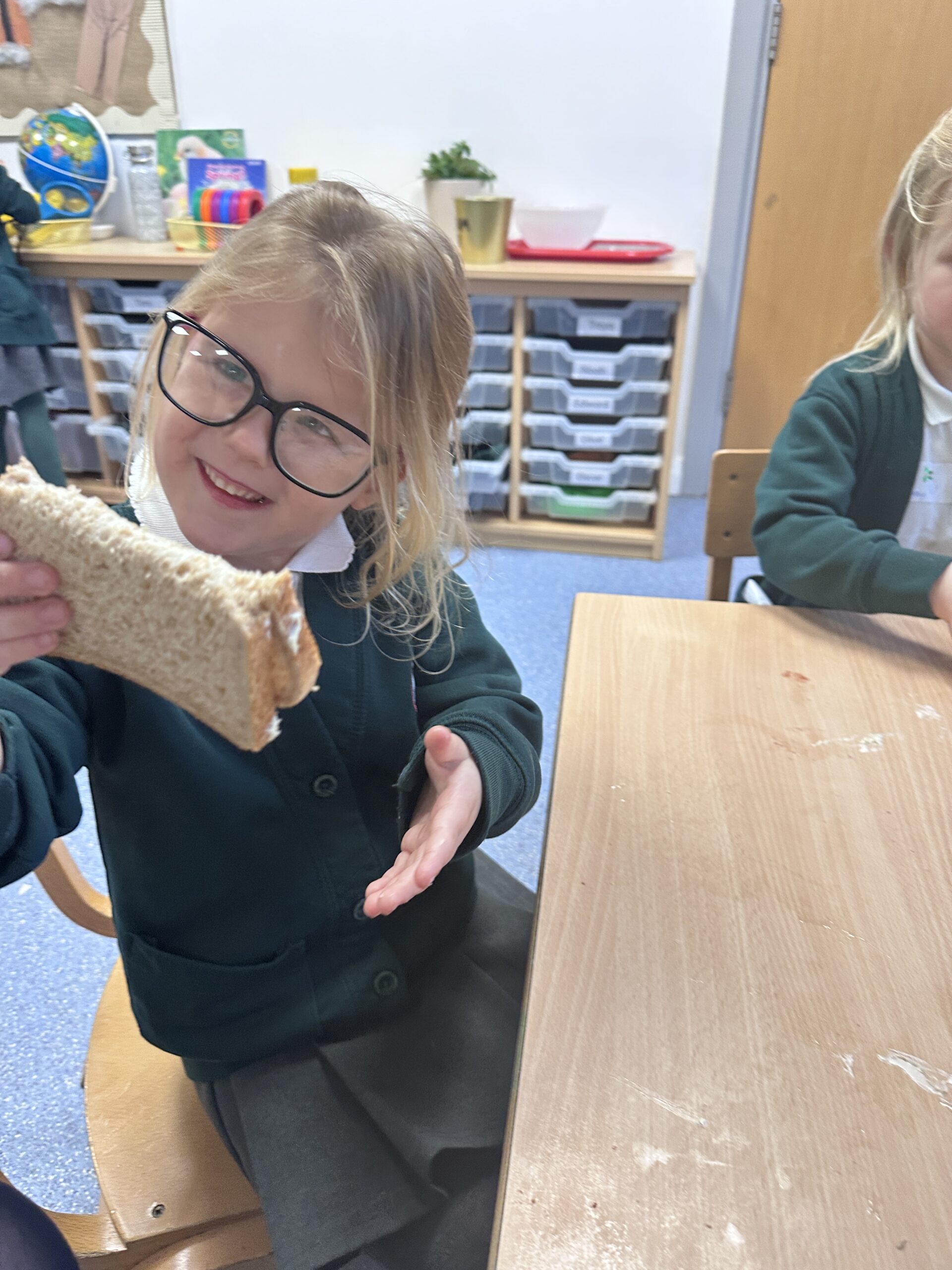
This week in DT, Year R had a wonderful time making sandwiches for the Everywhere Bear to take on his exciting travels, inspired by our story The Everywhere Bear by Julia Donaldson. The children were very enthusiastic about helping Bear get ready for his journey!
We focused on the important skill of spreading. The children carefully used knives to spread butter and fillings onto their bread, practising control and using just the right amount. They showed great concentration and independence as they prepared their sandwiches.
After all their hard work, we took our sandwiches outside to enjoy them in the fresh air. It was a lovely way to celebrate our learning and thankfully, the sandwiches were delicious! Well done, YR!
Team 1 / 2:
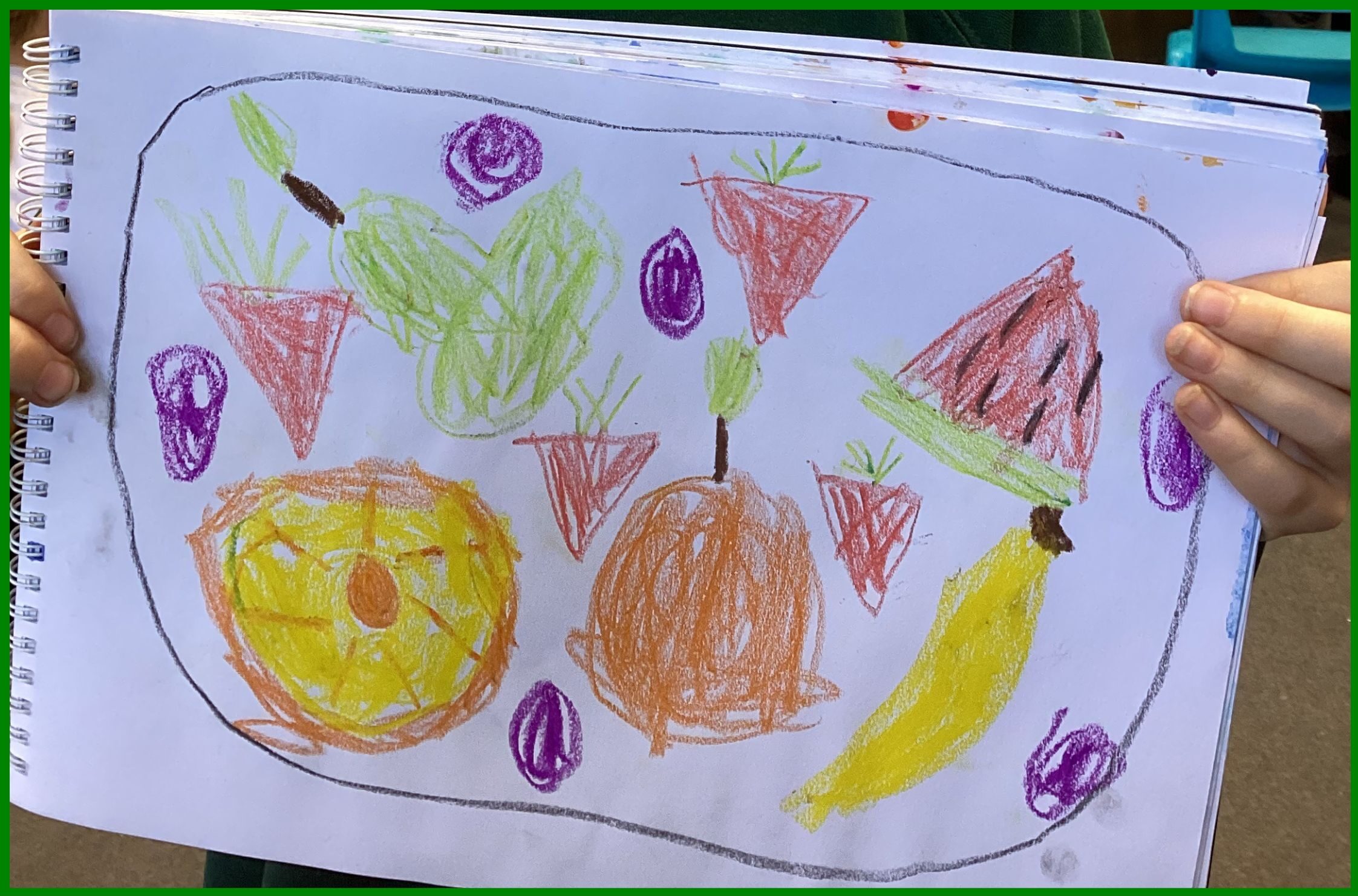
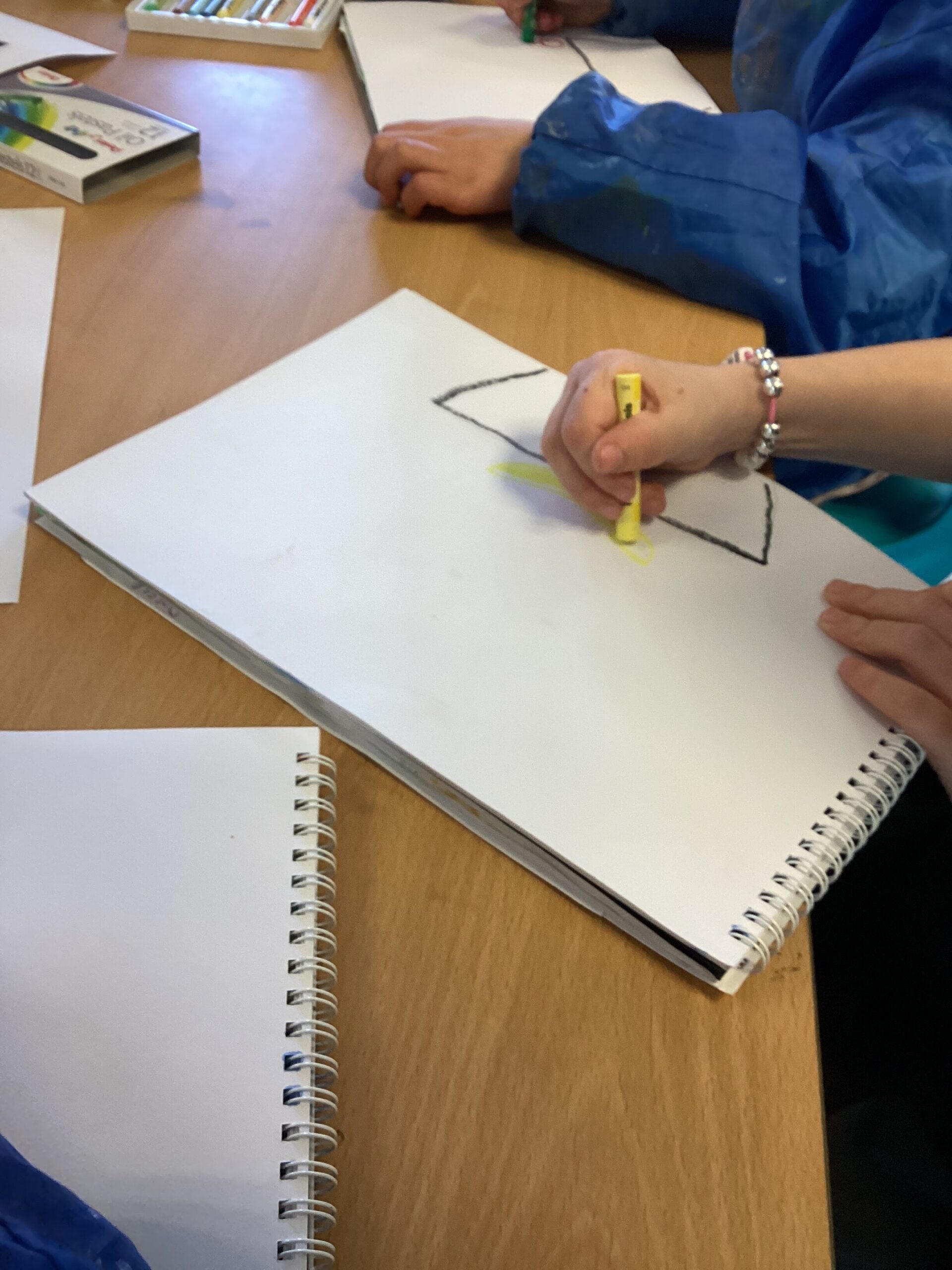
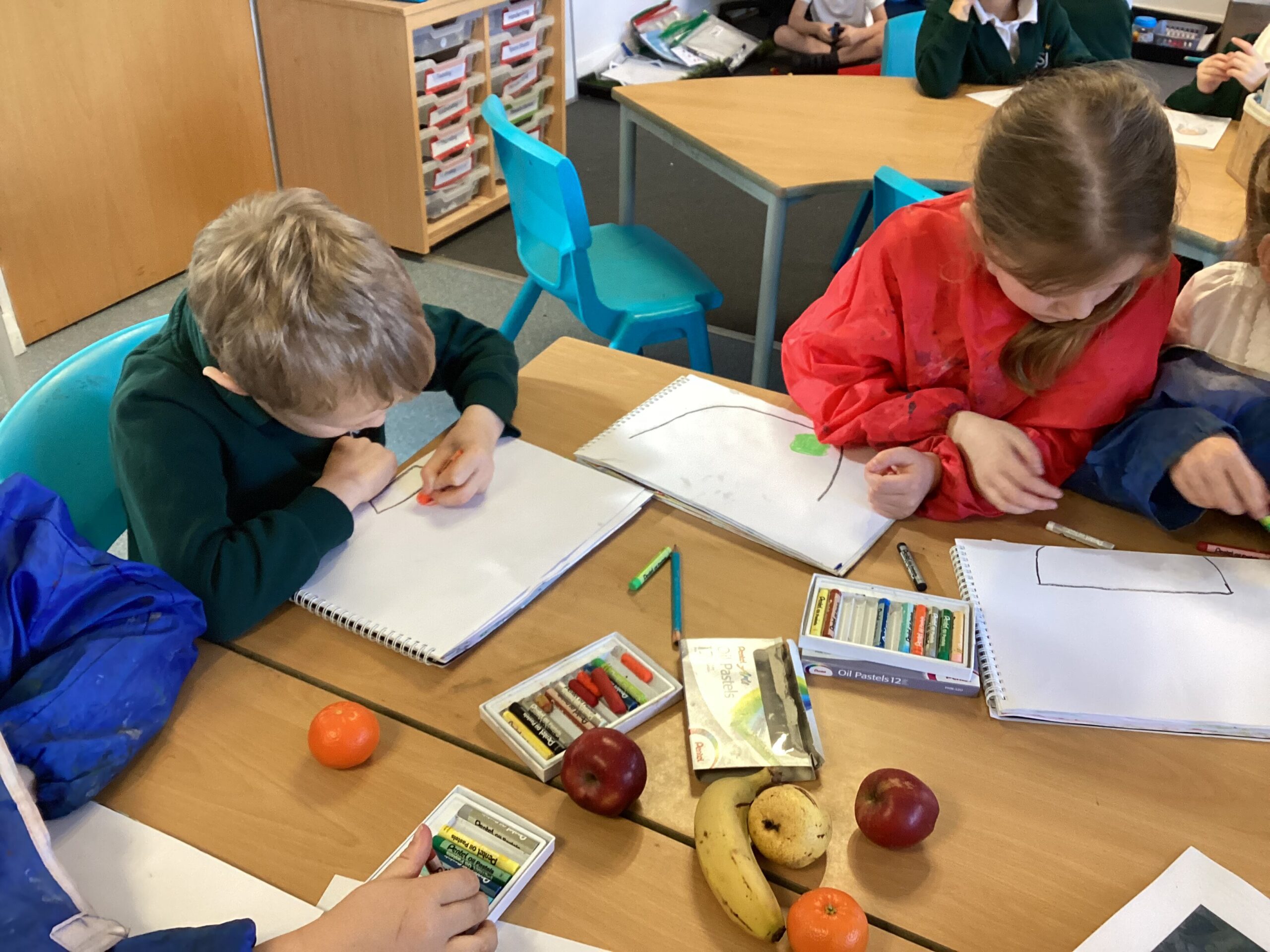
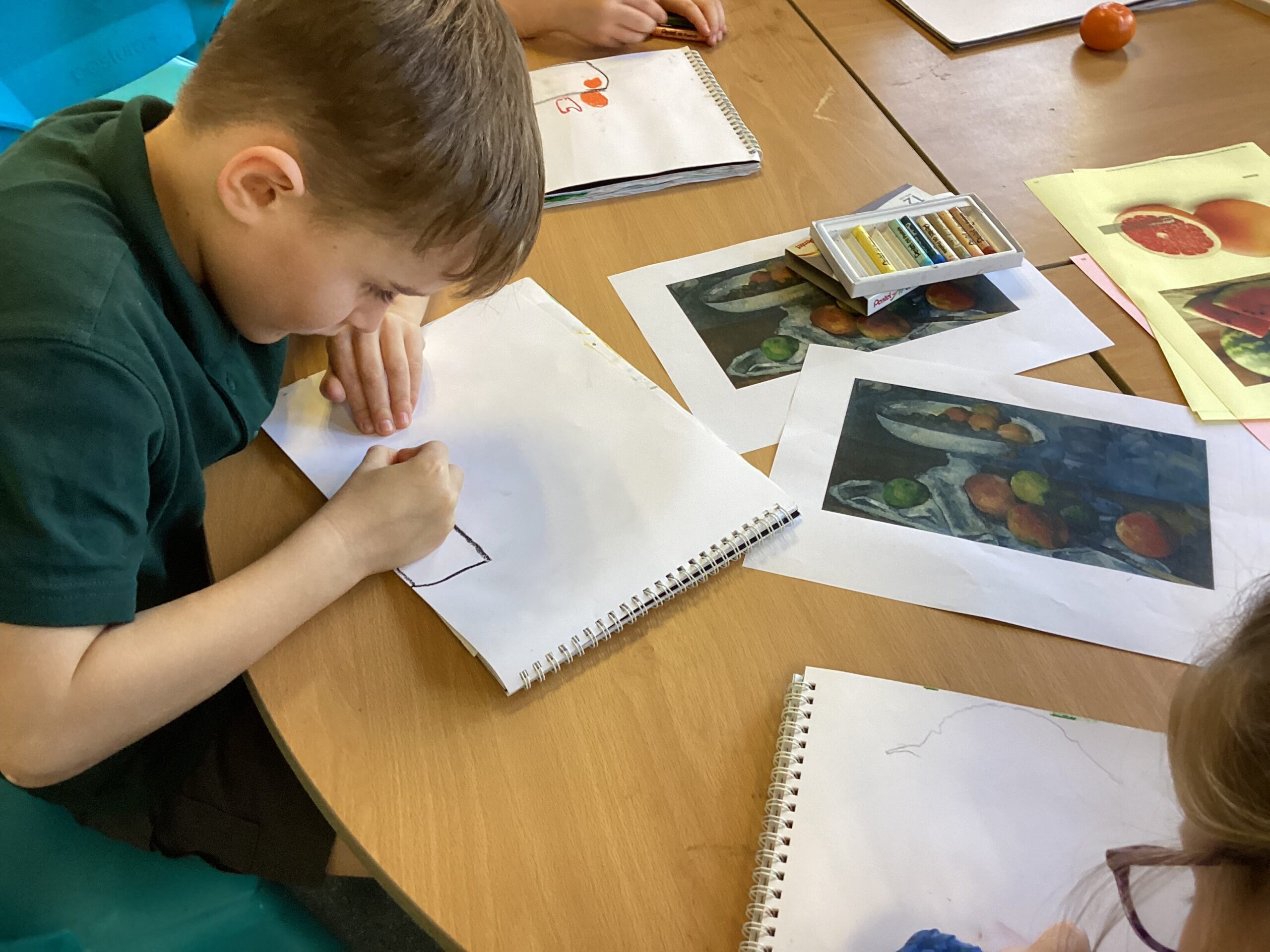
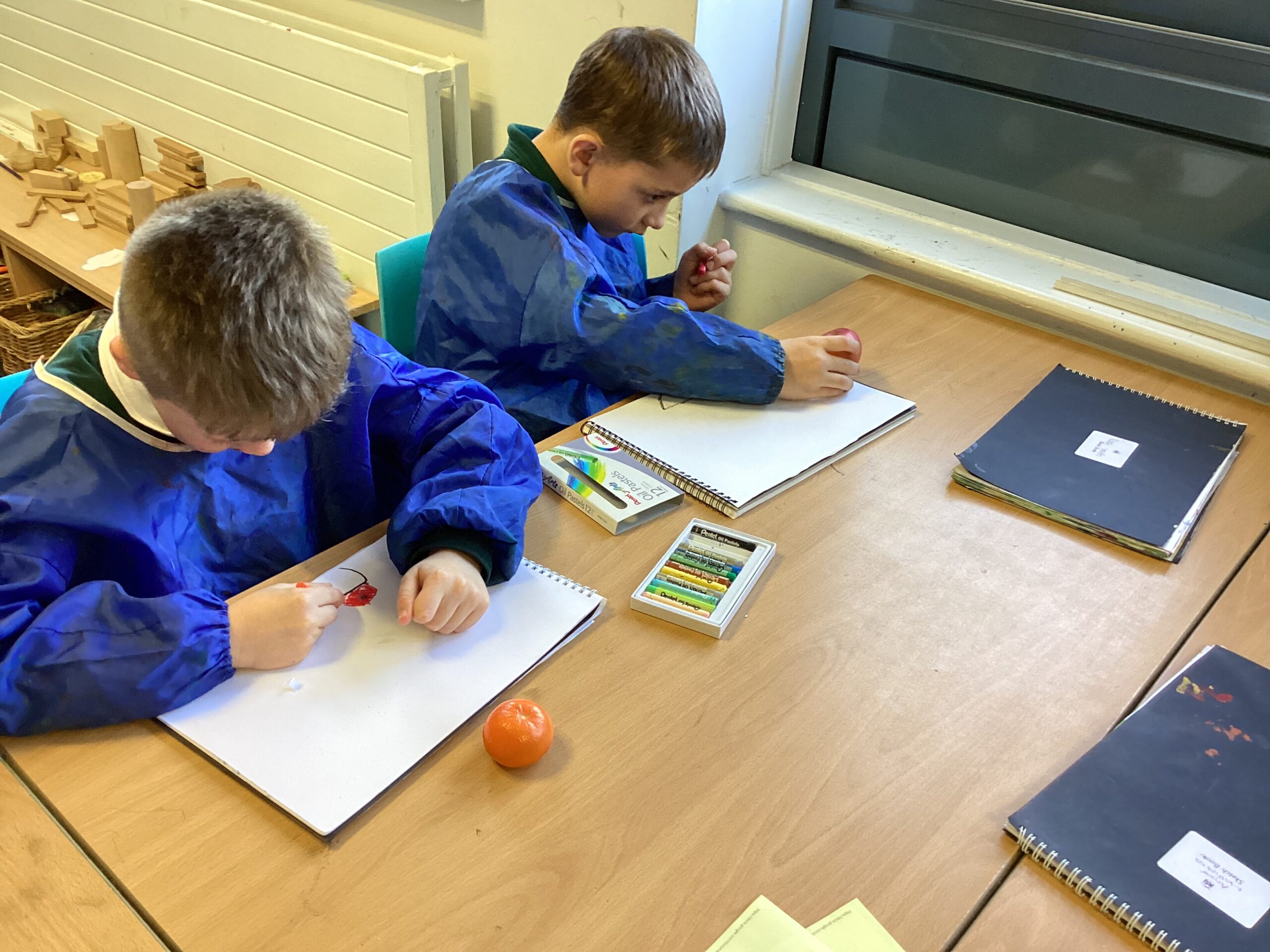
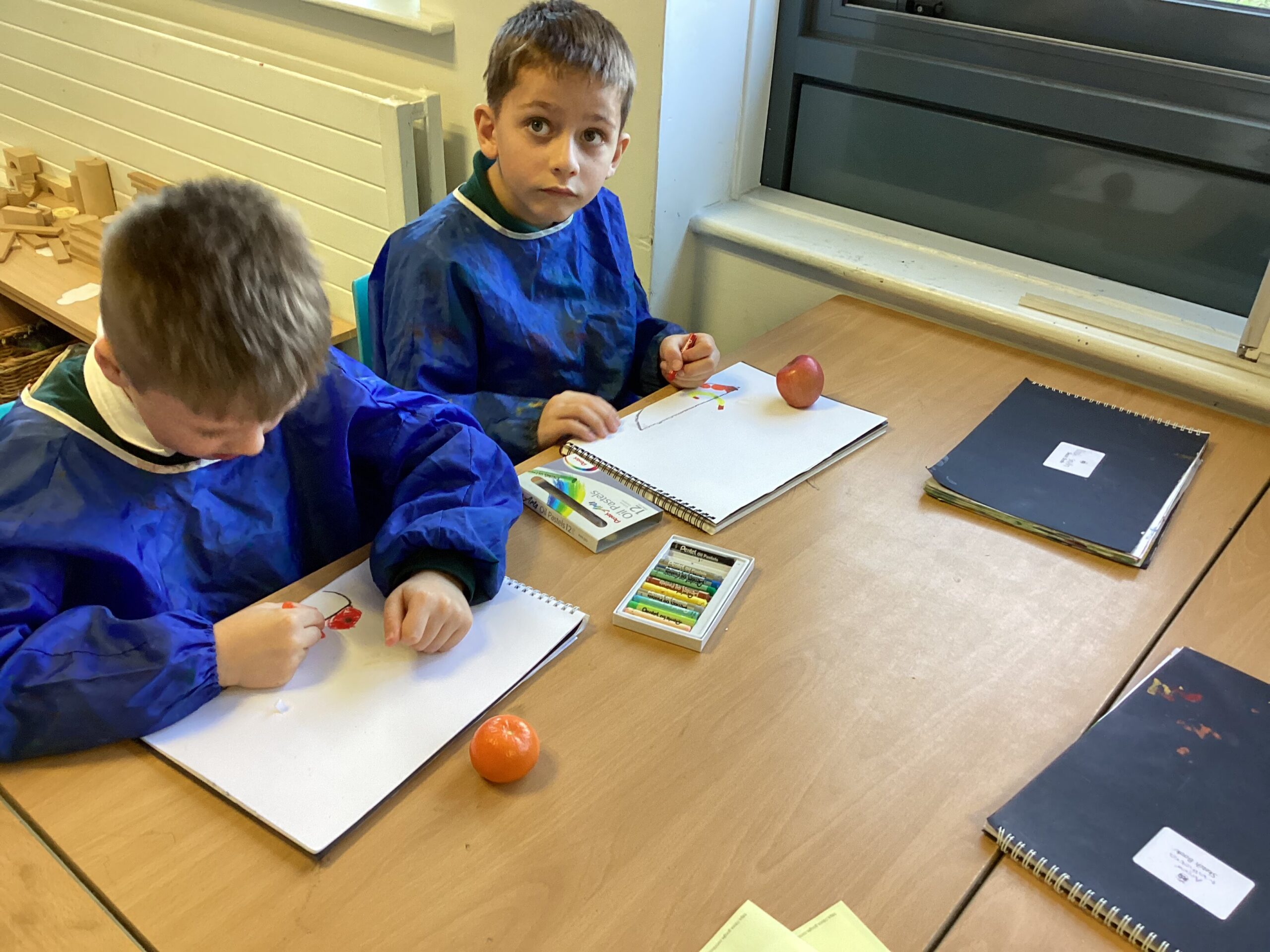
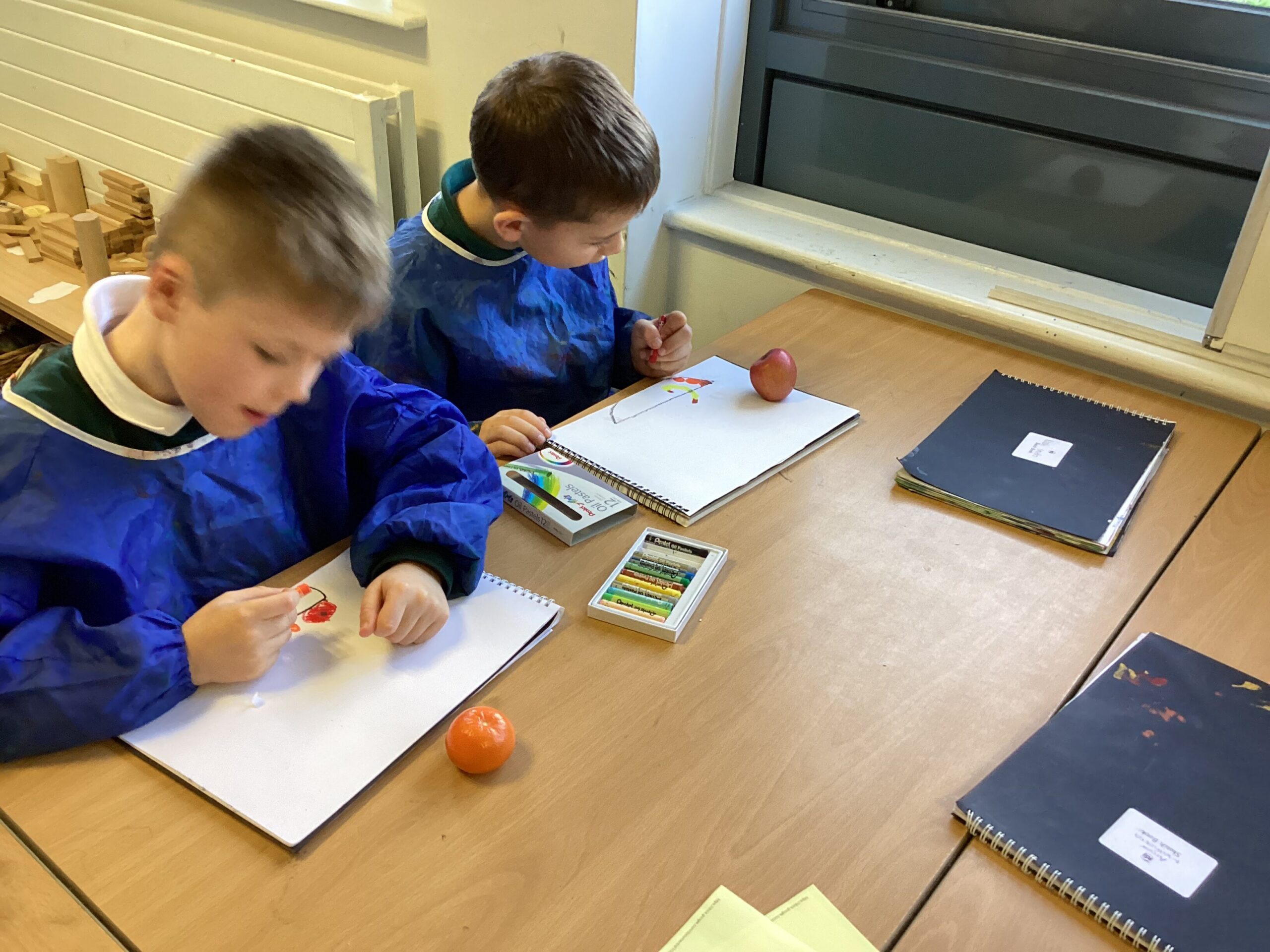
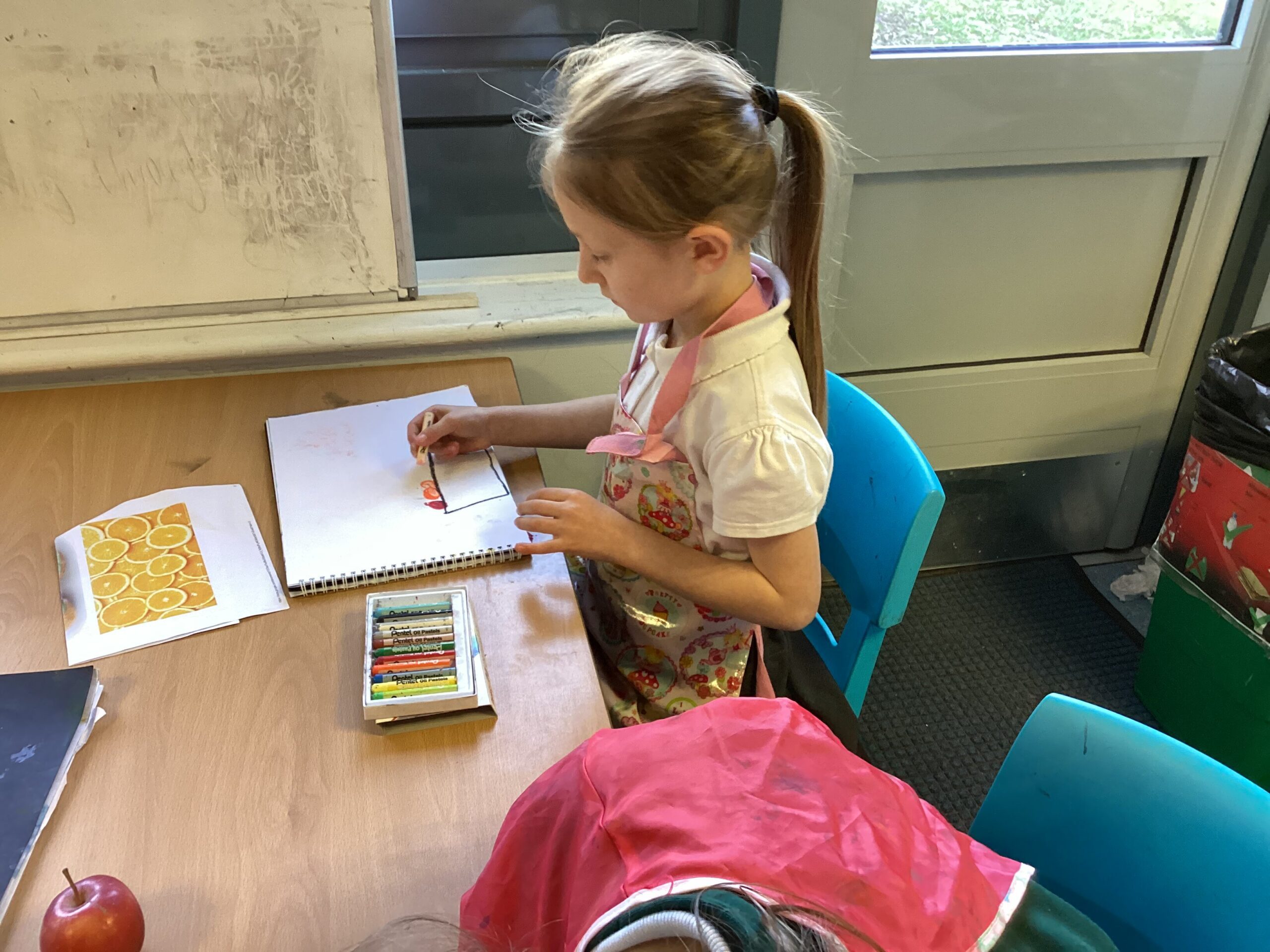
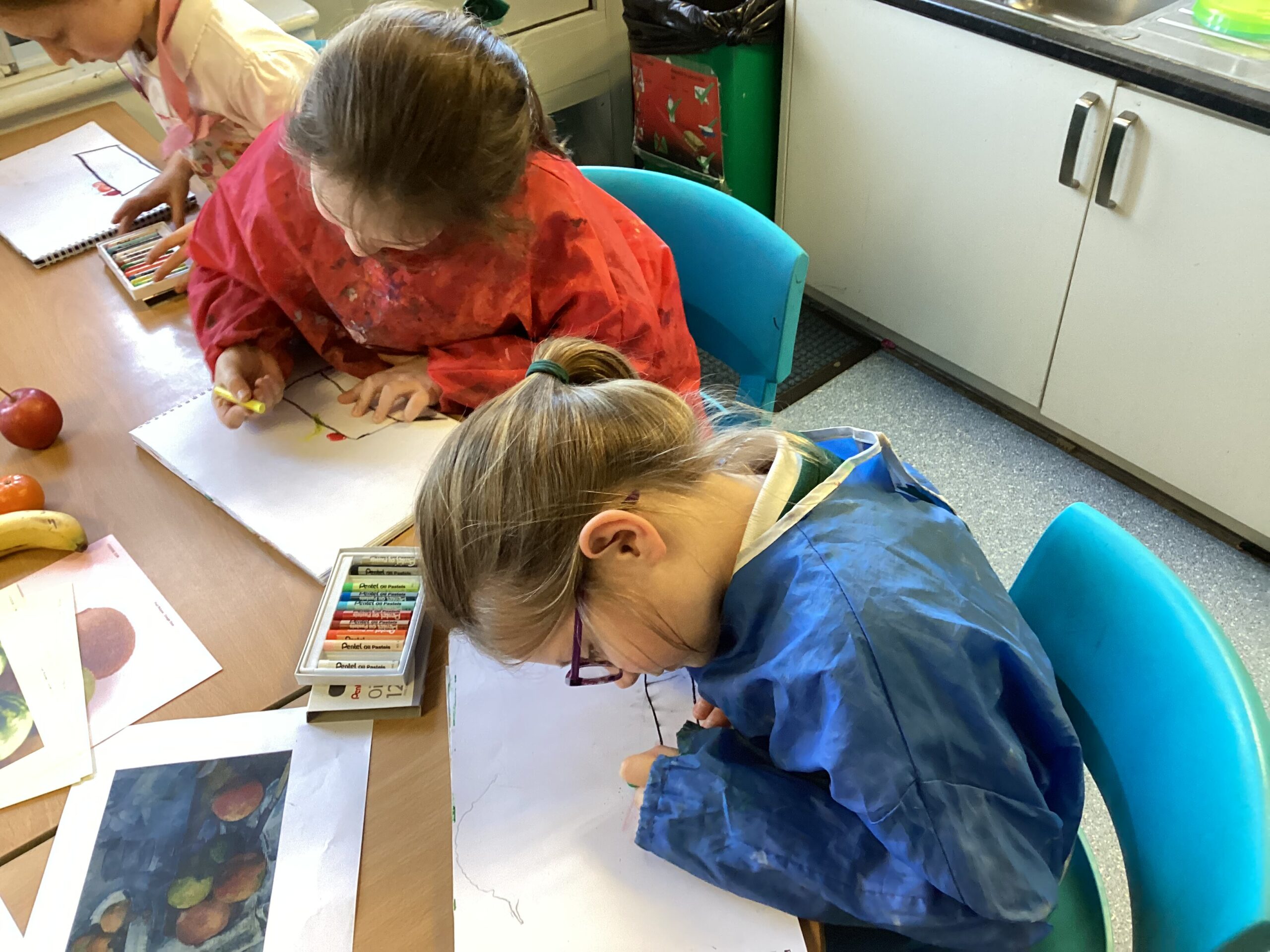
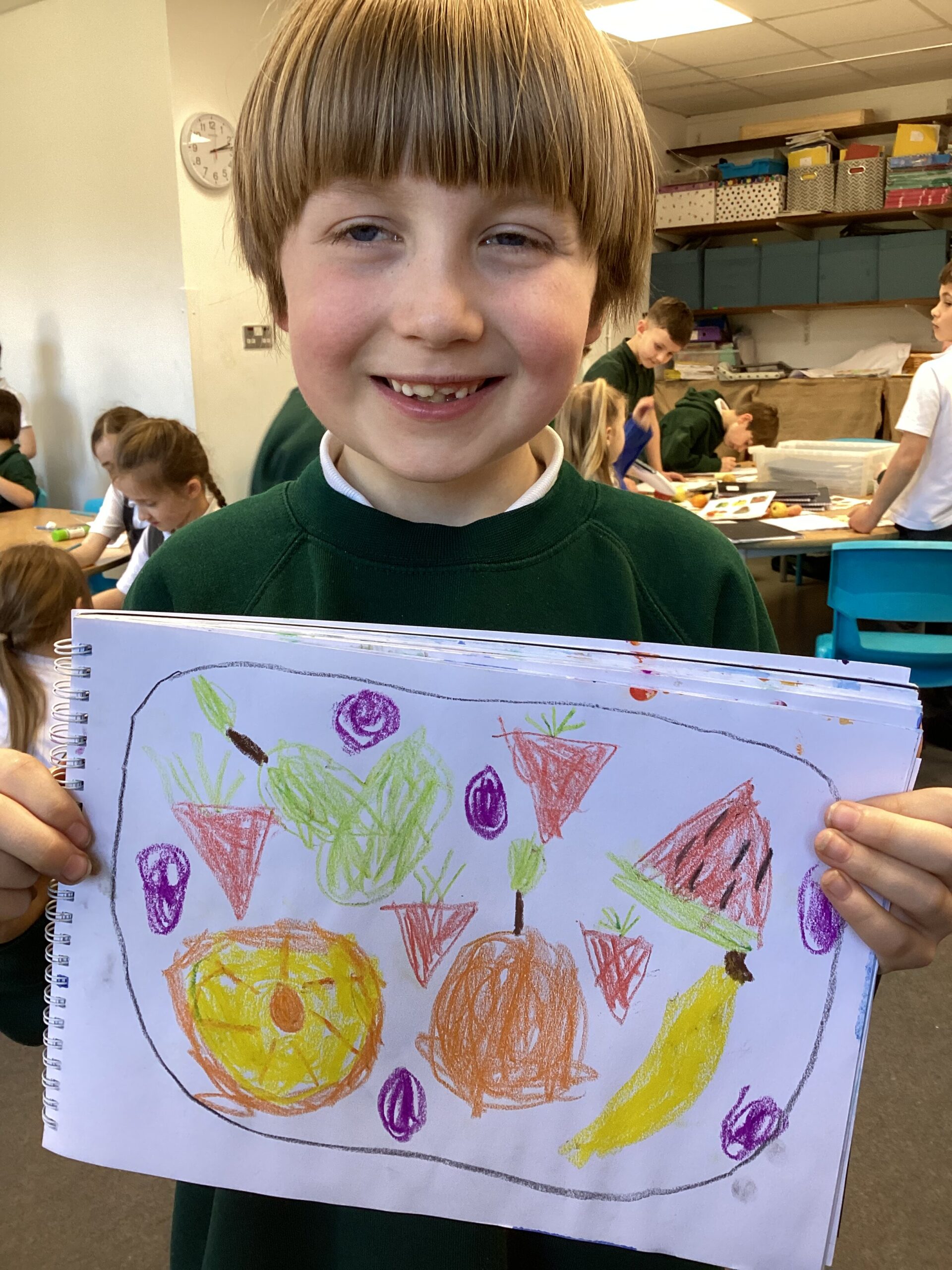
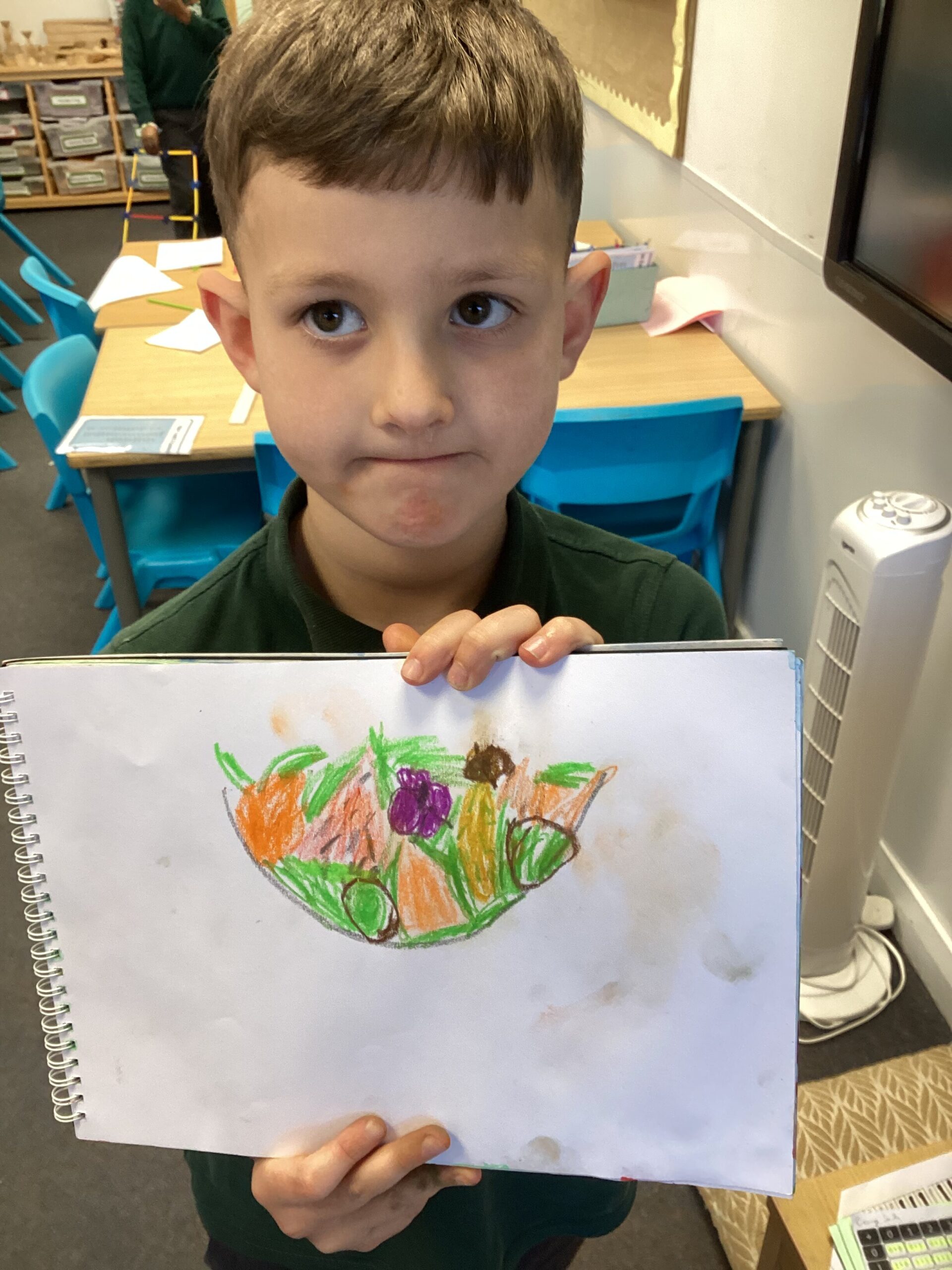
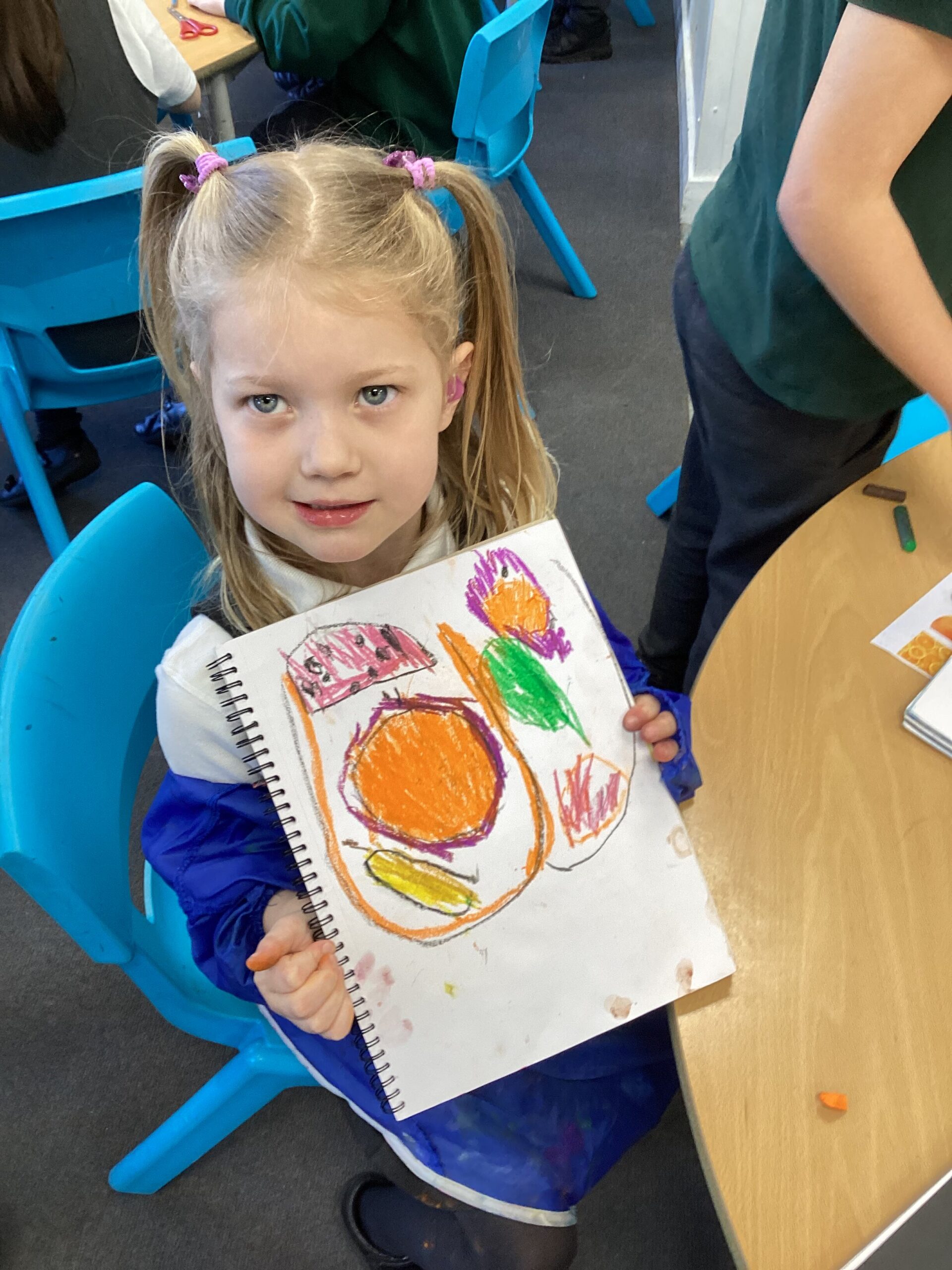
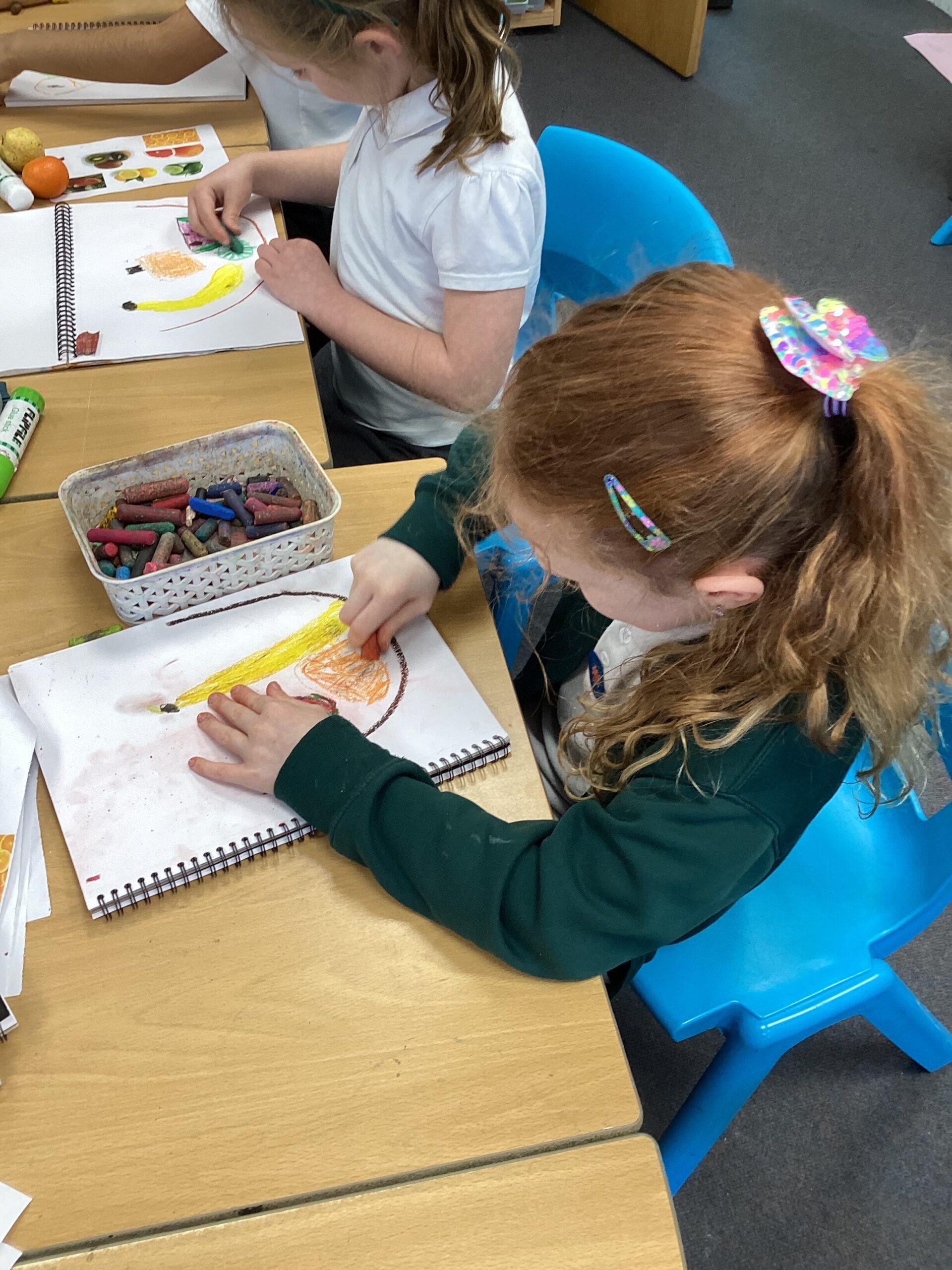
Cézanne and Still Life in the Classroom
This term in art, Team 1/2 have been getting creative while learning about the artist Paul Cézanne. We explored his work as part of our topic on Impressionism and still life and the results were fantastic!
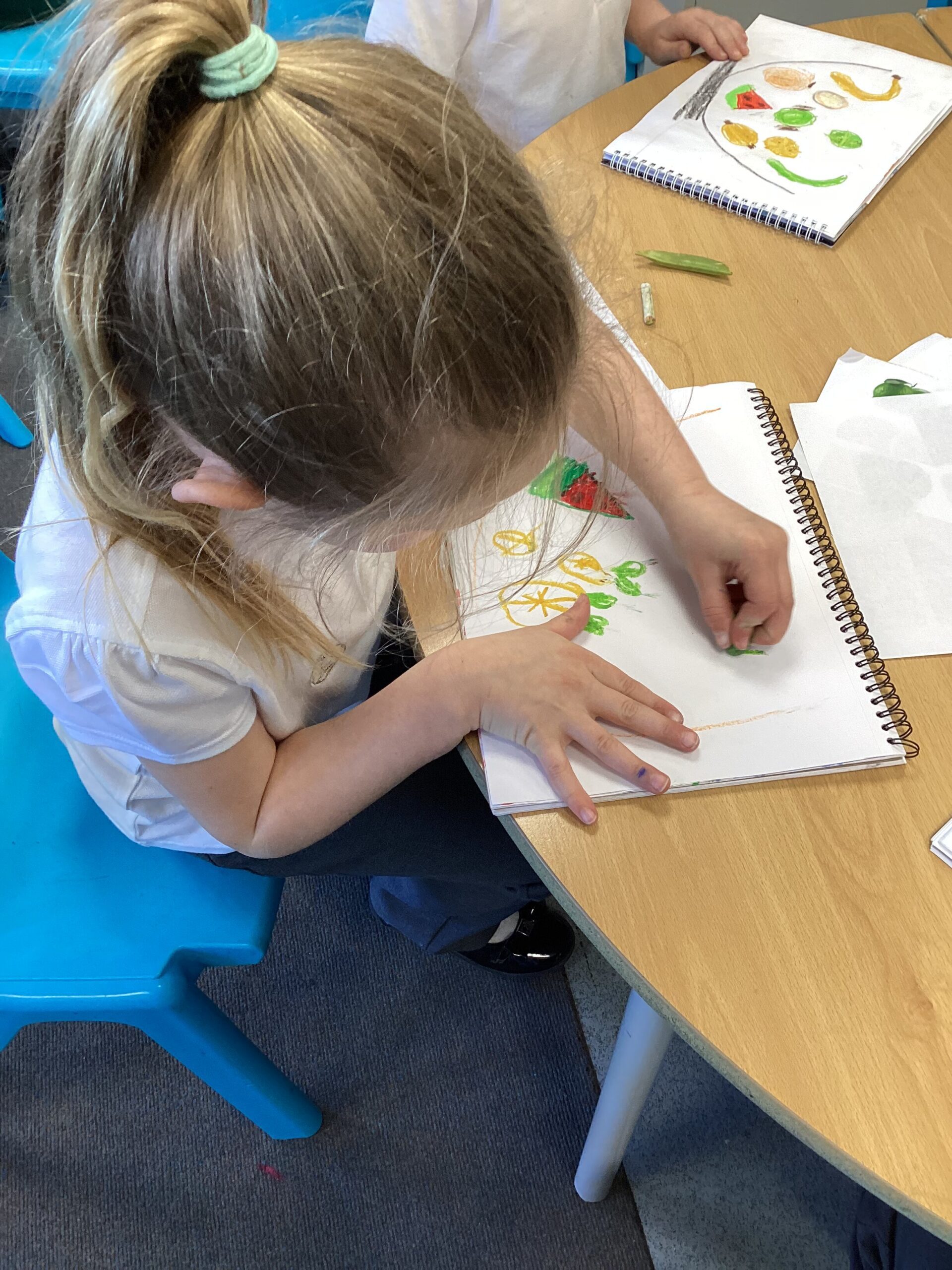
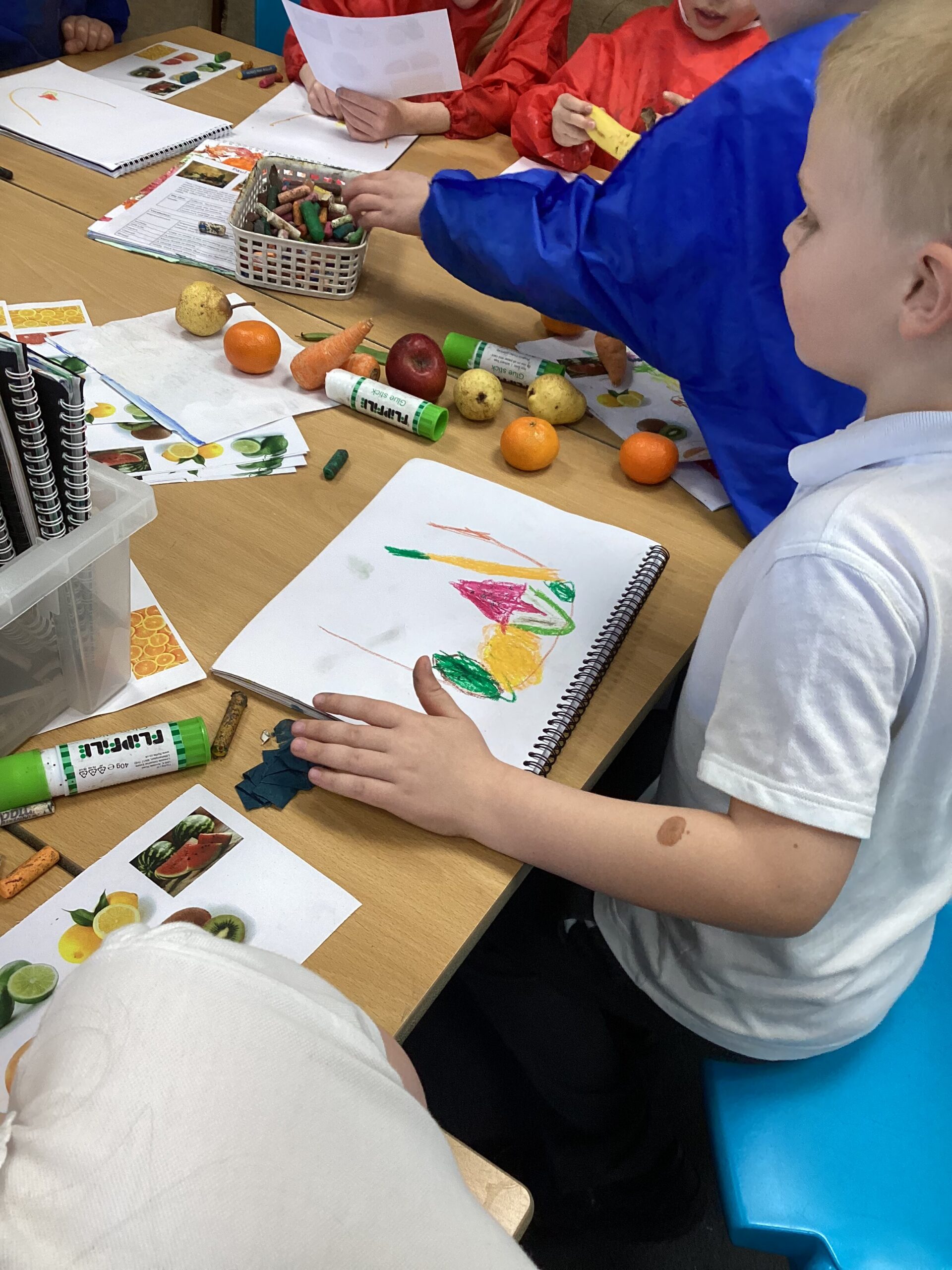
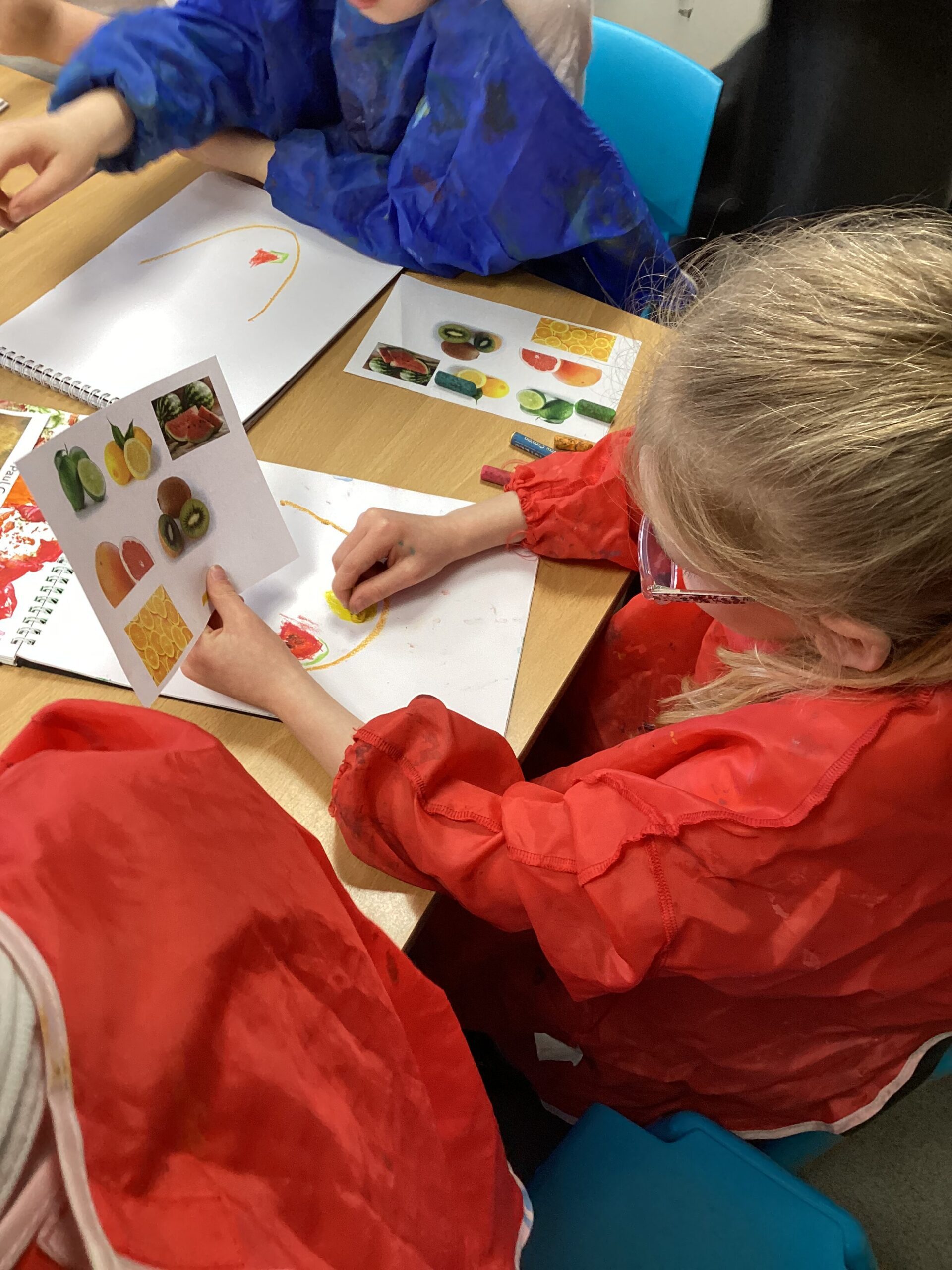
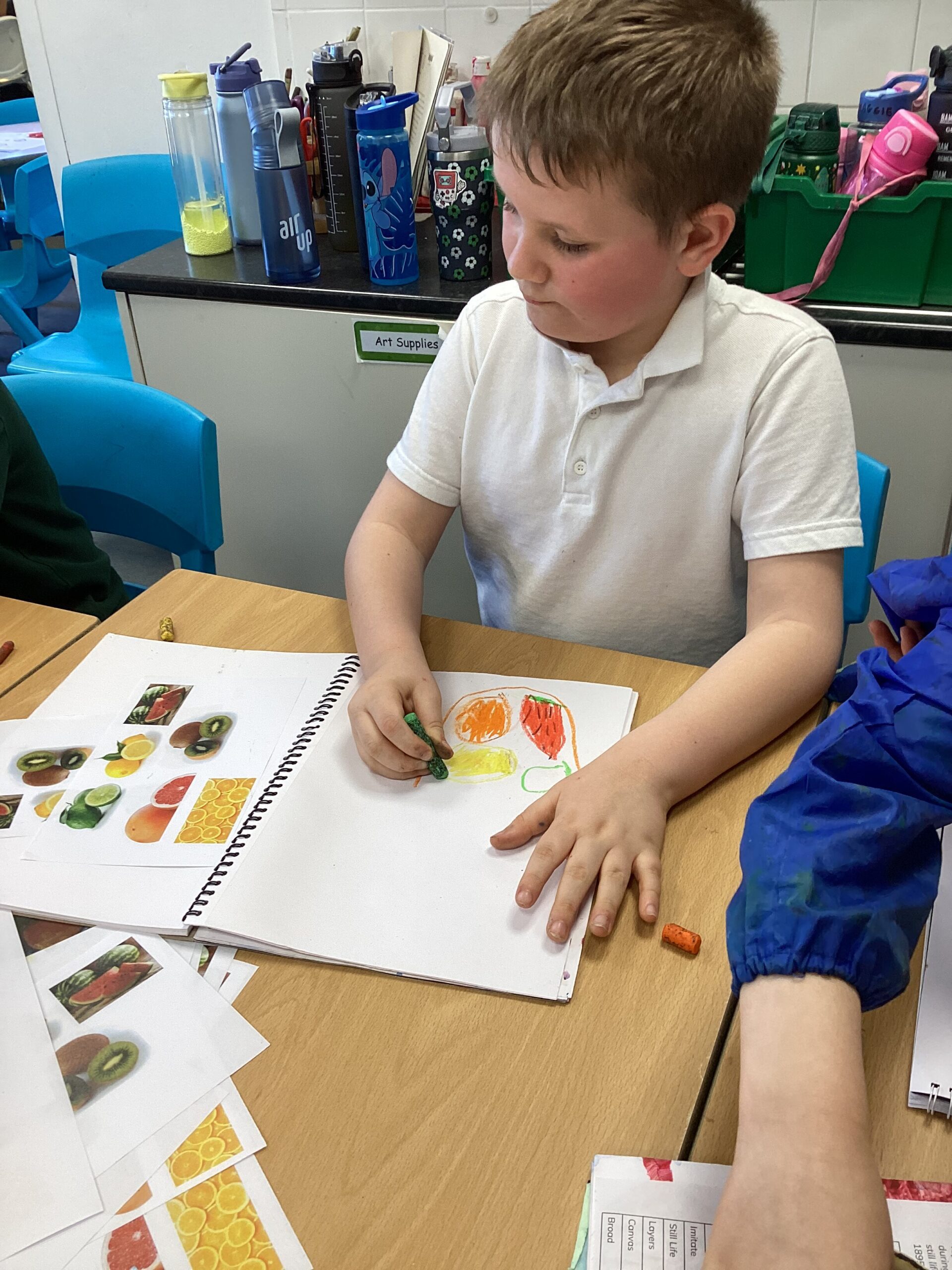
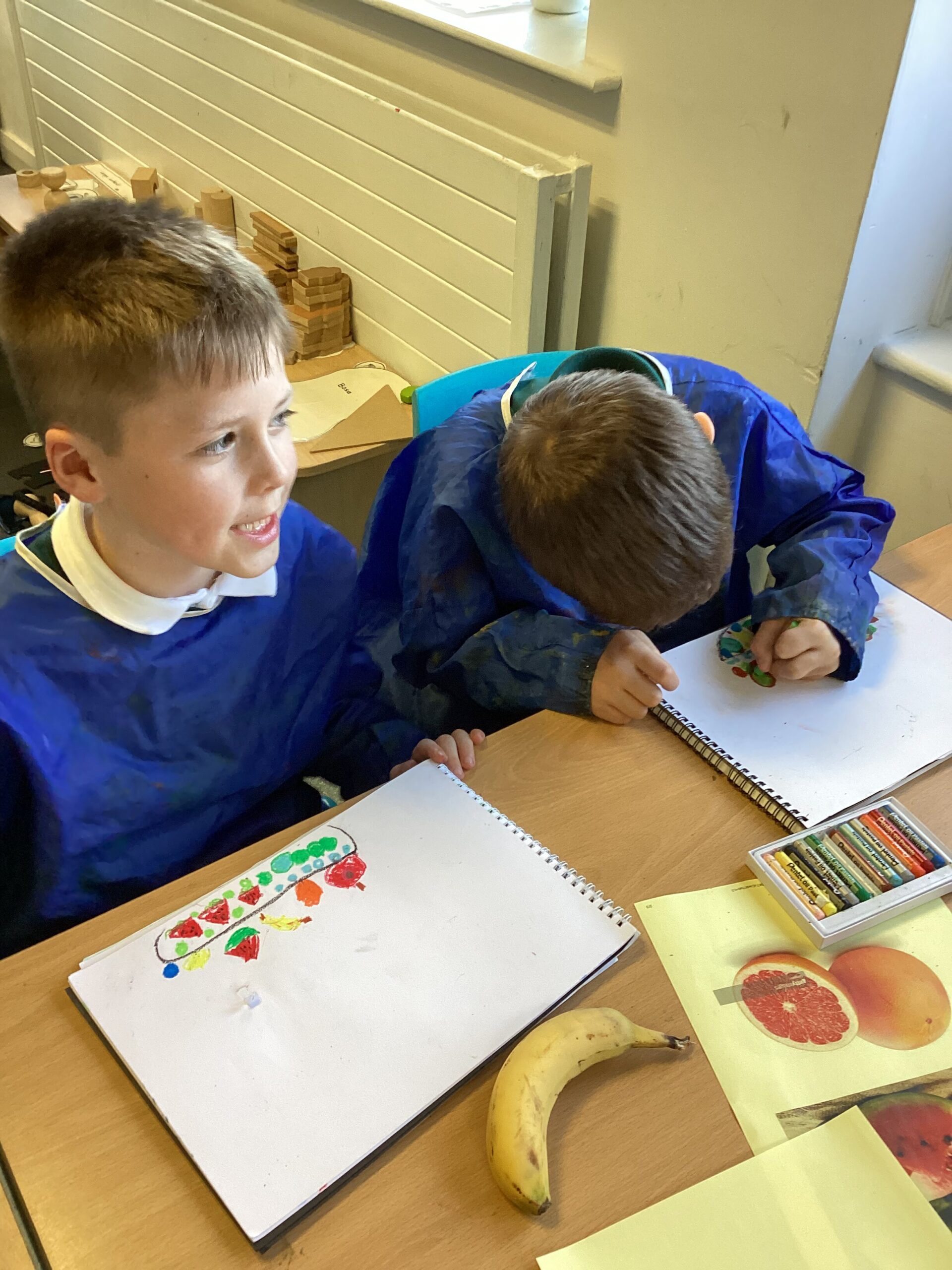
We started by looking at some of Cézanne’s paintings, especially his still life work. The children quickly noticed that he often painted simple things like fruit, bowls and jugs but in really interesting ways.
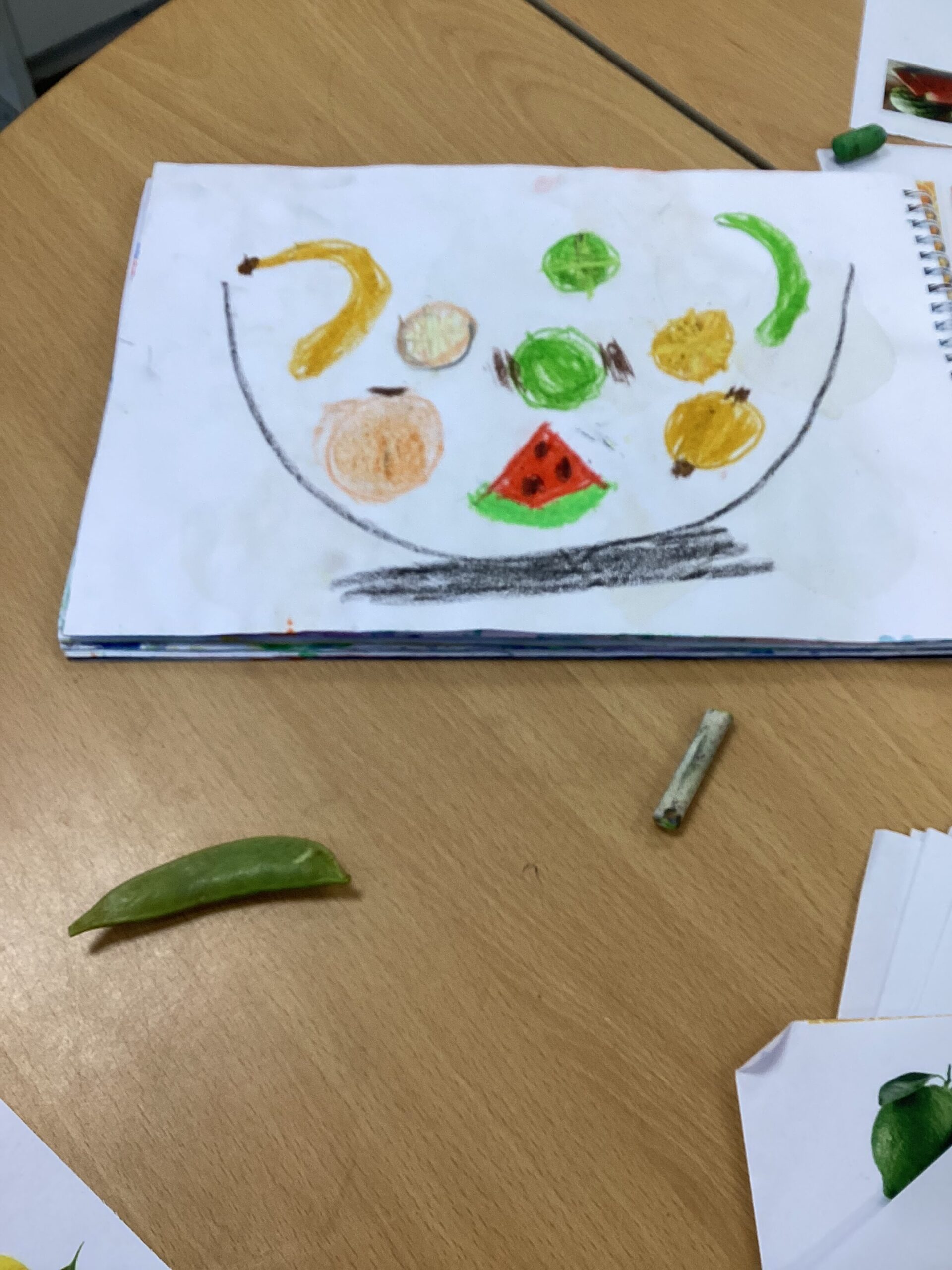
We talked about how his paintings aren’t always perfectly realistic, and how he used bold colours and shapes to show what he could see.
After that, it was their turn to become artists!
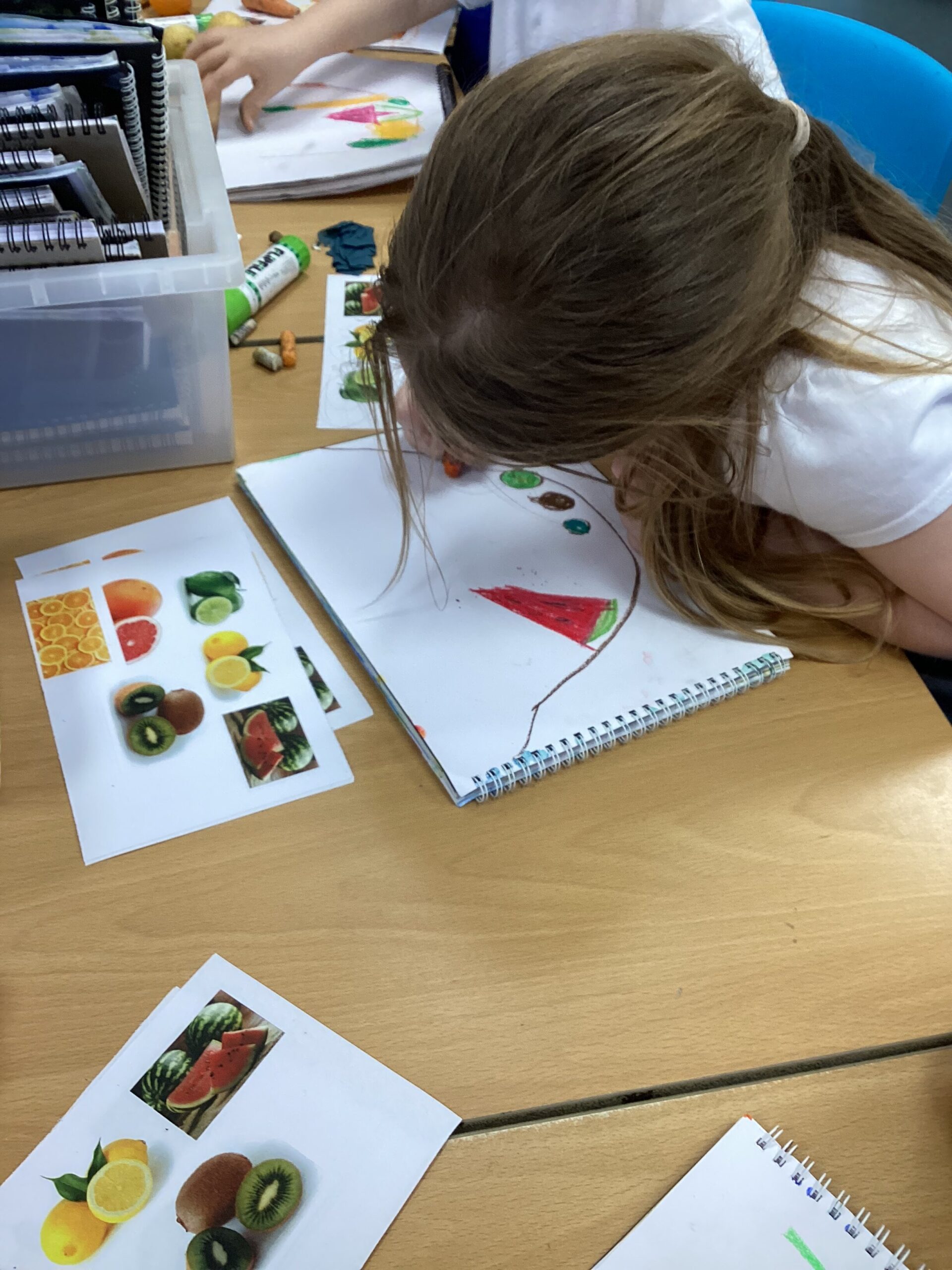
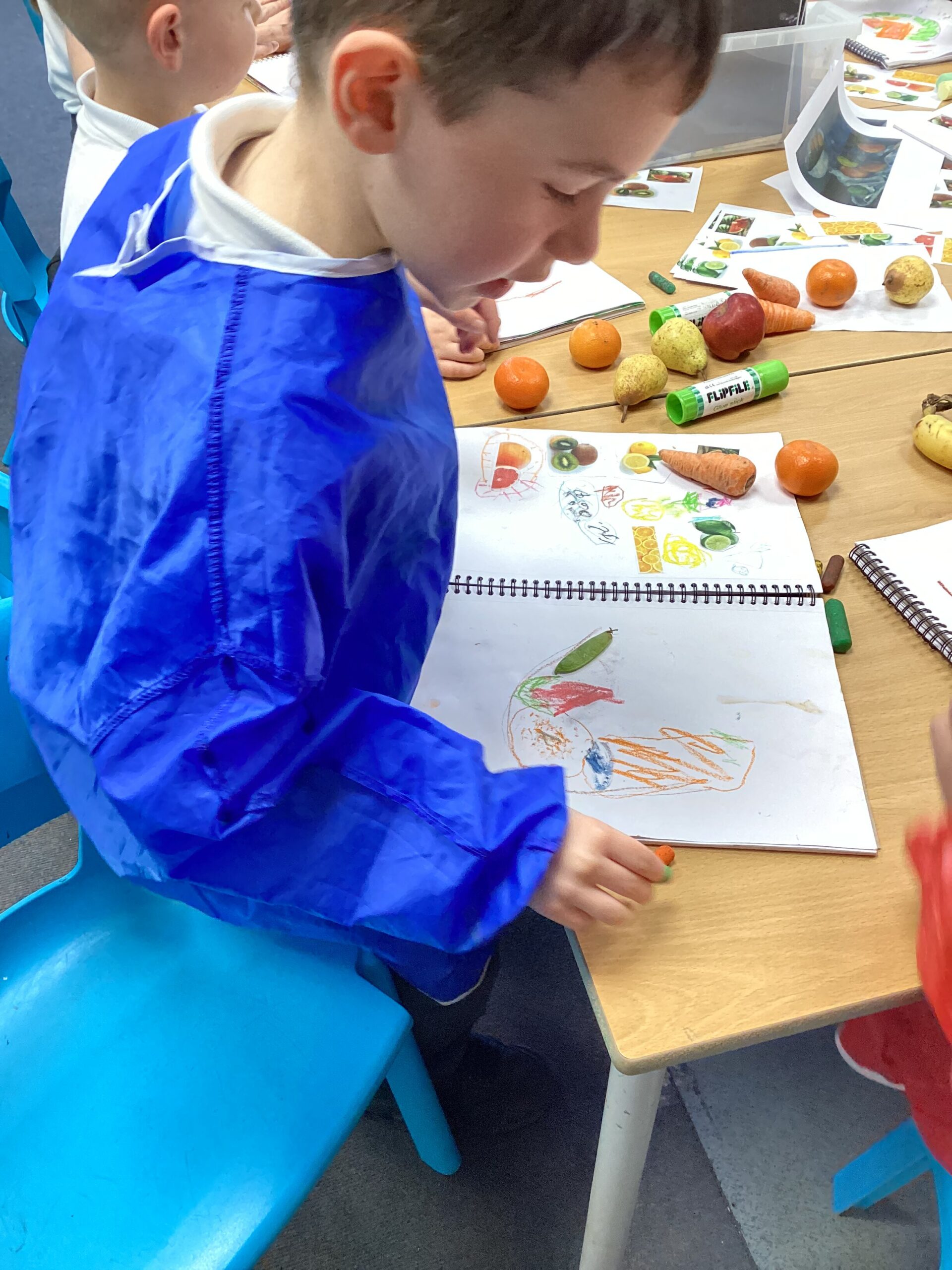
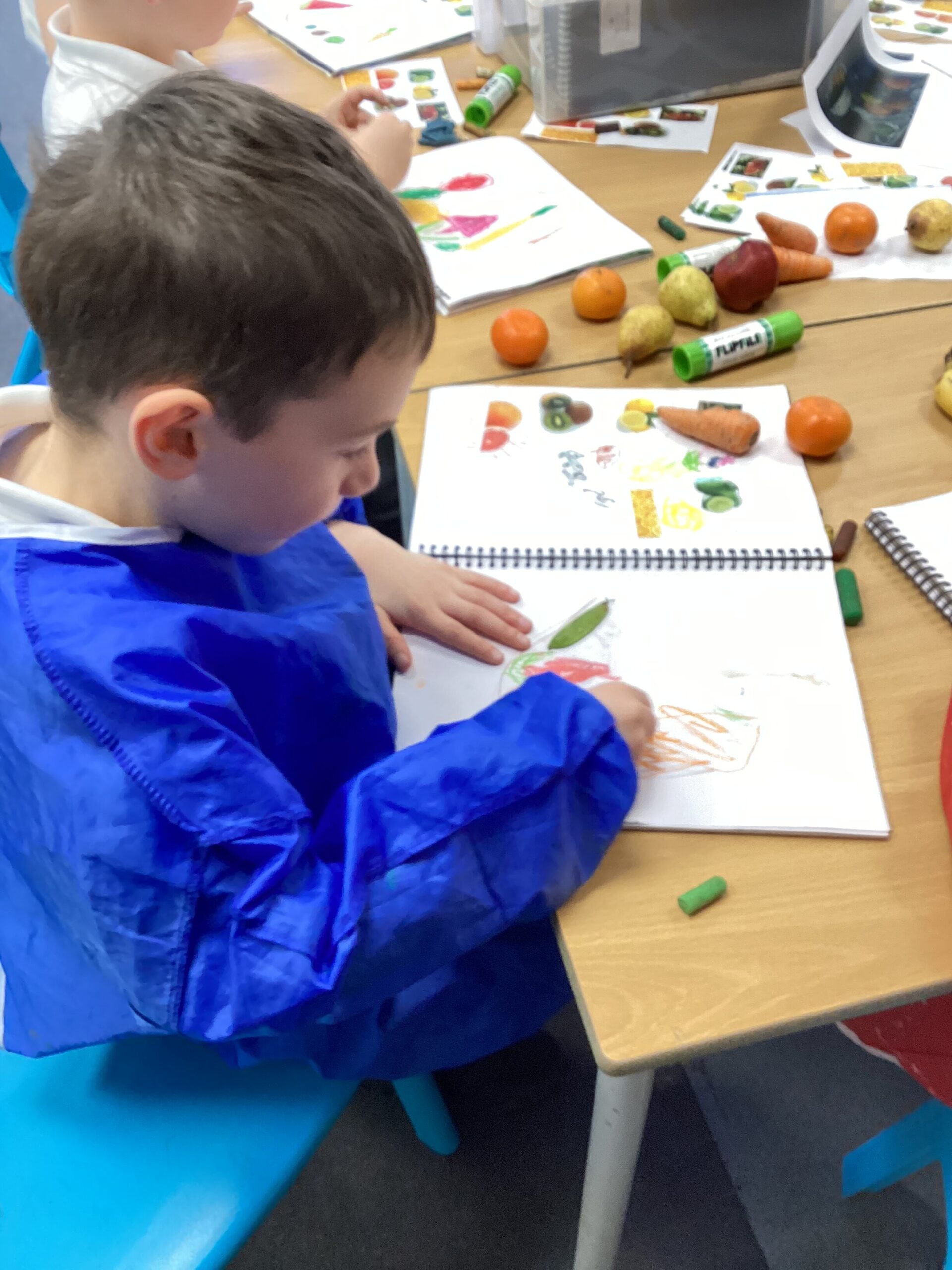
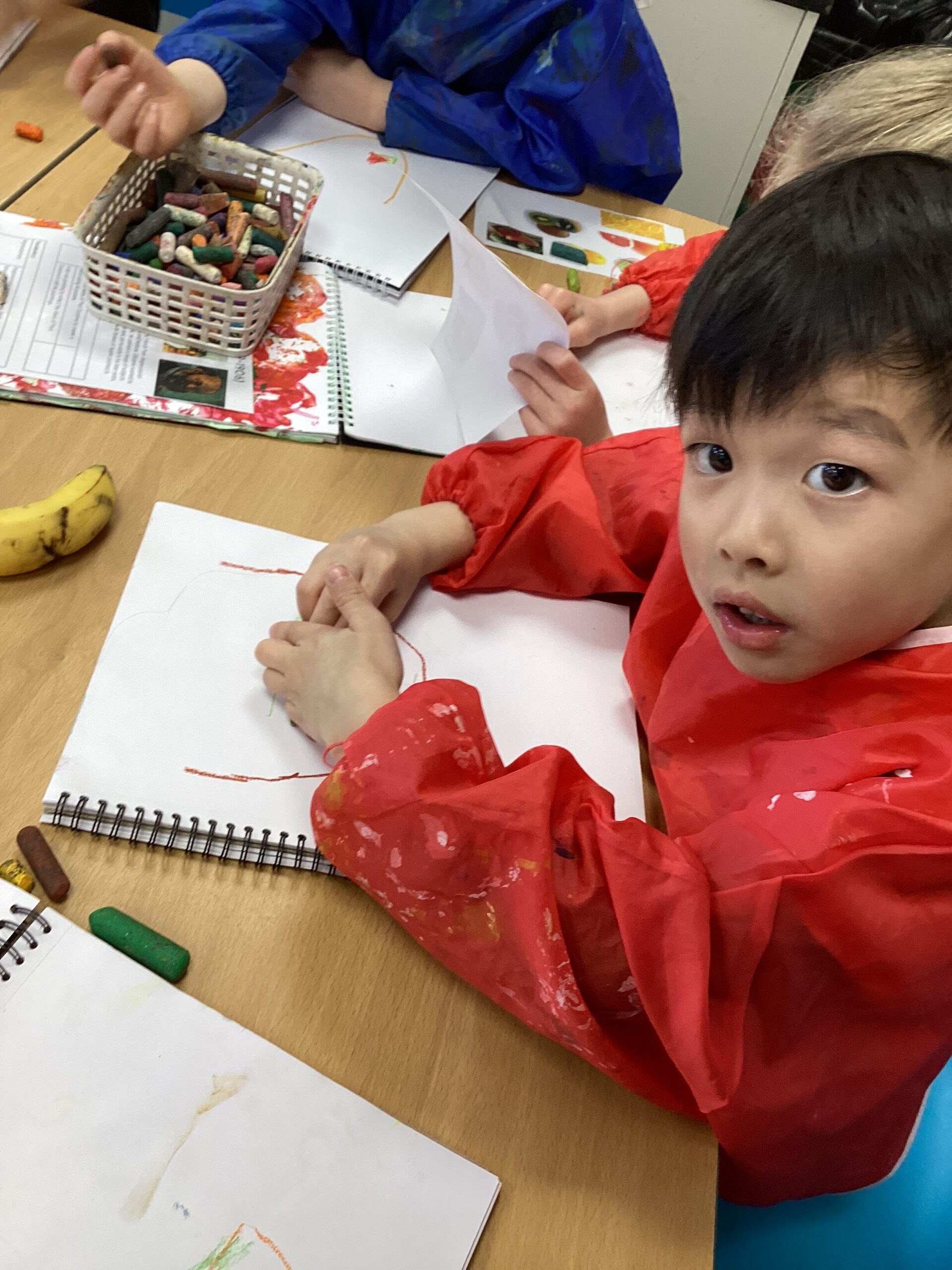
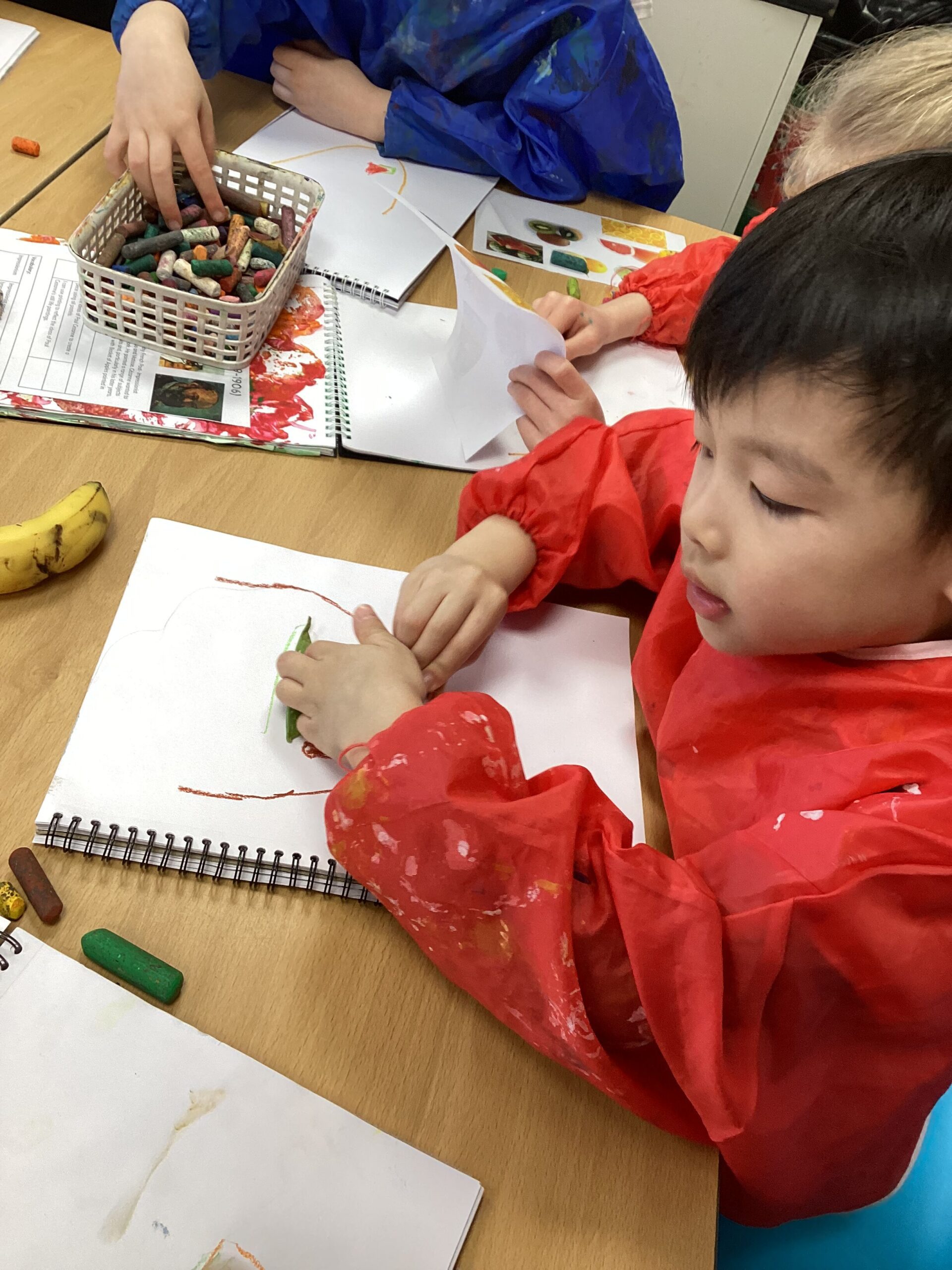
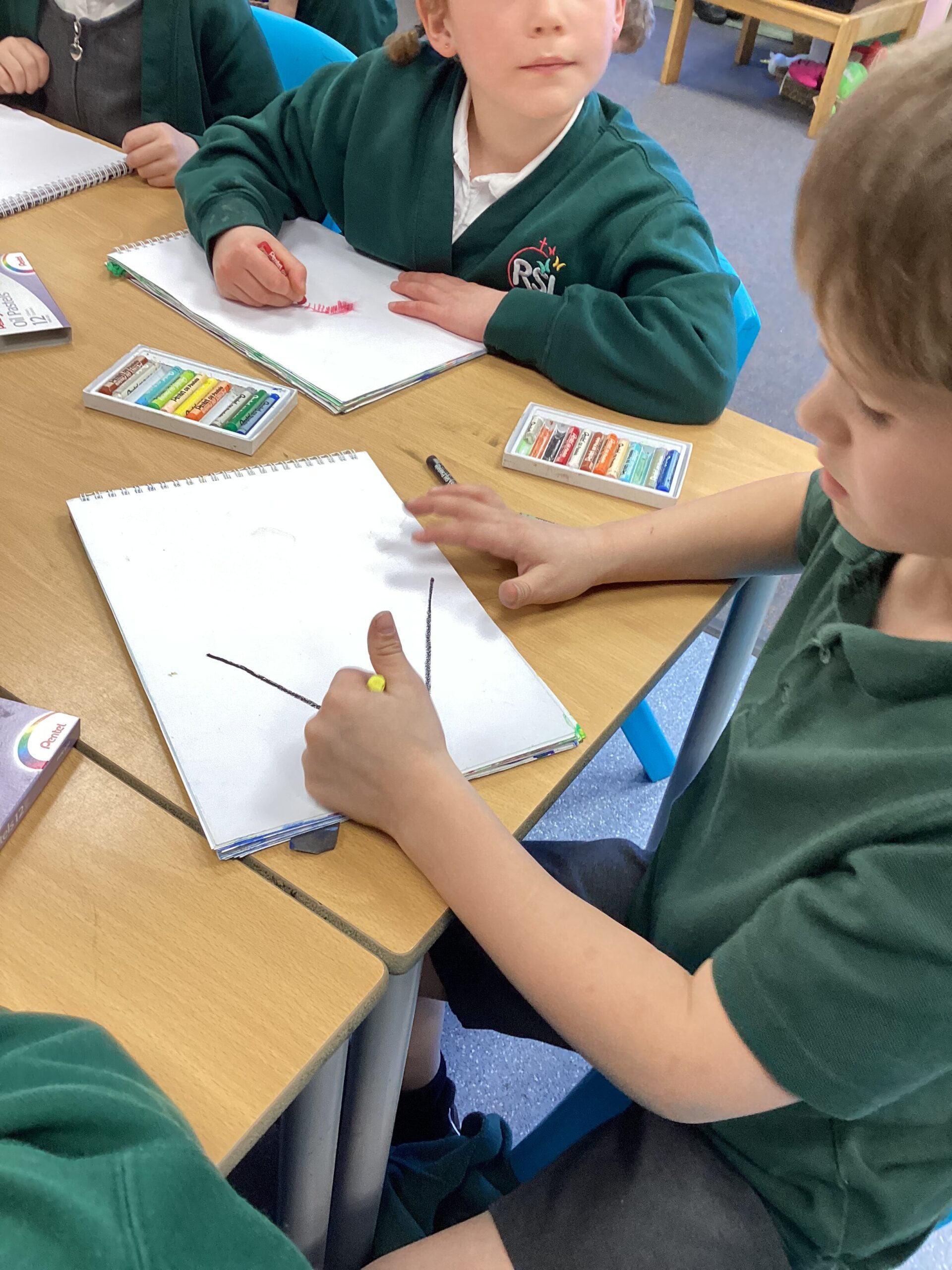
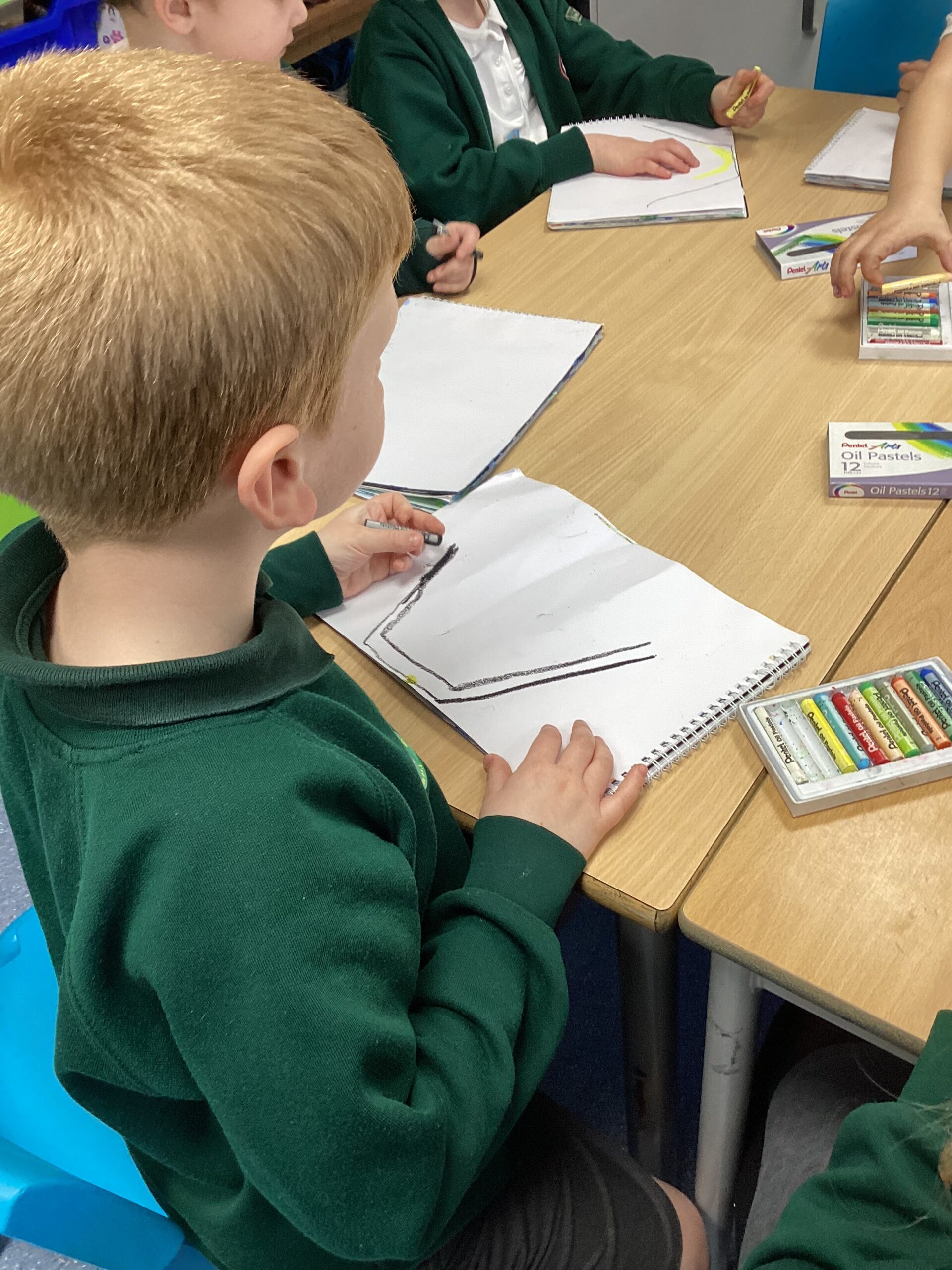
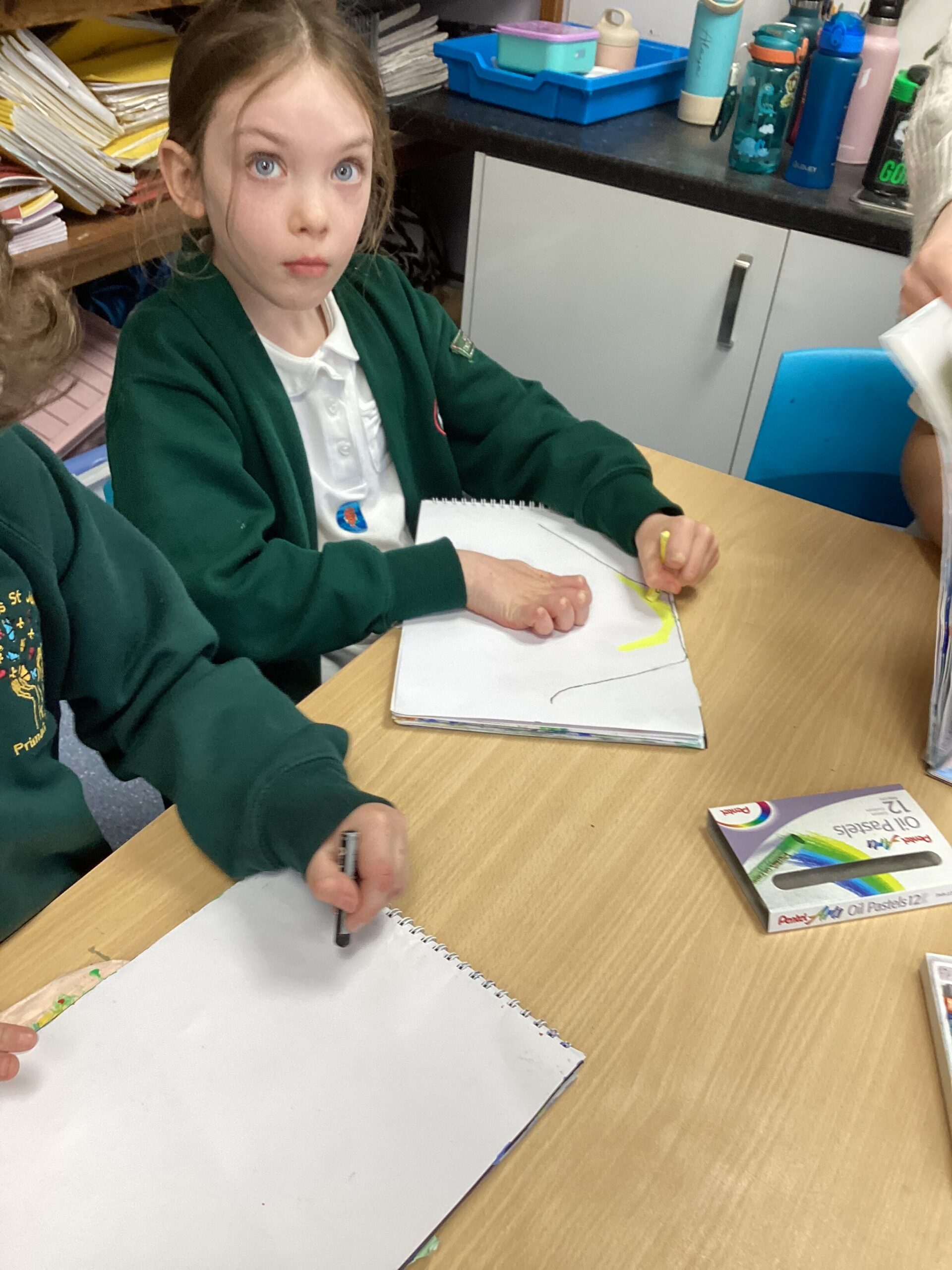
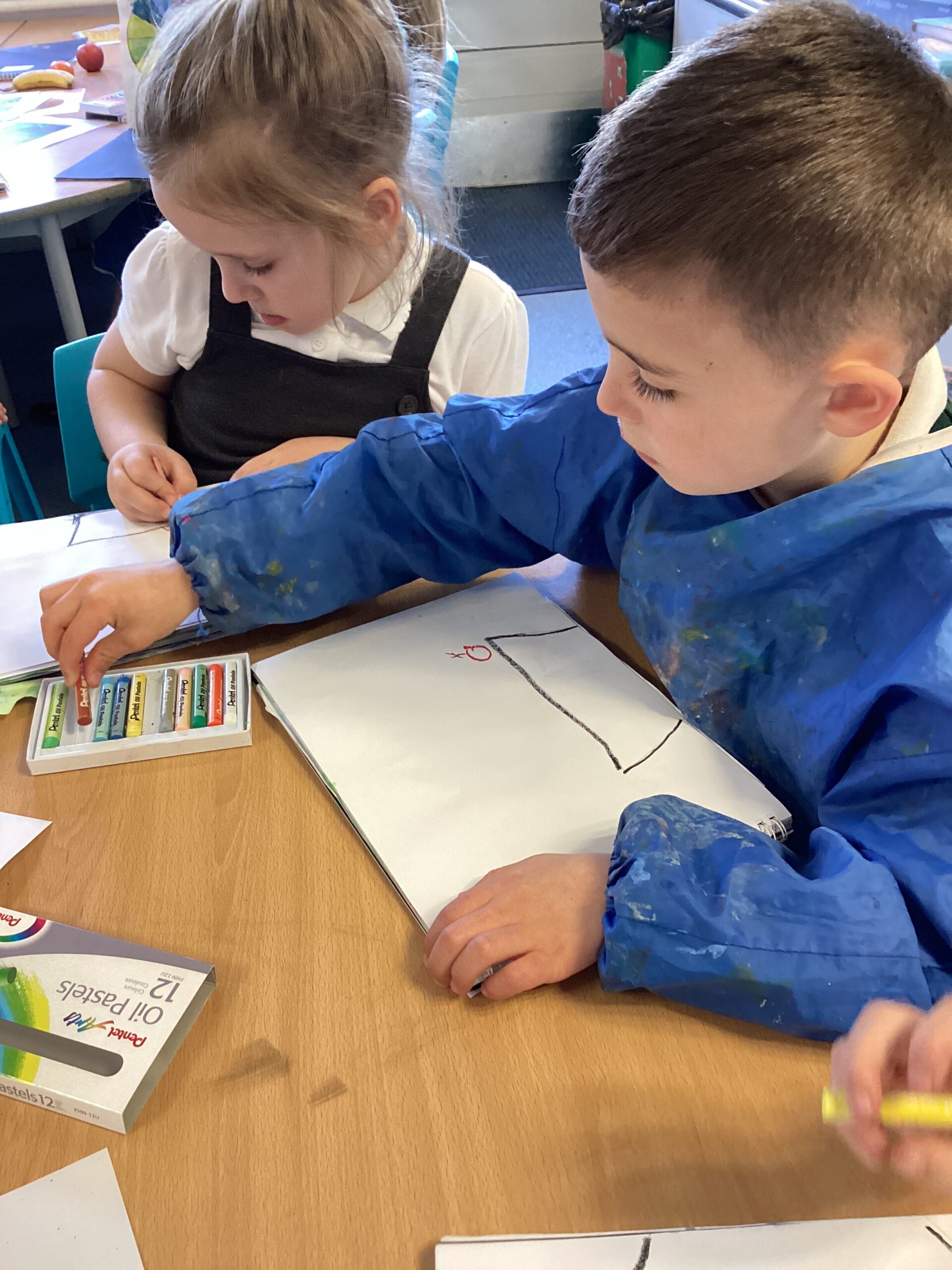
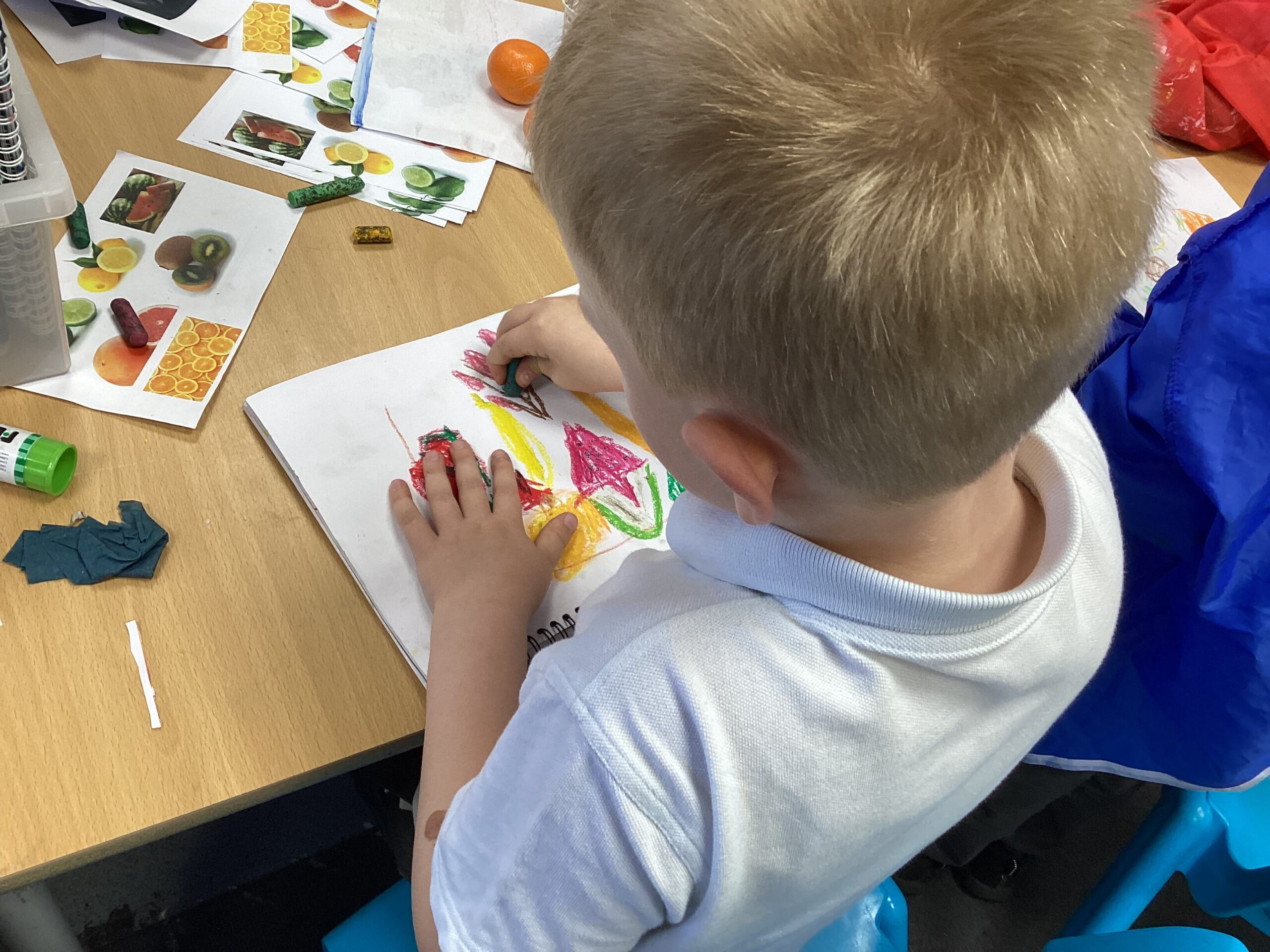
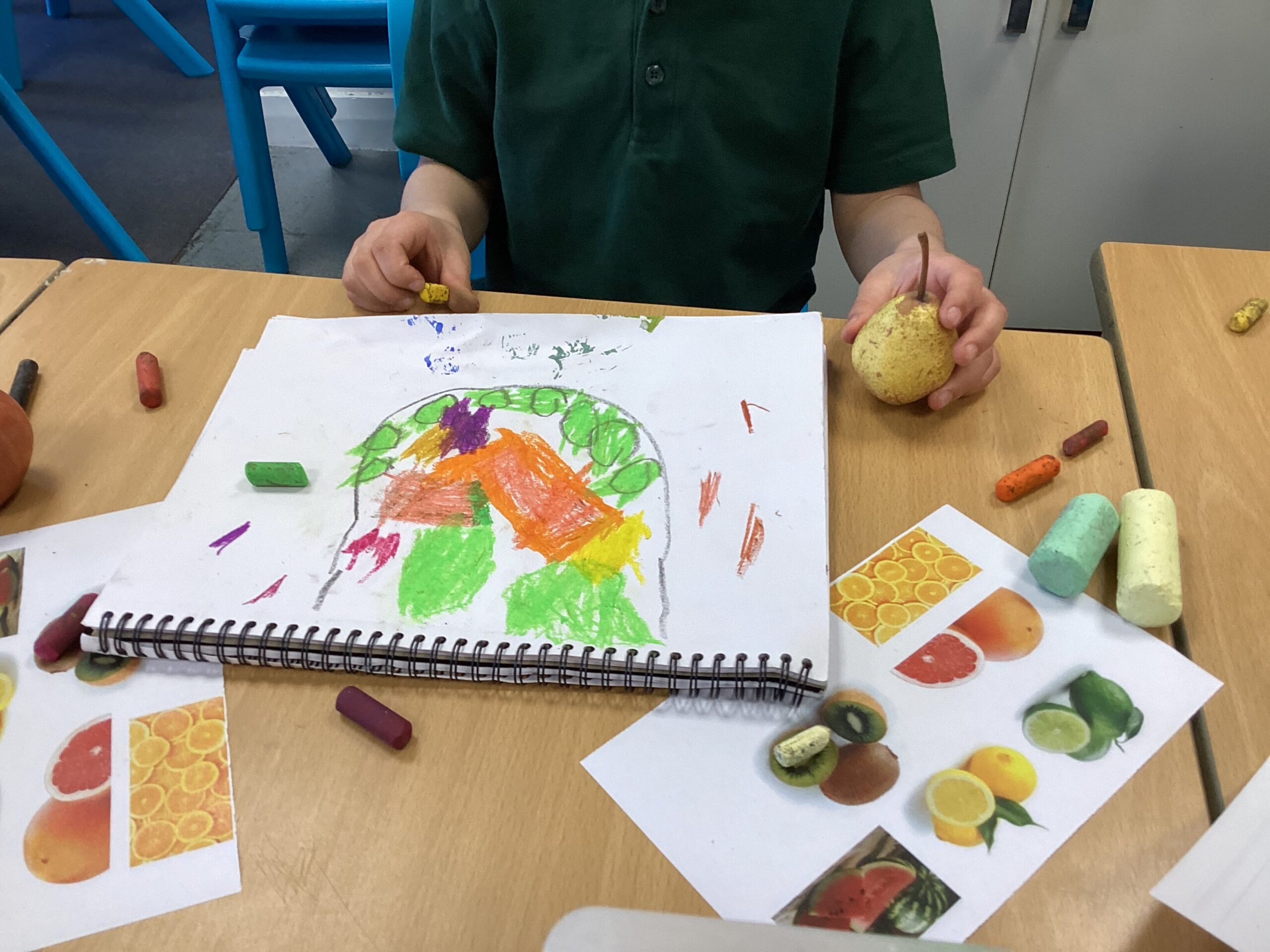
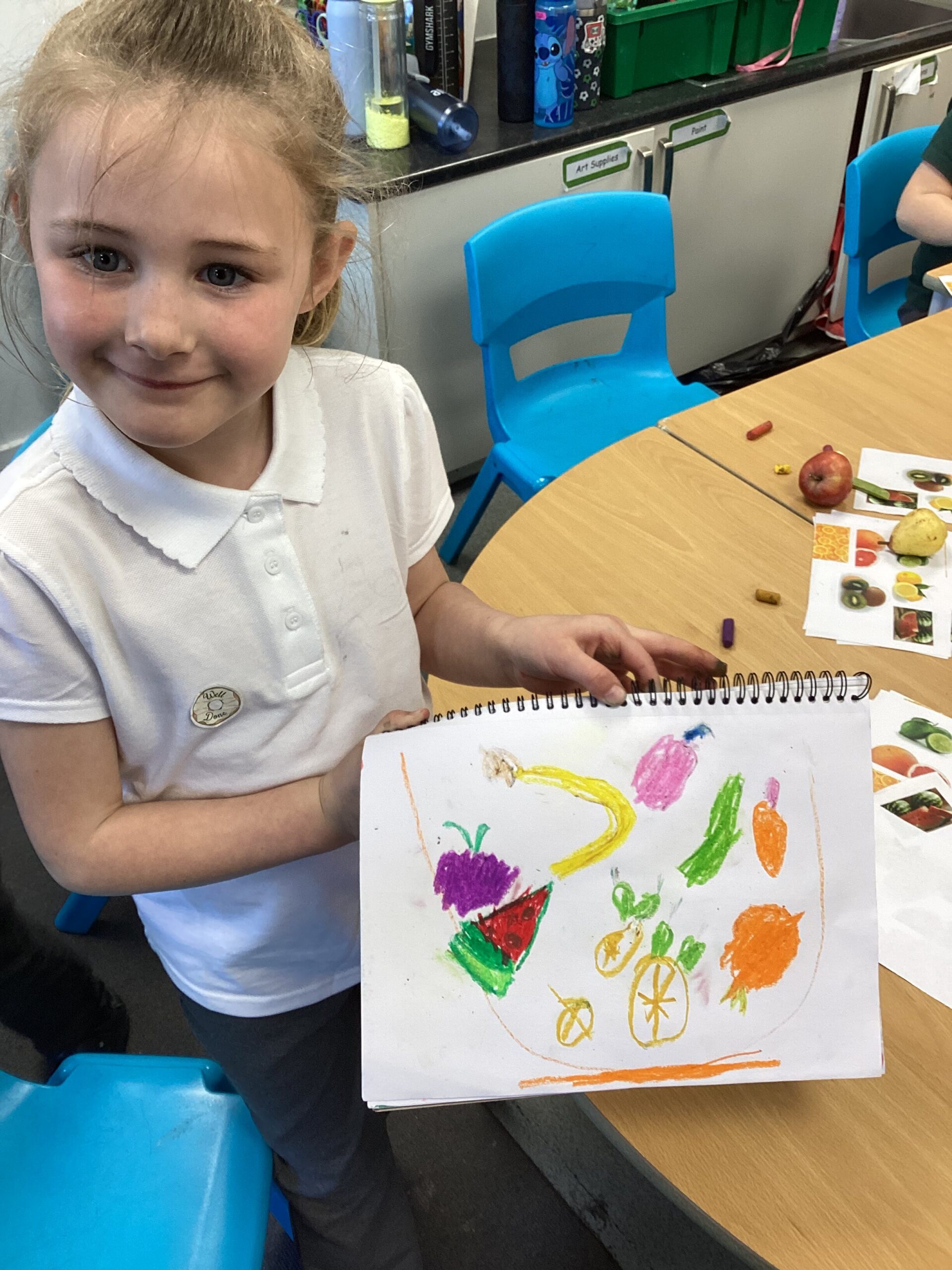
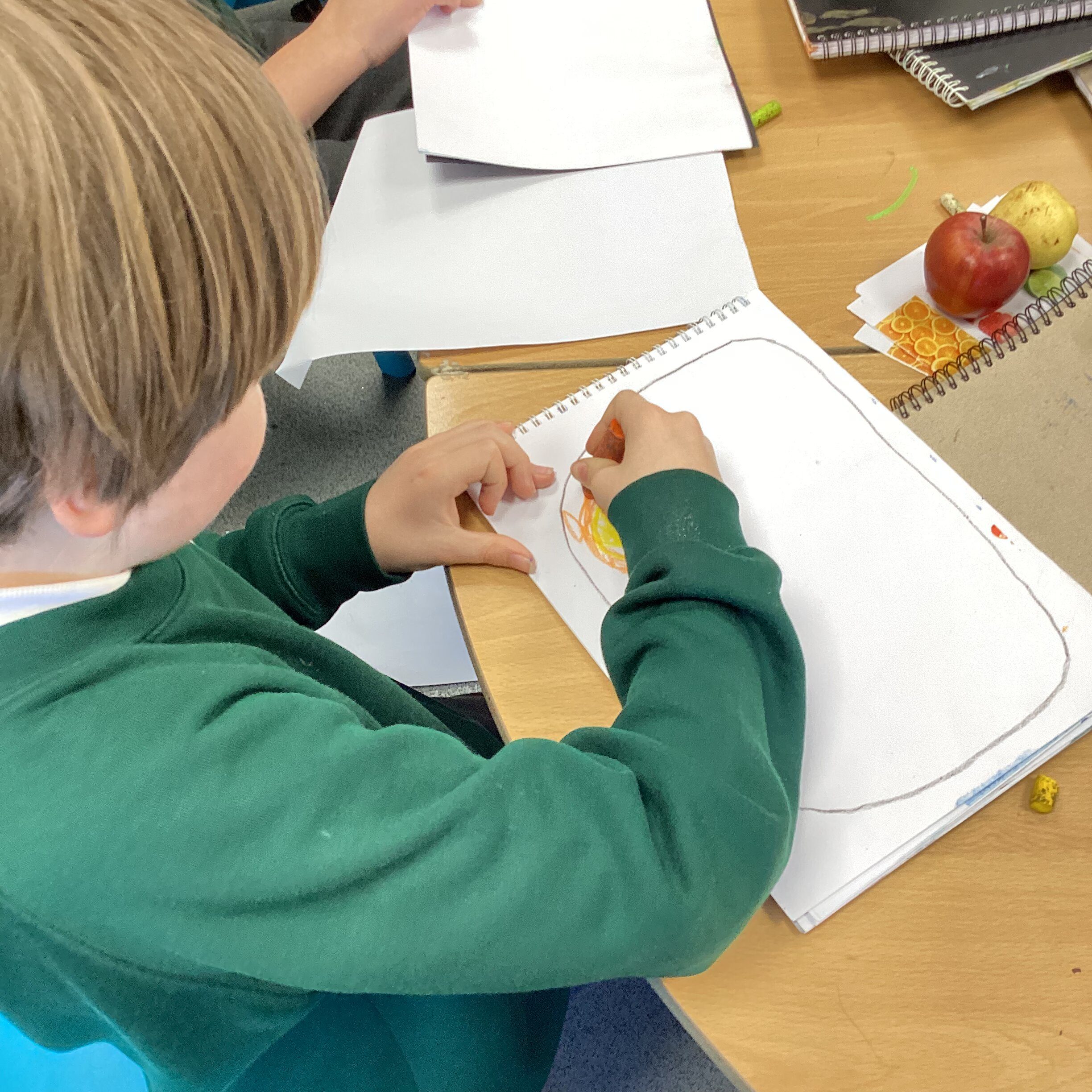
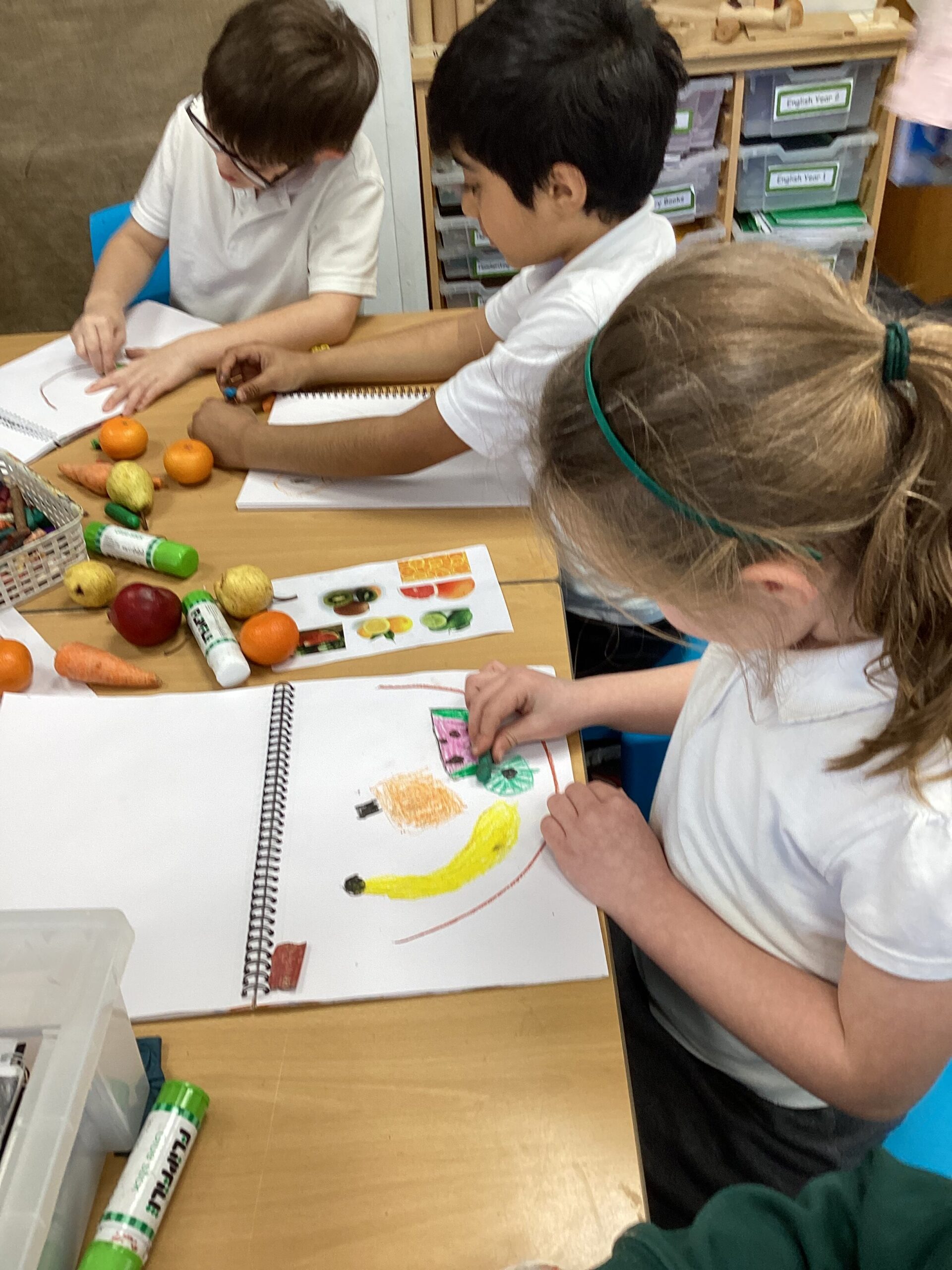
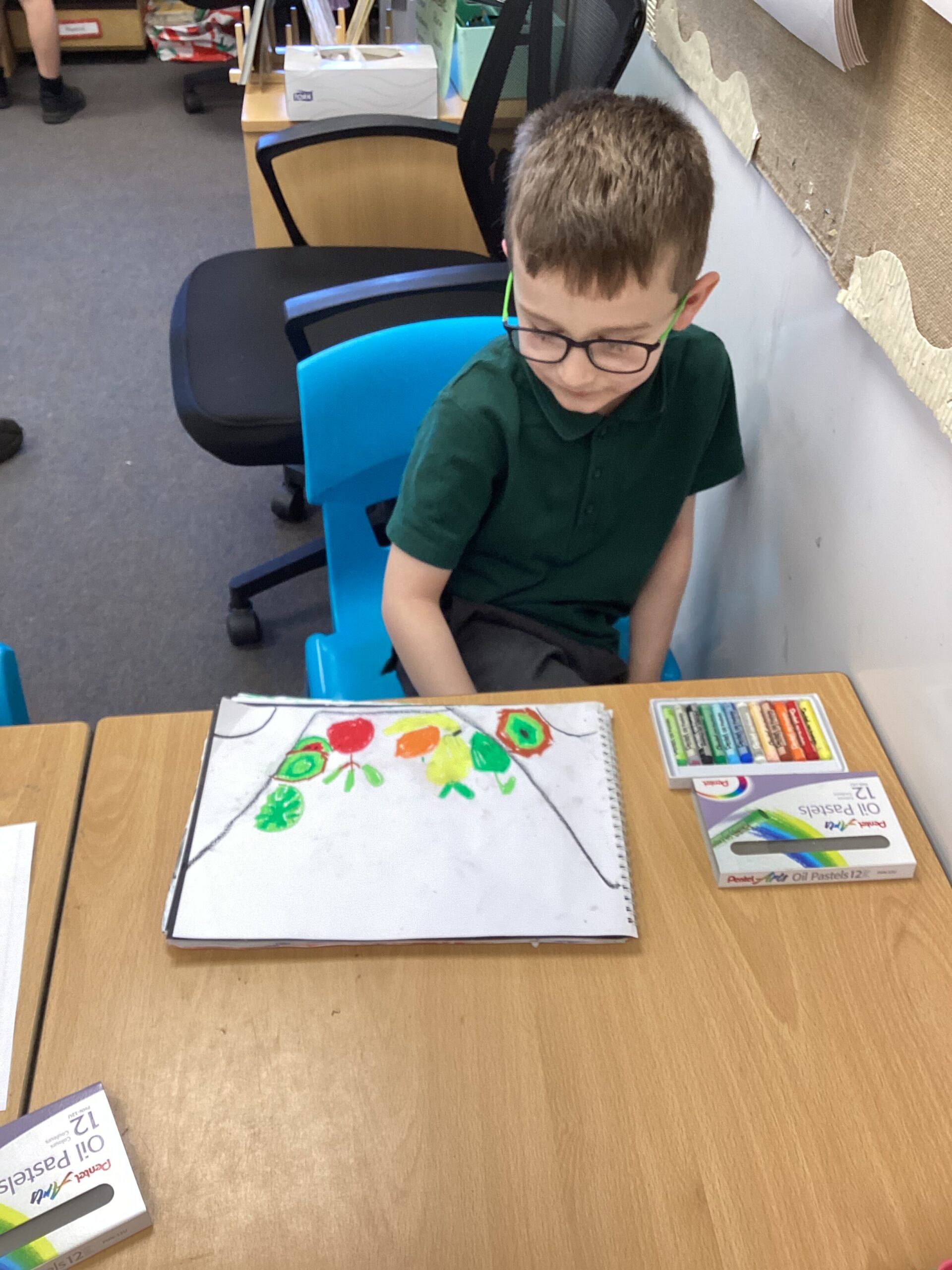
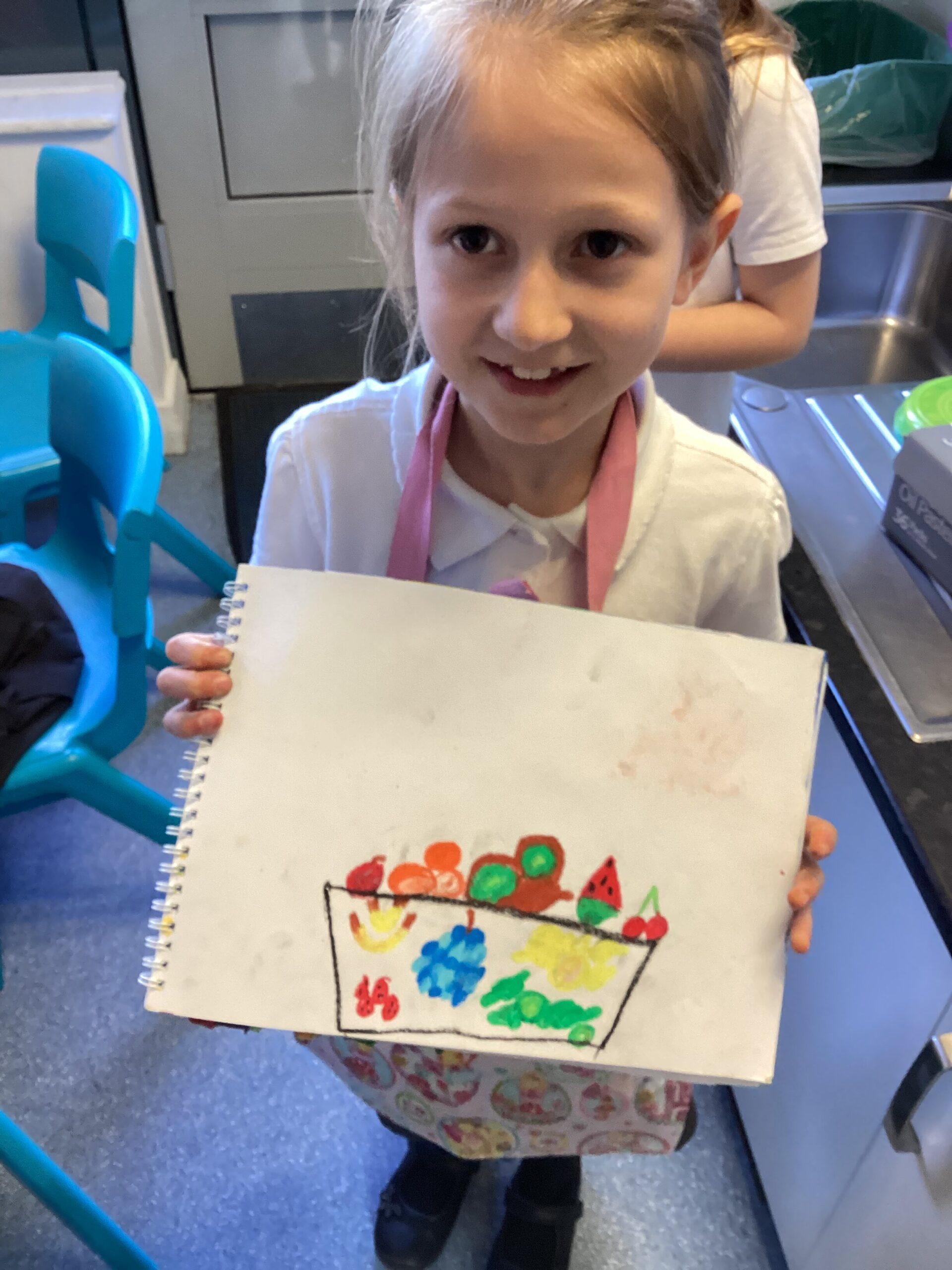
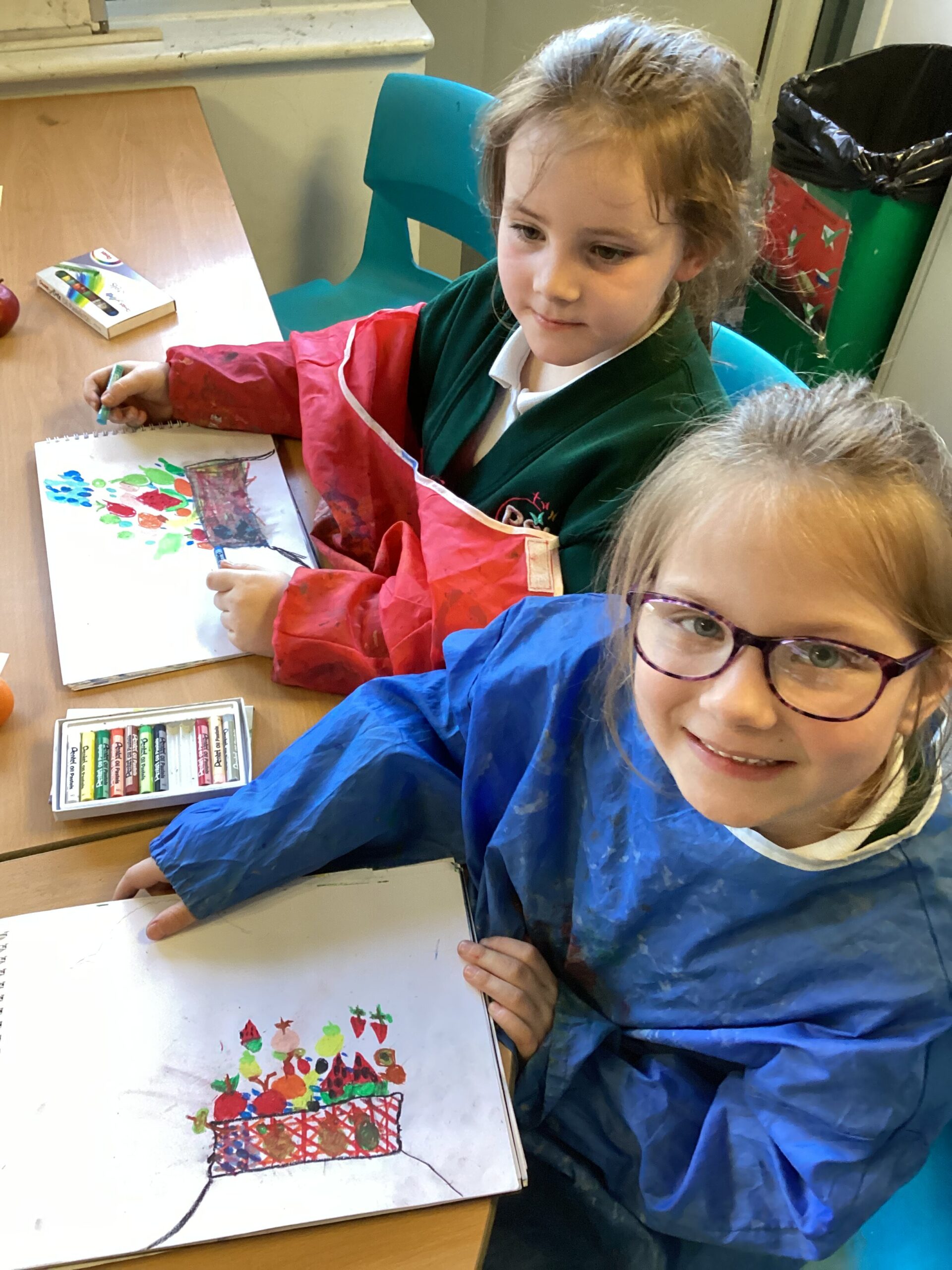
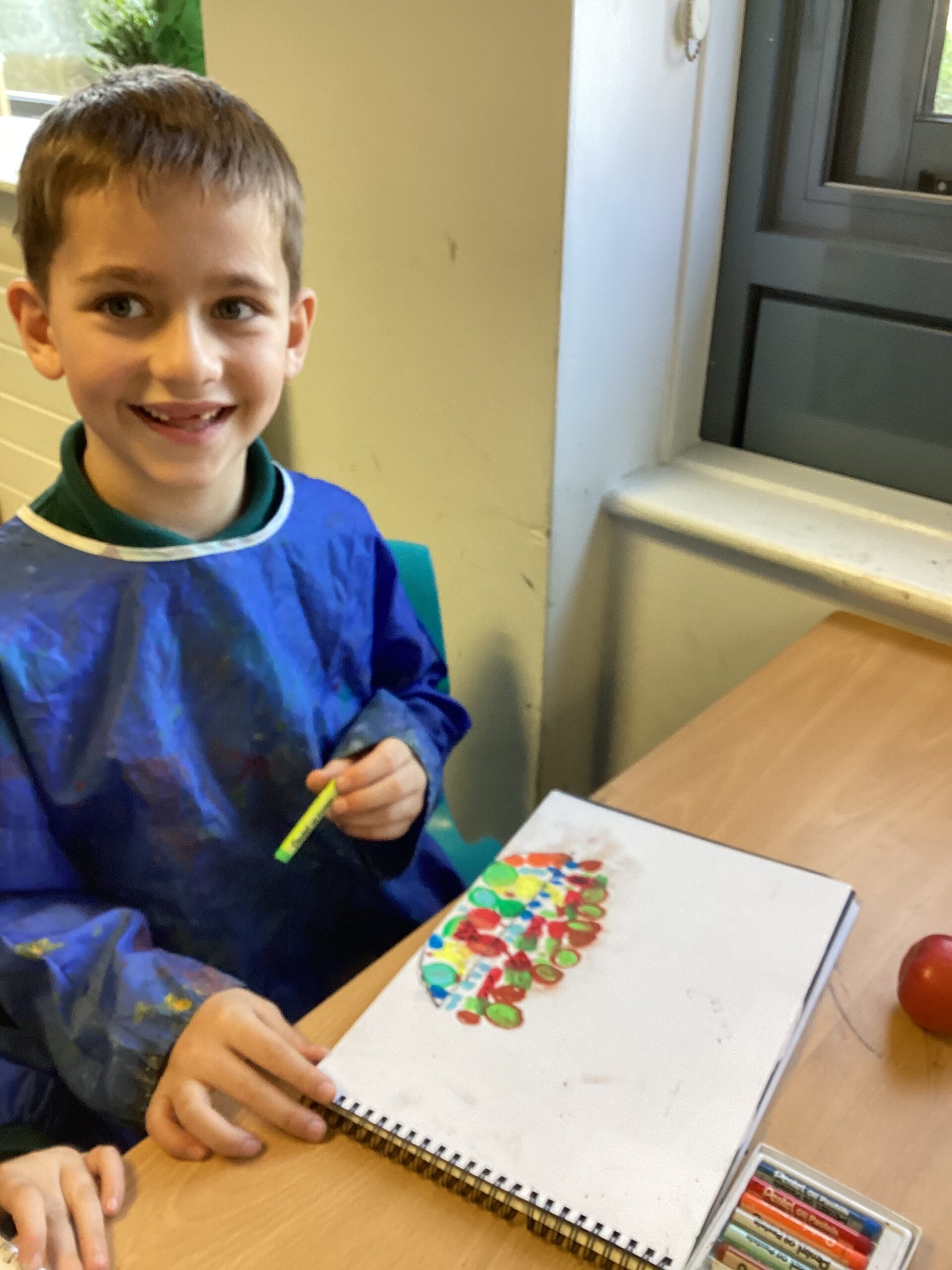
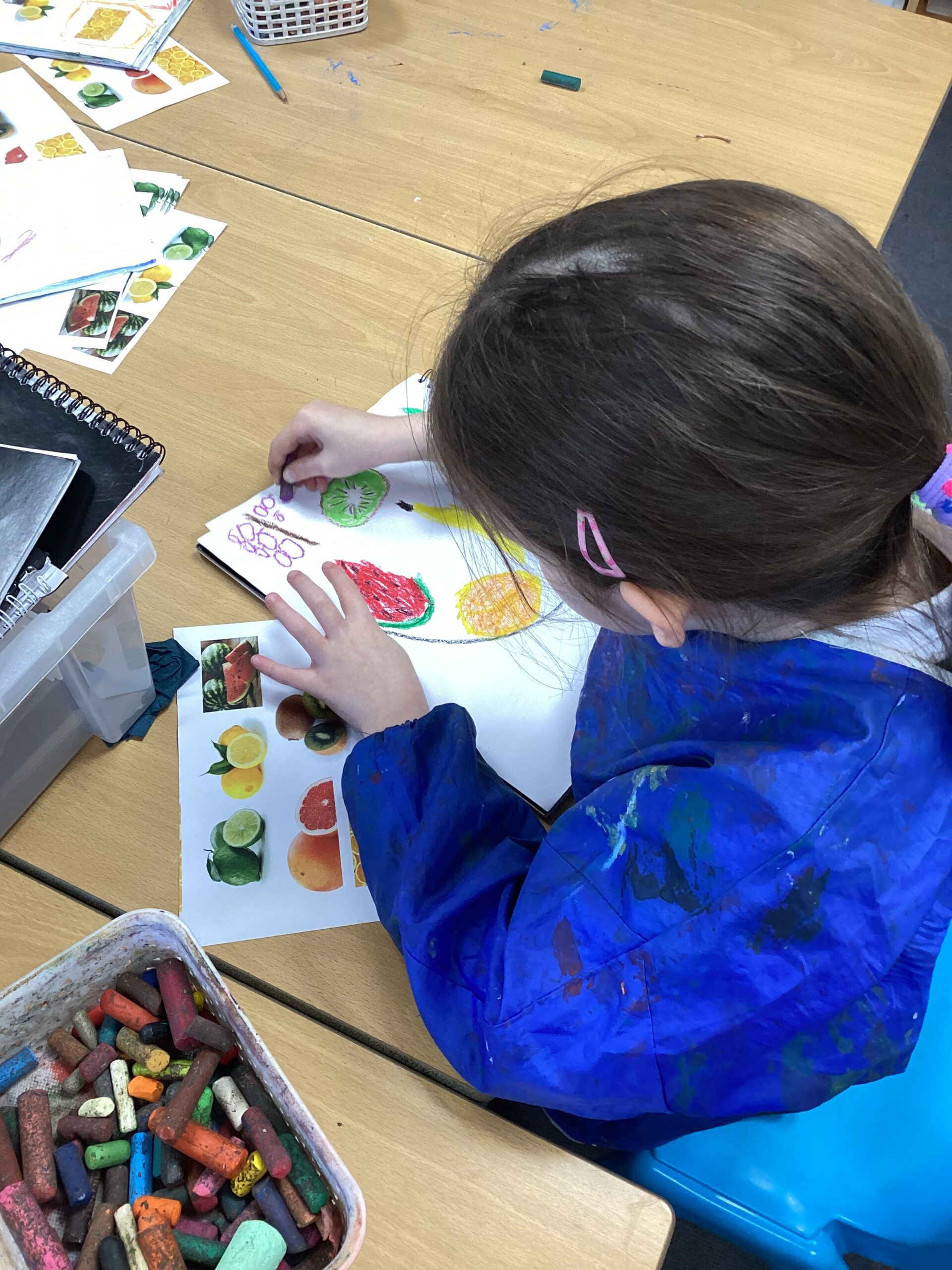
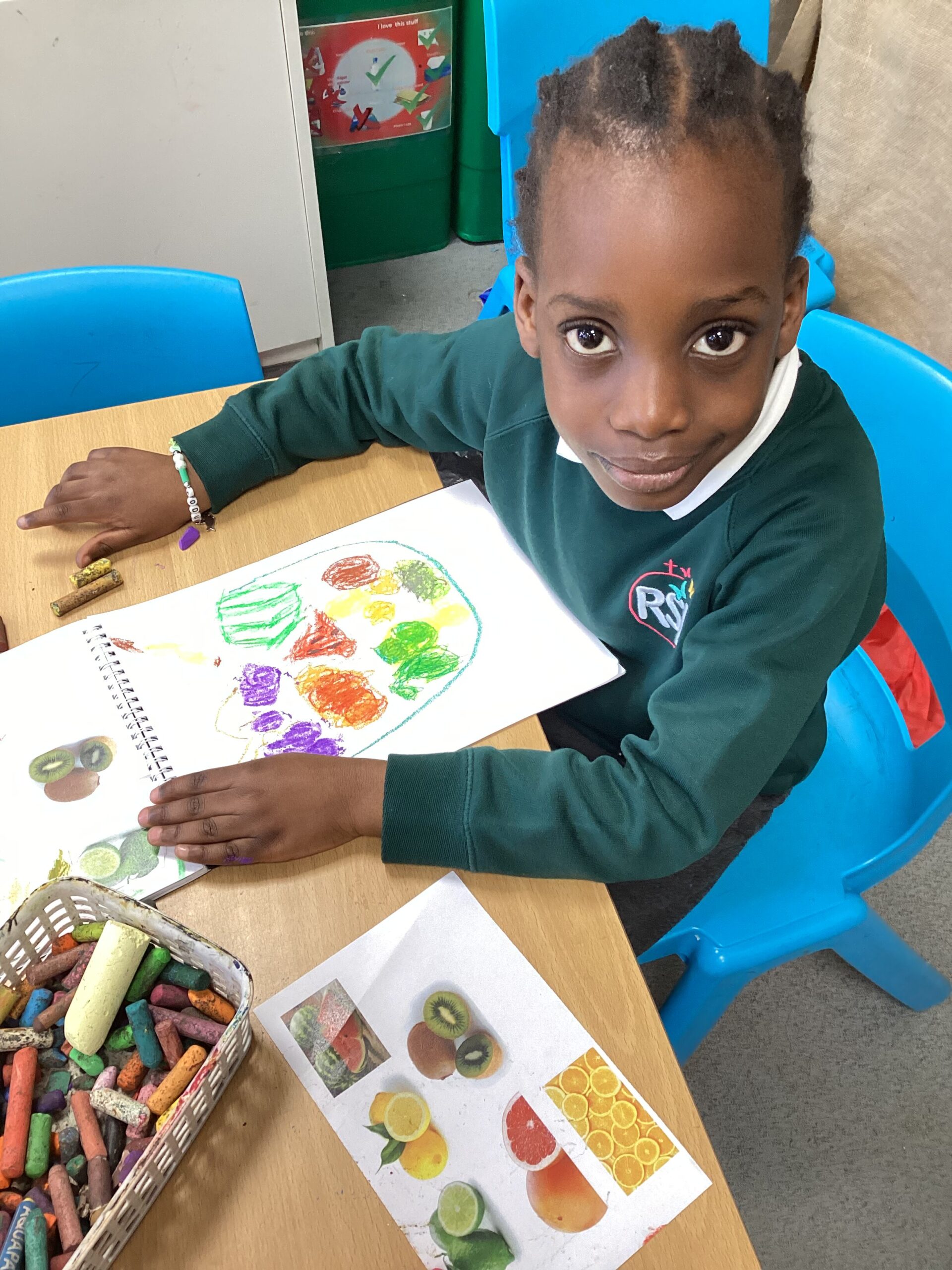
We set up a simple still life in the classroom using fruit, and the children had a good look before starting their own drawings. They thought carefully about the shapes they could see and how the objects were arranged. Using oil pastels, they then created their own still life pictures. They really enjoyed experimenting with bright, bold colours.
We’re really proud of what they created, and we hope they enjoyed it as much as we did!
Team 3 / 4:
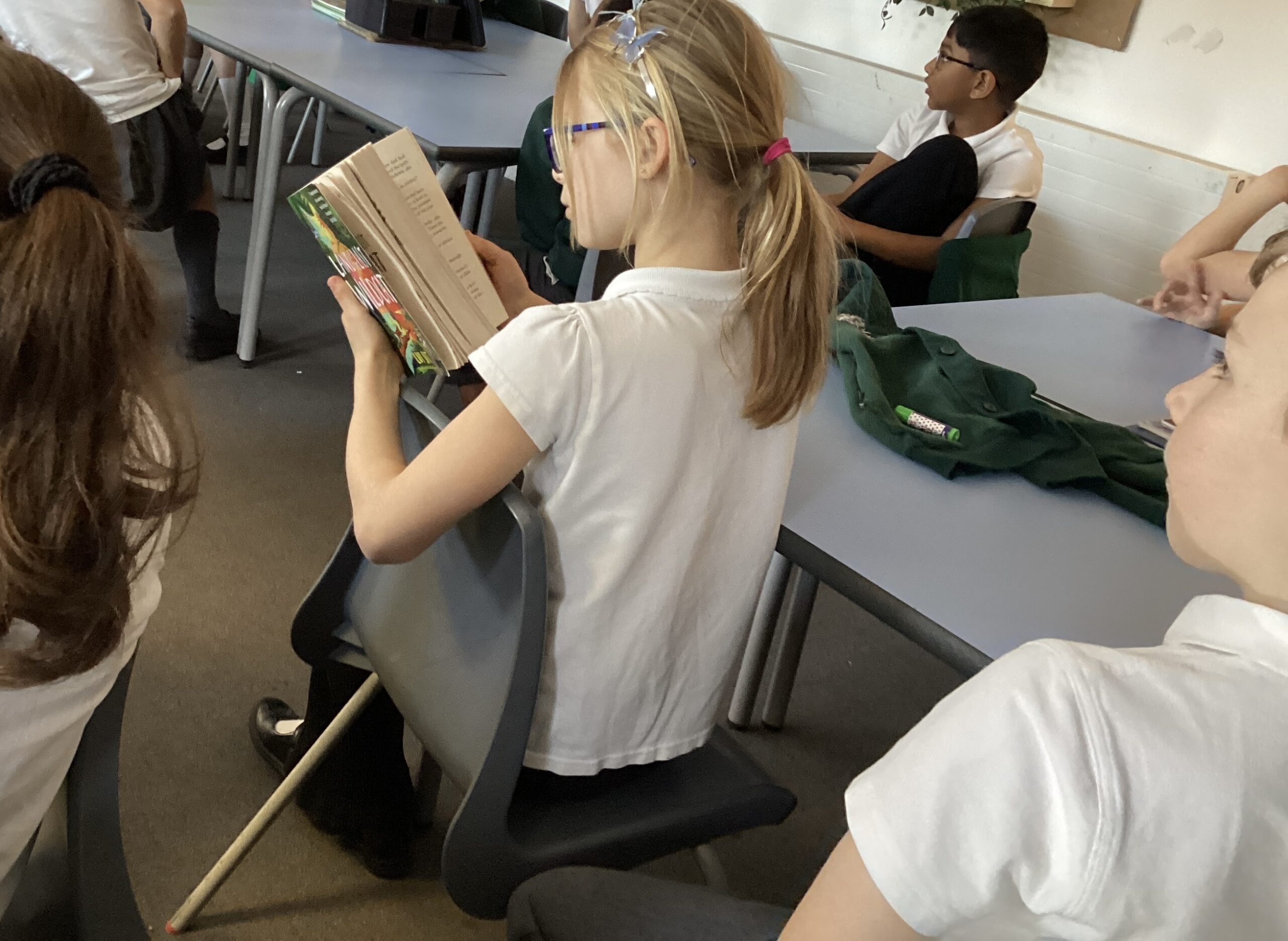
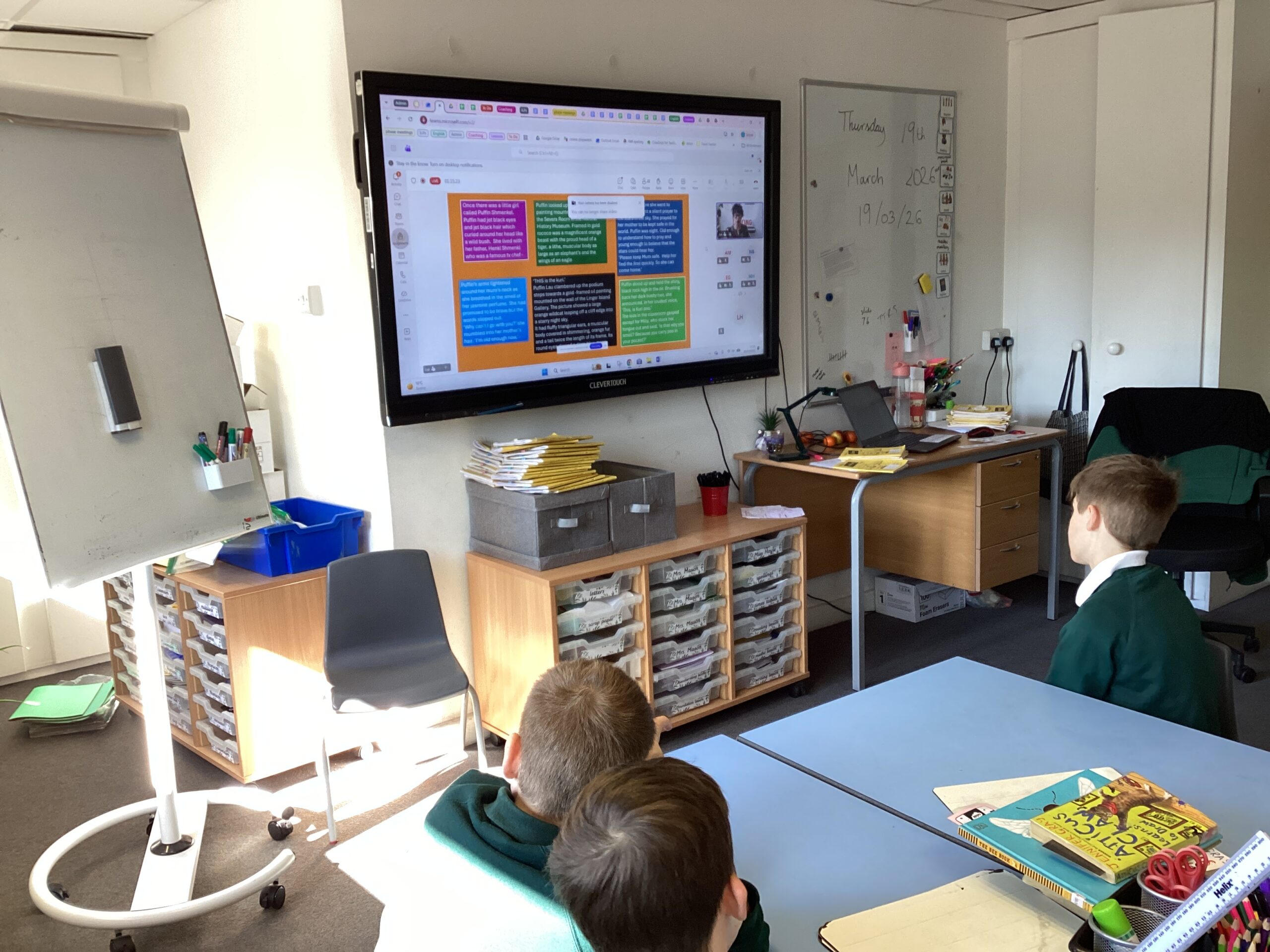
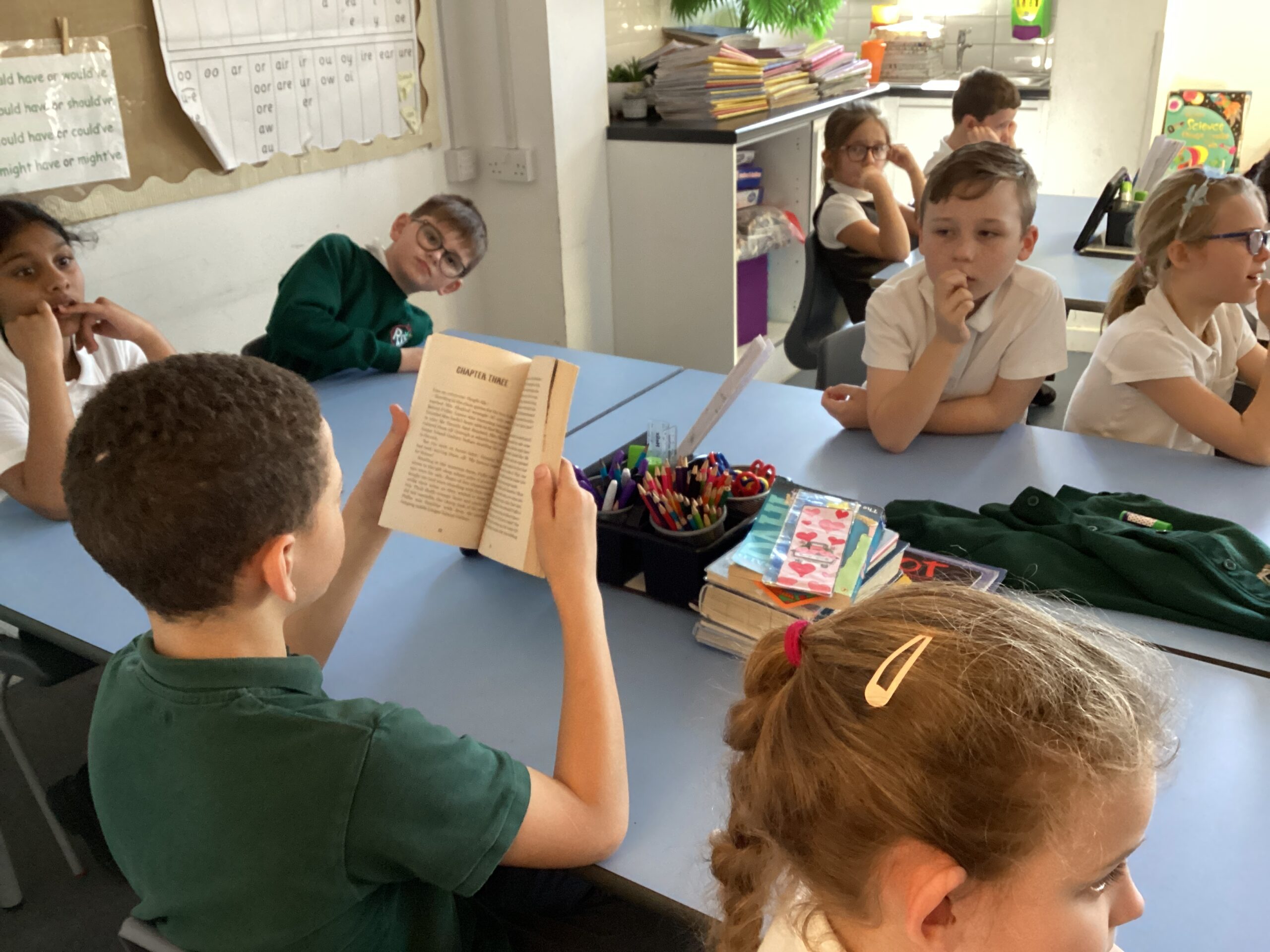
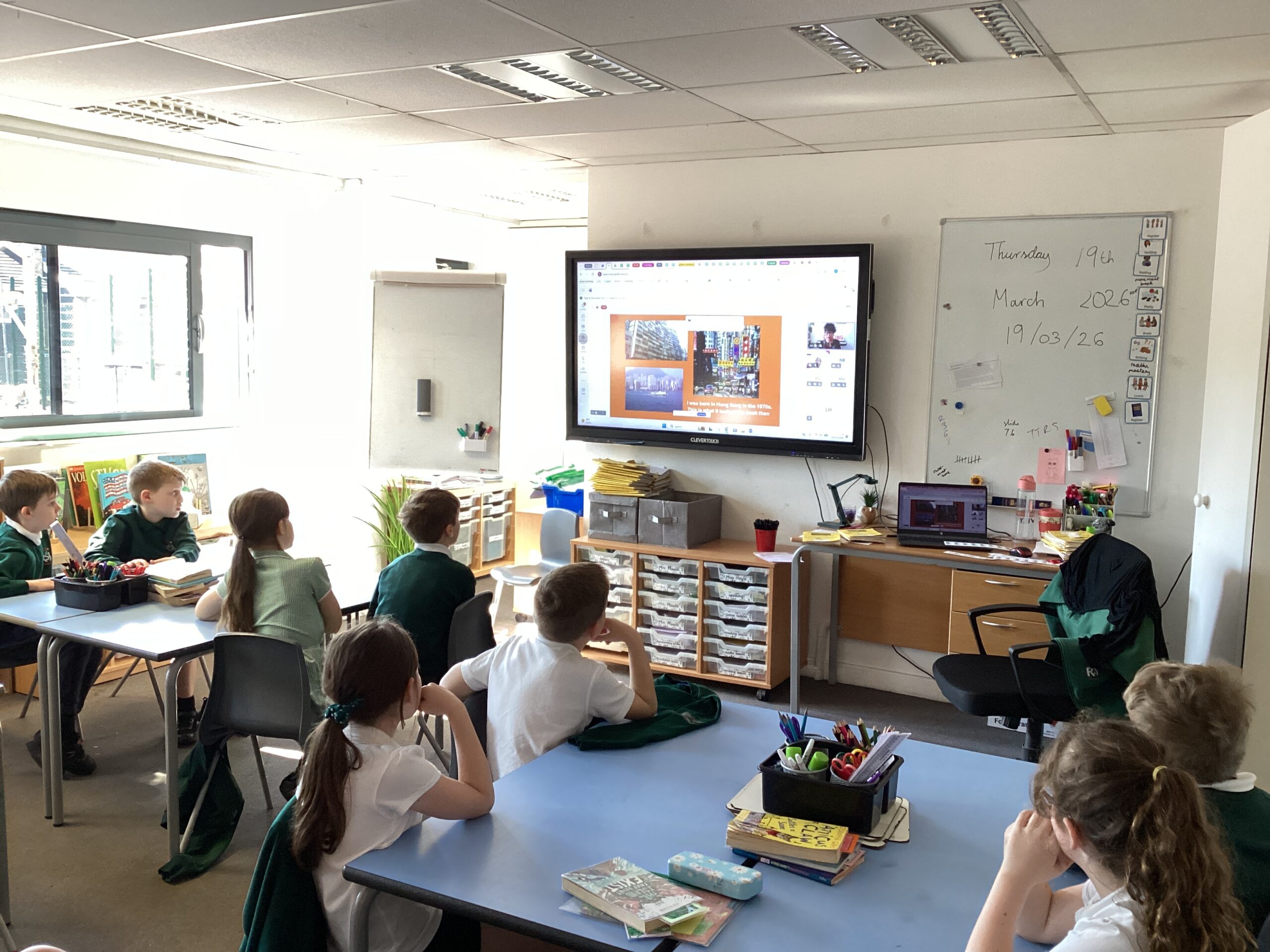
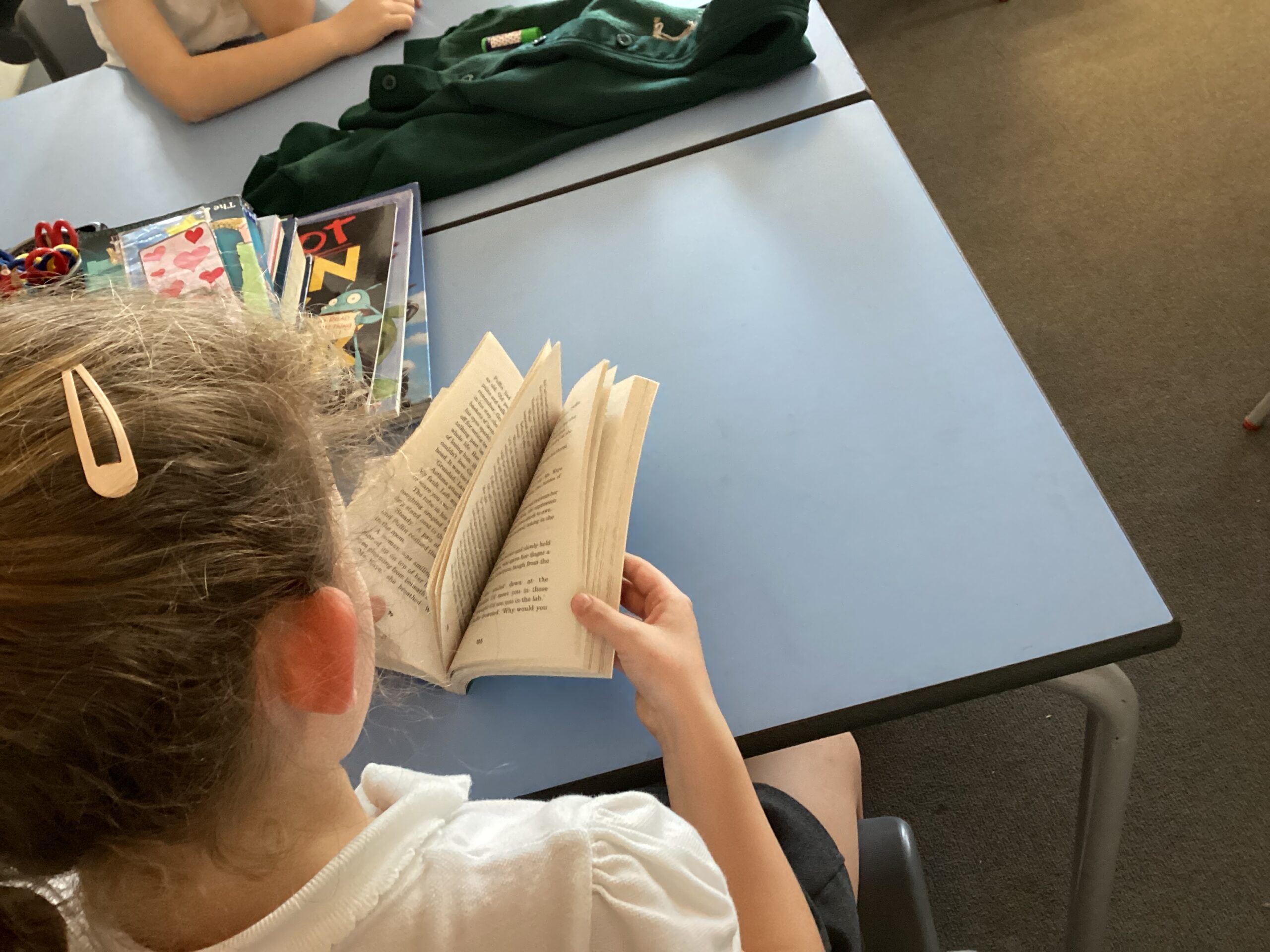
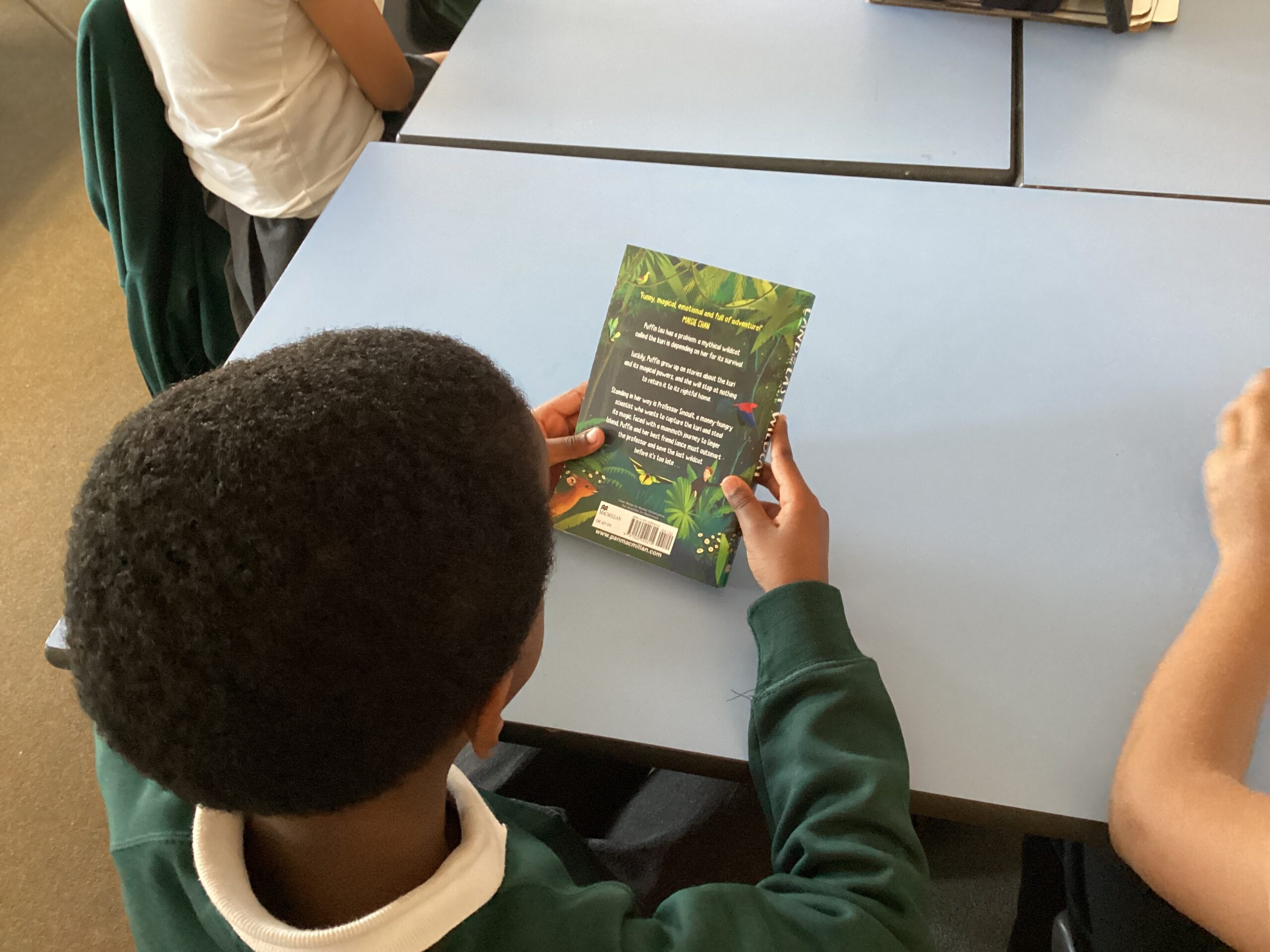
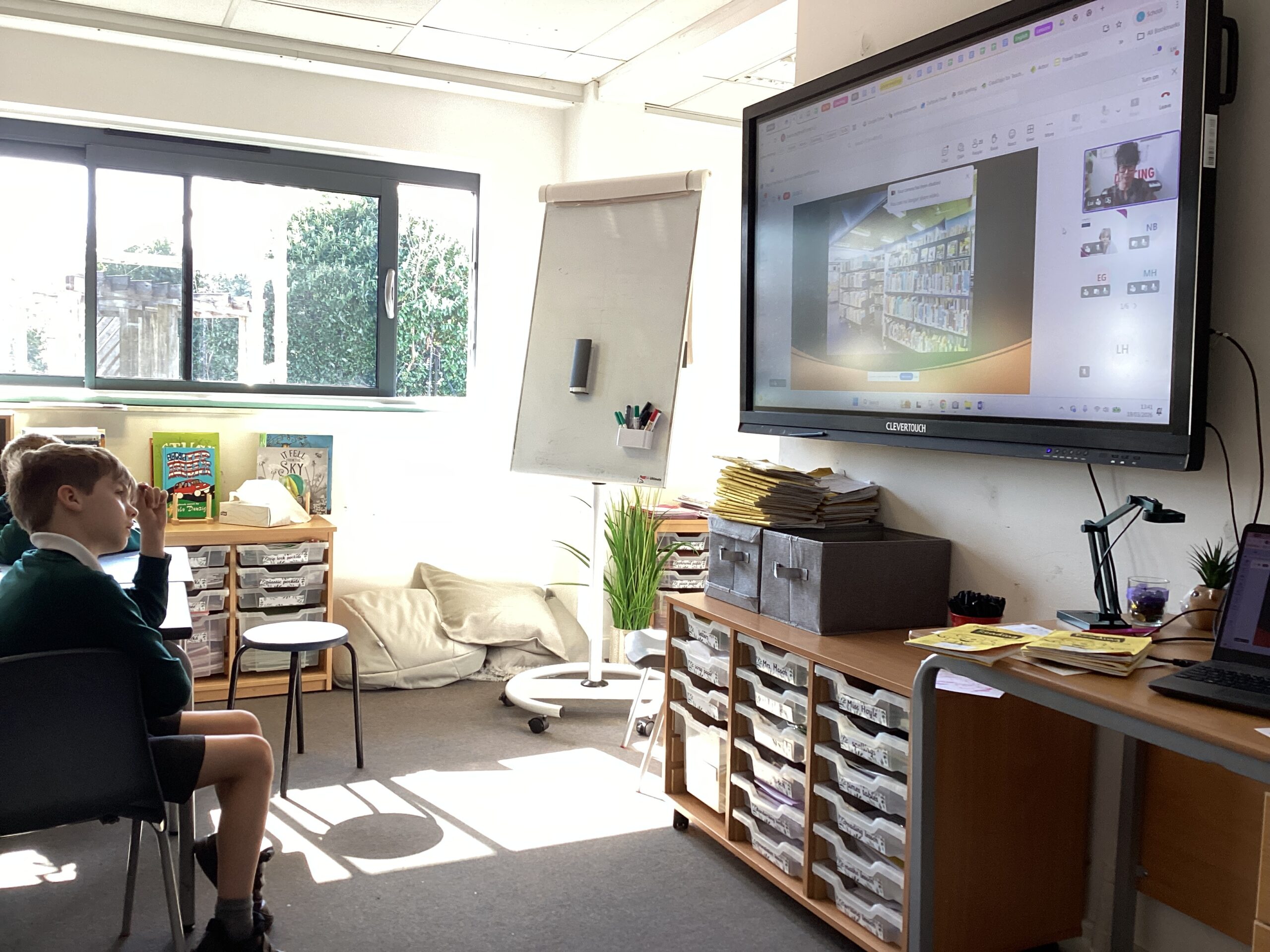
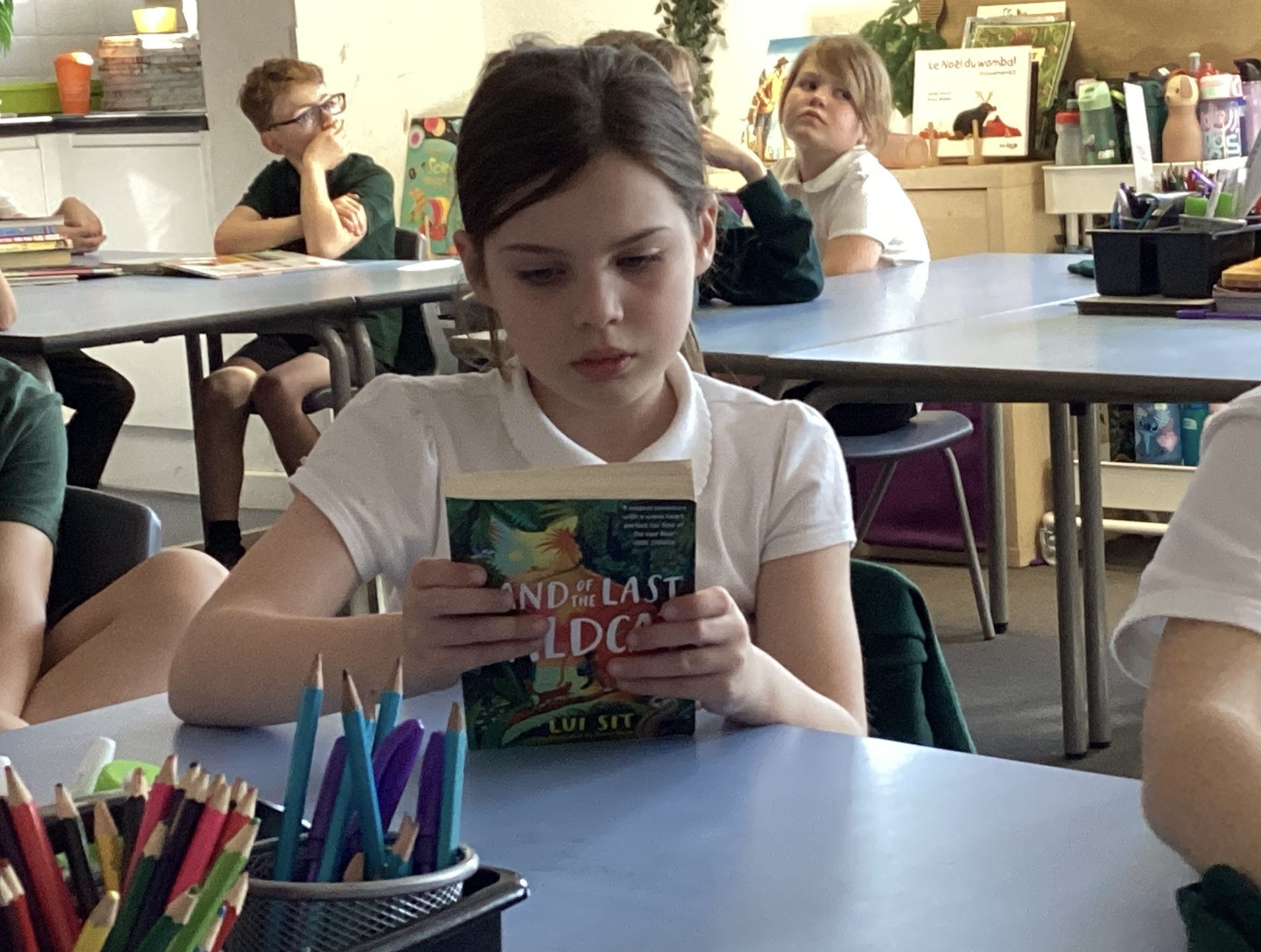
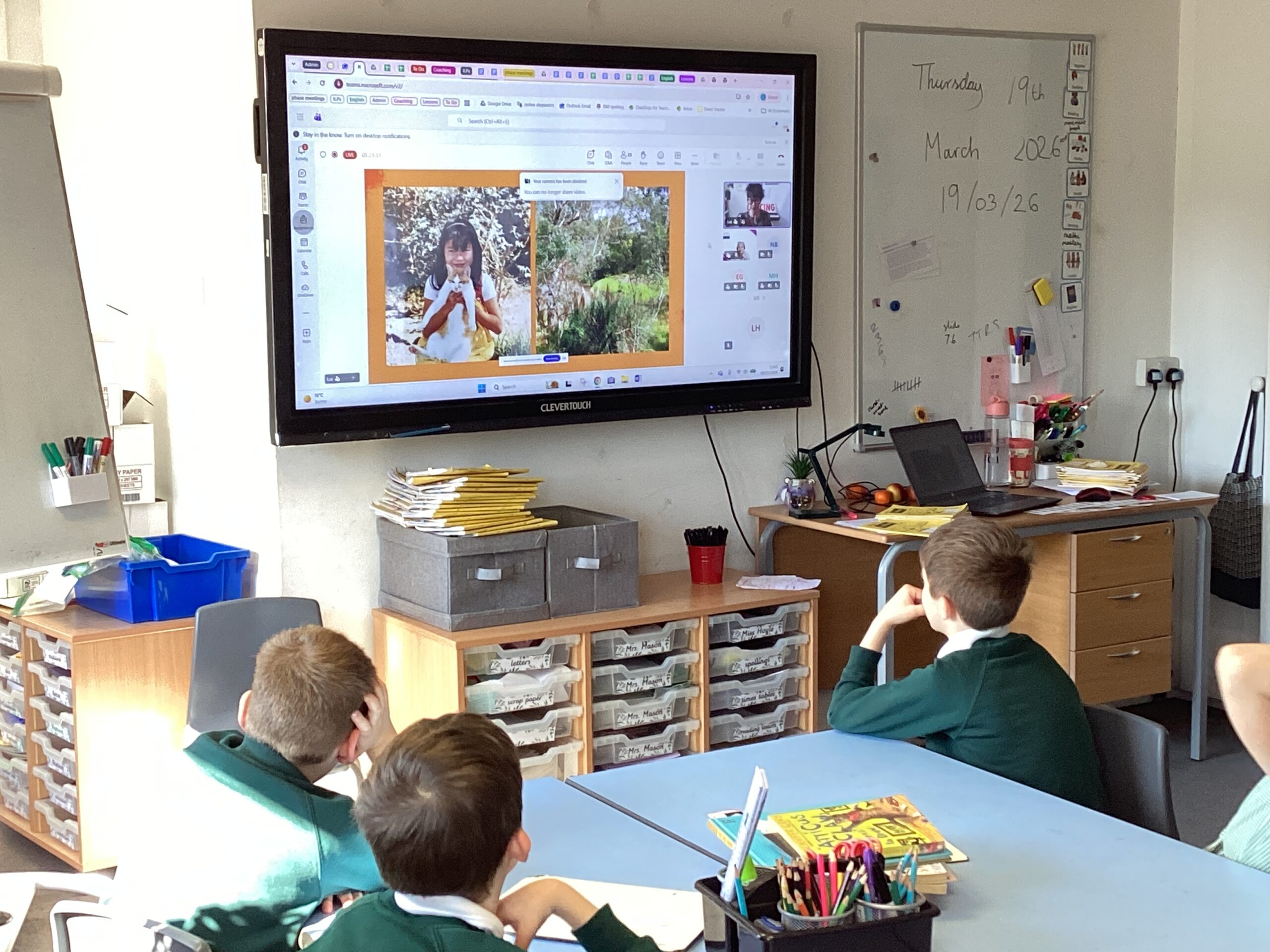
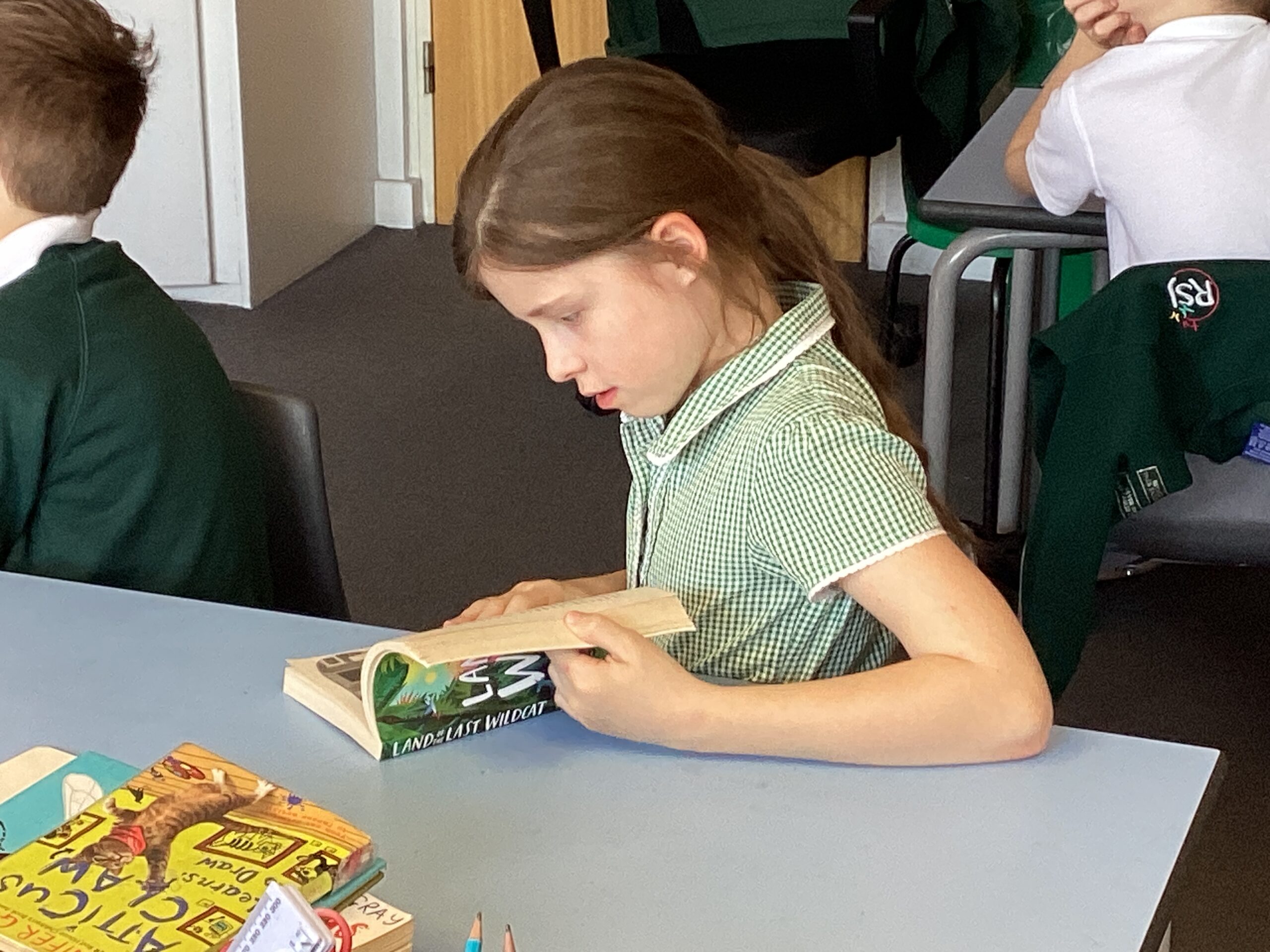
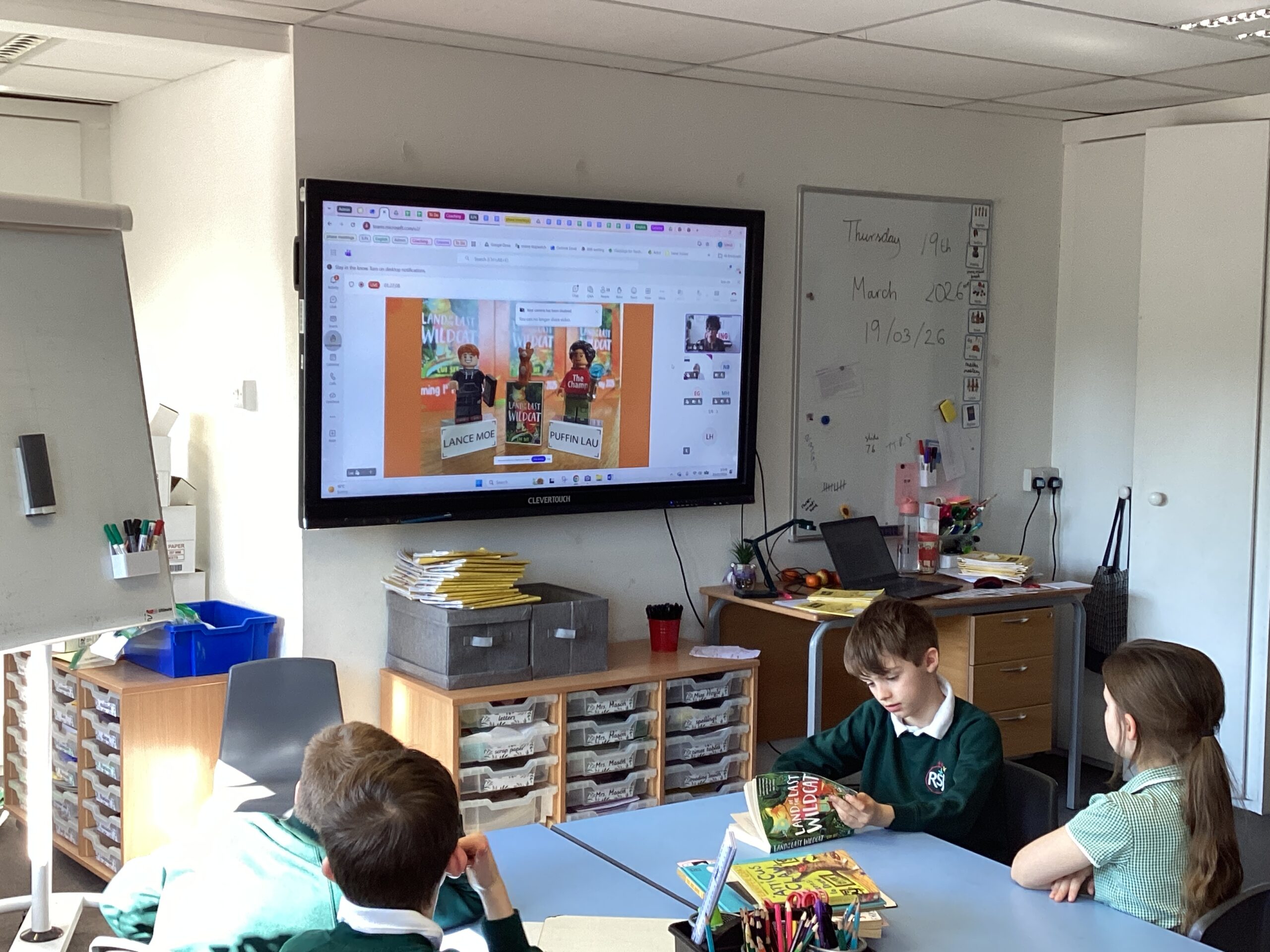
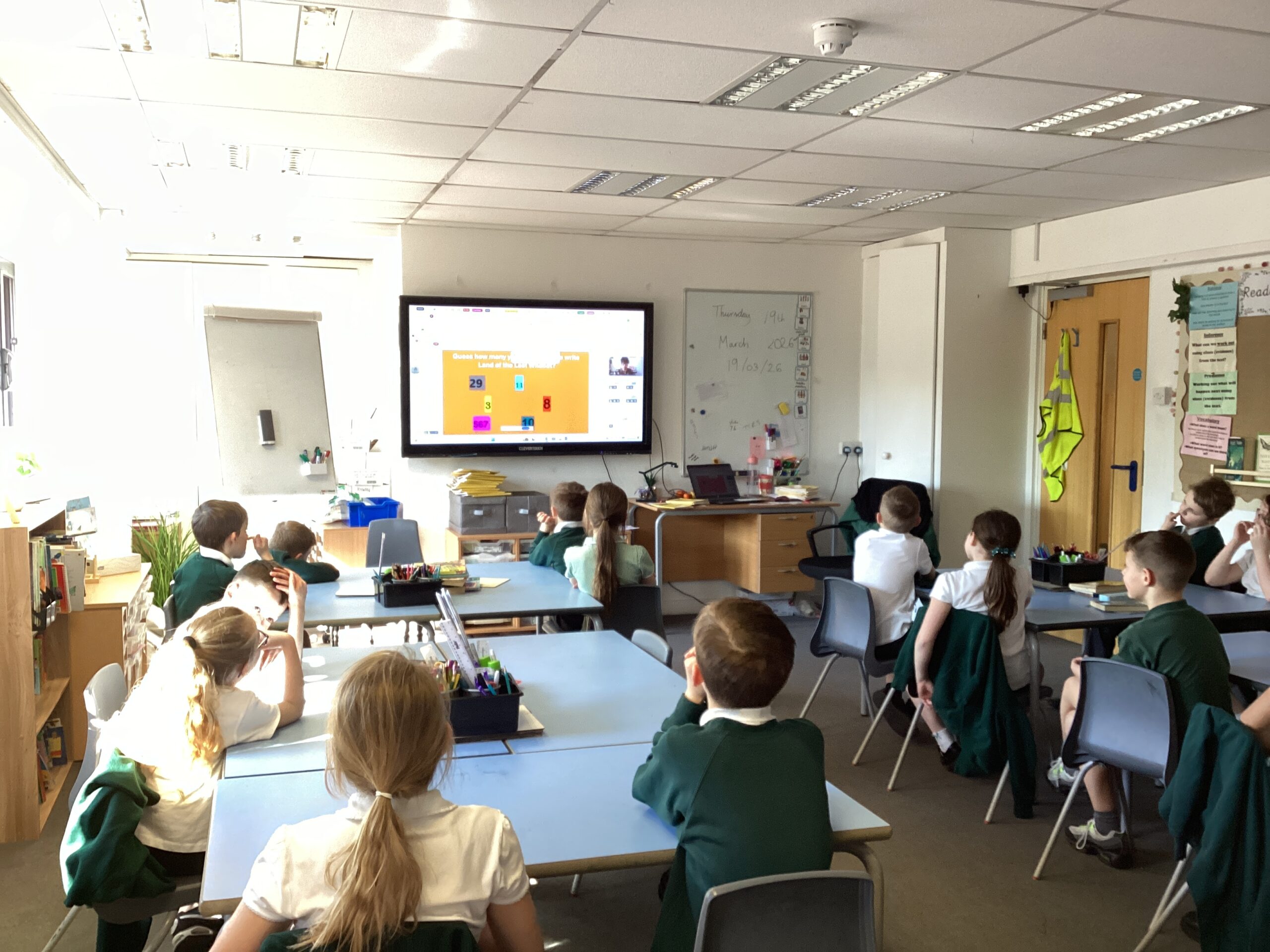
Team 3/4 recently enjoyed an inspiring virtual encounter with Lui Sit, the author of Land of the Last Wildcat. During the session, Lui captivated the children by sharing how her early childhood experiences and personal history paved the way for her career as a writer. She walked the students through her creative journey, explaining how she transforms initial sparks of inspiration into fully realised stories through a dedicated writing and editing process. The atmosphere was particularly magical when Lui read a captivating extract from the book, allowing the children to hear the story’s unique voice brought to life by the author herself.
The highlight of the event was the interactive Q&A, where our students had the opportunity to engage directly with her. They asked a variety of insightful questions about her characters and the challenges of storytelling, receiving thoughtful advice in return. This behind-the-scenes look at the life of a novelist has left the children buzzing with ideas and eager to apply Lui’s tips to their own creative writing projects in class.
Team 5 / 6:
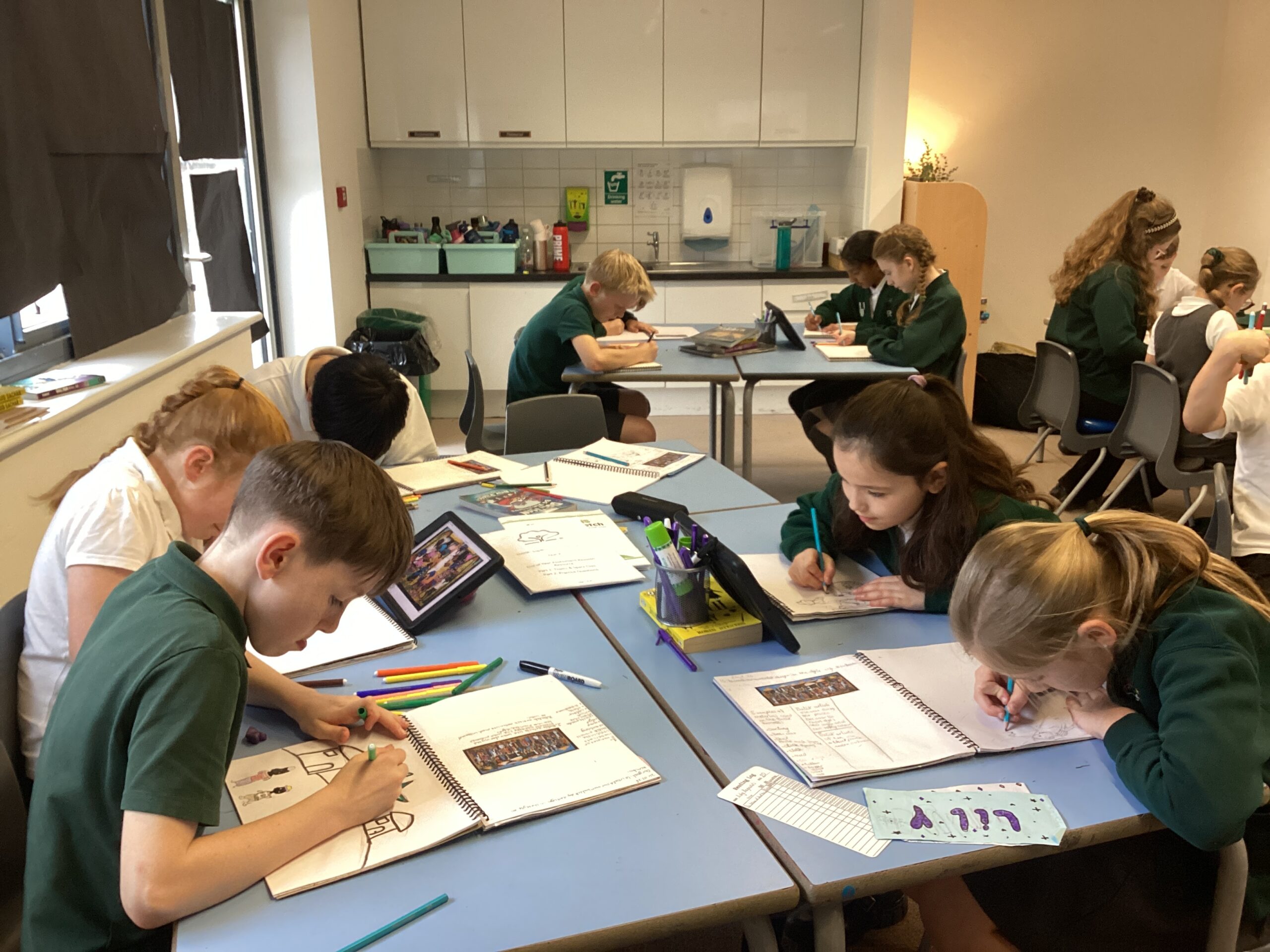
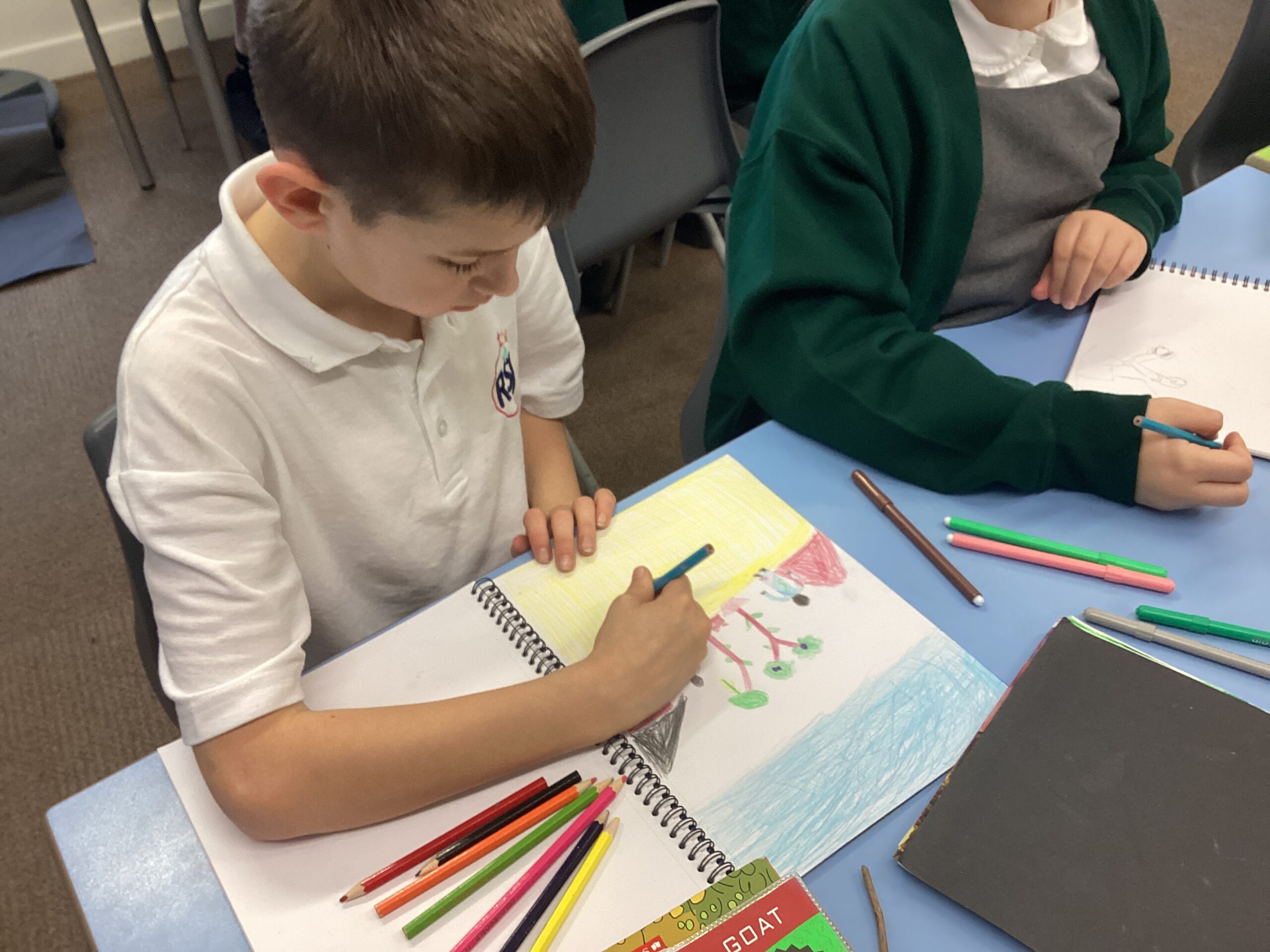
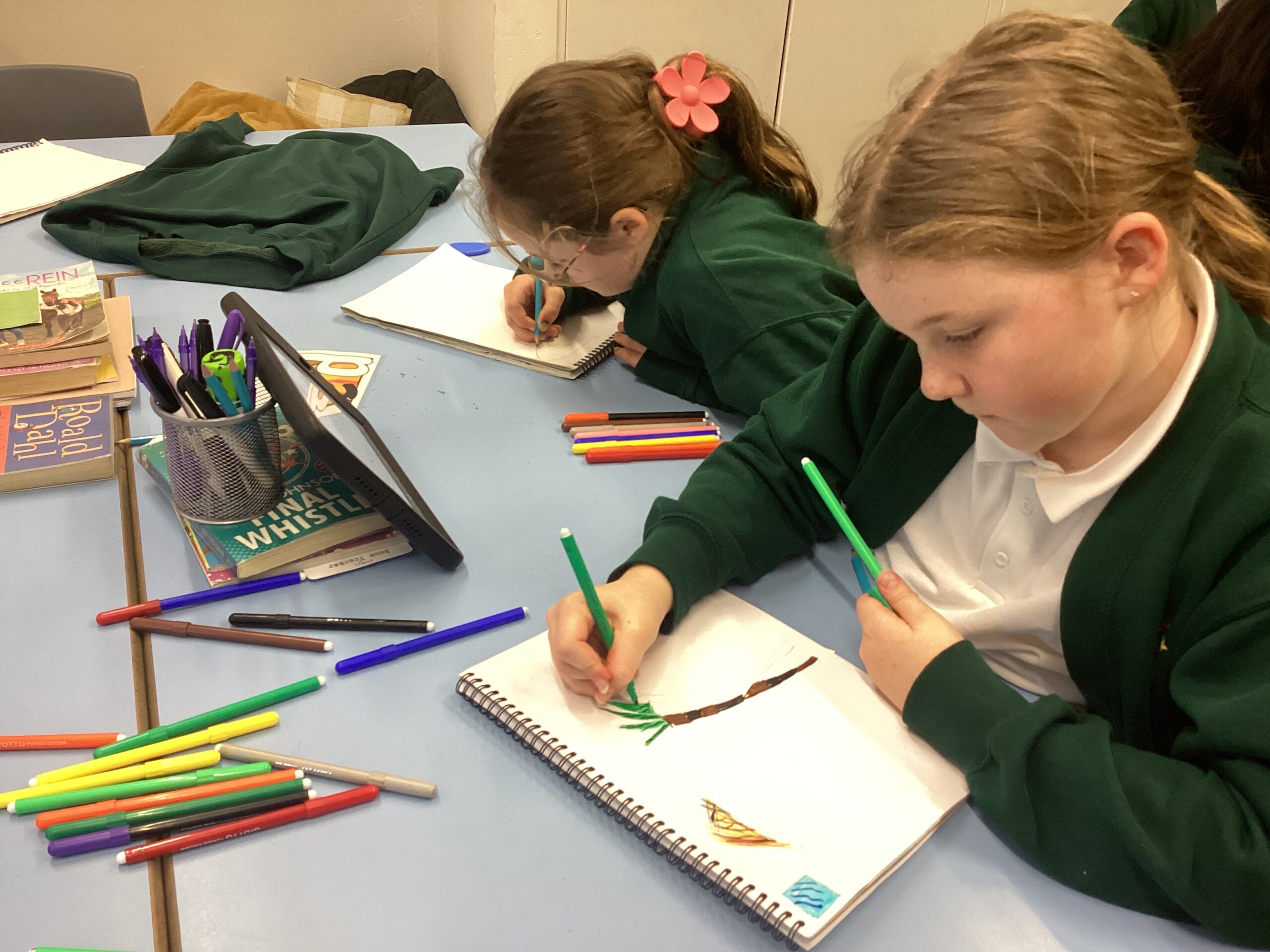
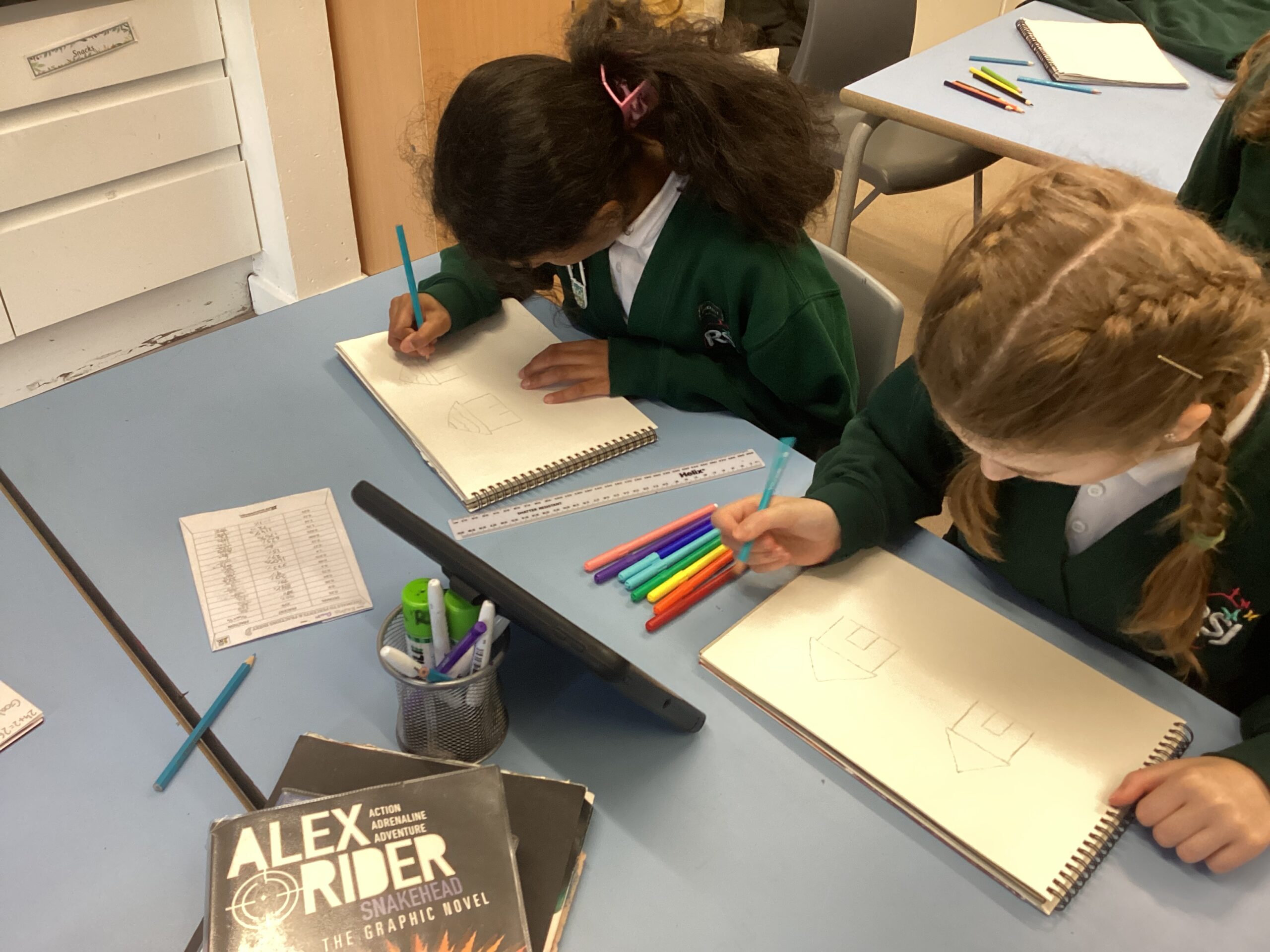
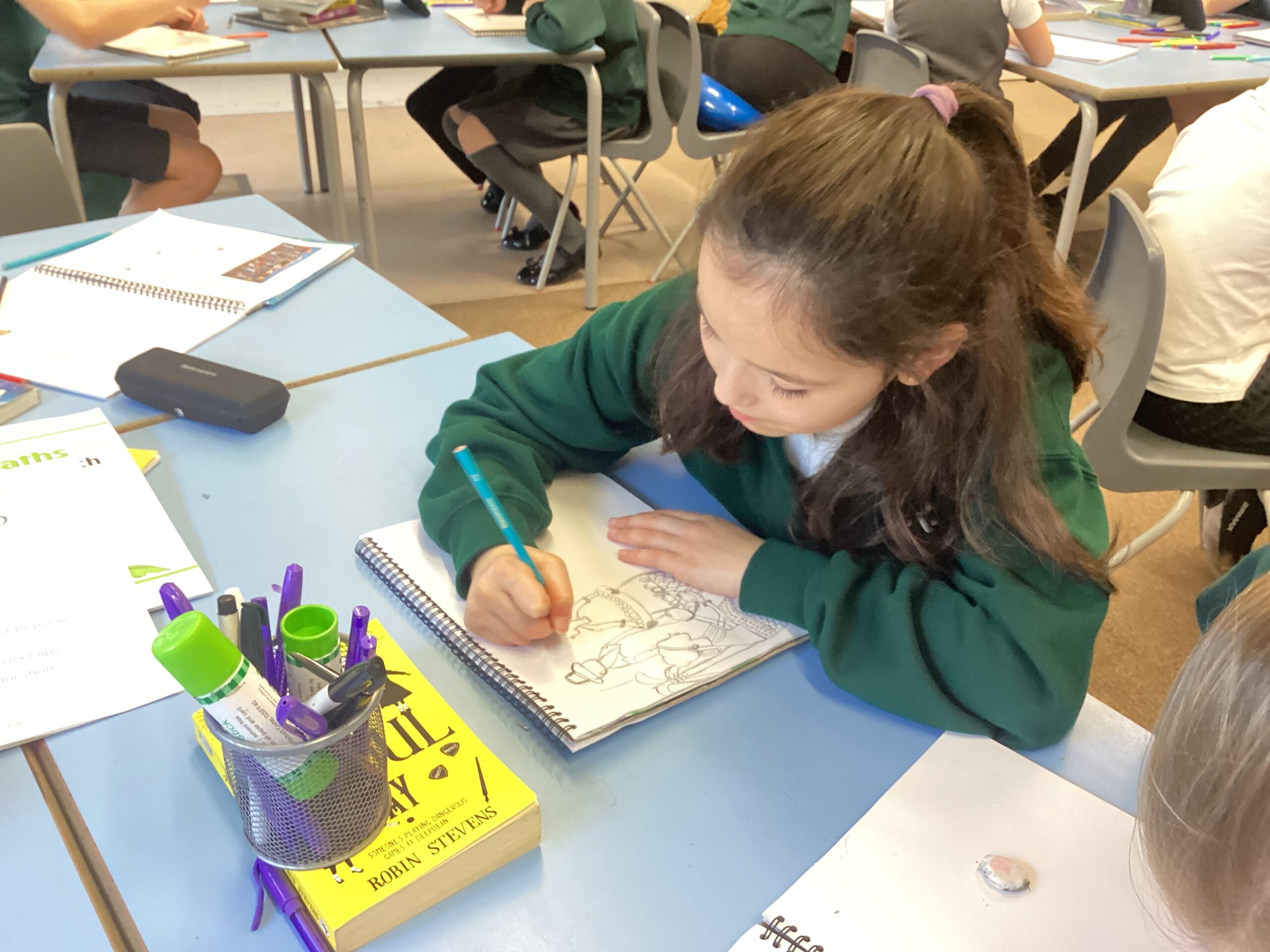
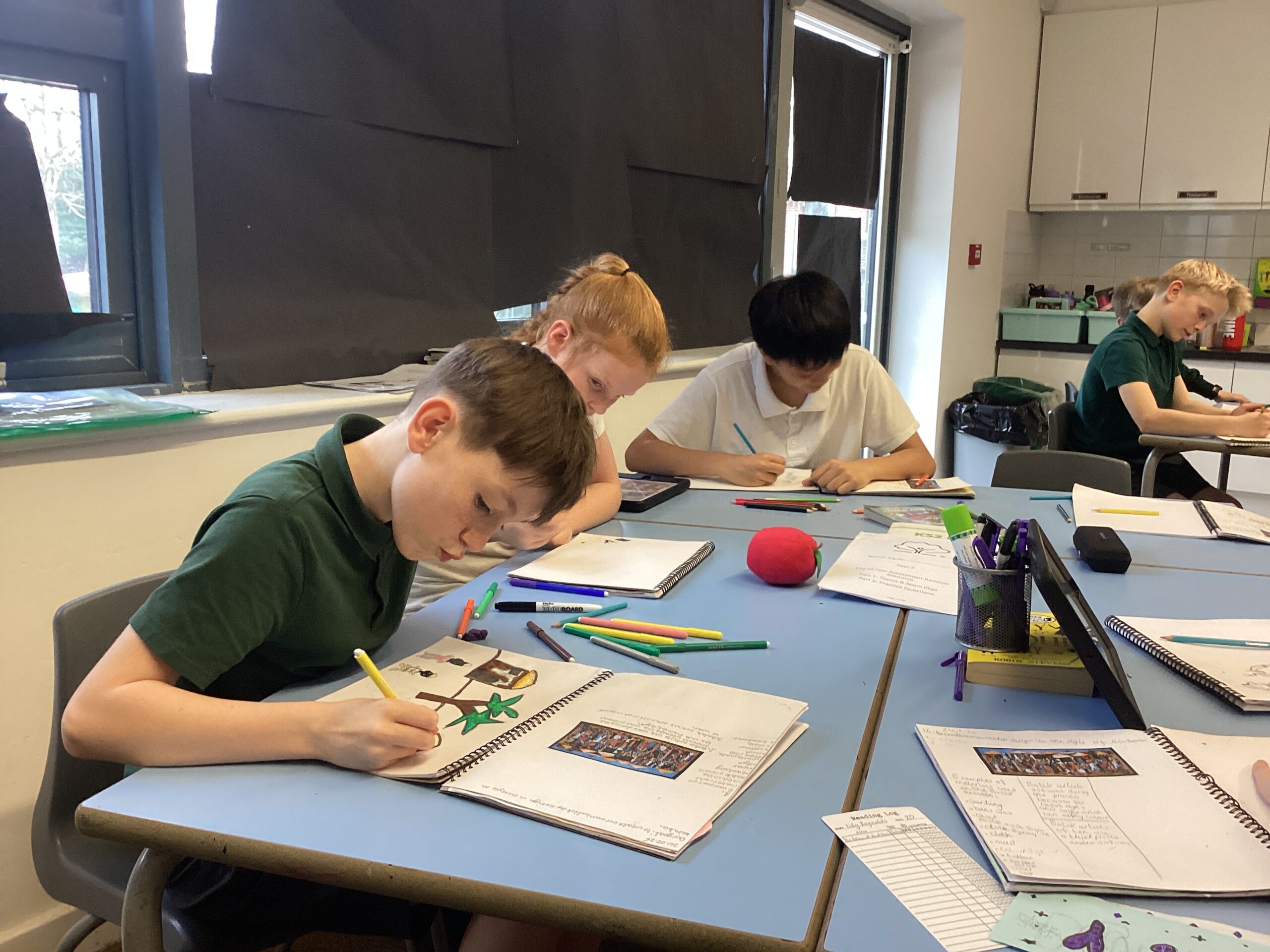
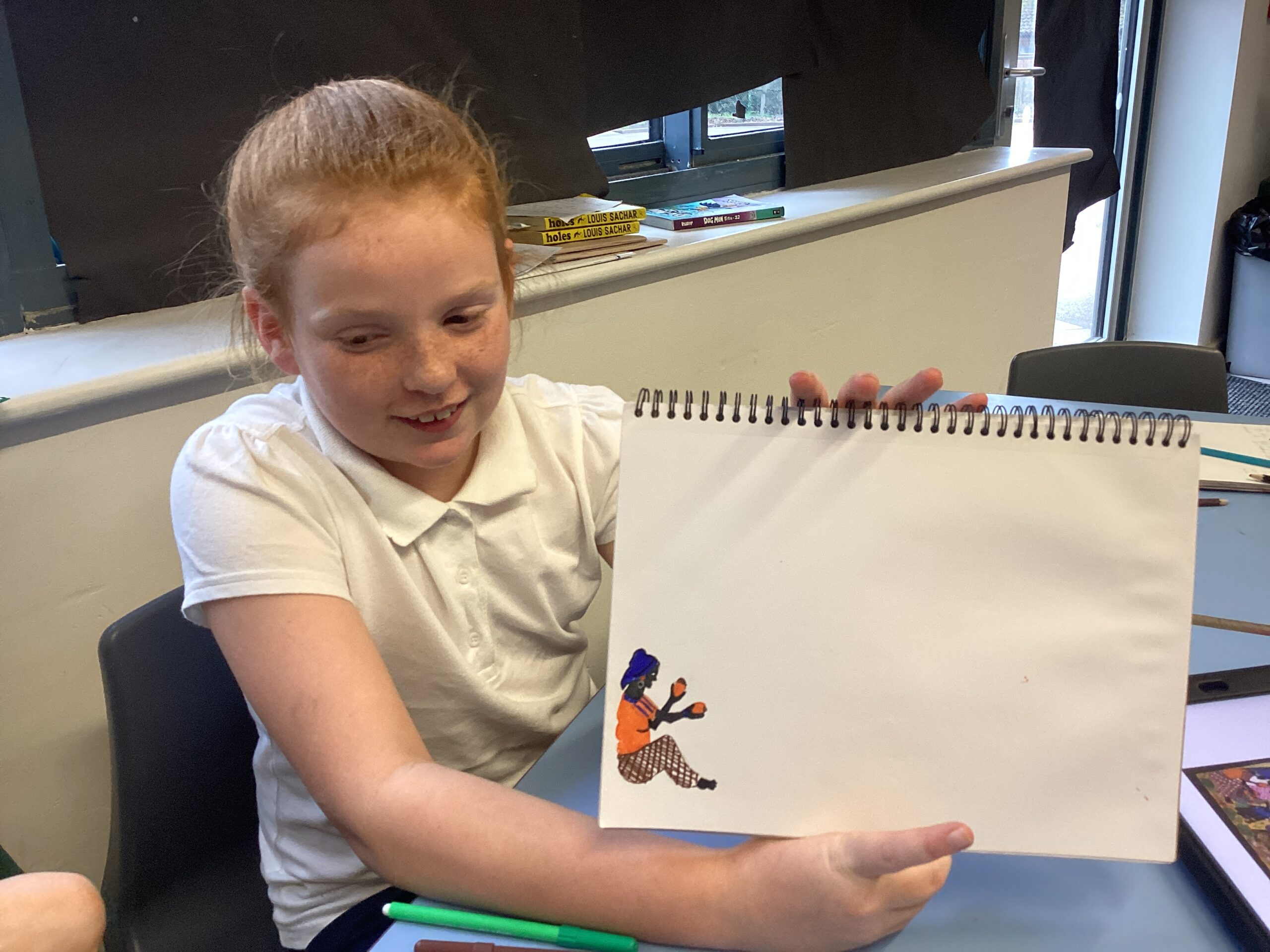
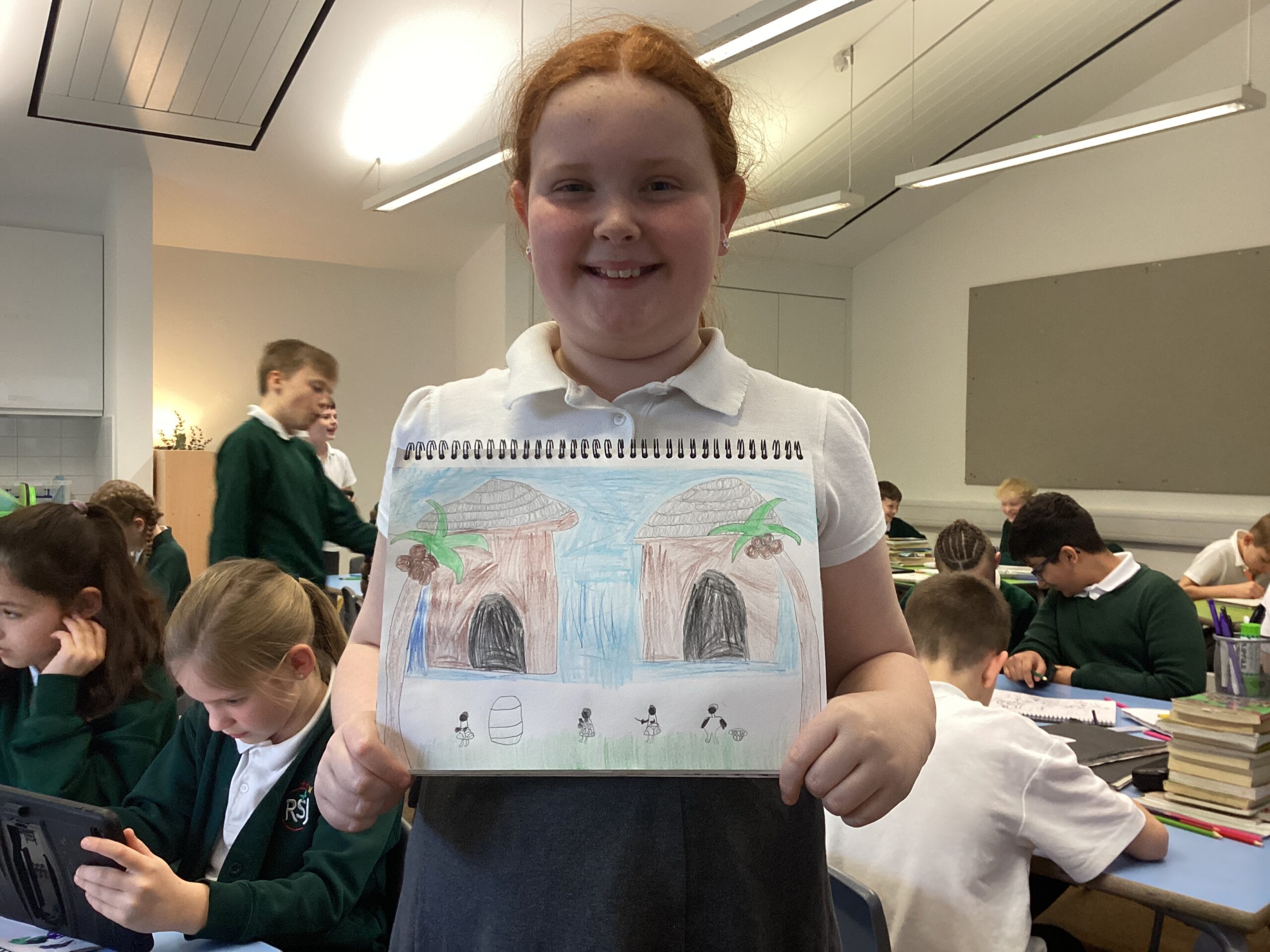
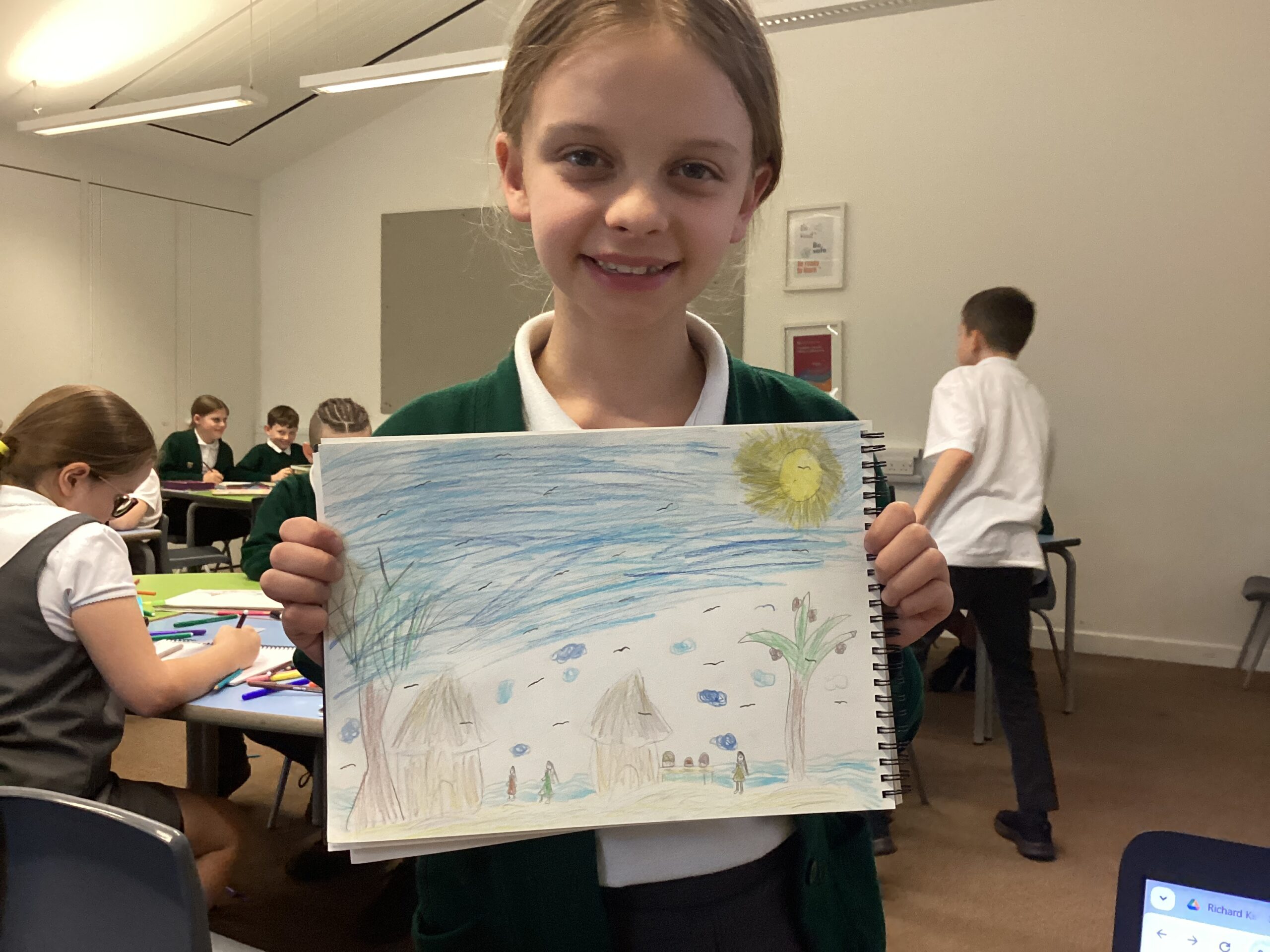
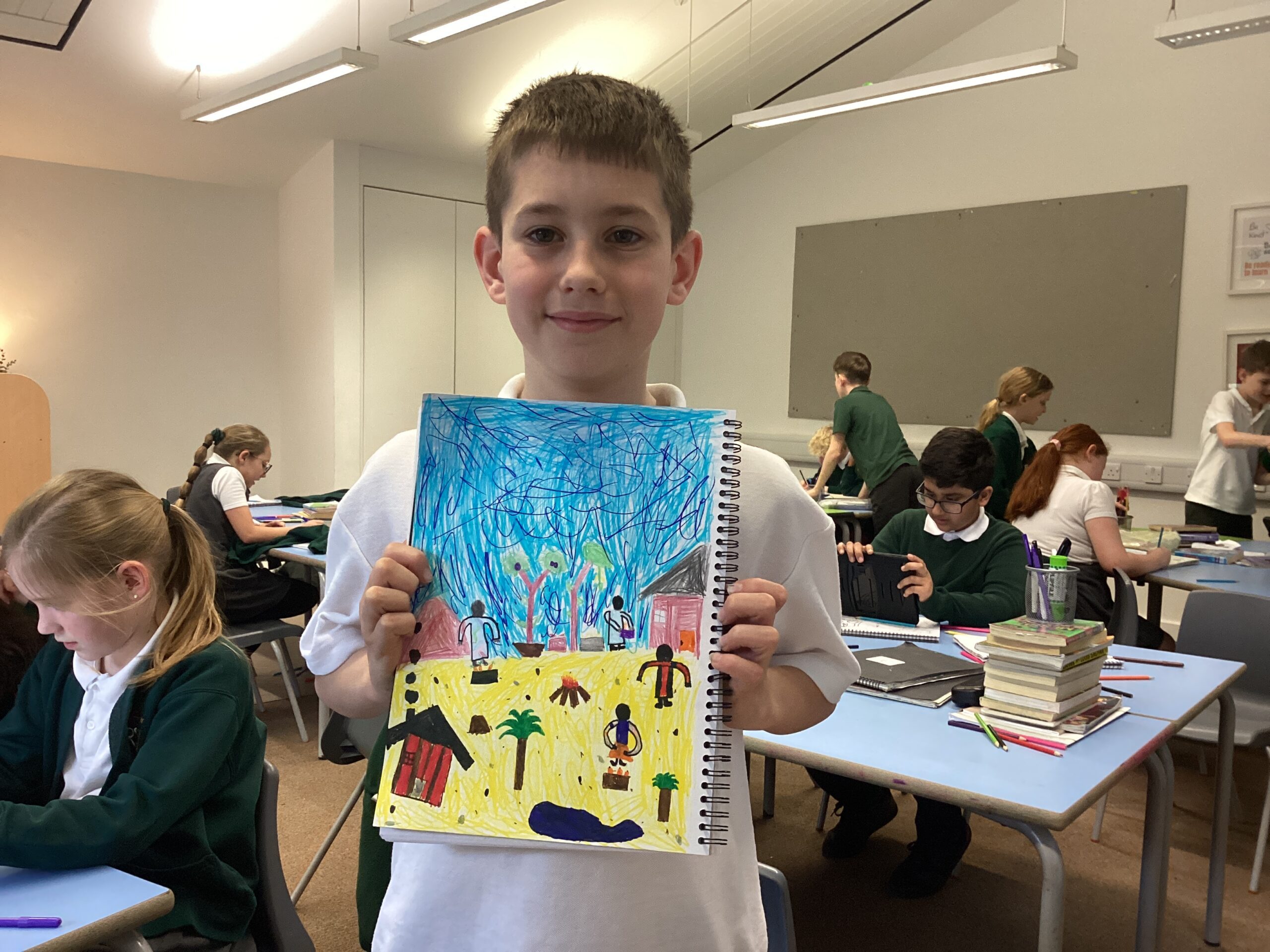
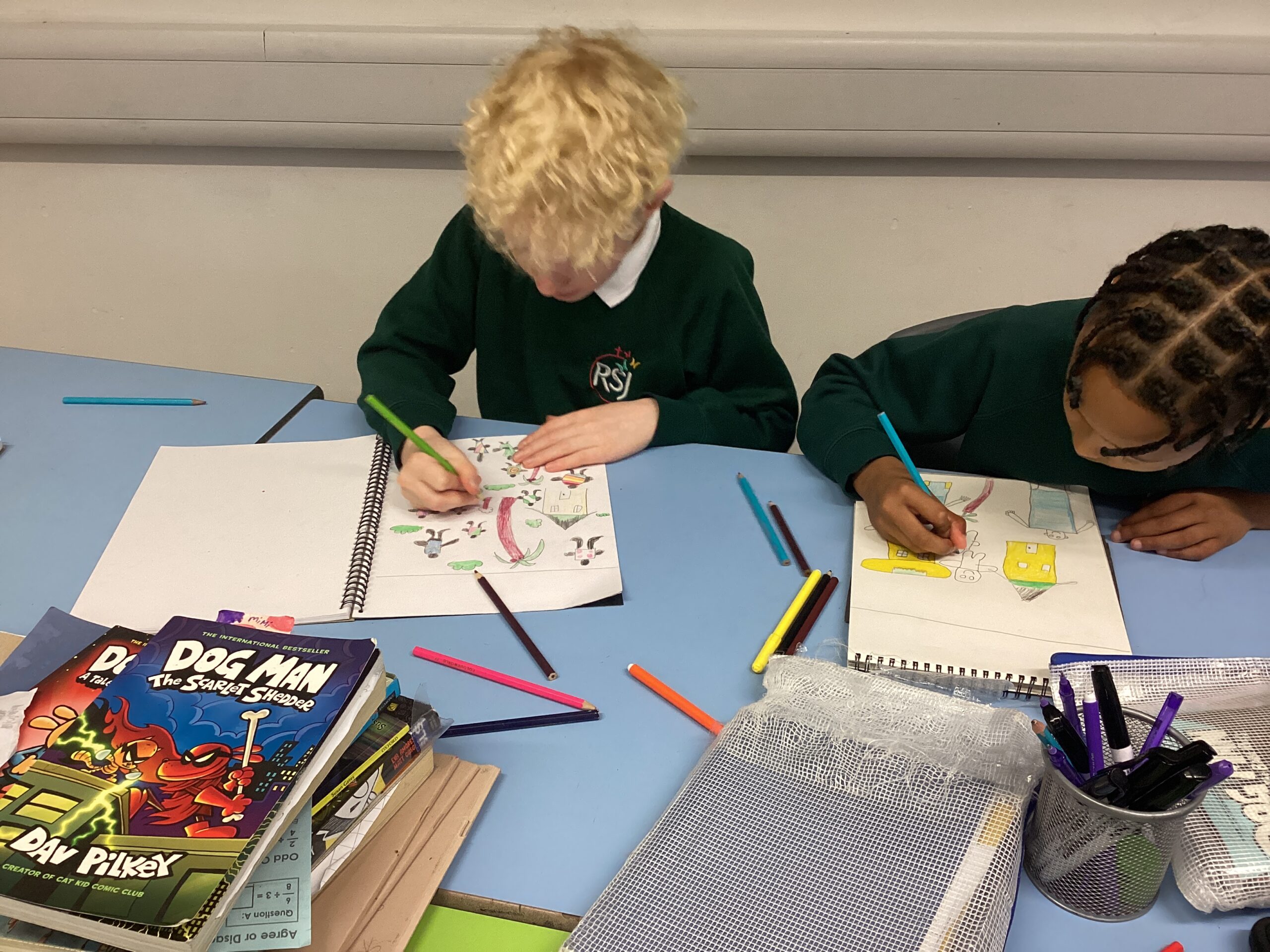
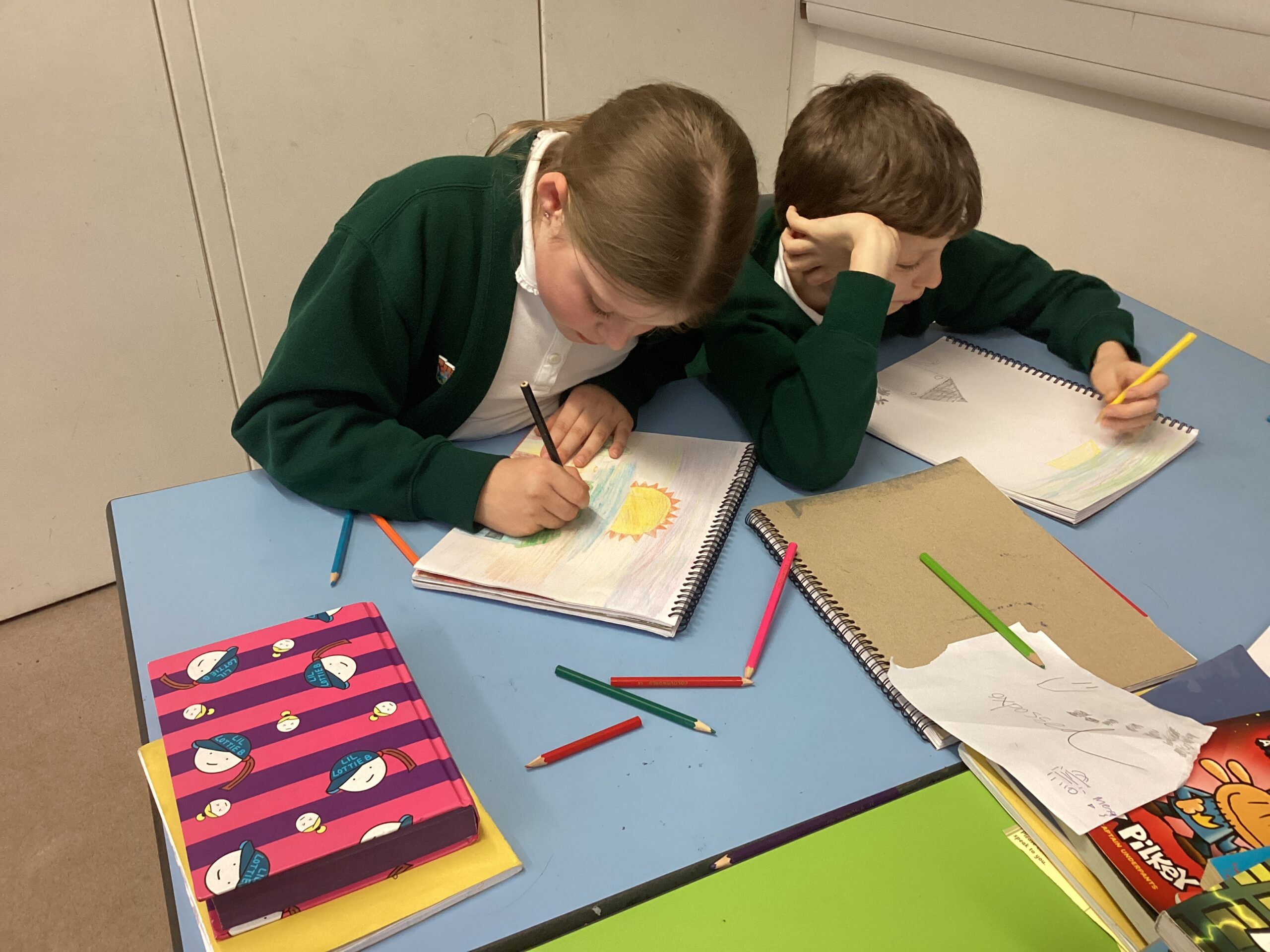
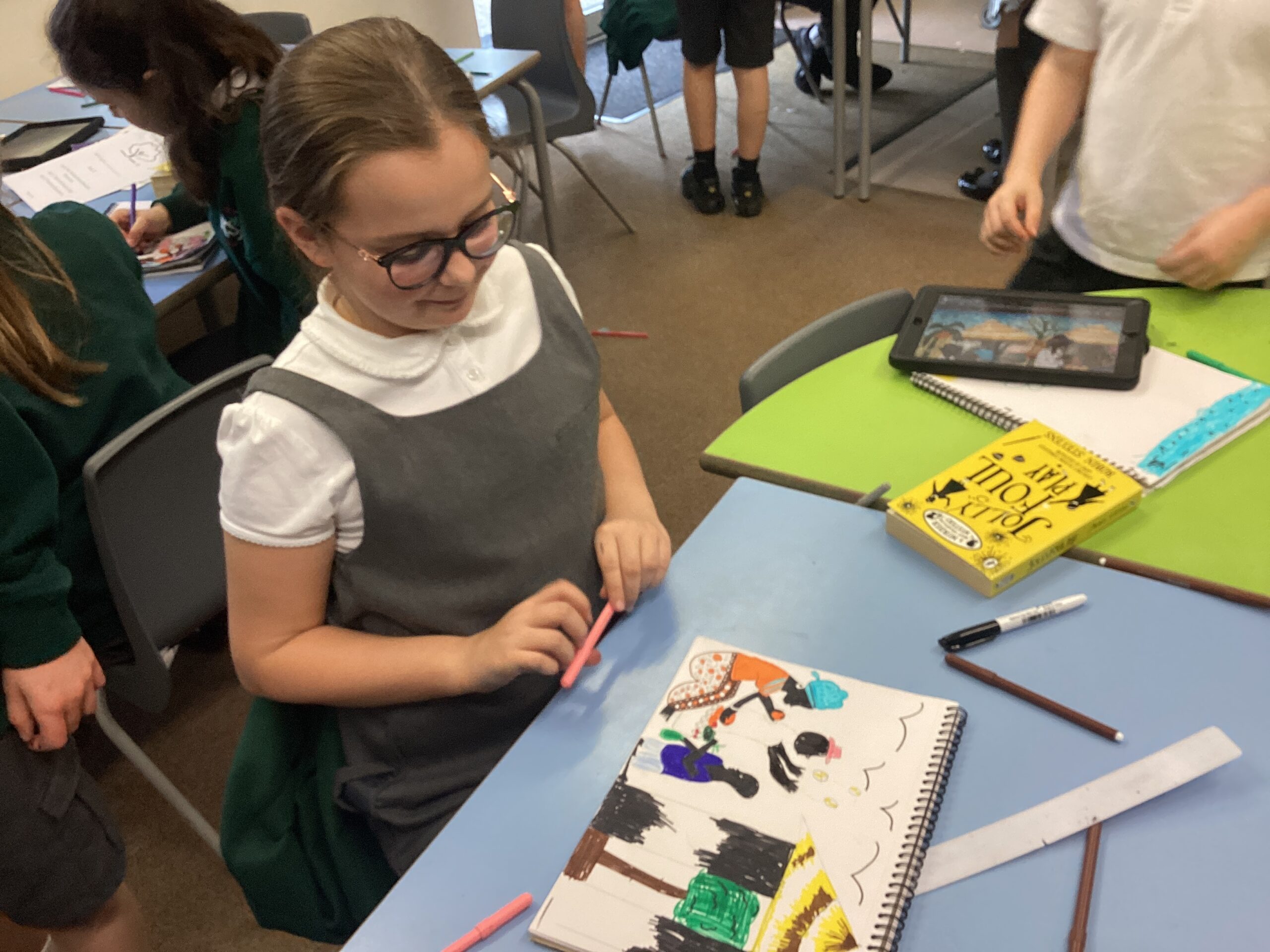
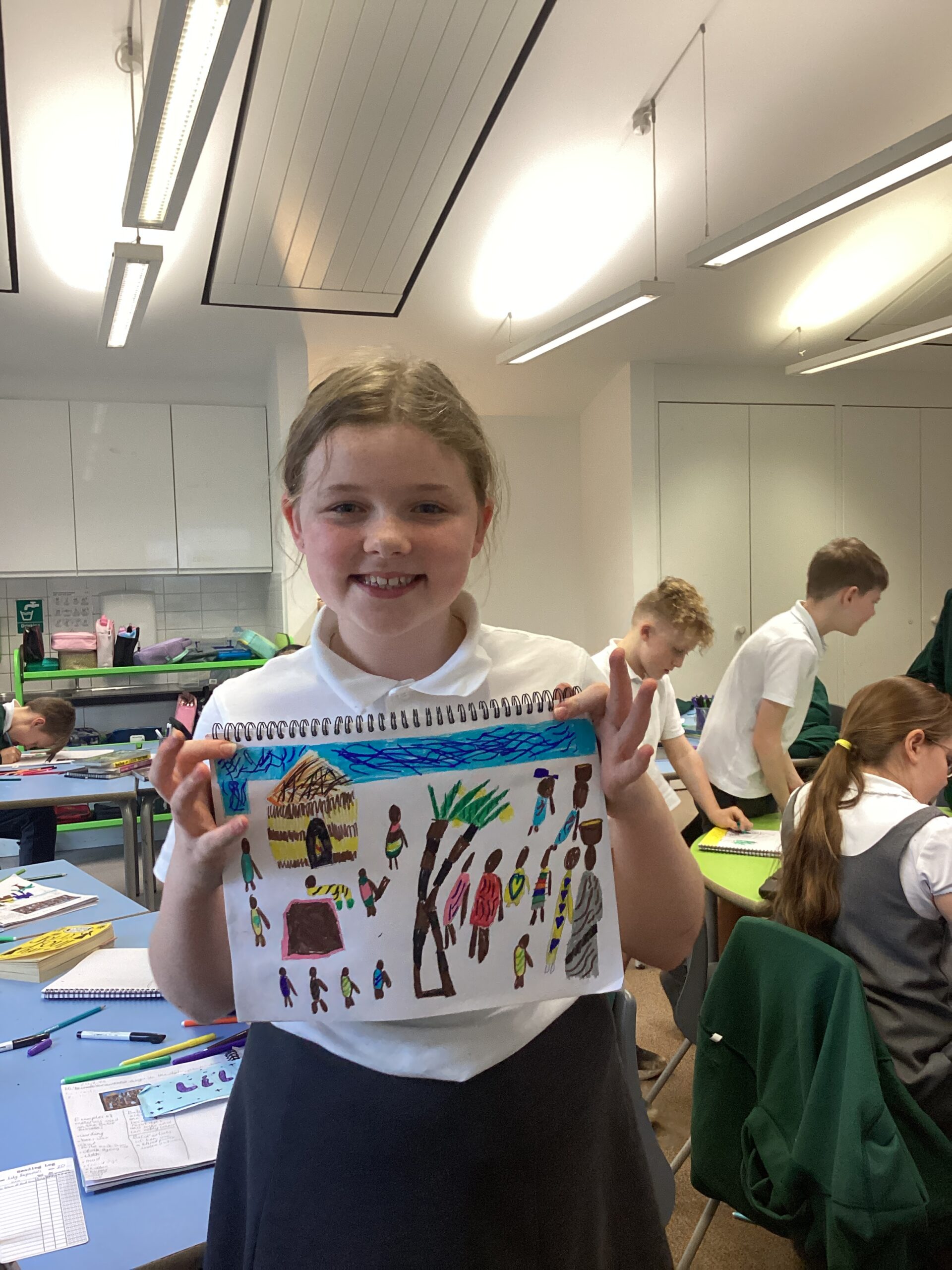
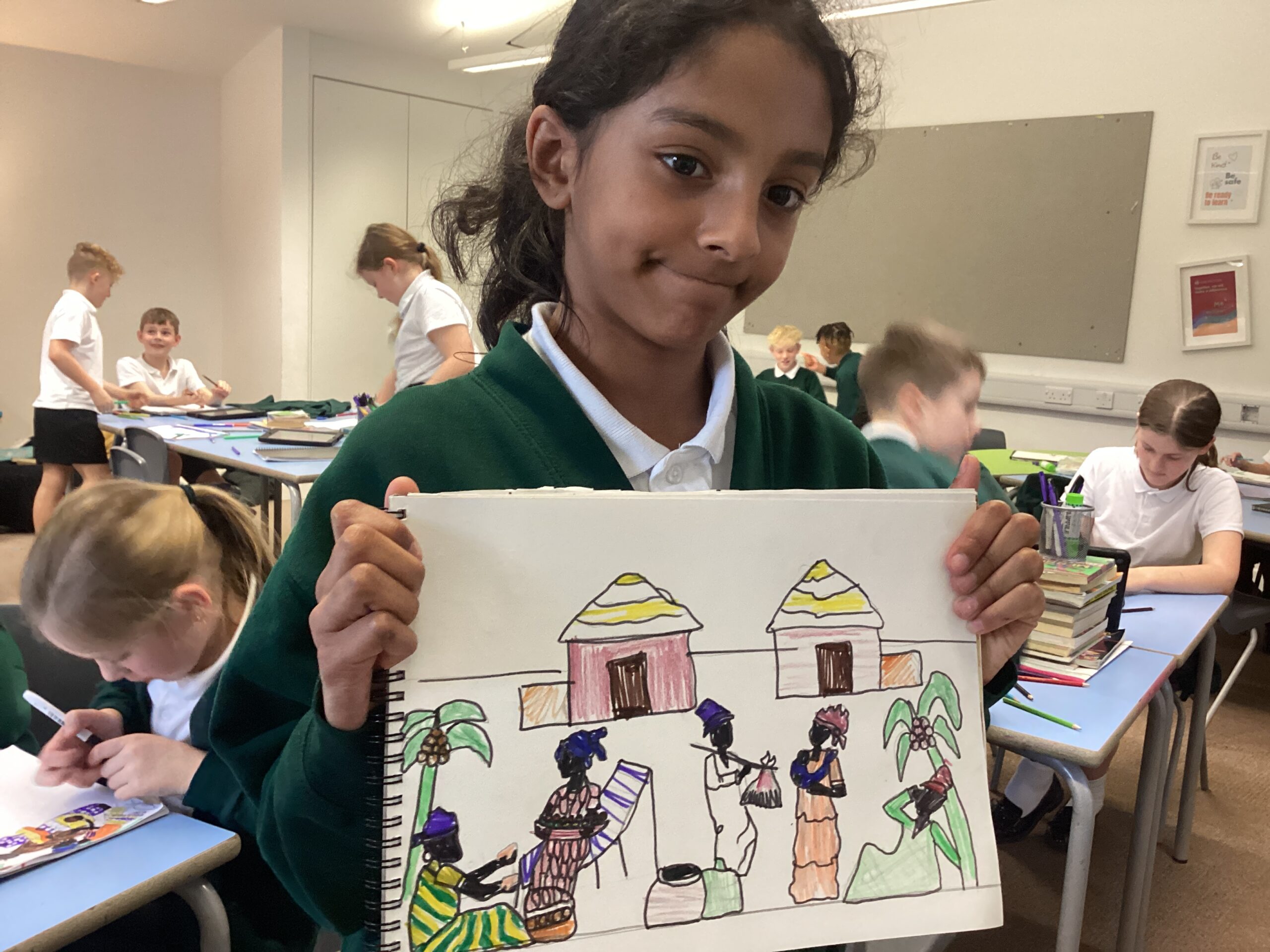
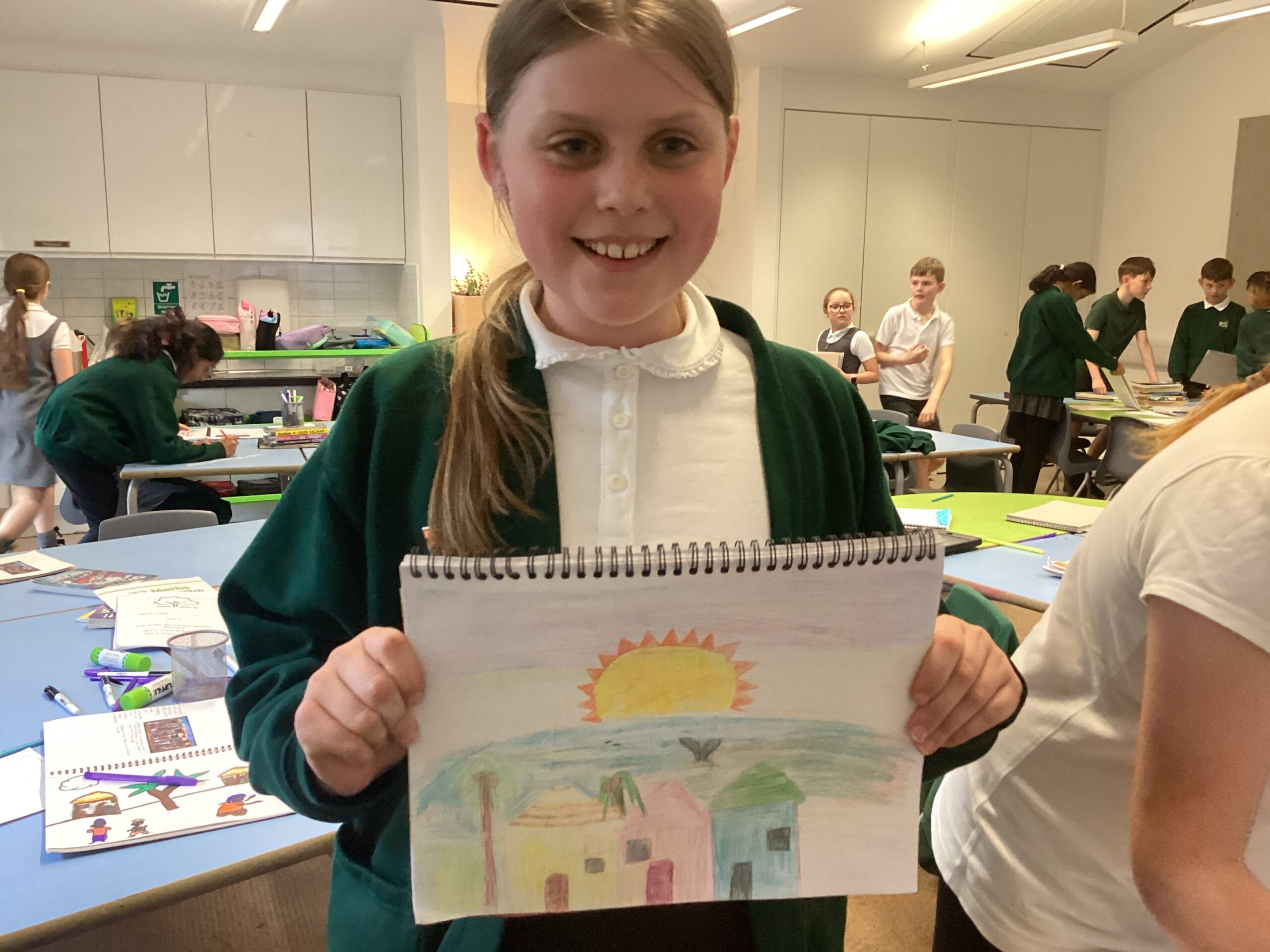
Batik Art Inspired by Richard Kimbo
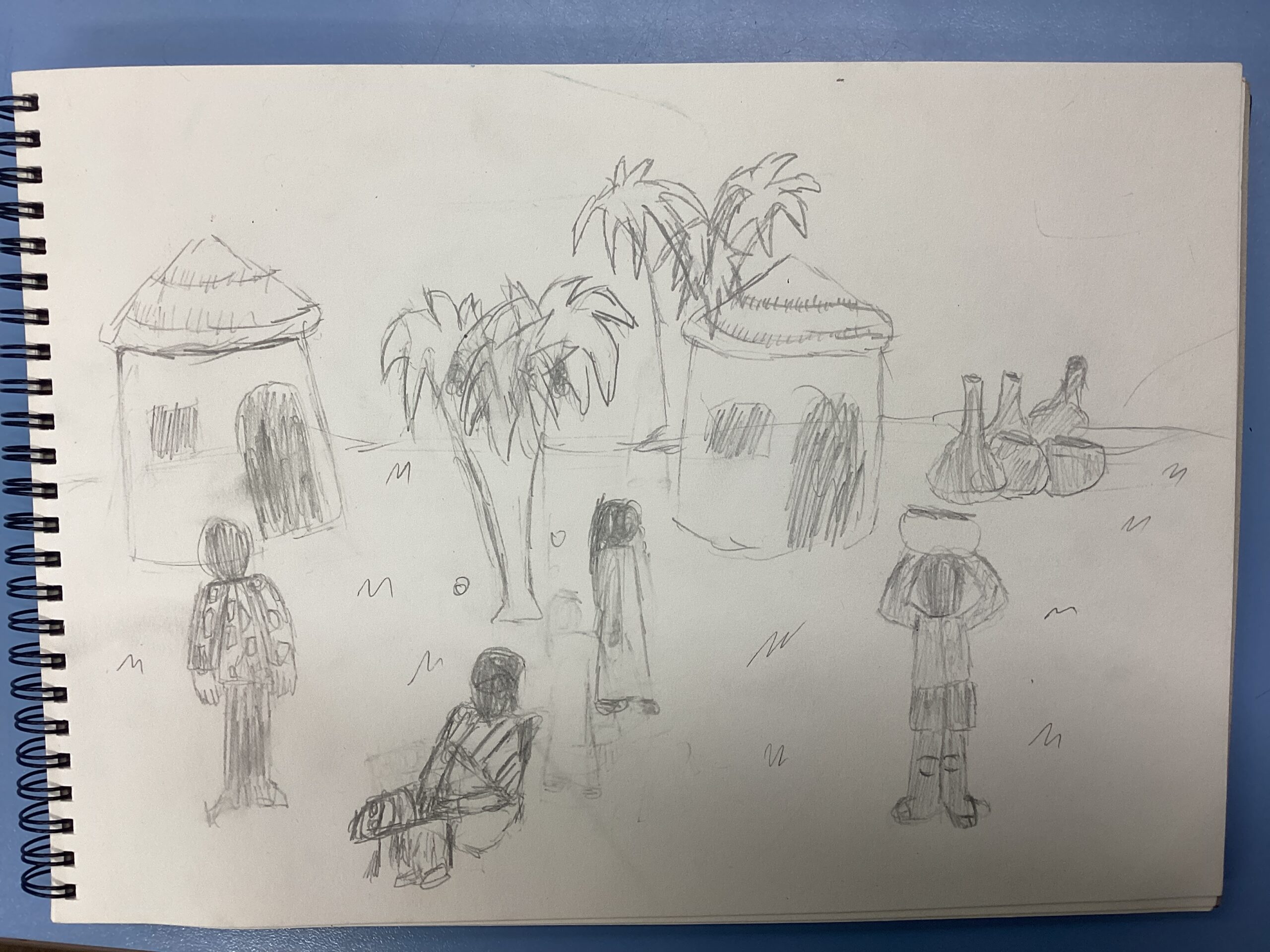
Year 5/6 have been exploring the work of Richard Kimbo and using it as inspiration for their own batik artwork. Kimbo is well known for his striking style, where figures are often shown as silhouettes rather than with detailed facial features.
Using the batik technique, the children created bold backgrounds and strong silhouettes. Although it may look like the faces have simply been coloured in black, this is actually an intentional part of the style. By leaving the faces as silhouettes, the focus shifts to the shapes, poses, and vibrant patterns around them.
The children really enjoyed experimenting with the batik process and thinking about how artists can communicate ideas through colour, contrast, and shape rather than facial detail. Their finished pieces are vibrant, expressive, and full of character.
Follow us on social media!
You can find us on Facebook and Instagram @RownhamsSchool, where we share more photos of what has been going on around the school, and celebrate the children’s learning.