Team R:
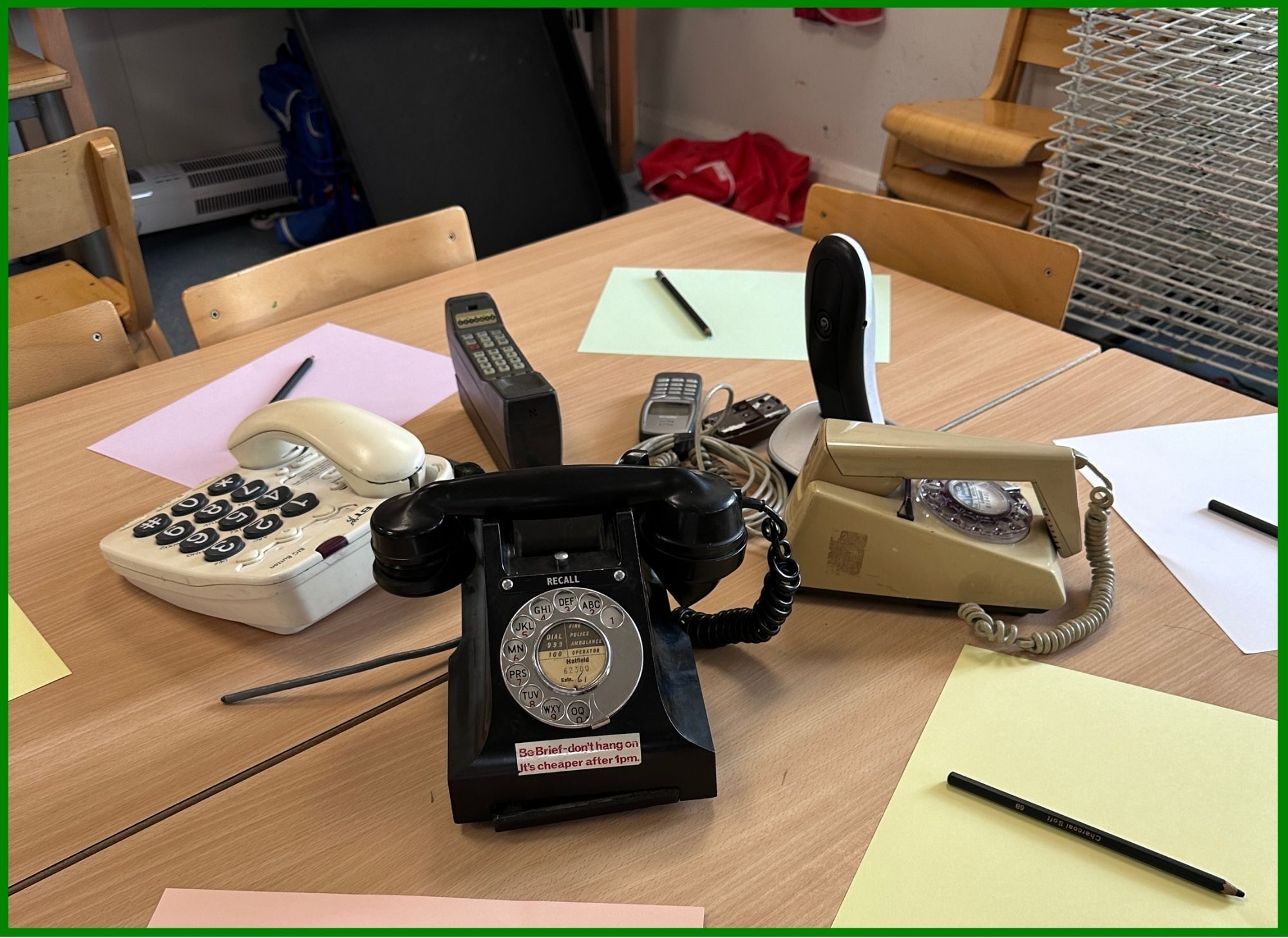
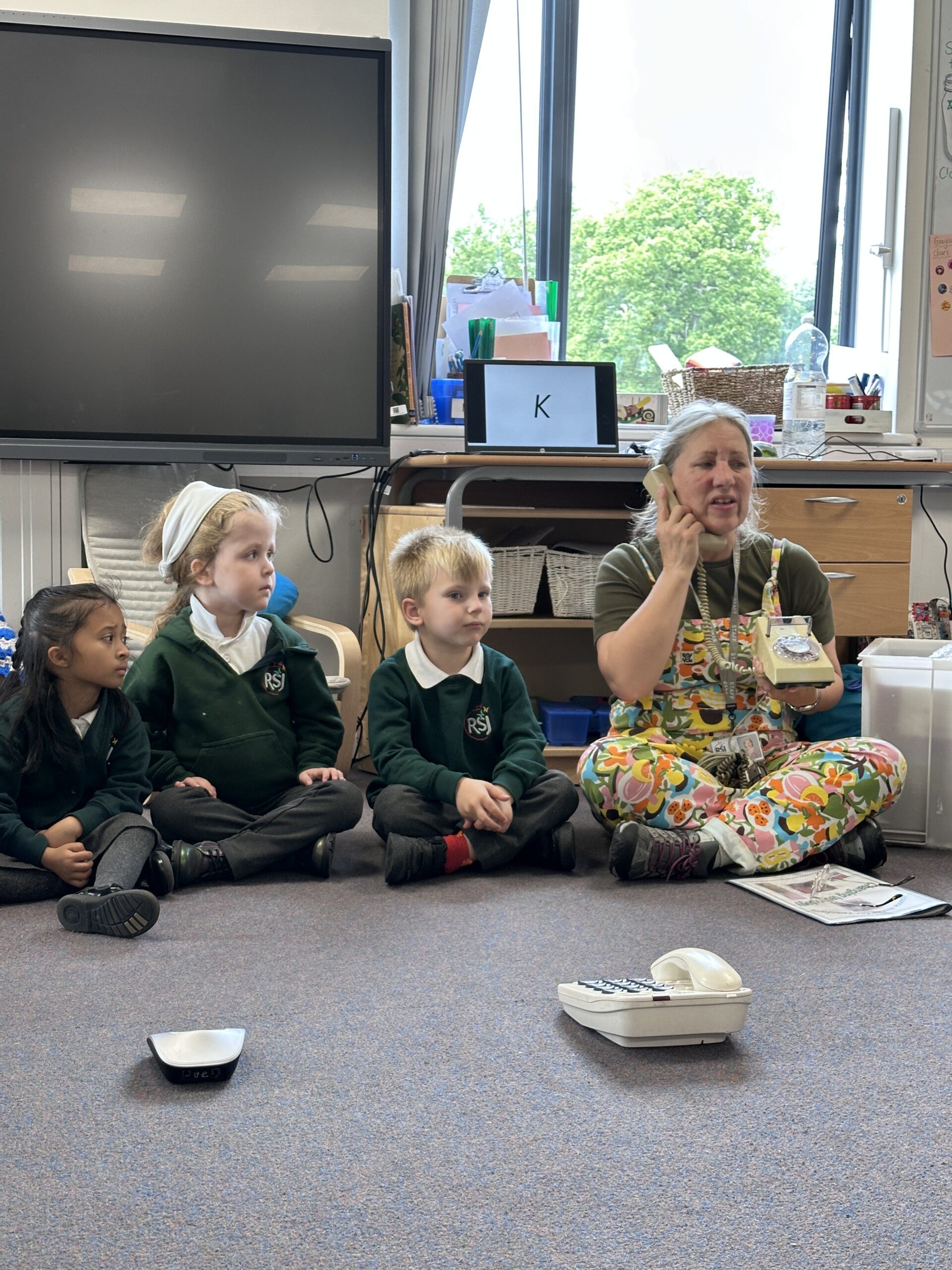
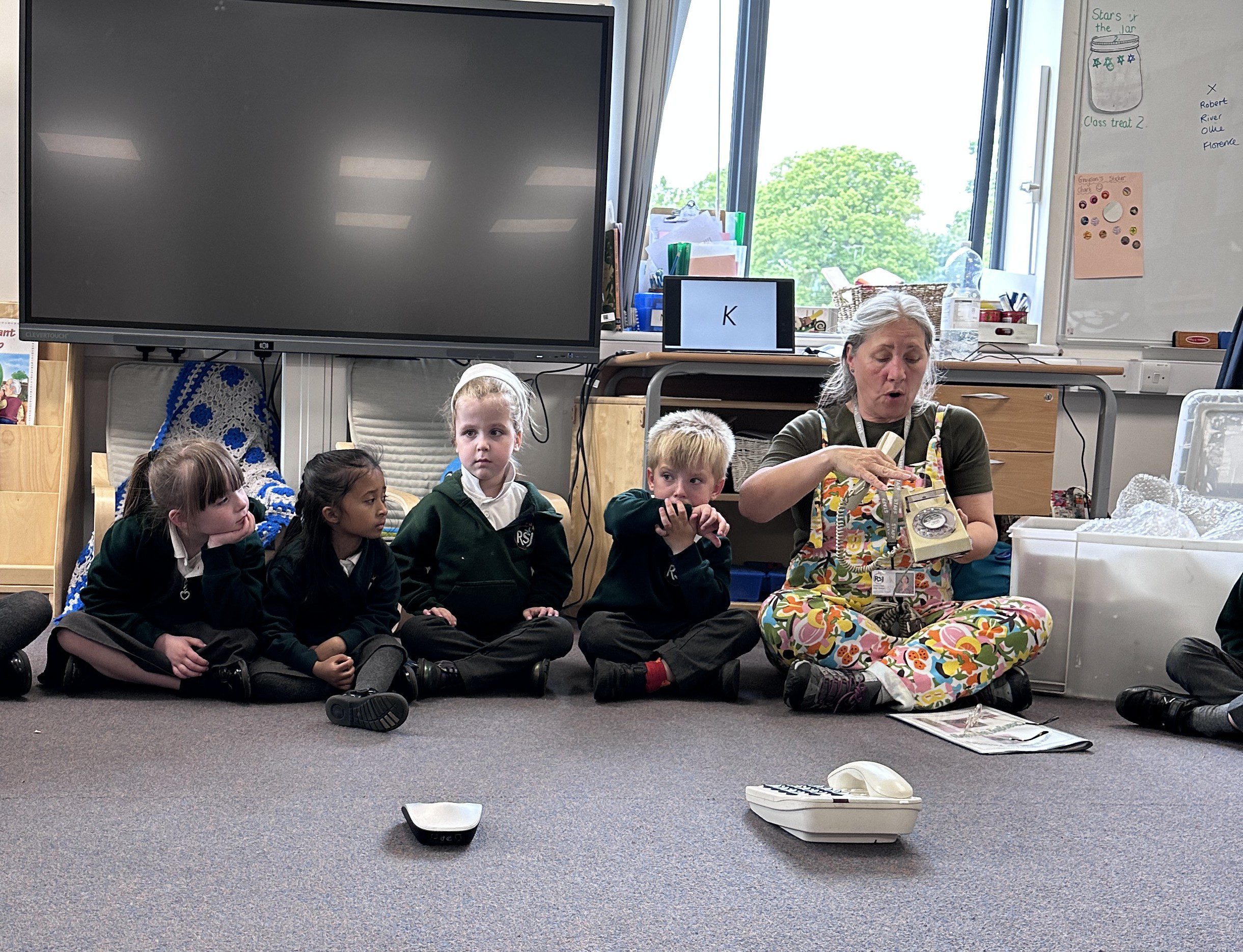
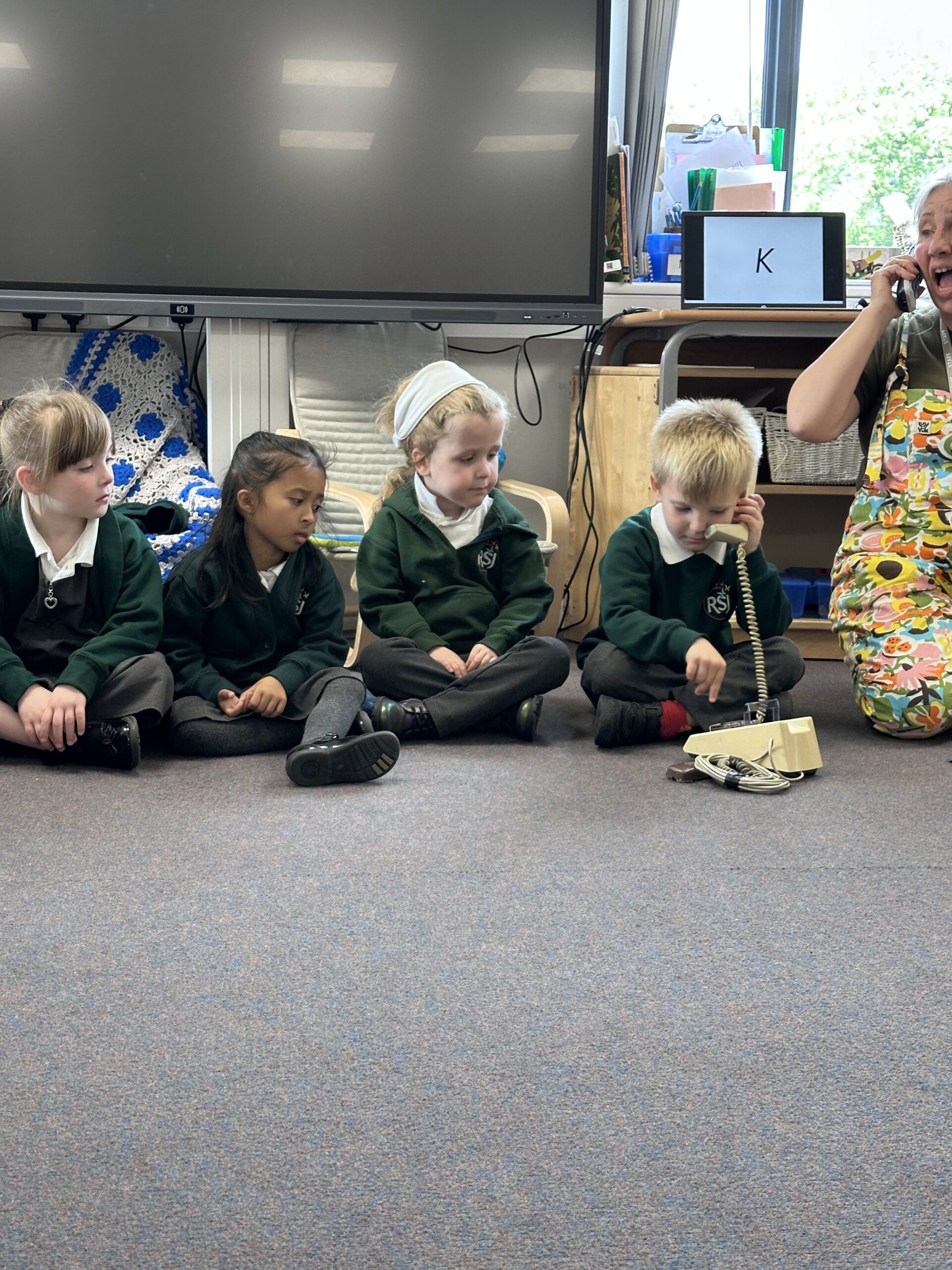
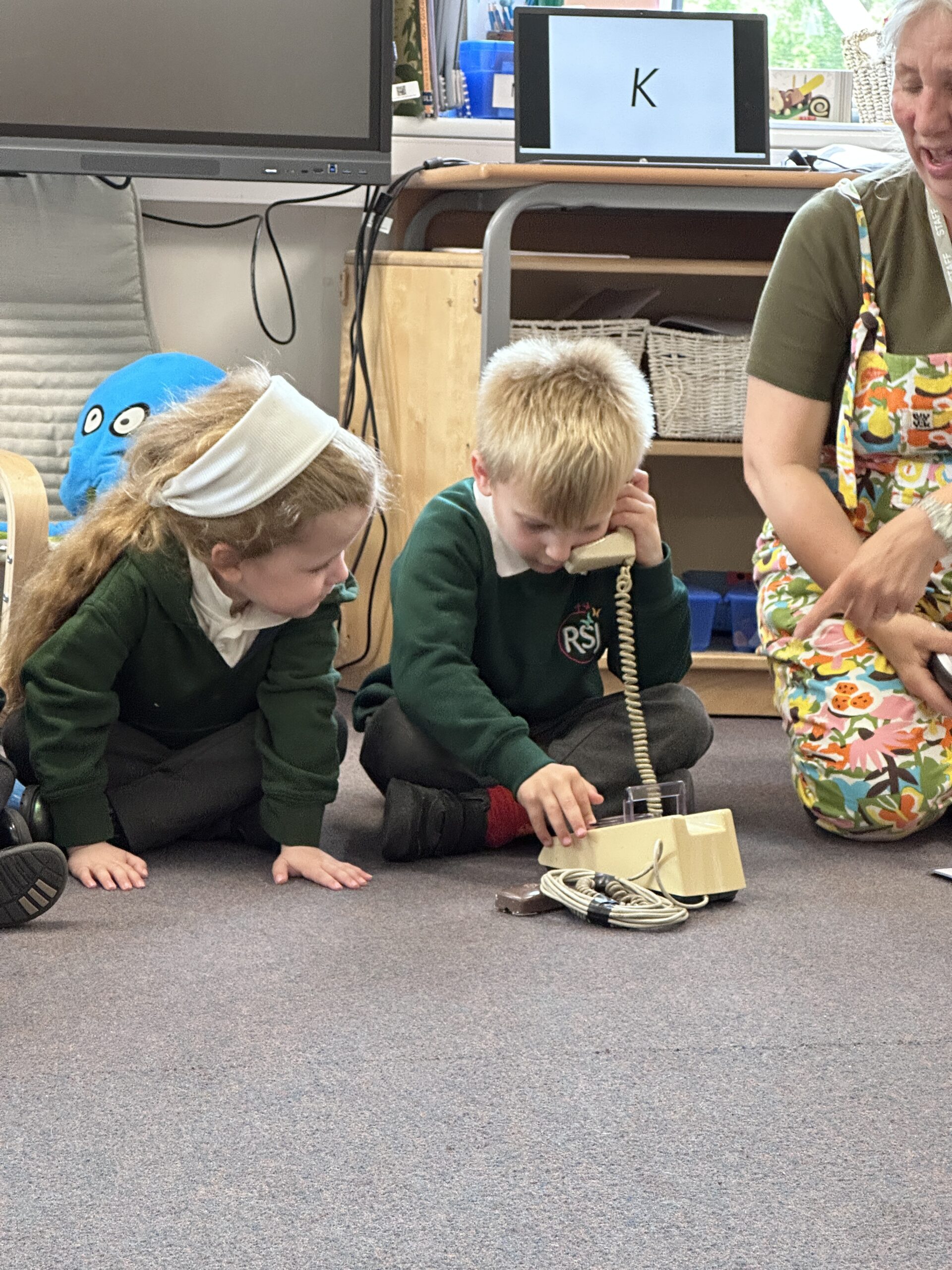
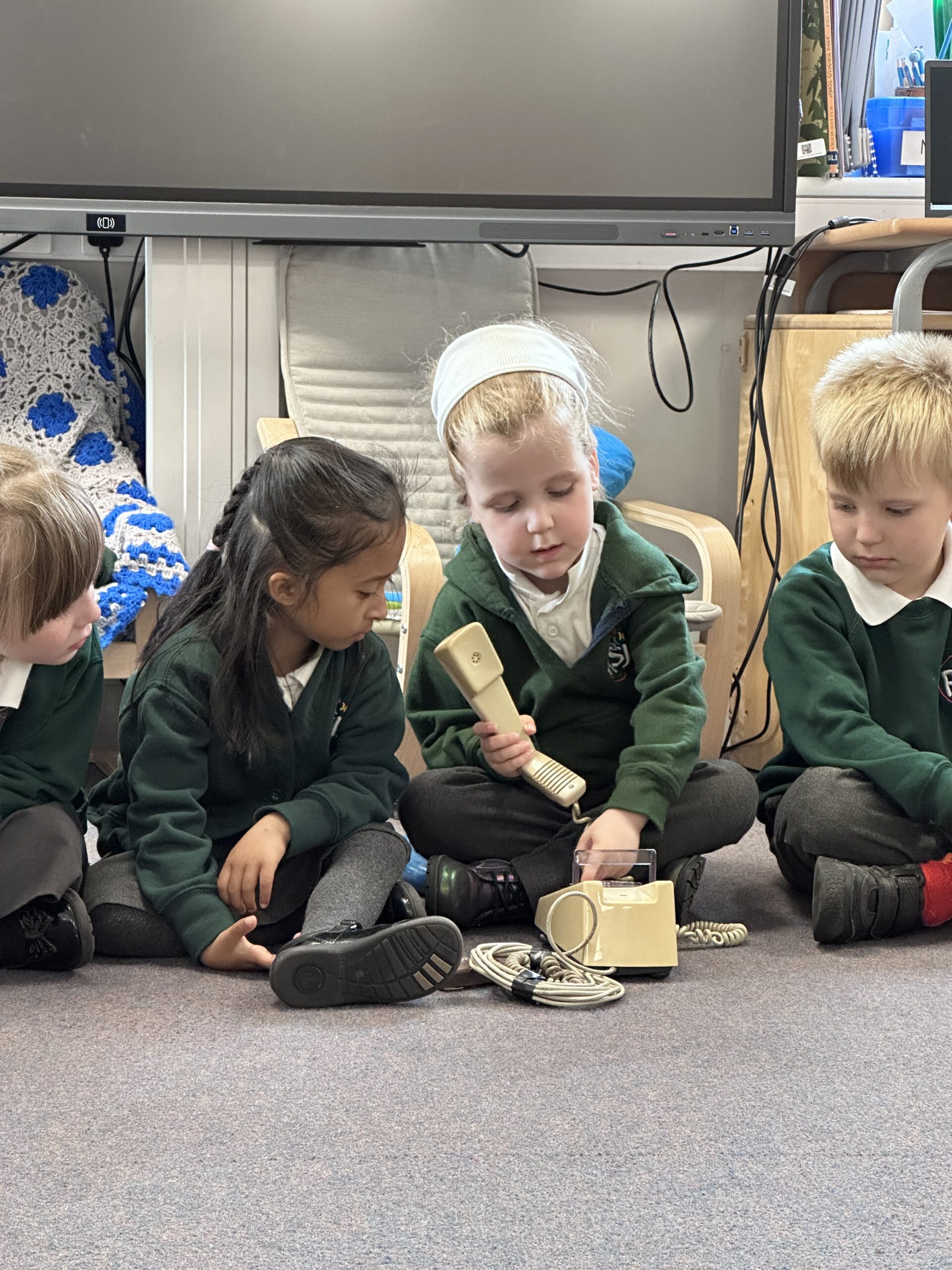
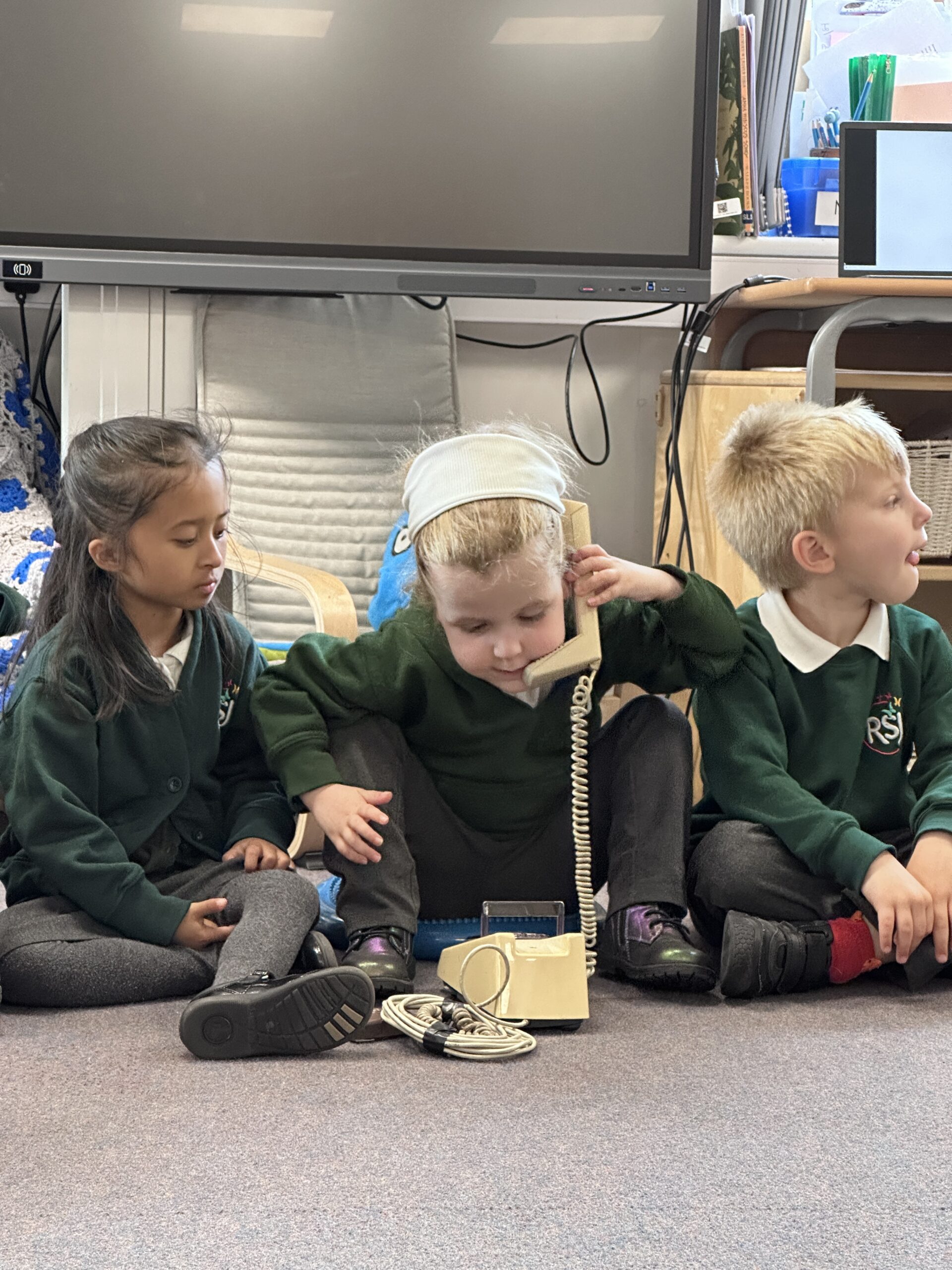
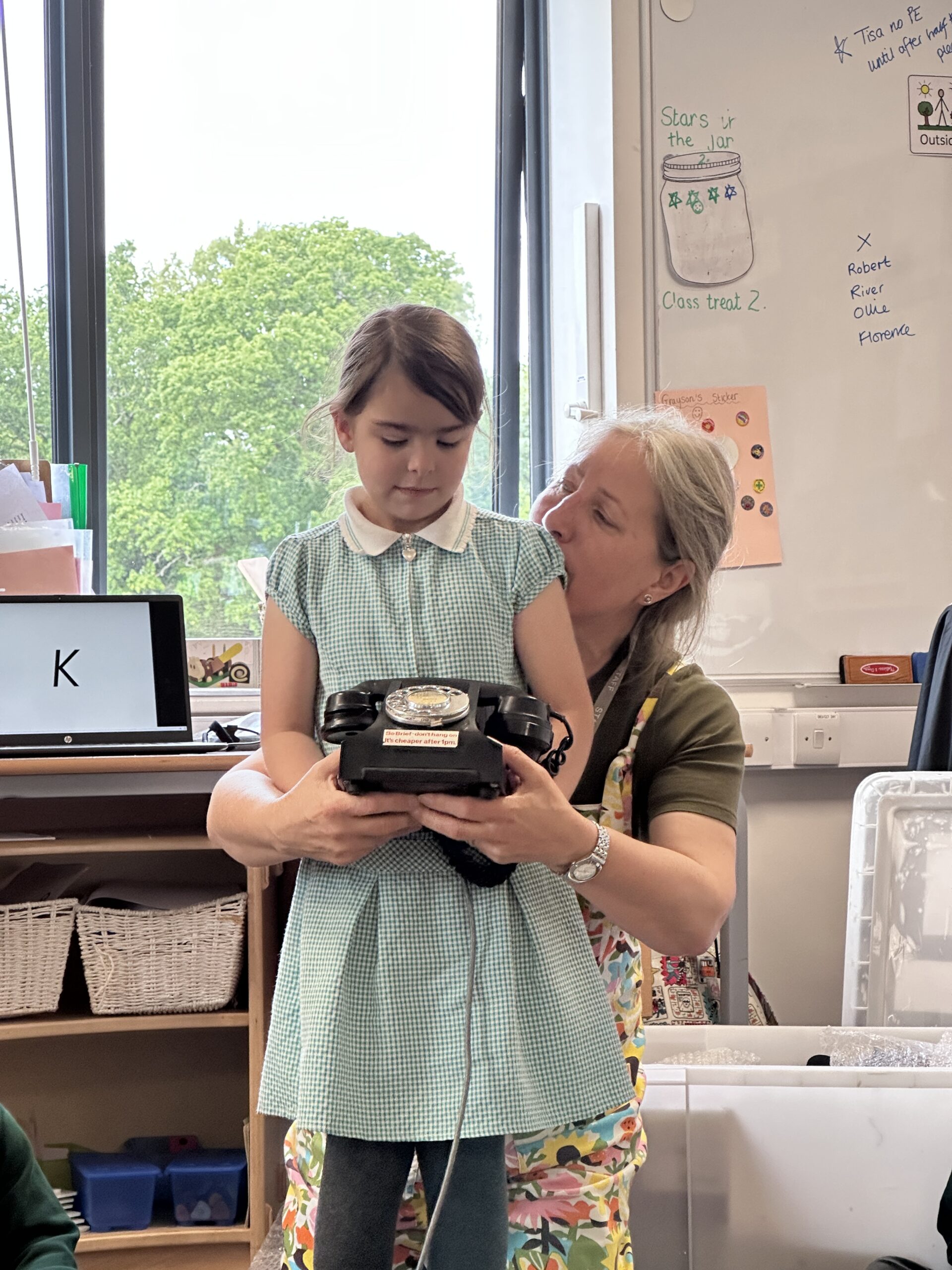
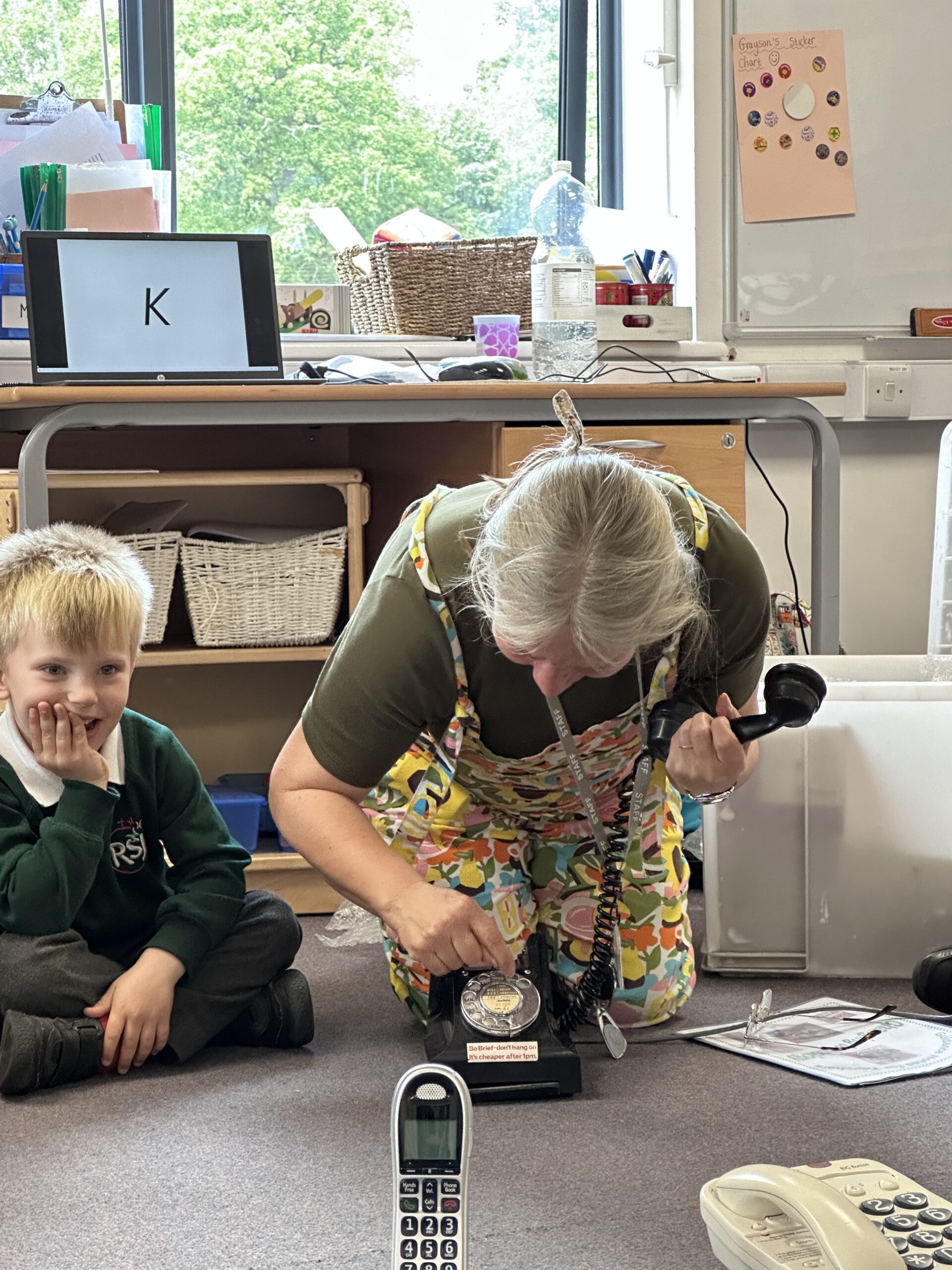
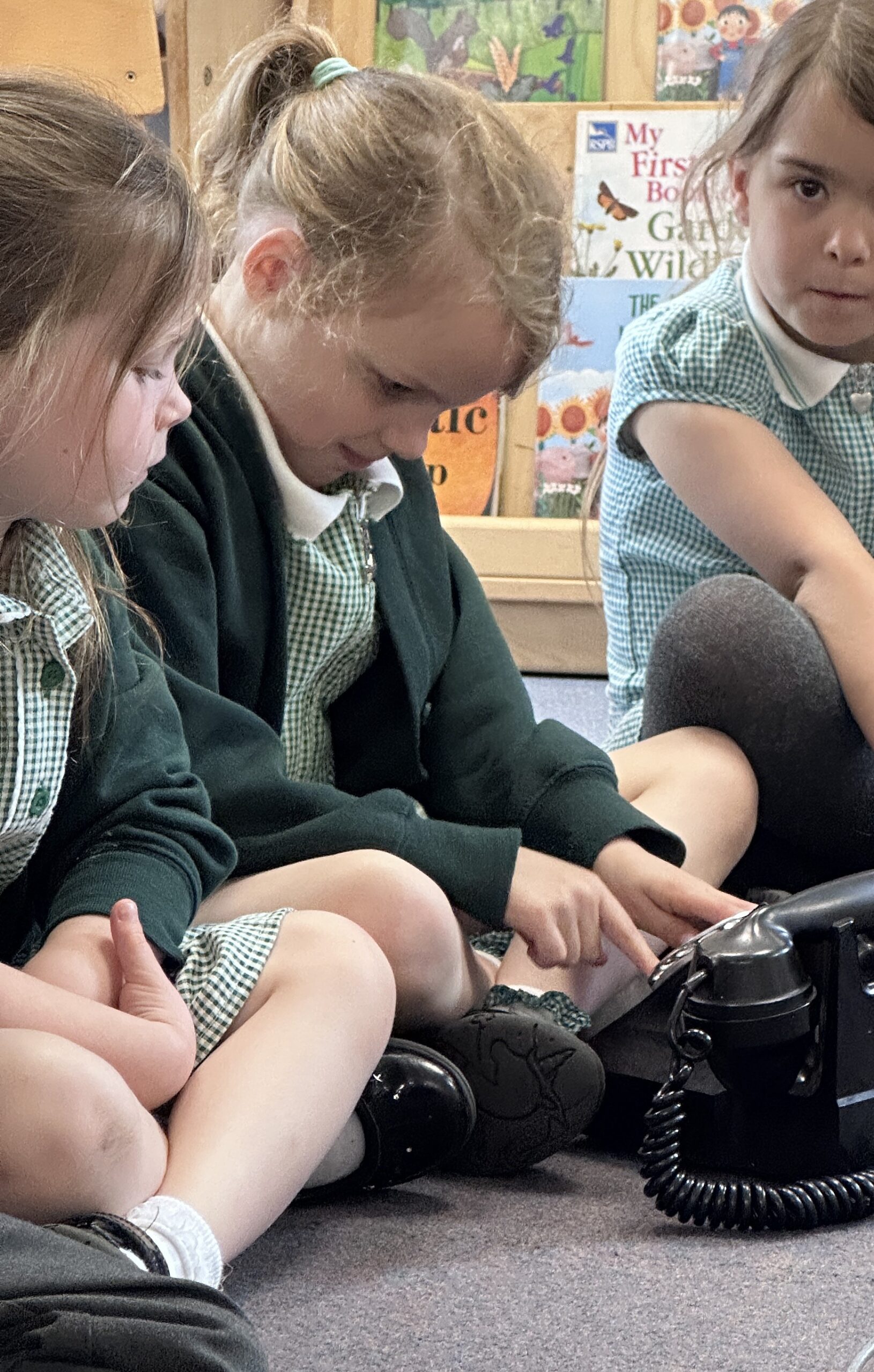
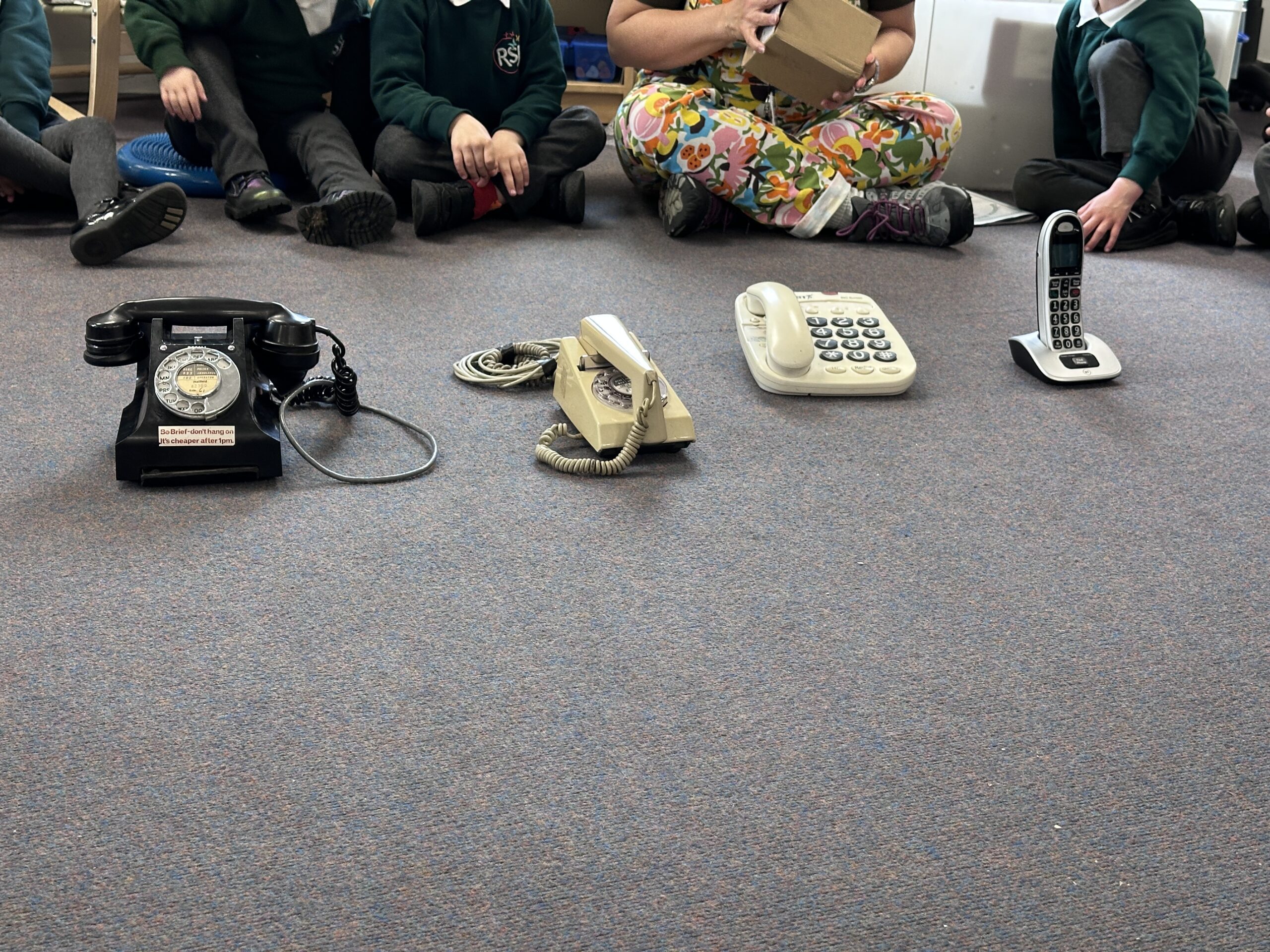
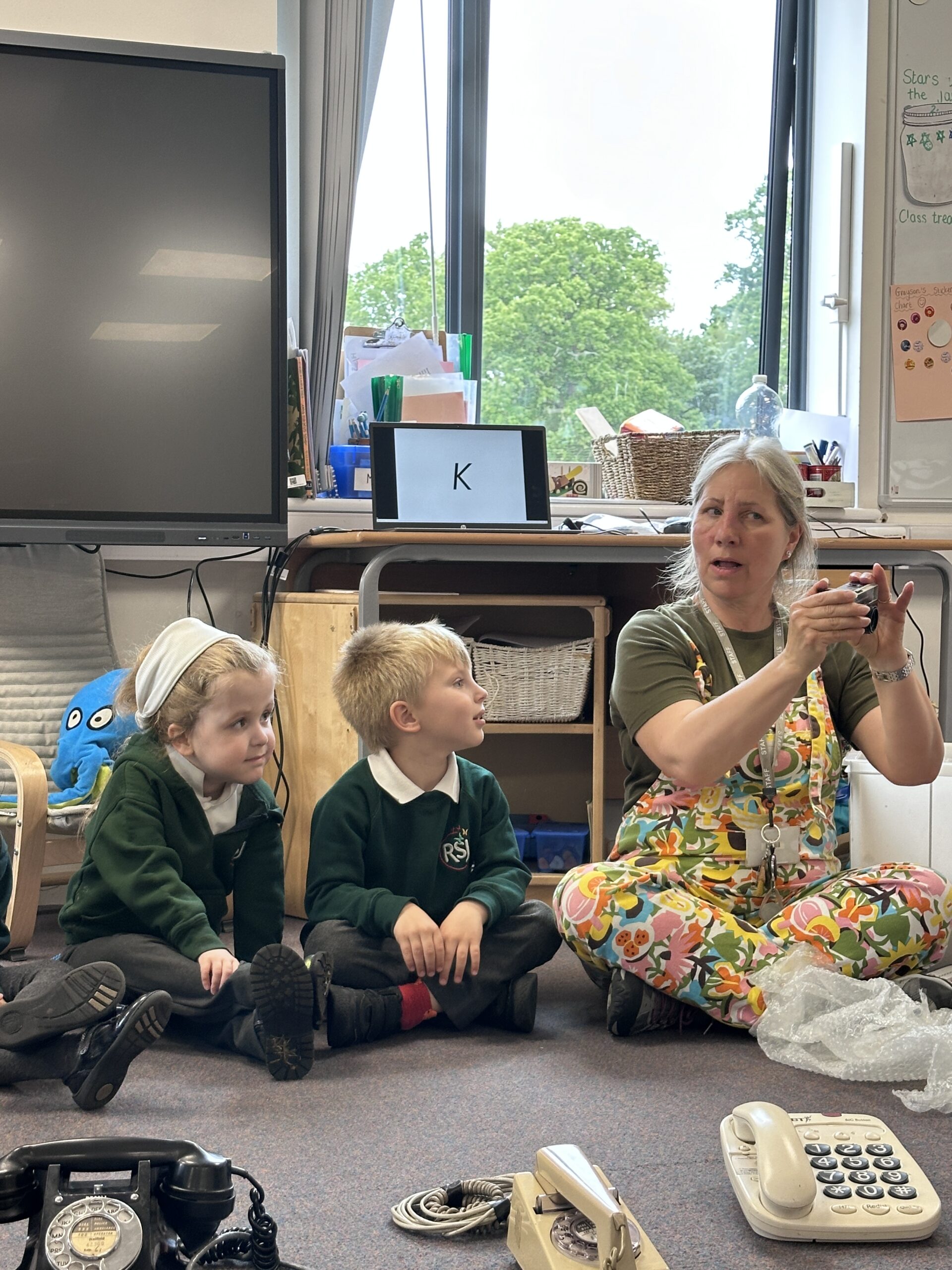
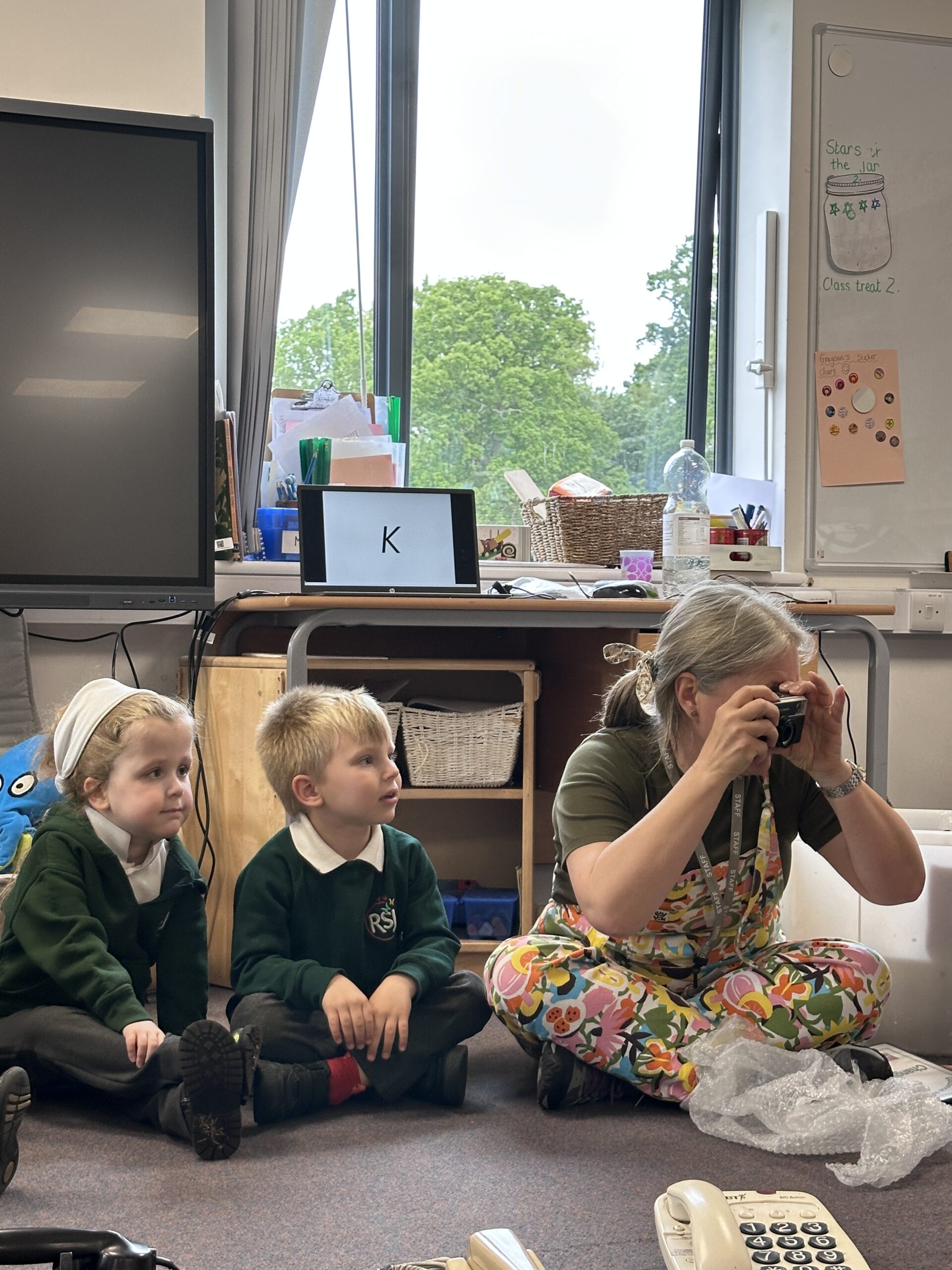
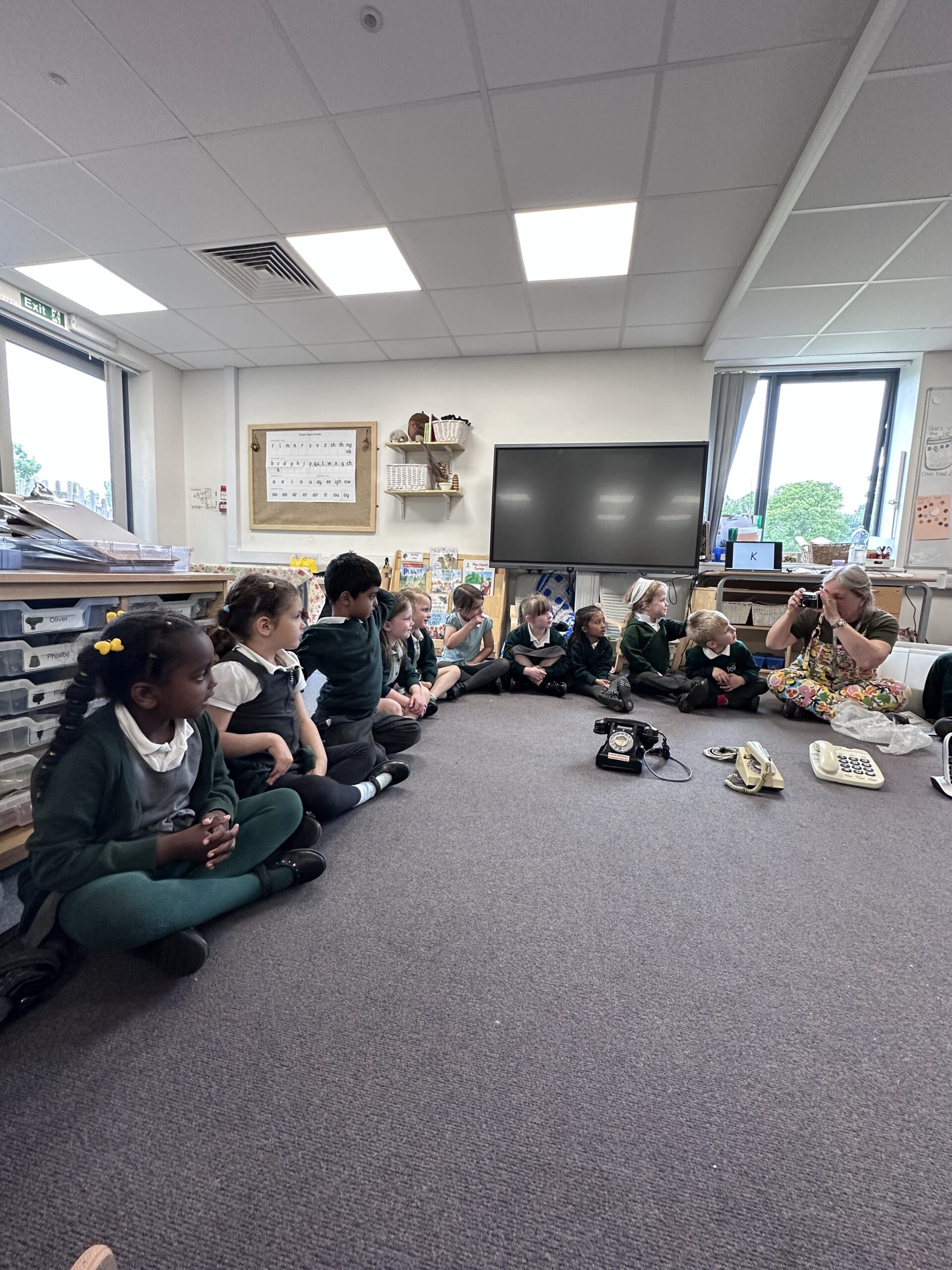
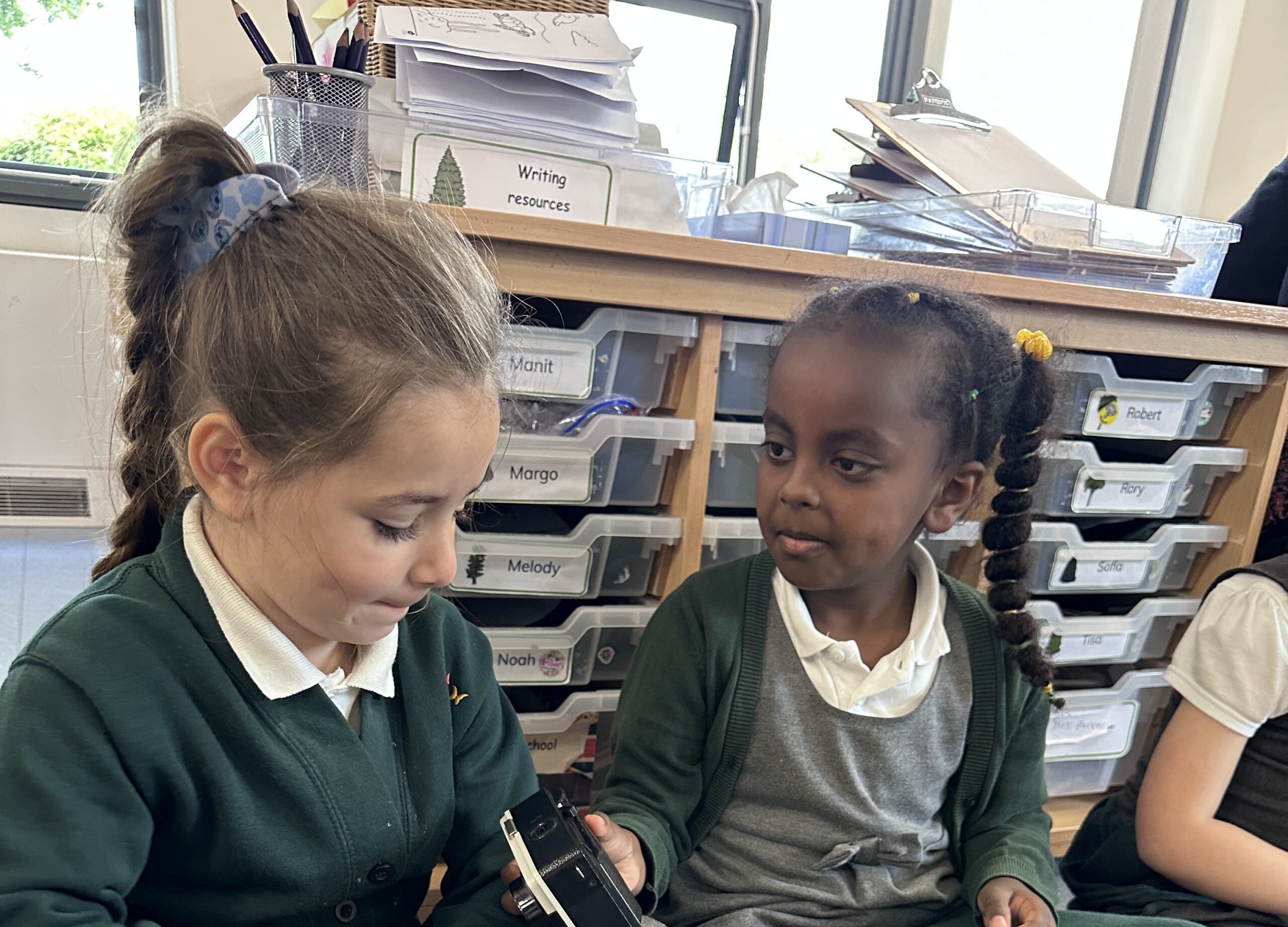
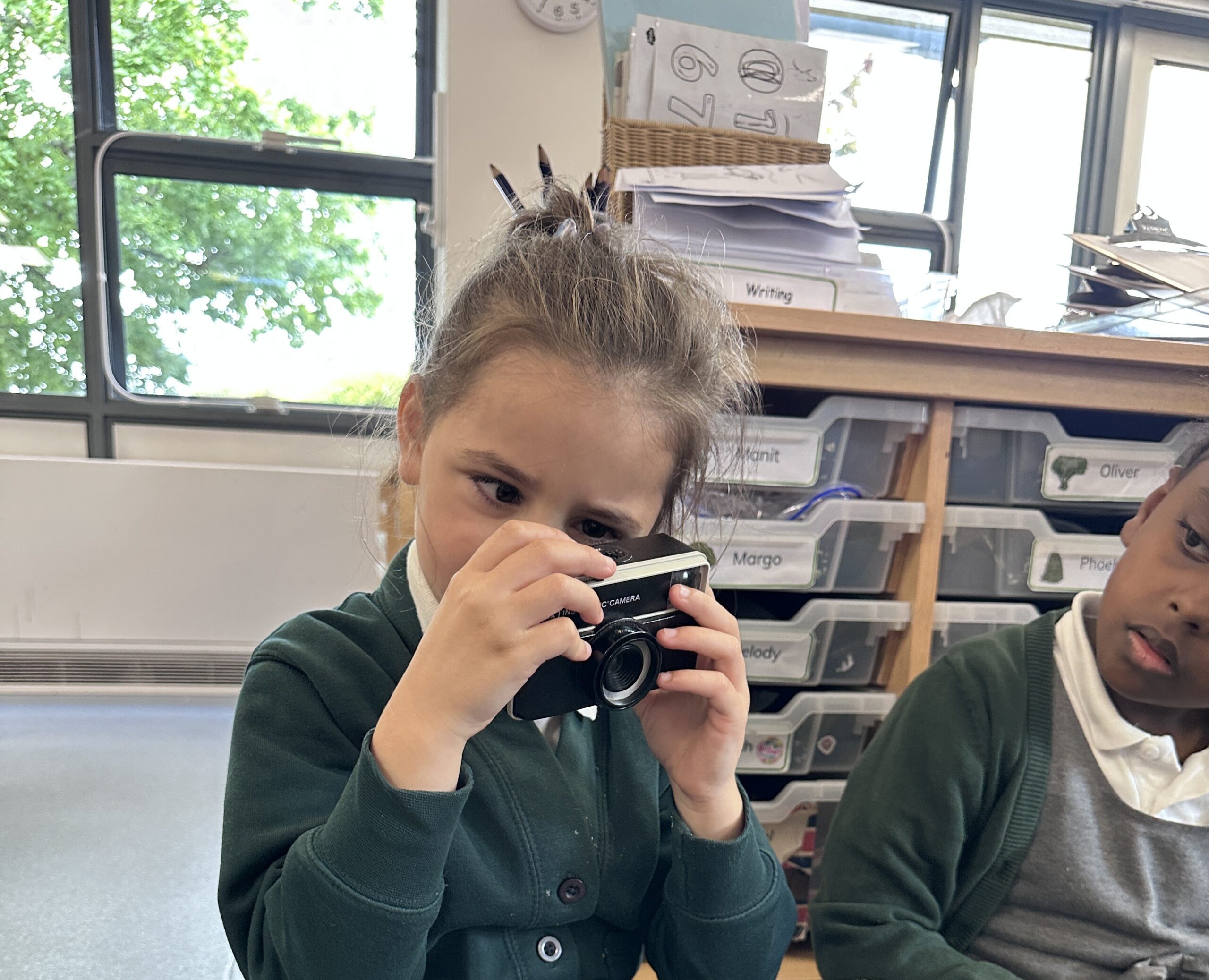
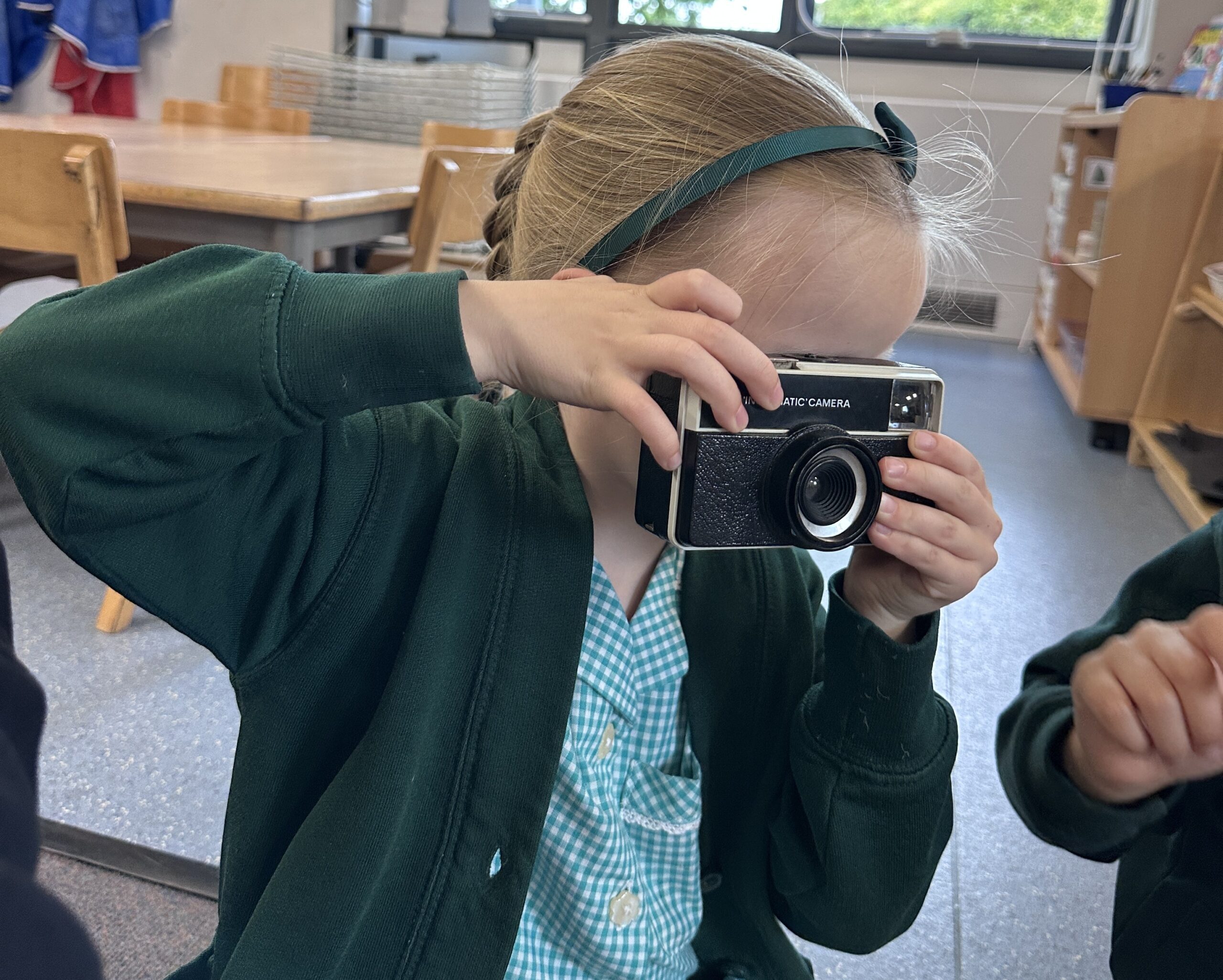
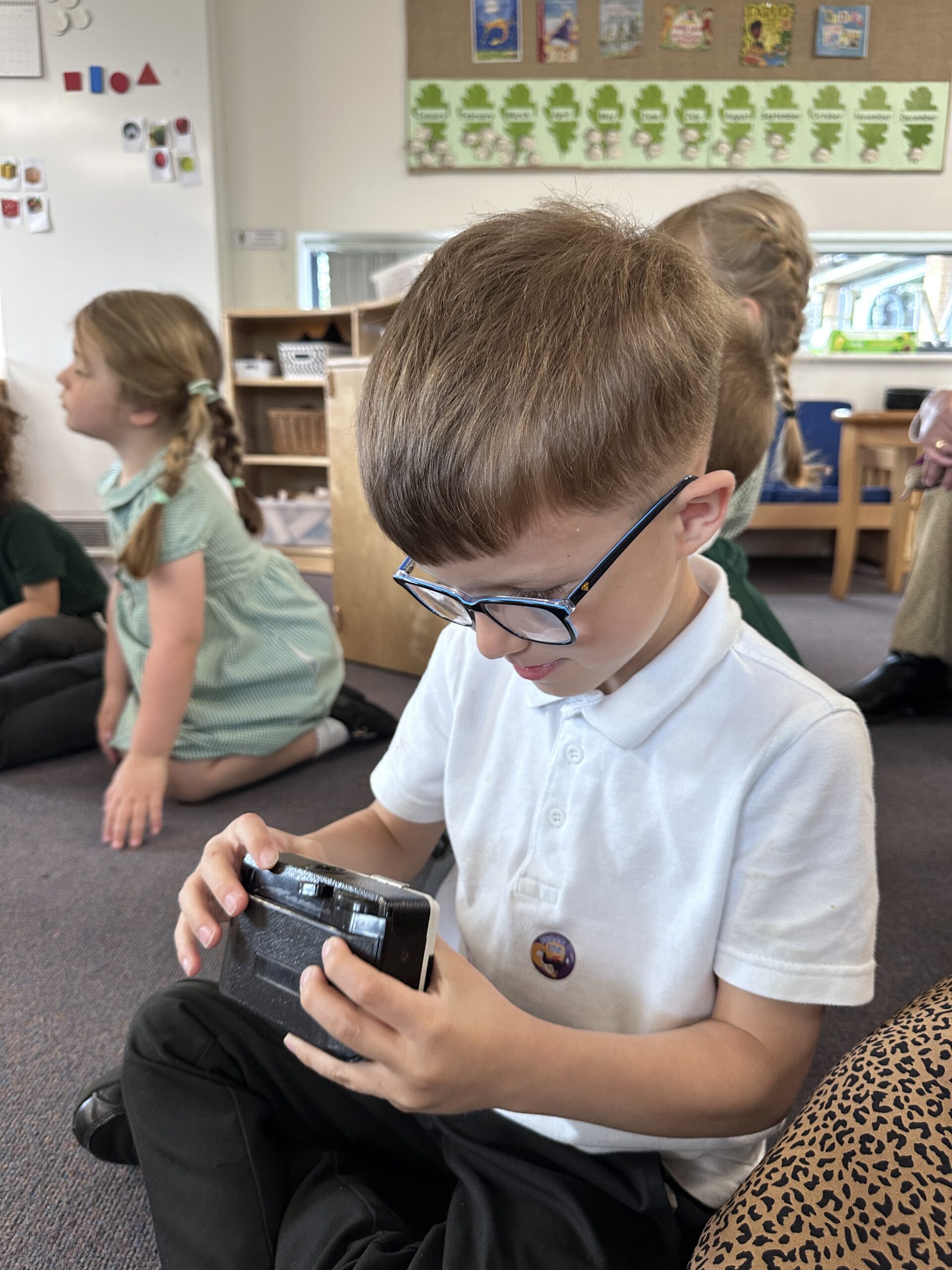
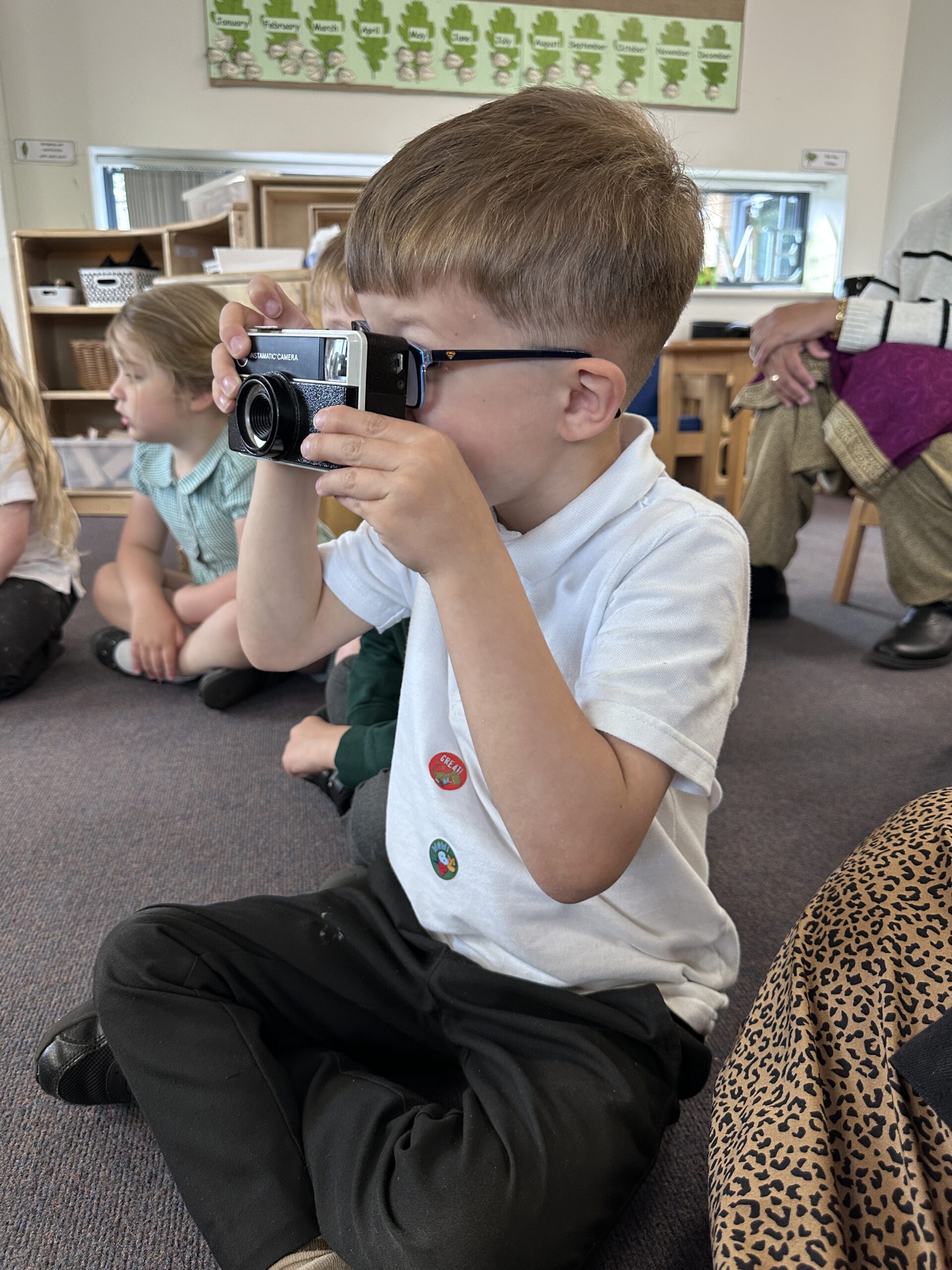
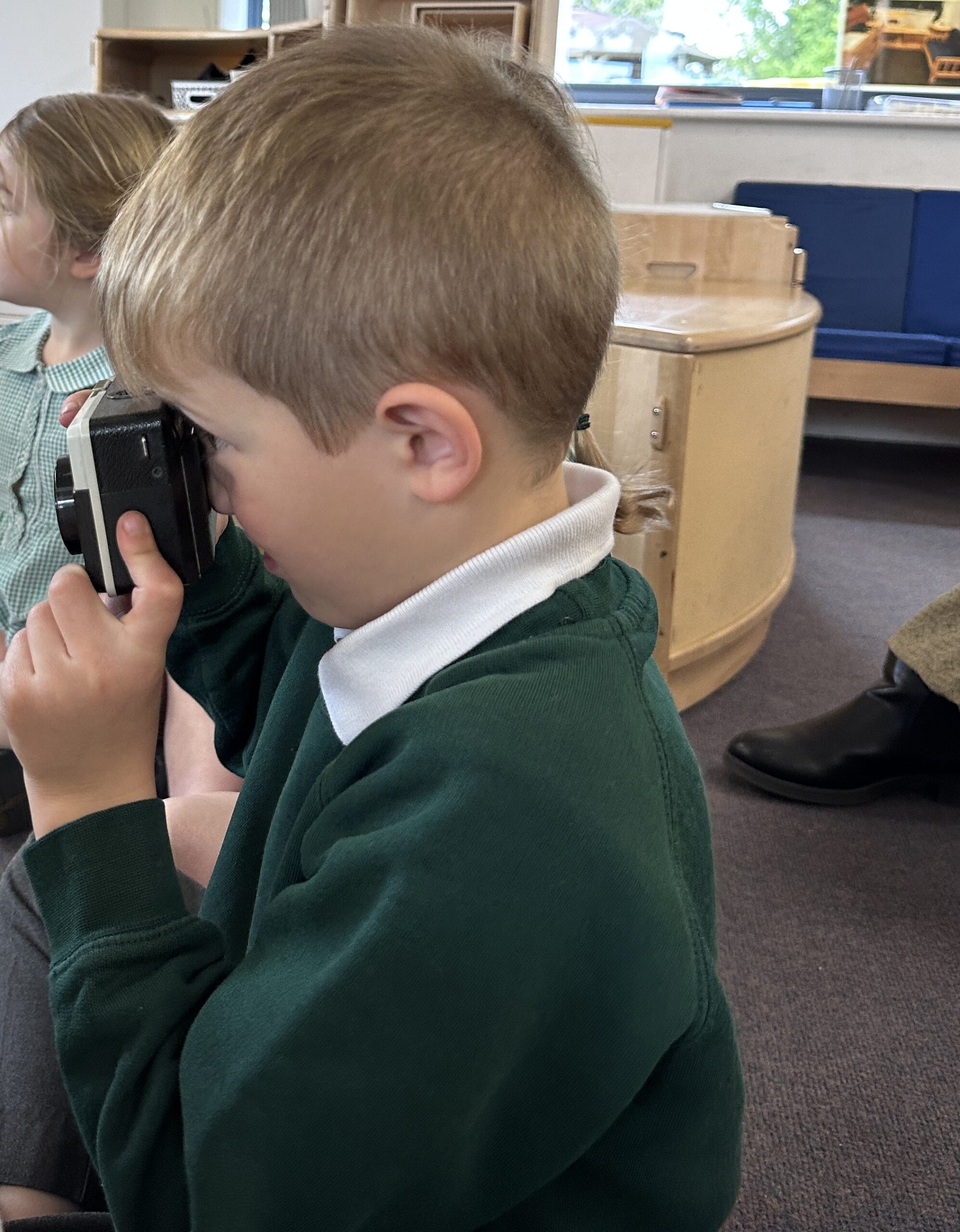
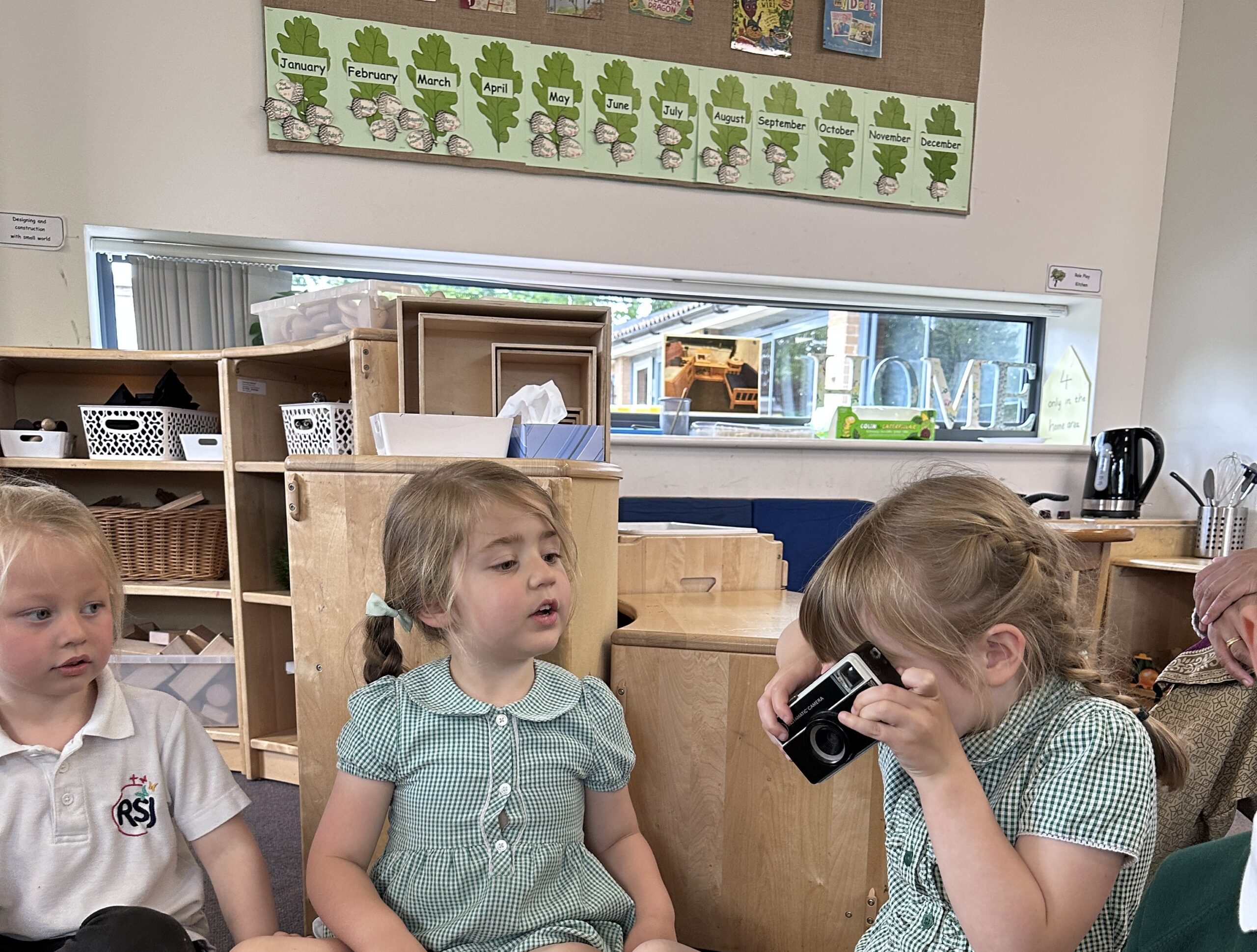
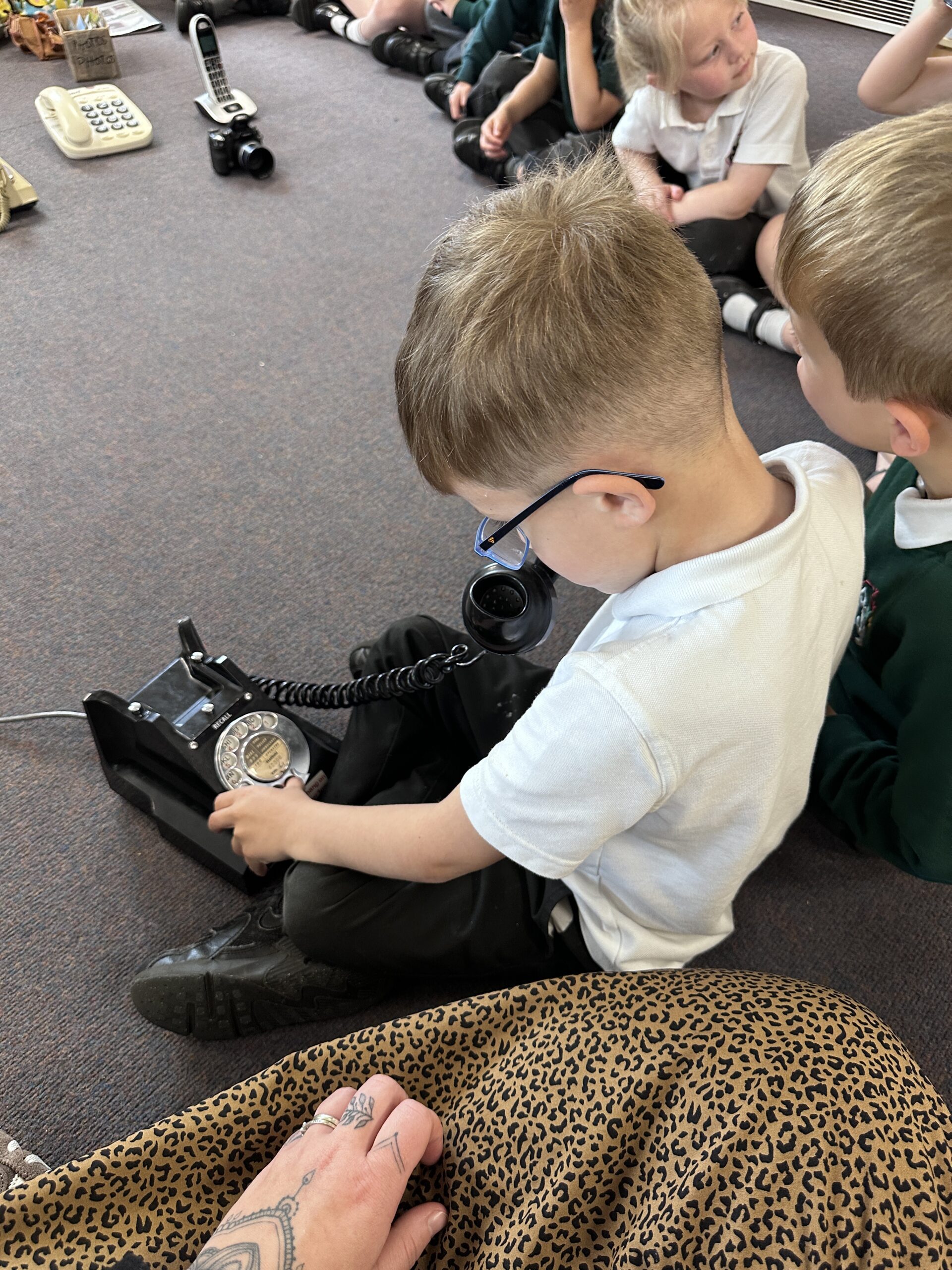
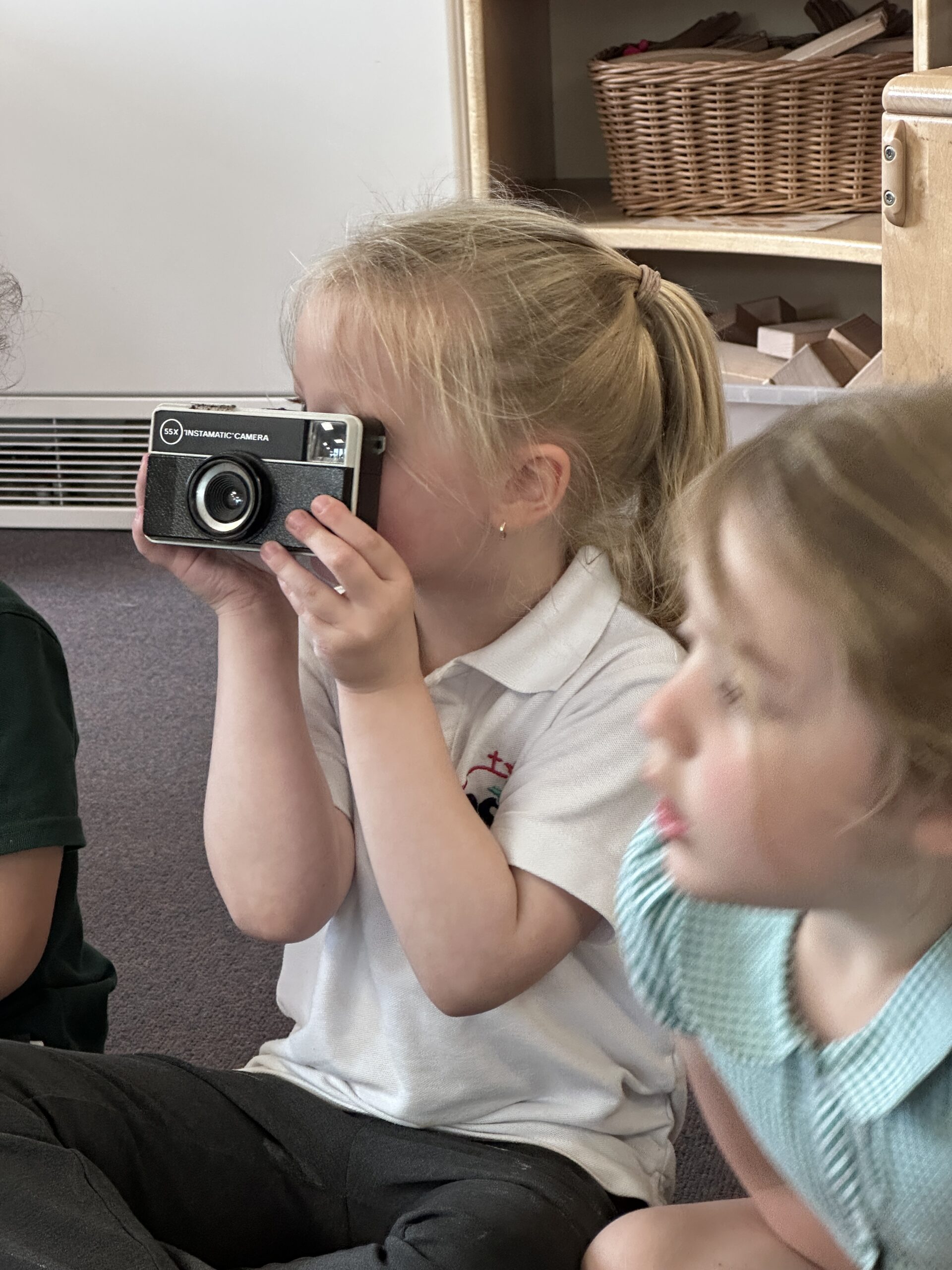
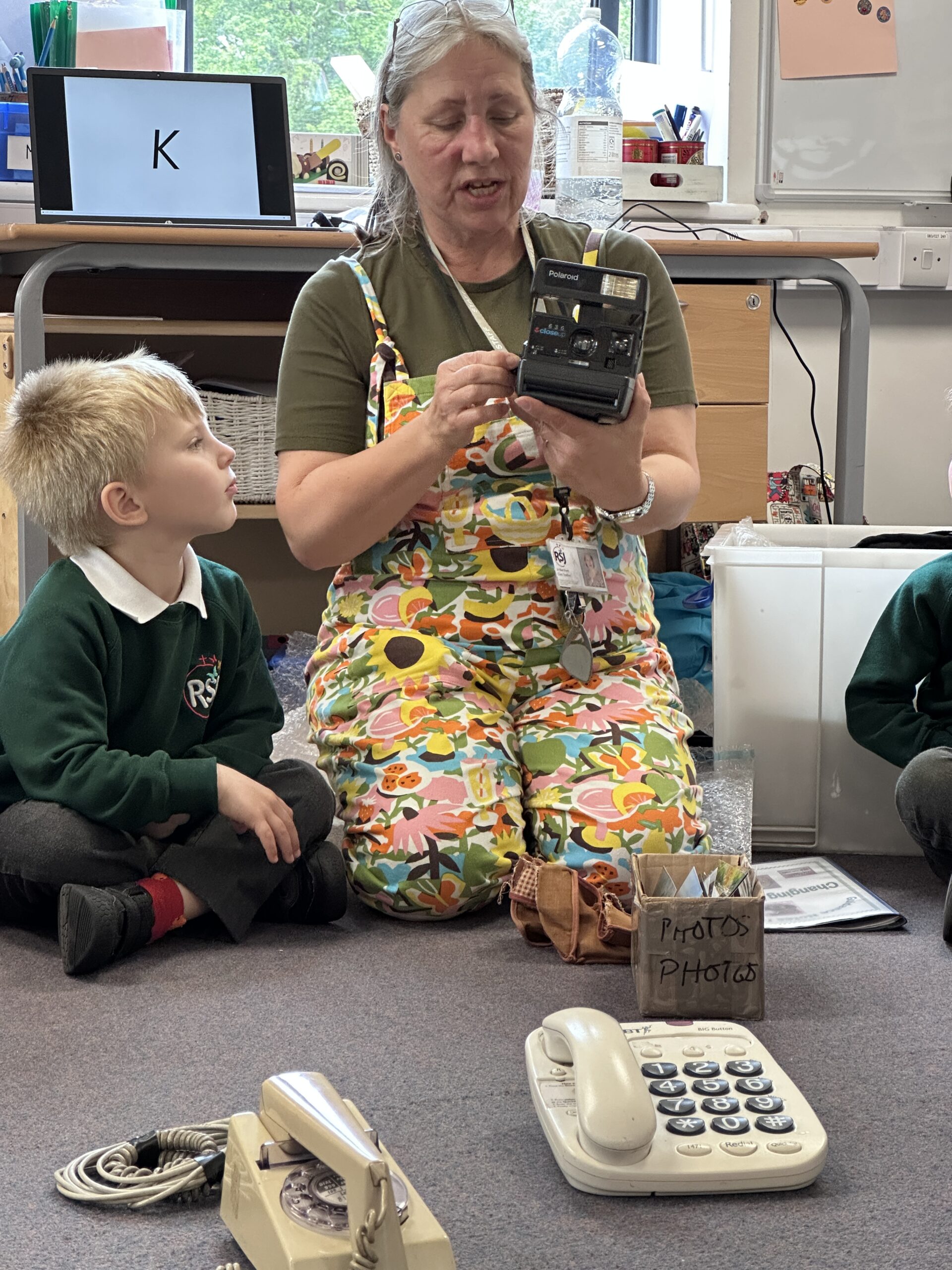
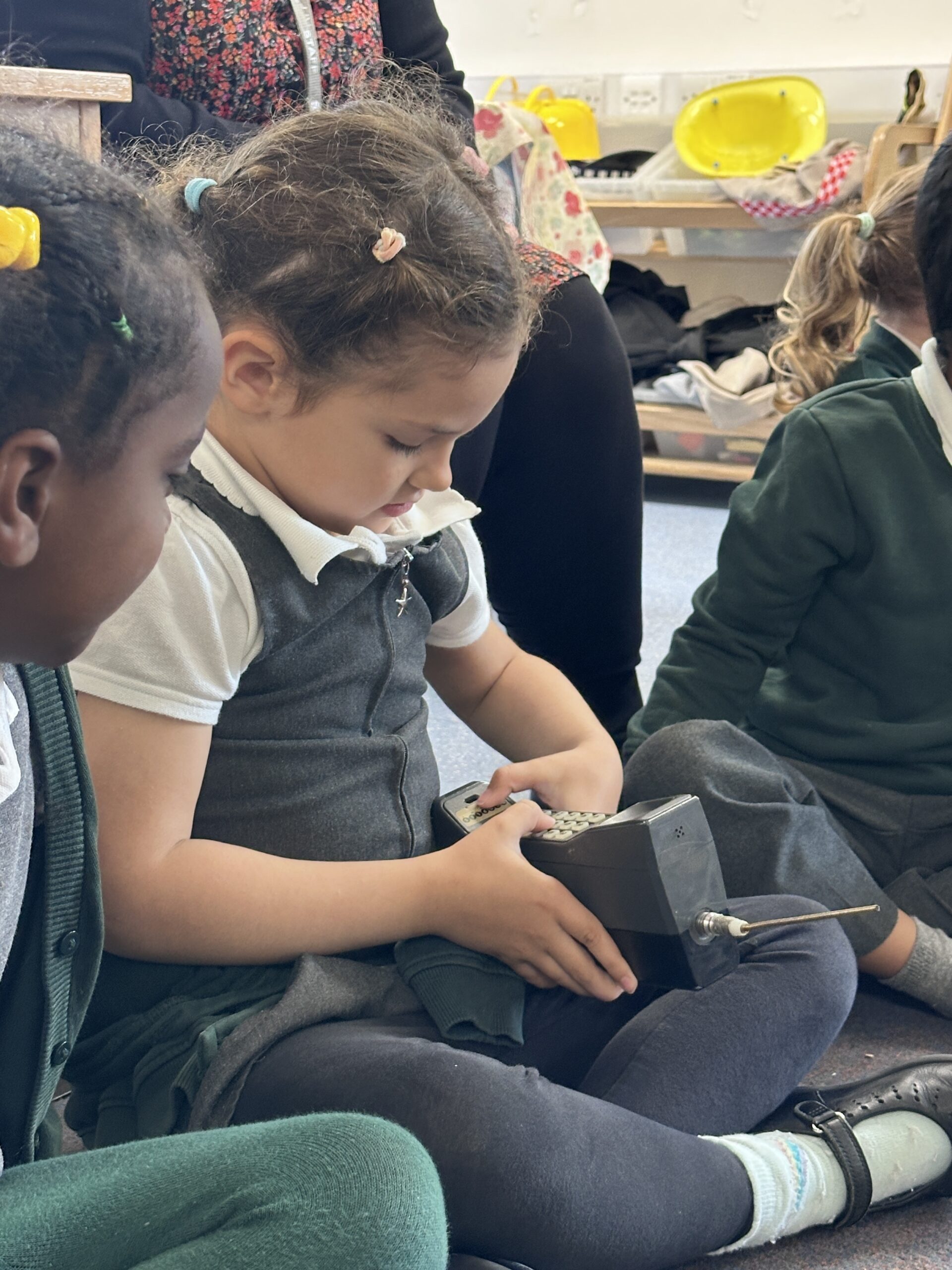
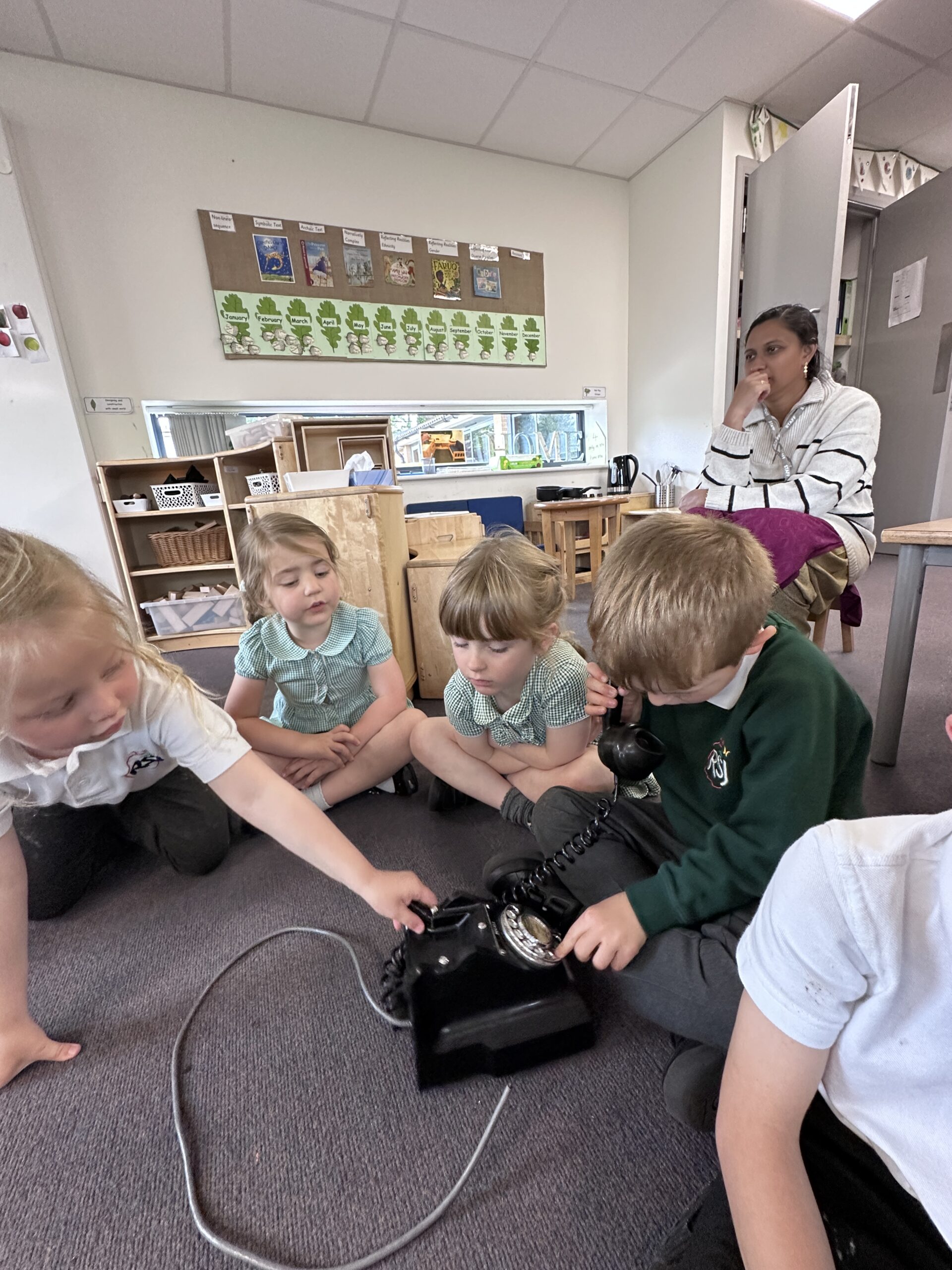
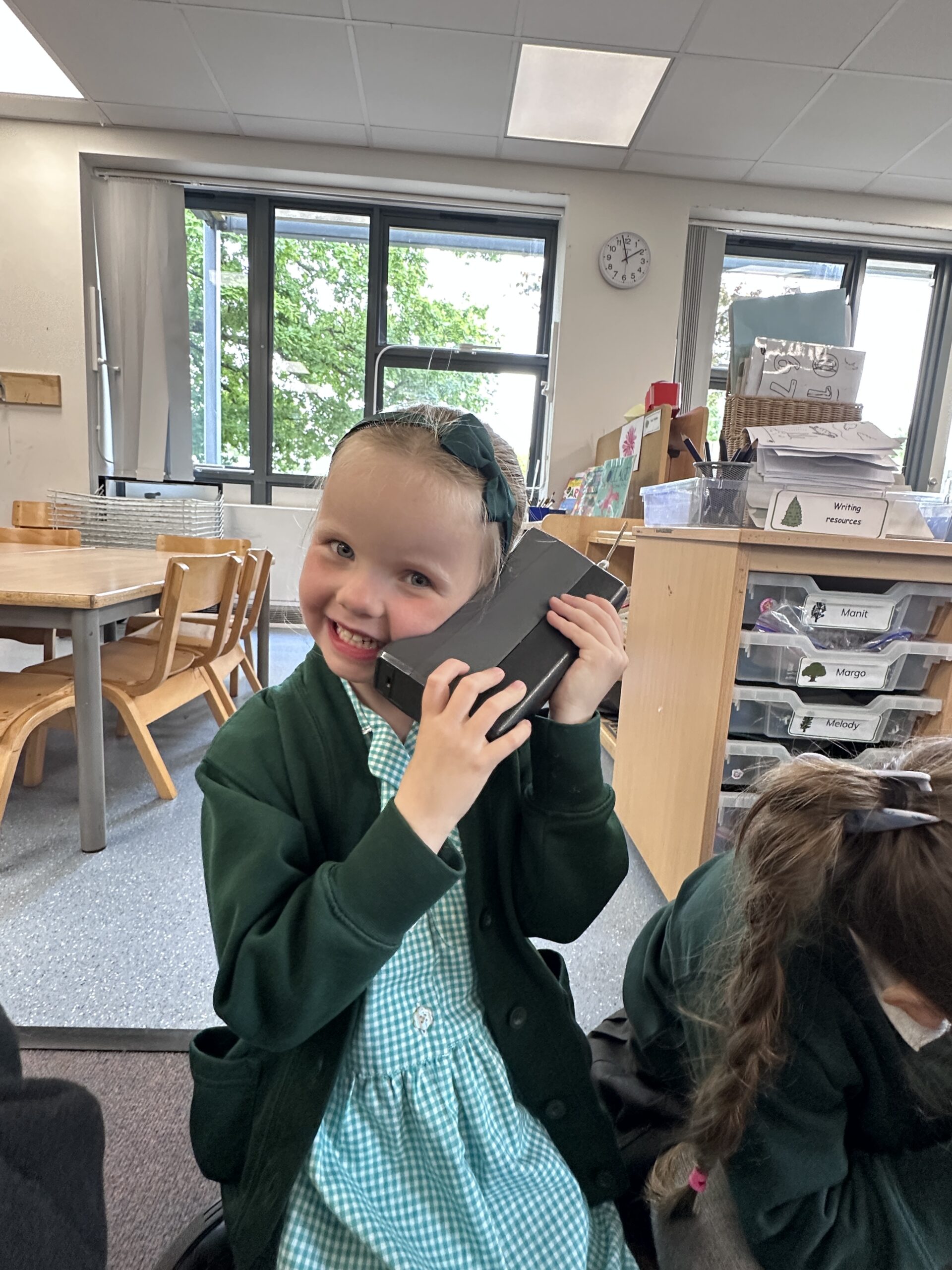
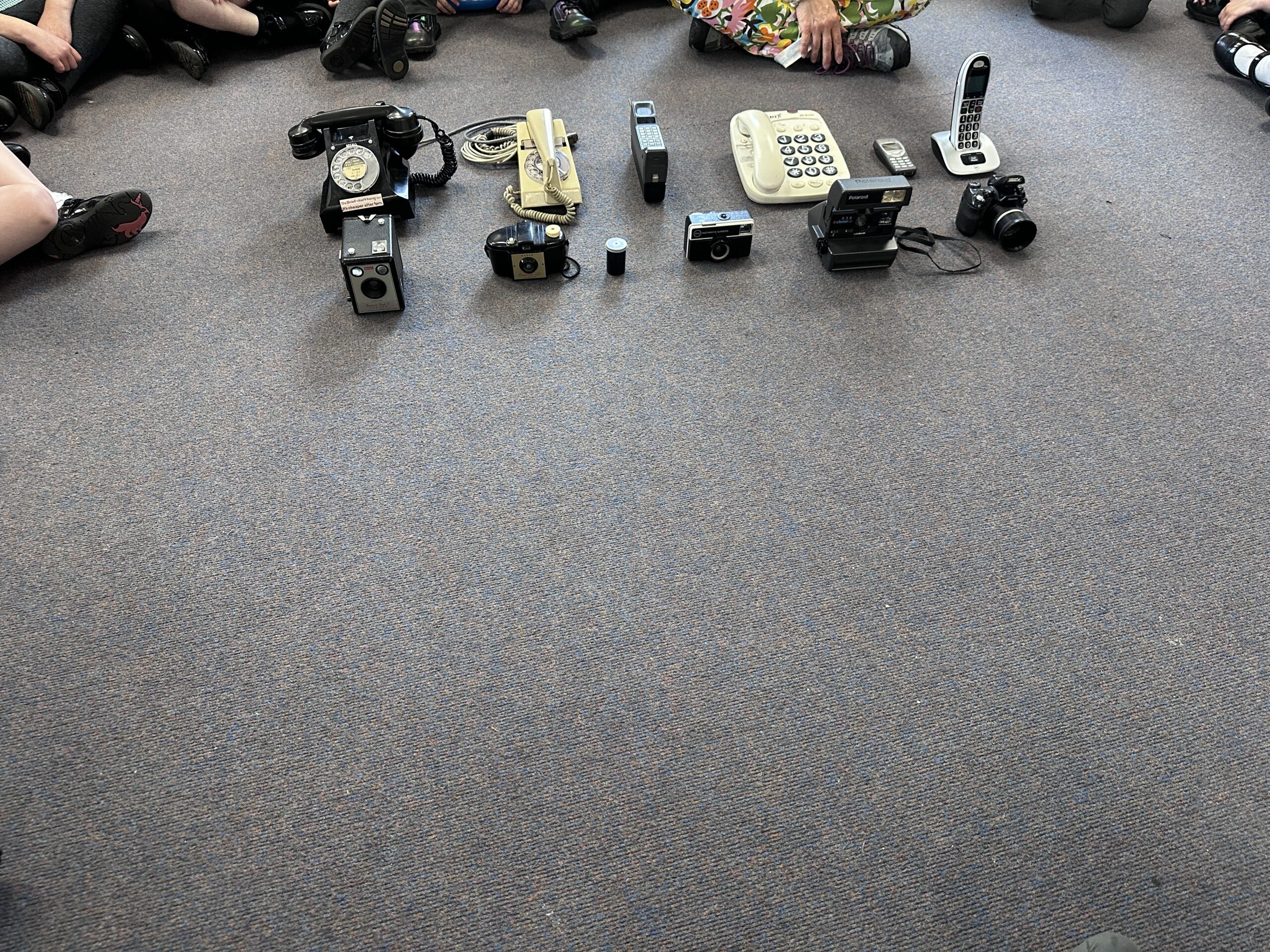
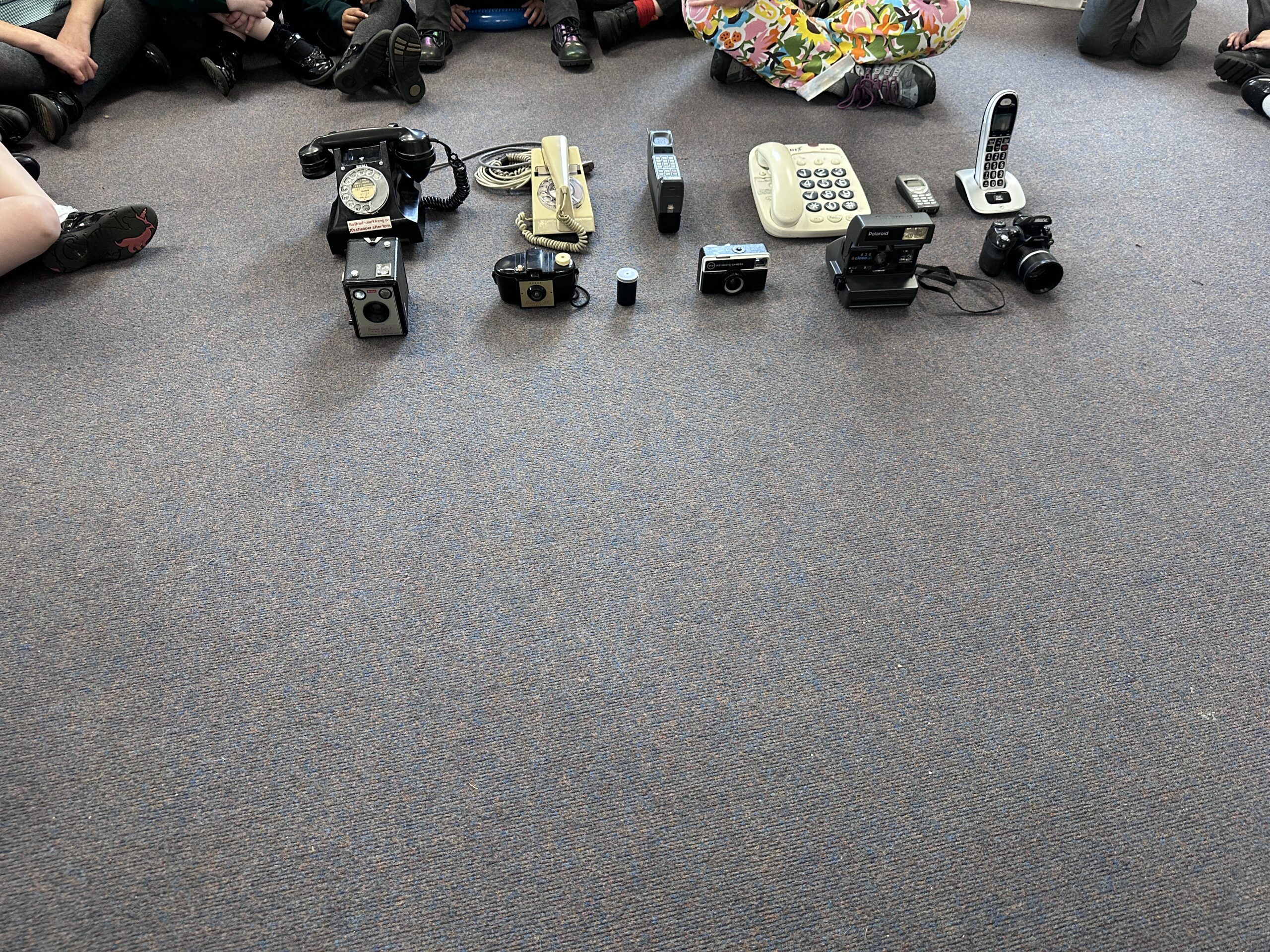
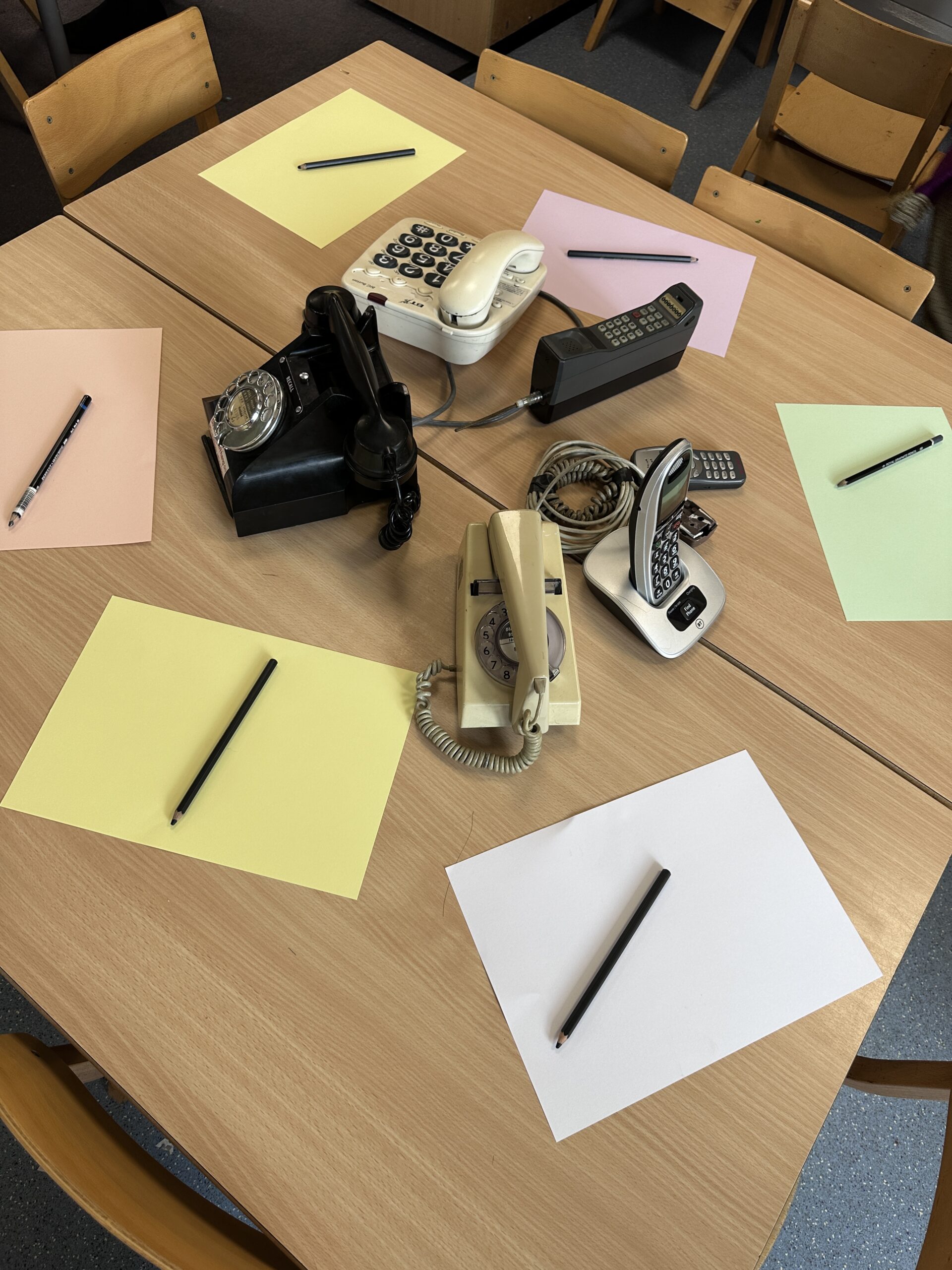
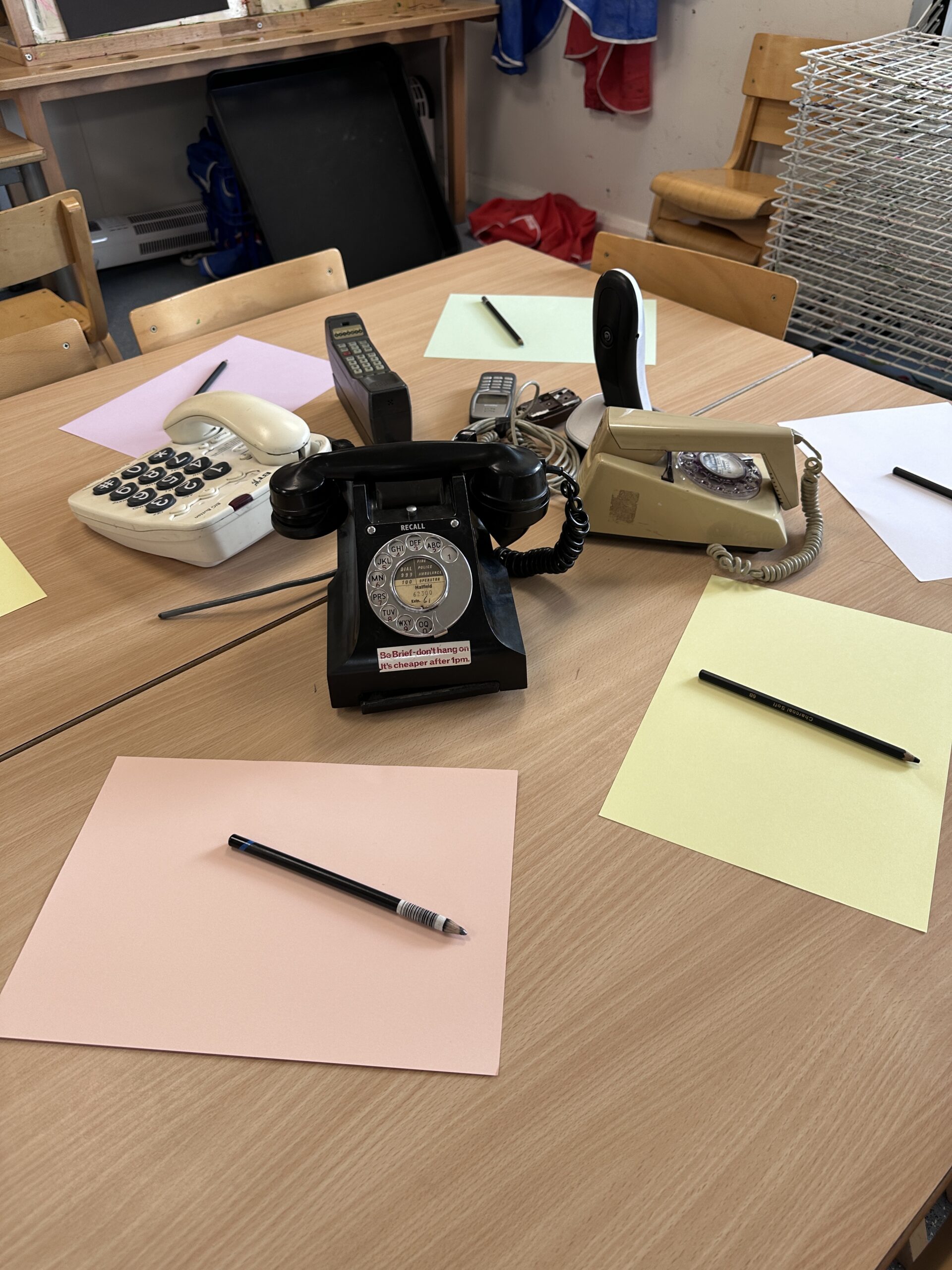
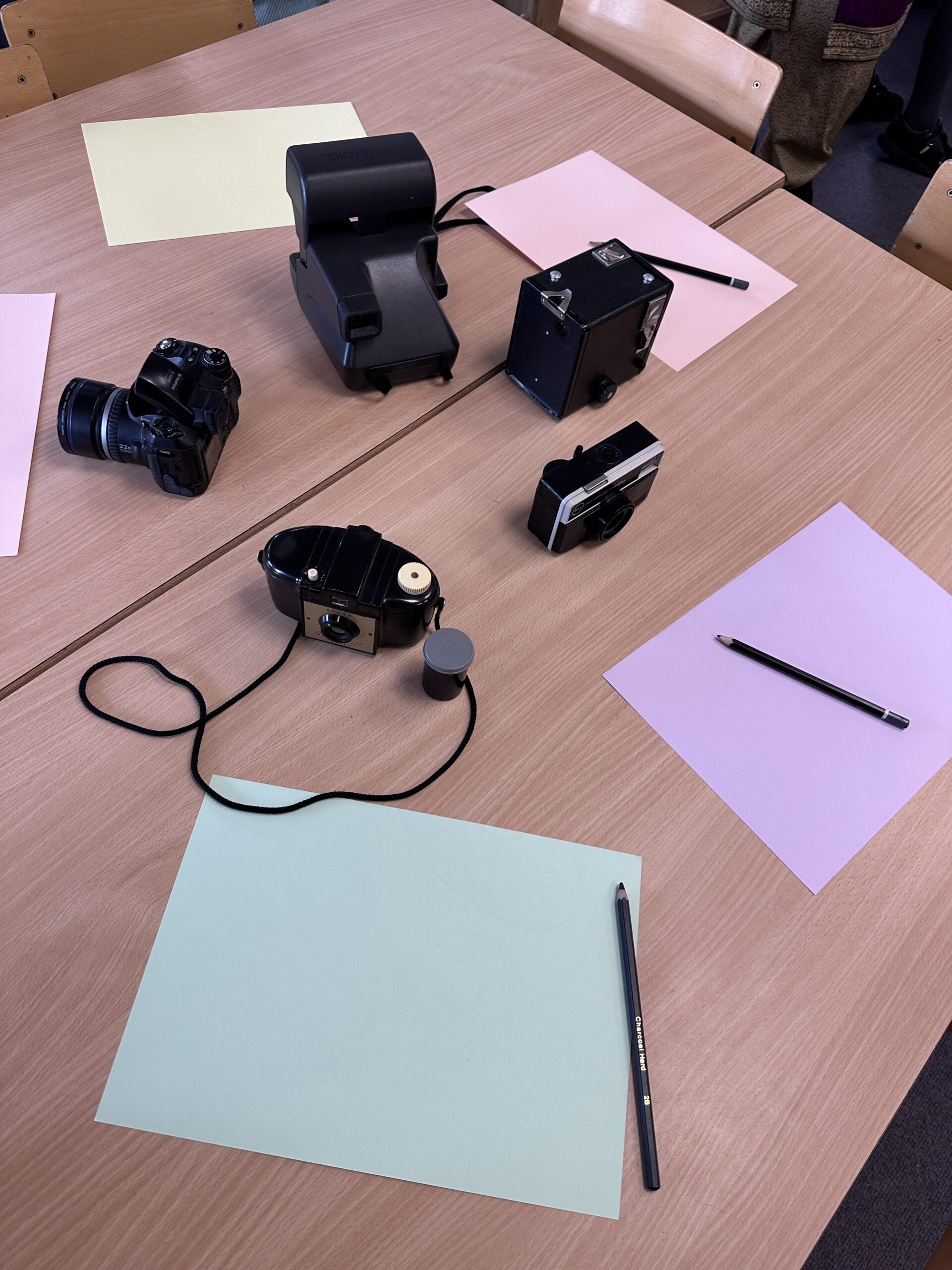
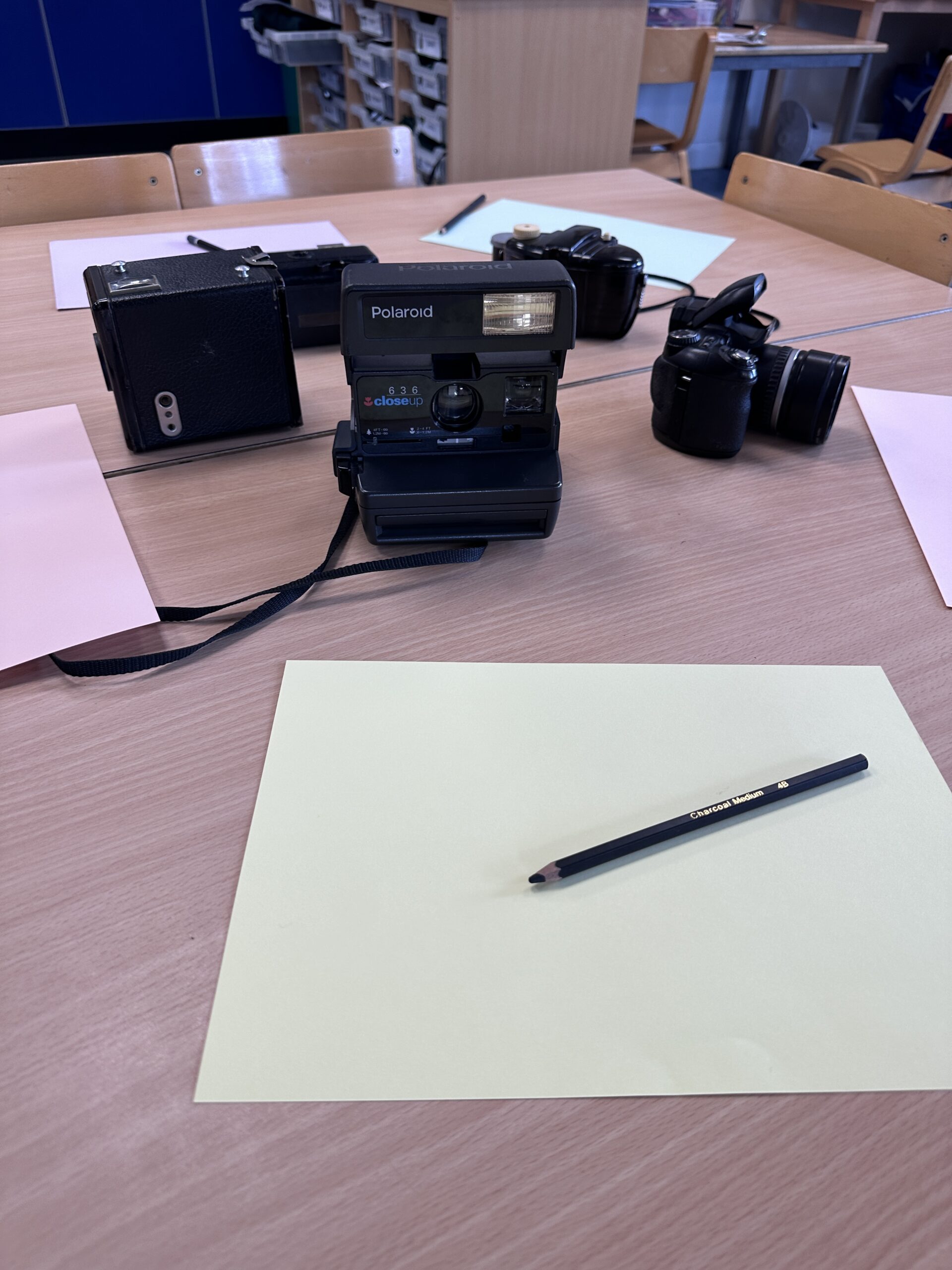
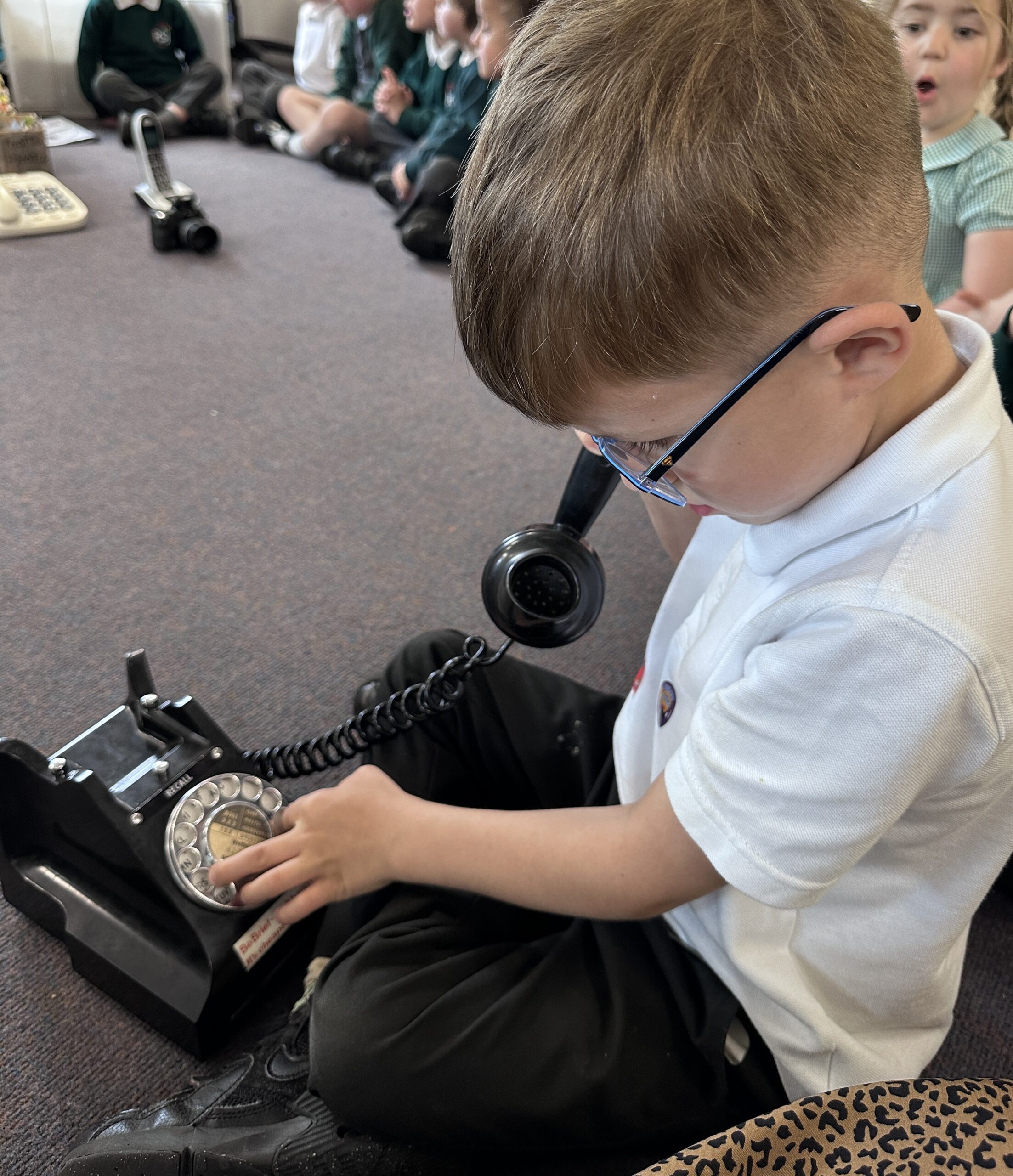
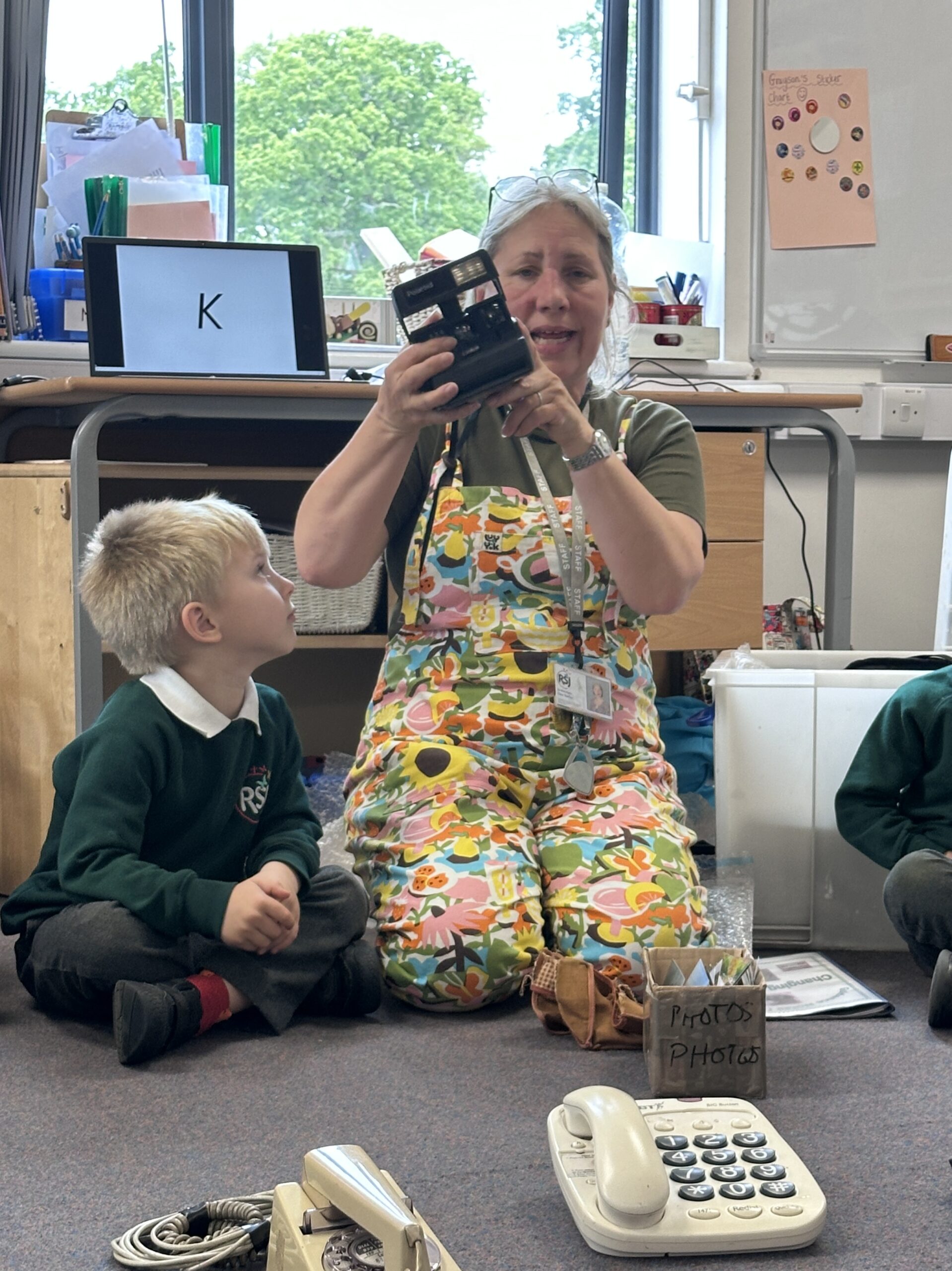
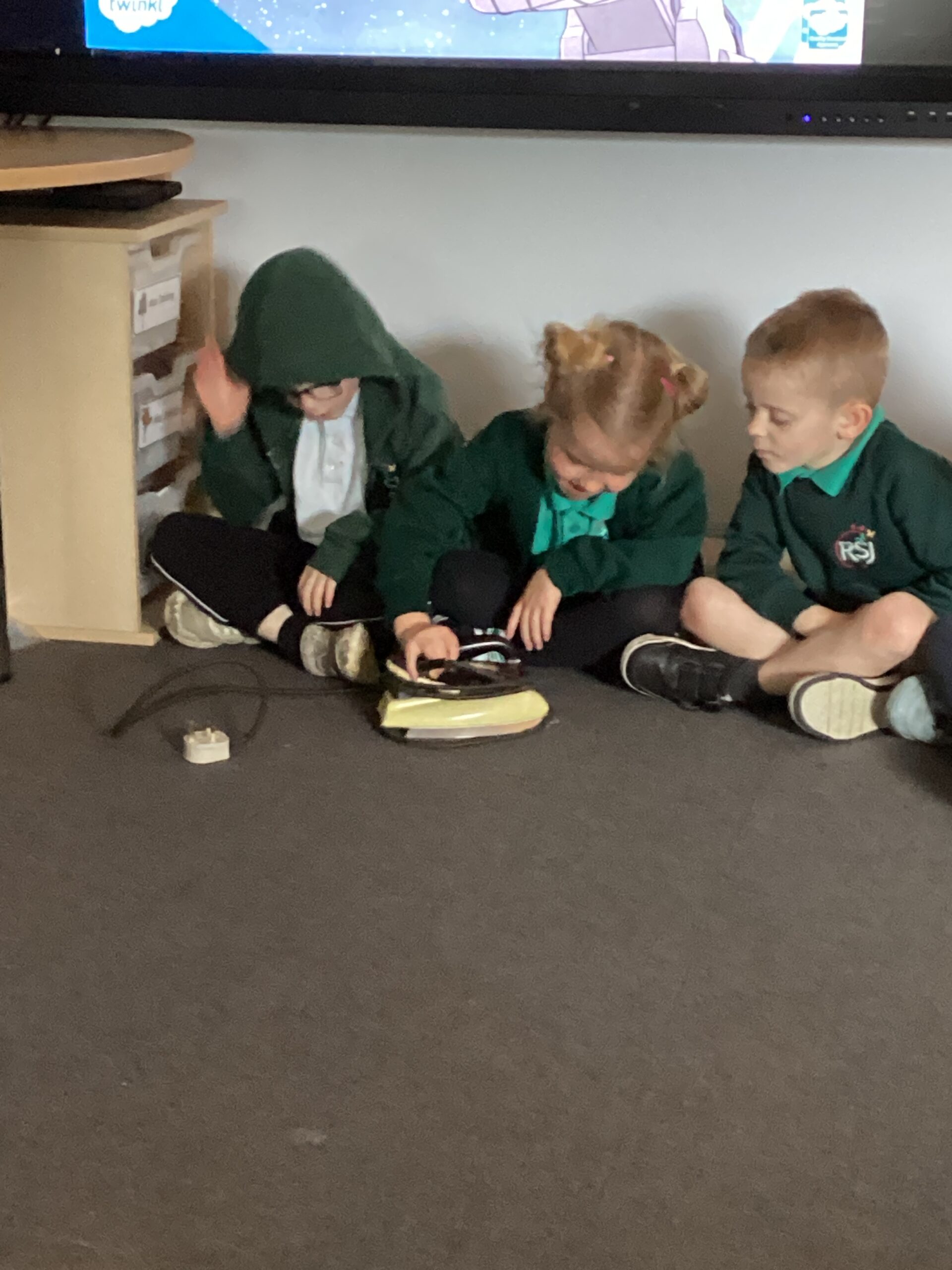
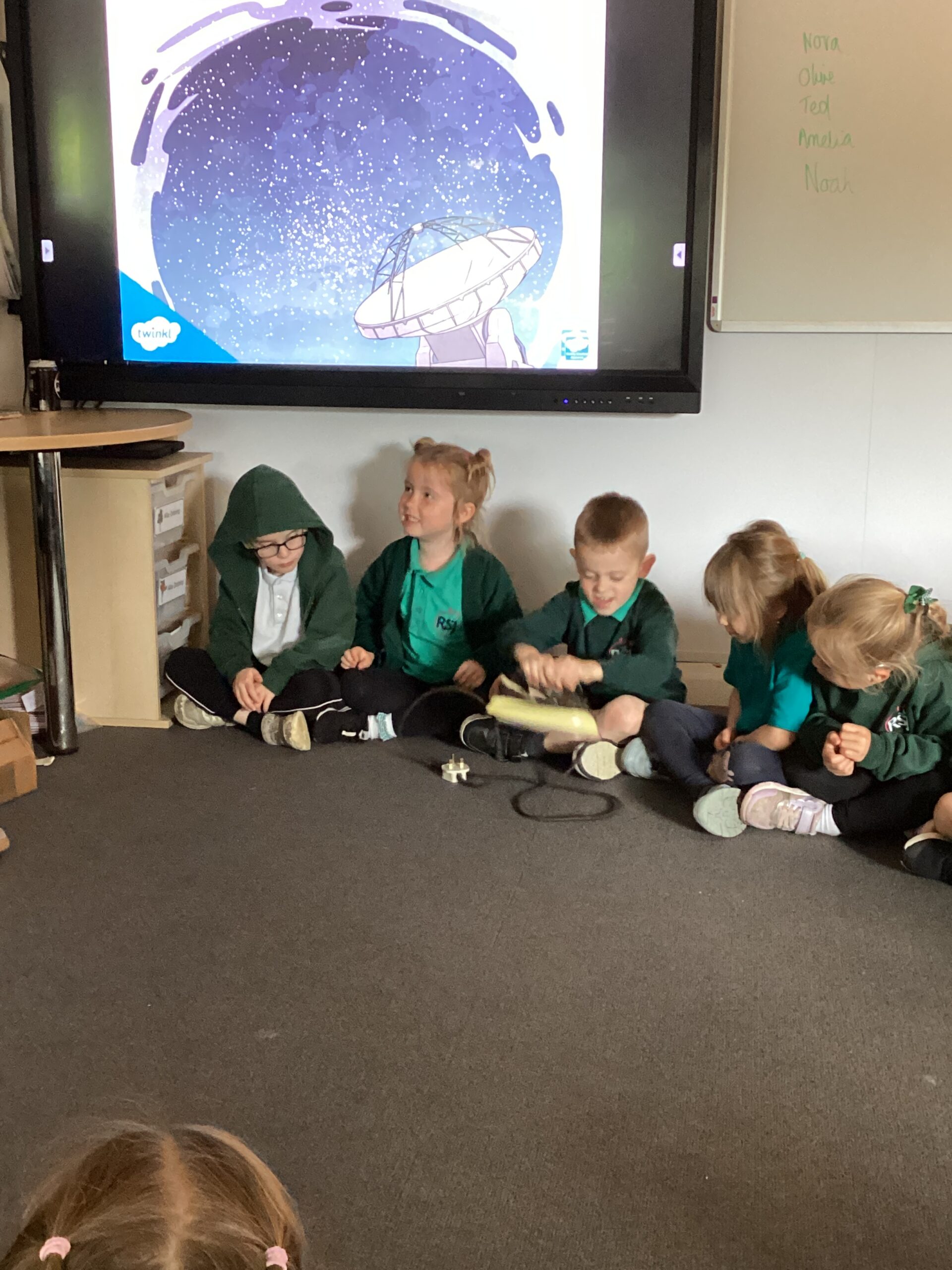
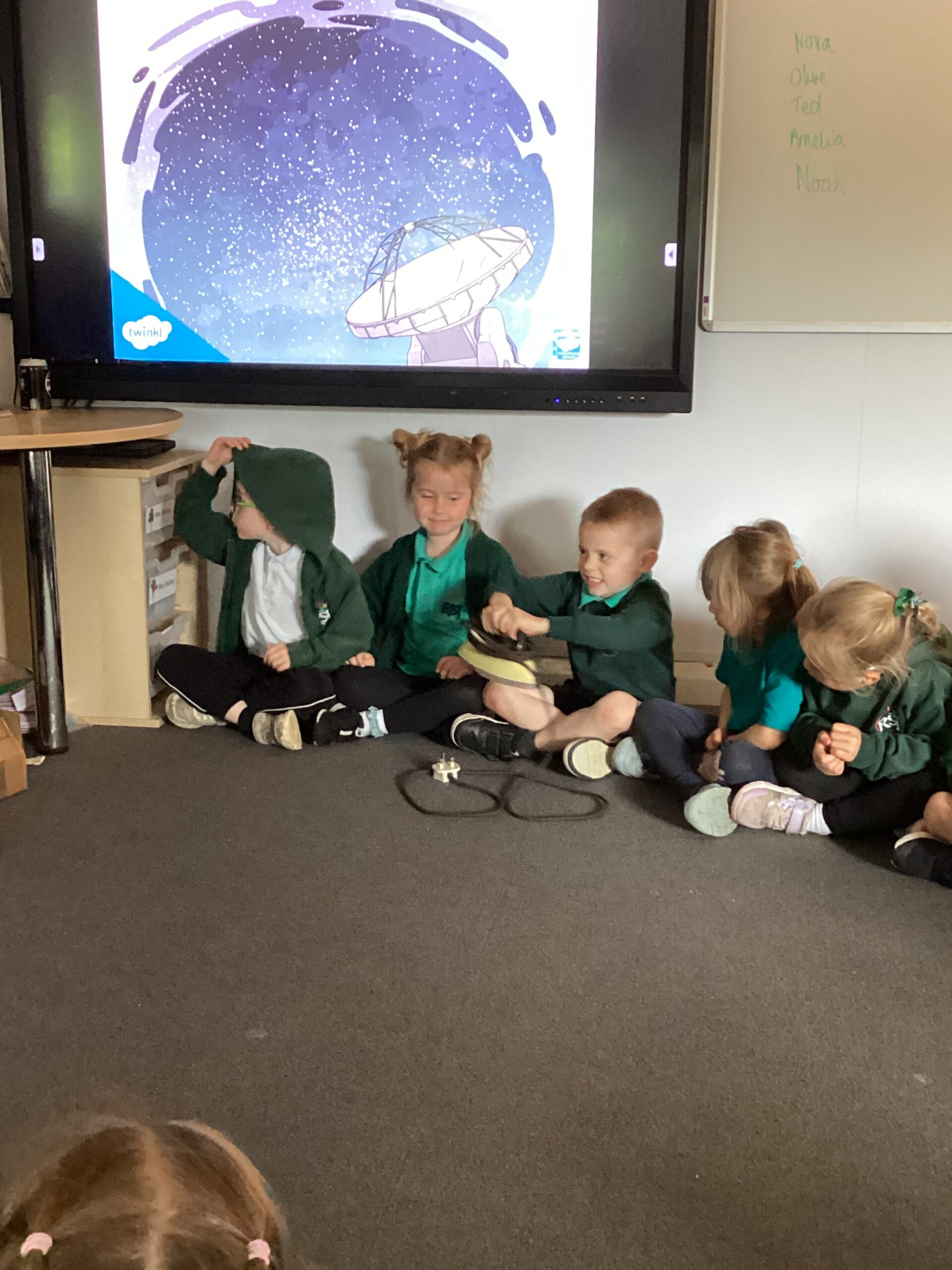
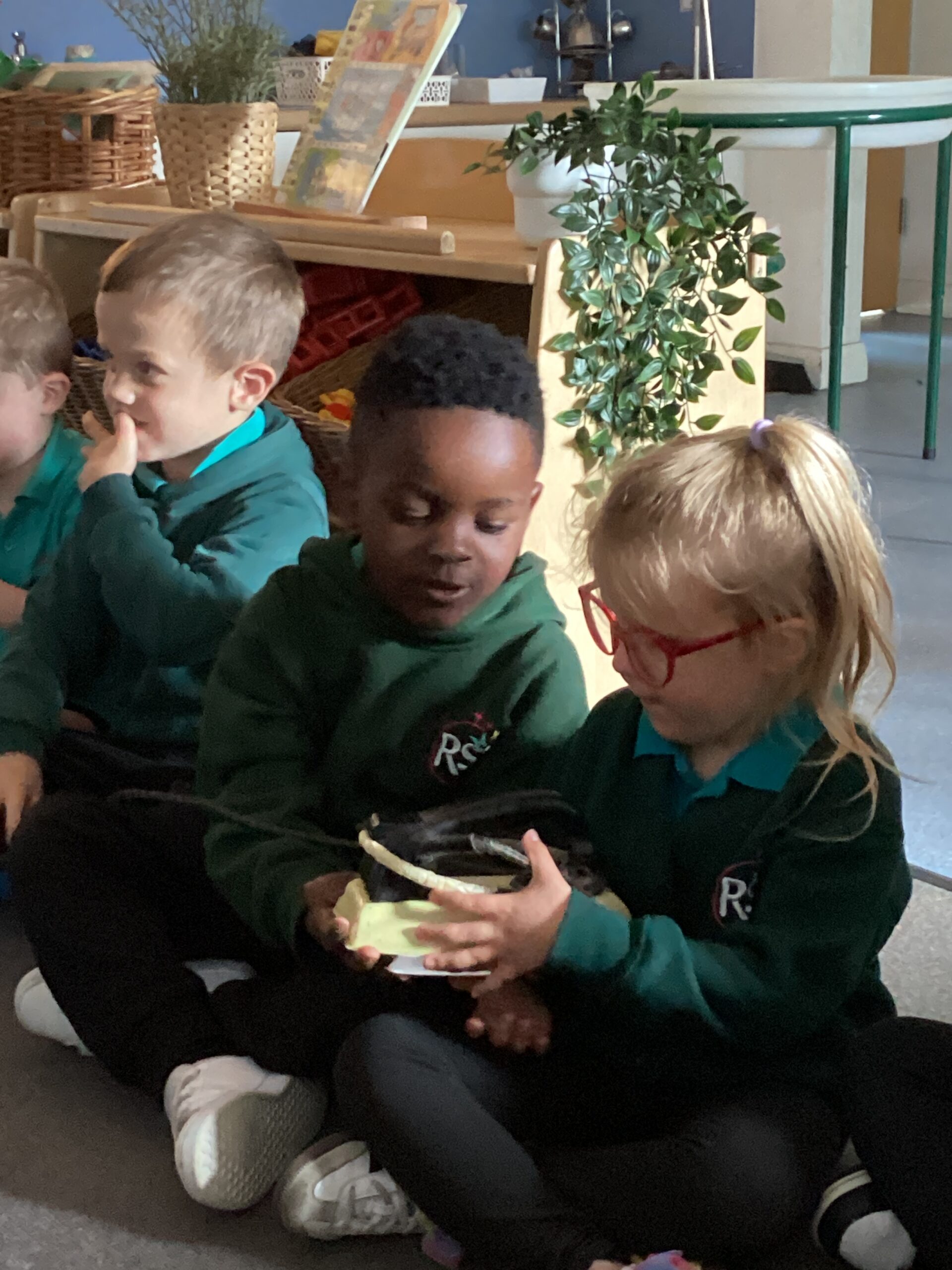
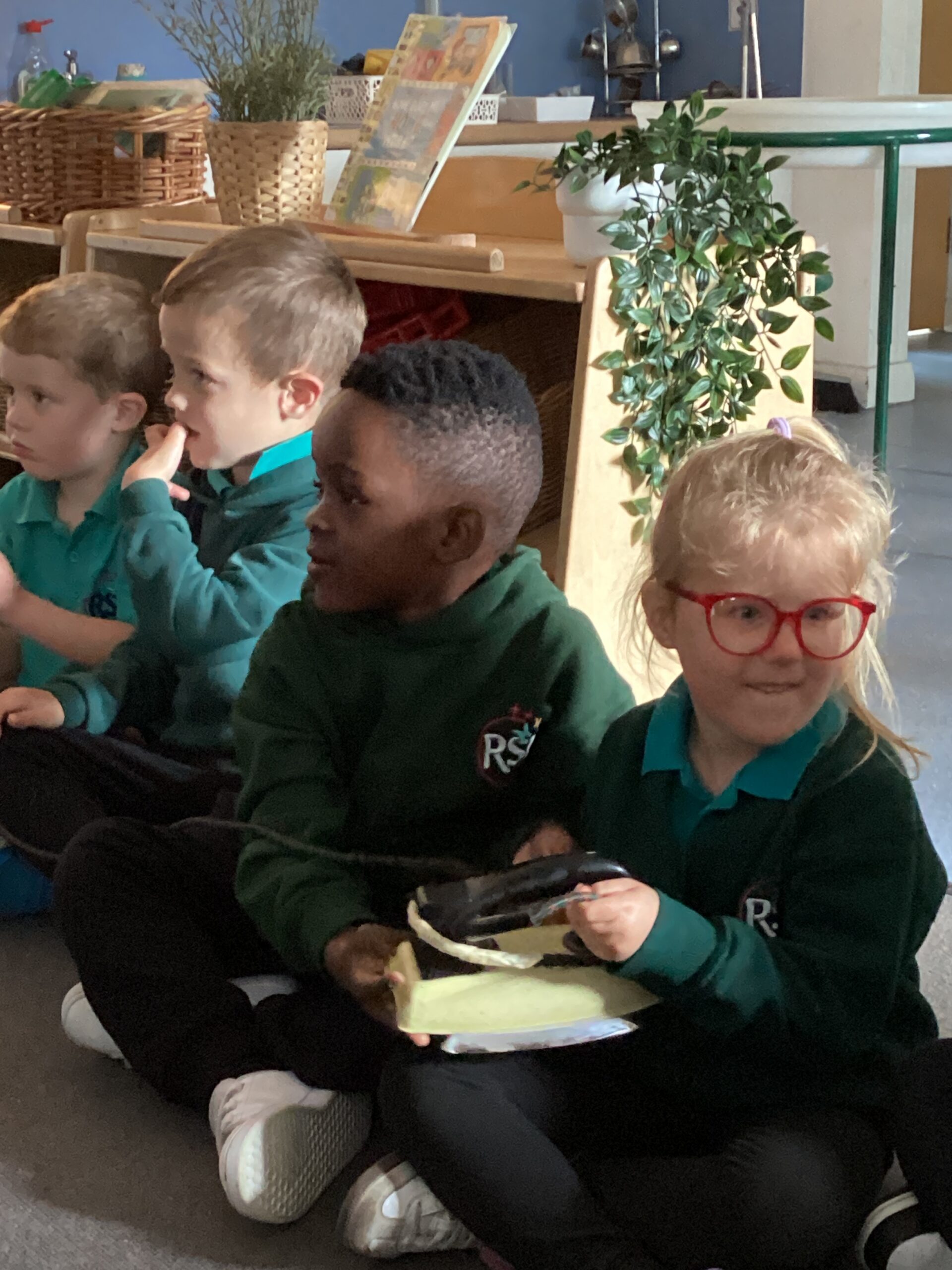
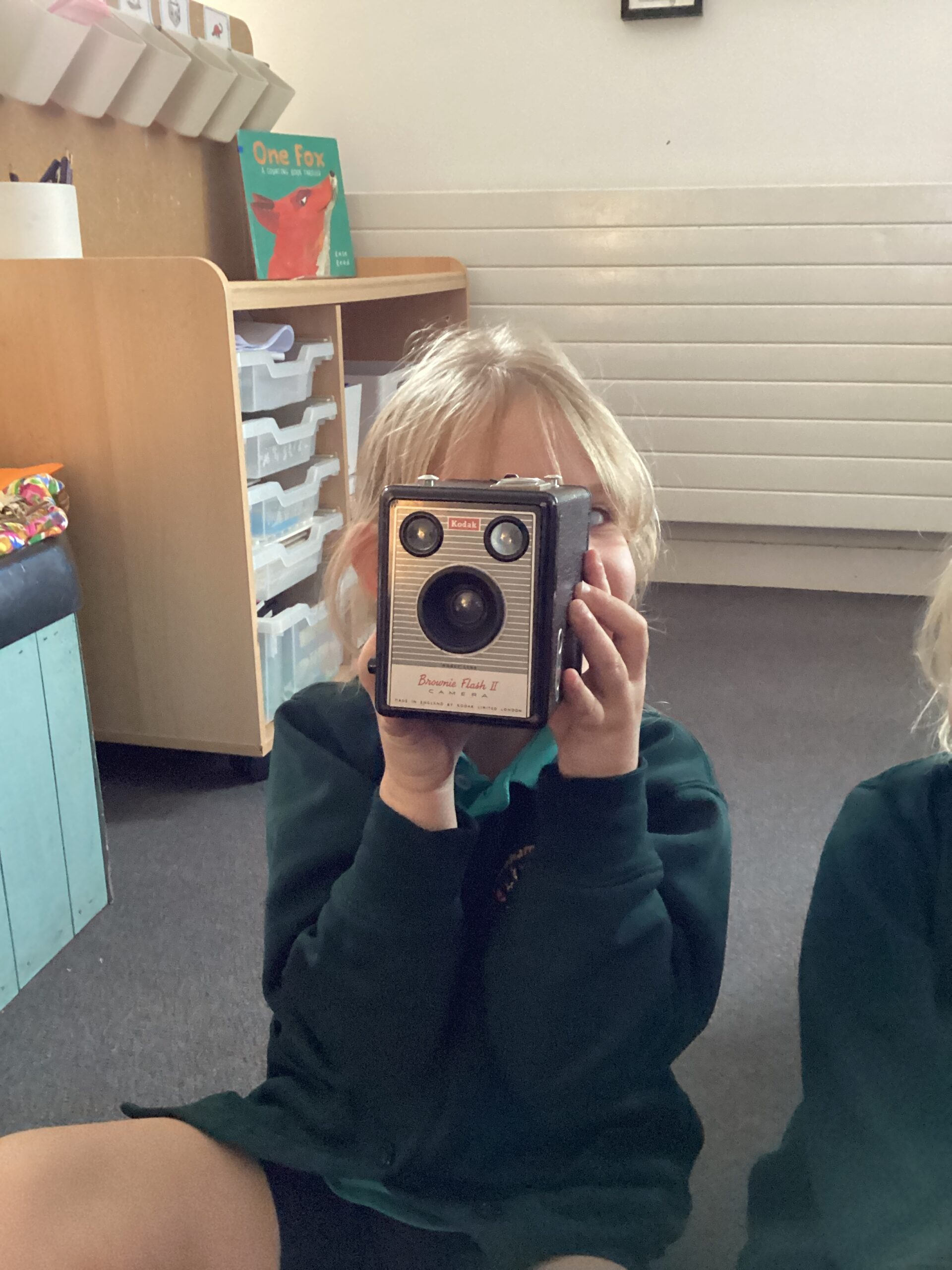
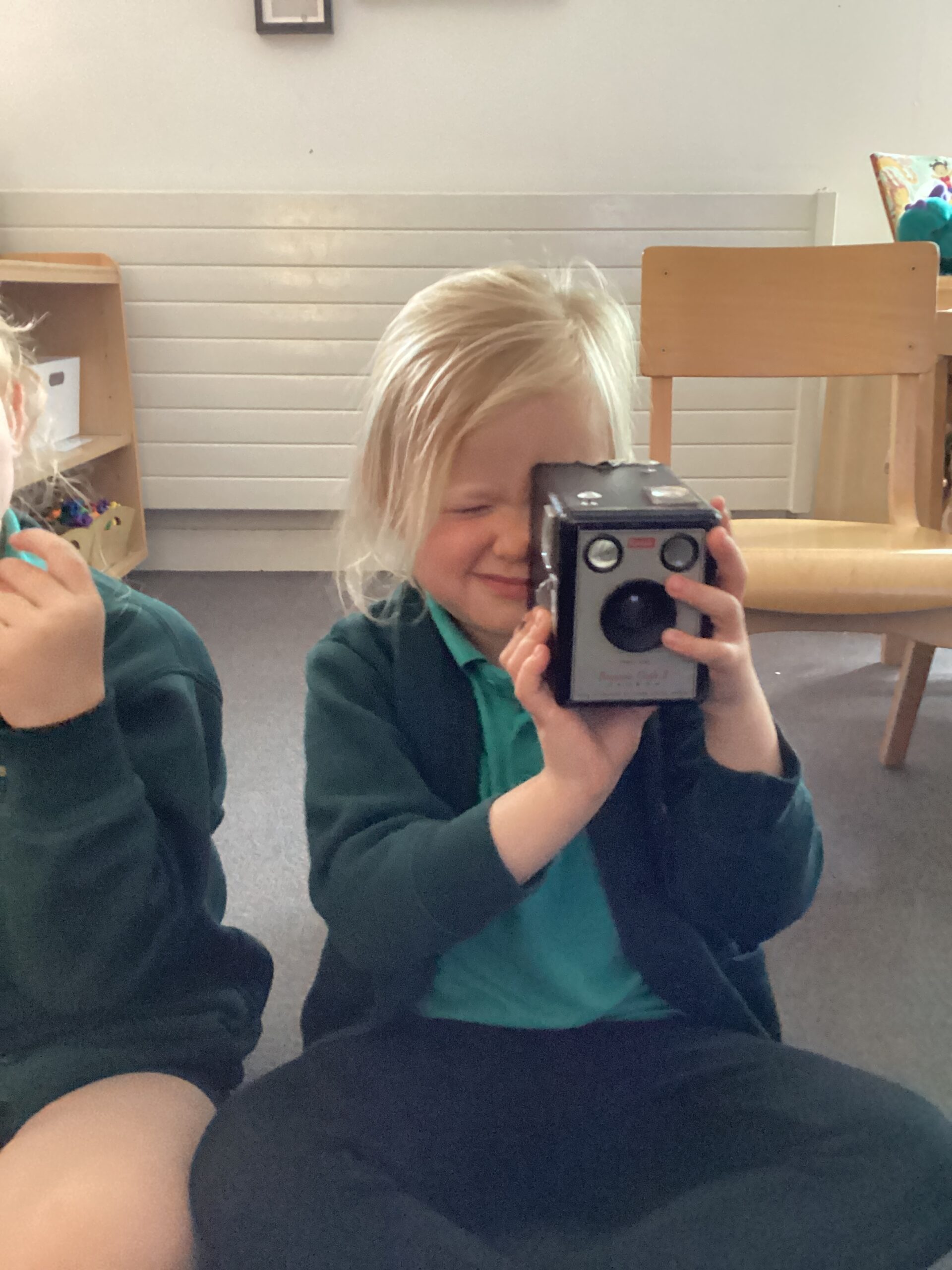
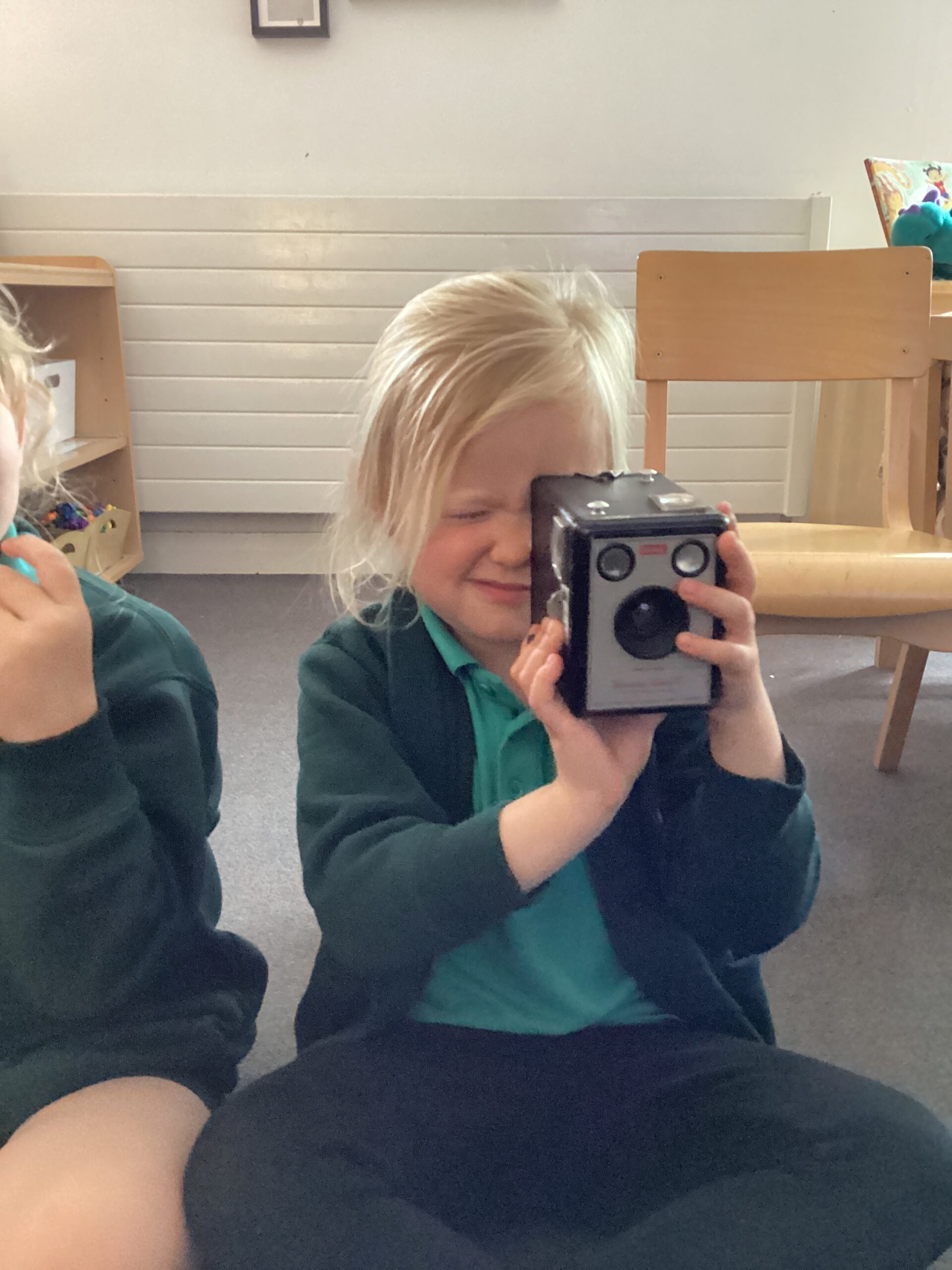
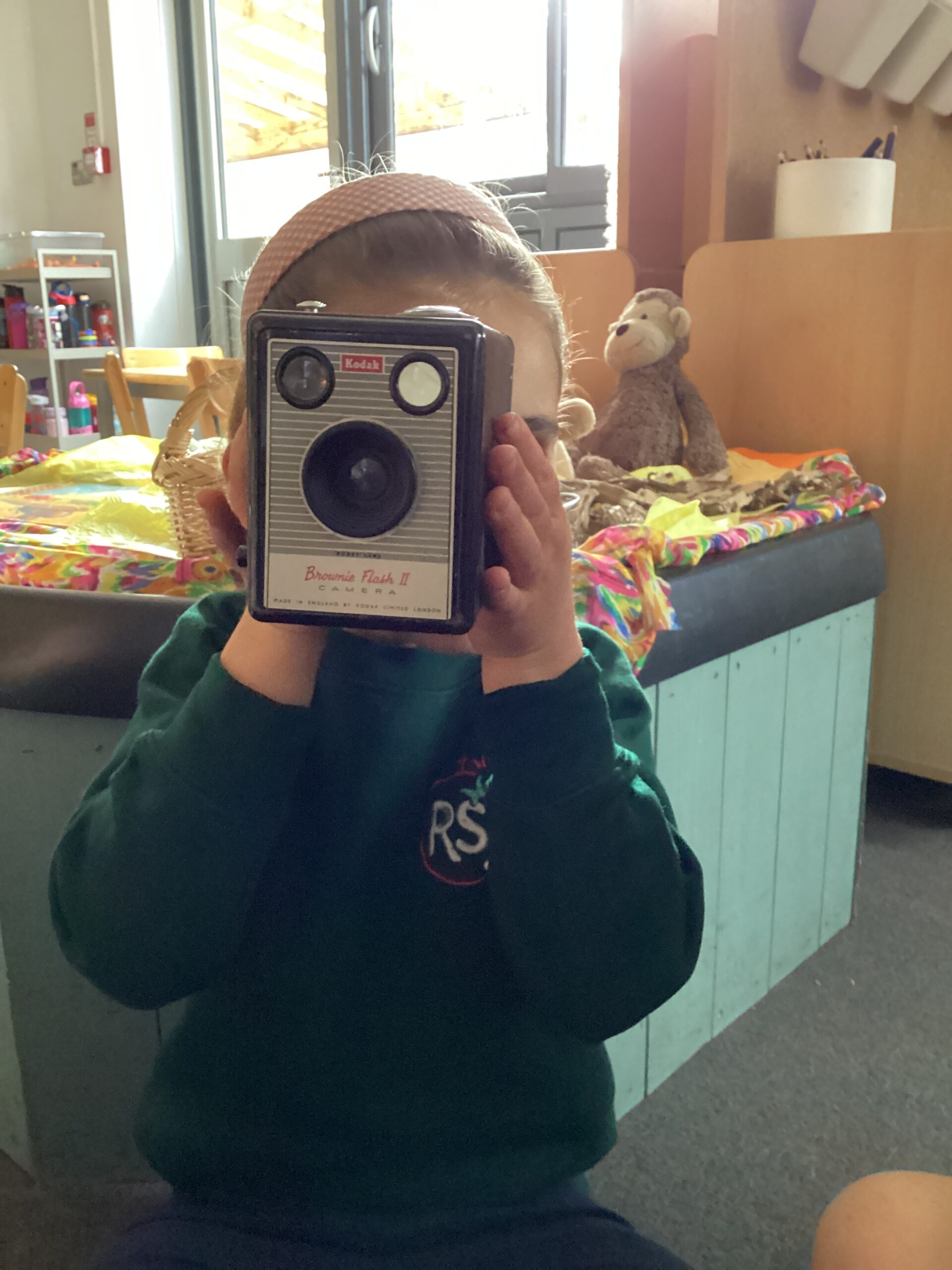
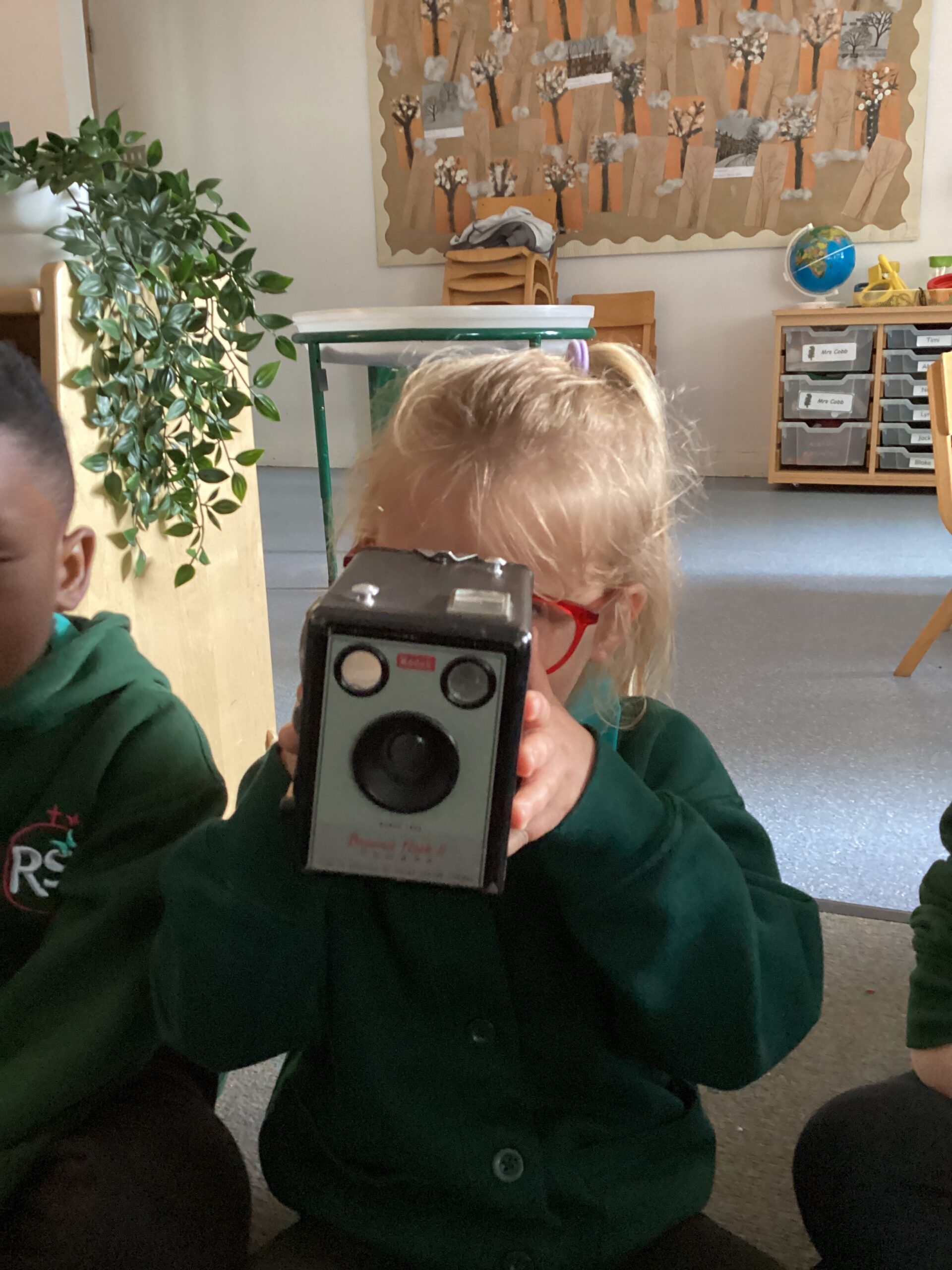
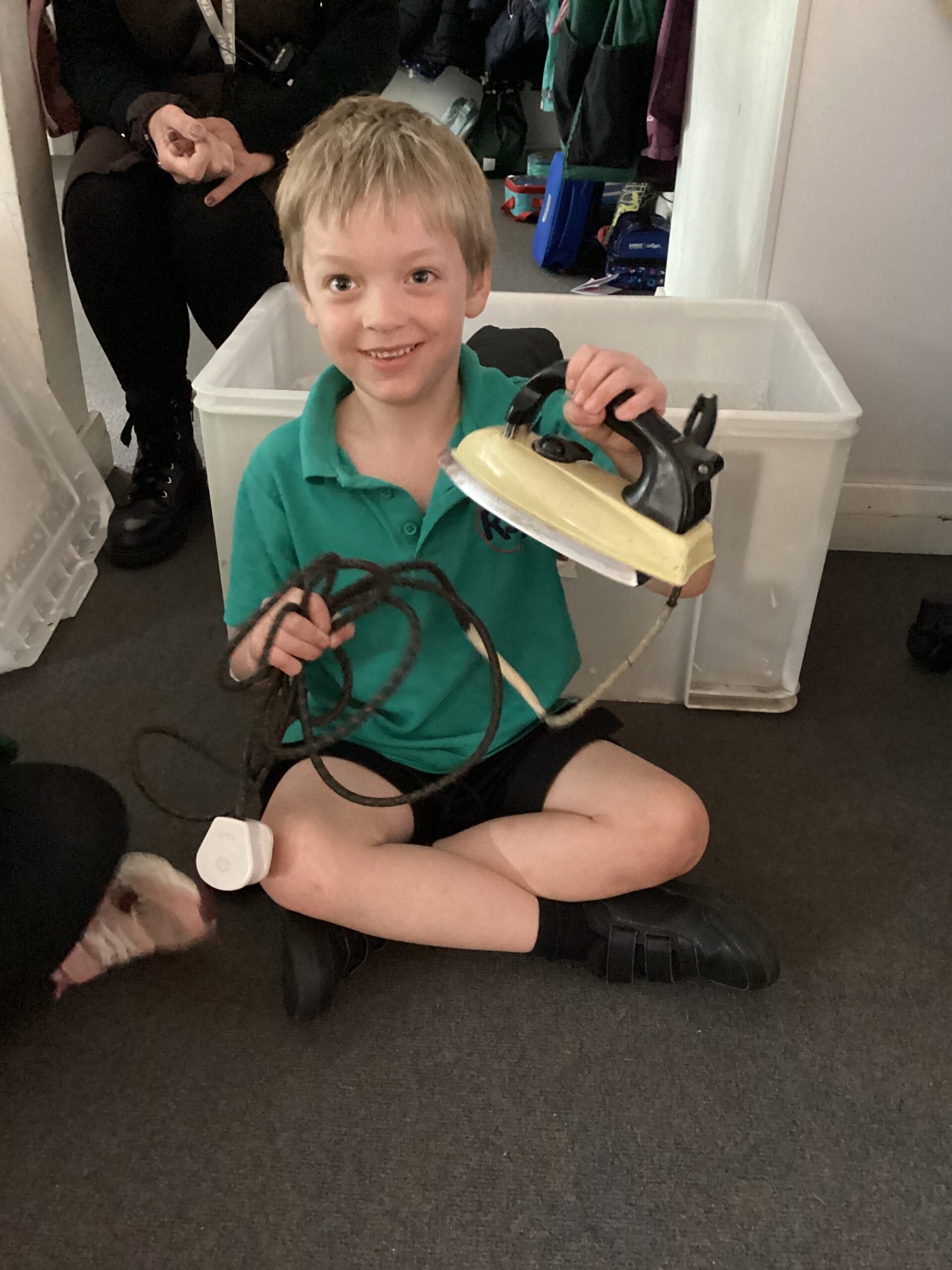
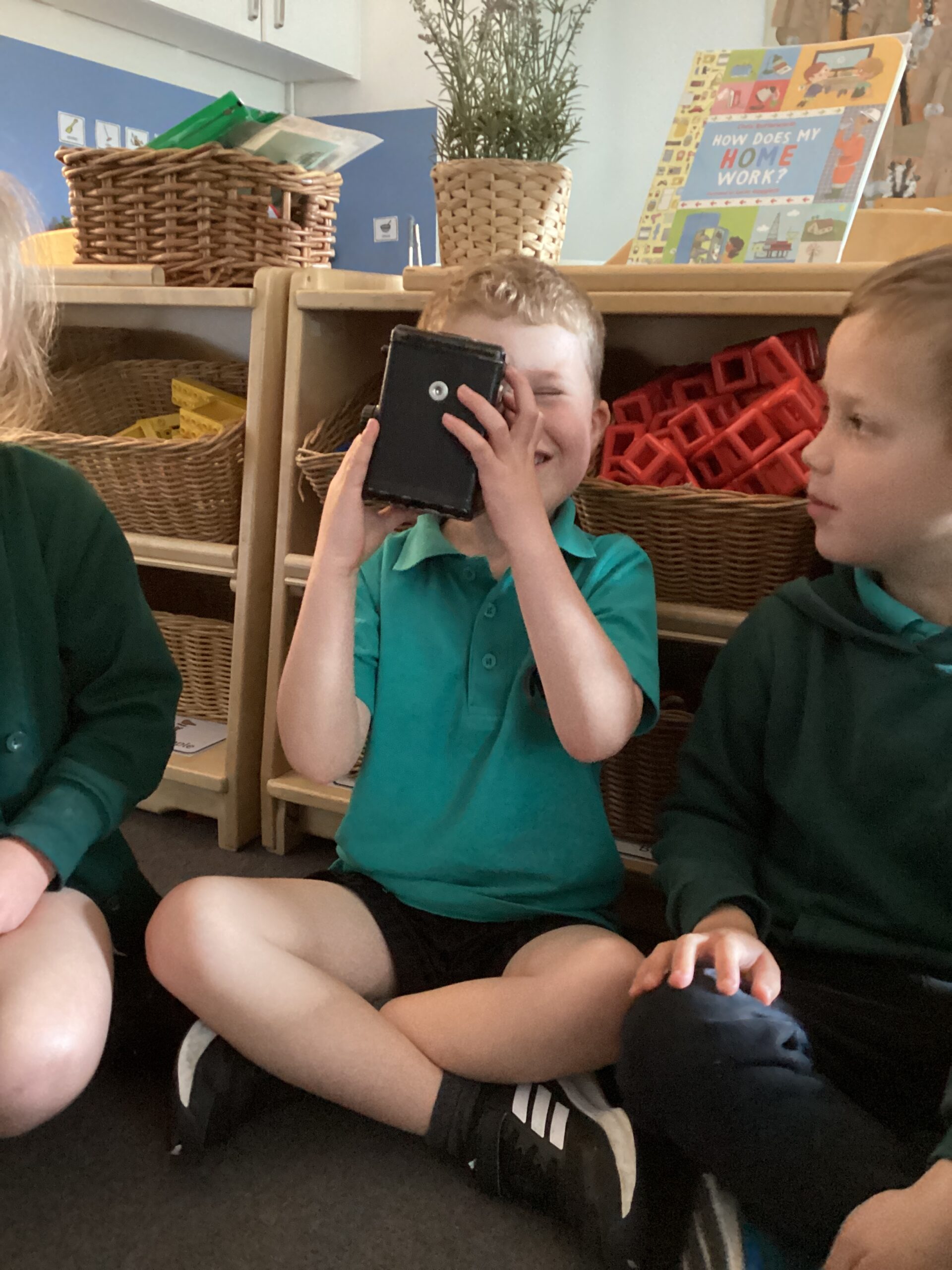
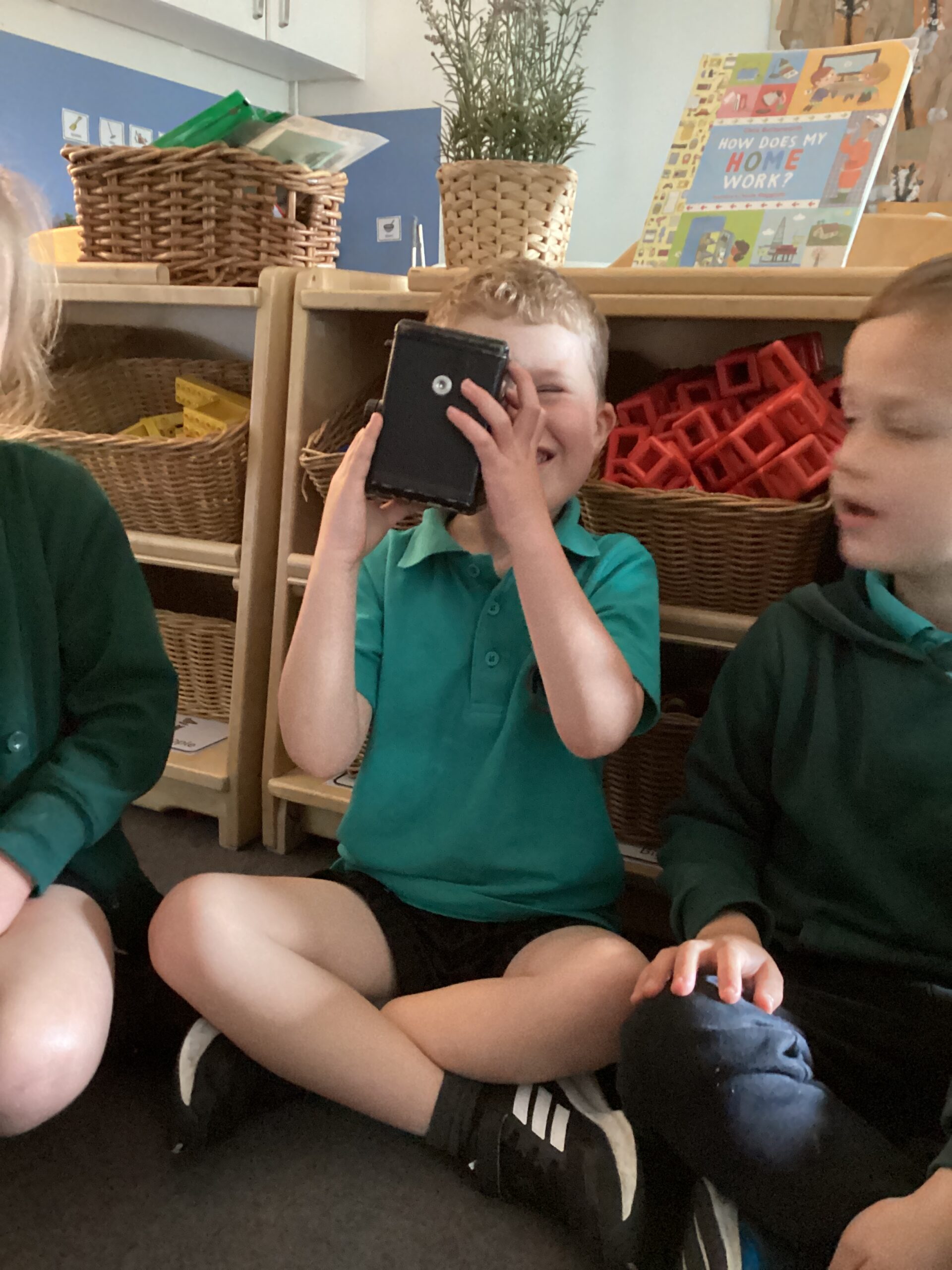
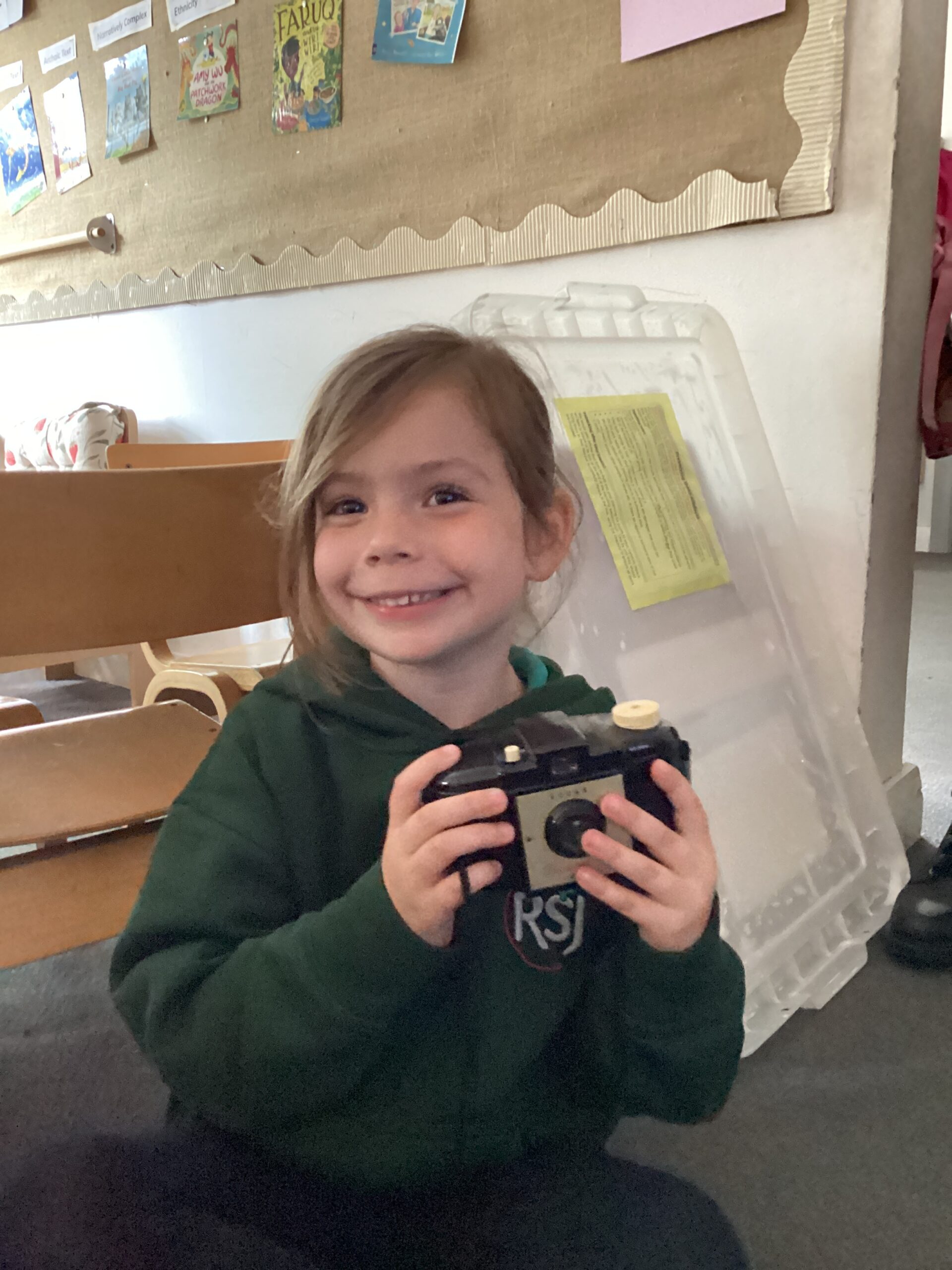
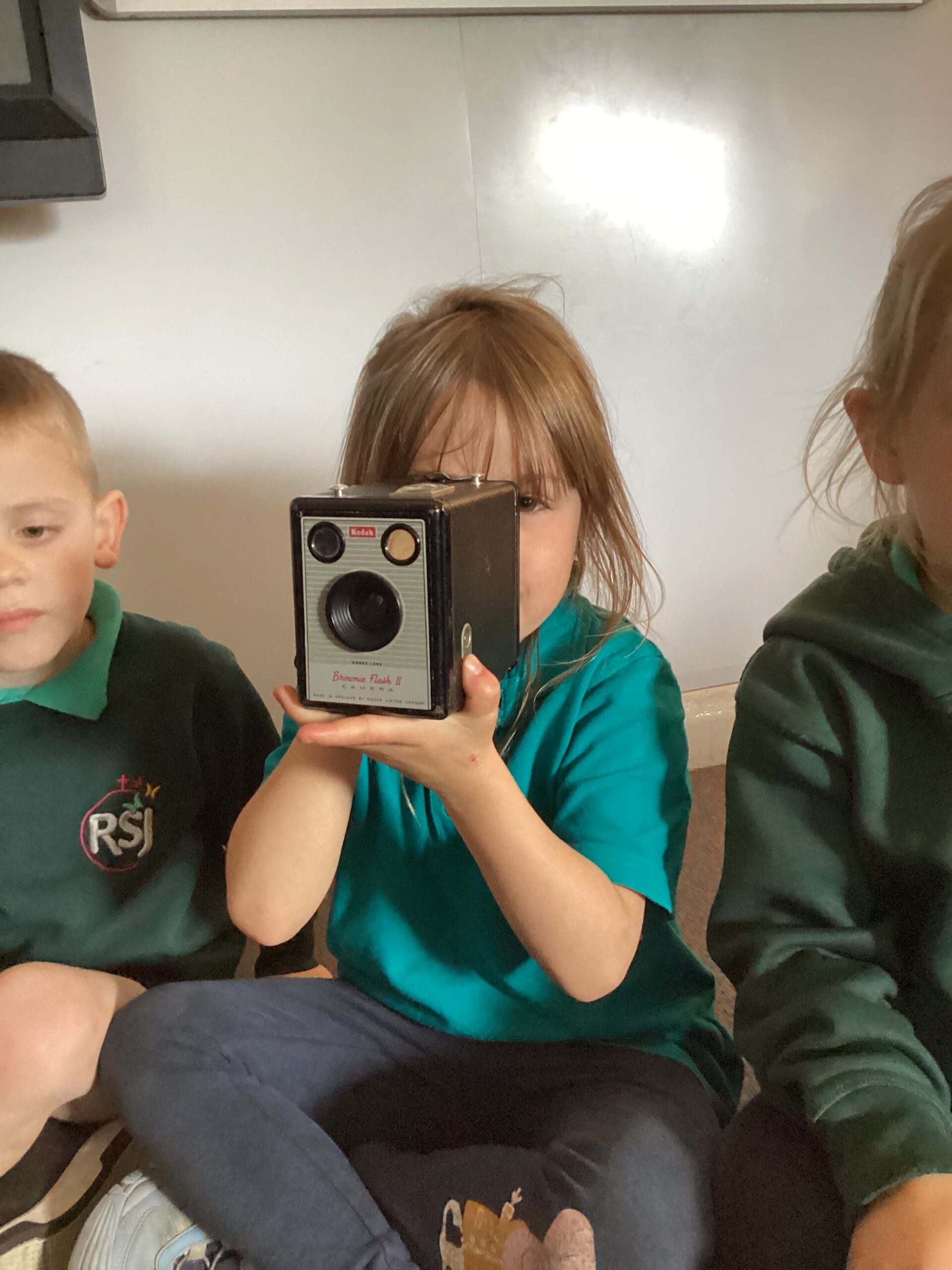
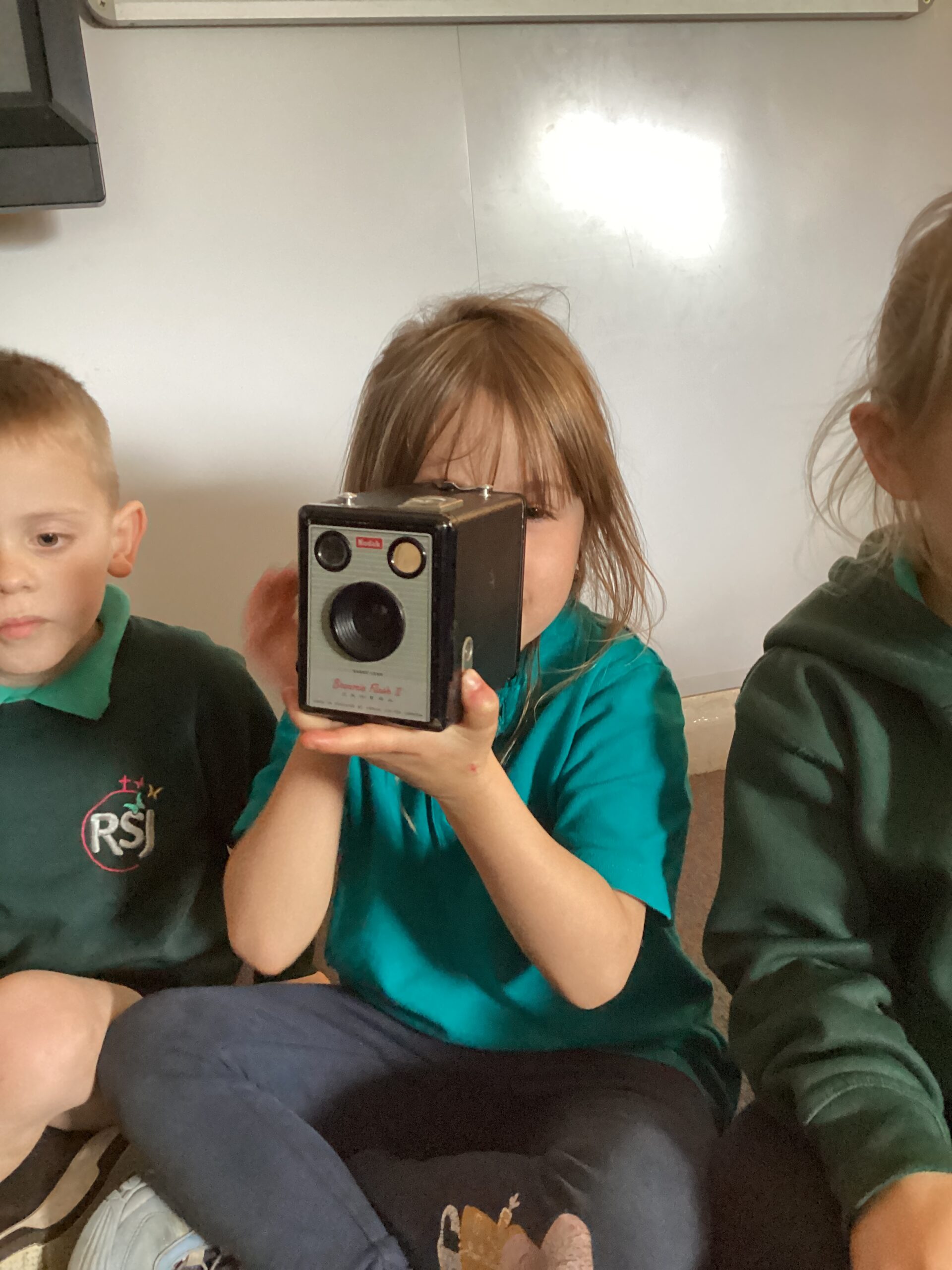
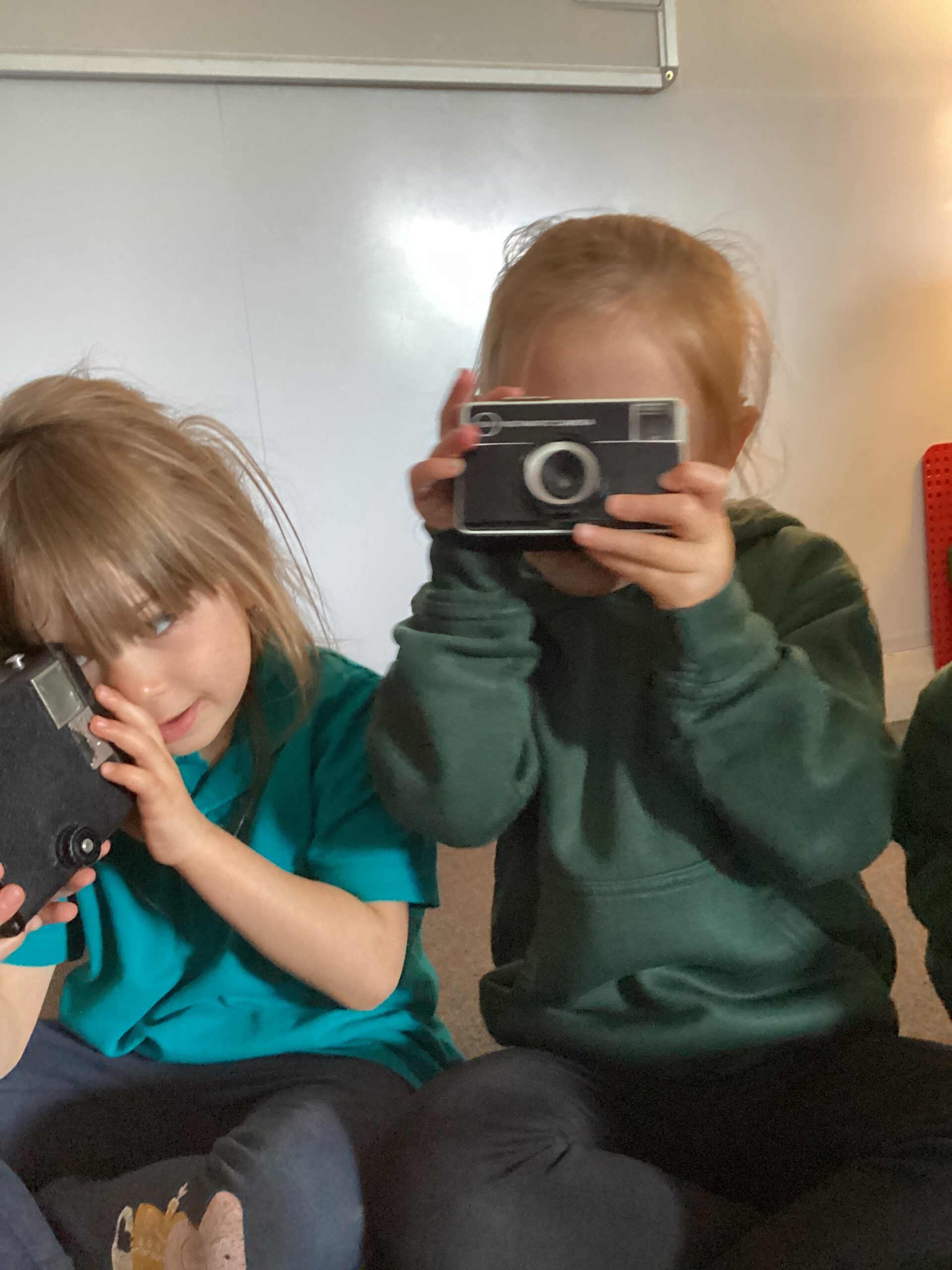
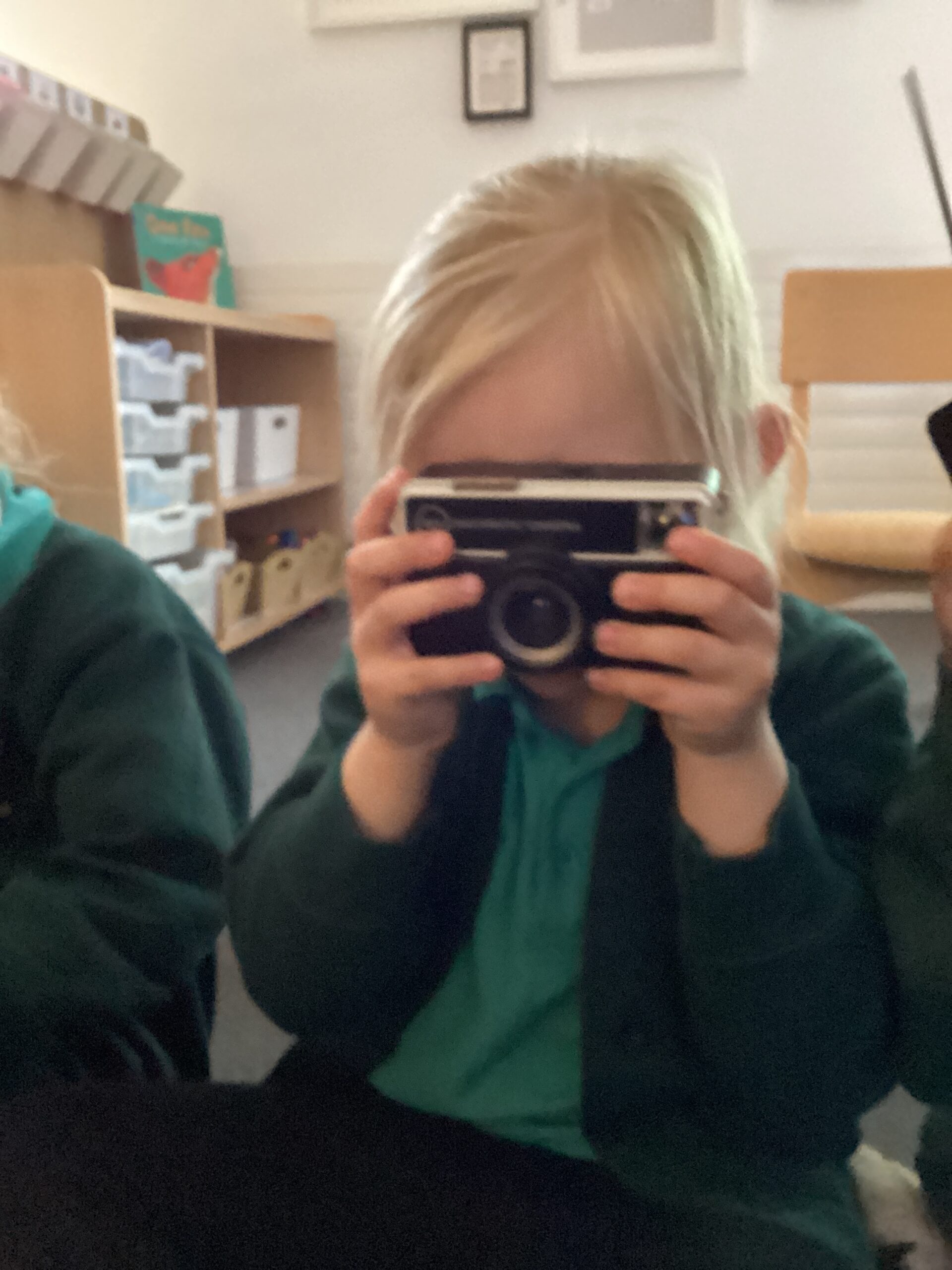
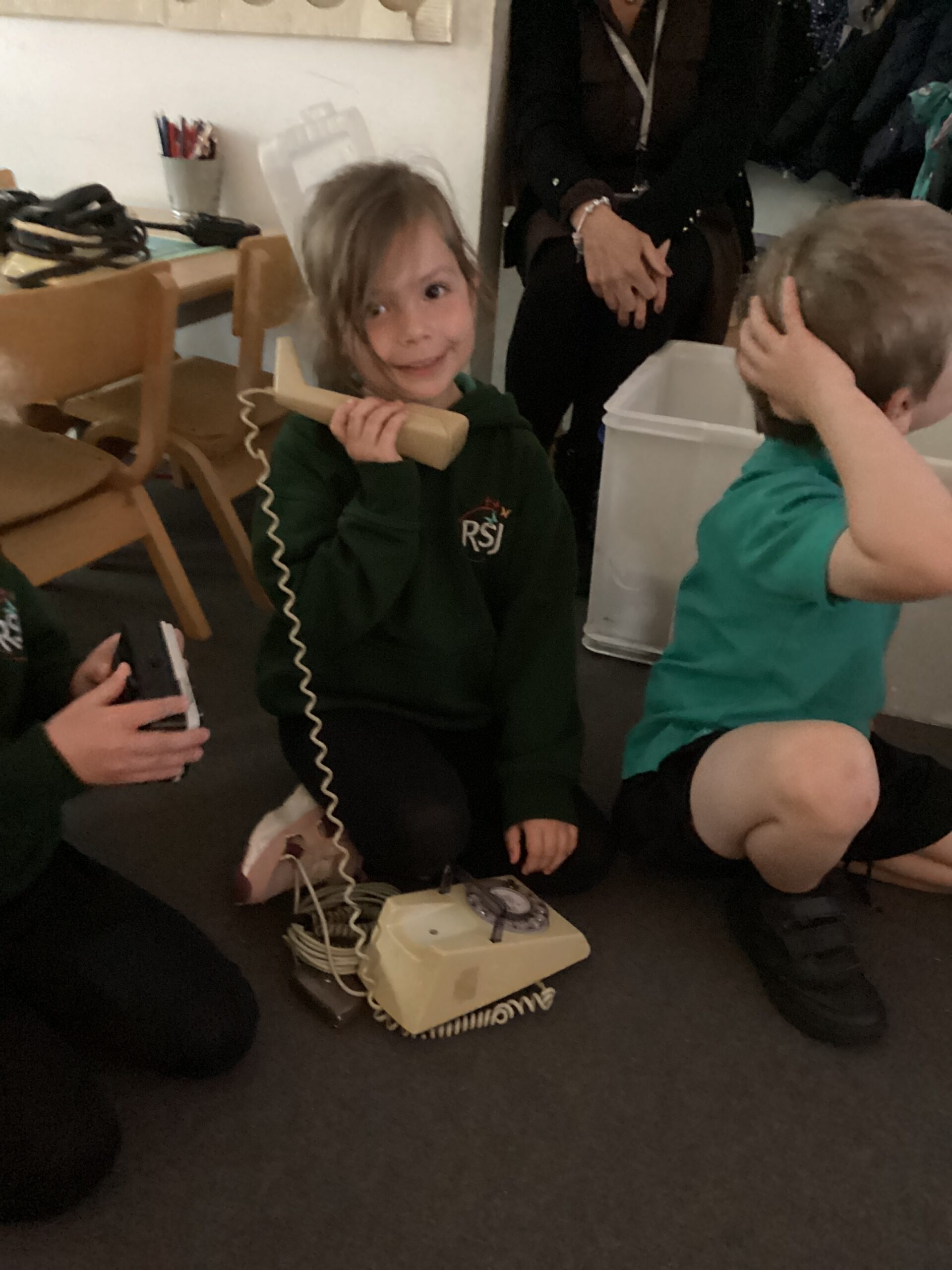
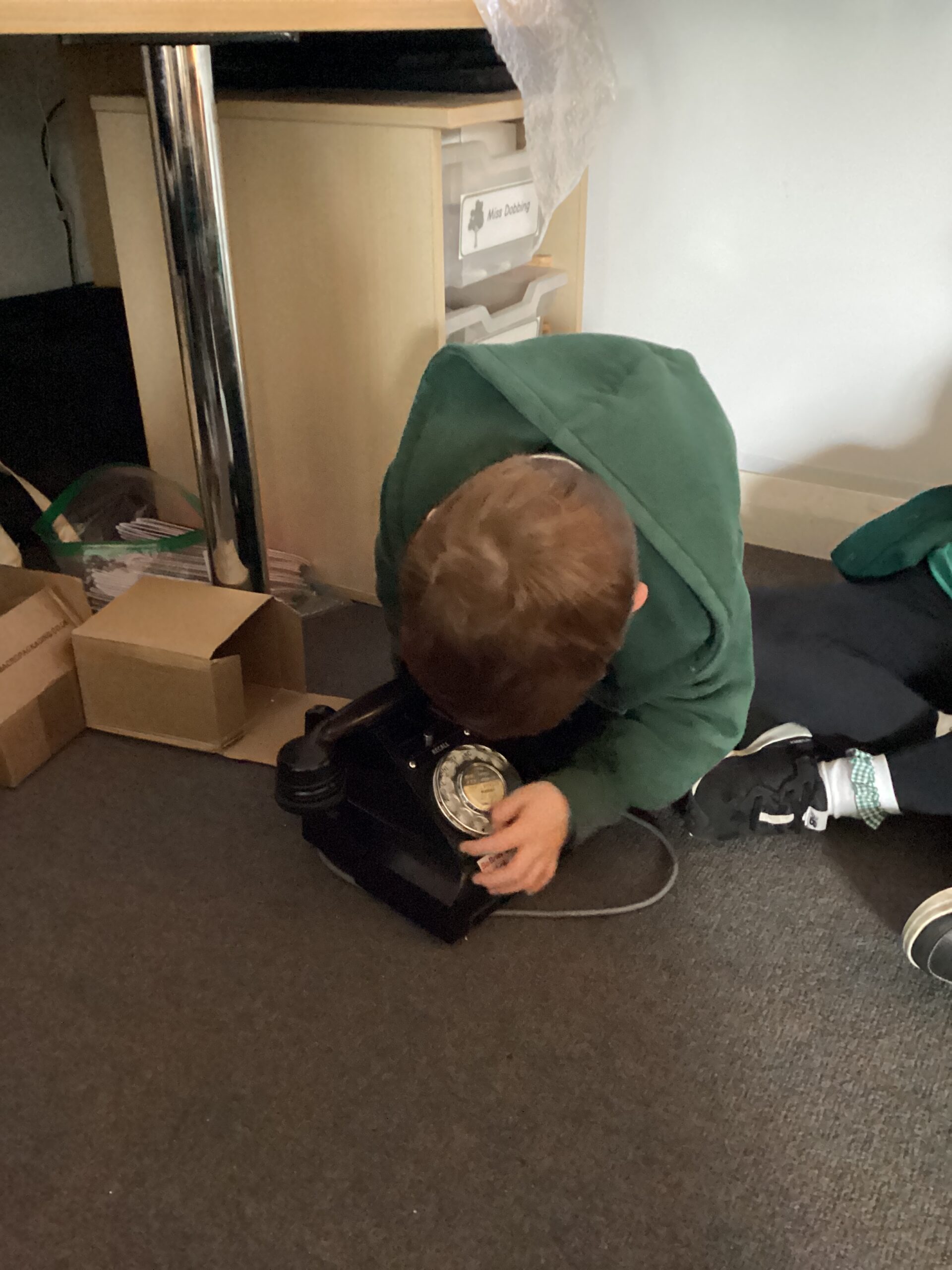
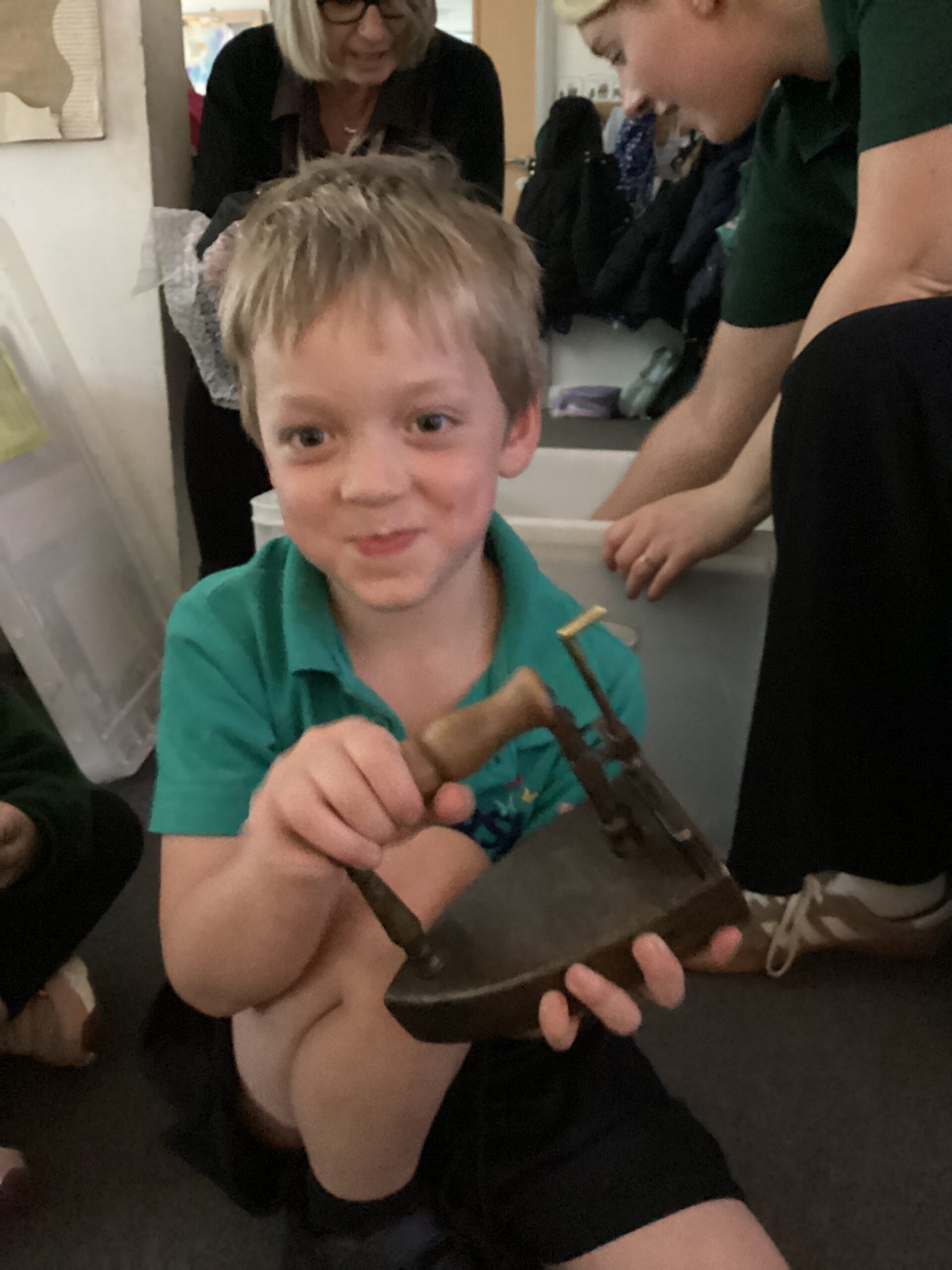
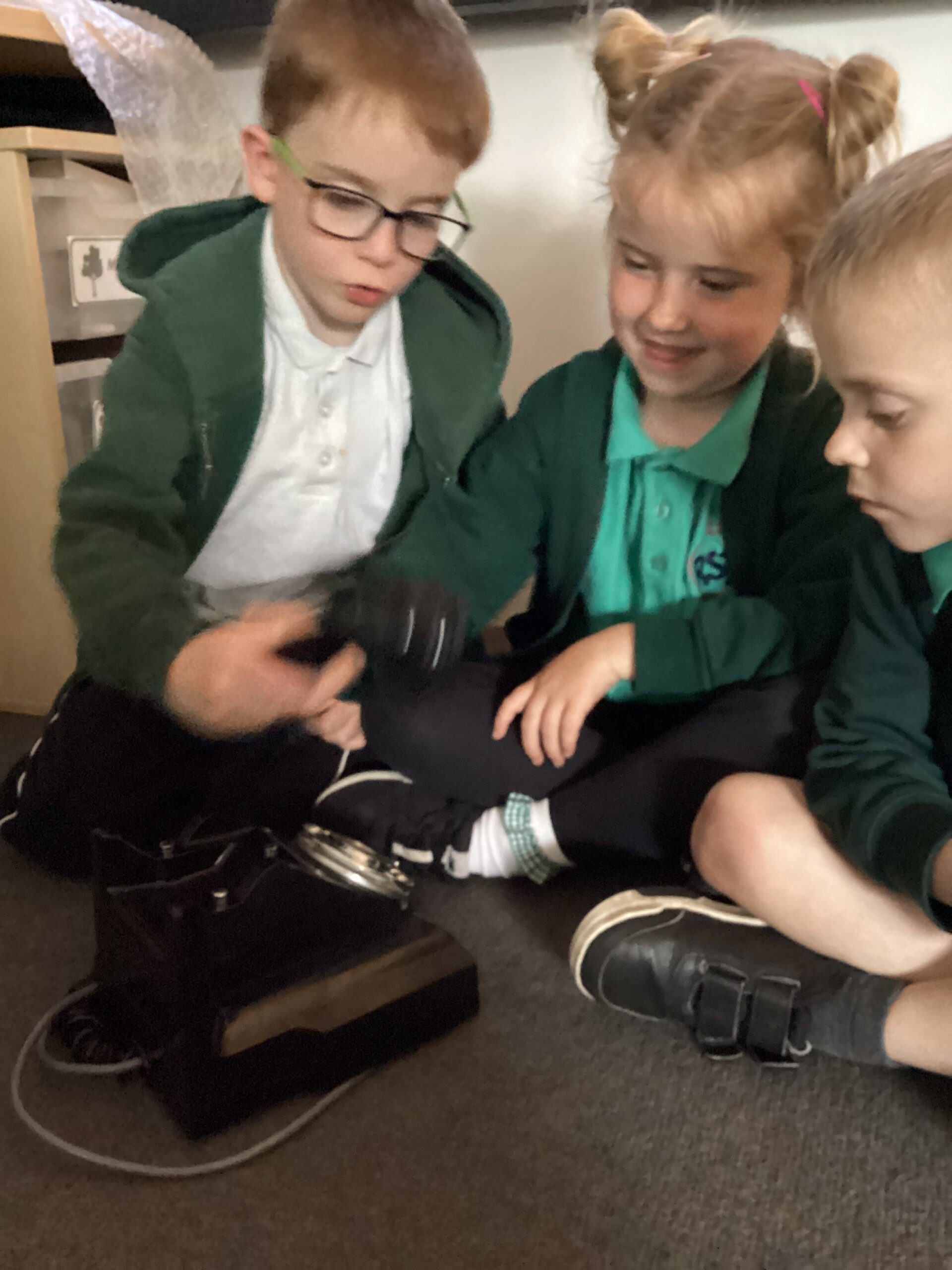
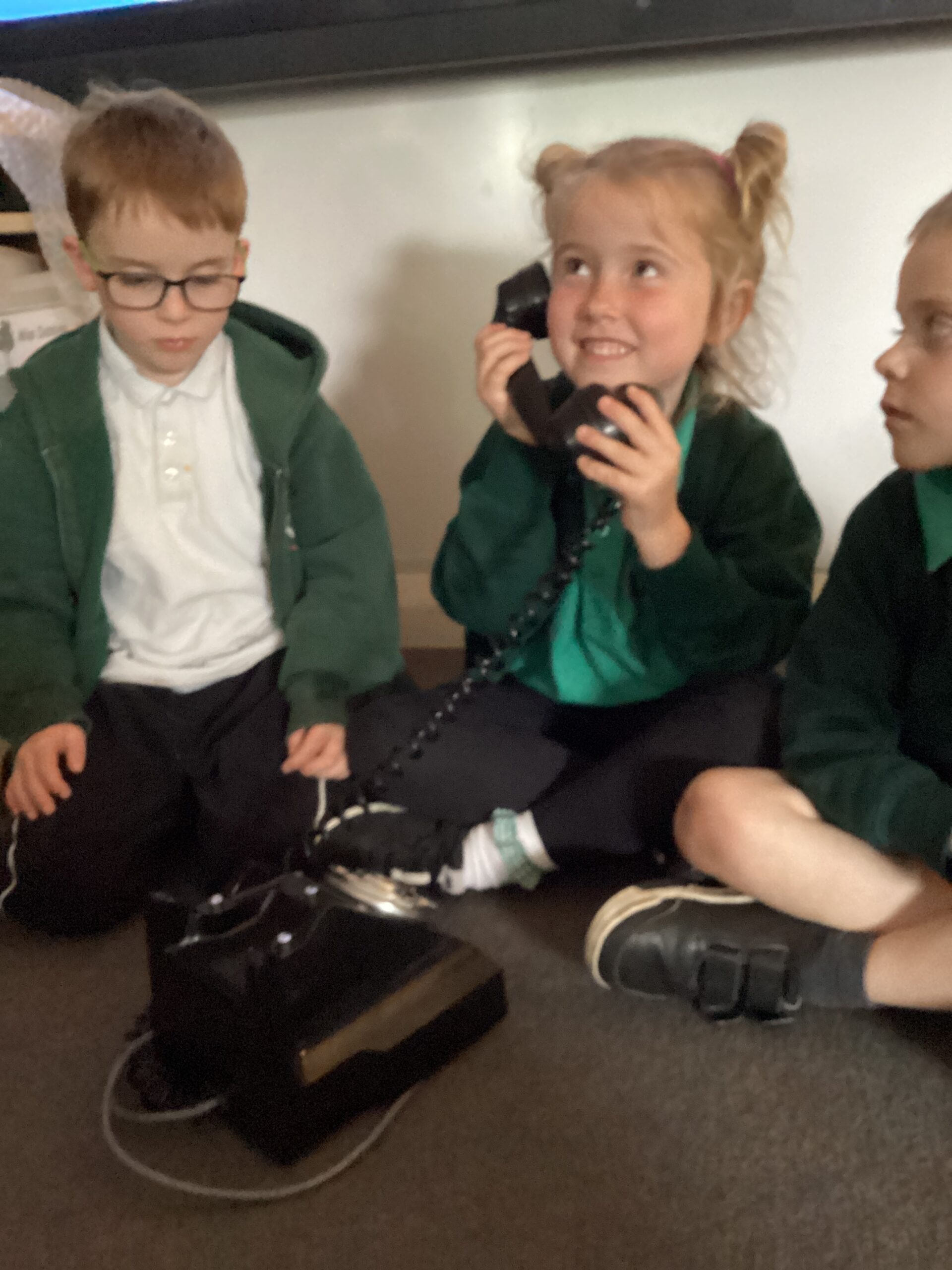
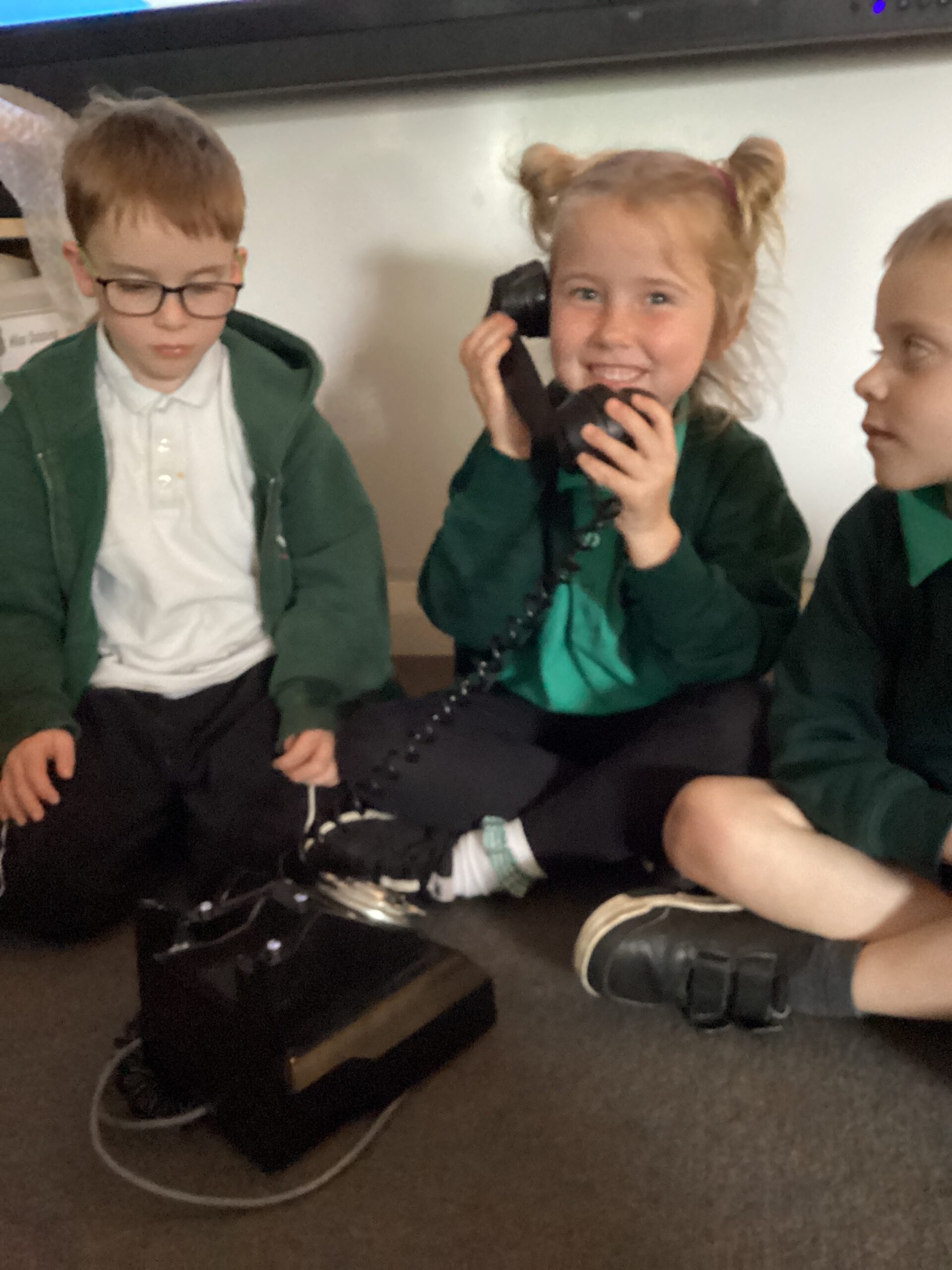
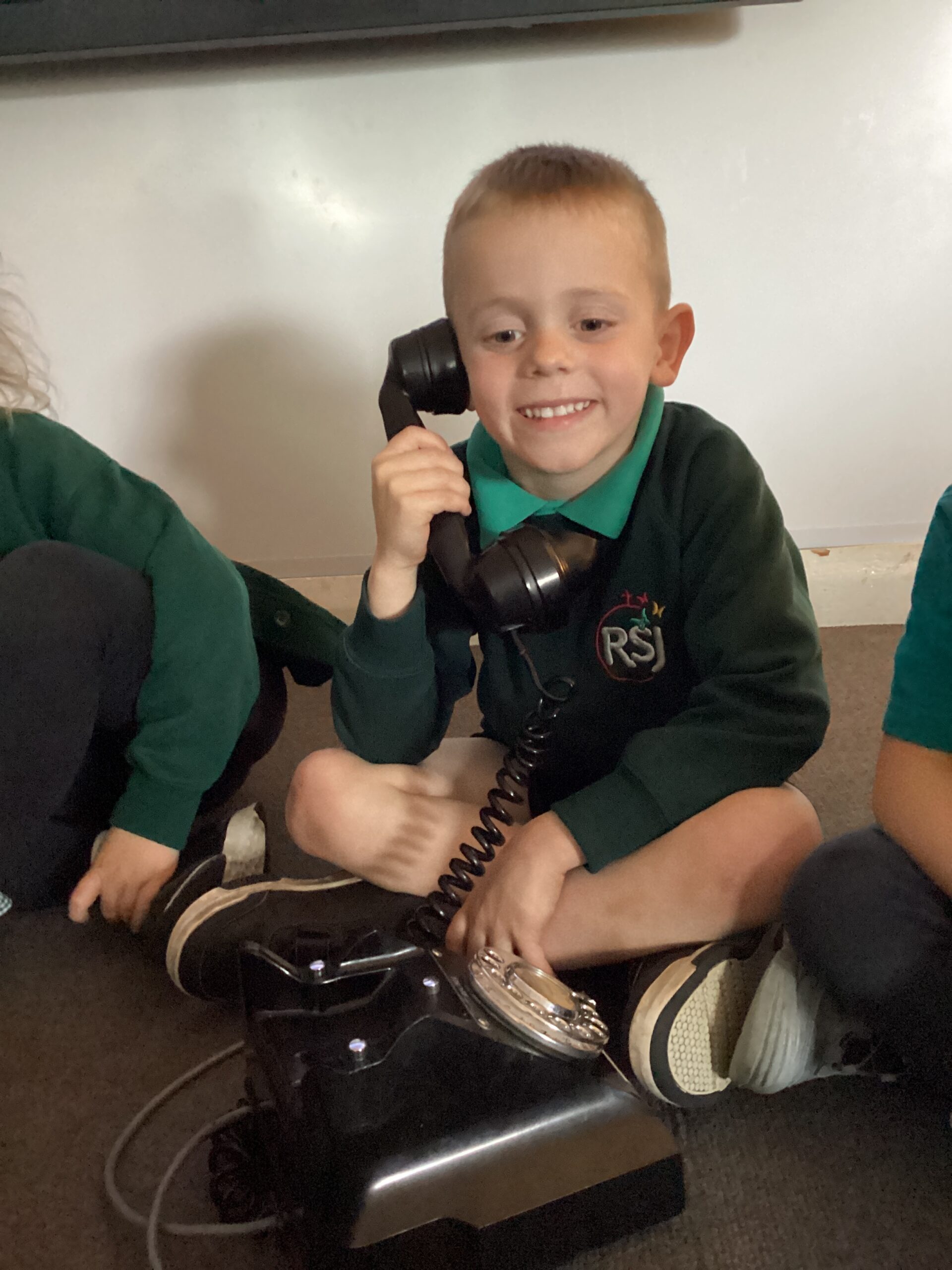
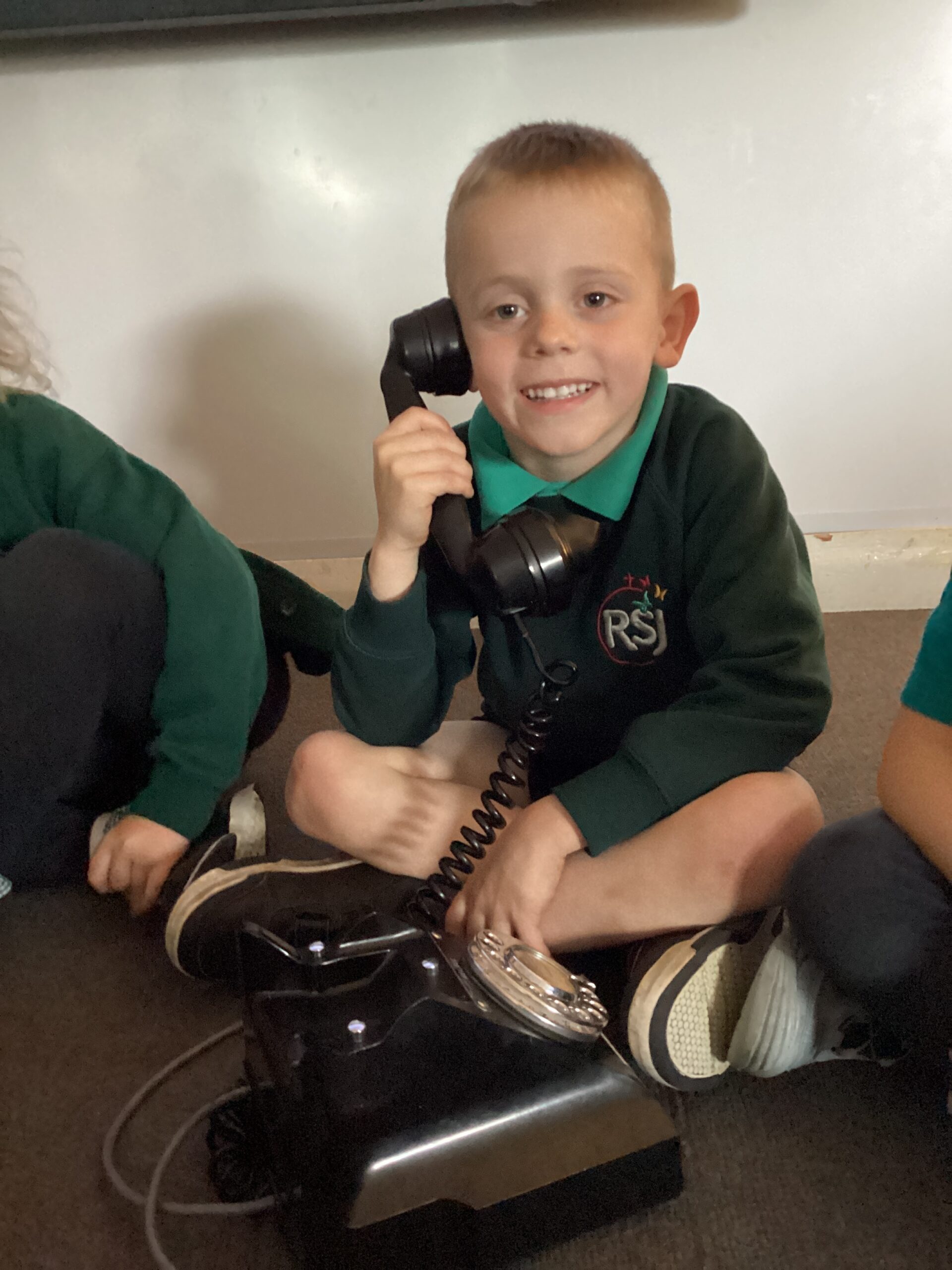
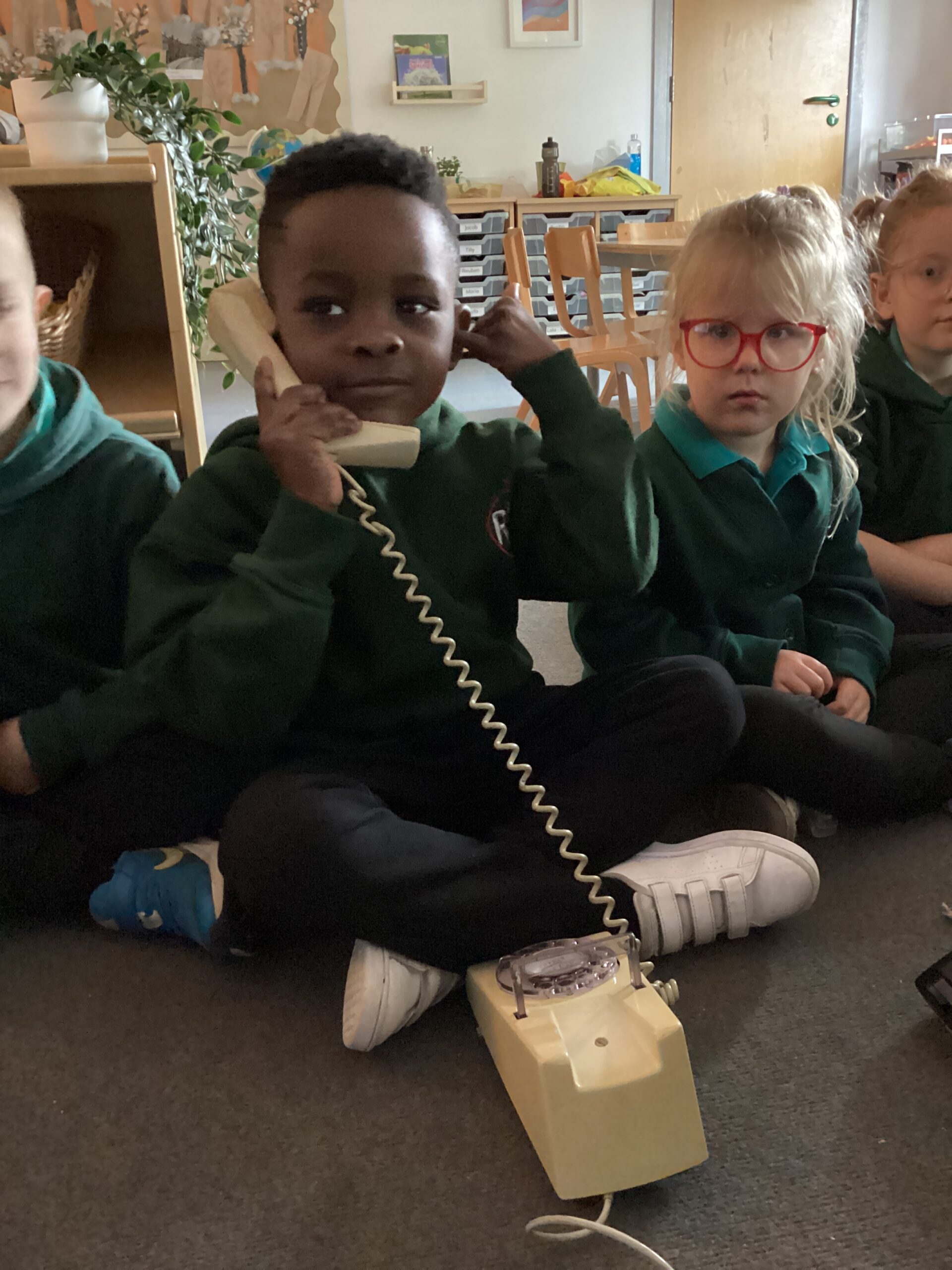
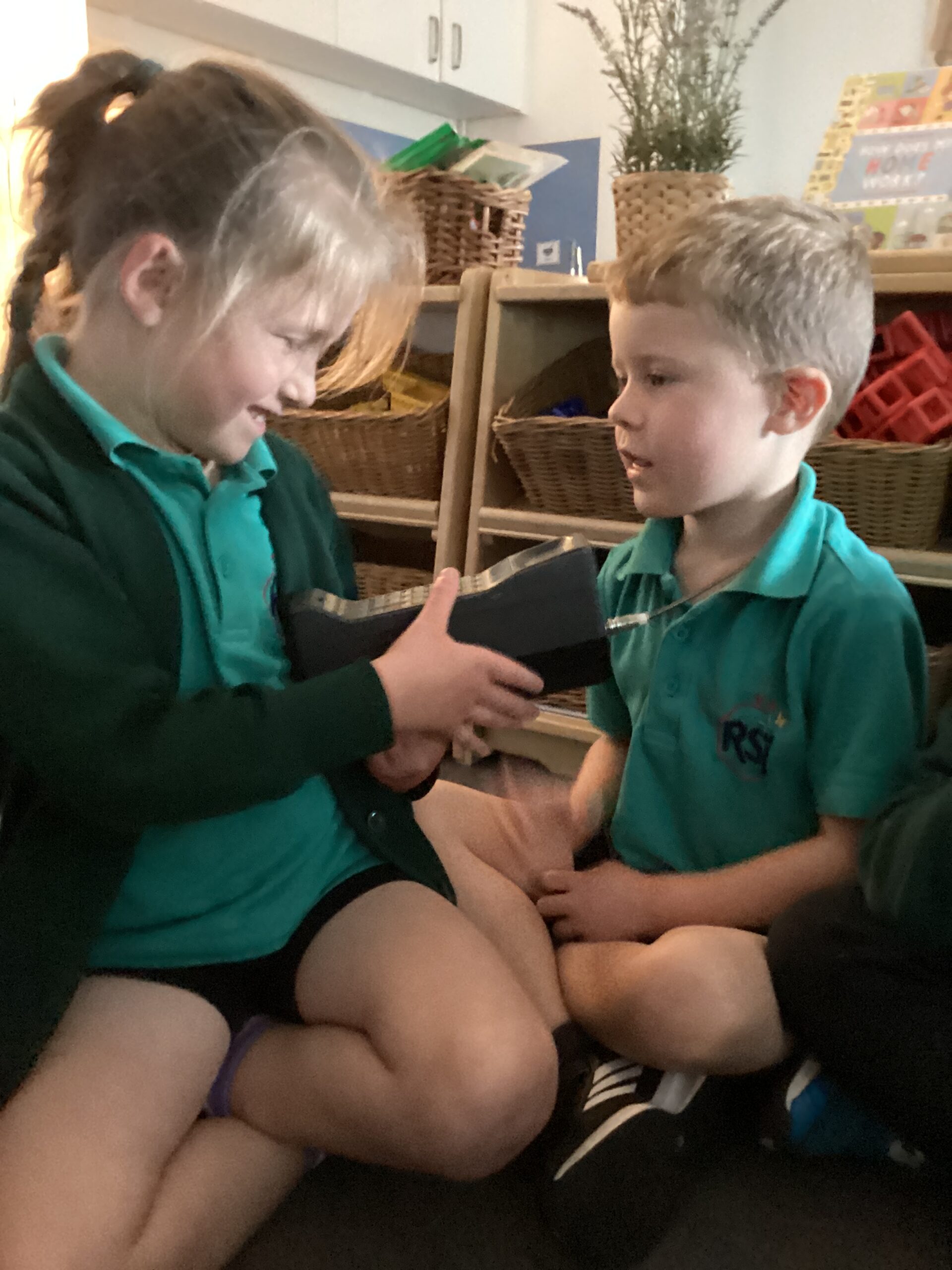
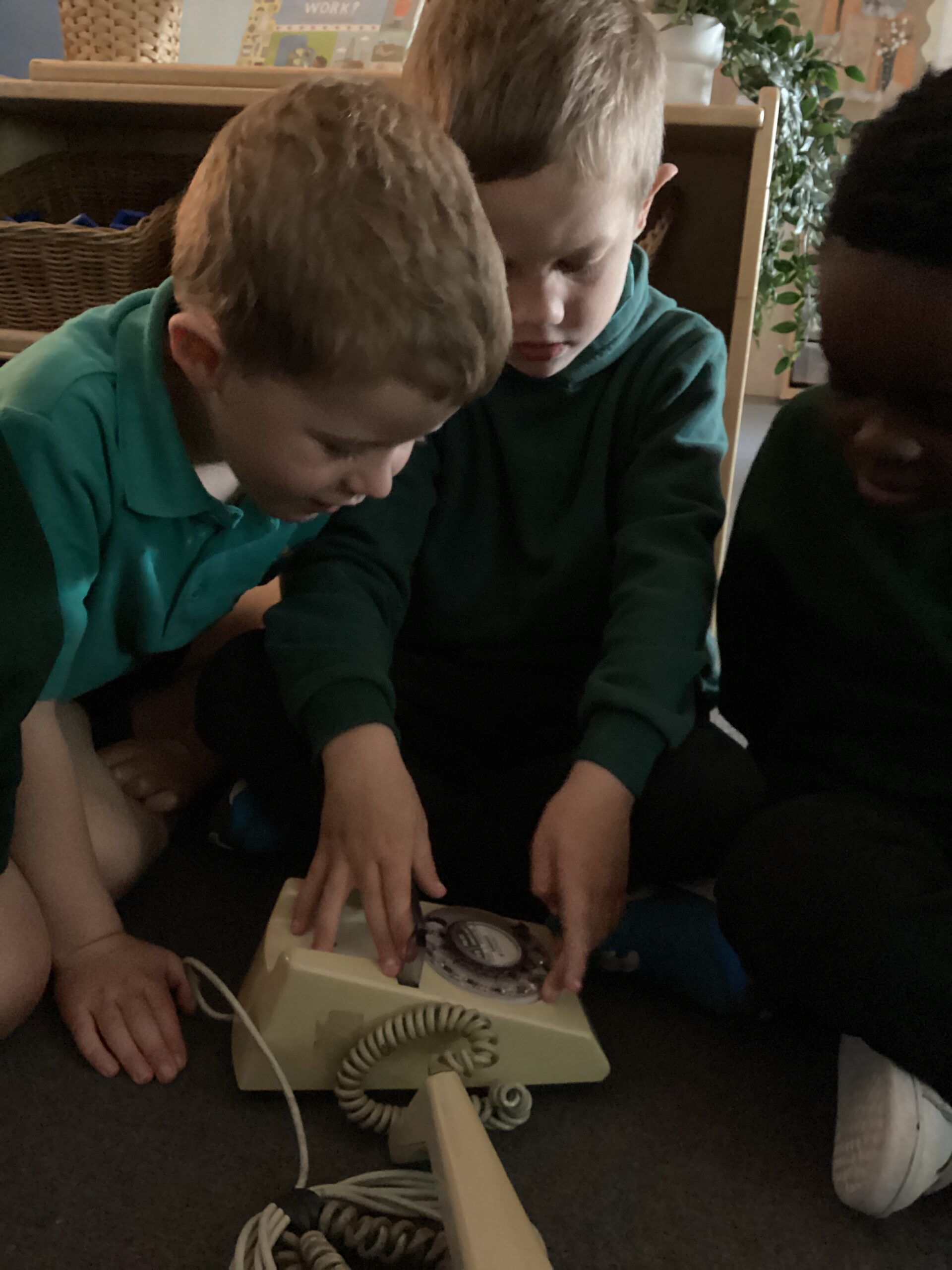
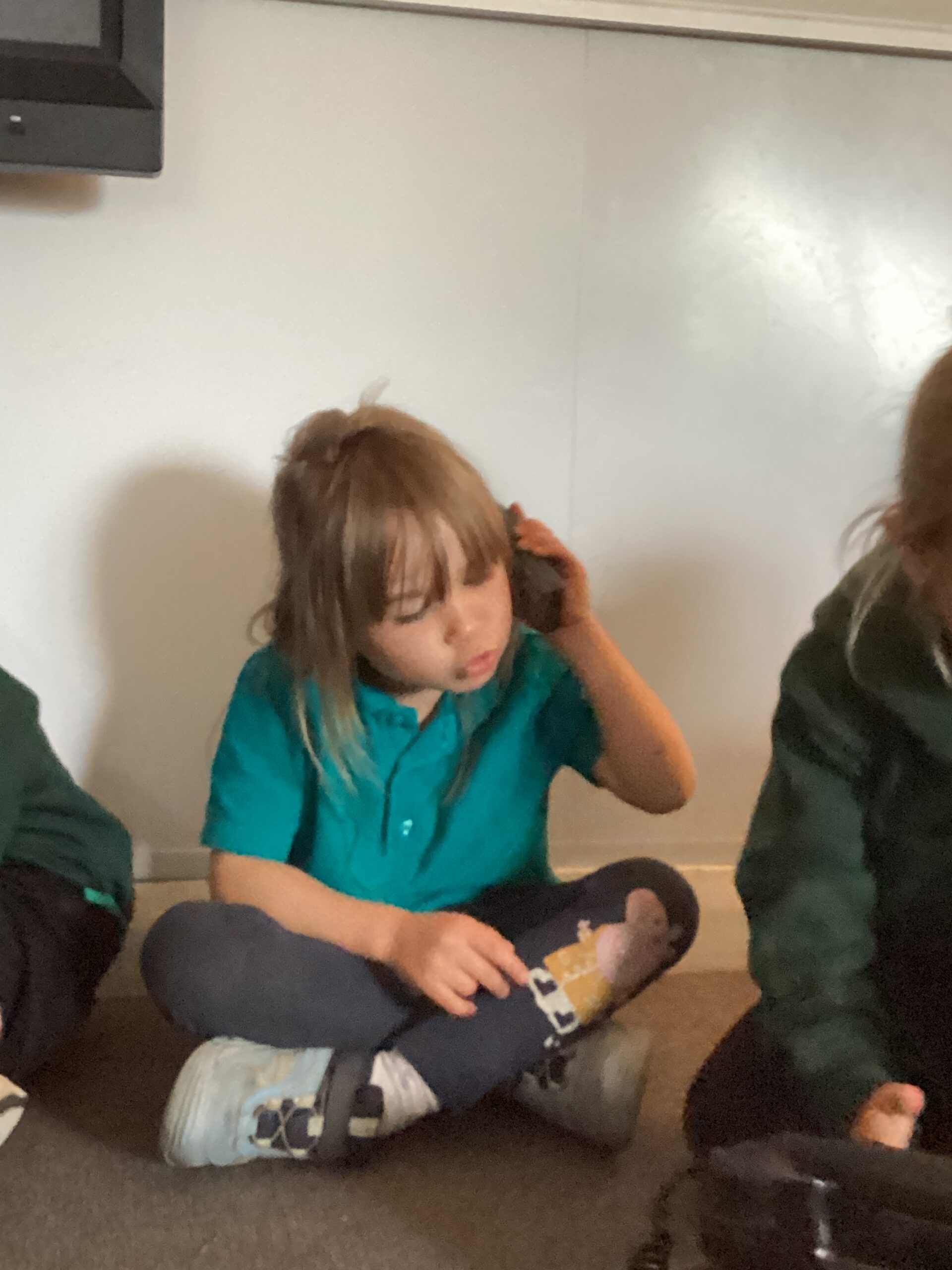
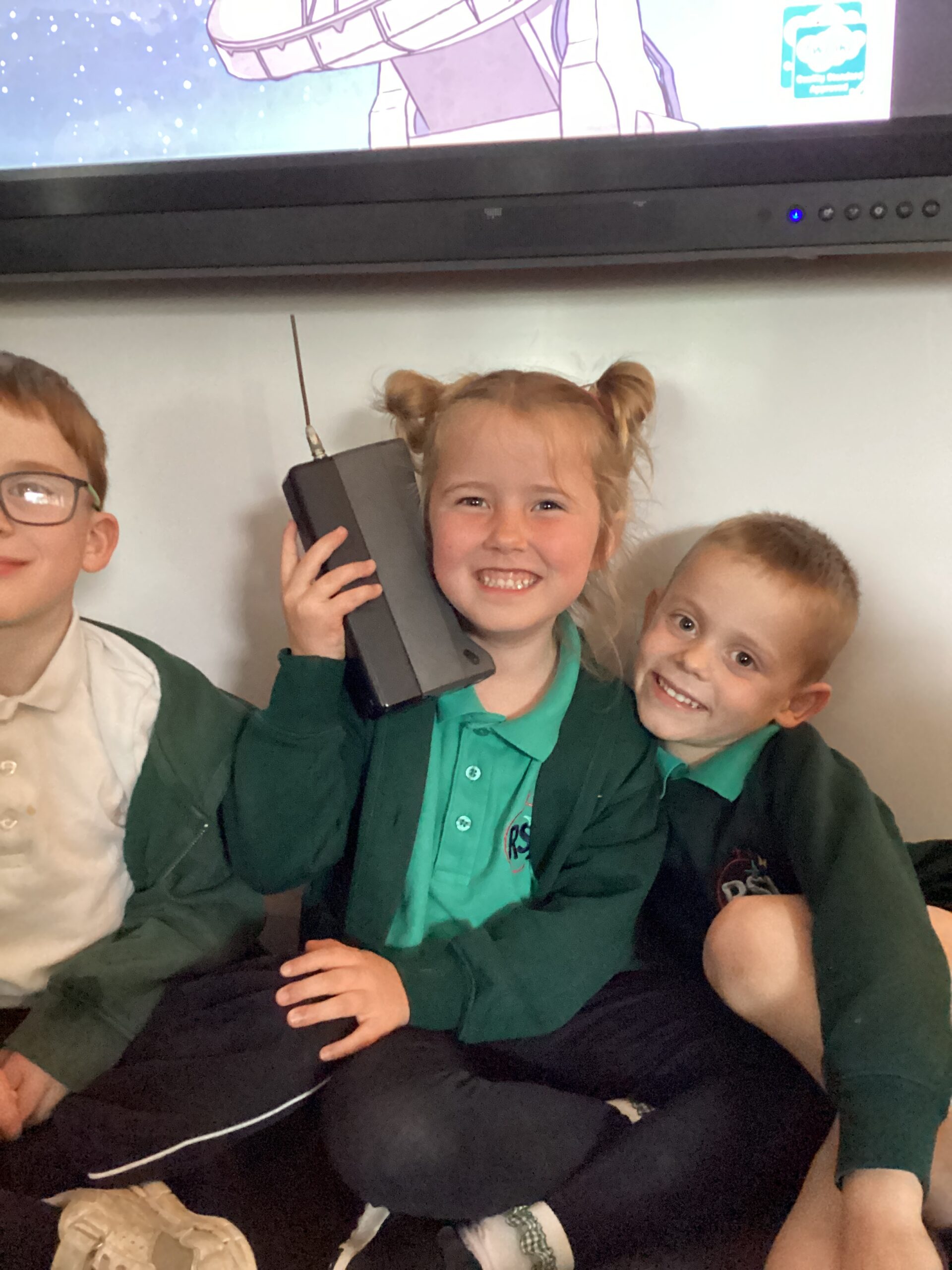
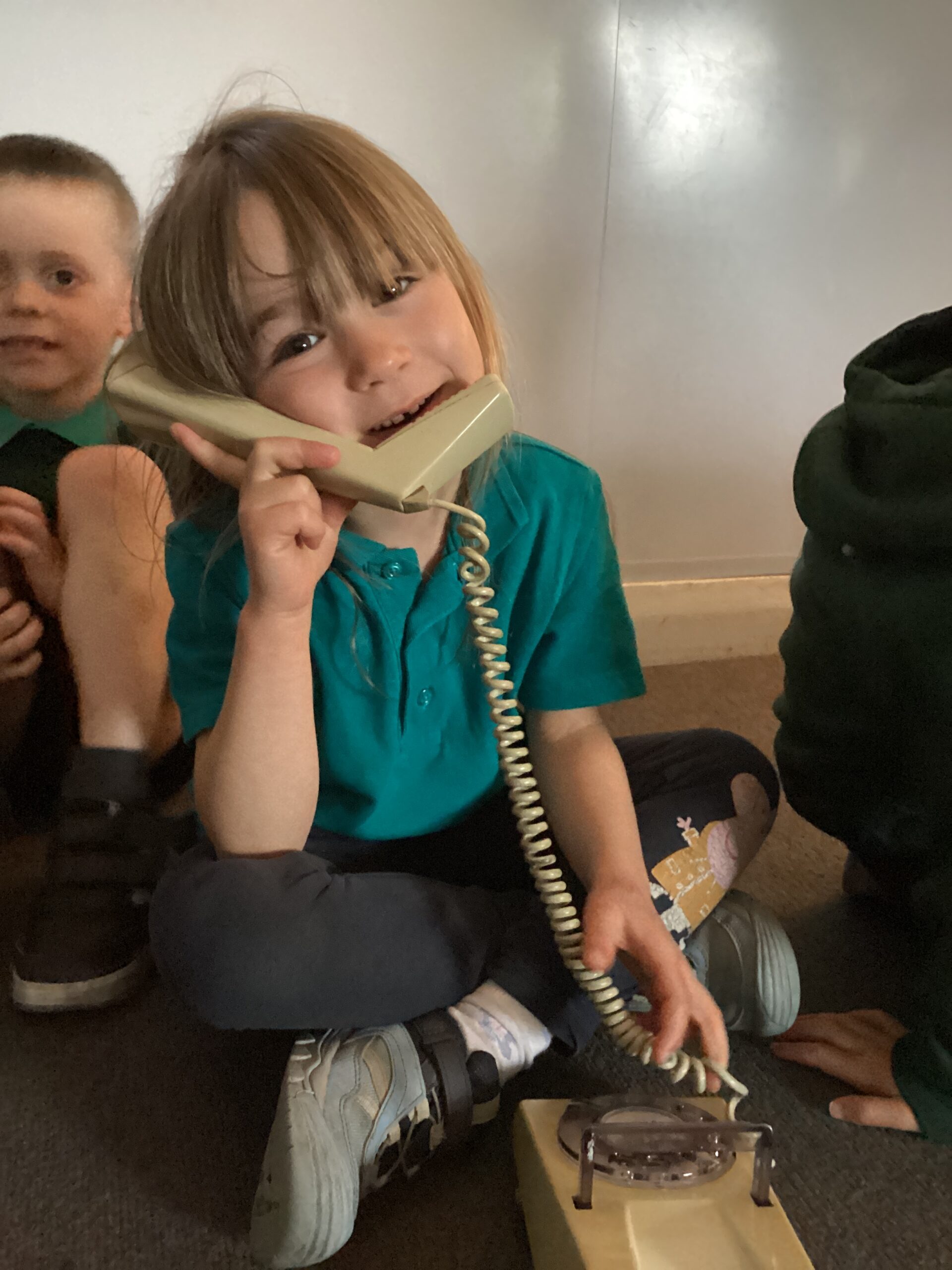
This week, YR enjoyed exploring a fascinating history box filled with artefacts that showed how technology has changed over the years. They were curious and excited to investigate a range of old objects, including cameras, mobile phones, dial telephones, cassette tapes, cassette recorders, typewriters and irons. YR enjoyed comparing the items to technology we use today and talked about how things have changed over time. They asked questions, shared their ideas and handled the artefacts with care. This hands-on experience helped YR develop an understanding of the past while encouraging curiosity about how people lived and communicated years ago.
Team 1 / 2:
A Fantastic RE Day with Southampton City Mission
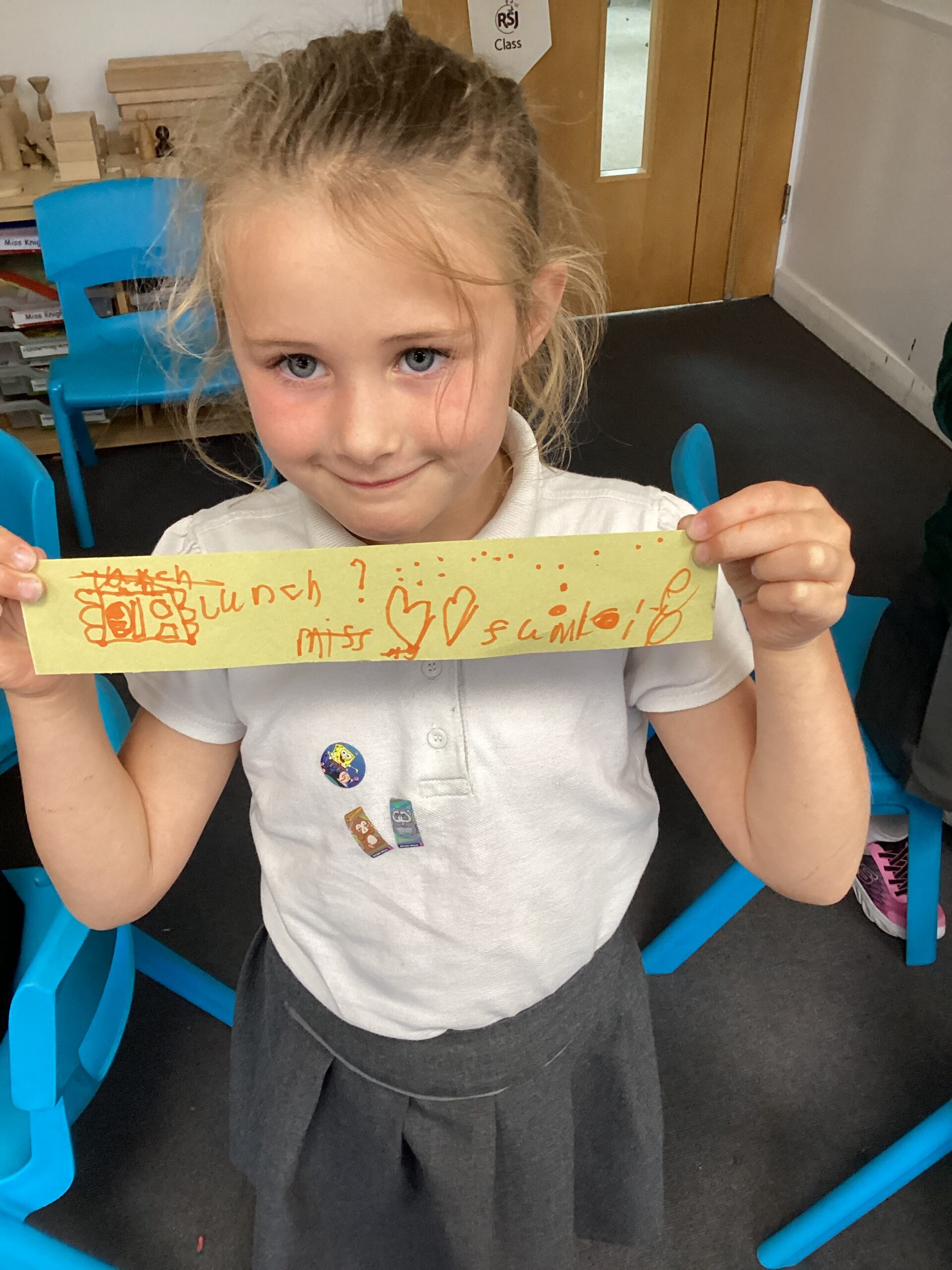
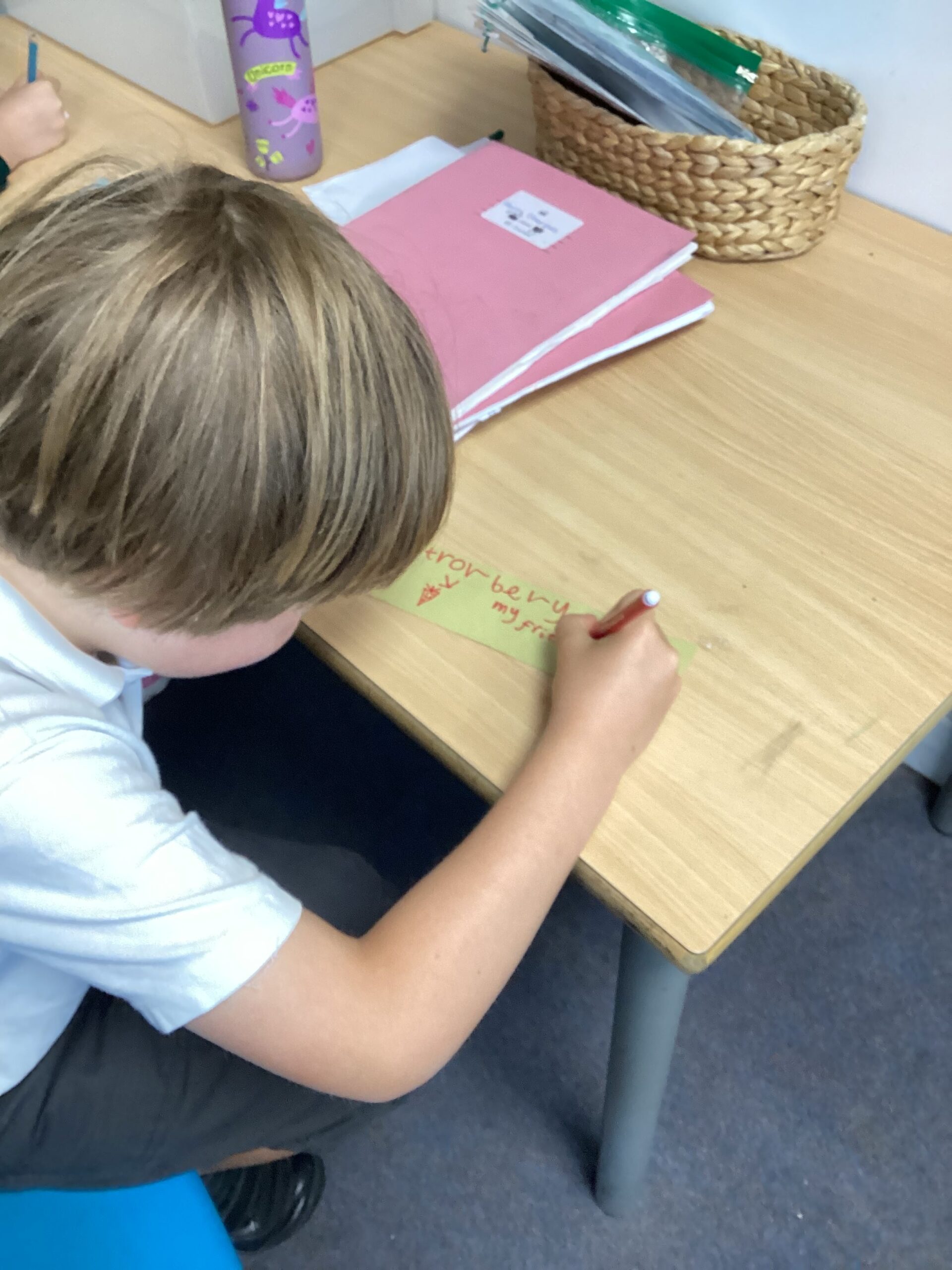
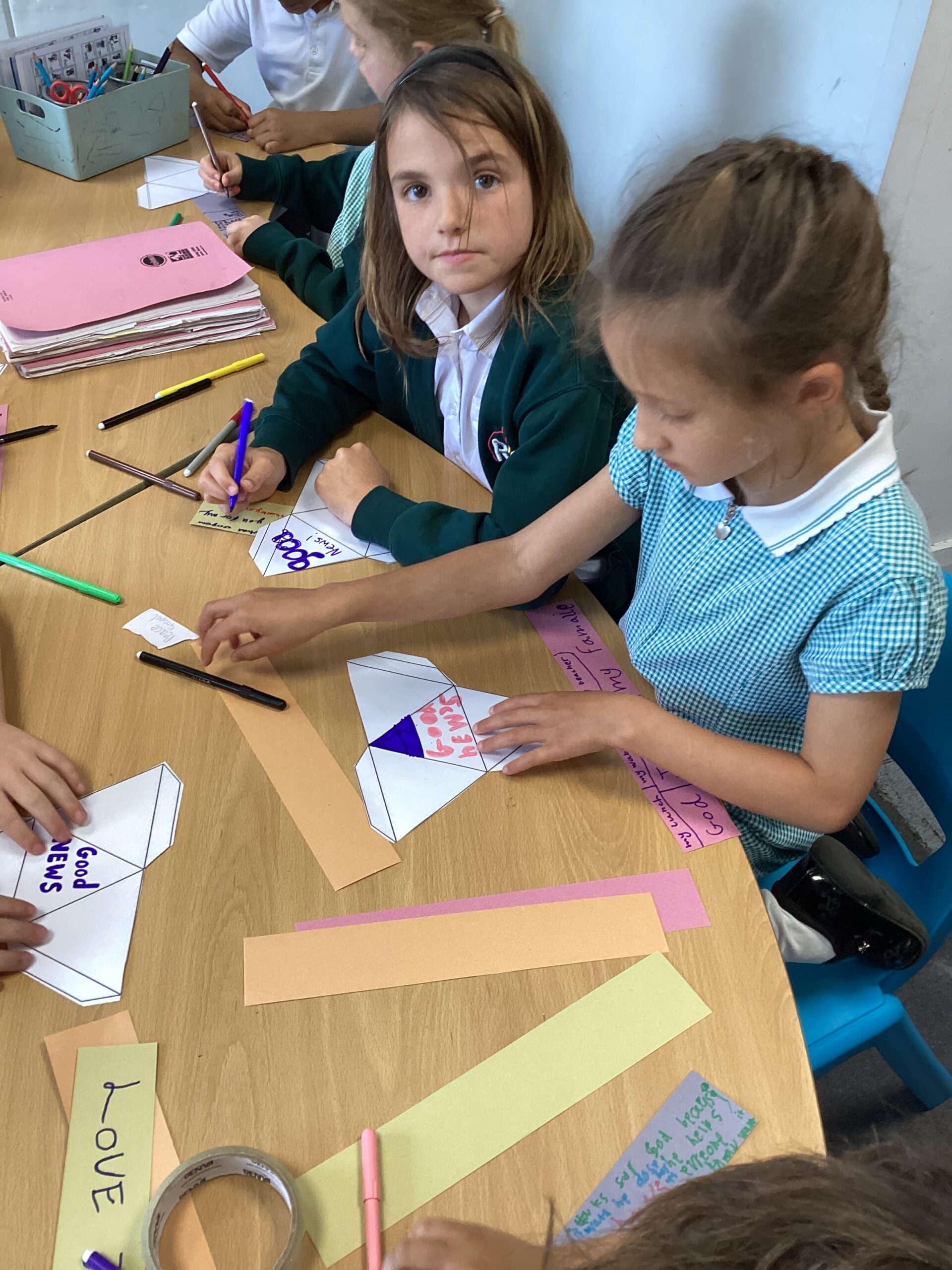
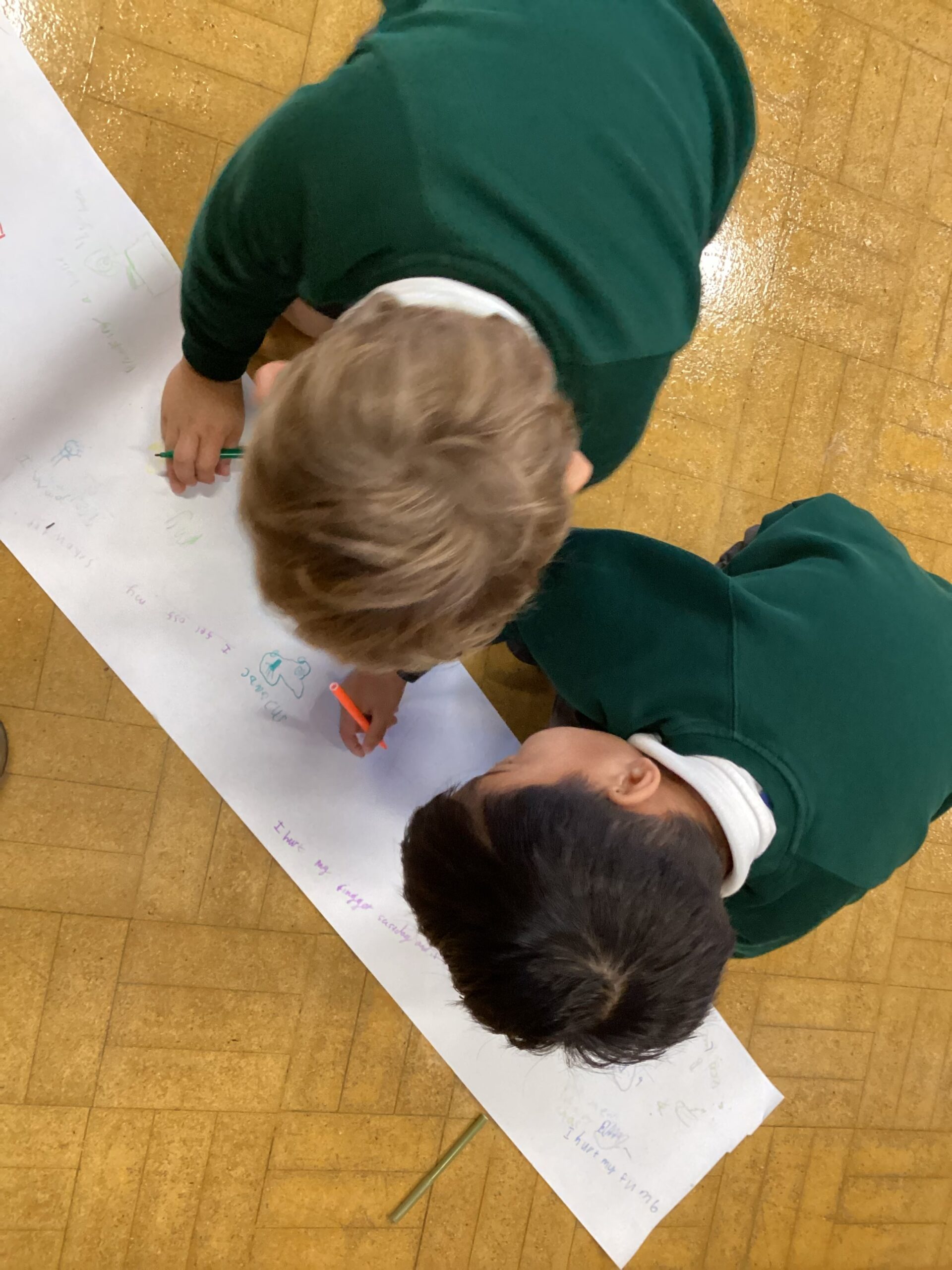
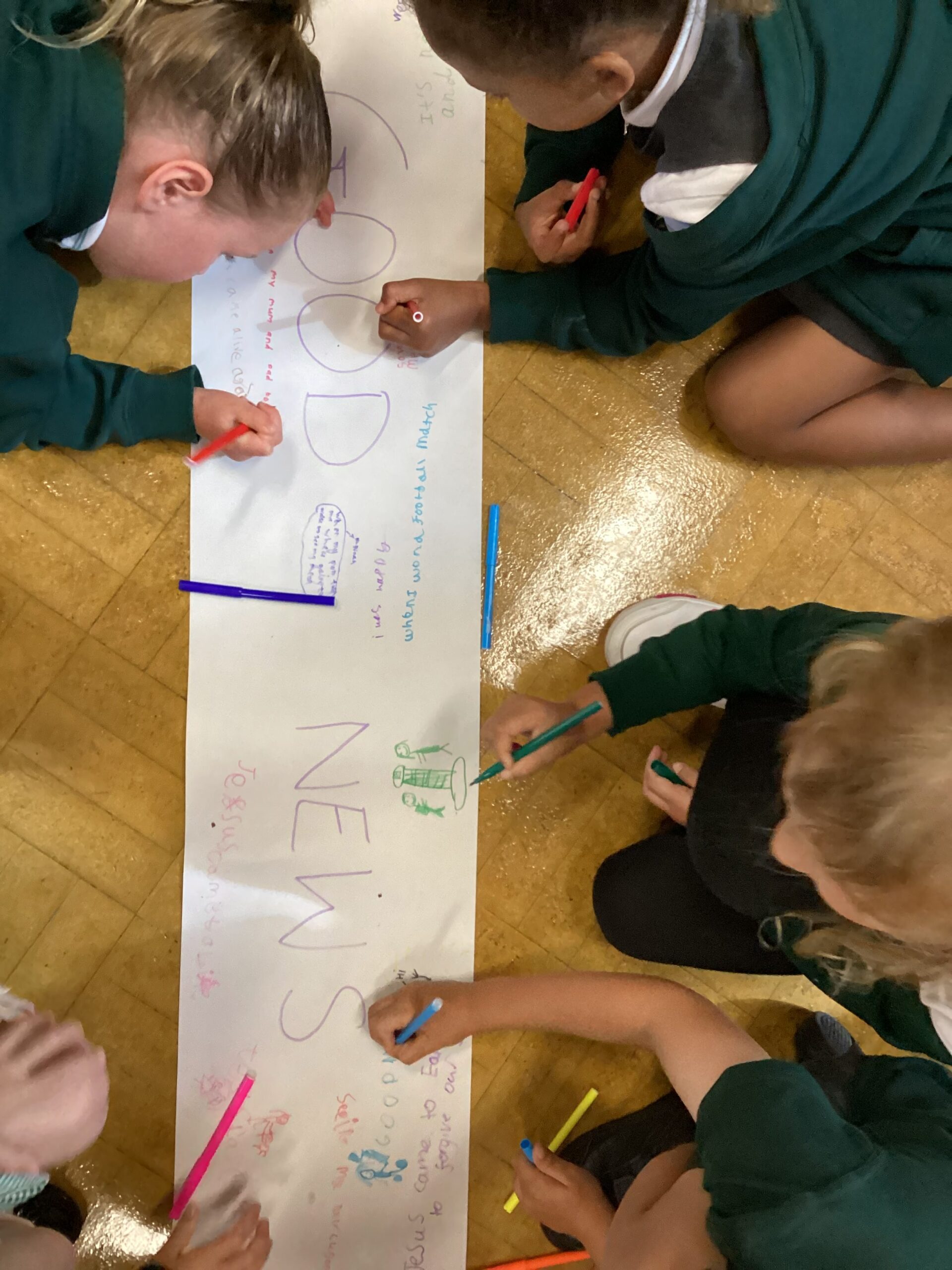
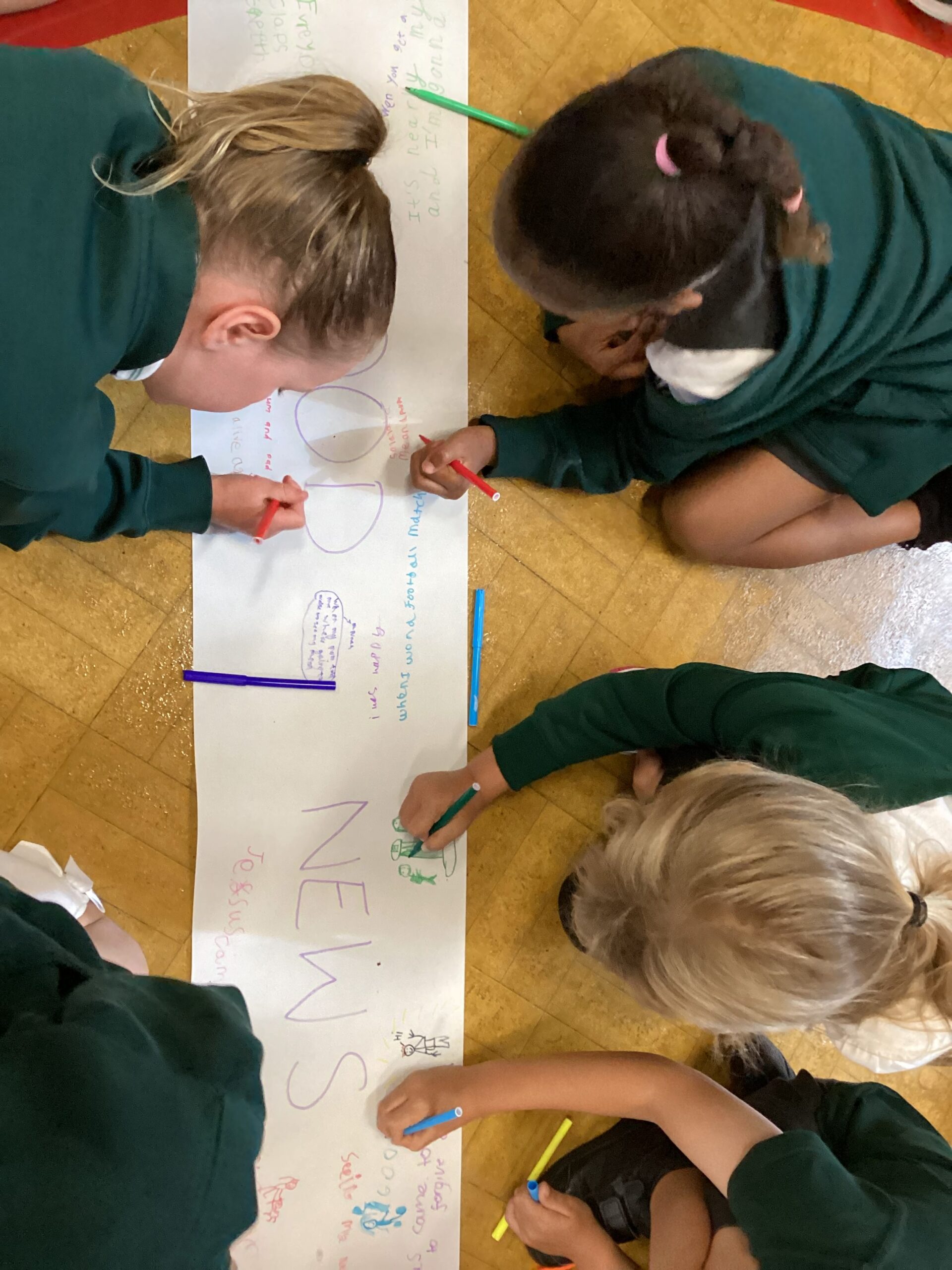
This week, our children enjoyed a wonderful RE day led by Southampton City Mission. The focus of the day was exploring the question: “What is the good news that Jesus brings?”
Throughout the day, the children learned about four different Bible stories that helped them understand Jesus’ message of love, forgiveness and friendship. The stories were brought to life through engaging activities and discussions, helping the children to think about what these stories mean and why they are still important today.
One of the highlights of the day was the opportunity for the children to act out some of the Bible stories. They enthusiastically stepped into the roles of different characters, using drama to retell key events and bring the stories to life.
The children took part in a variety of games and quizzes which helped reinforce their understanding while keeping everyone actively involved.
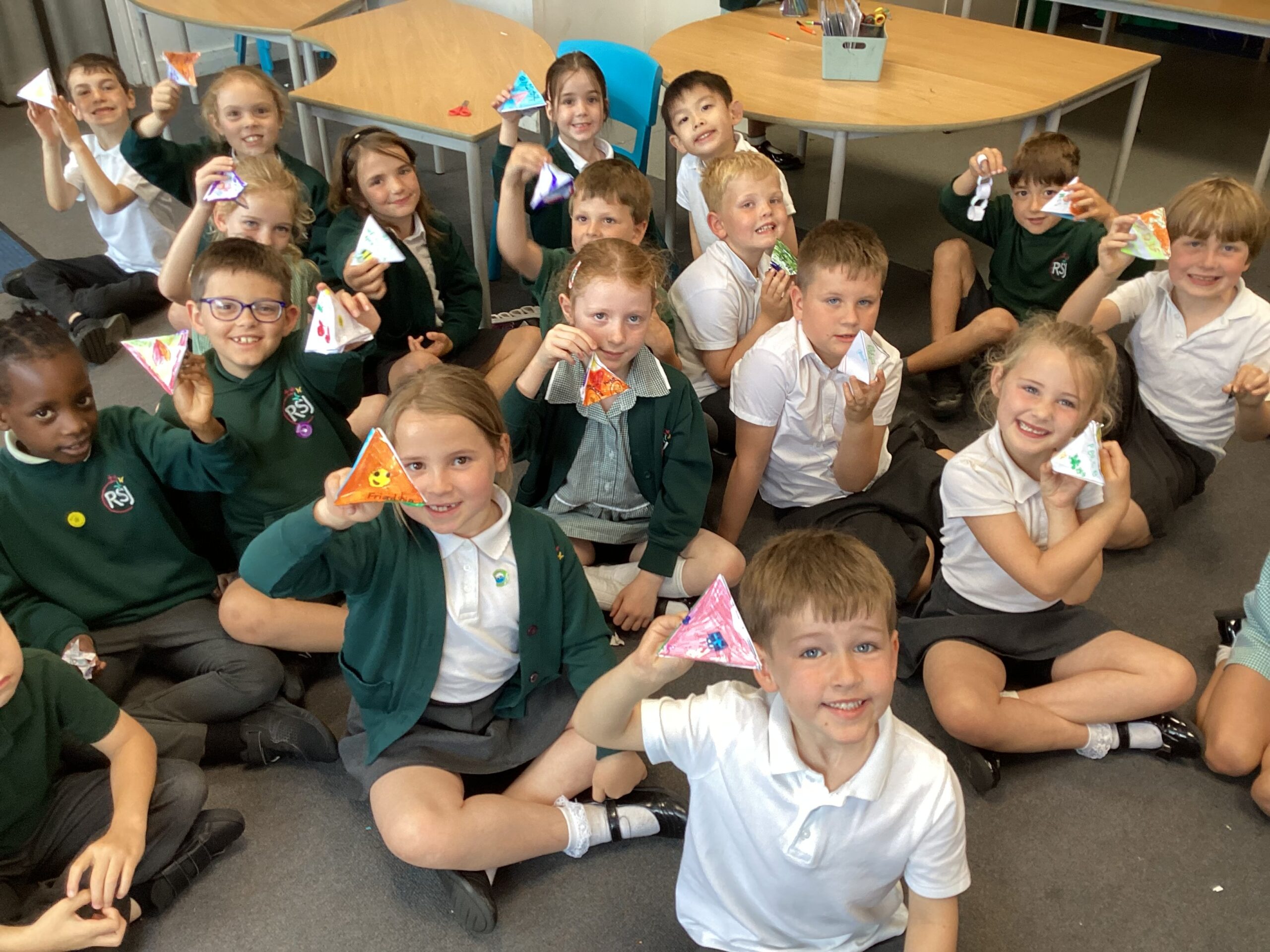
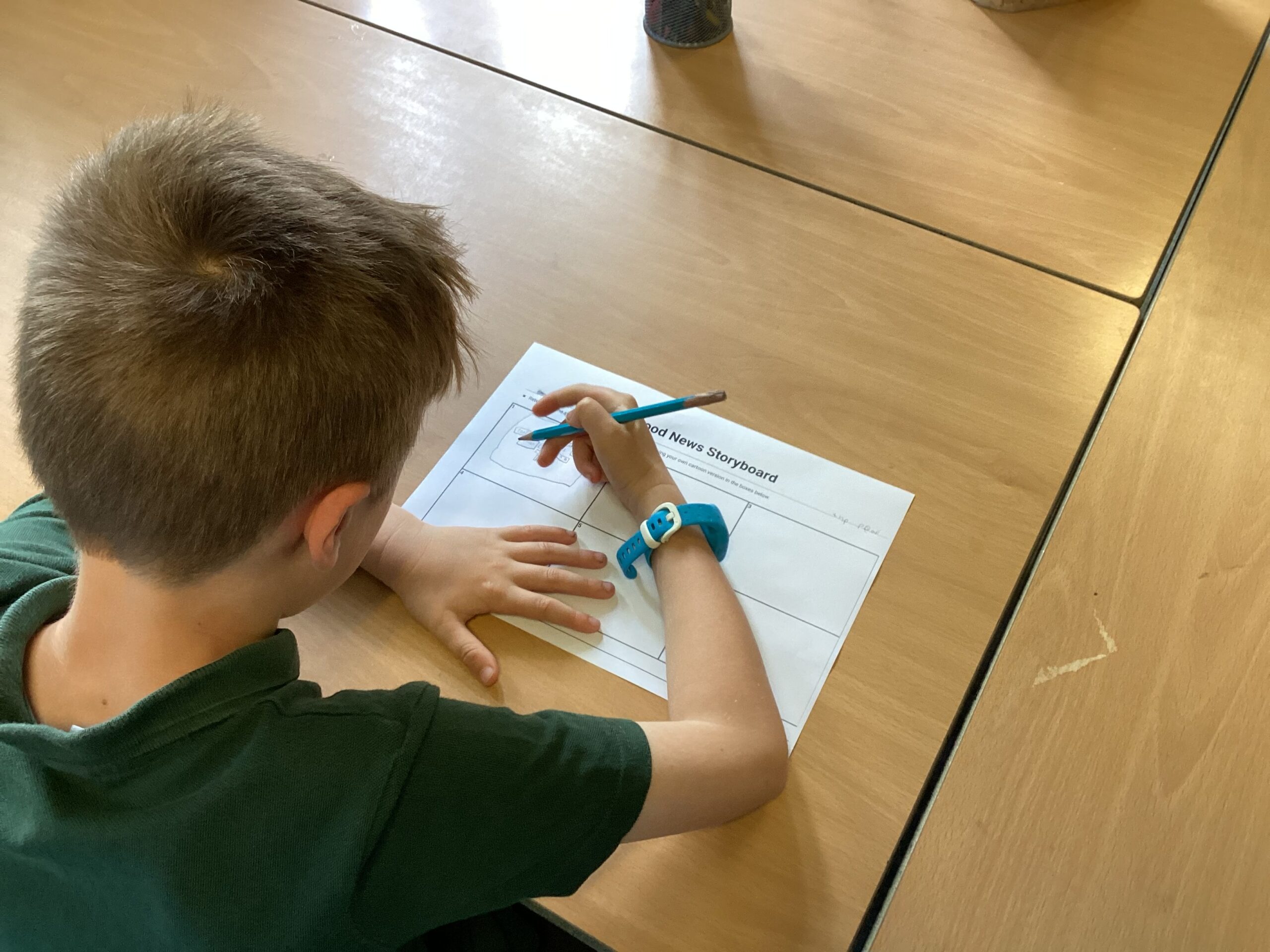
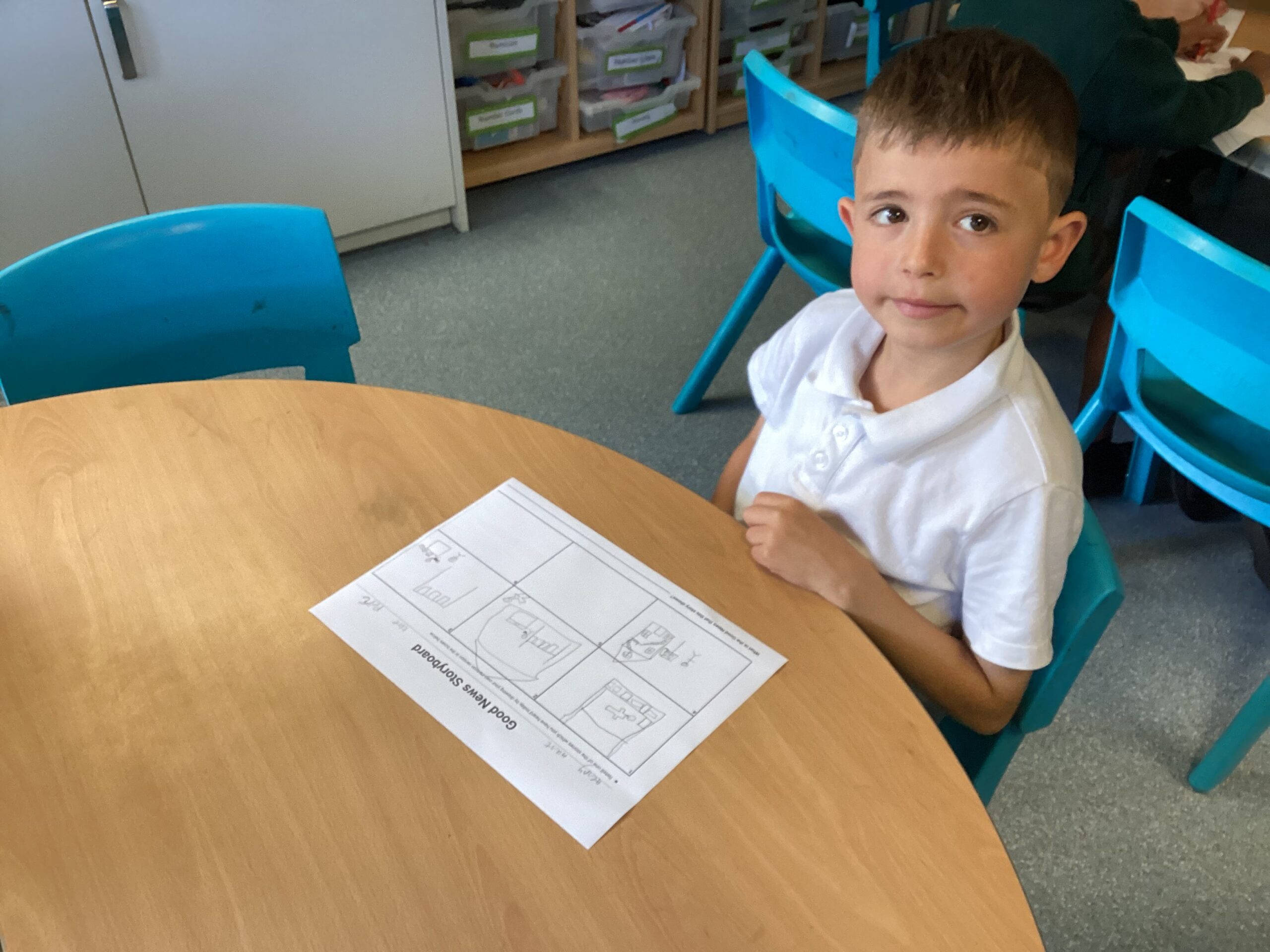
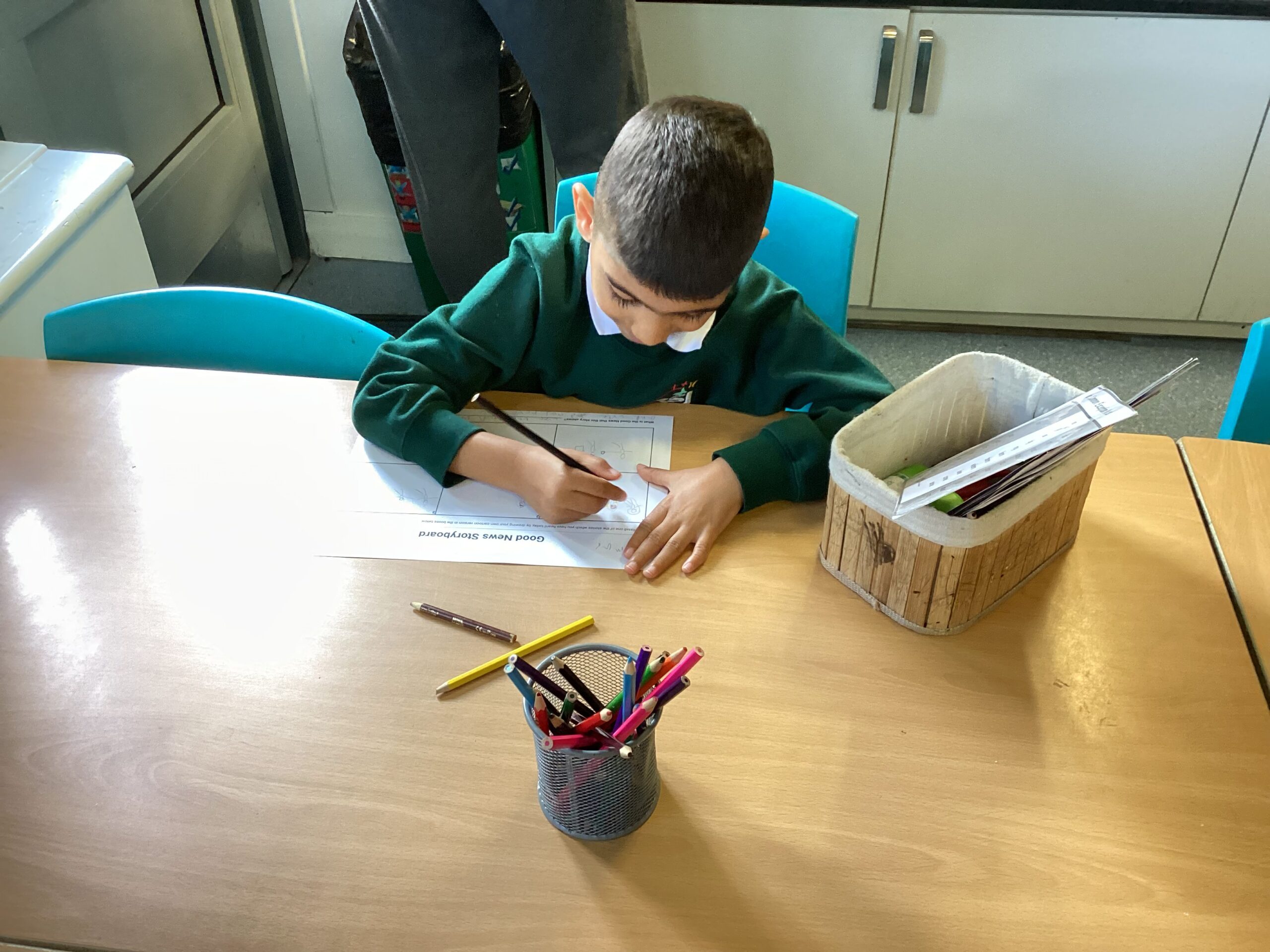
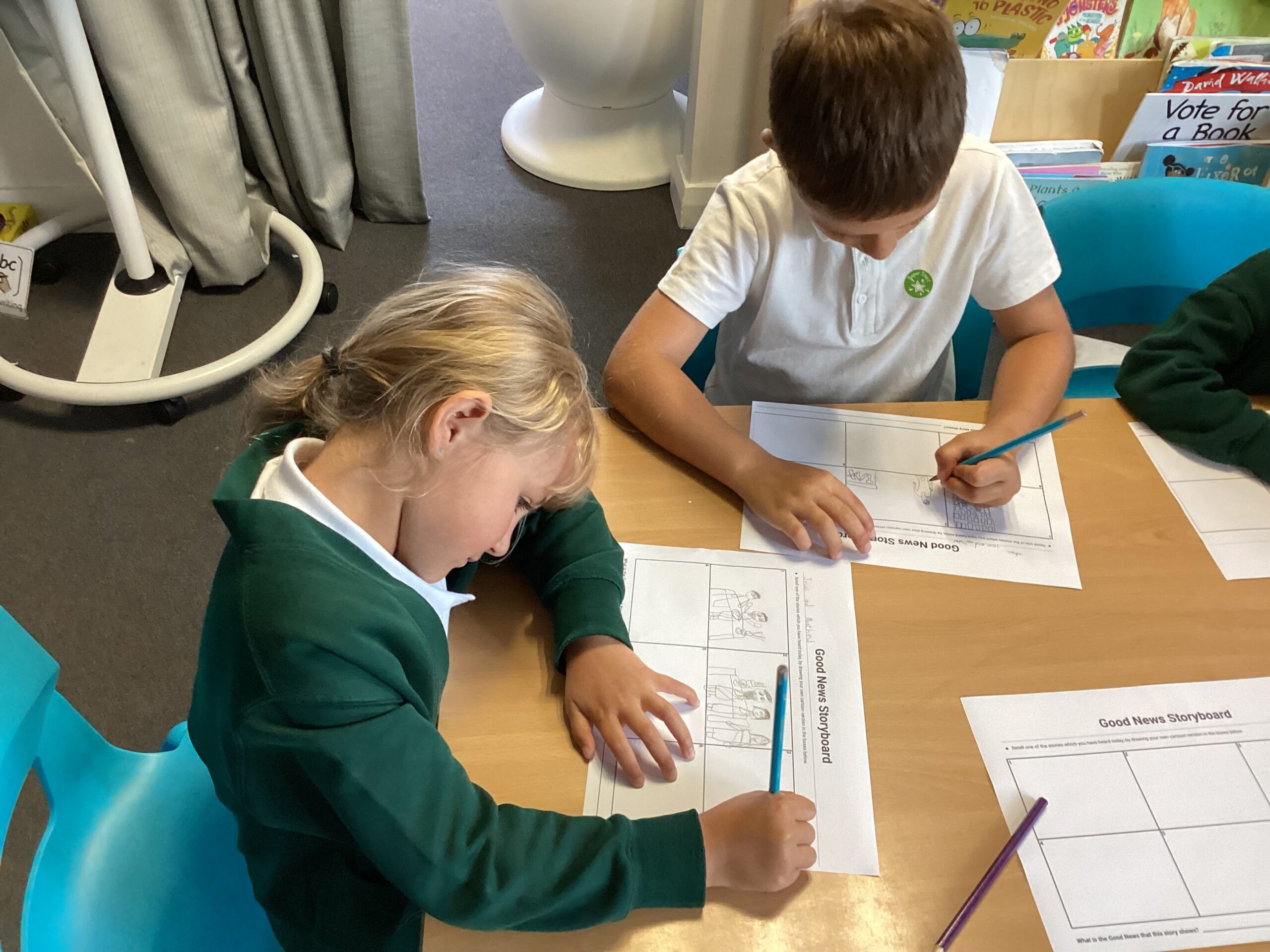
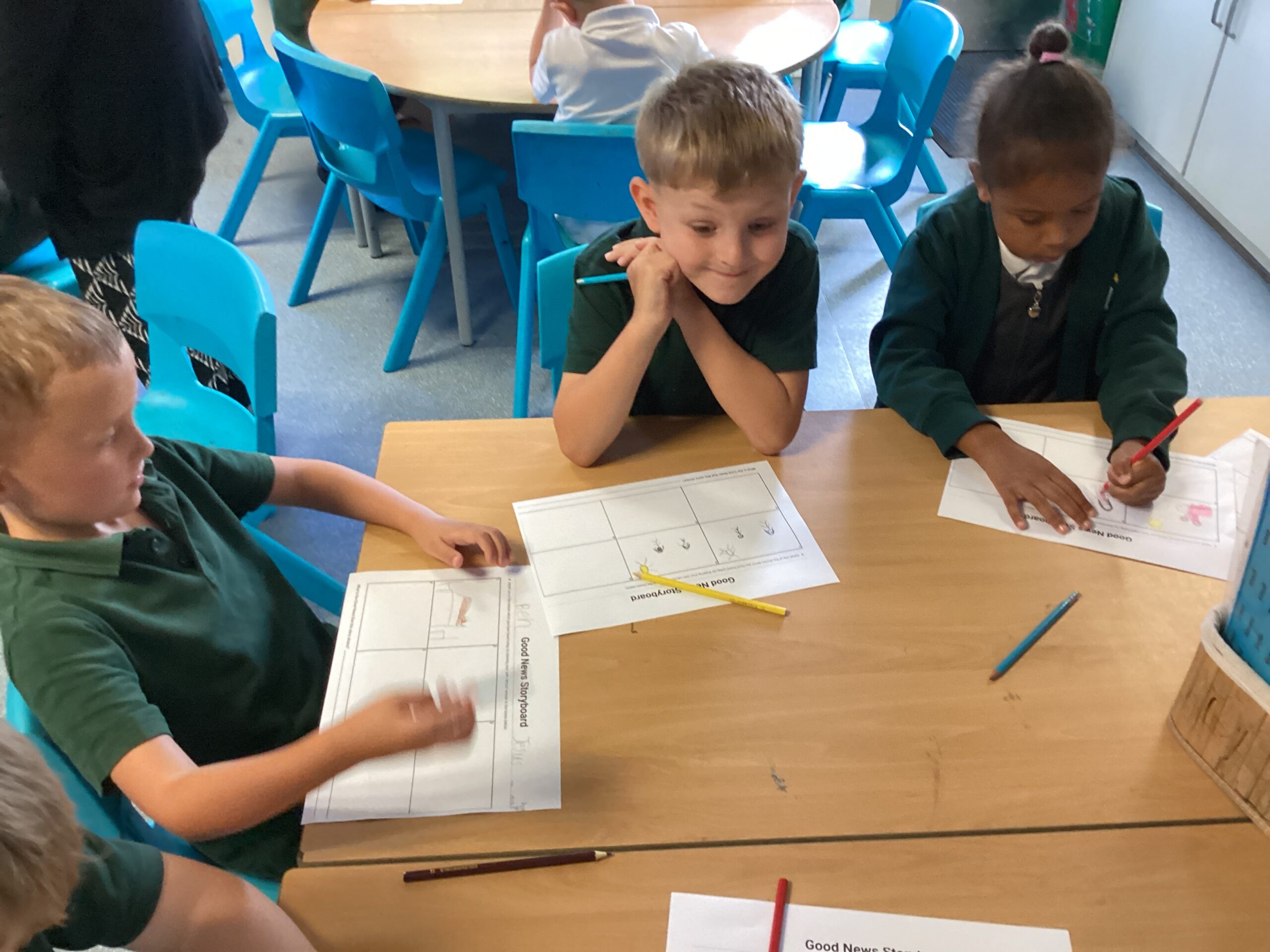
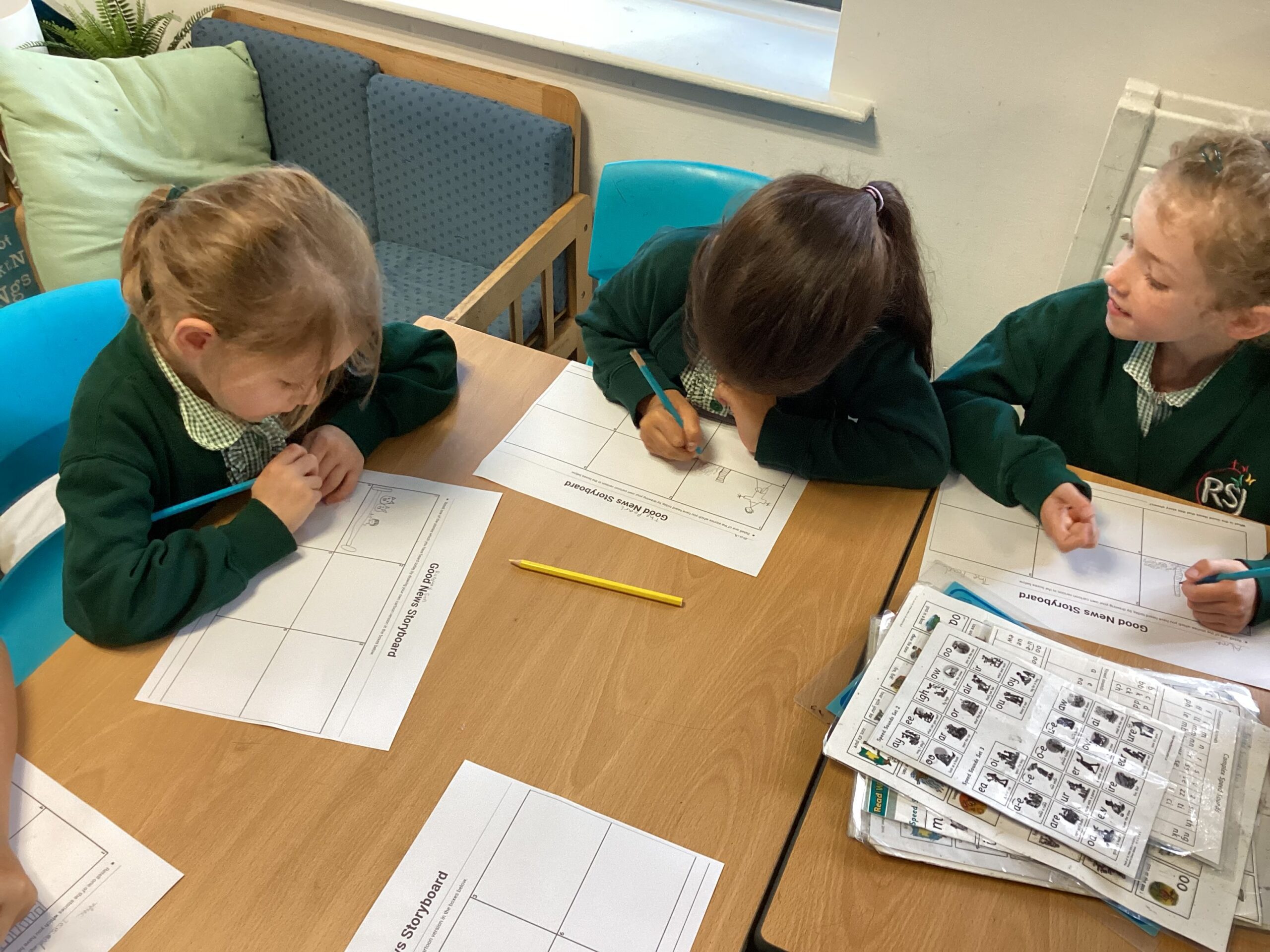
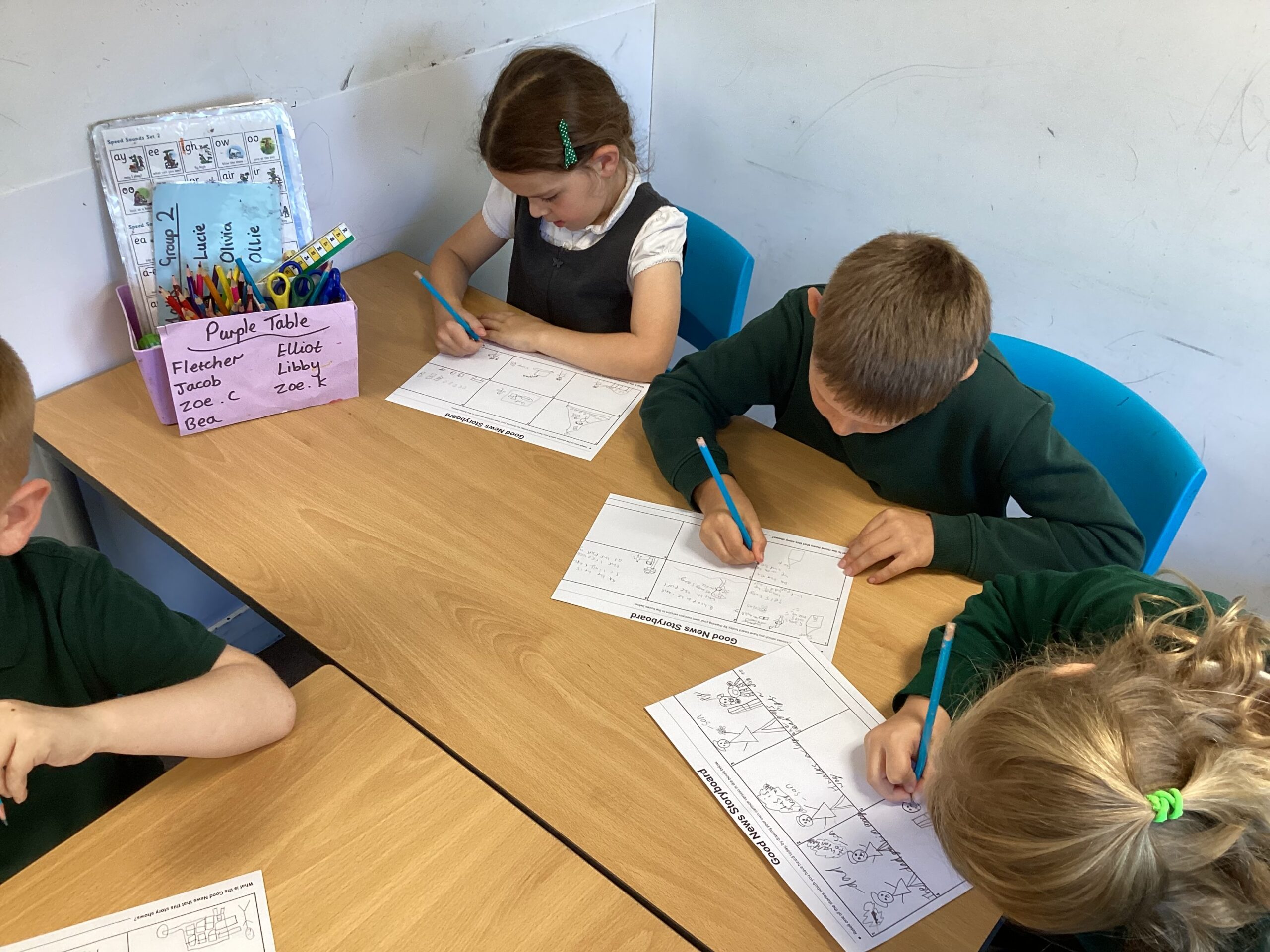
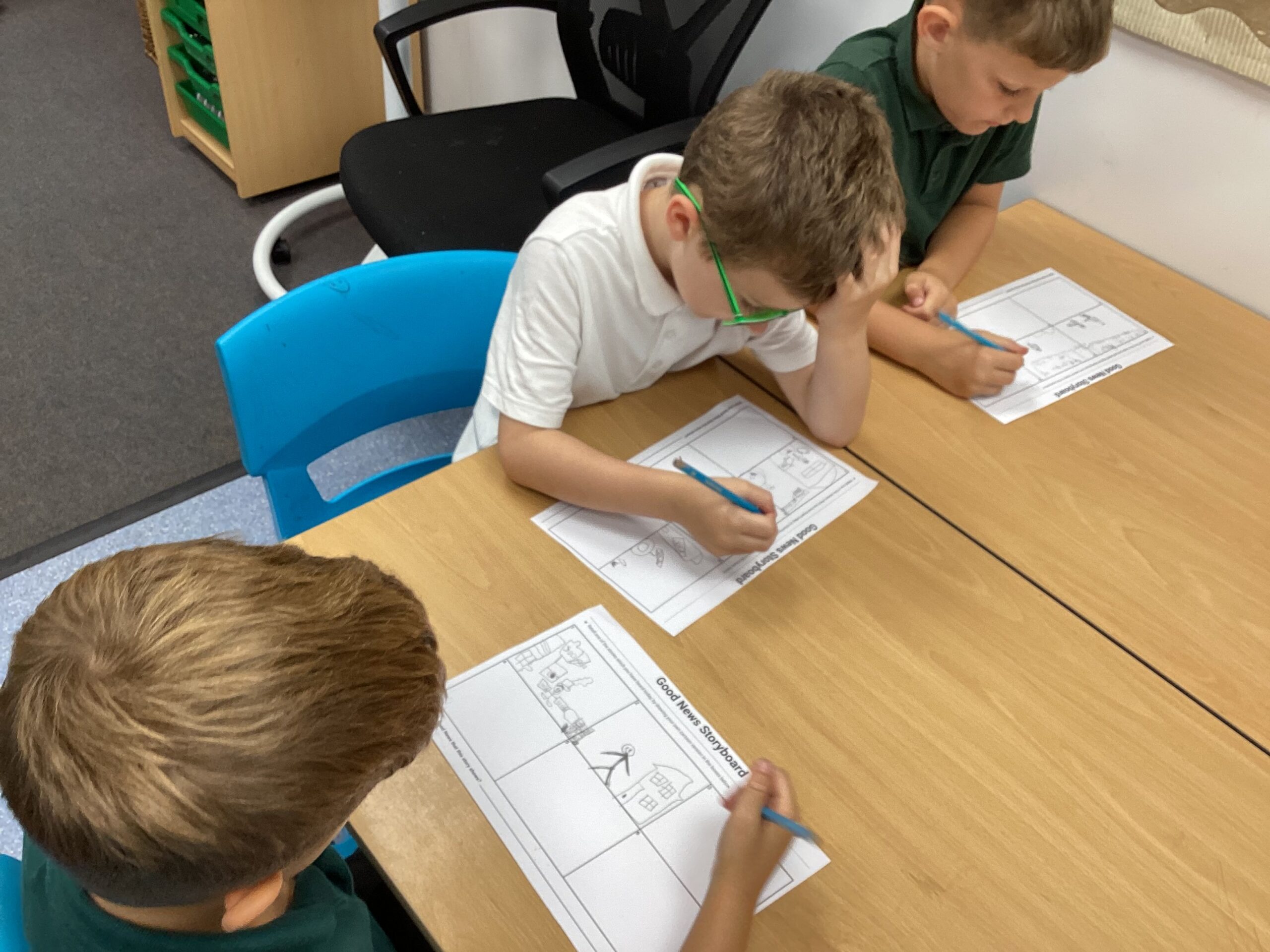
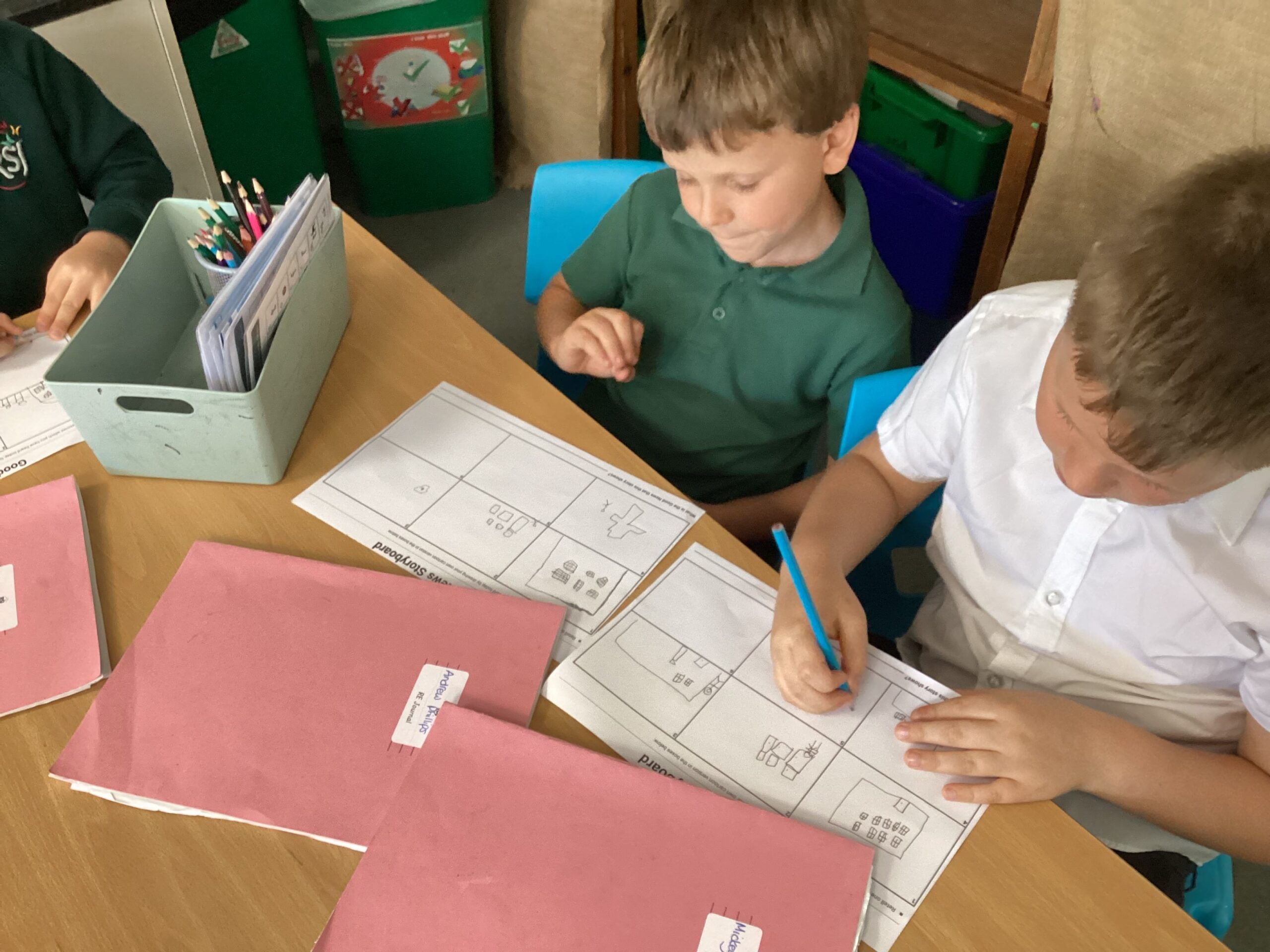
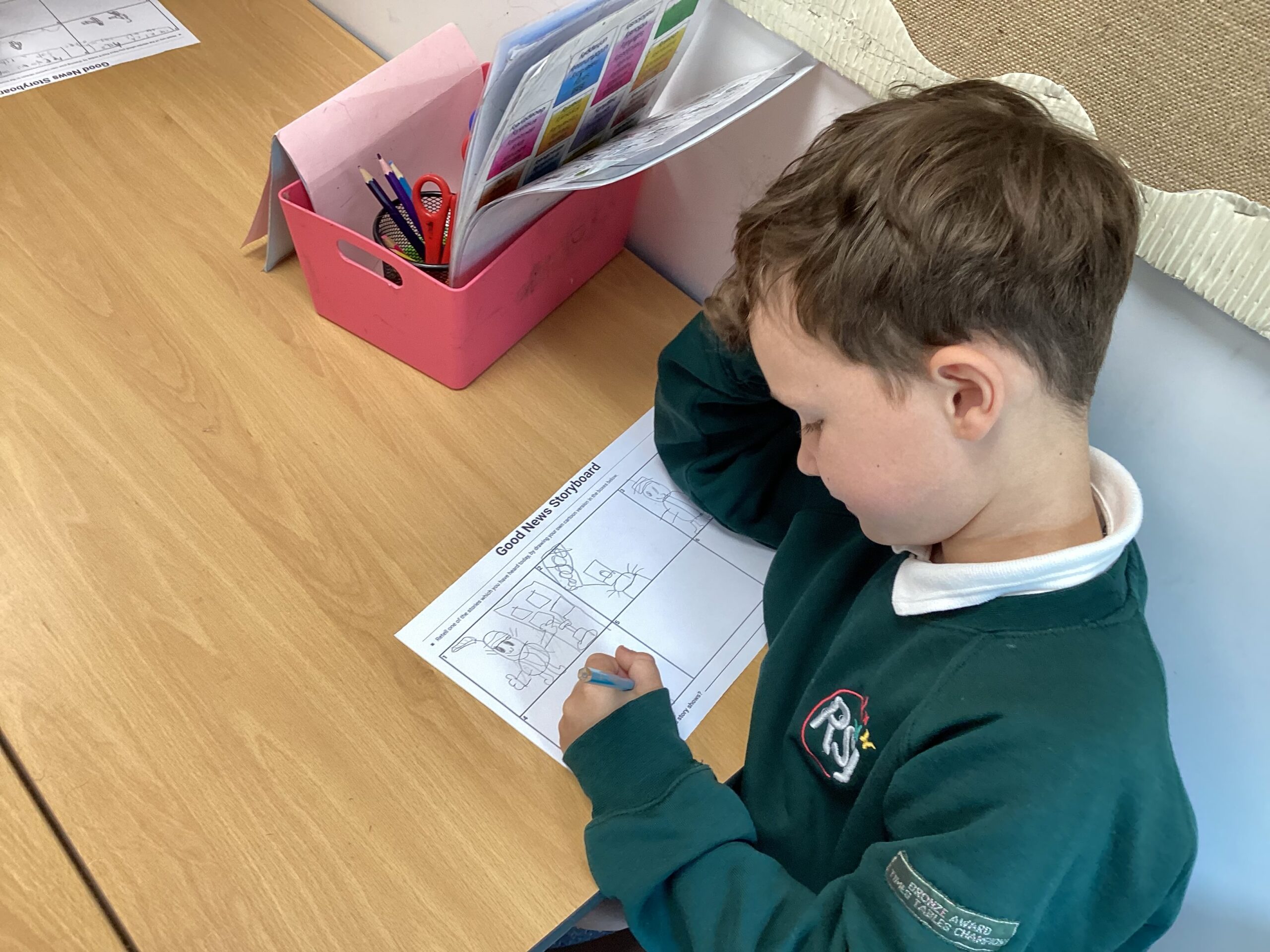
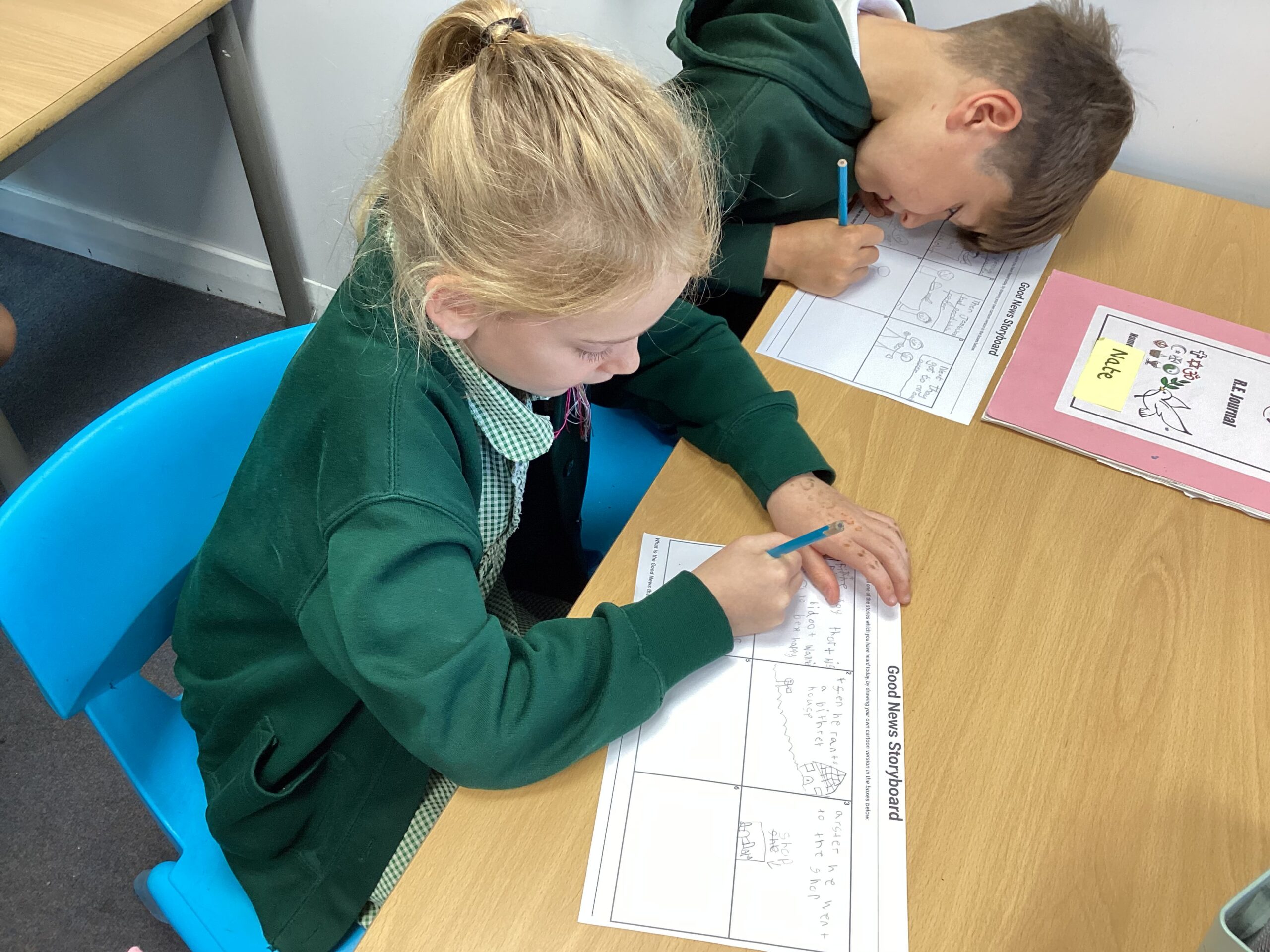
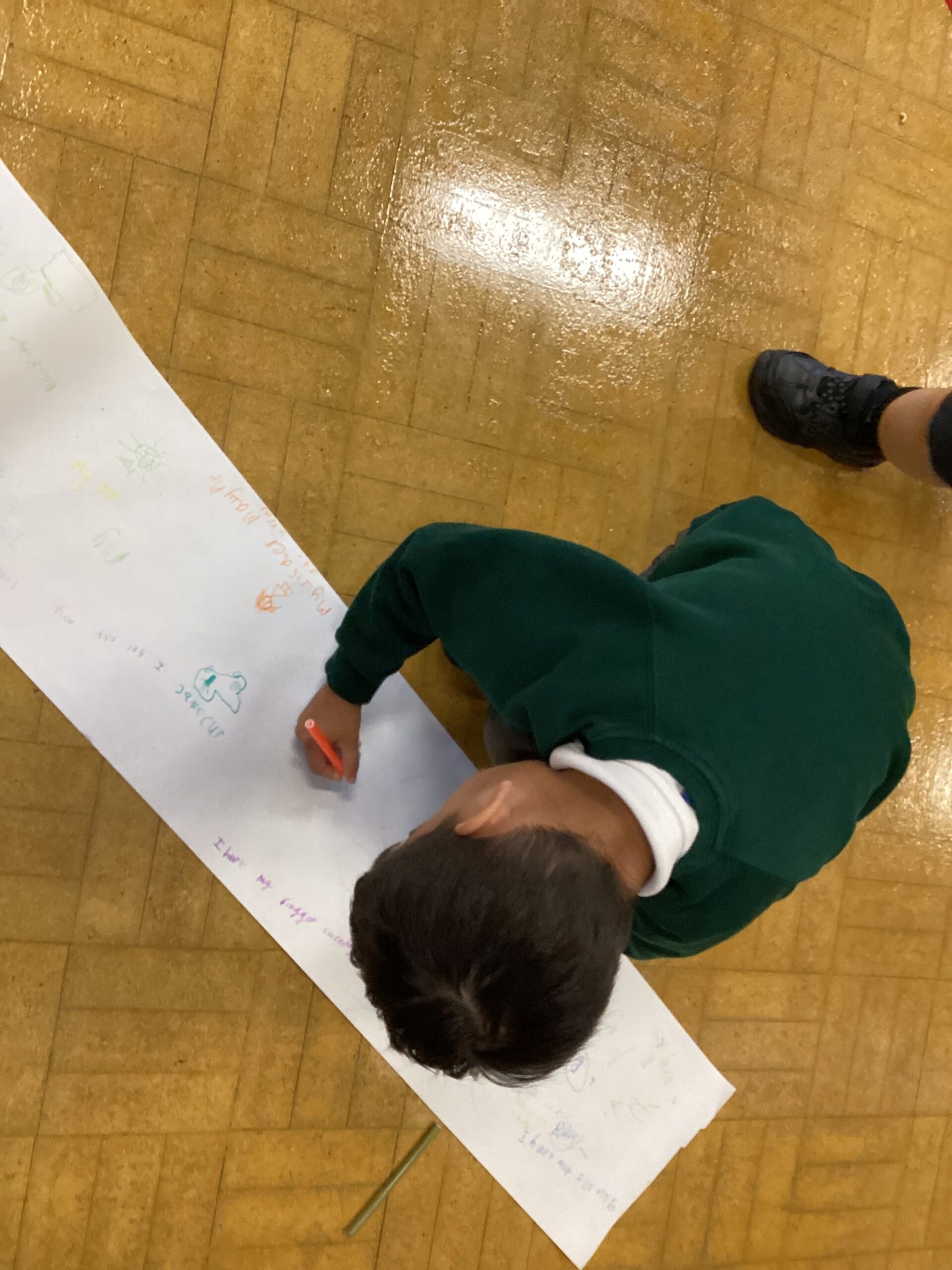
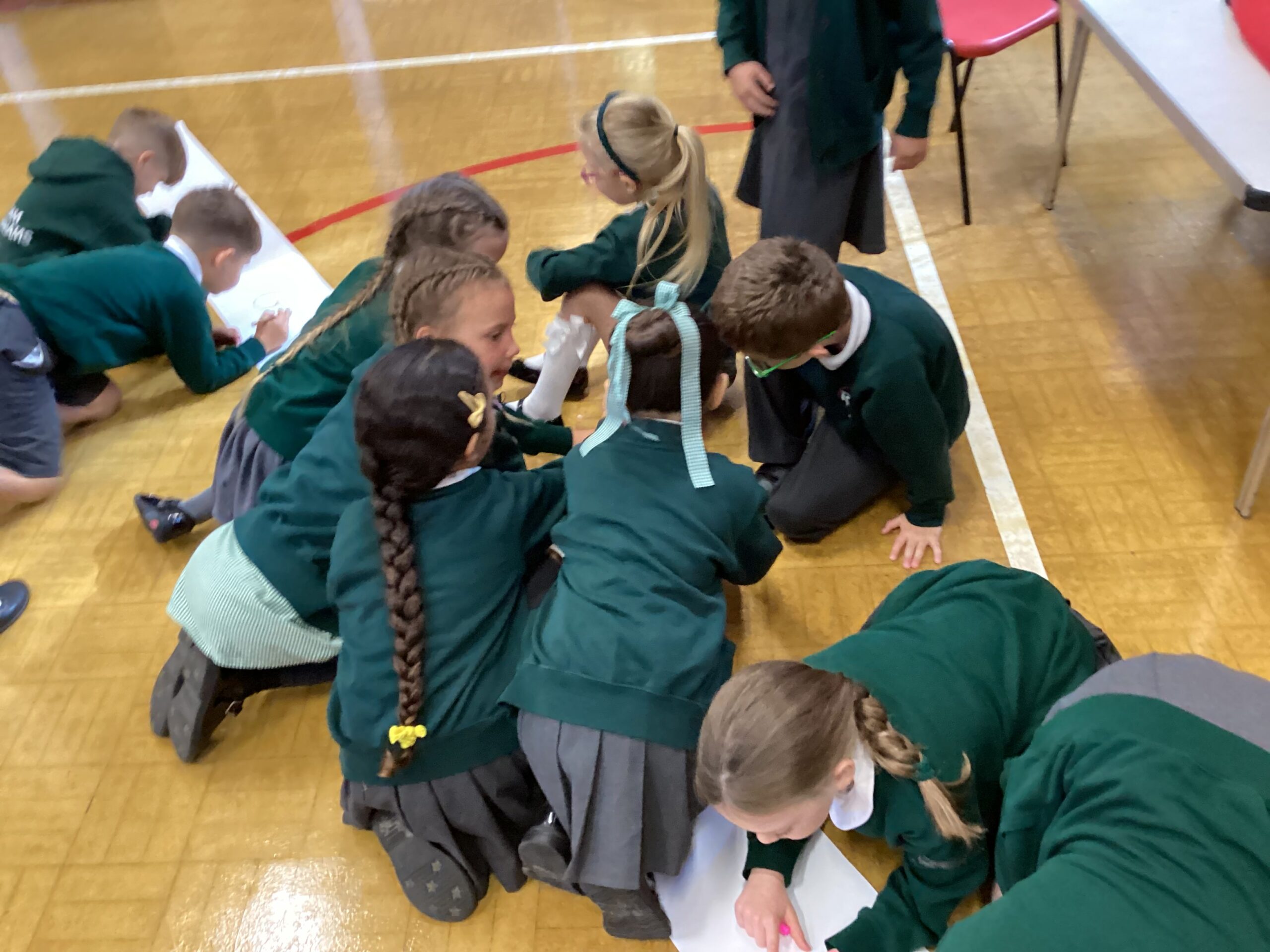
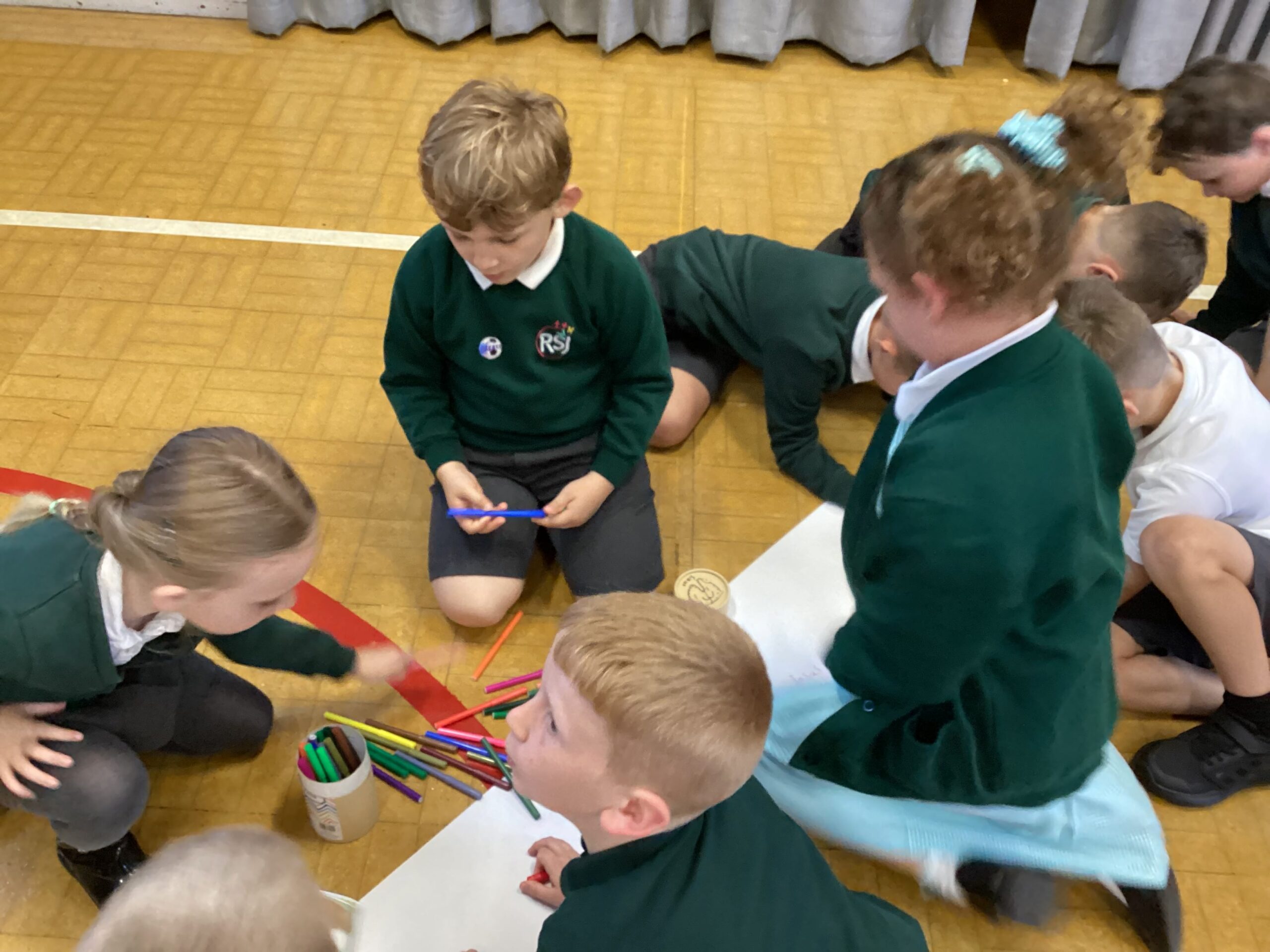
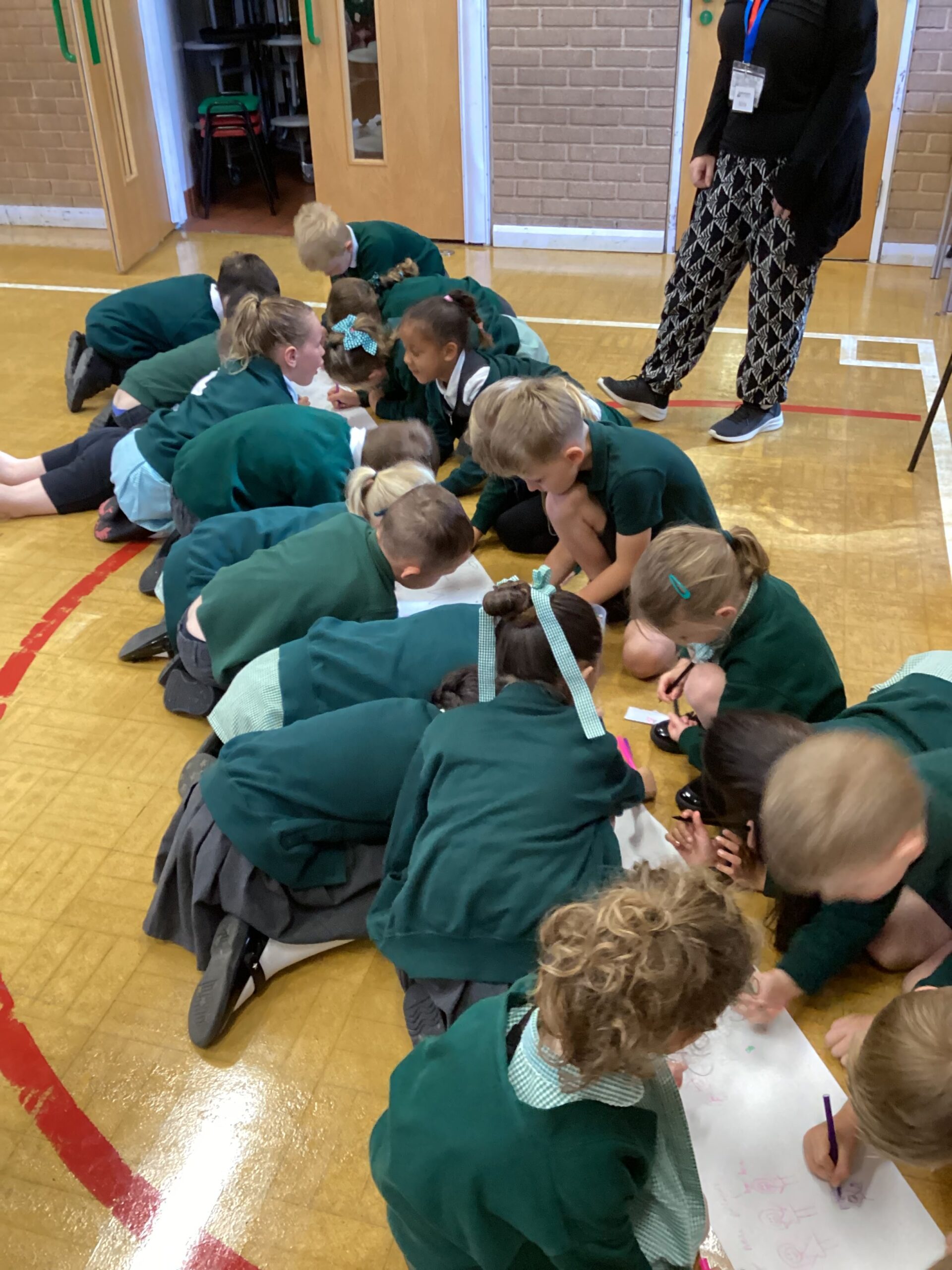
To finish the day, each child chose their favourite Bible story and created a storyboard to retell it in their own way. It was wonderful to see the creativity on display, with children carefully illustrating and sequencing the events from their chosen story.
A big thank Southampton City Mission for leading such an engaging day. The children thoroughly enjoyed the experience and gained a deeper understanding of the good news that Jesus brings.
Team 3 / 4:
Investigating the Strength of Magnets
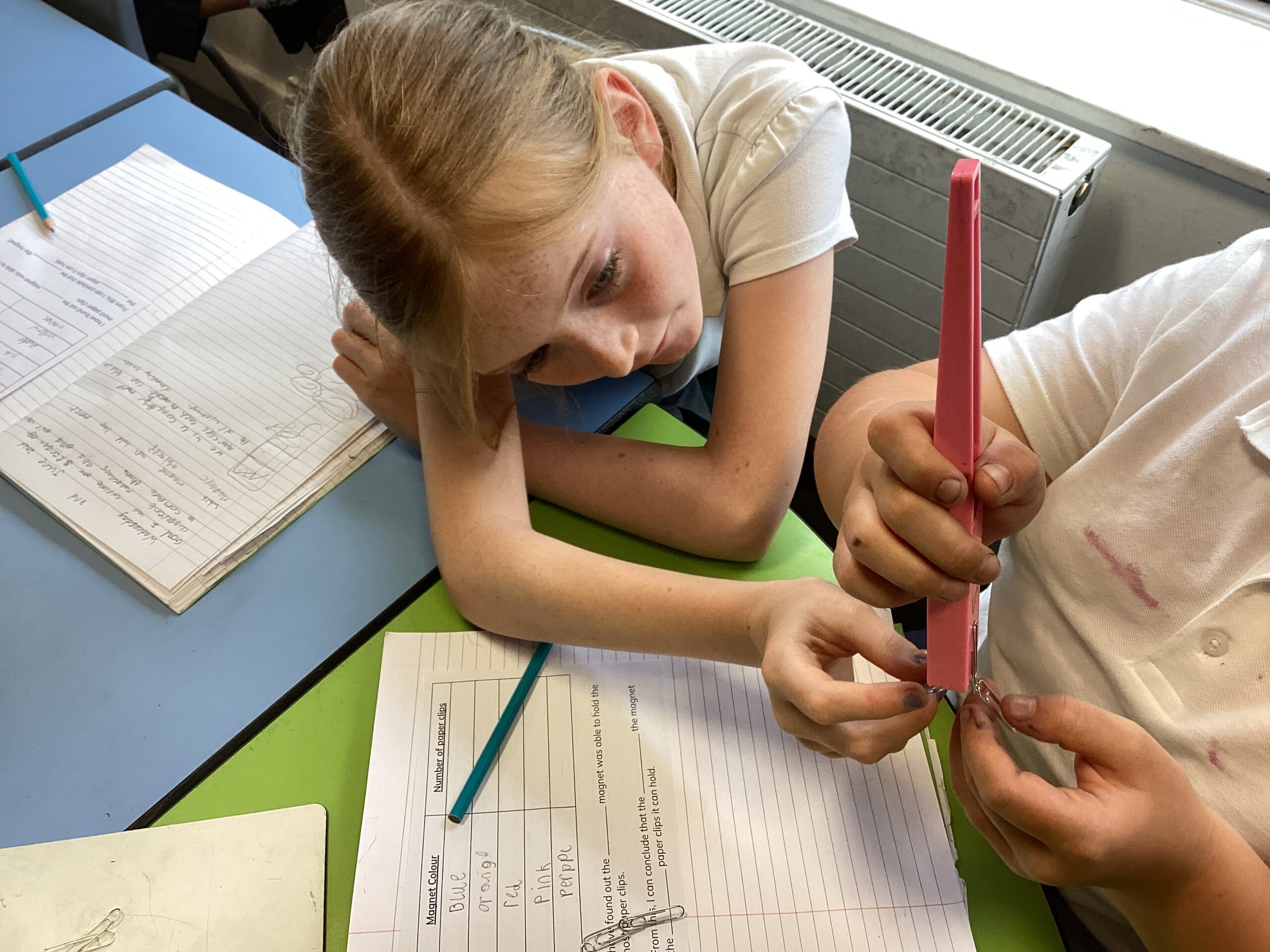
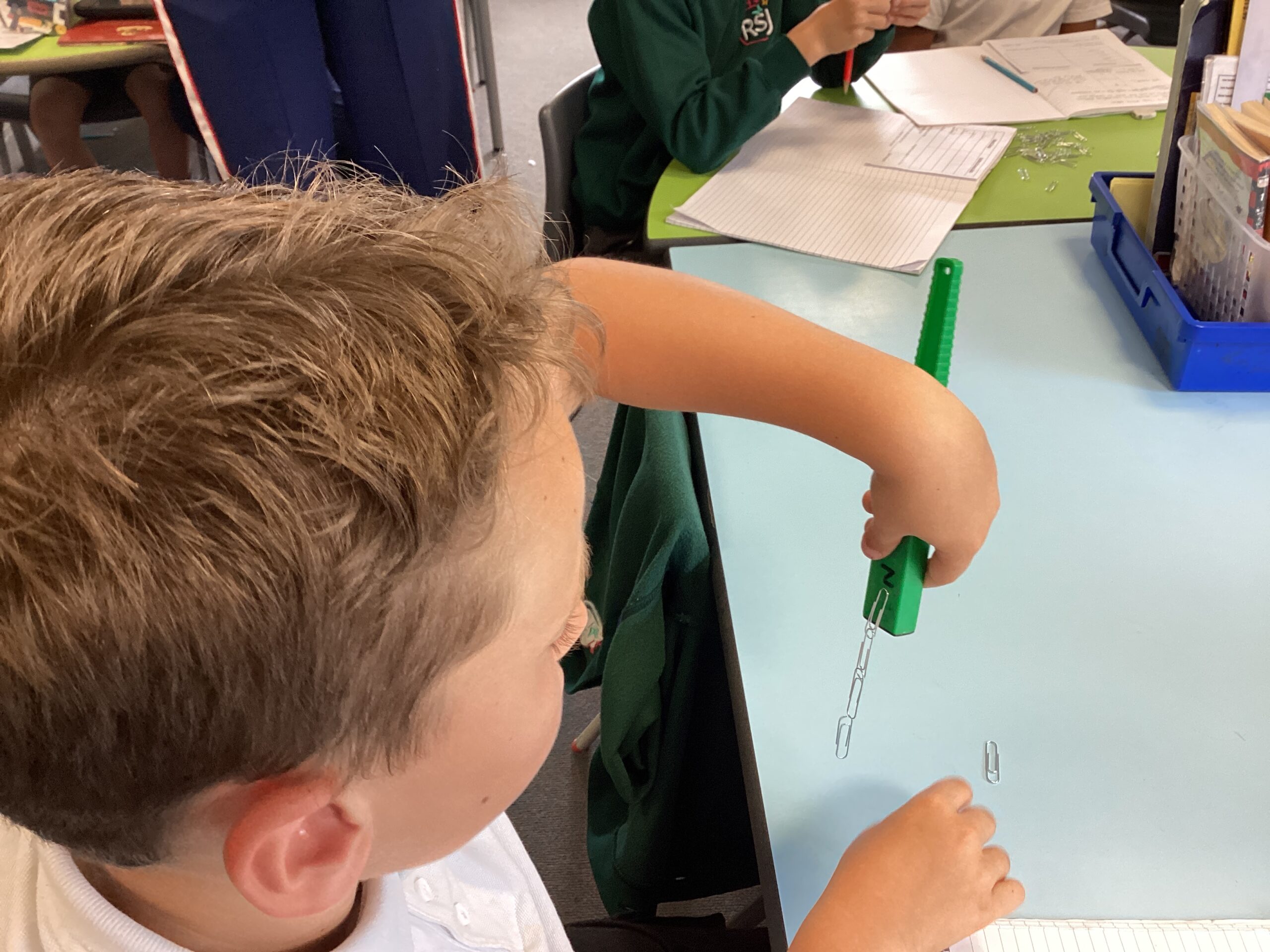
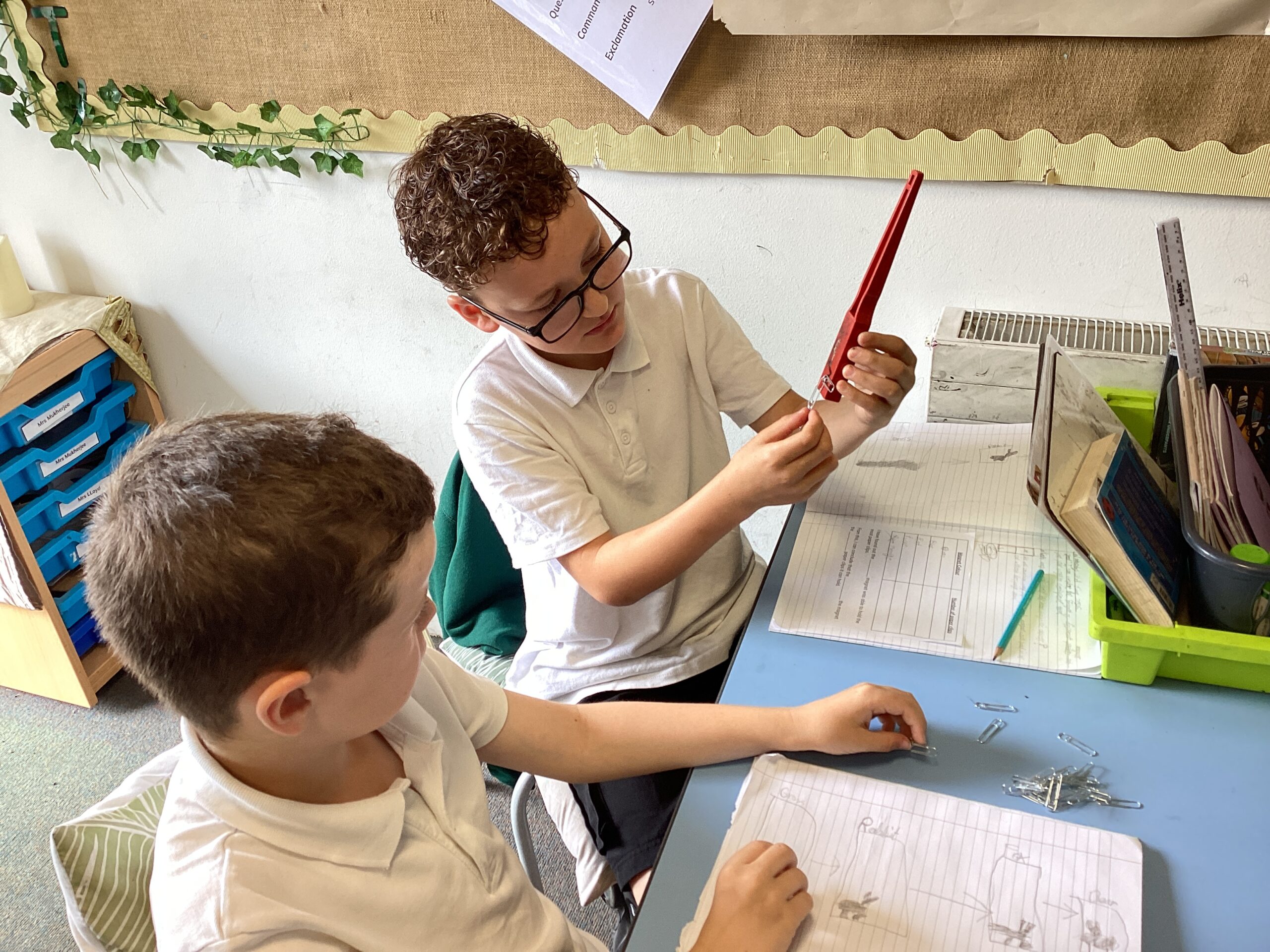
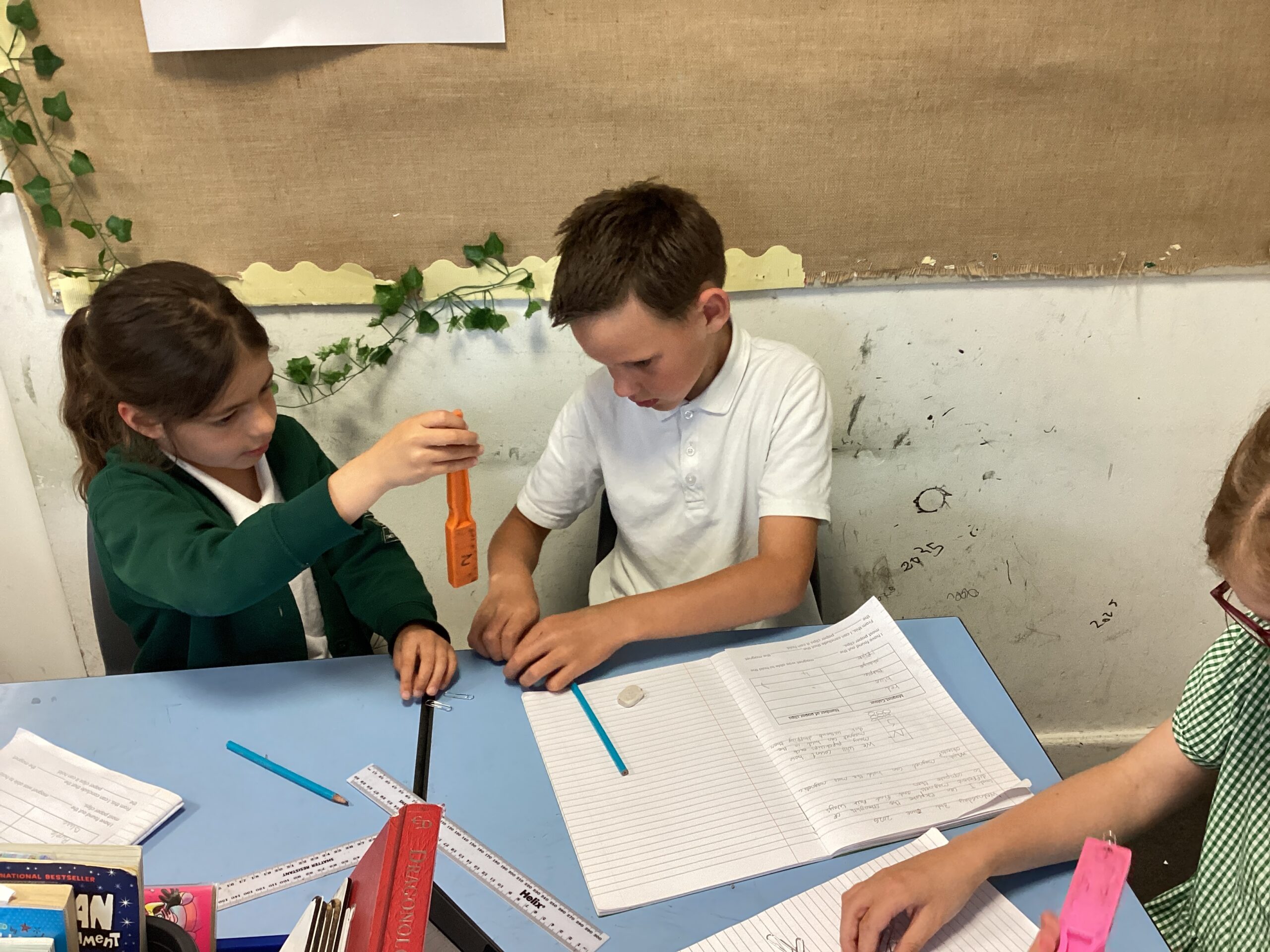
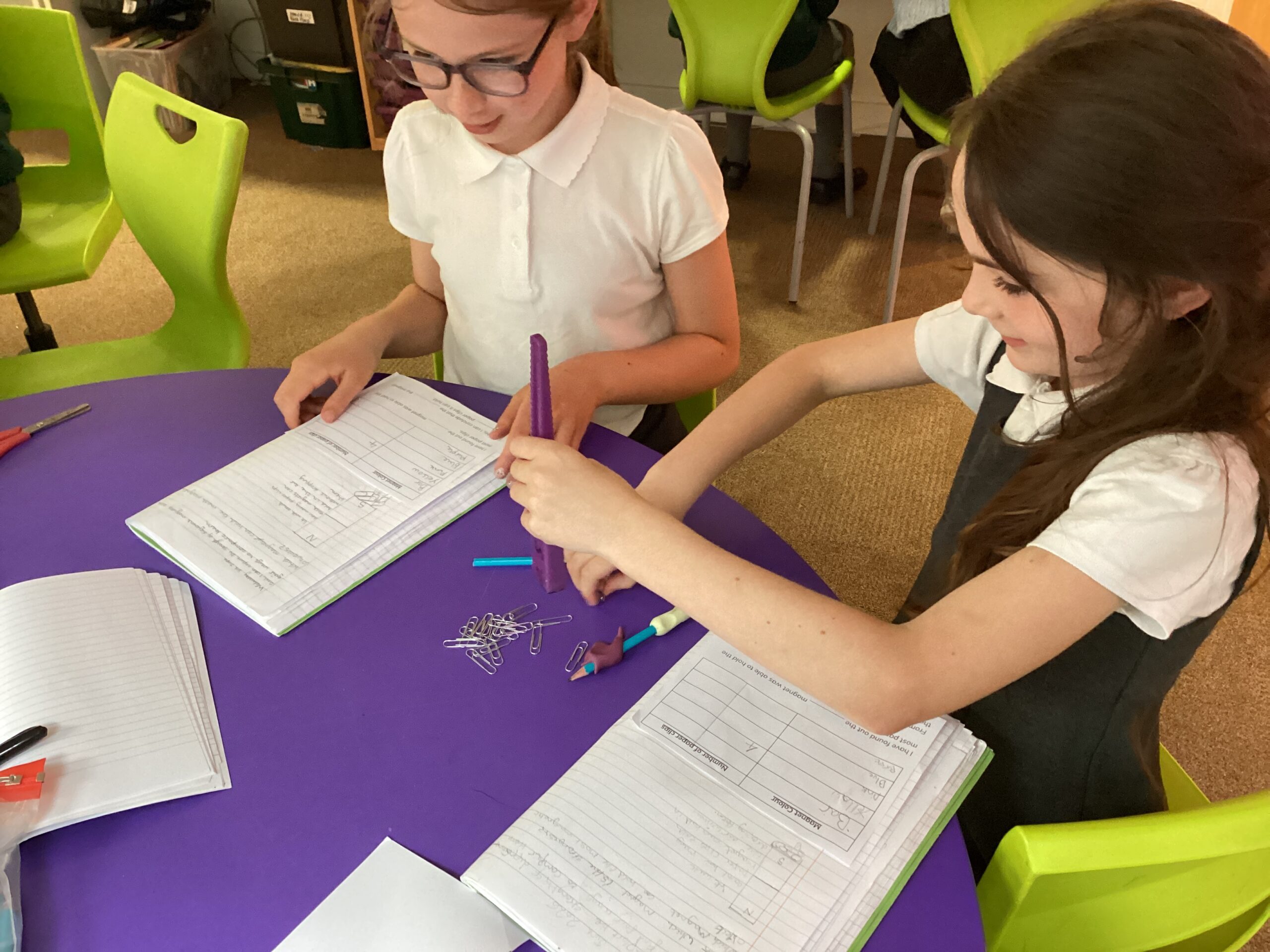
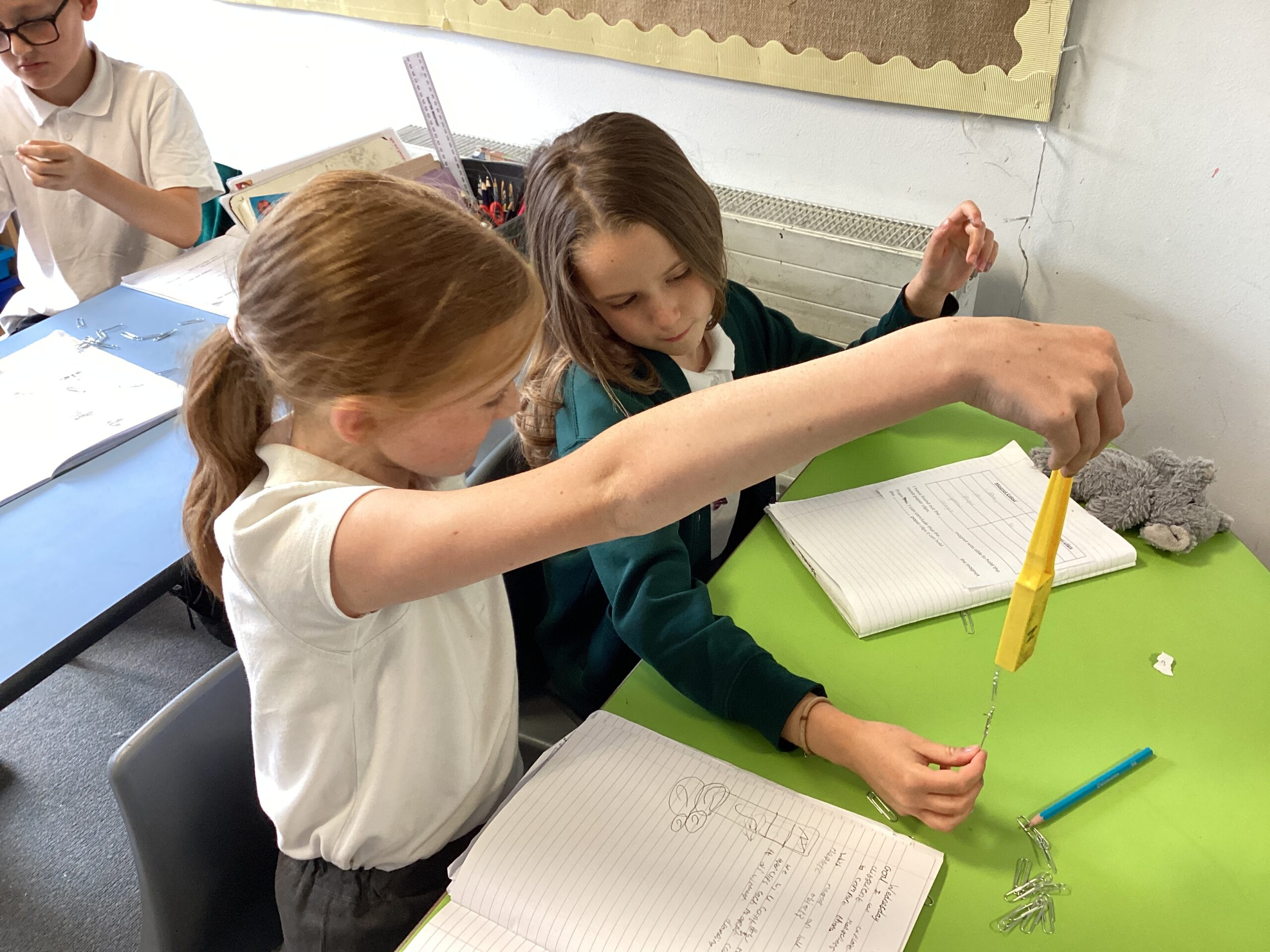
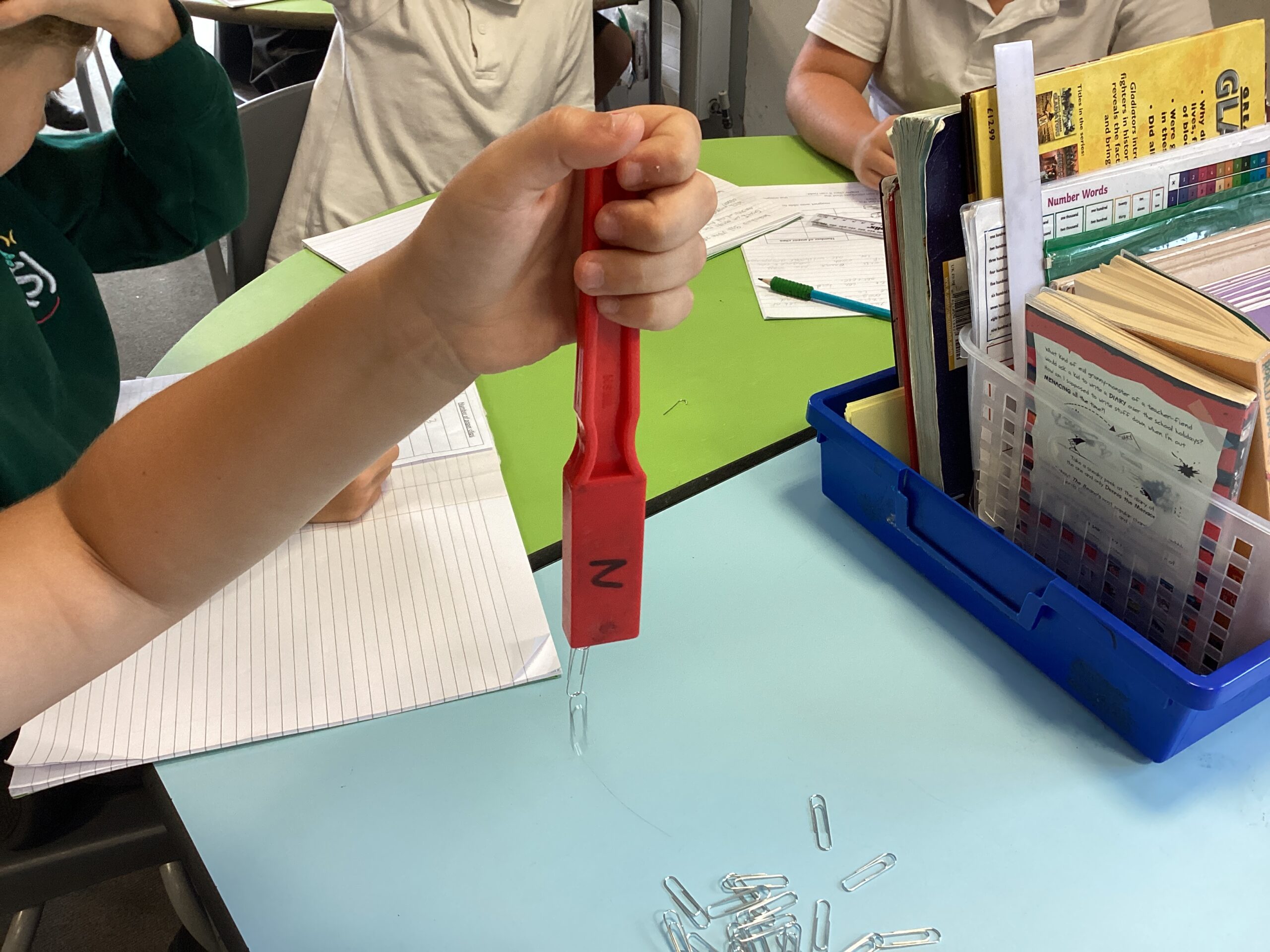
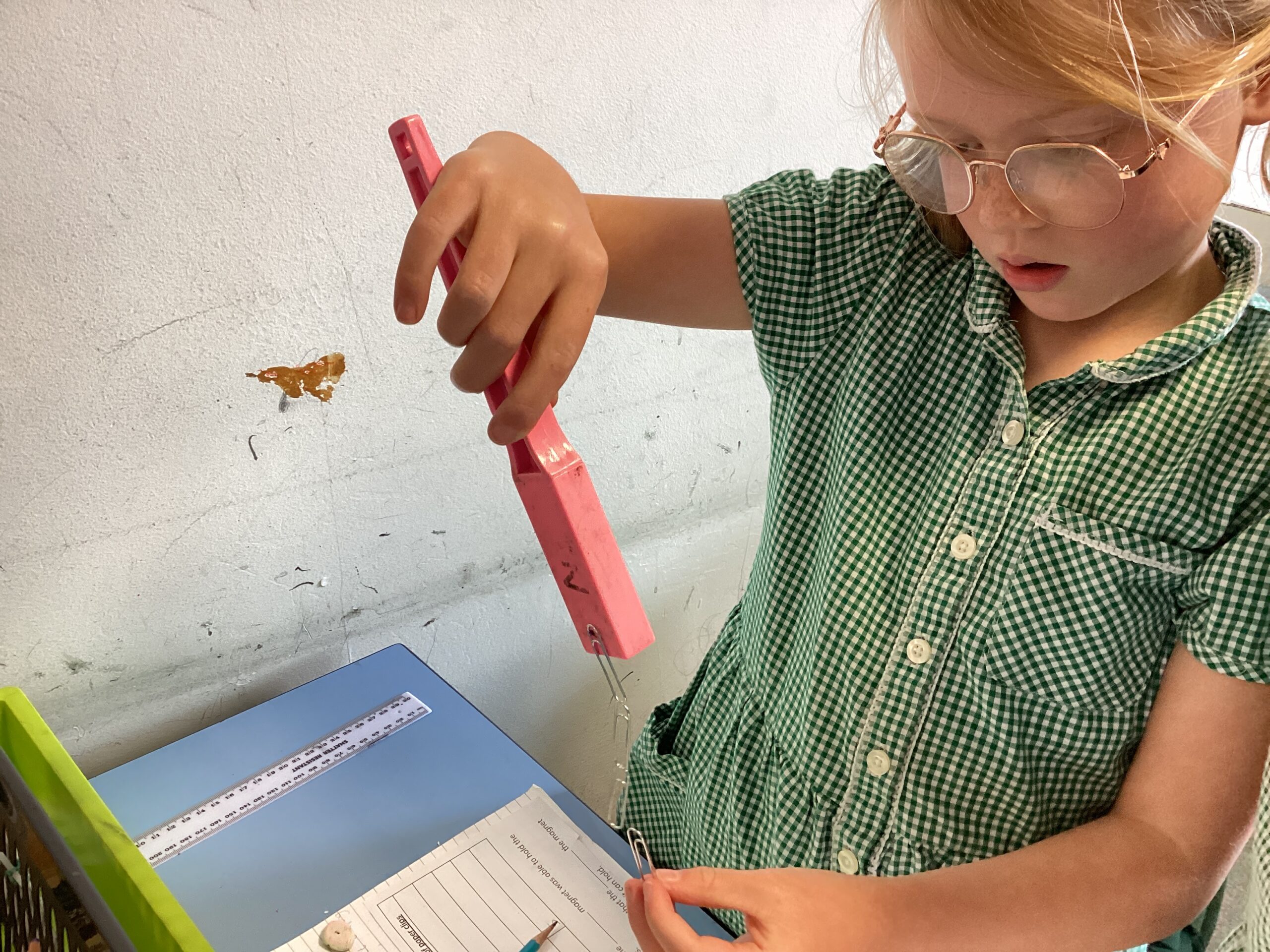
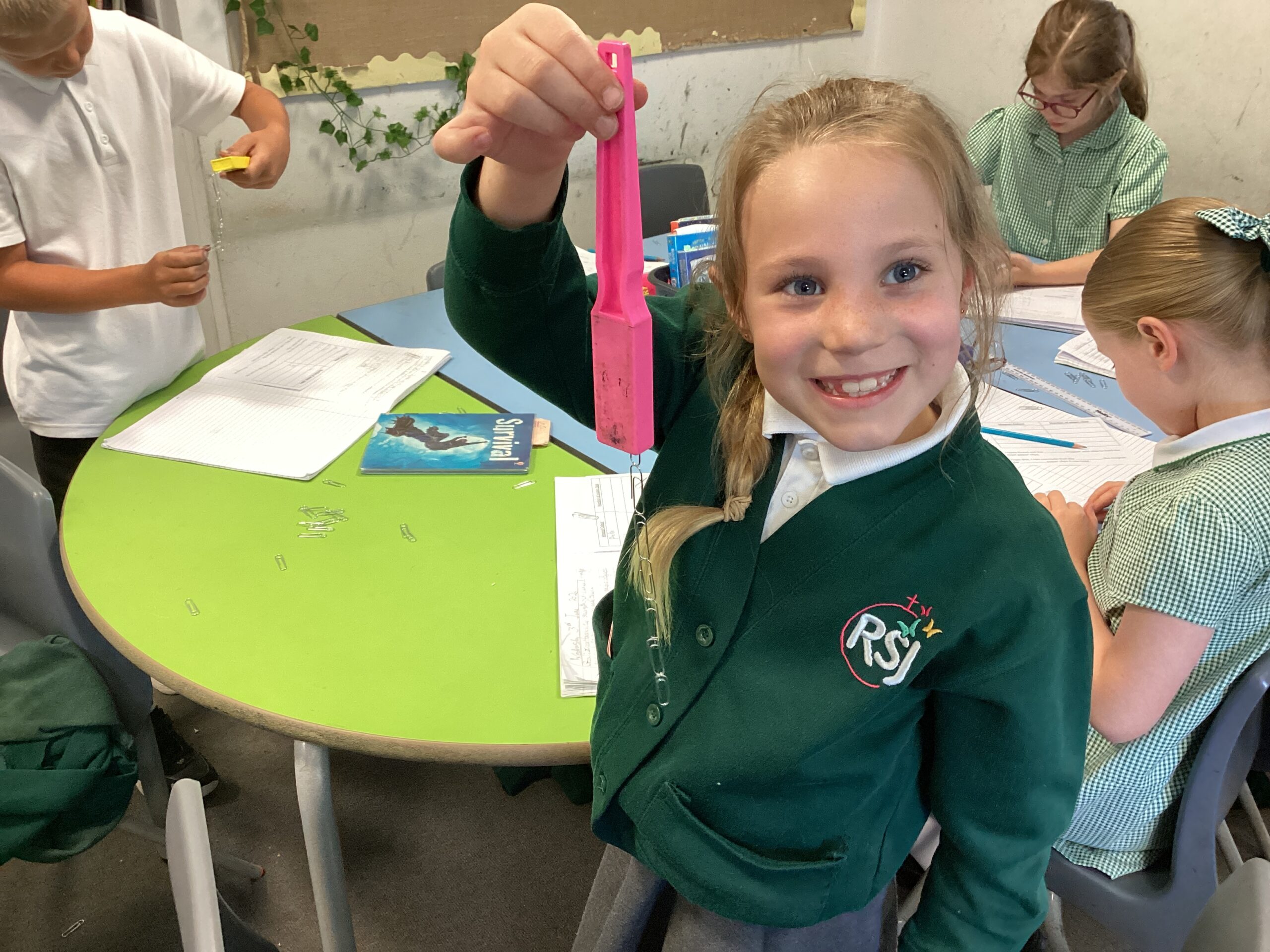
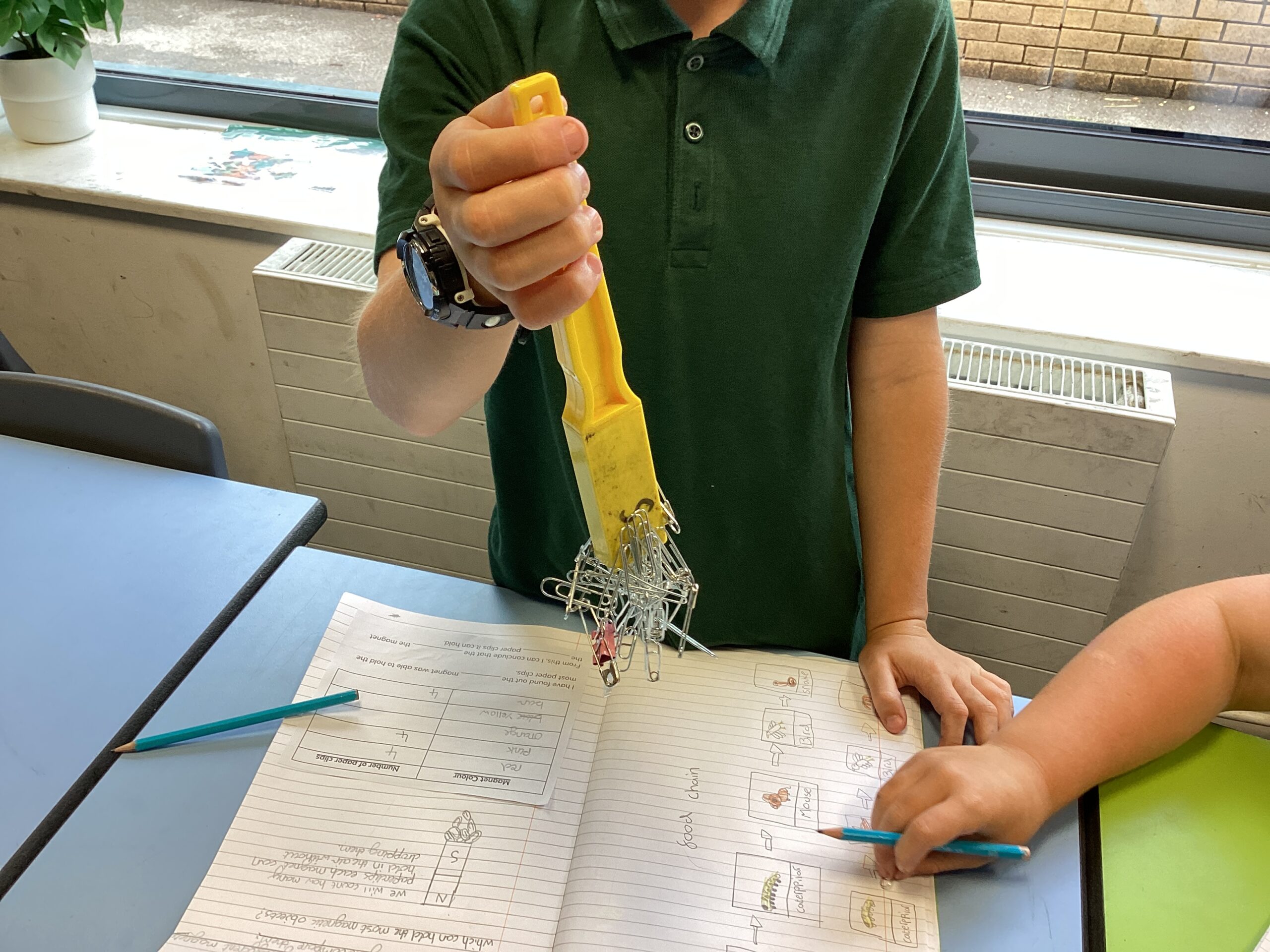
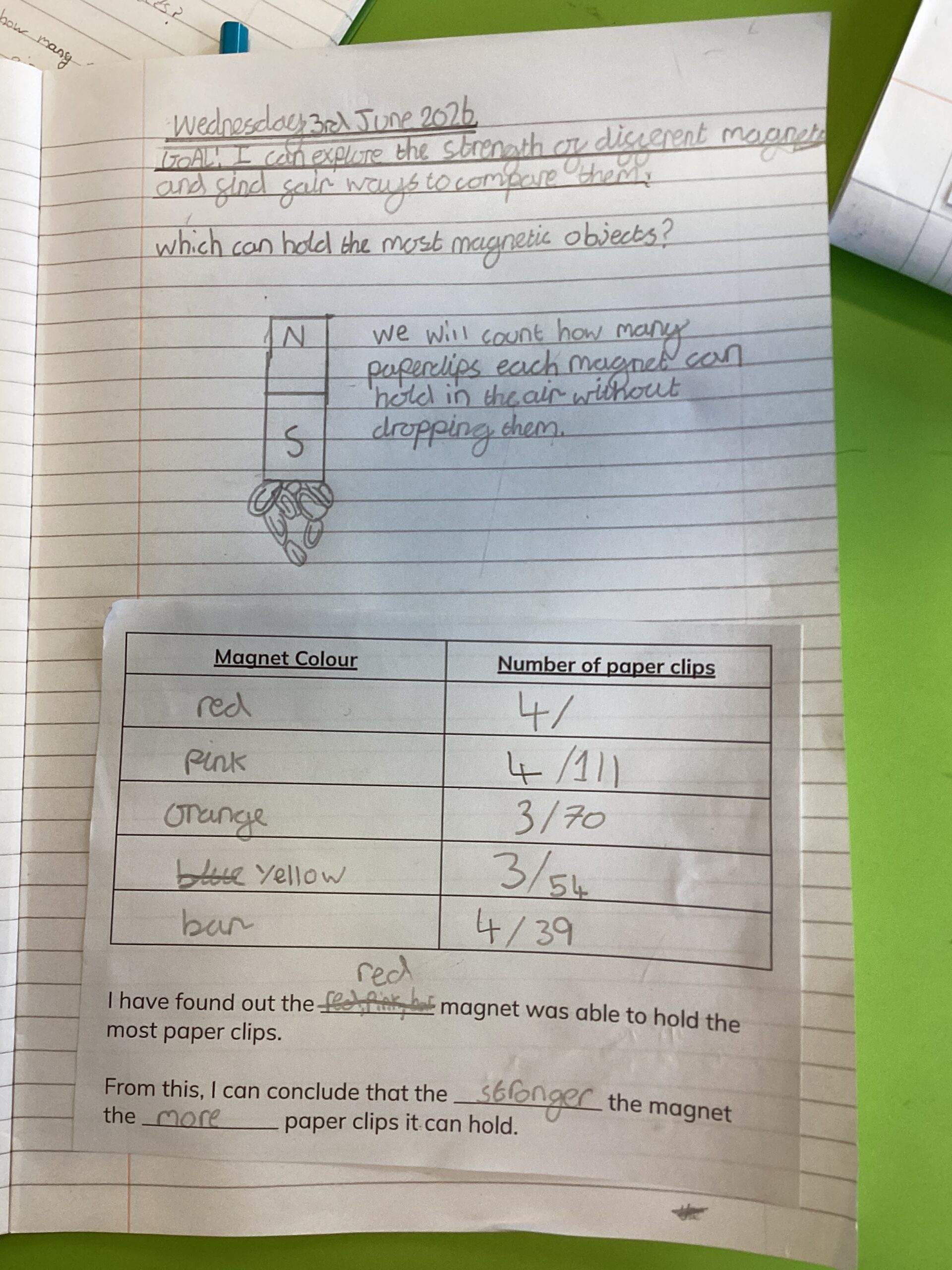
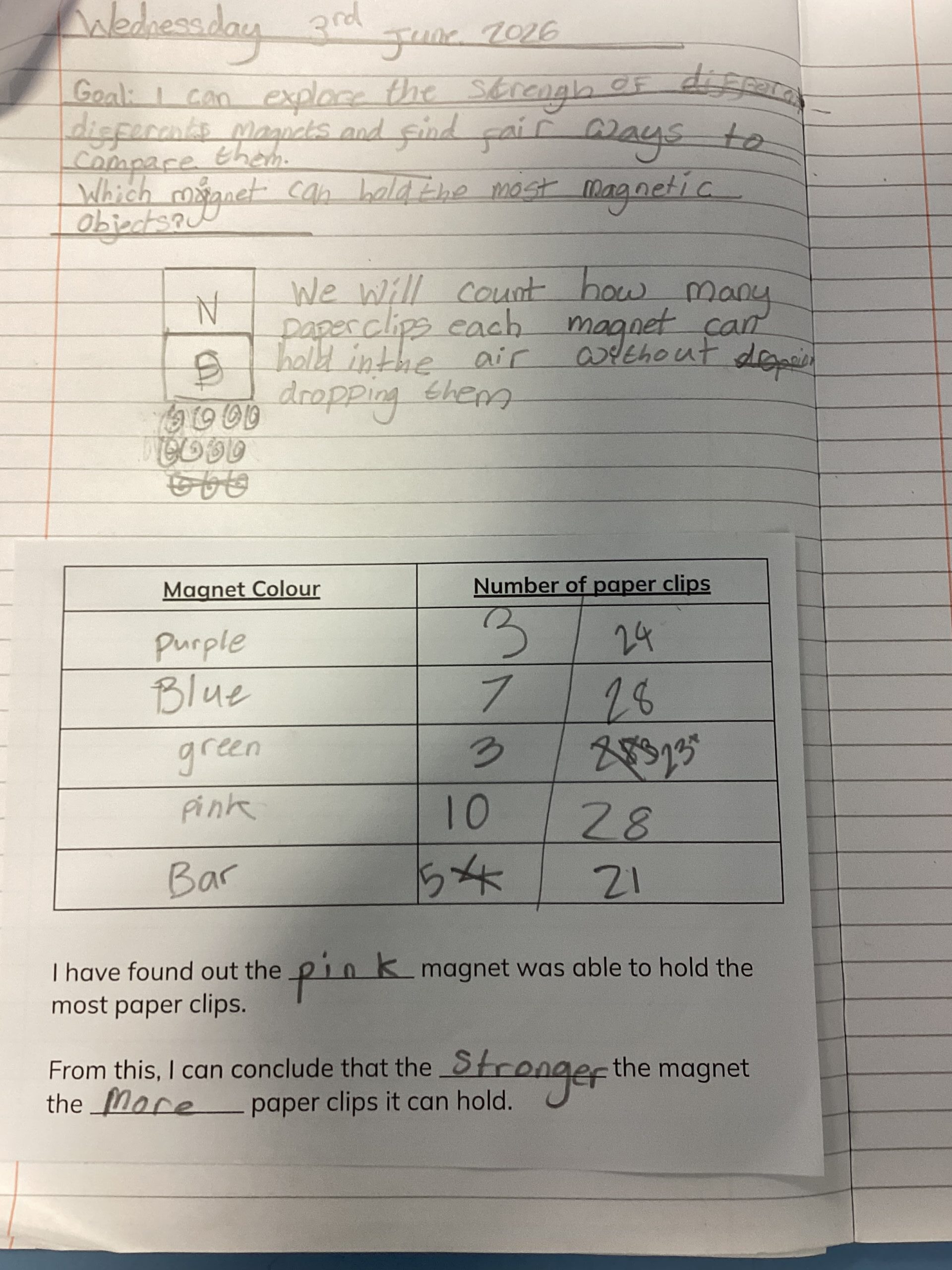
Year 3/4 enjoyed an exciting science lesson investigating the strength of different magnets. The children were surprised to discover that a magnet’s size does not always determine how strong it is. Some smaller magnets can be stronger than larger ones!
To test the strength of each magnet, the children carried out a fair investigation. They used different magnets and counted how many paper clips each one could hold before the paper clips fell off. They carefully recorded their results and compared the performance of each magnet.
After analysing their findings, the children made the conclusion that the stronger the magnetic force, the greater the number of paper clips a magnet can attract and hold. They also learned the importance of carrying out a fair test and using evidence to support their conclusions.
Well done, Year 3/4, for your excellent scientific thinking and investigation skills!
Team 5 / 6:
When Baghdad Was the Brain of the World: Teaching Kids to Think Like Historians
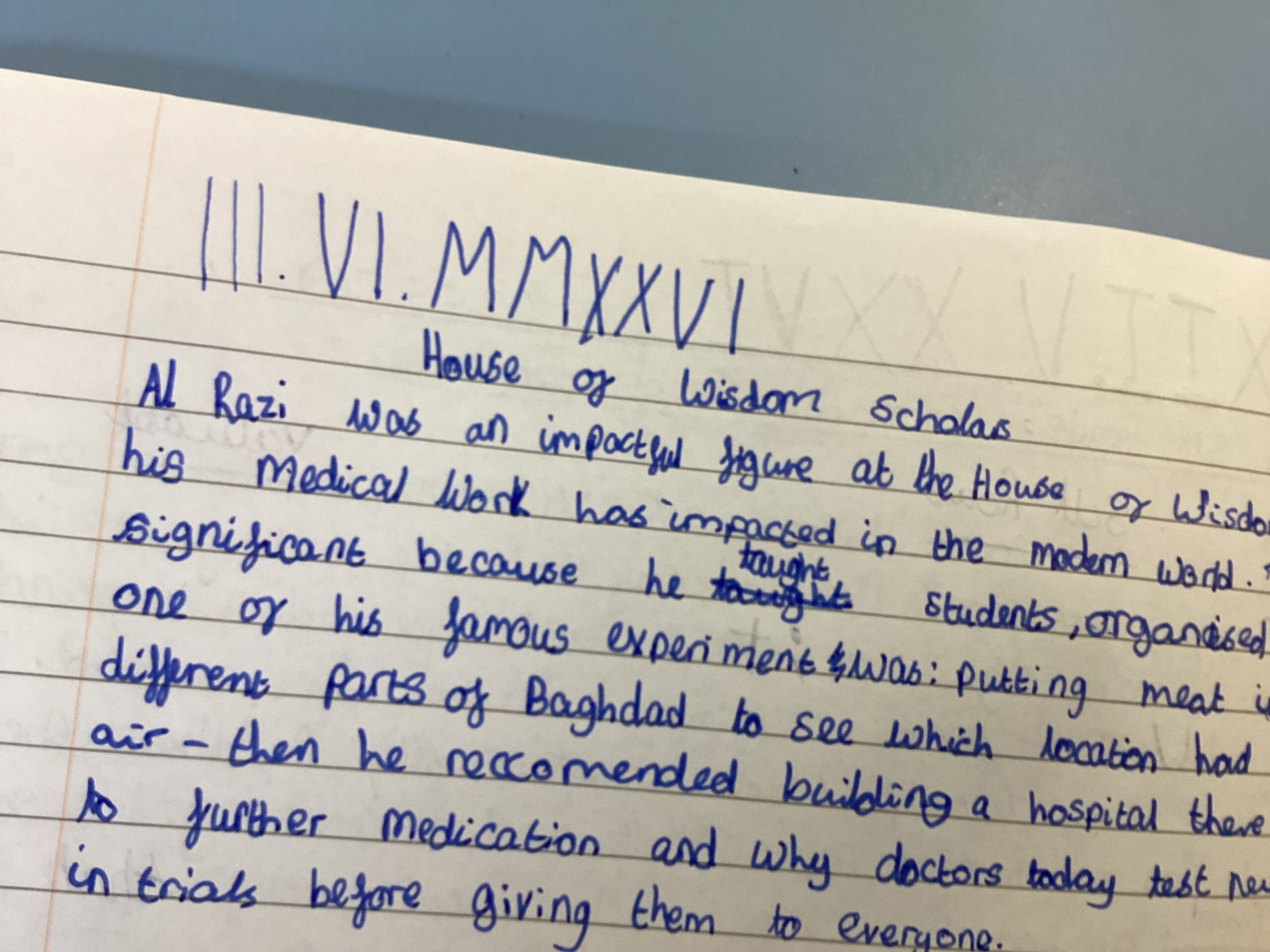
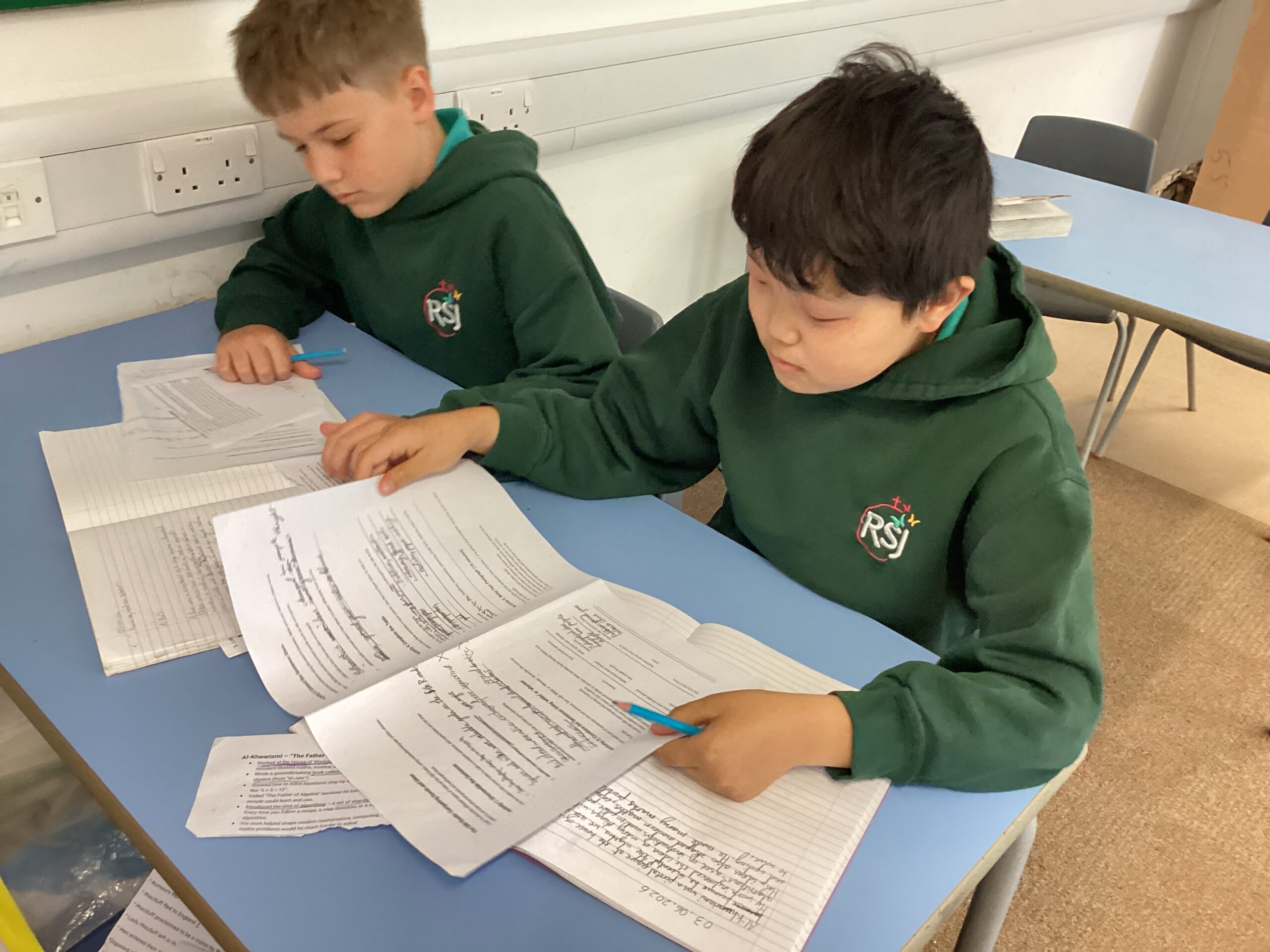
History isn’t just about memorising dates. It’s about weighing evidence and asking “Why does this matter?” This week, my class didn’t just learn about the Early Islamic Civilisation—they became true historians, evaluating why the House of Wisdom in Baghdad was so significant.
We started with a retrieval challenge: spices, silk, or a book? Which one was traded on the Silk Roads? One child pointed to the book. “Ideas,” they said. That was the key insight. While camels carried gold and fabric, the most valuable cargo was knowledge—and Baghdad was its ultimate marketplace.
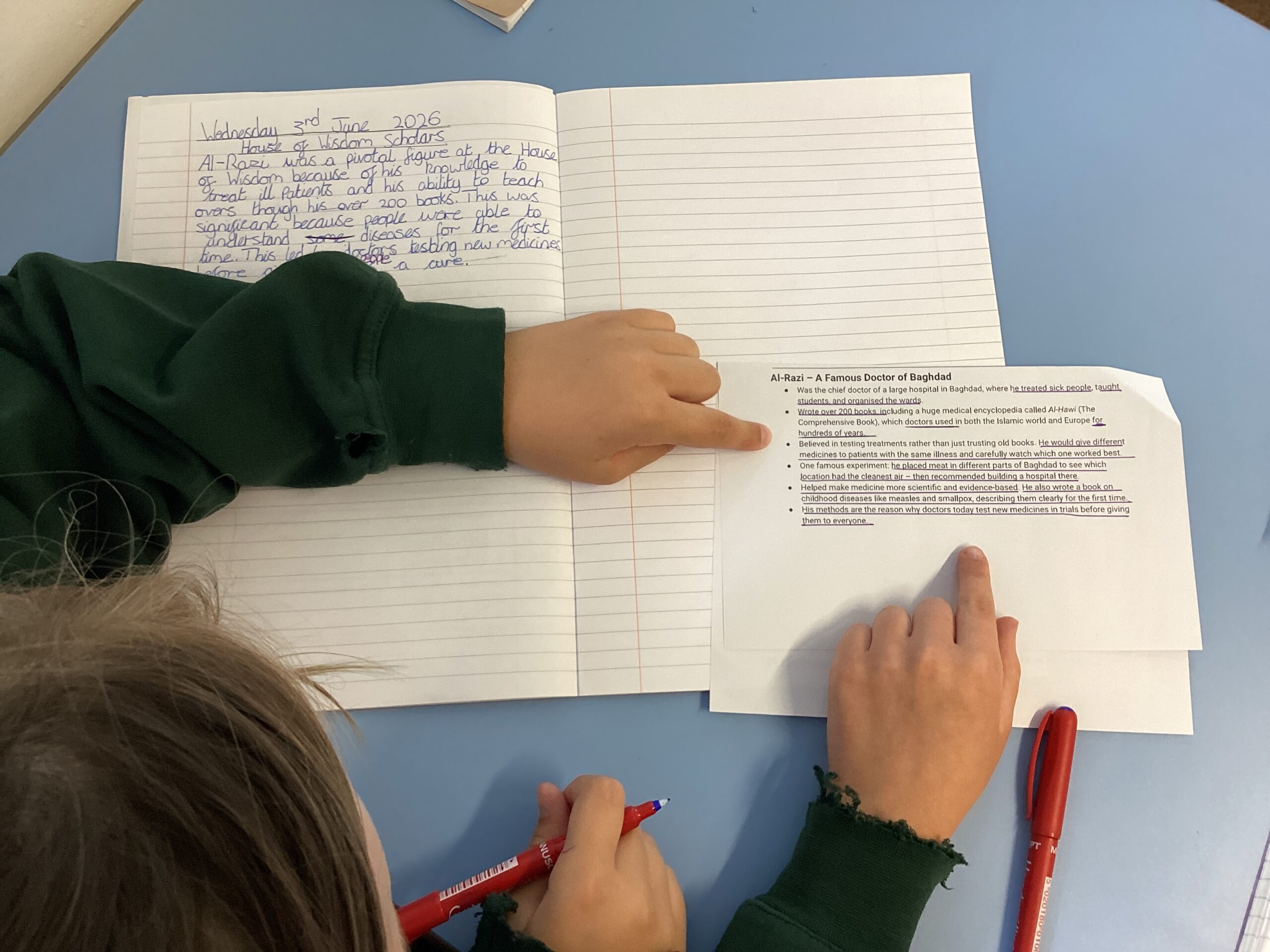
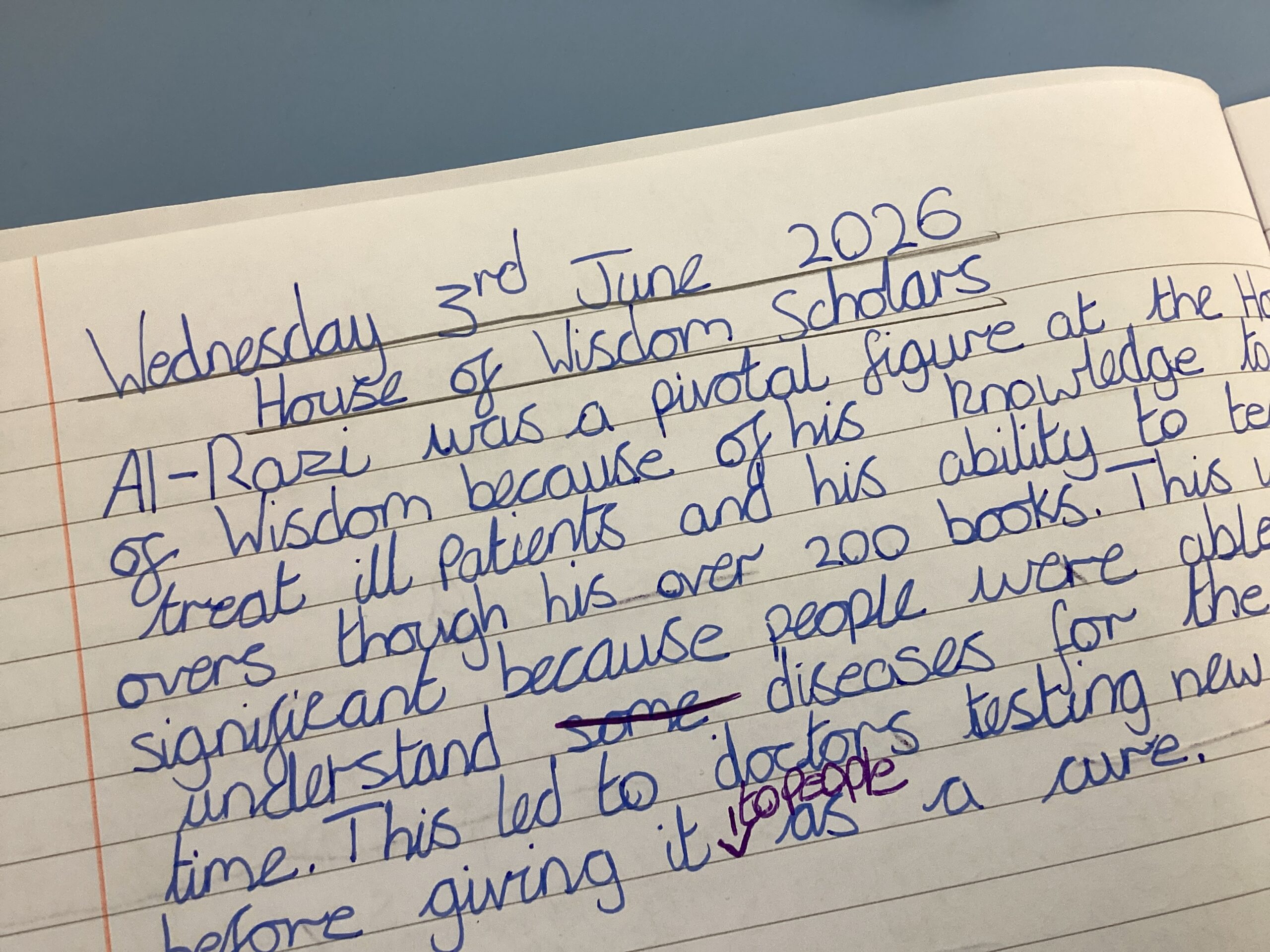
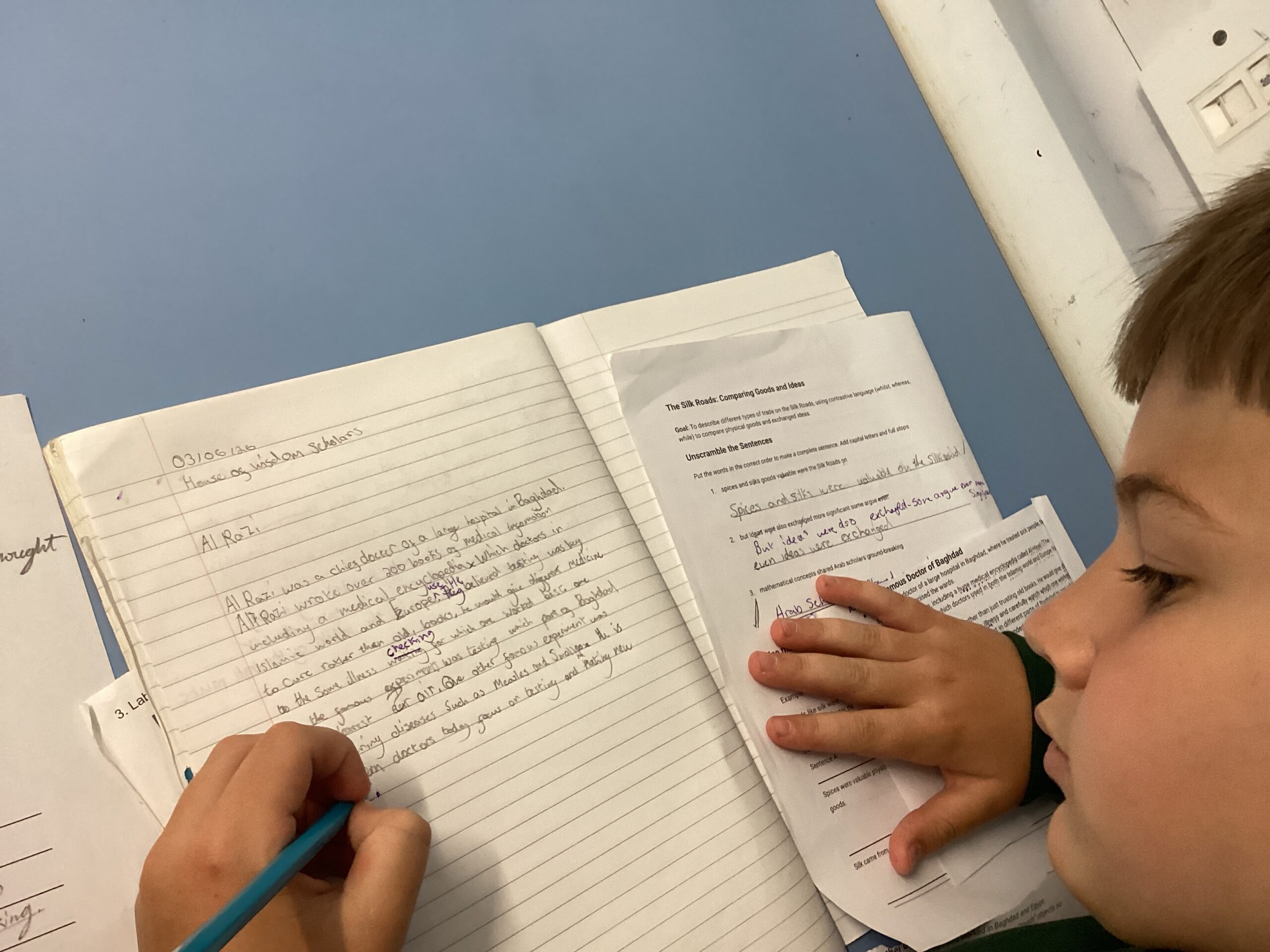
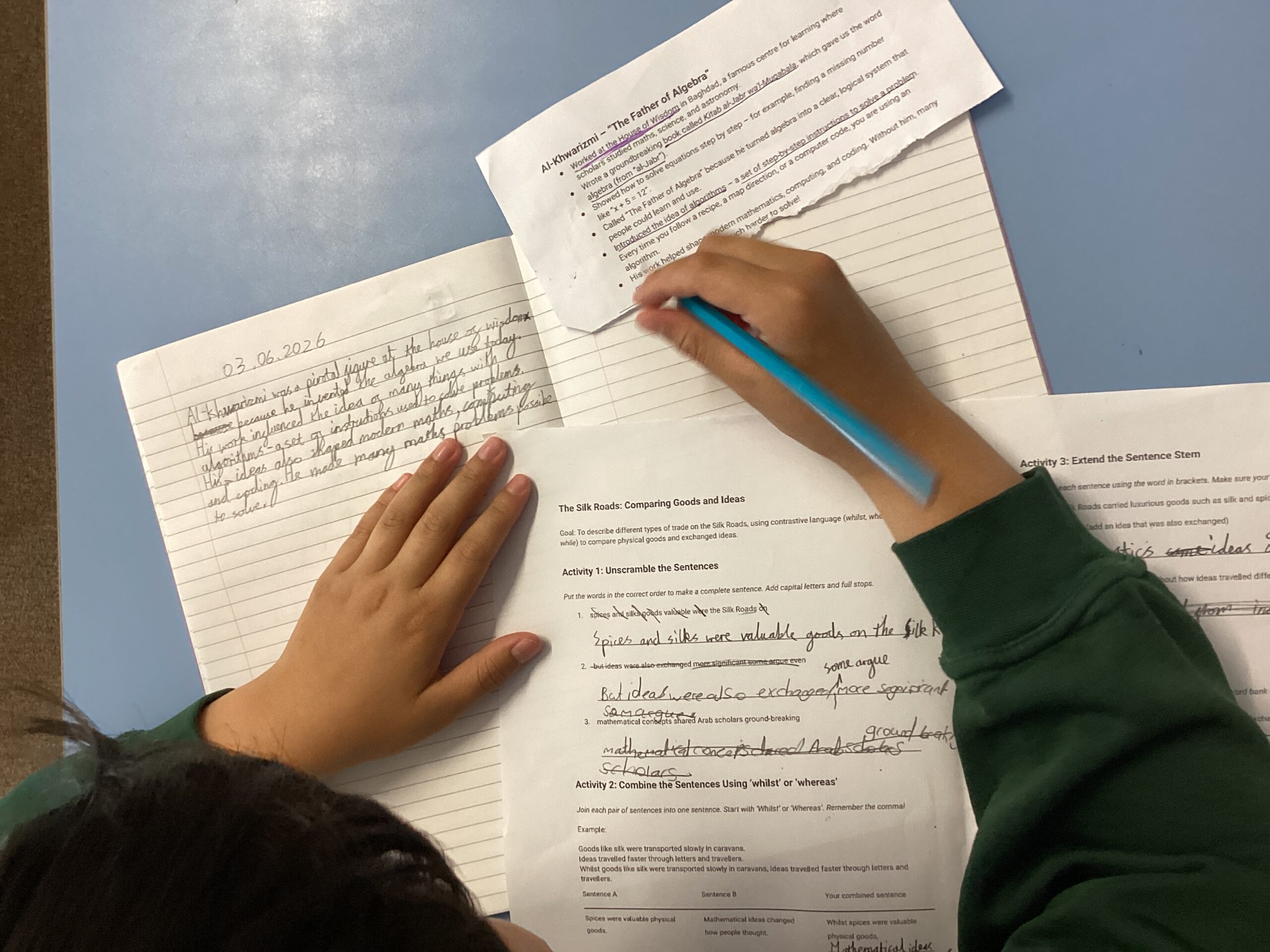
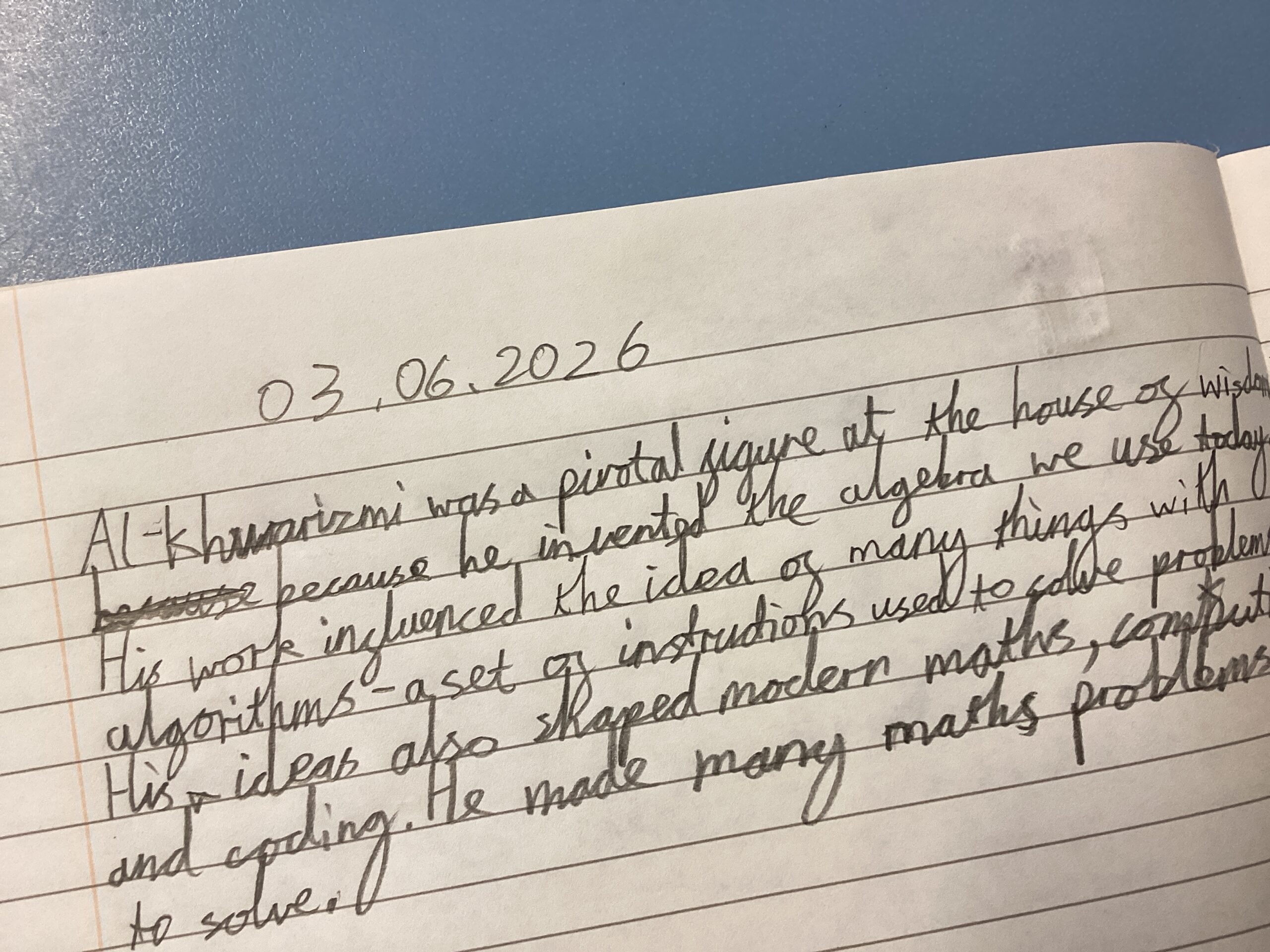
To understand the House of Wisdom, we met three scholars. Al-Khwarizmi, the Father of Algebra, who gave us algorithms. Ibn al-Haytham, the Father of Optics, who proved we see because light bounces off objects and invented the camera obscura. And Al-Razi, a pioneering doctor who ran a hospital in Baghdad. We asked: What did these men have in common? “They were curious.” “They borrowed ideas from others and made them better.” That was the first evaluative leap. The House of Wisdom wasn’t important just because it had books. It was significant because it brought brilliant minds together and gave them freedom to explore—something not happening in Britain at the same time.
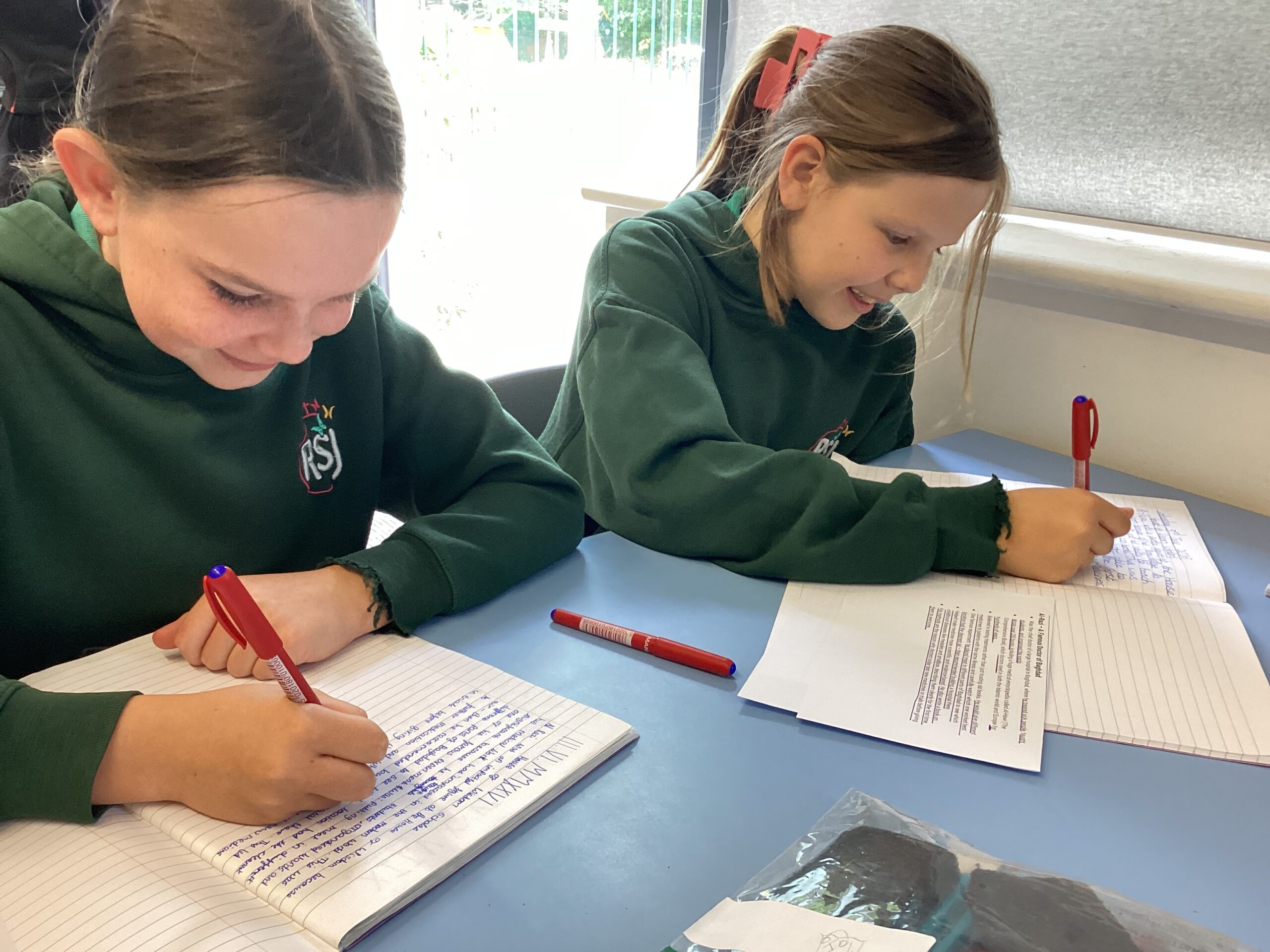
Then the children wrote a “biographical capsule” on one scholar. But they had to use analytical phrases to judge significance, not just describe. We modelled: “Ibn al-Haytham fundamentally changed our understanding of sight. This was significant because he used scientific experiments to prove how we see. His work influenced the development of the camera and modern telescopes.” The results were children moving from “He wrote a book” to “This led to… His work influenced…” That’s the sound of real historical reasoning.
Finally, we asked: “If the House of Wisdom was a place of tolerance and learning, what does this tell us about Early Islamic Civilisation?” One child quietly said: “It’s the opposite of what some people think.” Not just a fact about the past, but a judgement about a whole civilisation.
This lesson worked because the children weren’t asked to remember the past. They were asked to evaluate it. By weighing the contributions of these scholars, they decided for themselves why the House of Wisdom still matters today. That’s not just history. That’s historical thinking.
Follow us on social media!
You can find us on Facebook and Instagram @Rownhamsschool, where we share more photos of what has been going on around the school, and celebrate the children’s learning.