Team R:
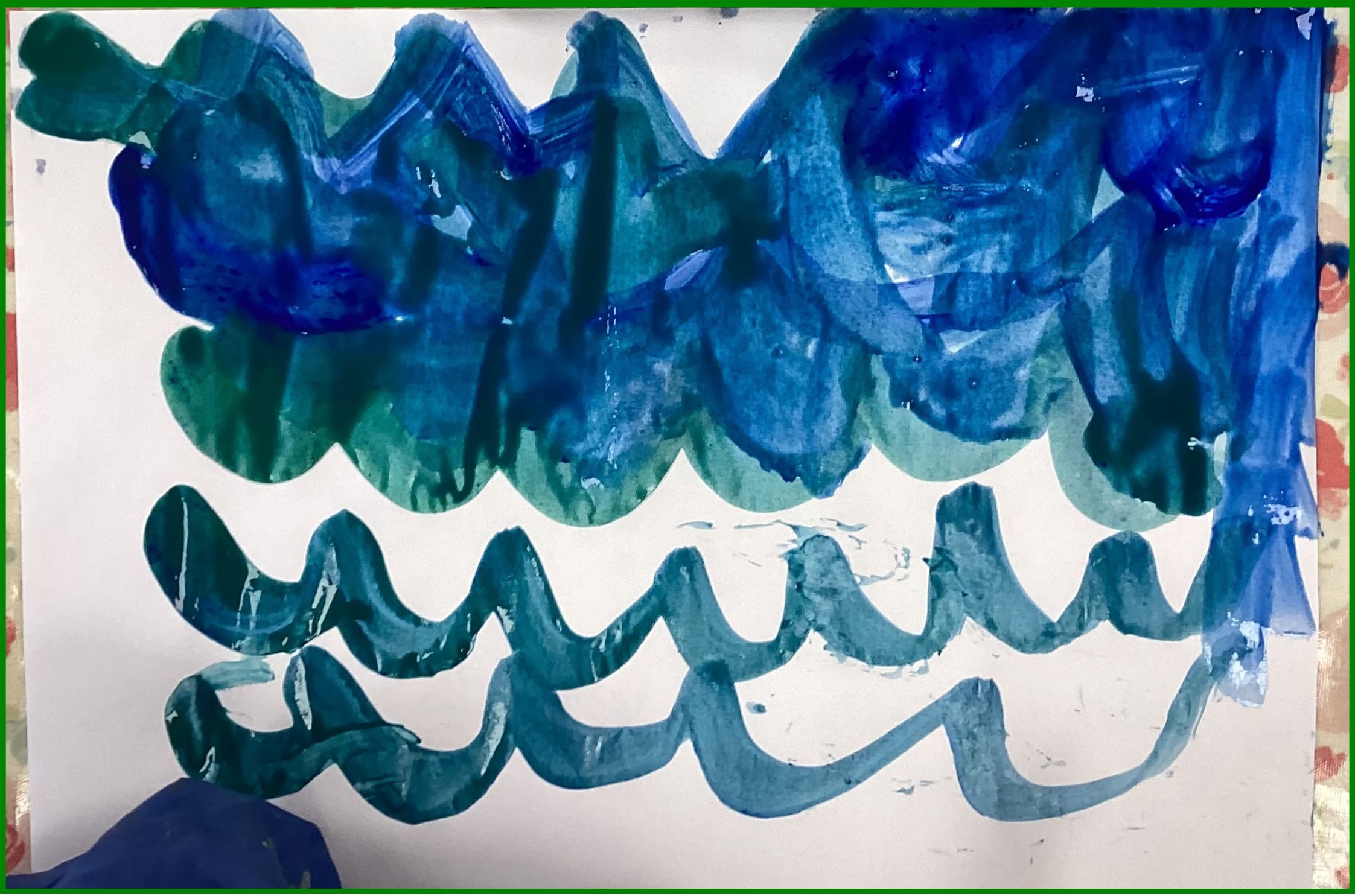
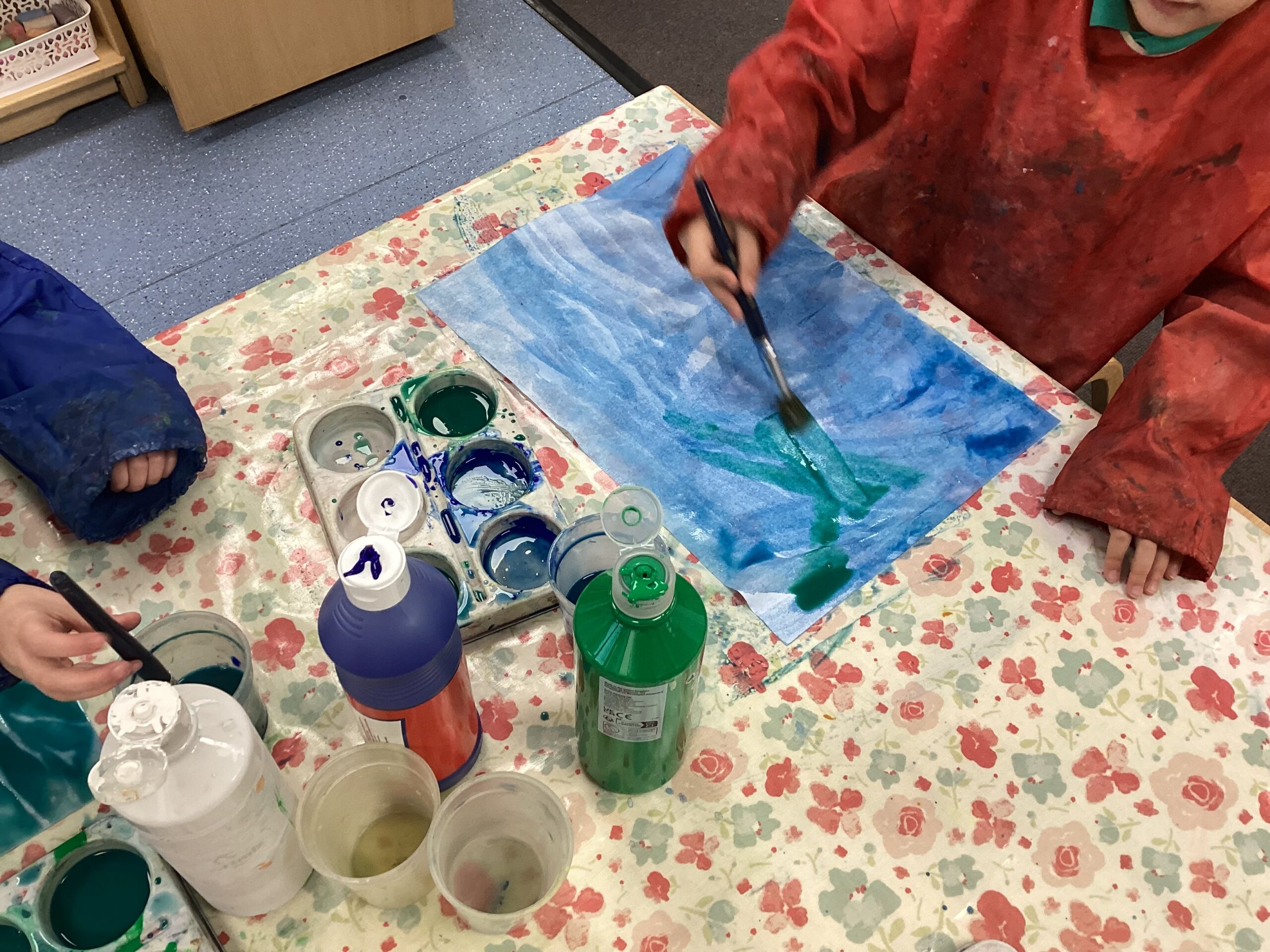
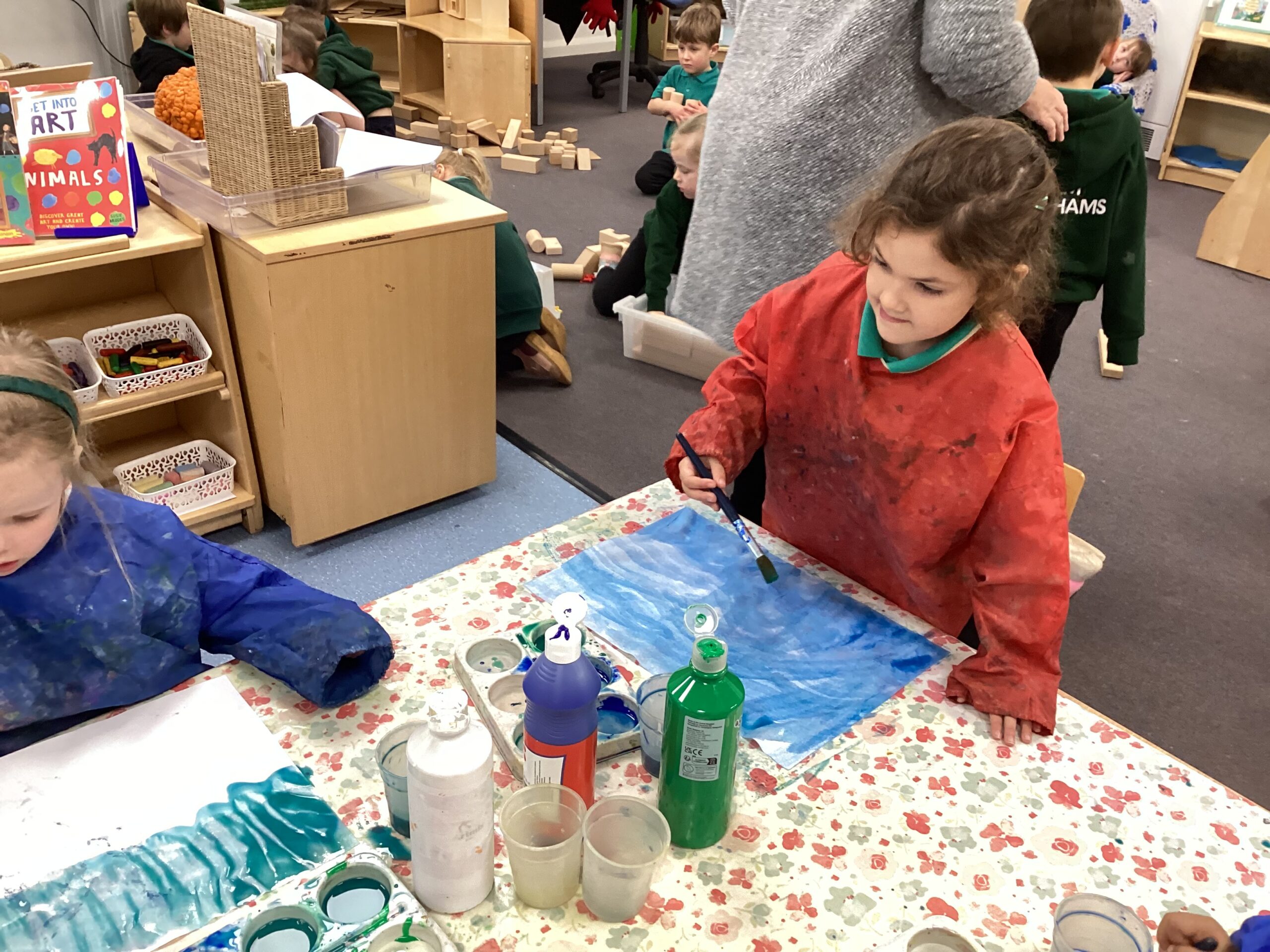
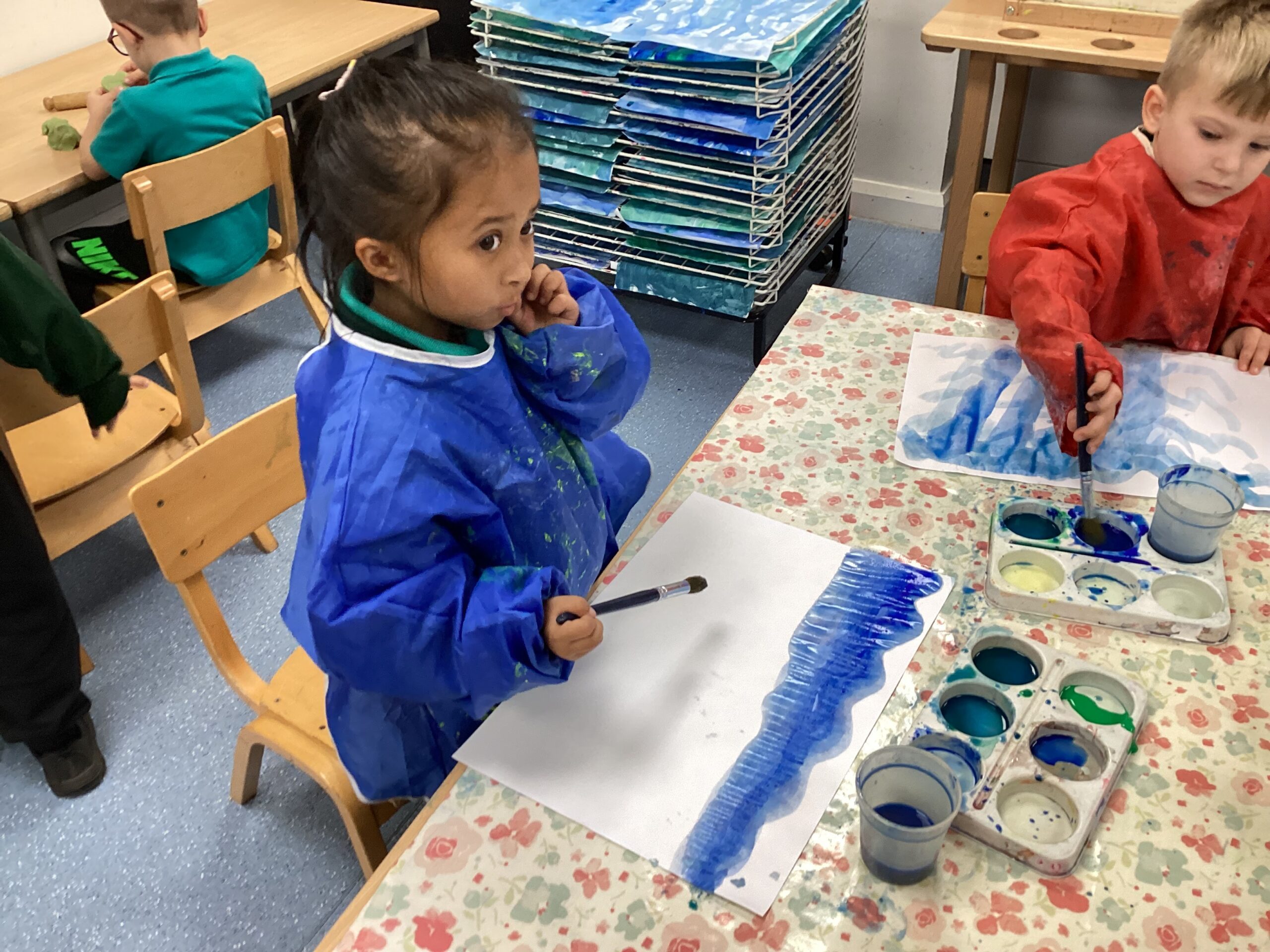
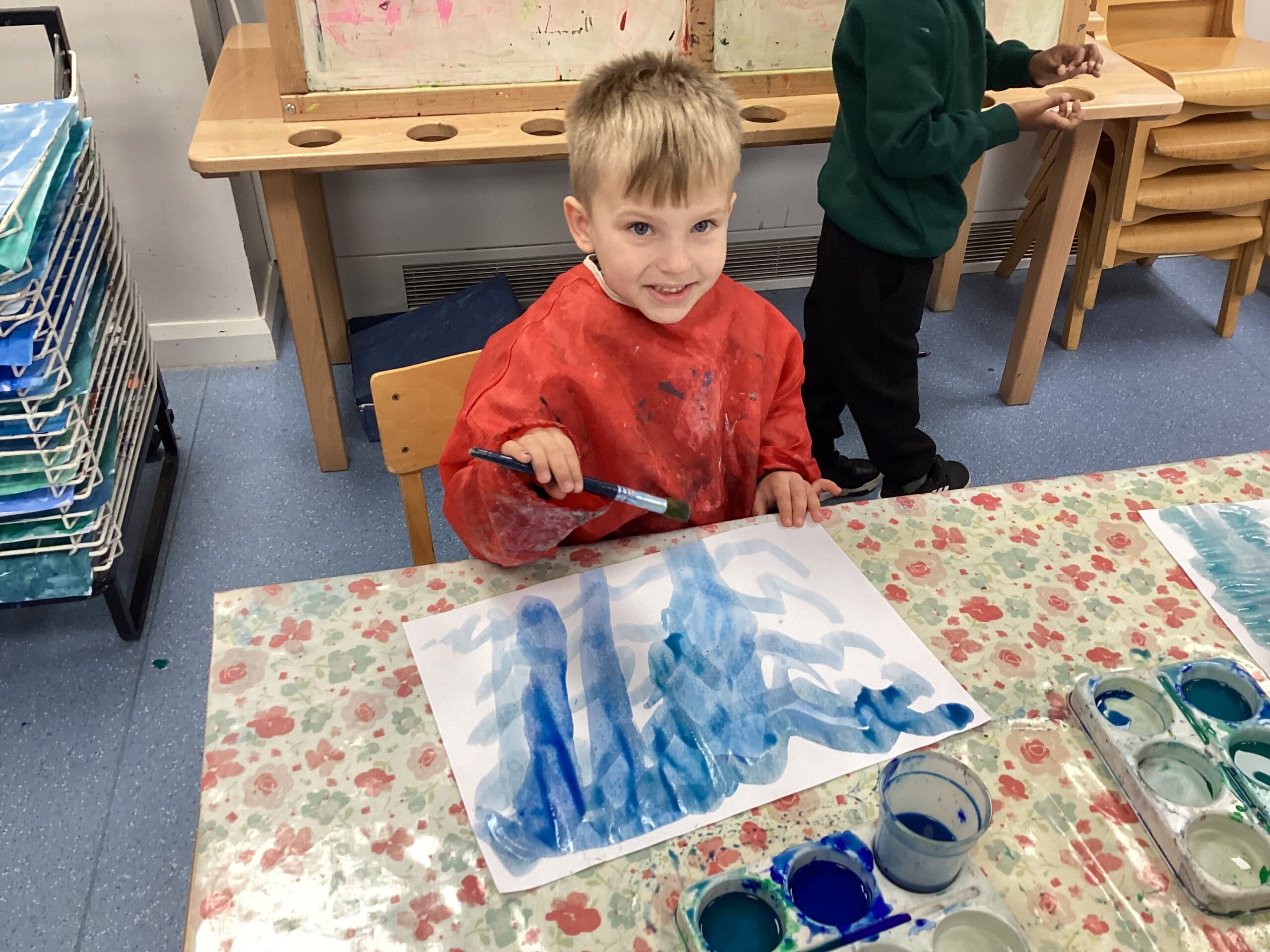
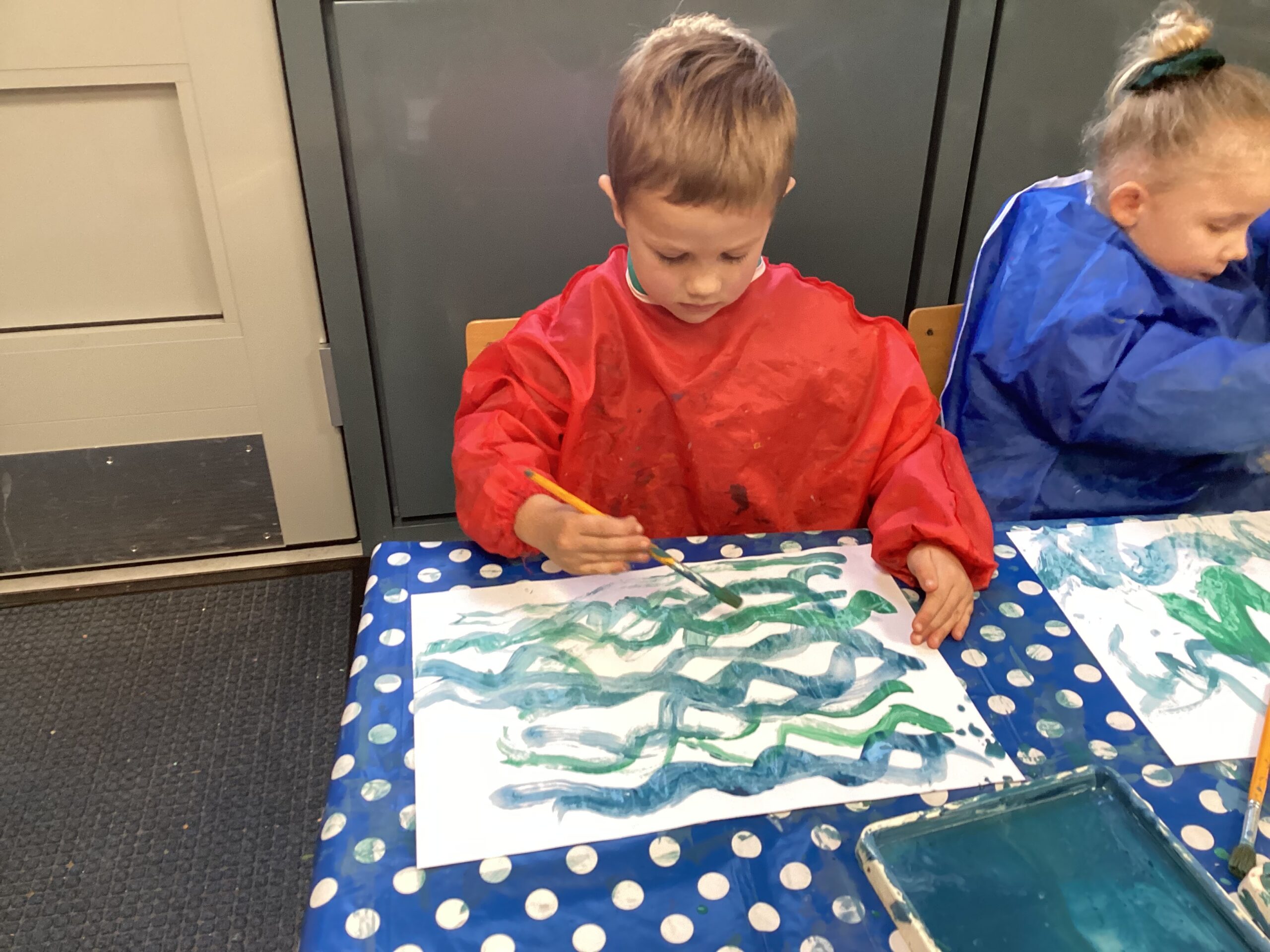
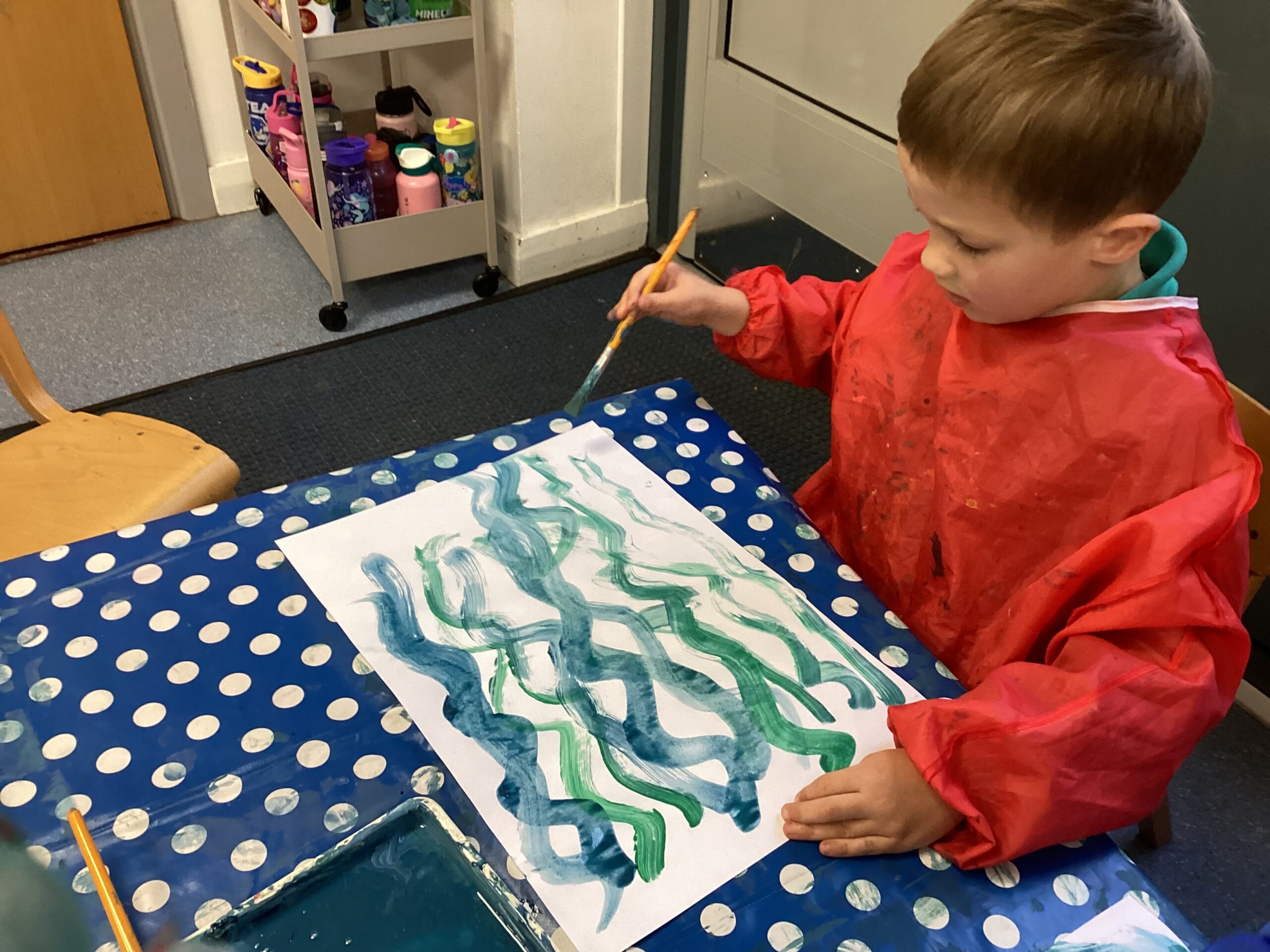
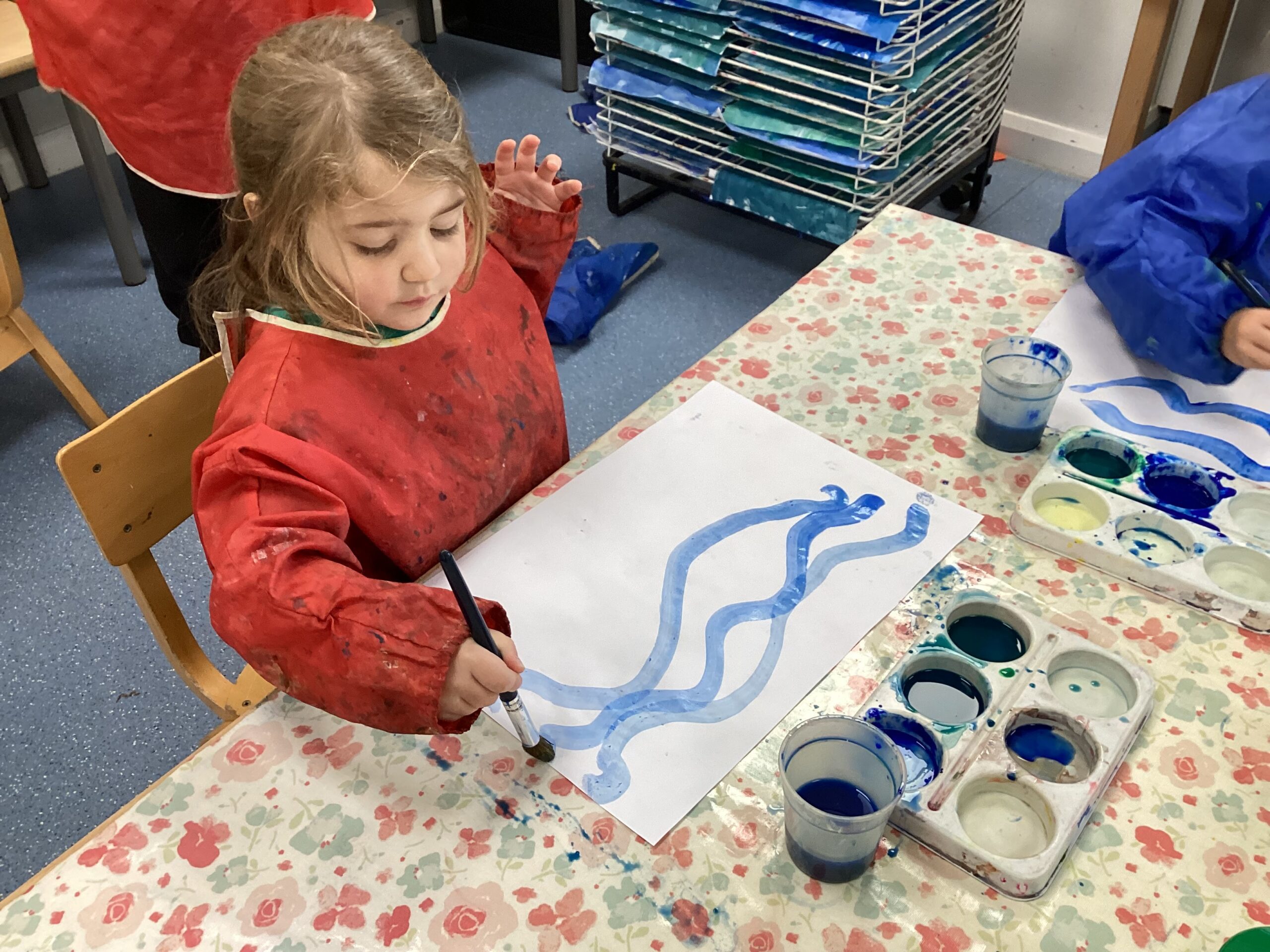
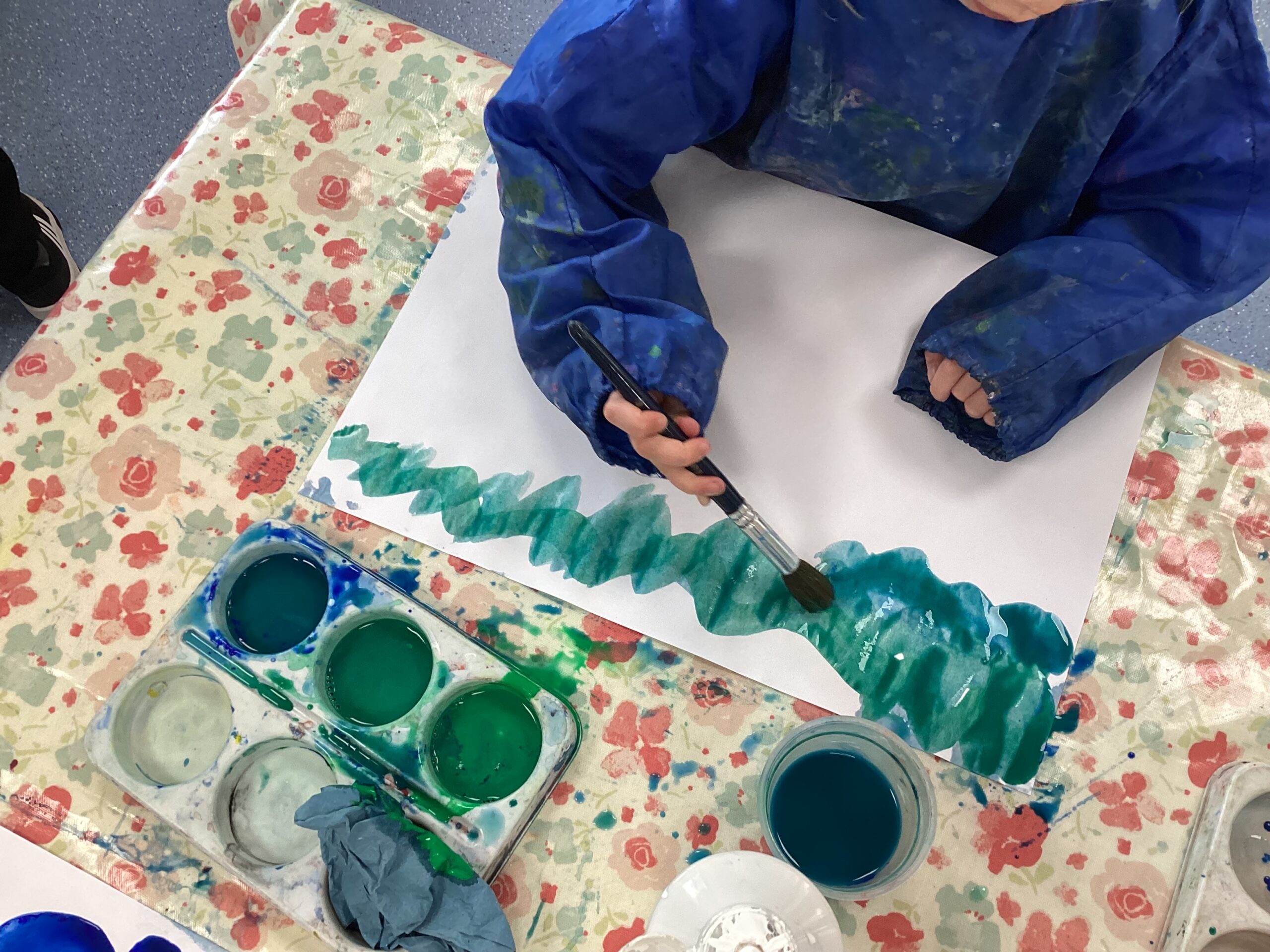
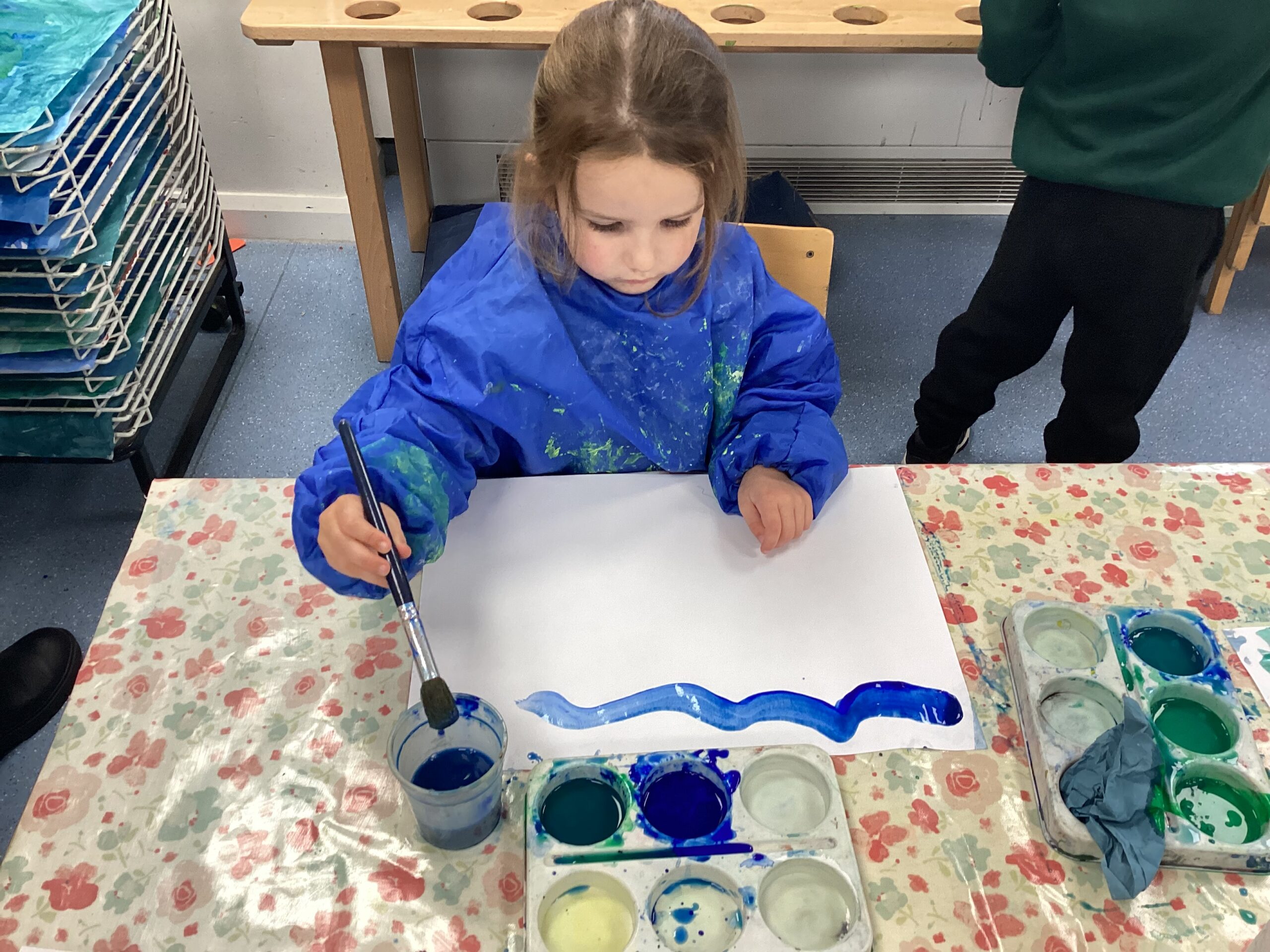
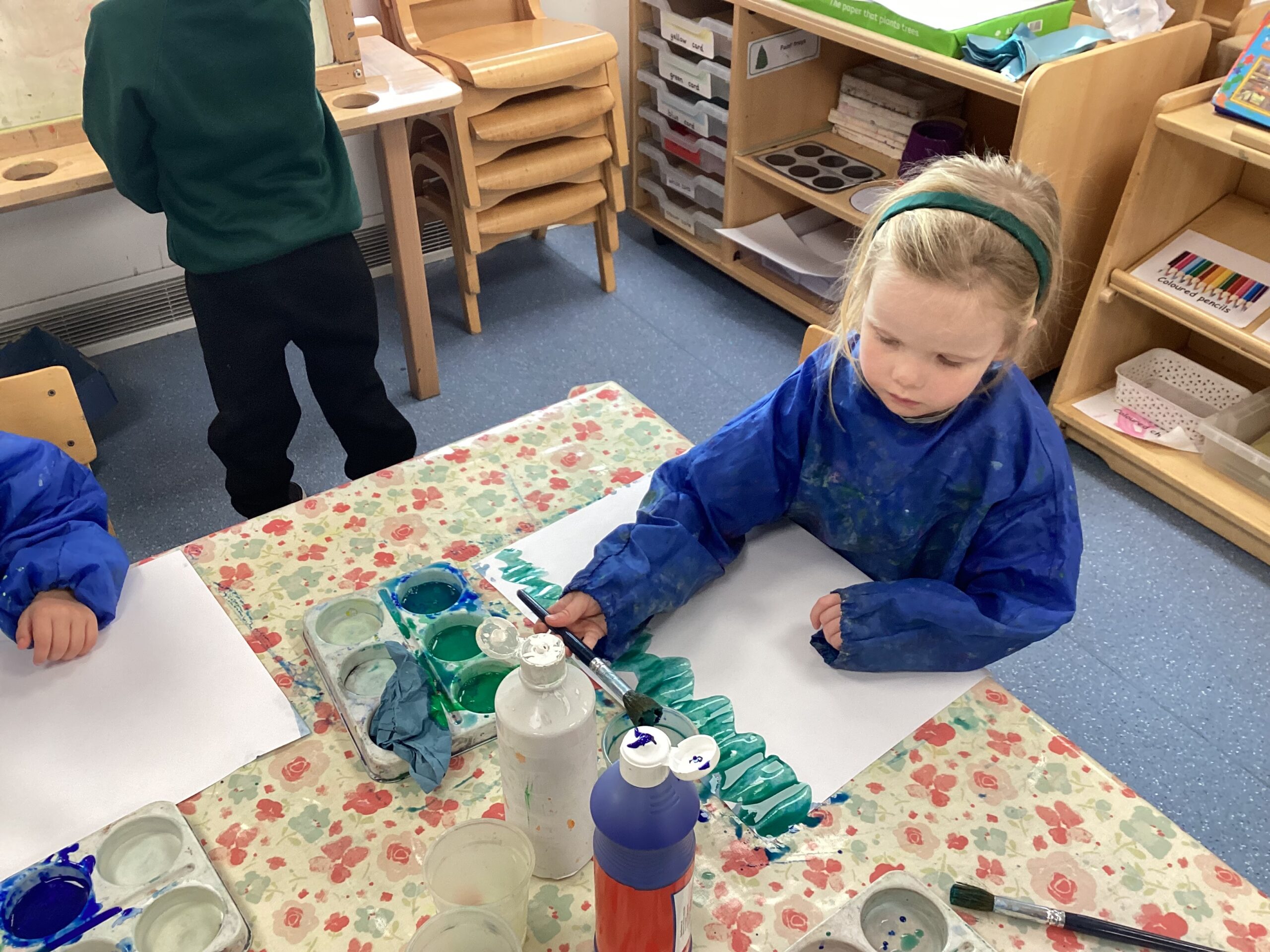
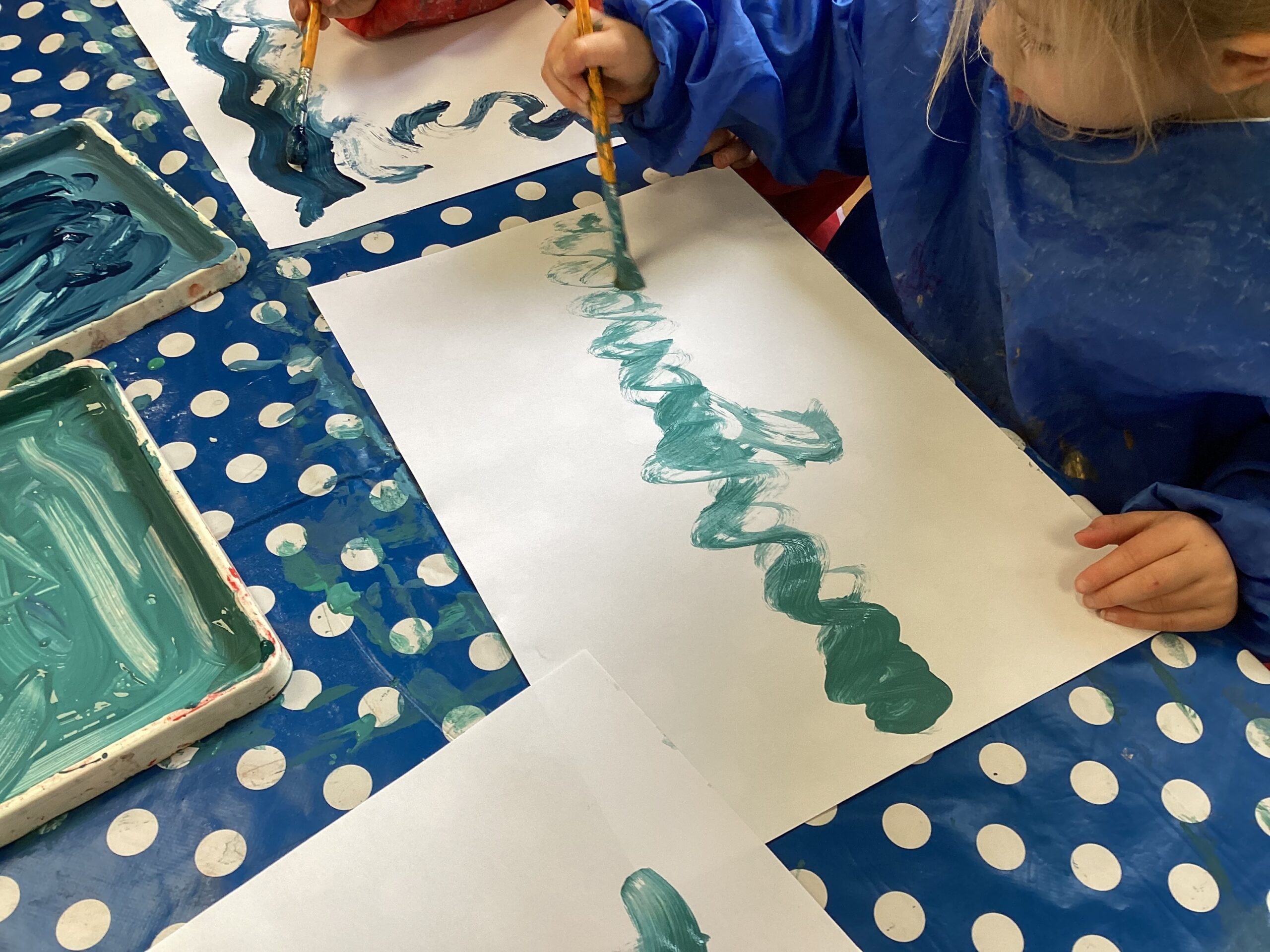
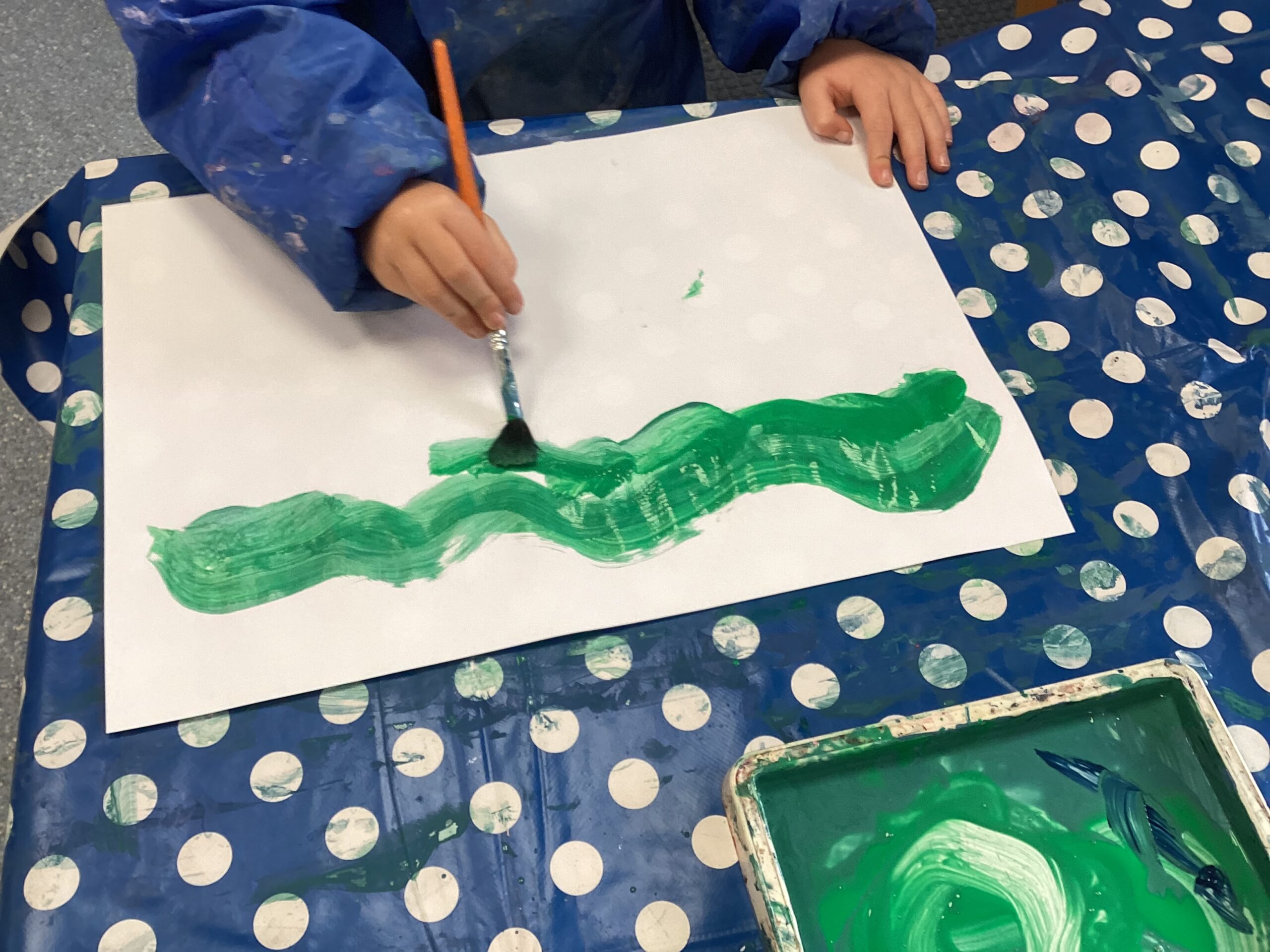
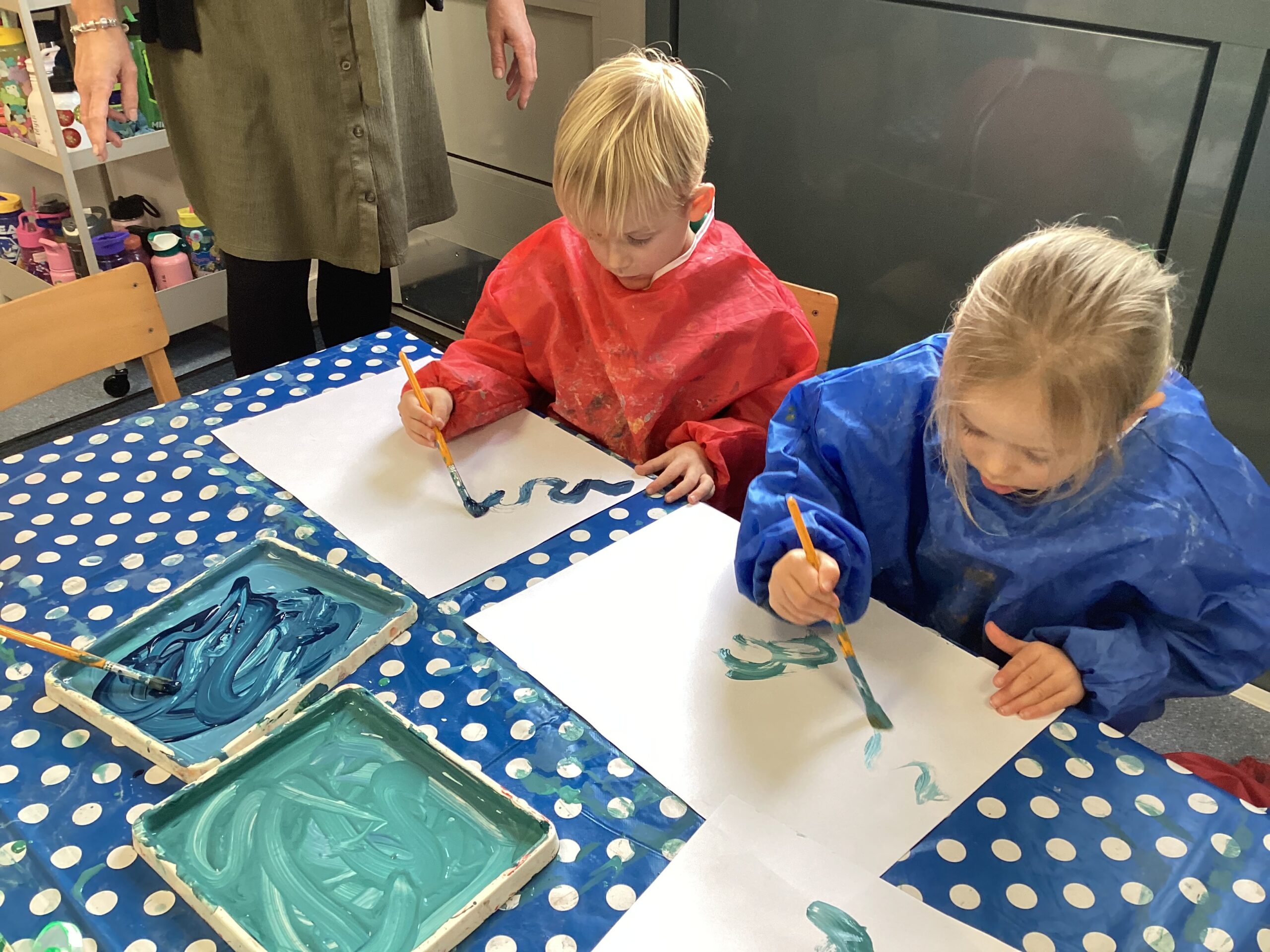
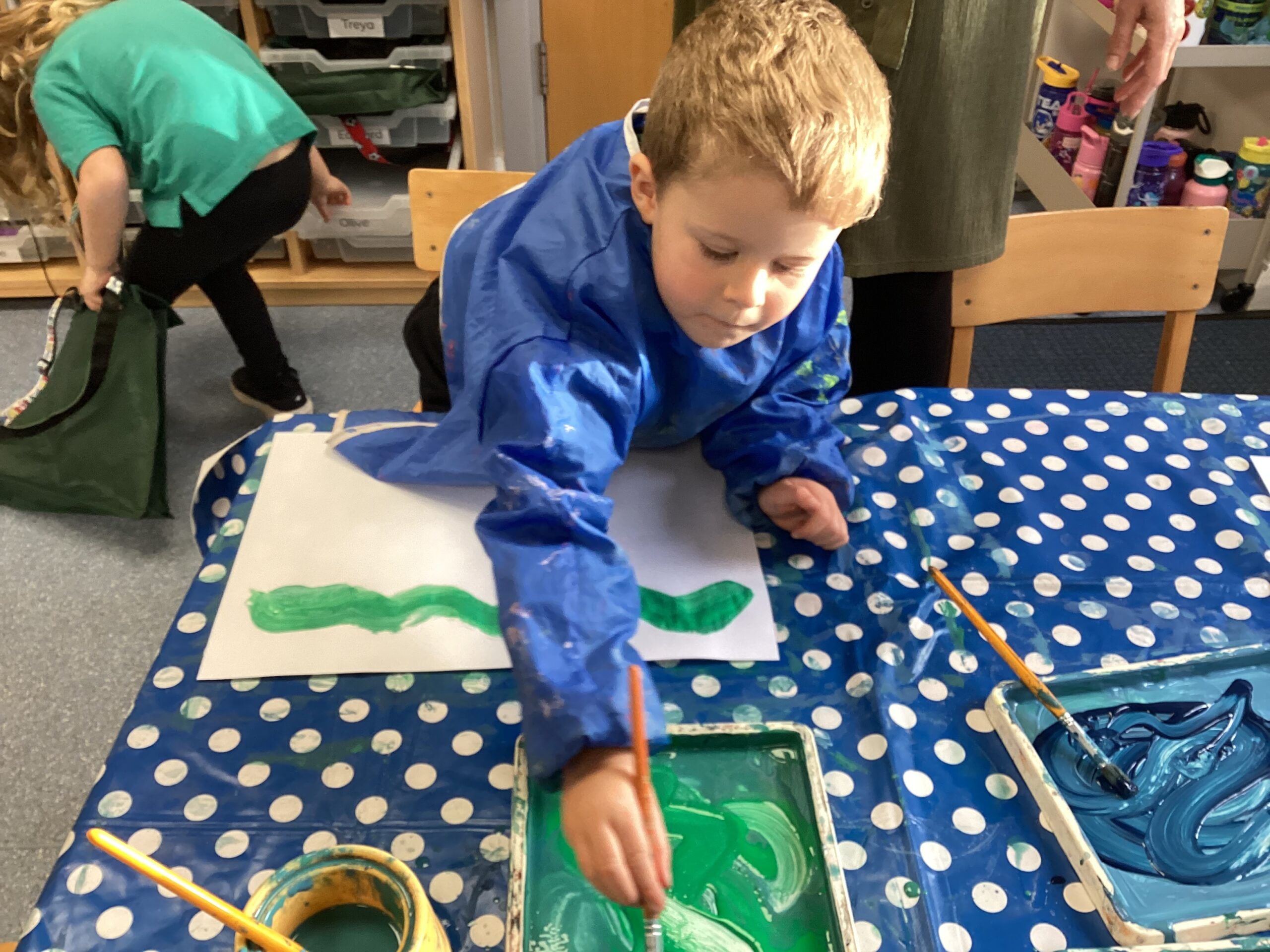
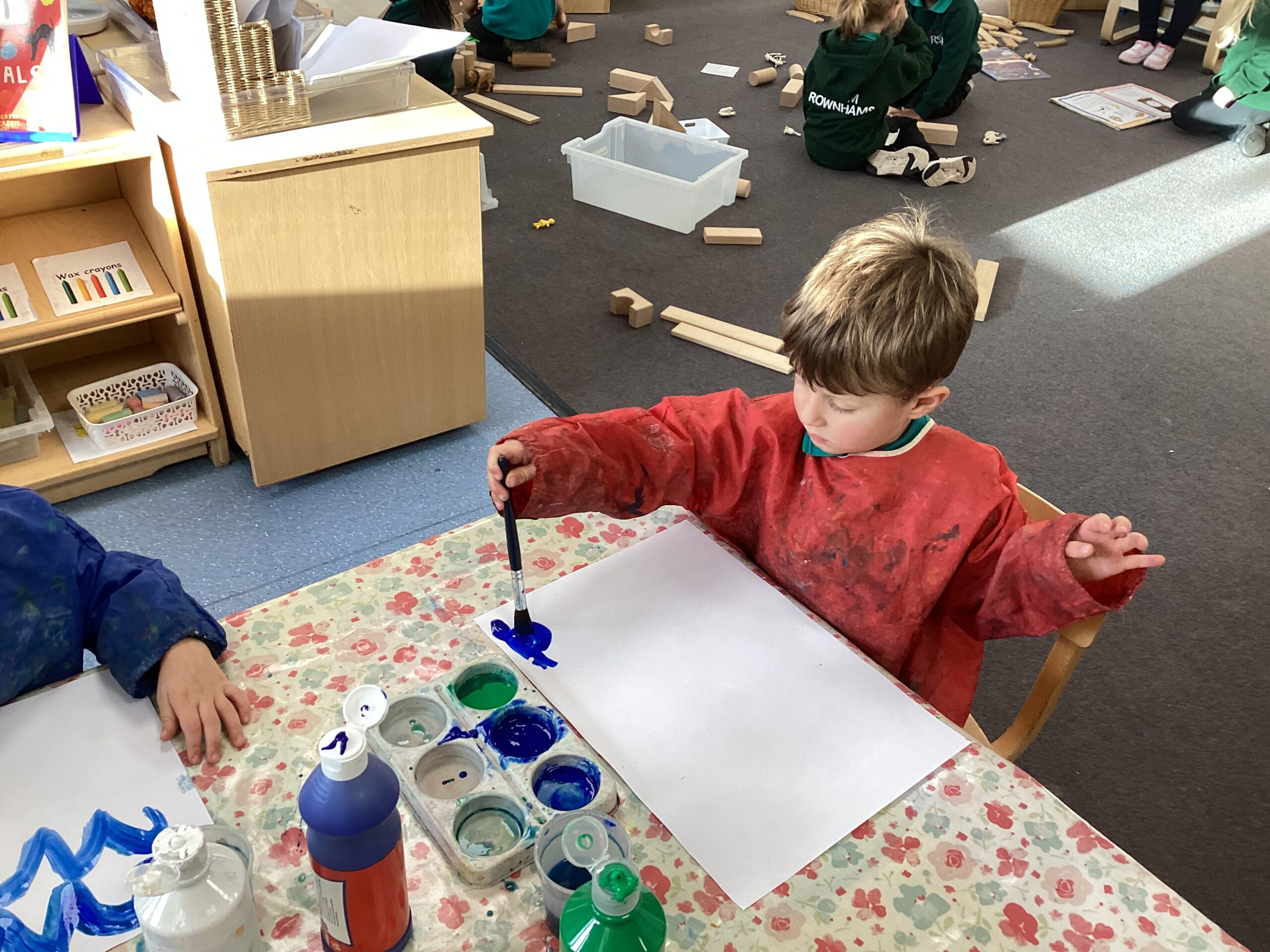
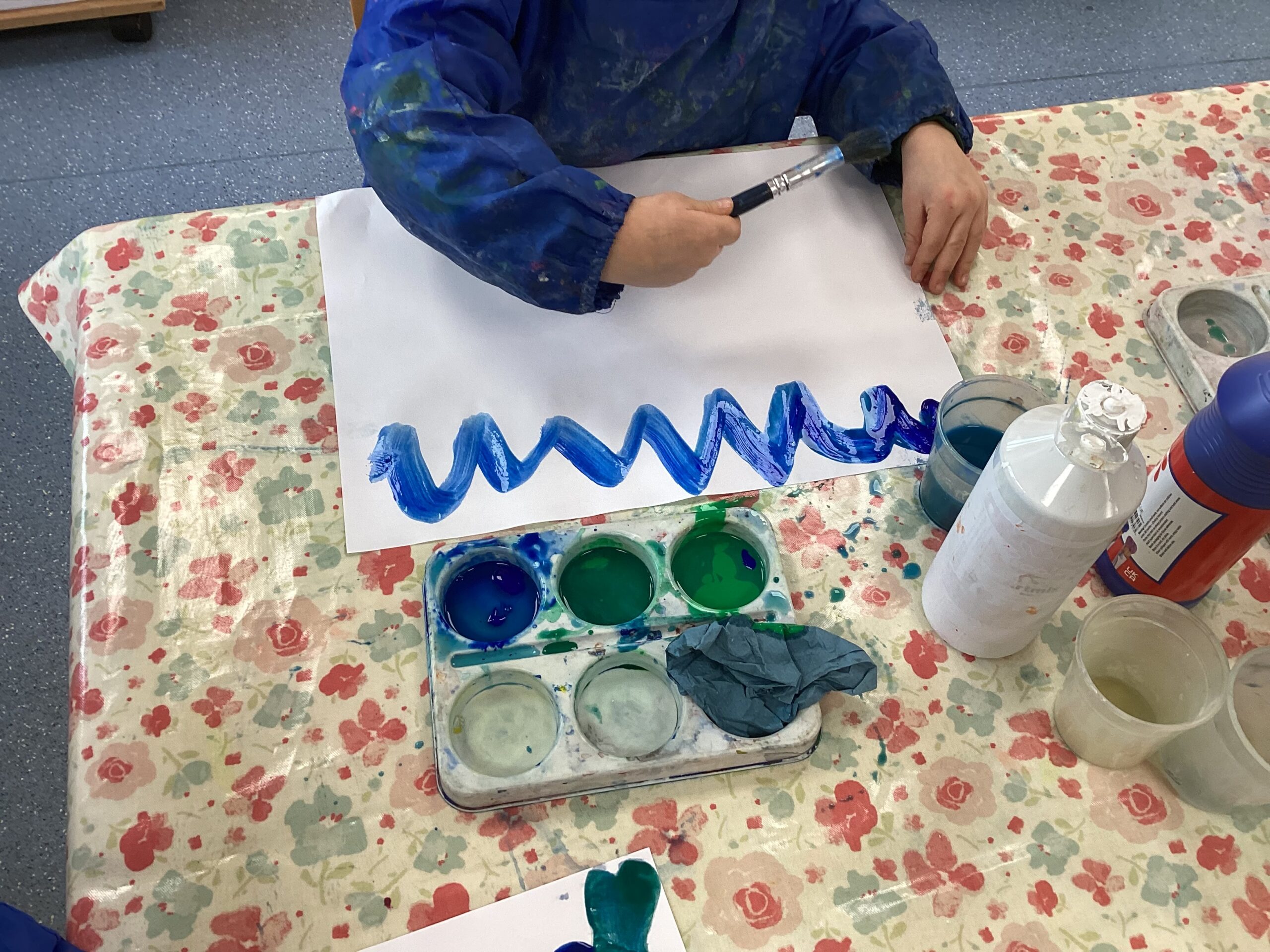
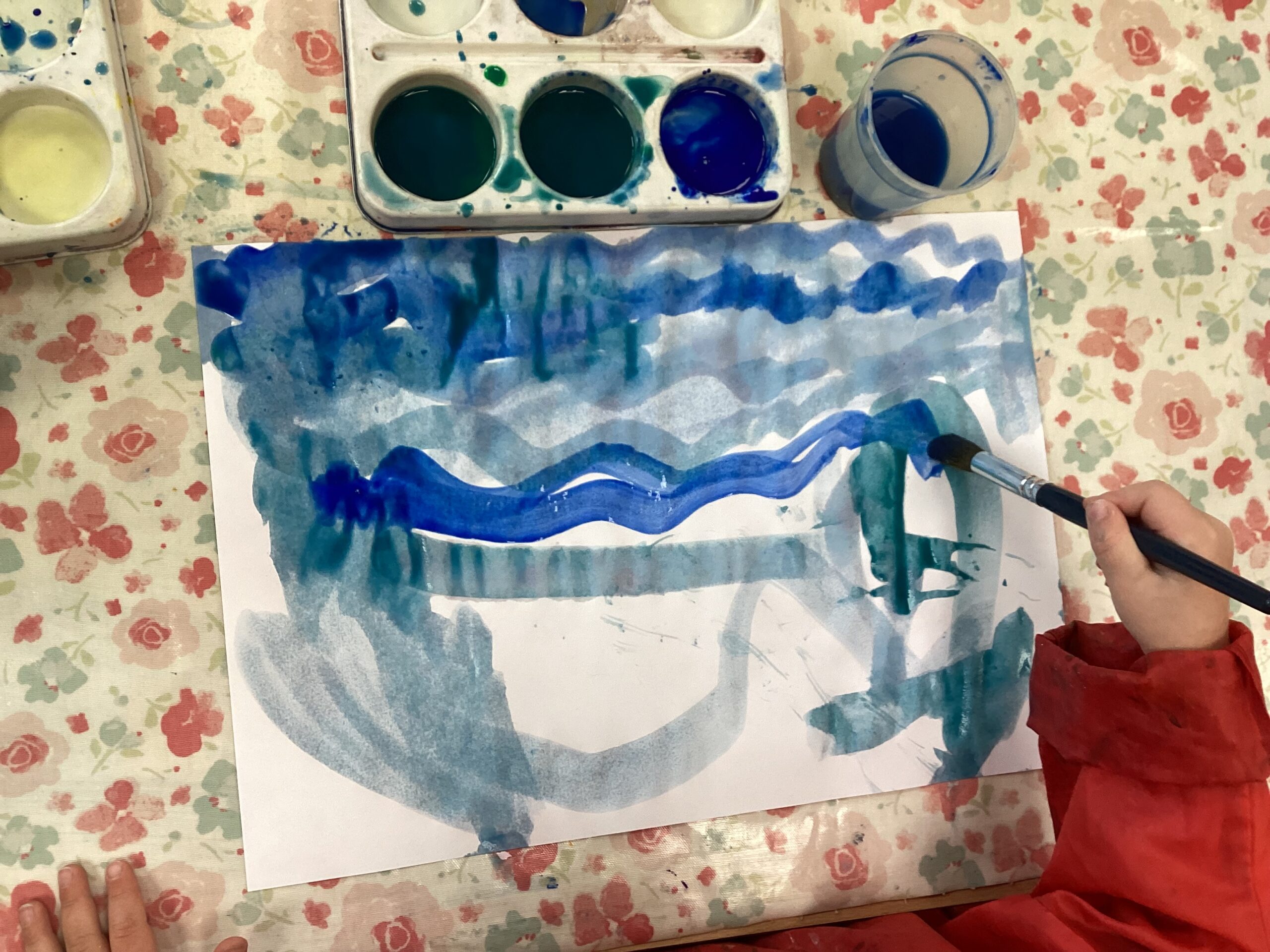
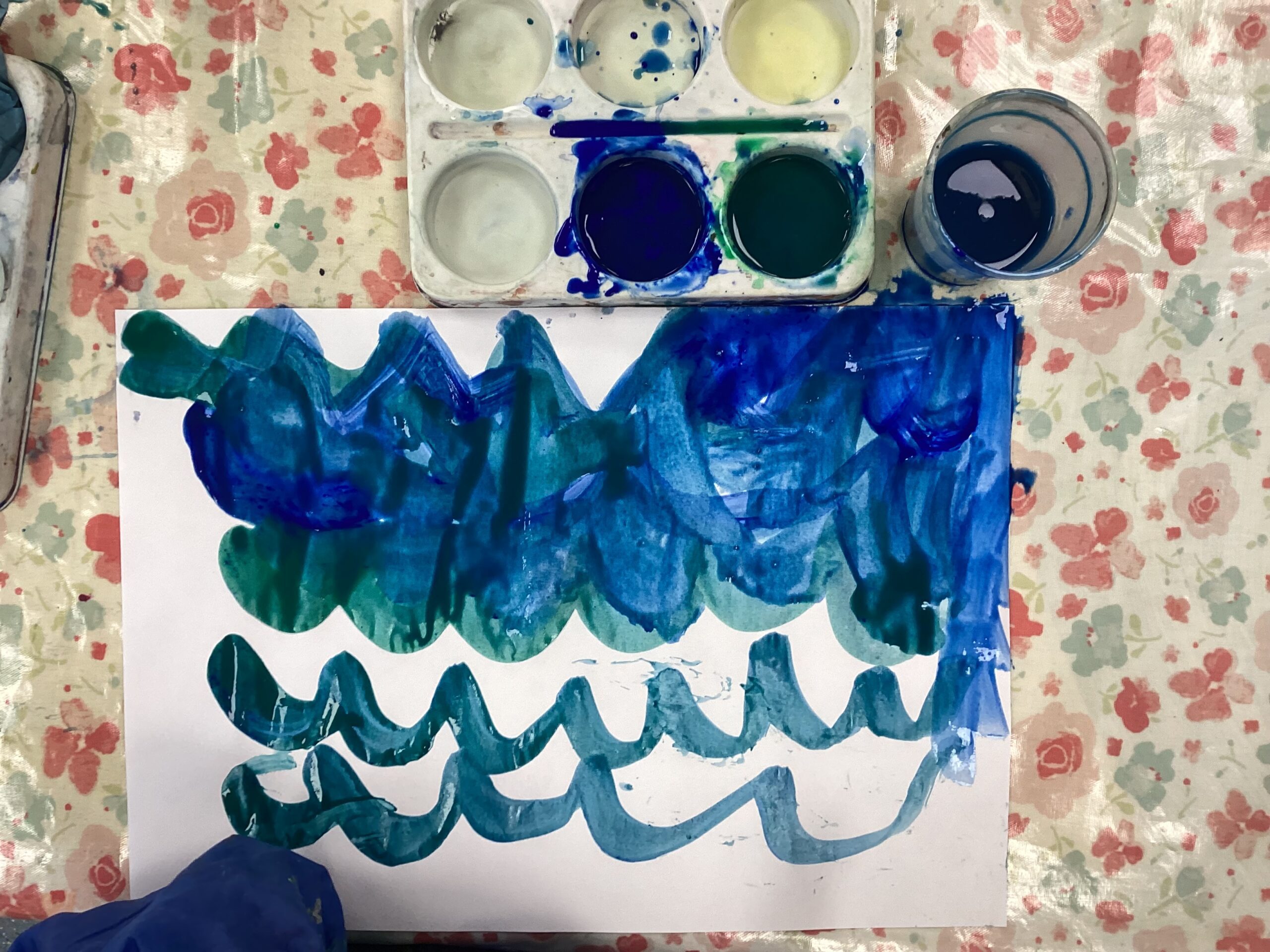
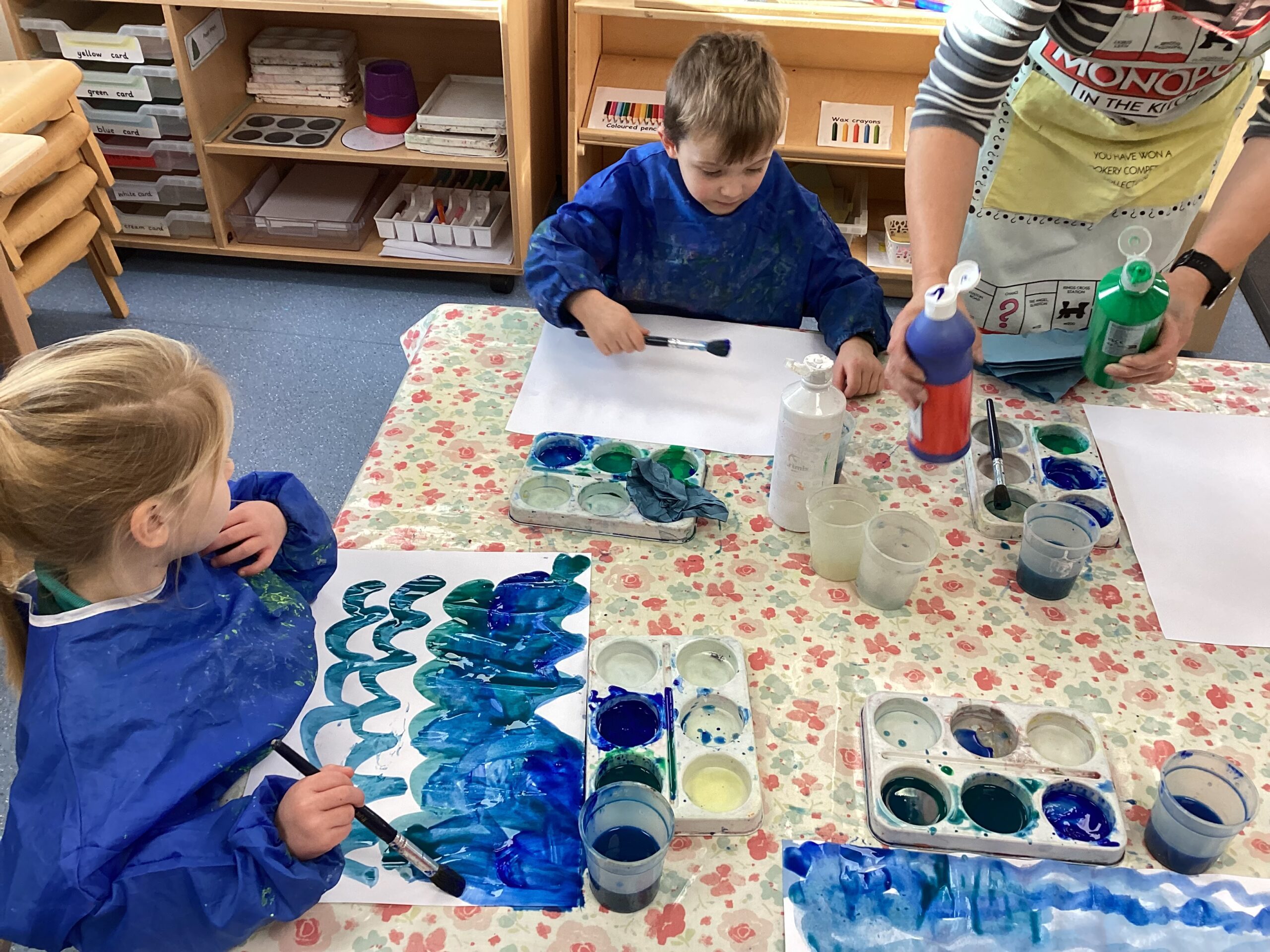
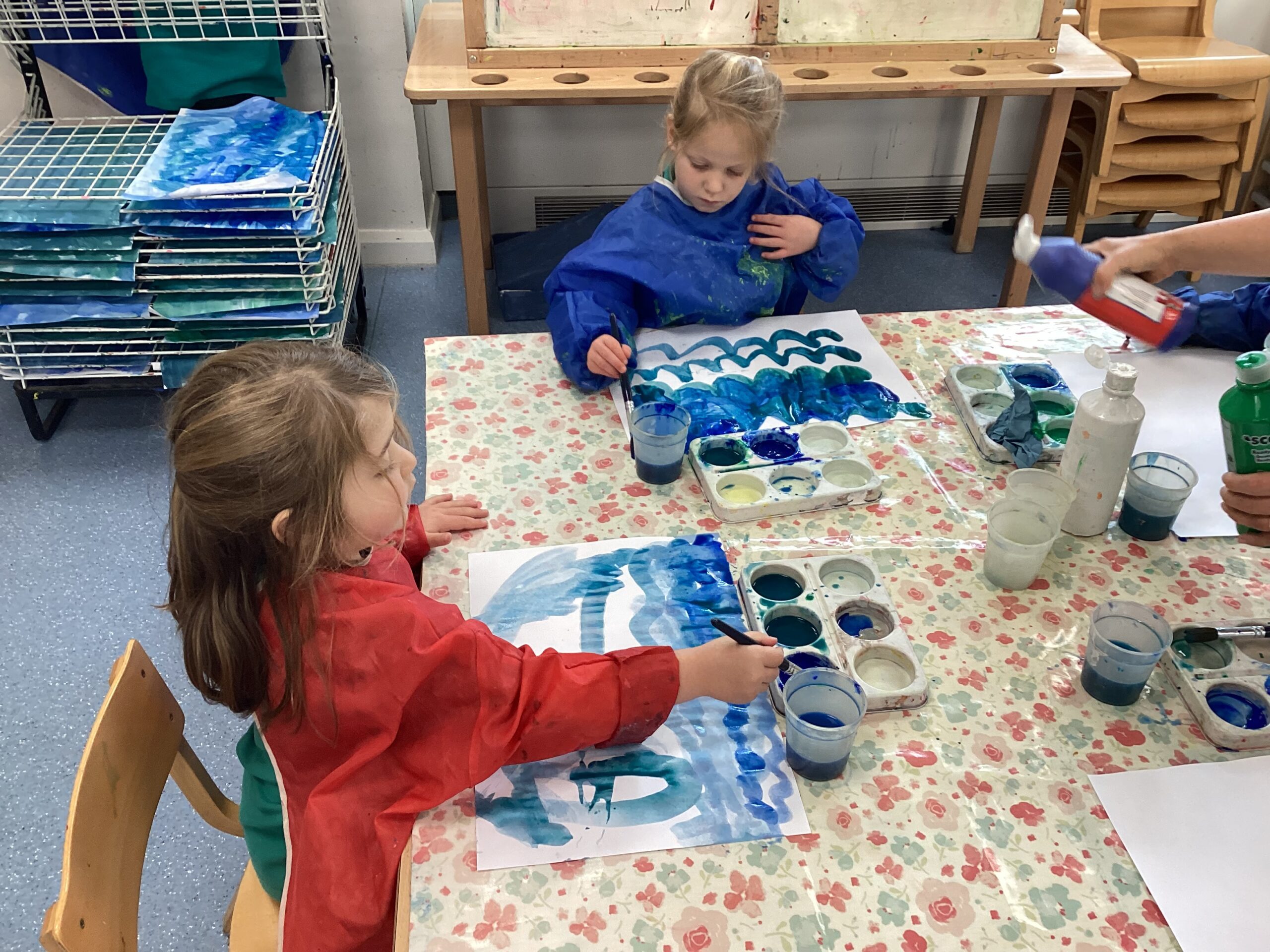
Our Year R children have had a wonderful time exploring our sea-themed core books Boo: A Fishy Mystery and Tiddler. Inspired by the colourful ocean adventures, we created our very own rainbow fish using scrapers and sponges. The children loved experimenting with bright paints, swirling patterns and different textures to bring their fish to life. As we worked, we chatted about ocean creatures, their habitats and the mysteries that might be hiding deep under the sea. It was amazing to see their creativity shine, and we all had so much fun diving into the magical world of underwater life together!
Team 1 / 2:
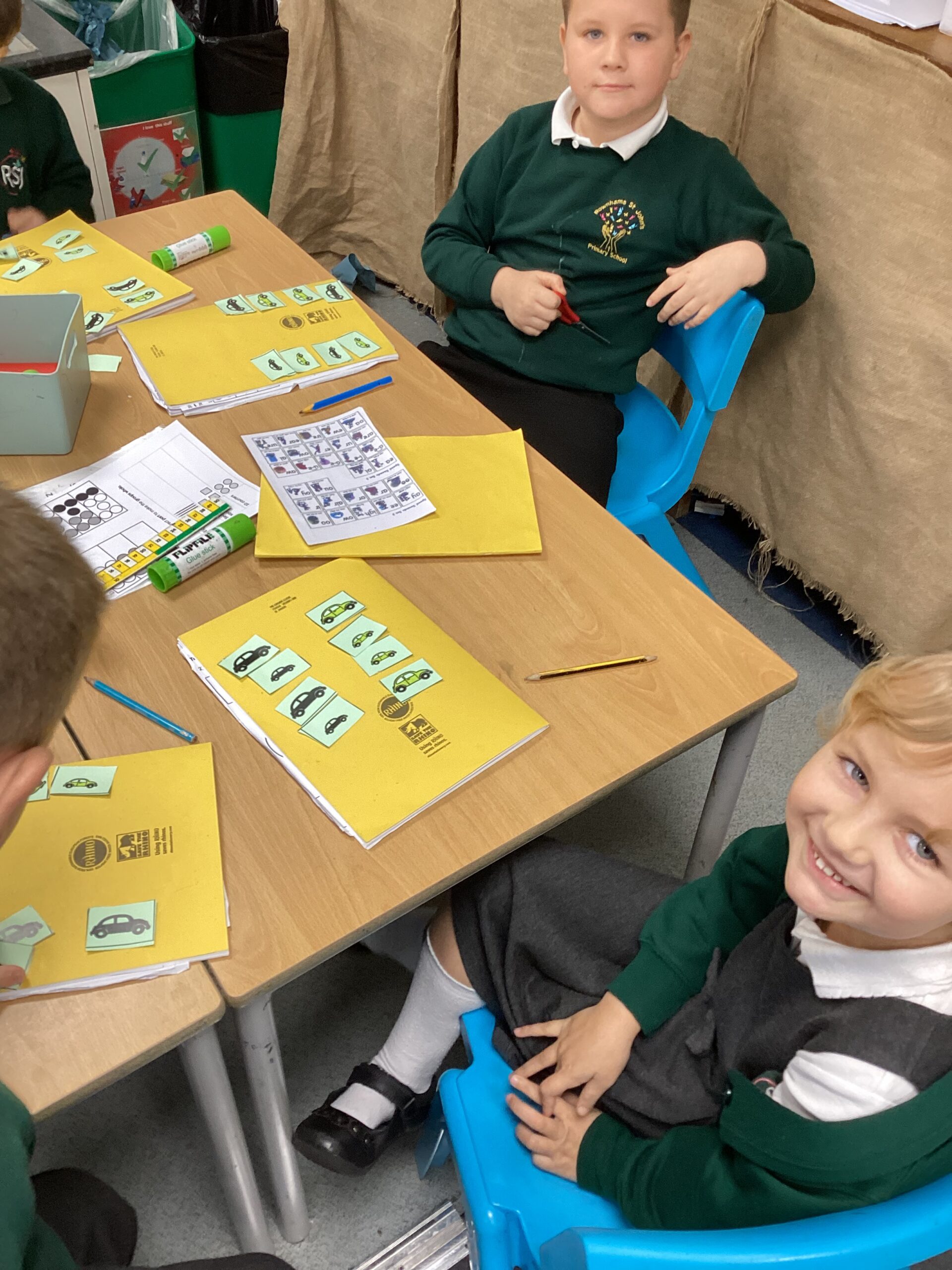
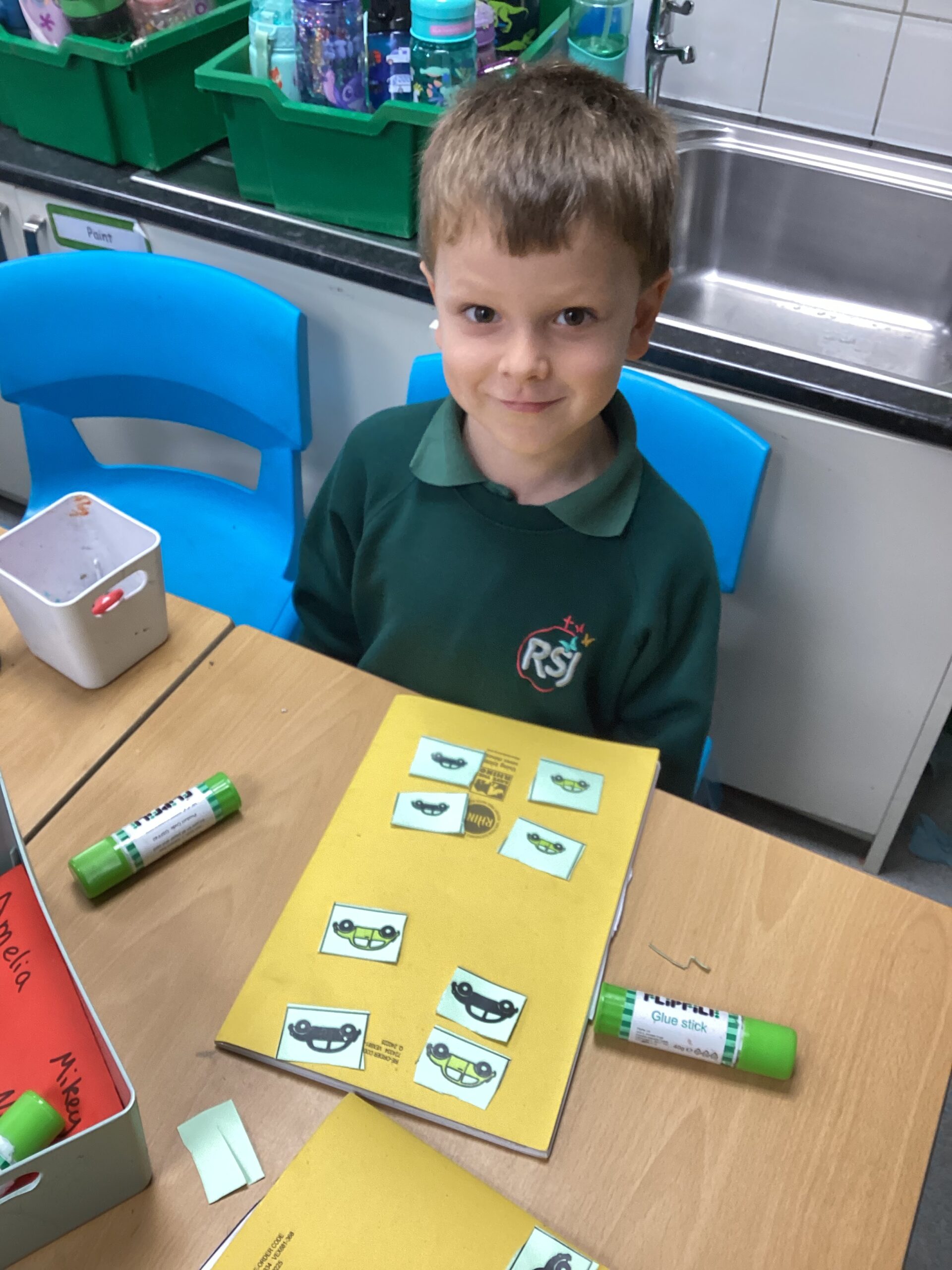
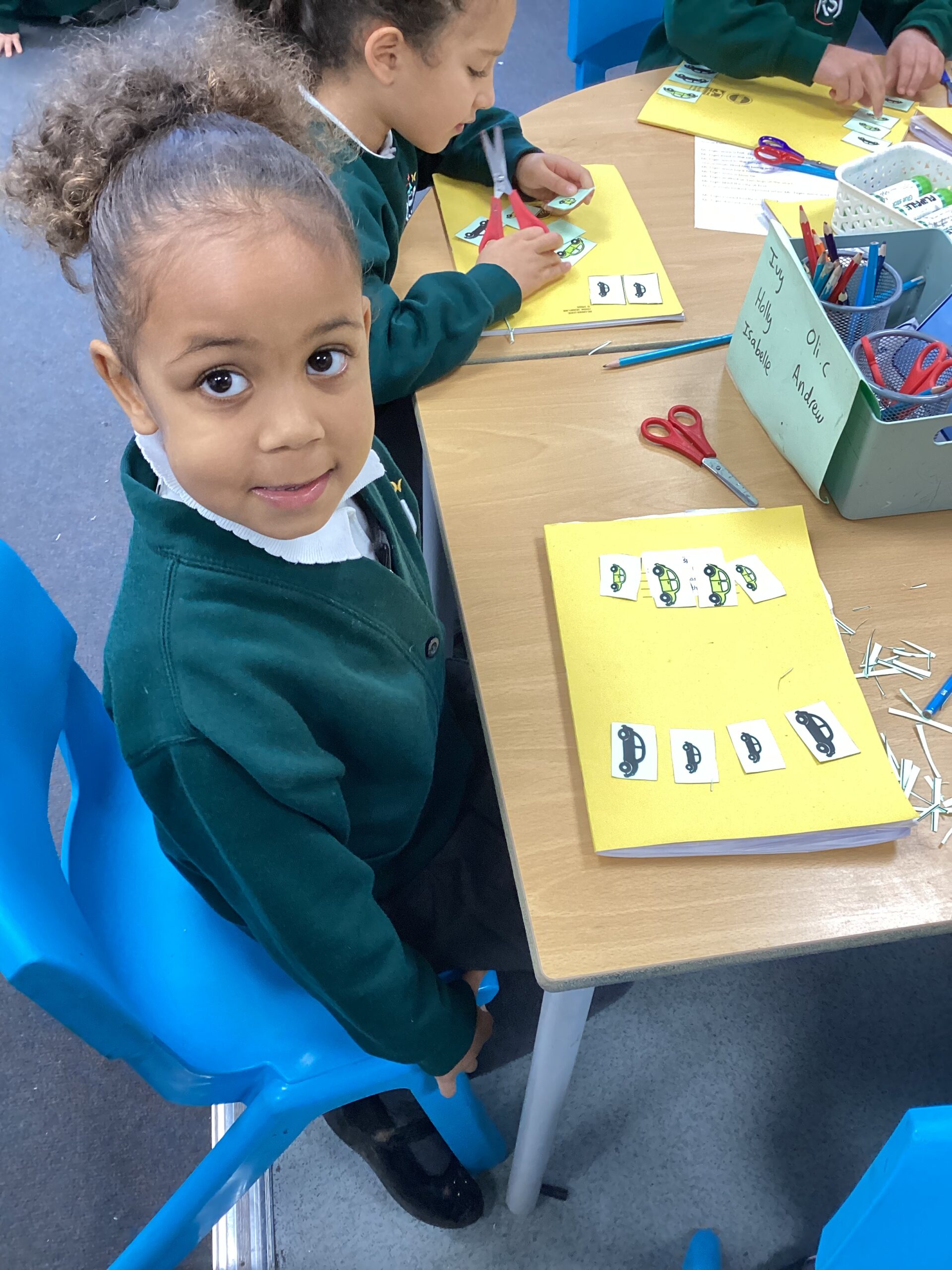
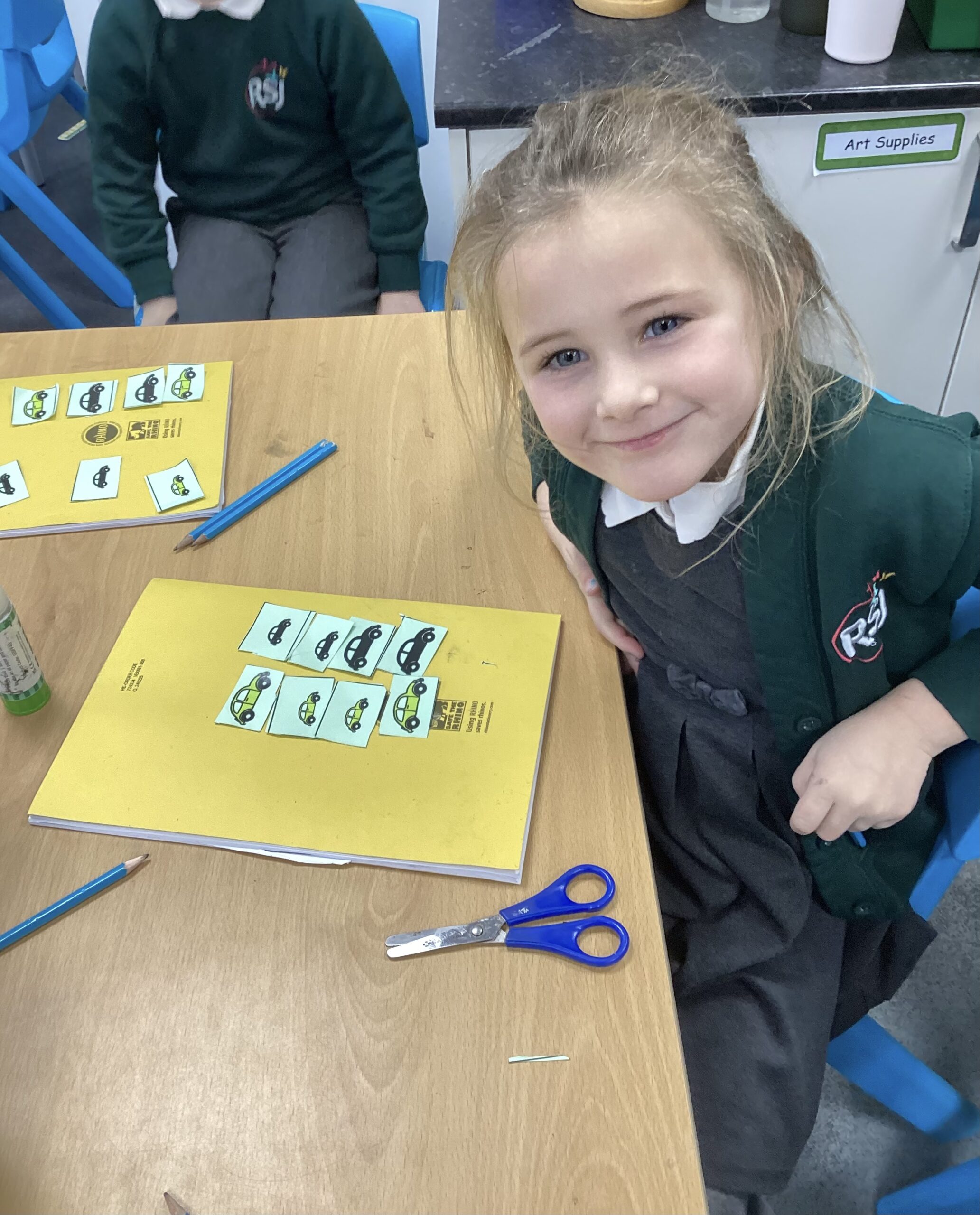
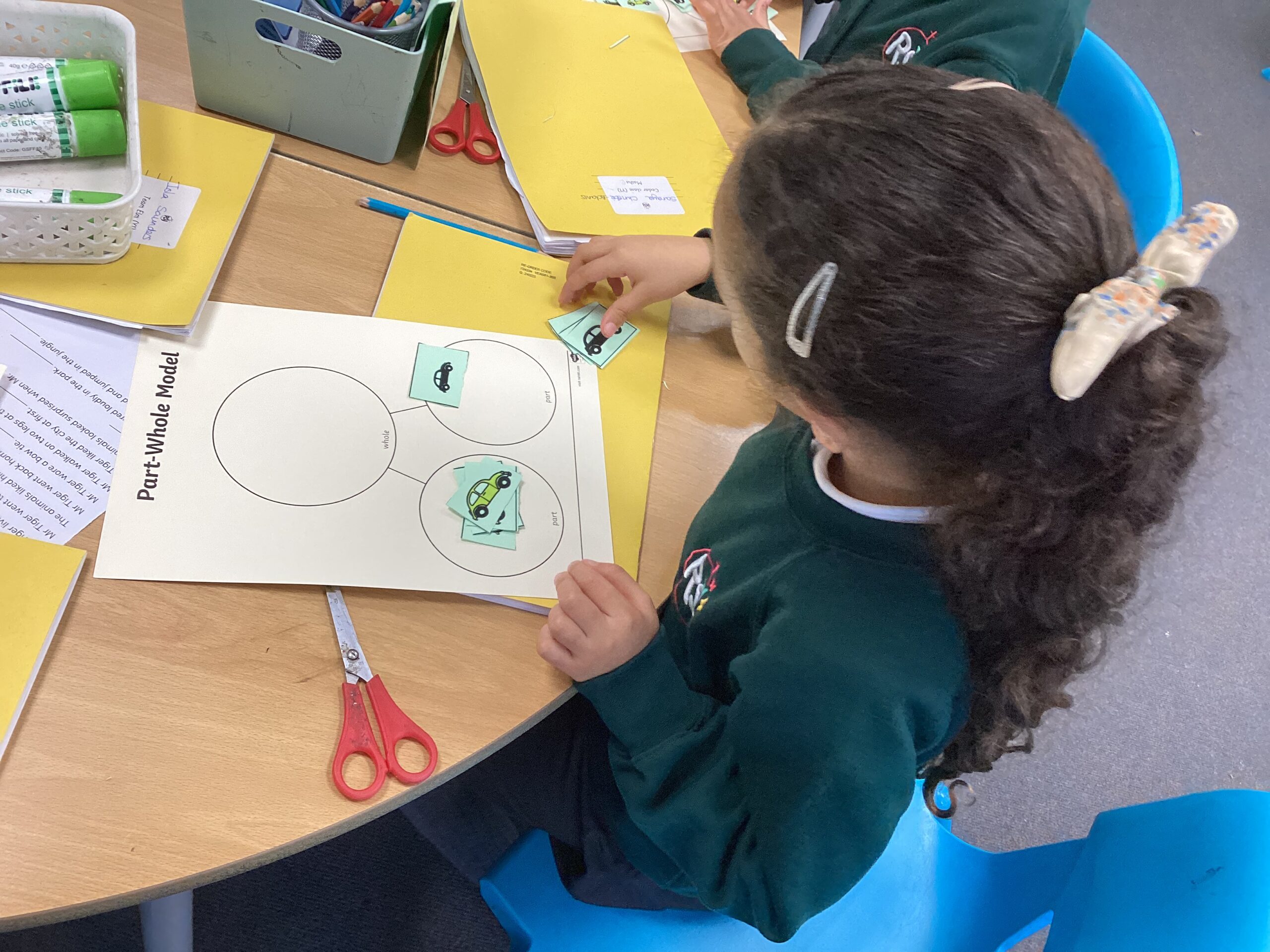
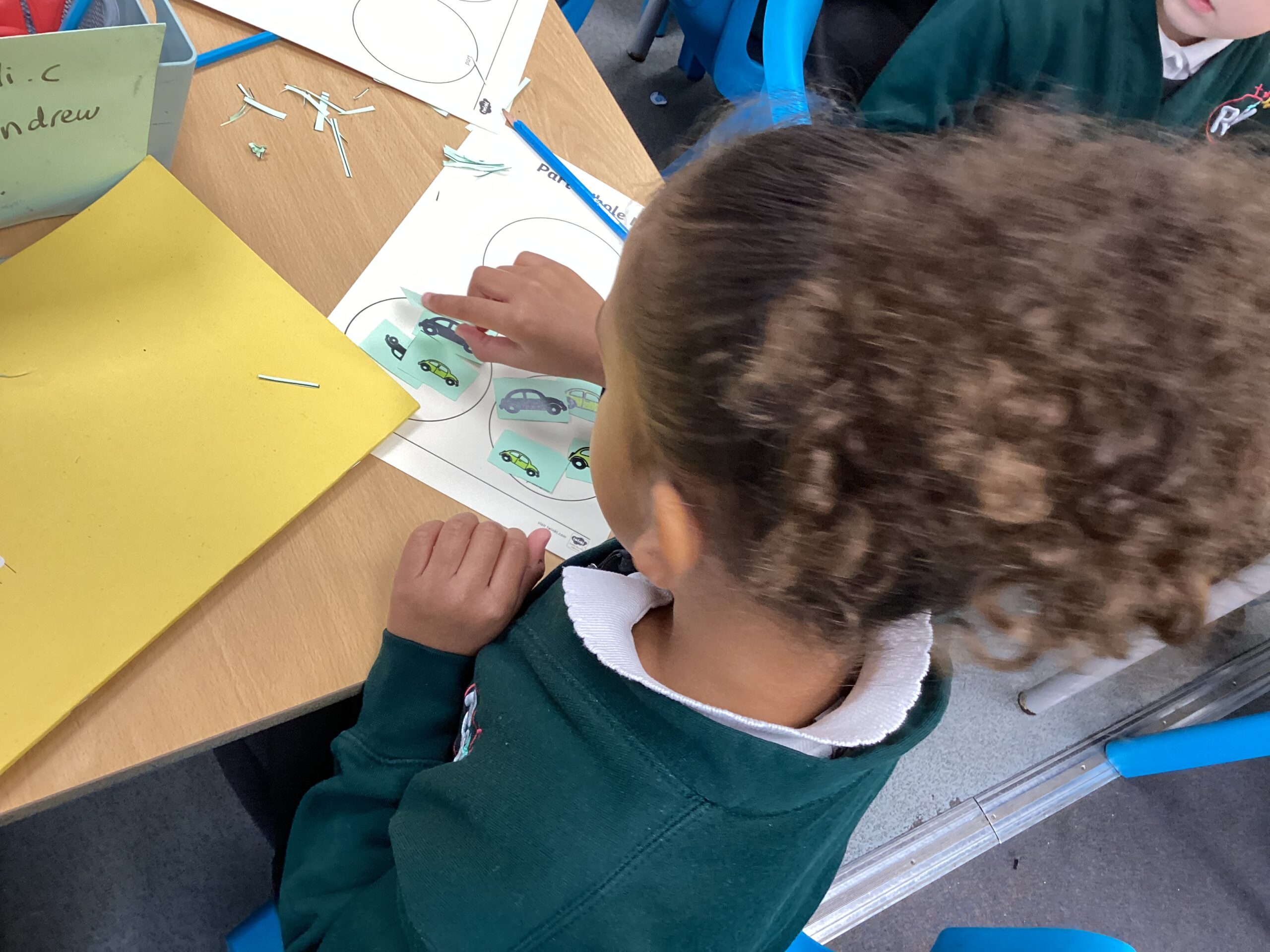
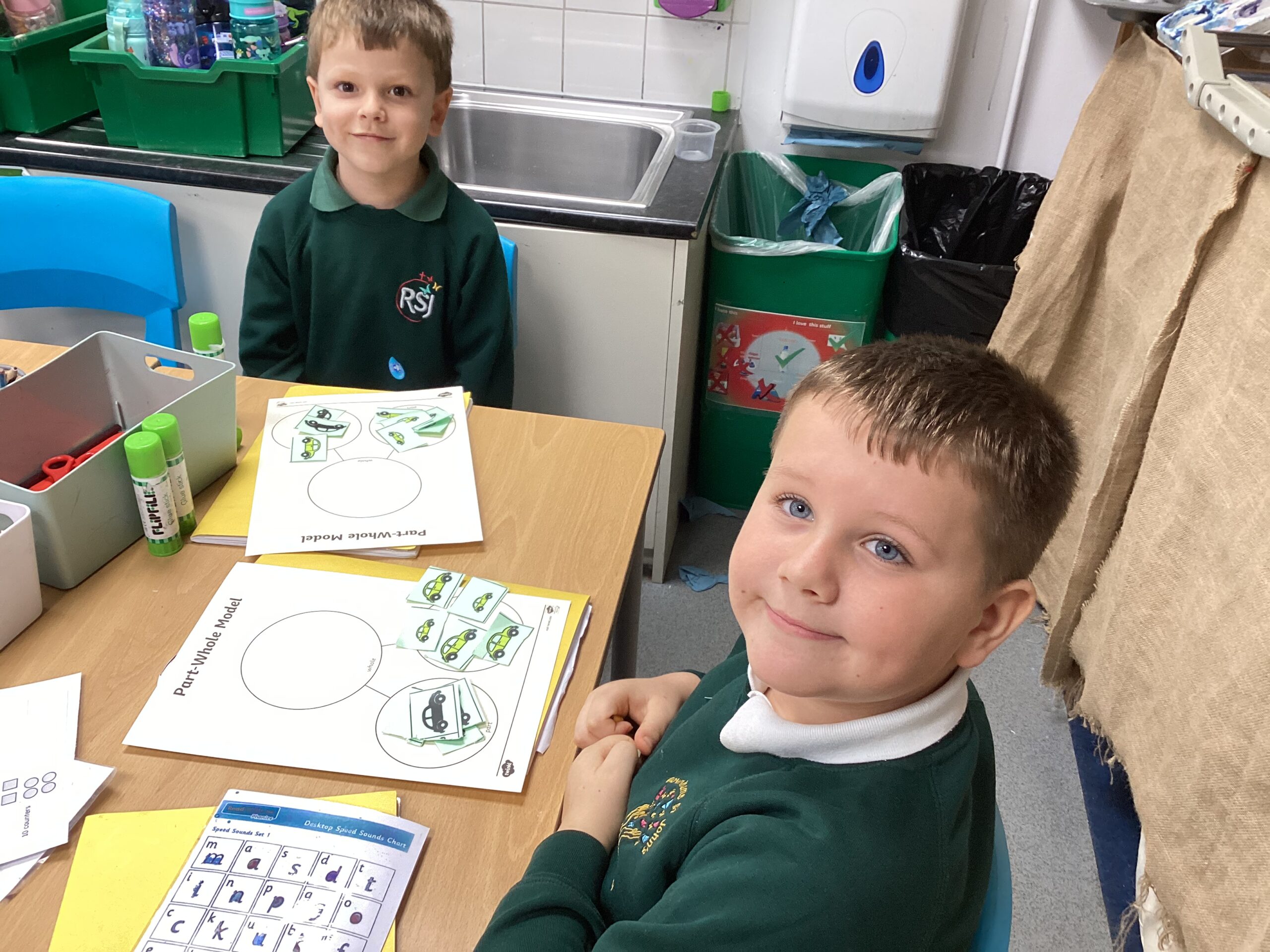
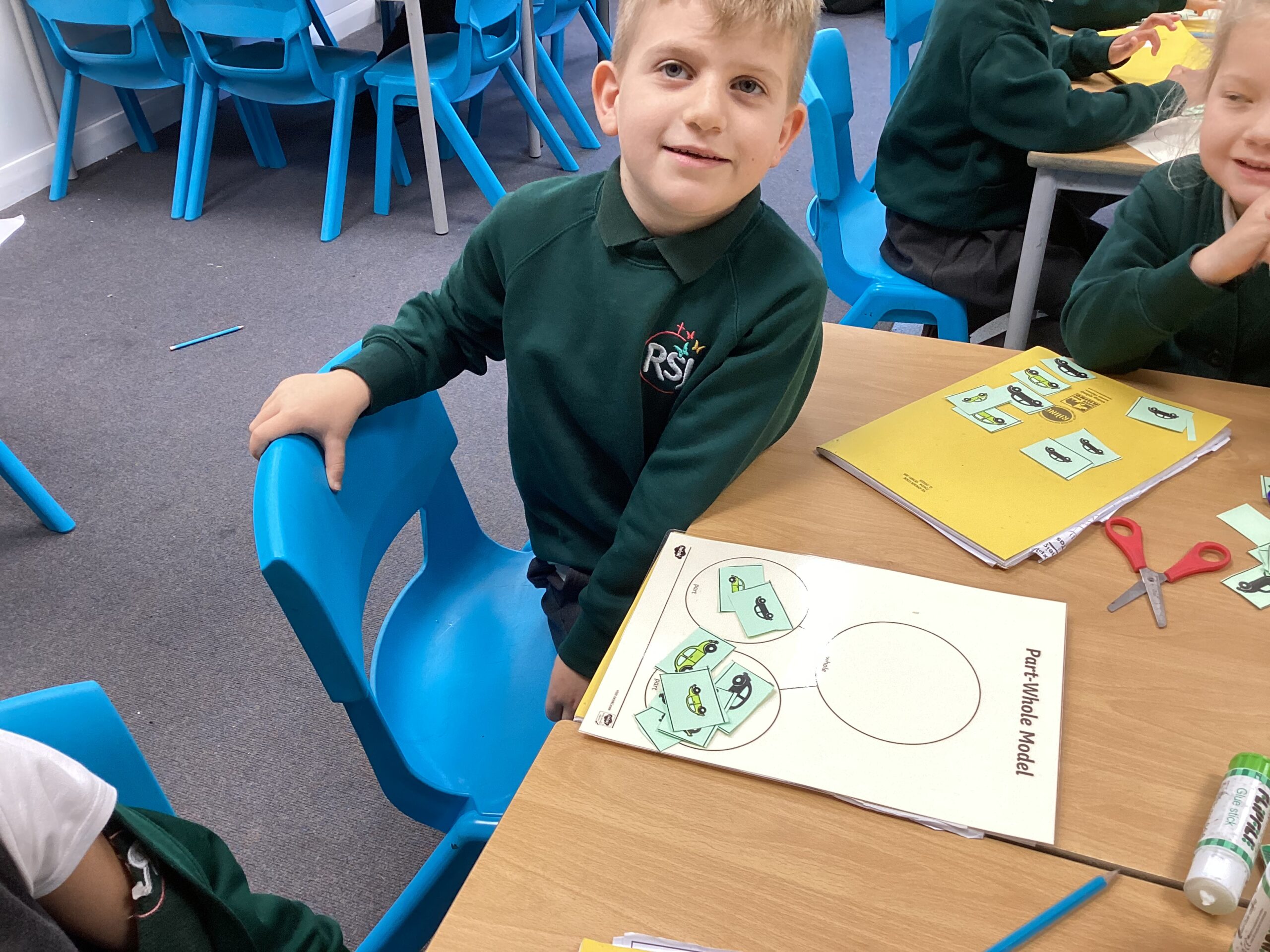
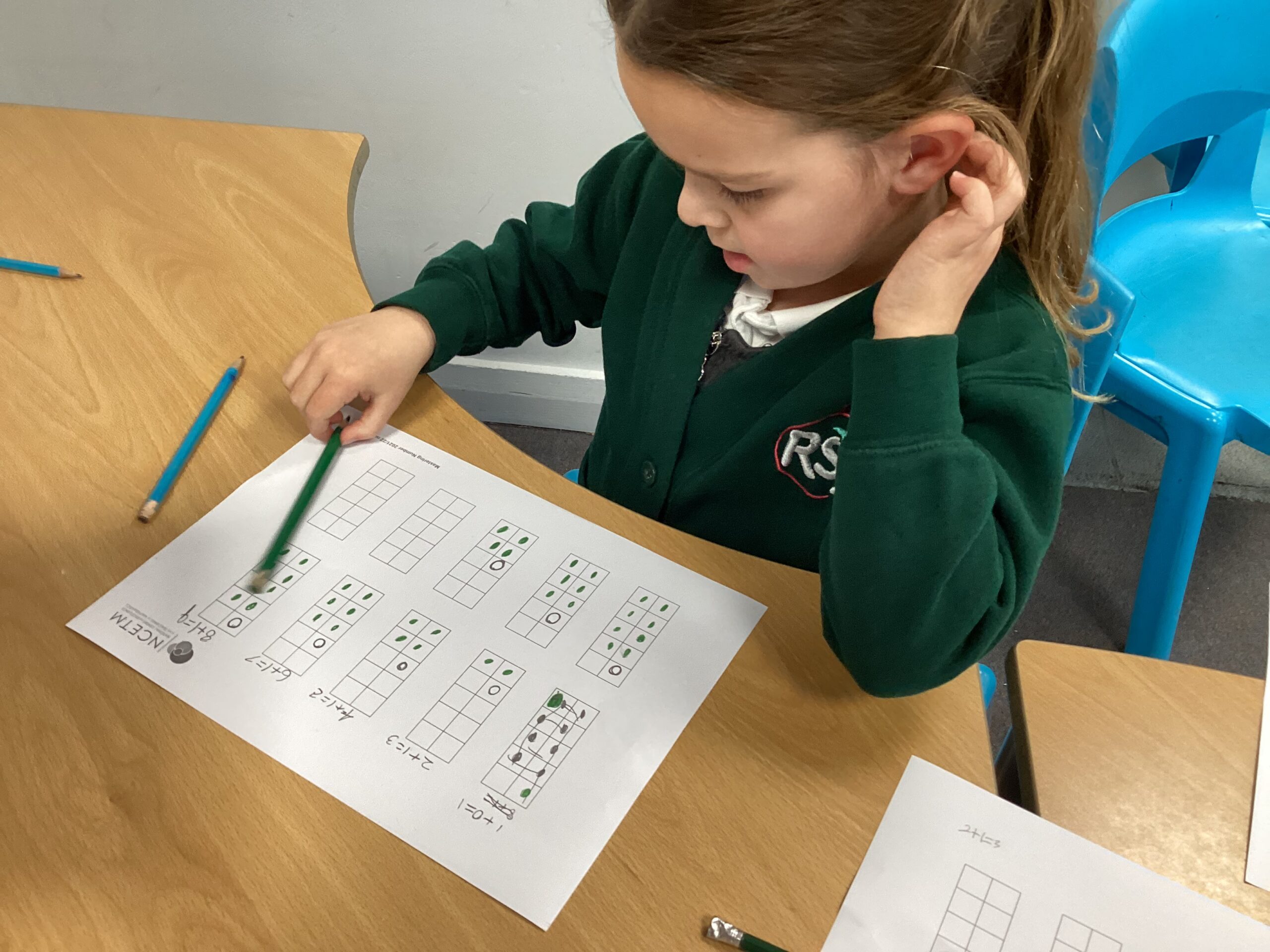
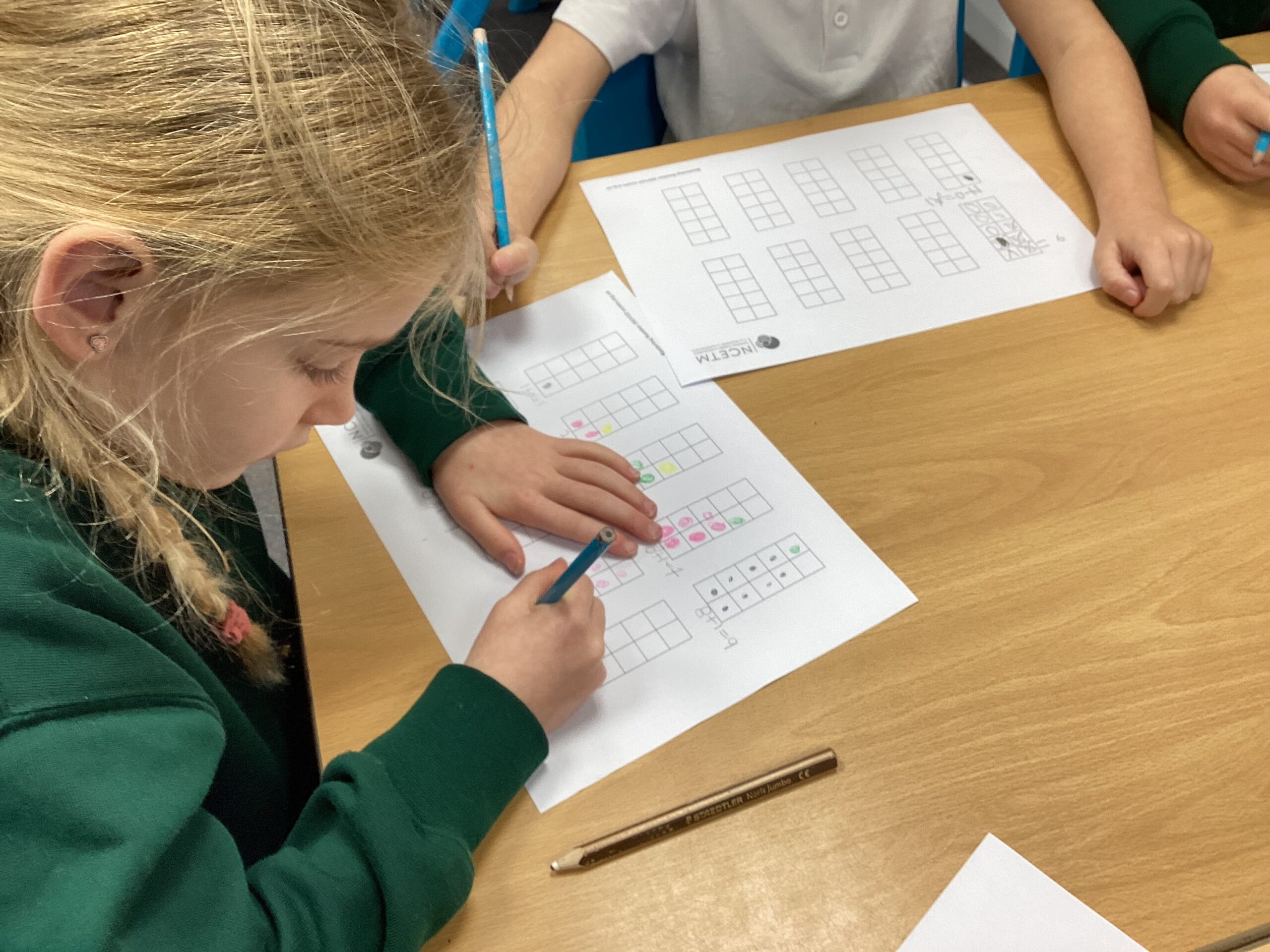
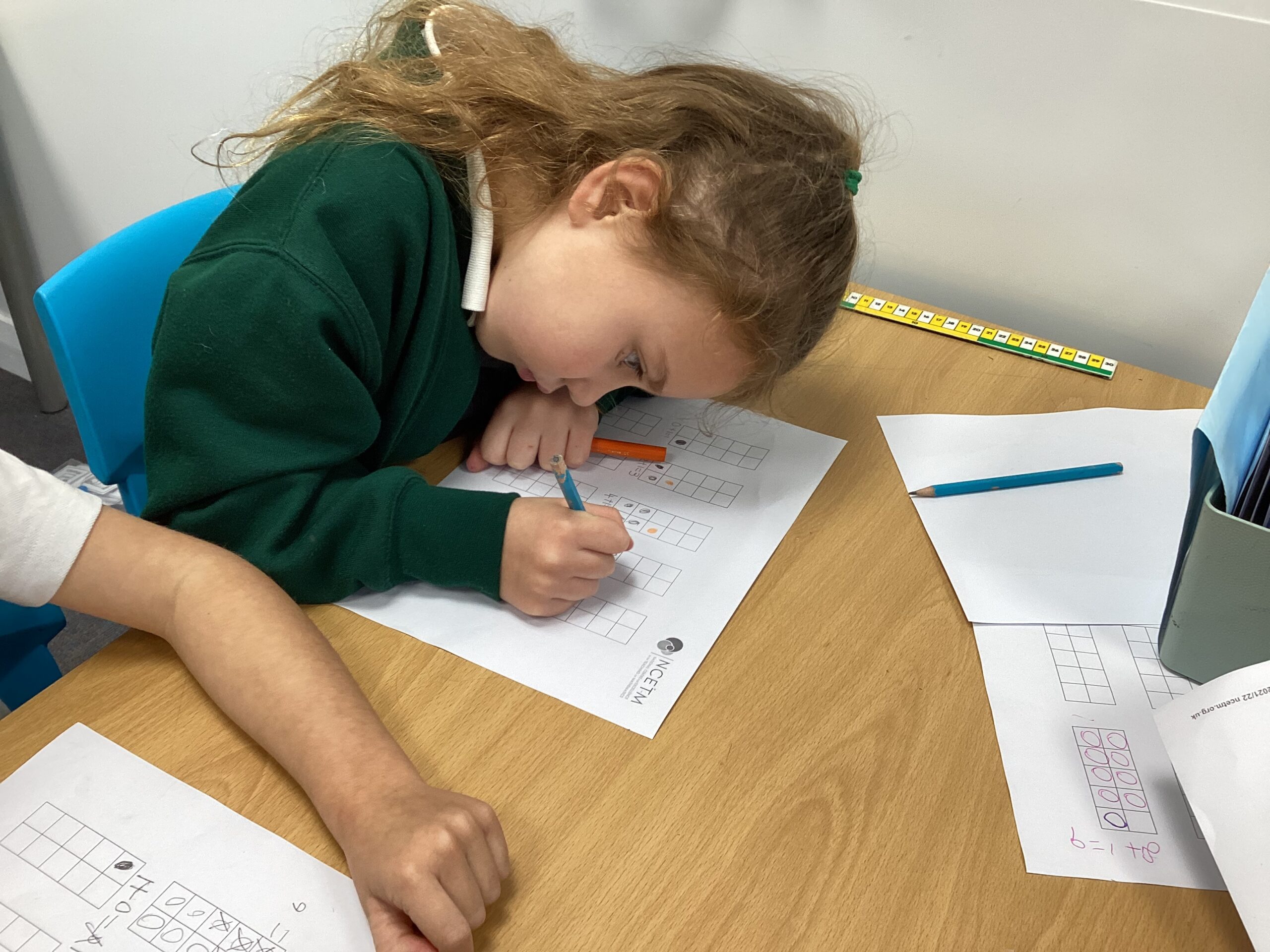
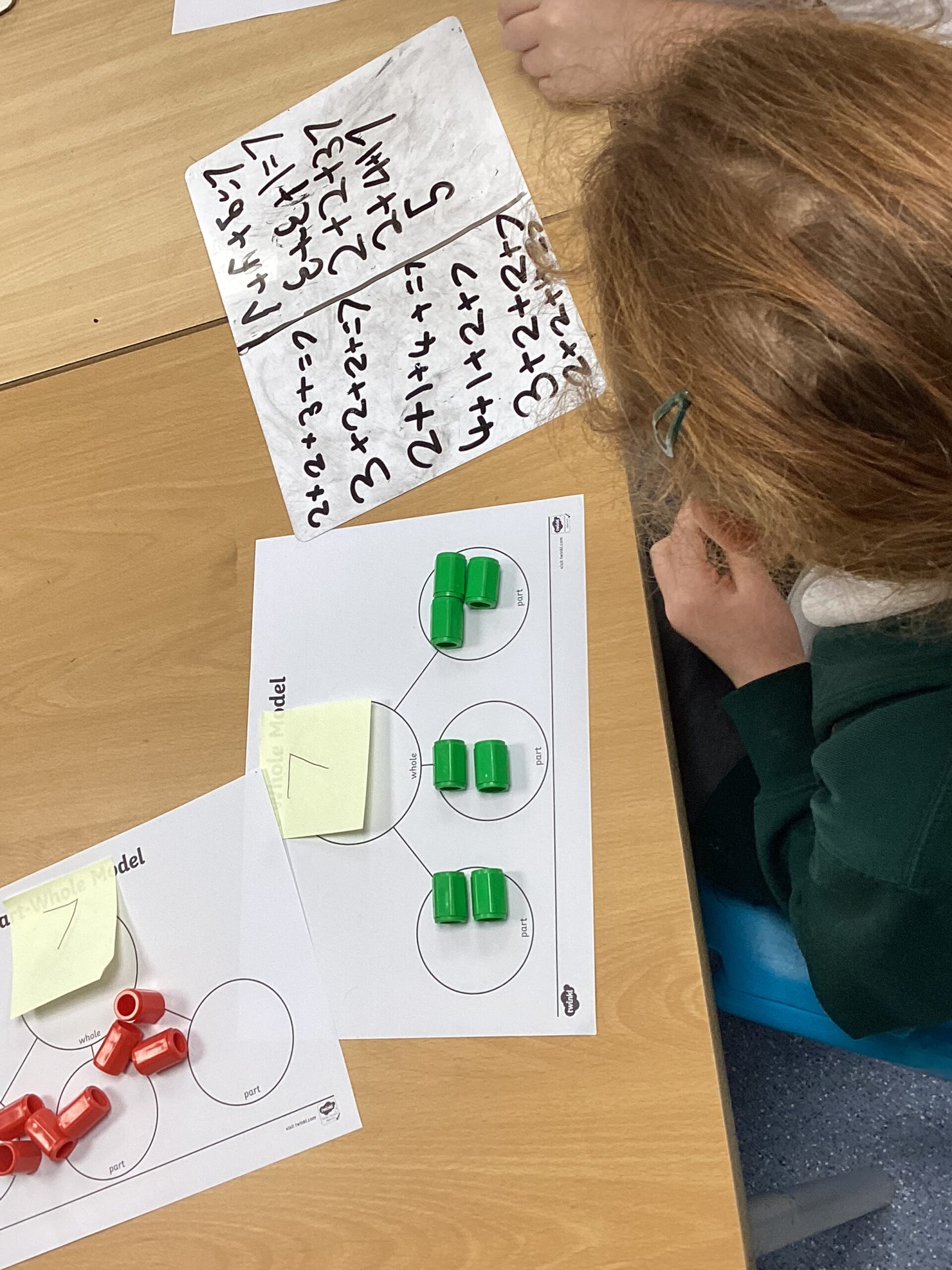
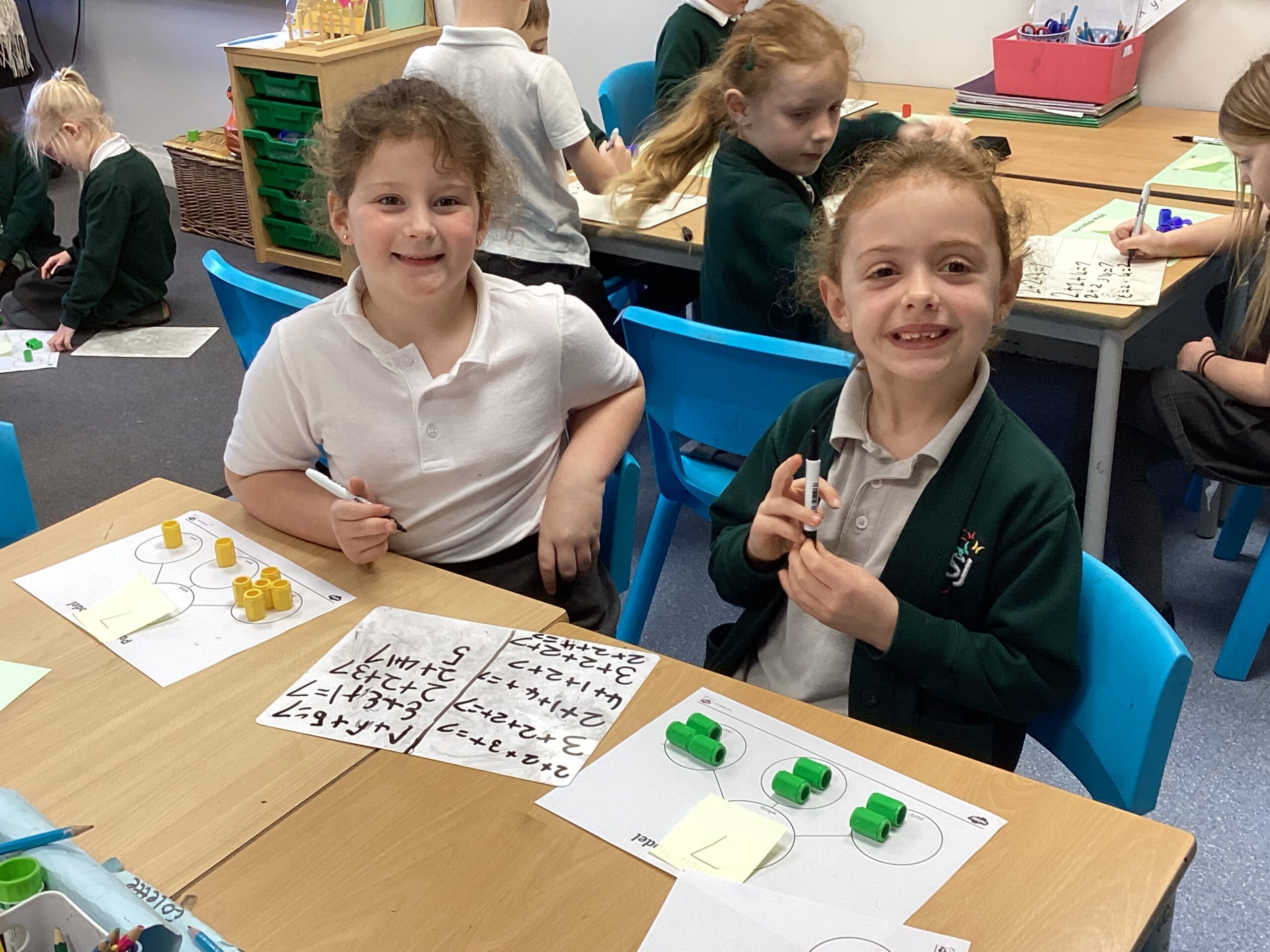
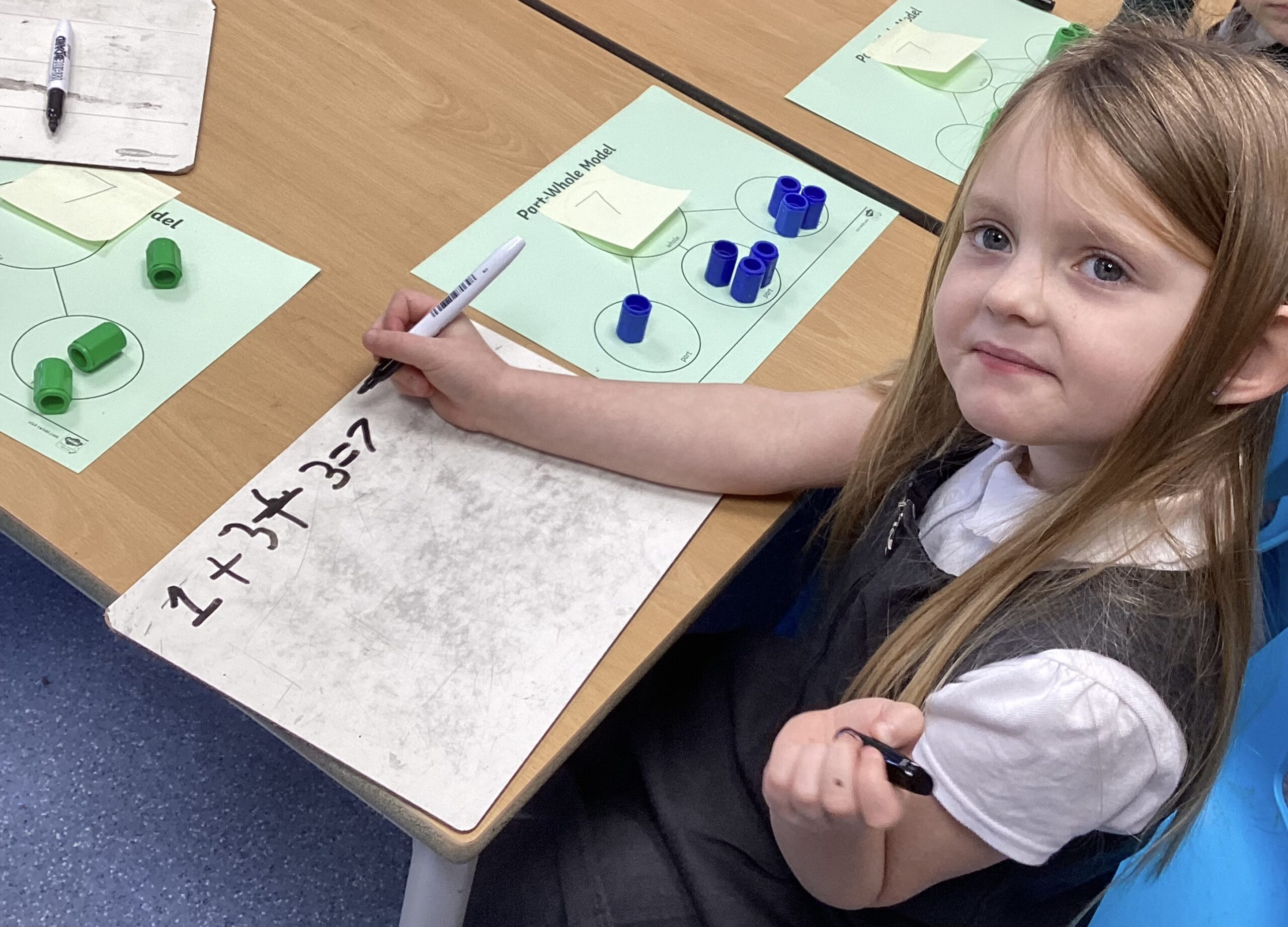
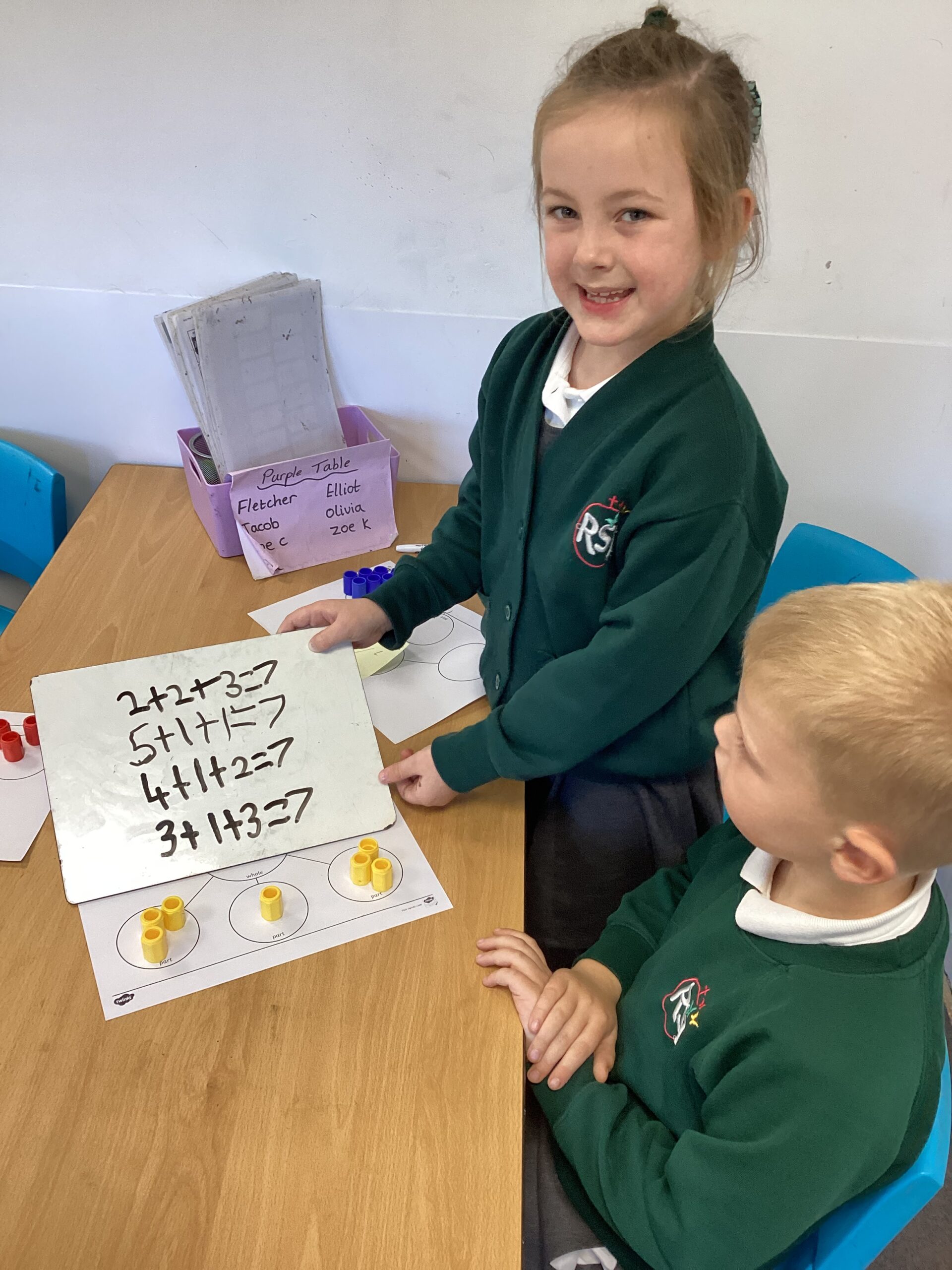
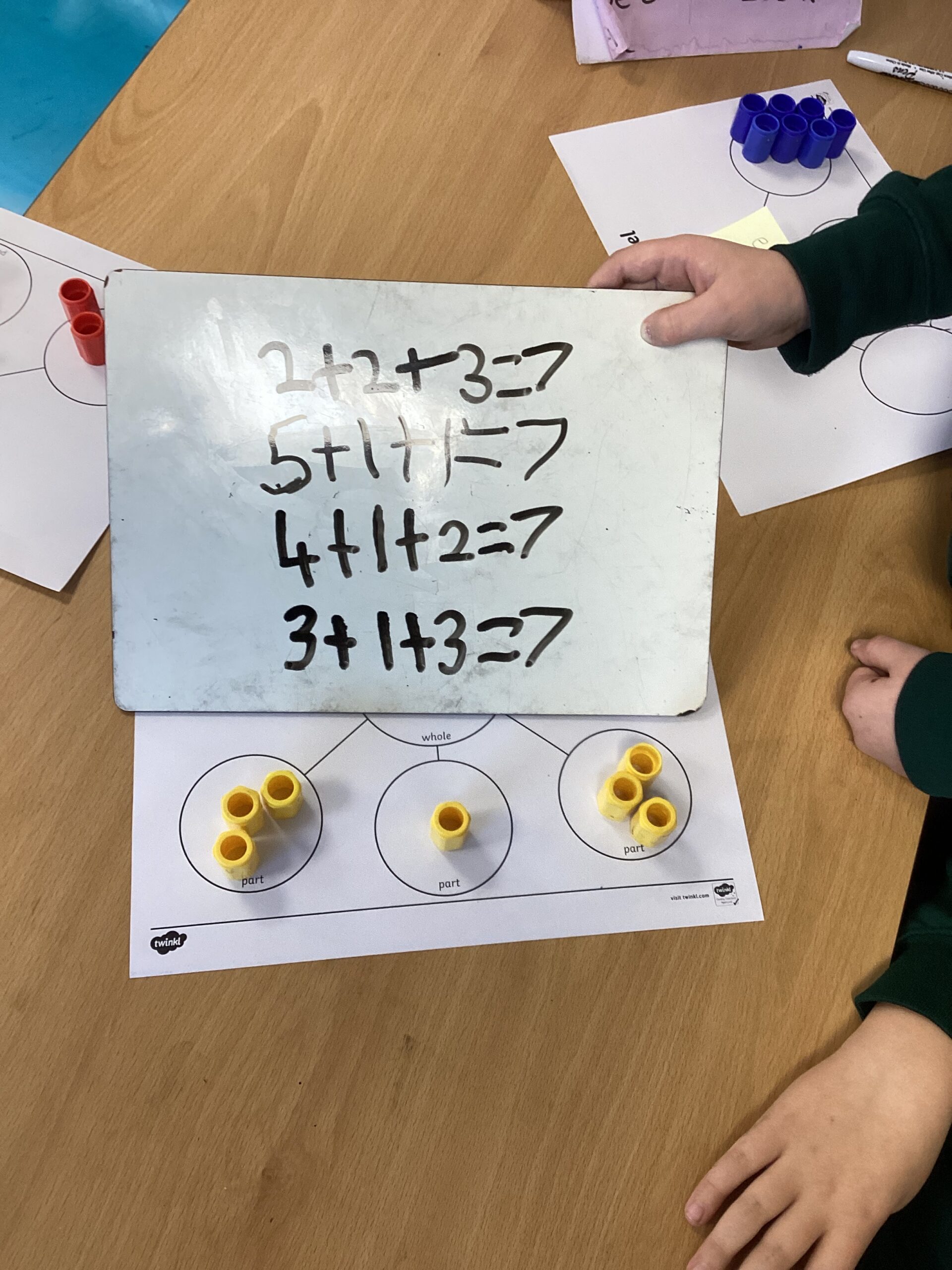
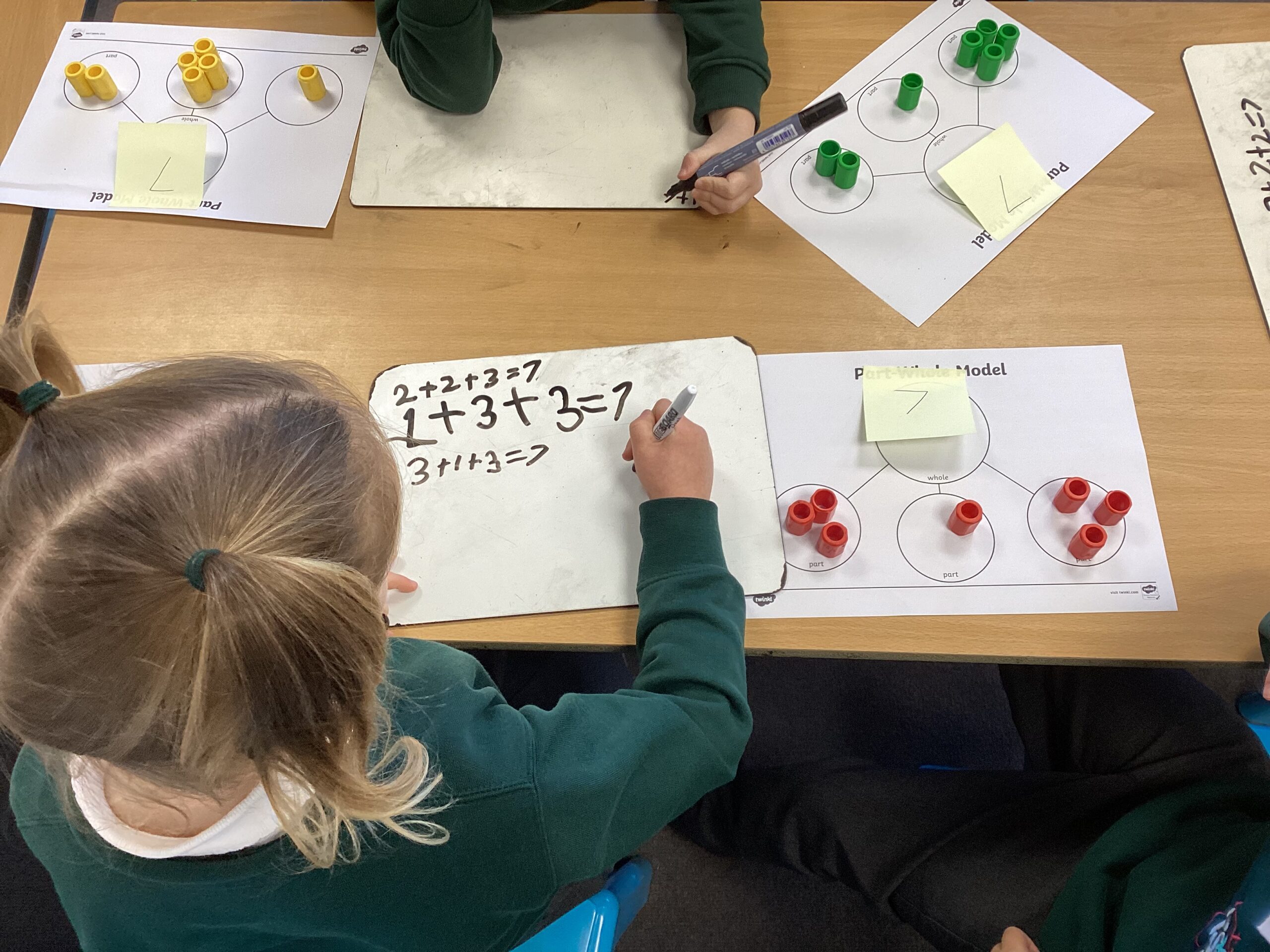
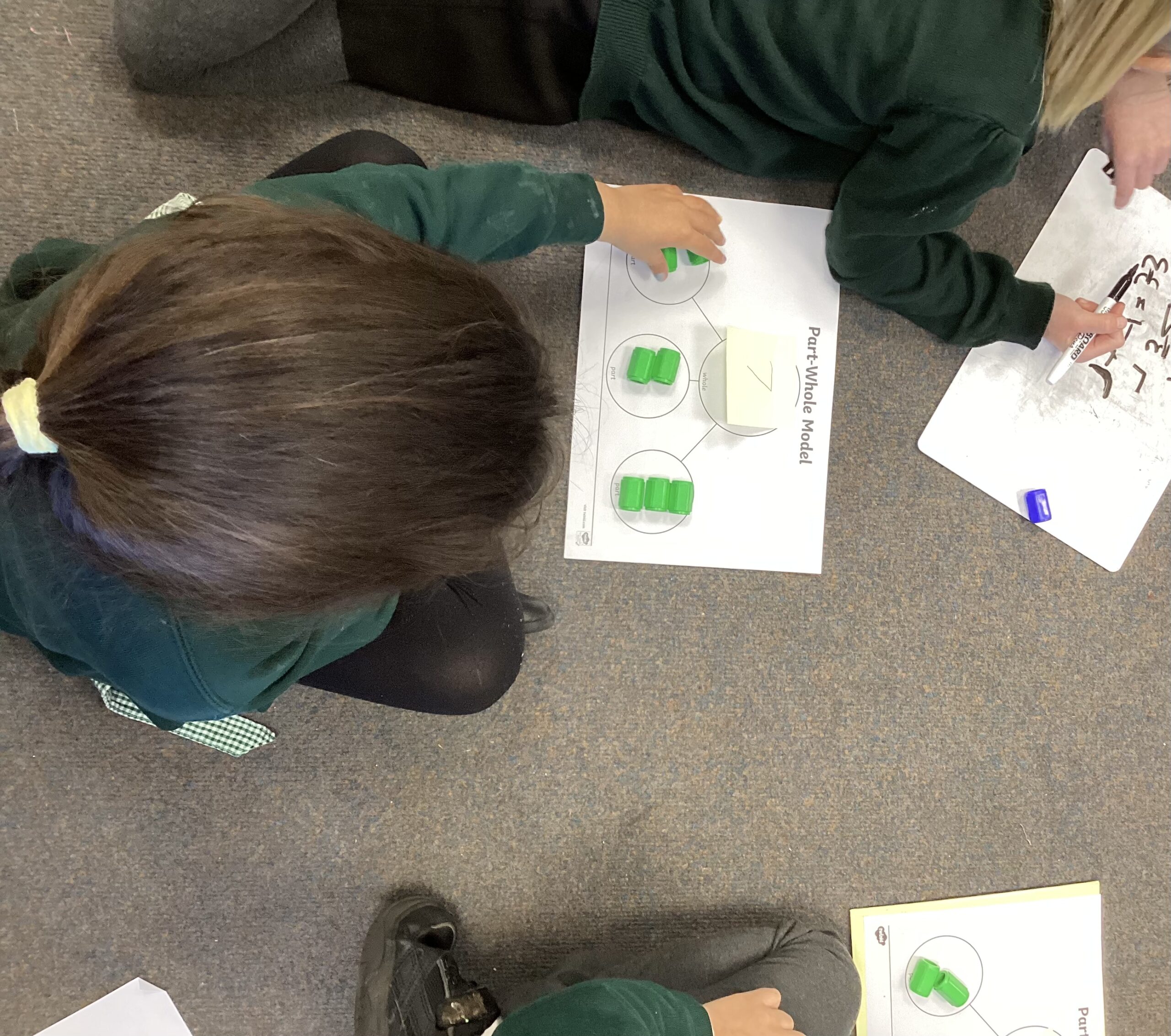
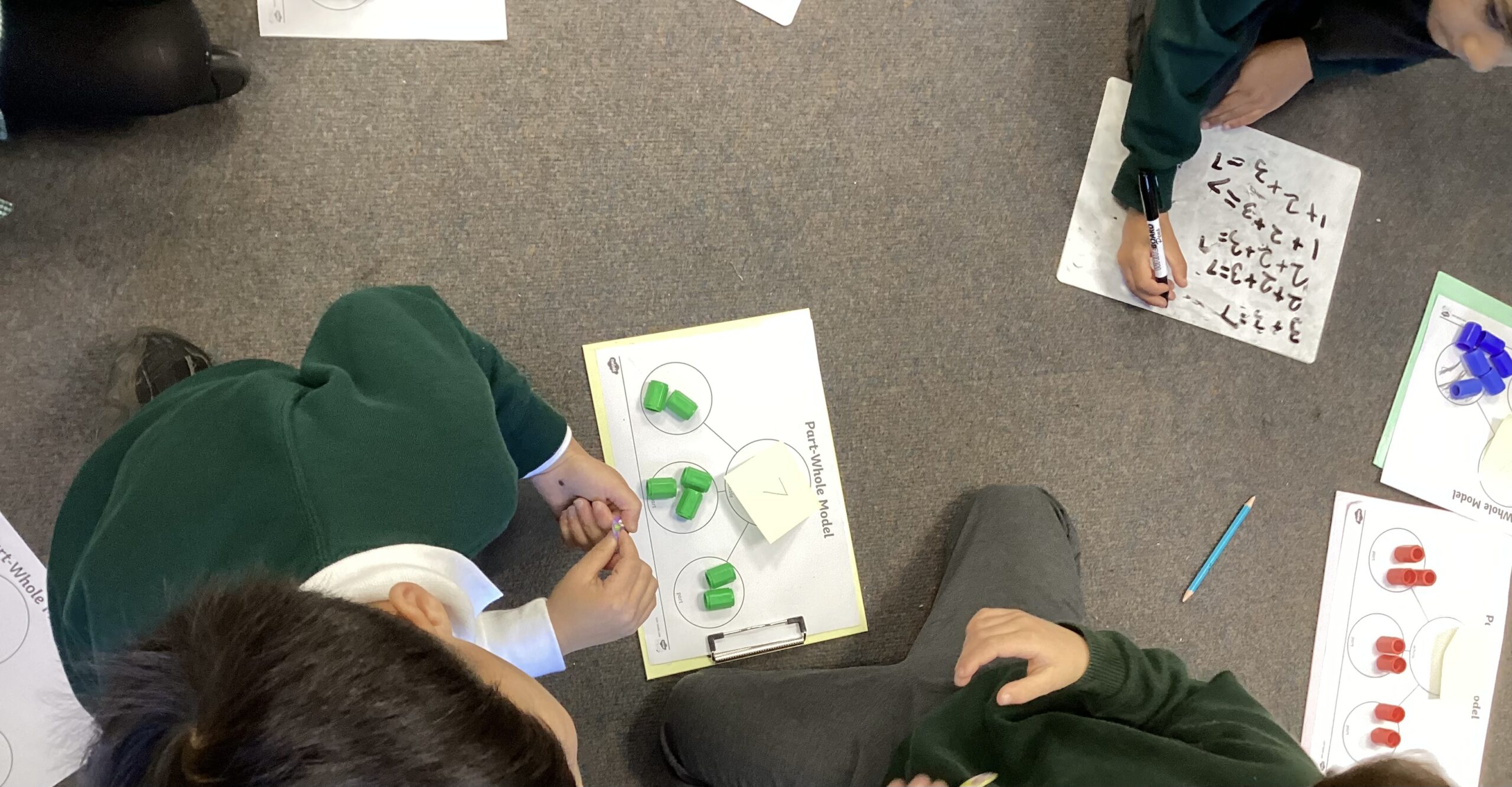
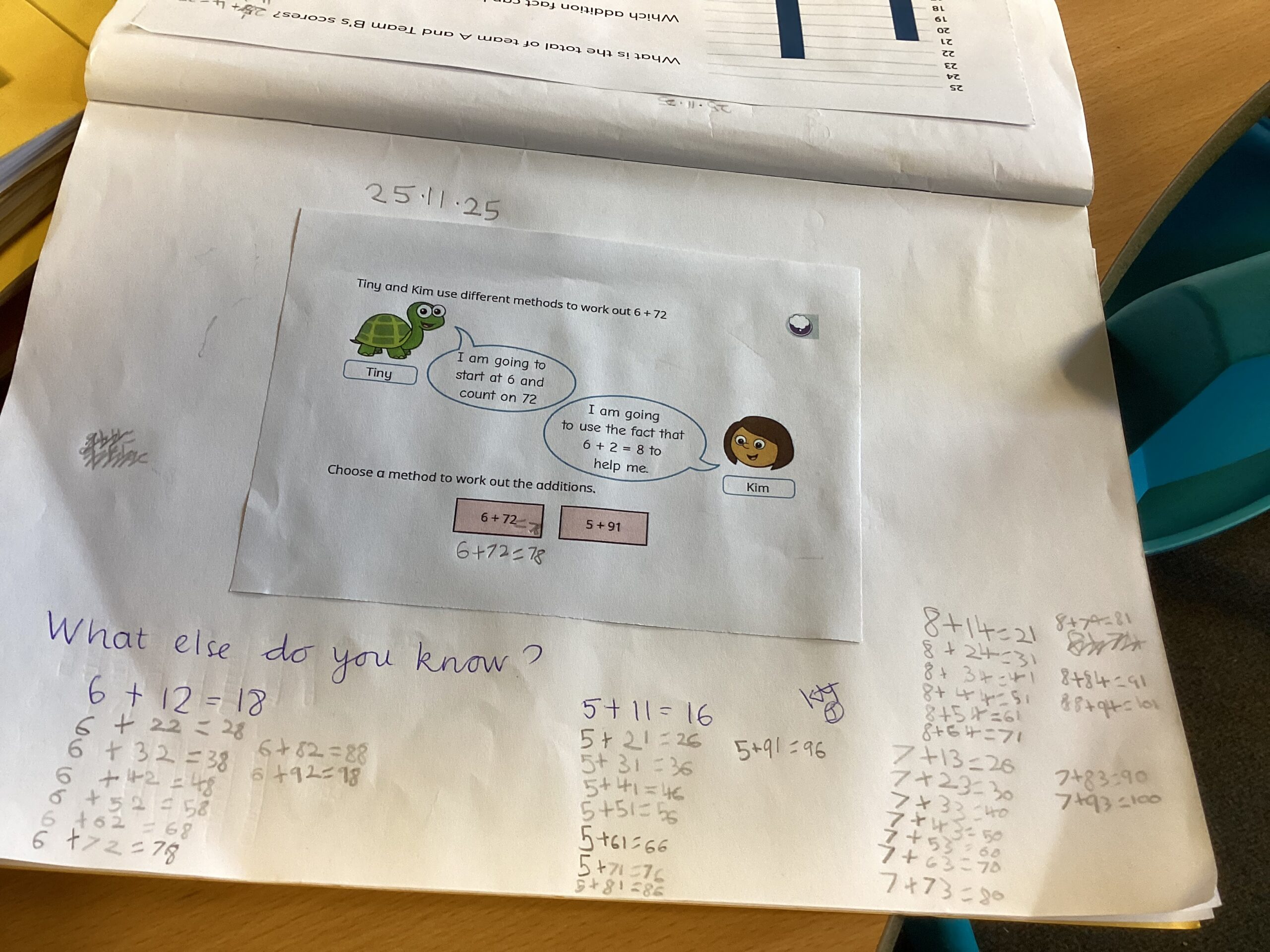
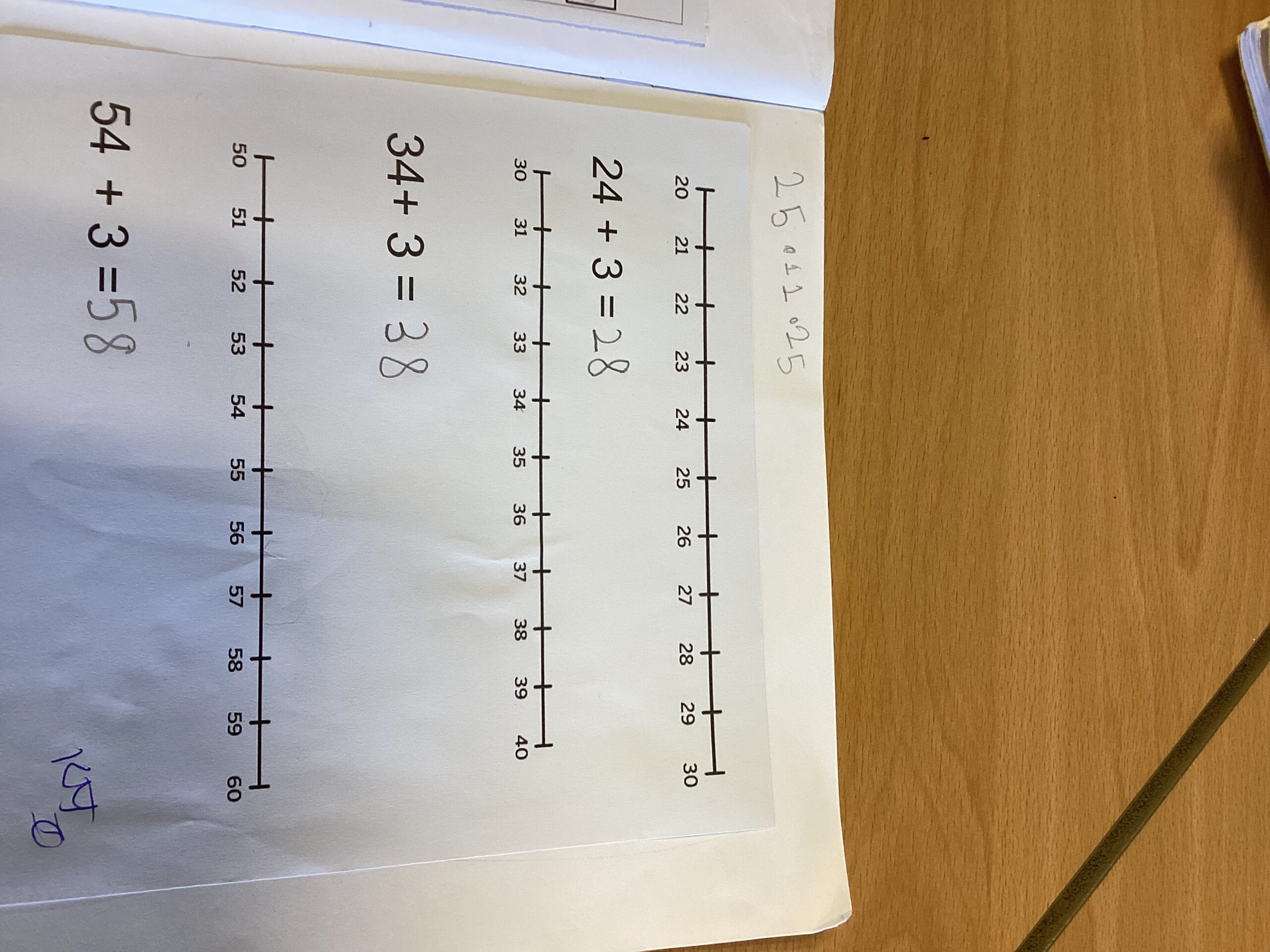
Over the past few weeks in Year 1, the children have been developing an important early maths skill: understanding part–whole relationships. This concept helps children make sense of how numbers can be broken apart and put back together, and it lays the groundwork for confident addition and subtraction later in the year.
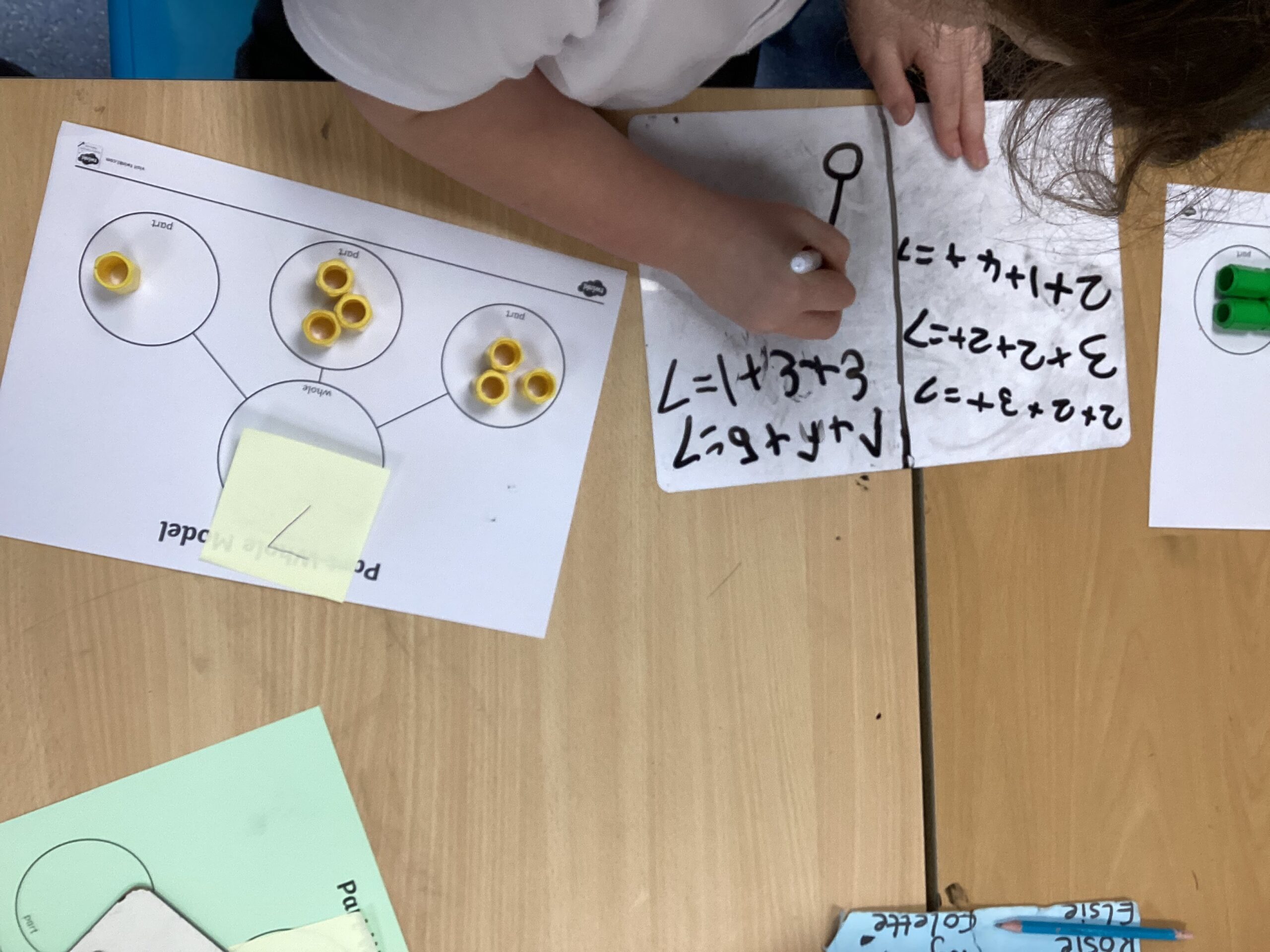
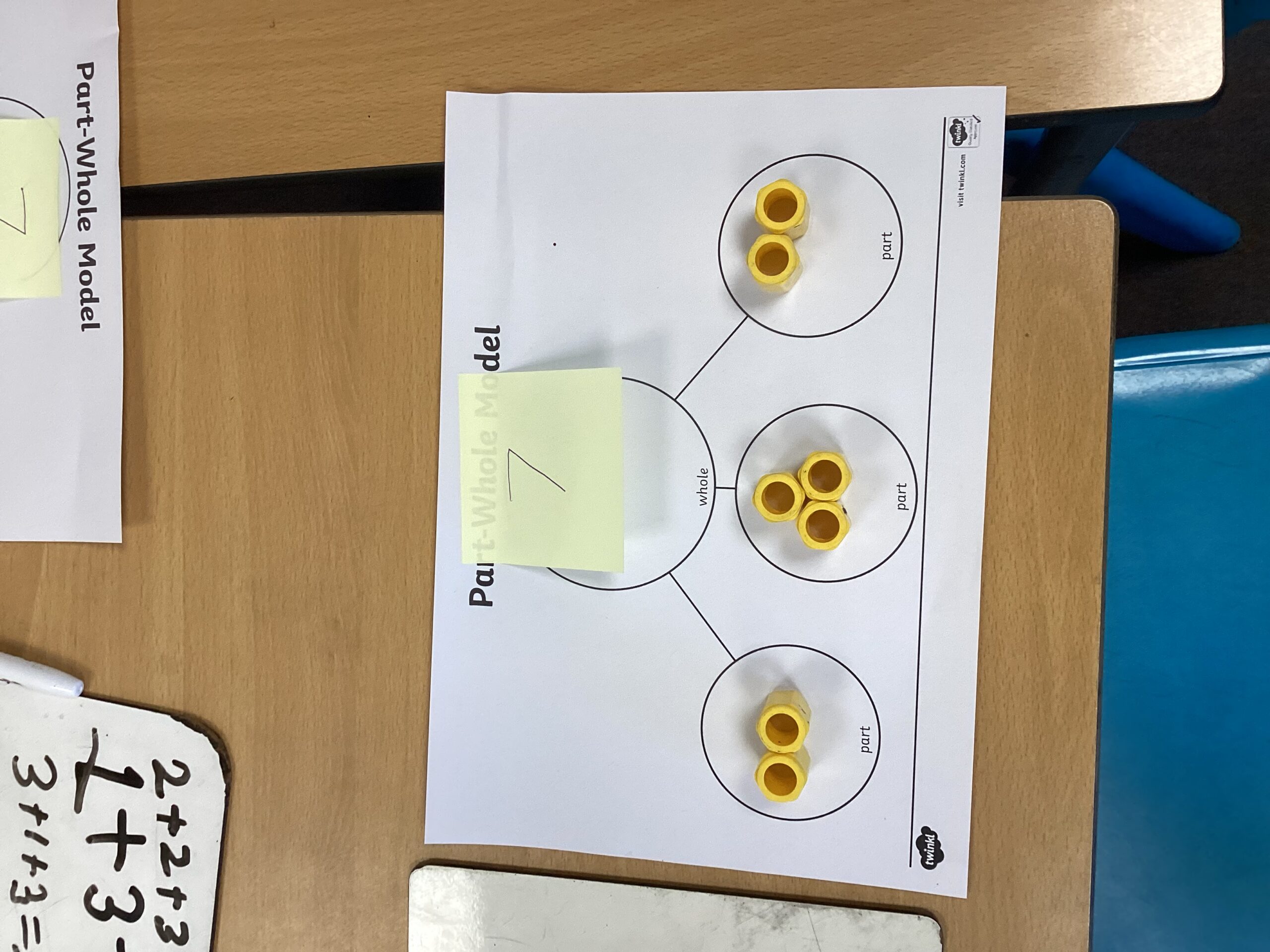
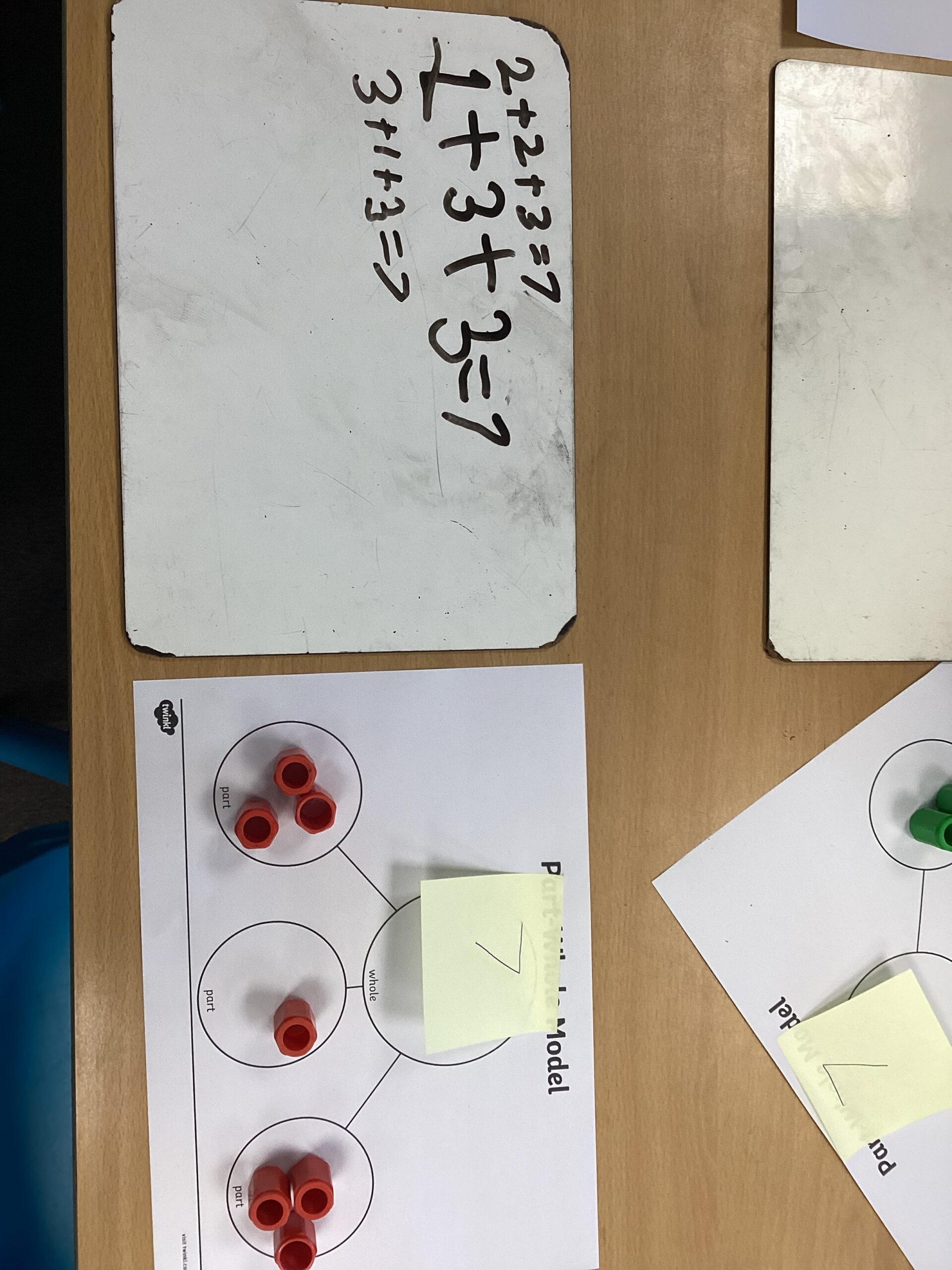
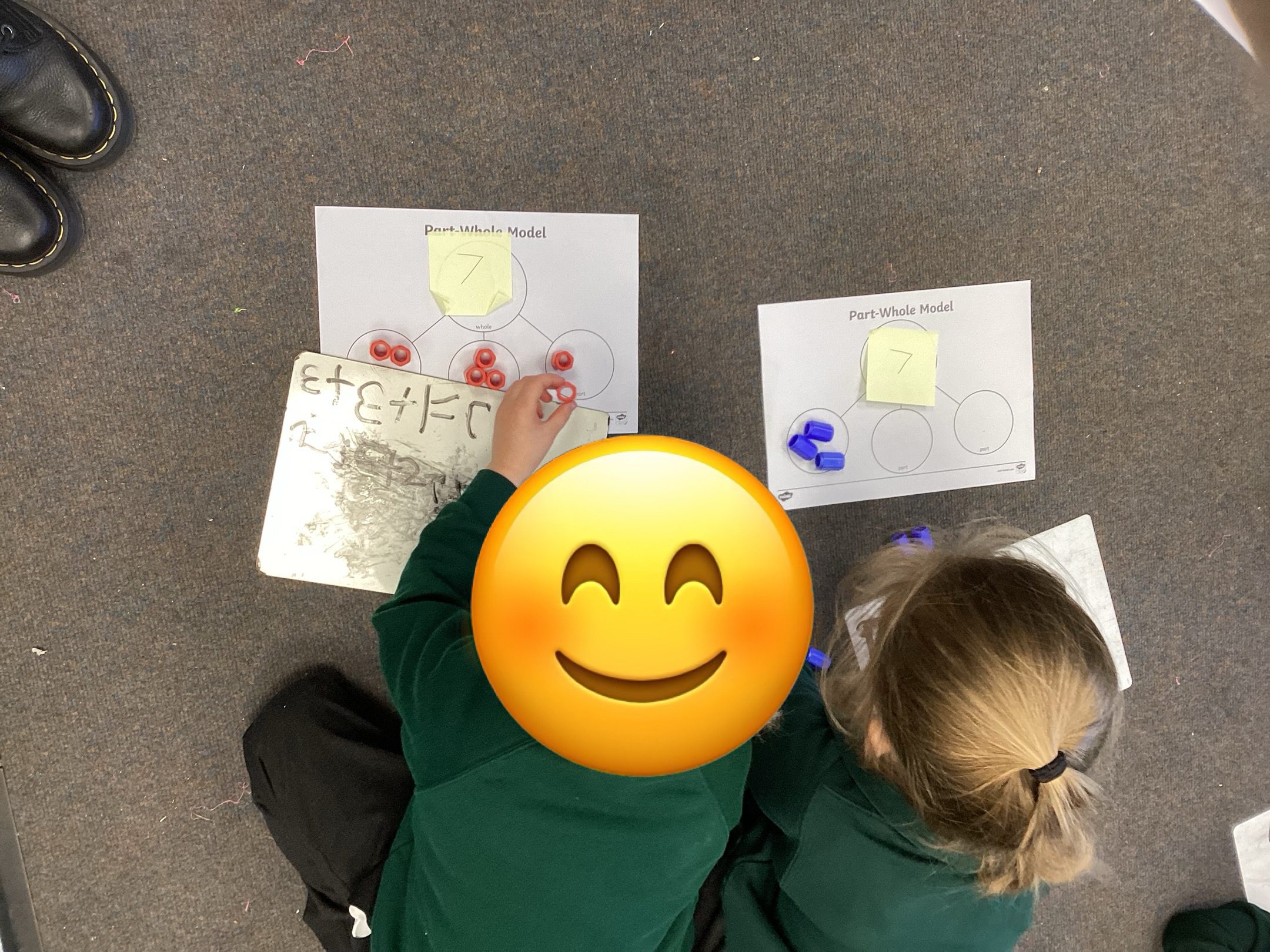
We began by focusing on the meaning of whole and part using everyday objects and pictures. Once the children were confident with the idea of wholes and parts in everyday objects, we introduced part–whole models. These are simple diagrams that show how a number (the whole) can be split into two or more parts.
In class, the children have been:
- Using counters, cubes, and other manipulatives to partition numbers
- Exploring different ways to make the same whole (e.g., 6 as 5 + 1, 4 + 2, 3 + 3)
- Recording their work in part–whole diagrams
- Beginning to link the models to addition and subtraction stories
For example, if the whole is 8, children might find that the parts could be 5 and 3, or 6 and 2. Through practical exploration, they discover that part + part = whole and whole – part = part.
This visual and hands-on approach helps children build strong number sense rather than simply memorising facts.
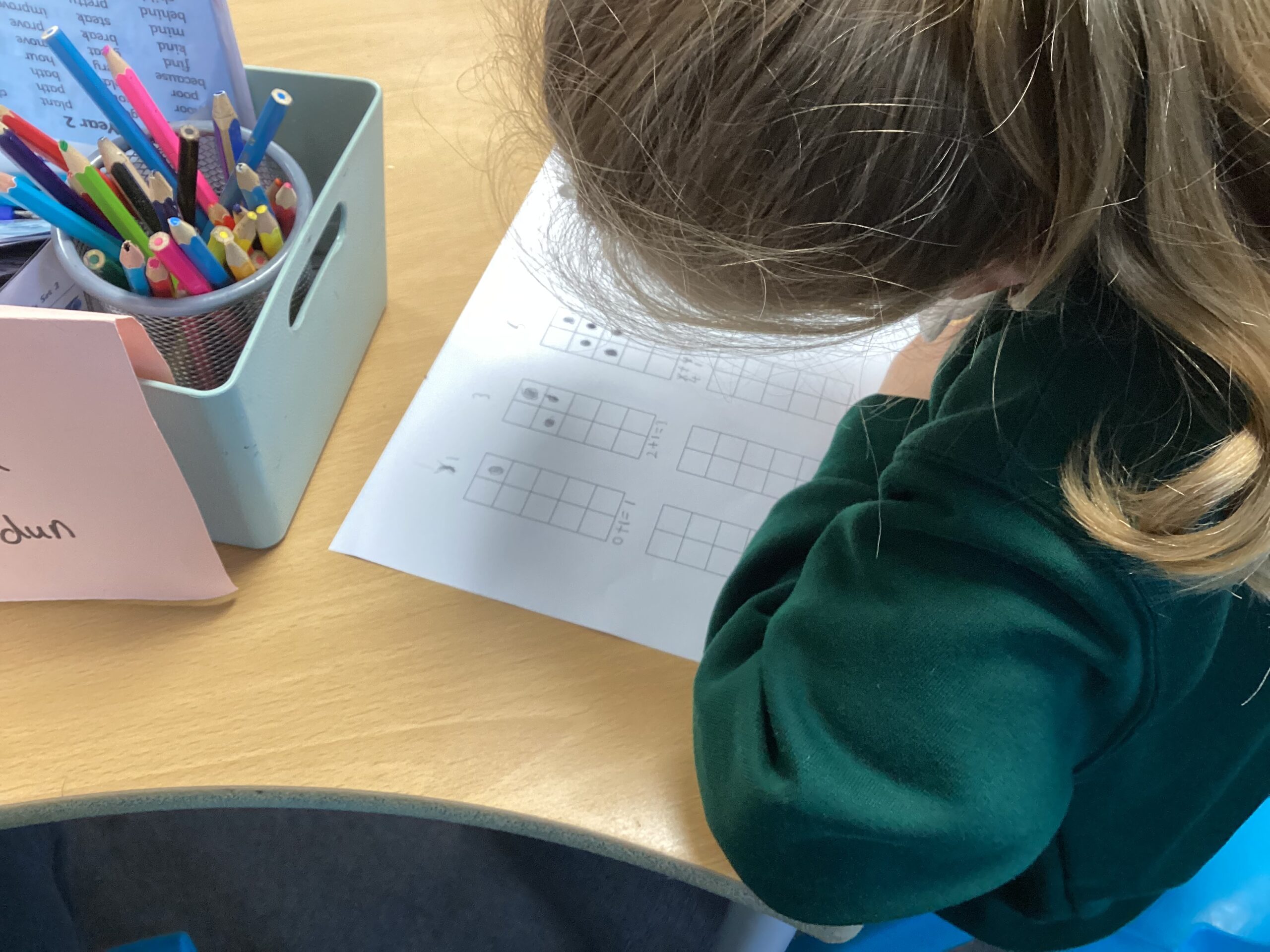
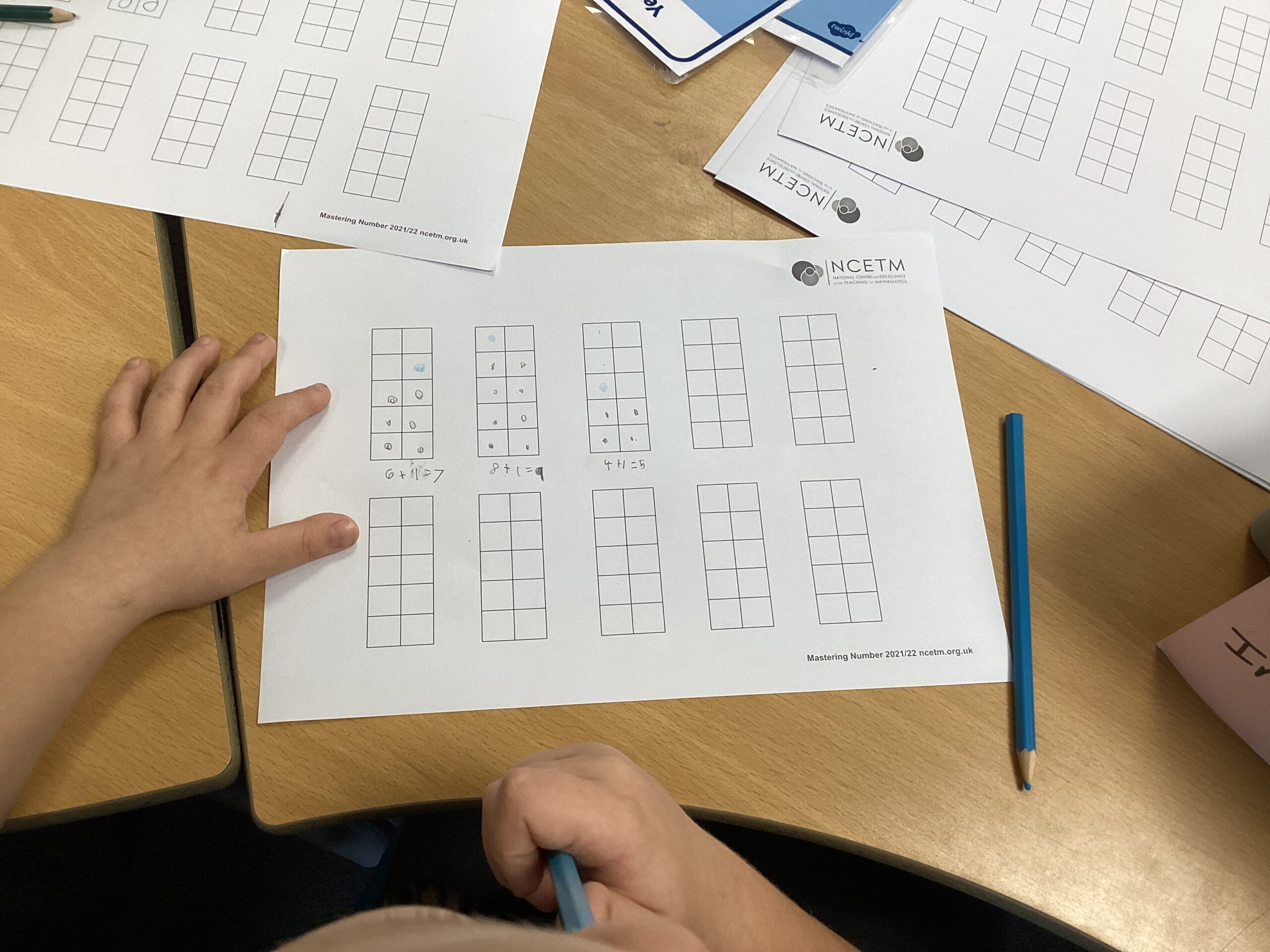
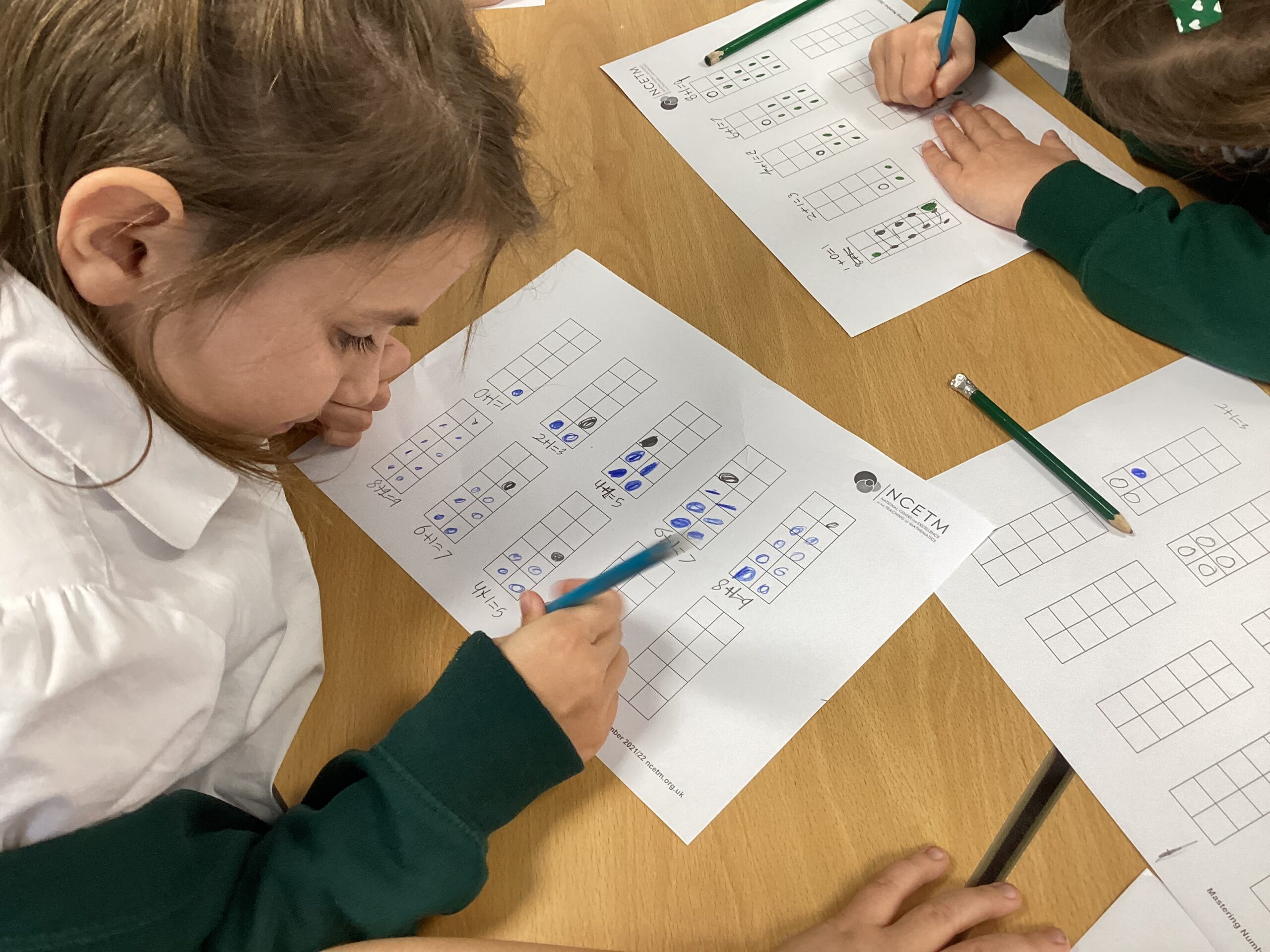
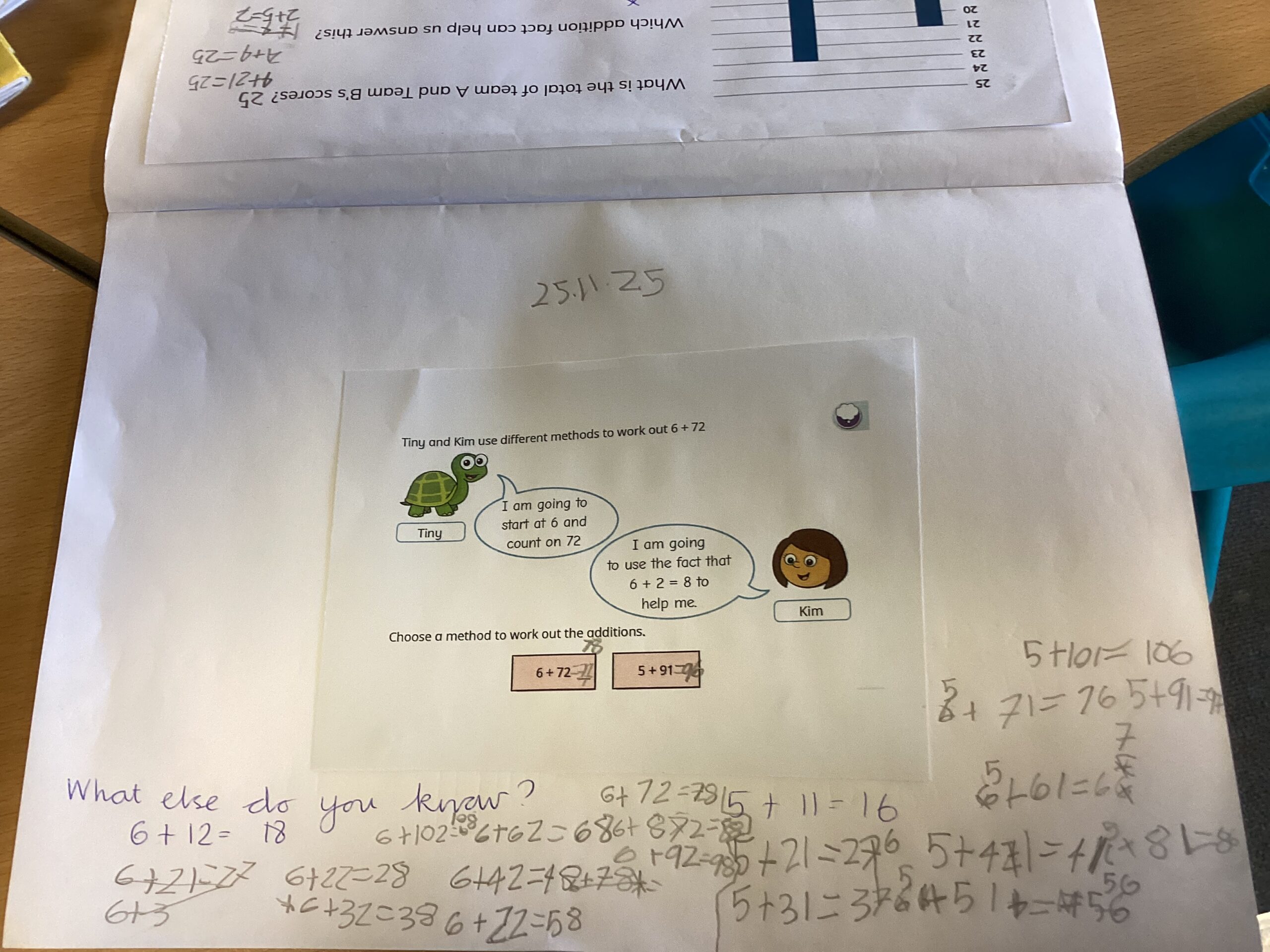
In Year 2 the children have been developing this by looking at the different parts that make up numbers to 10. From this learning they have then been applying these known facts to help them solve more complex problems.
Team 3 / 4:
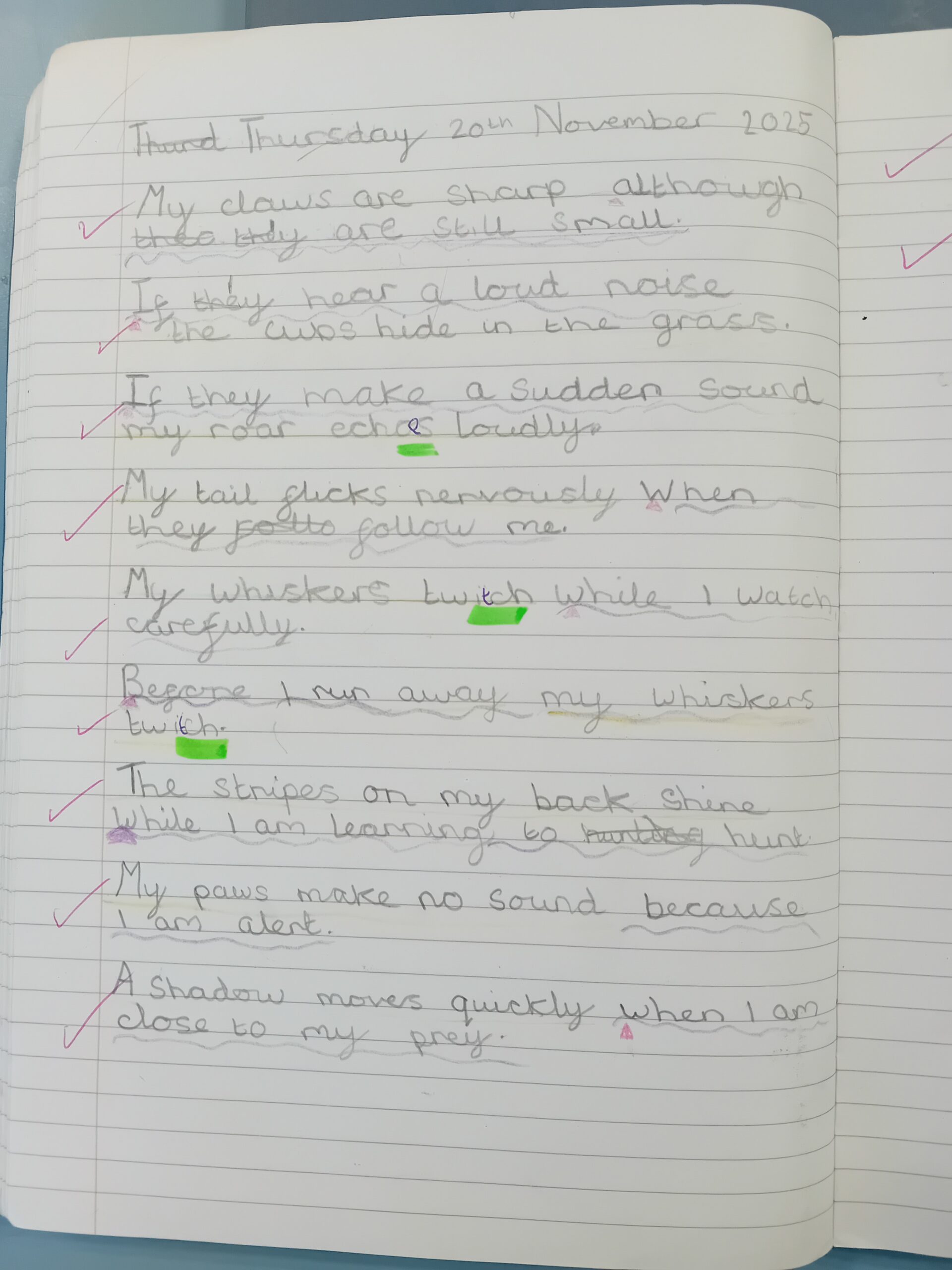
Team 3/4 have been on a fantastic writing journey over the past few weeks, inspired by Interview with a Tiger: And Other Clawed Beasts Too by Andy Seed. This lively and humorous text has helped us look closely at how writers create an informal, engaging style, and the children have enjoyed experimenting with this in their own work. They have learned how informal writing can include chatty phrases, humour and questions that make the reader feel directly involved, and they’ve had great fun trying these techniques out themselves.
As part of our learning, the children have also been exploring different types of sentences. They have practised writing statements, commands, questions and exclamations, using examples from the book to guide and inspire them. It has been wonderful to see how confidently they can now recognise and use these sentence types for different effects.
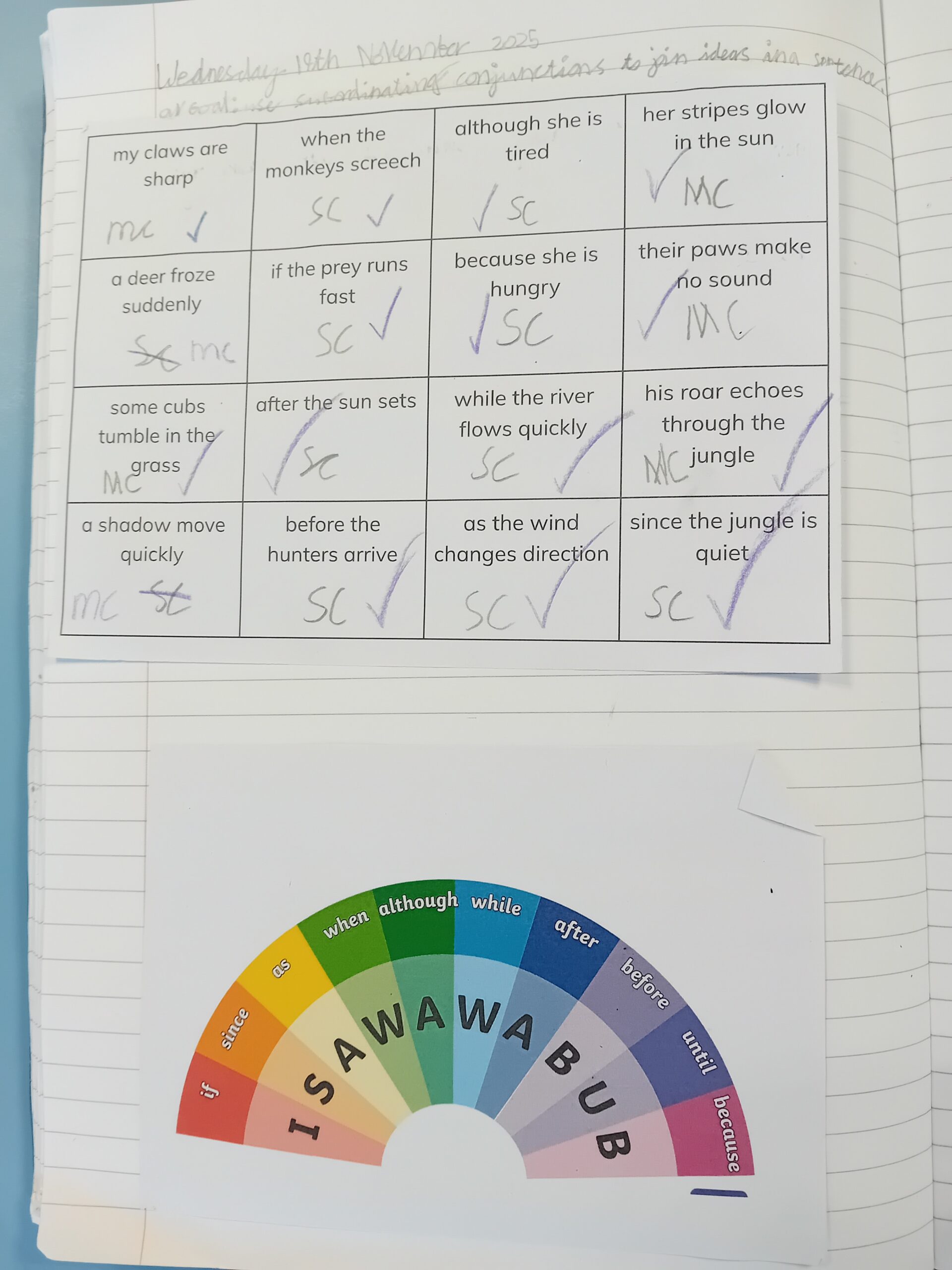
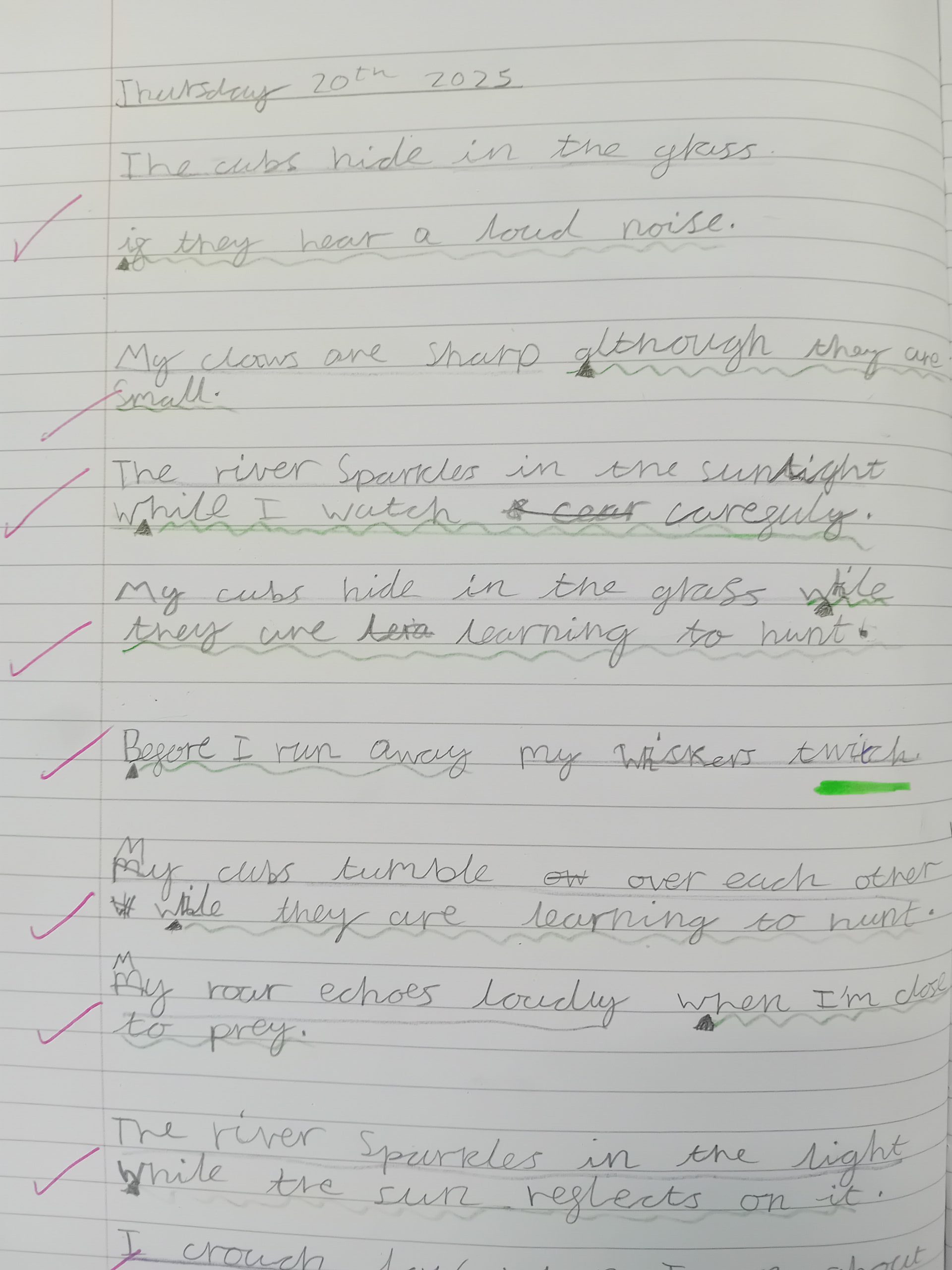
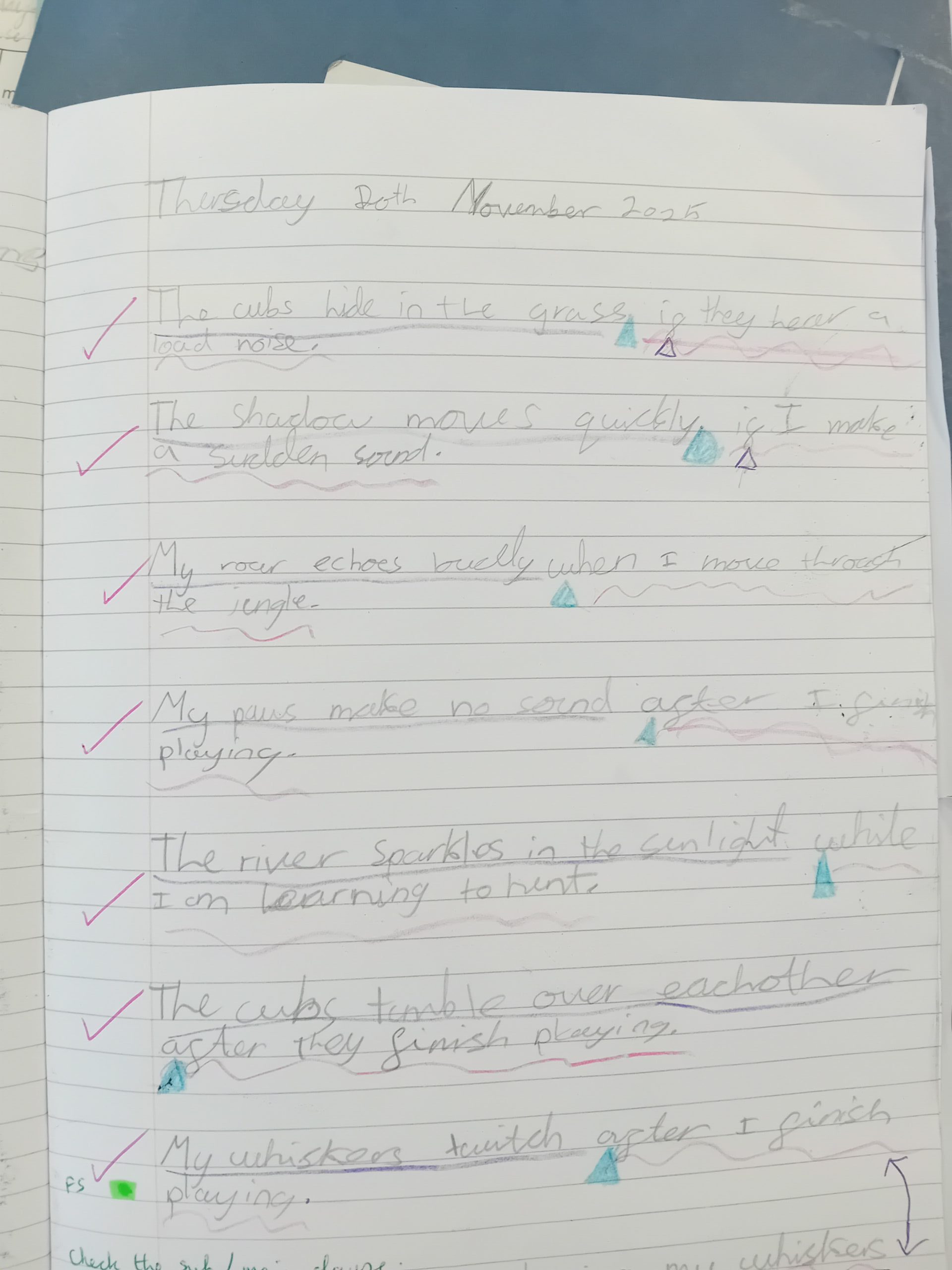
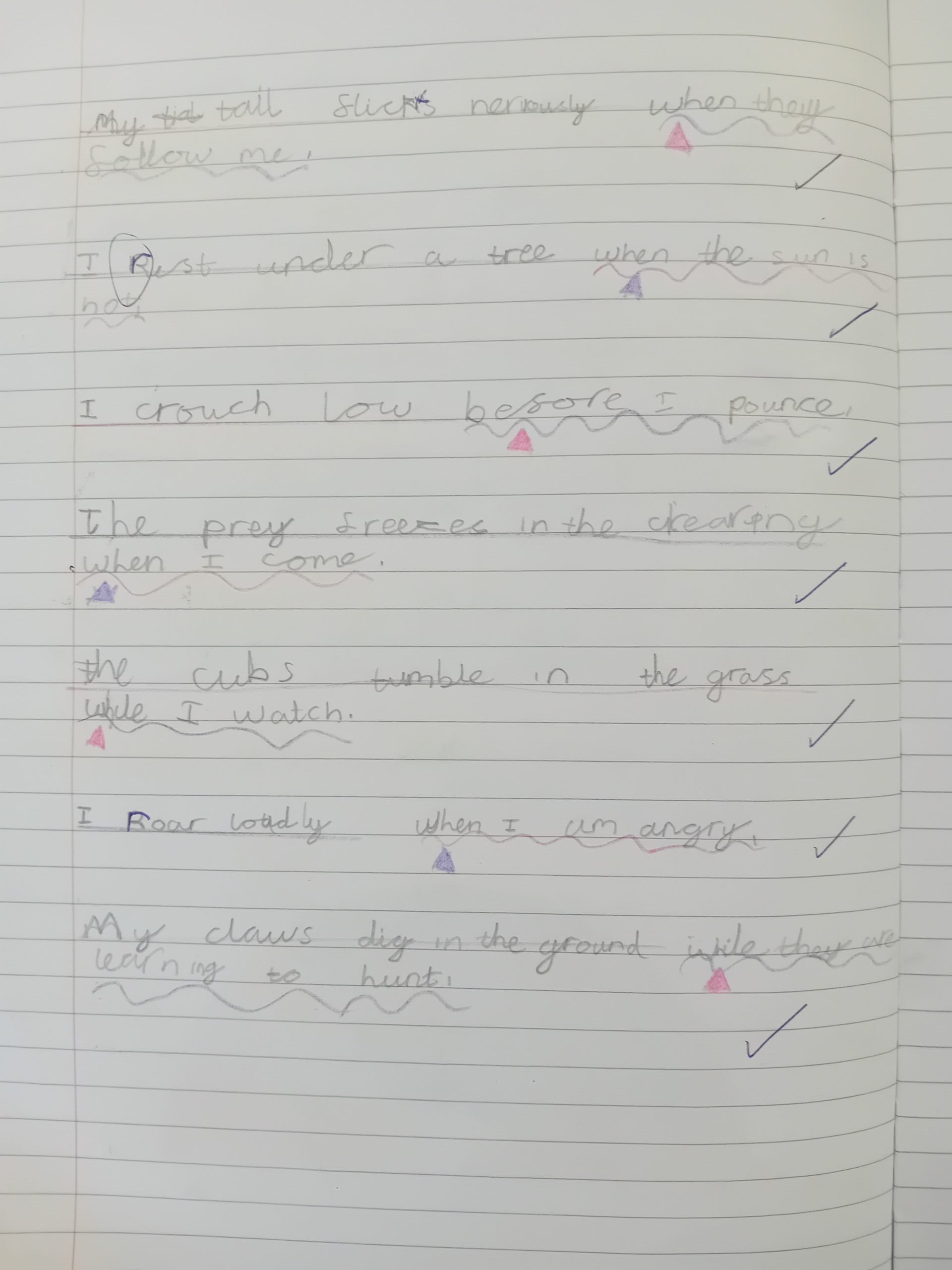
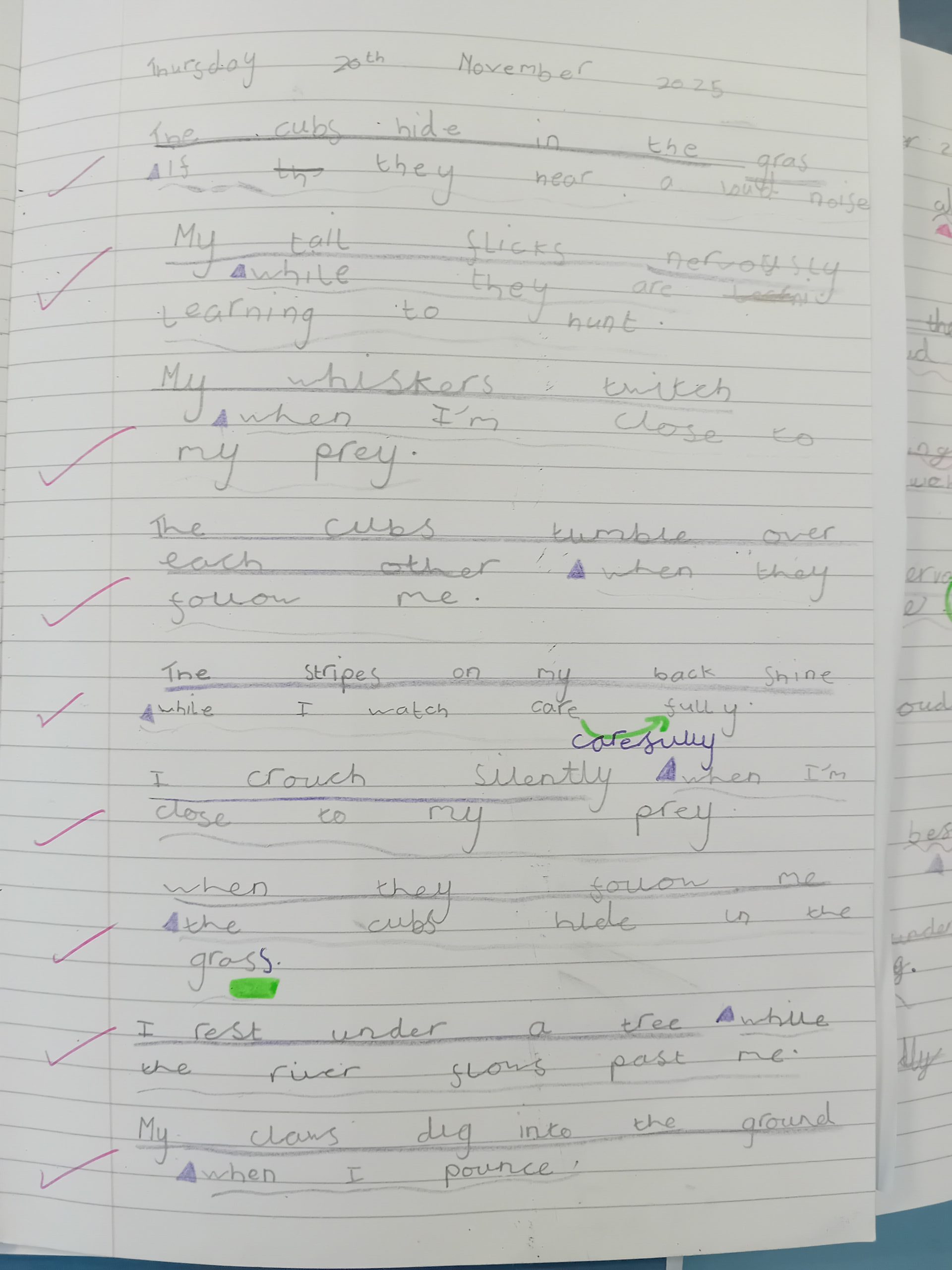
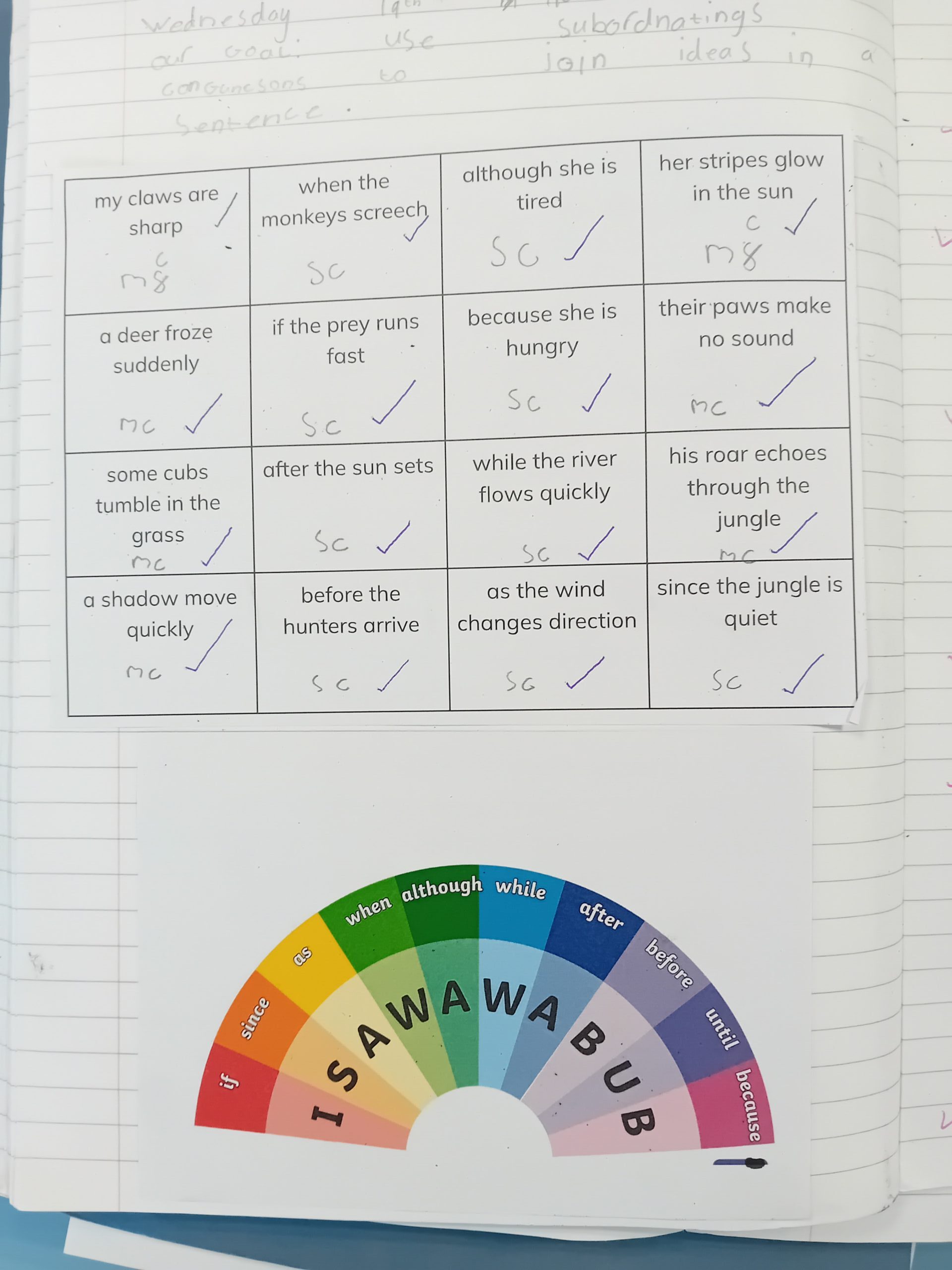
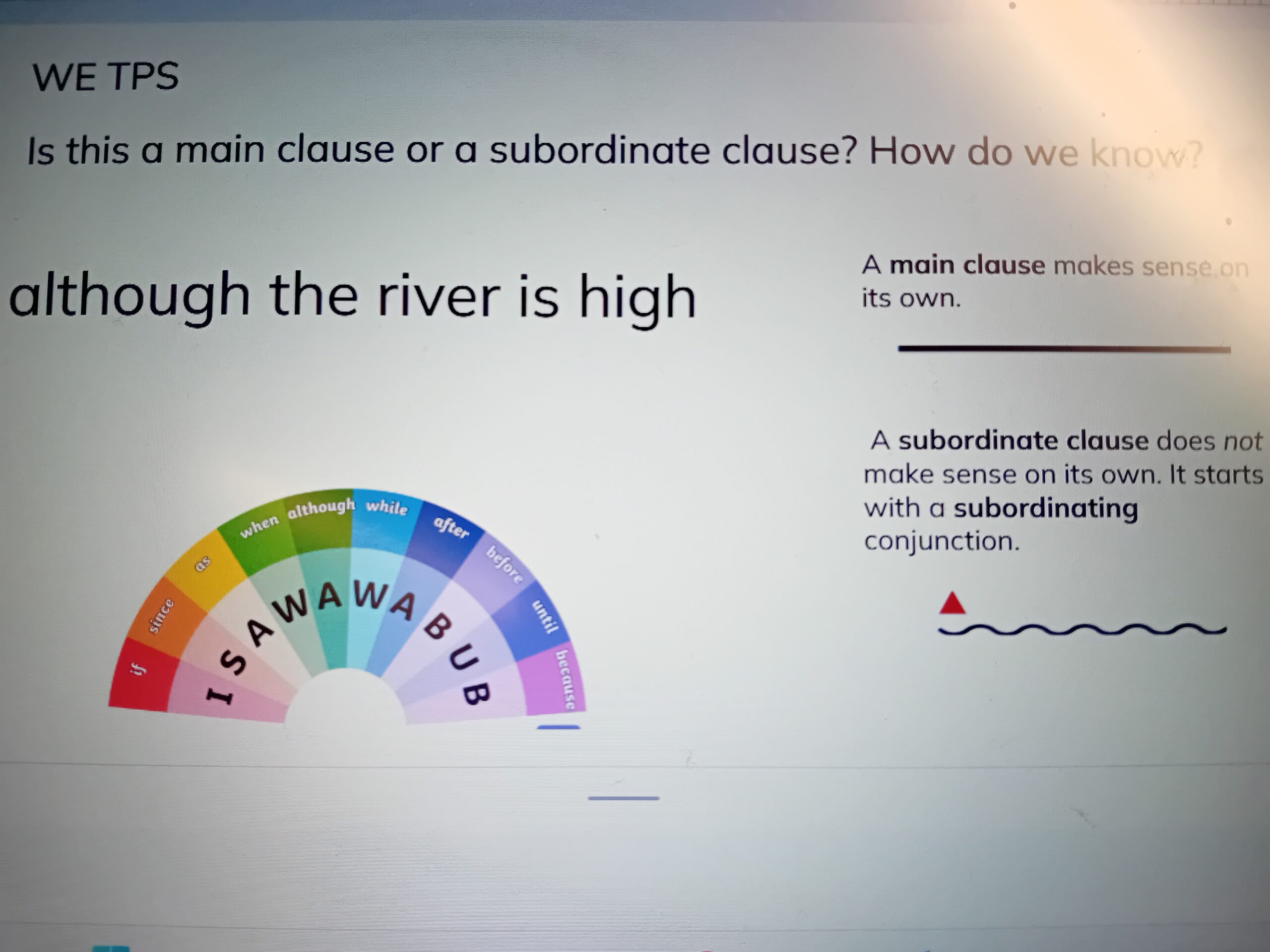
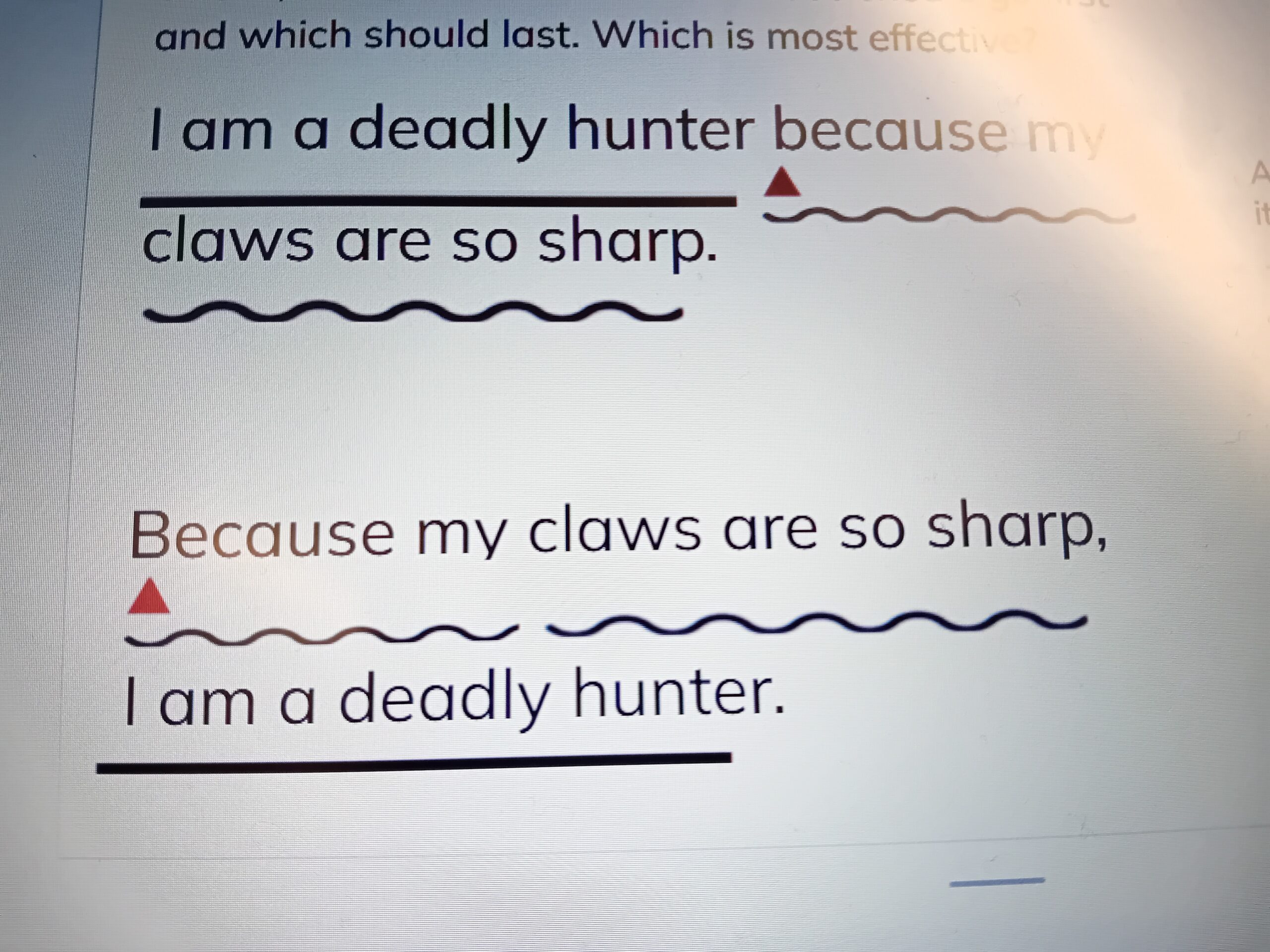
Most recently, we have been developing our understanding of subordinating conjunctions and how they can be used to build more detailed sentences and link ideas. The children learned how to identify the main clause and the subordinate clause, and then created their own examples using a colour key to show which clause was which. This visual approach really helped them see how the two clauses fit together and how subordinating conjunctions can add depth and meaning.
Team 3/4 have worked incredibly hard and should be proud of the progress they are making as writers. We are excited to see how they continue to apply these skills in their future writing.
Team 5 / 6:
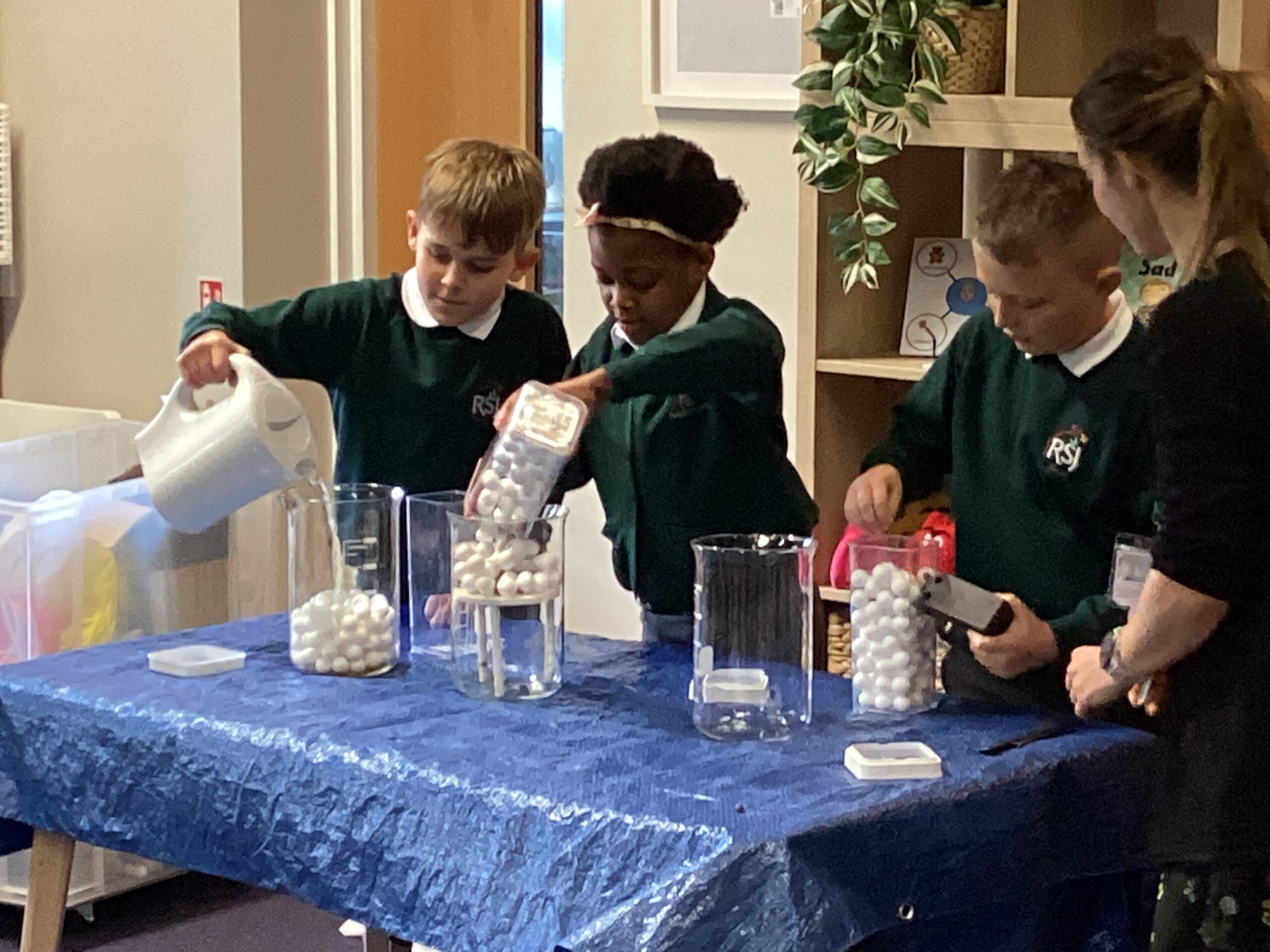
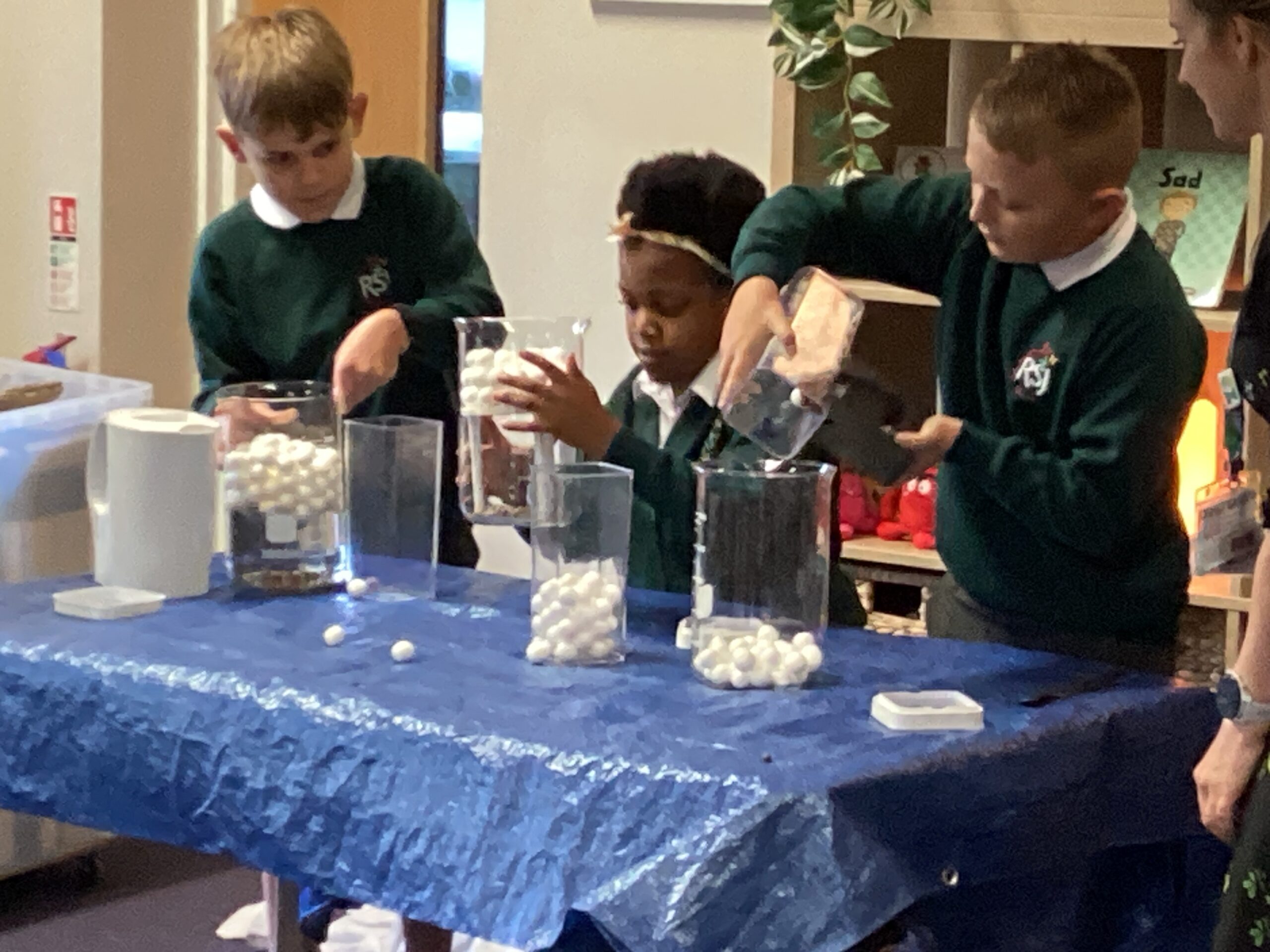
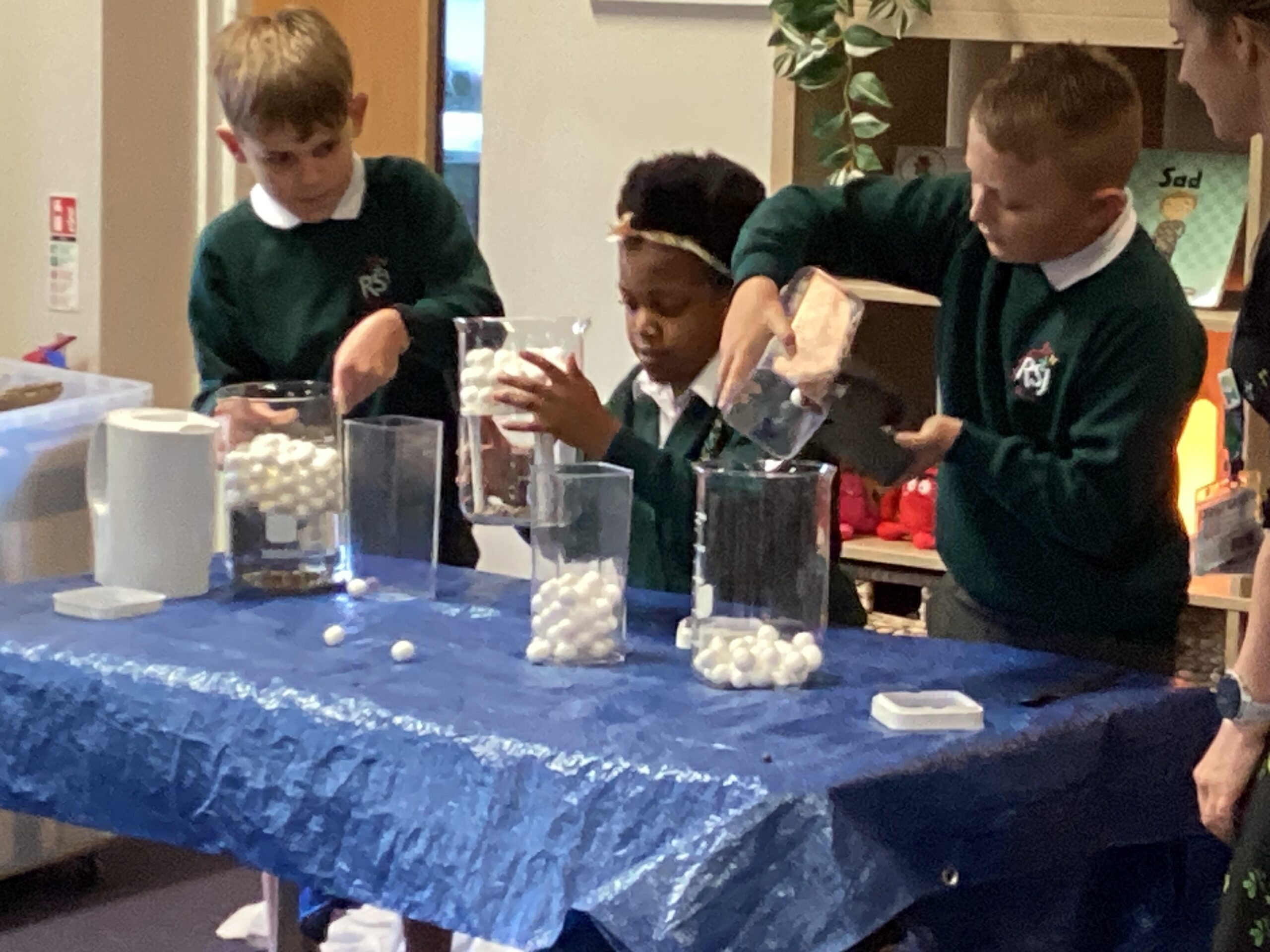
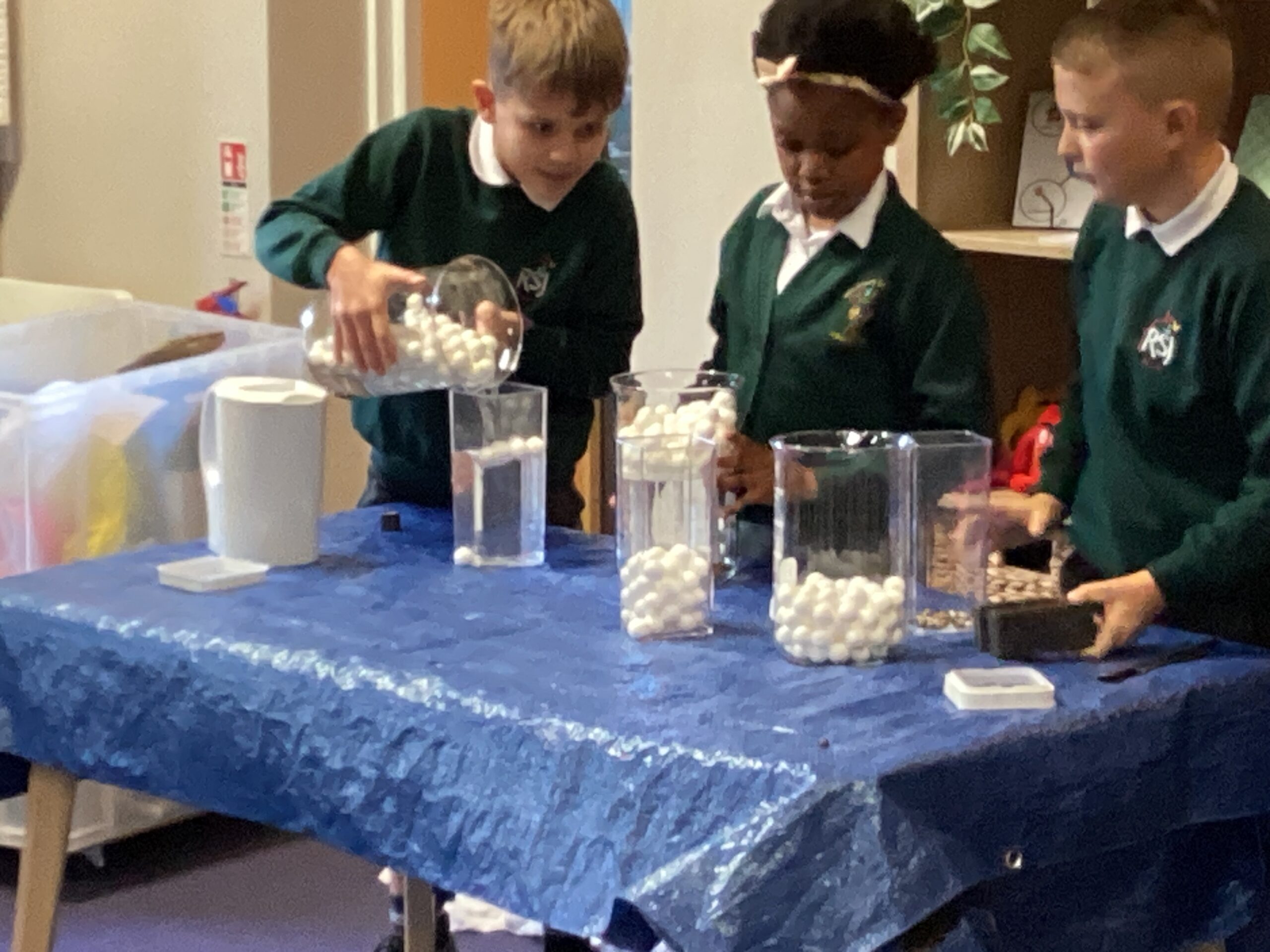
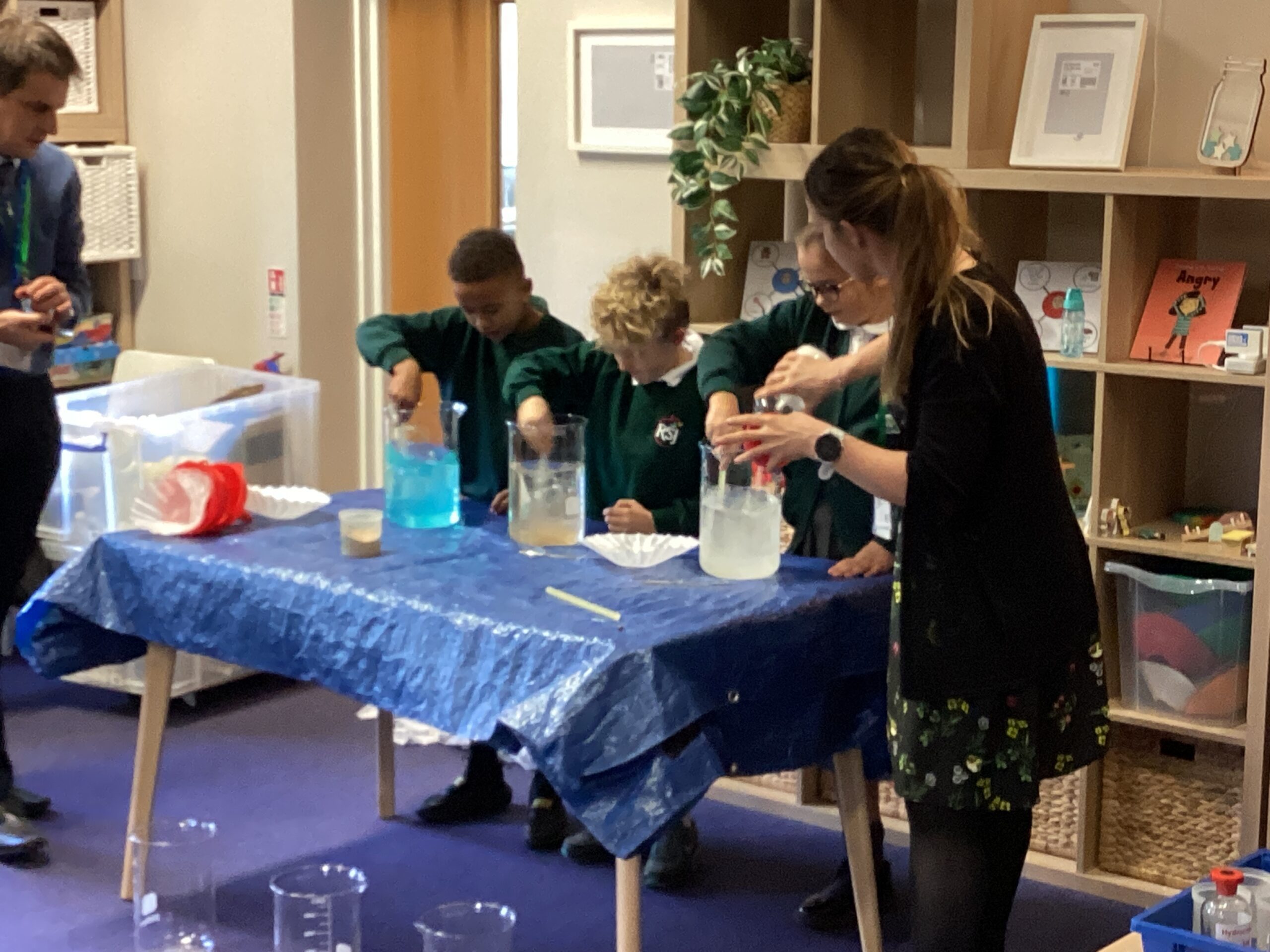
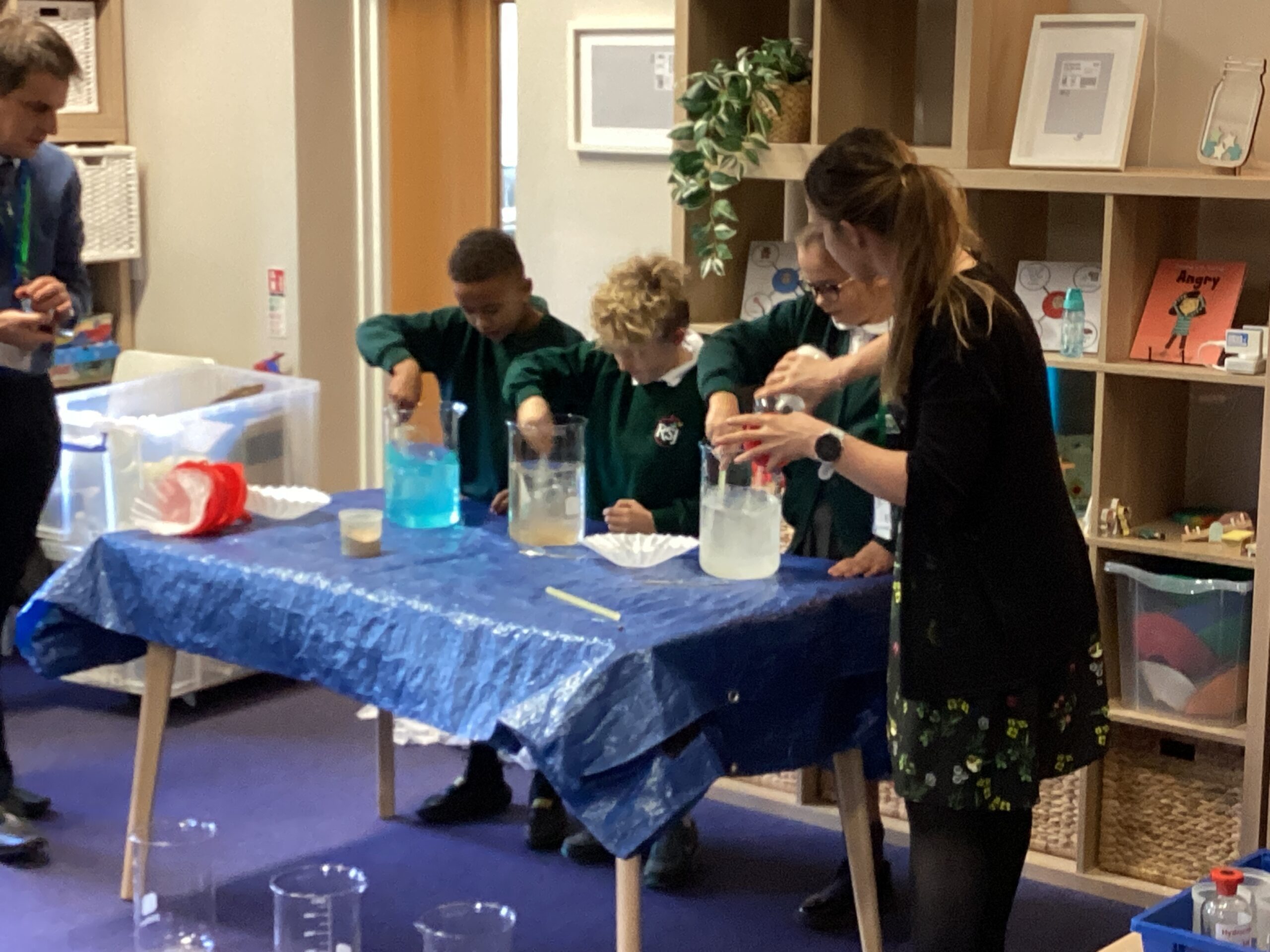
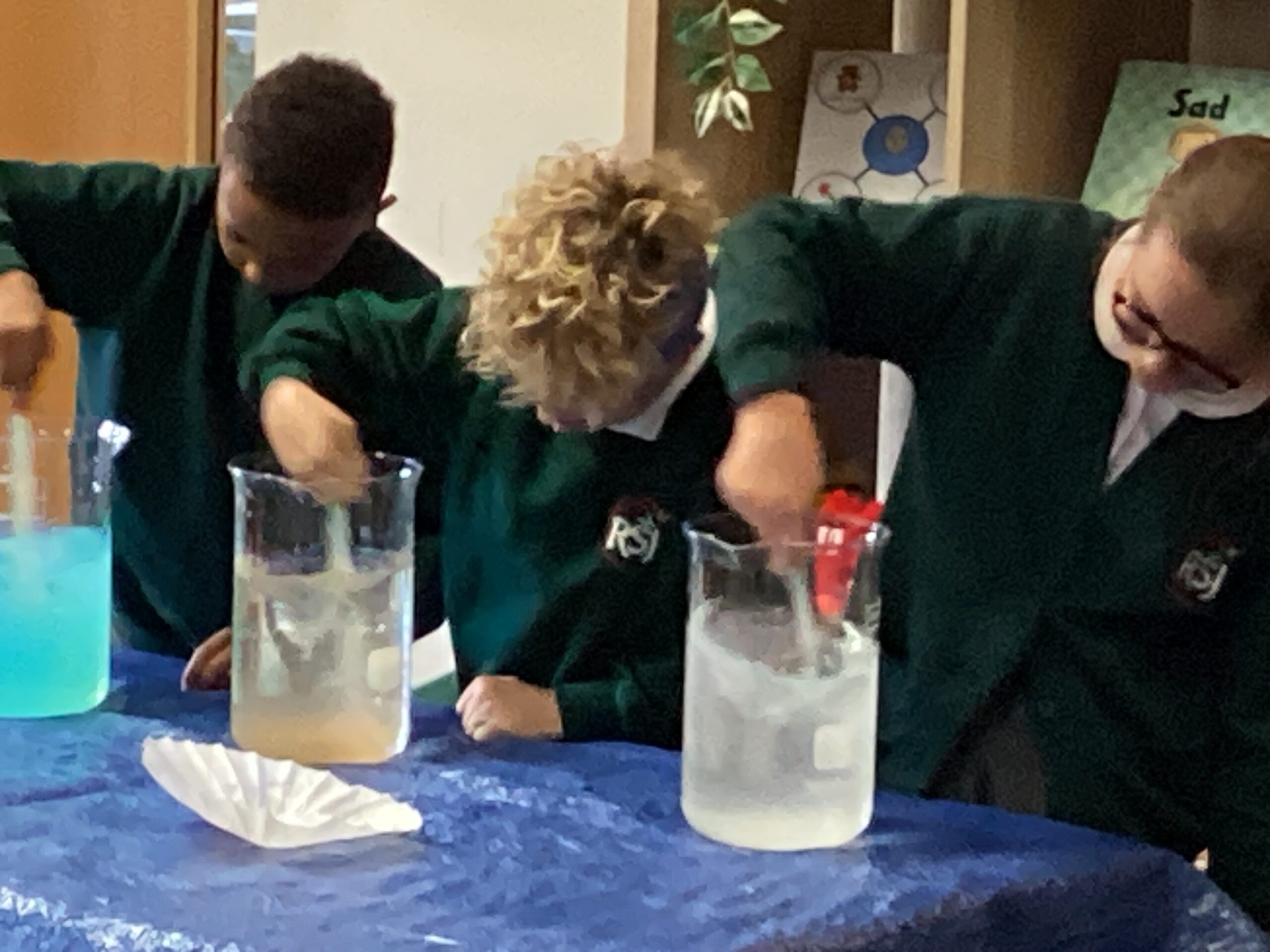
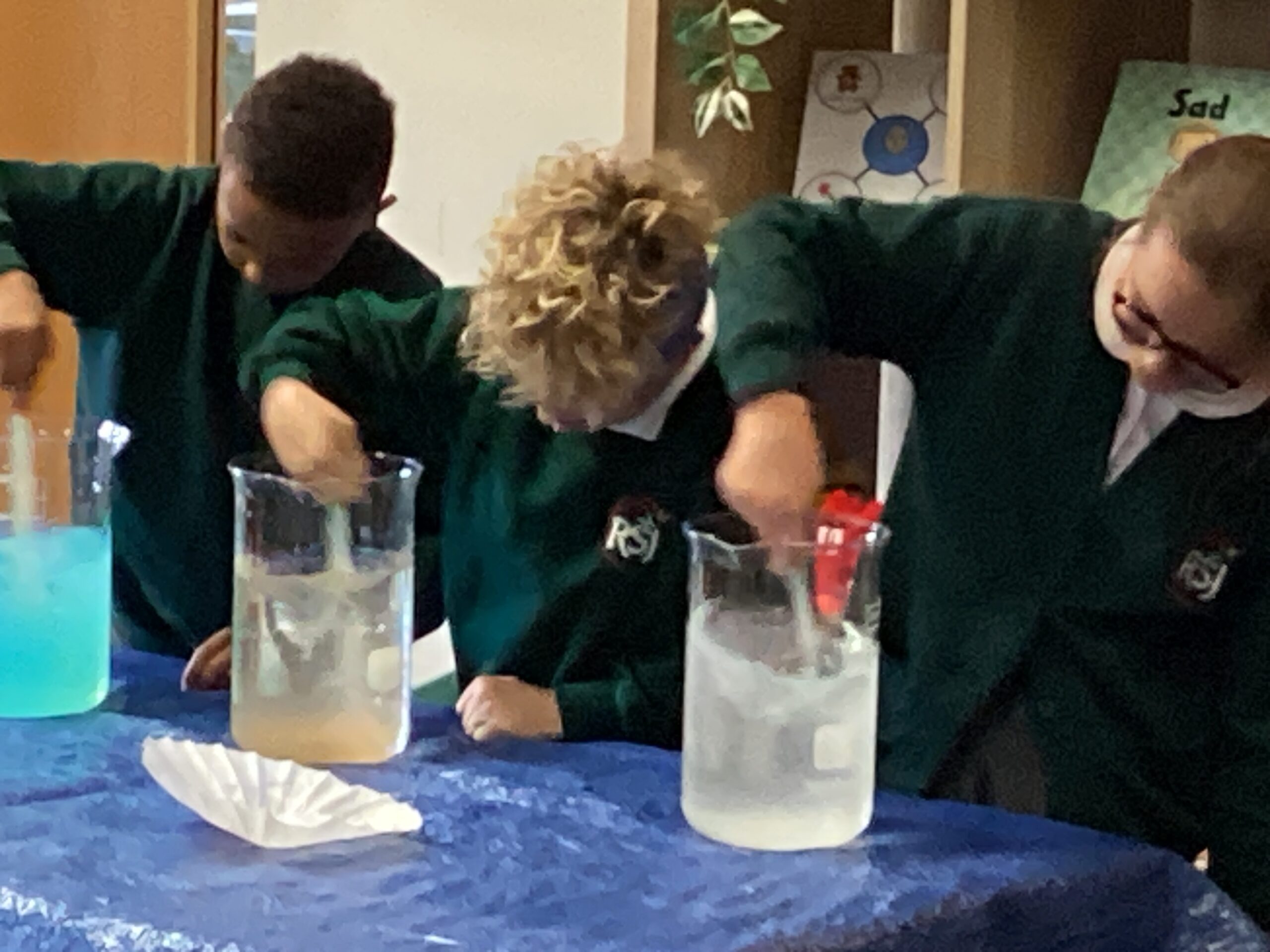
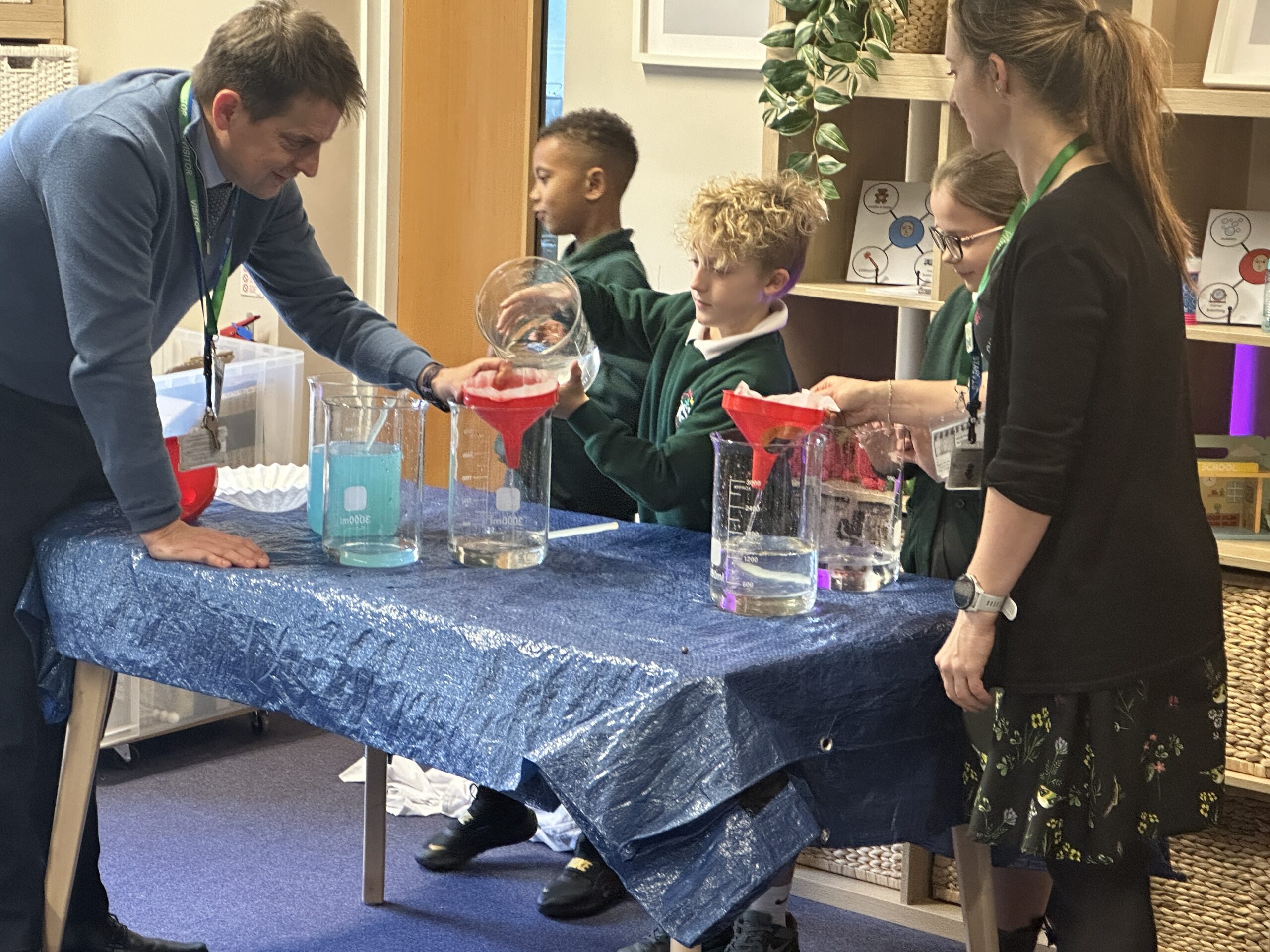
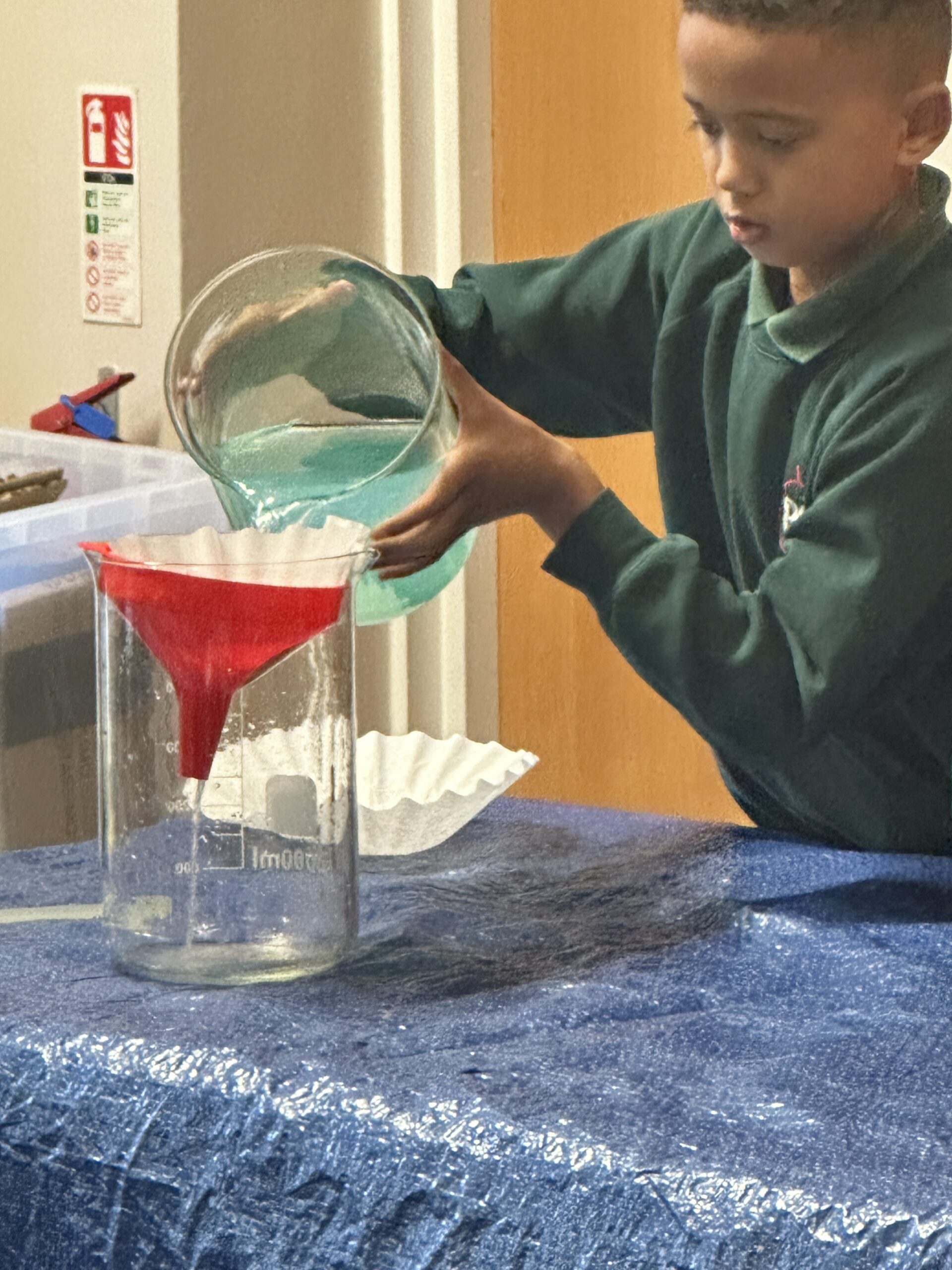
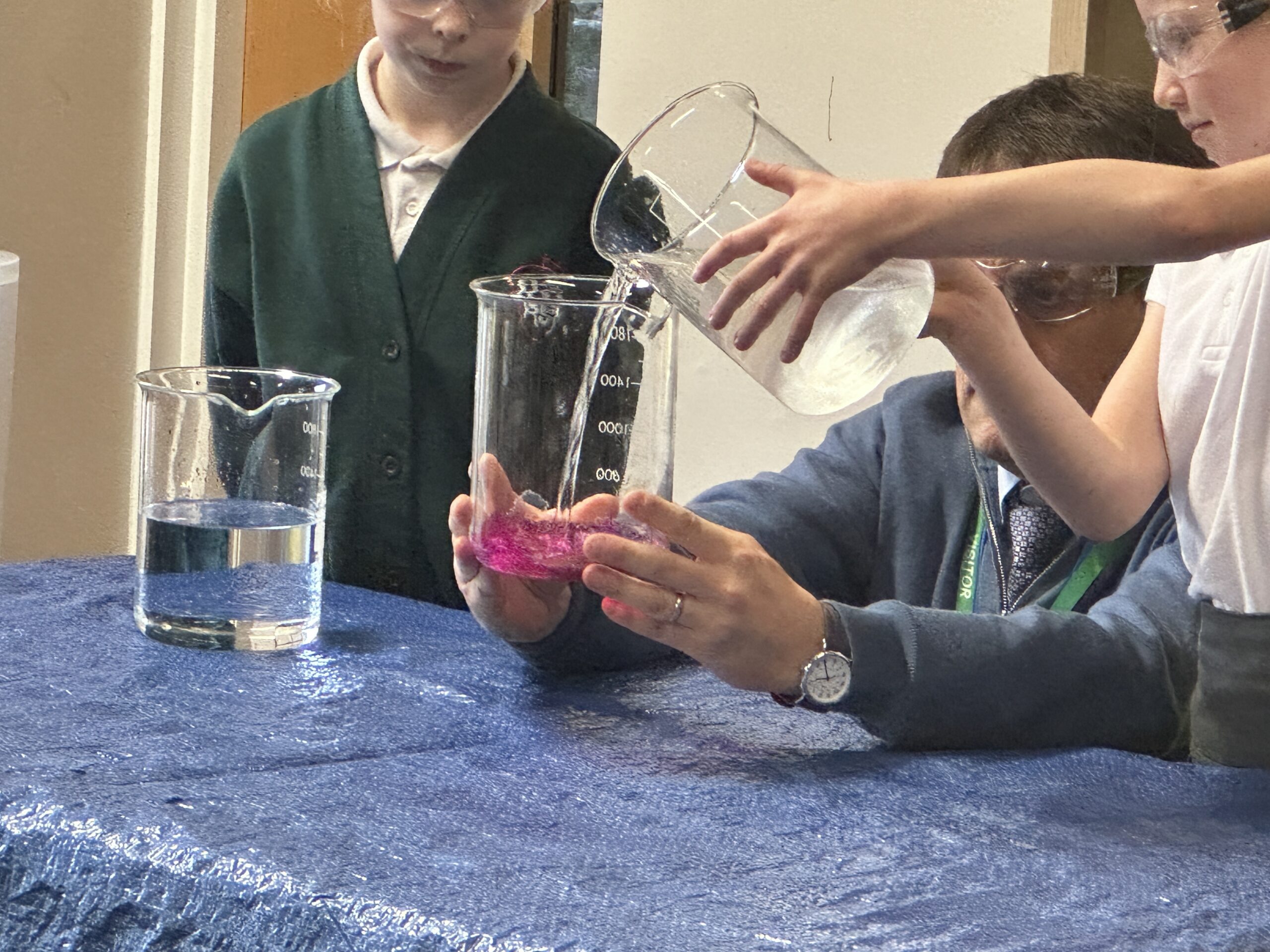
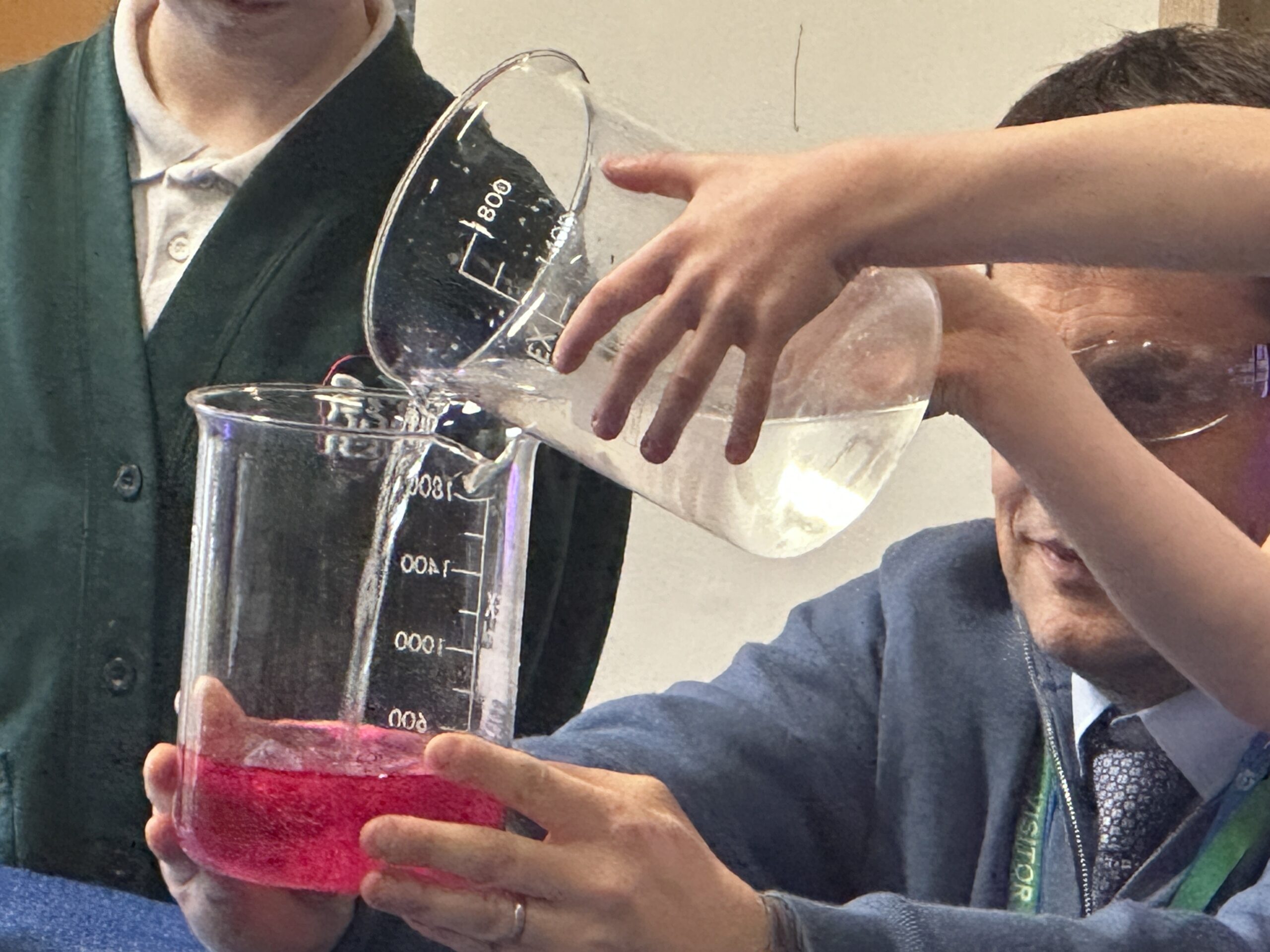
A Whizz, Bang, and Pop of Science! Mountbatten’s Interactive Workshop
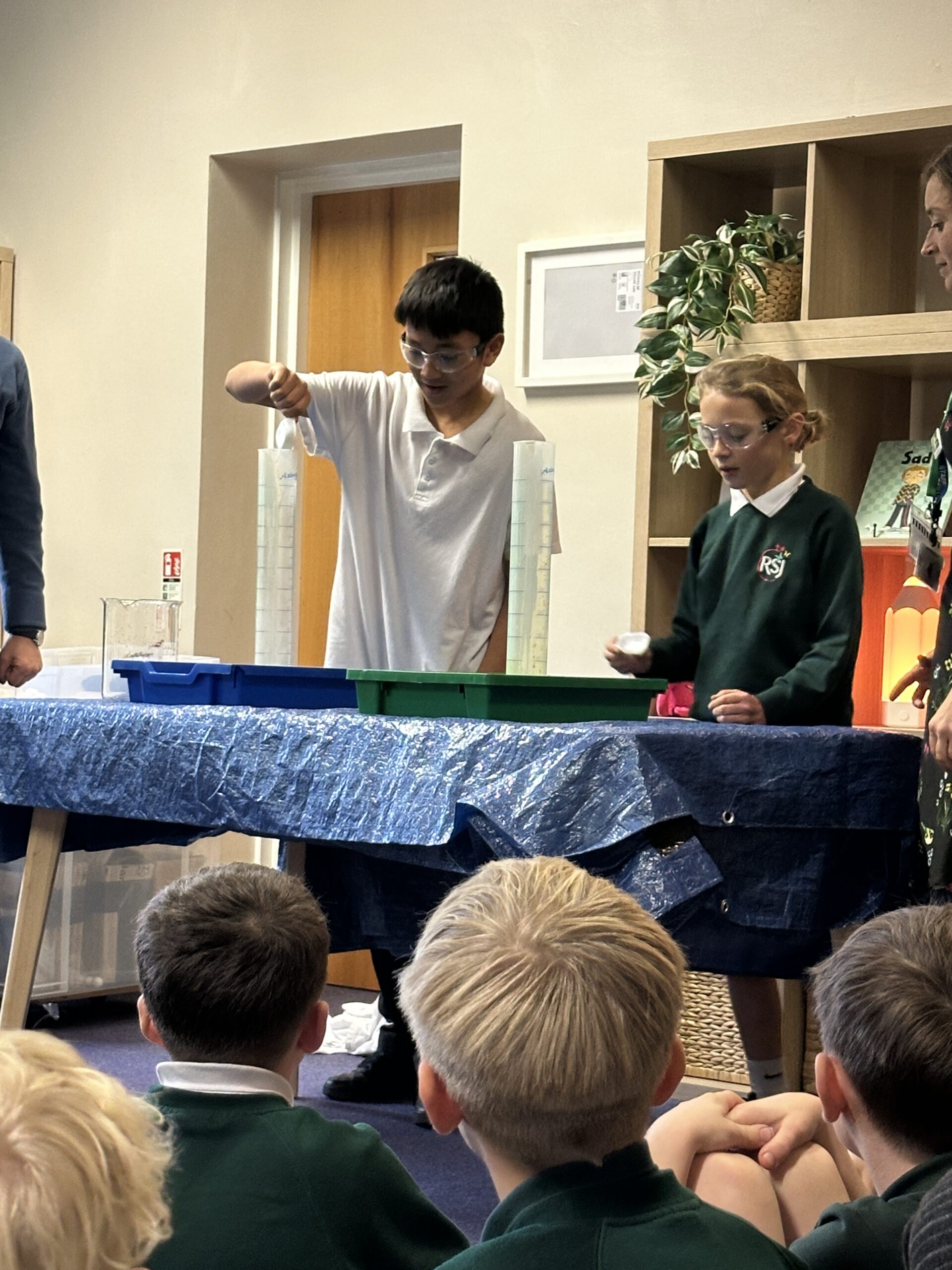
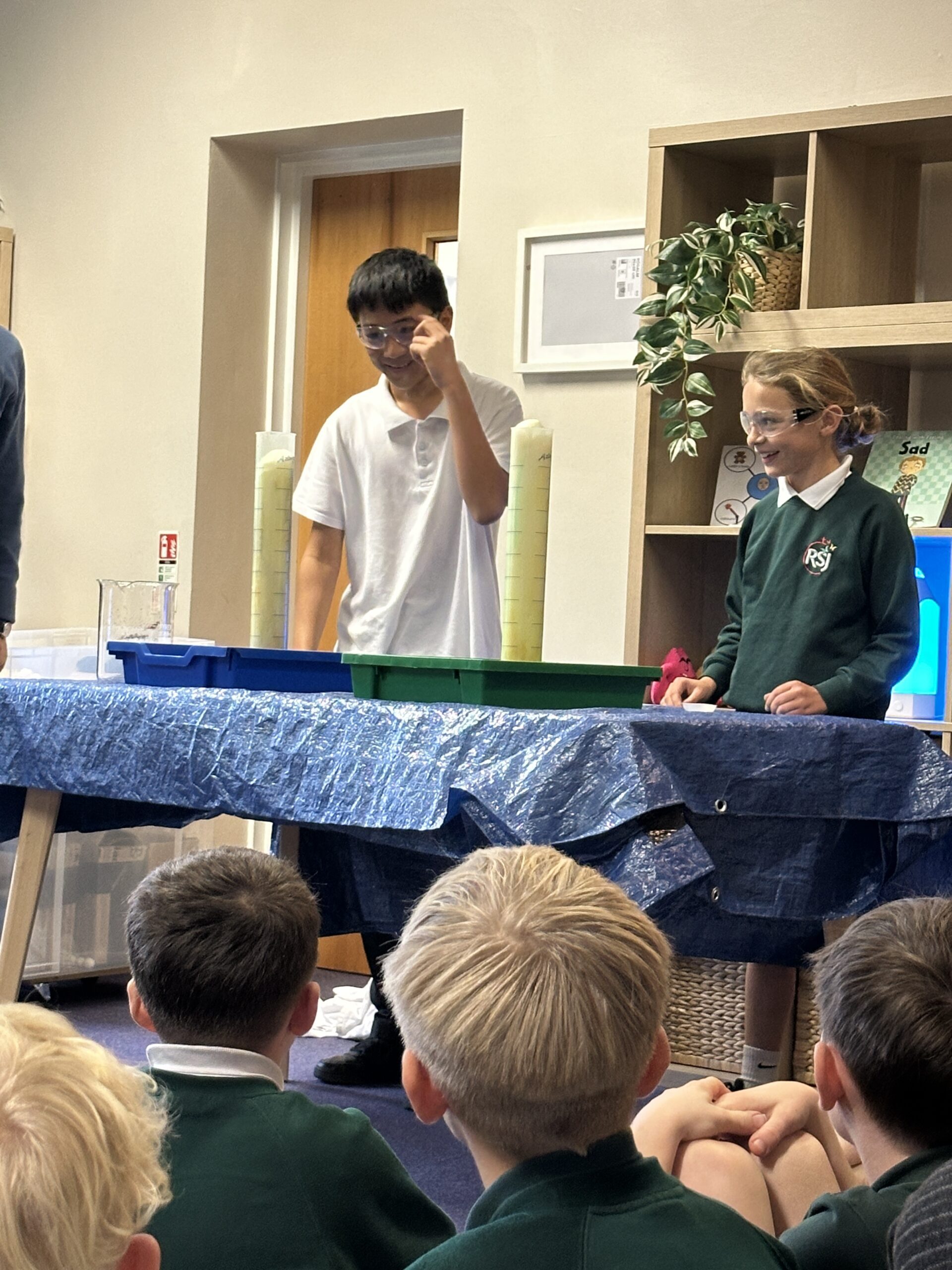
This Tuesday, our school was treated to an unforgettable scientific spectacle! We were delighted to welcome Mr. Gentle and Miss Peacock from the Science Department at Mountbatten School, who delivered a truly interactive workshop on the fascinating world of ‘Materials’.
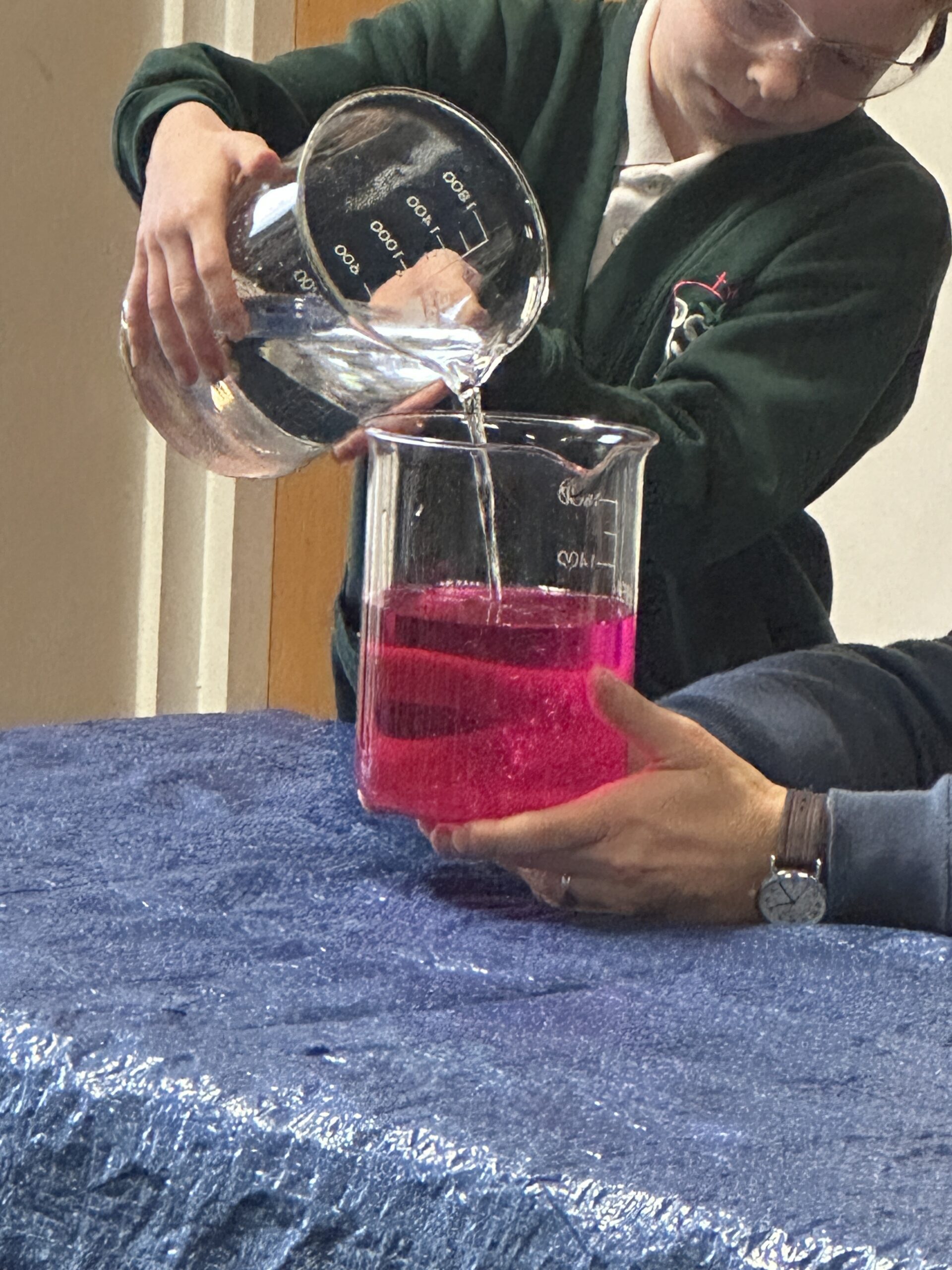
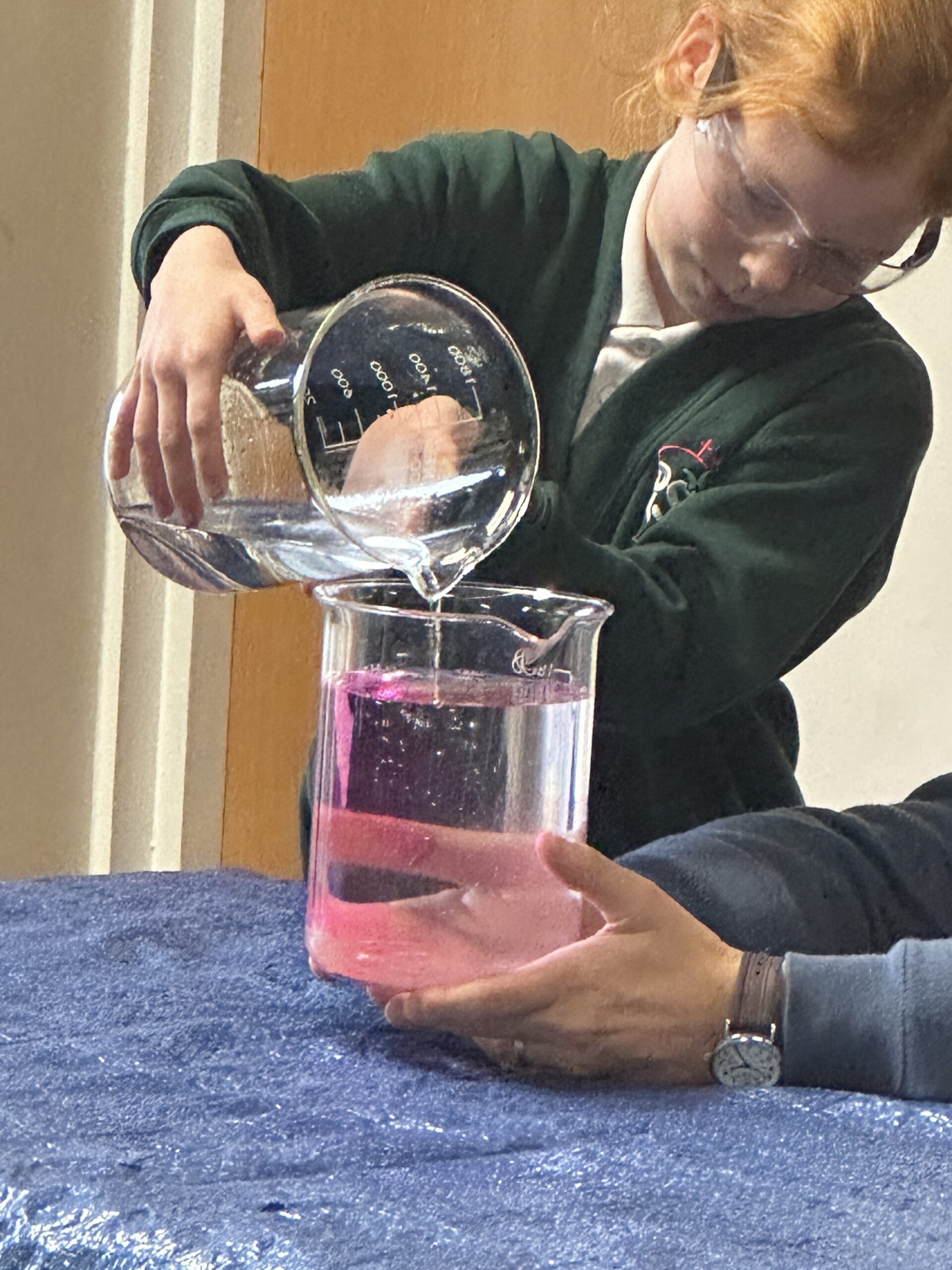
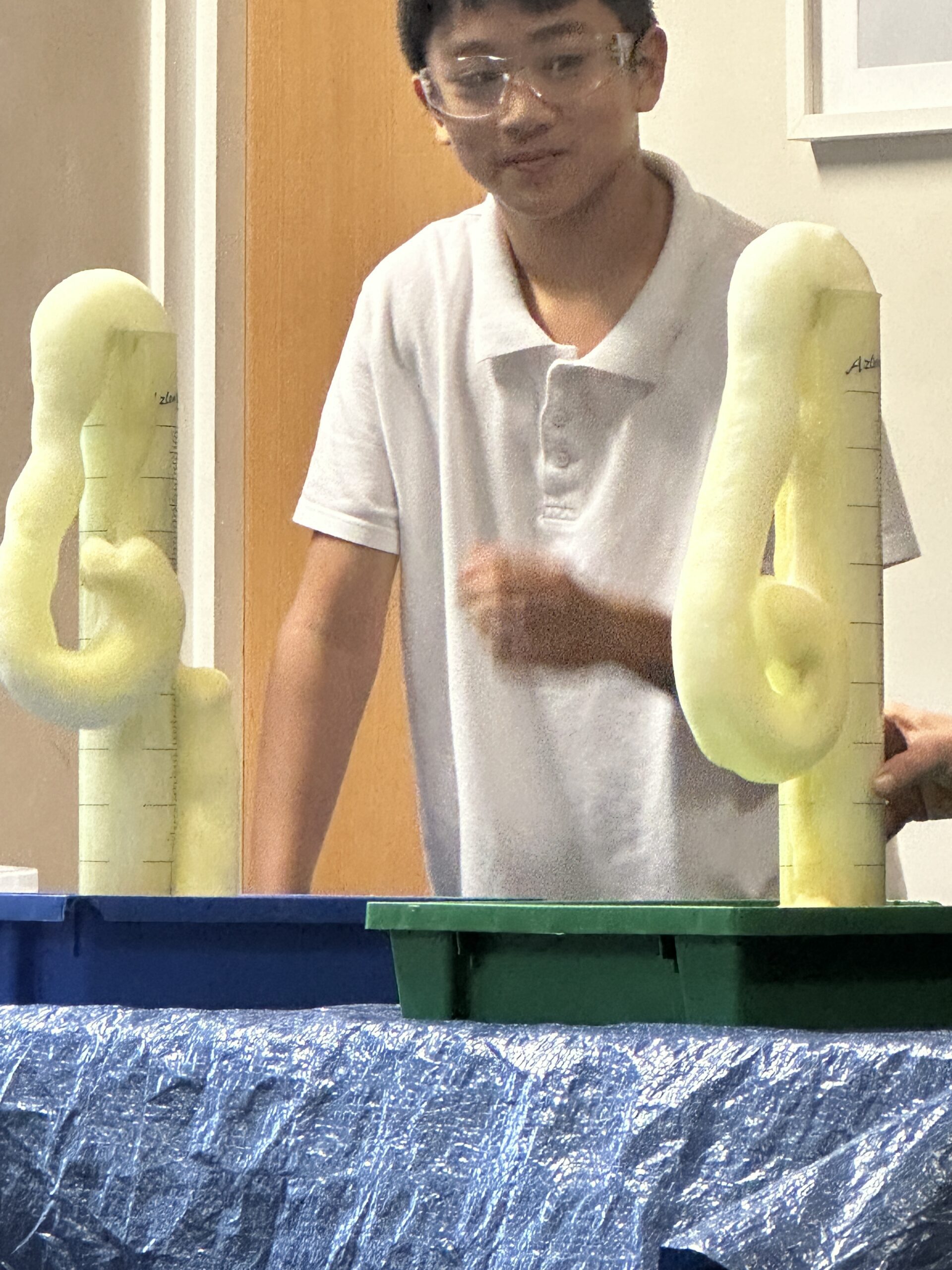
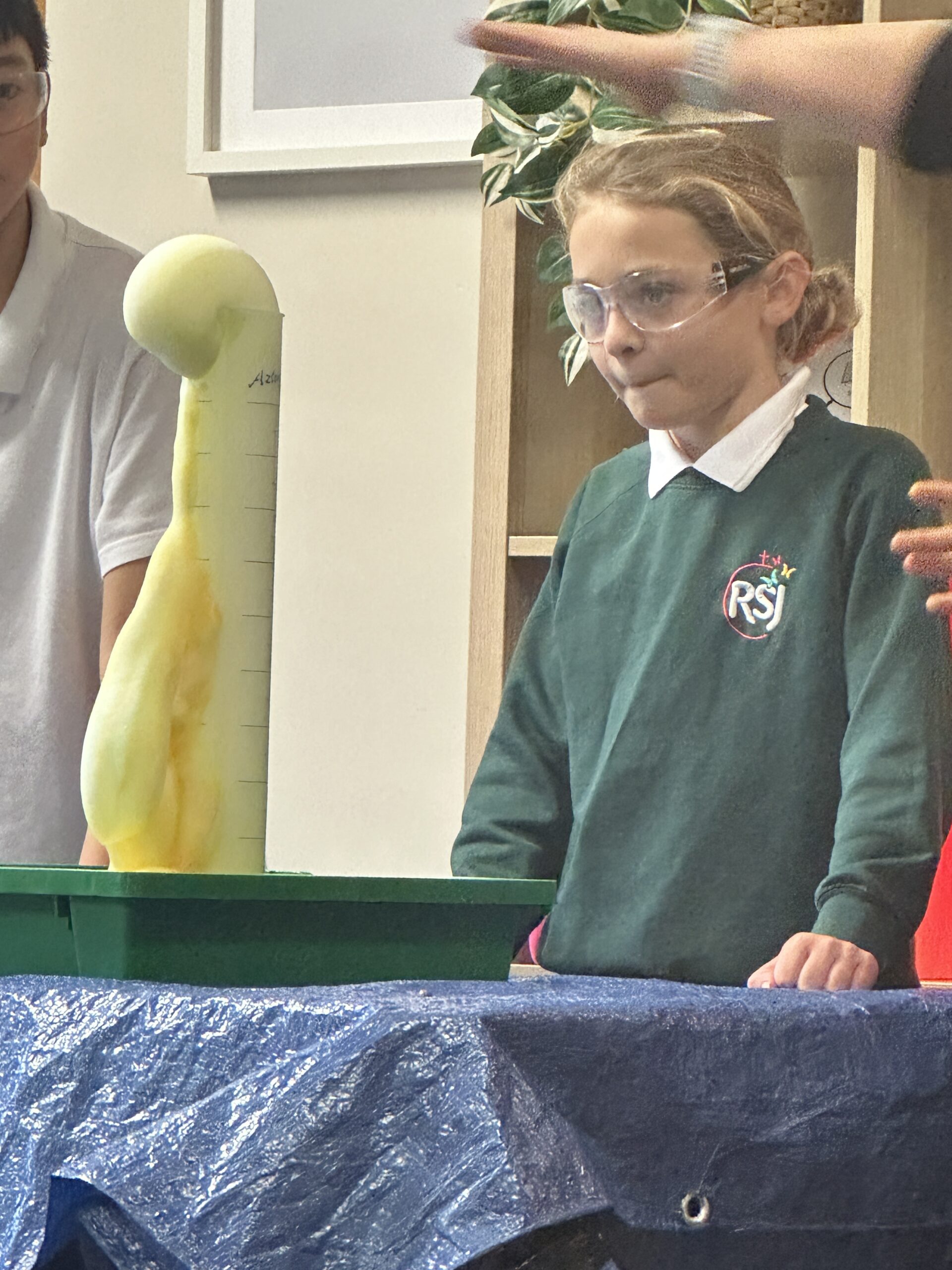
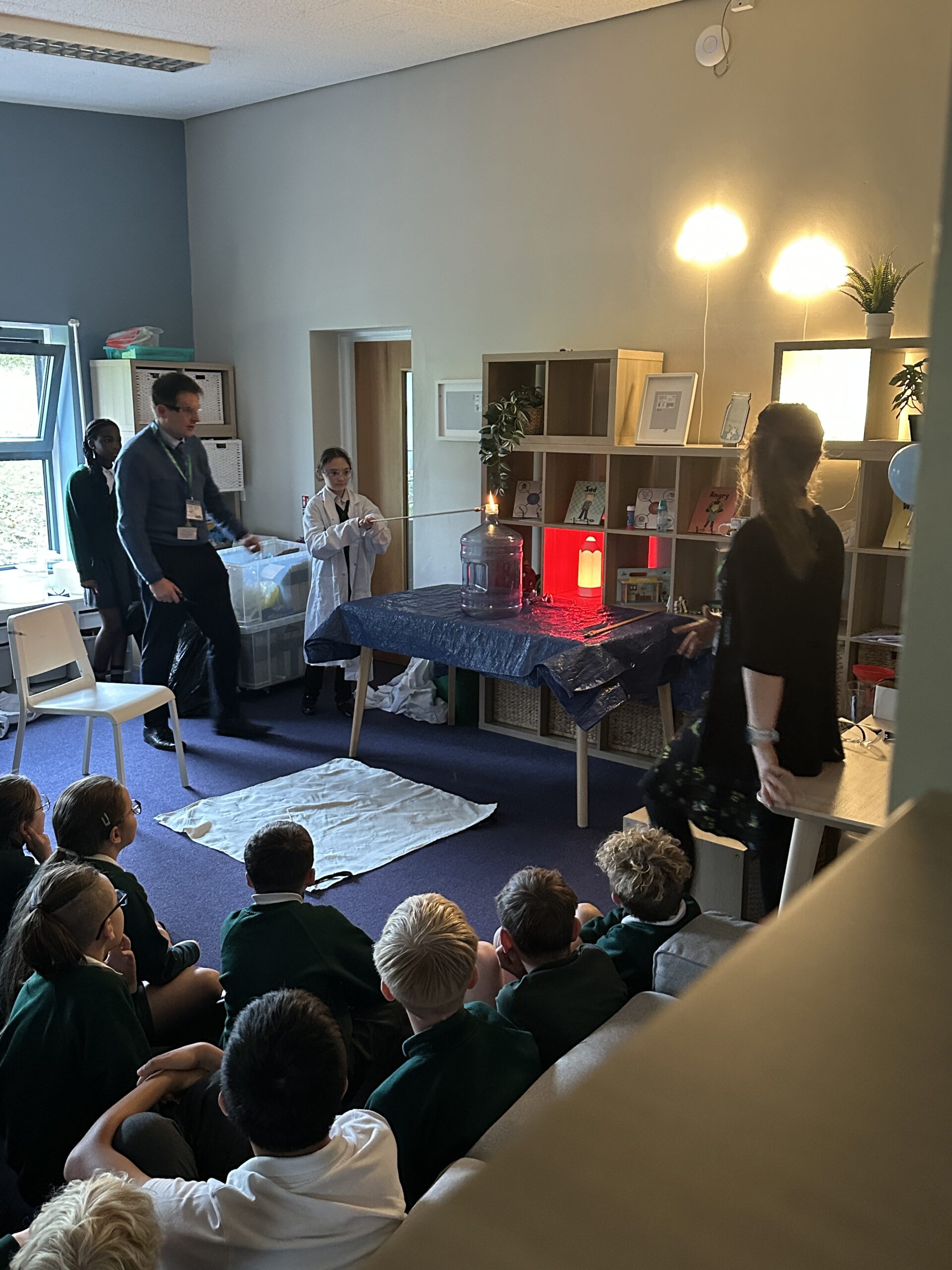
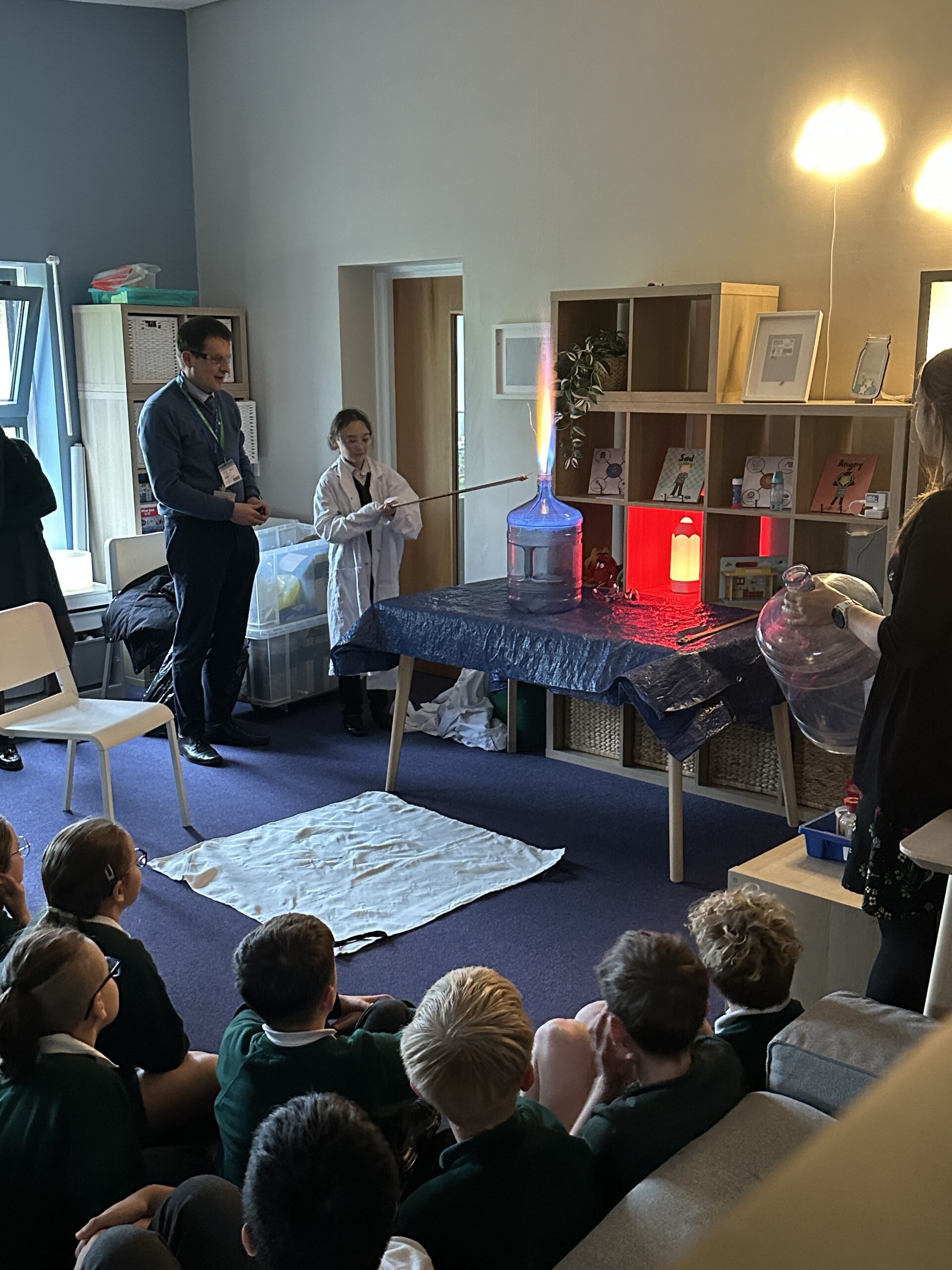
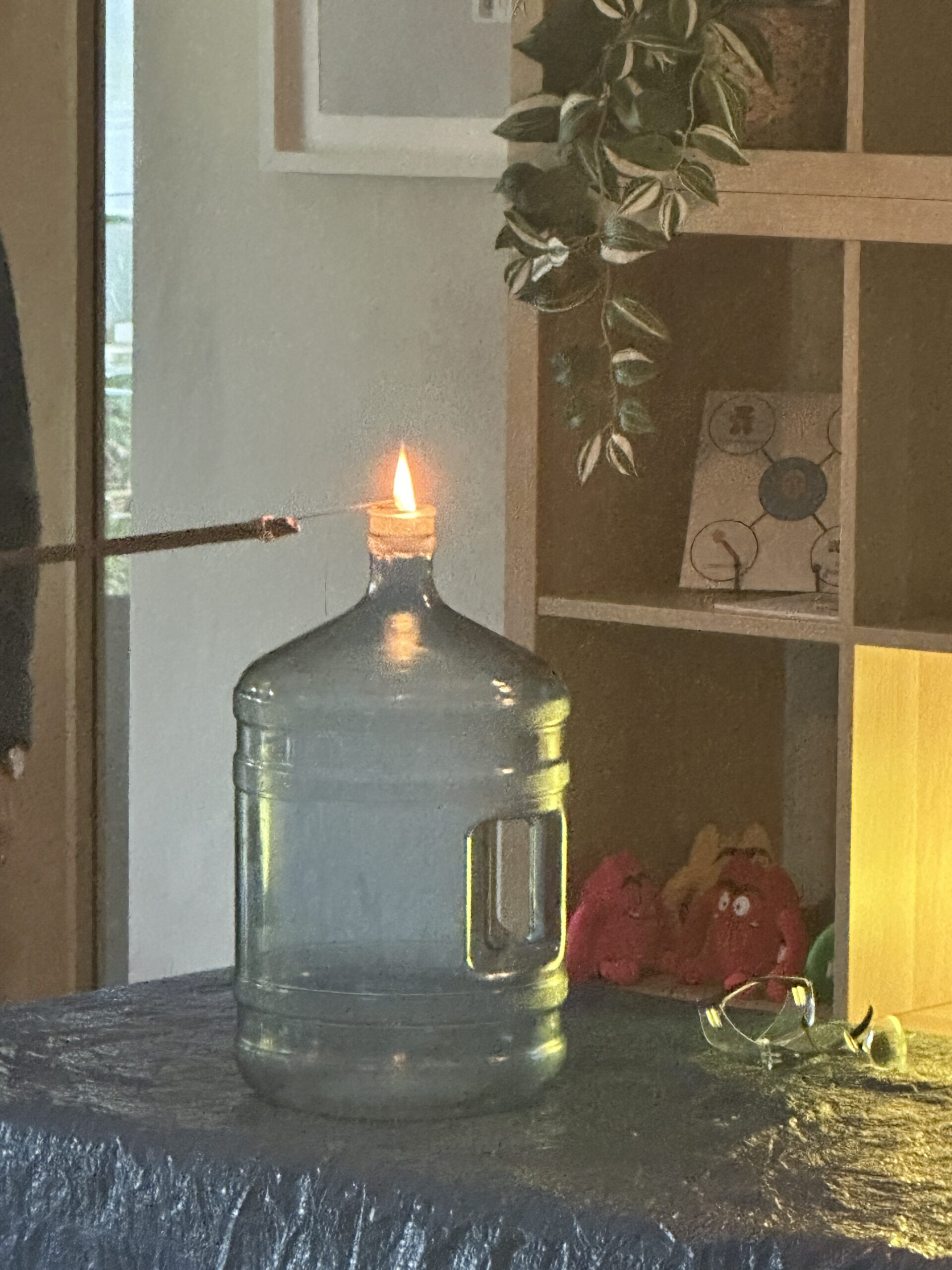
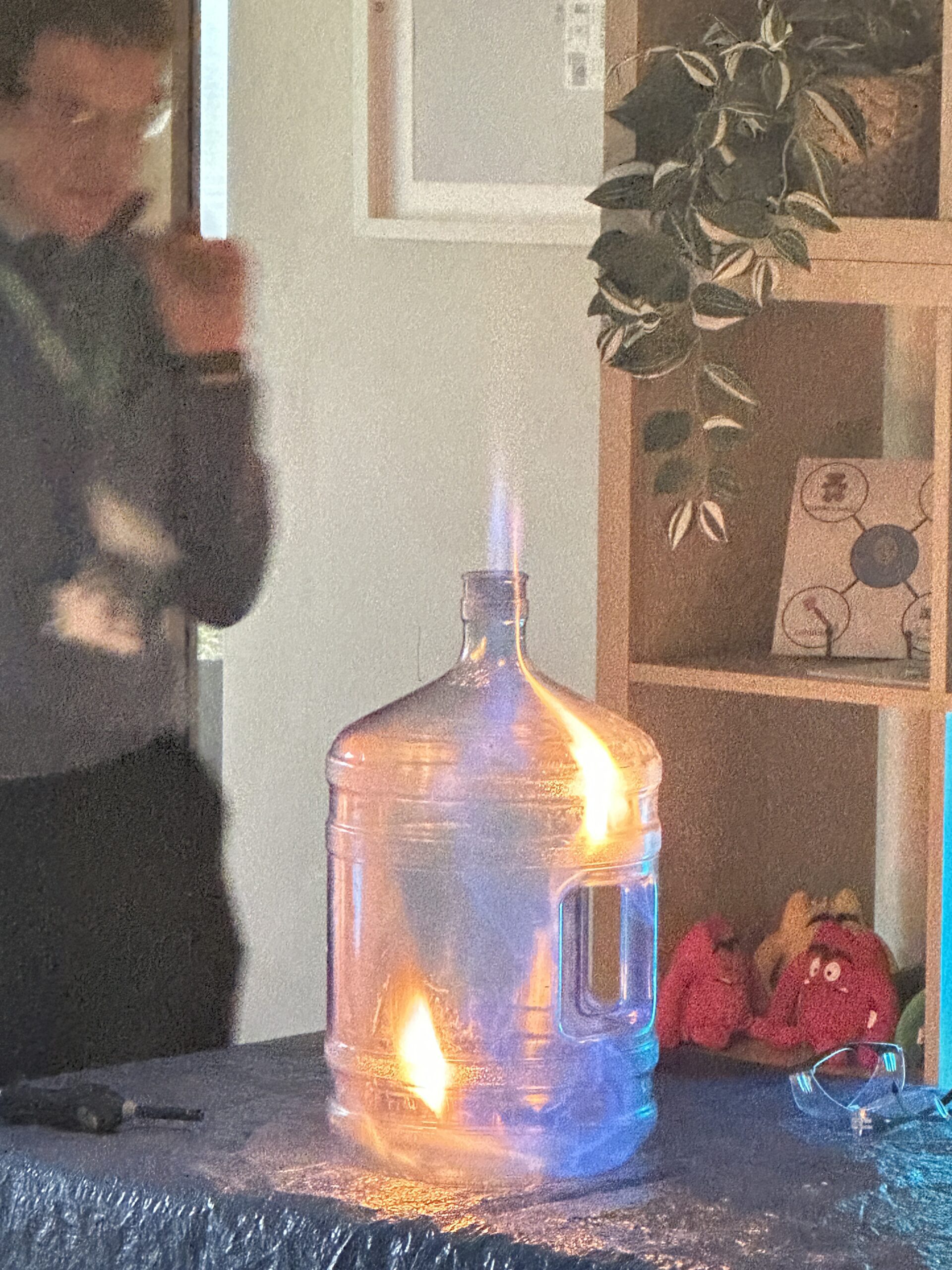
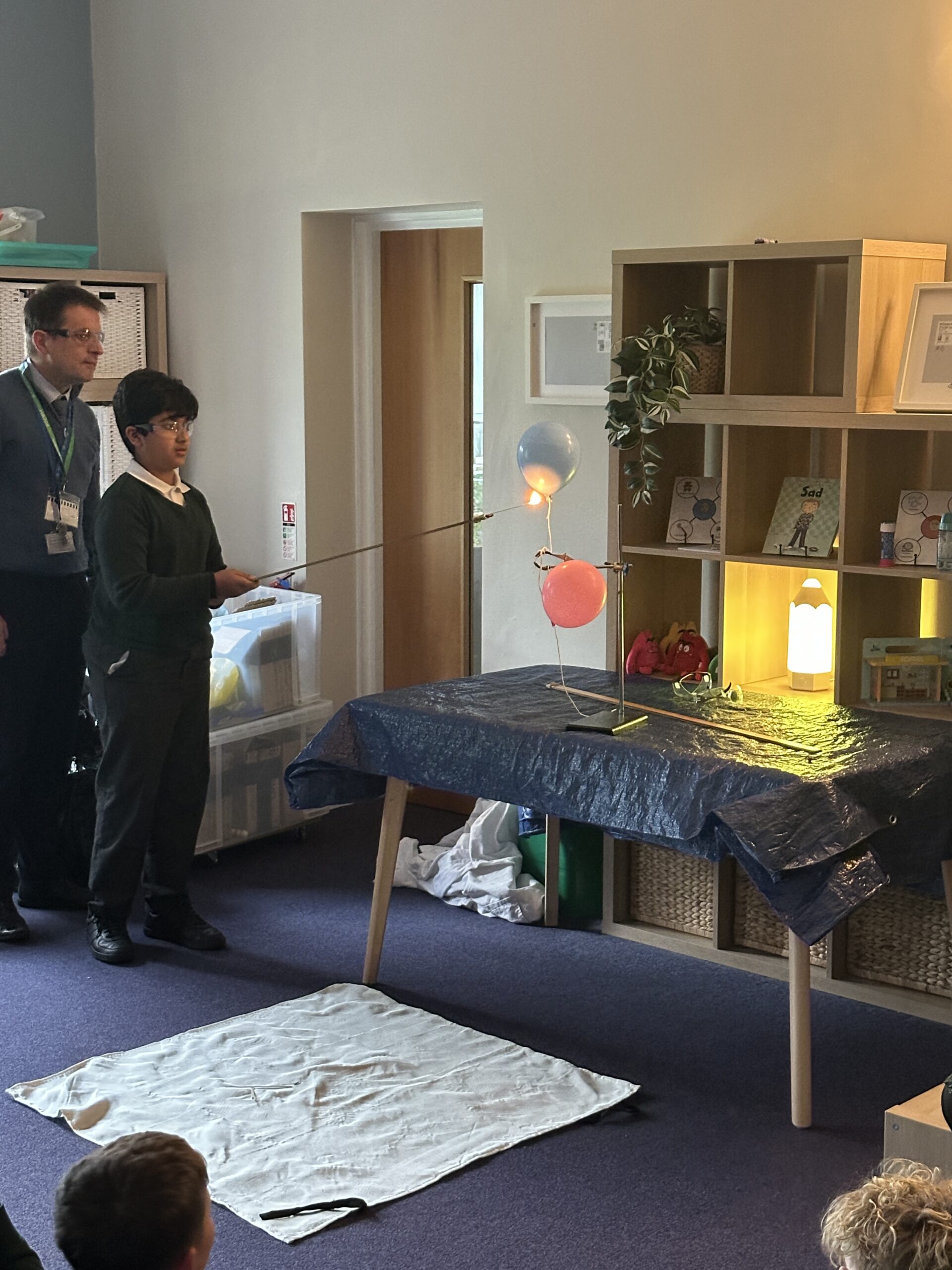
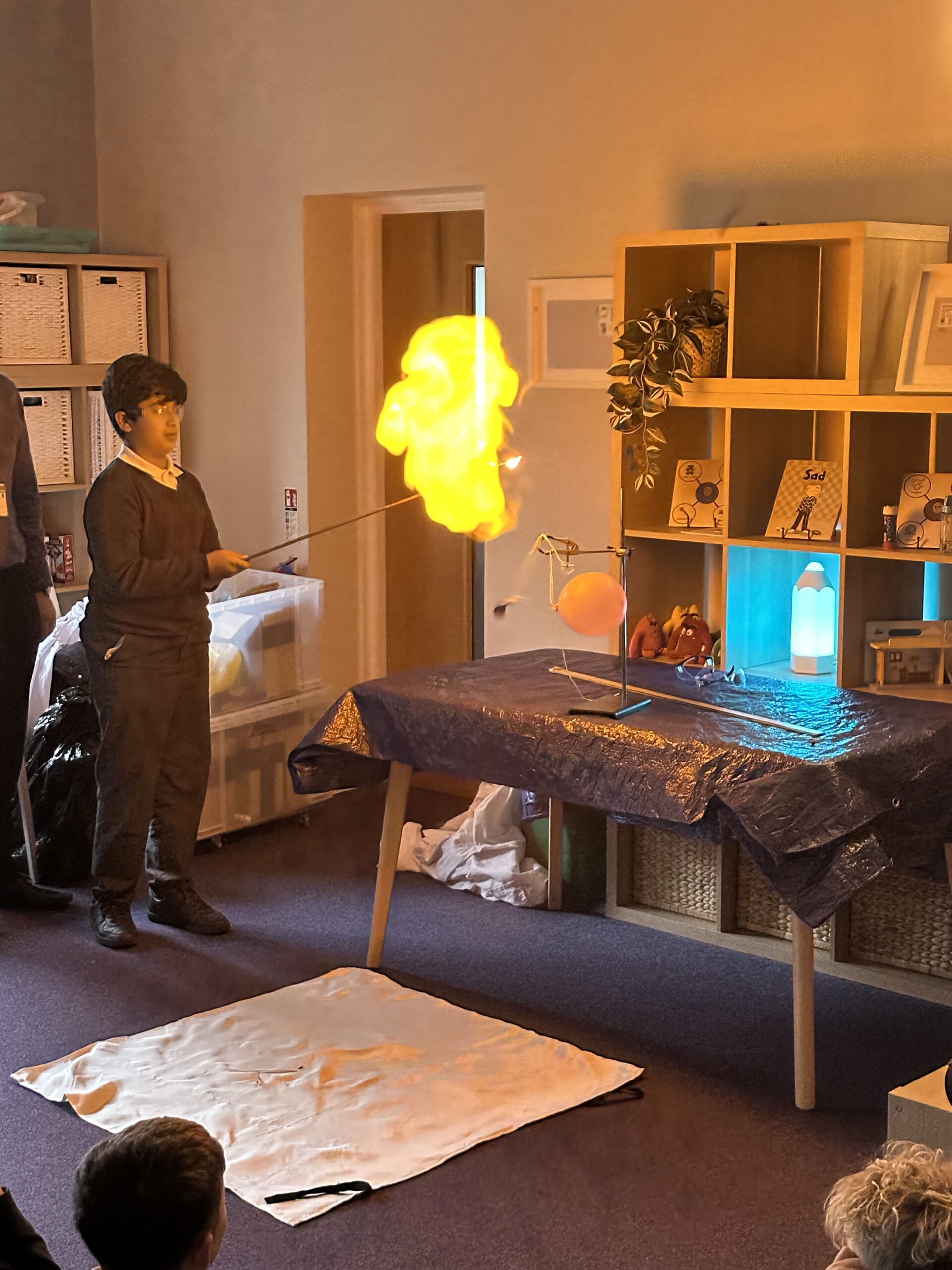
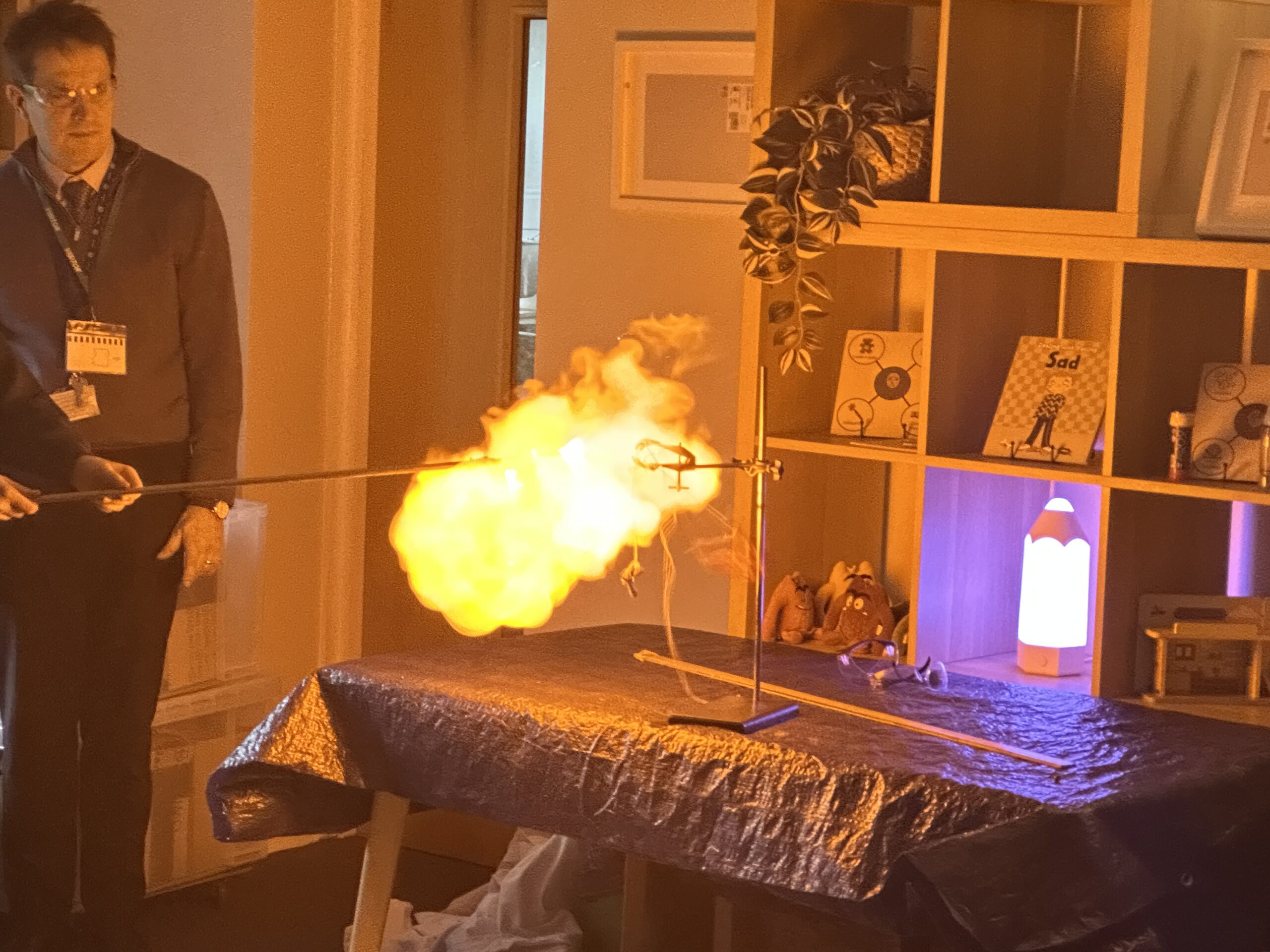
They arrived armed with an array of exciting equipment, transforming our space into a mini-laboratory. The session was a dynamic demonstration of the changes that occur to different chemicals and materials when heat or other substances are applied.
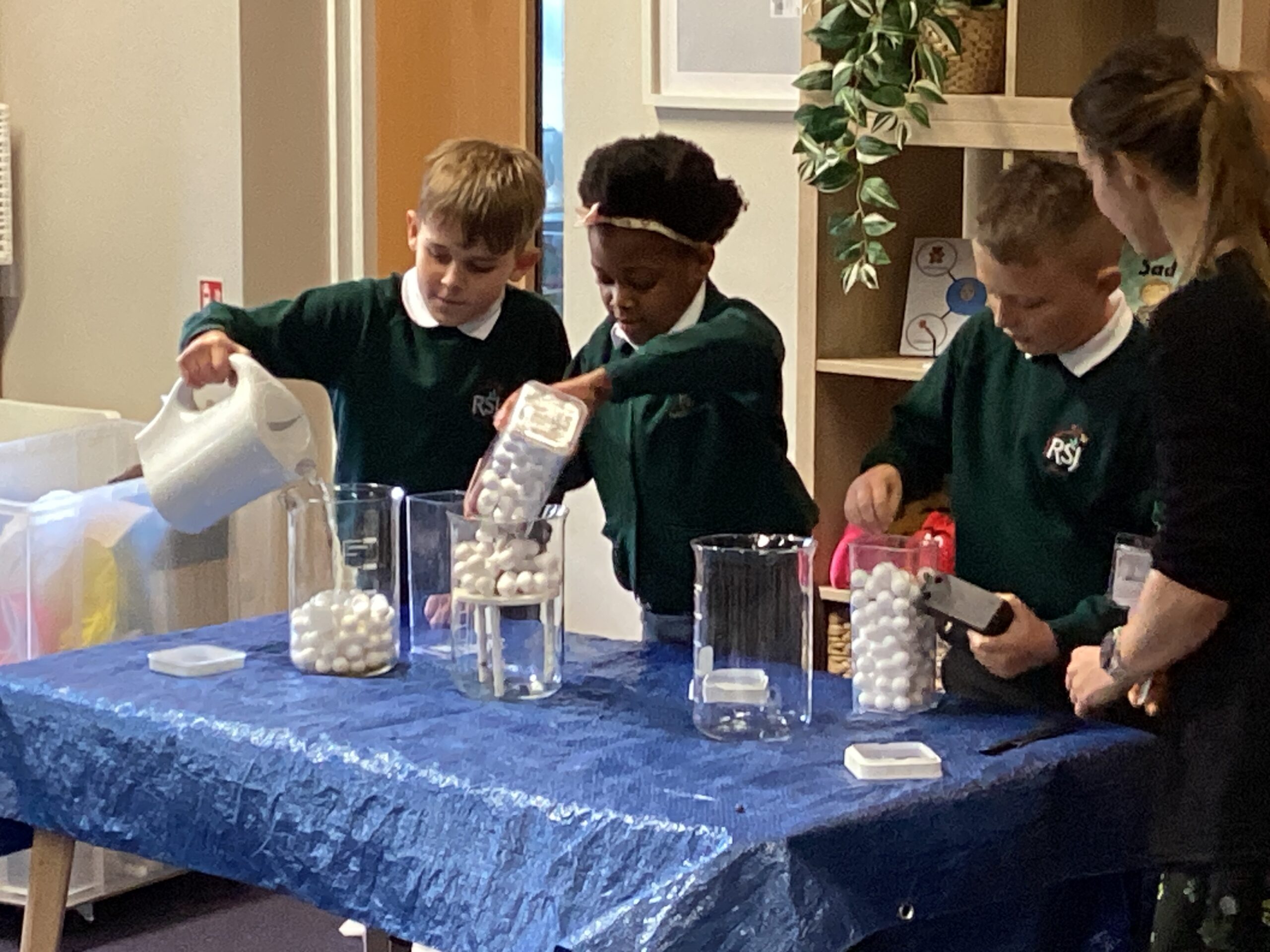
The children were captivated from start to finish. One of the highlights was an exciting race to separate foam balls from metal balls using different scientific methods. The young scientists had to decide whether filtration, sieving, or magnetism was the most effective technique for the task.
But the excitement didn’t stop there! The team demonstrated the dramatic effects of heat on various chemicals, which had everyone on the edge of their seats. The room was filled with lots of whooshing and exploding, alongside mesmerising colour-changing liquids that swirled and transformed before our eyes.
It was such a thrilling and memorable experience for all of us. A huge thank you to the wonderful science team at Mountbatten School for organising such a fantastic and inspiring afternoon.
Follow us on social media!
You can find us on Facebook and Instagram @RownhamsSchool, where we share more photos of what has been going on around the school, and celebrate the children’s learning.