Team R:
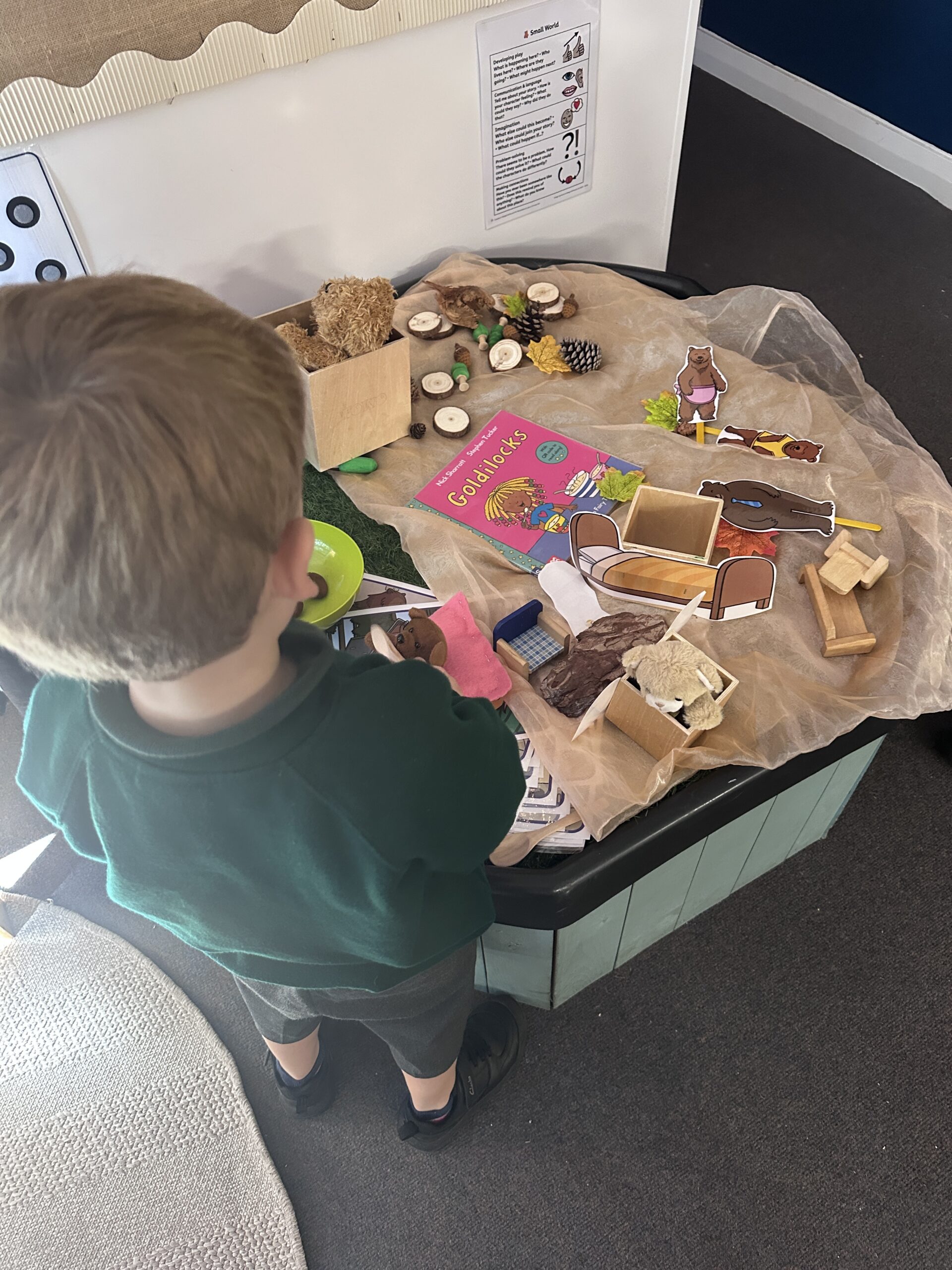
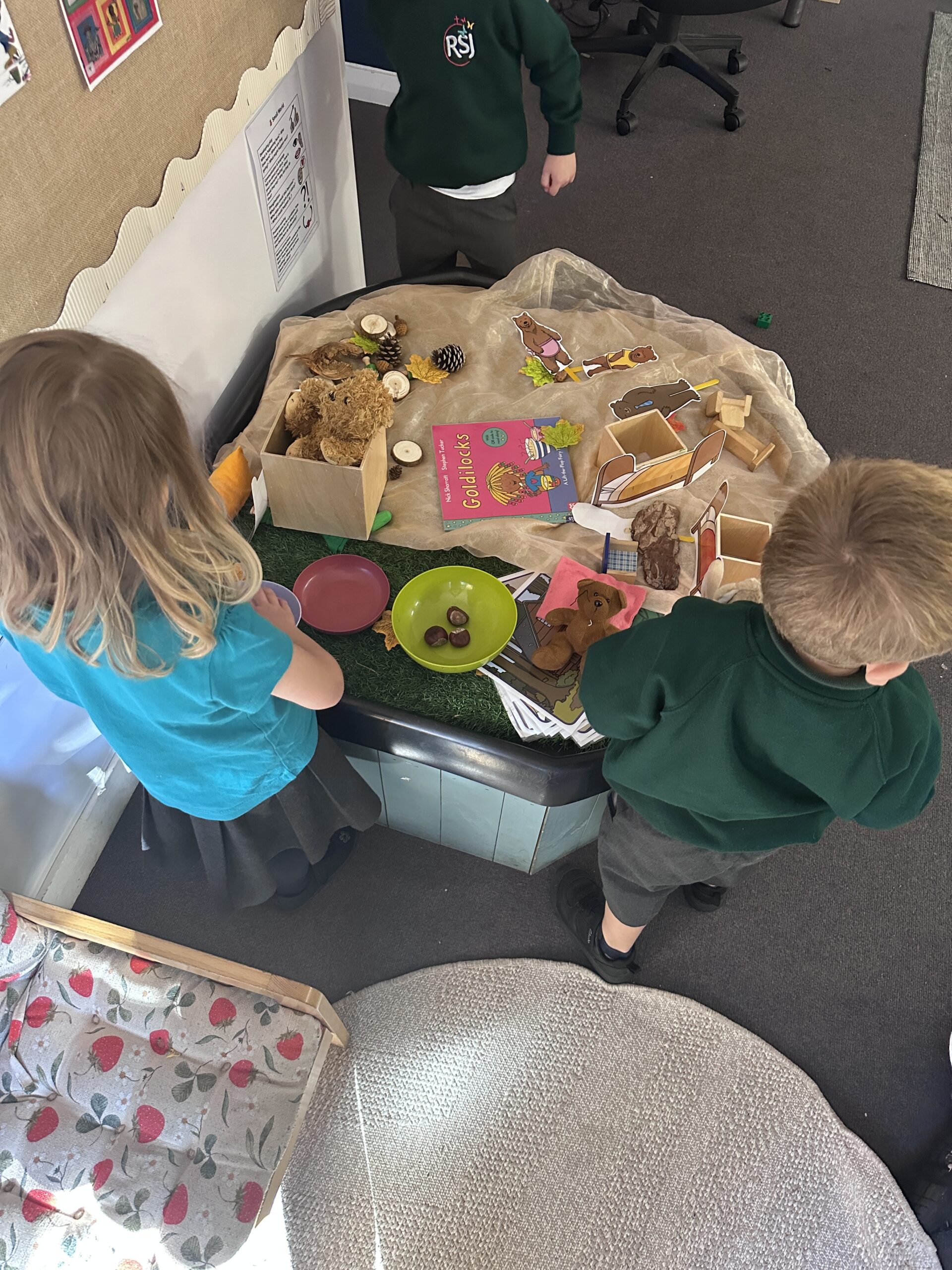
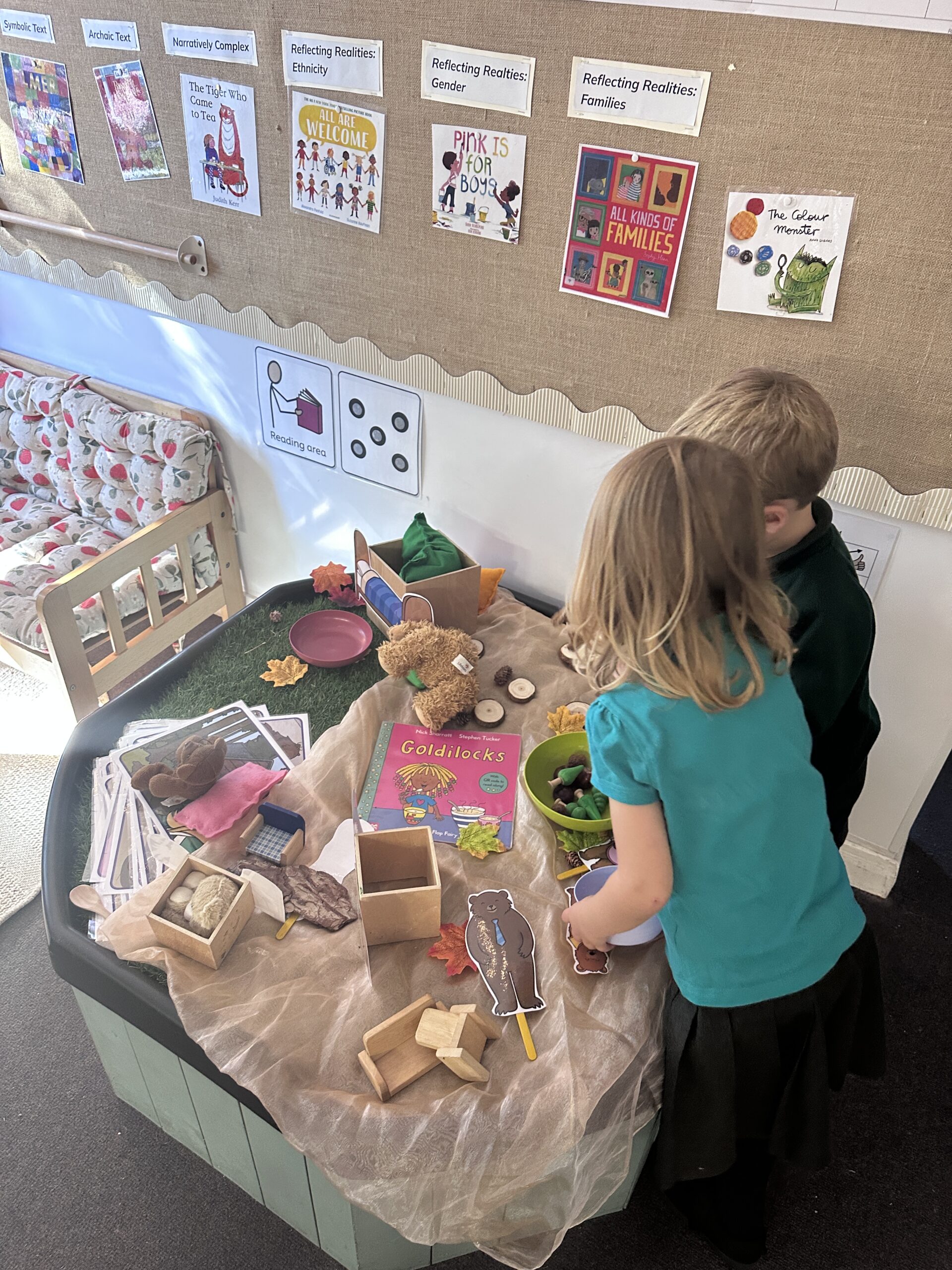
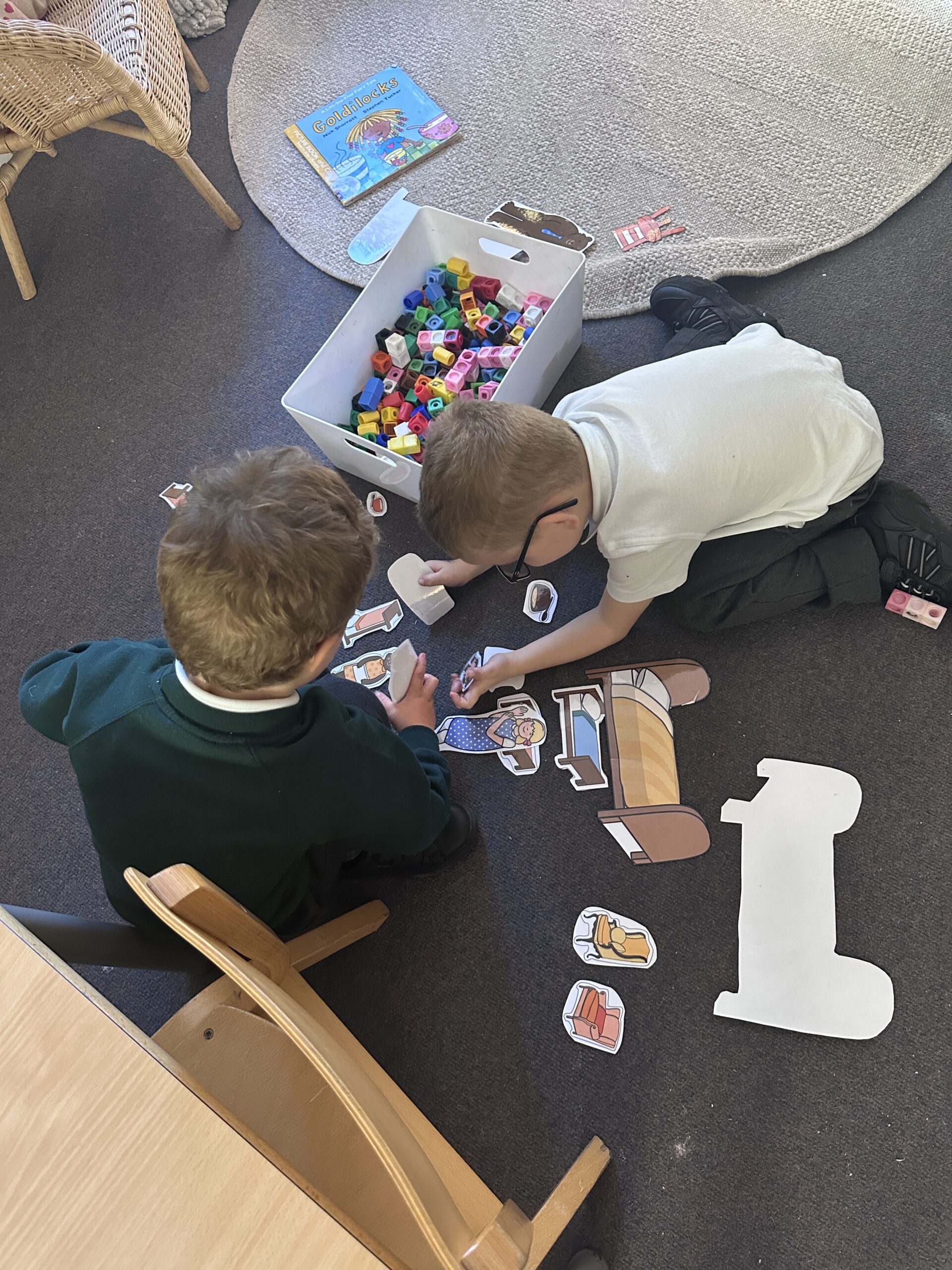
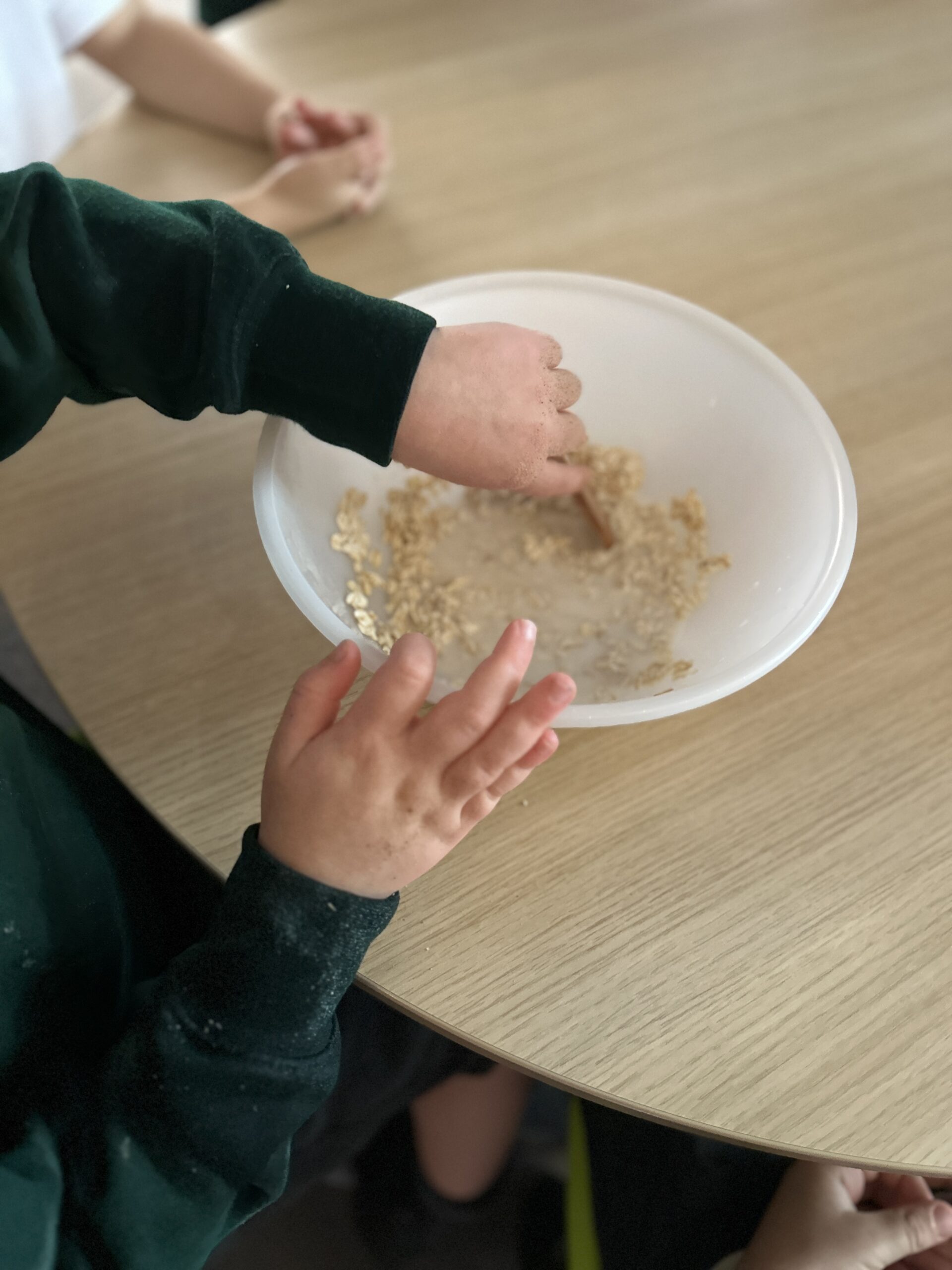
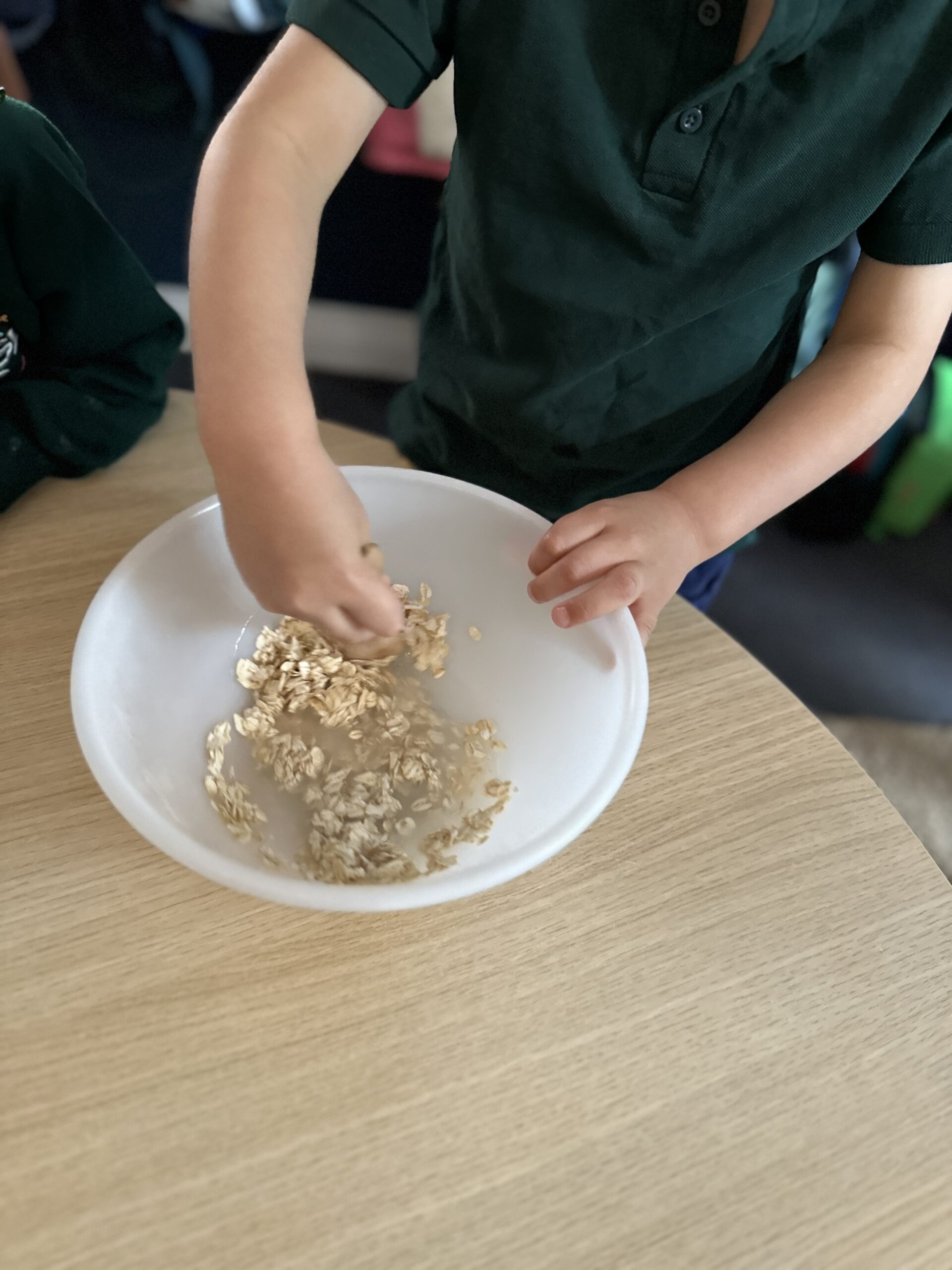
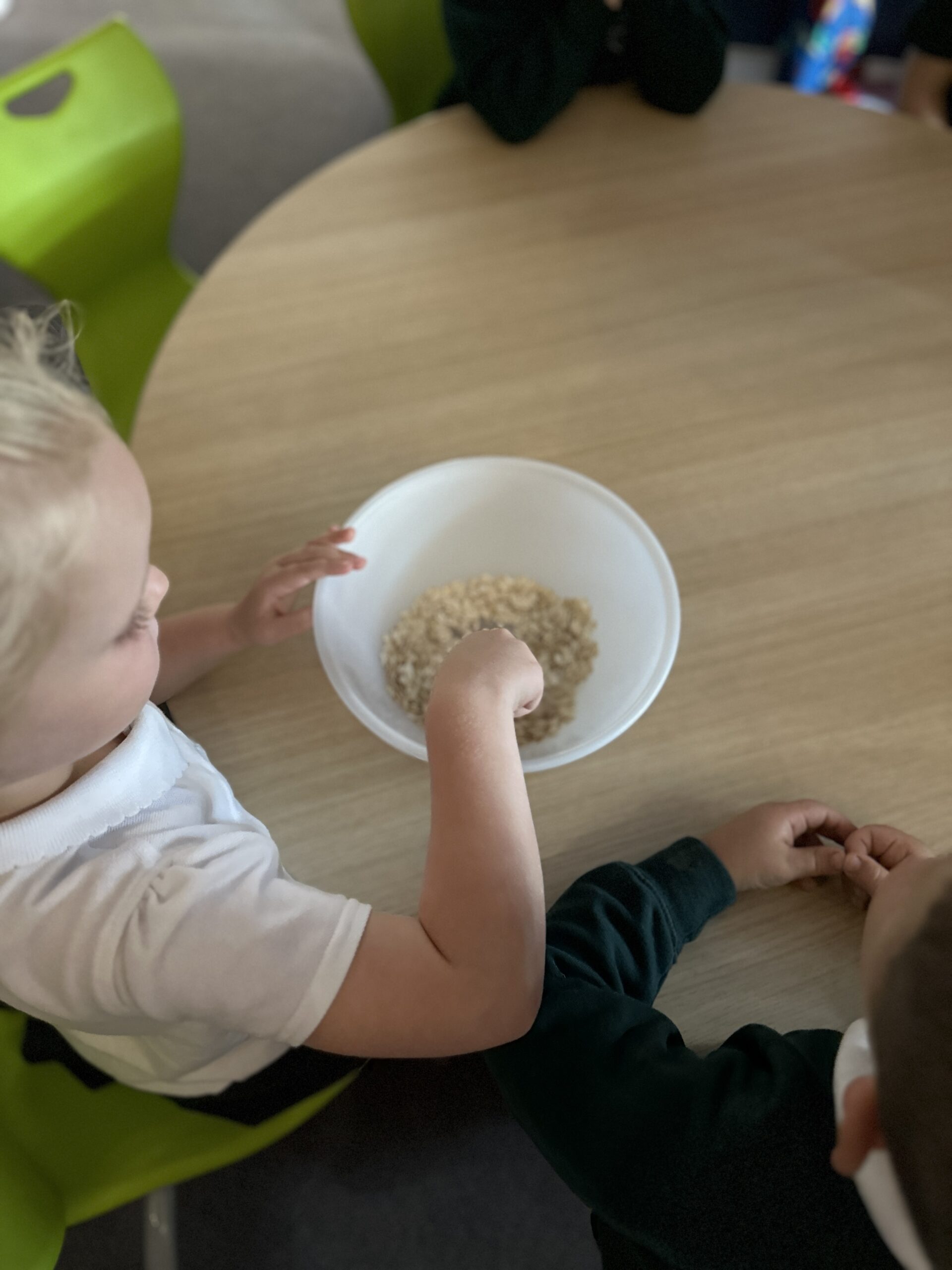
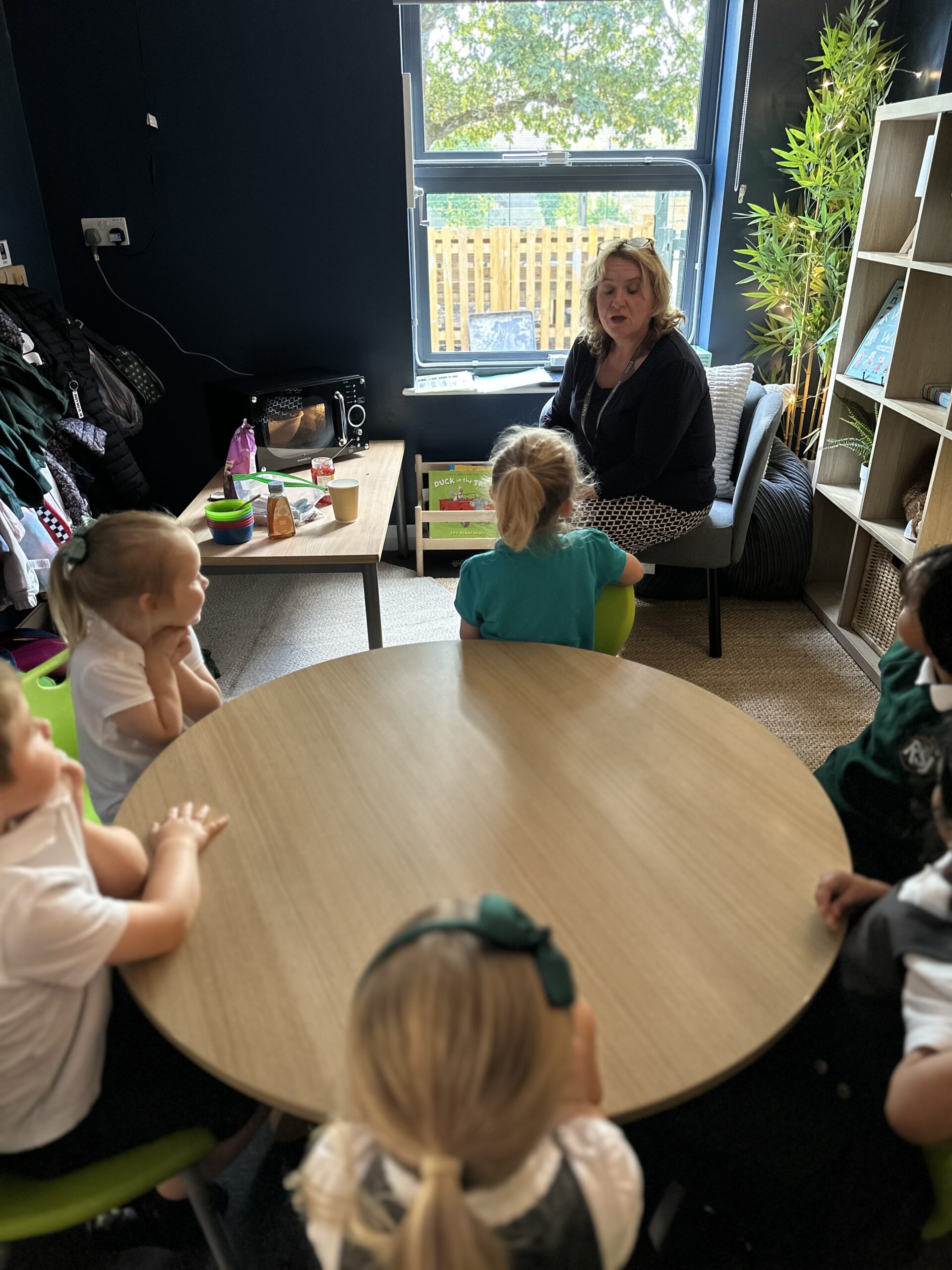
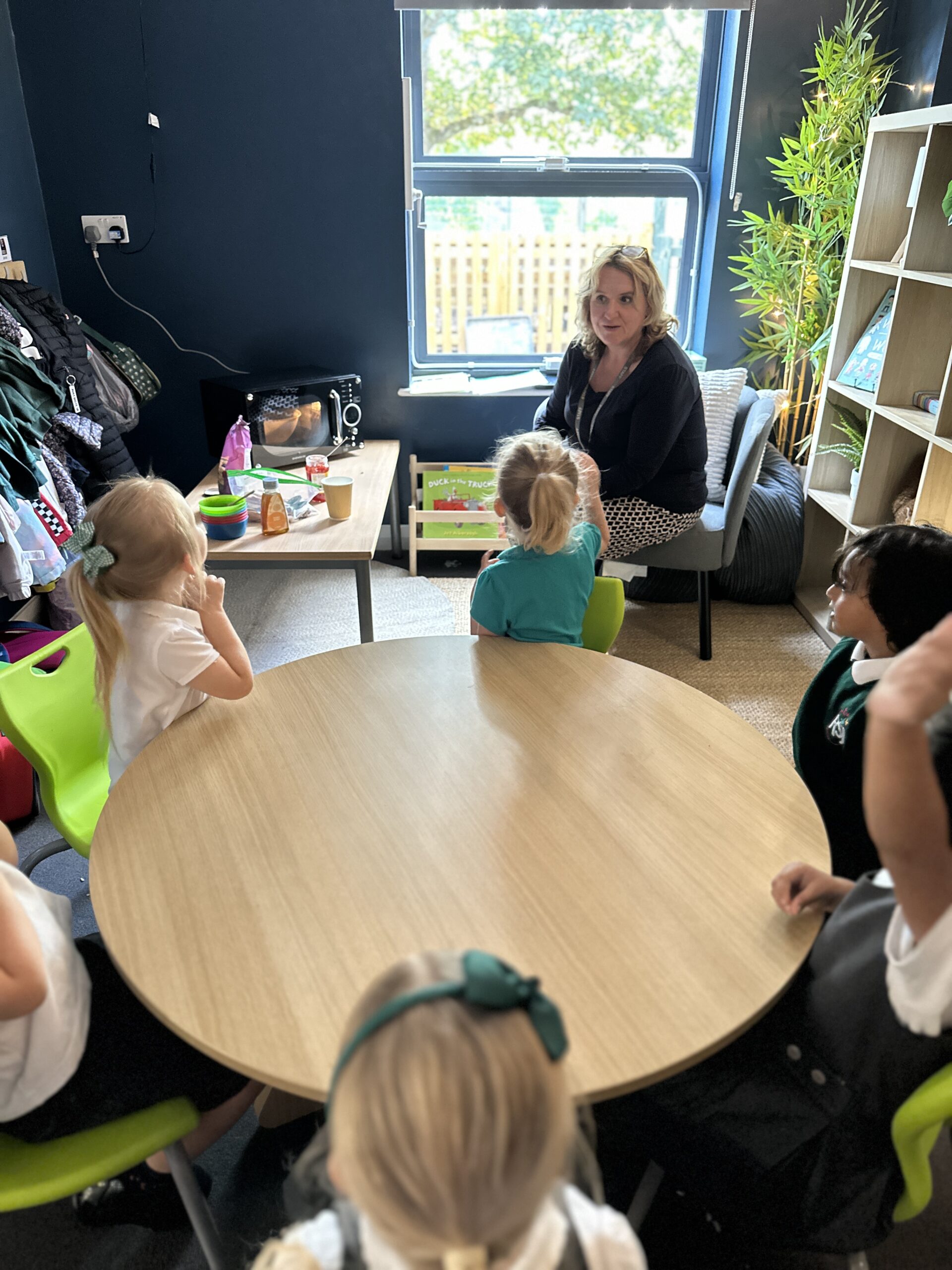
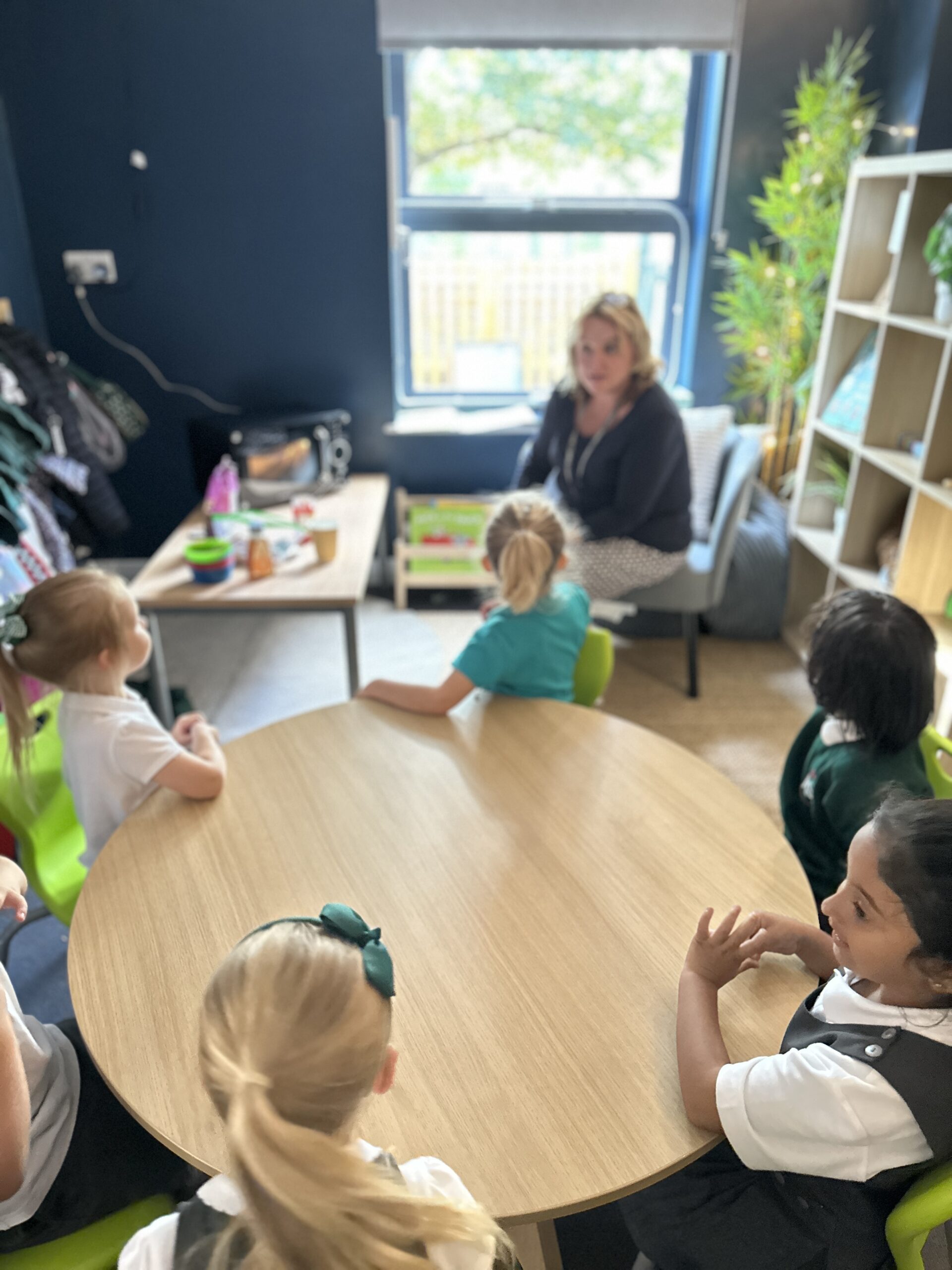
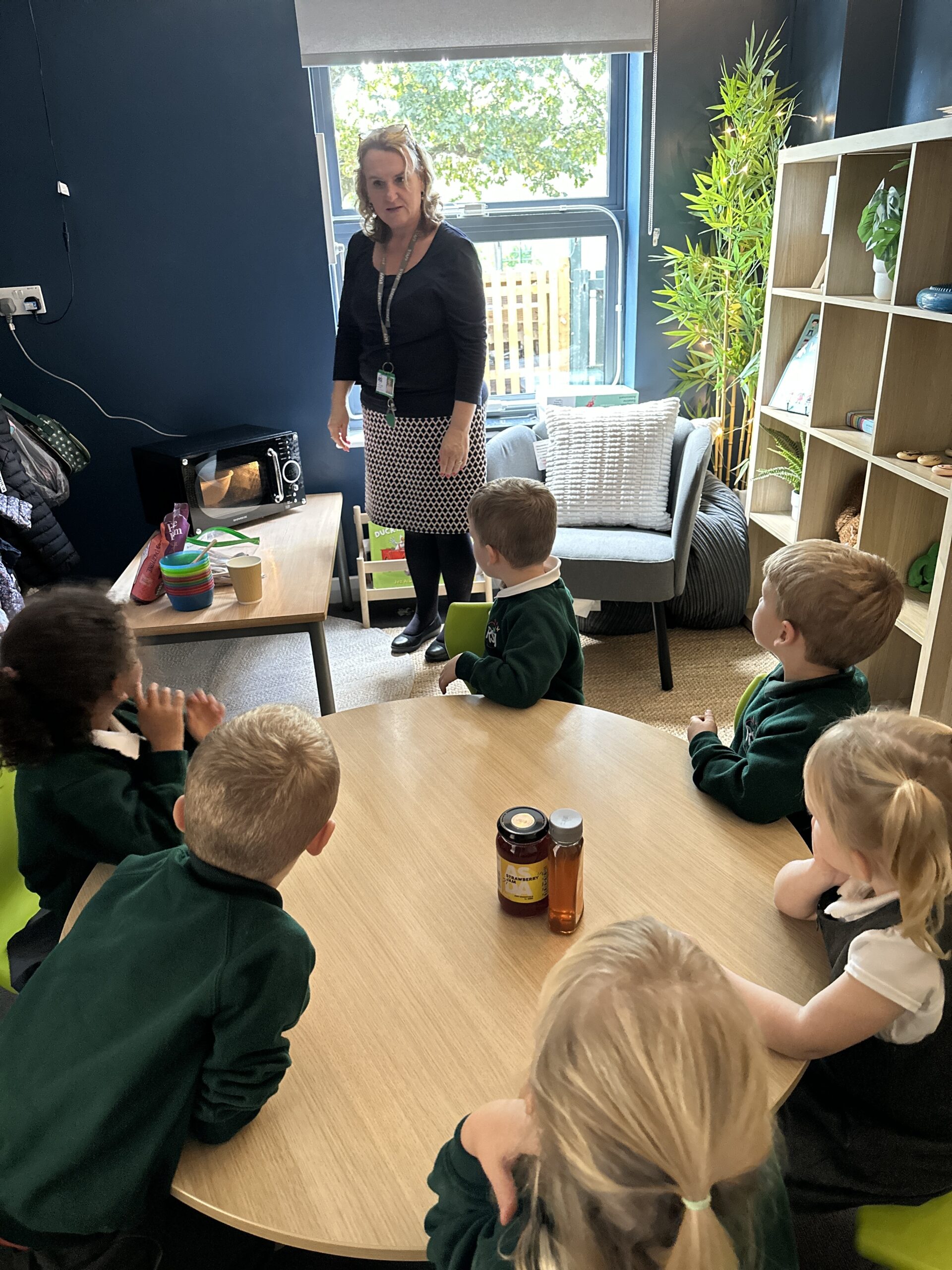
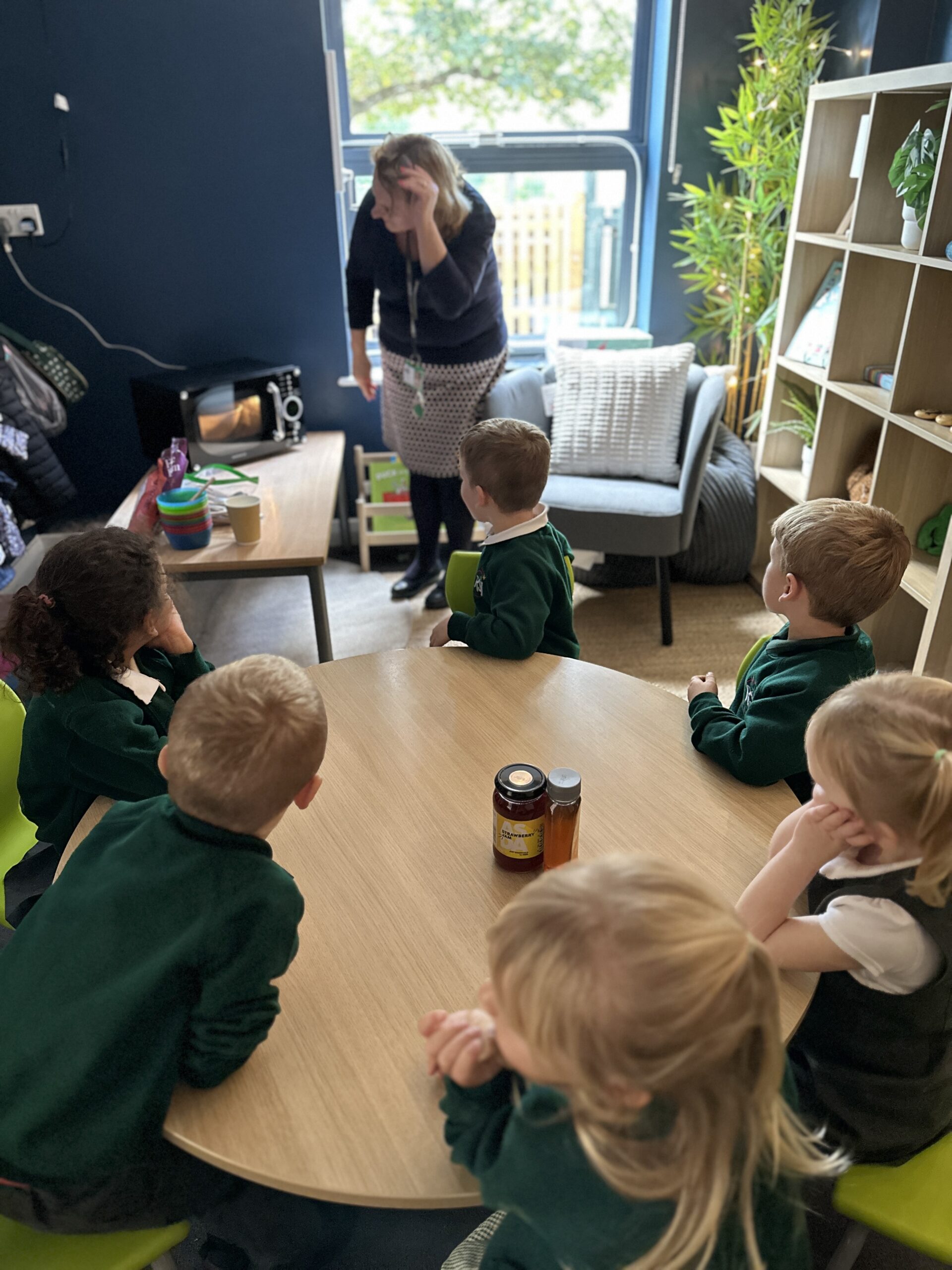
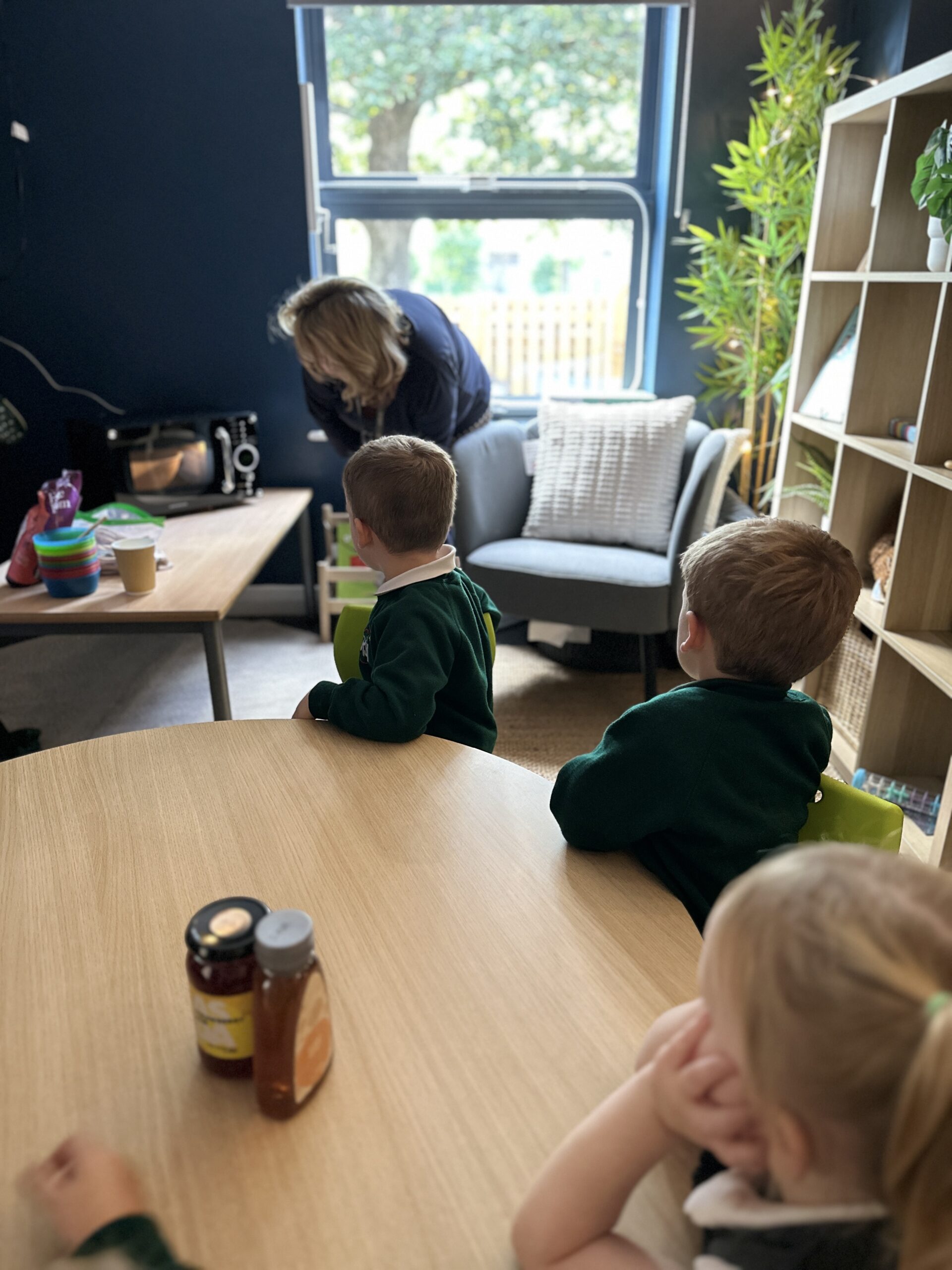
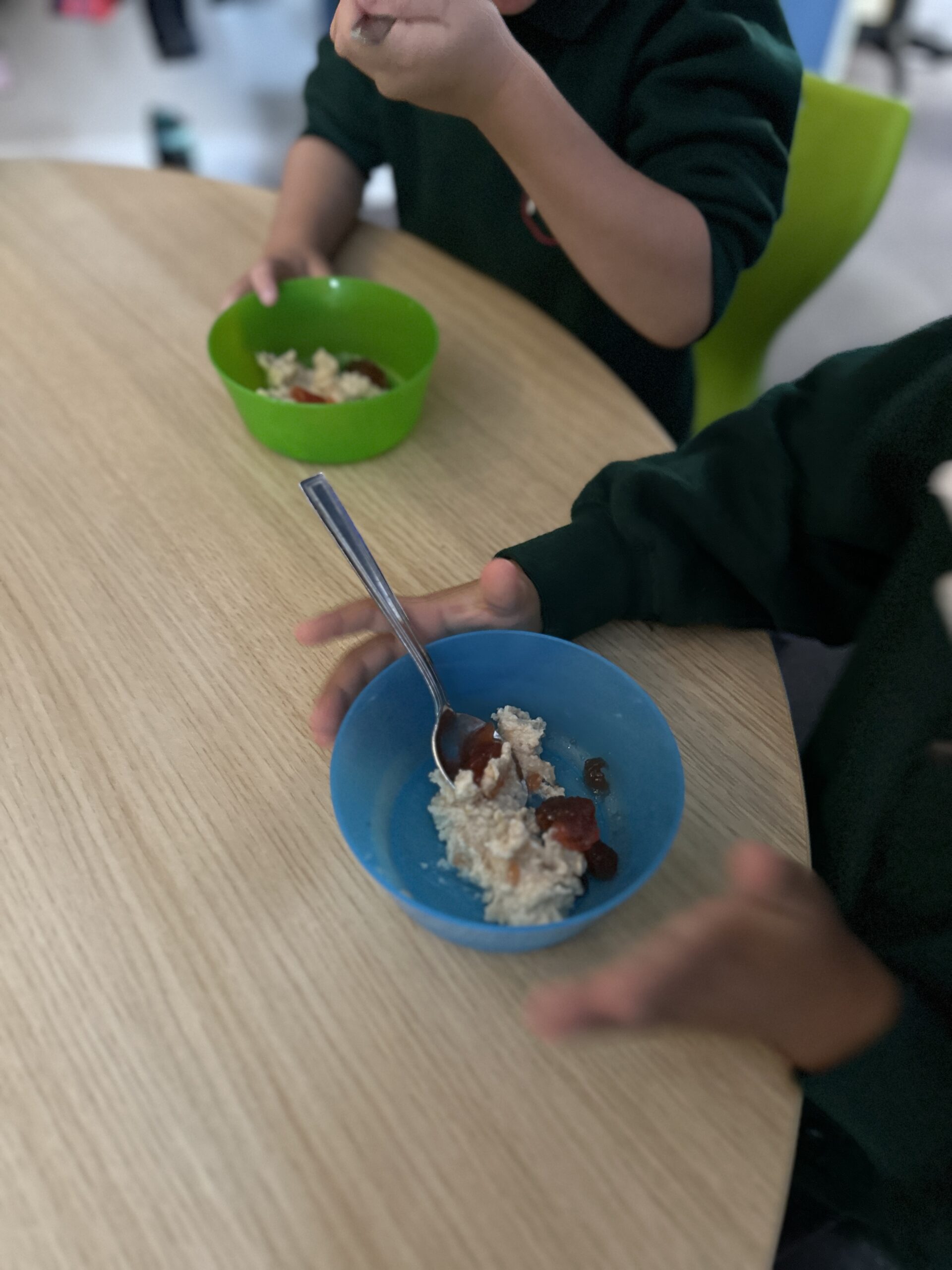
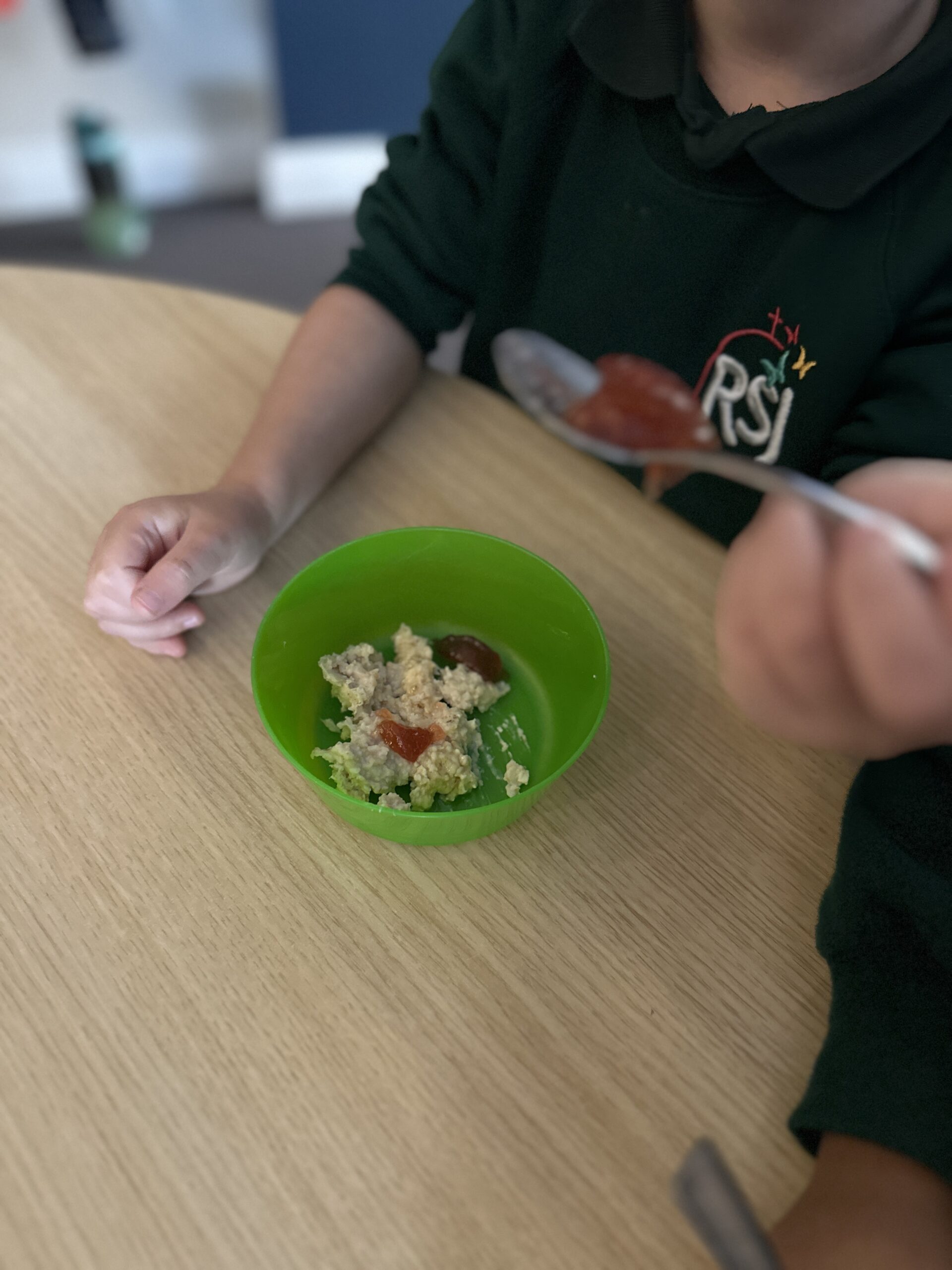
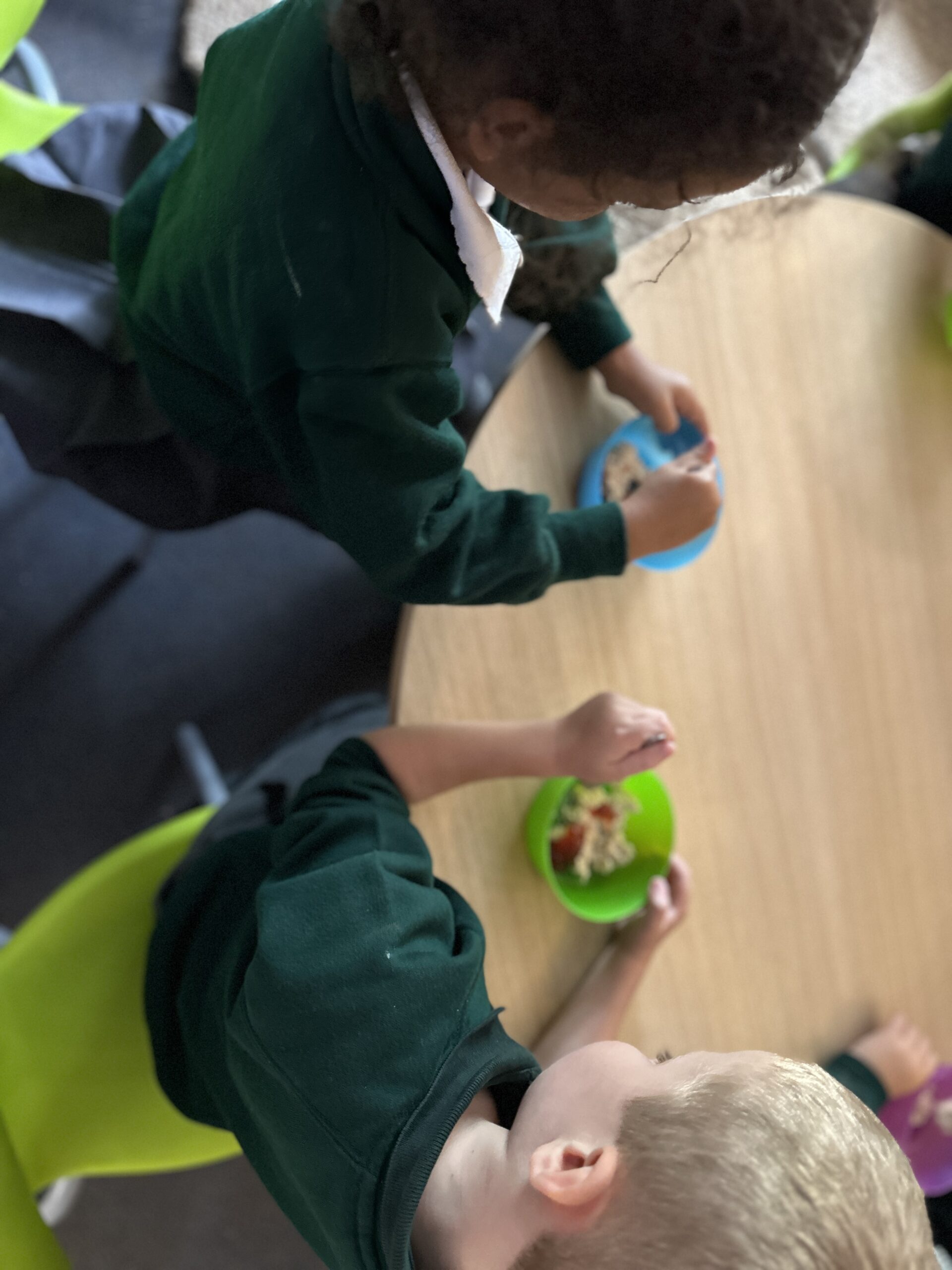
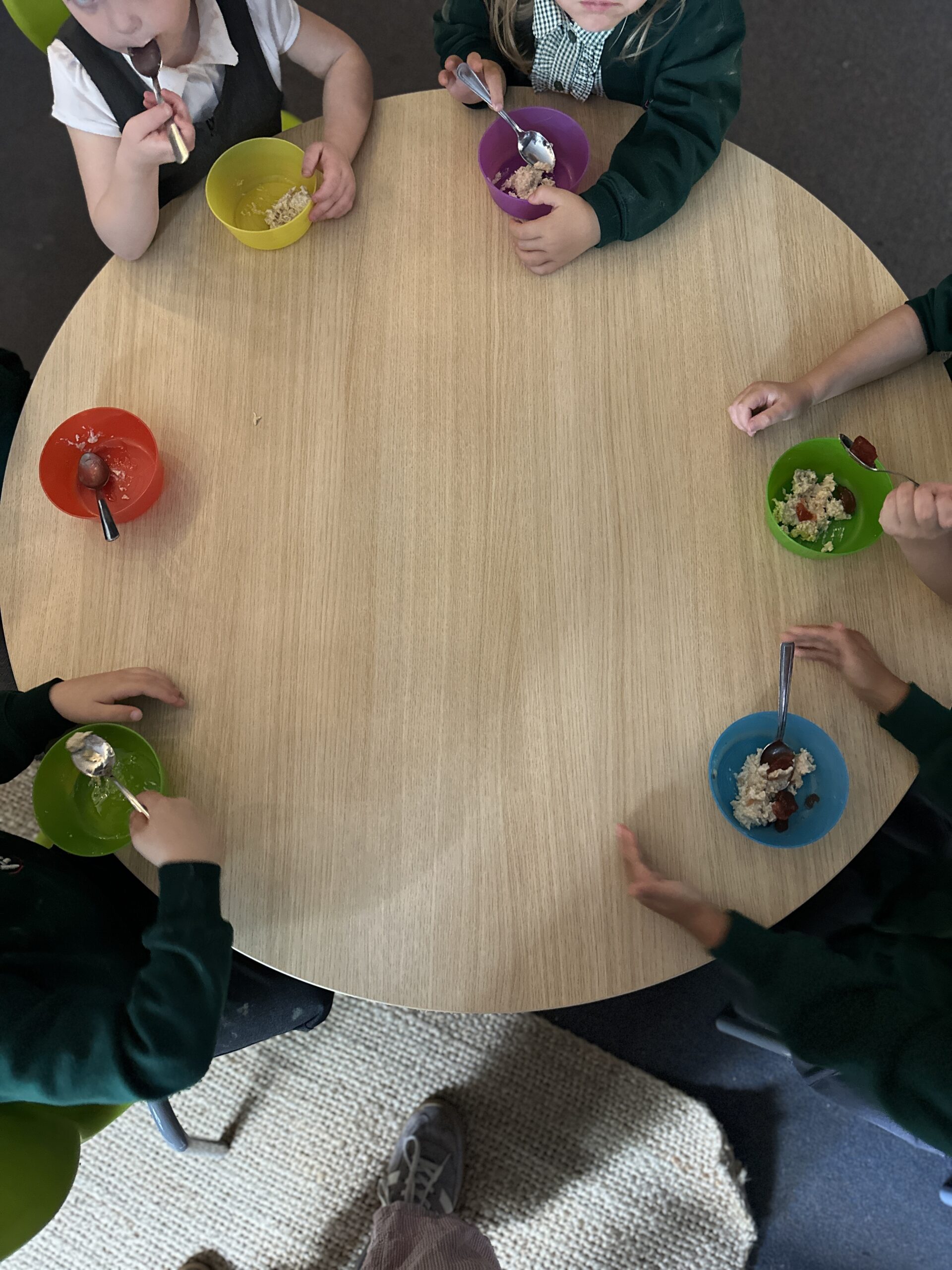
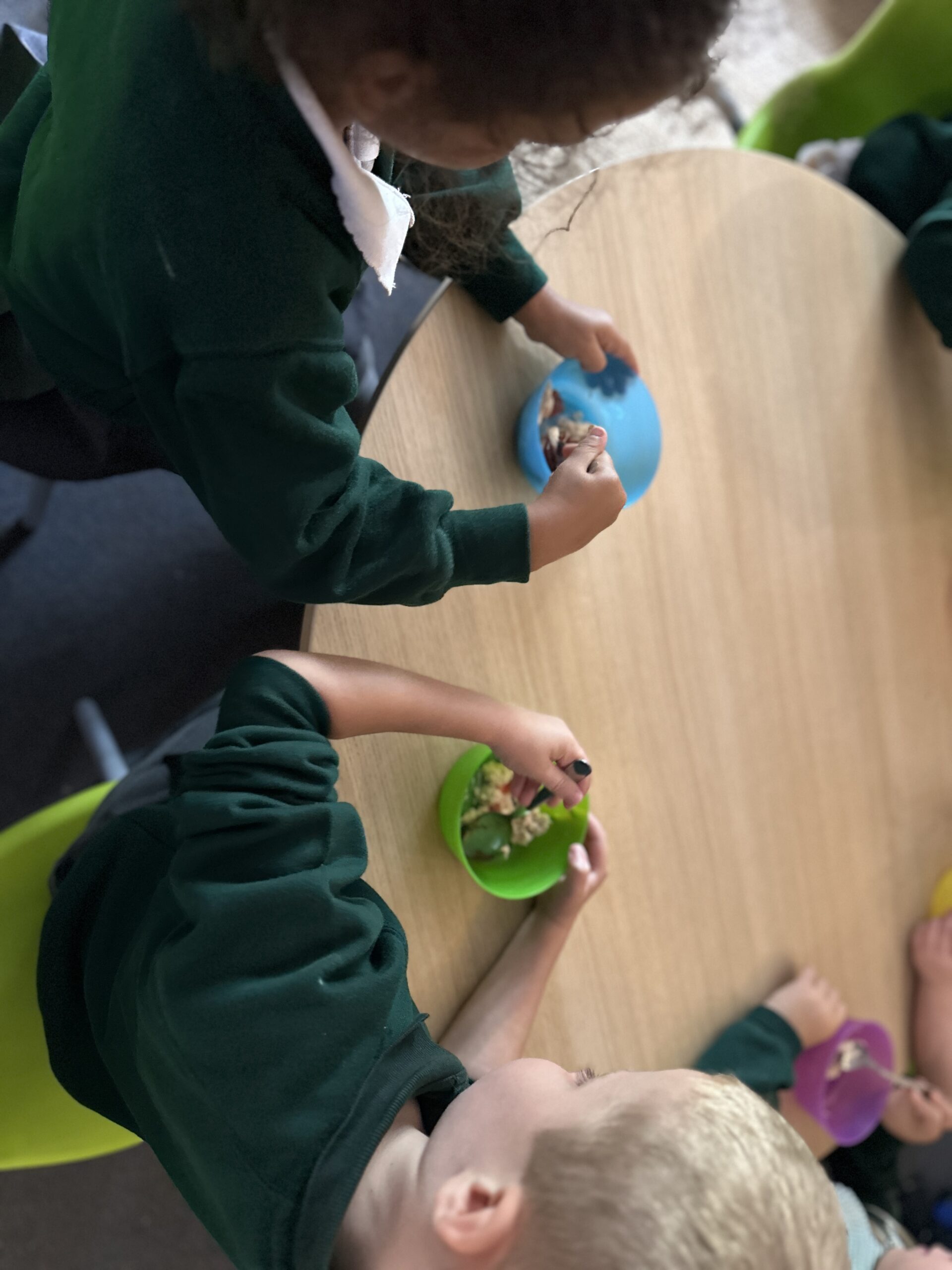
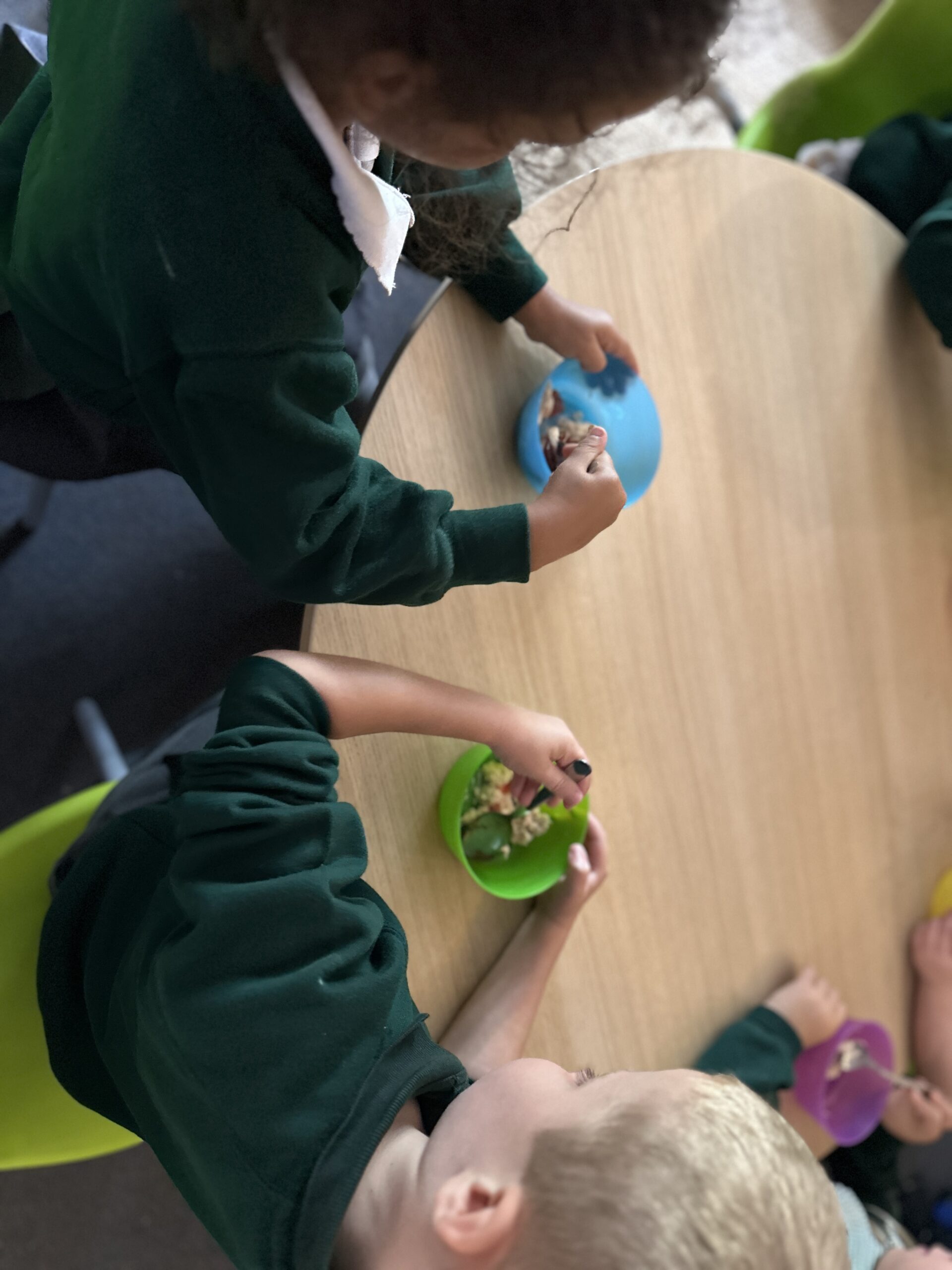
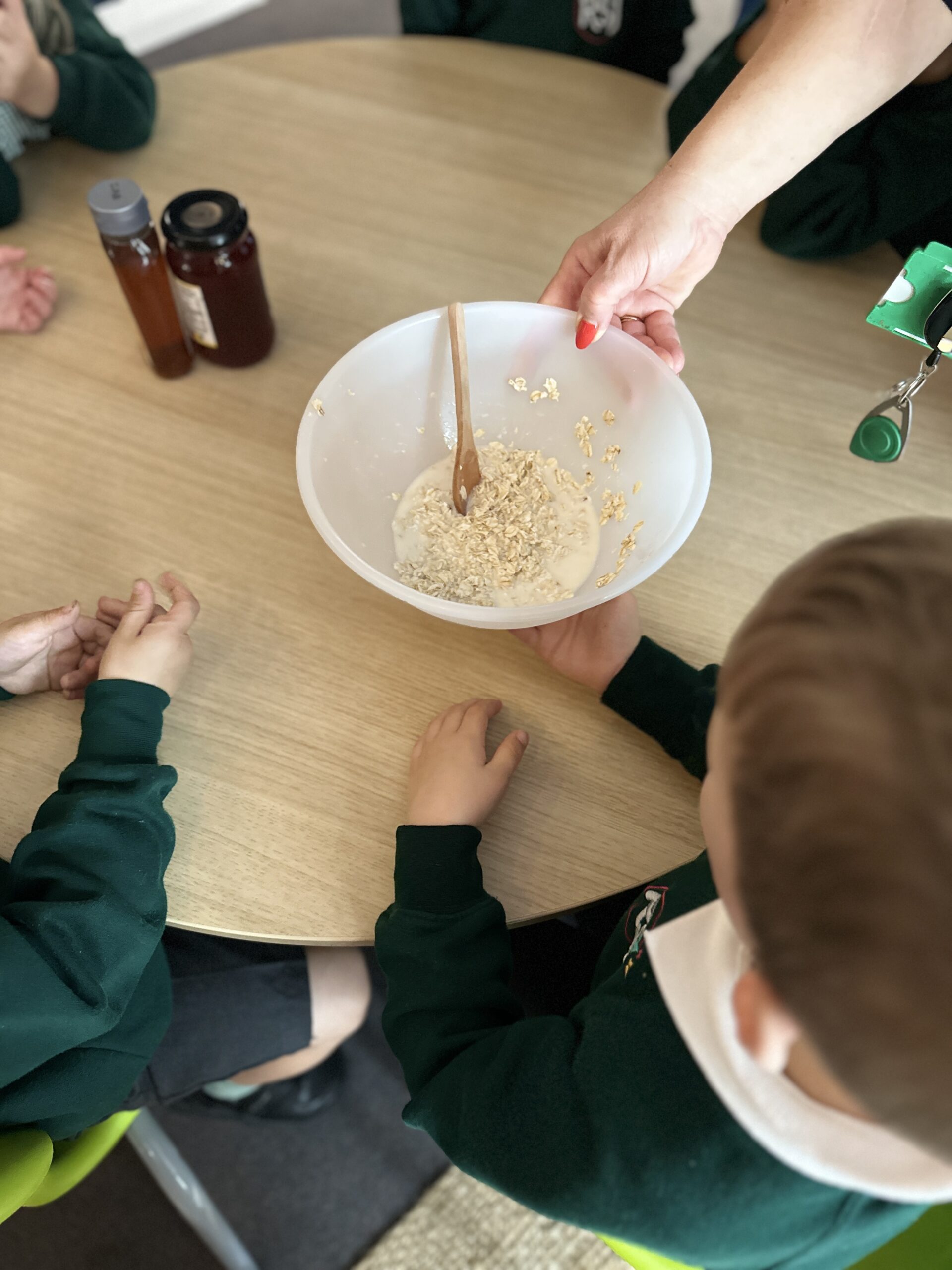
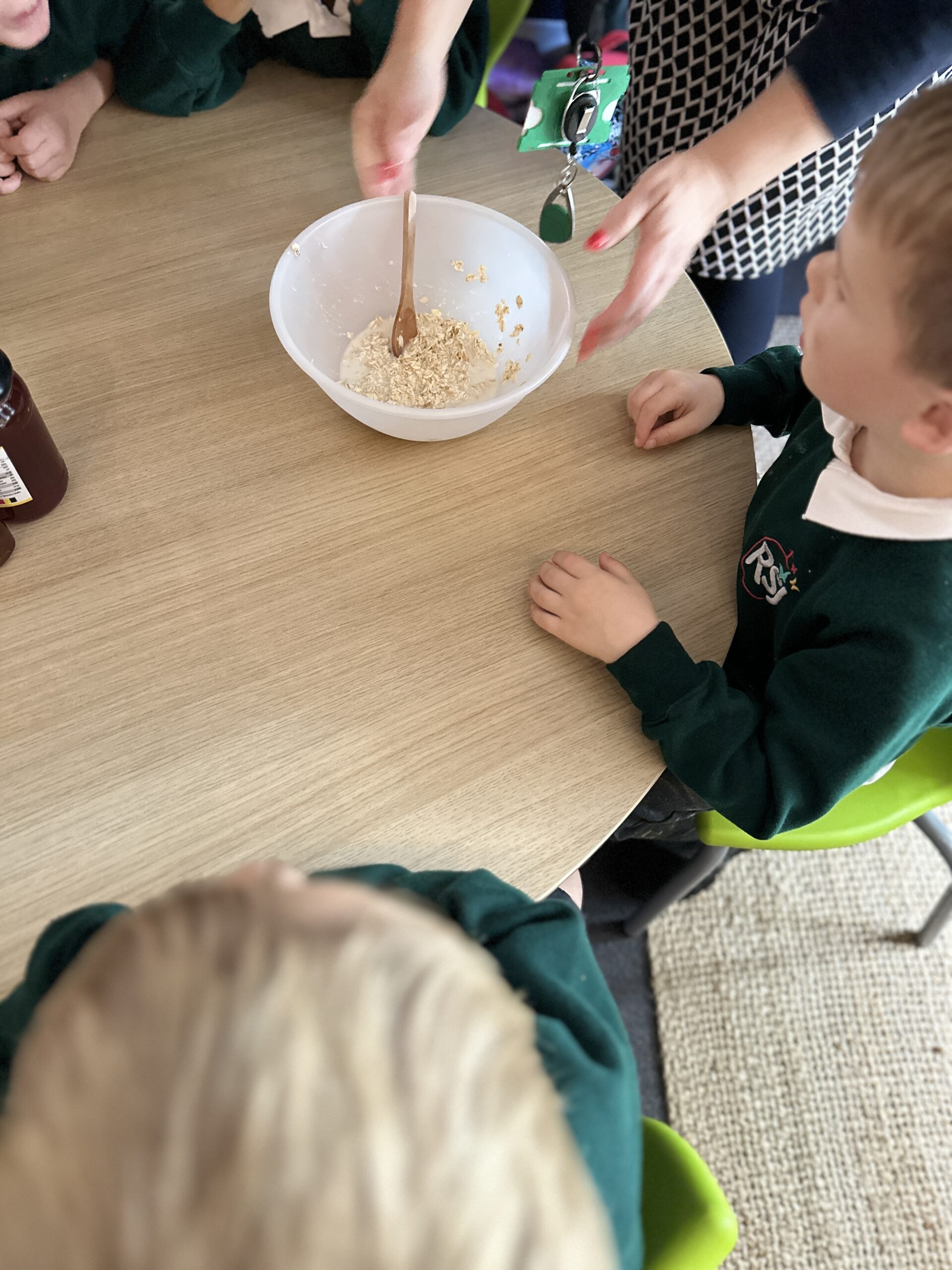
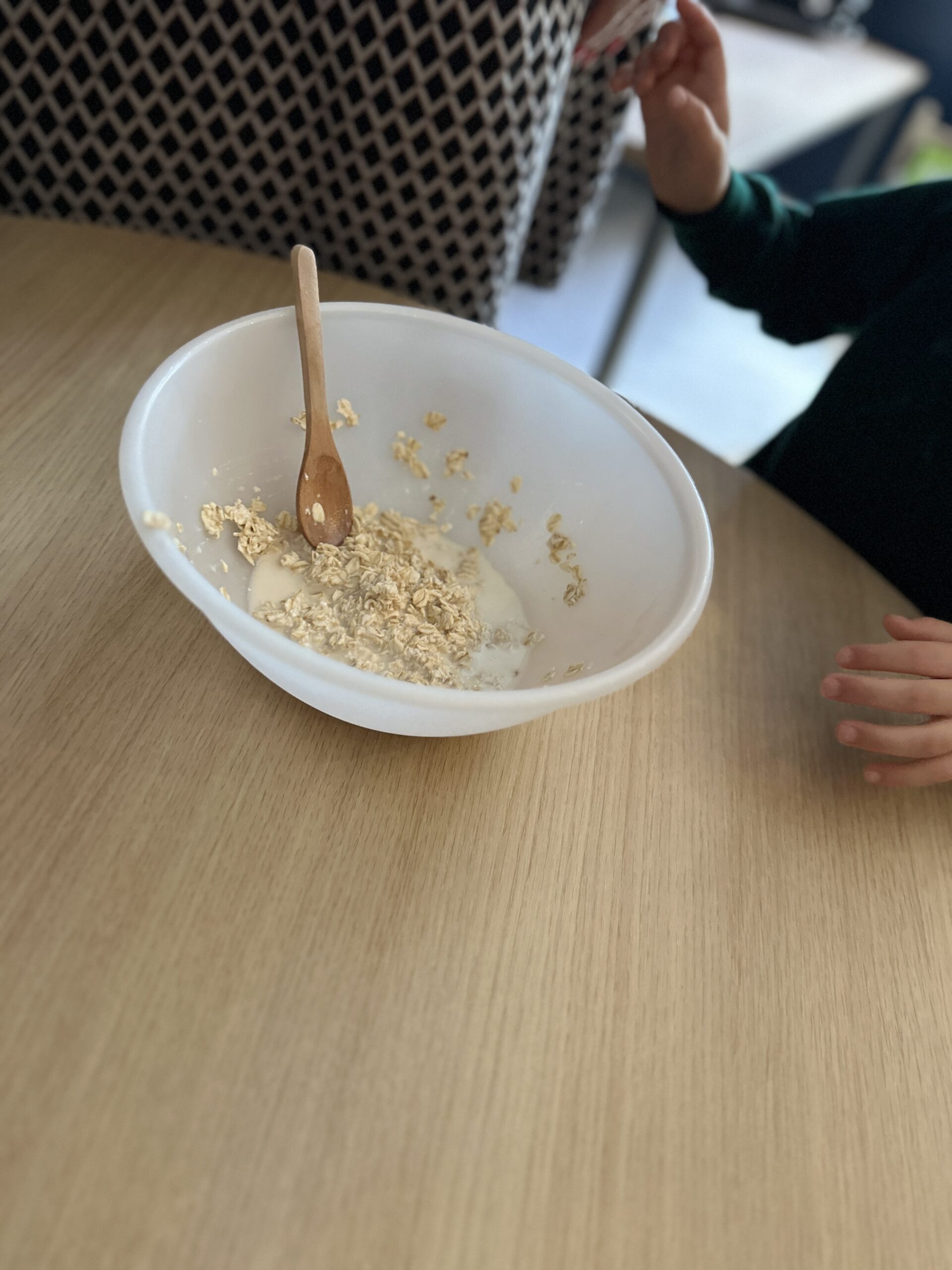
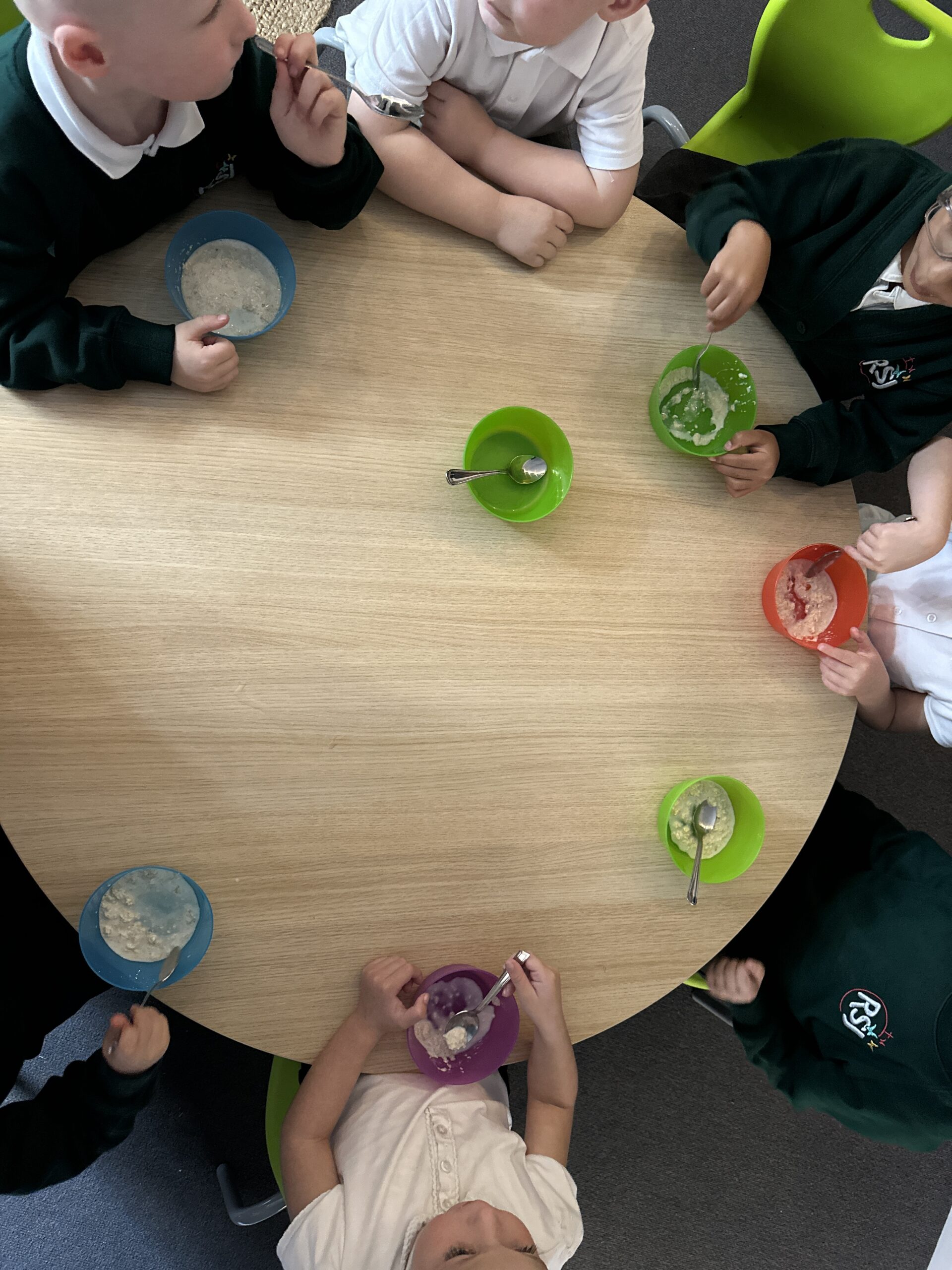
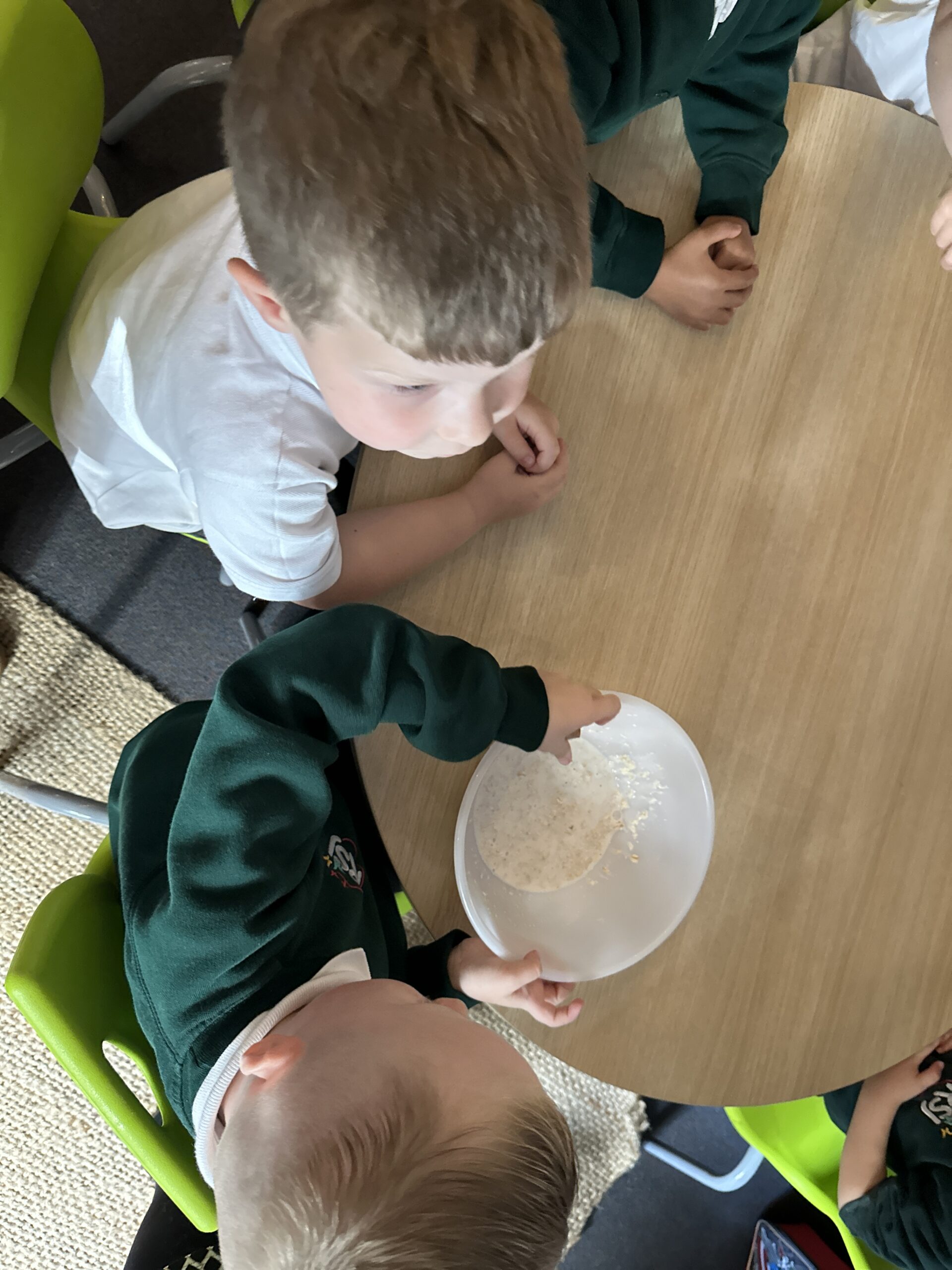
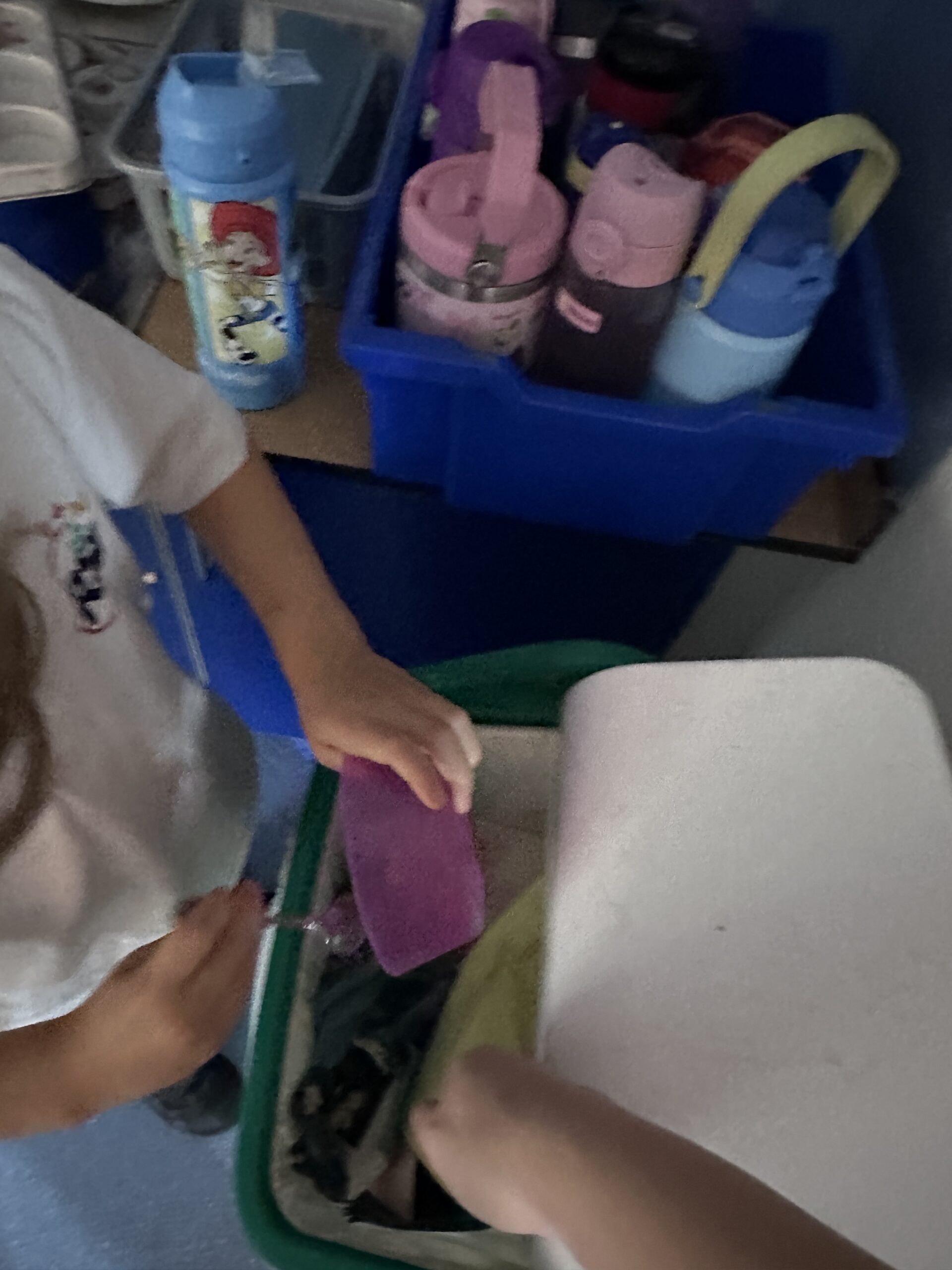
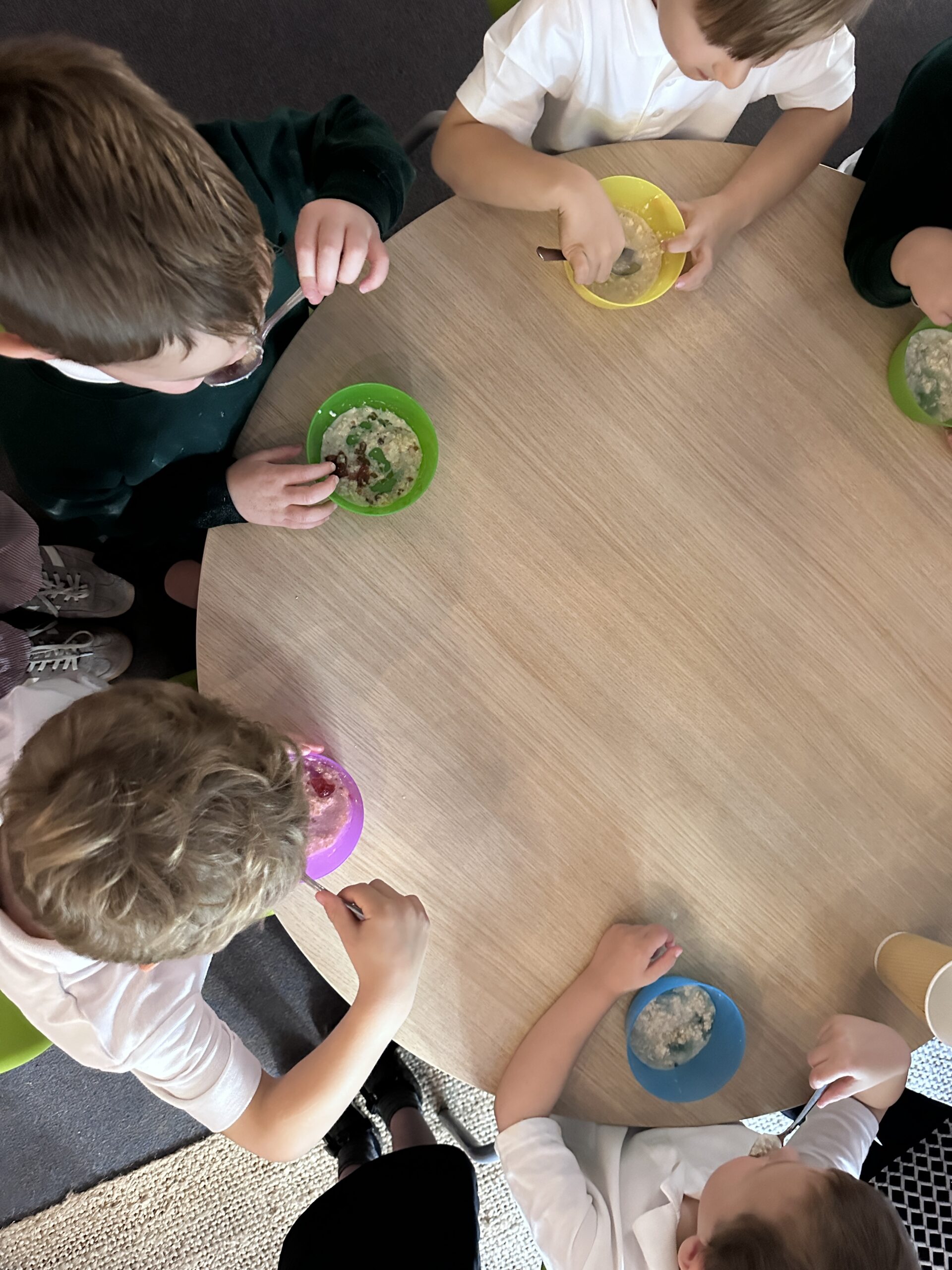
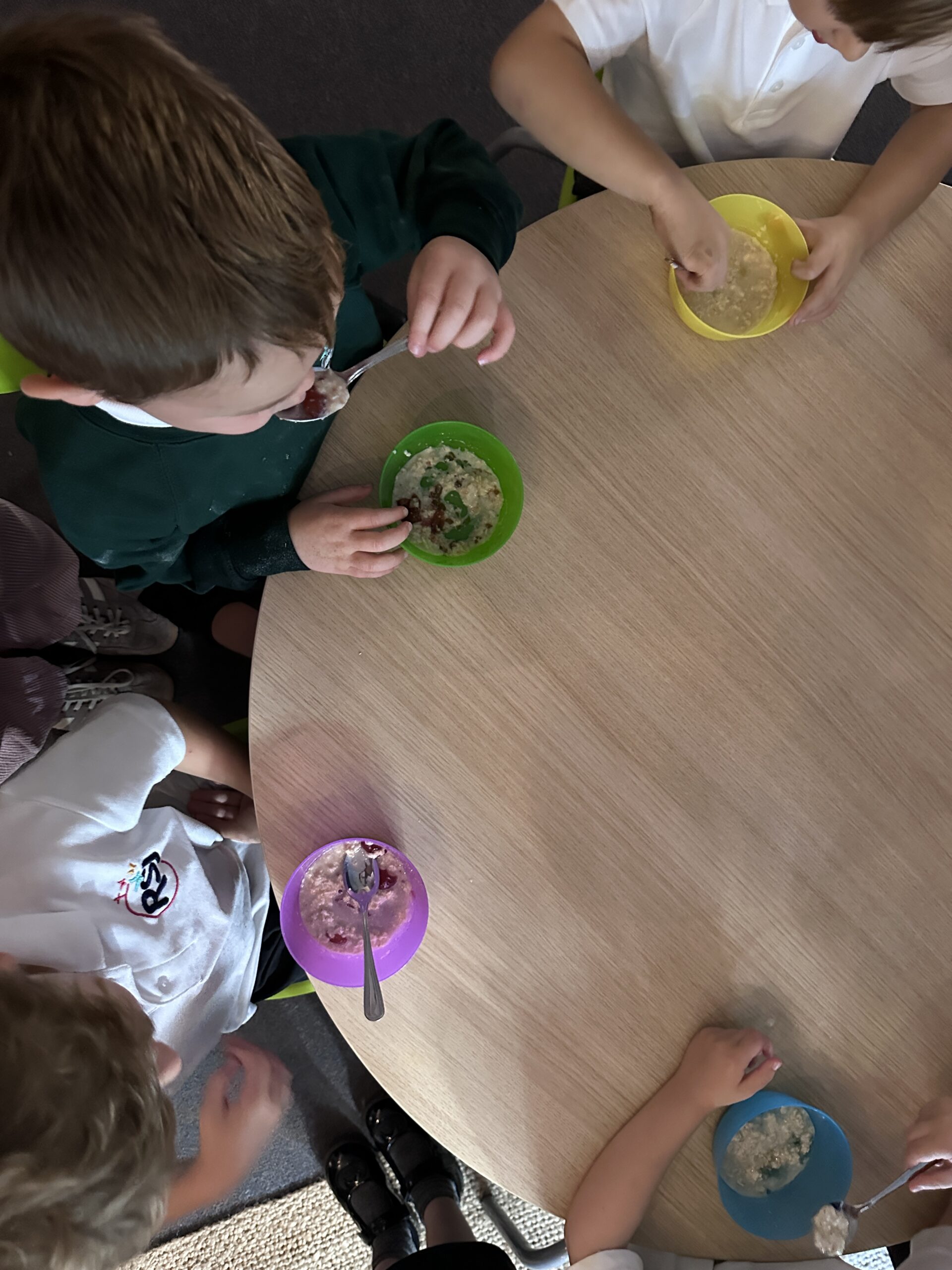
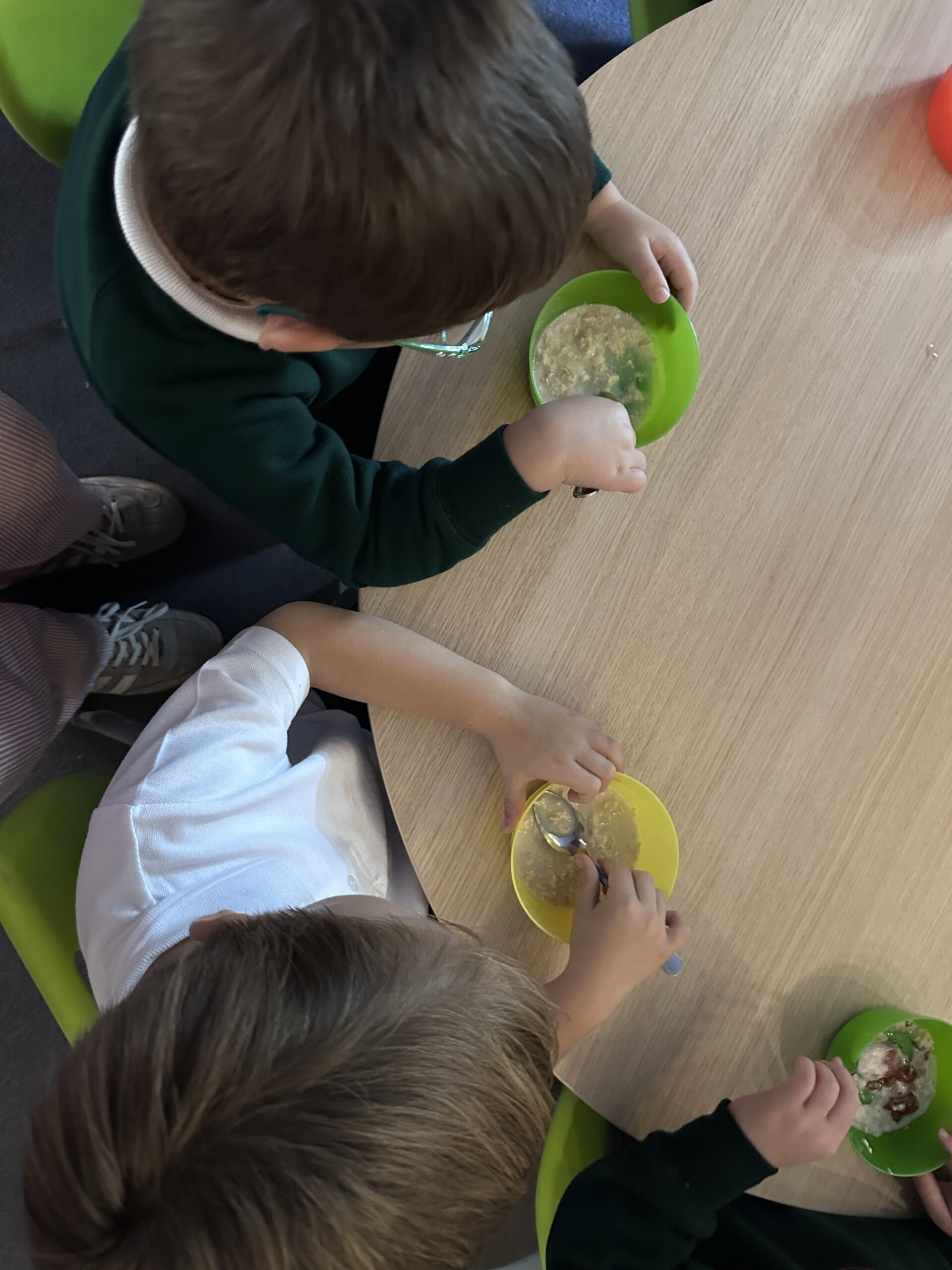
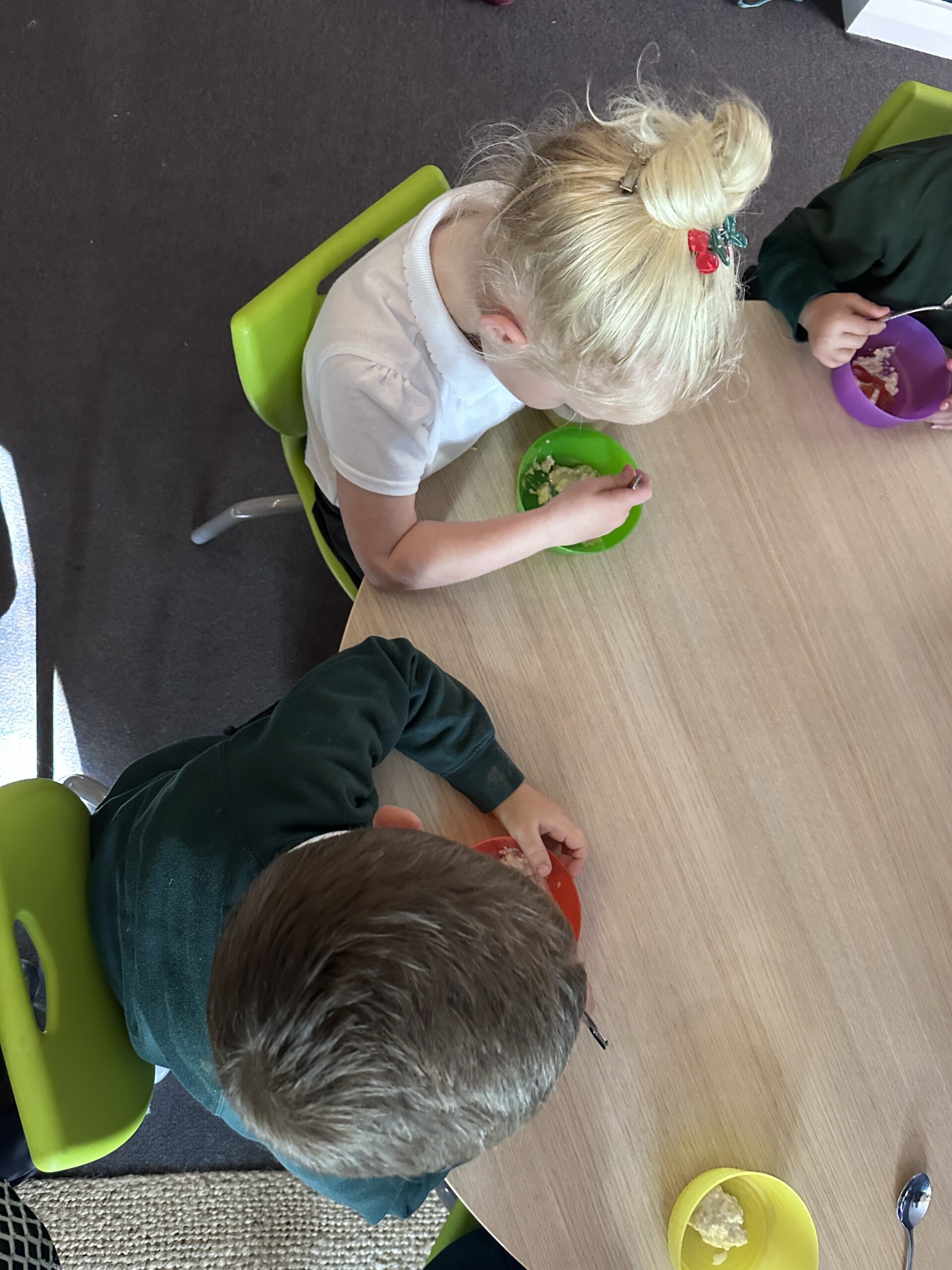
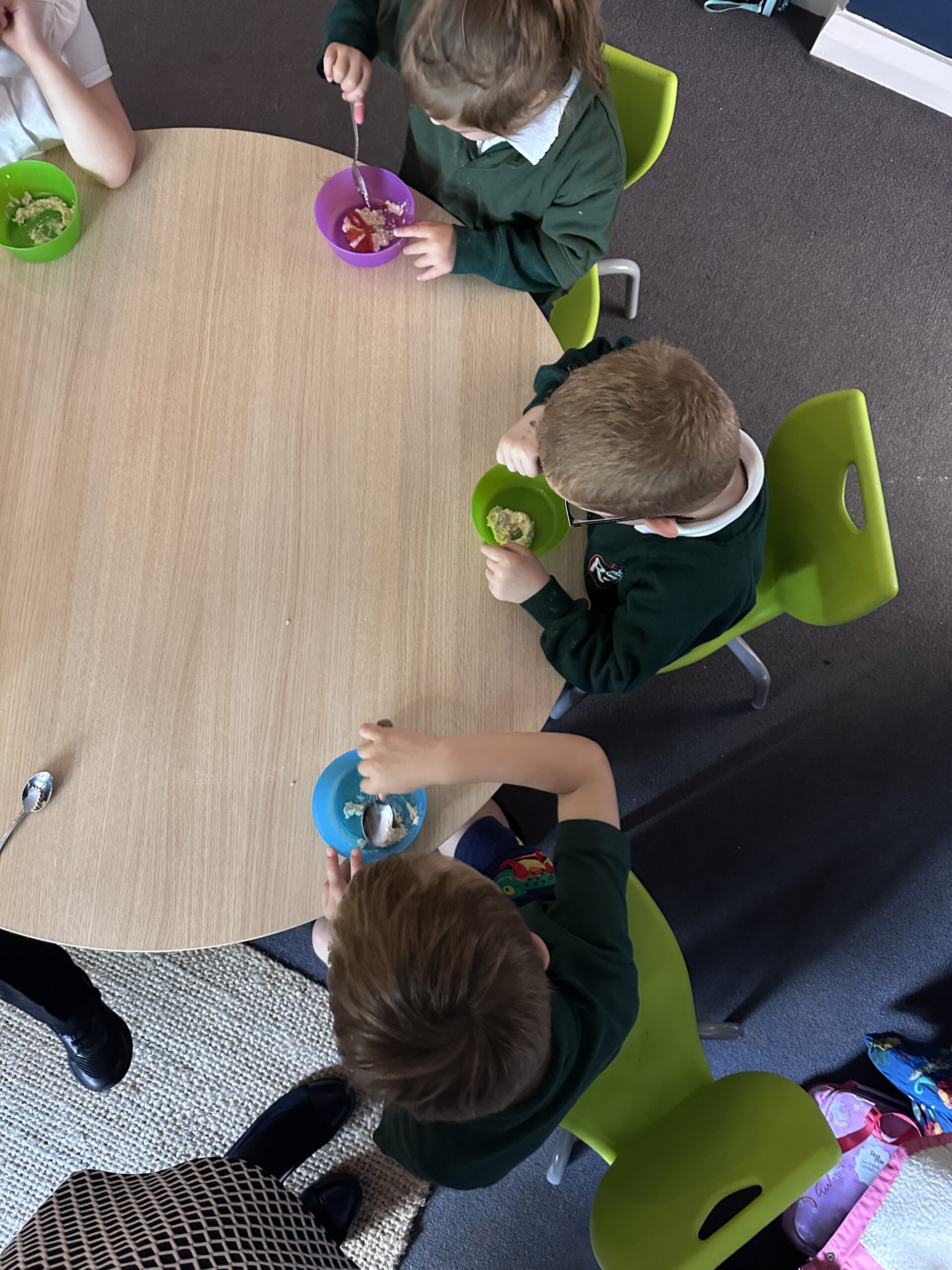
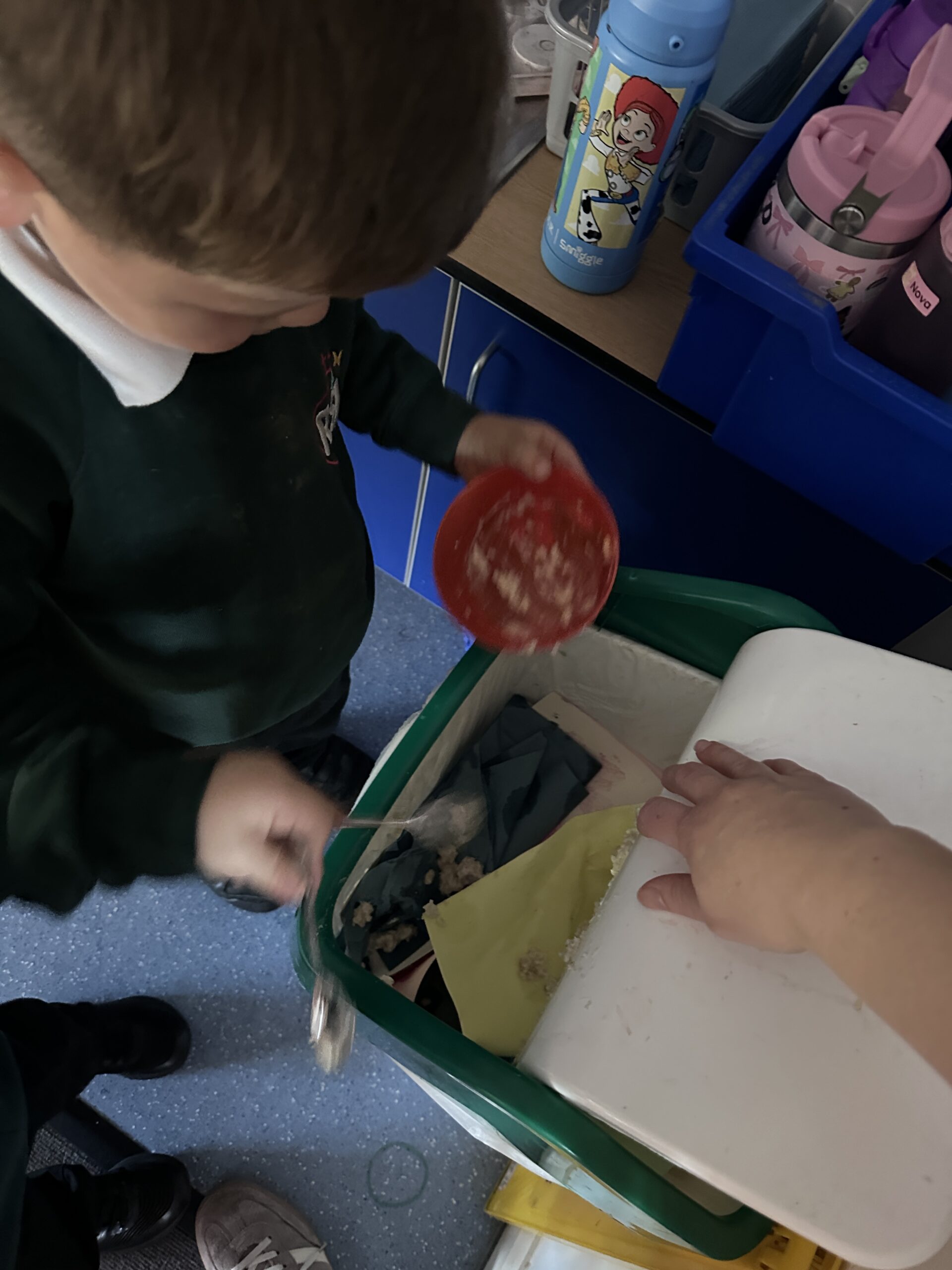
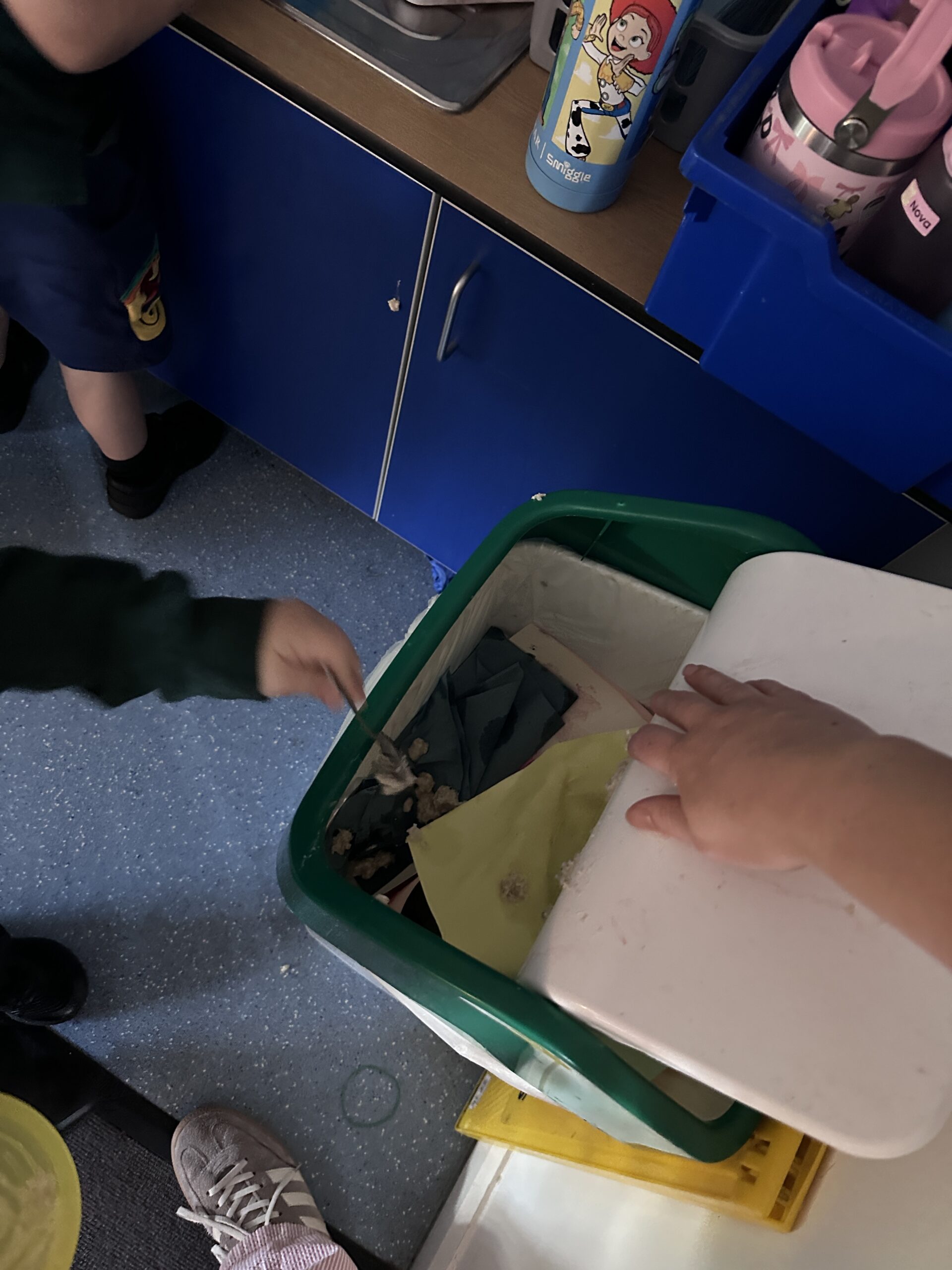
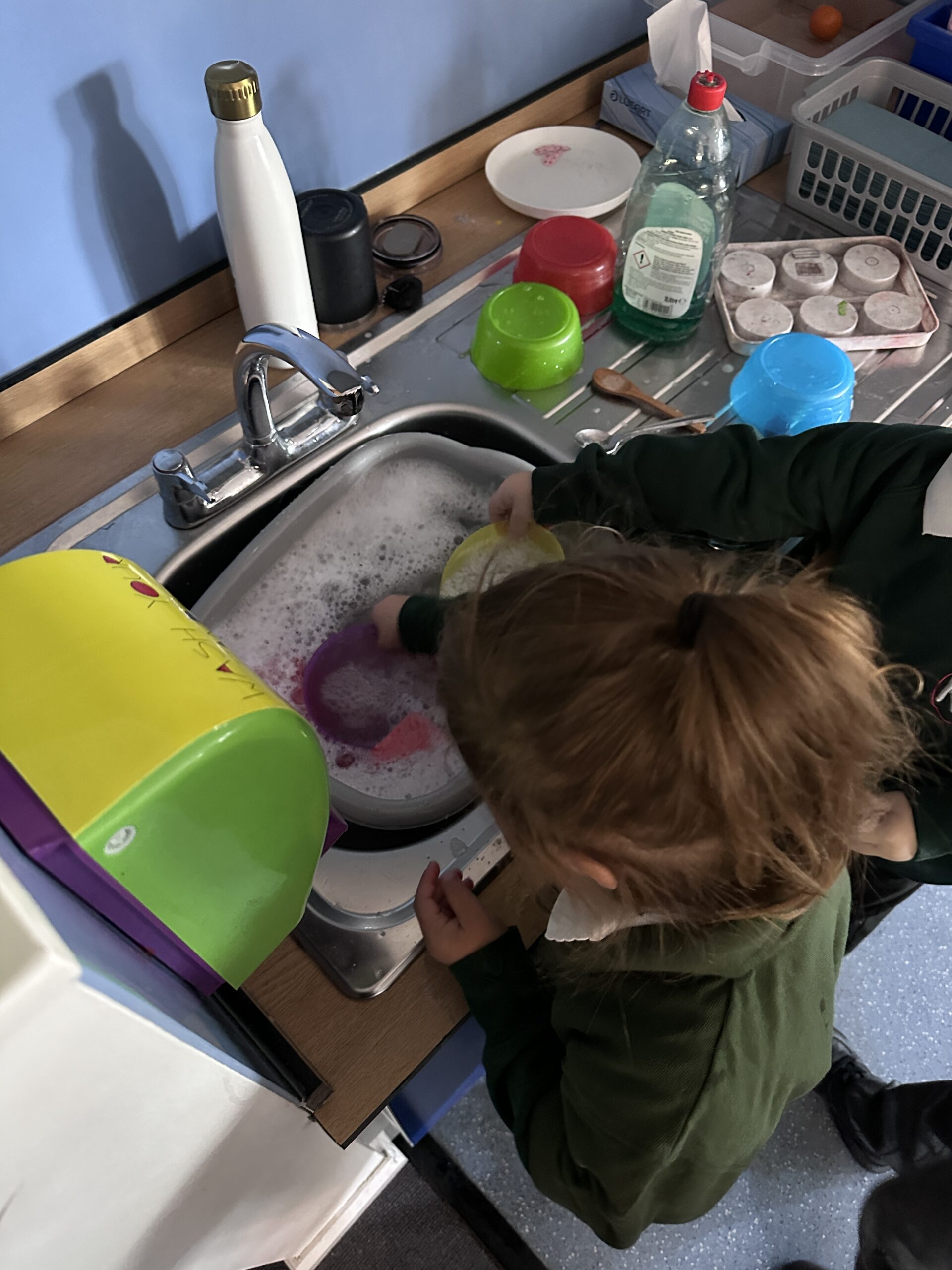
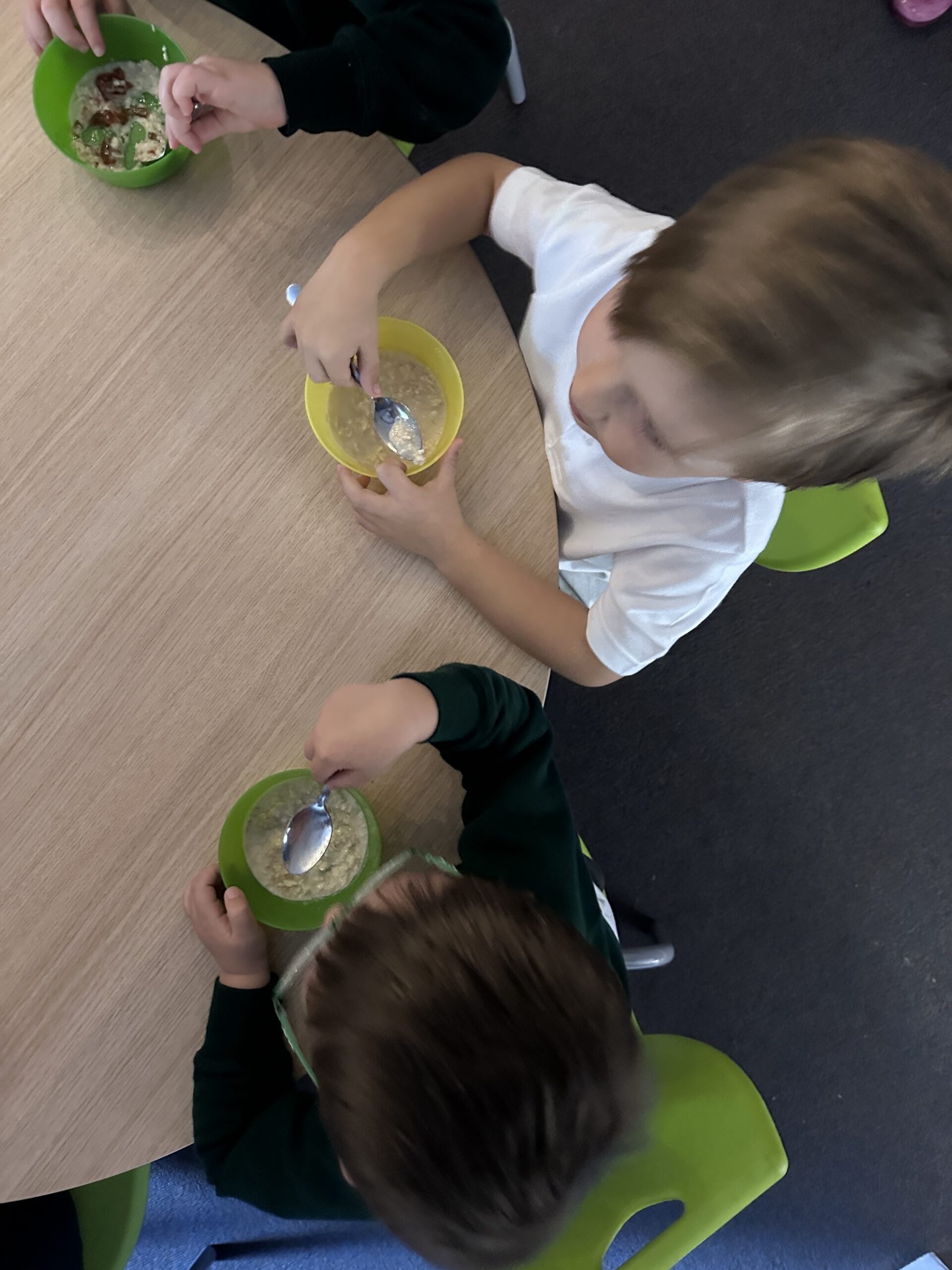
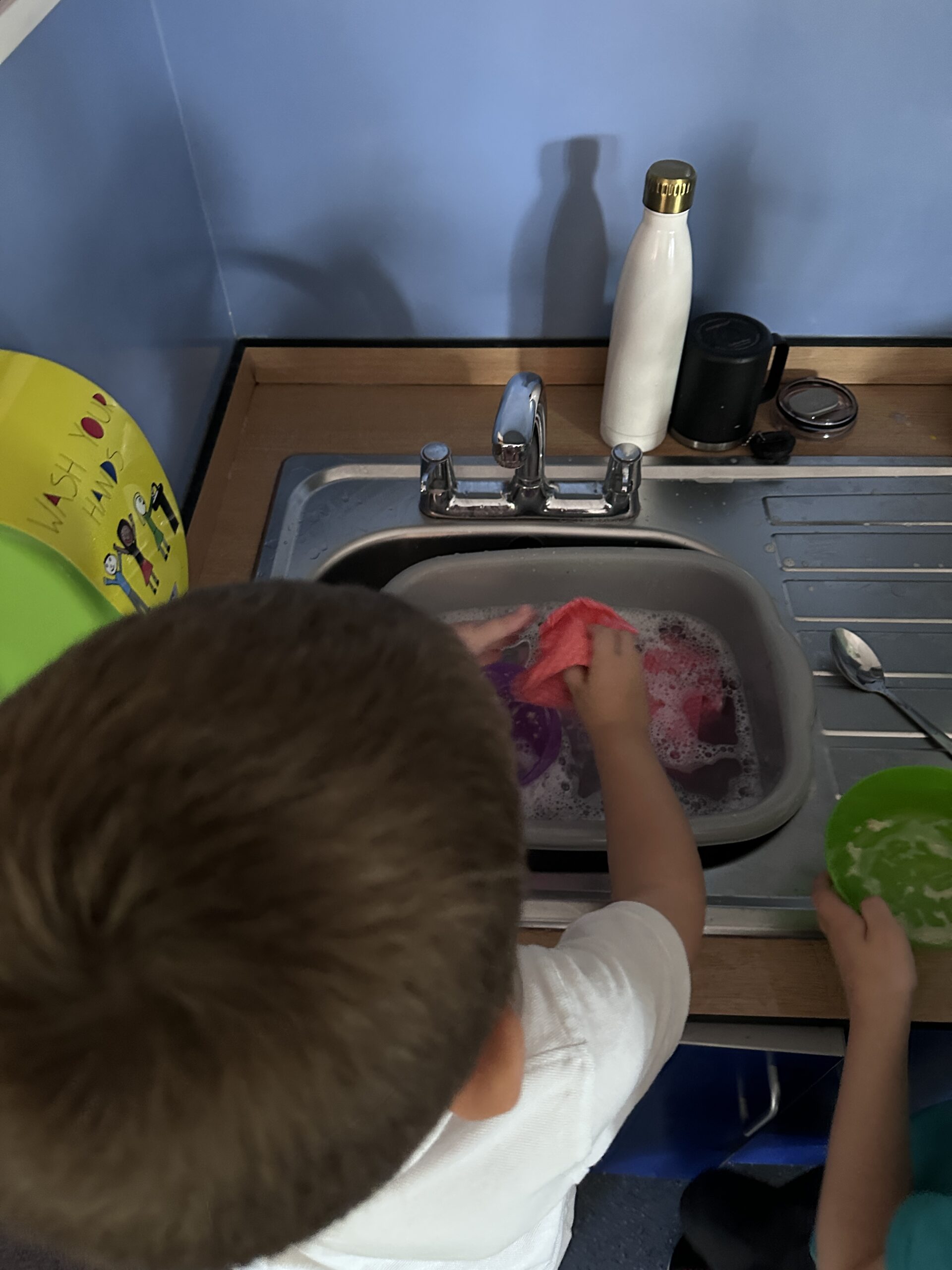
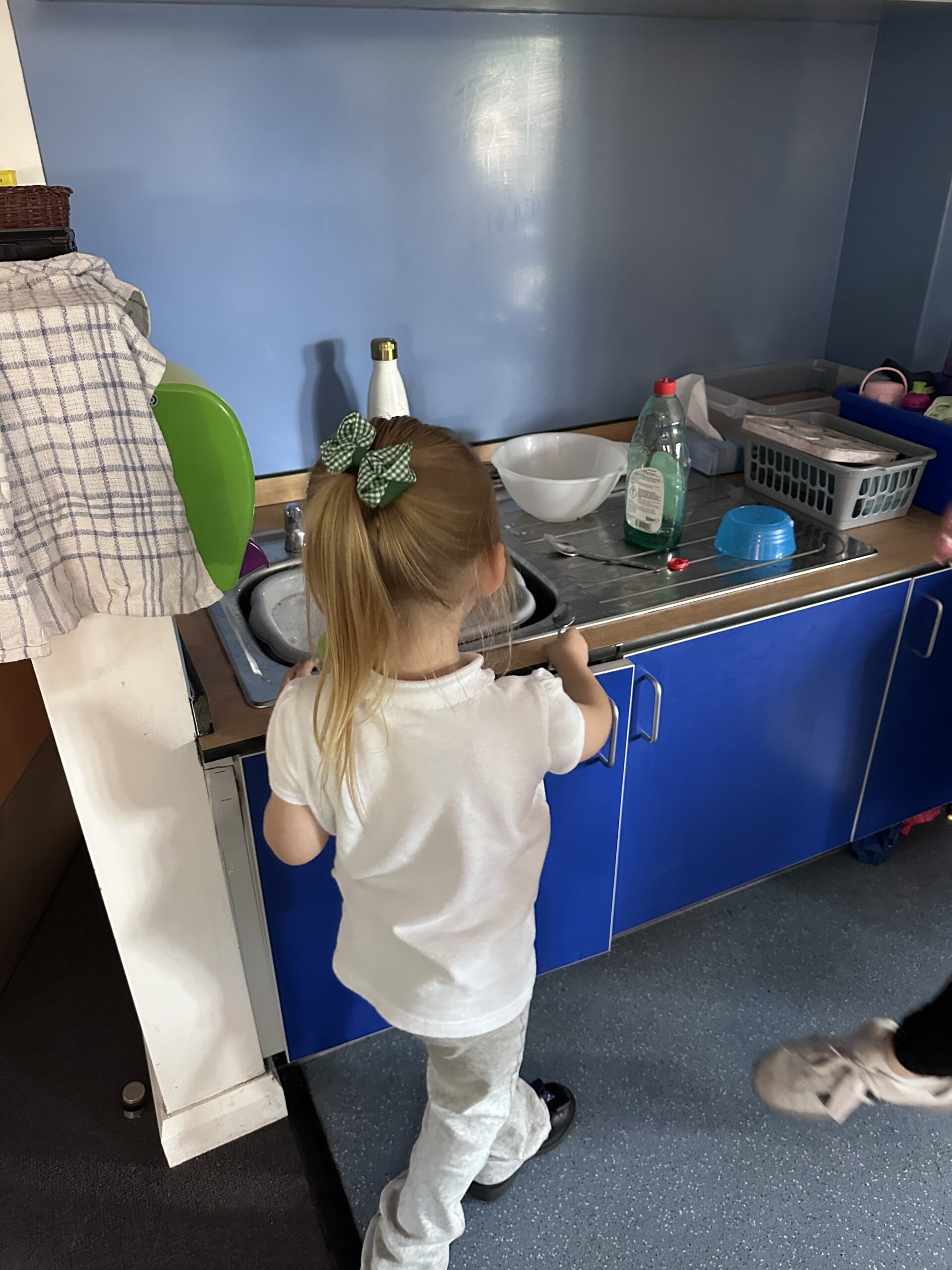
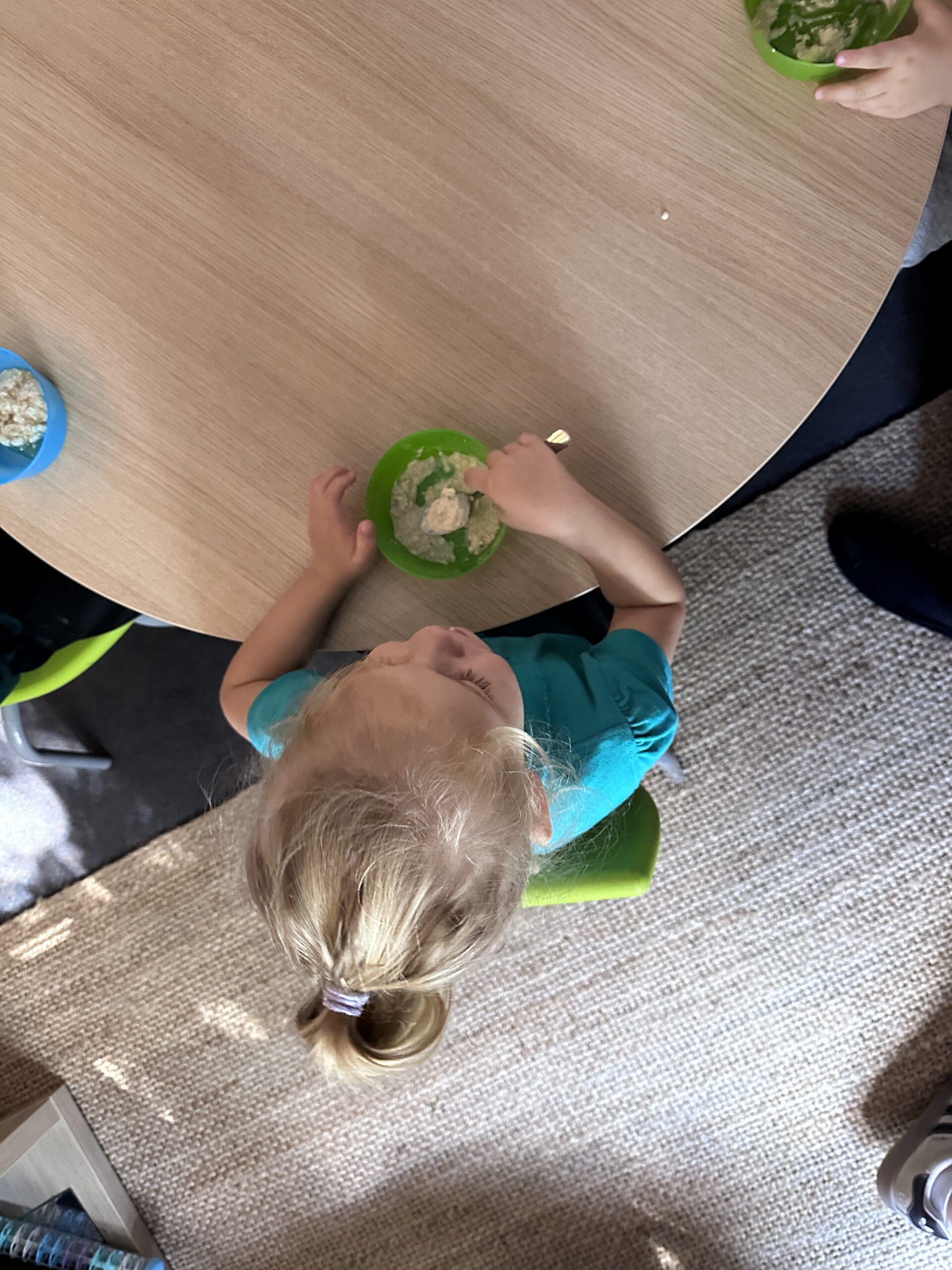
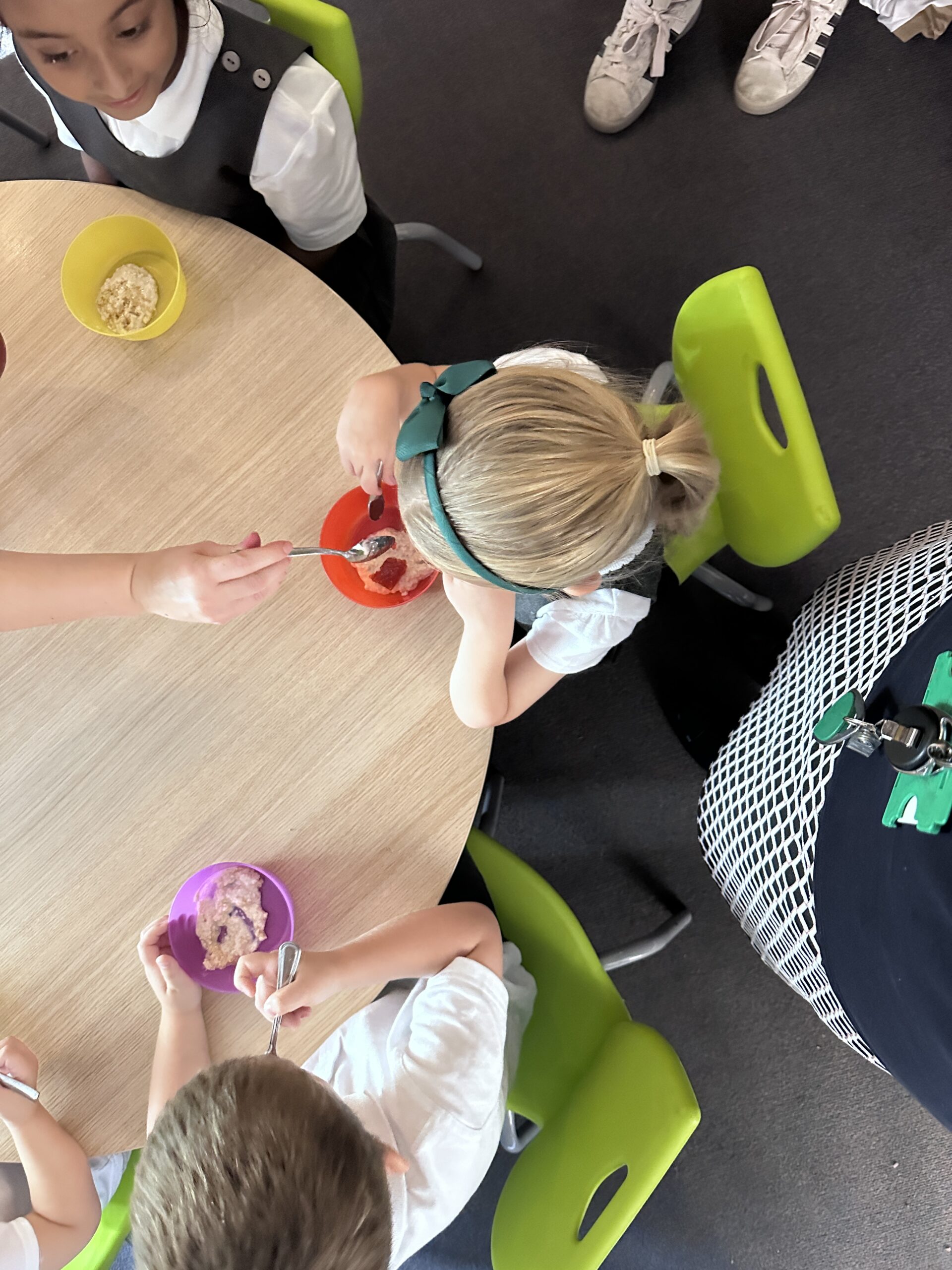
Team R have been having lots of fun exploring Goldilocks and the Three Bears!
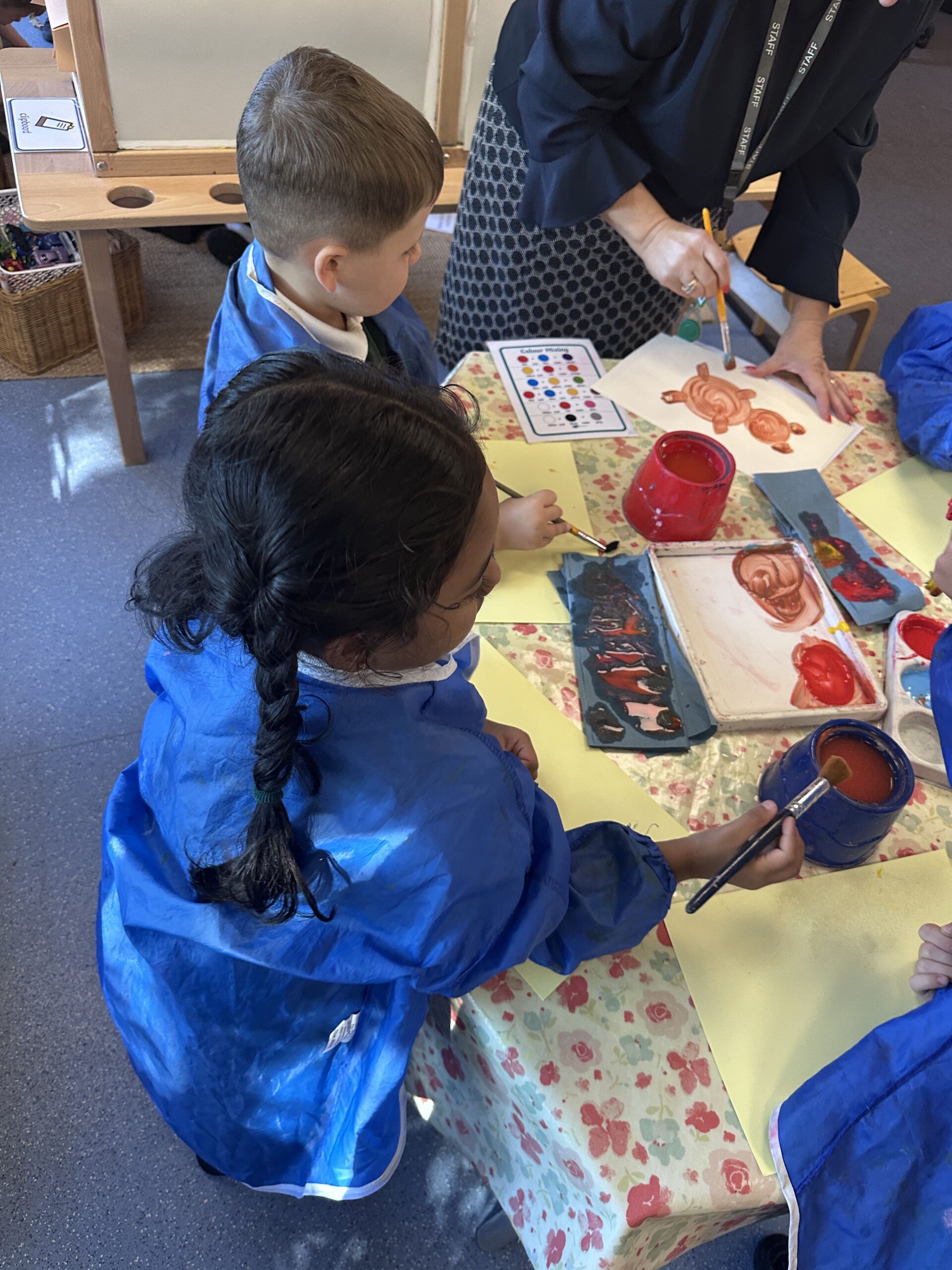
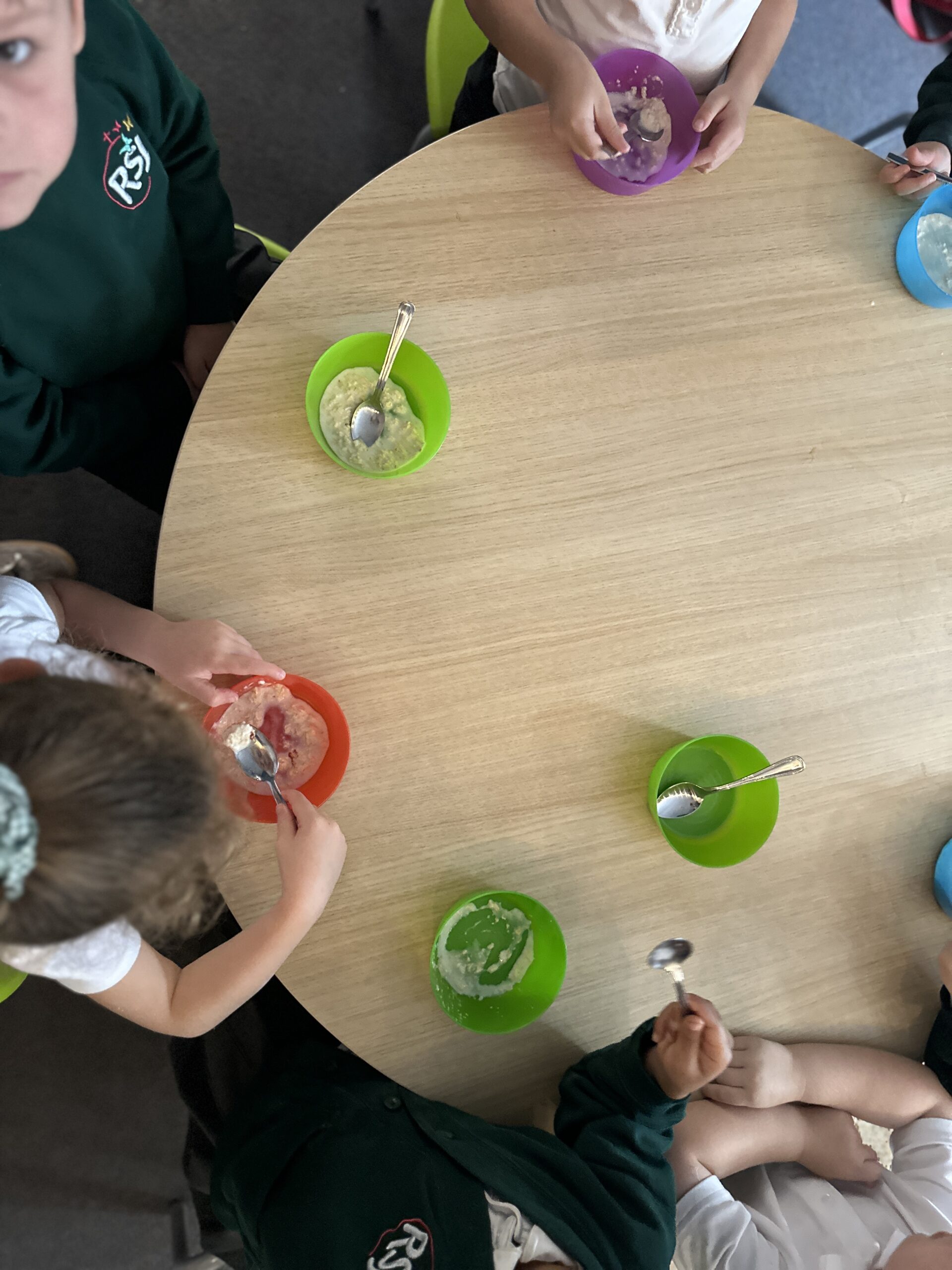
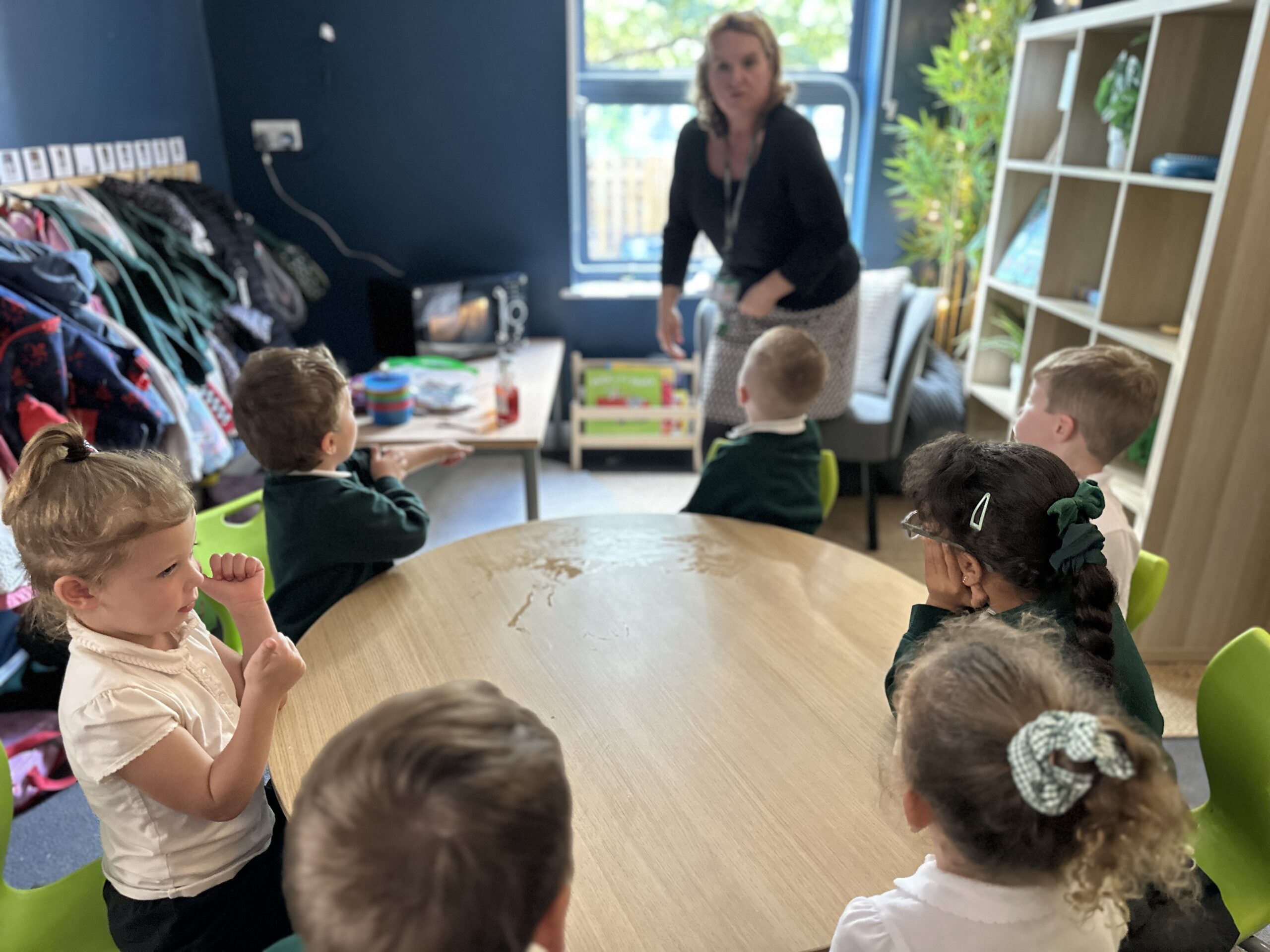
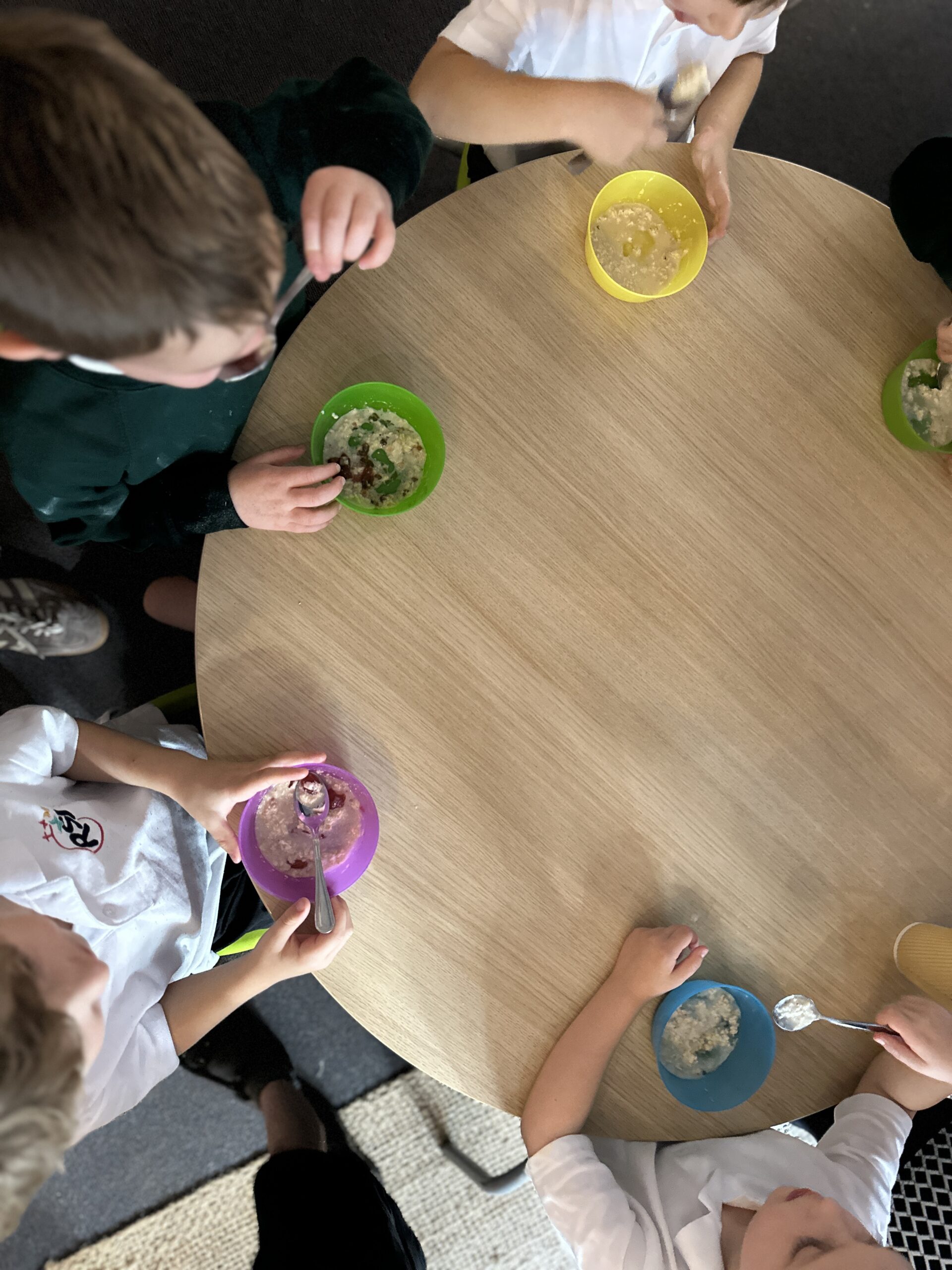
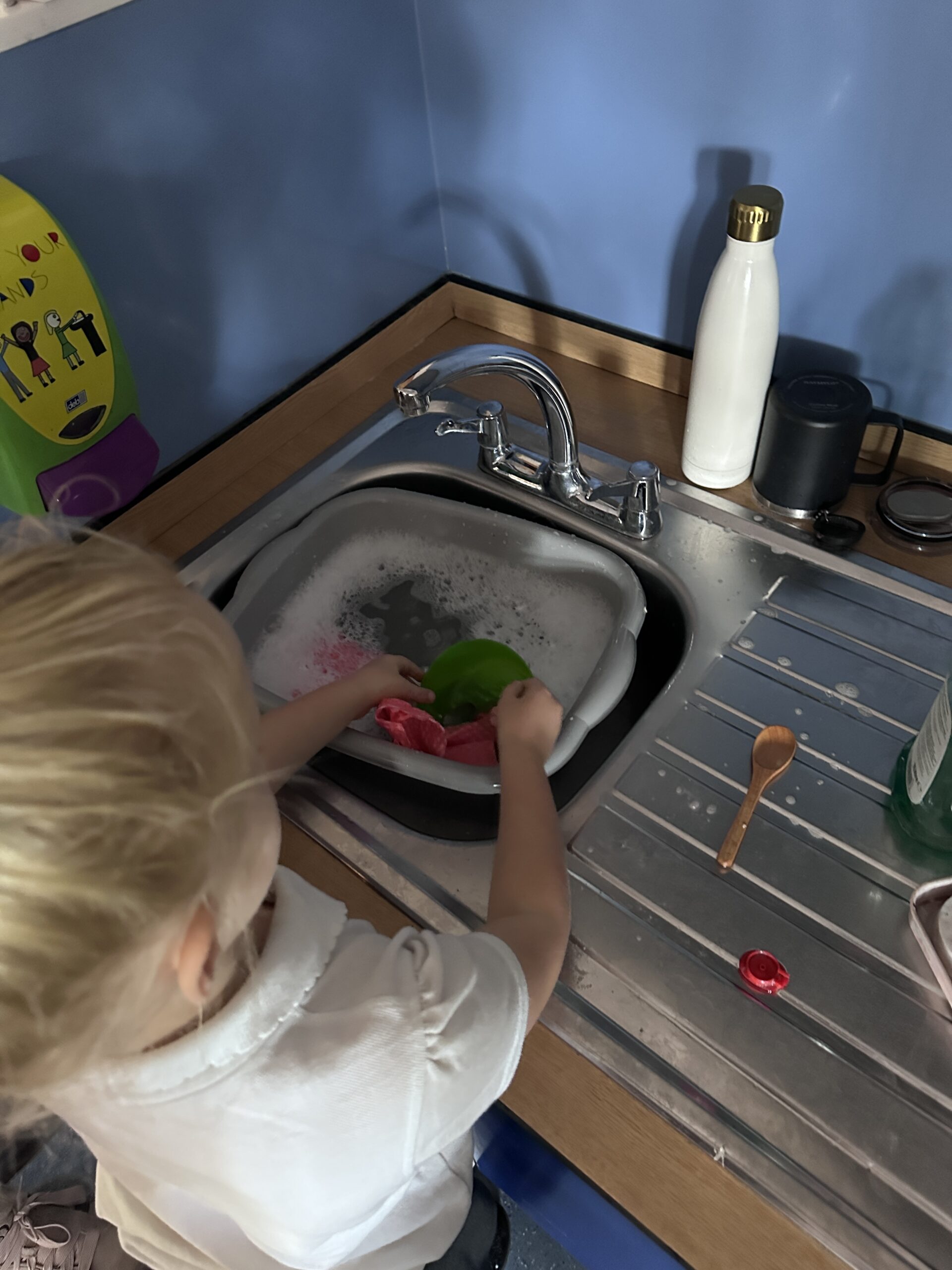
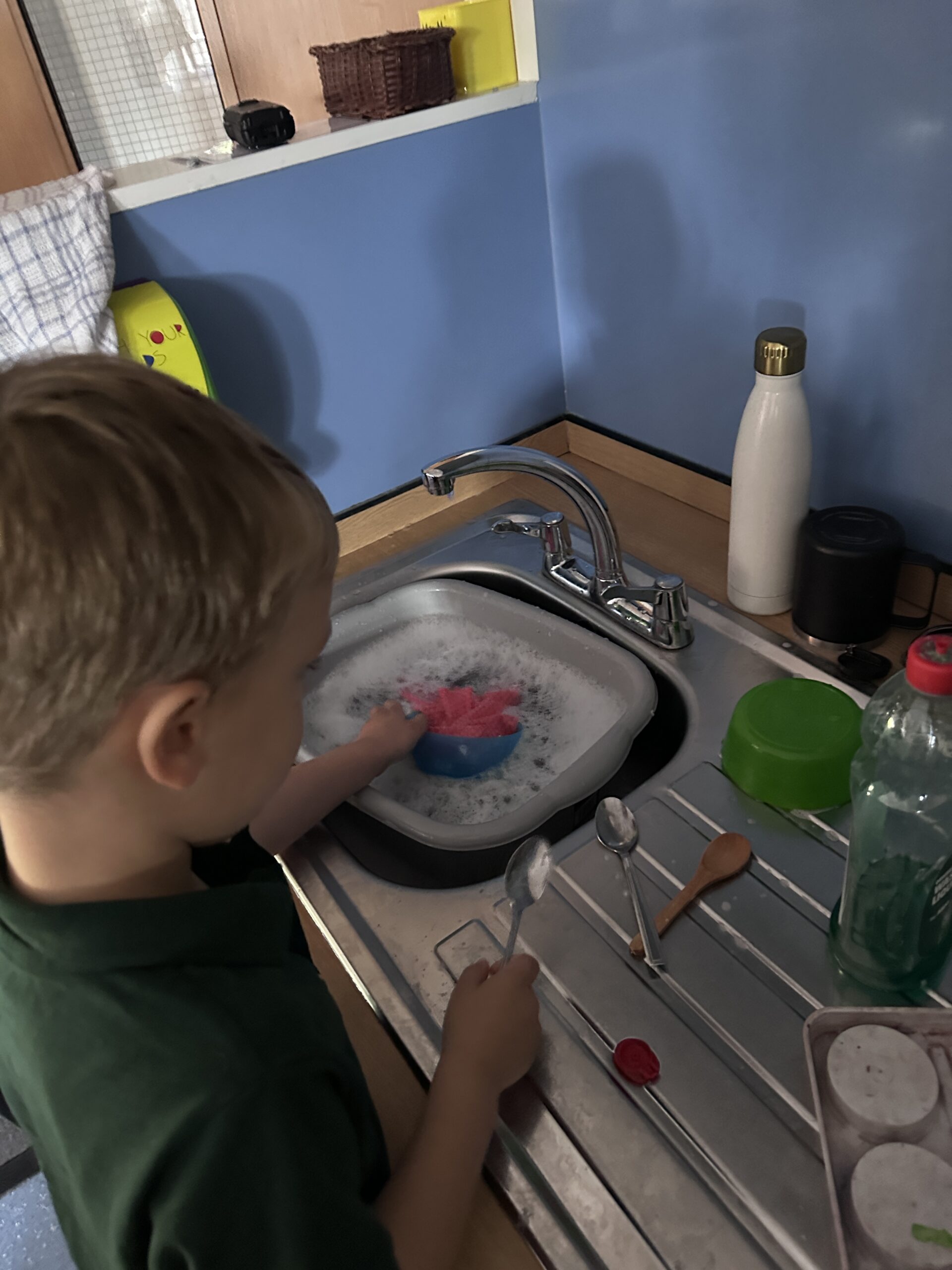
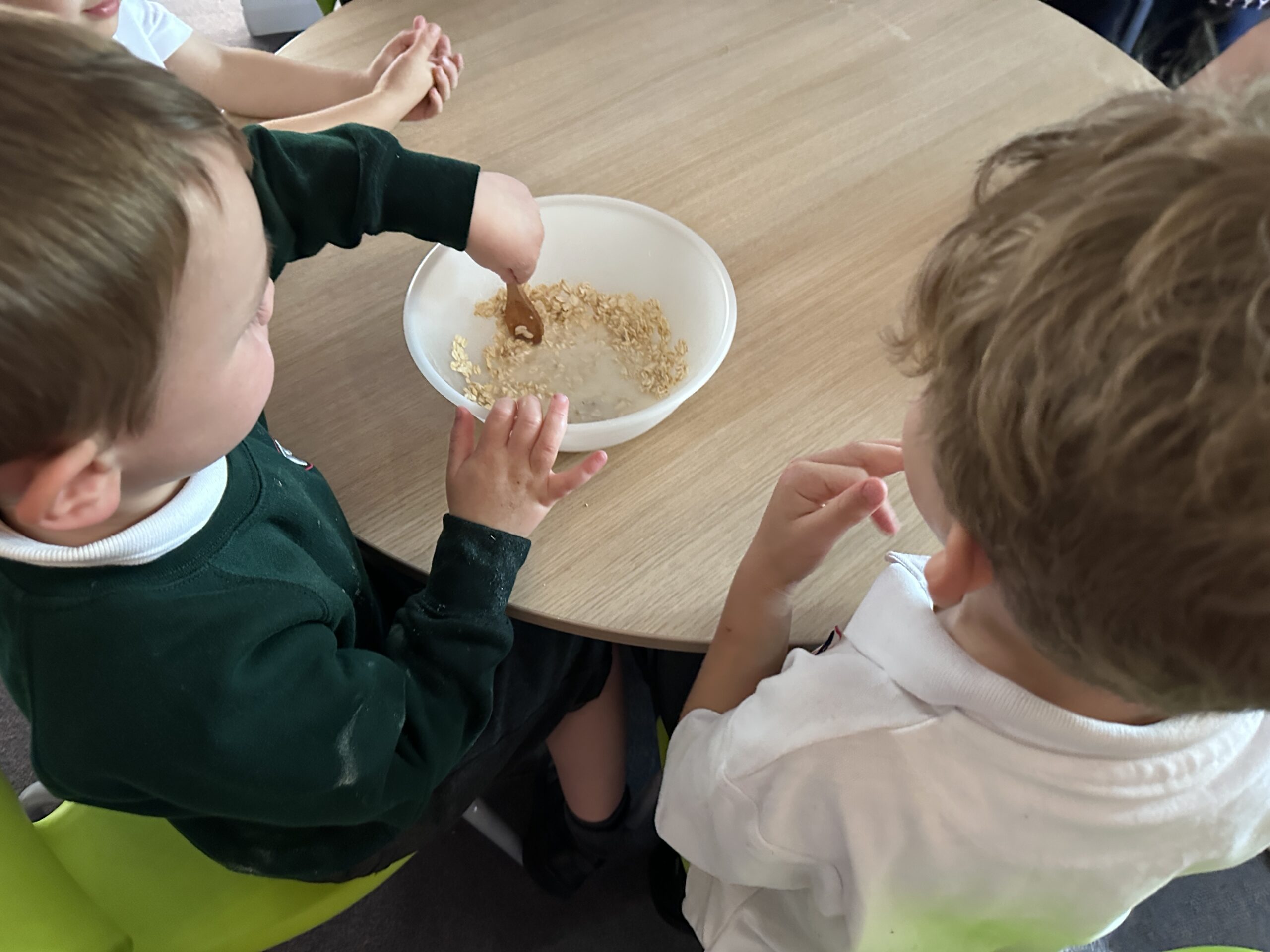
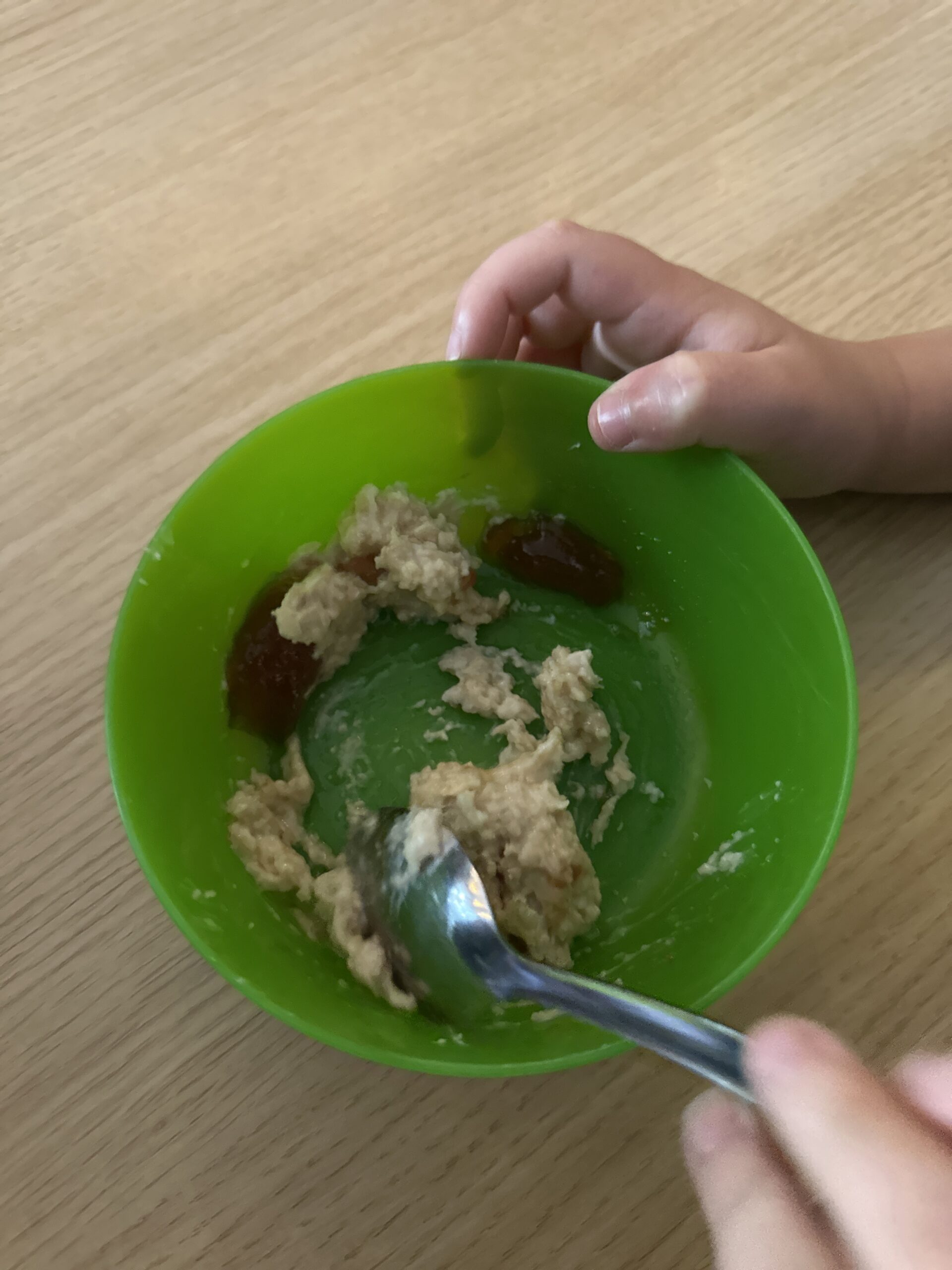
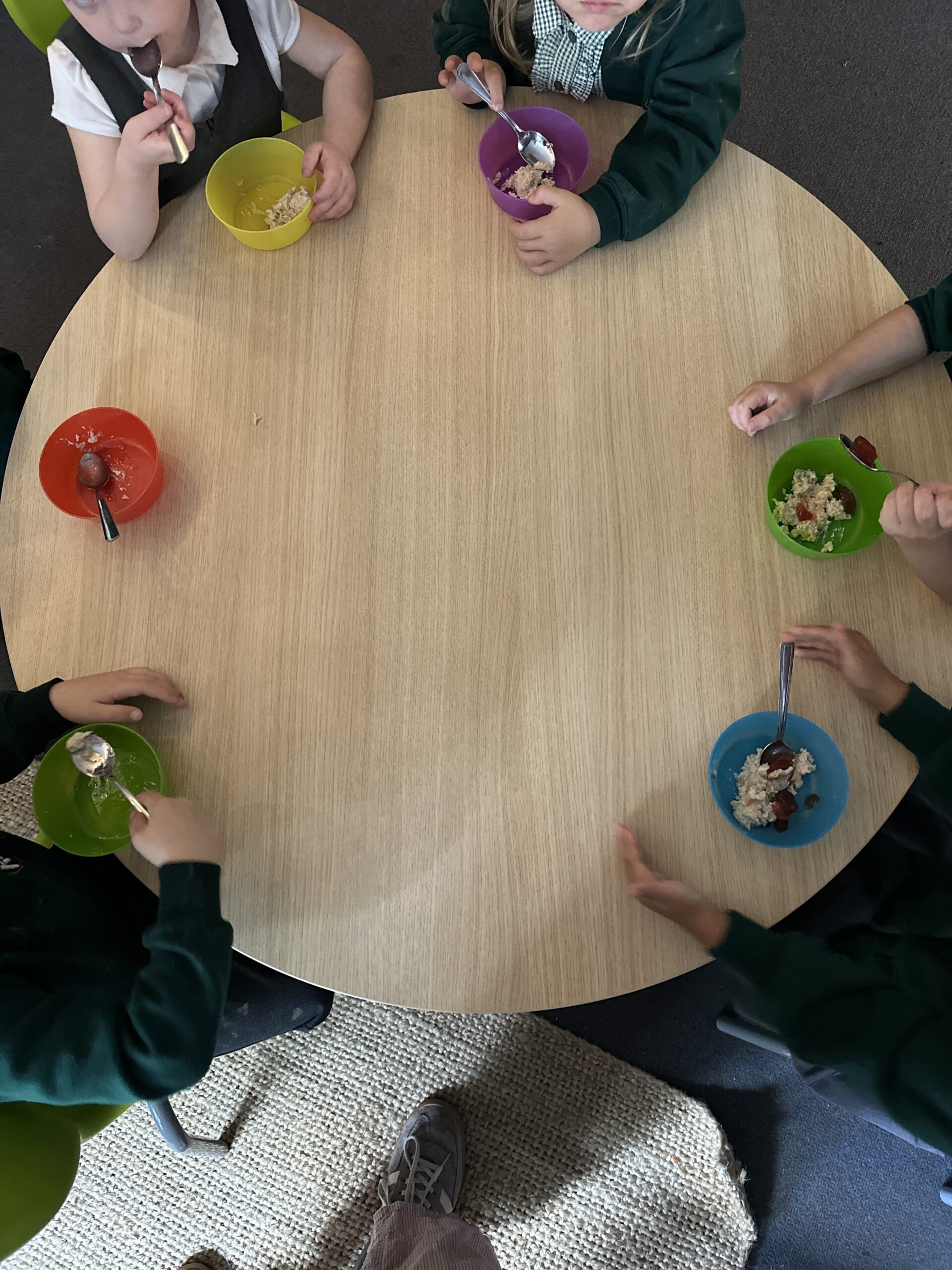
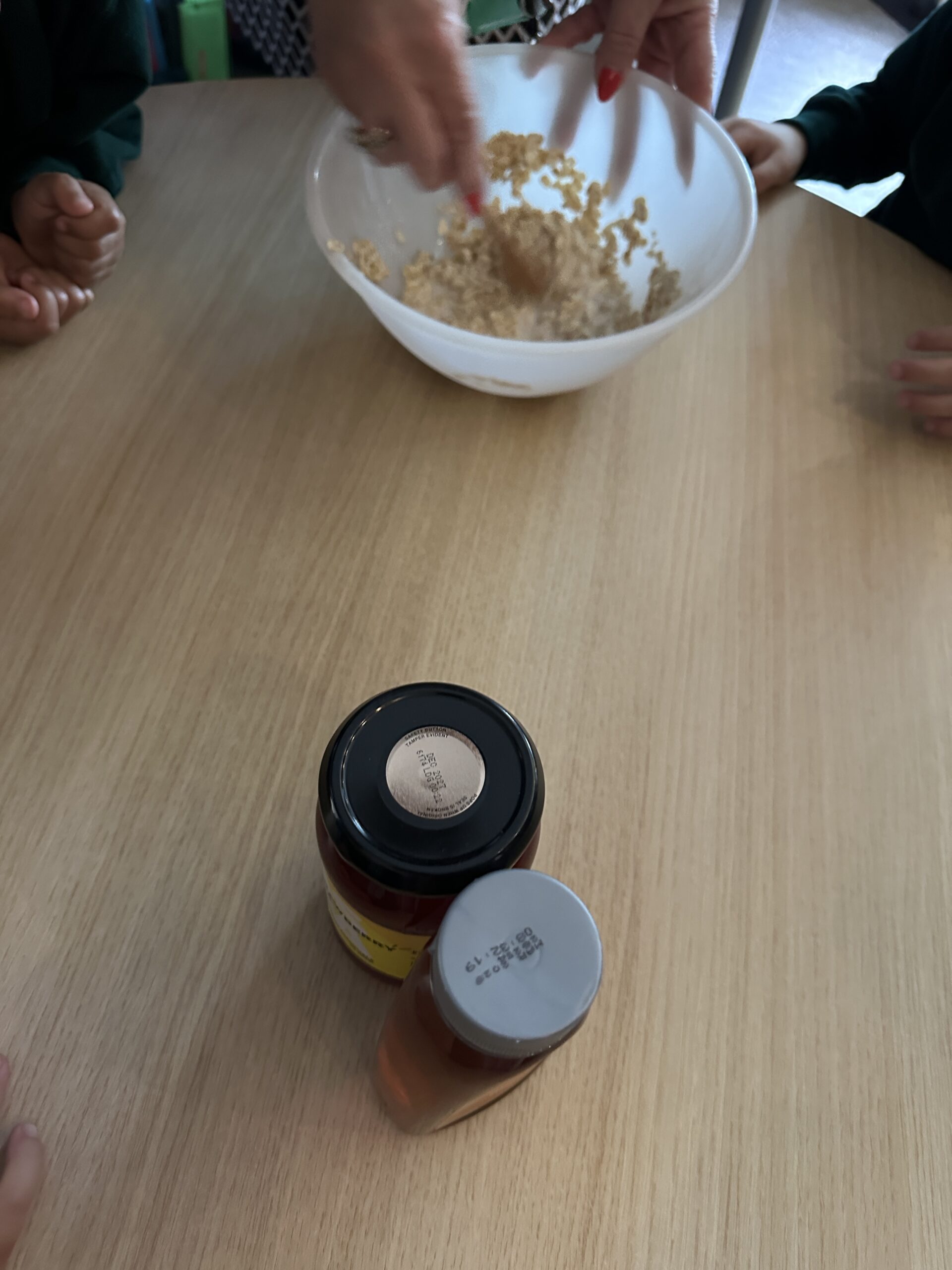
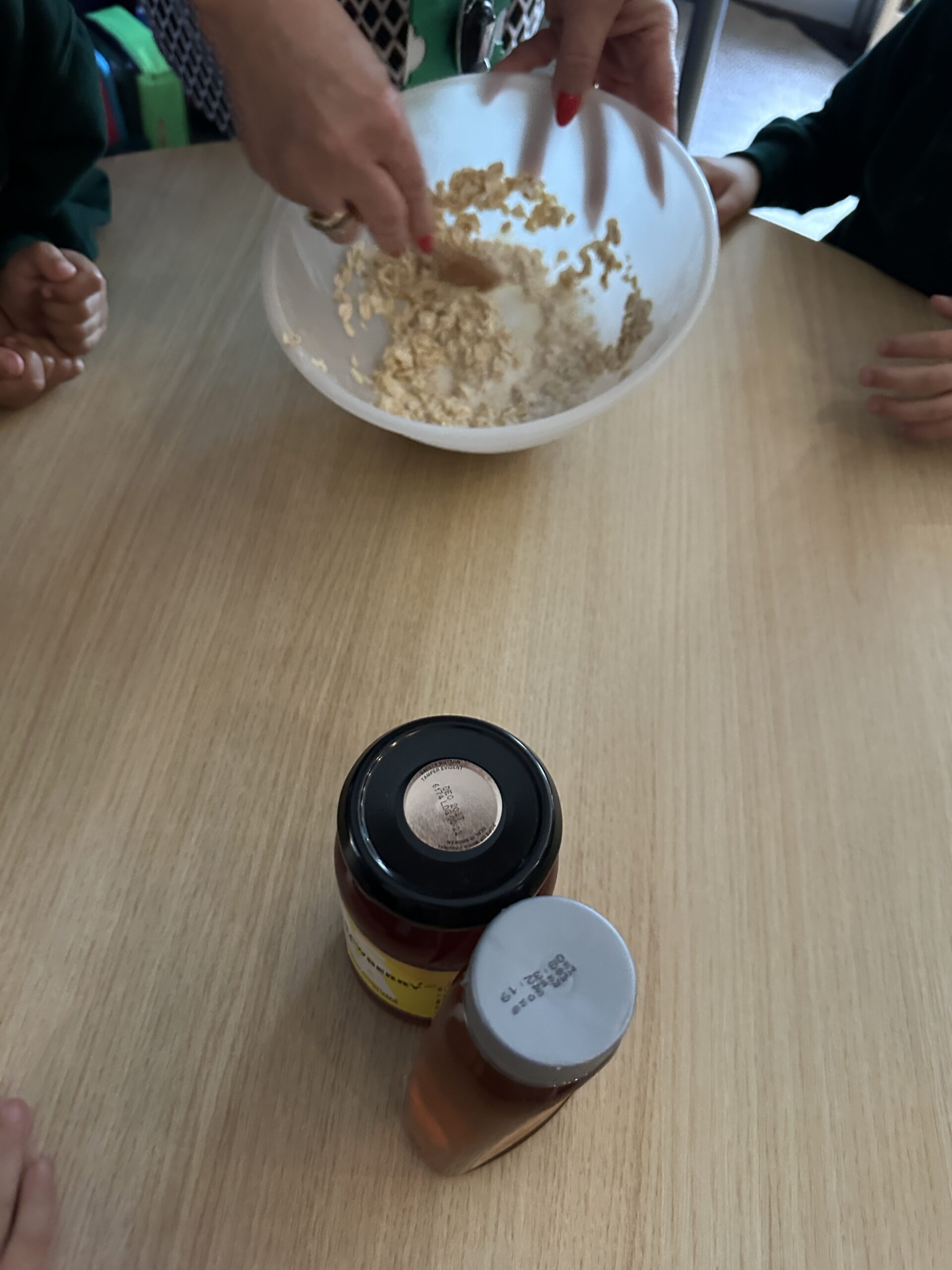
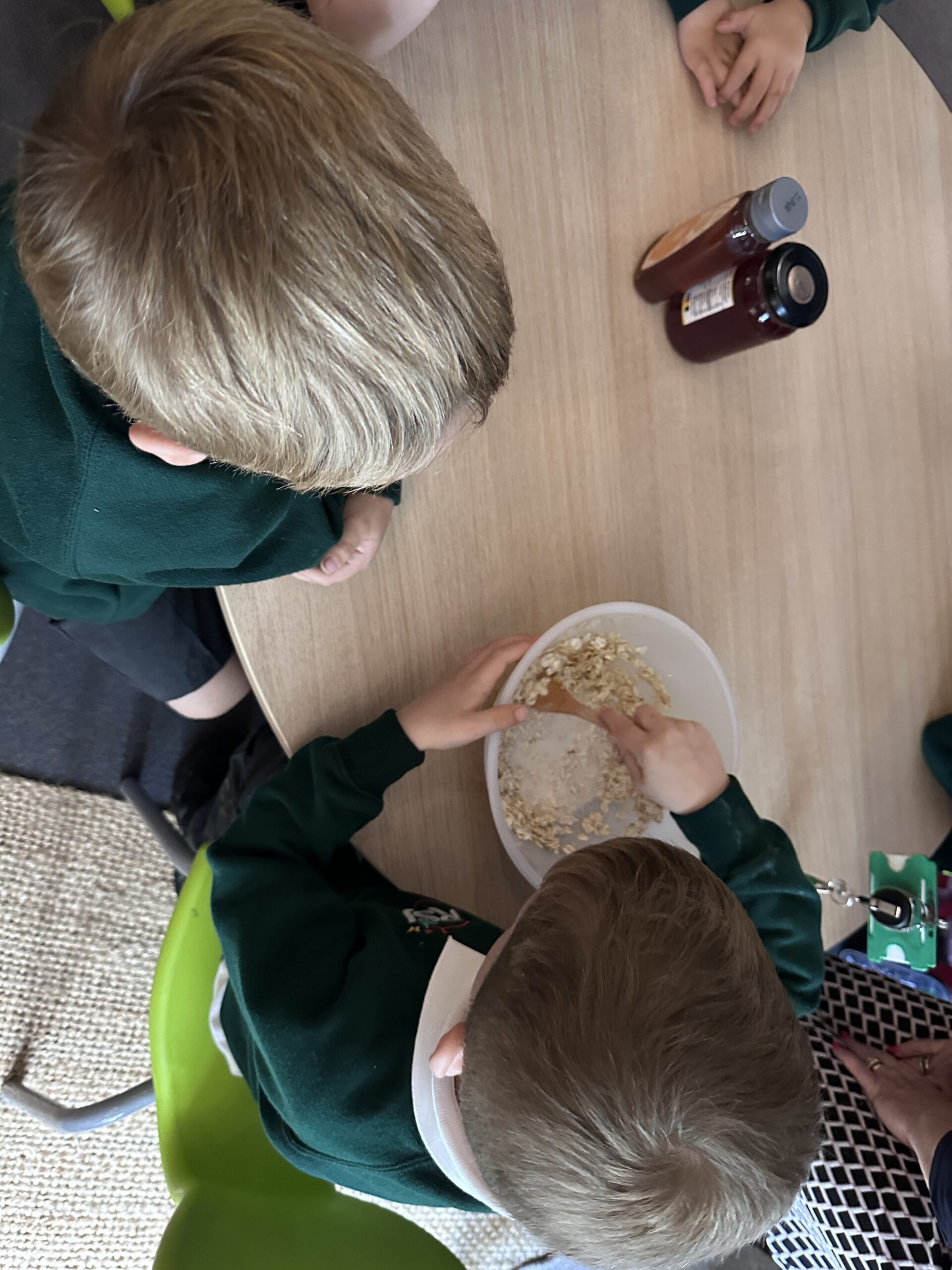
We have been learning all about the story and its characters through lots of fun, hands-on activities. The children enjoyed making and tasting their own porridge, talking about the different ingredients and deciding which one was just right!
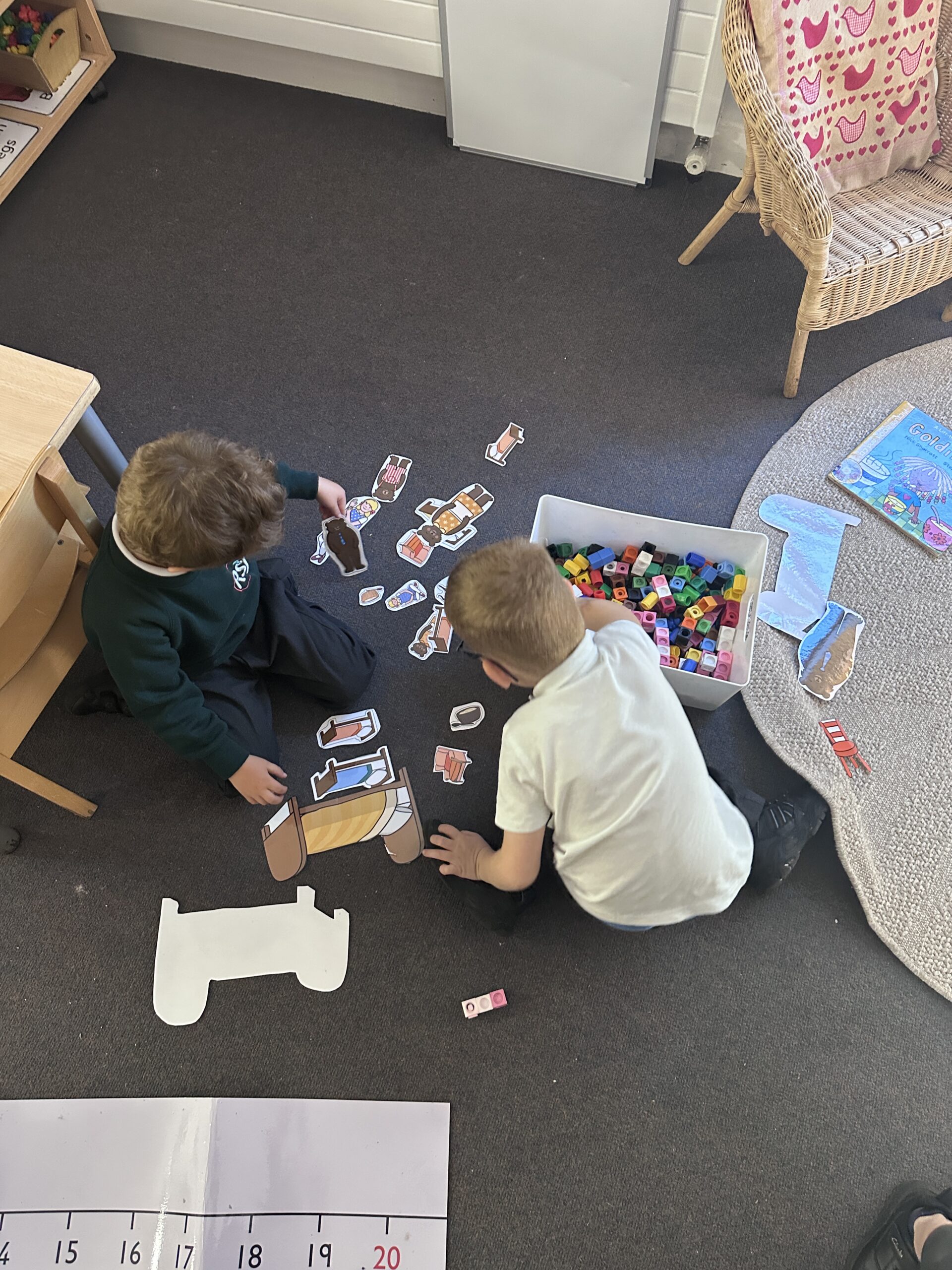
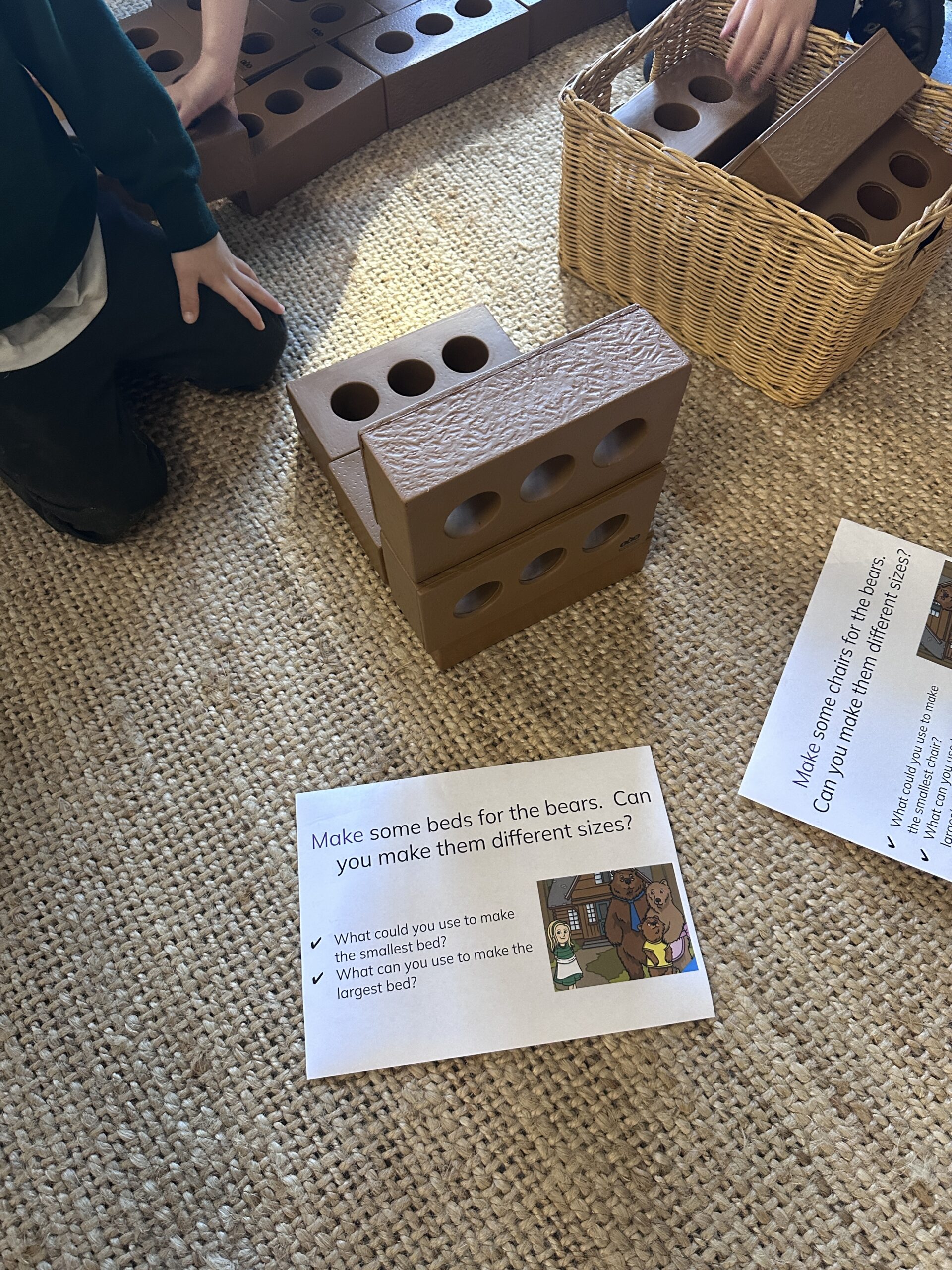
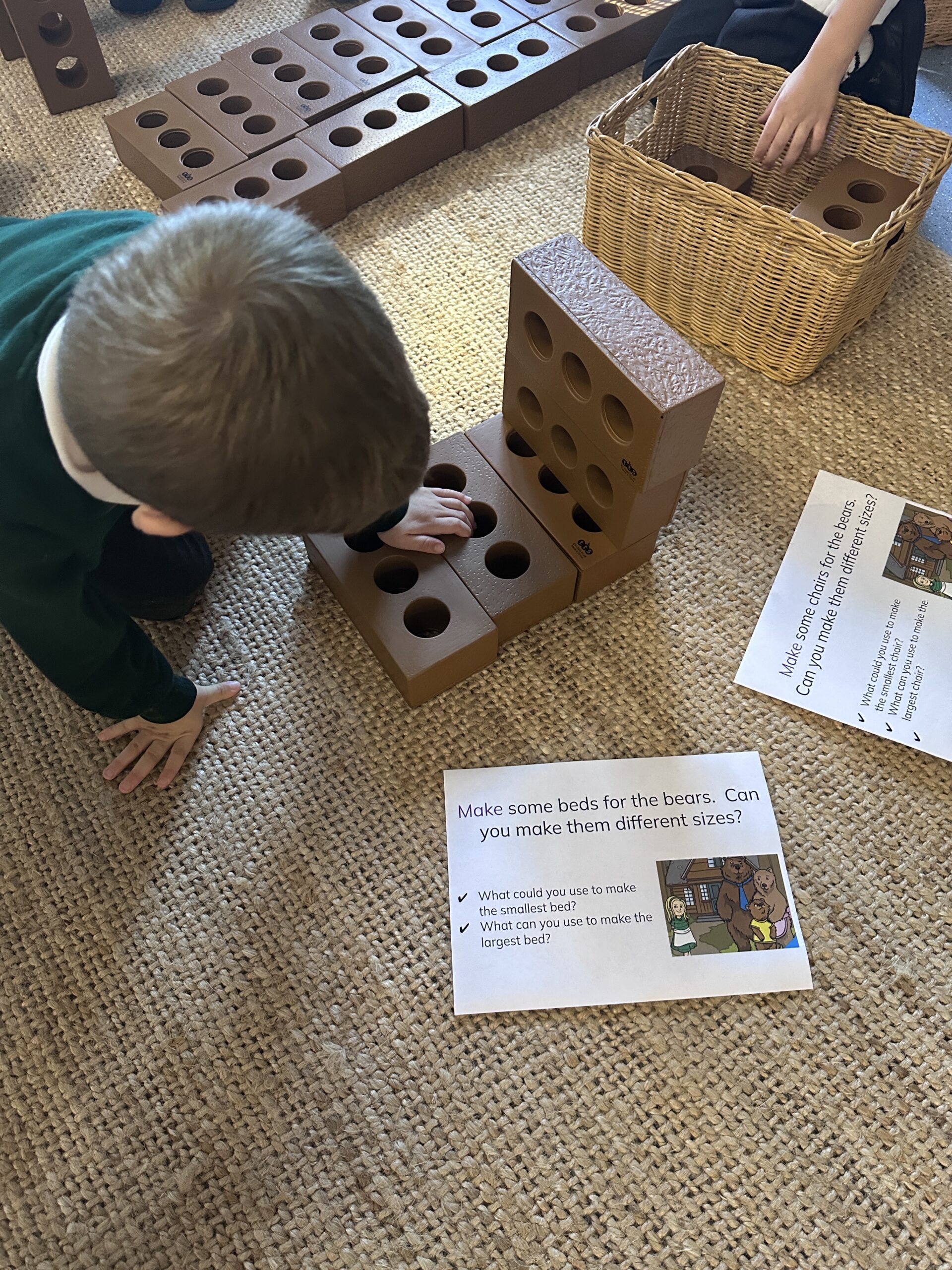
We also used toy bricks to build beds for the three bears, thinking carefully about the size and design of each bed. This was a great opportunity to develop our creativity, problem-solving and teamwork skills.
It has been wonderful to see the children enjoying the story and getting involved in their learning!
Team 1 / 2:
Exploring Number and Place Value
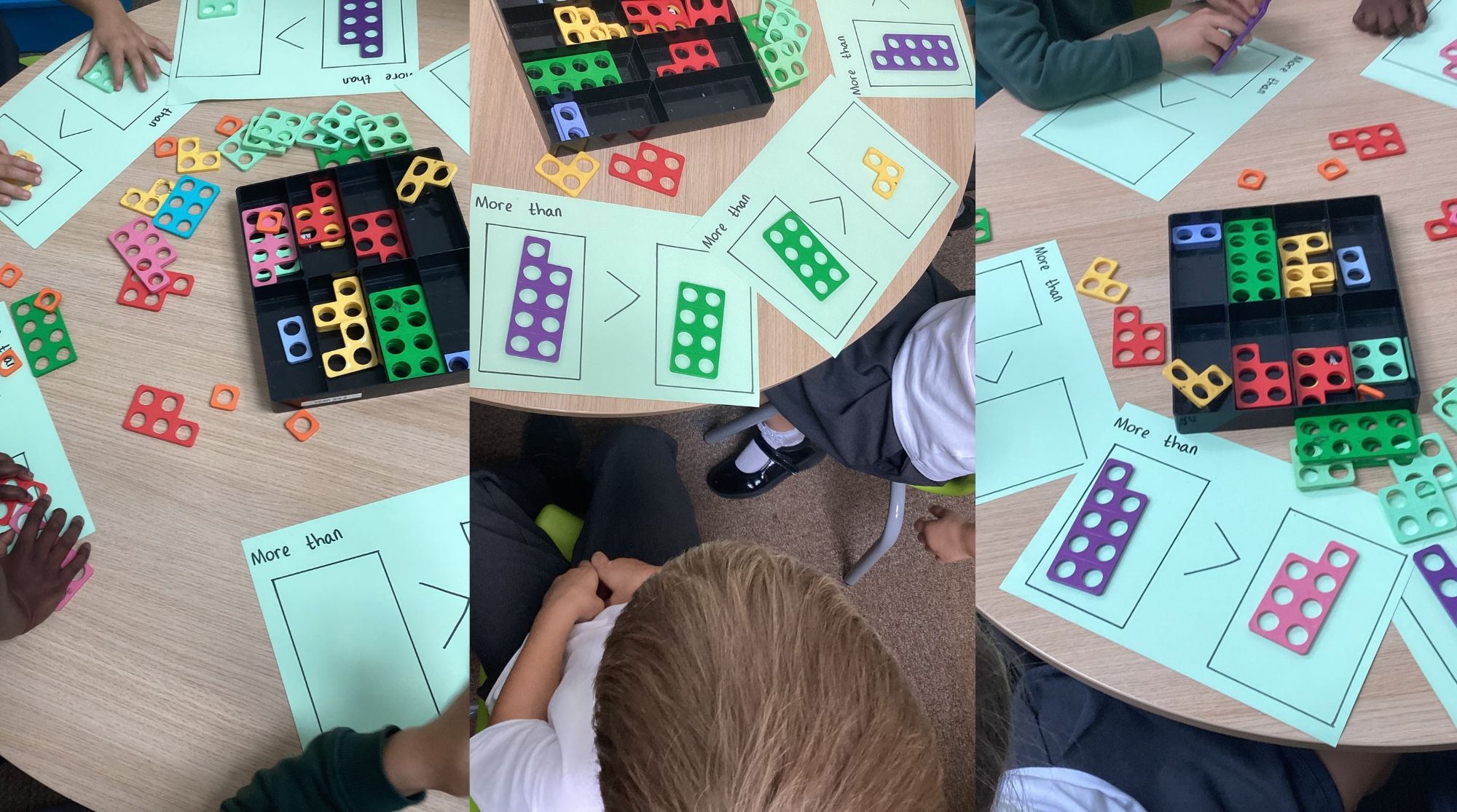
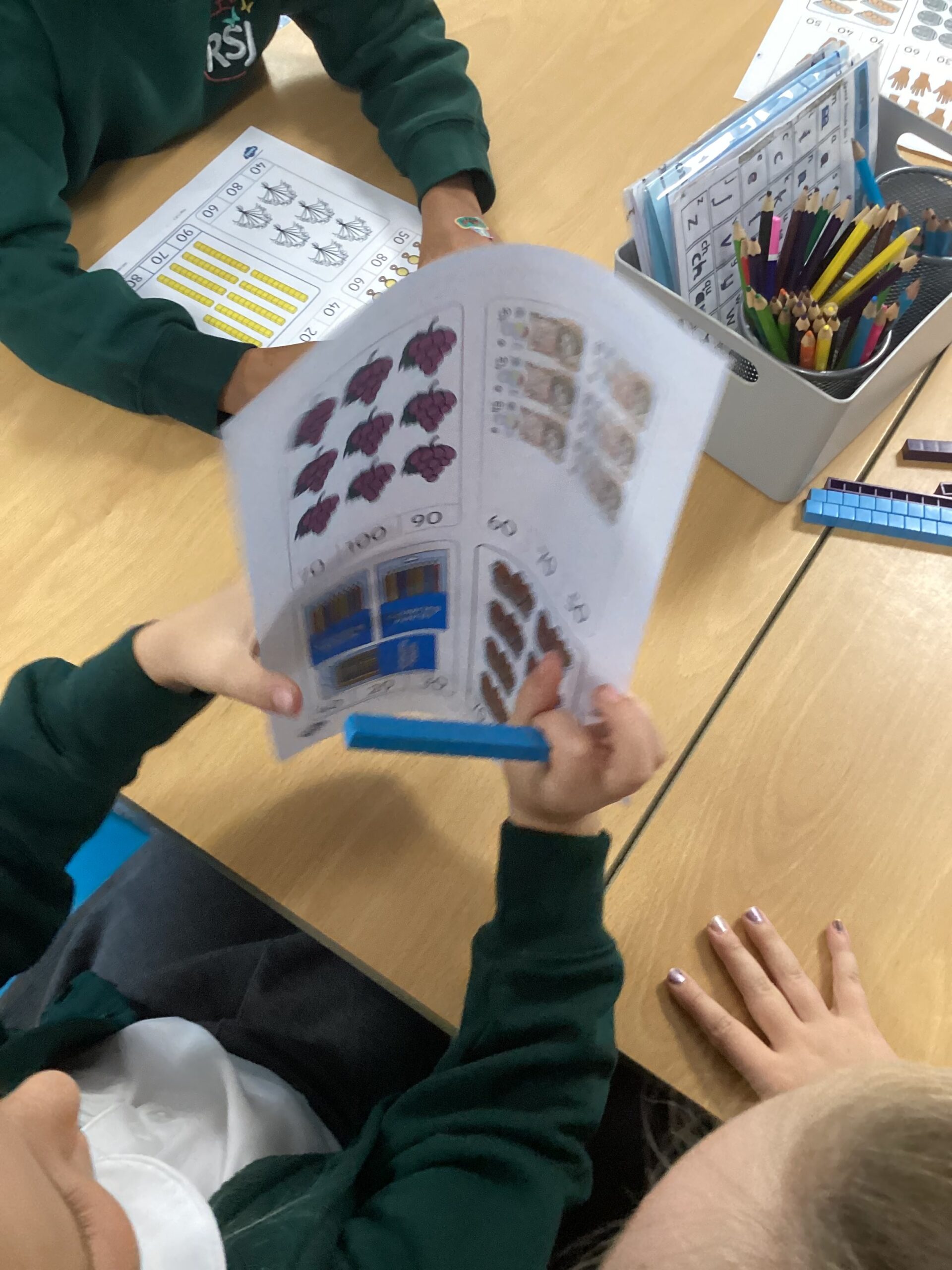
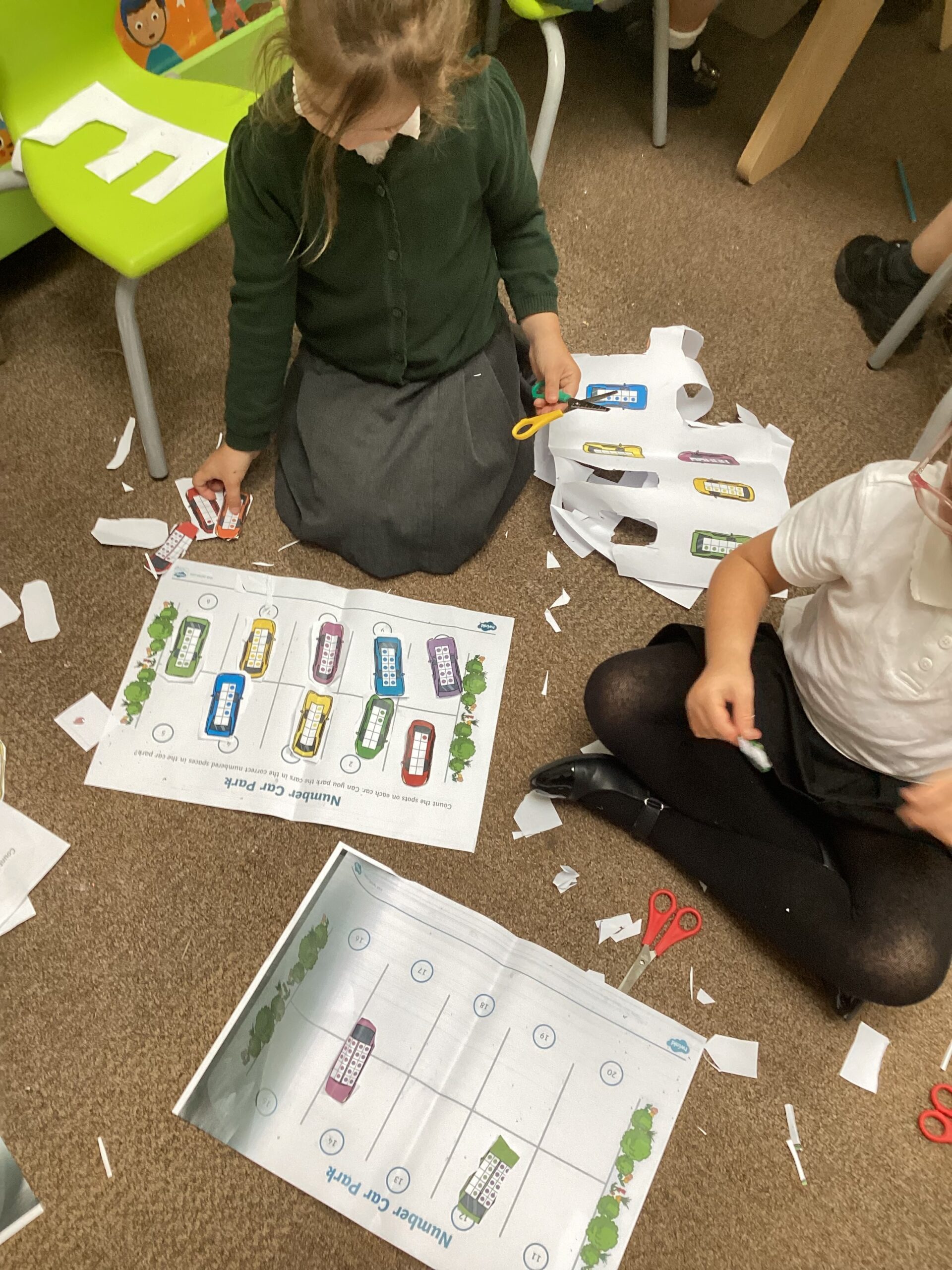
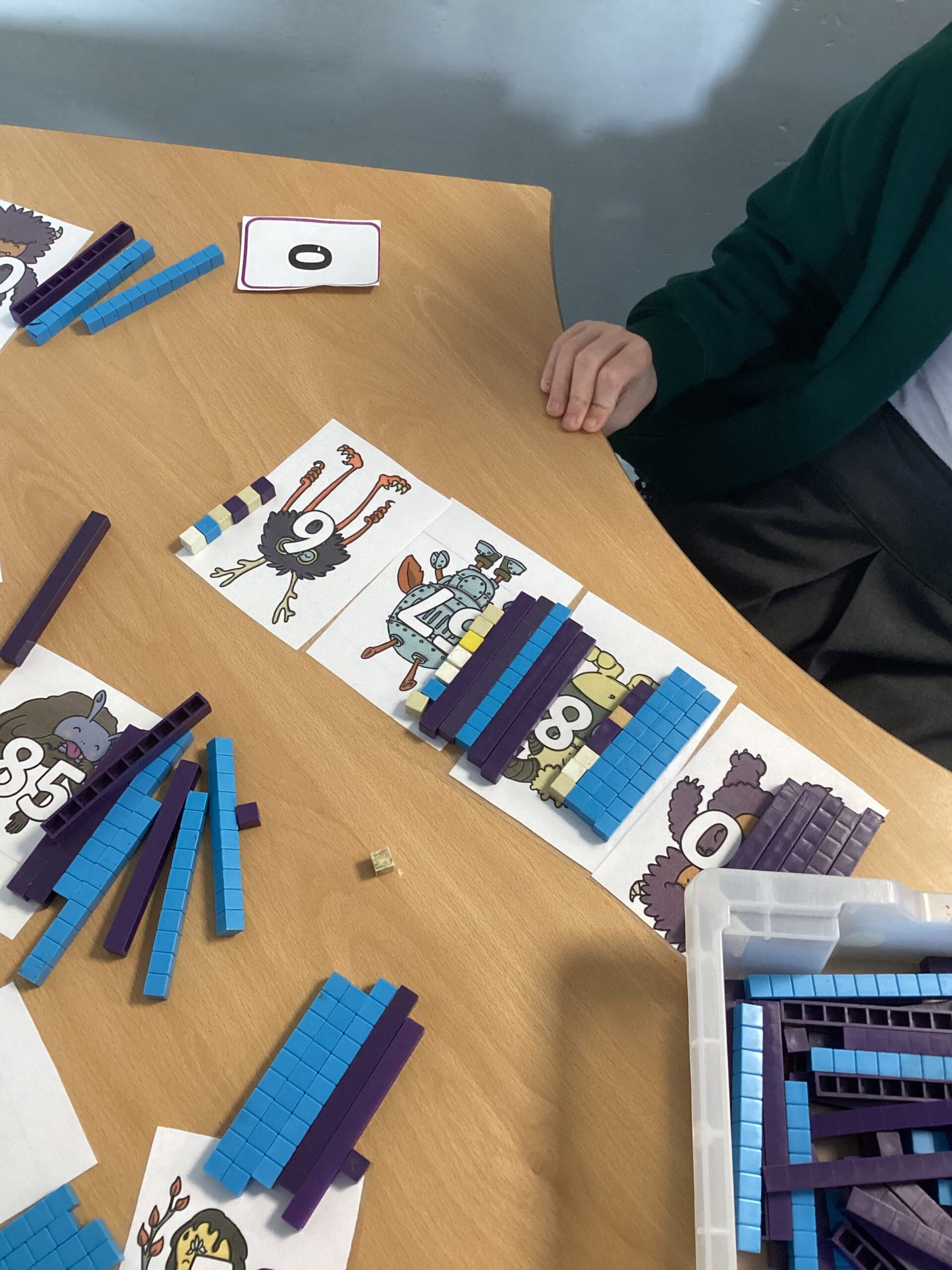
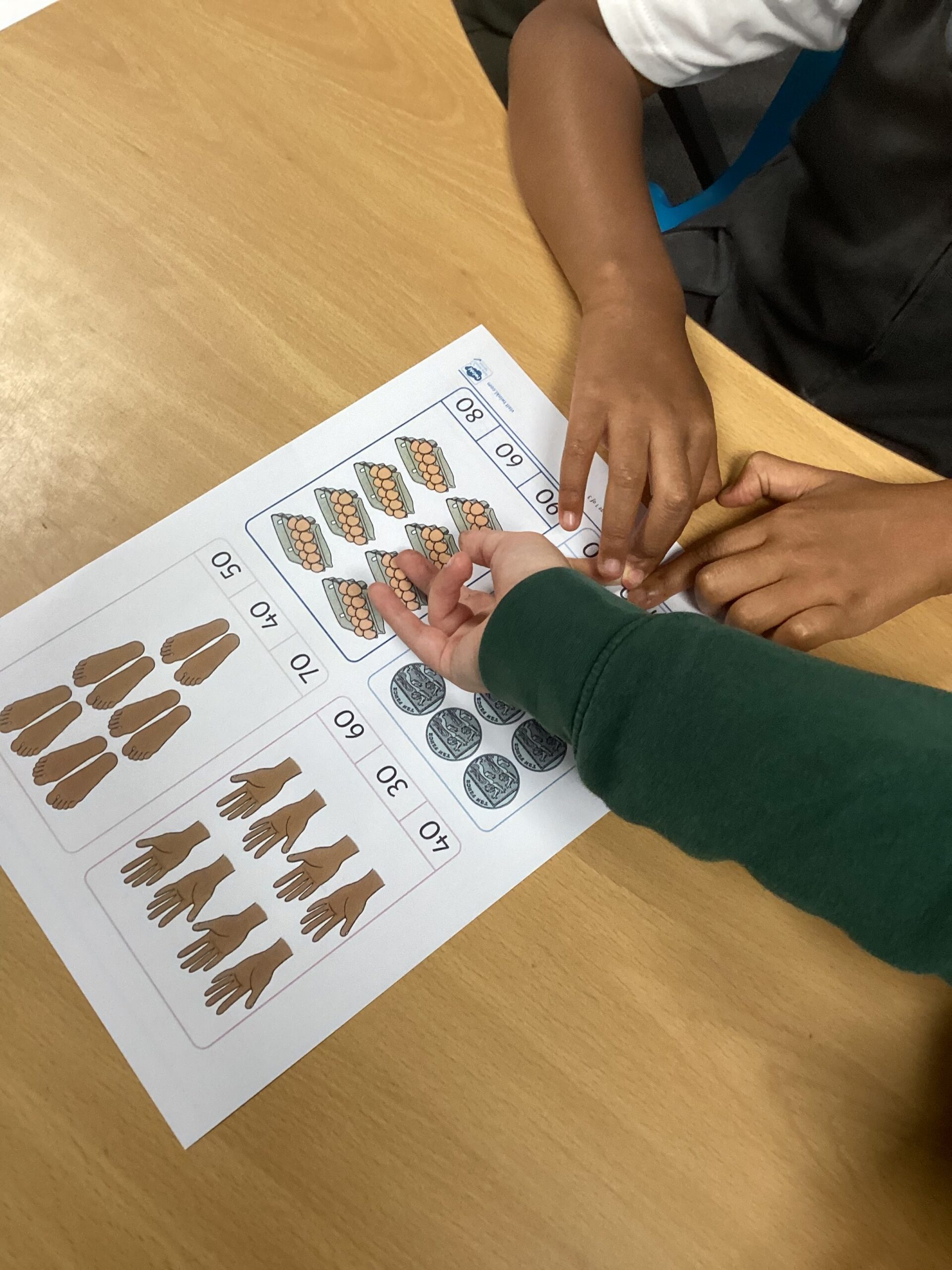
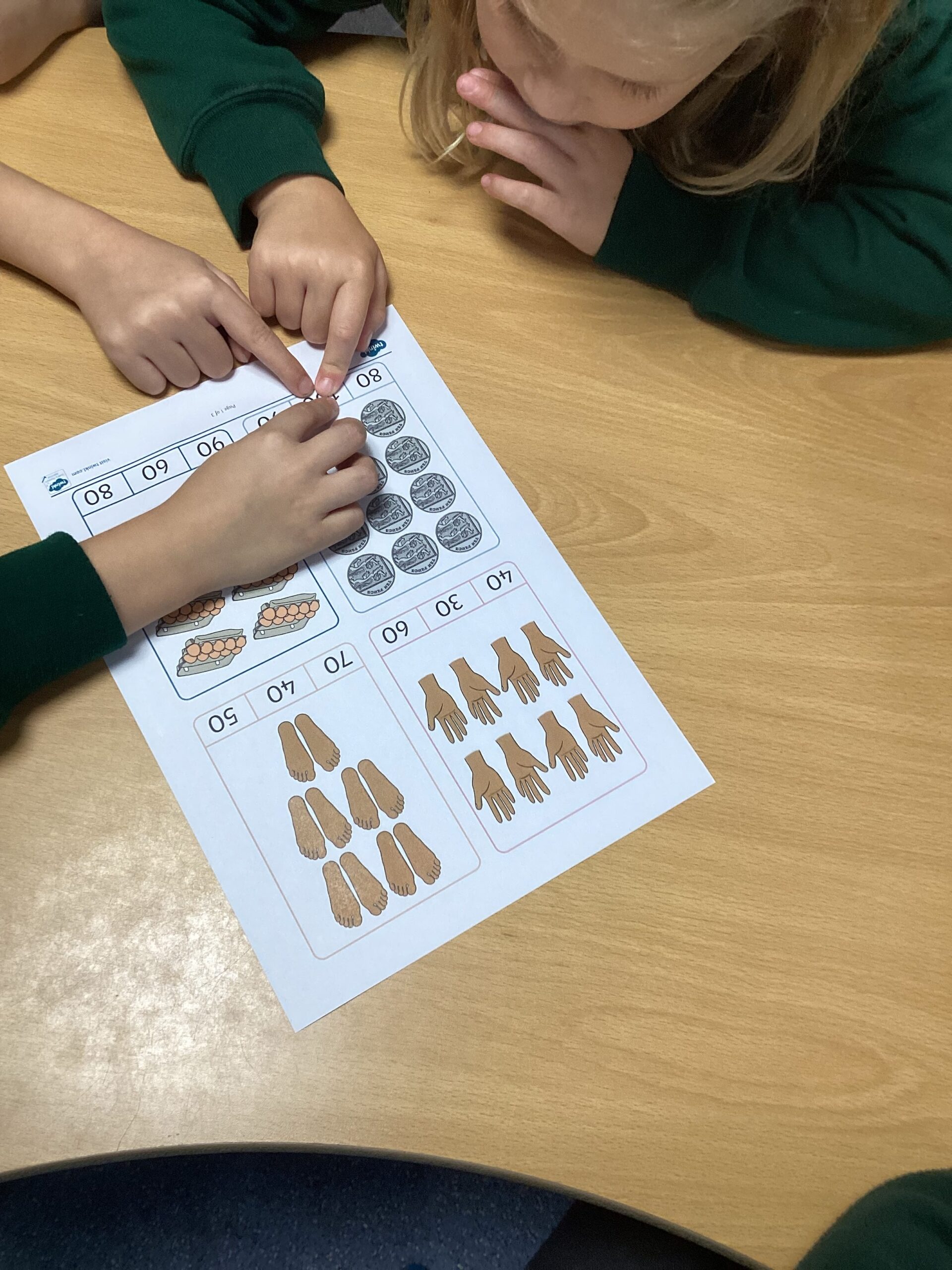
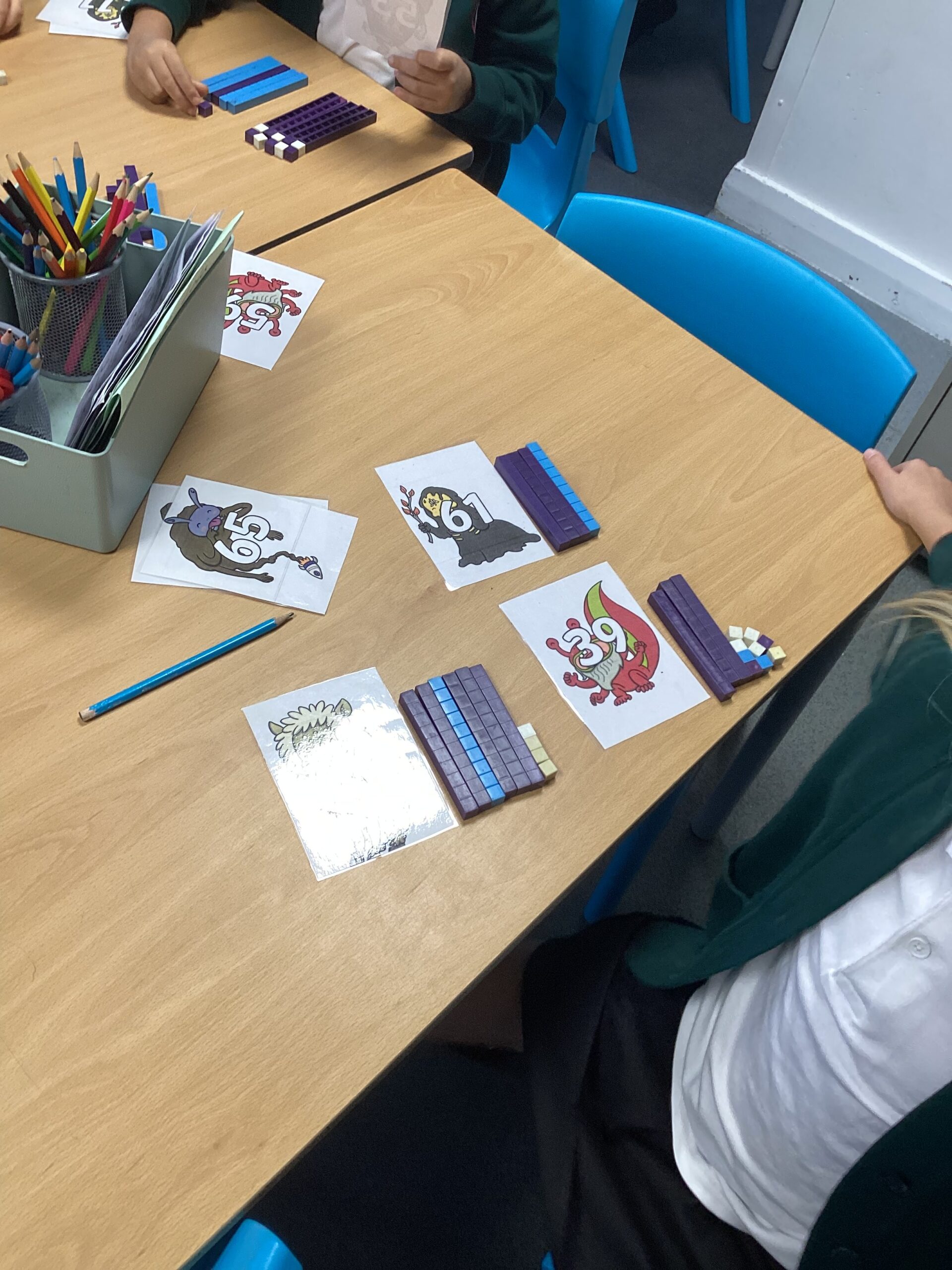
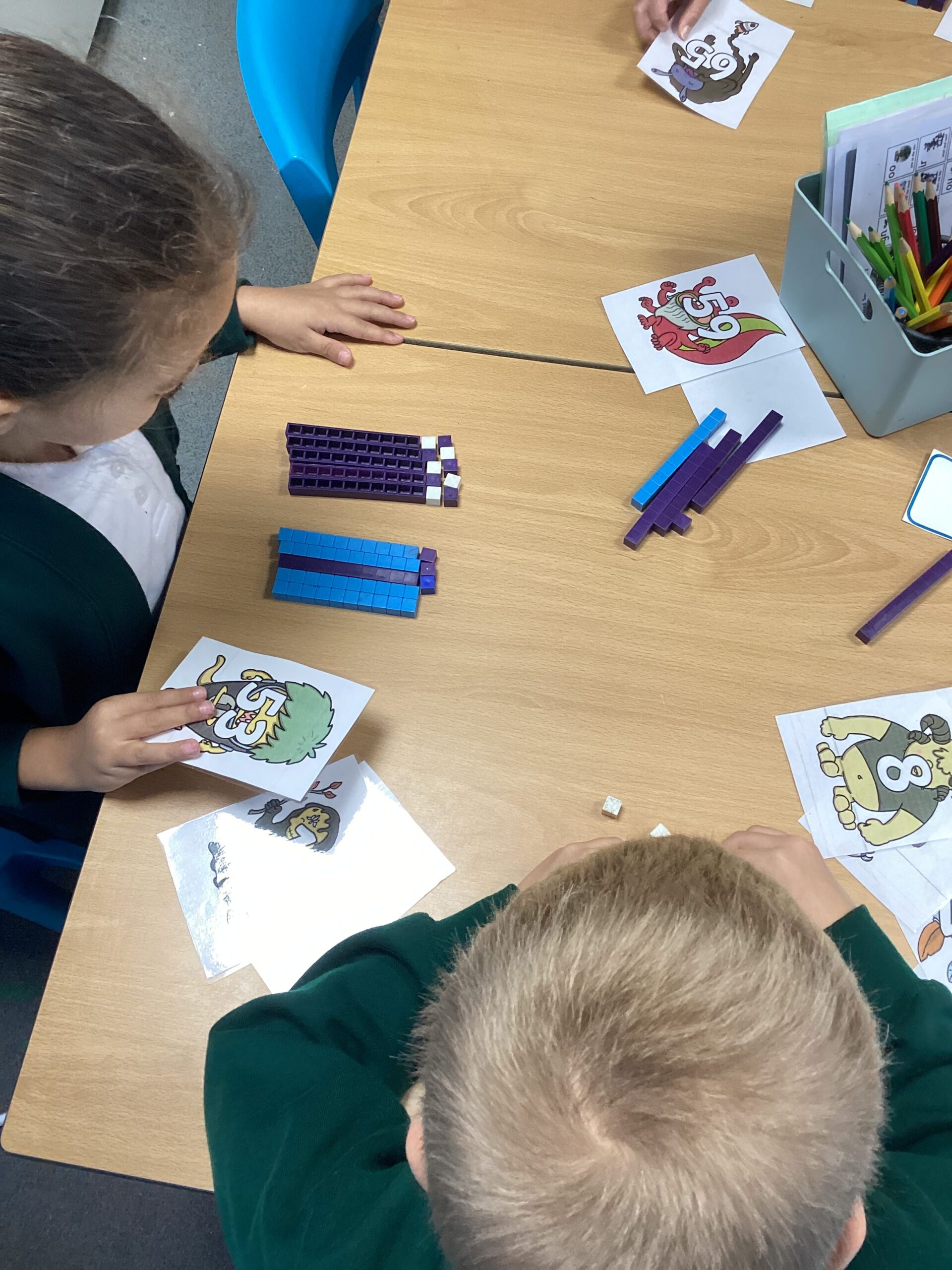
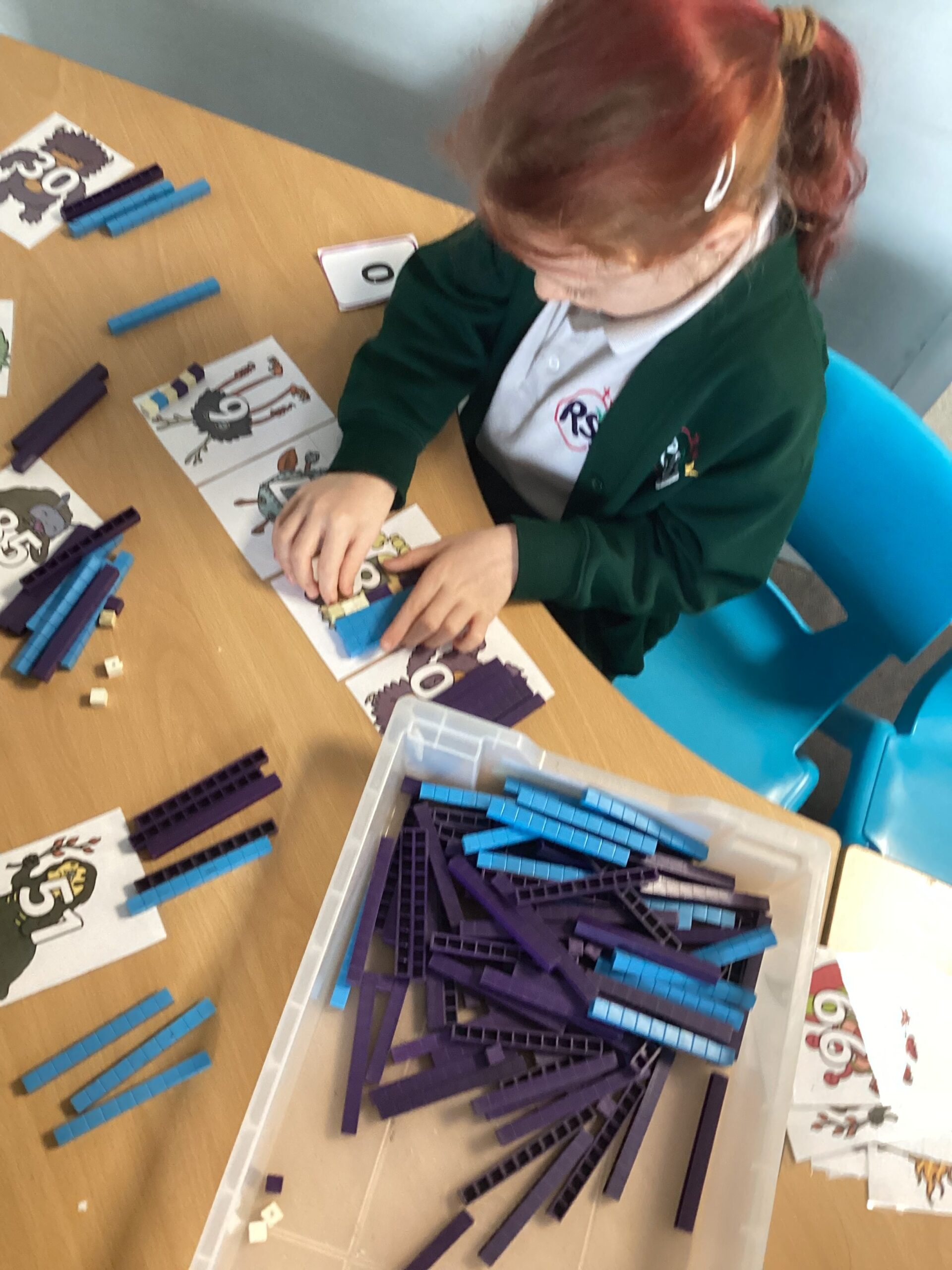
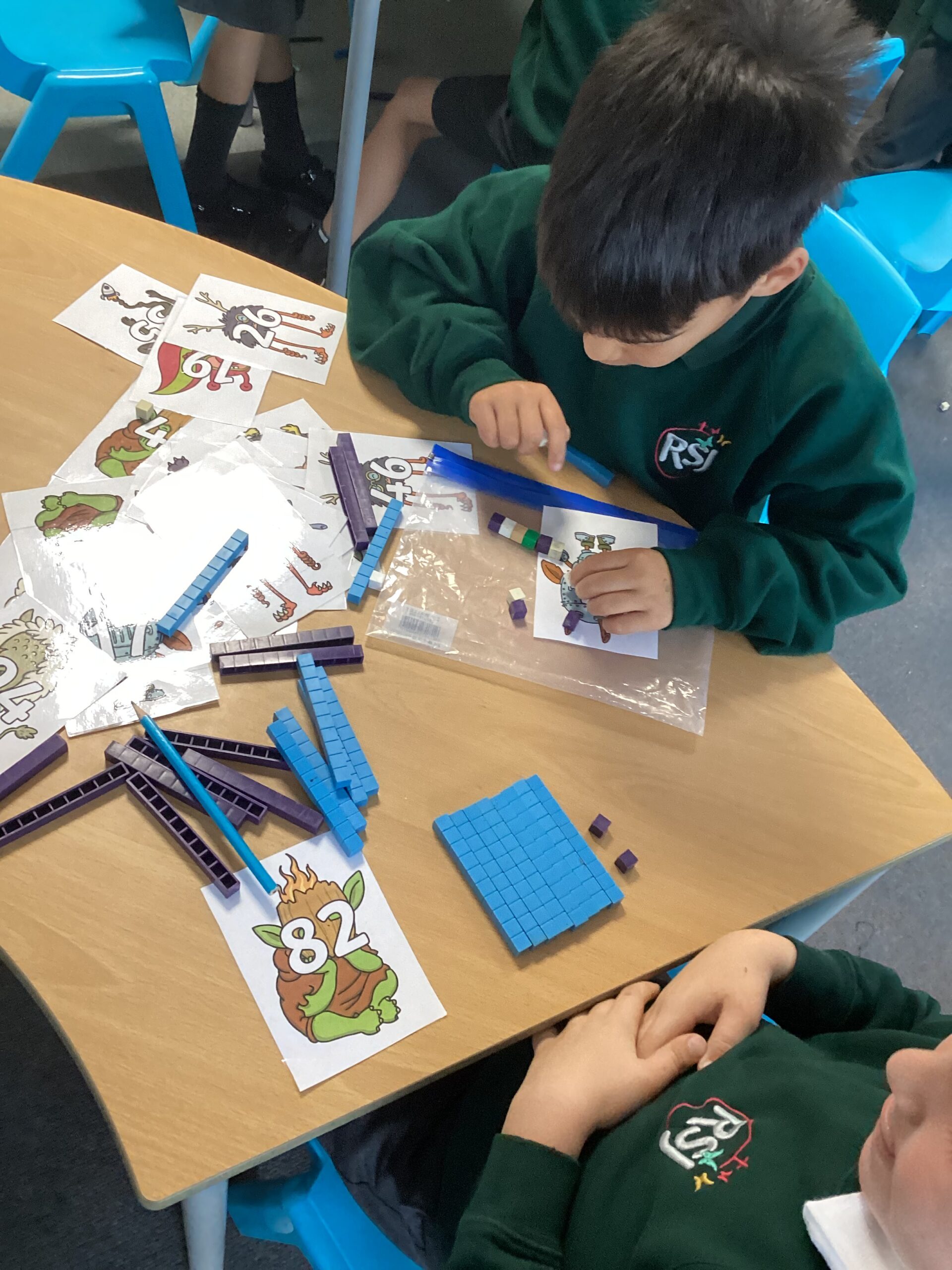
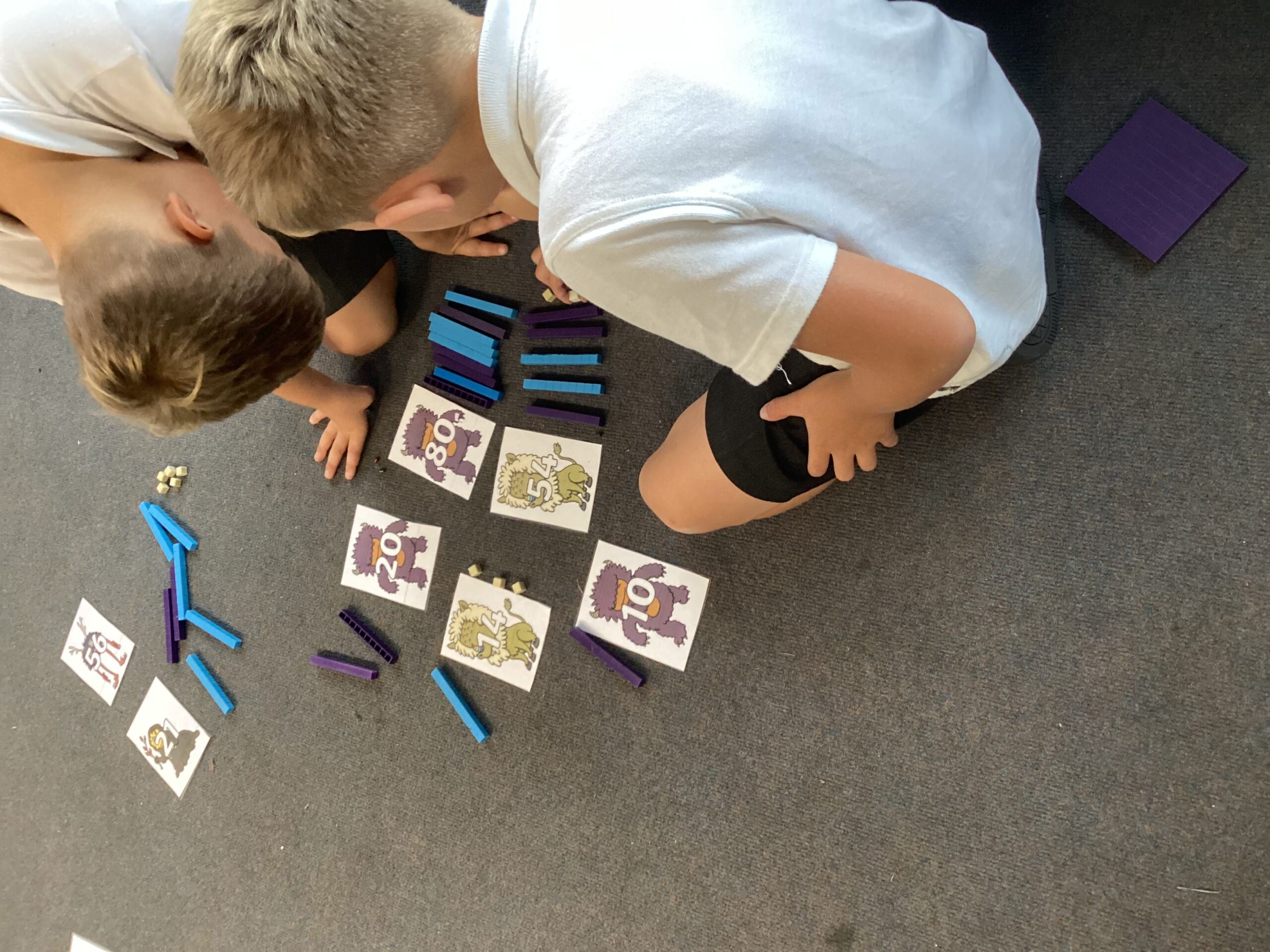
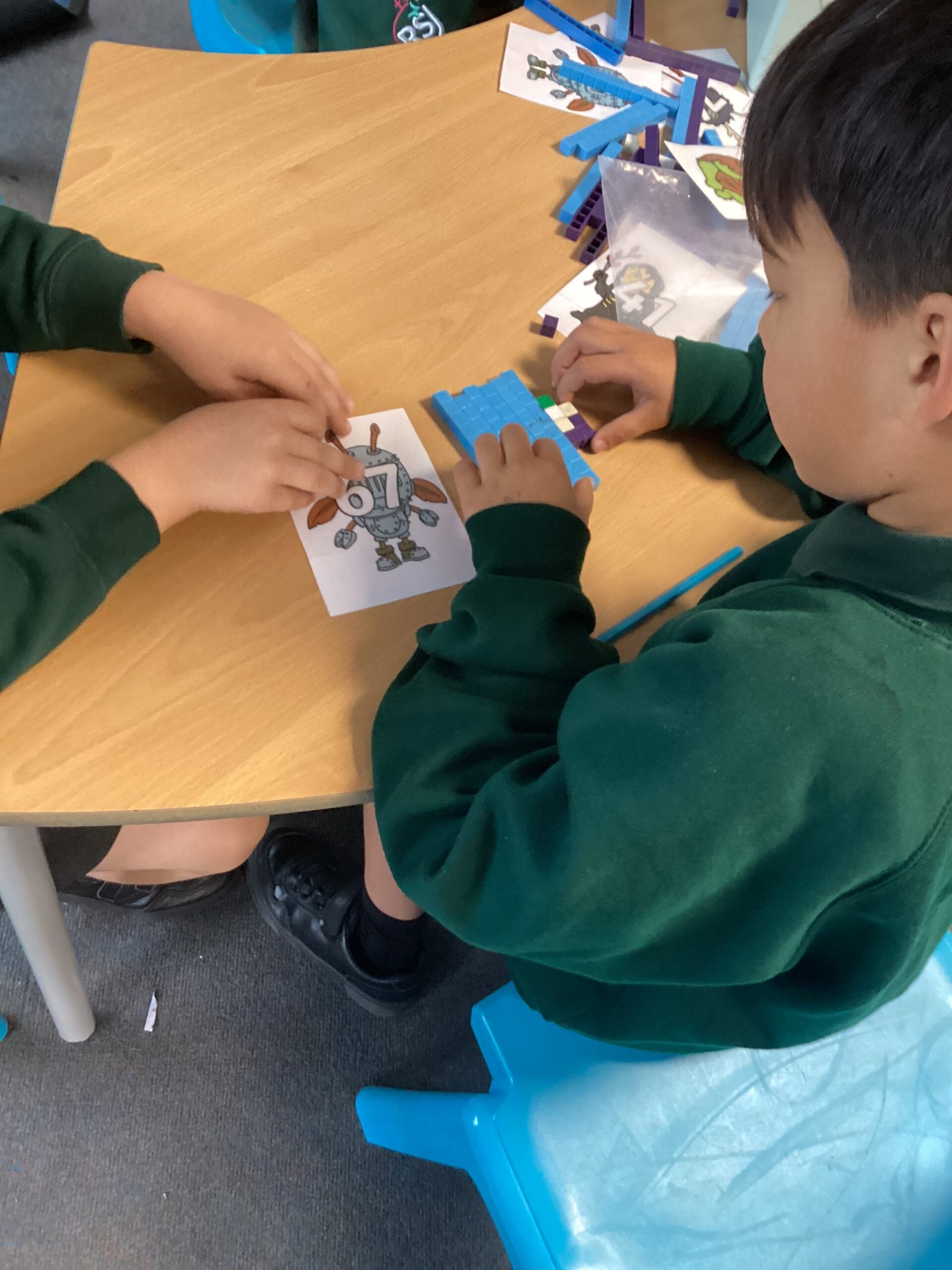
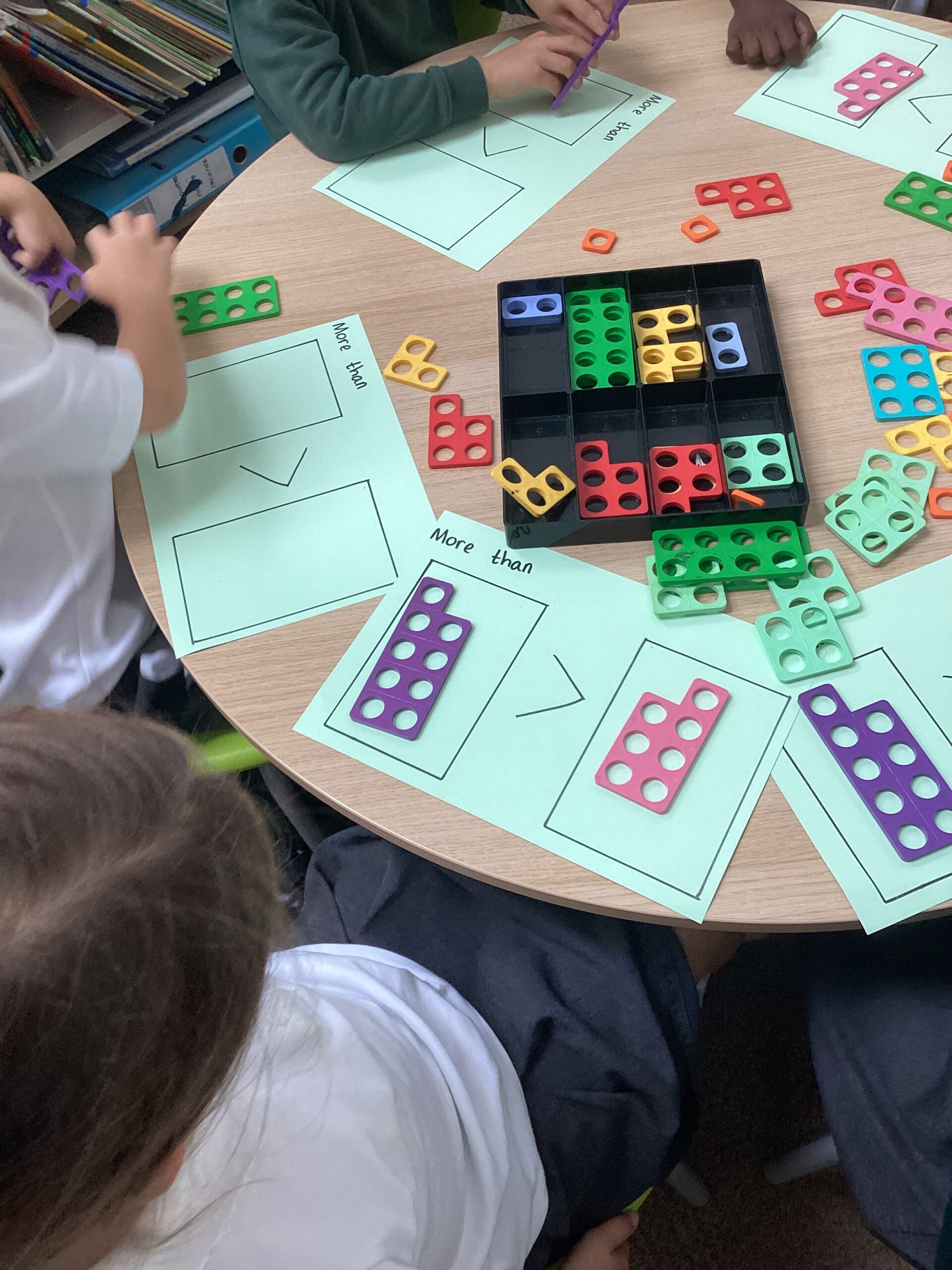
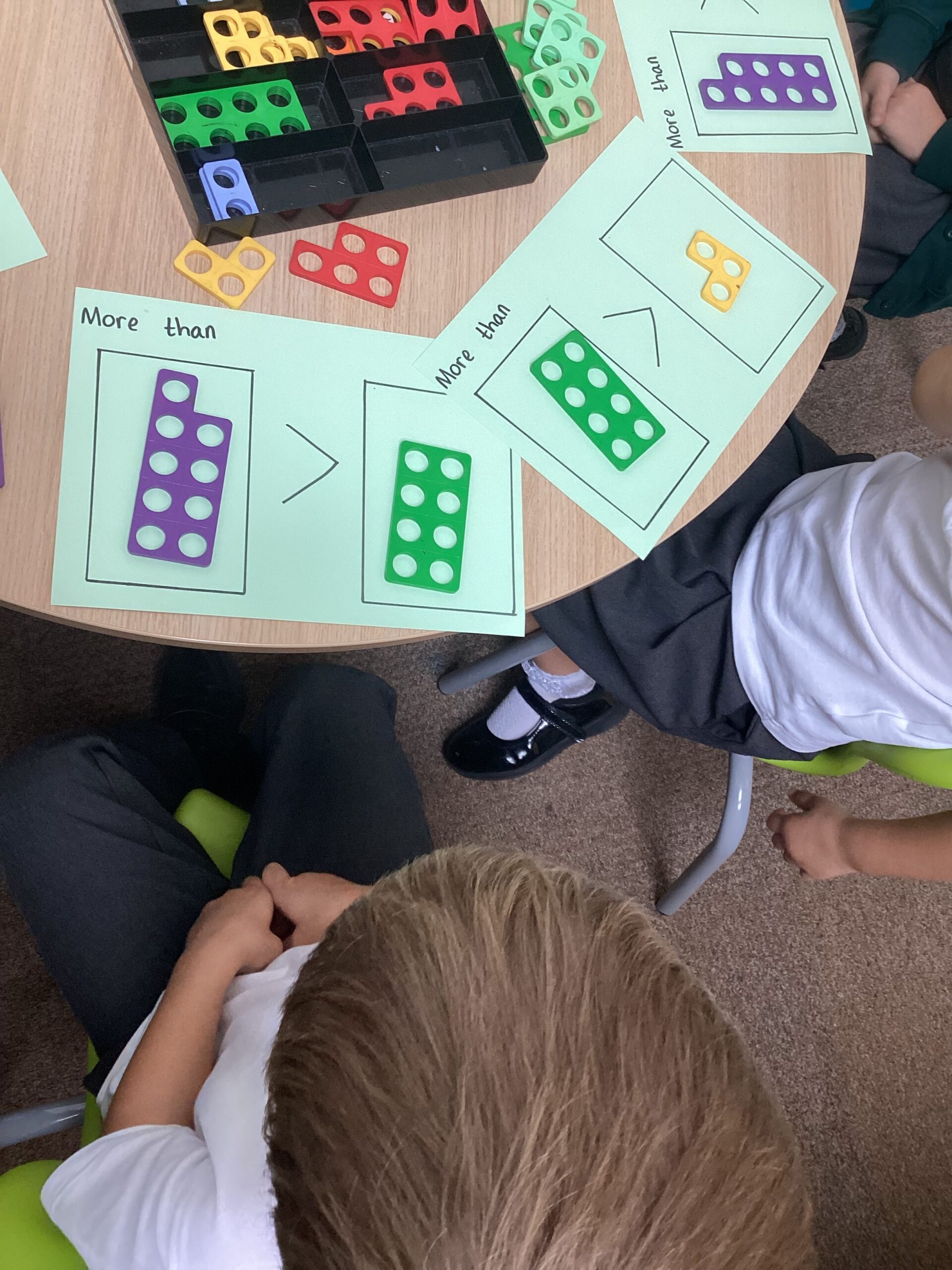
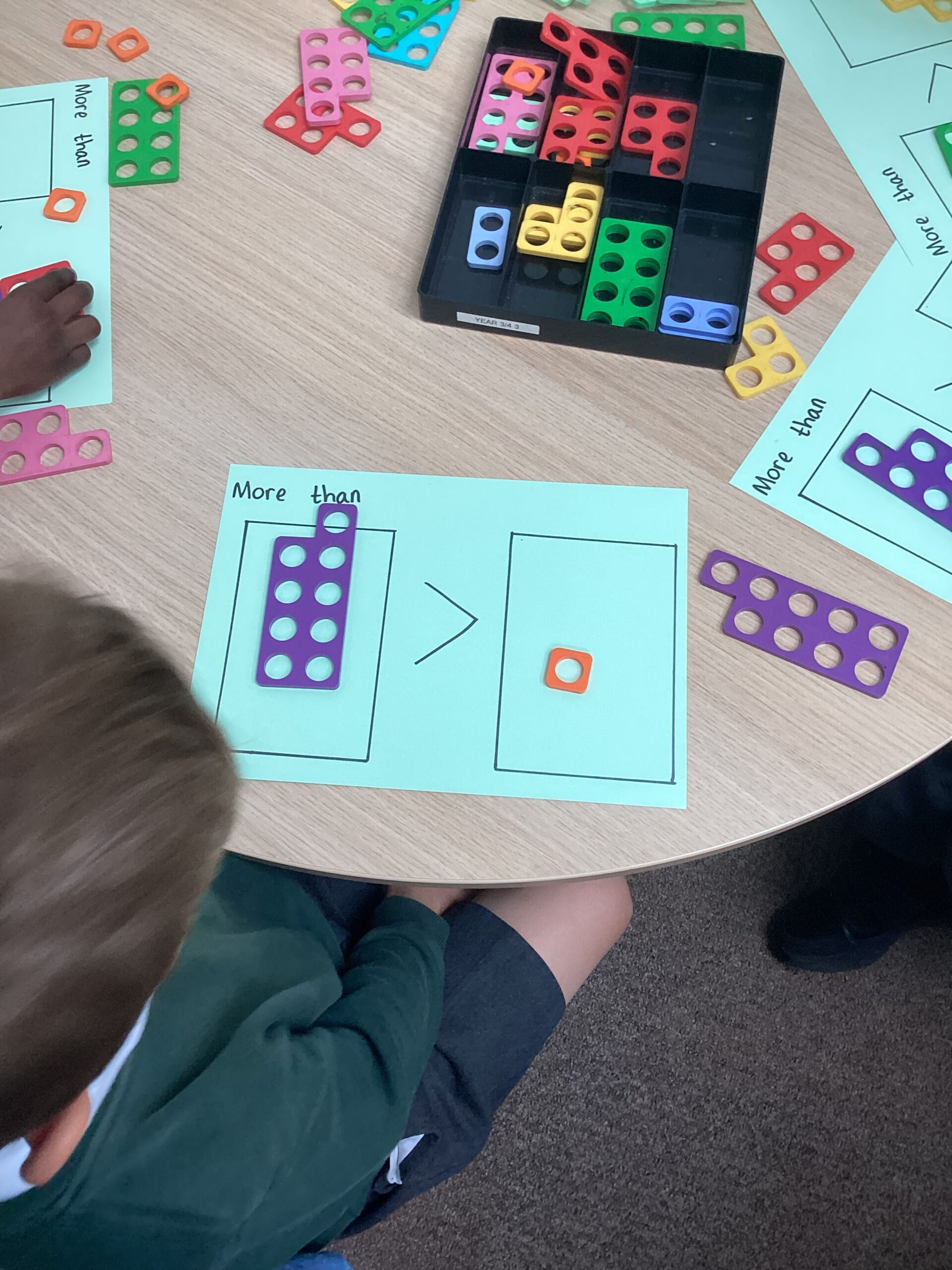
This week in Maths, Team 1/2 have been busy exploring numbers and developing their understanding of place value. We have been using practical equipment, counting and talking about numbers to help us understand what numbers really mean.
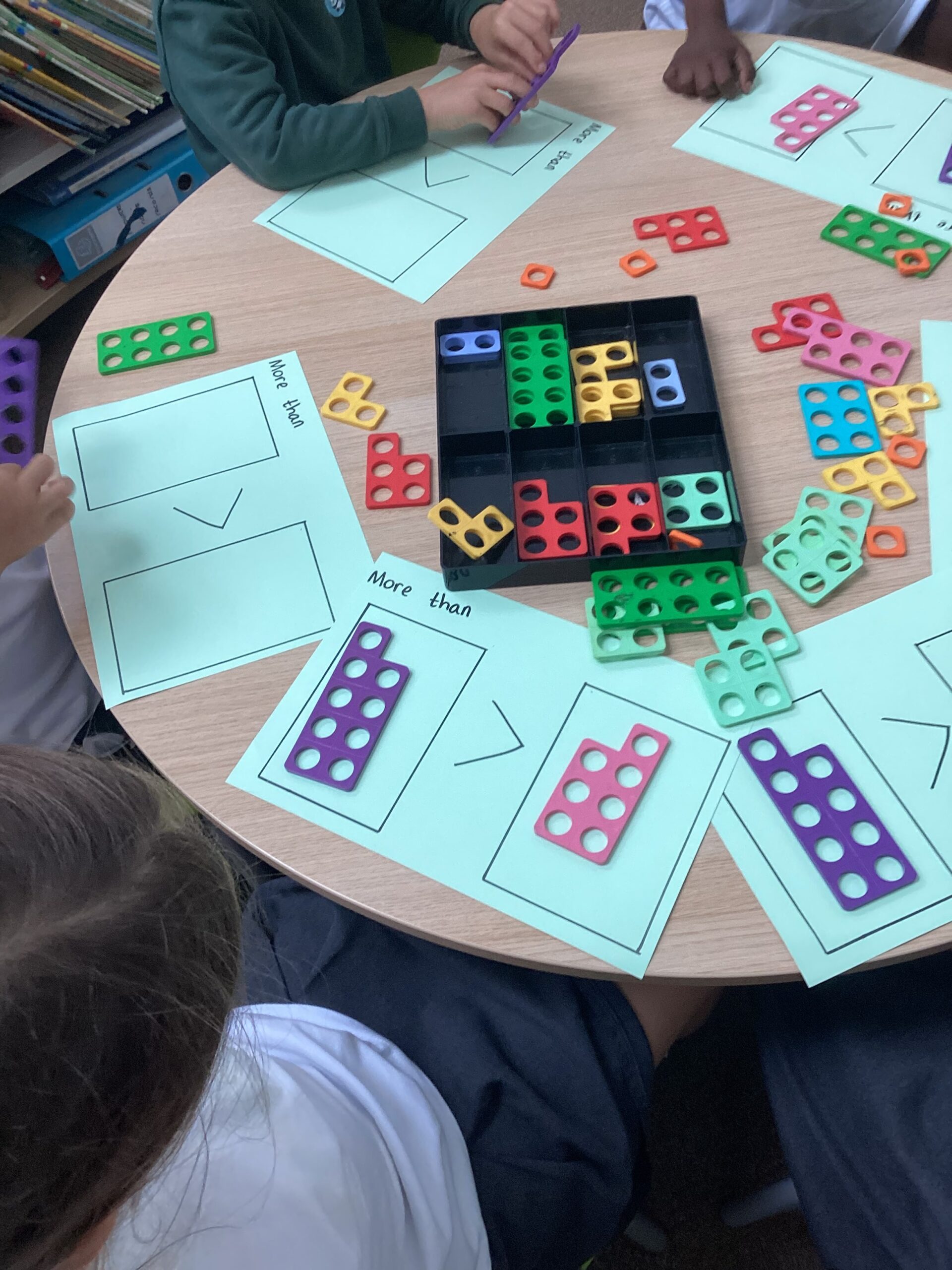
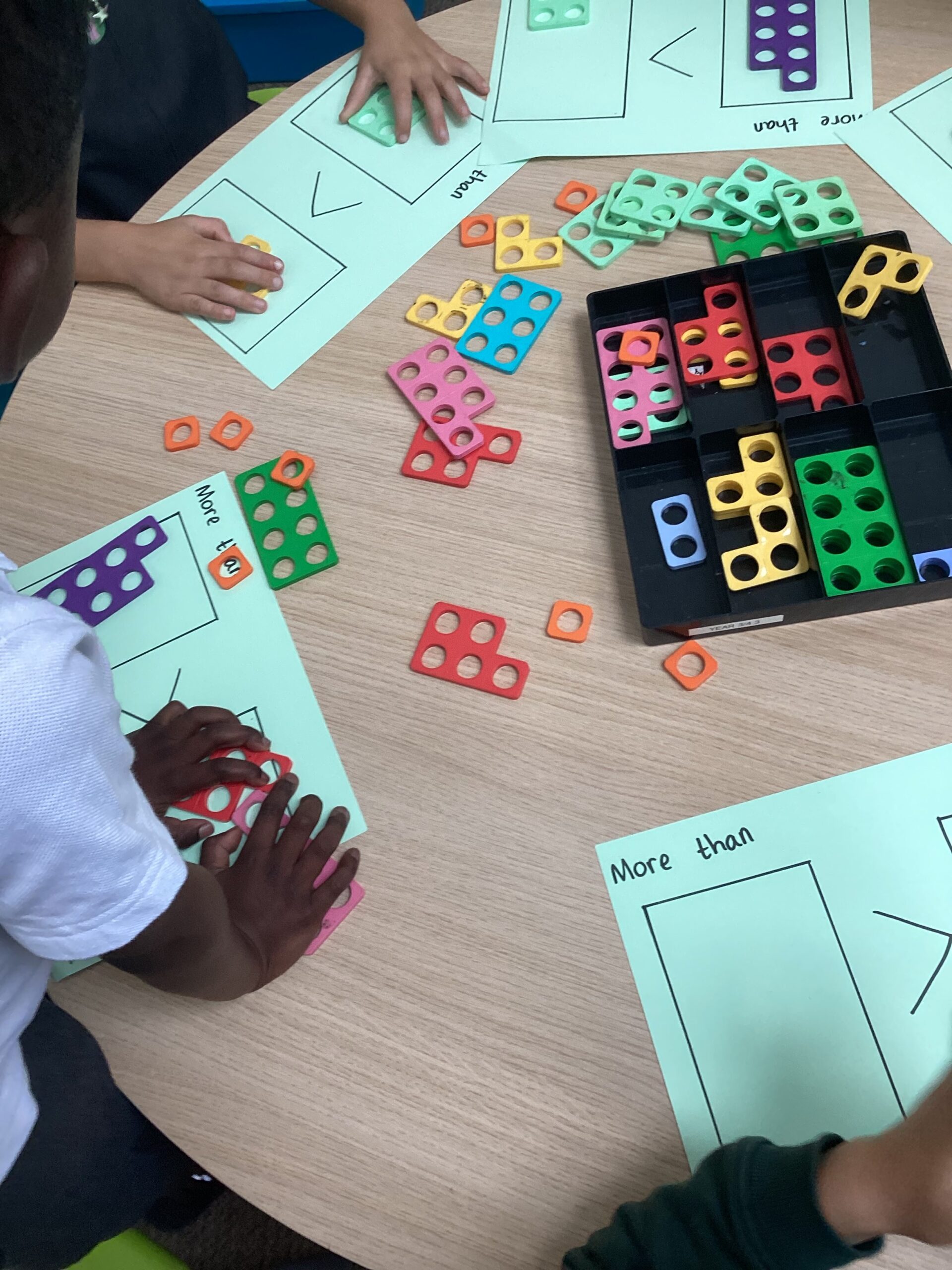
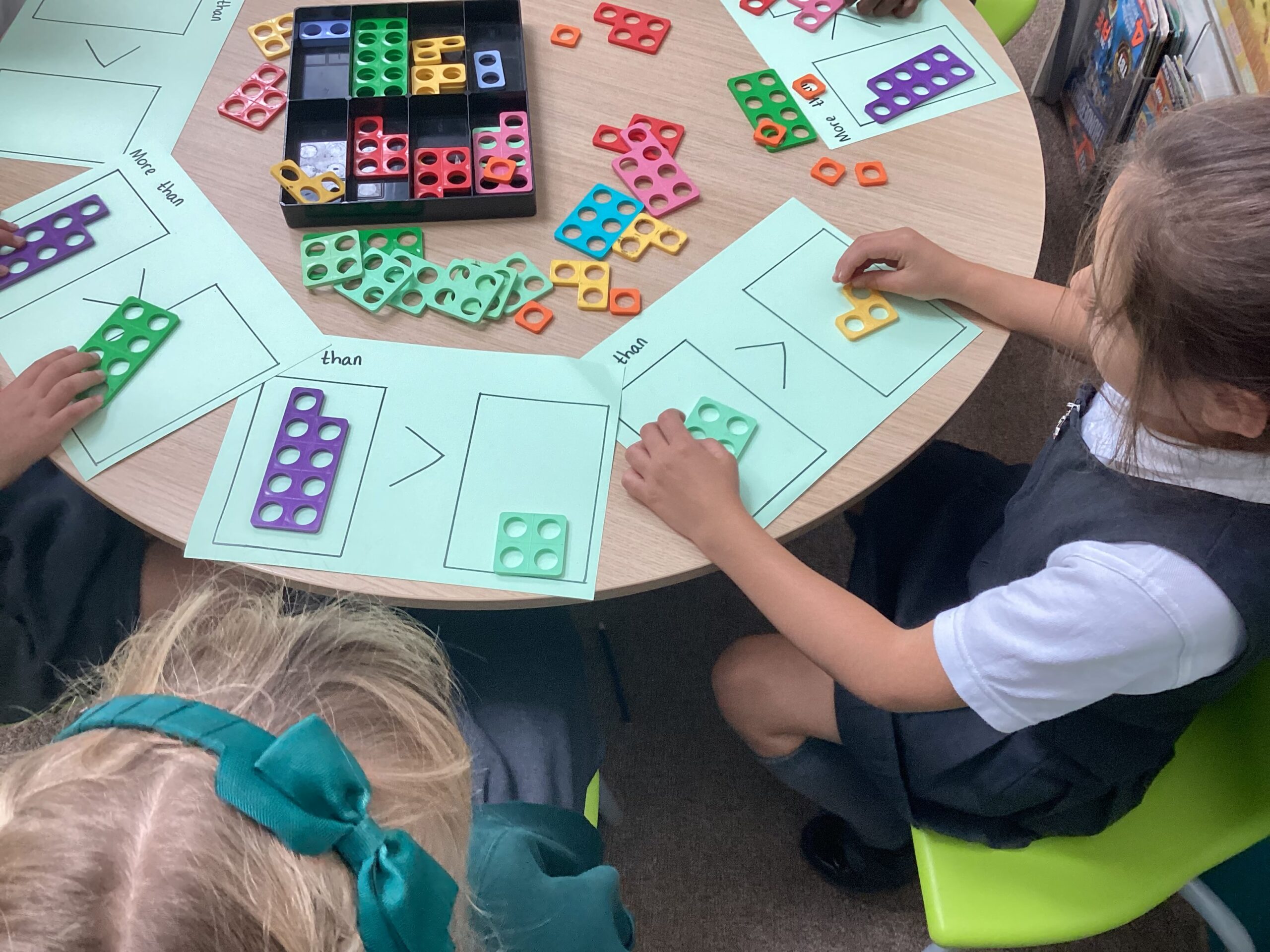
Our Year 1 children have been working hard on their counting skills, practising counting forwards and backwards to 100. We have also been comparing numbers within 10, using mathematical language such as greater than, less than and equal to. Practical resources and number representations have helped us to see how numbers can be compared and explain how we know which number is greater or smaller.
Our Year 2 children have been building on their understanding of numbers to 100 and exploring the important idea that the position of a digit tells us its value. Using practical apparatus, such as tens and ones, the children have represented numbers in different ways and explored how many tens and ones make up a number.
We have been encouraging the children to talk like mathematicians, explaining their thinking and using mathematical vocabulary to describe what they notice. Our practical resources have helped the children to see the mathematics for themselves before moving towards more abstract representations.
Team 3 / 4:
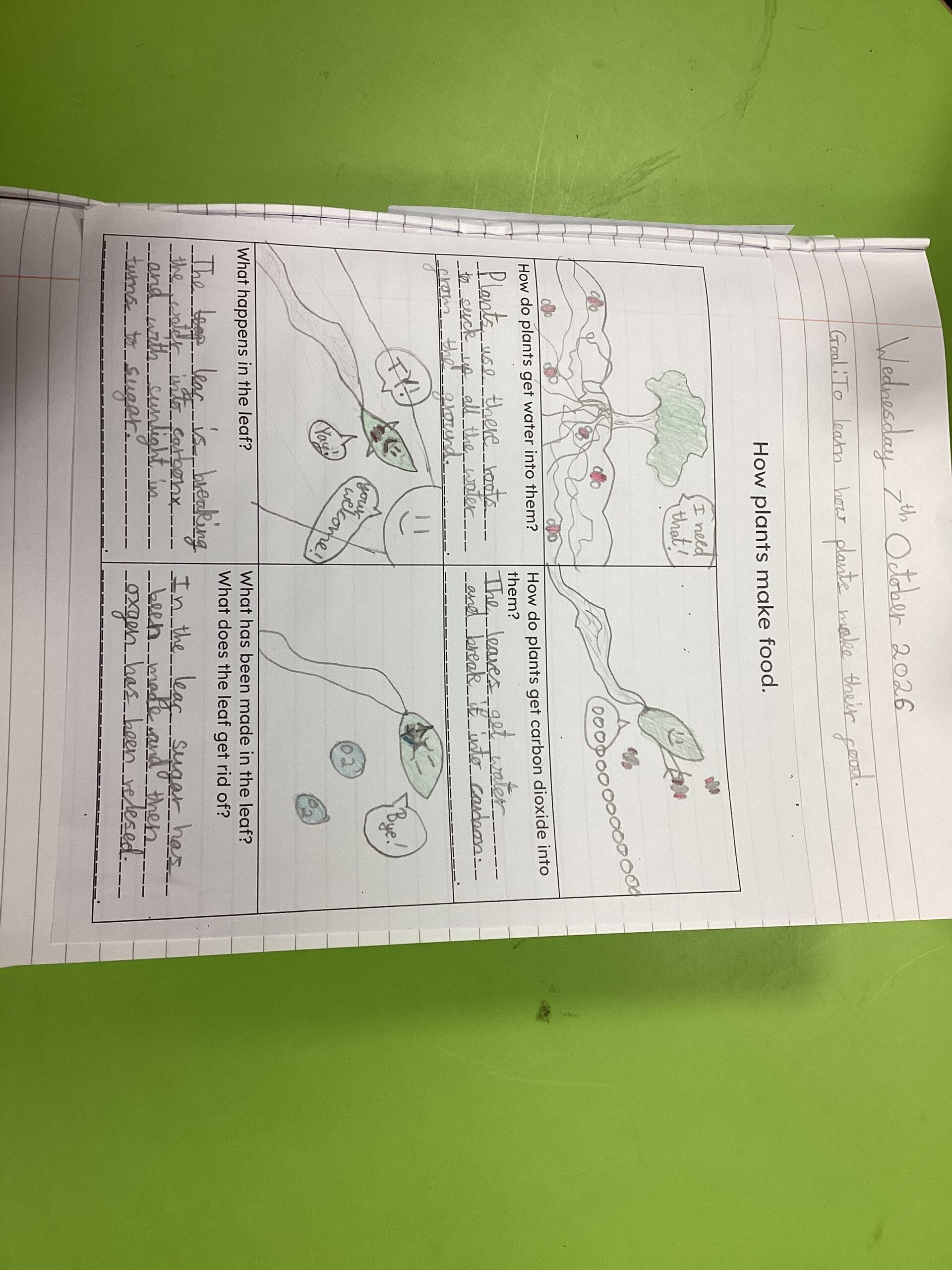
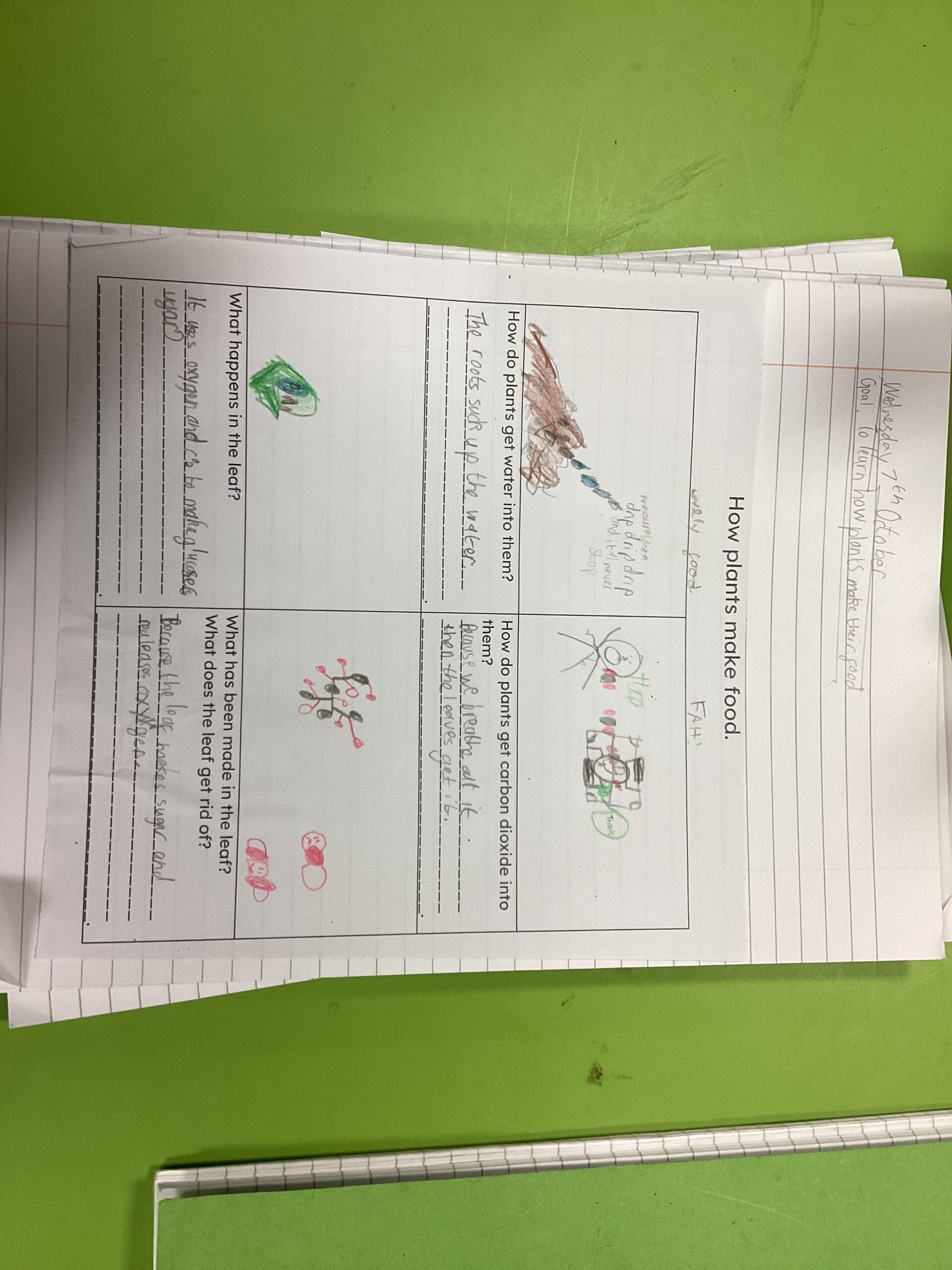
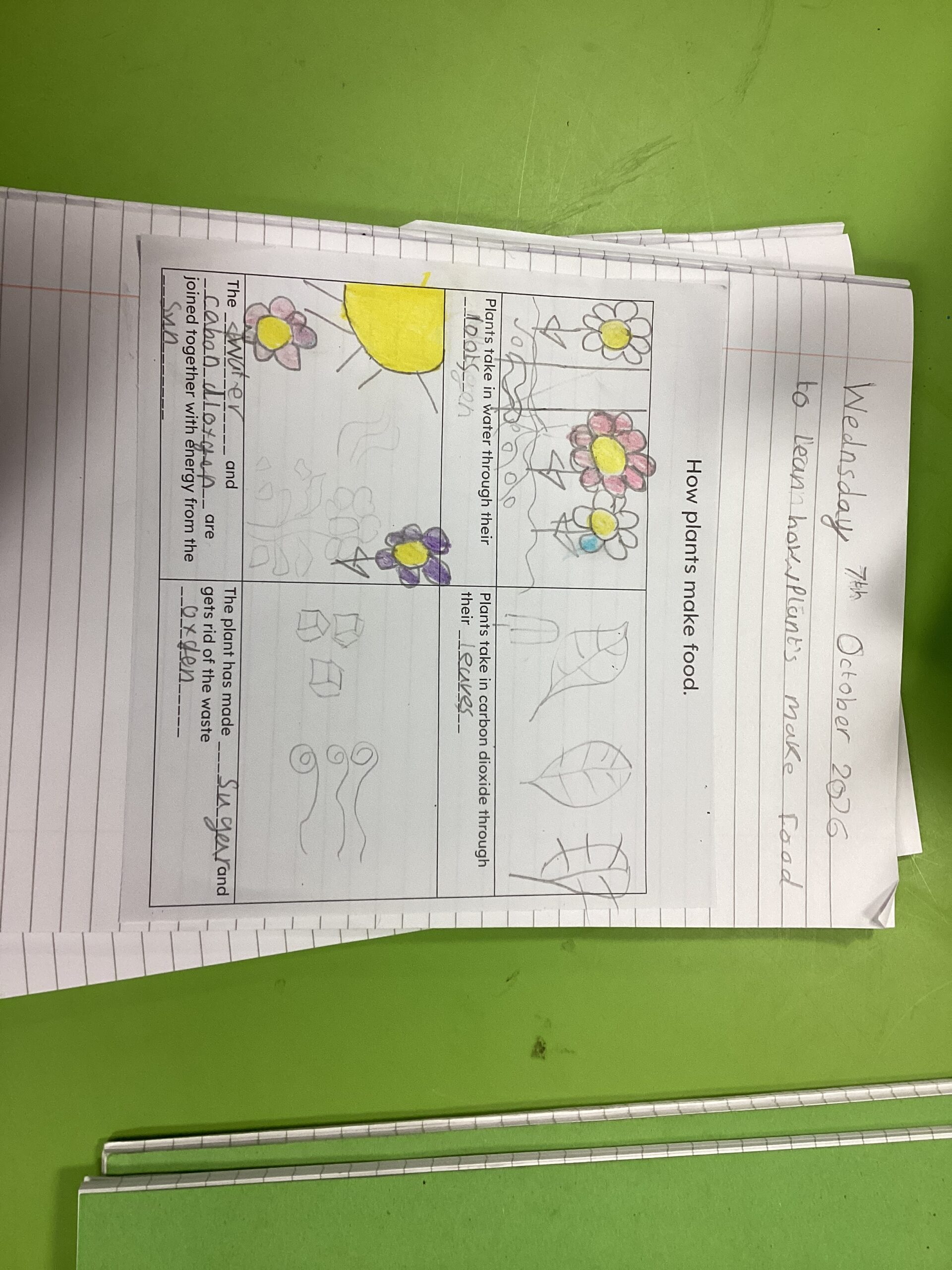
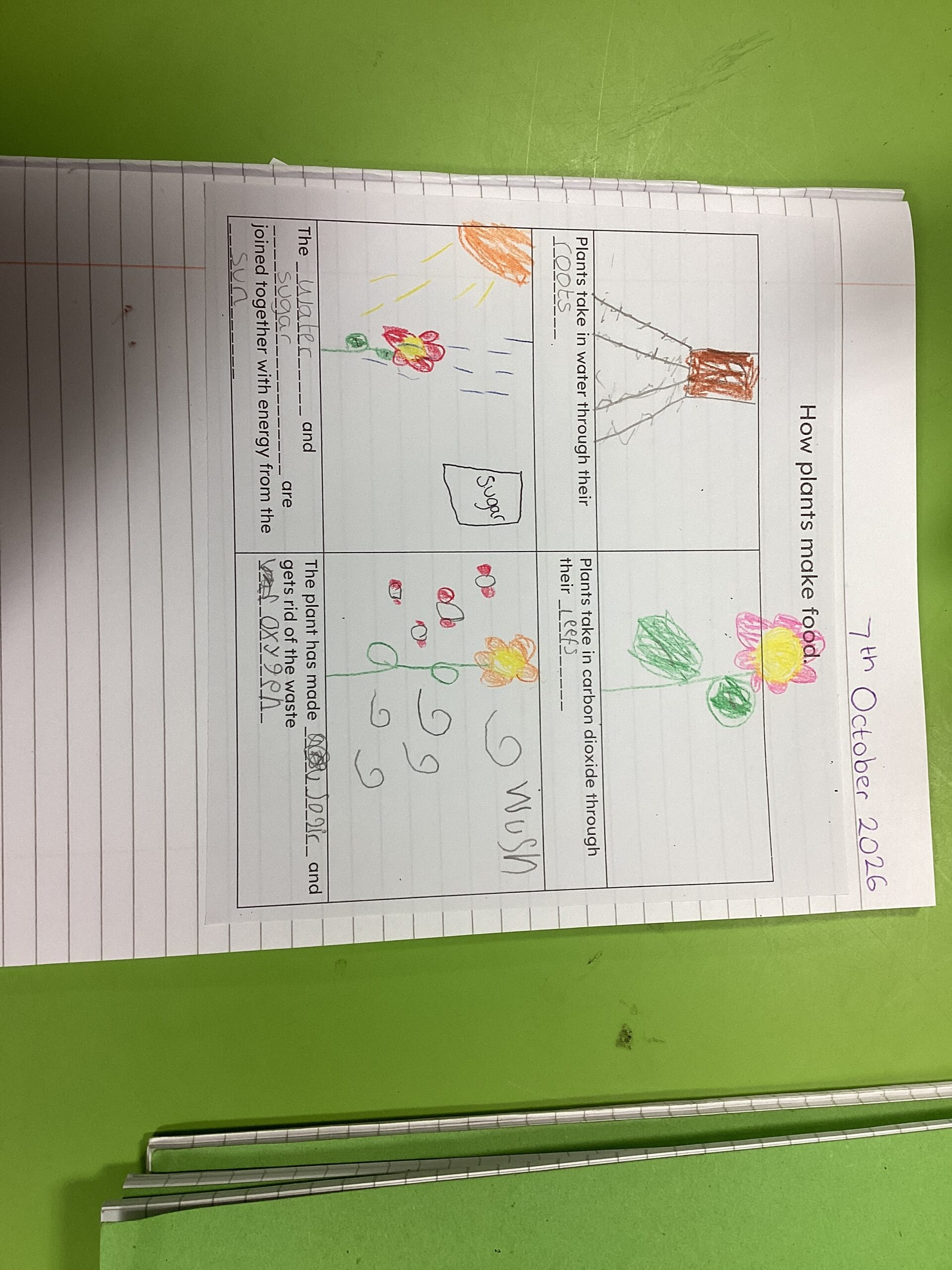
How Plants Make Their Food!
This week, team 3/4 tackled photosynthesis—the clever way plants make their own food using just water, carbon dioxide, and sunlight.
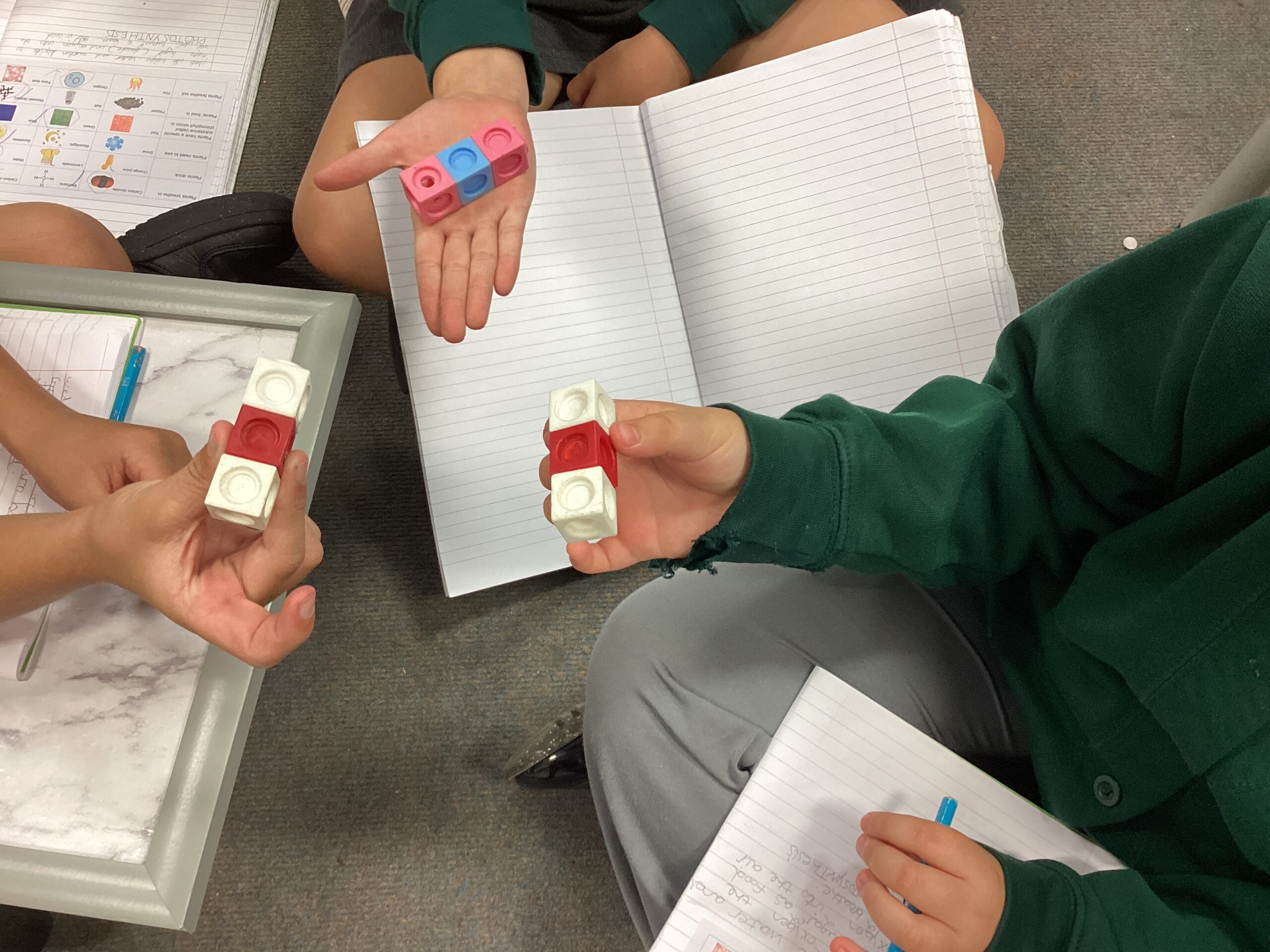
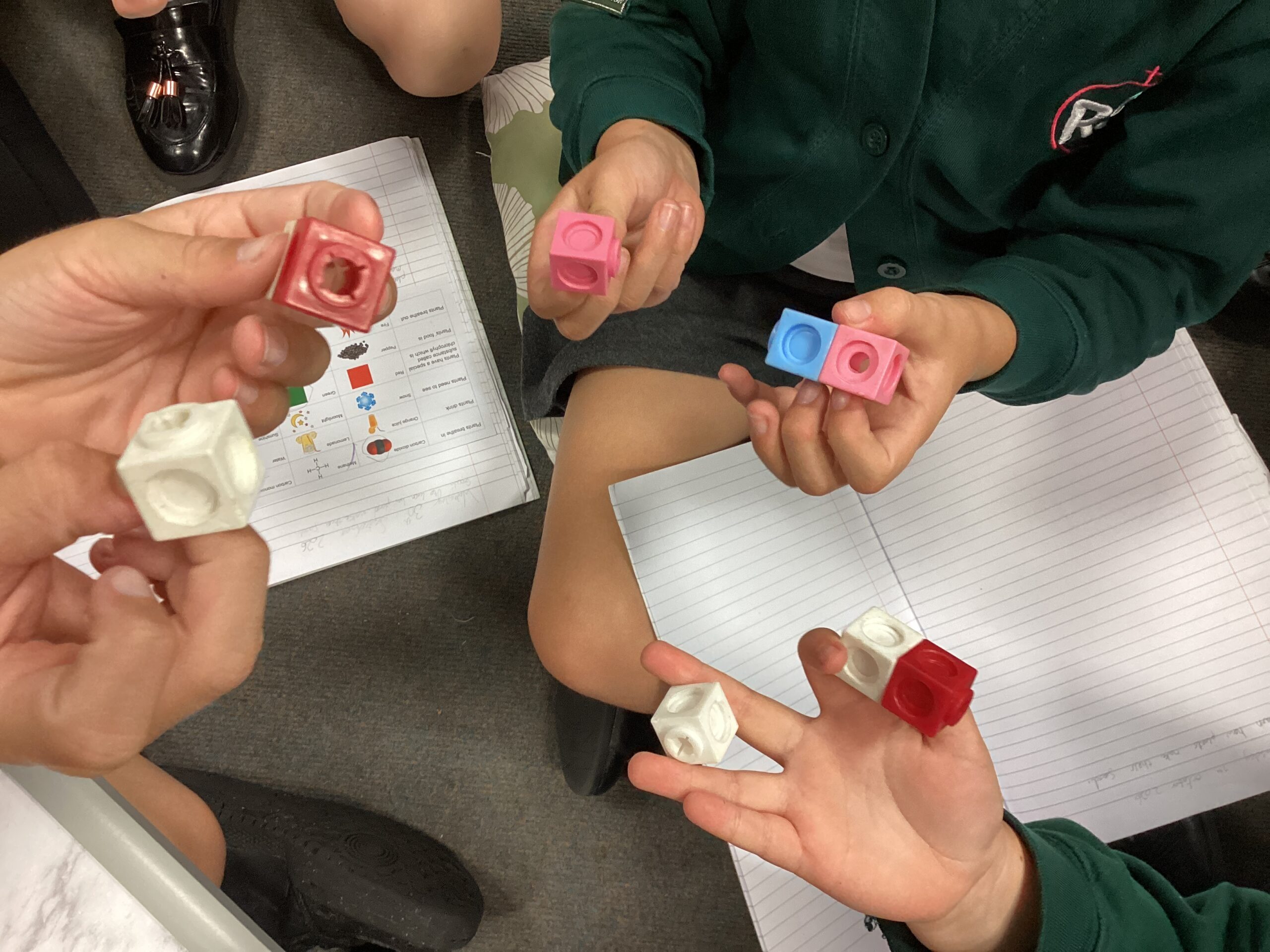
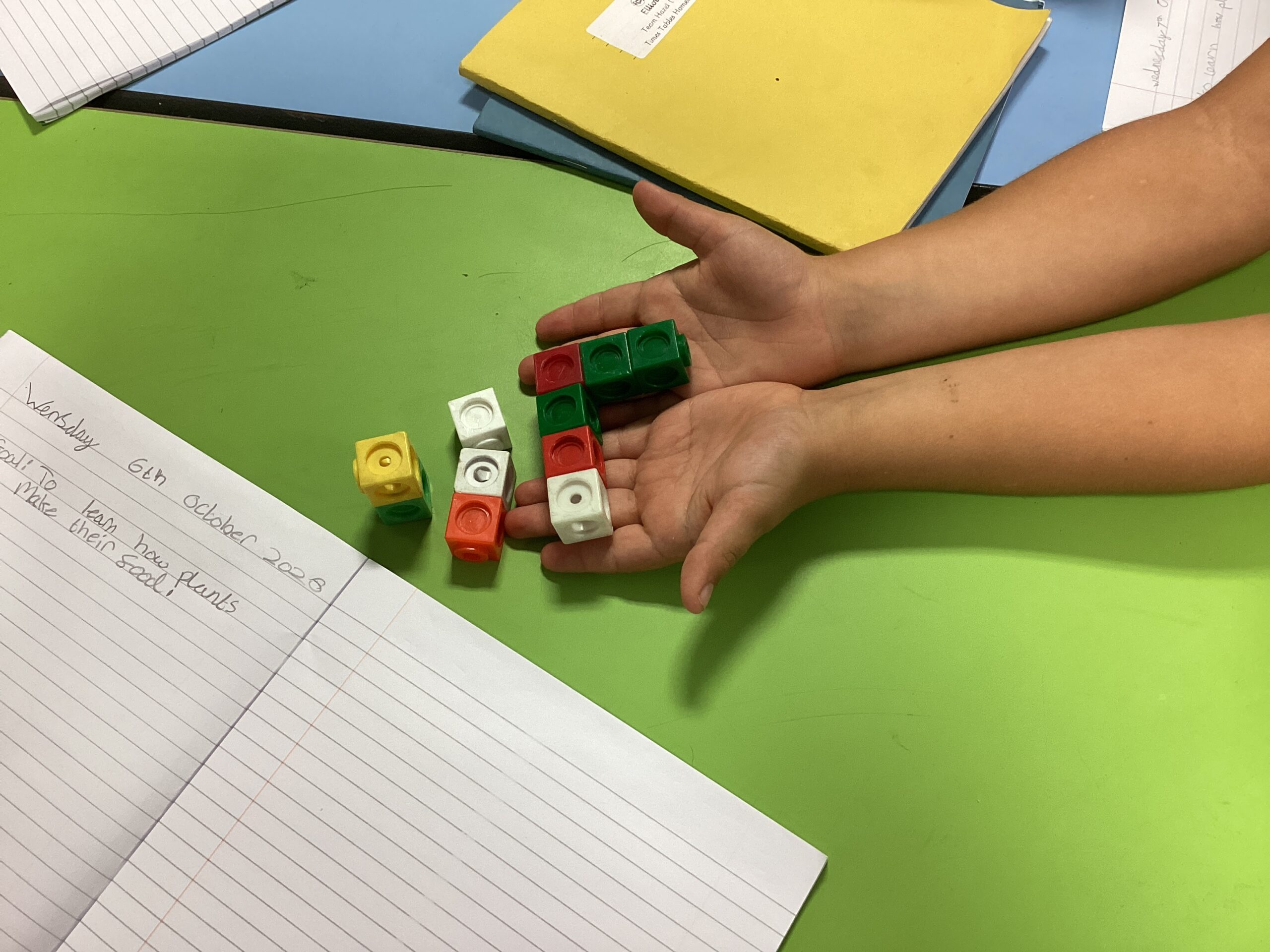
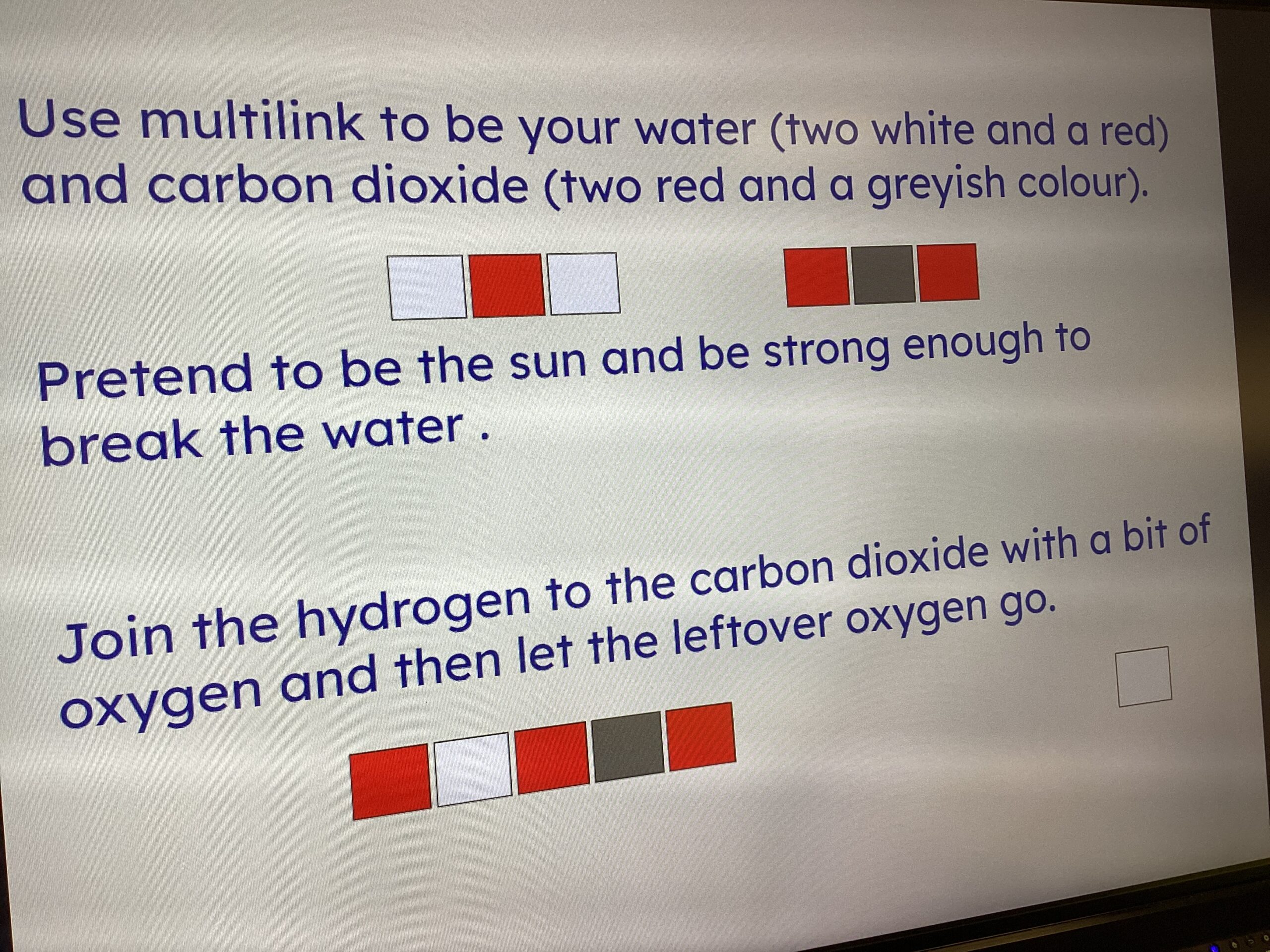
To see how the science works, the class used Multi-link cubes to build models of the different molecules:
- Water (H2O): Made of two hydrogen cubes and one oxygen cube, soaked up through the roots.
- Carbon Dioxide (CO2): Made of one carbon cube and two oxygen cubes, taken in through tiny holes in the leaves.
Inside the leaves, chlorophyll uses sunlight energy to break the water molecules apart. Working as a team, the class joined 6 water molecules and 6 carbon dioxide molecules together to build glucose (C6H12O6)—the sugar energy plants need to grow.
The best part? This chemical reaction leaves 6 oxygen molecules behind, which the plants release into the air for us and other animals to breathe!
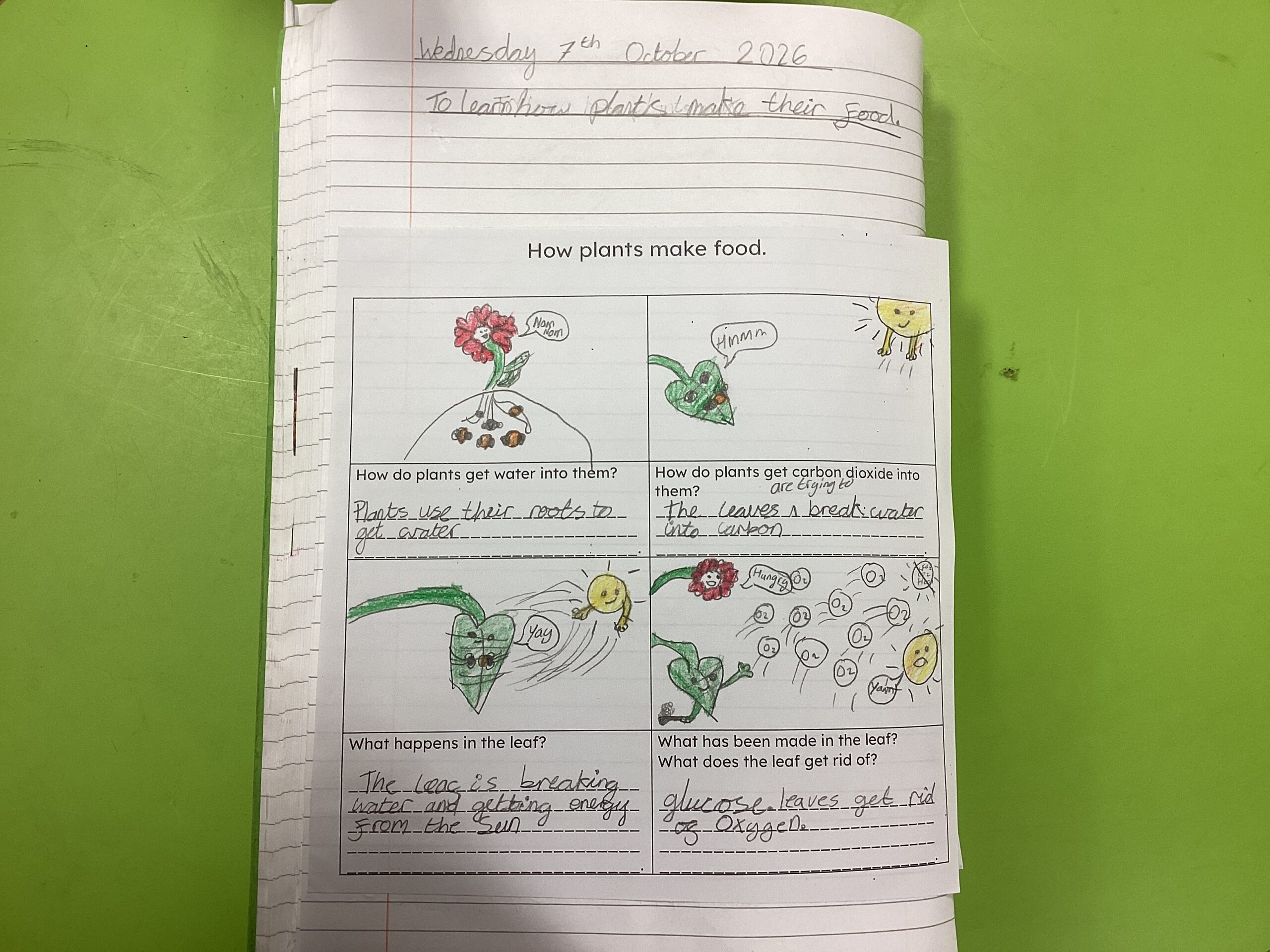
To top it all off, the children turned into storytellers and created their own colorful comic strips to bring the whole process to life!
Team 5 / 6:
Map Detectives in Action!
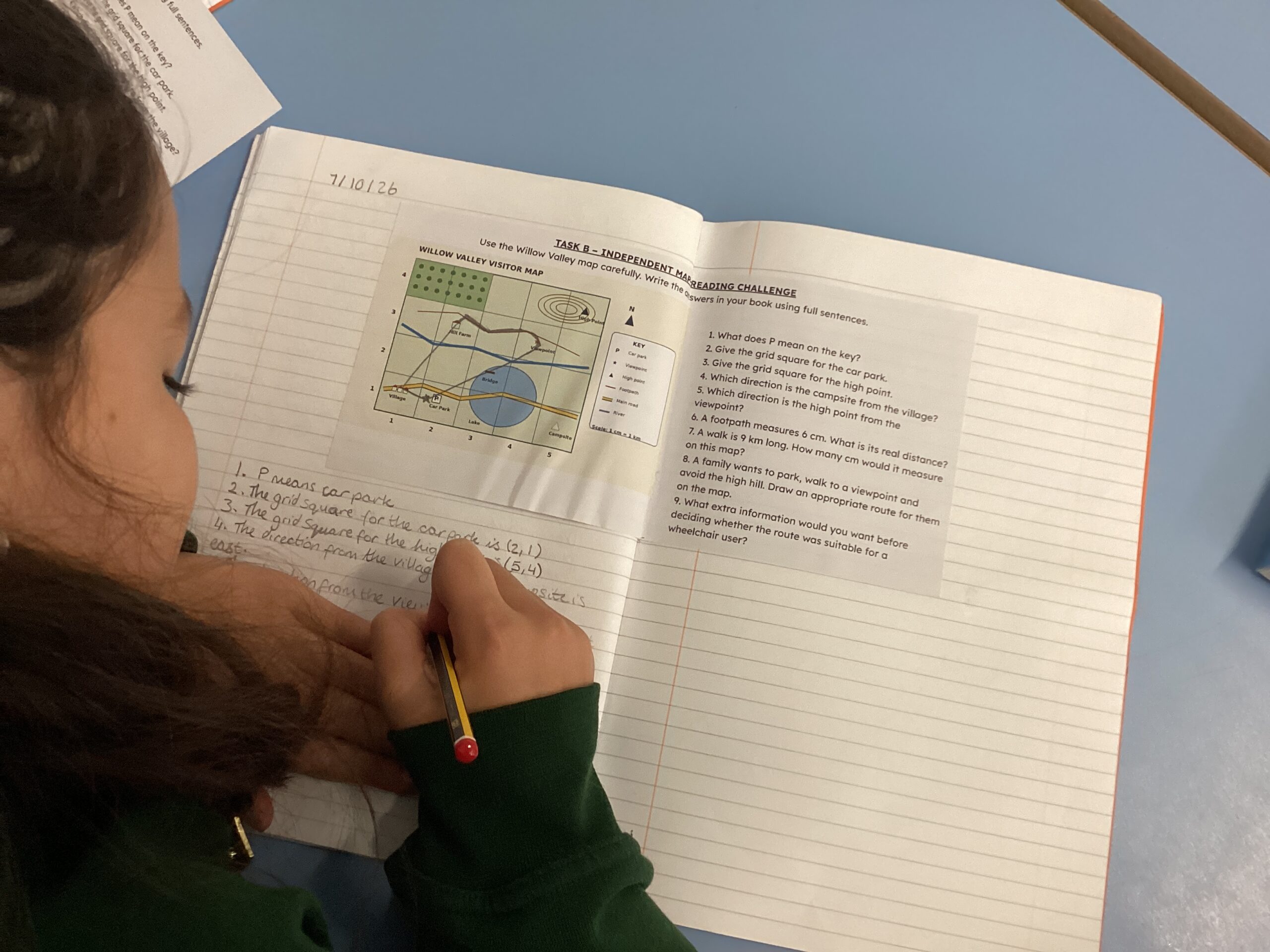
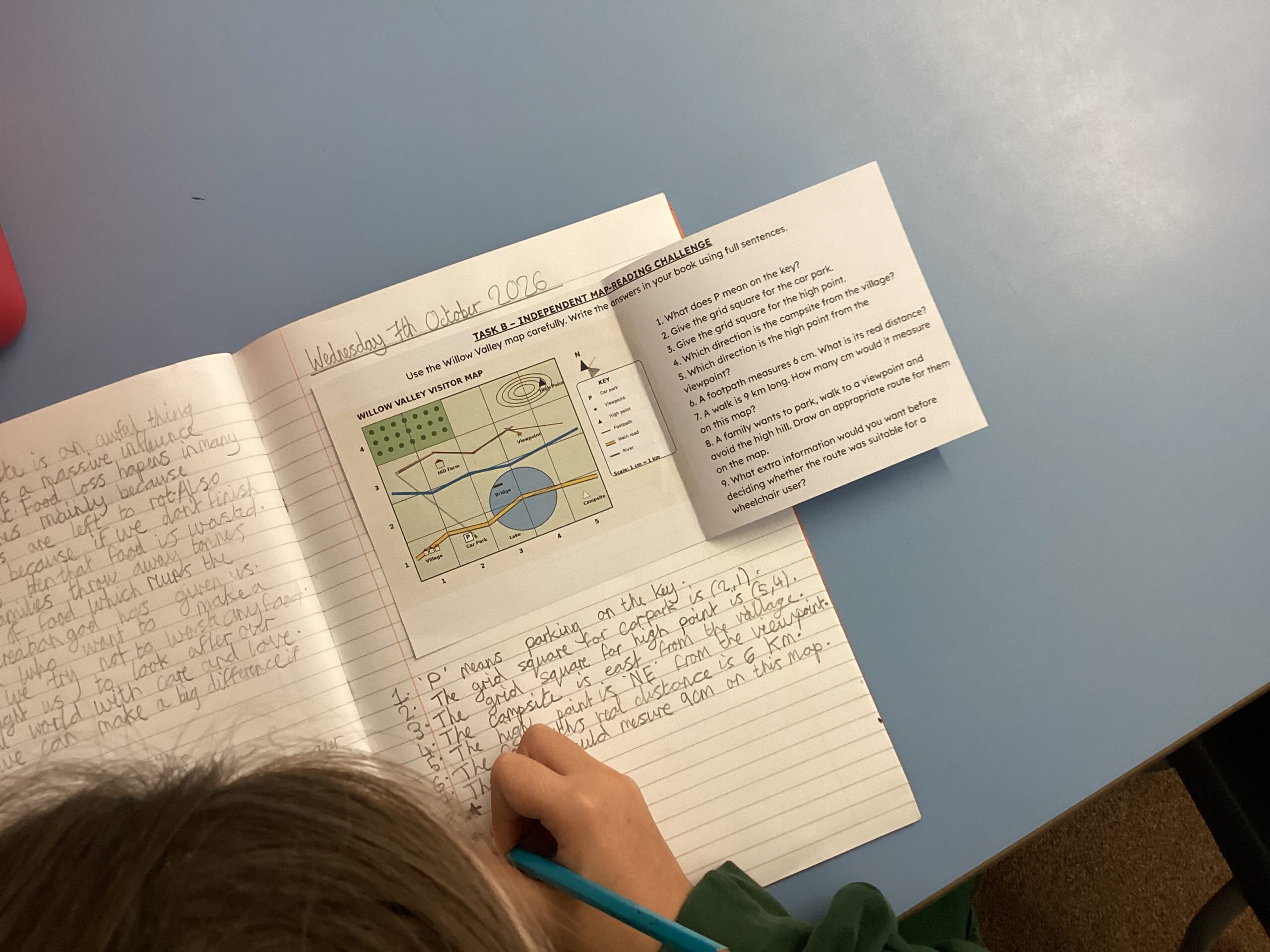
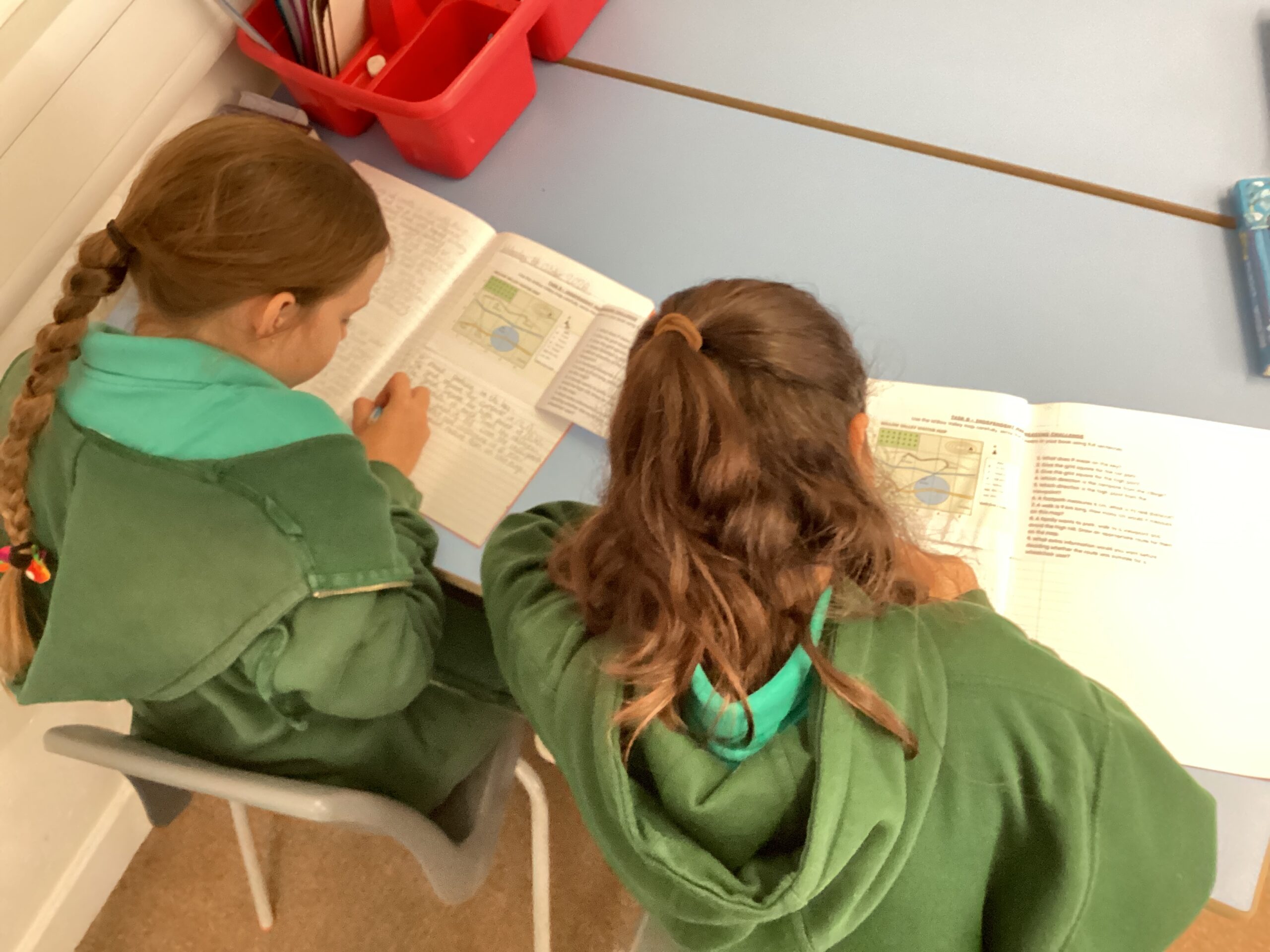
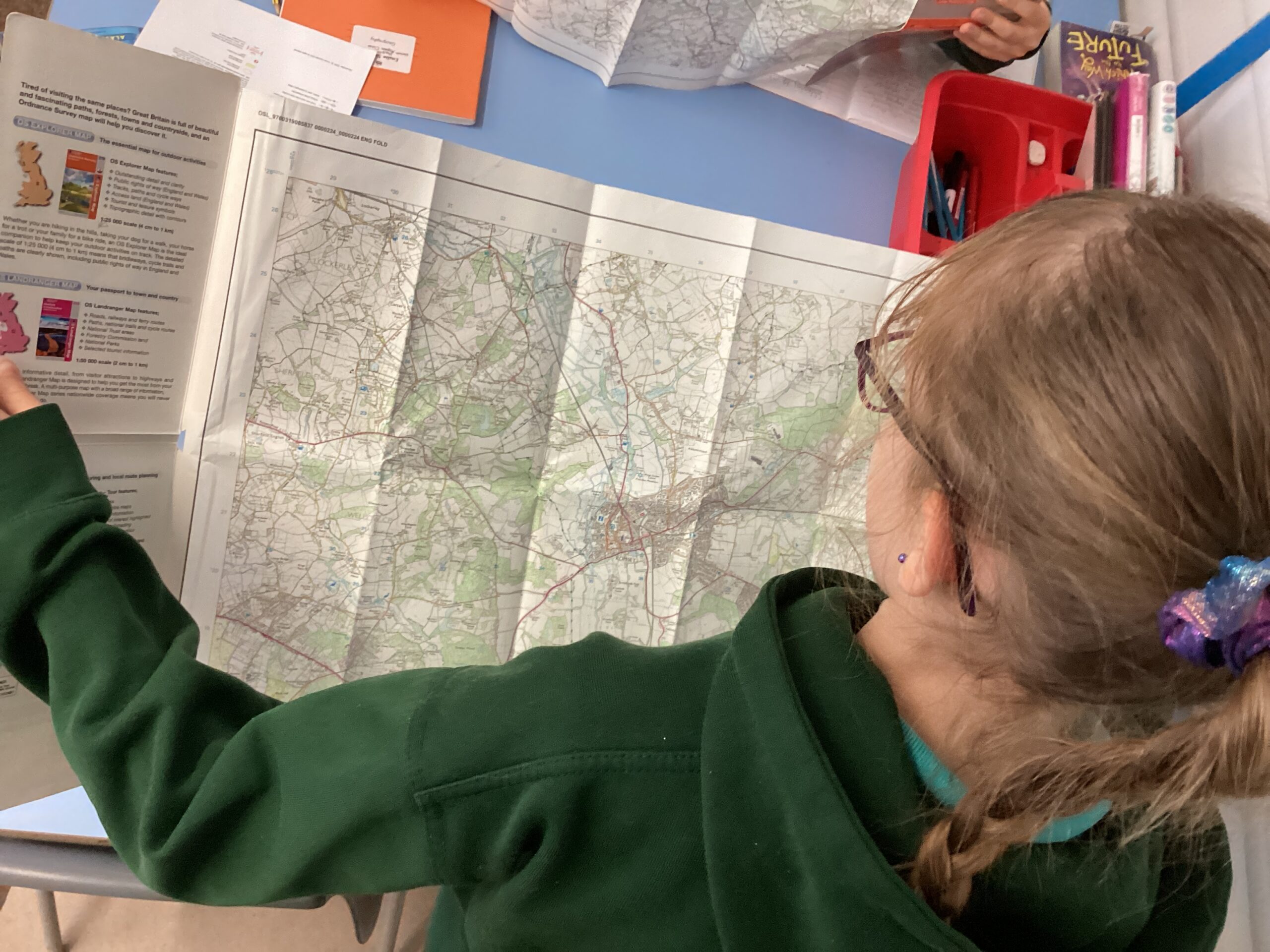
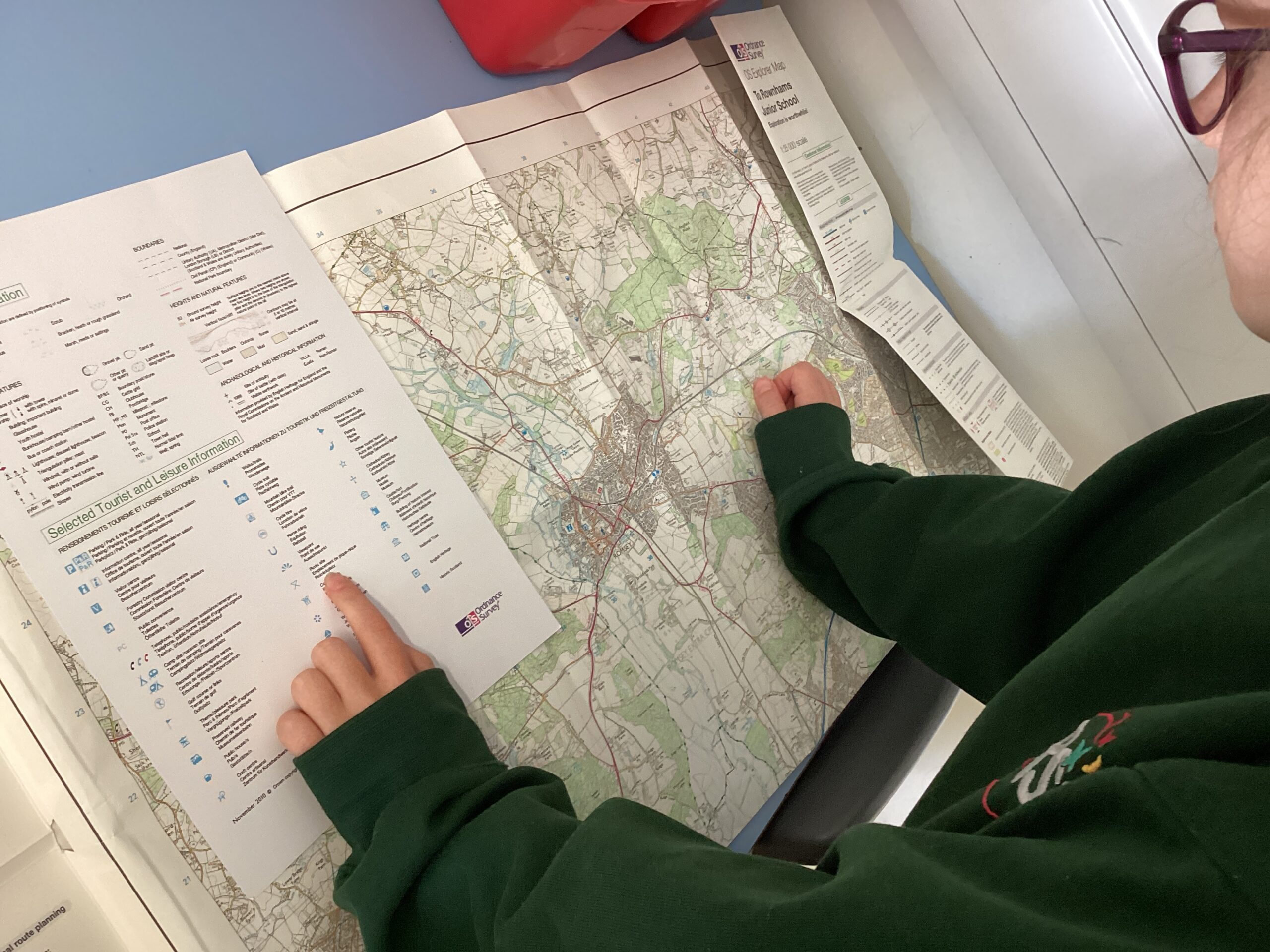
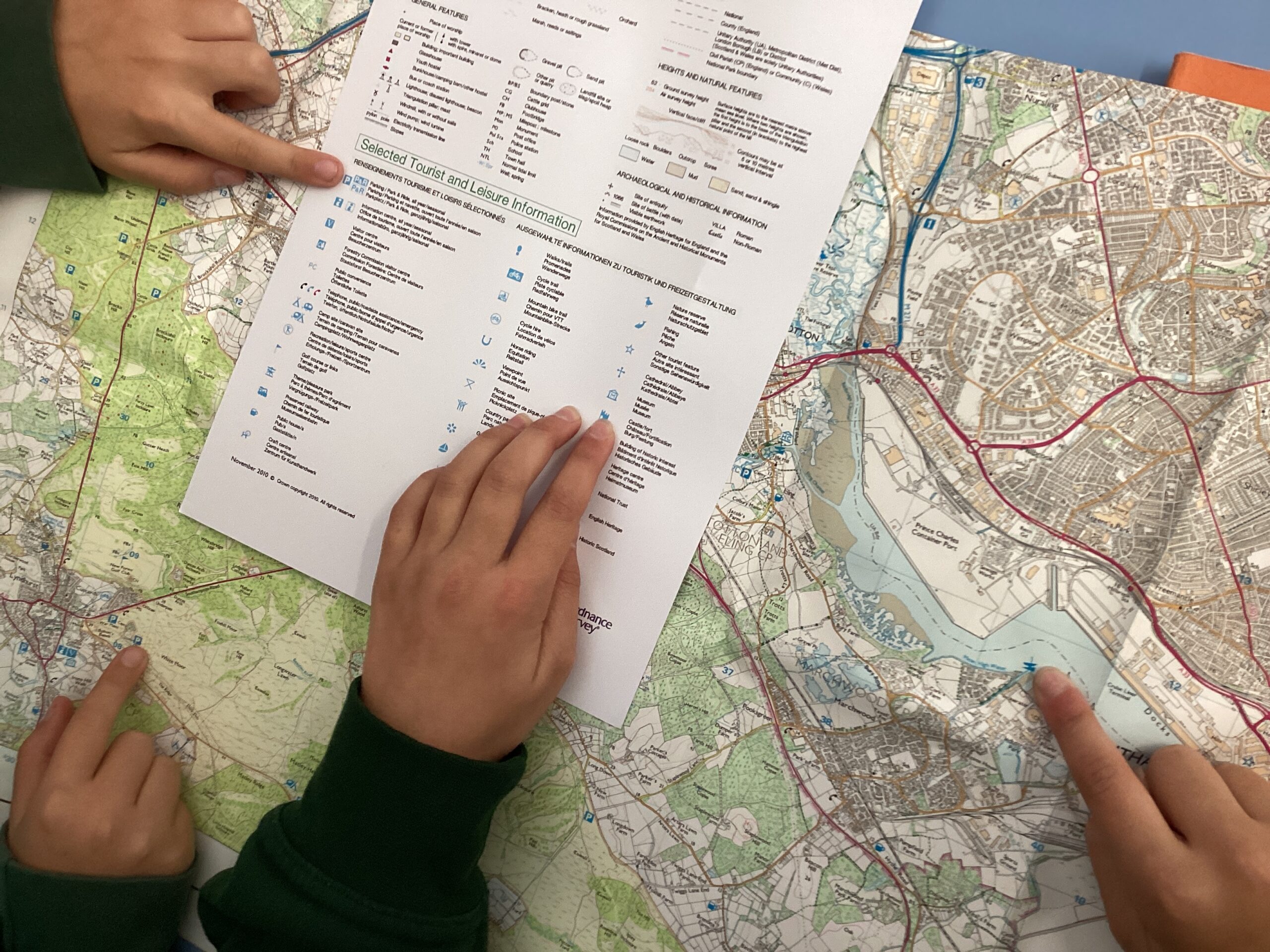
This week in Geography, our class became official Map Detectives! We moved on to Lesson 2 of our map work unit, where we explored the essential features that make a map useful.
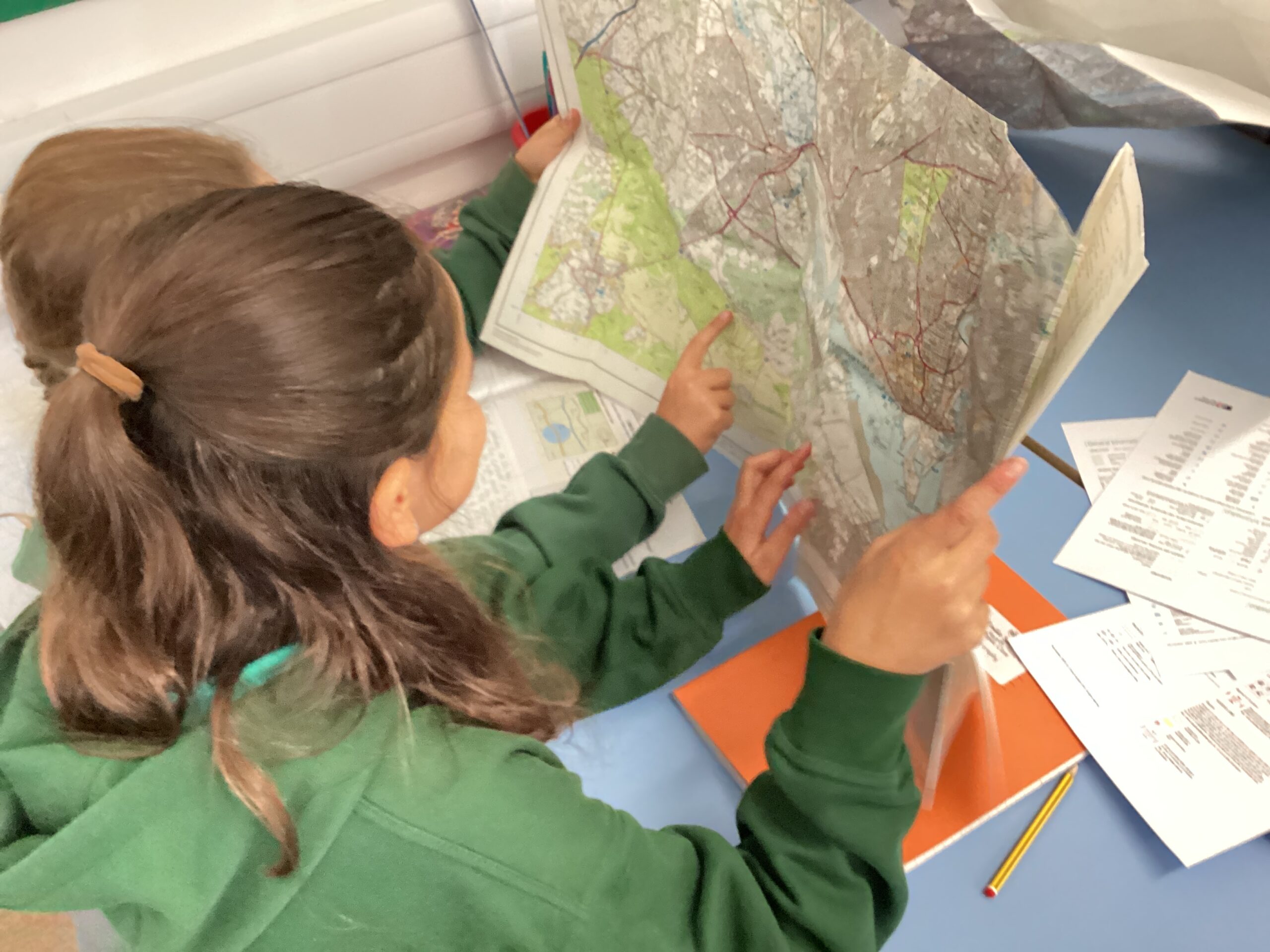
The children learned a handy mnemonic to remember the five key features: T K S D G (Title, Key, Scale, Direction, and Grid). We put these skills to the test by spending time learning to fold and use real Ordnance Survey (OS) maps of our local area. It was a fantastic hands-on experience!
Using their detective skills, the children carefully examined the OS maps to find symbols, measure distances using the scale, and describe locations using compass directions. They also practiced using four-figure grid references to pinpoint exact spots.
A huge well done to all our young geographers for their excellent map-reading skills!
Follow us on social media!
You can find us on Facebook and Instagram @RownhamsSchool, where we share more photos of what has been going on around the school, and celebrate the children’s learning.