Team R: Exploring Number Bonds
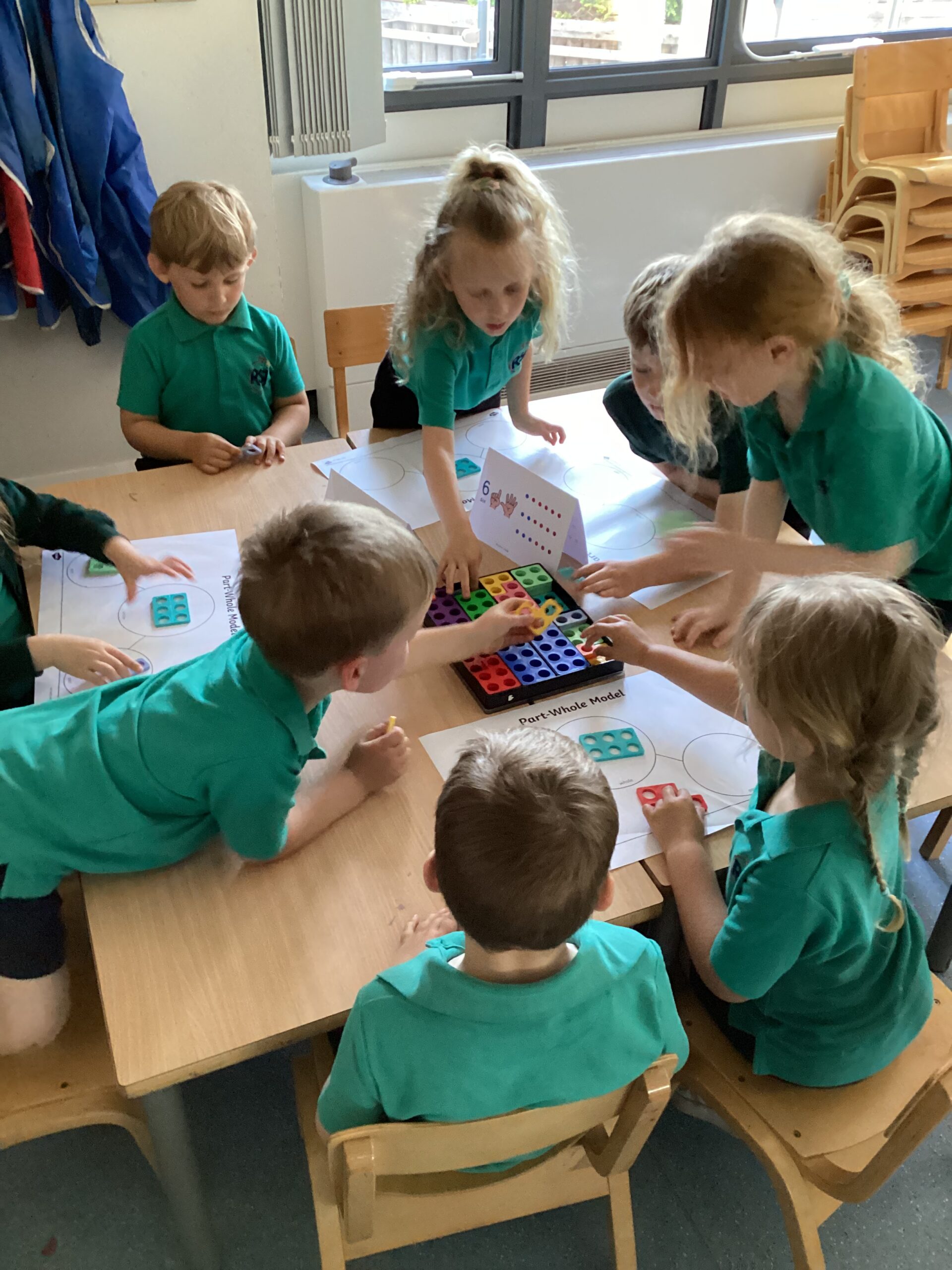
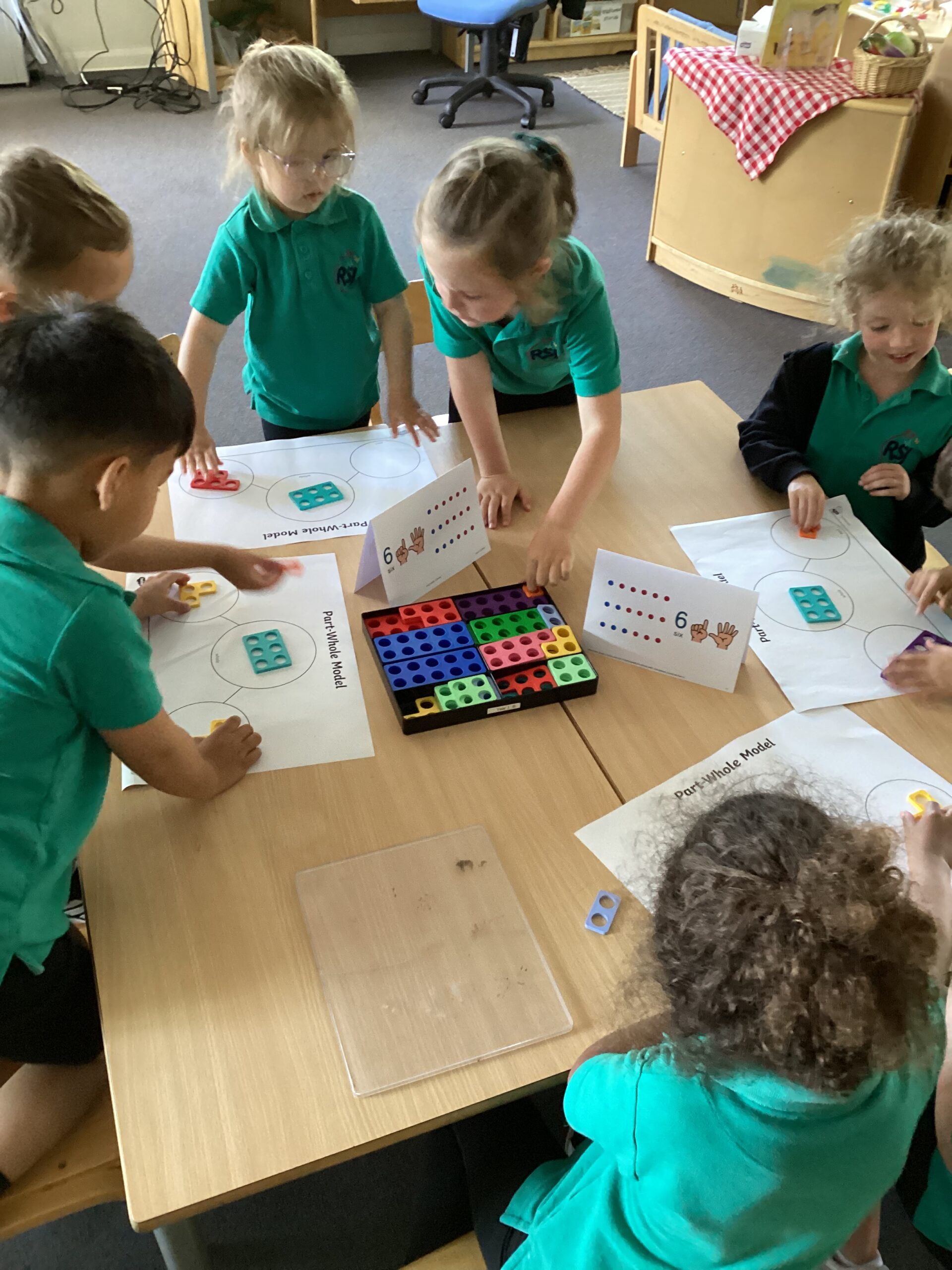
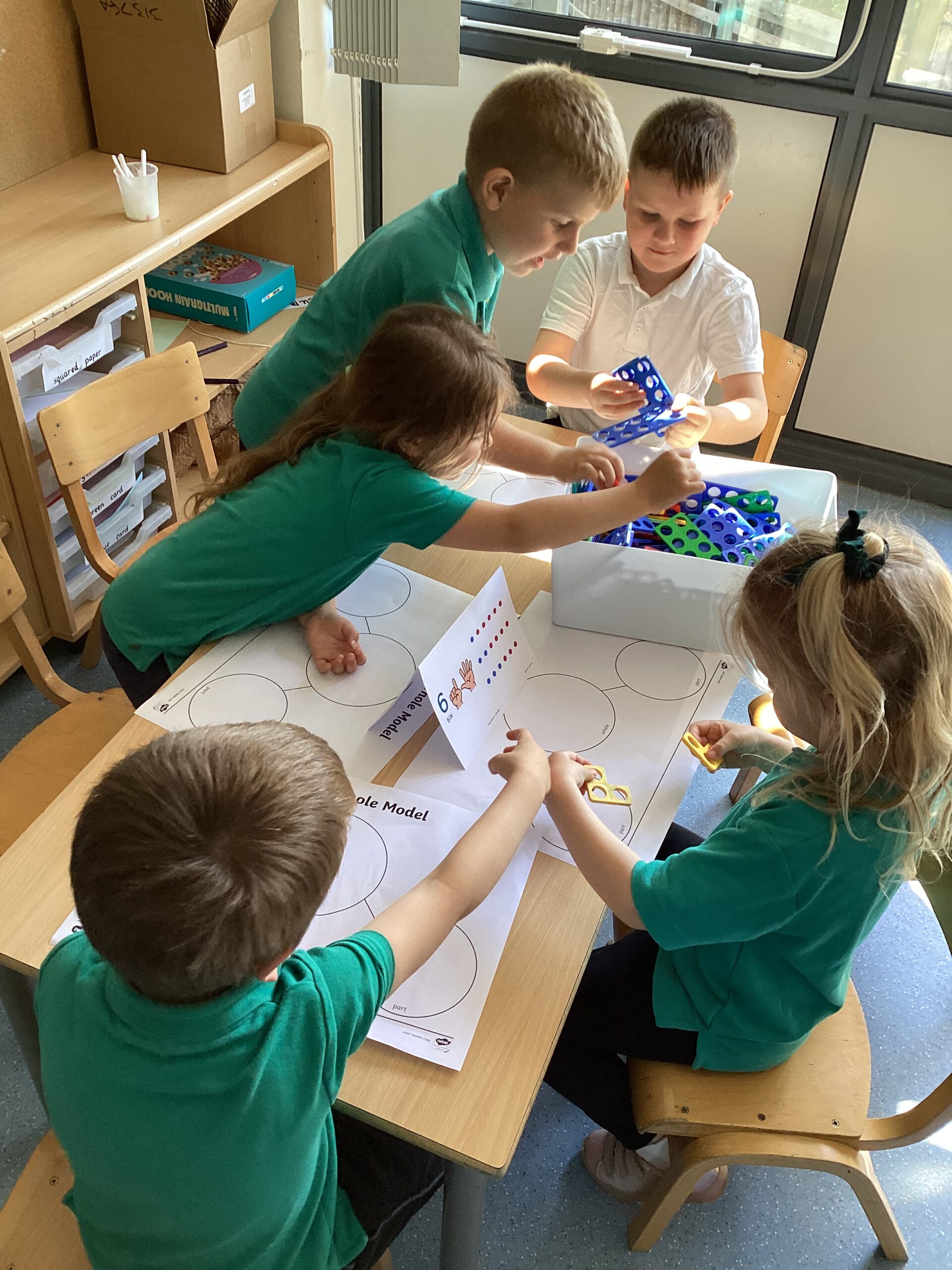
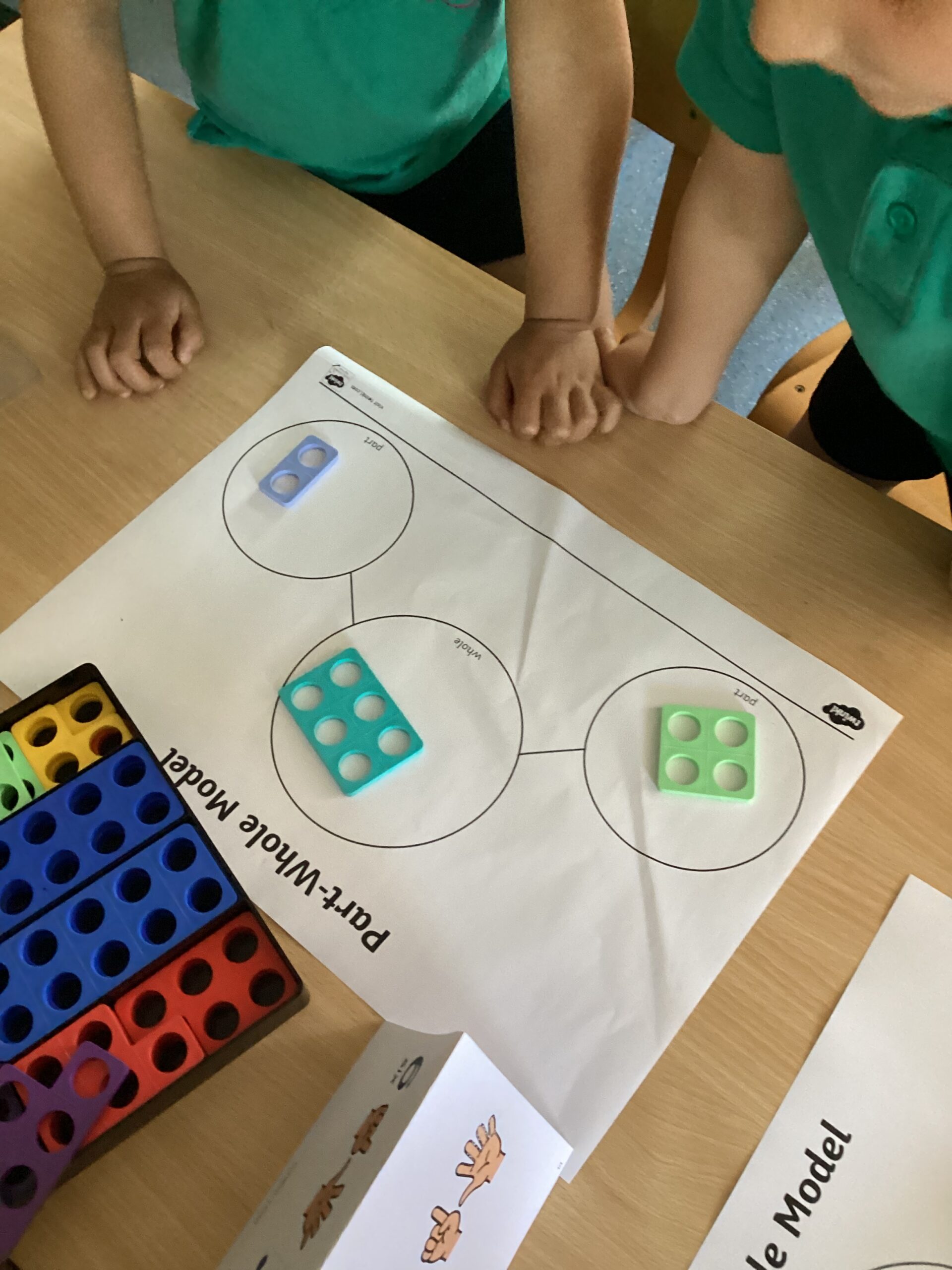
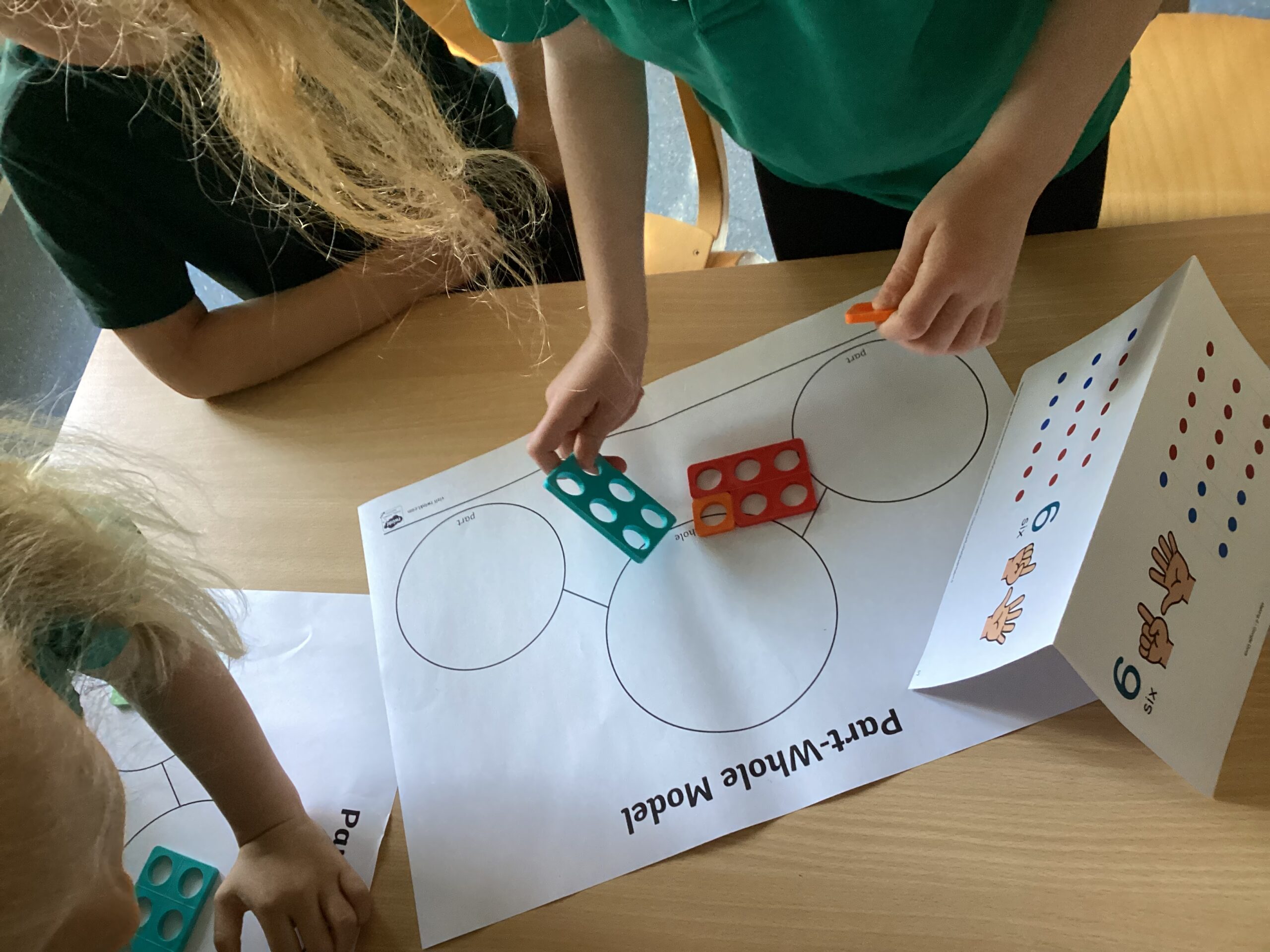
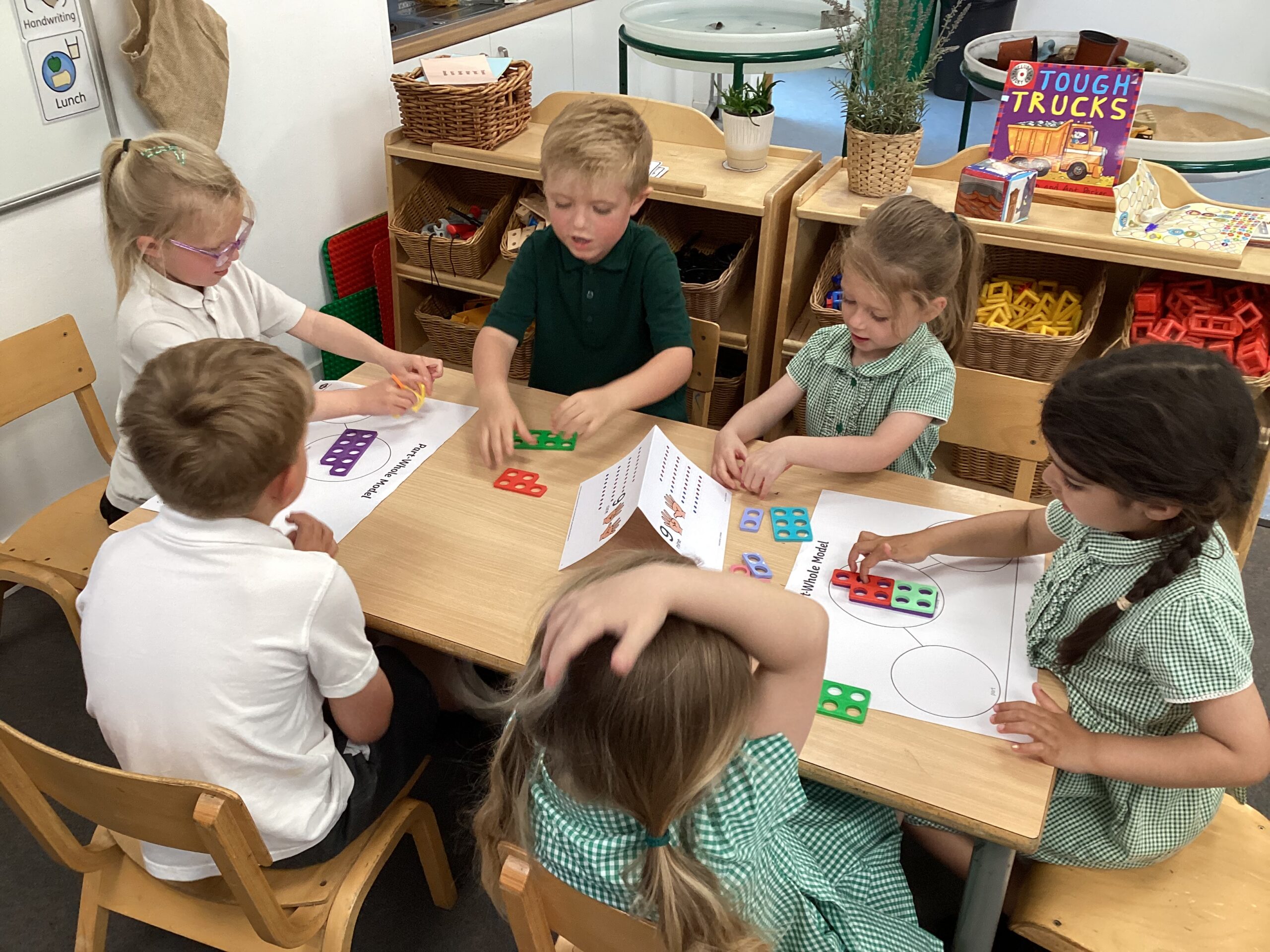
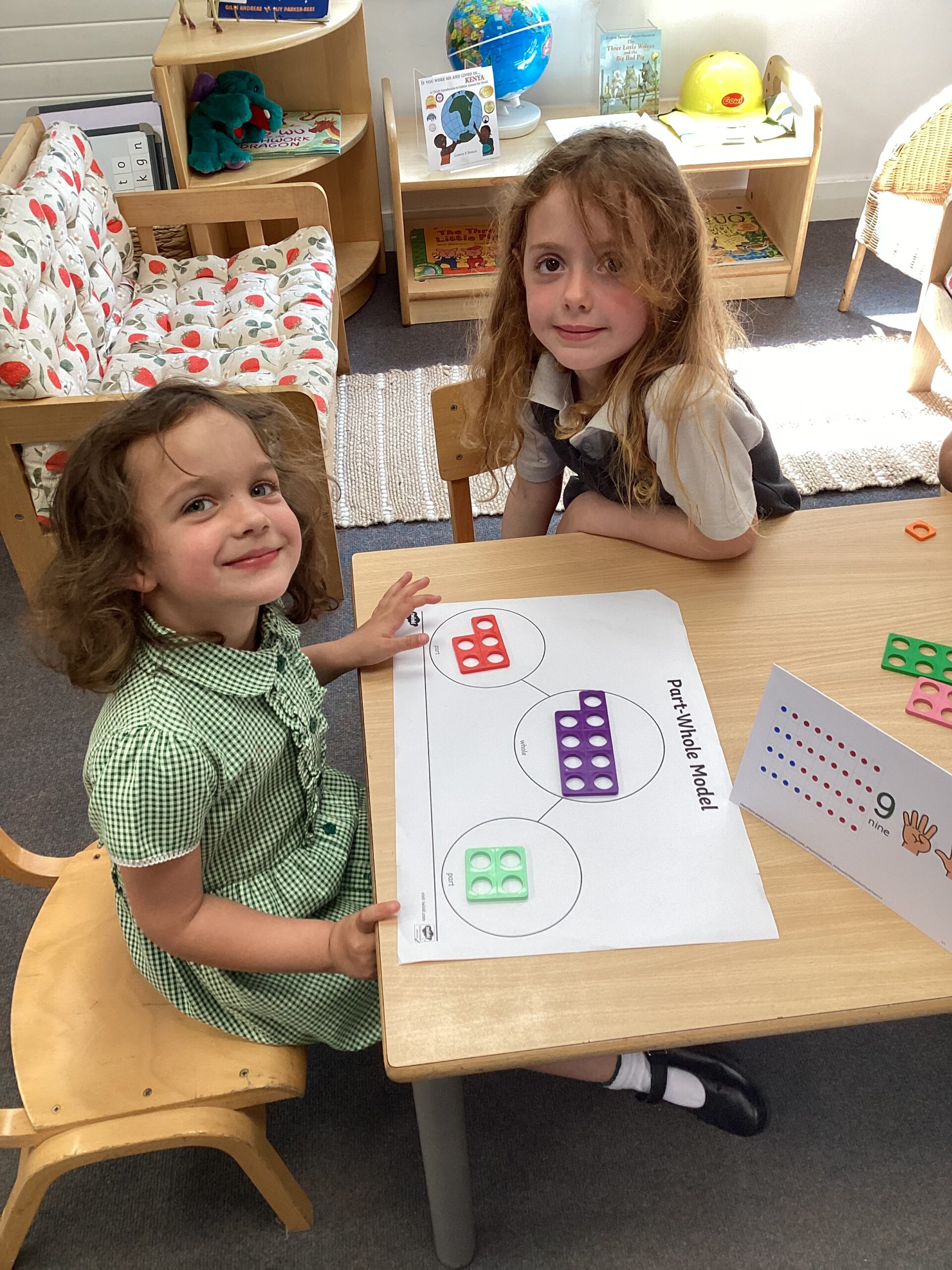
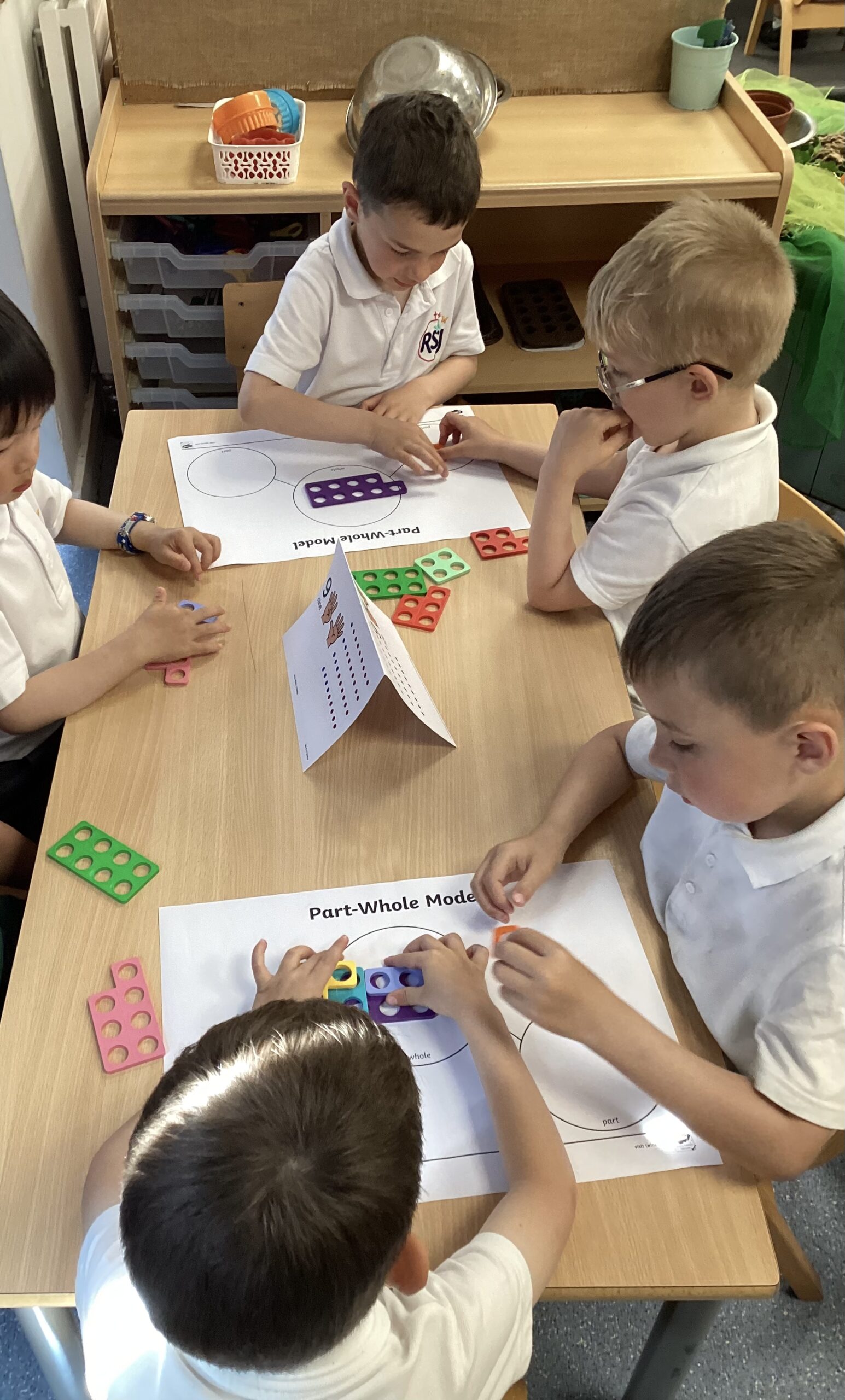
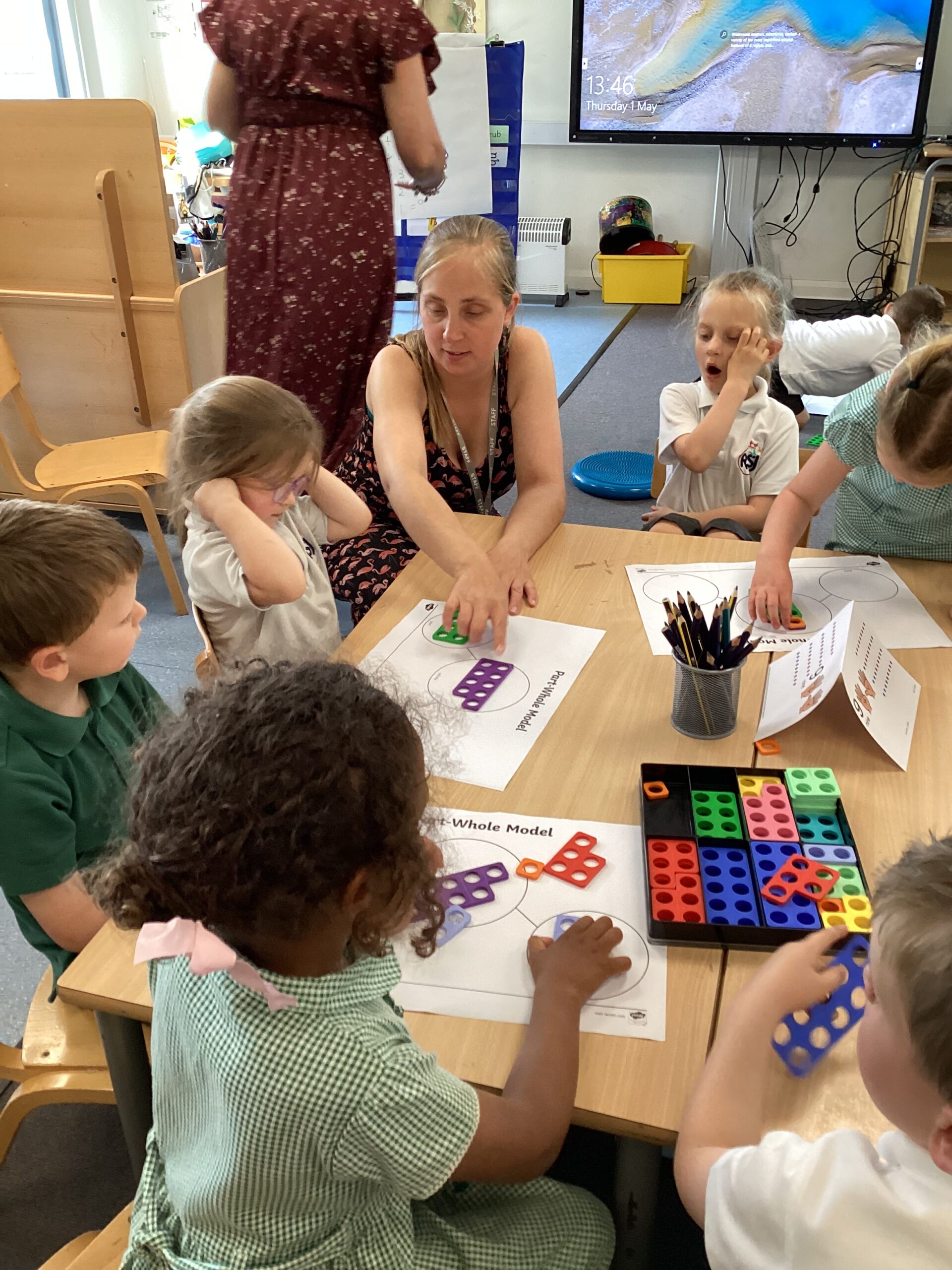
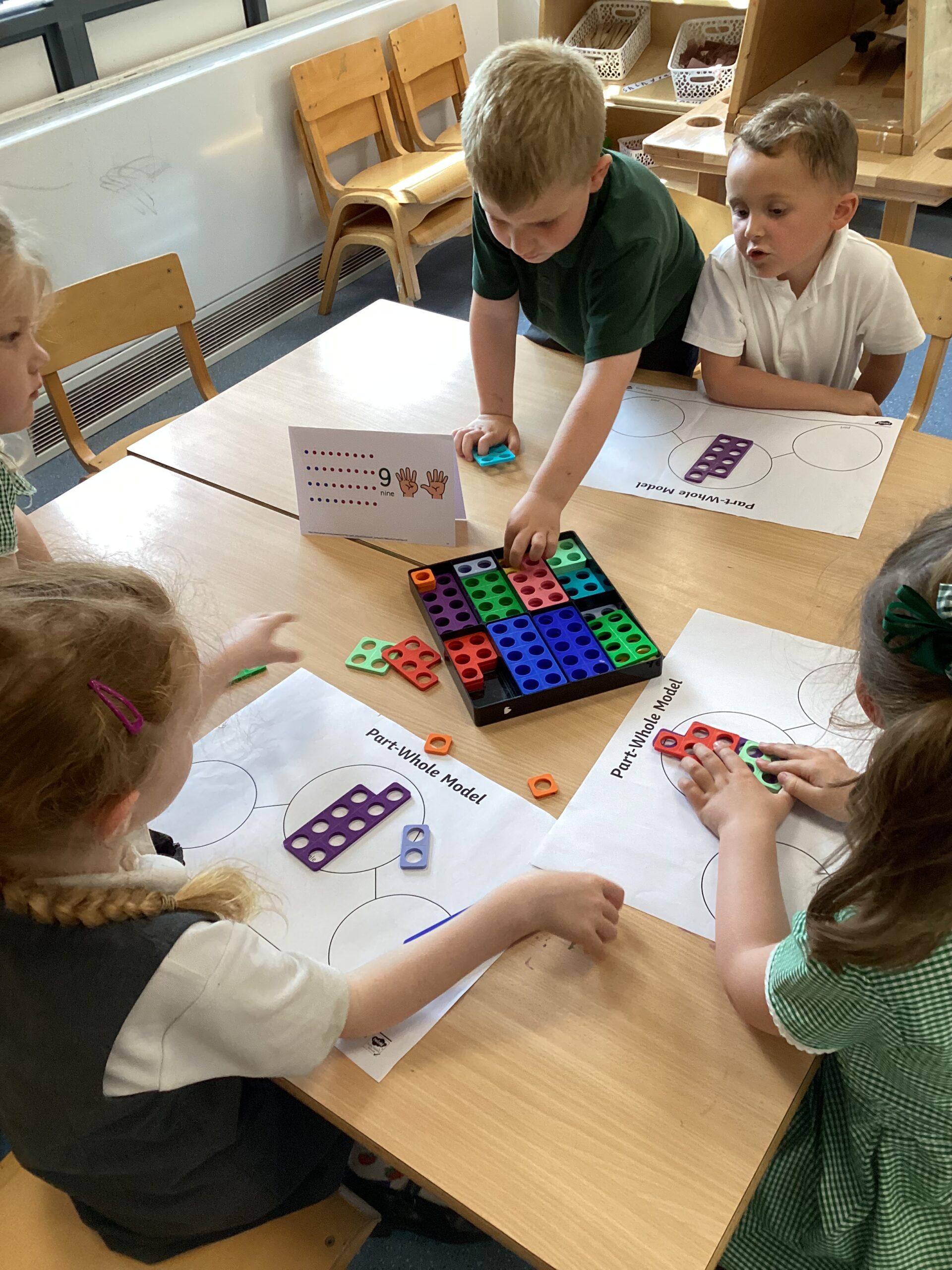
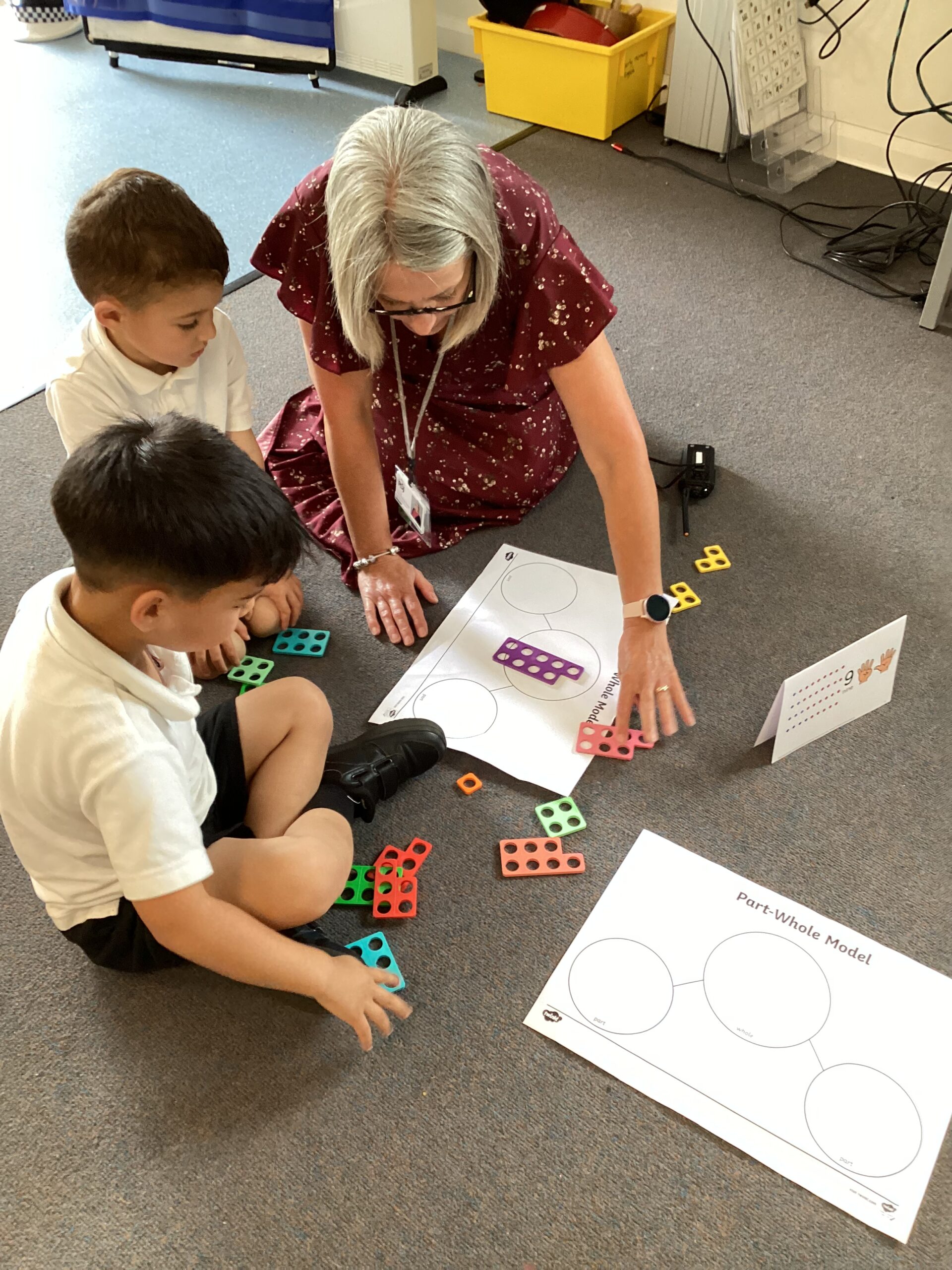
This week in maths, the children in YR have had so much fun learning about number bonds to ten! Using the part-part-whole model and Numicon, they explored different ways to make numbers. They confidently showed that 6 + 2 makes 8 and 4 + 3 makes 7—ask them and see if they can tell you more! The children enjoyed working together, using colourful resources to build their understanding and explain their thinking. It’s been fantastic to see their confidence growing as they discover how numbers fit together in playful, hands-on ways. Great work, YR!
Team 1 / 2: Control and Coordination
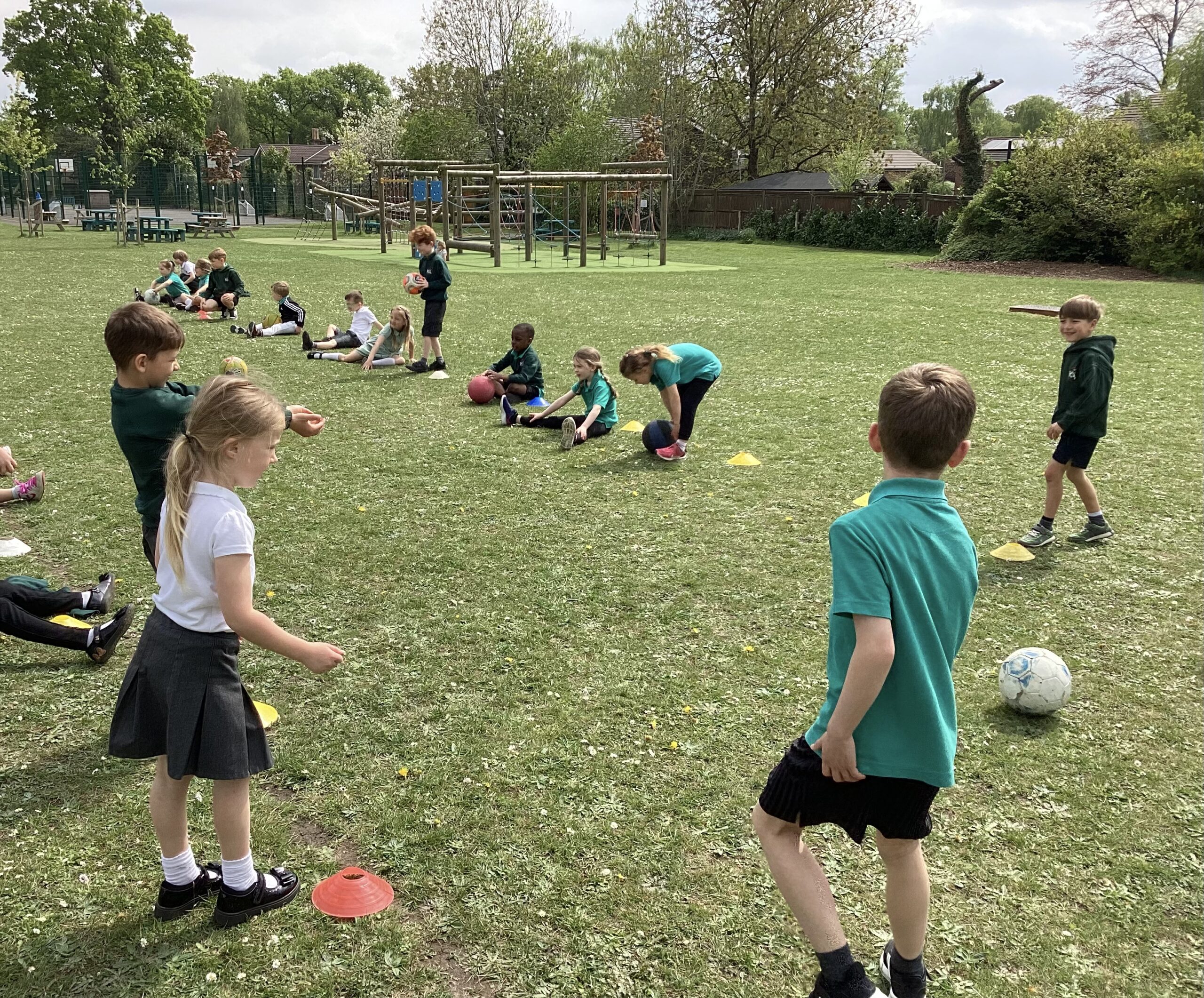
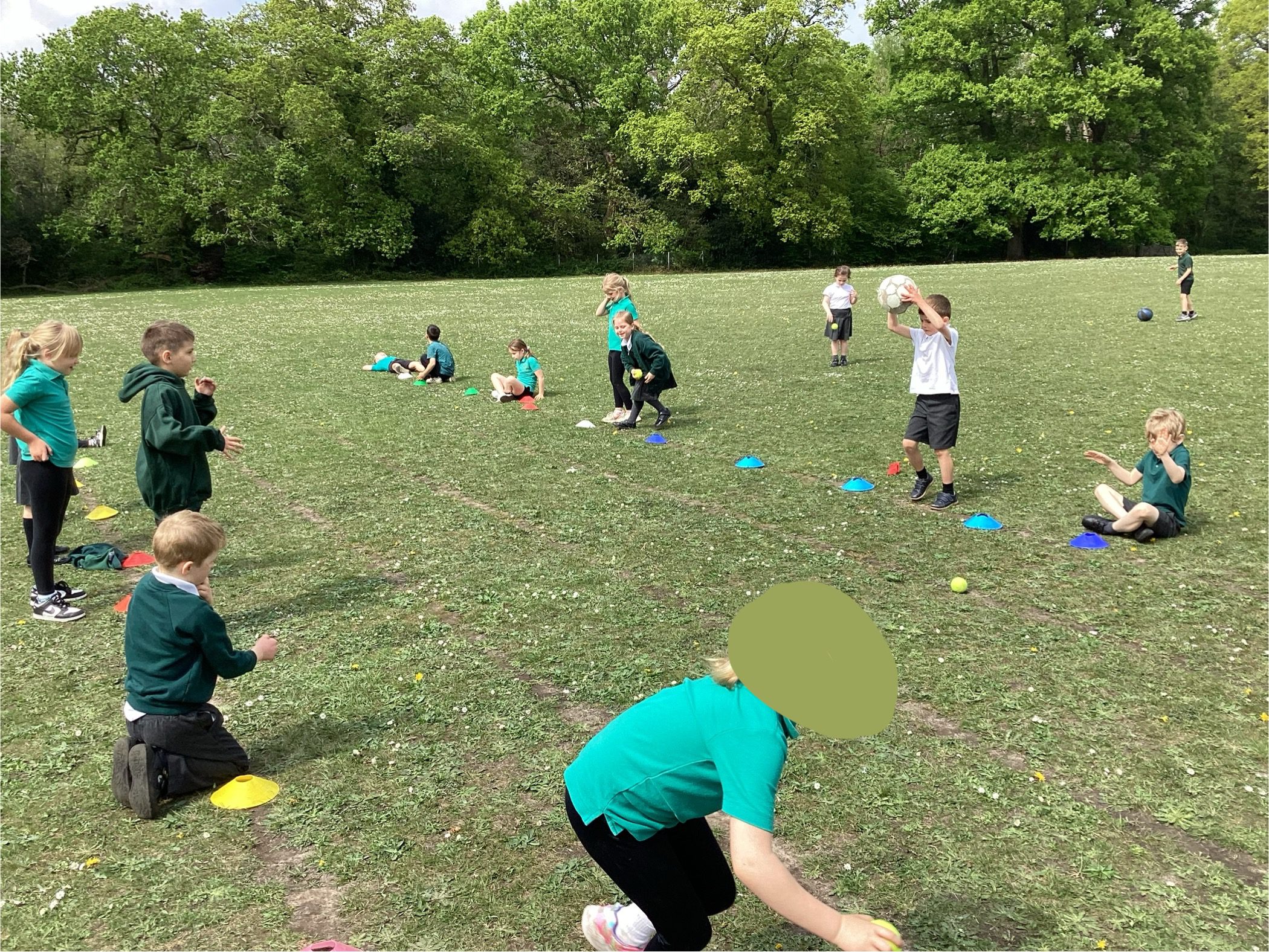
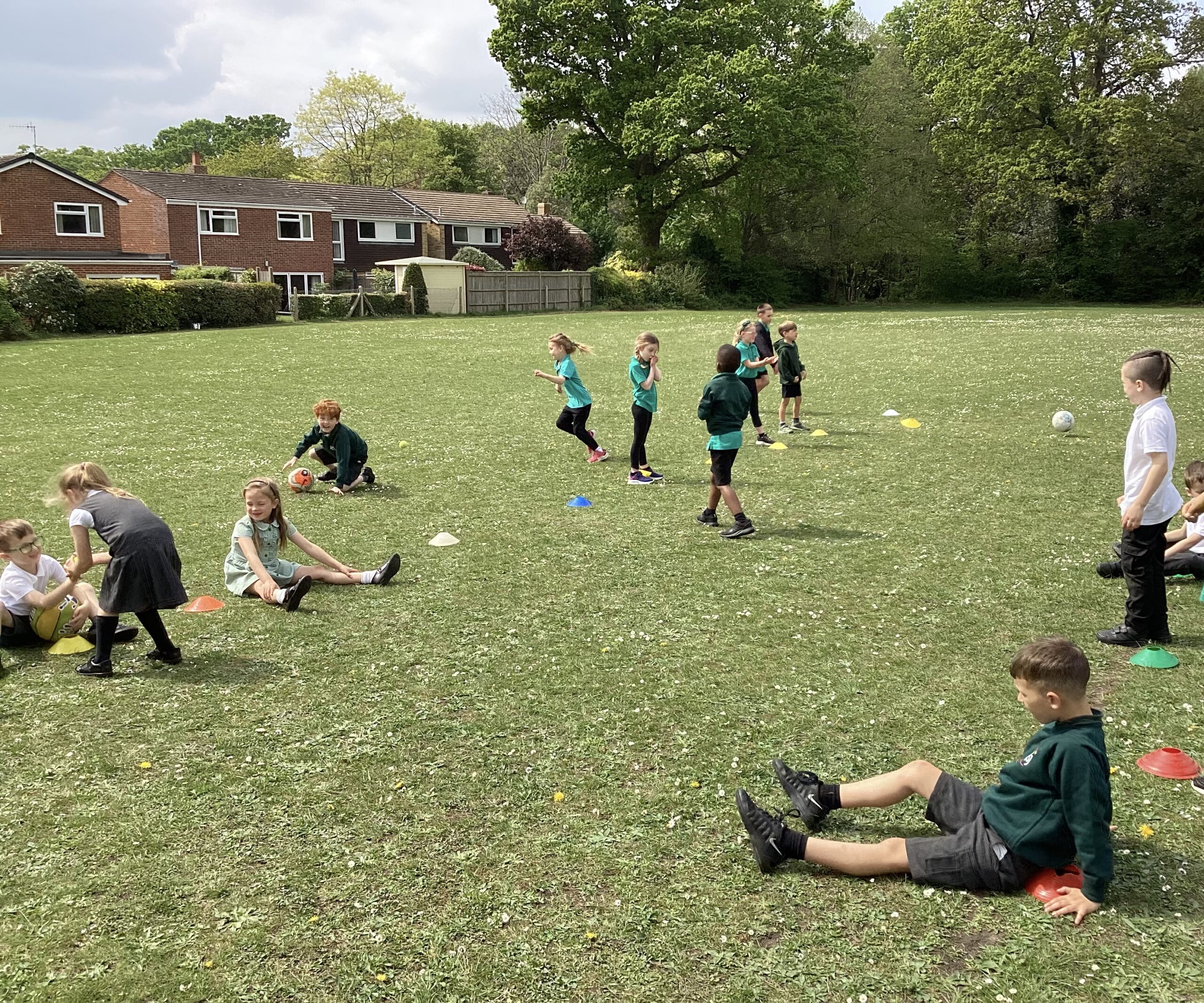
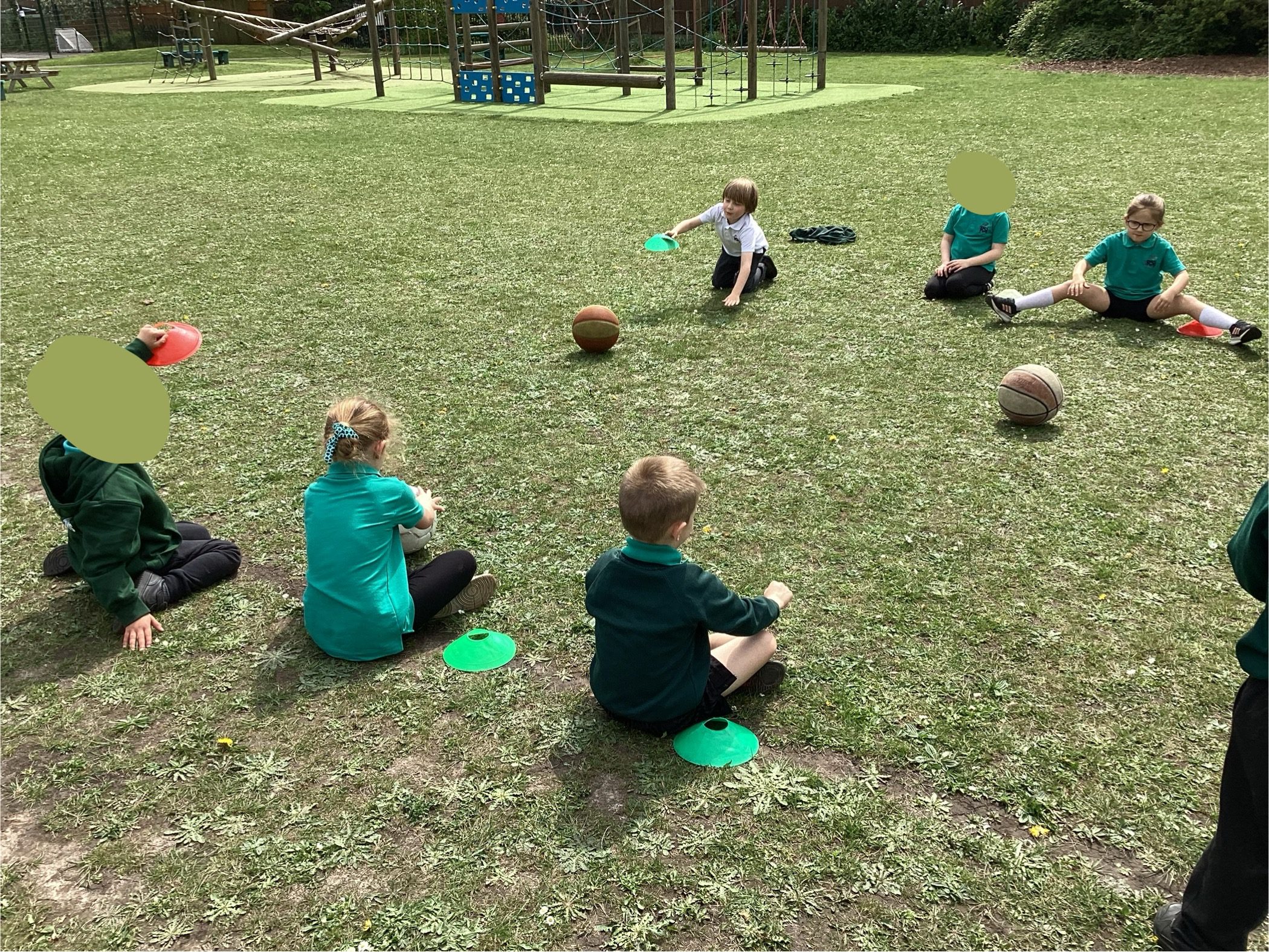
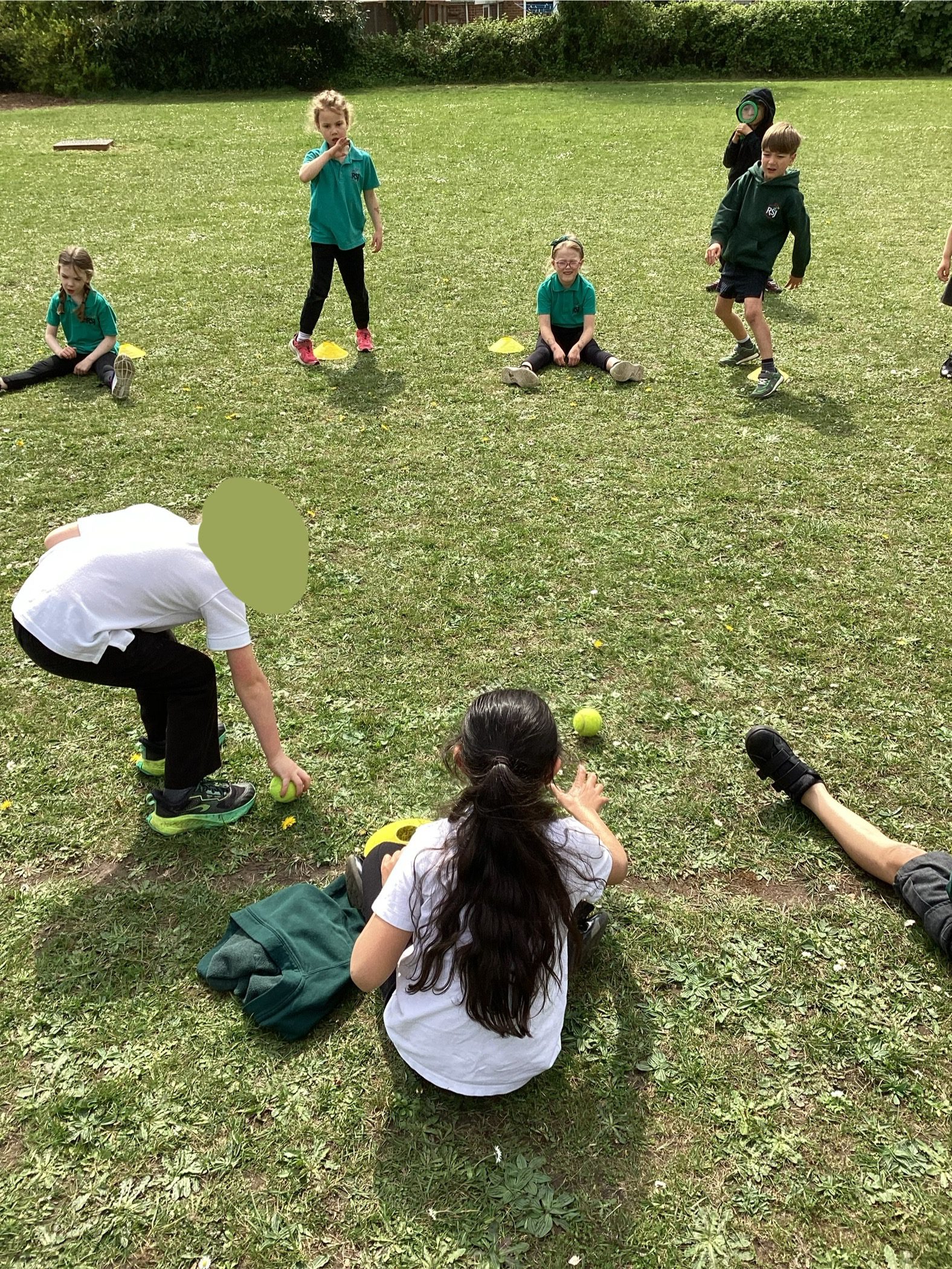
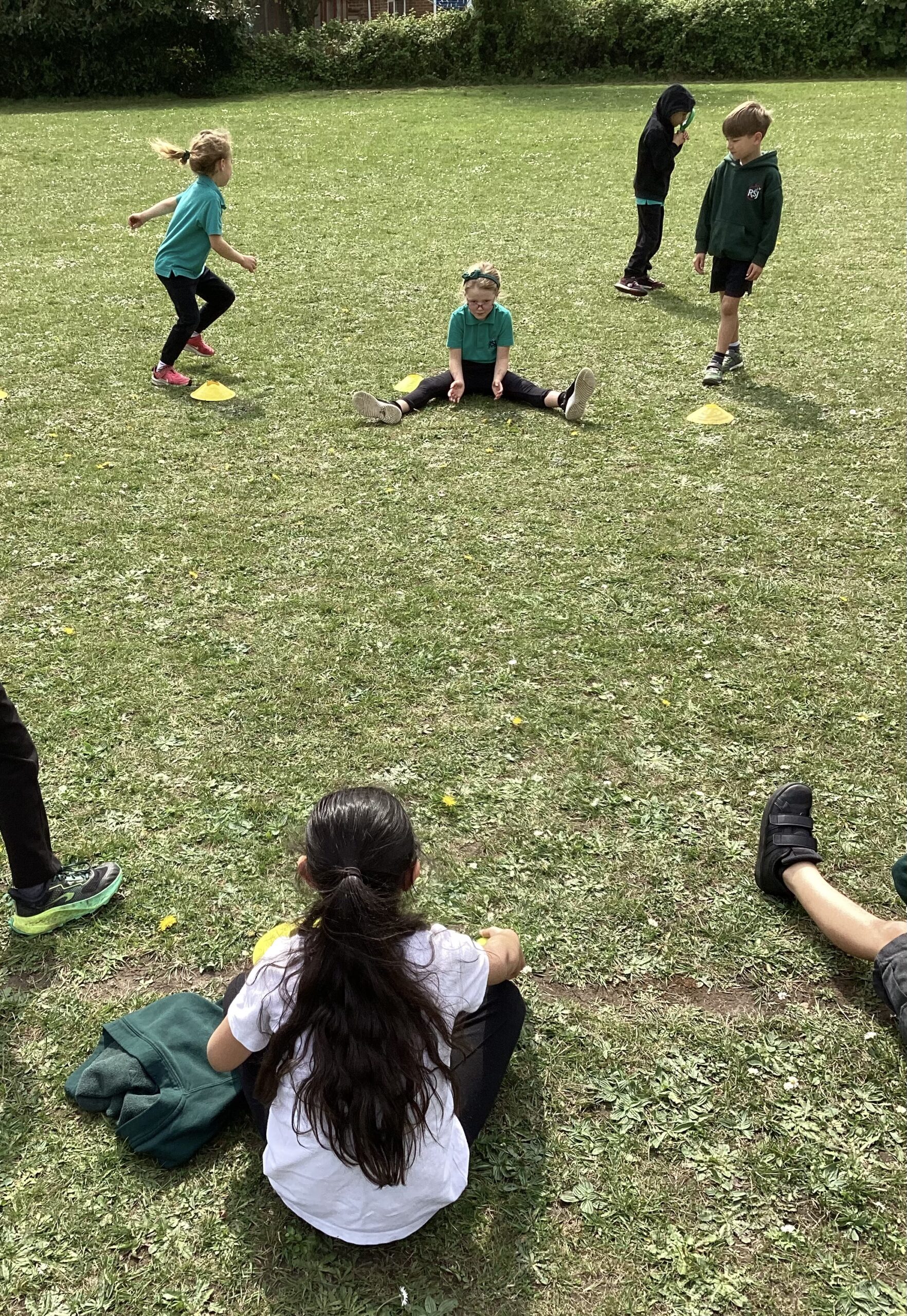
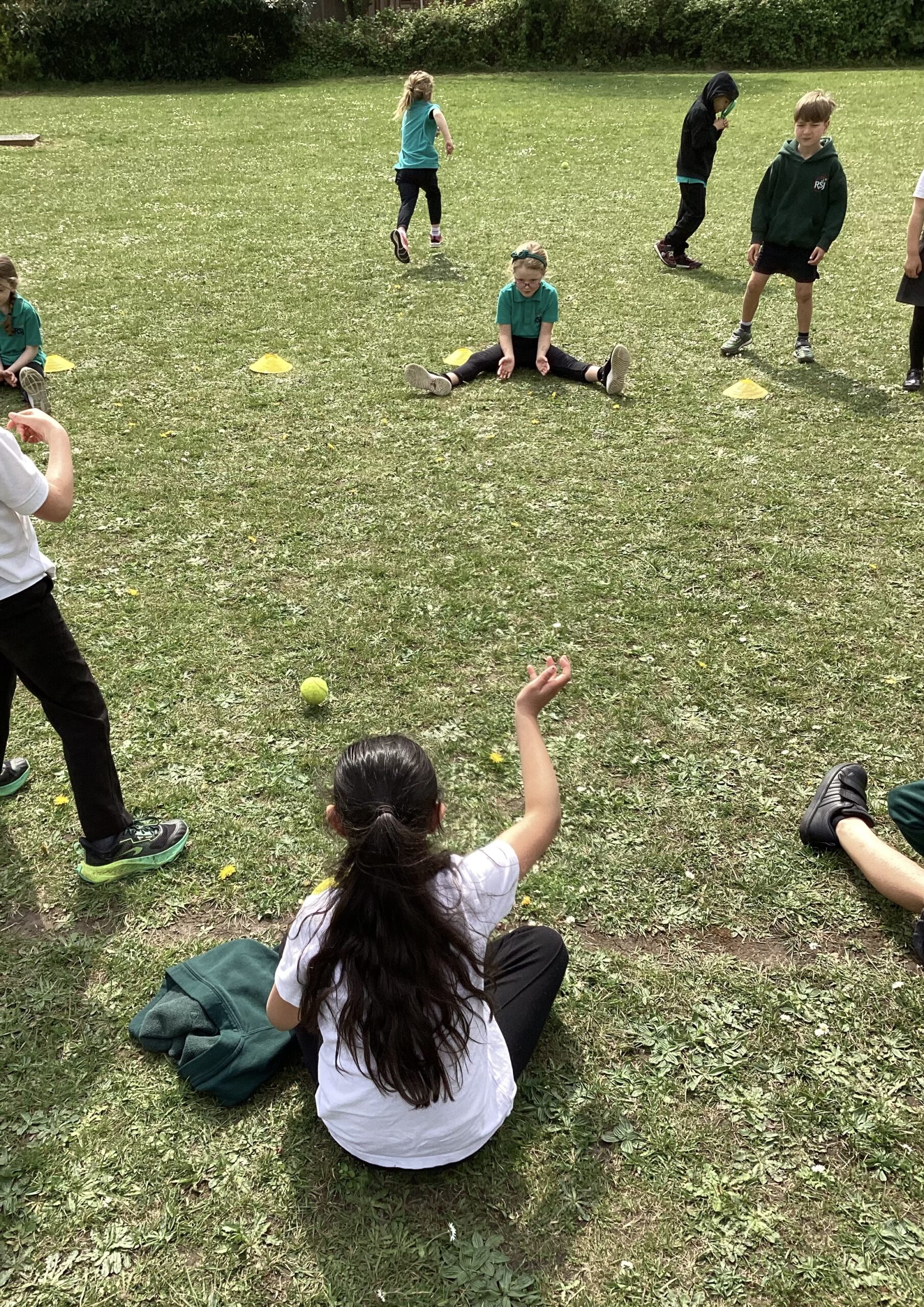
In PE this term the children have been building their control and coordination skills when kicking and throwing balls. The children have played a range of fun games to practice their skills such as 1 on 1 football and throwing and catching. Watch out for these budding footballers in the making!
Team 3 / 4: Evaporation and the Water Cycle
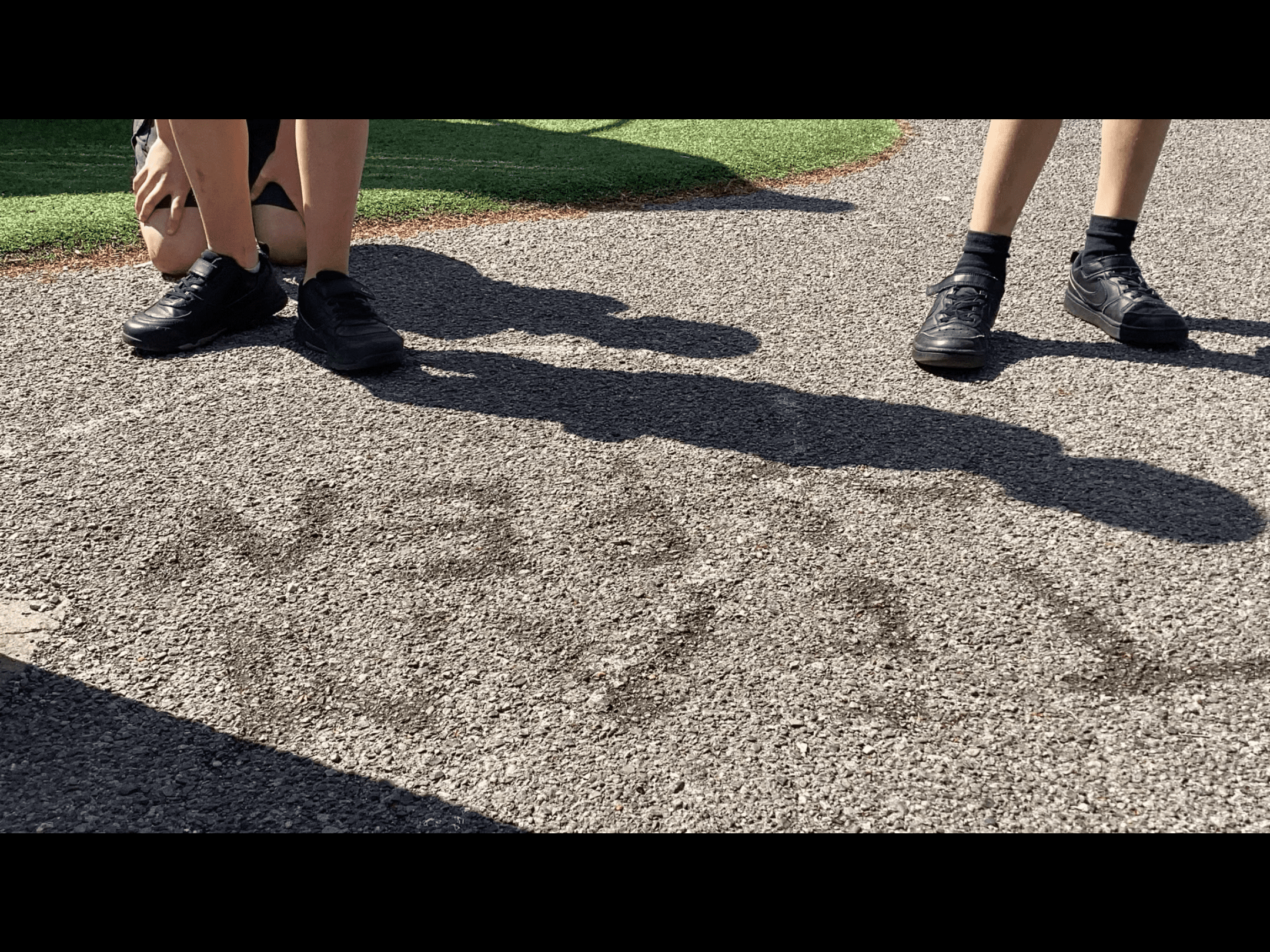
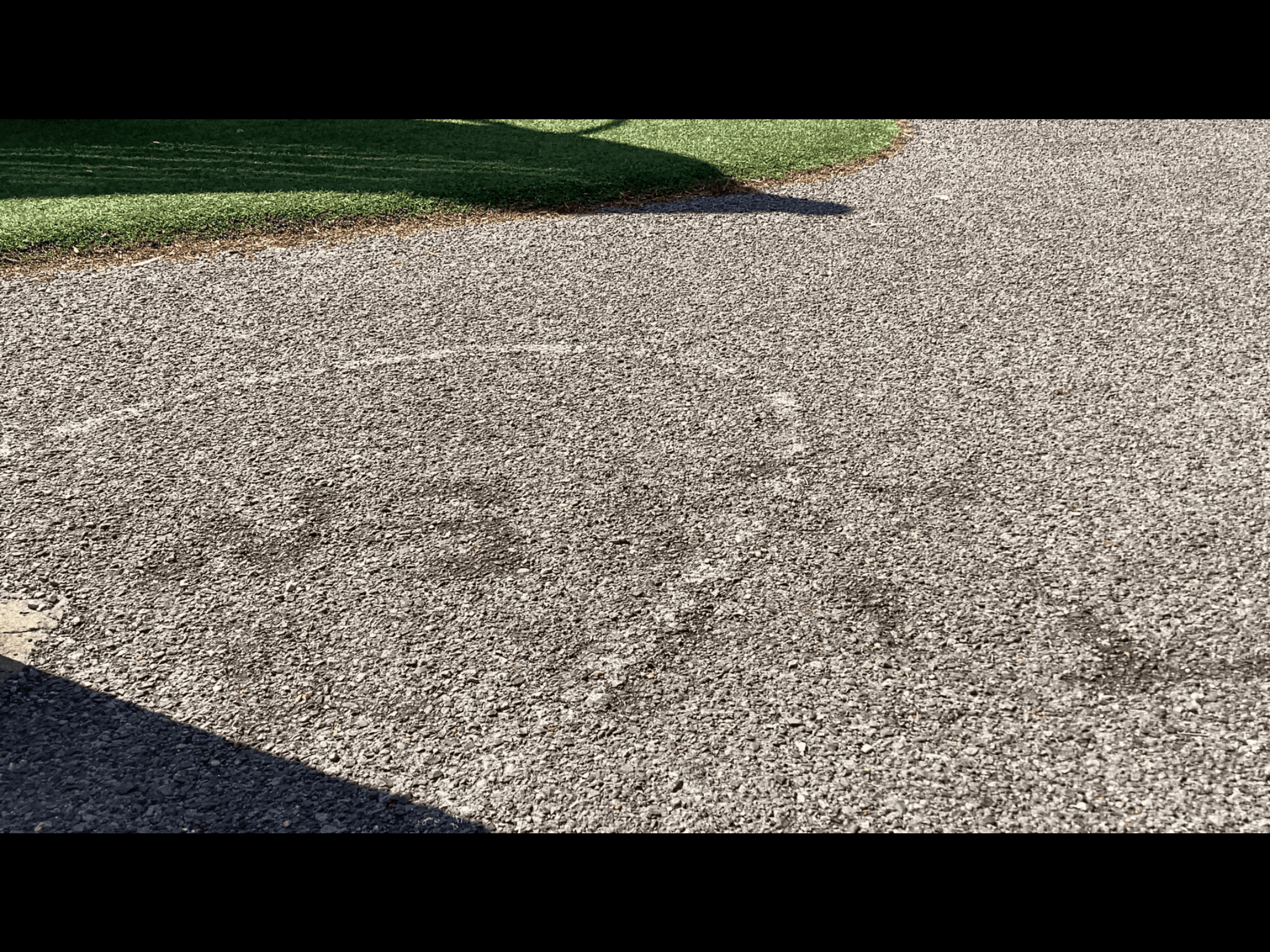
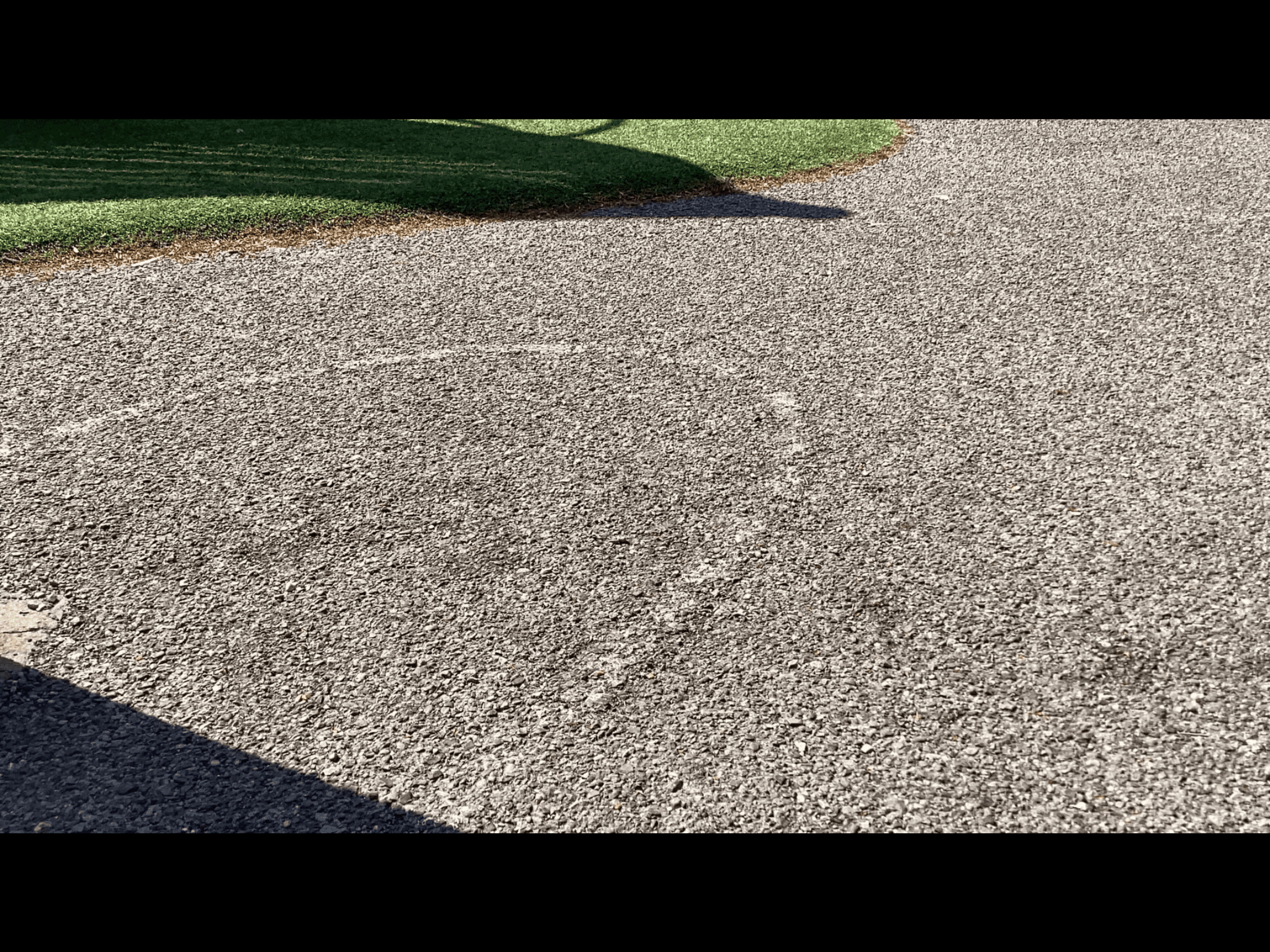
This week, Team 3/4 brought the water cycle to life in an exciting geography lesson. Taking advantage of the sunny weather, the playground became an outdoor classroom as the children engaged in a hands-on scientific investigation, aiming to observe and record the process of evaporation.
In the experiment, the children wrote their class name in different areas of the playground with varying exposure to sunlight. We learned that evaporation is the process by which water changes from a liquid to a gas, mostly due to heat from the sun. As the sun’s energy heats the water, molecules gain enough energy to escape into the air as water vapour. This is the first stage of the water cycle, which continues with condensation, precipitation, and collection.
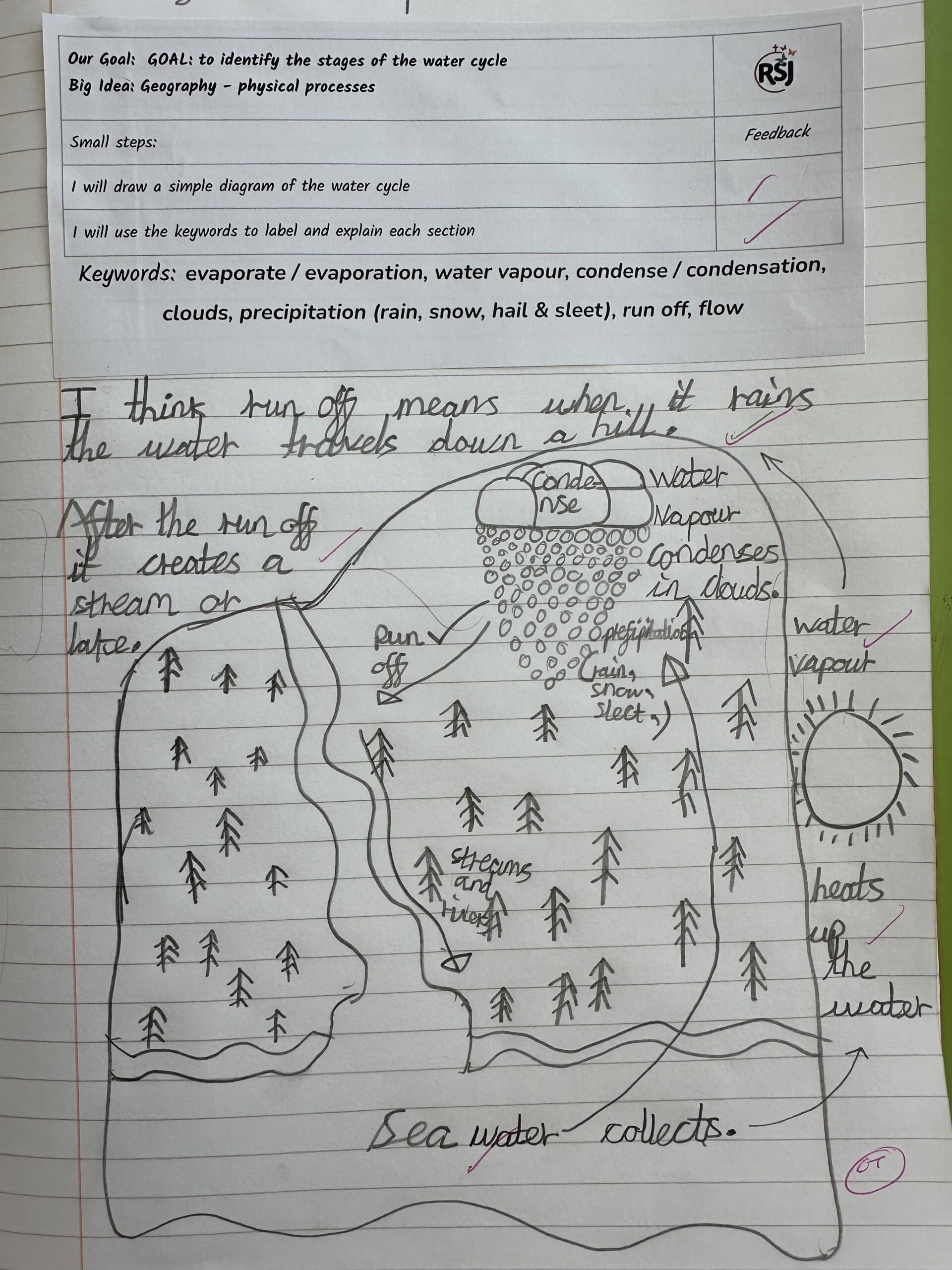
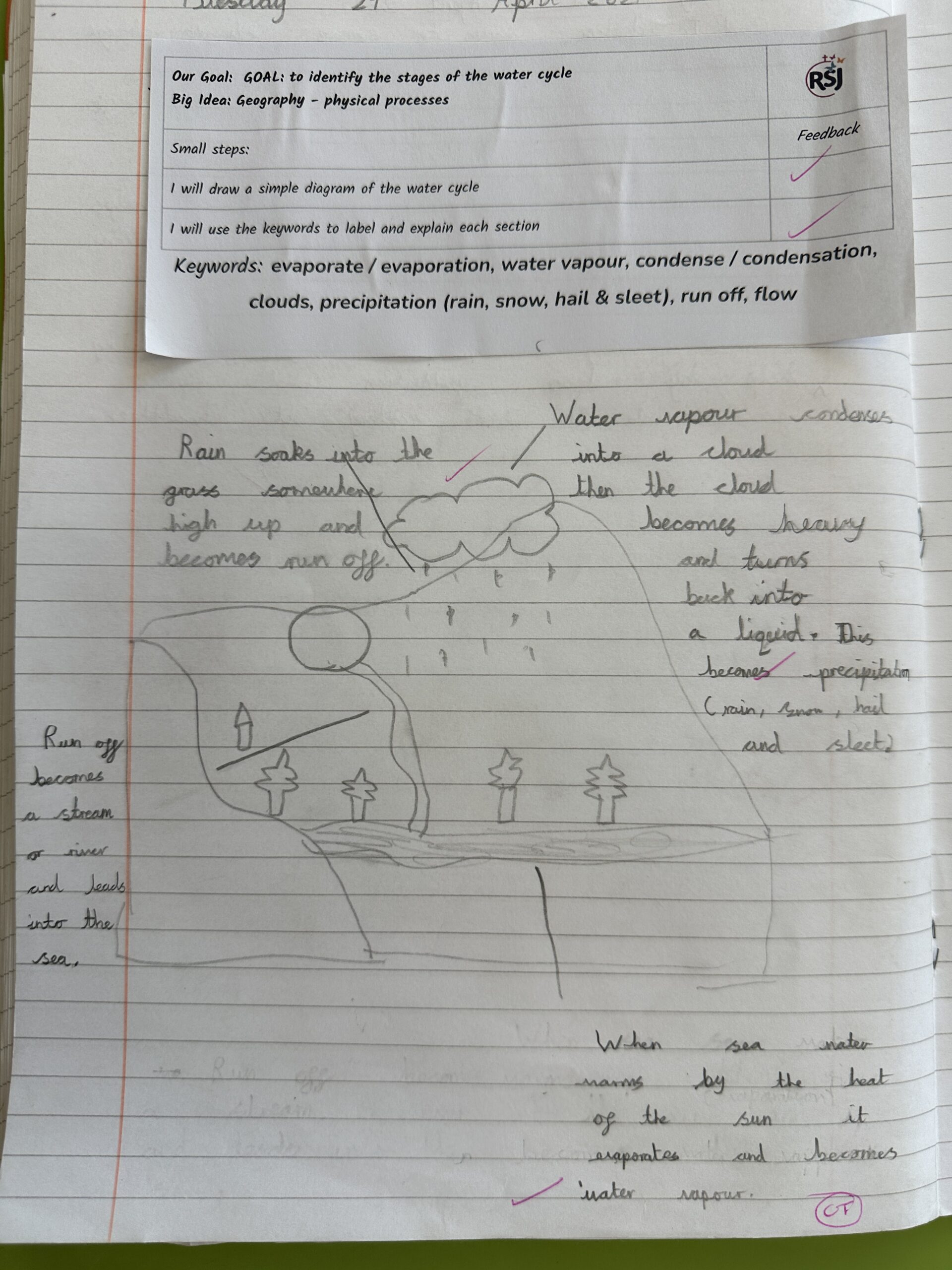
The children created a ‘time-laspe’ of the process on the iPads, showing an hour of footage in just a few seconds. This helped the children to easily view the process, and observe patterns and differences in evaporation rates across the different locations. To take their learning a step further, the children created their own diagrams of the water cycle which helped to visually represent the process and consolidate their learning.
Team 5 / 6: Brilliant Biomes
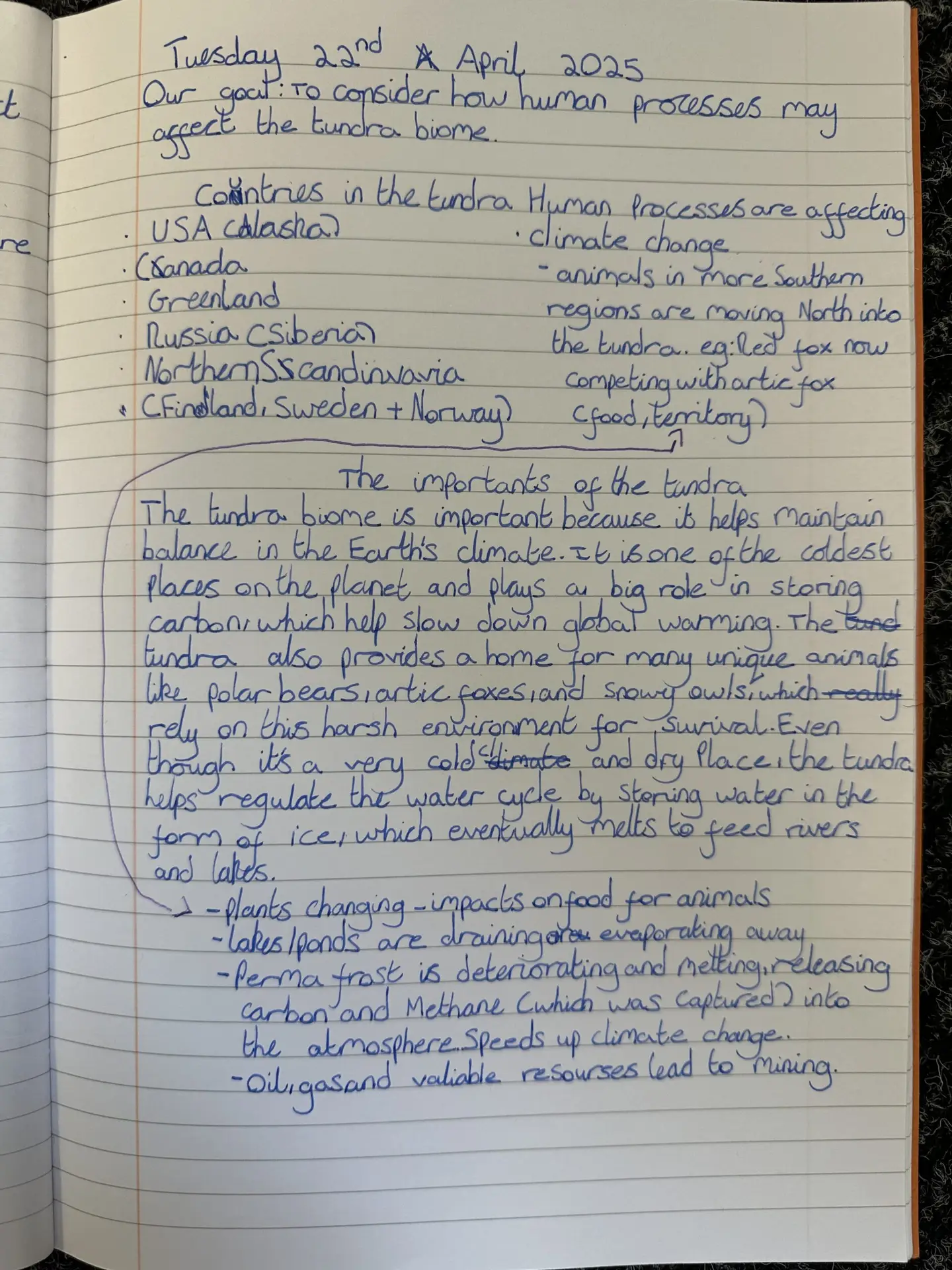
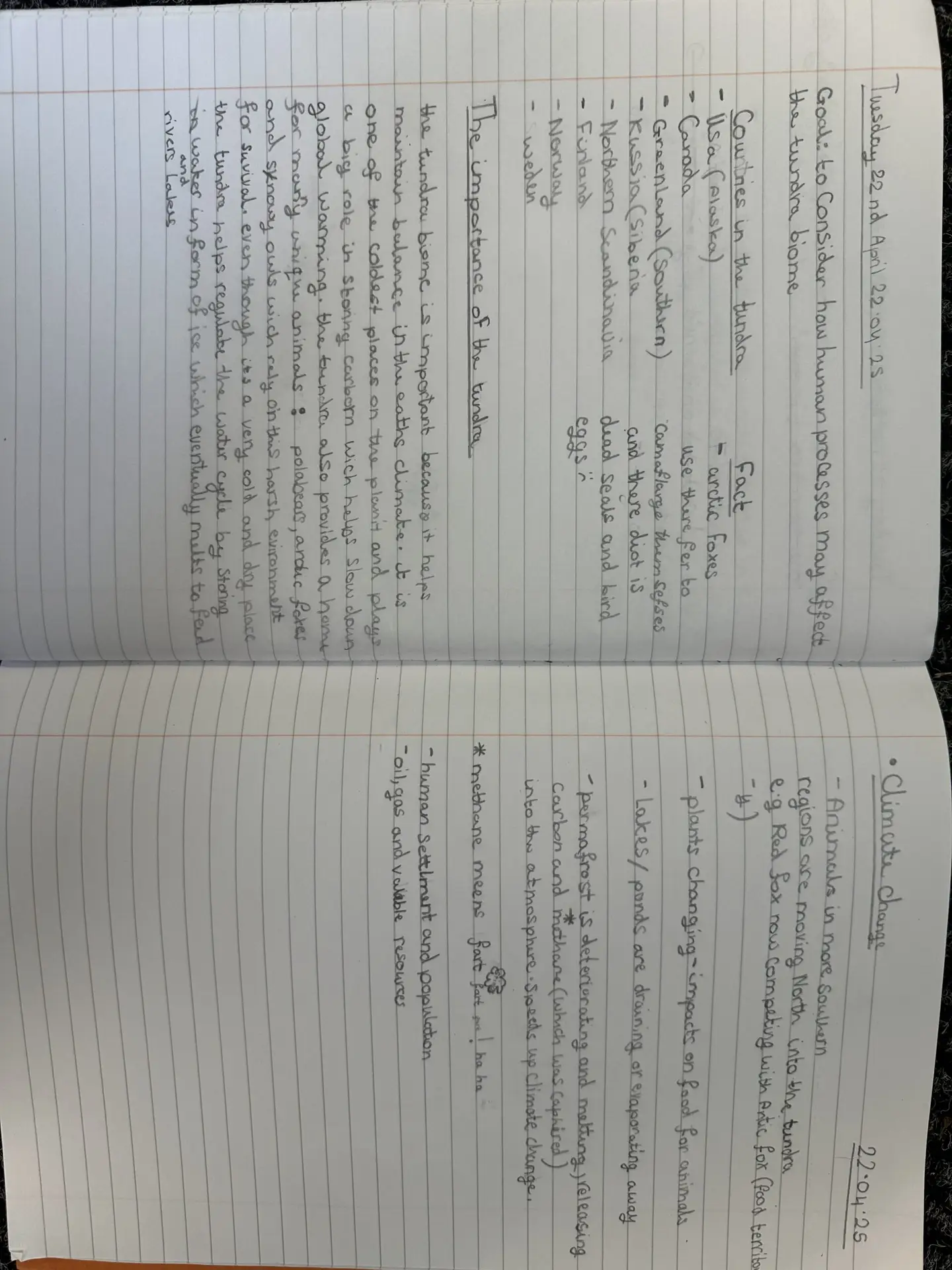
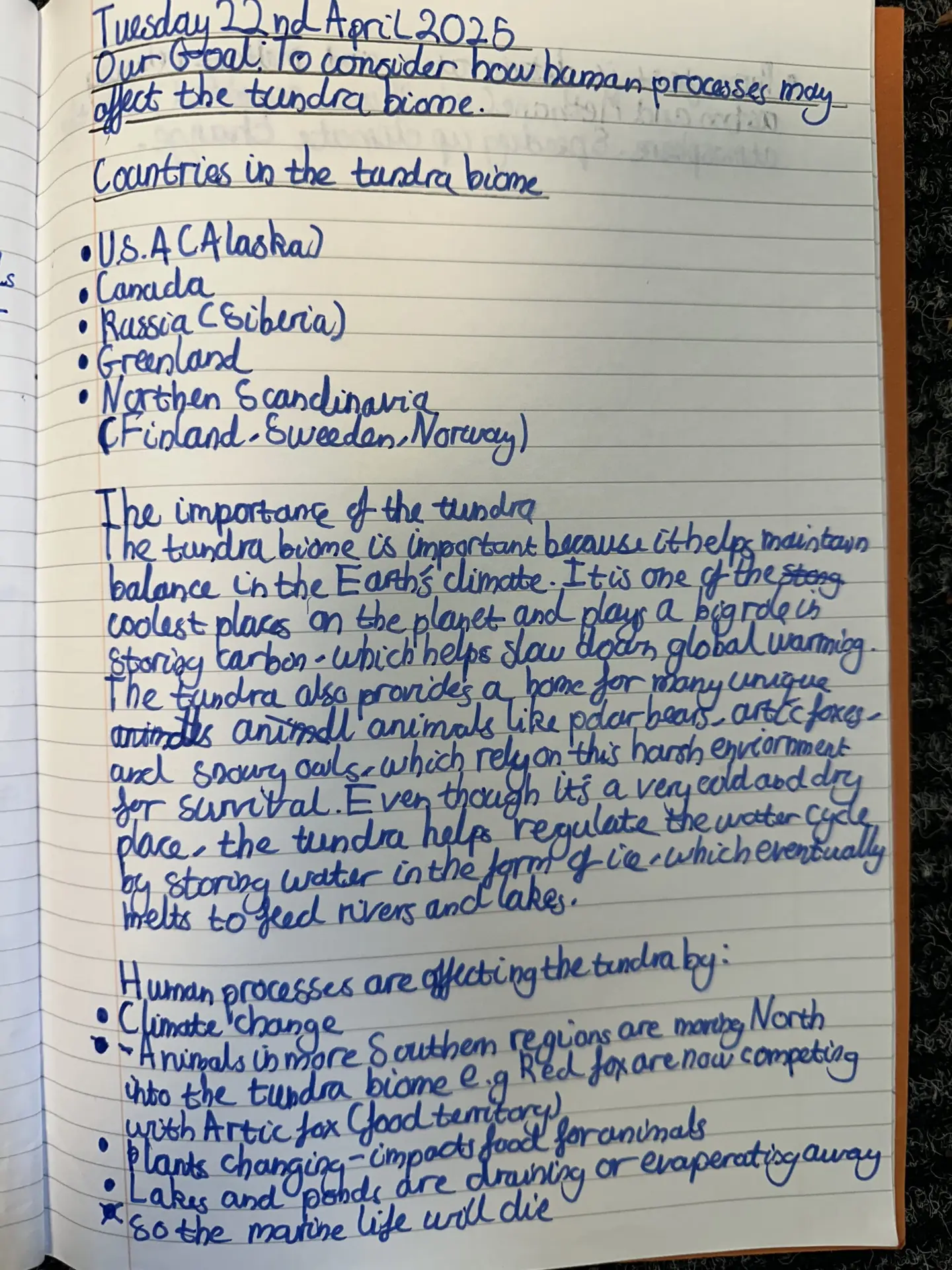
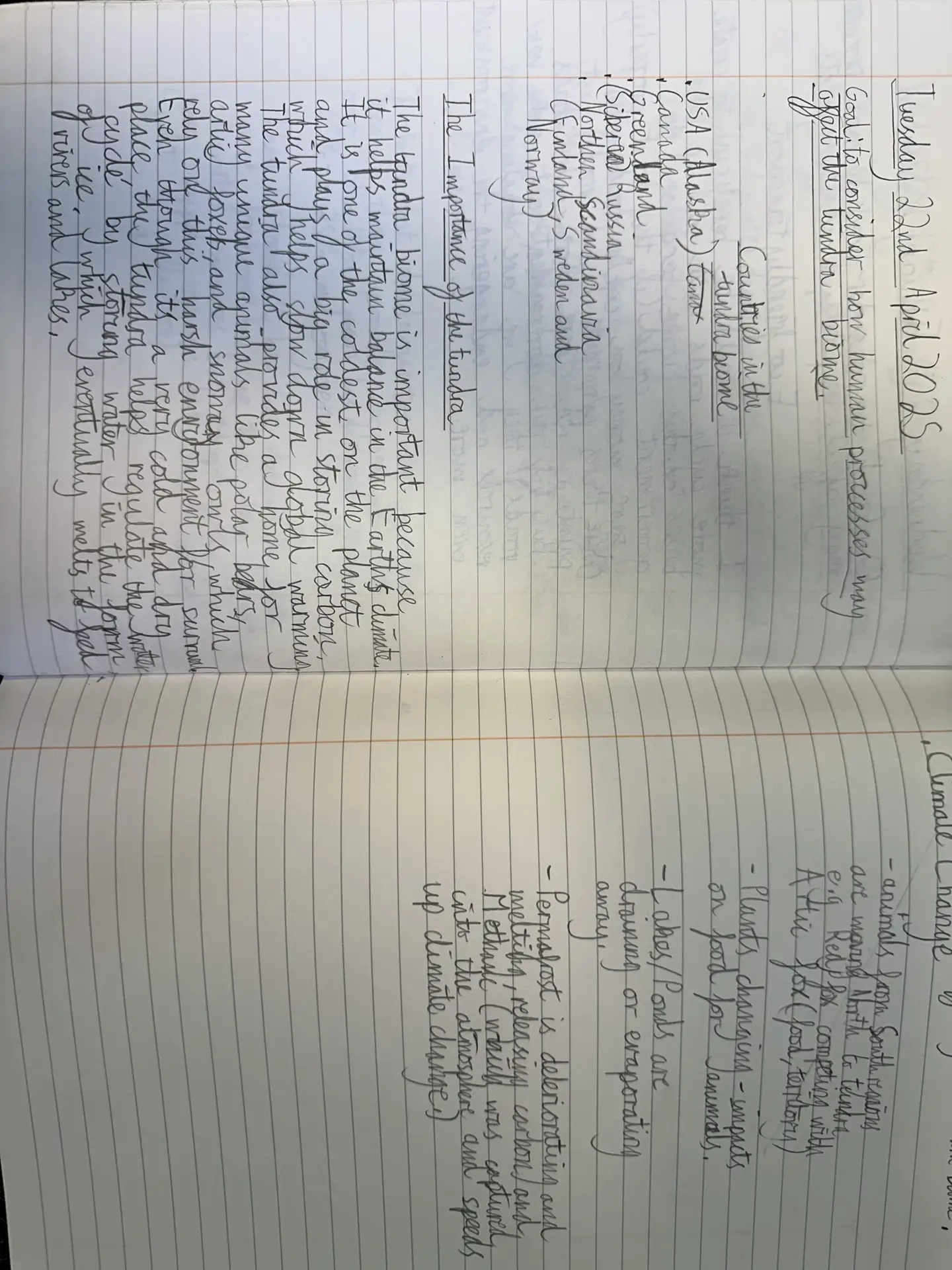
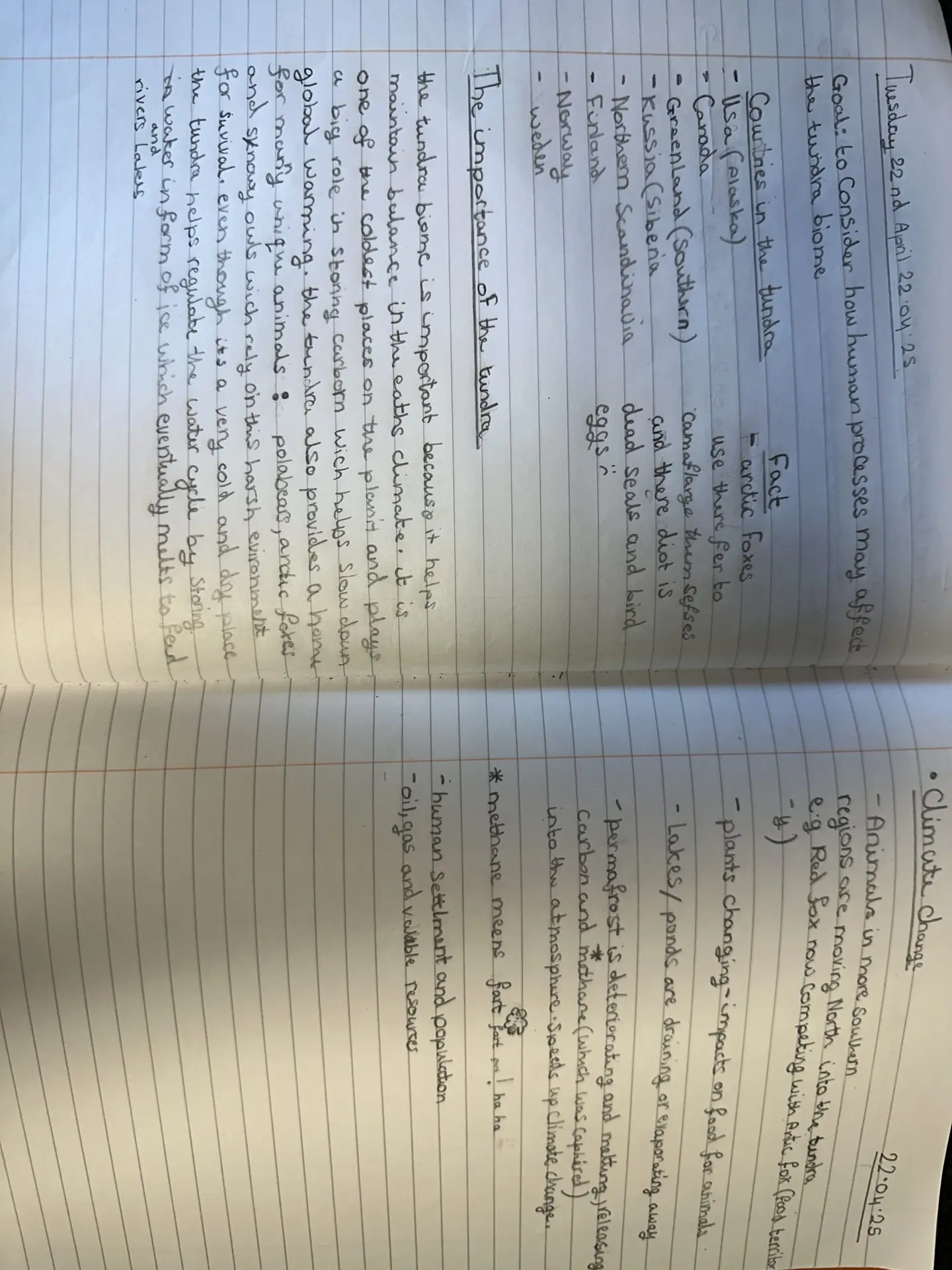
Currently in our Geography lessons, Year 5/6 are considering how human processes may affect biomes. We began with looking at our own biome – the temperate deciduous forest – and how the area we live in has changed over time. We thought about how we might improve the quality of the environment here by cycling and looked at other children using ‘bus bikes’ to get to school! We have also looked at the effect of farming palm oil in the tropical rainforest and are now considering whether humans have impacted the tundra! Maybe some biomes are more appealing or easier to live in than others, but how do we protect all of these precious resource-filled places?
Follow us on social media!
You can find us on Facebook and Instagram @RownhamsSchool, where we share more photos of what has been going on around the school, and celebrate the children’s learning.