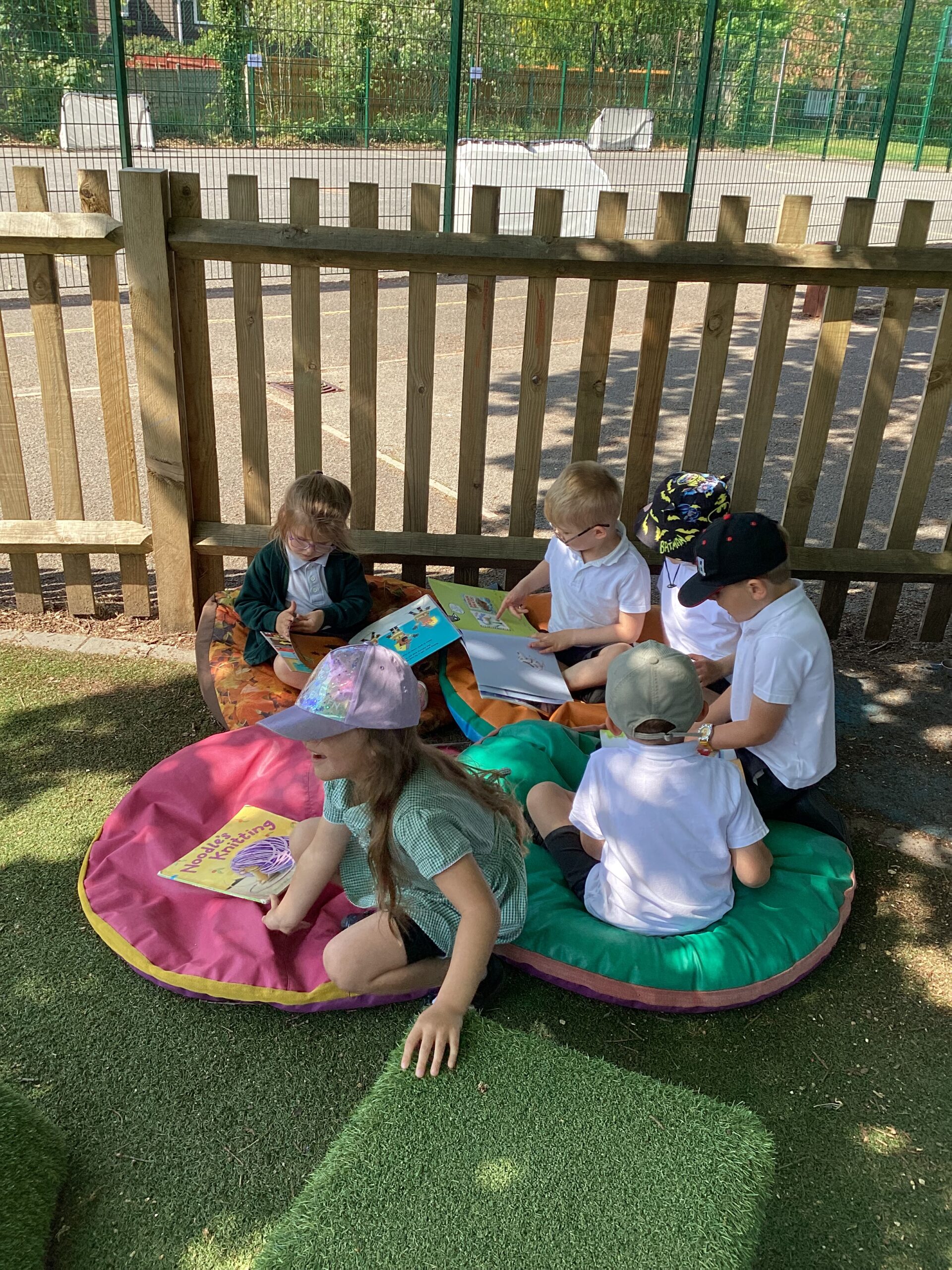
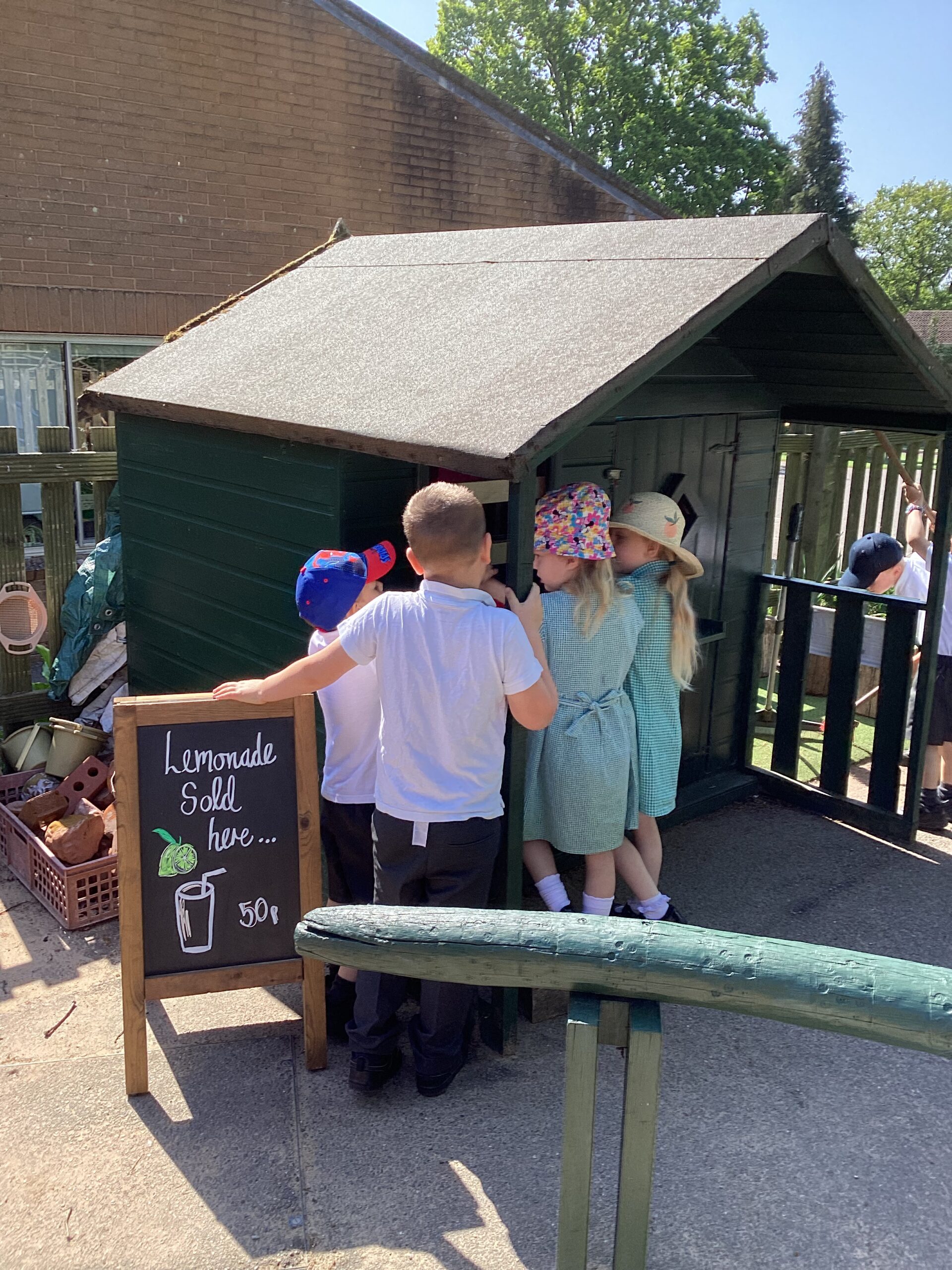
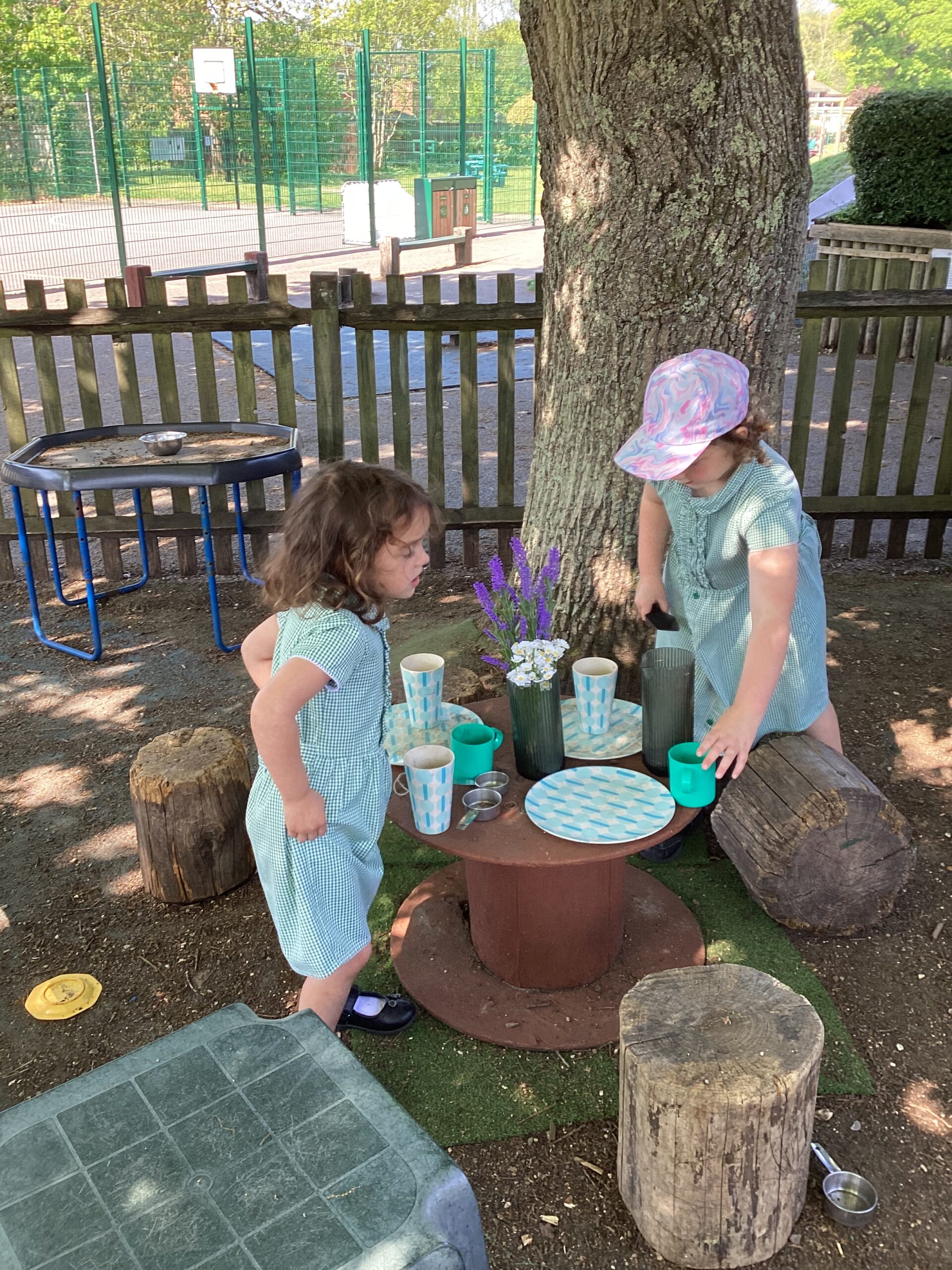
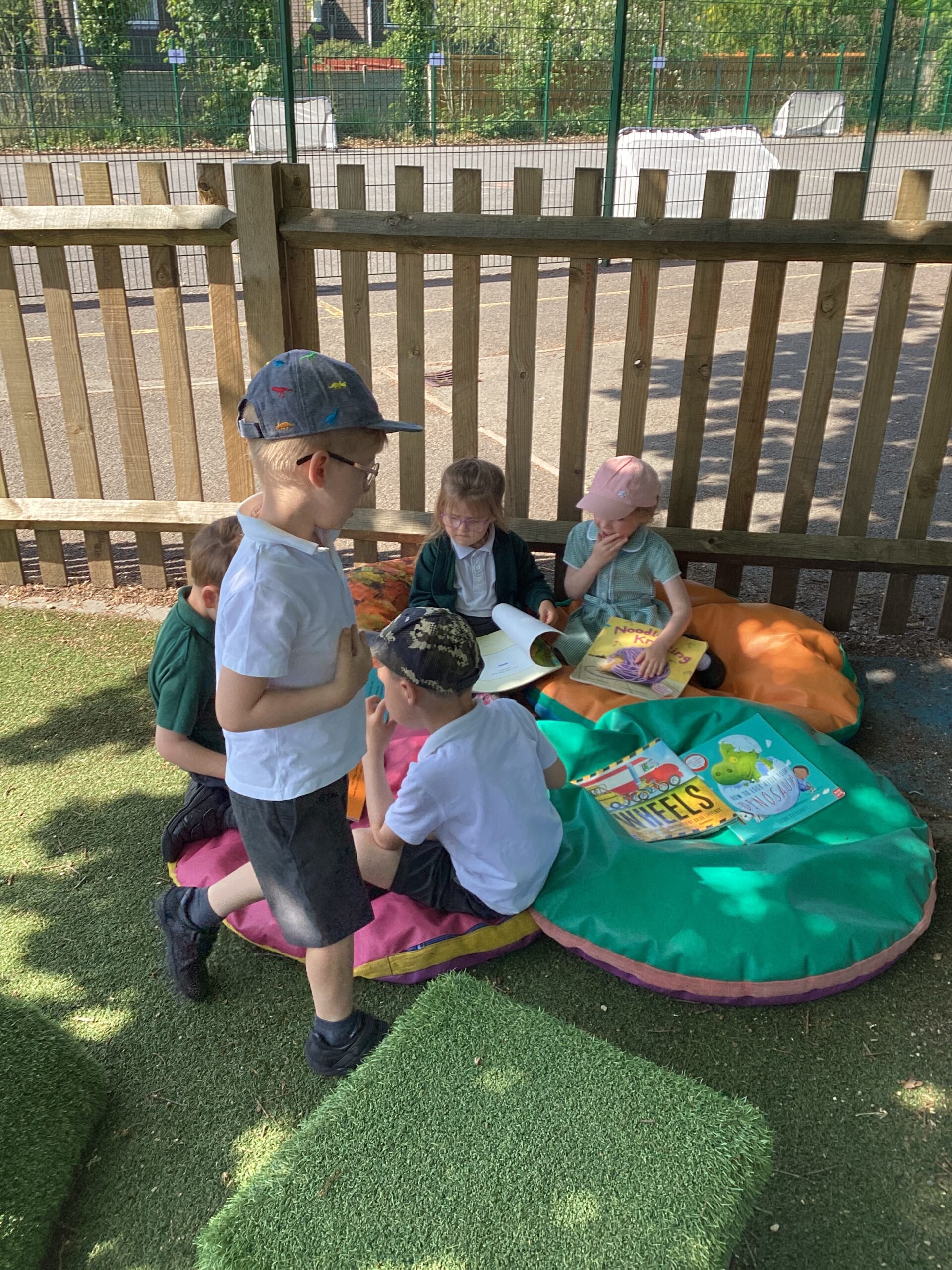
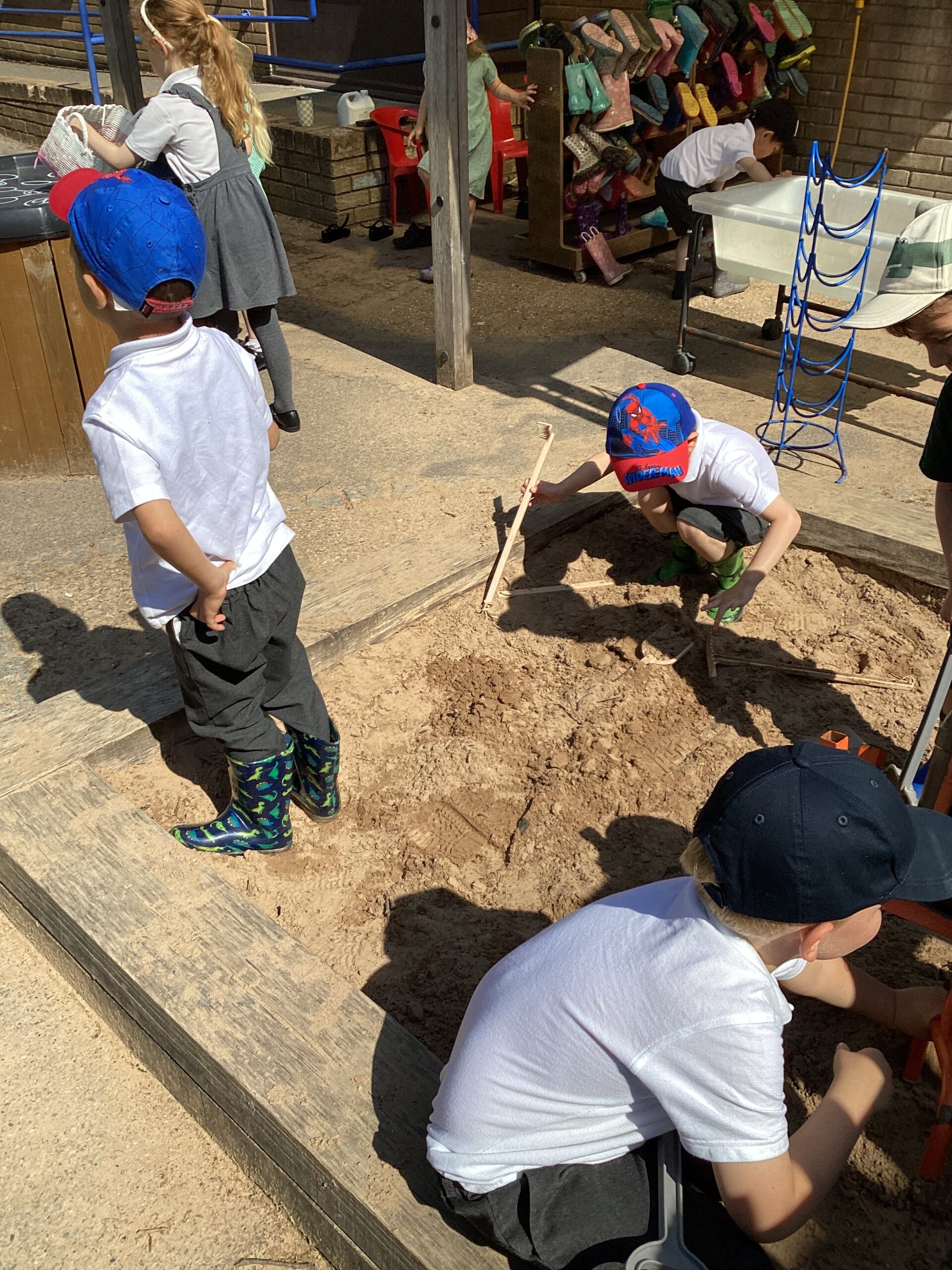
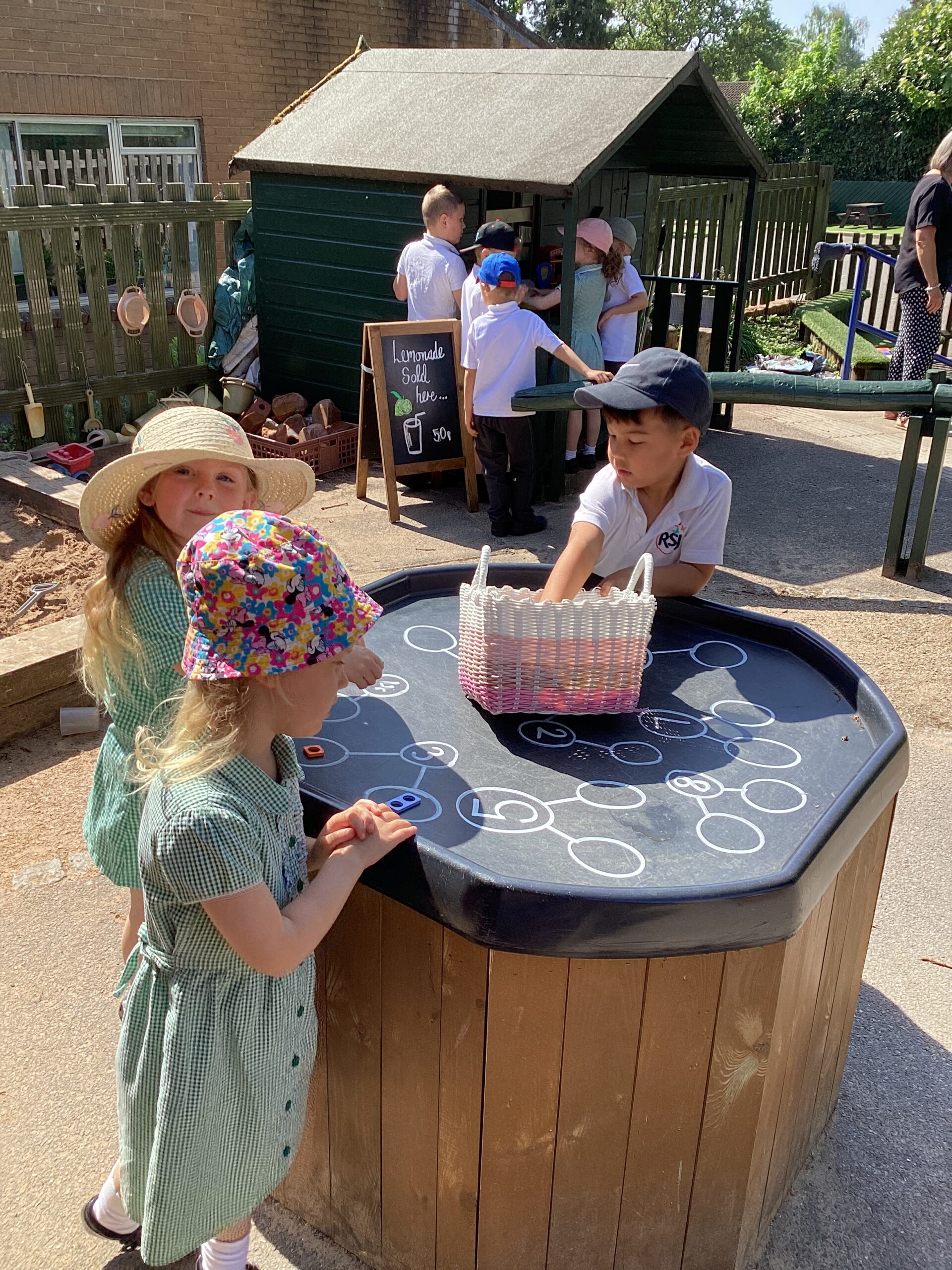
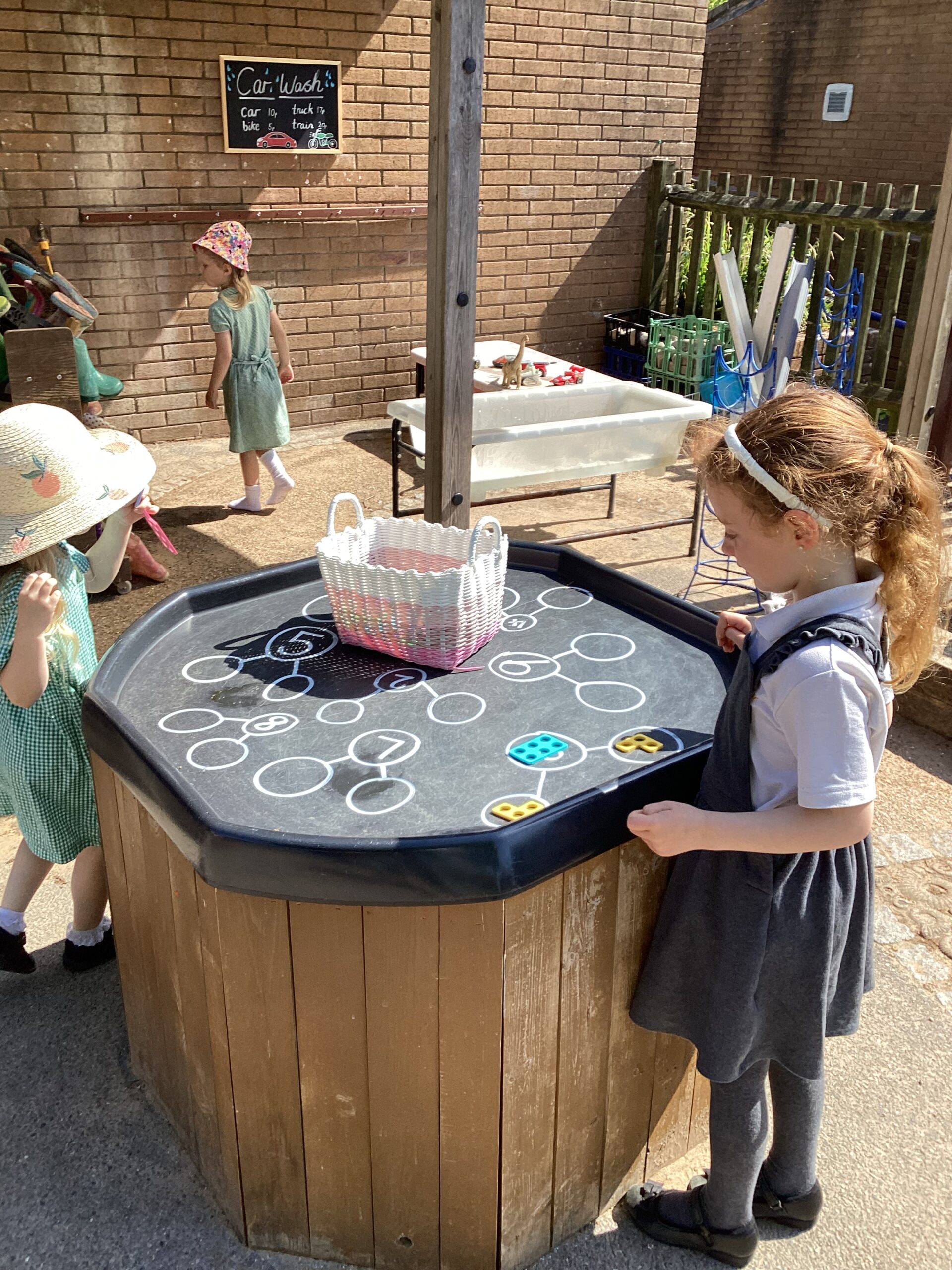
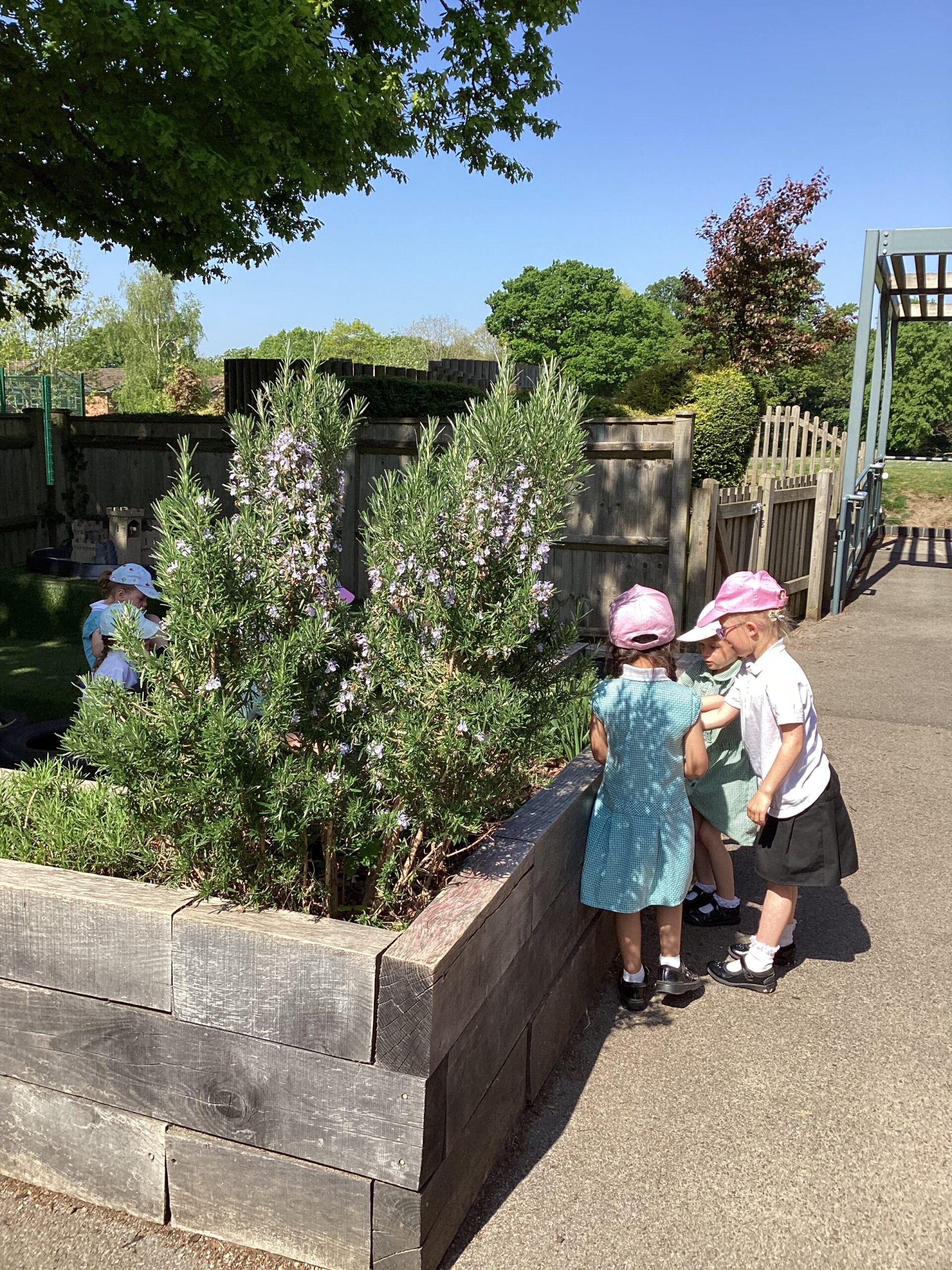
Team R: Enjoying the sunshine in our Outdoor Area!
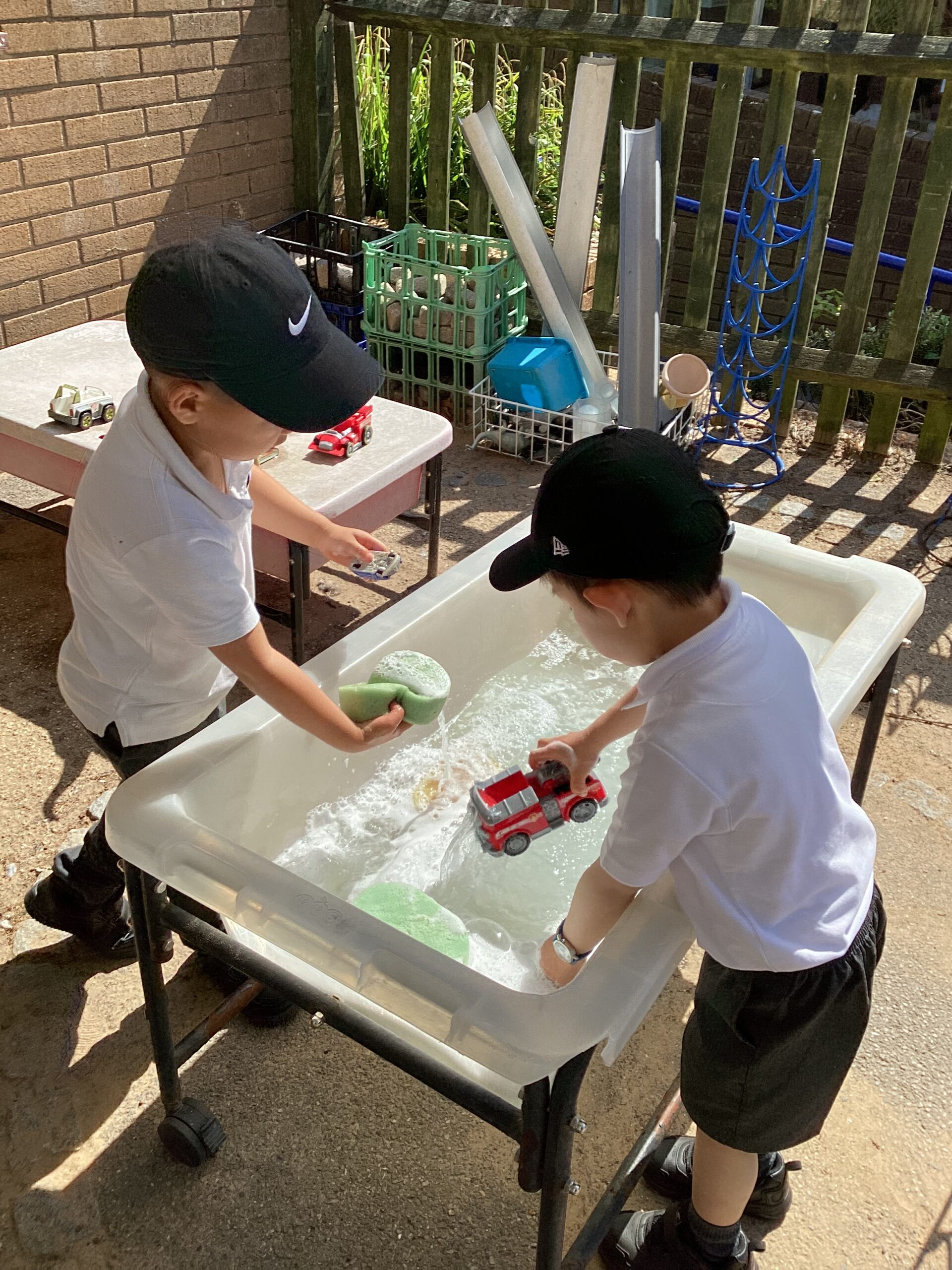
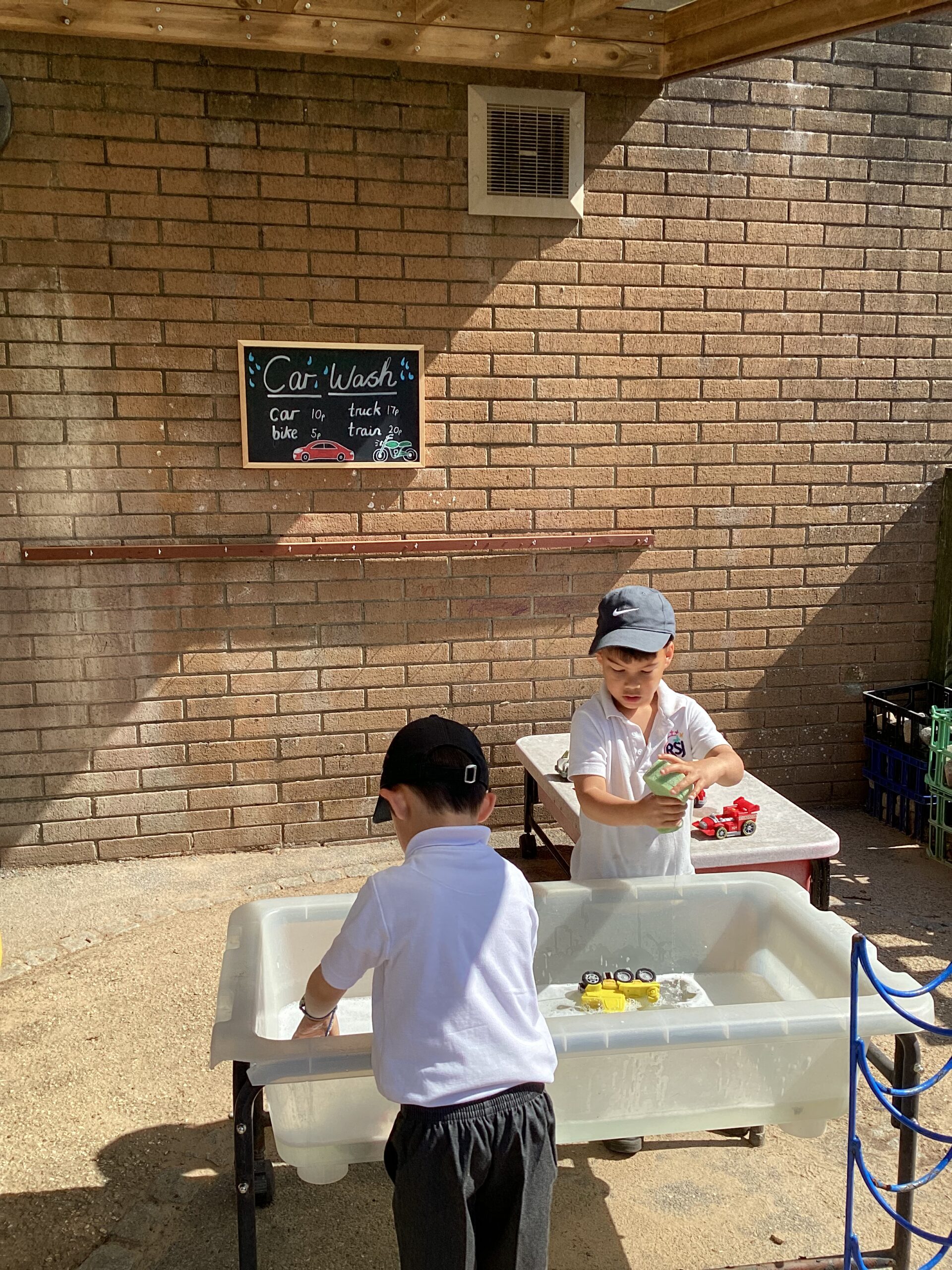
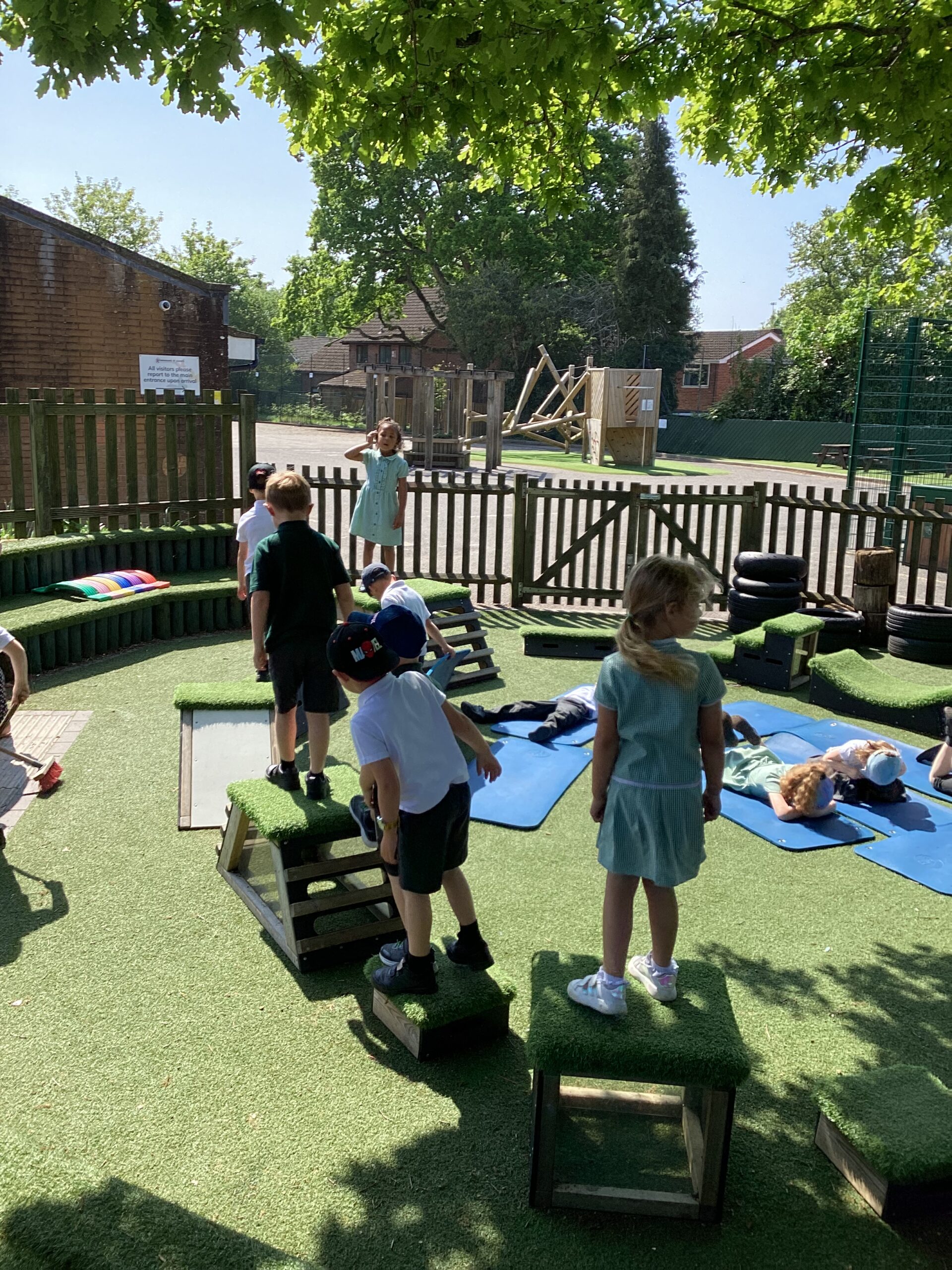
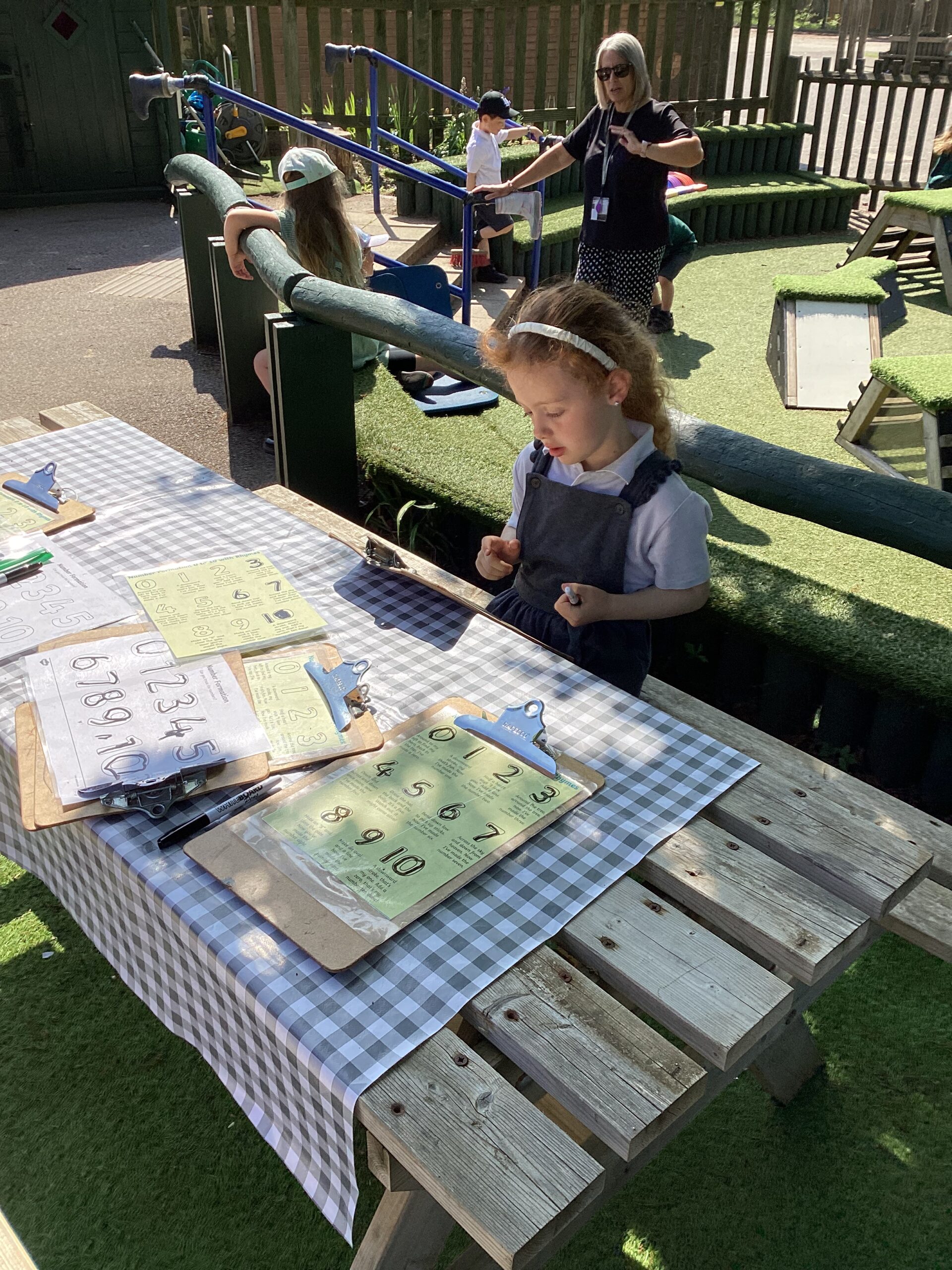
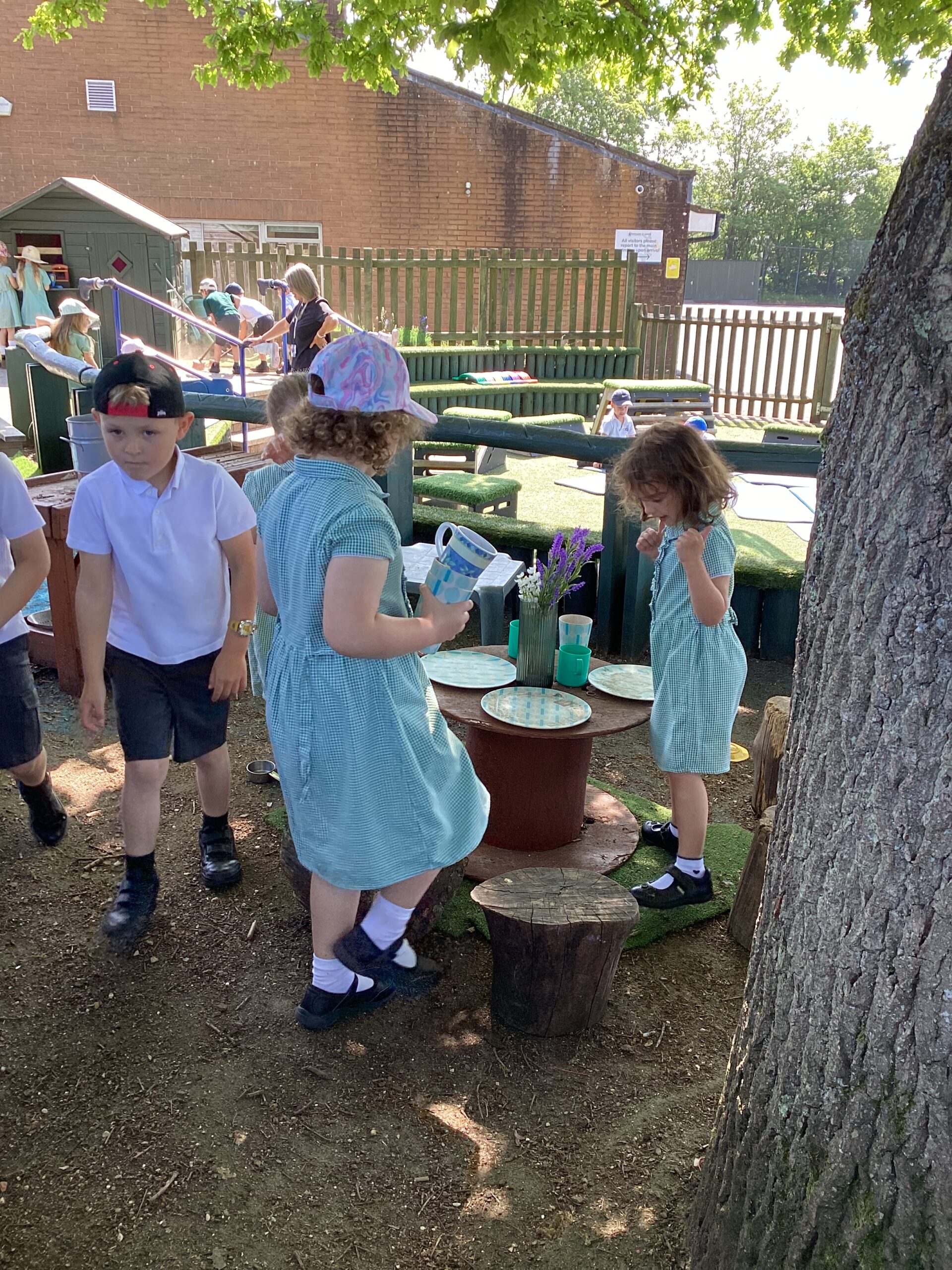
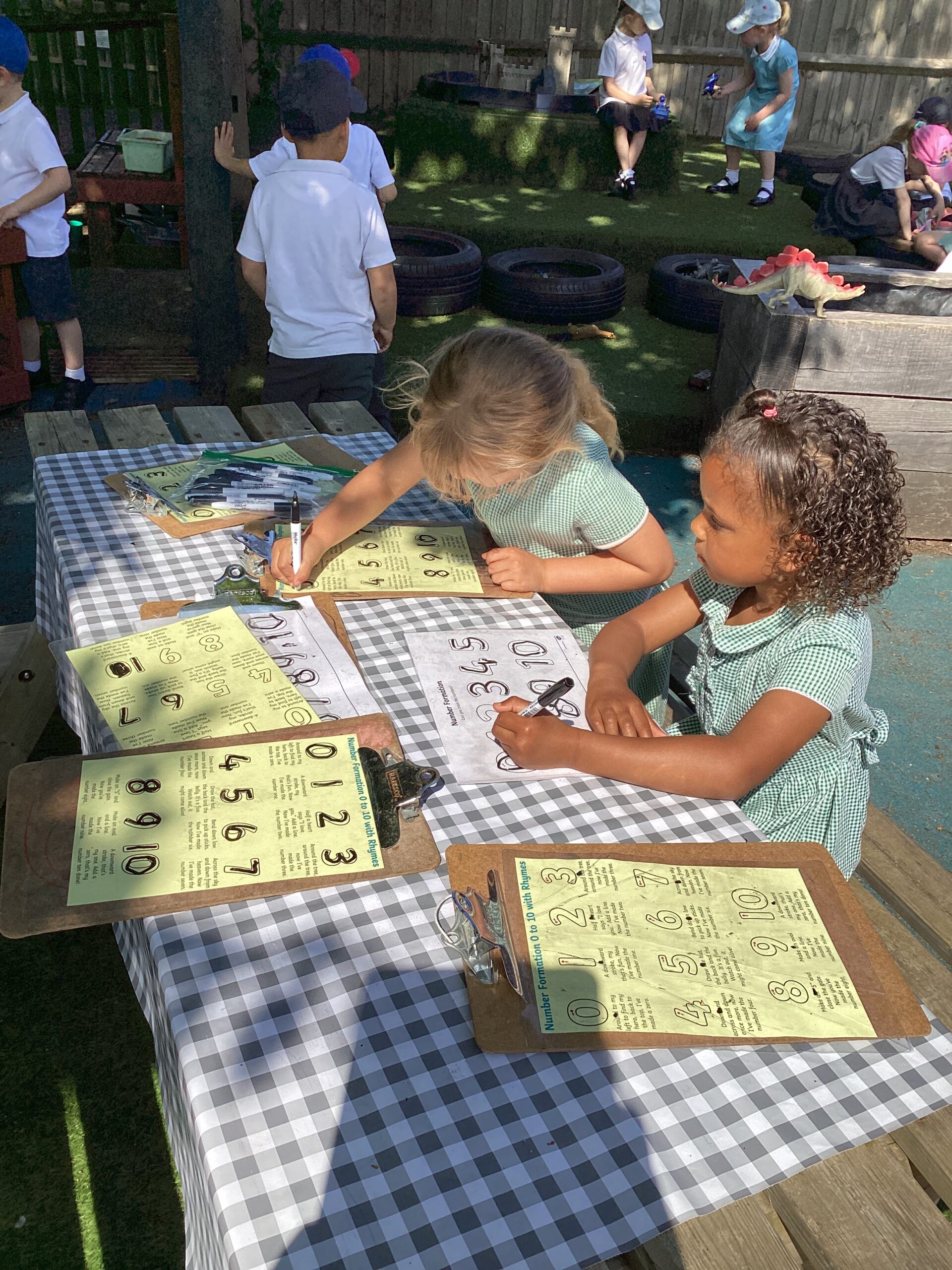
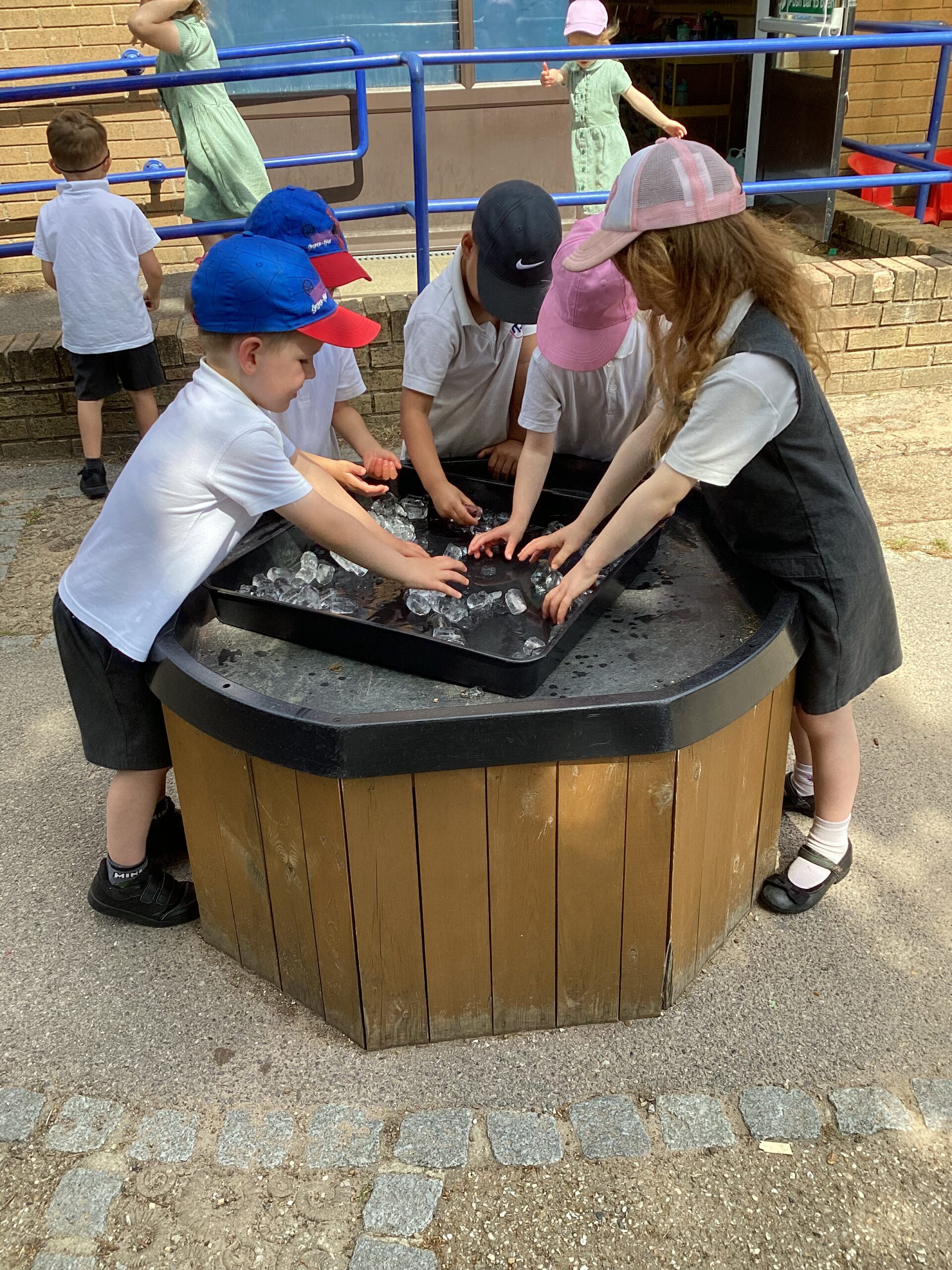
This week in YR, we’ve loved spending time outdoors in the sunshine! The children turned the water area into a busy car wash, cleaning vehicles with great enthusiasm. They made sandy creations in the sand pit and cooked up muddy meals in the mud kitchen. In the maths area, they explored number bonds to 10 using numicon. Our garden area sparked curiosity as they helped care for the plants. To build core strength and coordination, we flipped tyres and zoomed around on scooter boards. It’s been wonderful to see the children learning, playing, and growing outdoors!
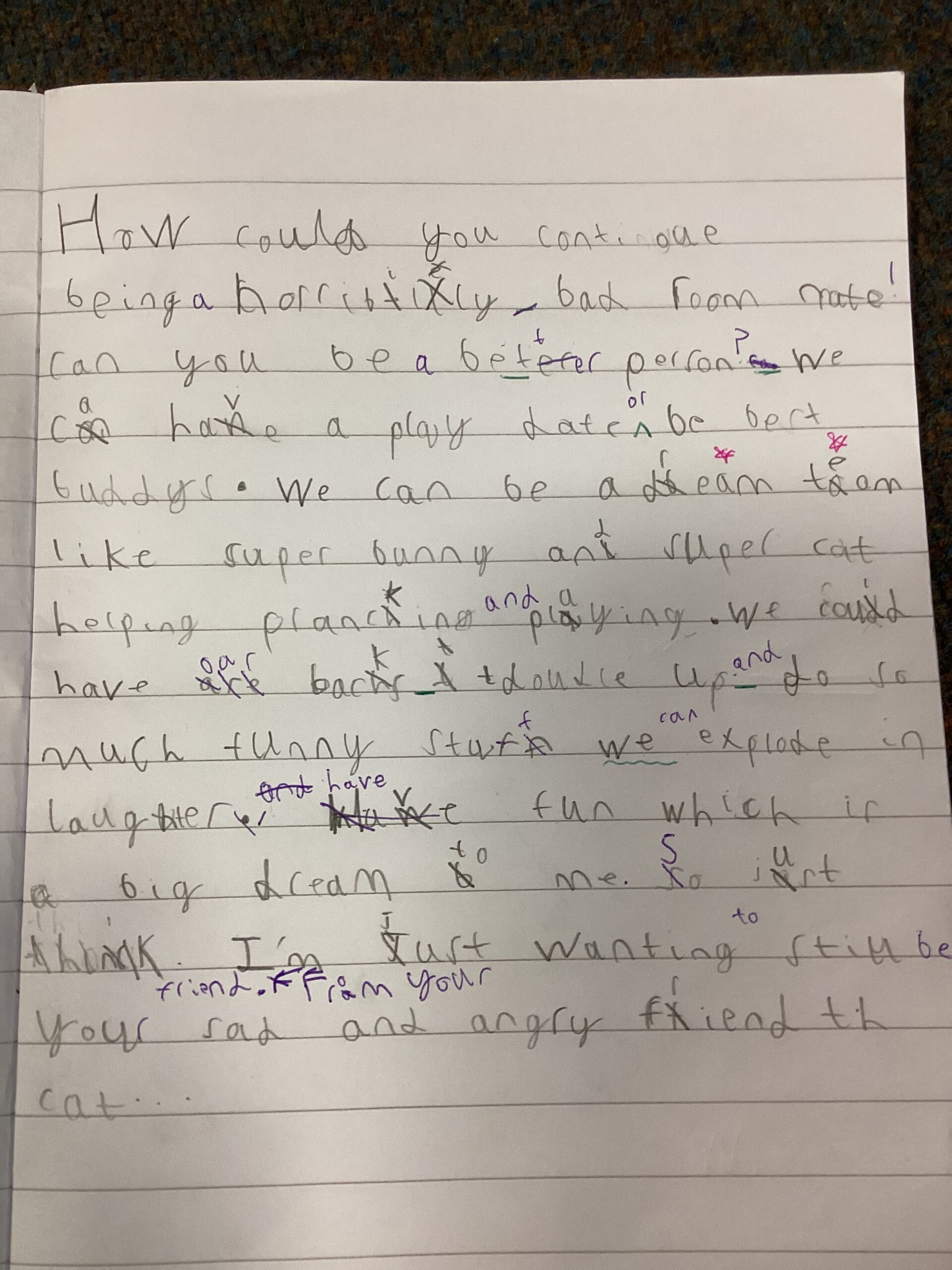
Team 1 / 2: Persuading Pinky the Pest
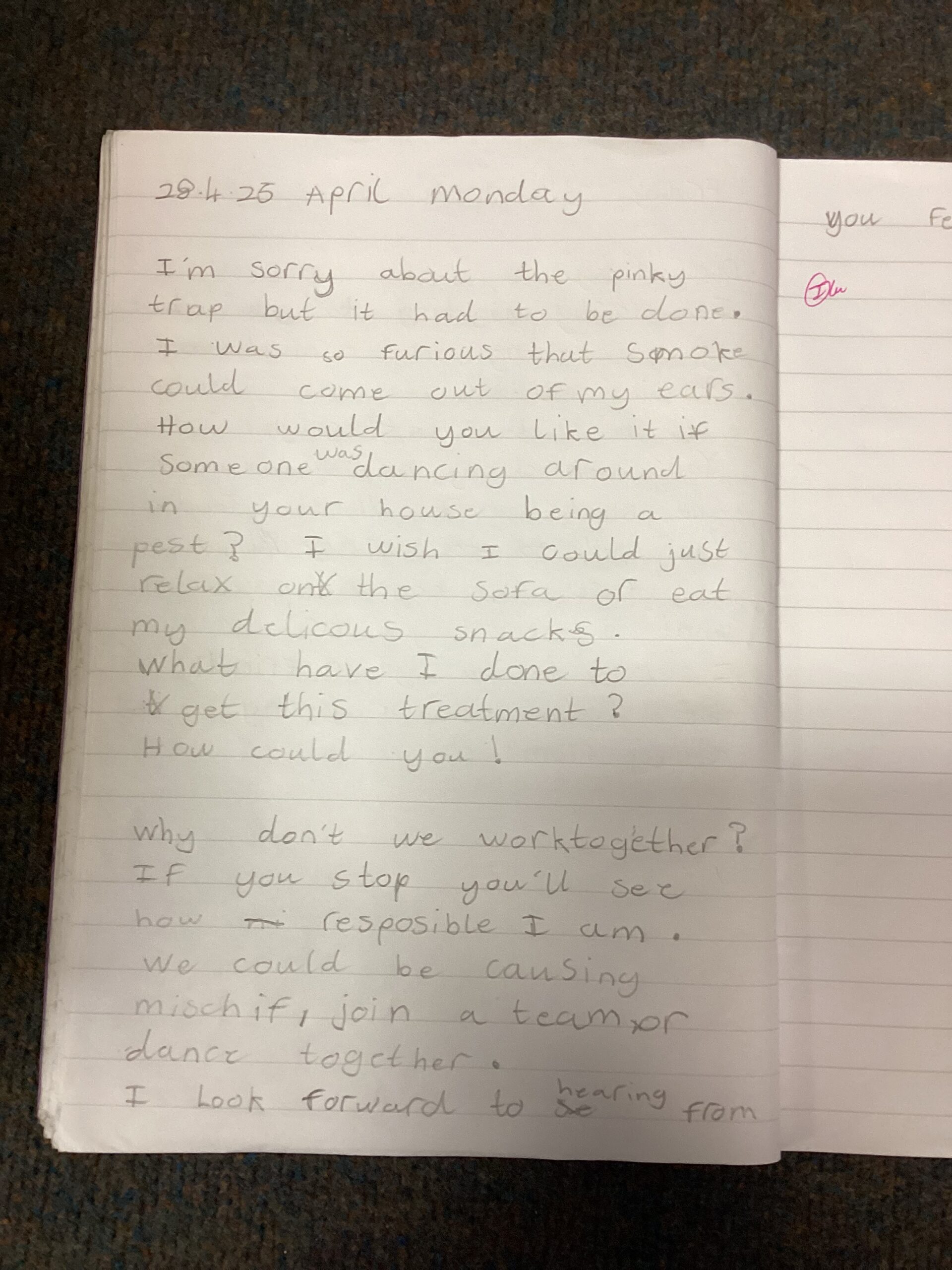
This week, Team 1/2 have been busy becoming budding writers – and a clever little cat has helped them along the way!
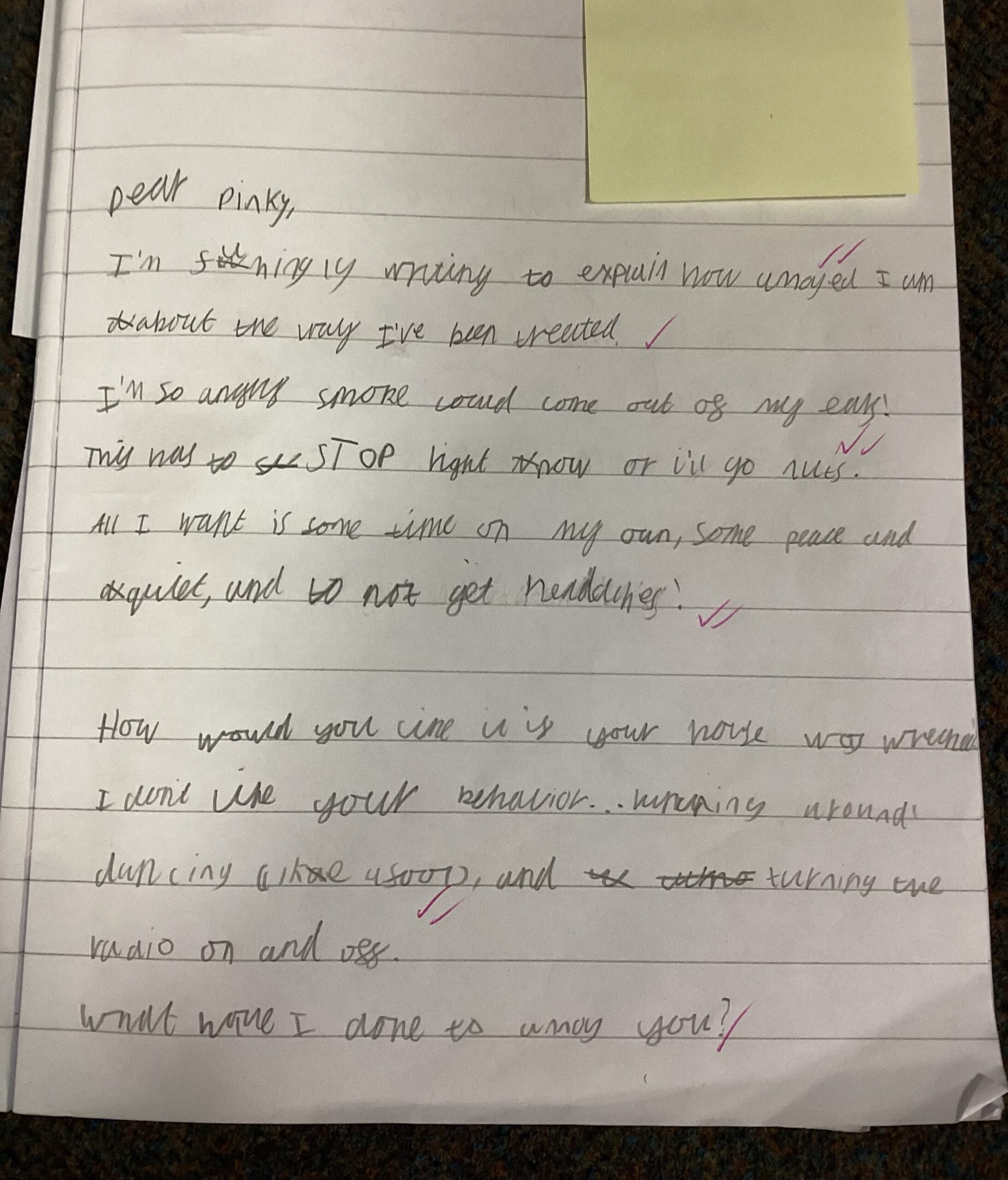
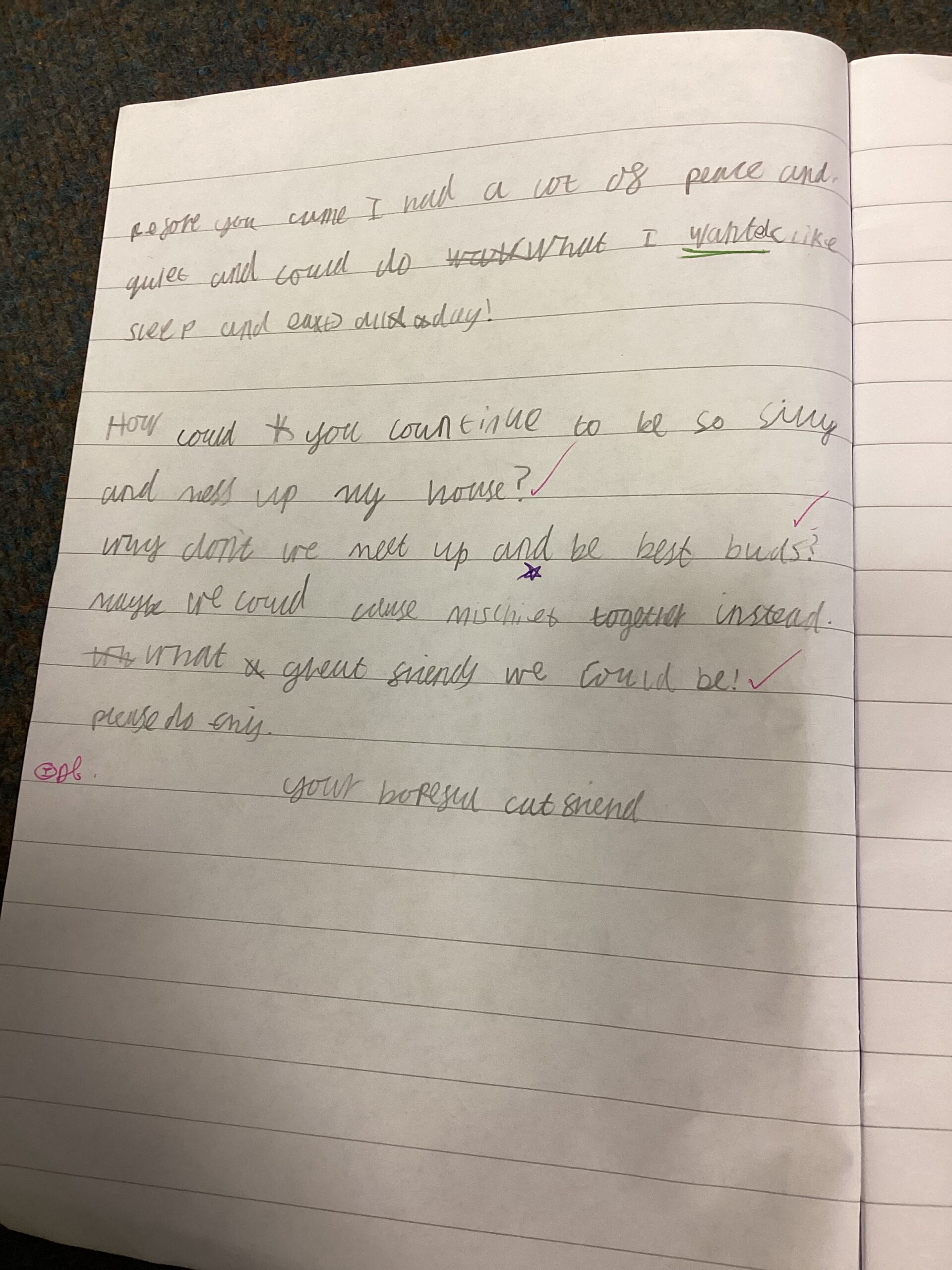
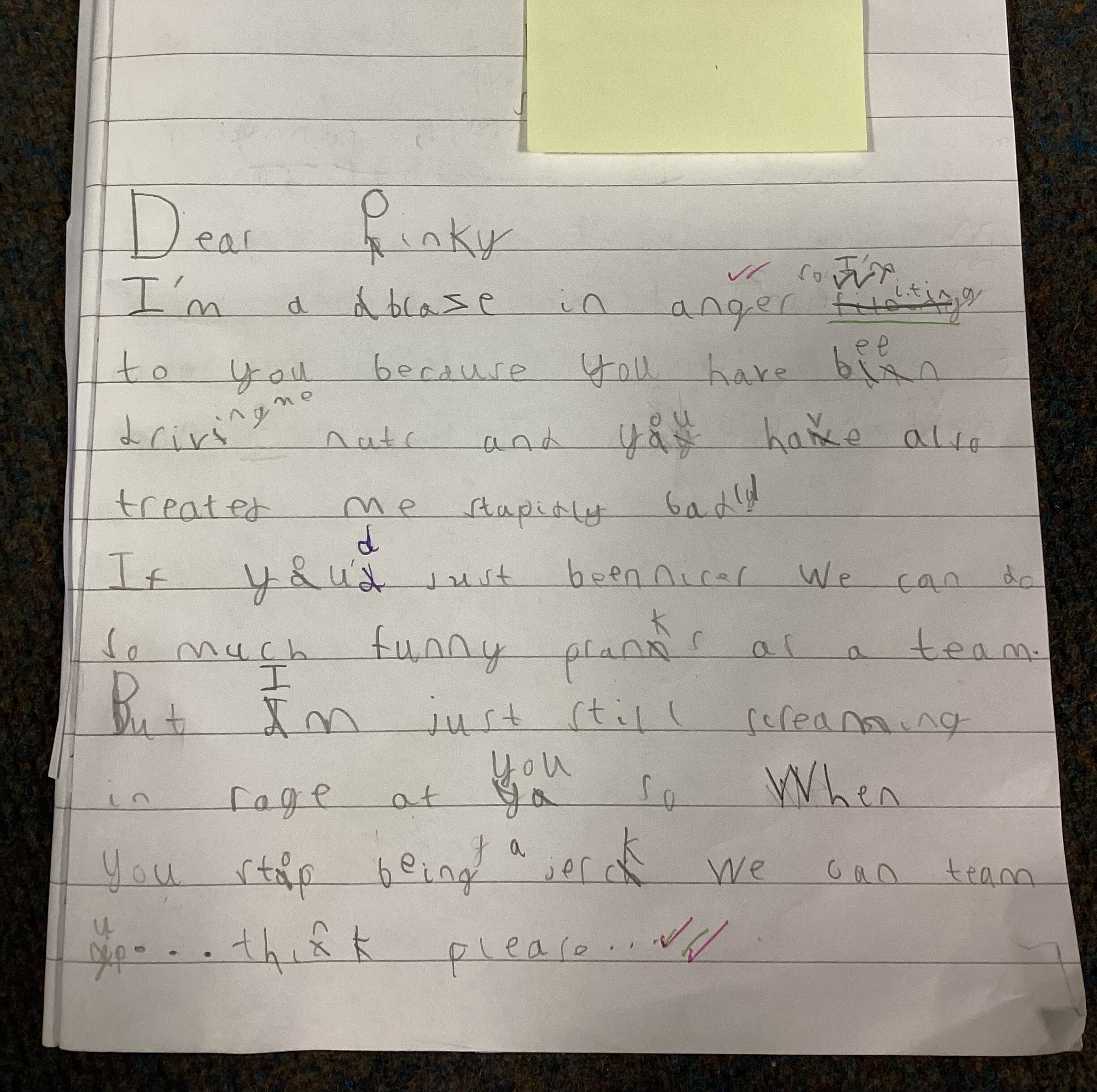
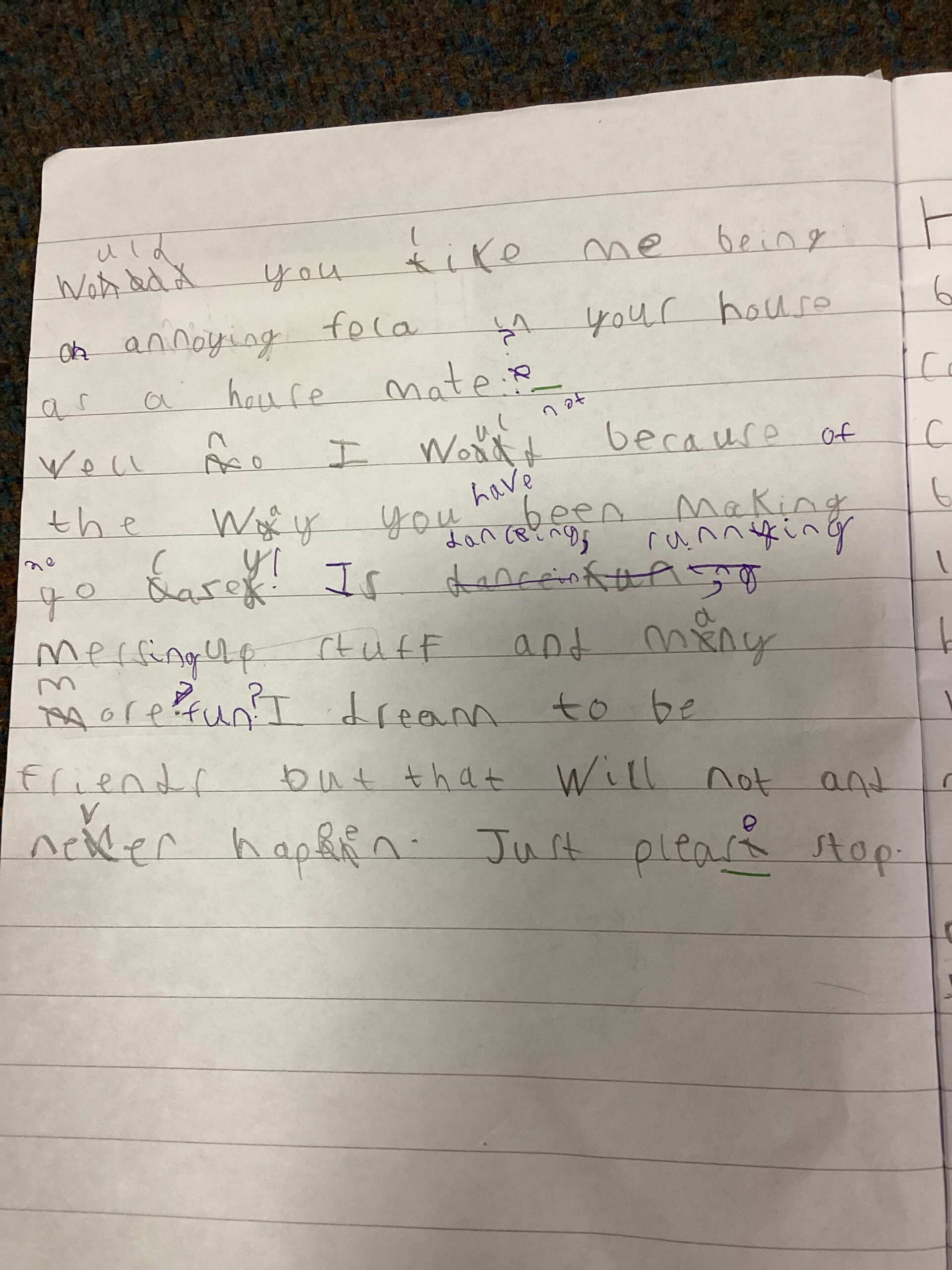
We watched the short film “Don’t Go” from Literacy Shed, a charming animation about a mischievous kitten named Pinky and a very patient older cat. The story gave us the perfect opportunity to talk about emotions, relationships, and how we use words to change someone’s mind. After discussing the video, the children imagined they were the older cat, writing a persuasive letter to Pinky. Their task? To convince Pinky to stop being a pest and think about how his actions affect others. We explored how to use kind but firm language, persuasive phrases, and even a few clever tricks like rhetorical questions.
The results were fantastic – full of creativity, empathy, and strong persuasive language. We’re so proud of how the children stepped into the shoes (or paws!) of the characters and brought their letters to life. Why not ask your child what advice the cat gave Pinky? You might even get your own persuasive letter at home!
Team 3 / 4: Separating Materials
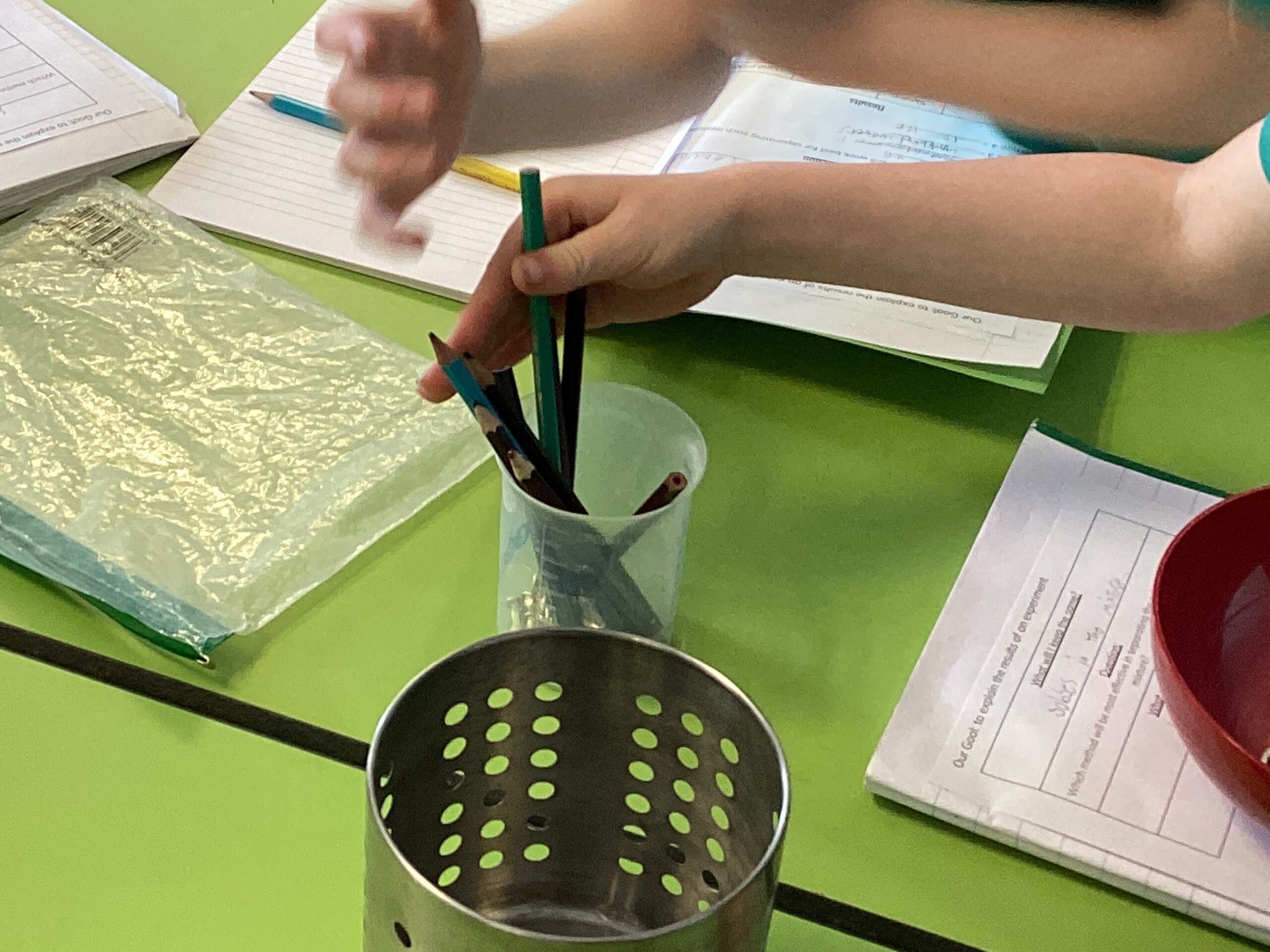
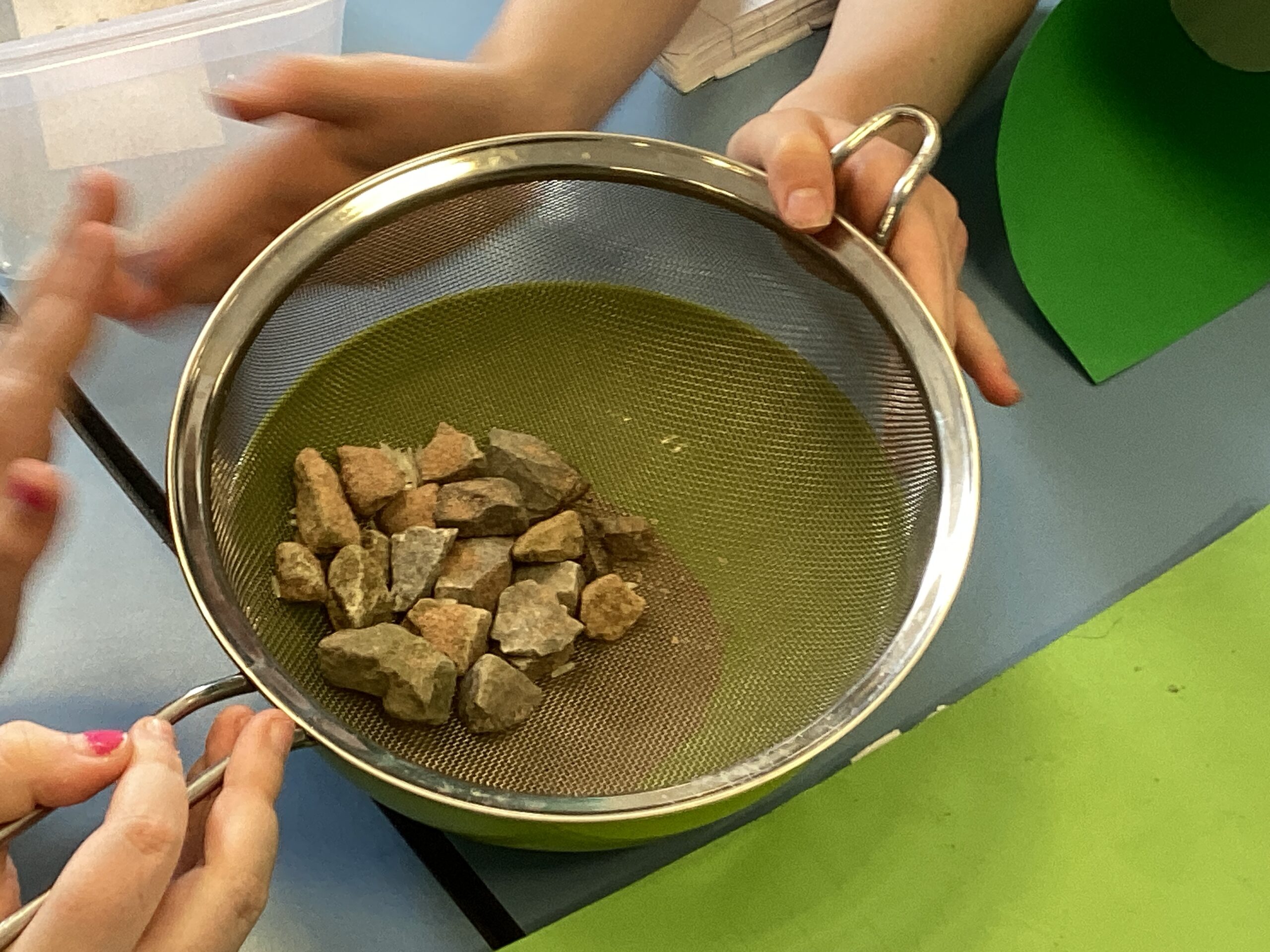
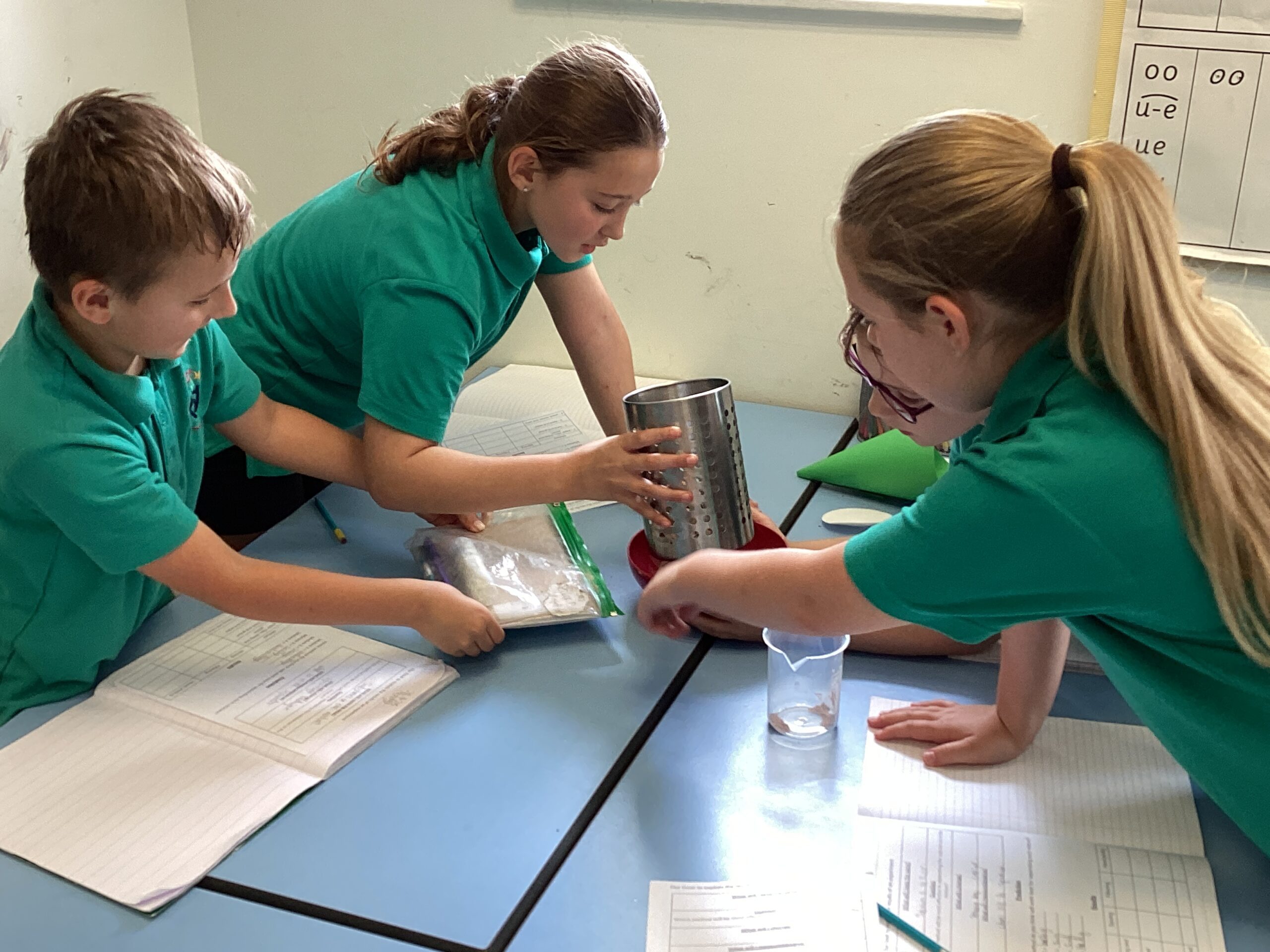
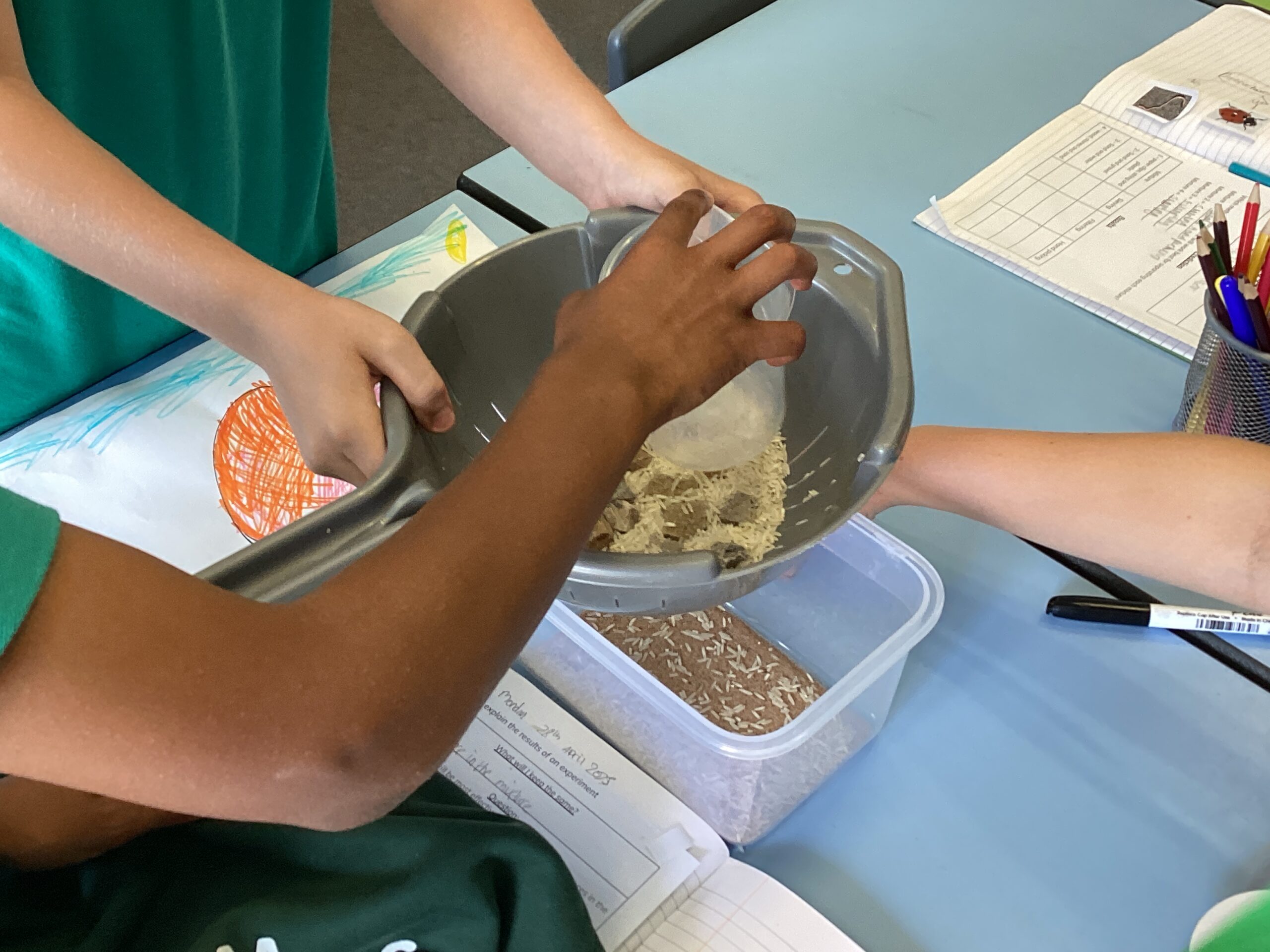
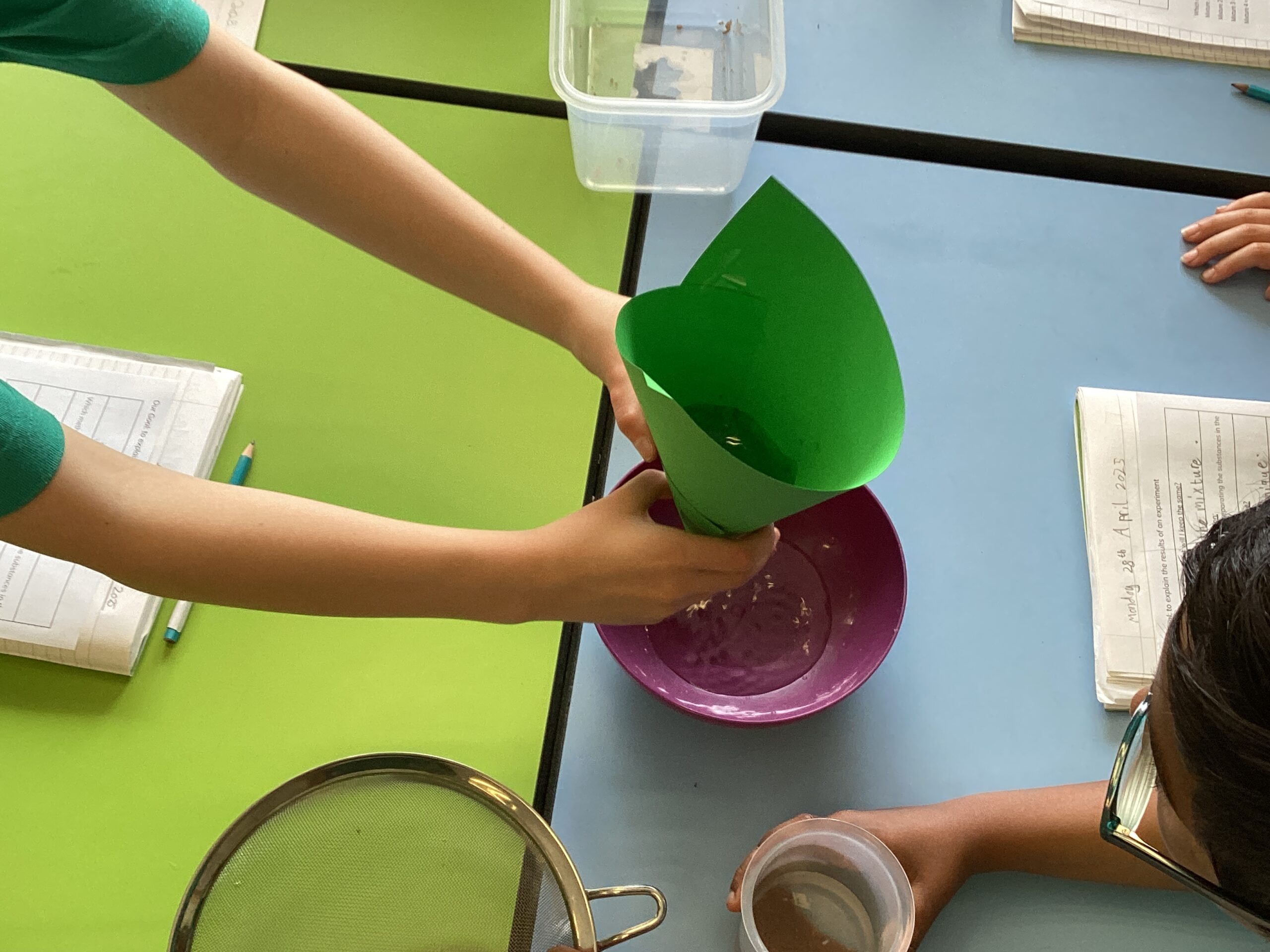
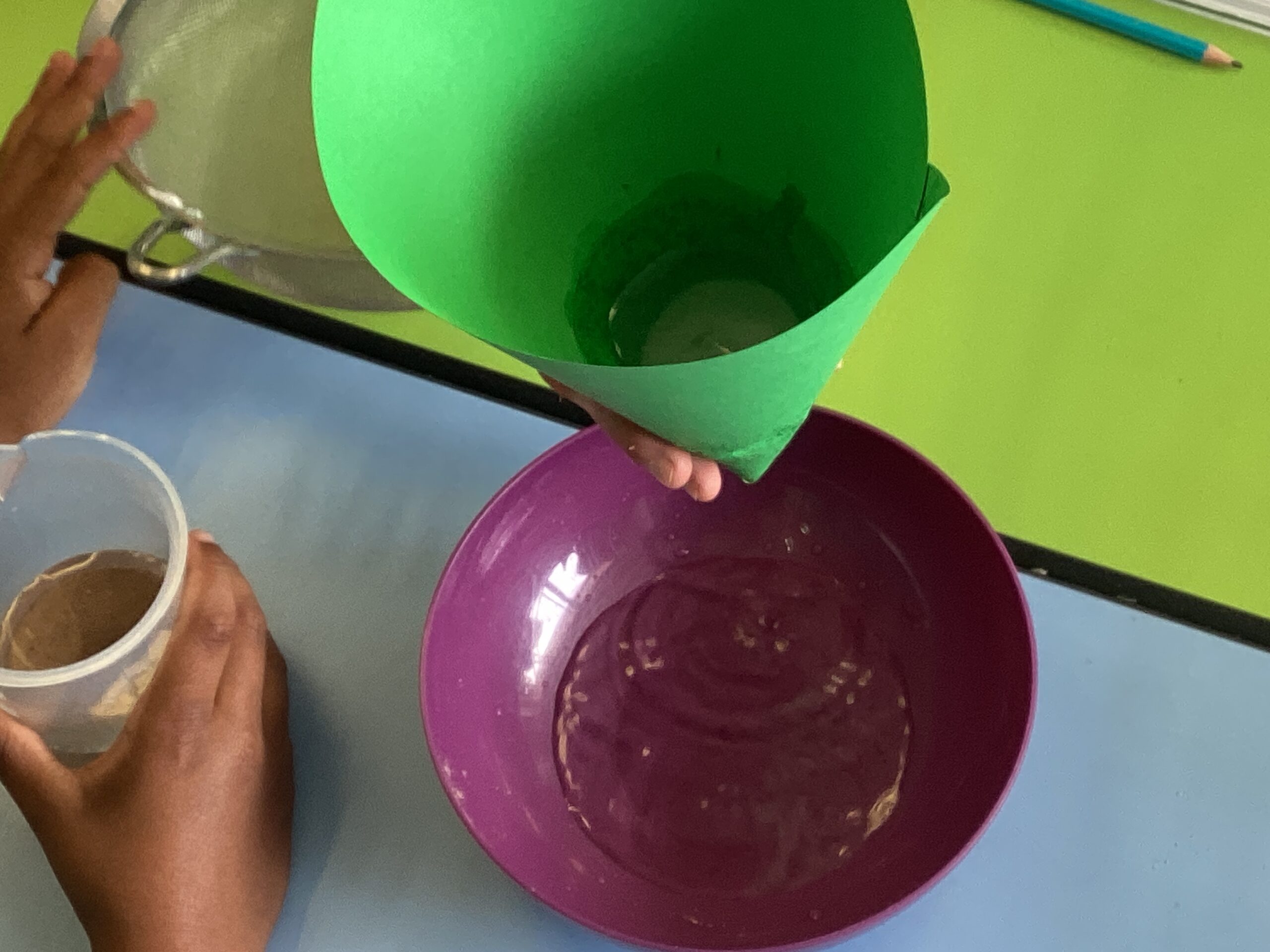
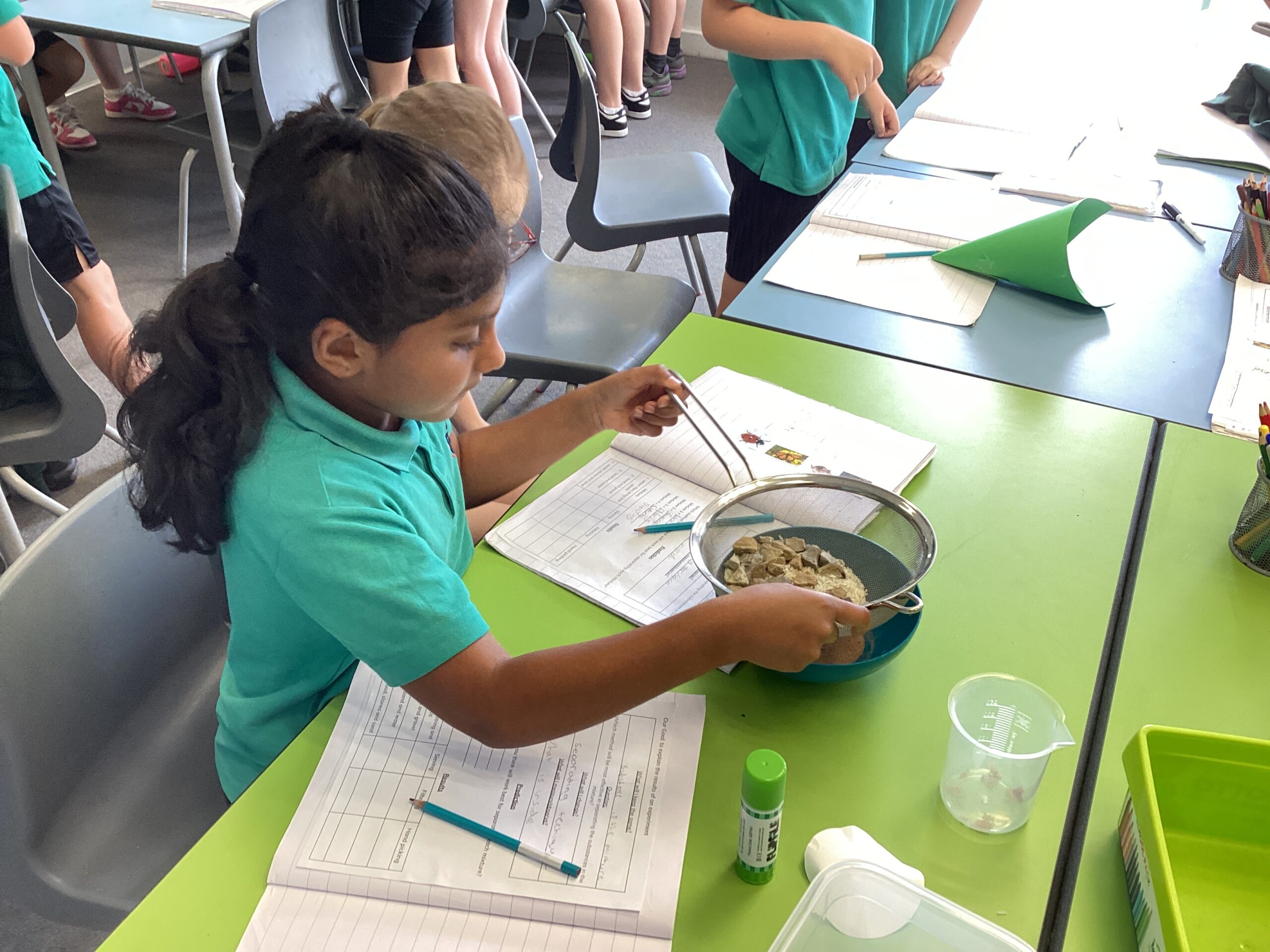
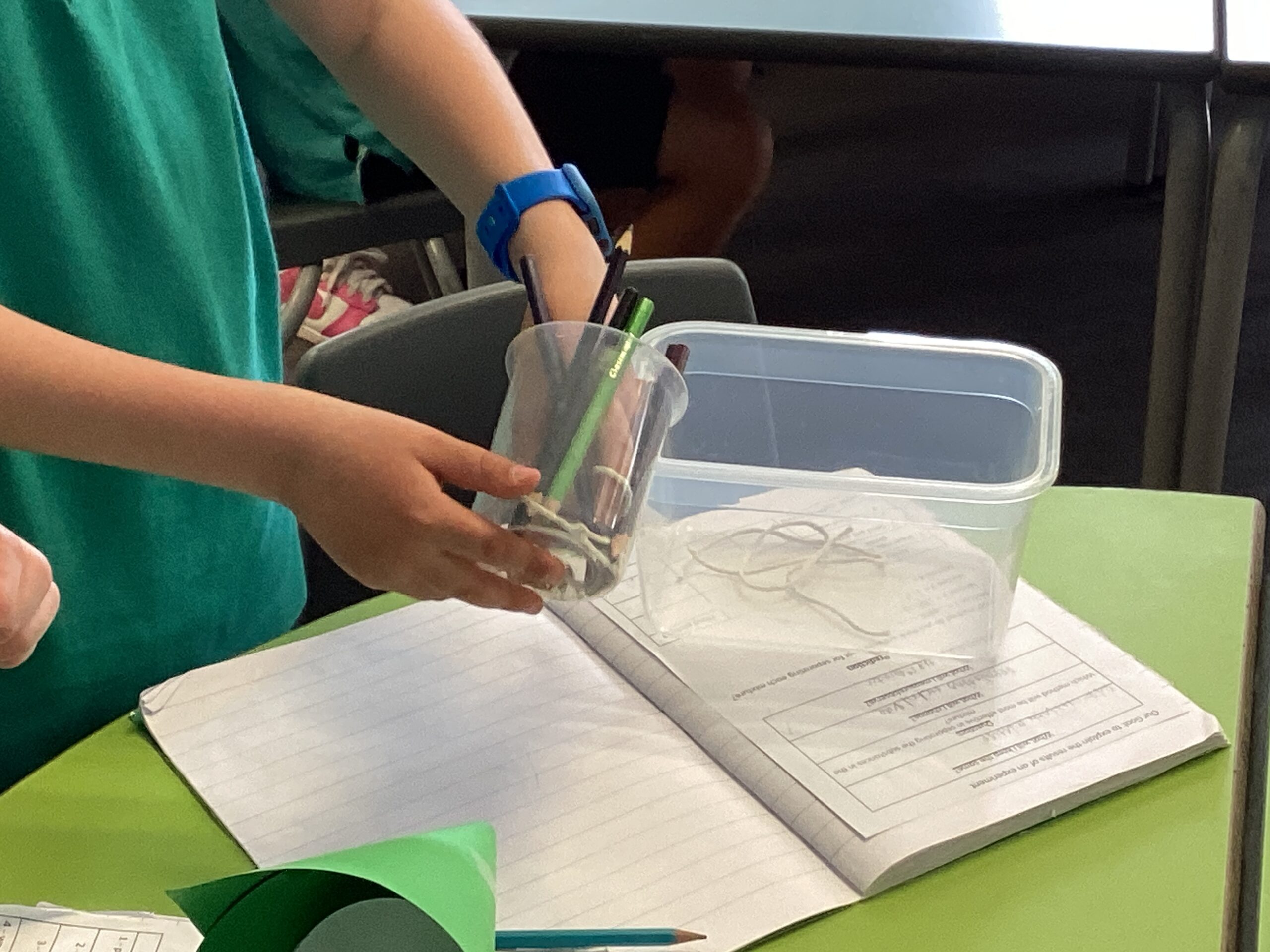
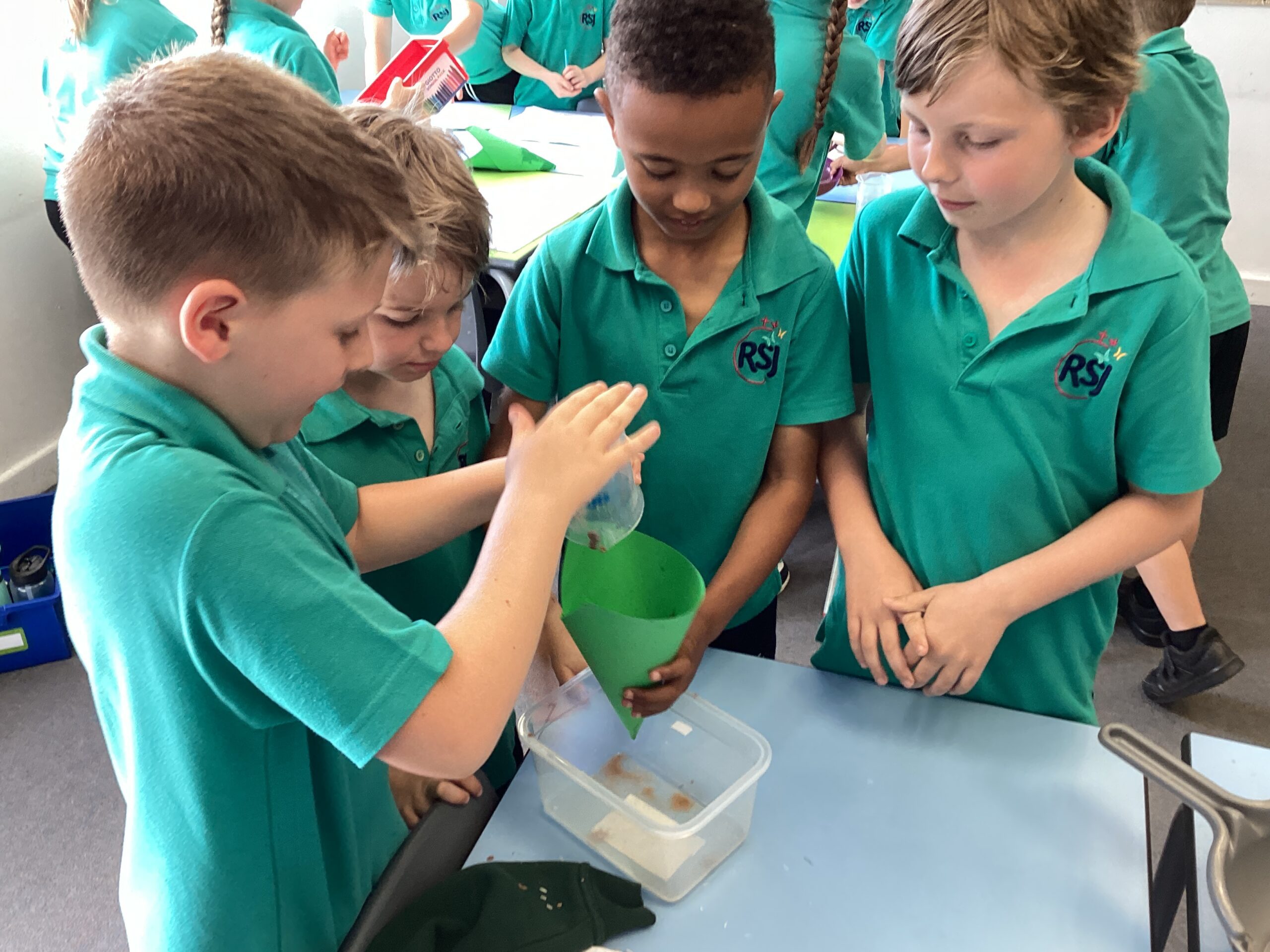
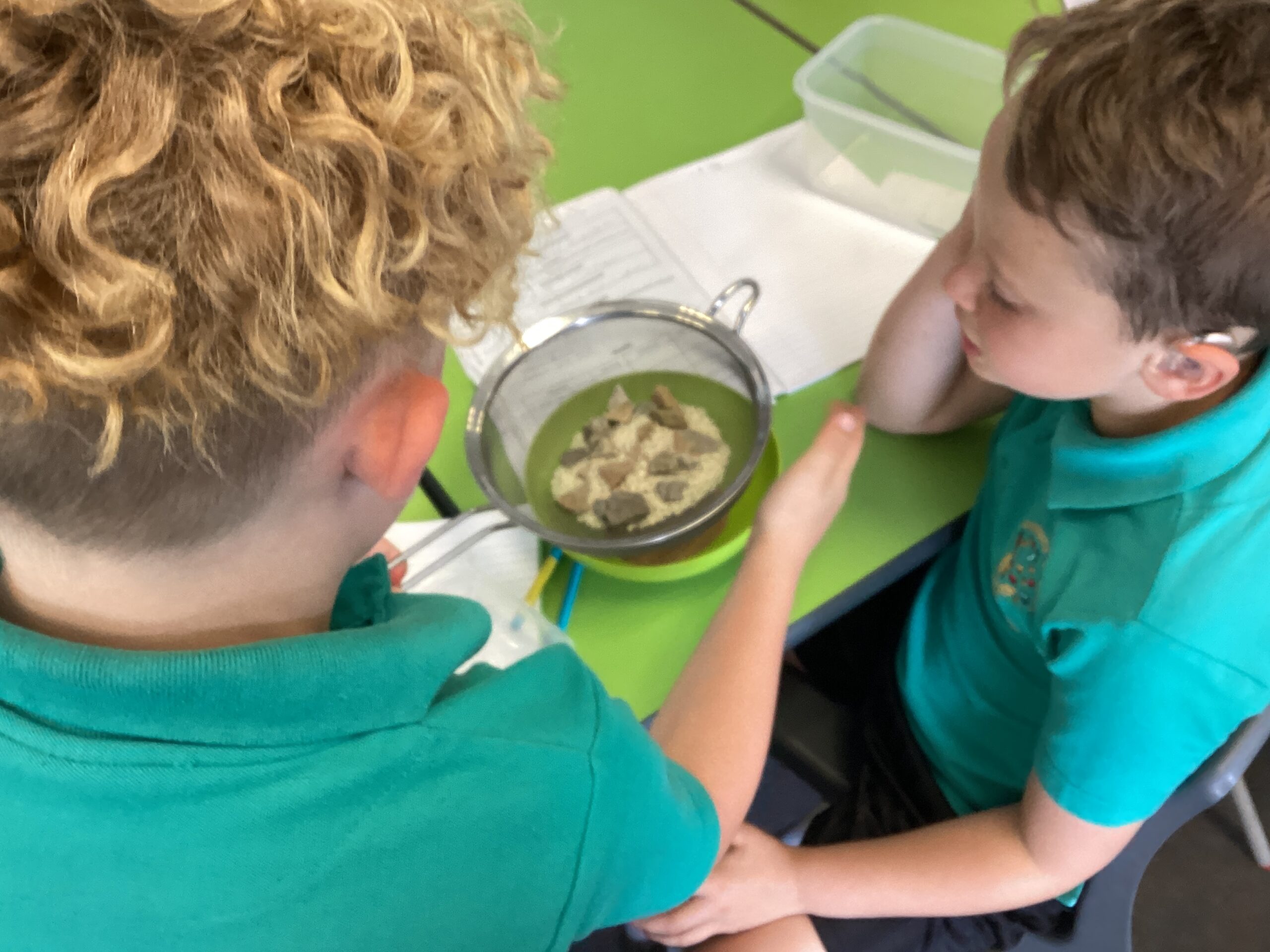
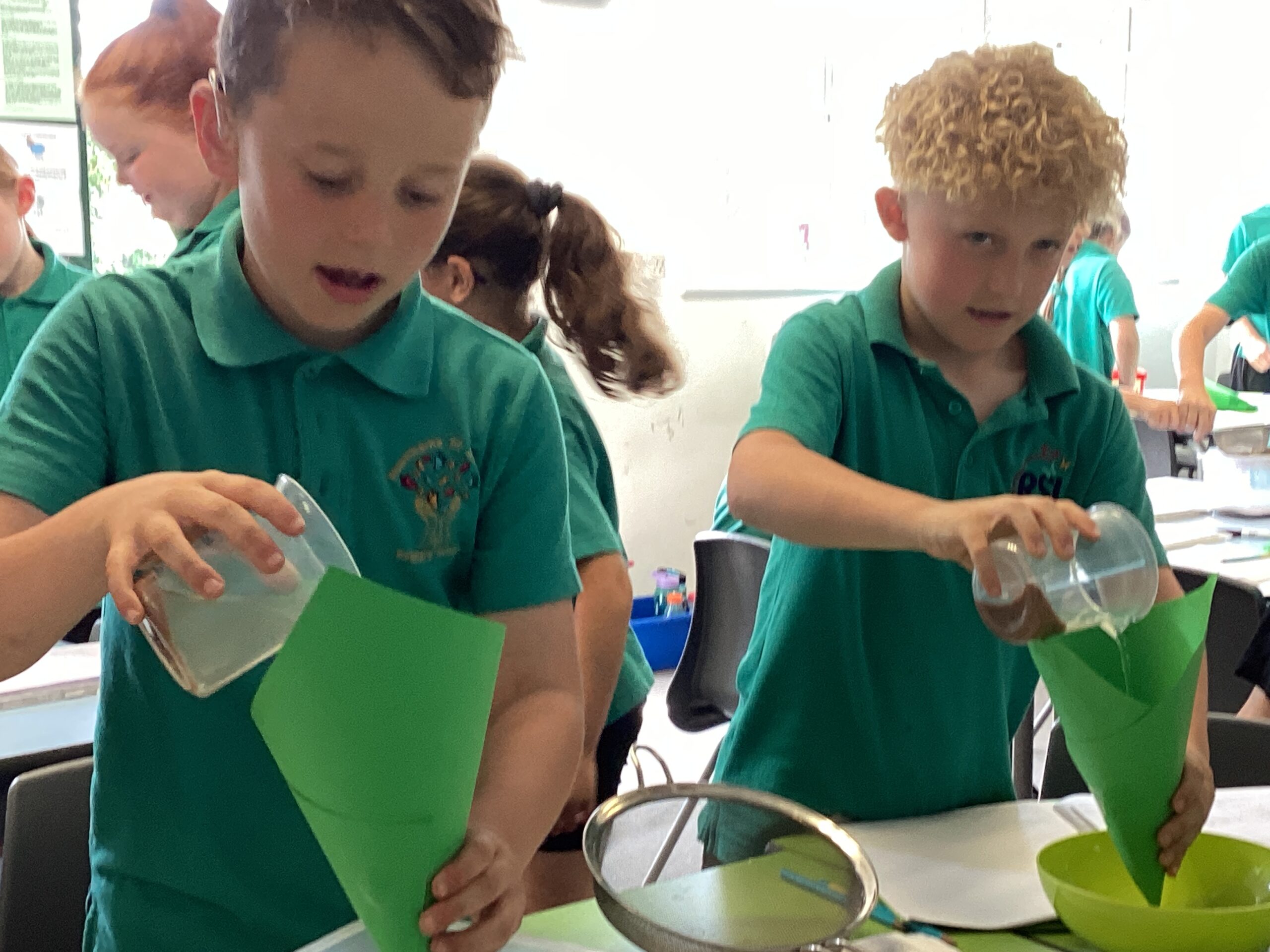
In Science, Team 3/4 carried out an exciting investigation to explore how different mixtures can be separated. Children were given four mixtures to sort: paper fasteners, string, and pencils; sand and stones; sand and water; and rice, stones, and sand. Using methods like sieving, filtering, and hand-picking, they had to decide the best way to separate each one. It was tricky but fun – everyone discovered that hand-picking worked well for large items like pencils, sieving helped separate sand from stones, and filtering was perfect for sand and water! Great teamwork, everyone – what a fantastic way to learn about materials!
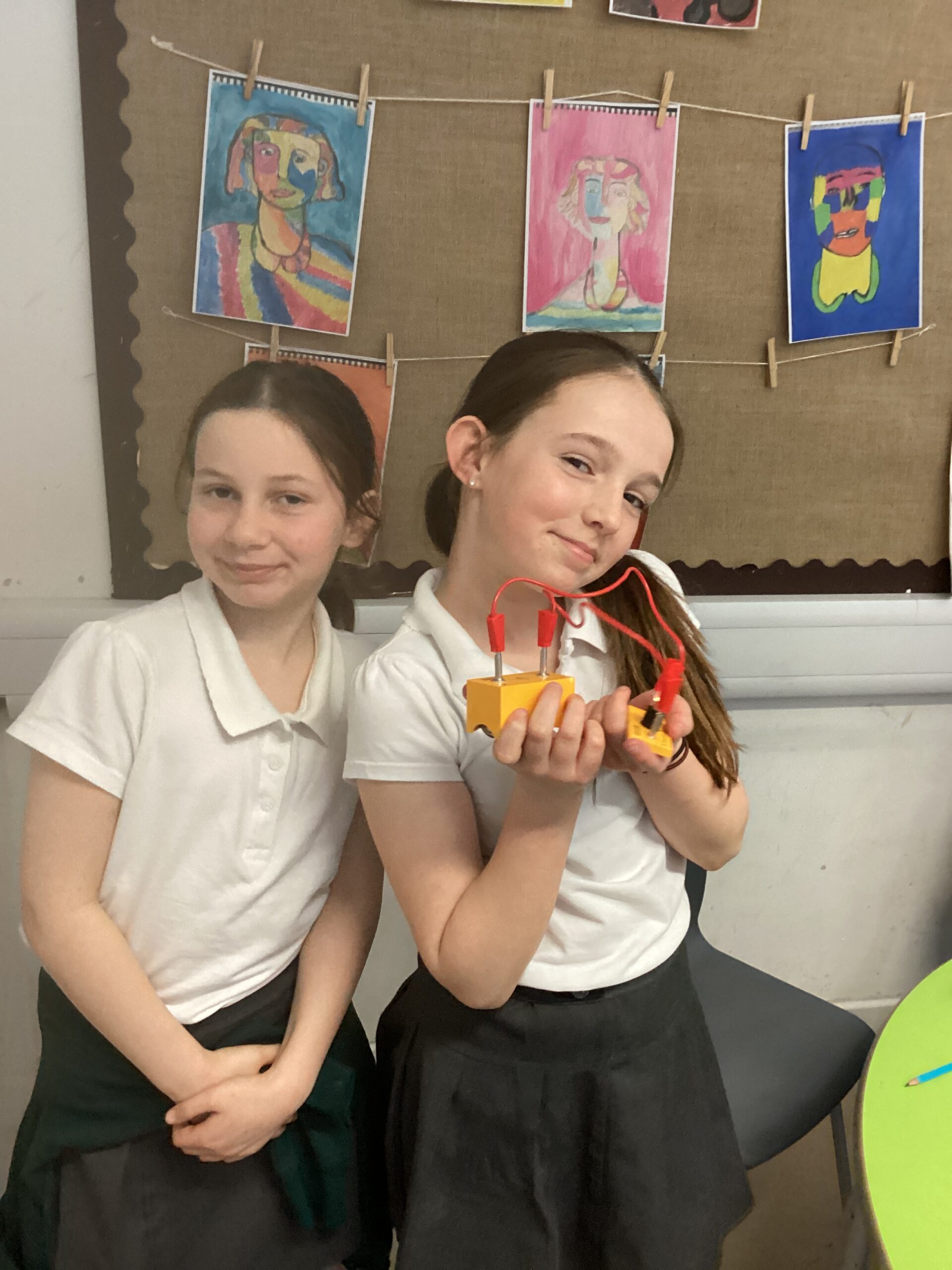
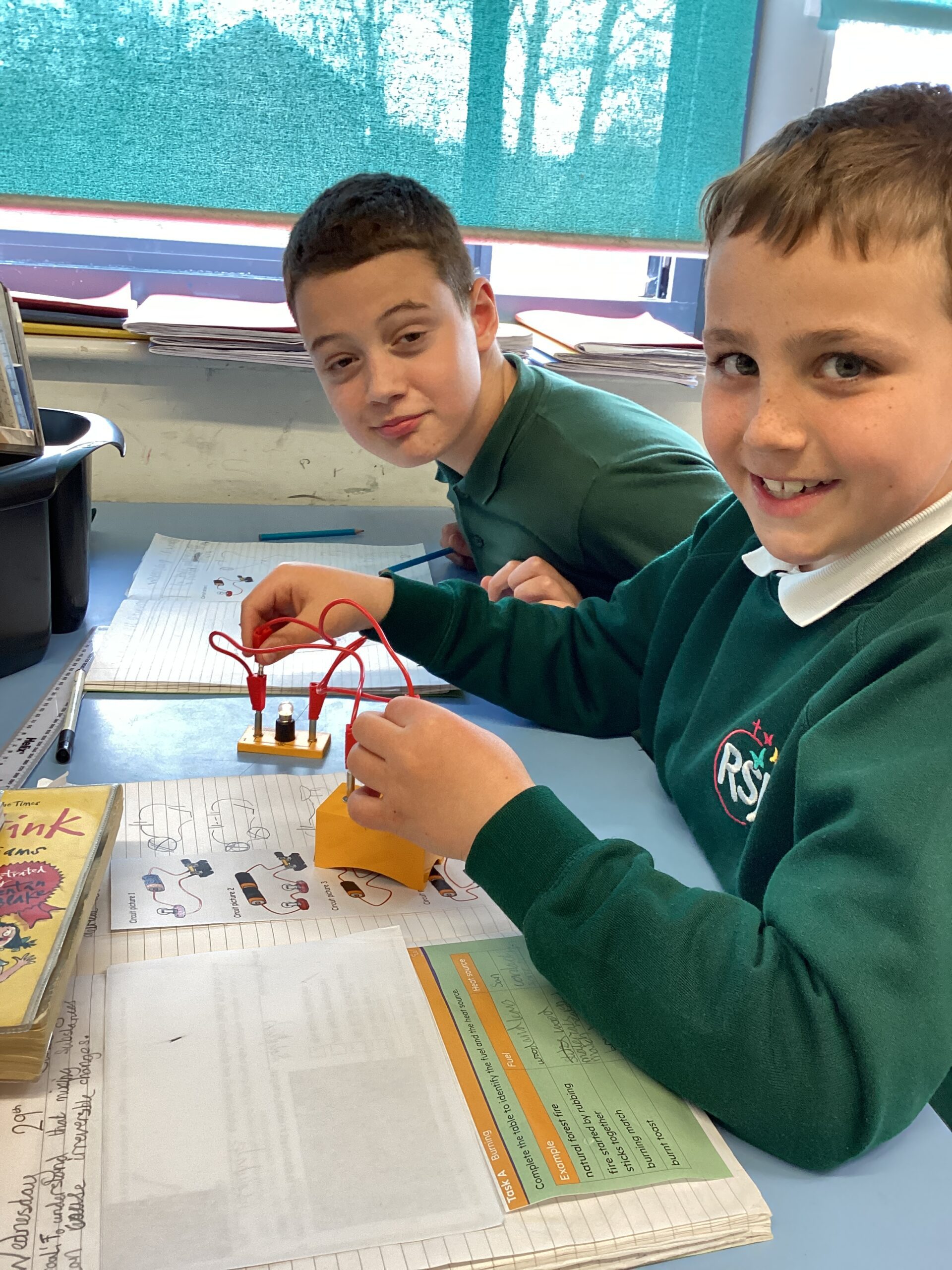
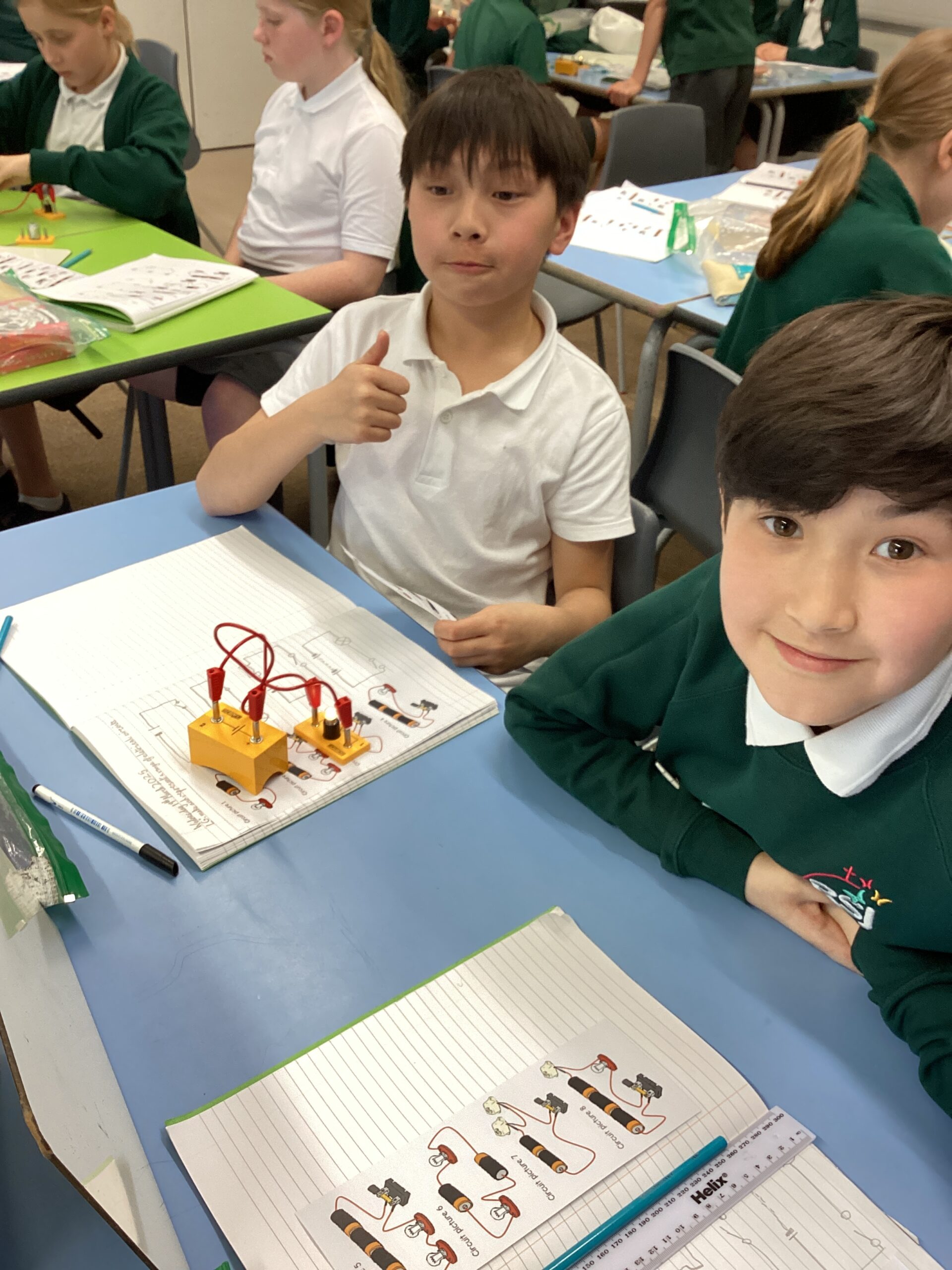
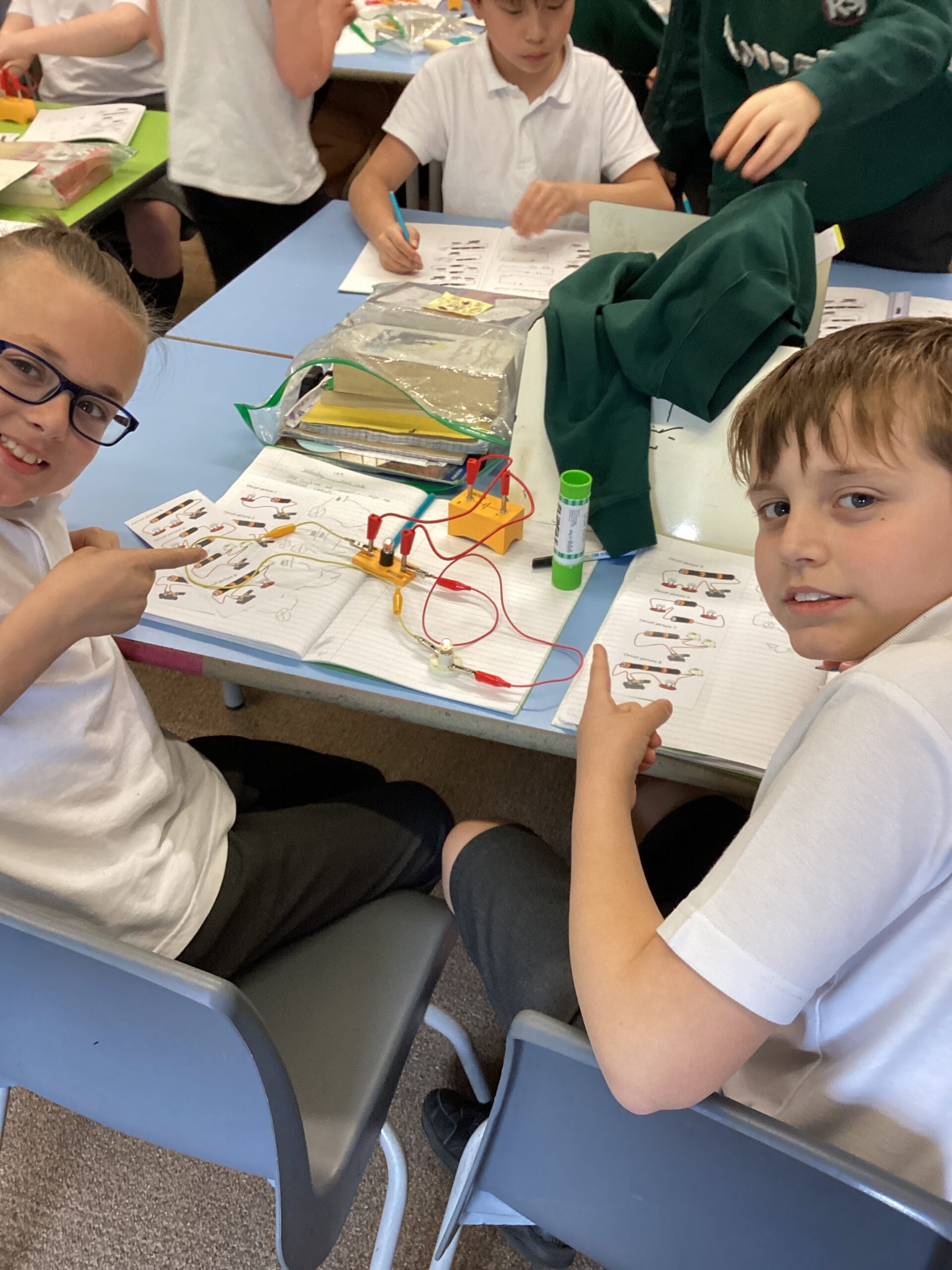
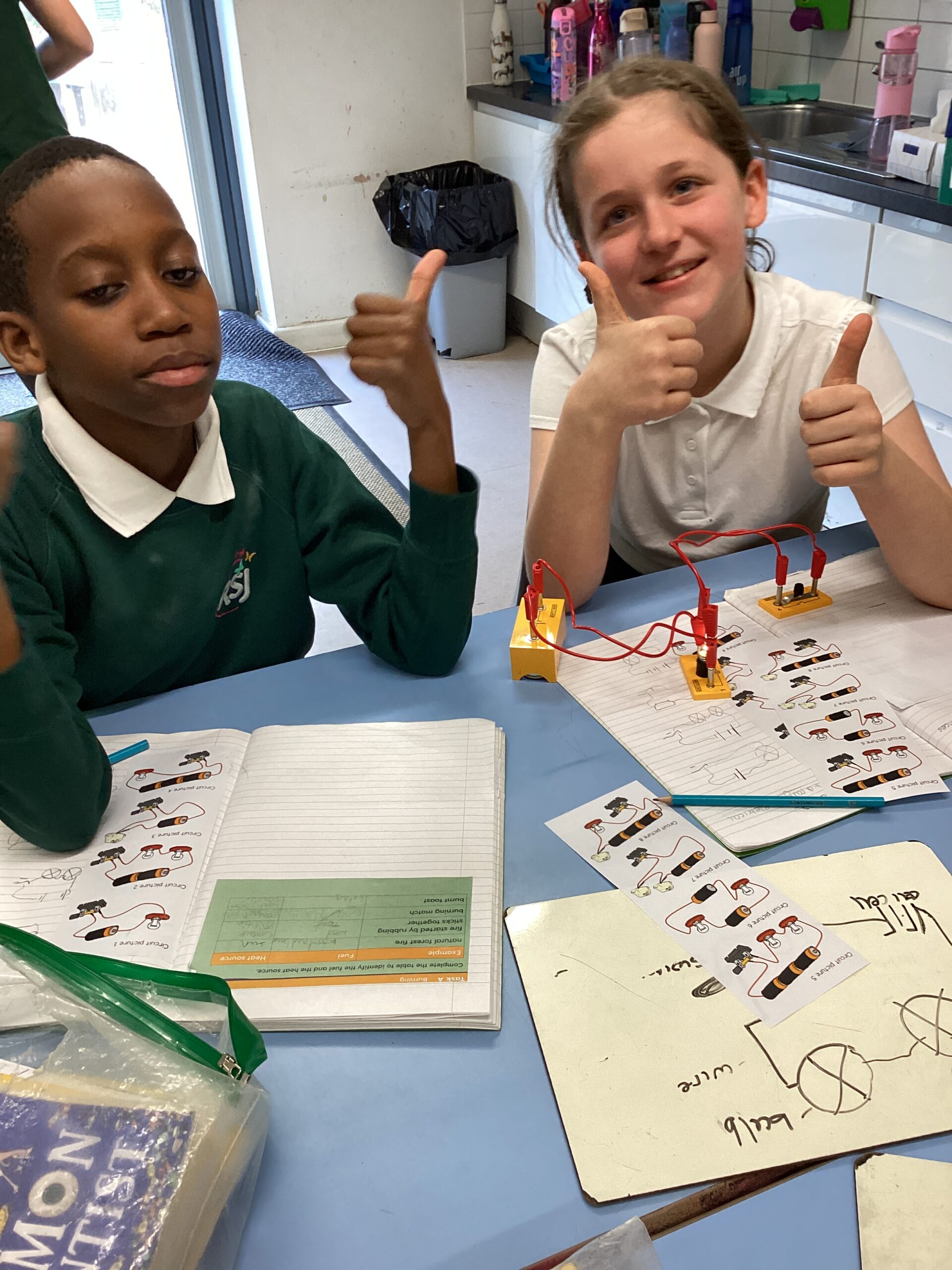
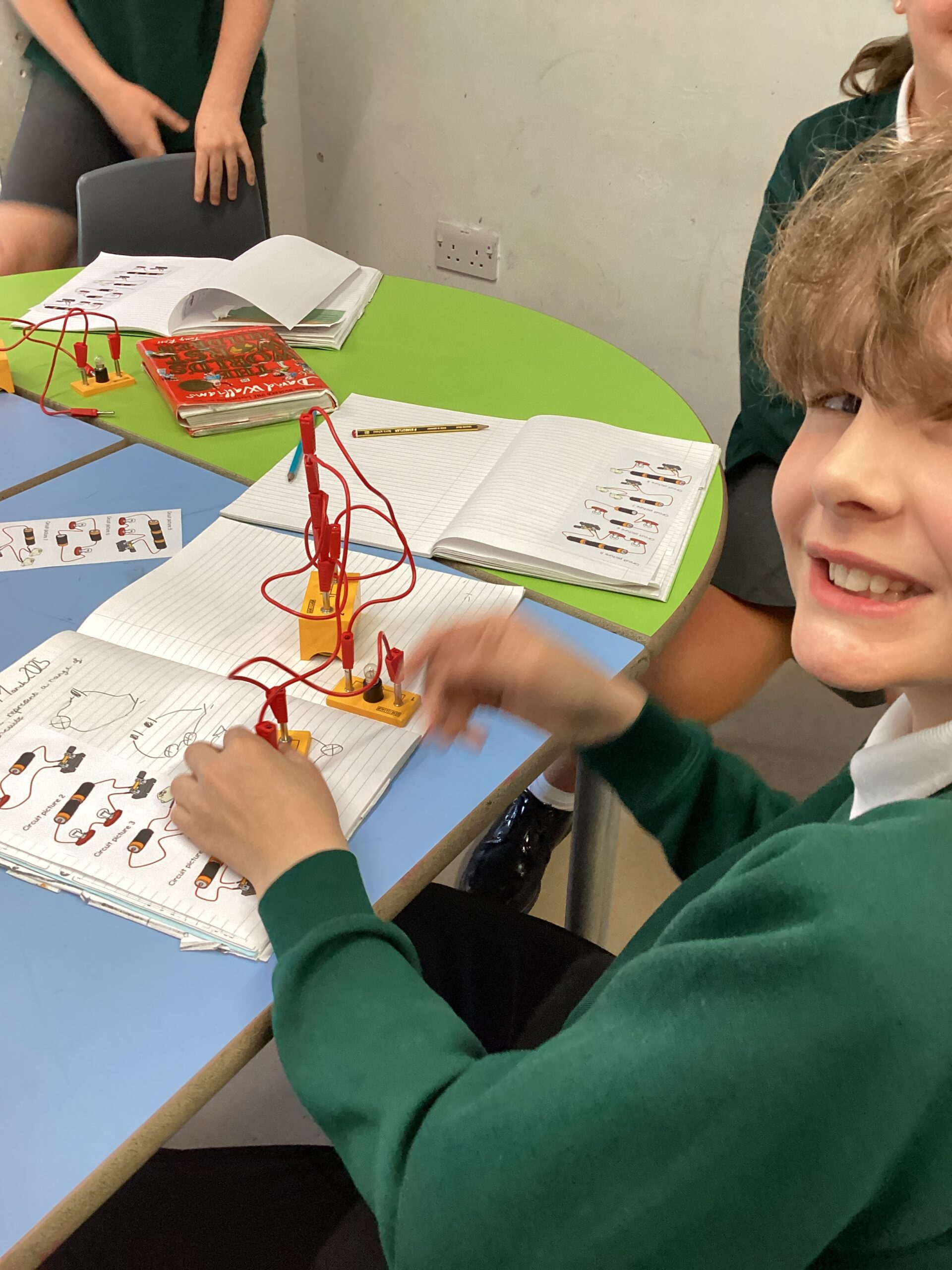
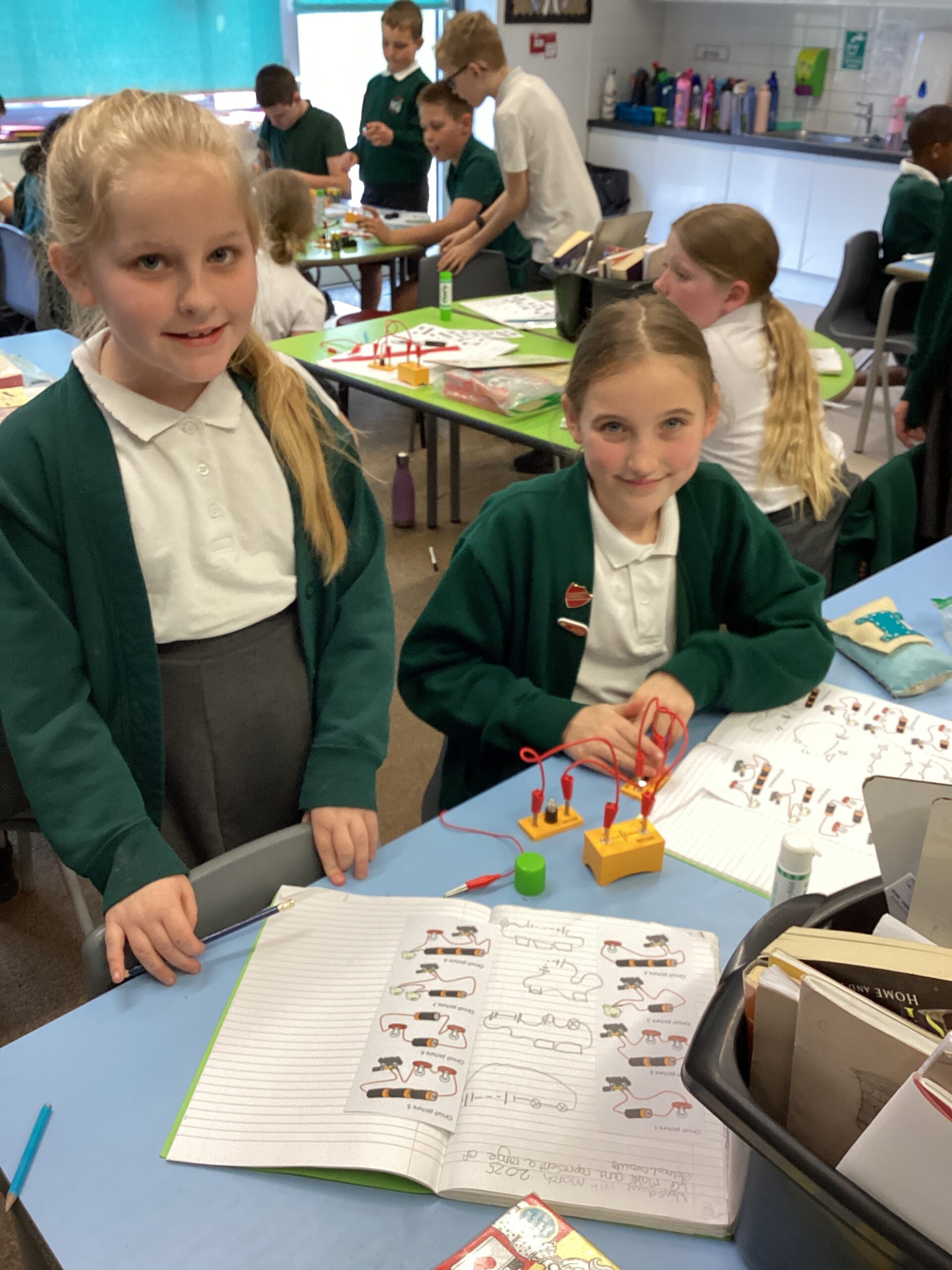
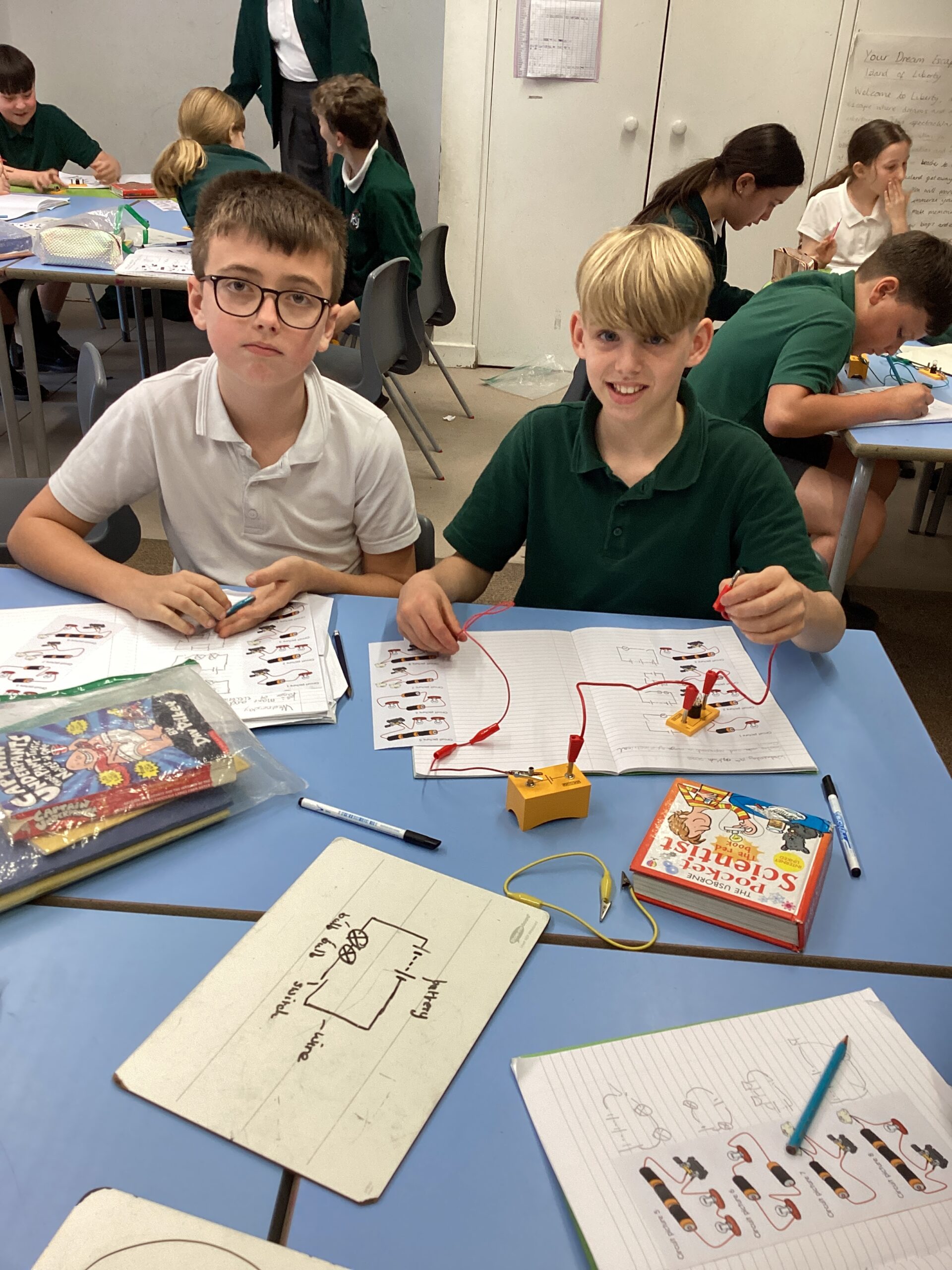
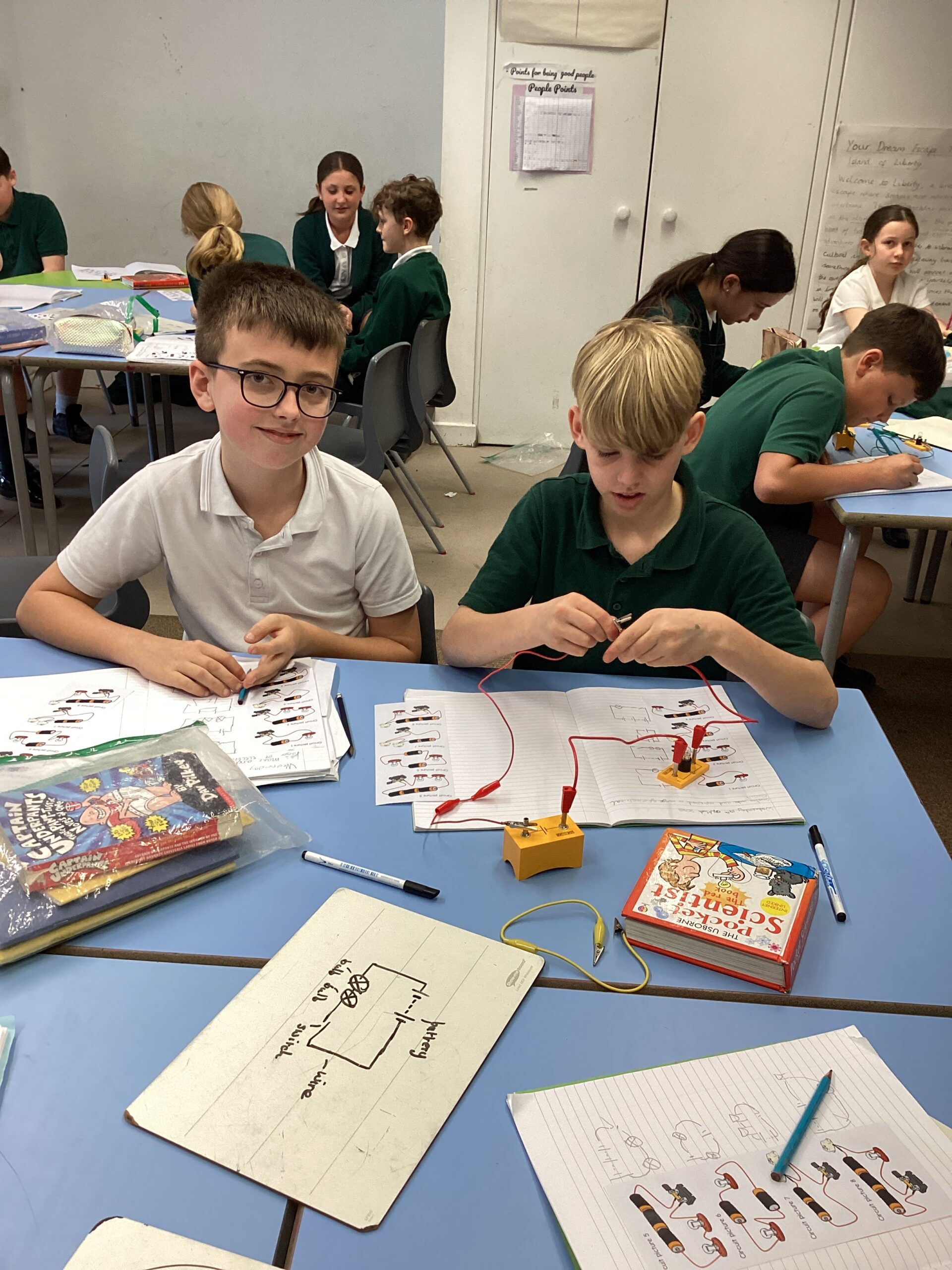
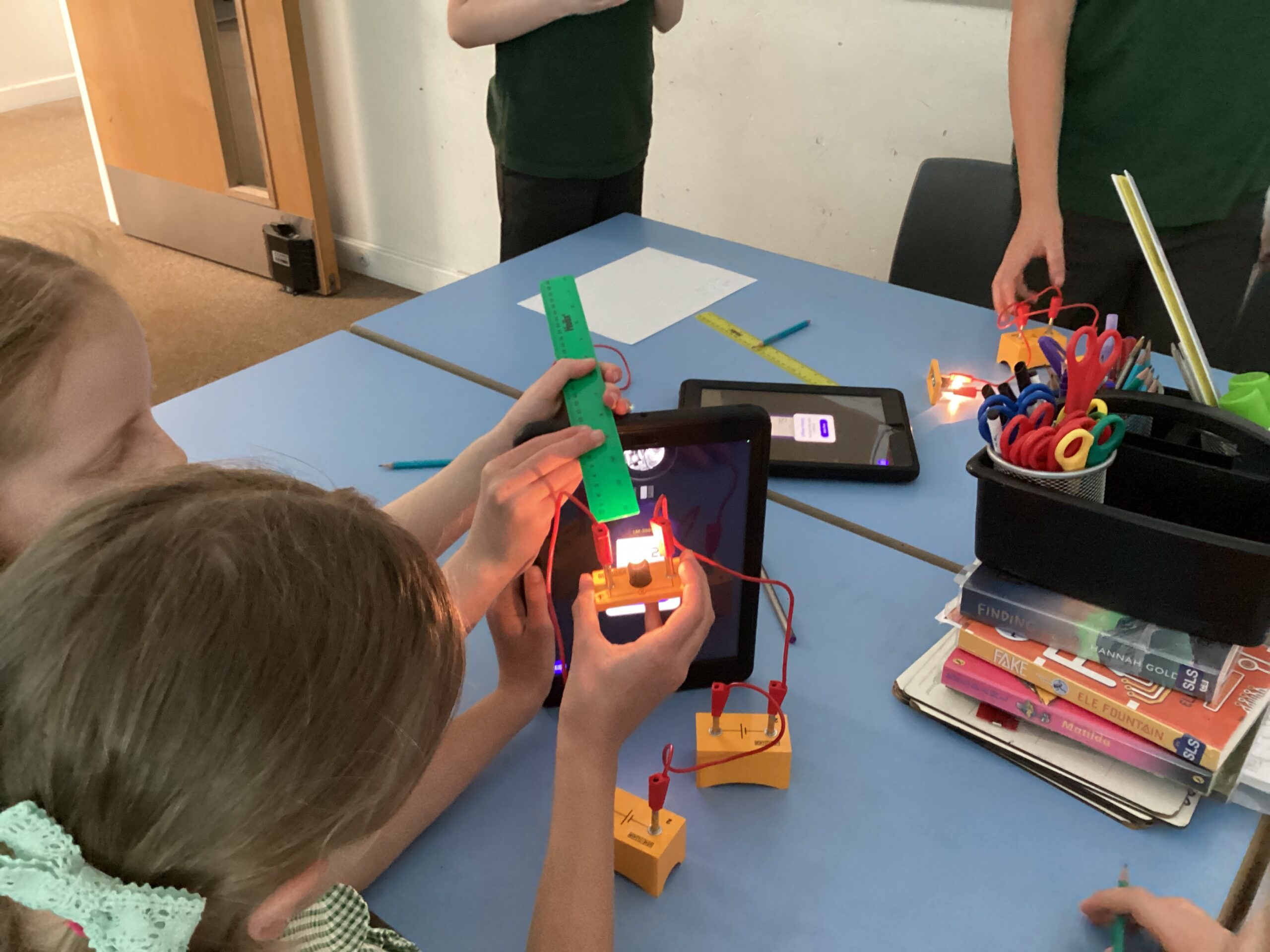
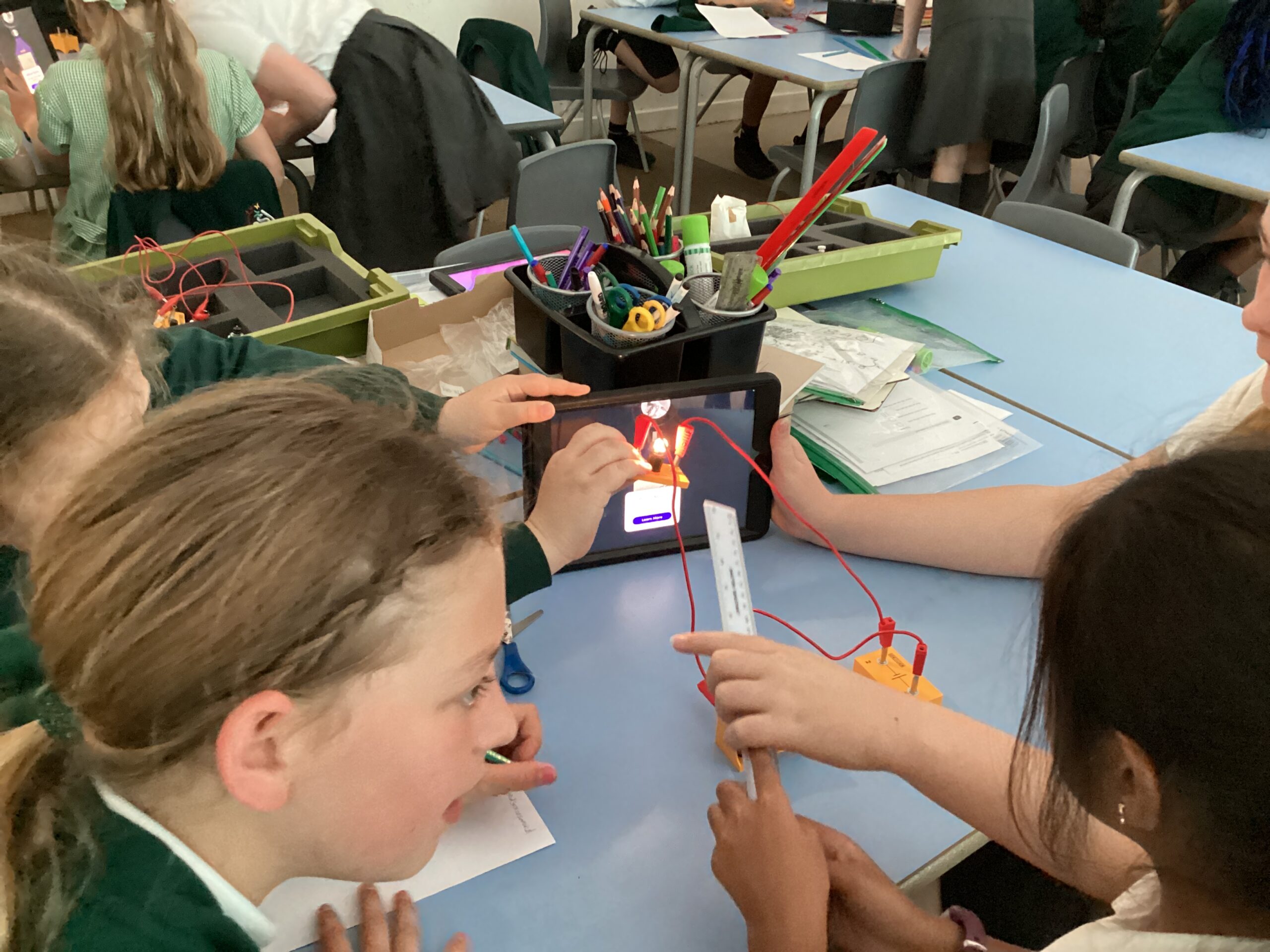
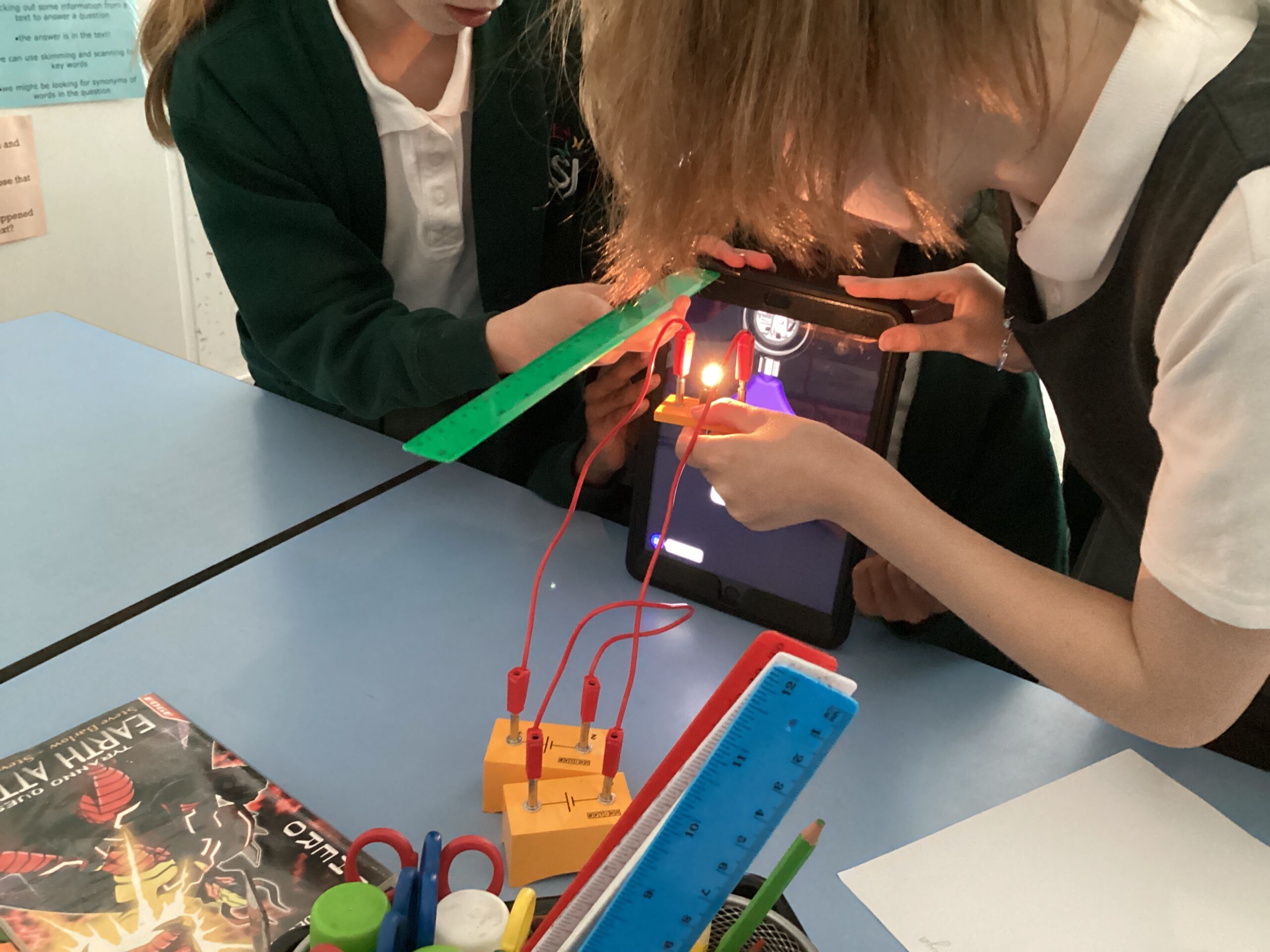
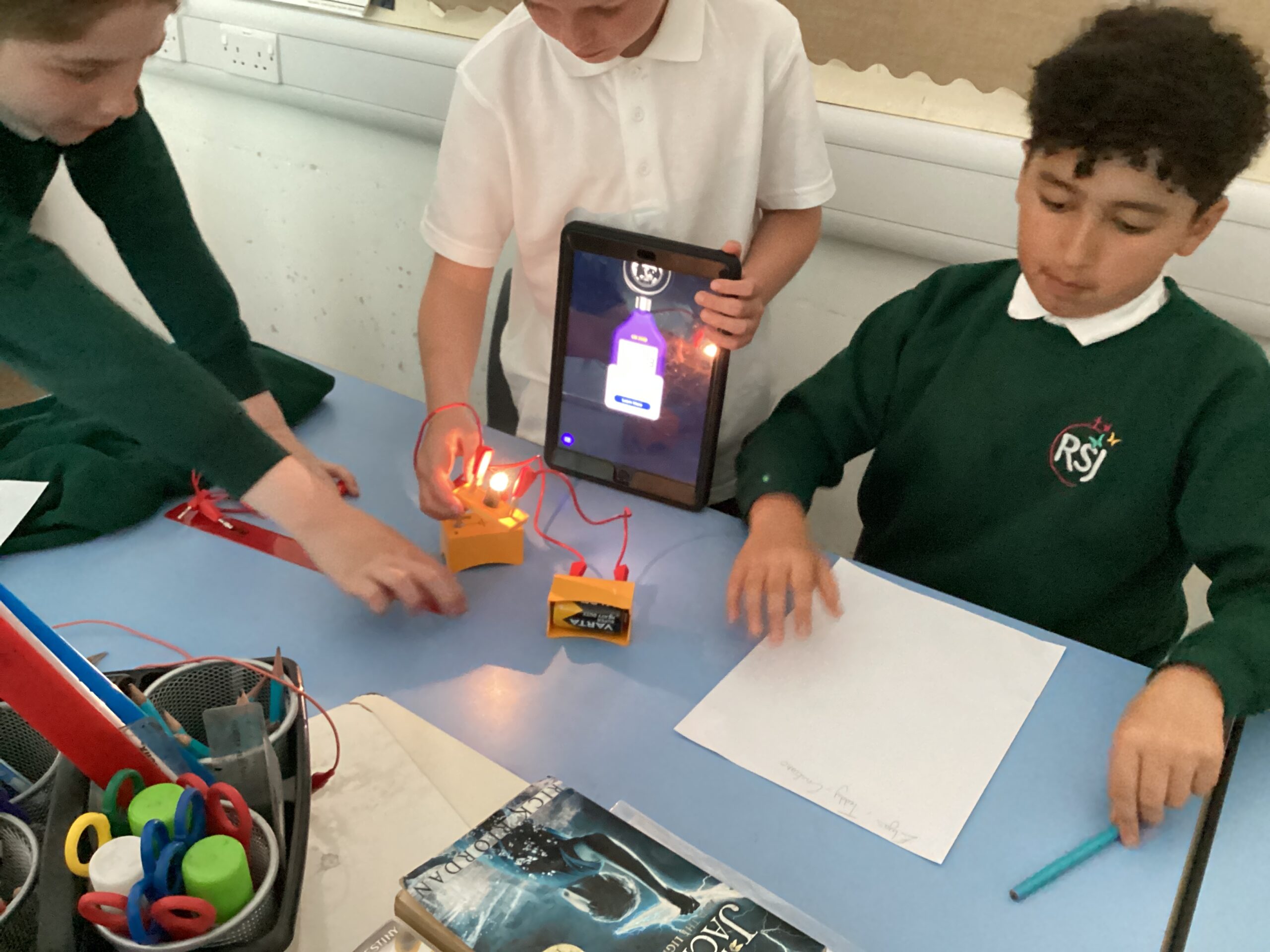
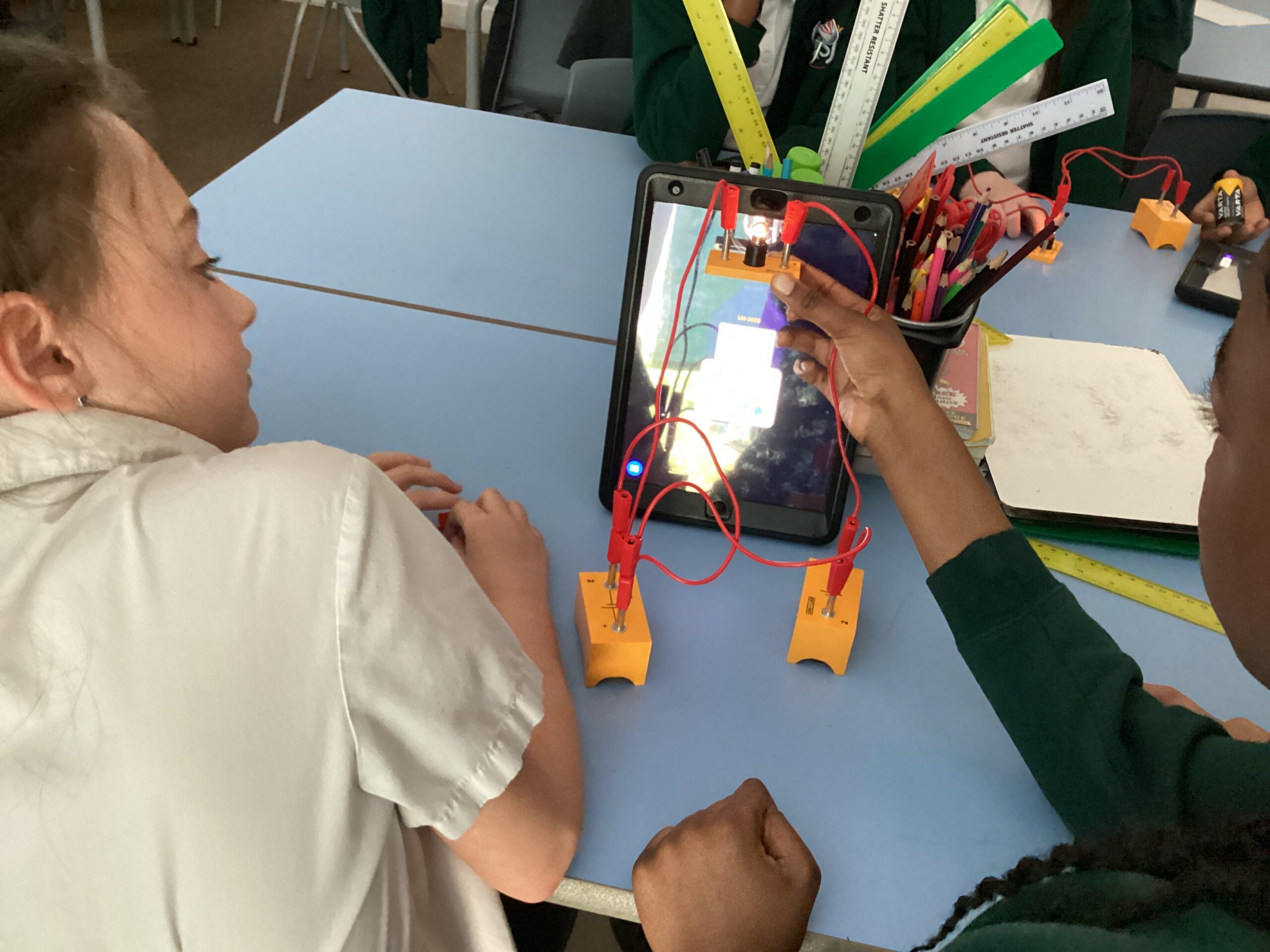
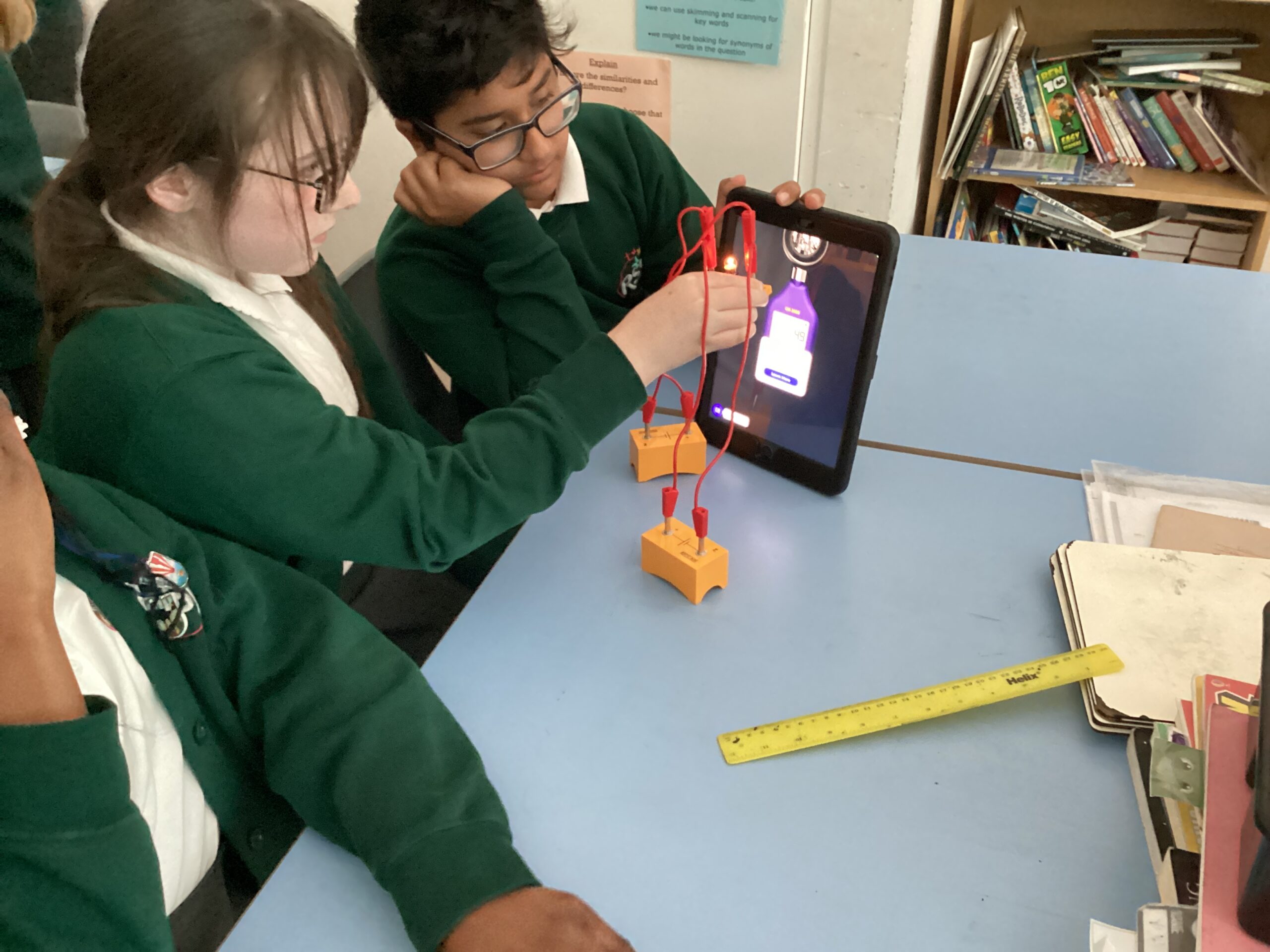
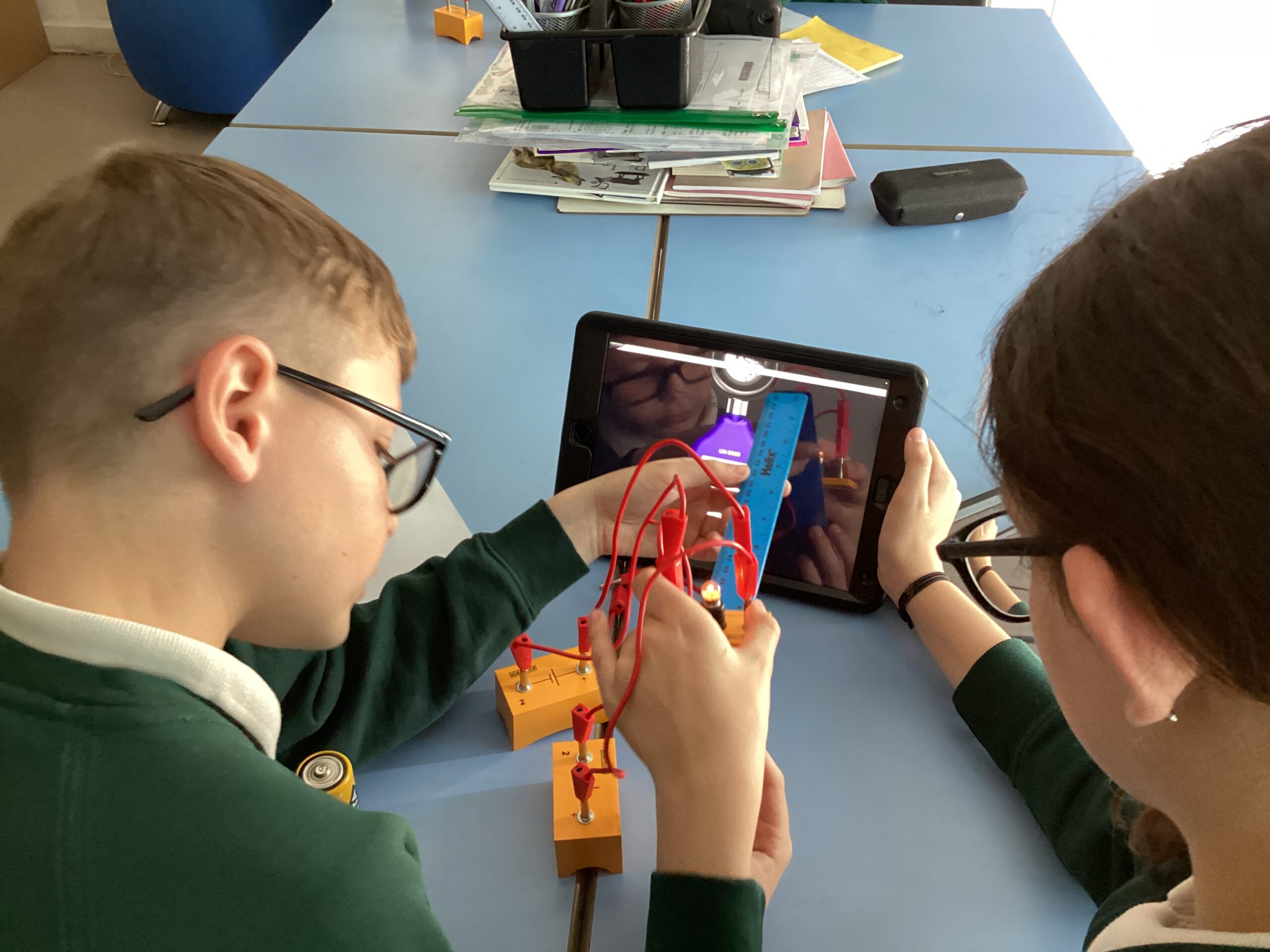
Team 5 / 6: Building Circuits
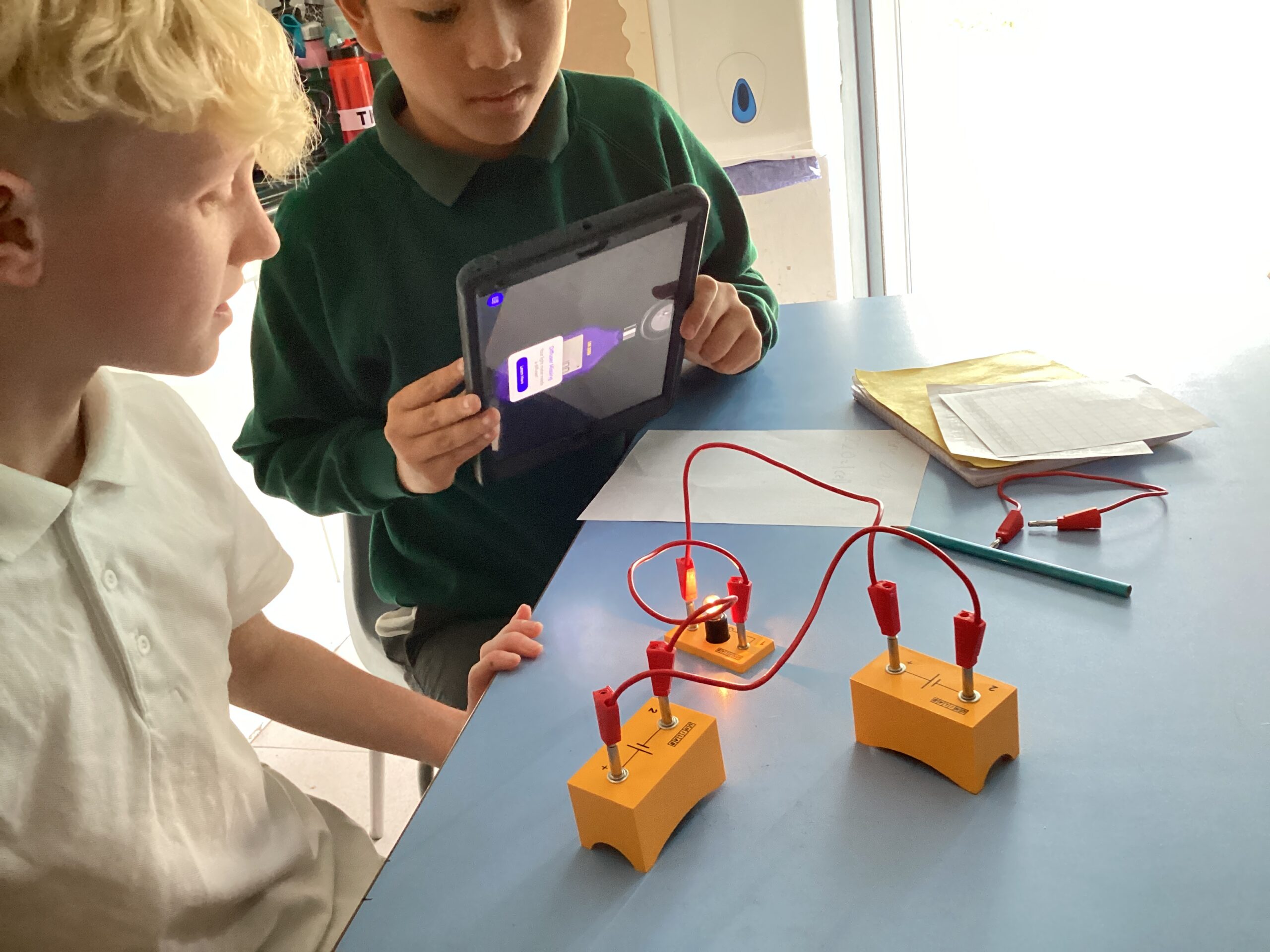
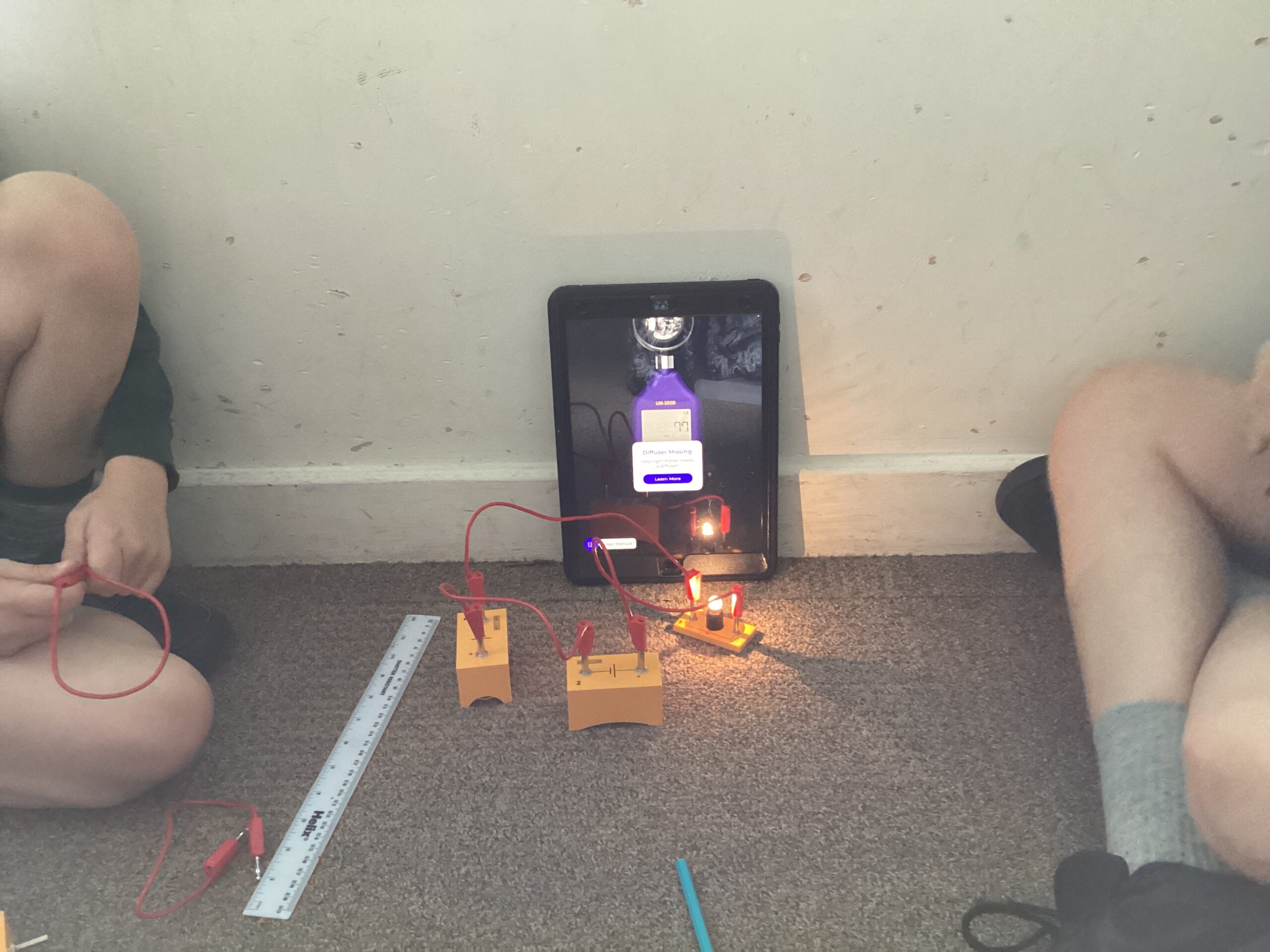
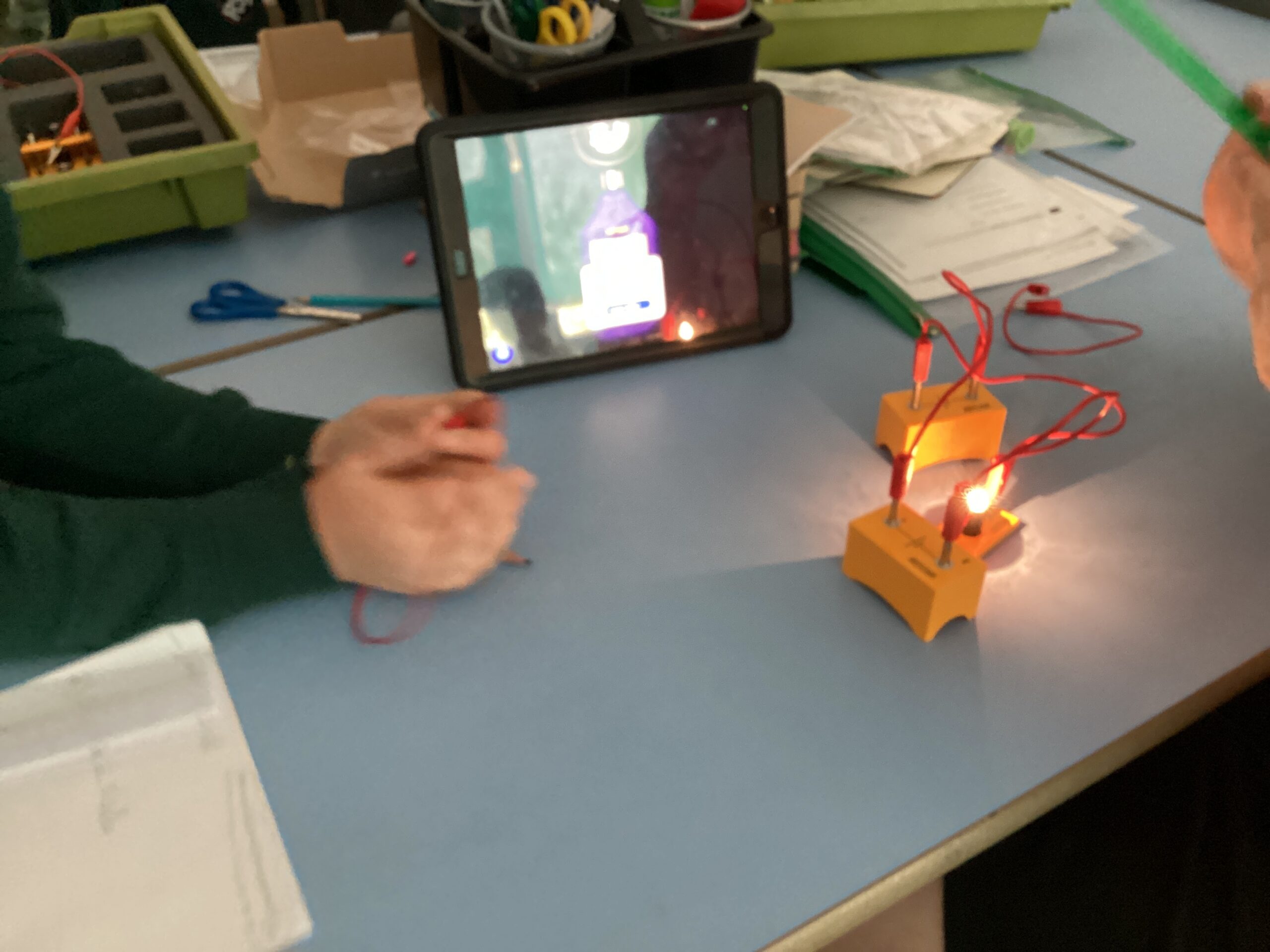
This term, Team 5/6 have been diving into the world of electricity, learning how to build simple electrical circuits and represent them using scientific diagrams. After getting to grips with symbols and components, the children explored the key concepts of voltage, current, and resistance, and how these affect how circuits work. Their learning came to life through an investigation where they were posed the question: “How does the number of batteries affect the brightness of a bulb?” Each pupil wrote a hypothesis and thought about how to keep the test fair. After completing their experiments, the children reflected on their results and linked what they had observed back to their understanding of voltage and current. It was a fantastic opportunity to be scientists in action!
Follow us on social media!
You can find us on Facebook and Instagram @RownhamsSchool, where we share more photos of what has been going on around the school, and celebrate the children’s learning.